Australian Artists – Contemporary Art
Last updated: 14 August 2026
Original Australian Art - Established & Emerging Australian Artists
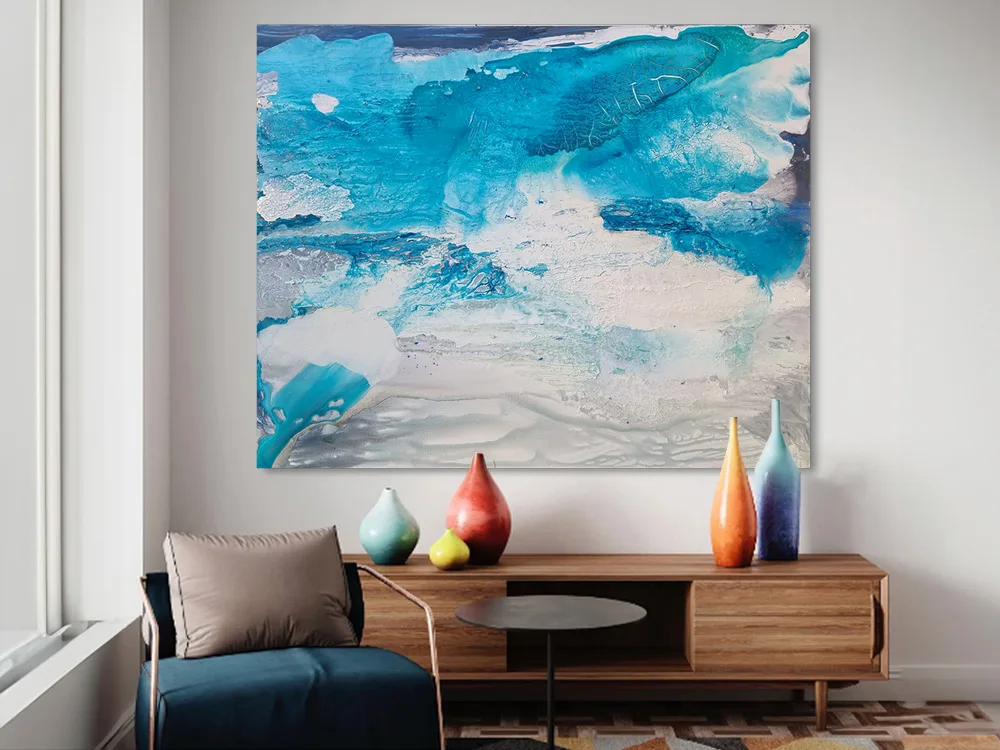
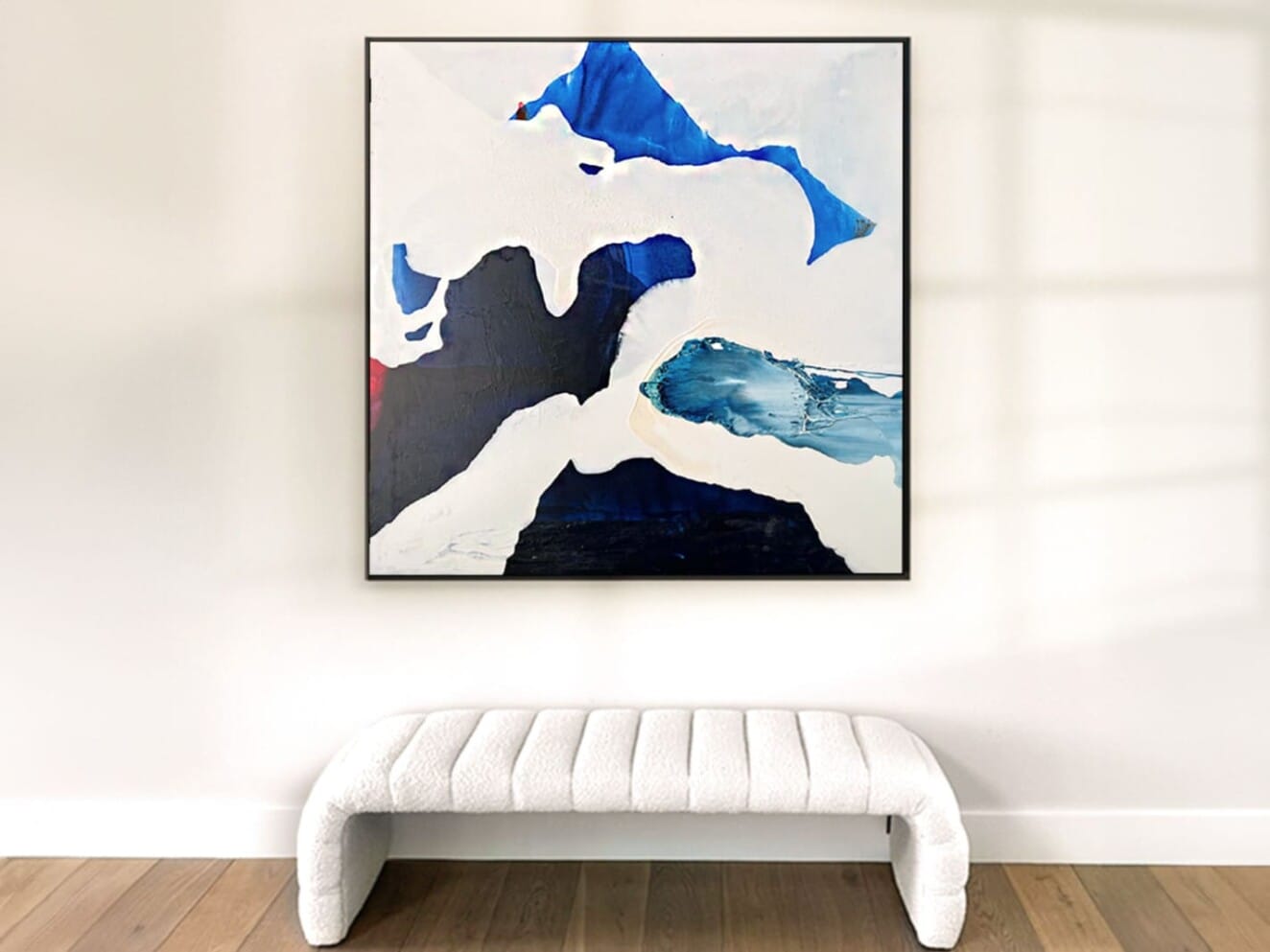
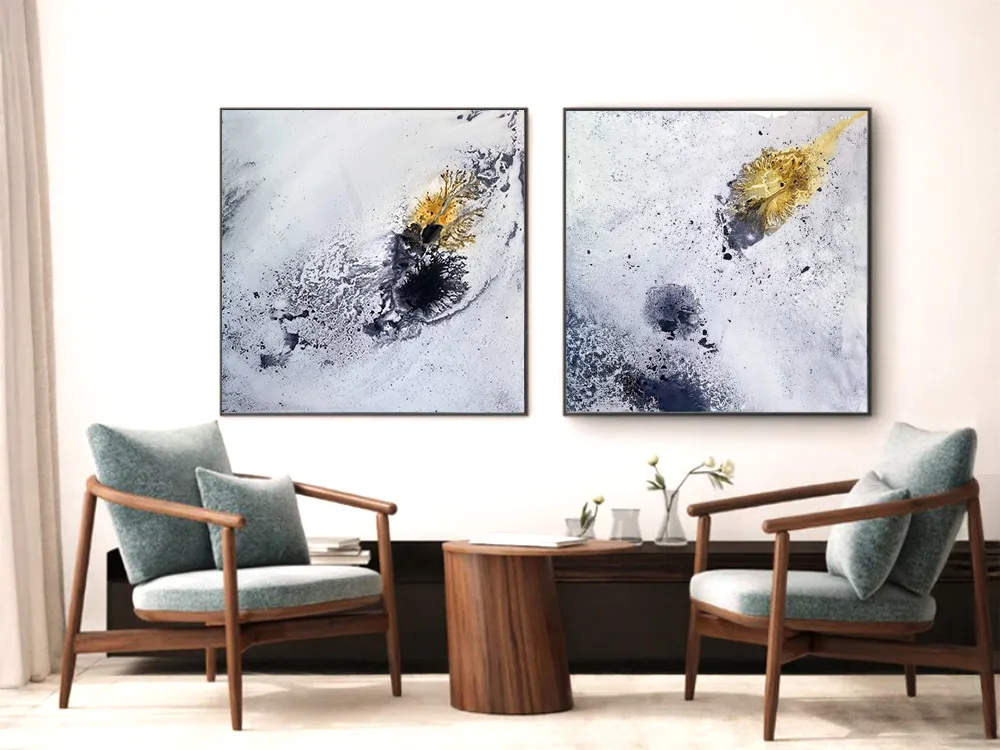
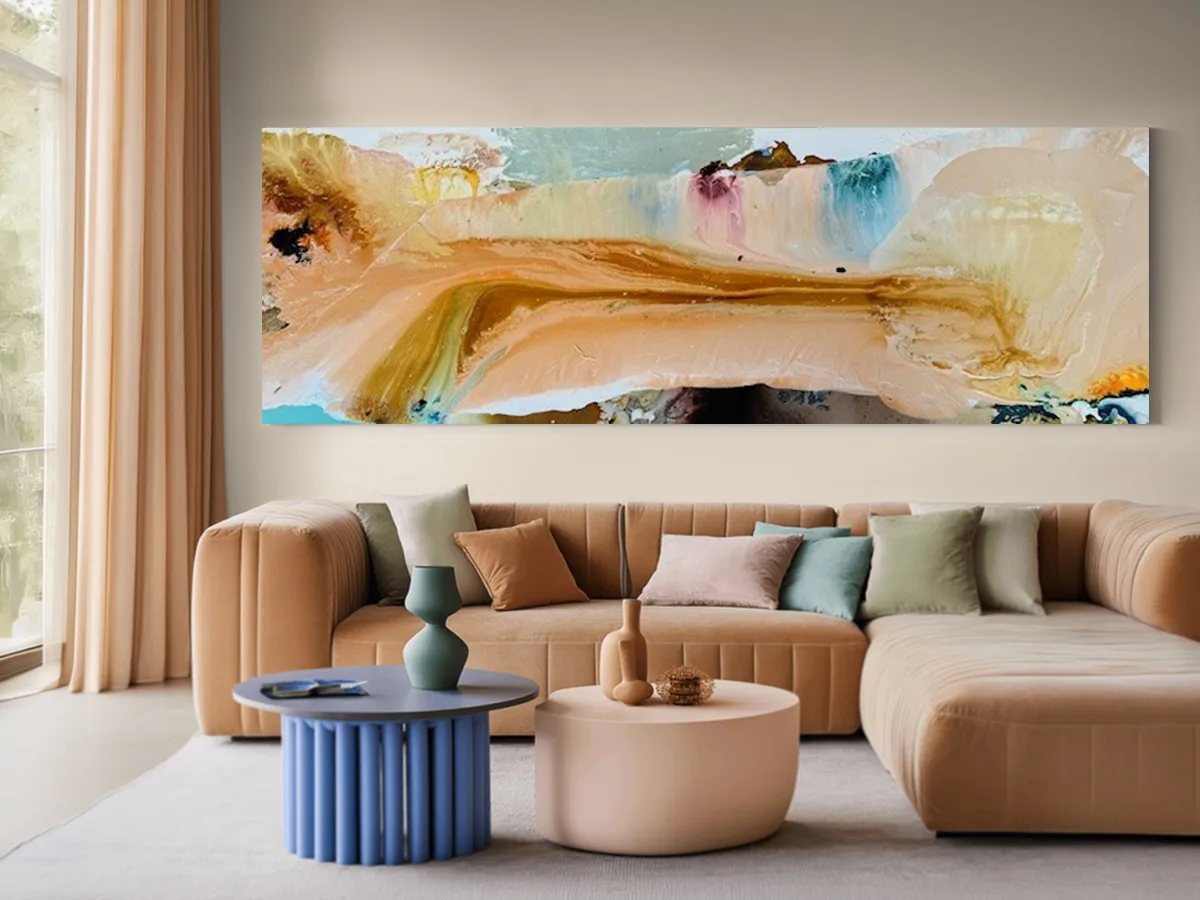
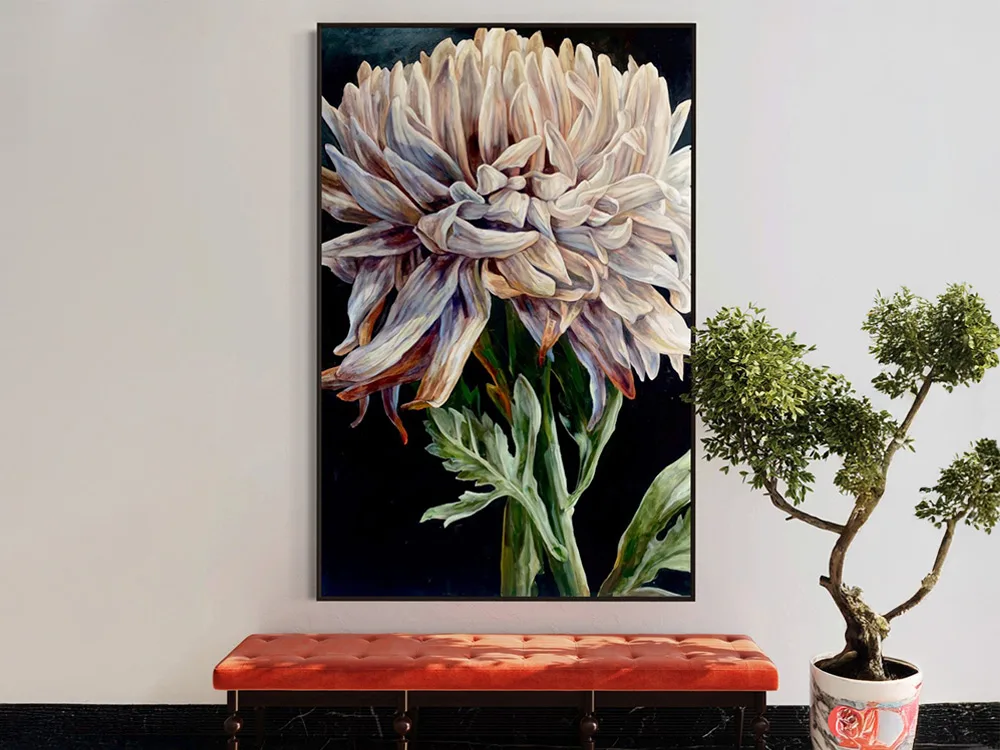
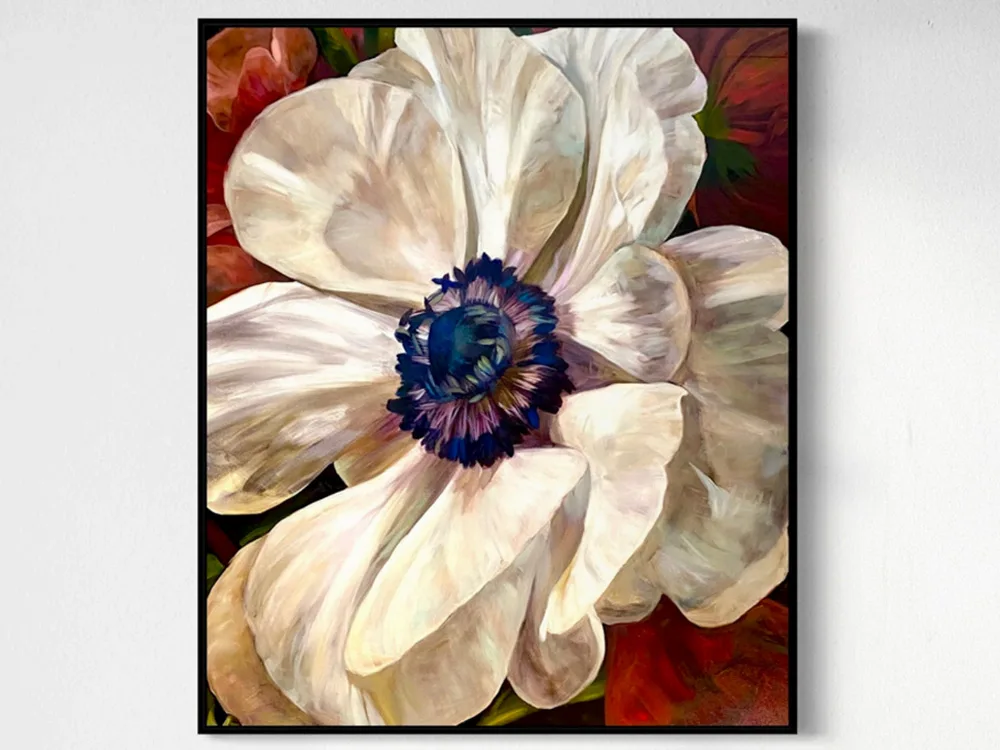
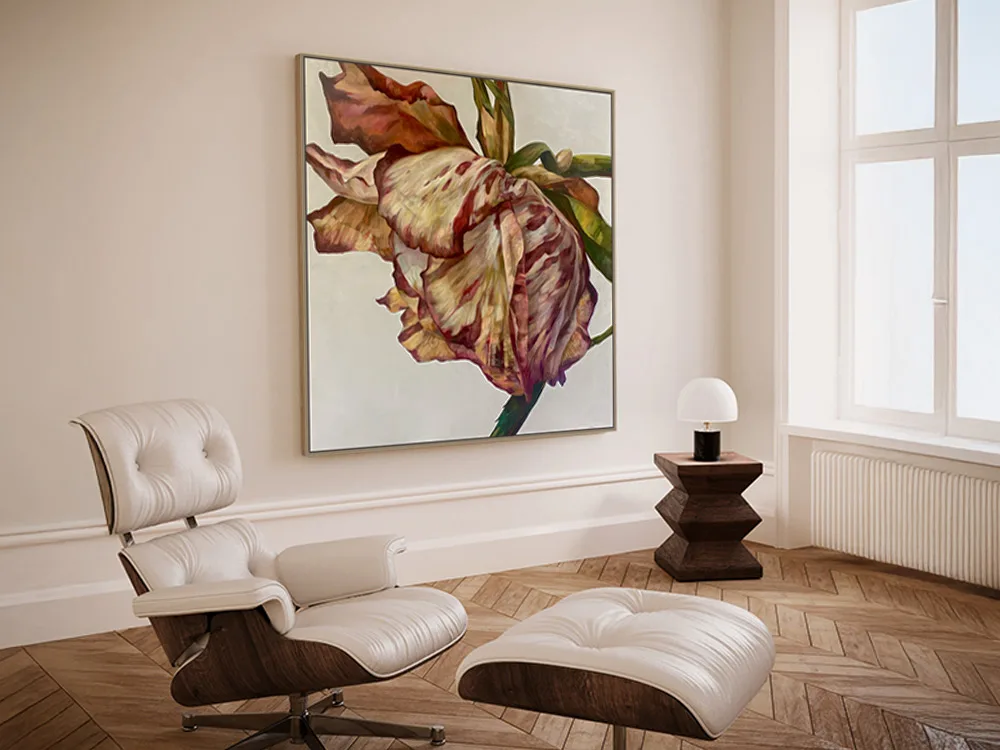
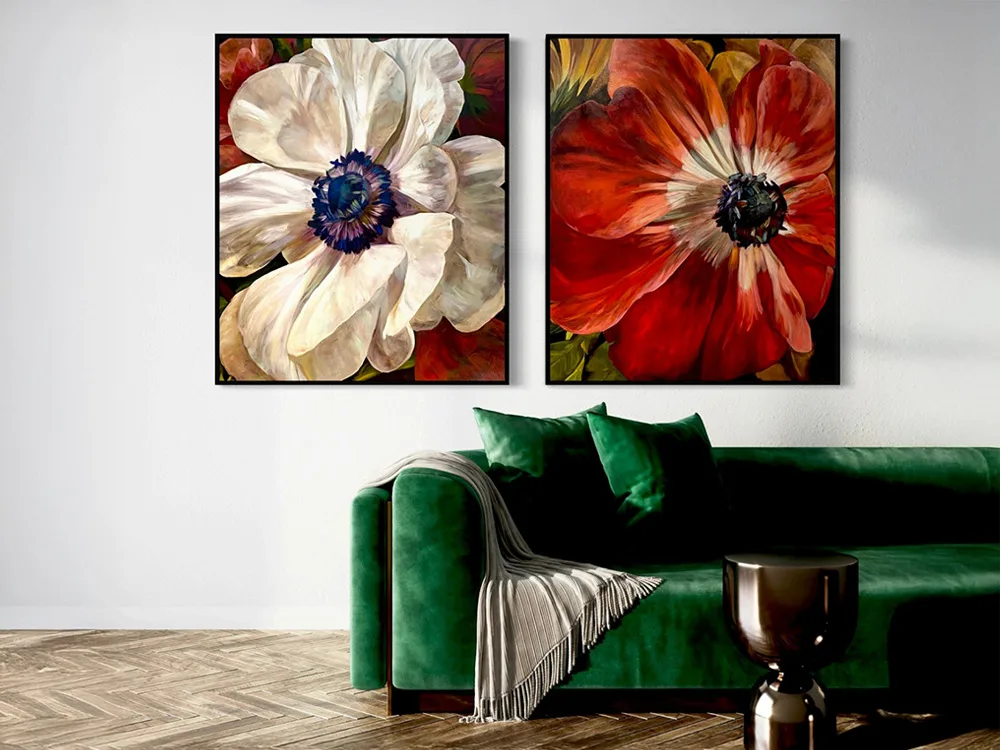
Original Australian Art for Interior Design
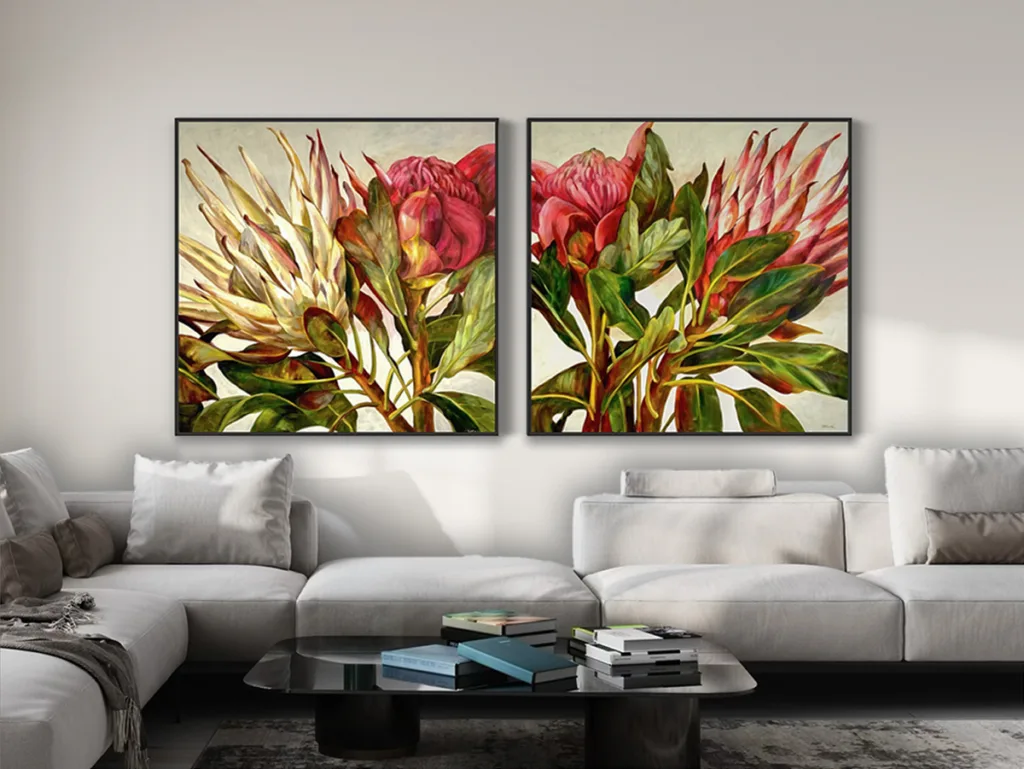
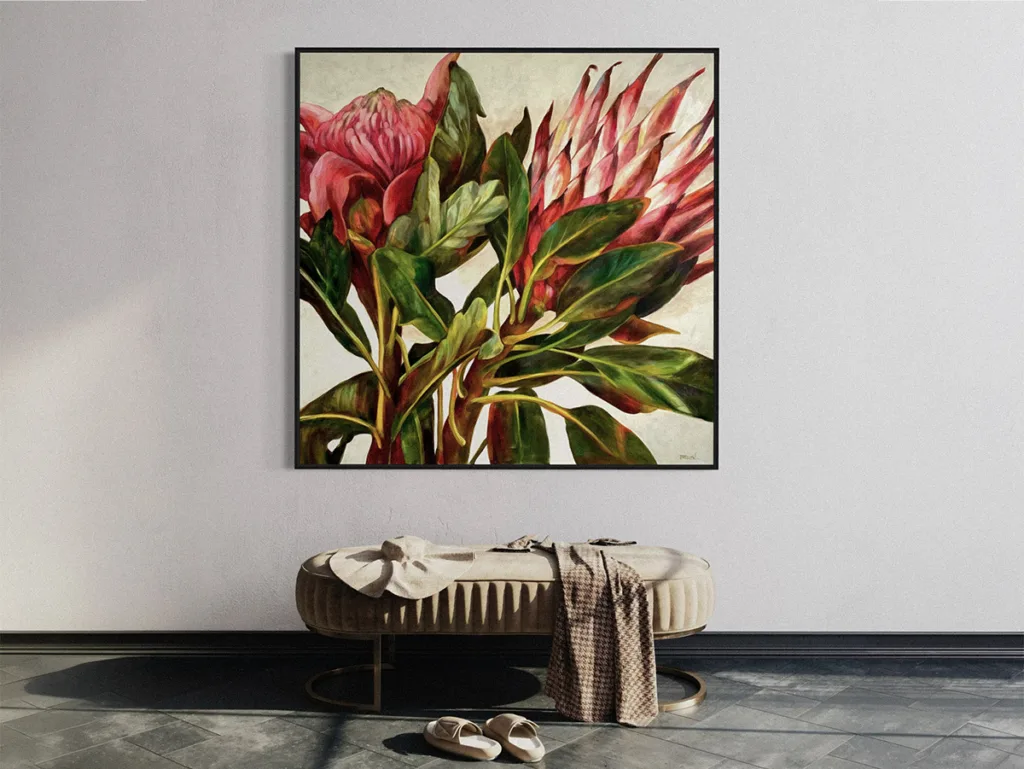
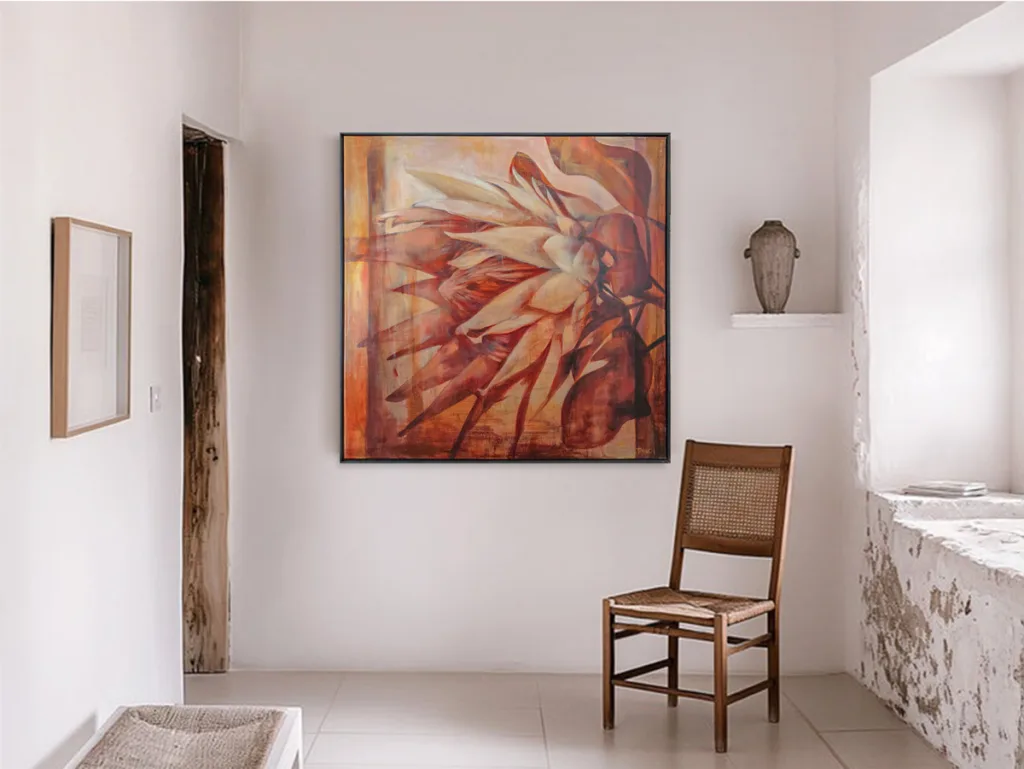
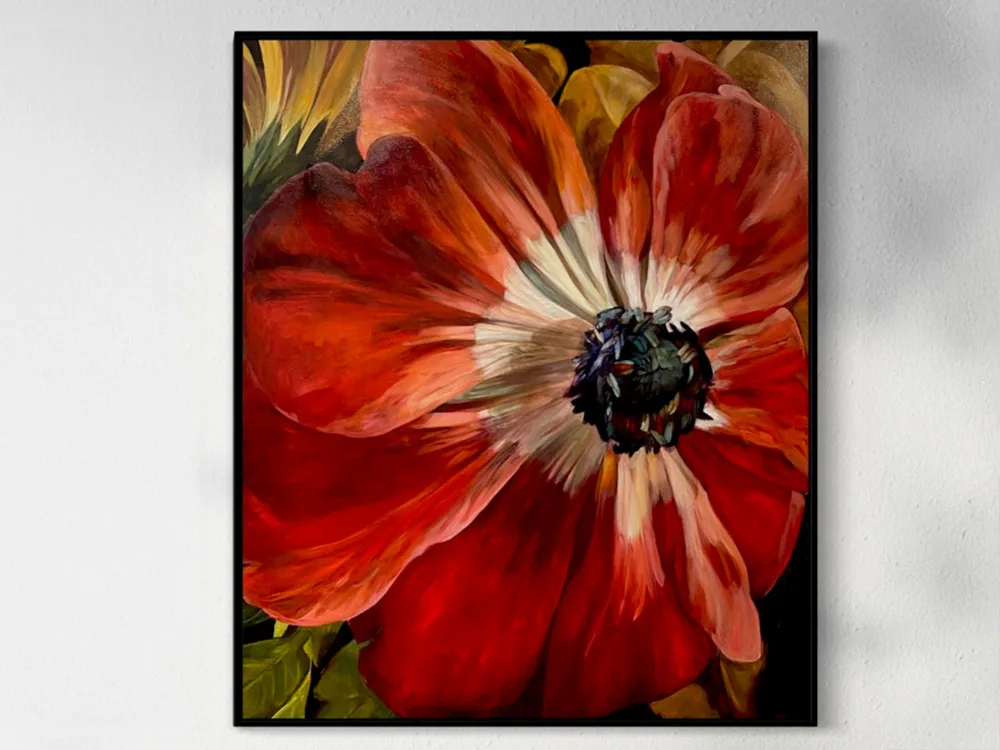
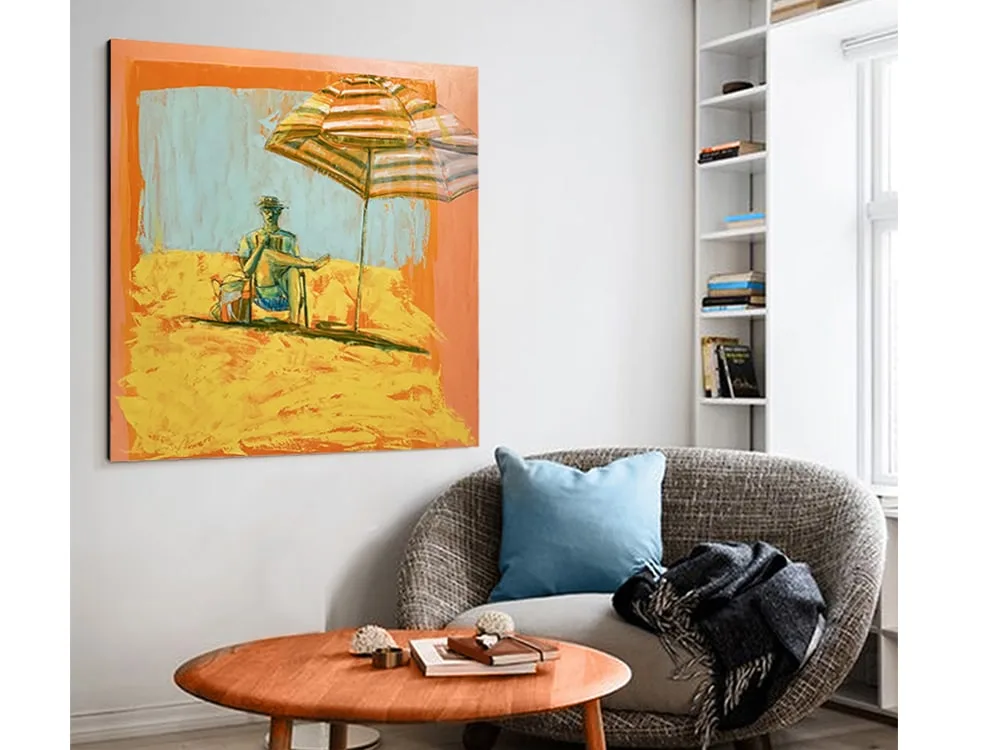
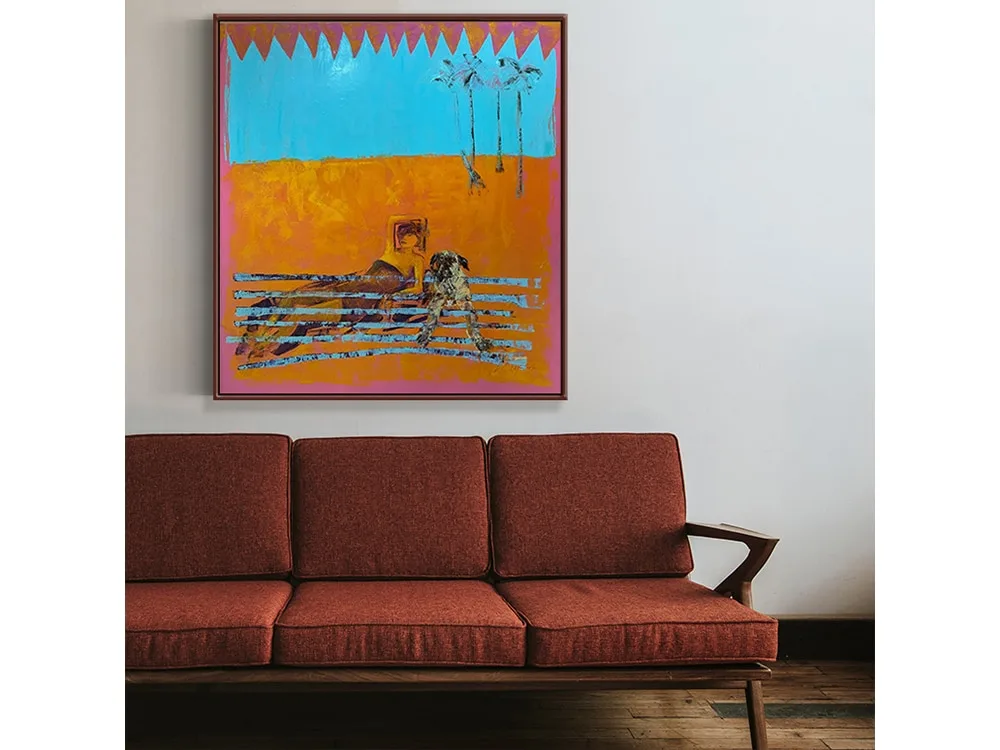
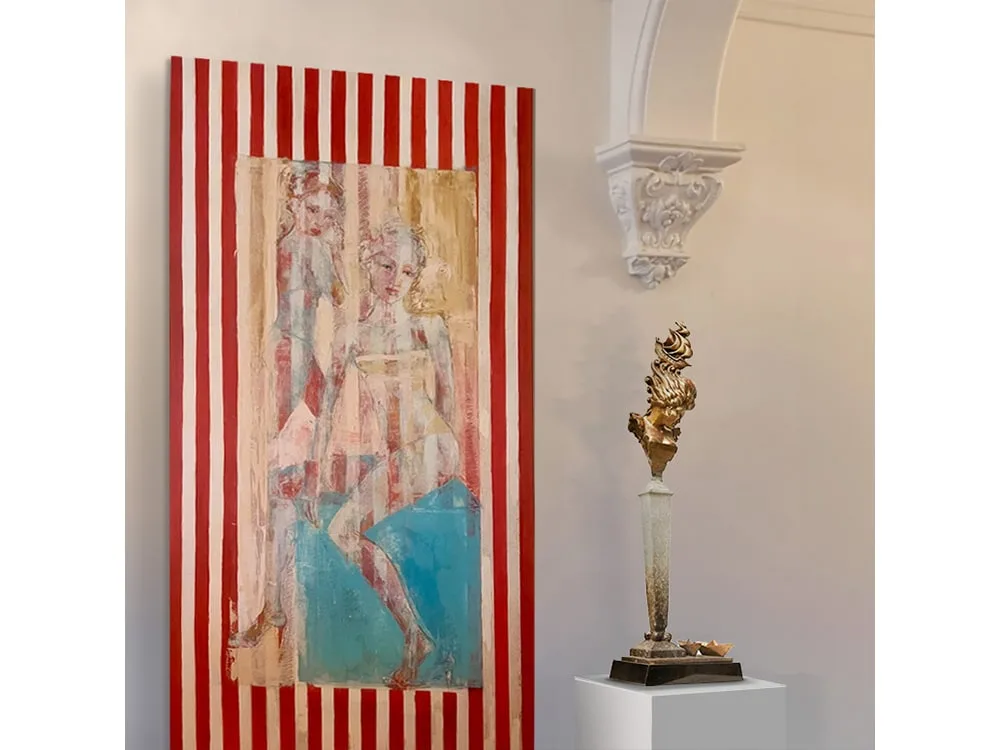
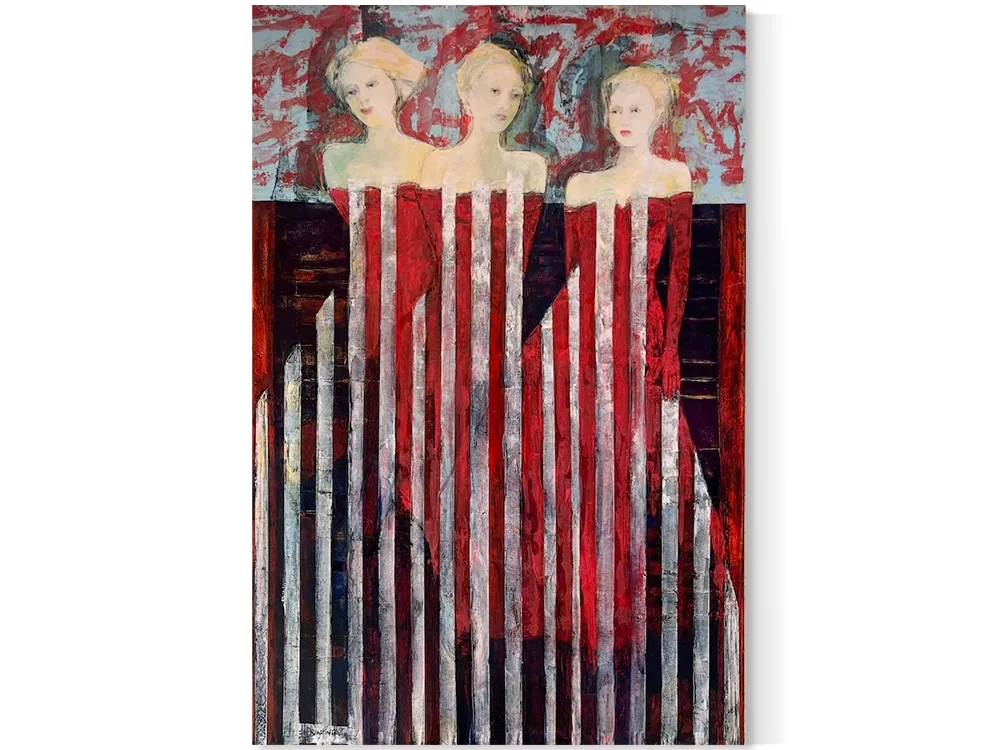
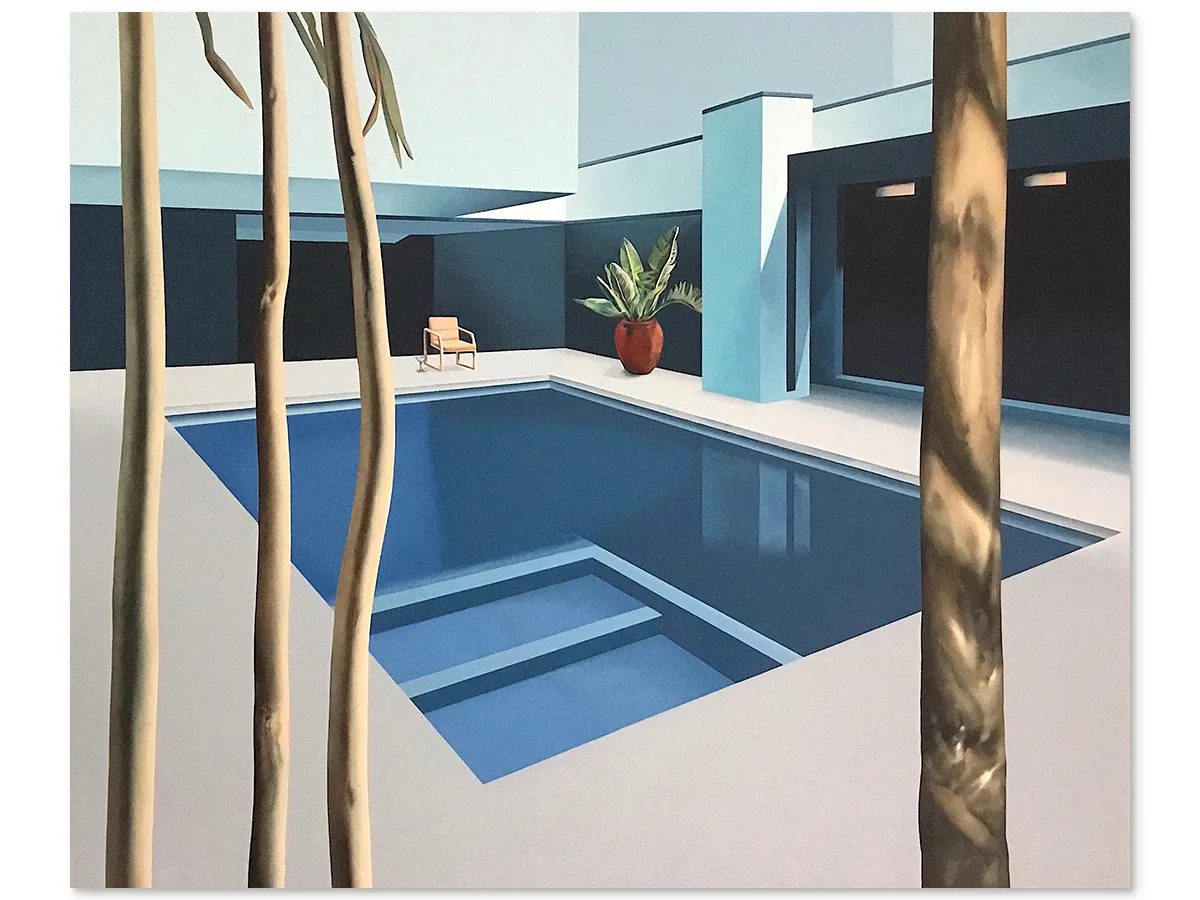
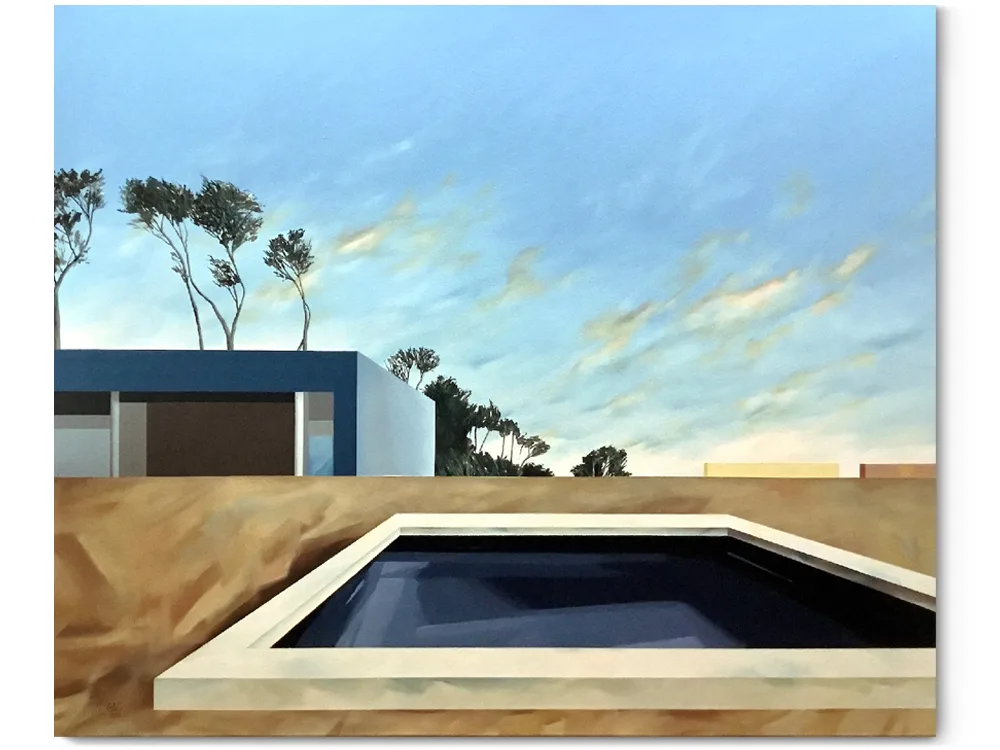
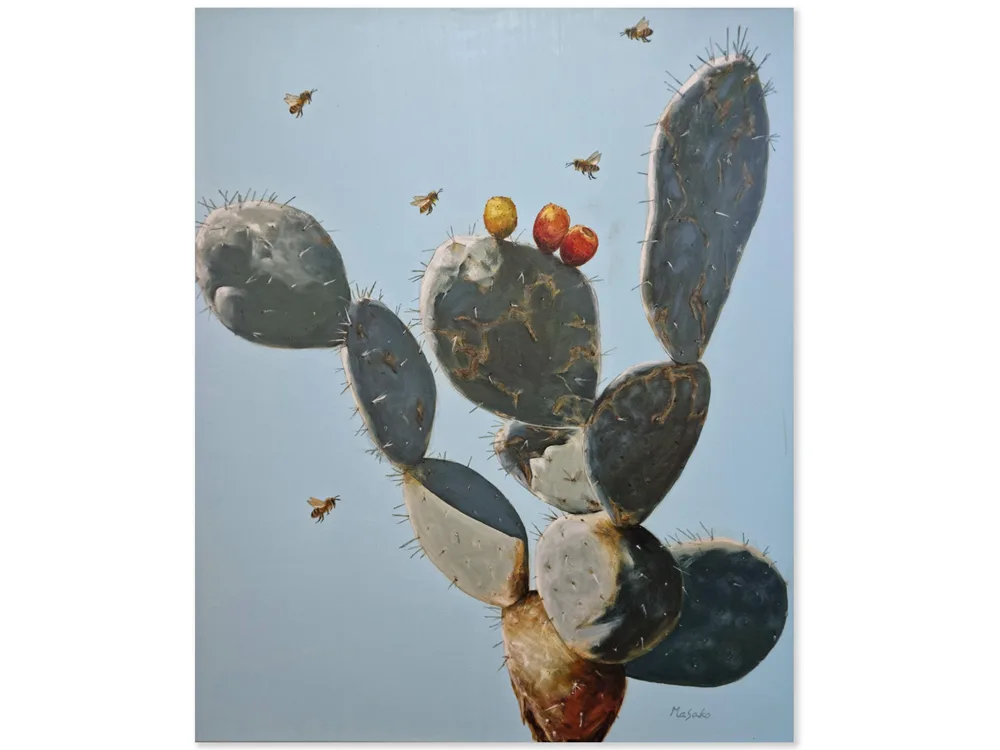
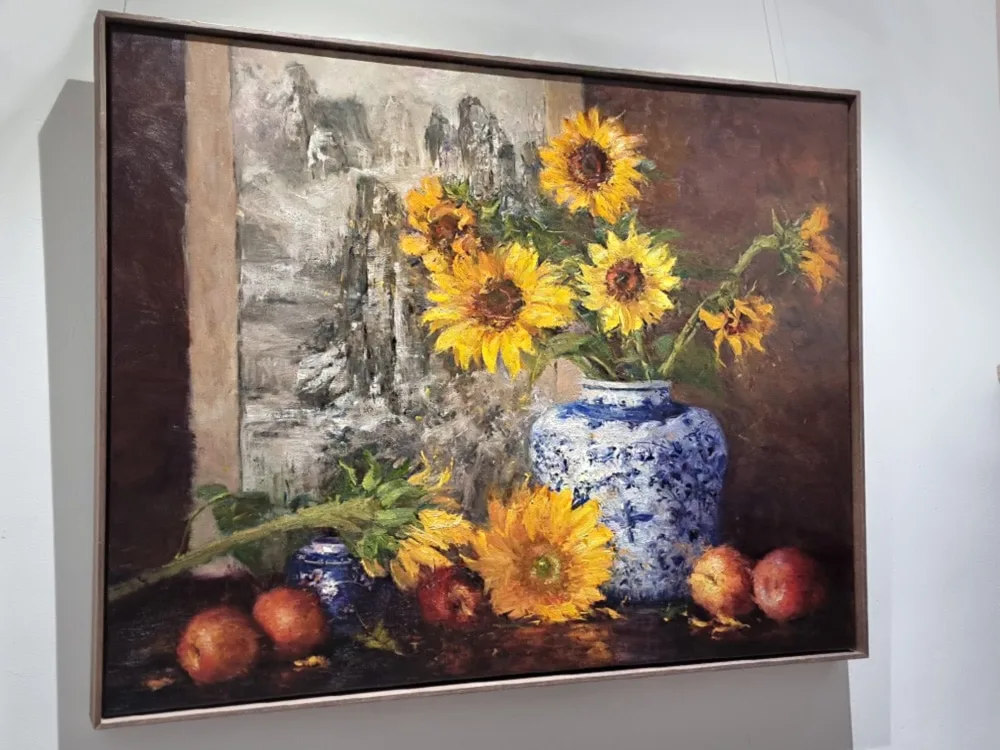
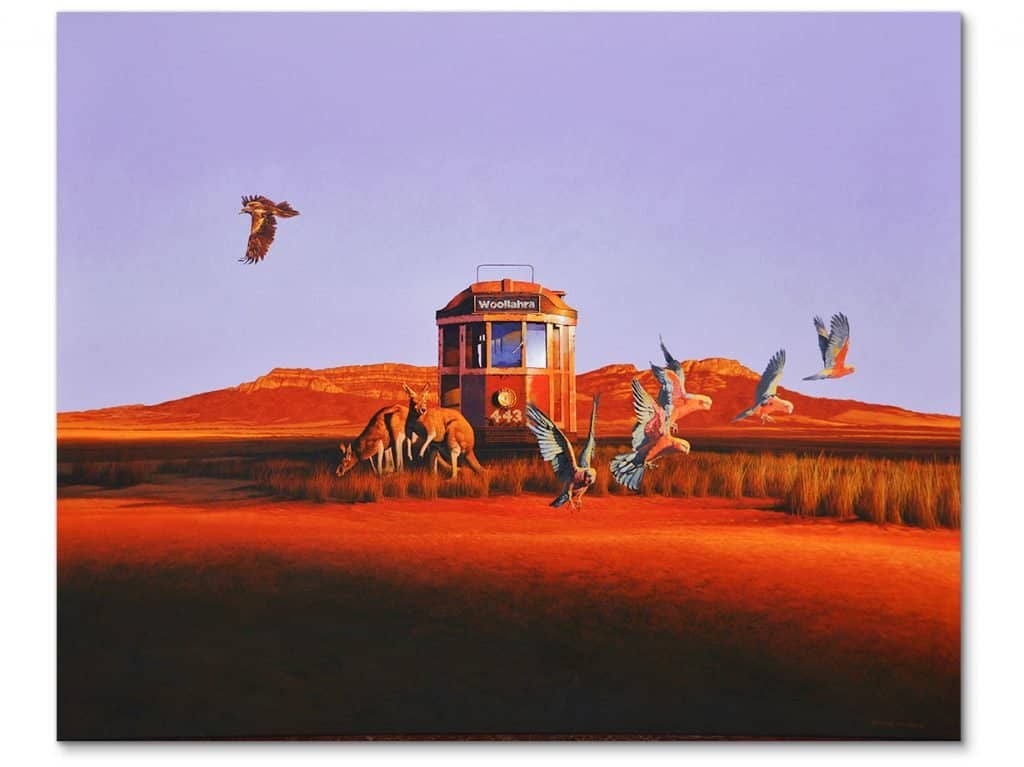
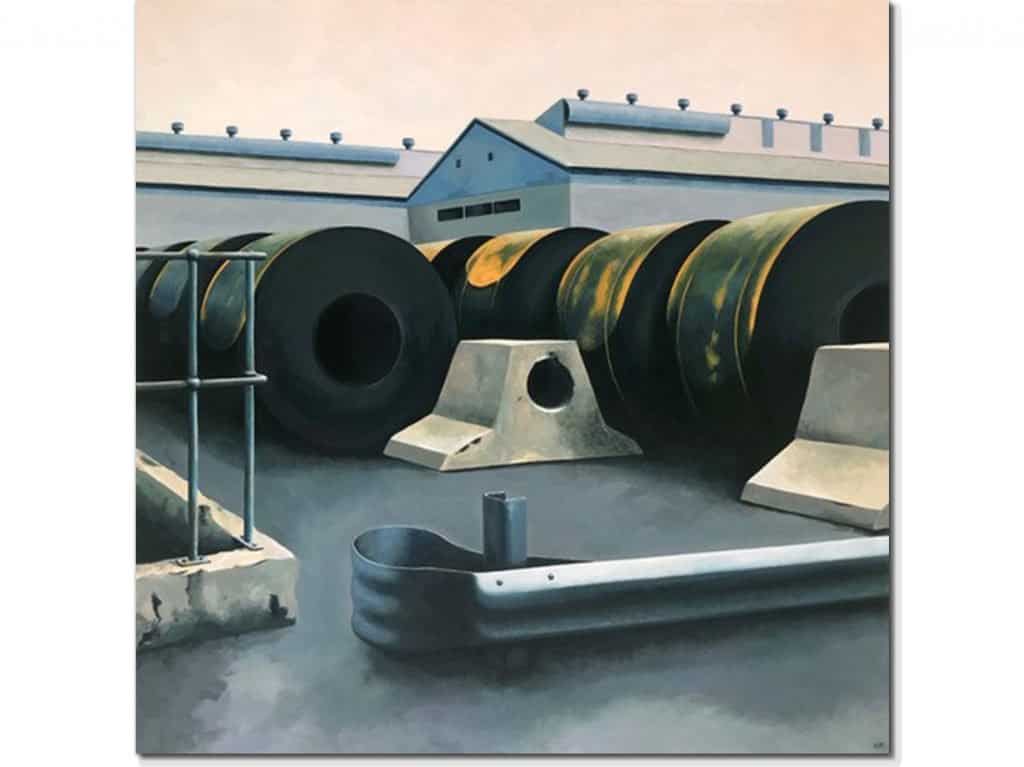
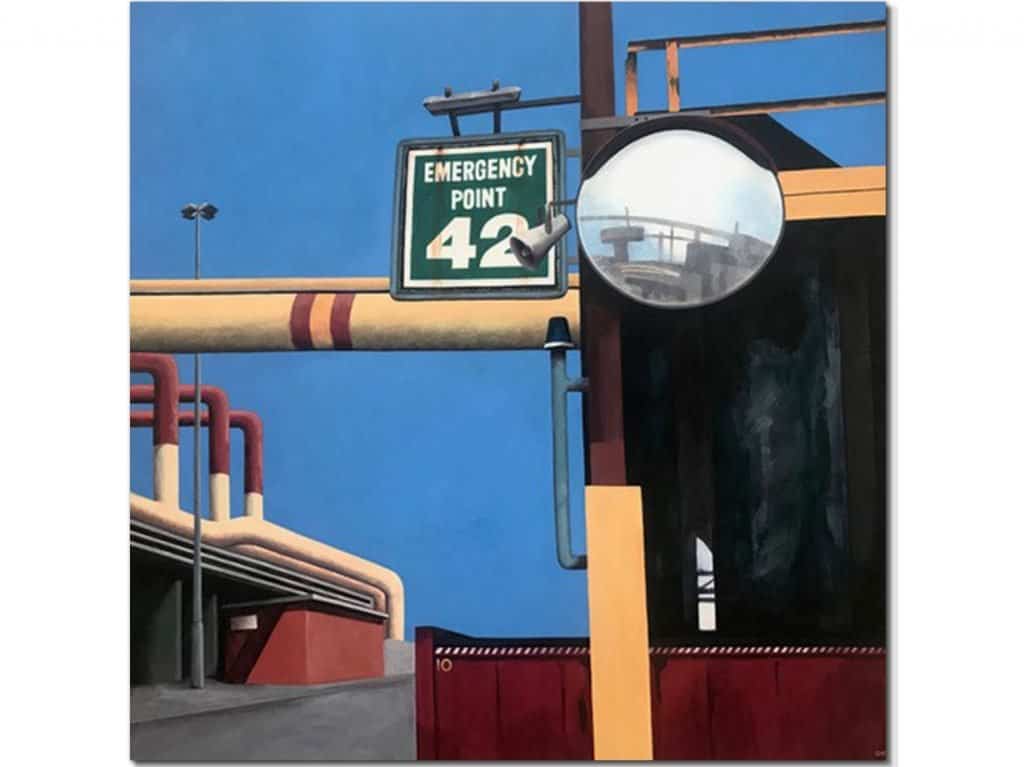
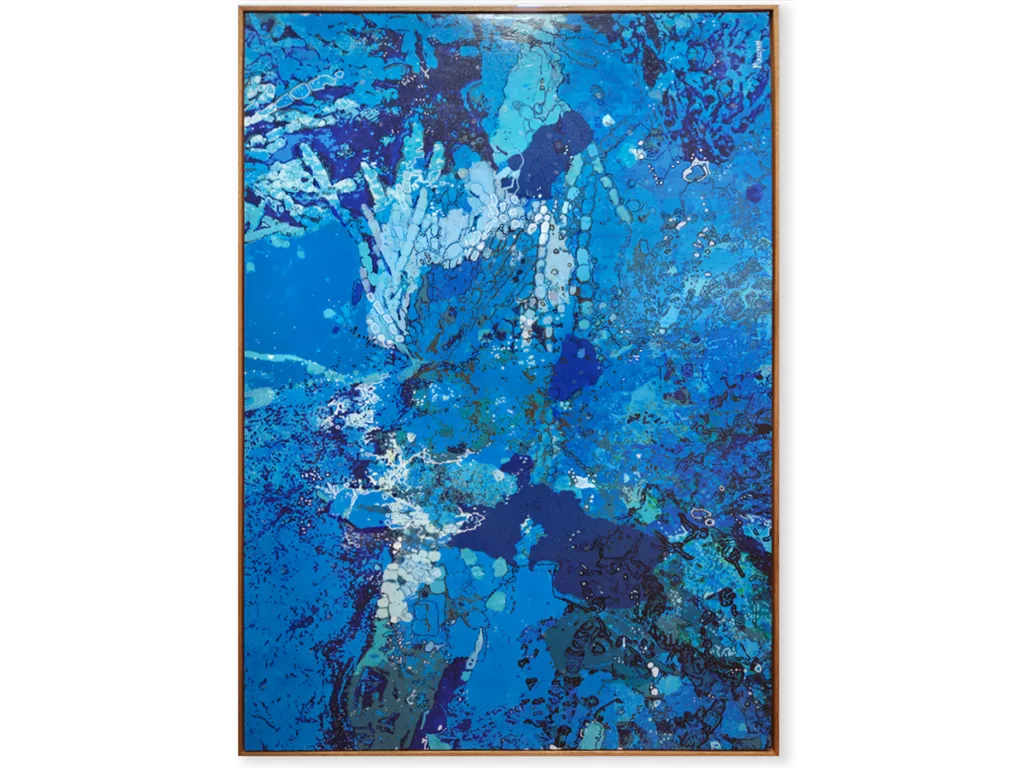
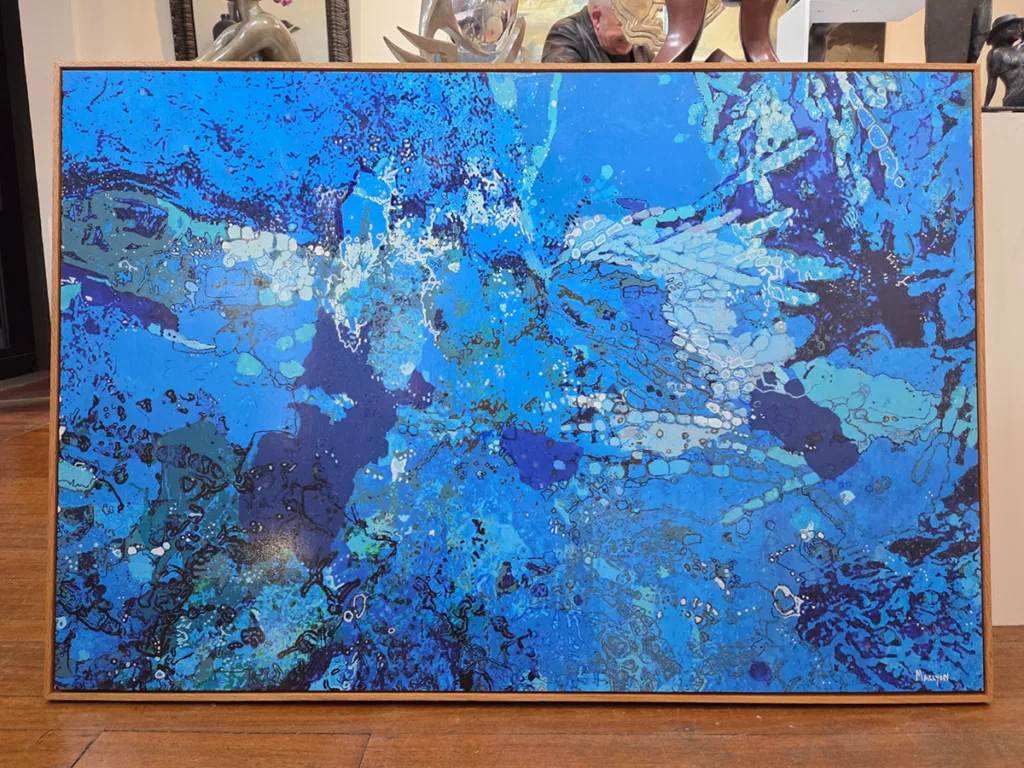
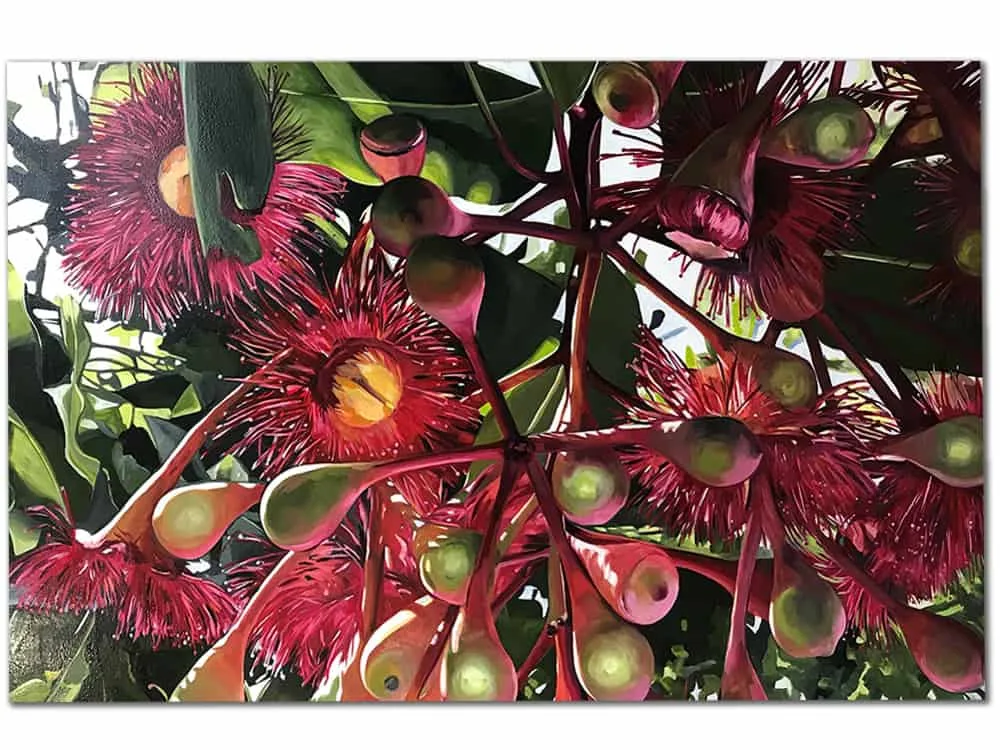
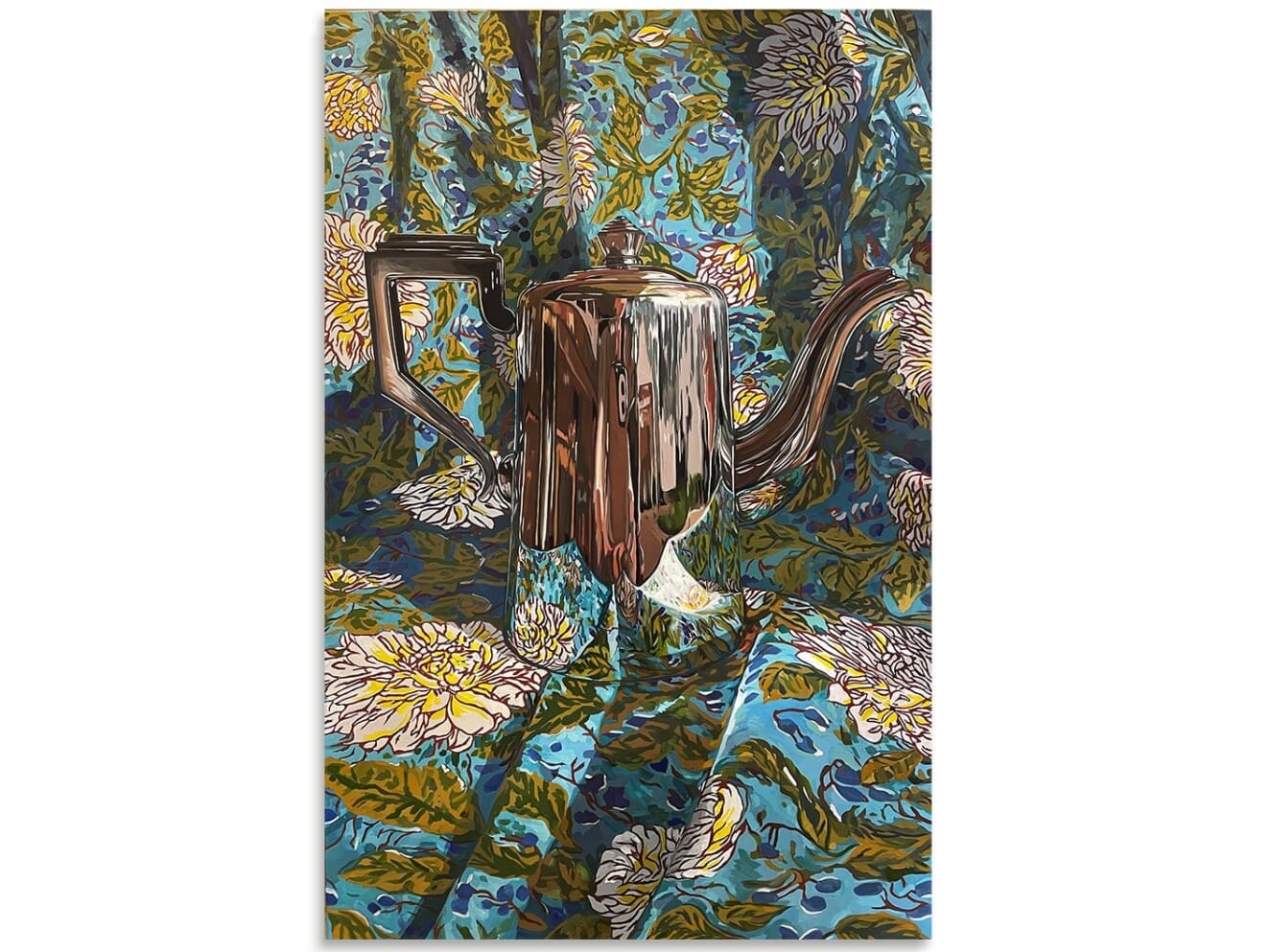
SOHO Galleries represents established and emerging Australian artists working across painting, sculpture, and large-scale works. The collection spans contemporary and classical traditions, with a focus on pieces that hold their own in residential and commercial interiors.
Supporting Australian Artists
Buying original work puts money directly into the hands of the person who made it. For working artists, that’s not a small thing. Gallery sales fund studio time, material costs, and the ability to keep working. The piece you take home is connected to what comes next in their practice.
Emerging Australian Artists
Some of the most interesting work in the current Australian art market is coming from artists who are still early in their careers. Early acquisition has obvious appeal, but the more honest reason to look at emerging work is that it’s often less safe. Artists who haven’t settled into a recognisable style yet tend to take more risks.
SOHO Galleries actively shows emerging talent alongside established names. We’d rather have a conversation about the work than hand you a biography.
Contemporary Australian Art
Contemporary Australian art covers a wide range of practices, but a few threads run through much of it: questions of identity and place, the relationship between Indigenous and non-Indigenous cultures, and an ongoing engagement with landscape that goes well beyond the picturesque.
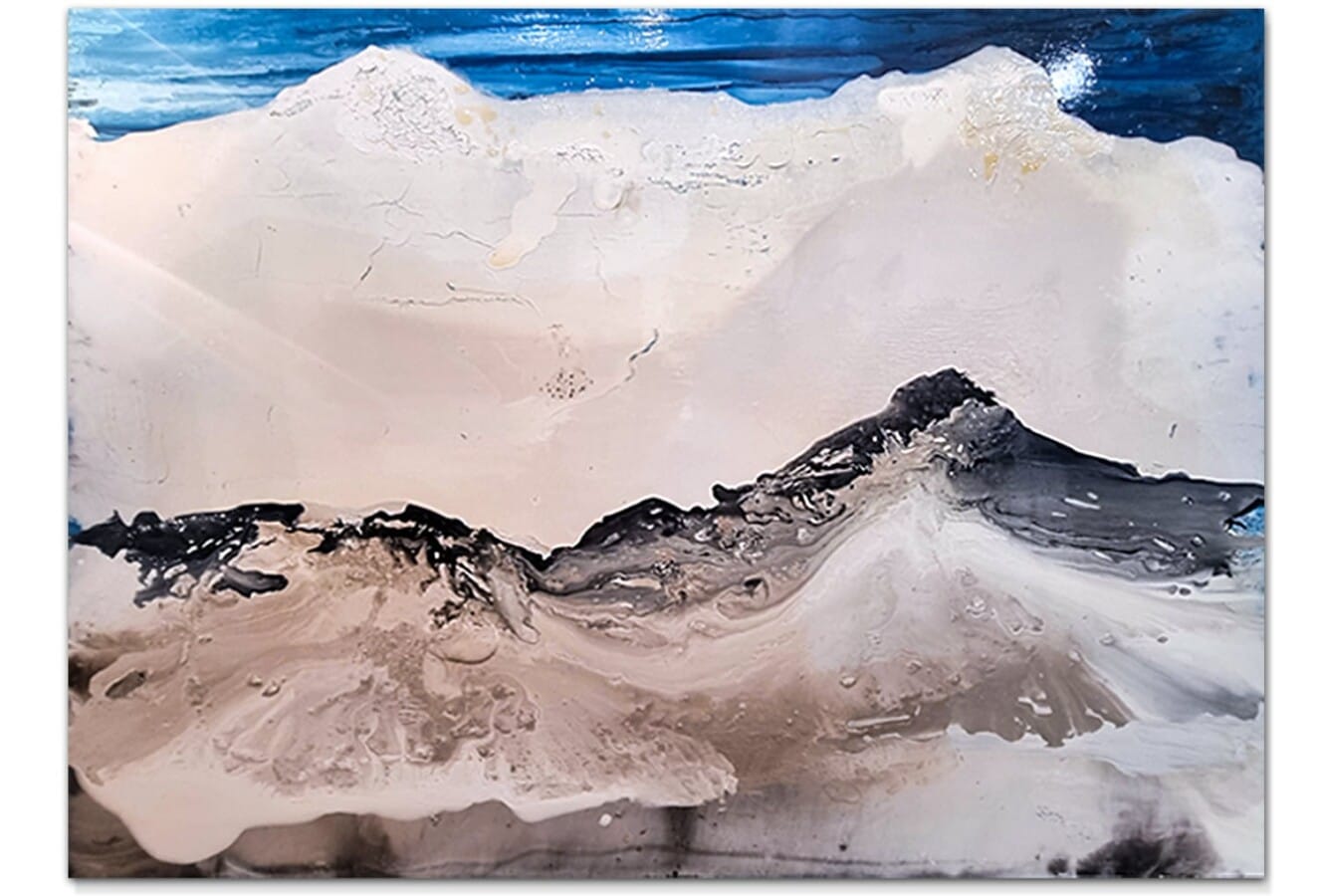
The best contemporary work doesn’t need to announce its themes. It earns its place on a wall first, and rewards attention over time.
Large-Scale Works
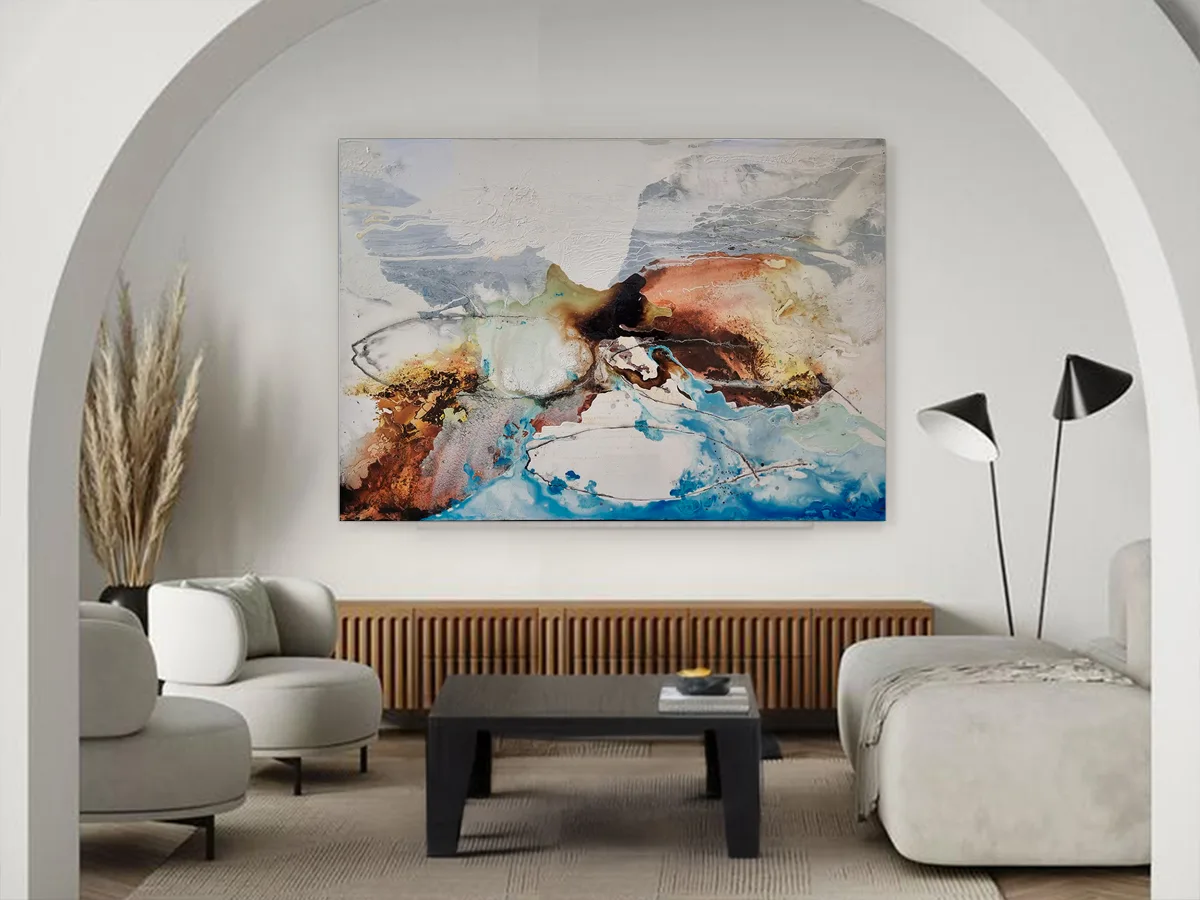
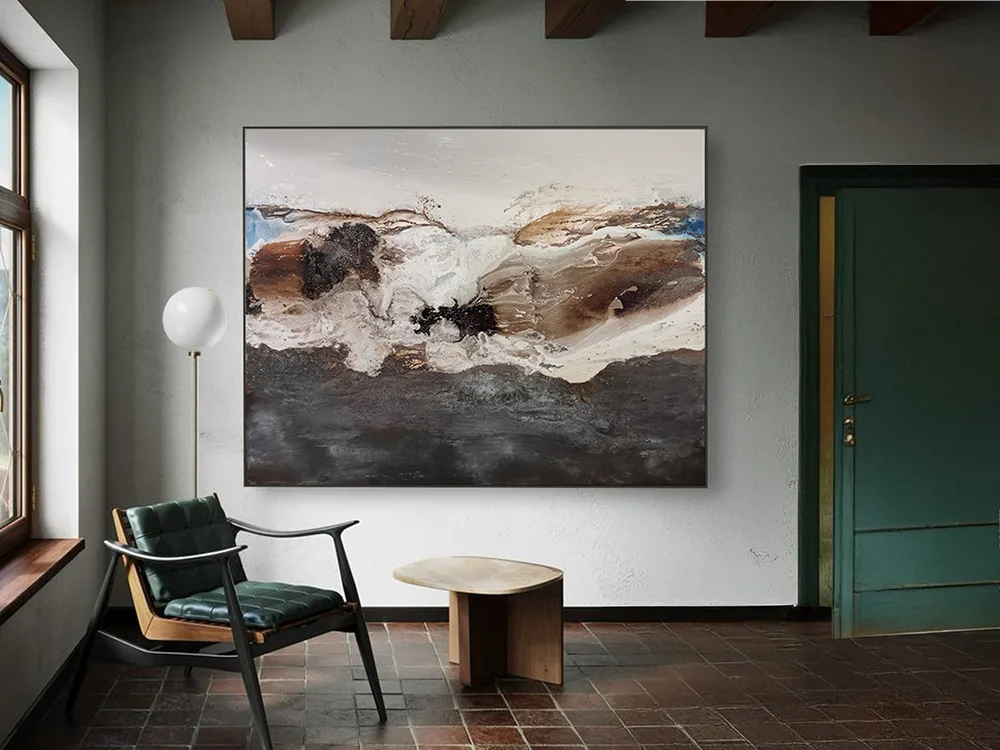
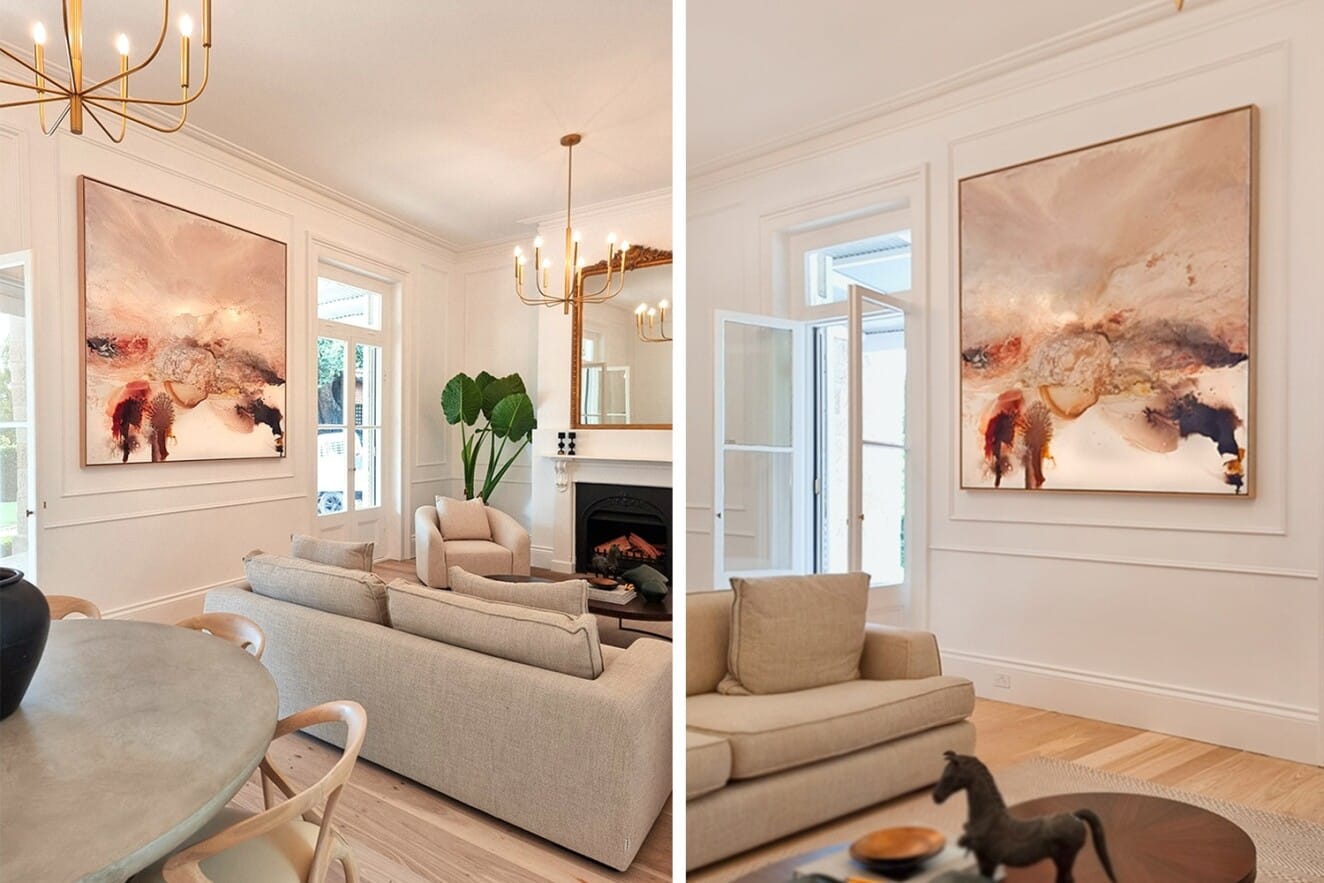
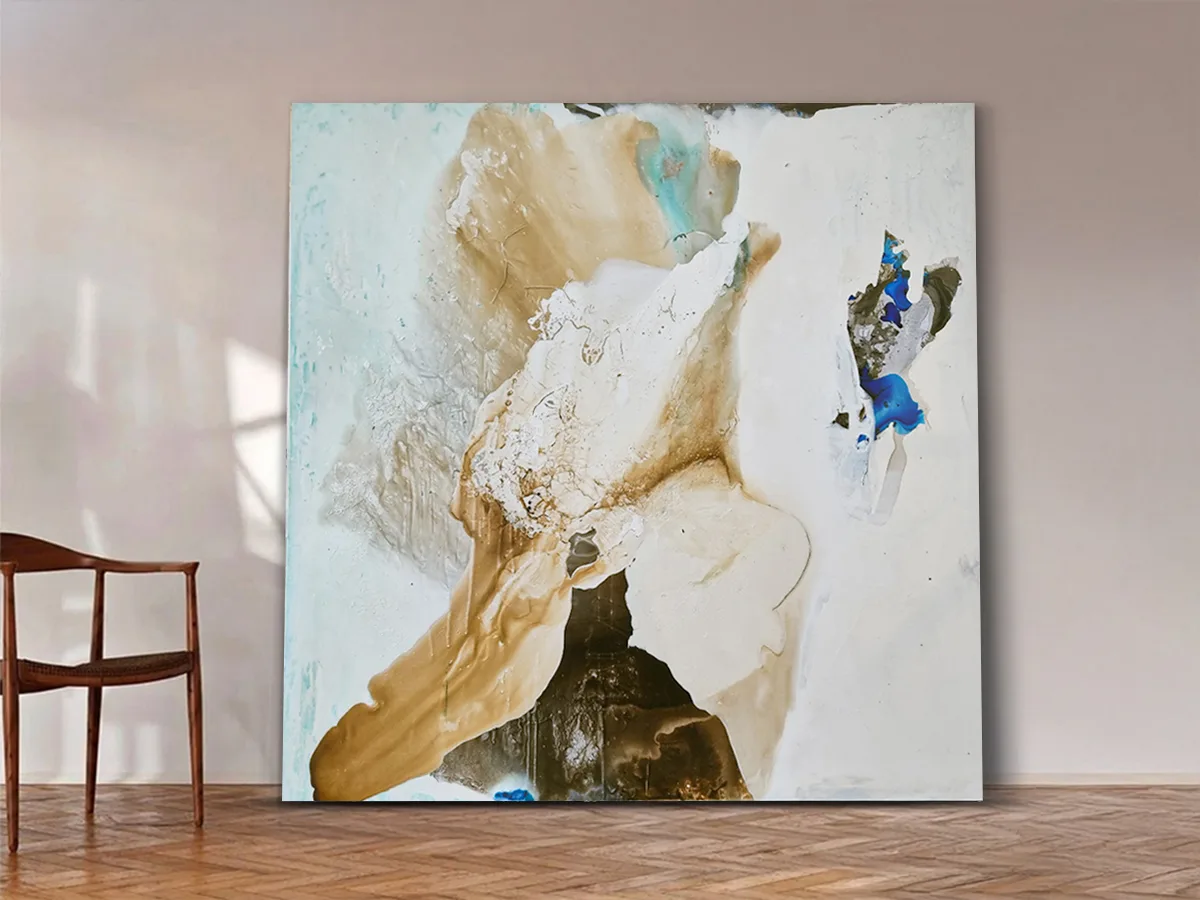
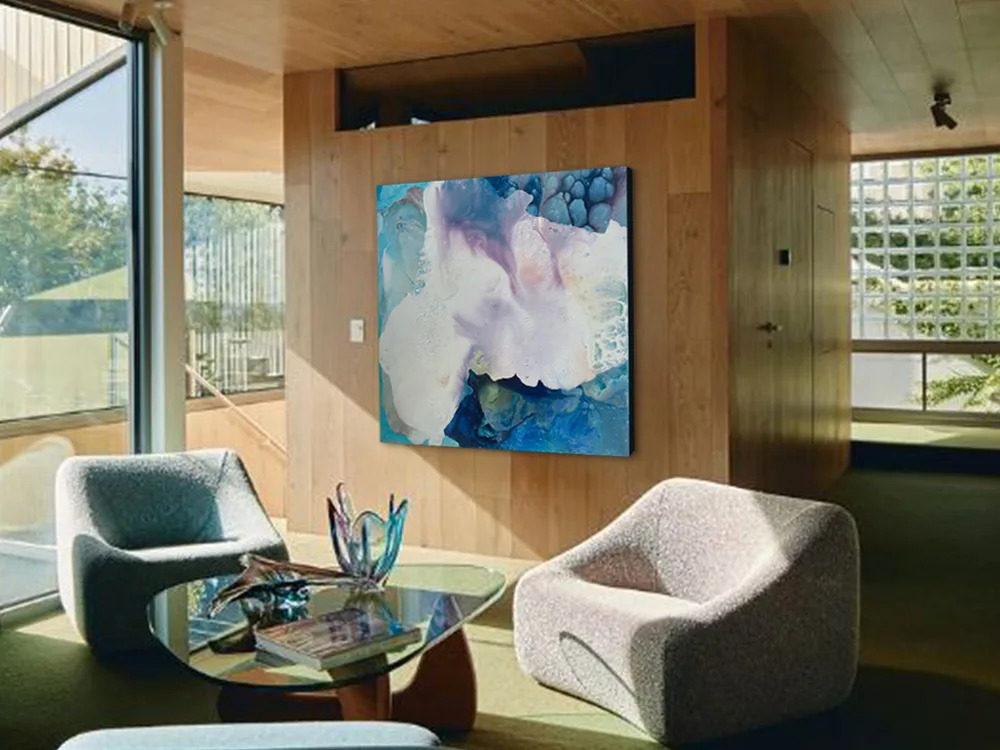
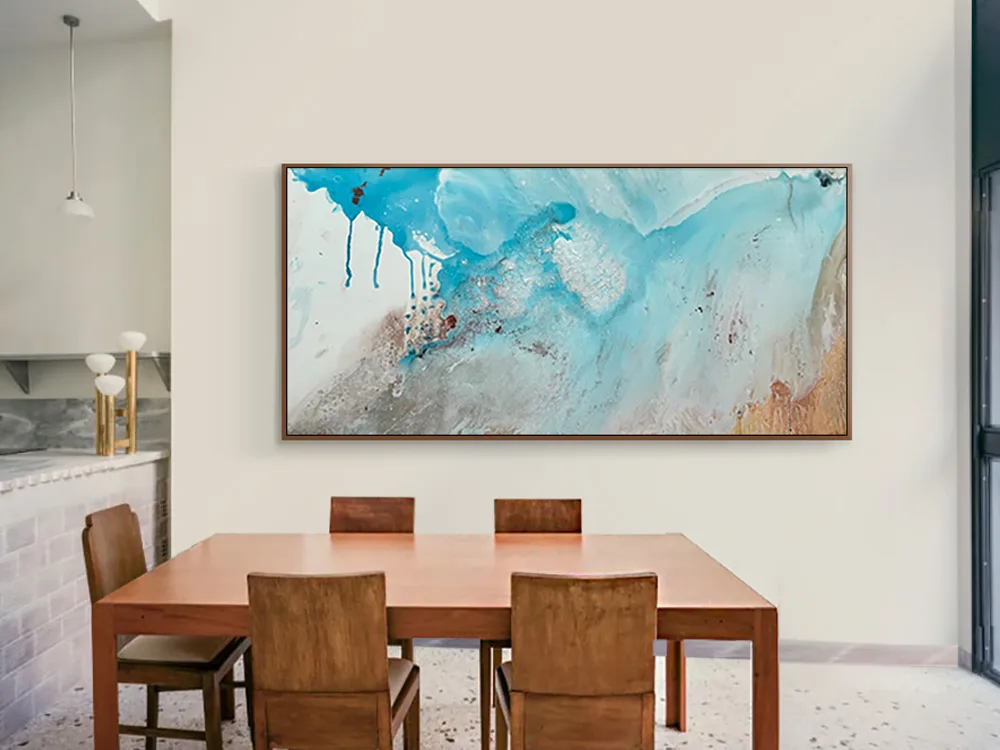
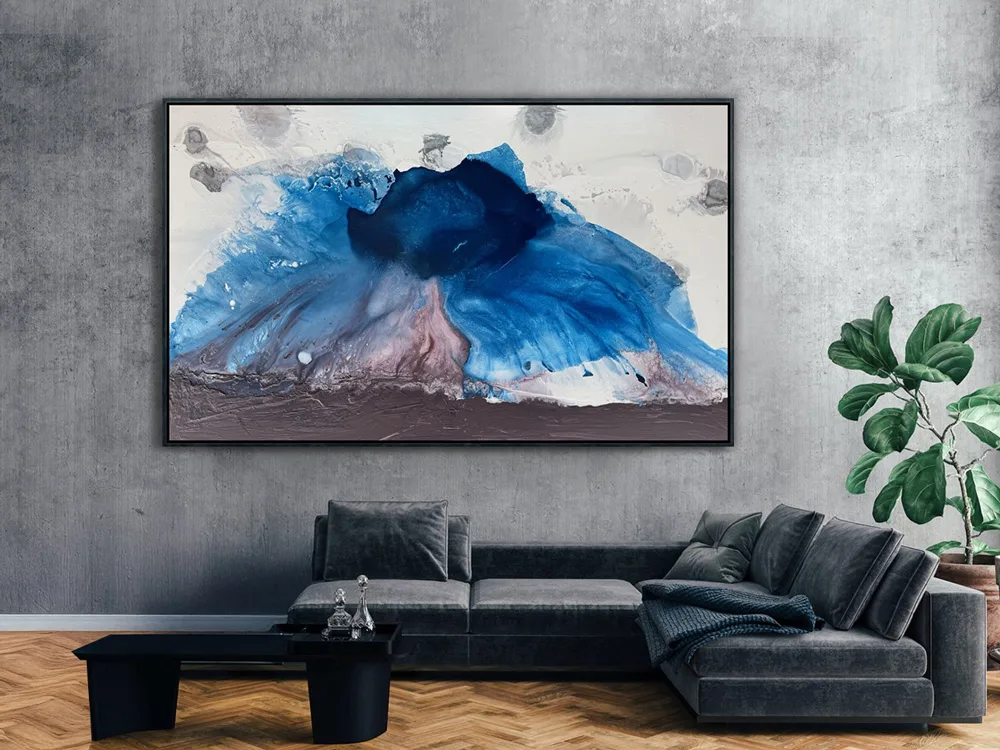
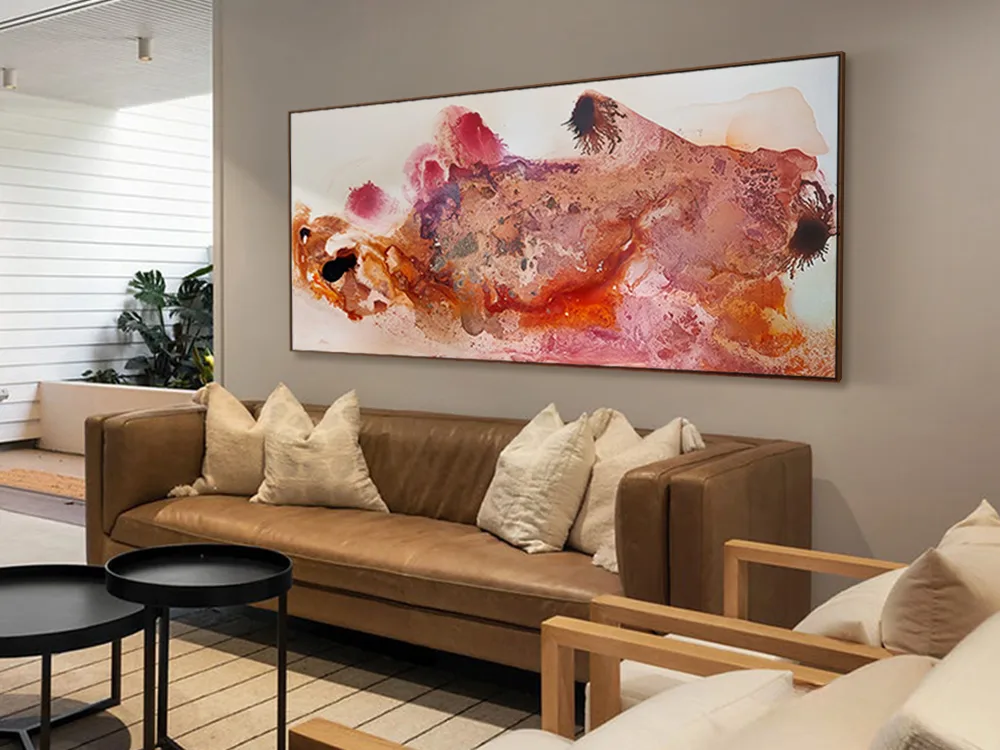
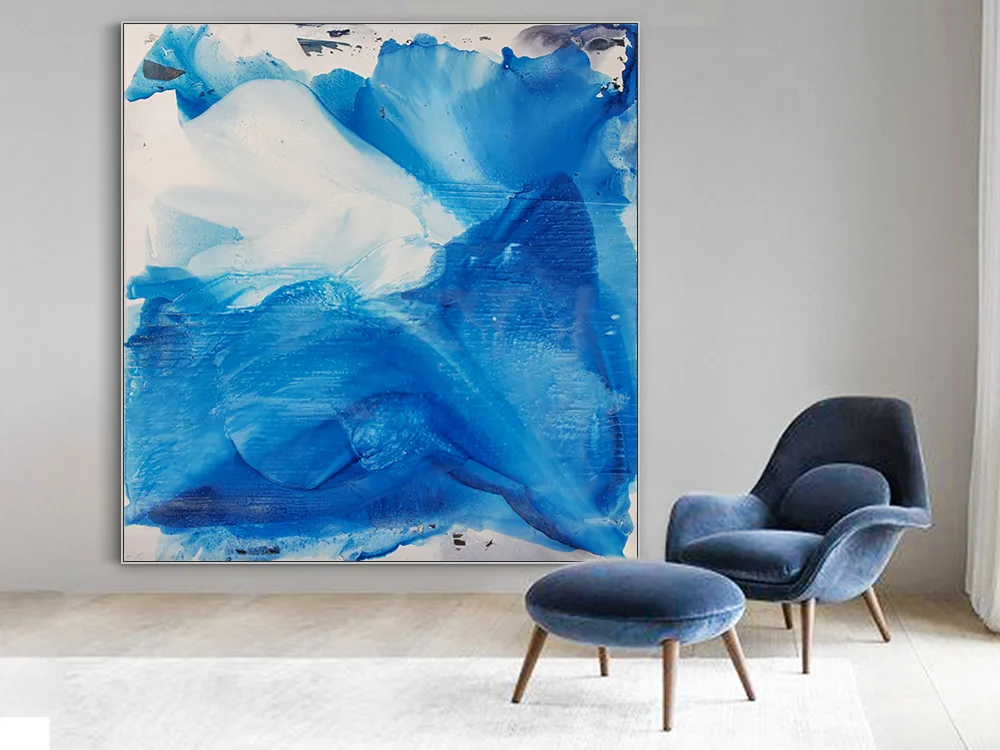
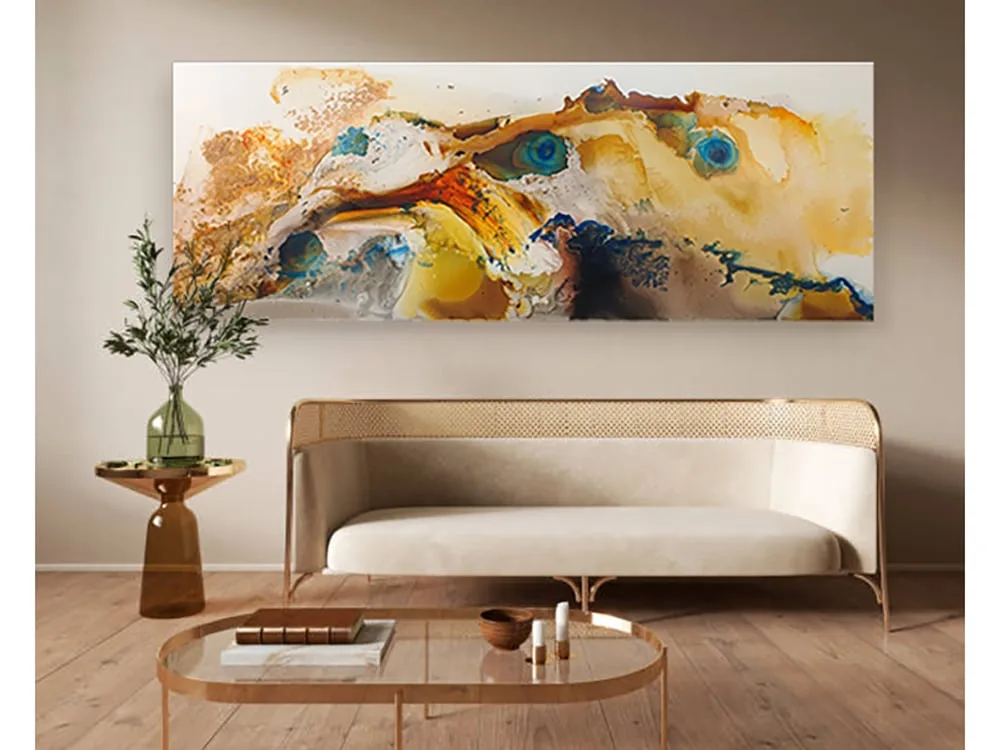
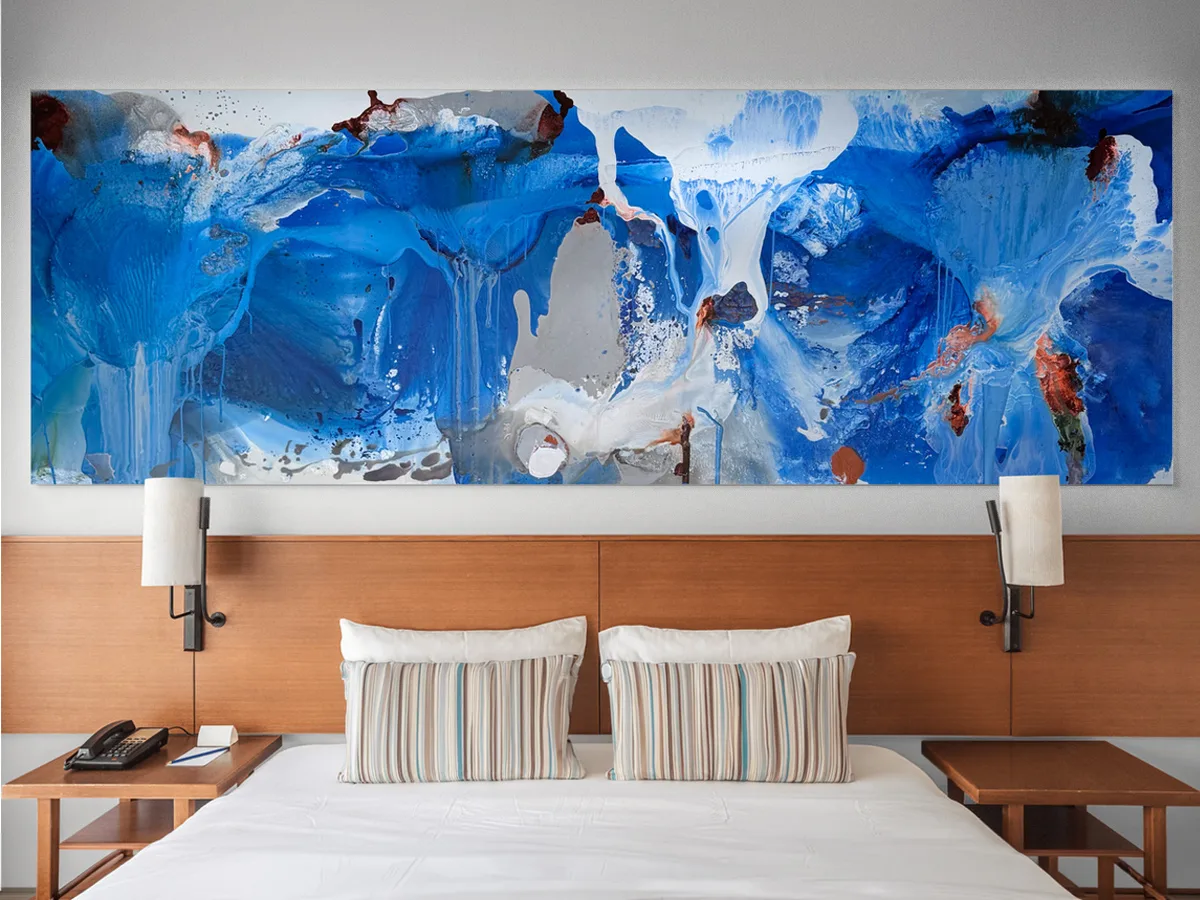
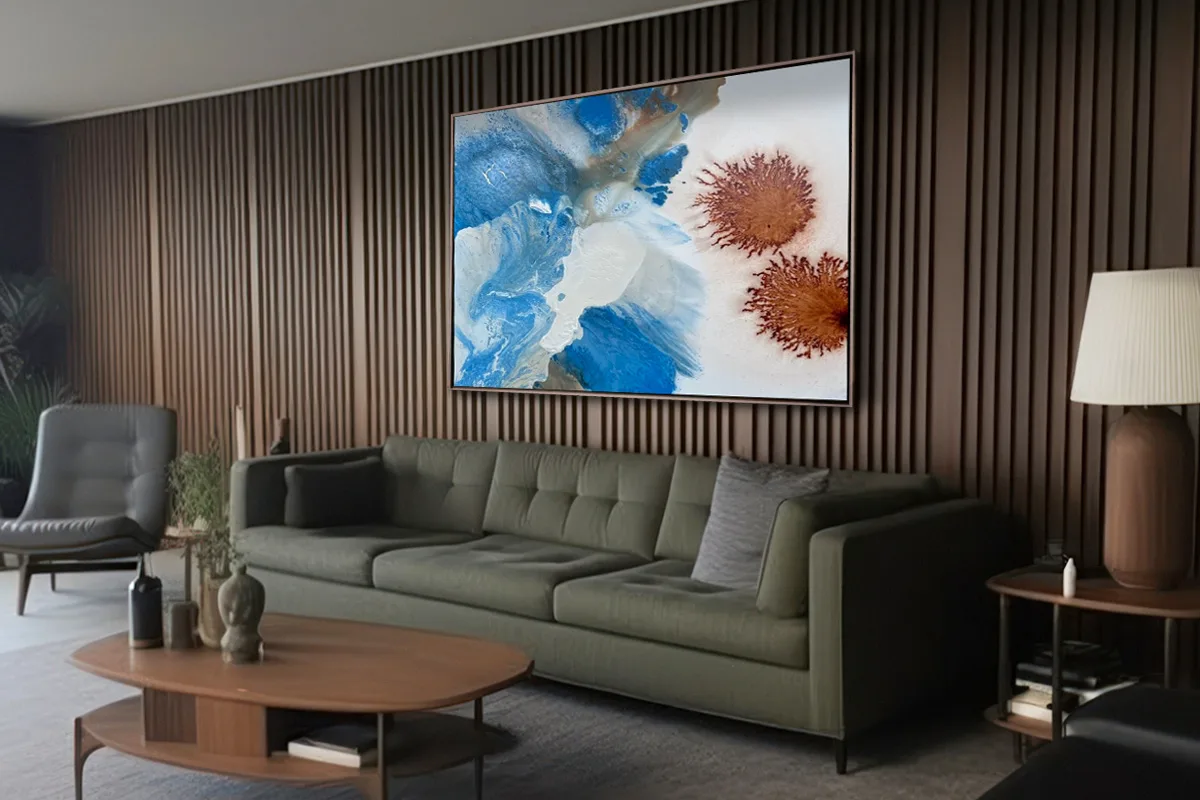
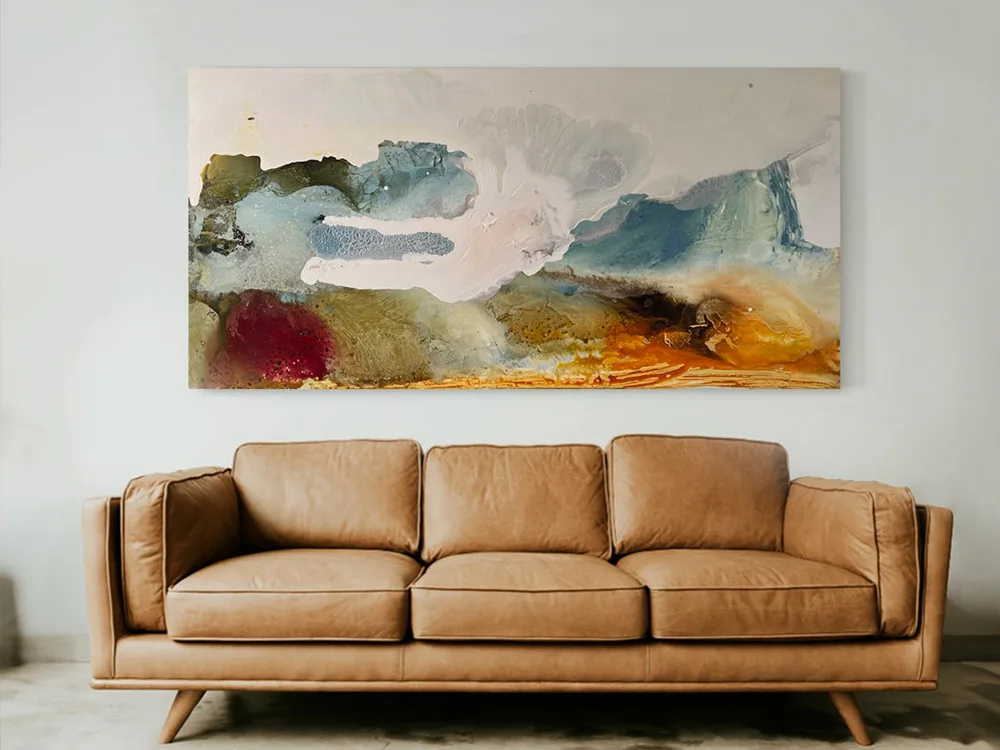
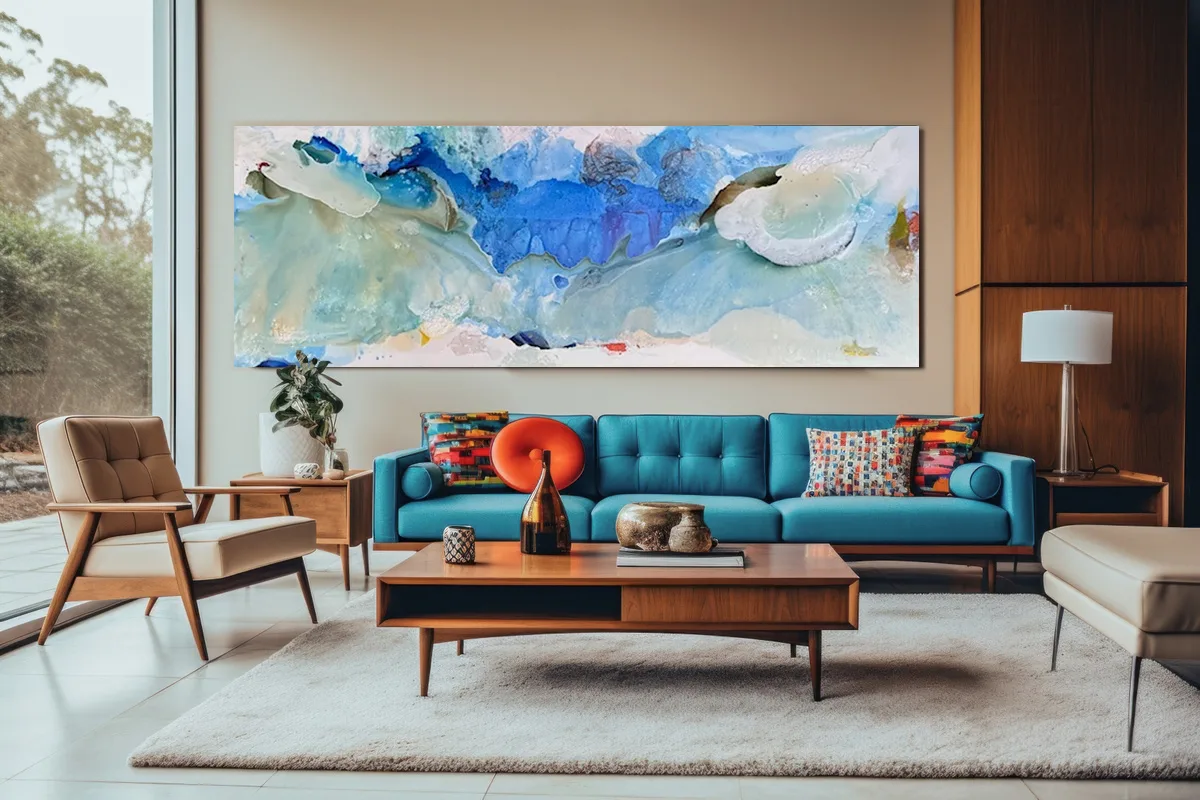
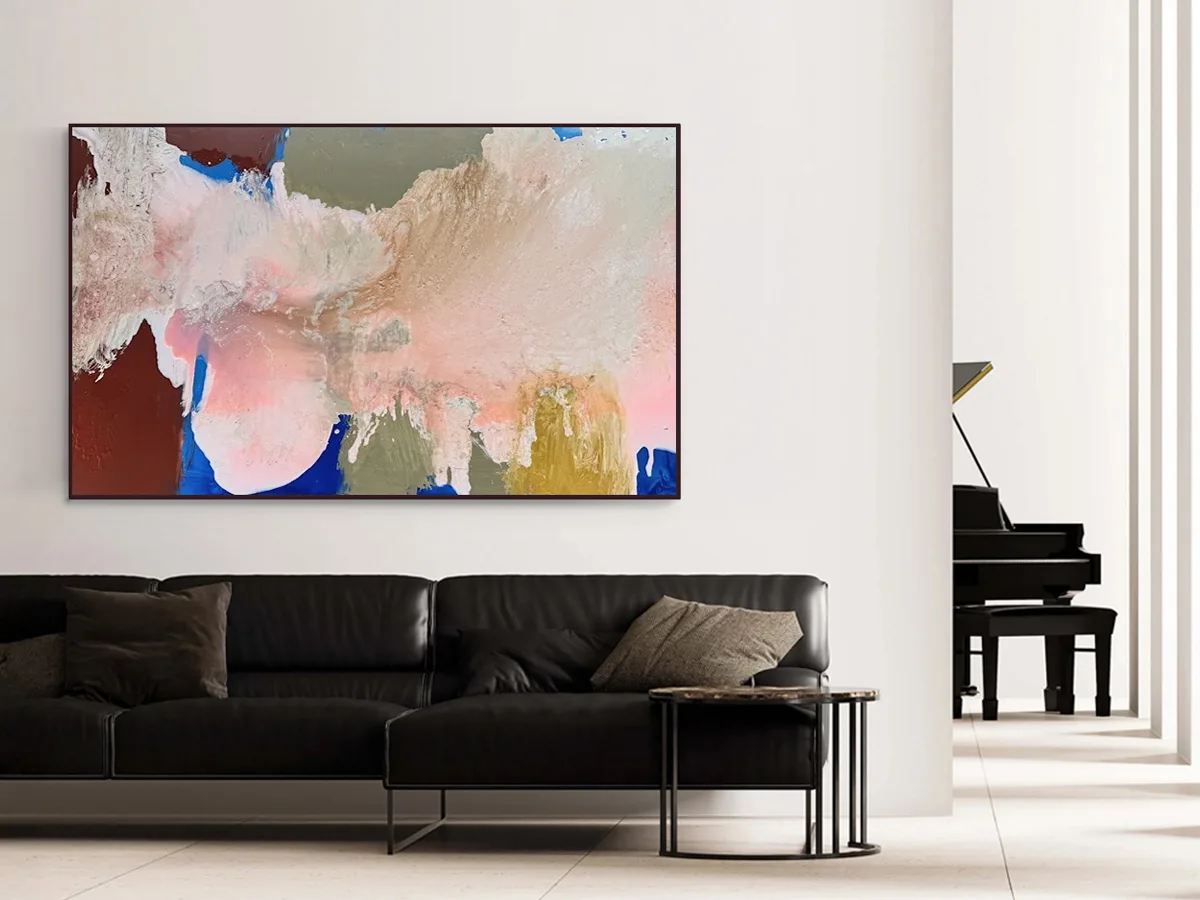
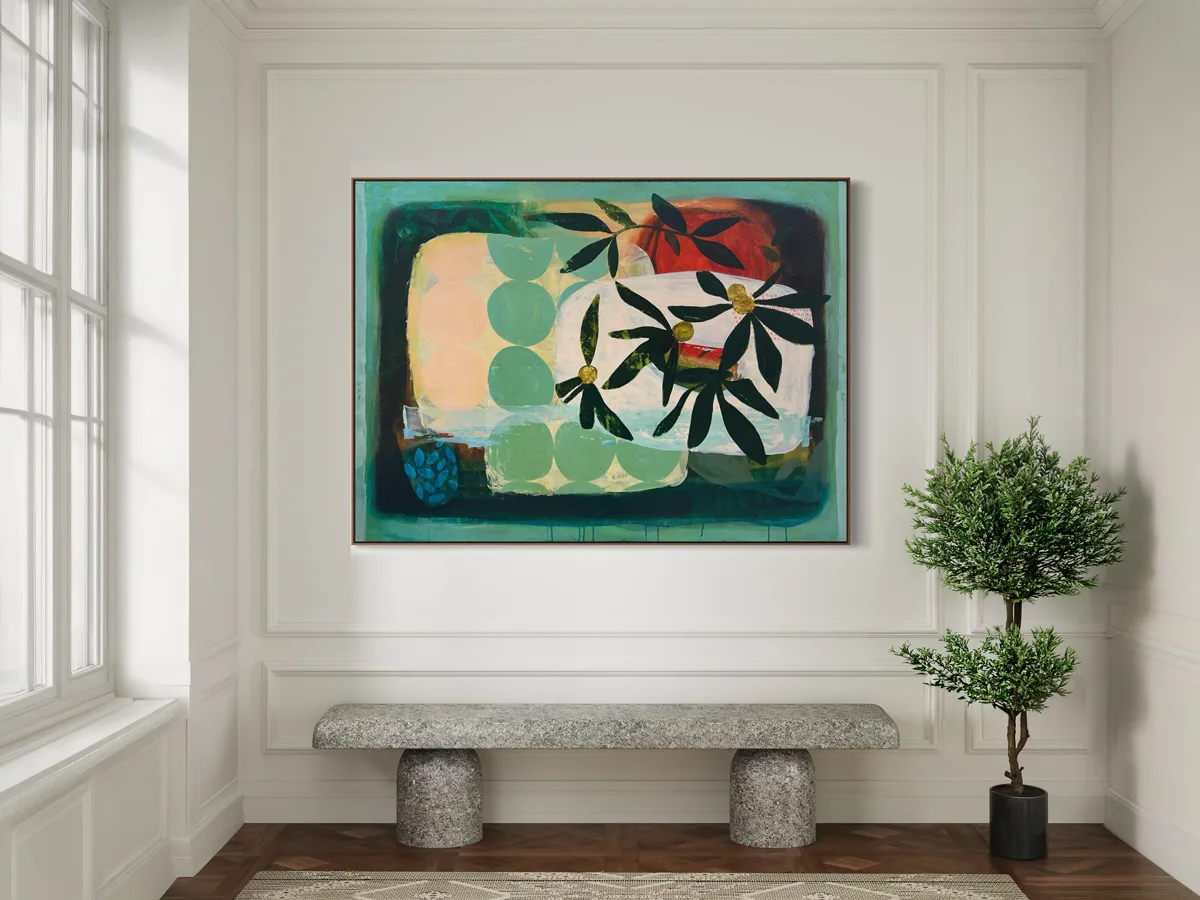
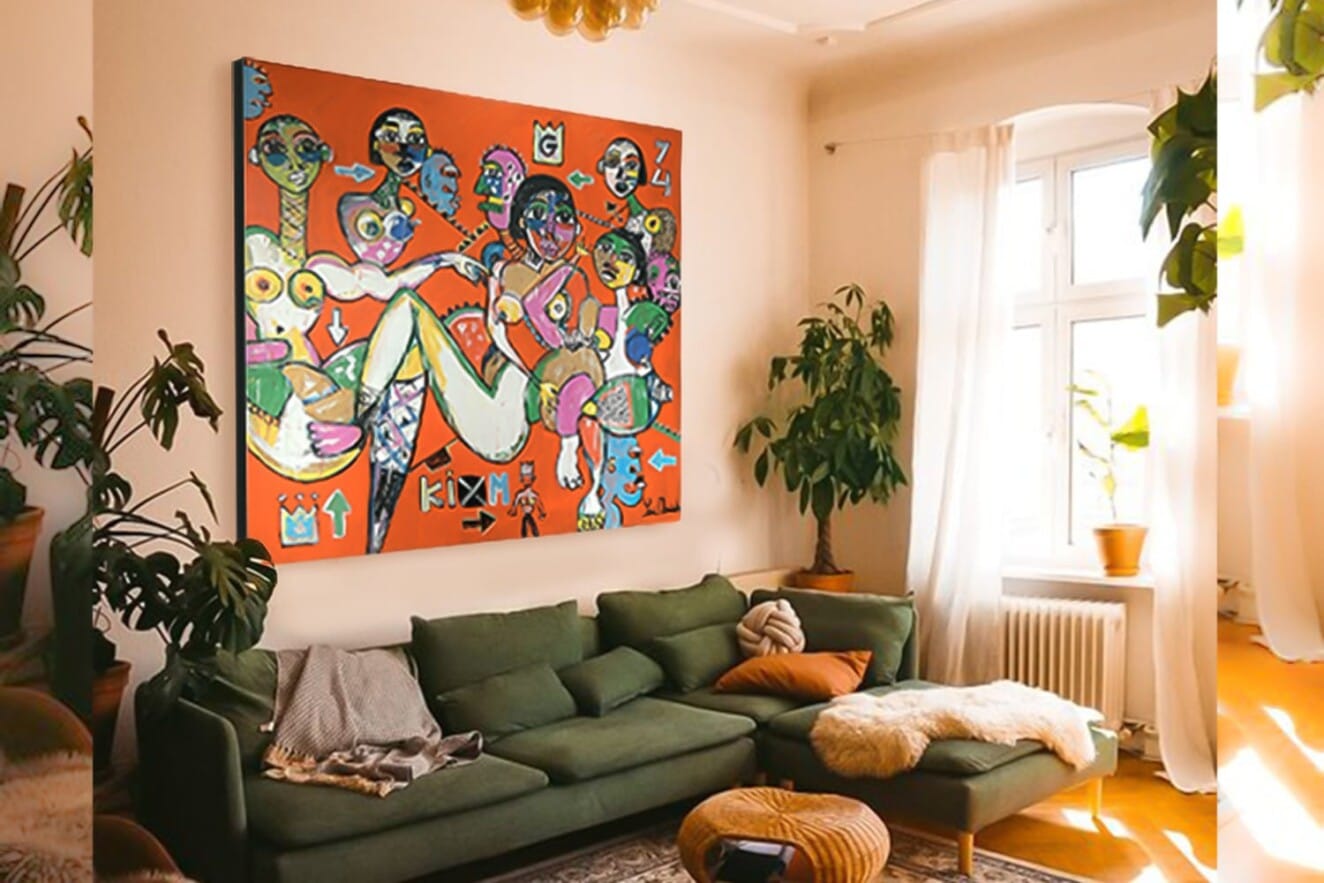
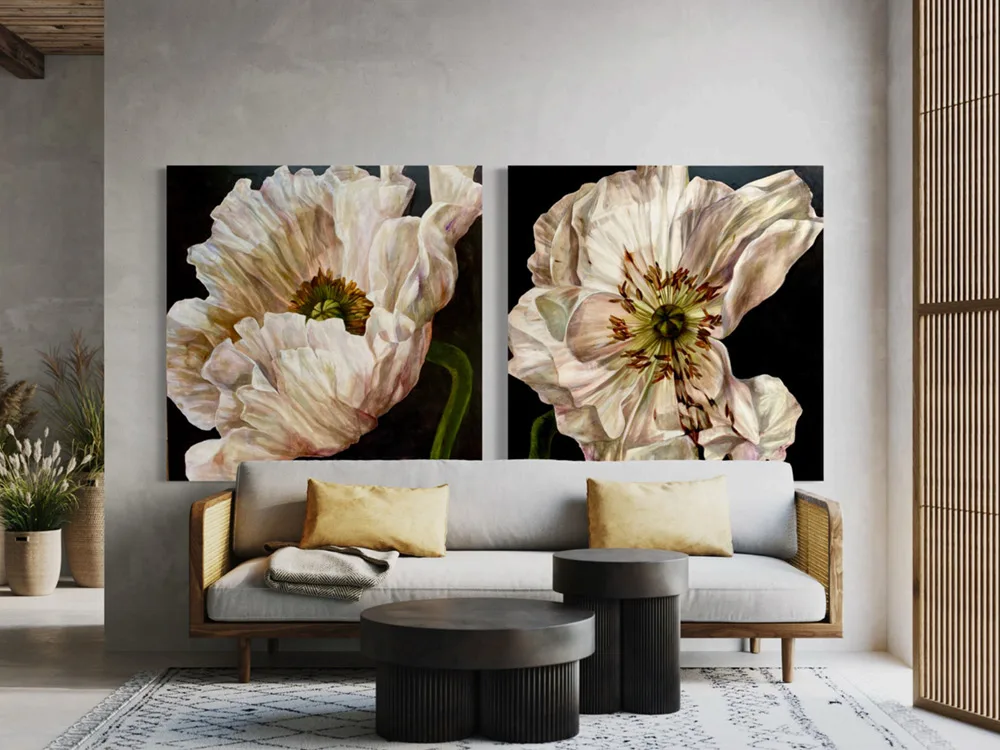
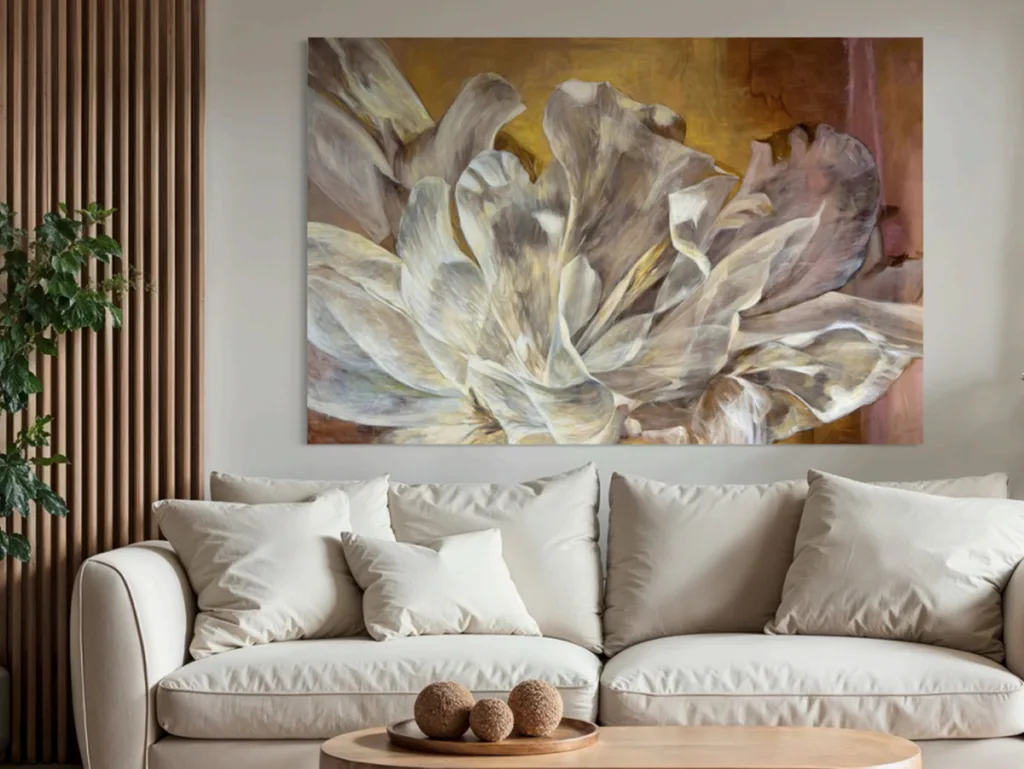
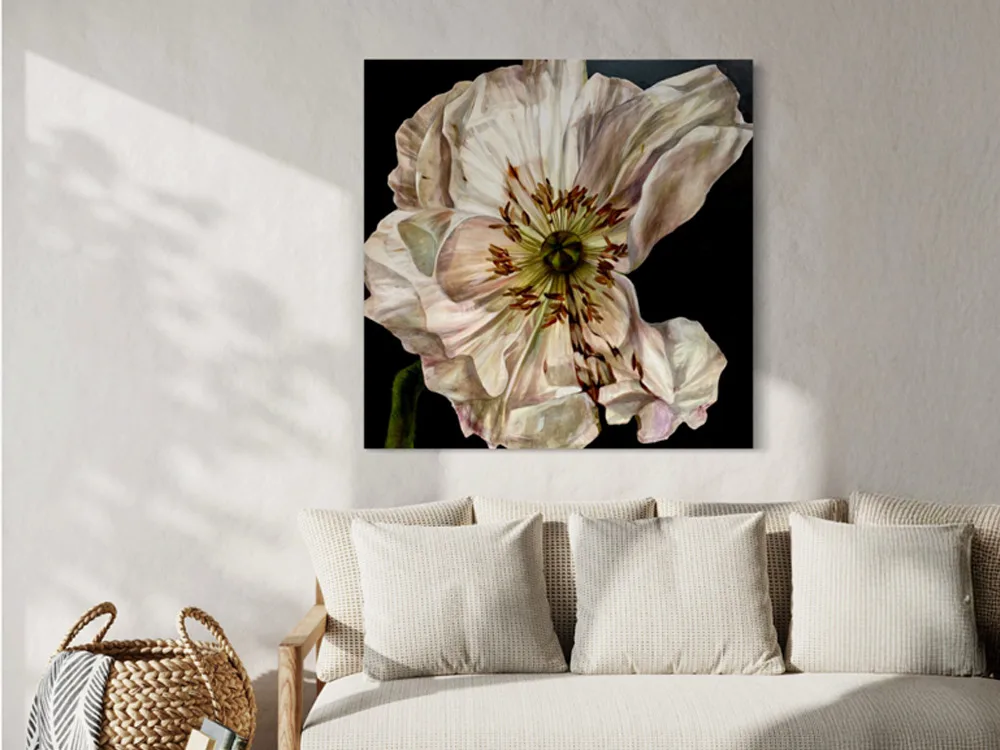
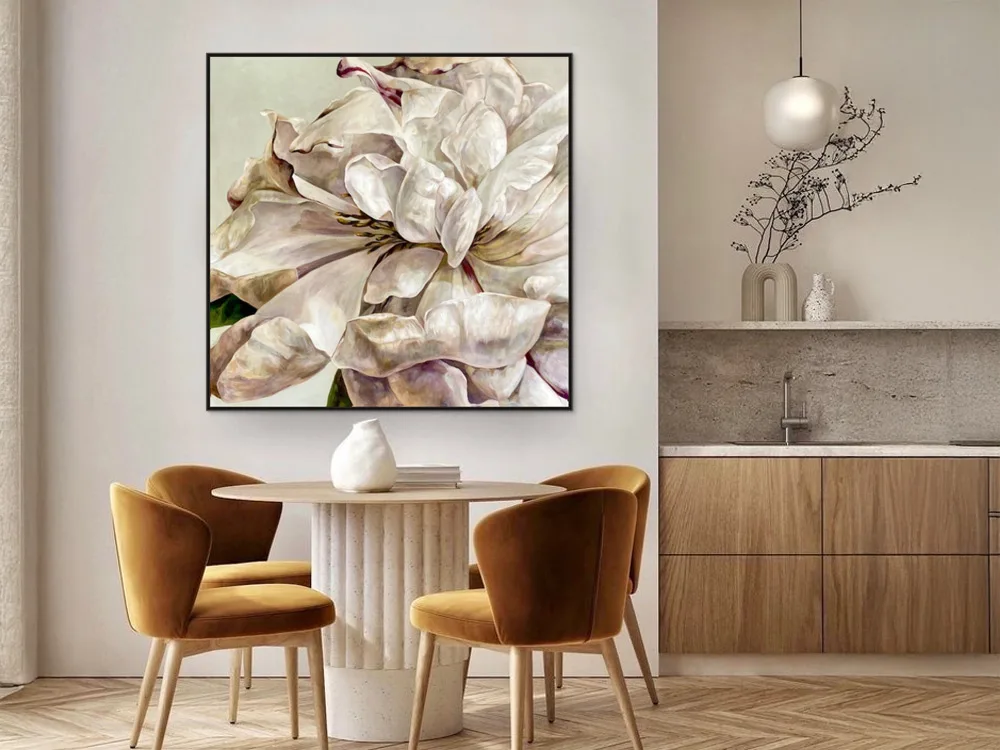
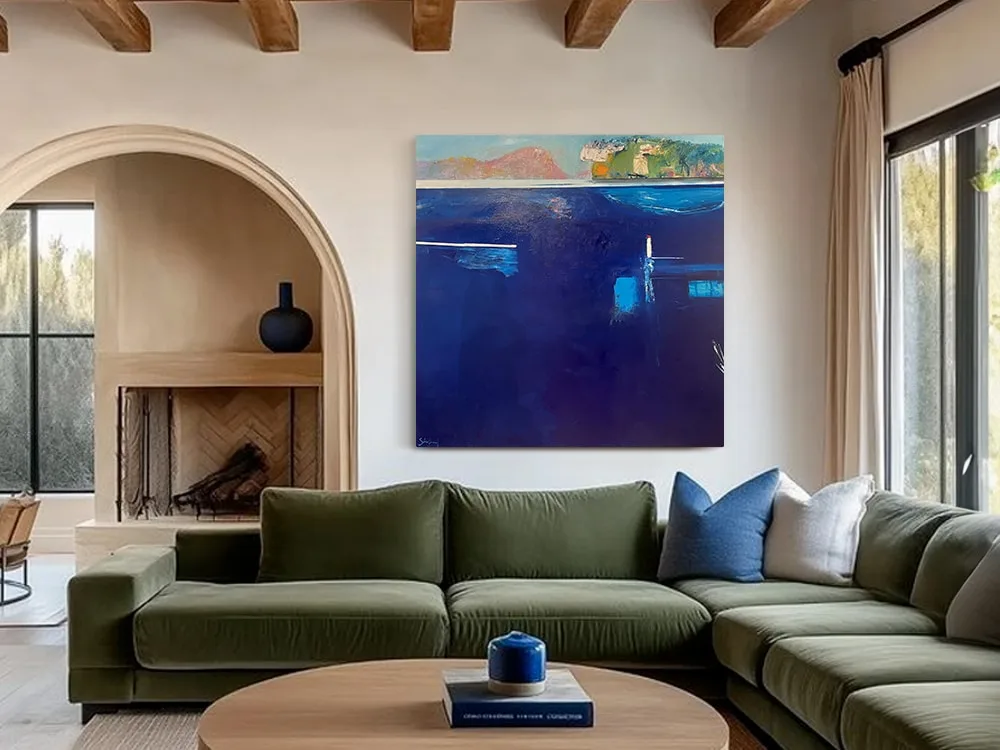
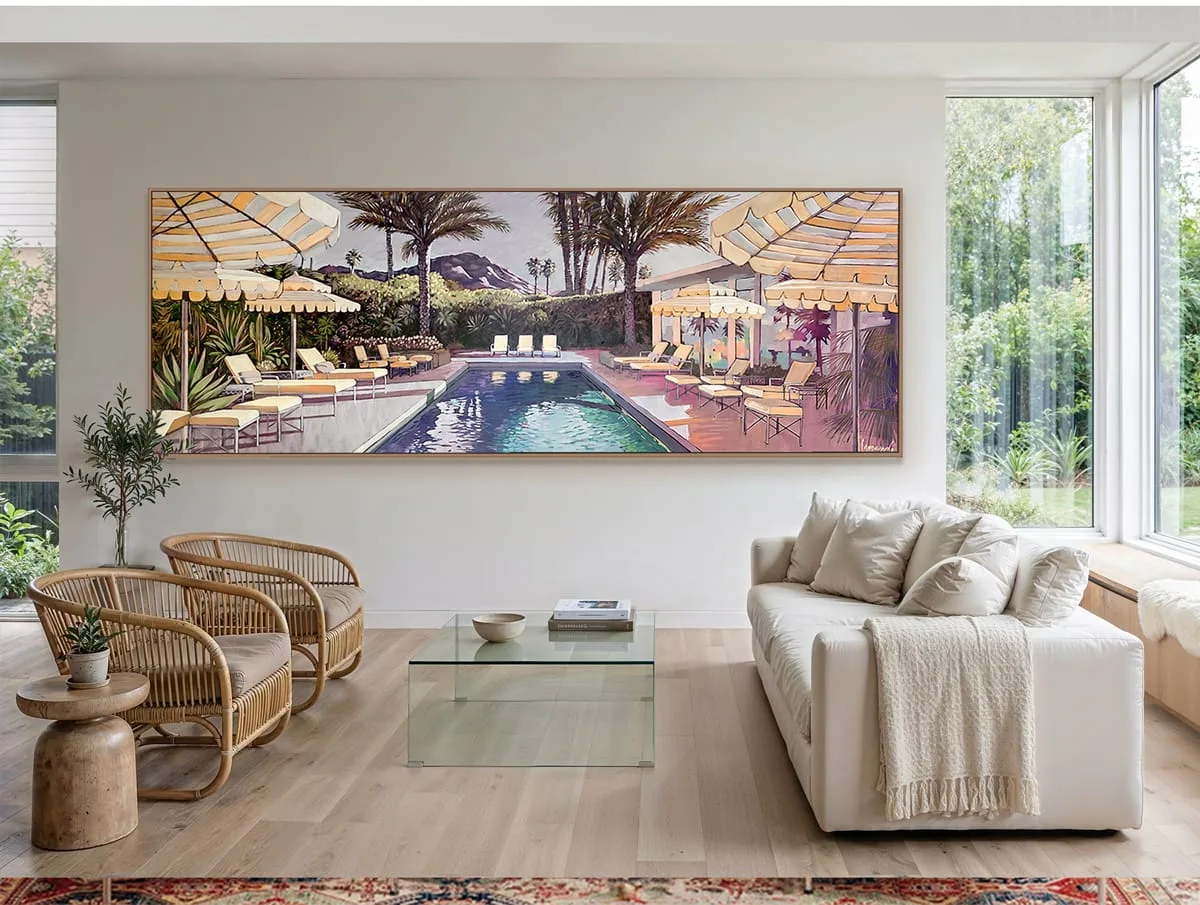
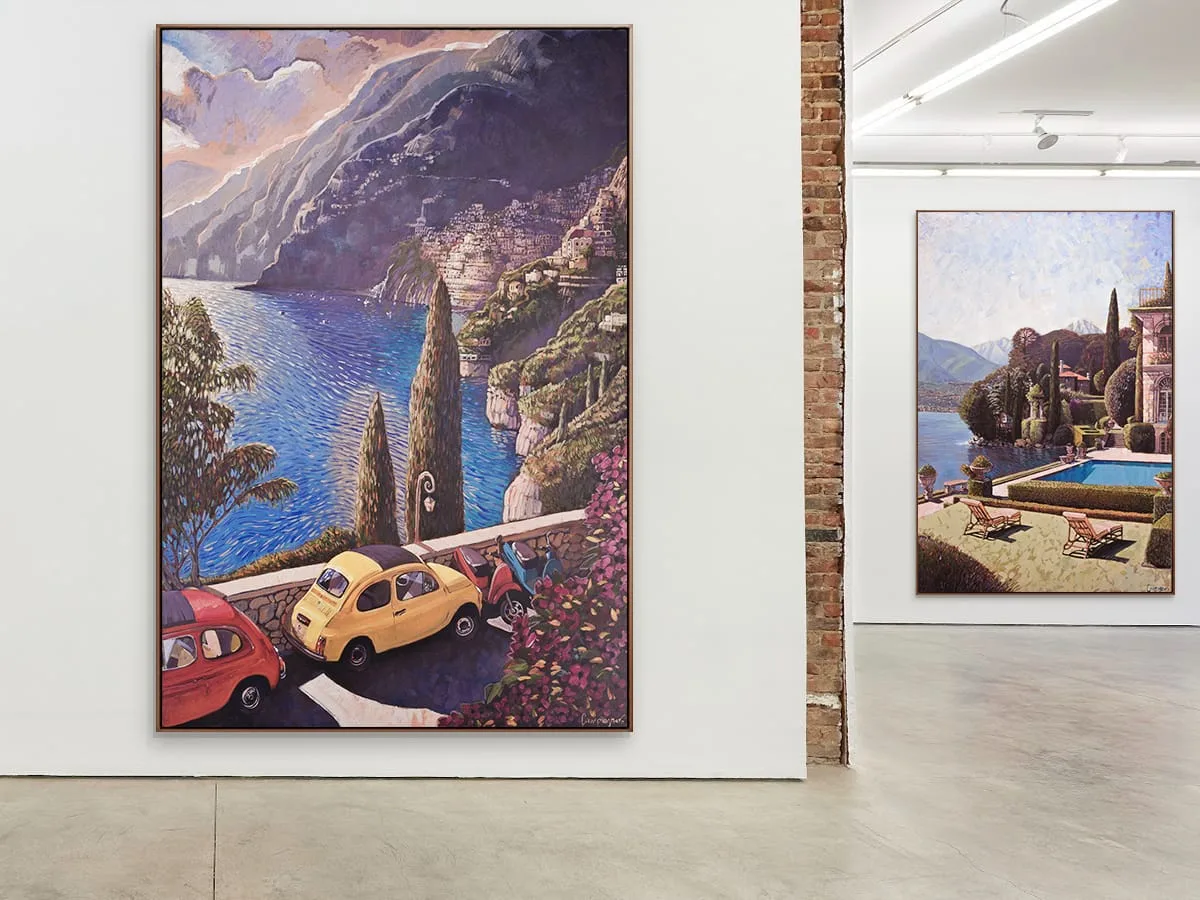
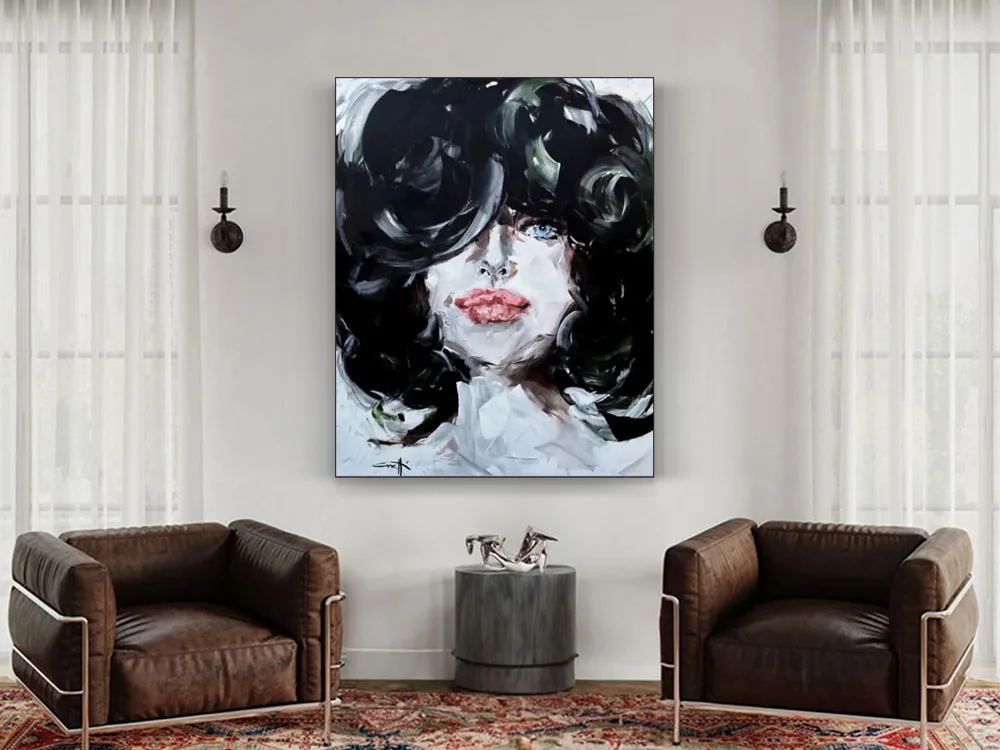
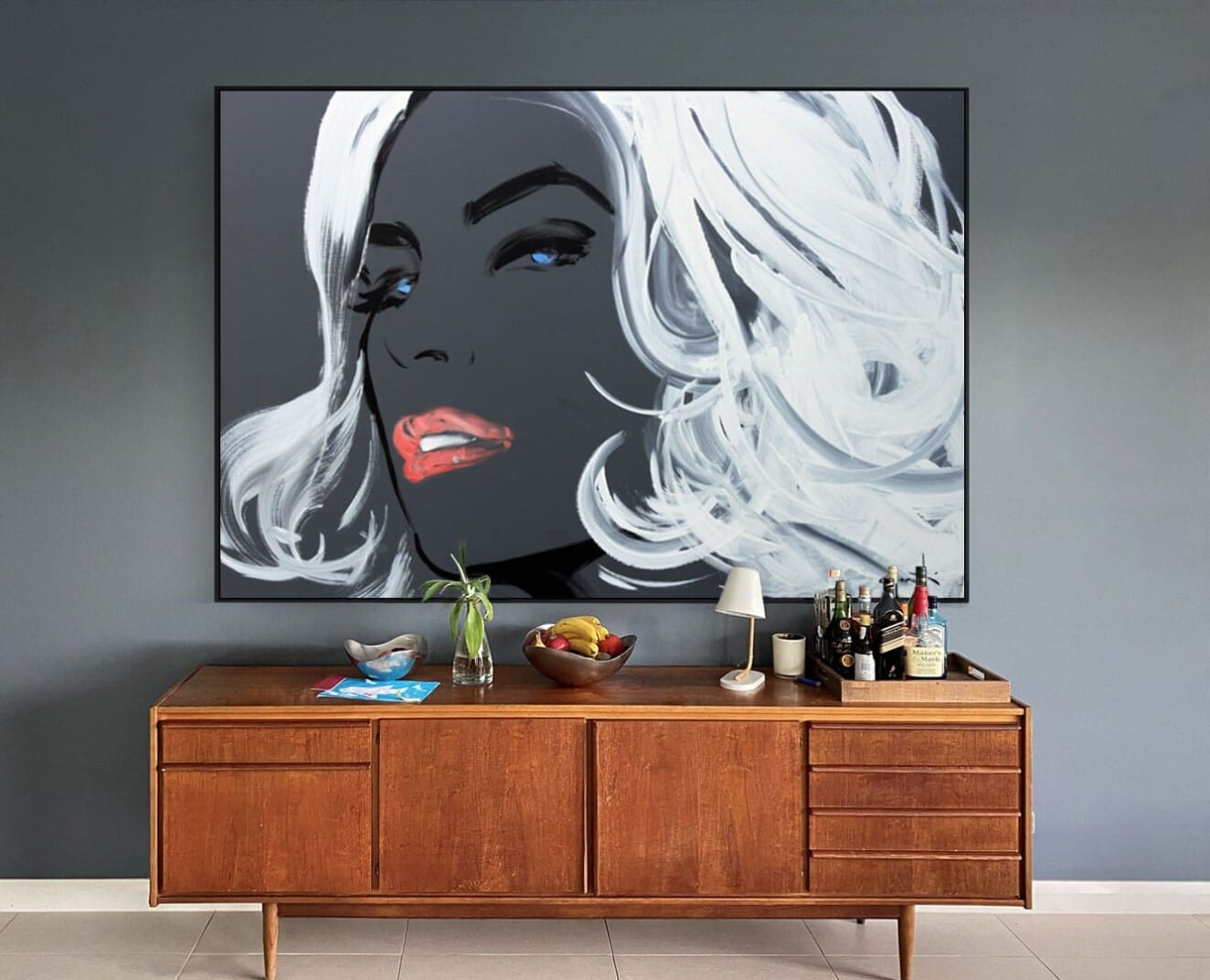
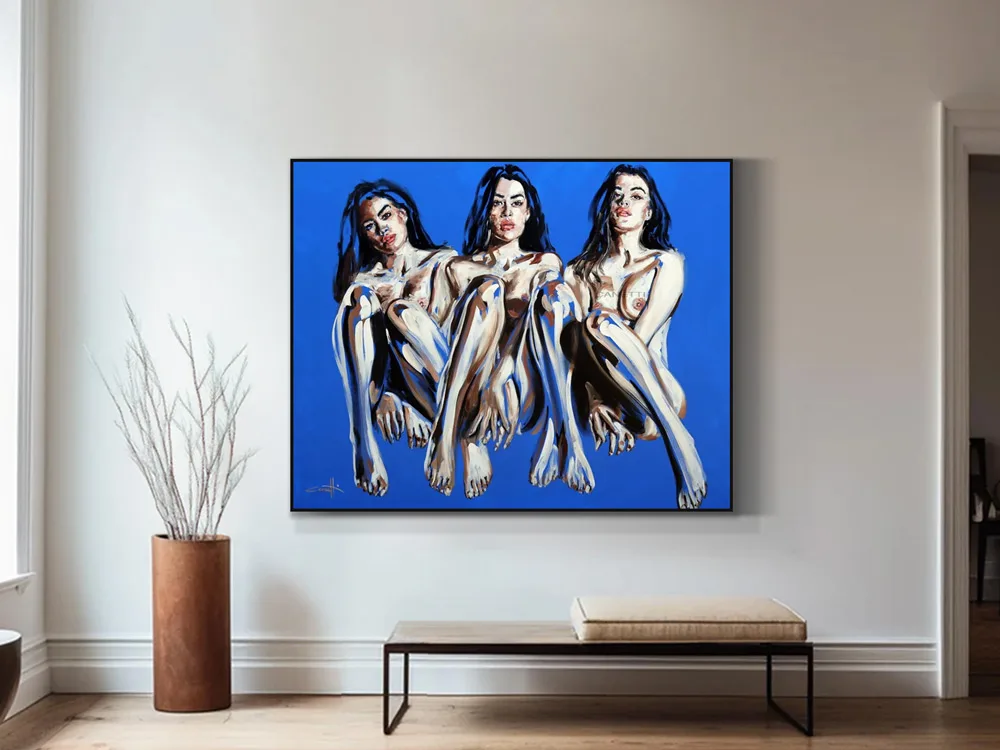
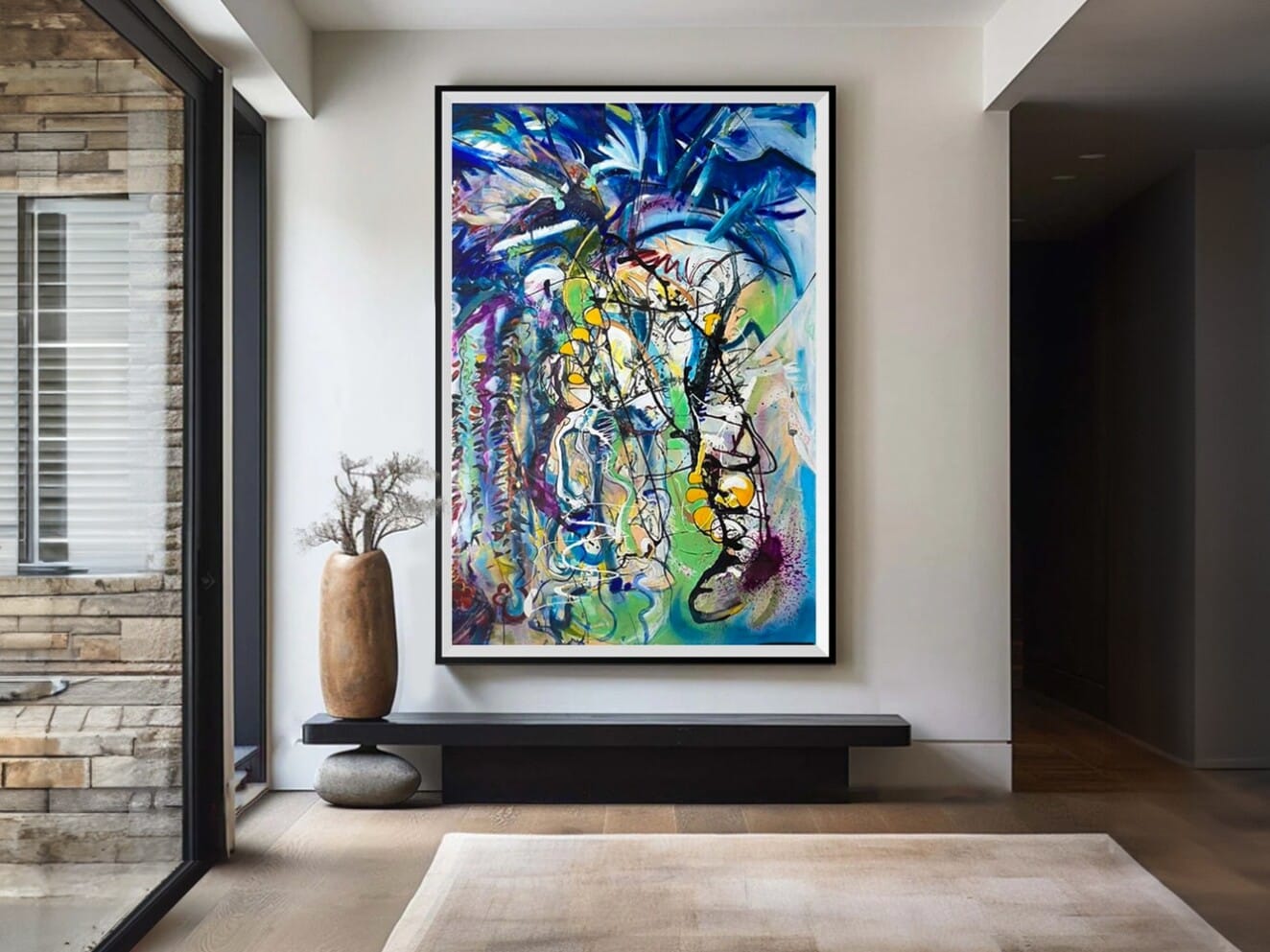
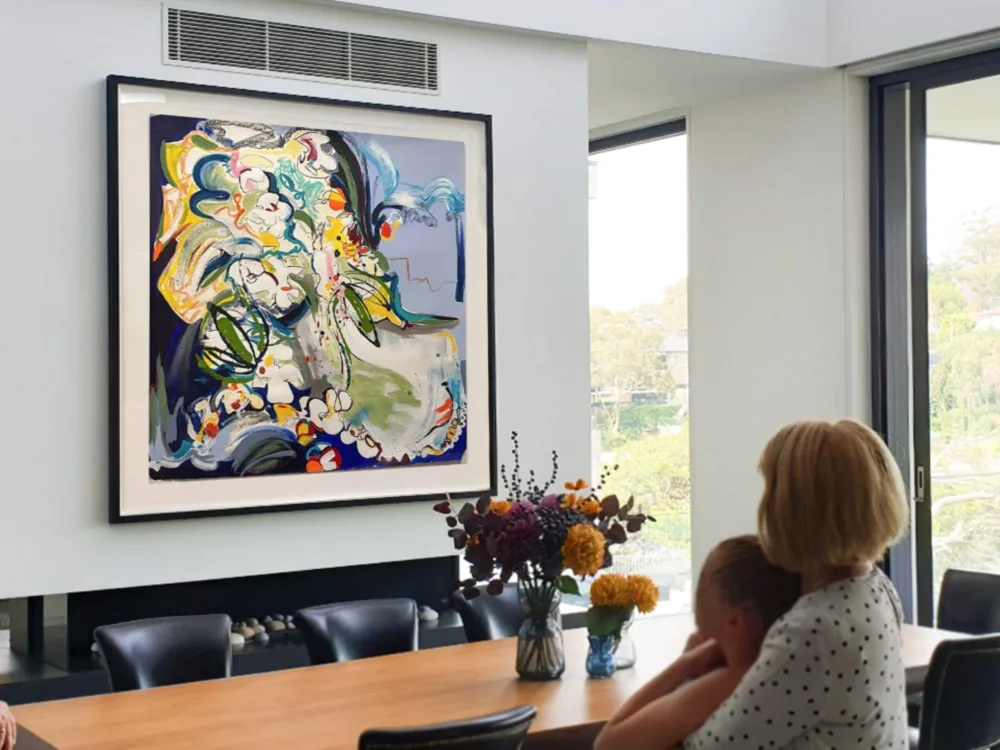
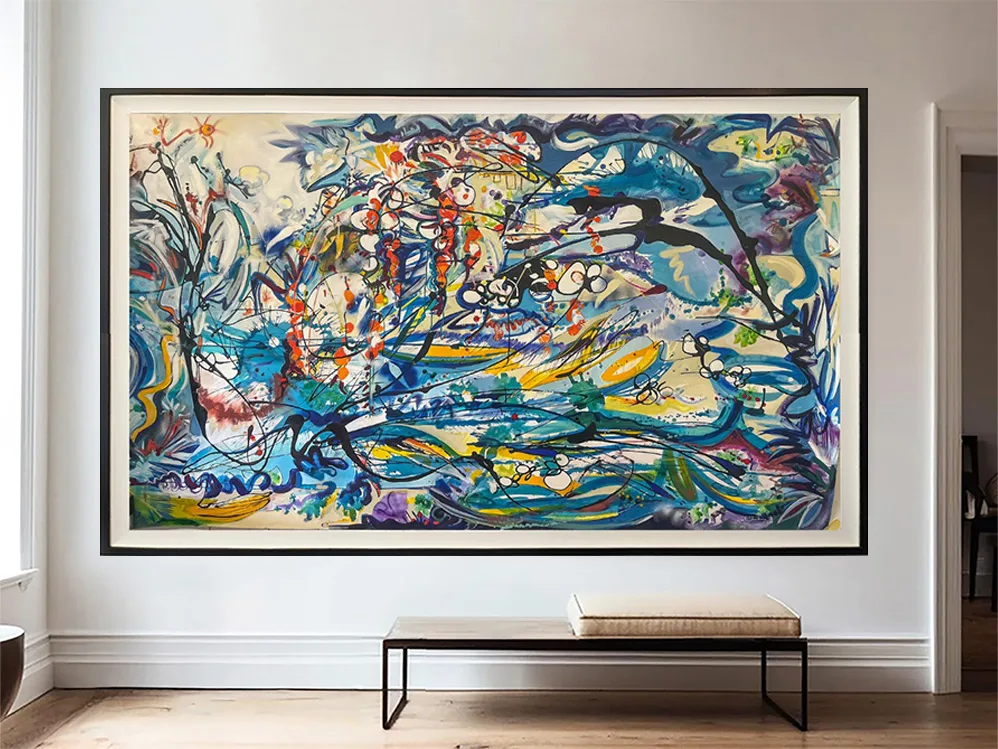
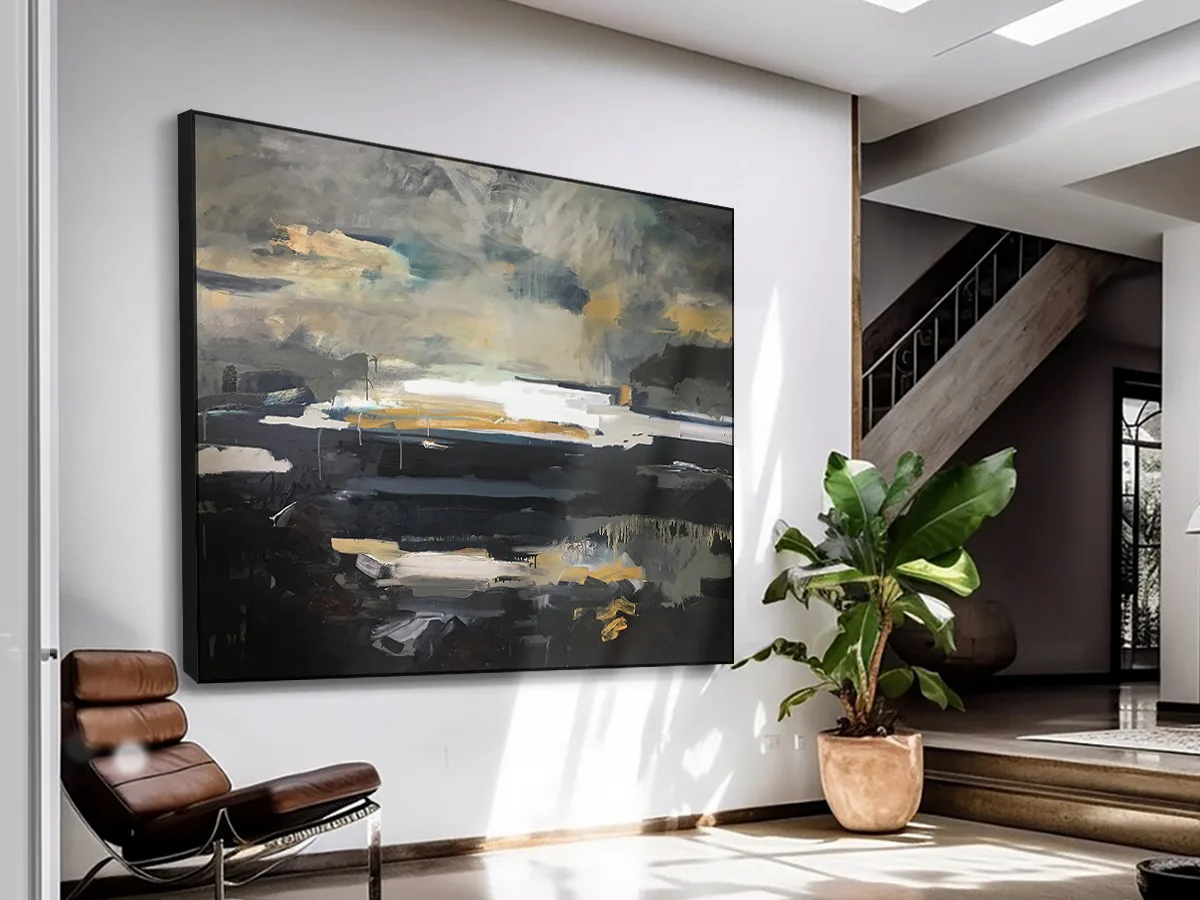
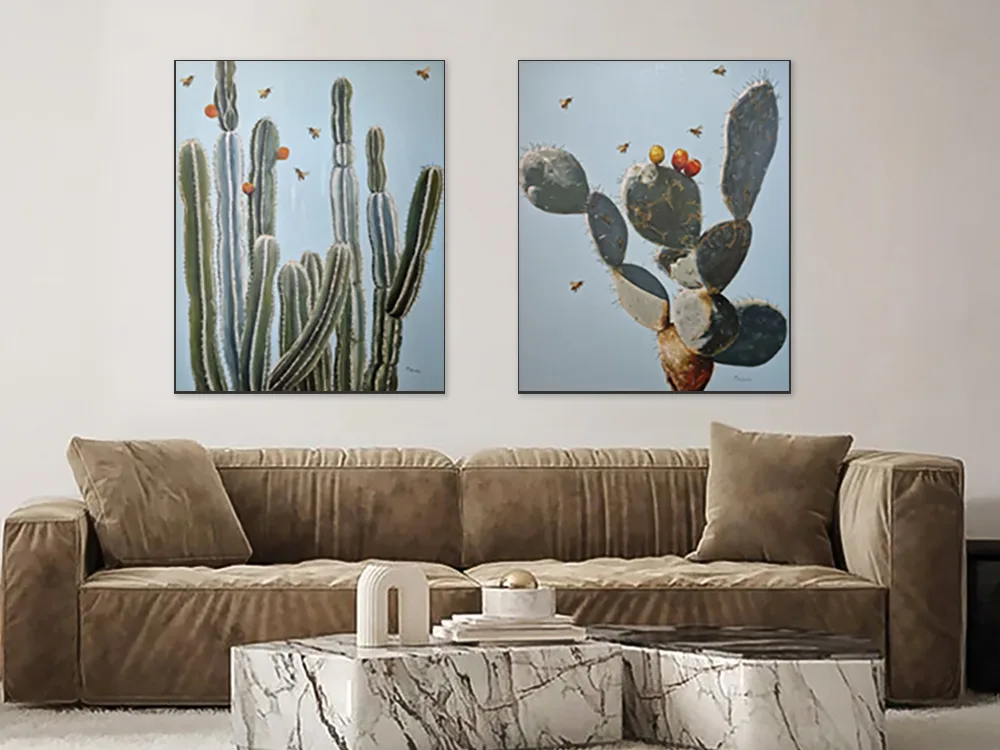
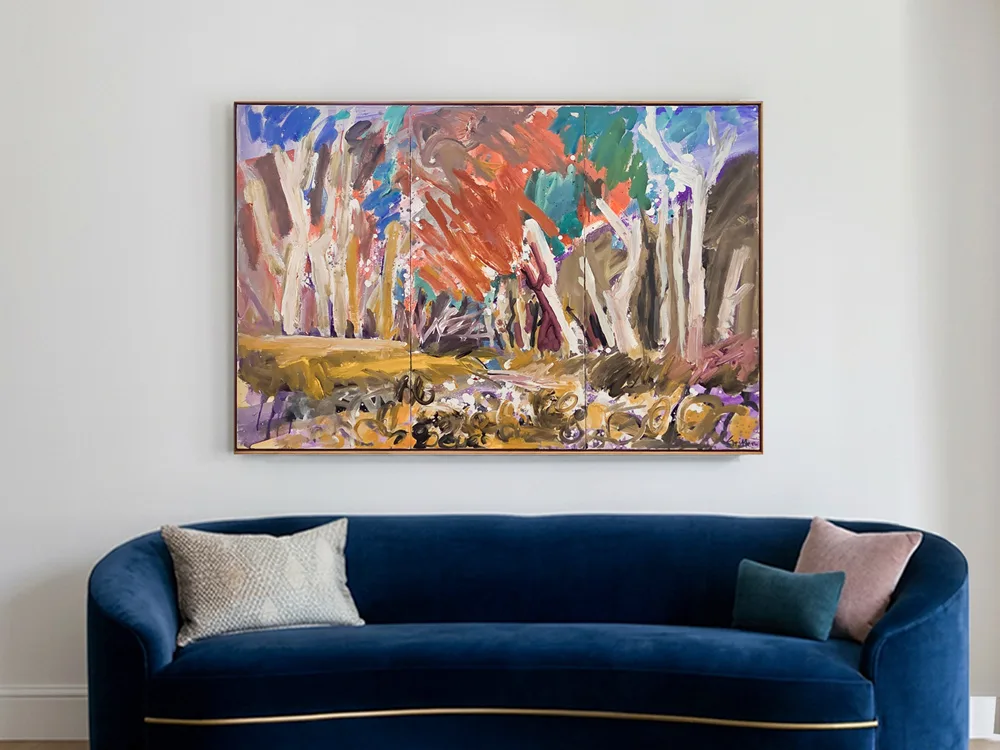
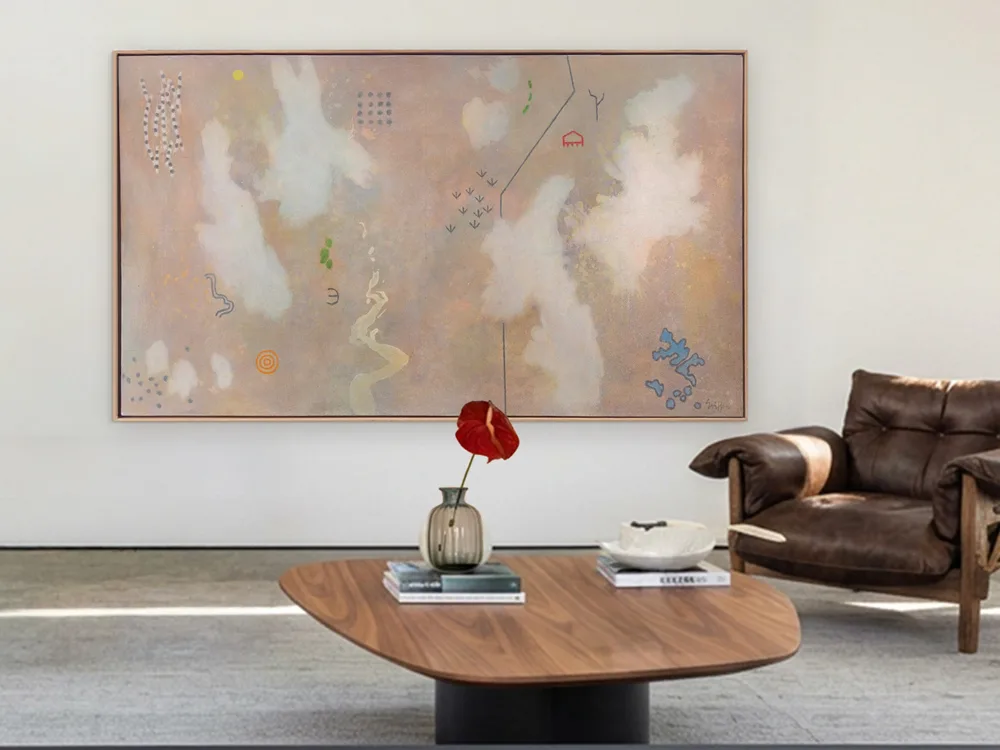
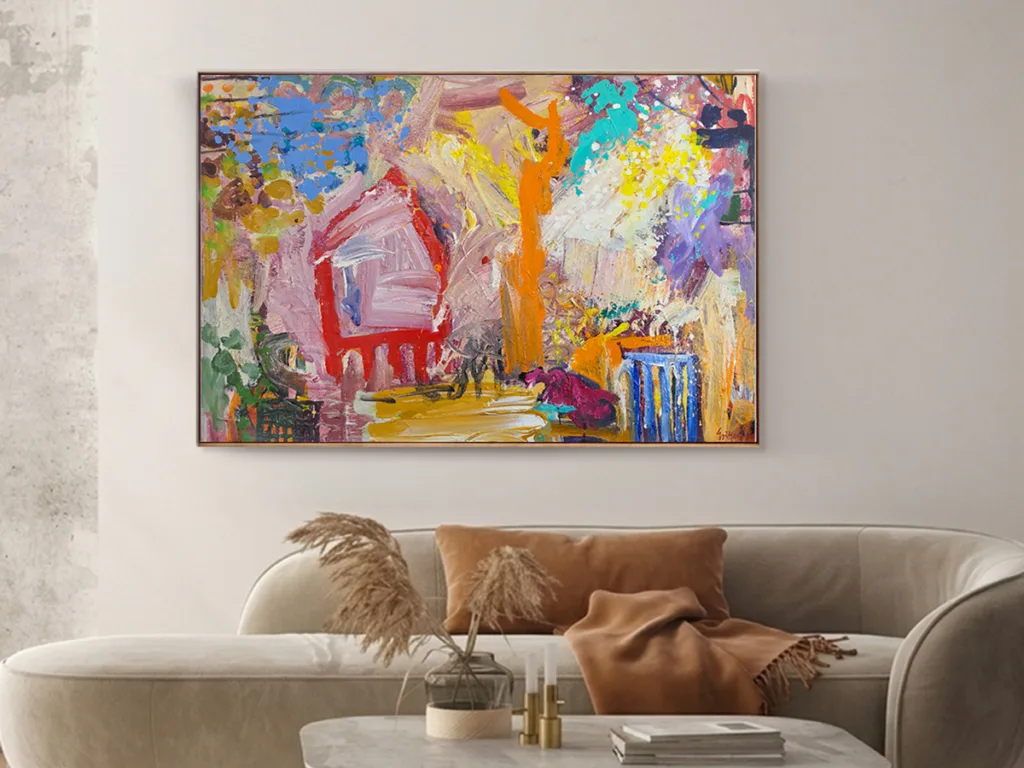
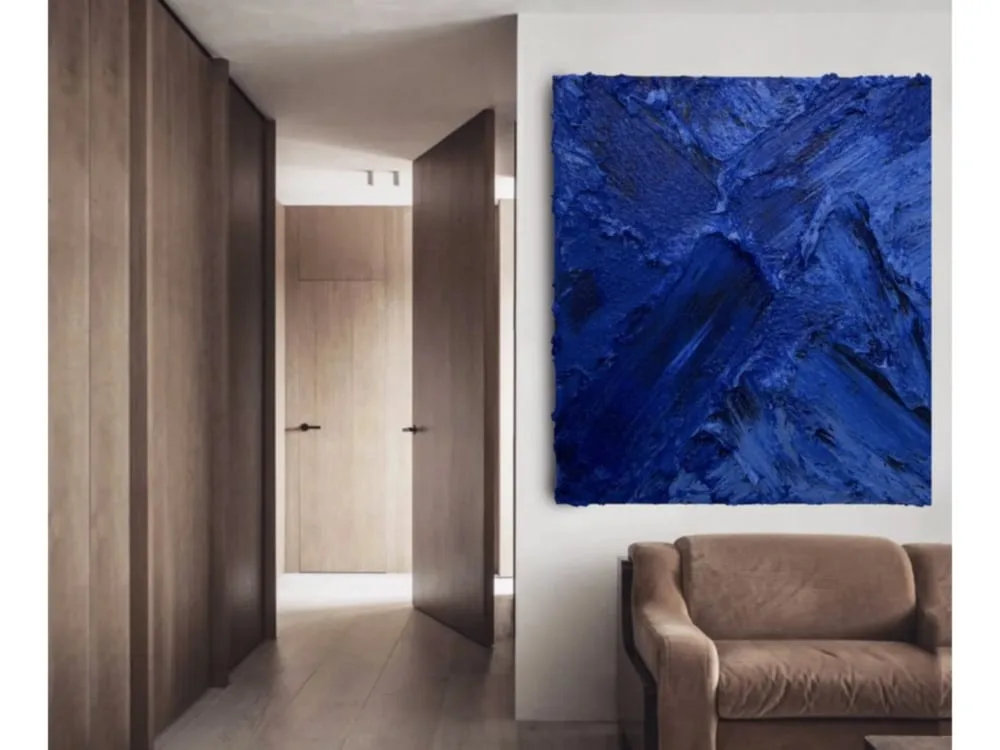
Scale changes what a work does in a room. A large canvas read from across a space is a different experience from the same image at 30 centimetres. If you’re working with a significant wall or an open-plan interior, it’s worth considering works that were made with that kind of viewing distance in mind rather than scaling up a small composition.
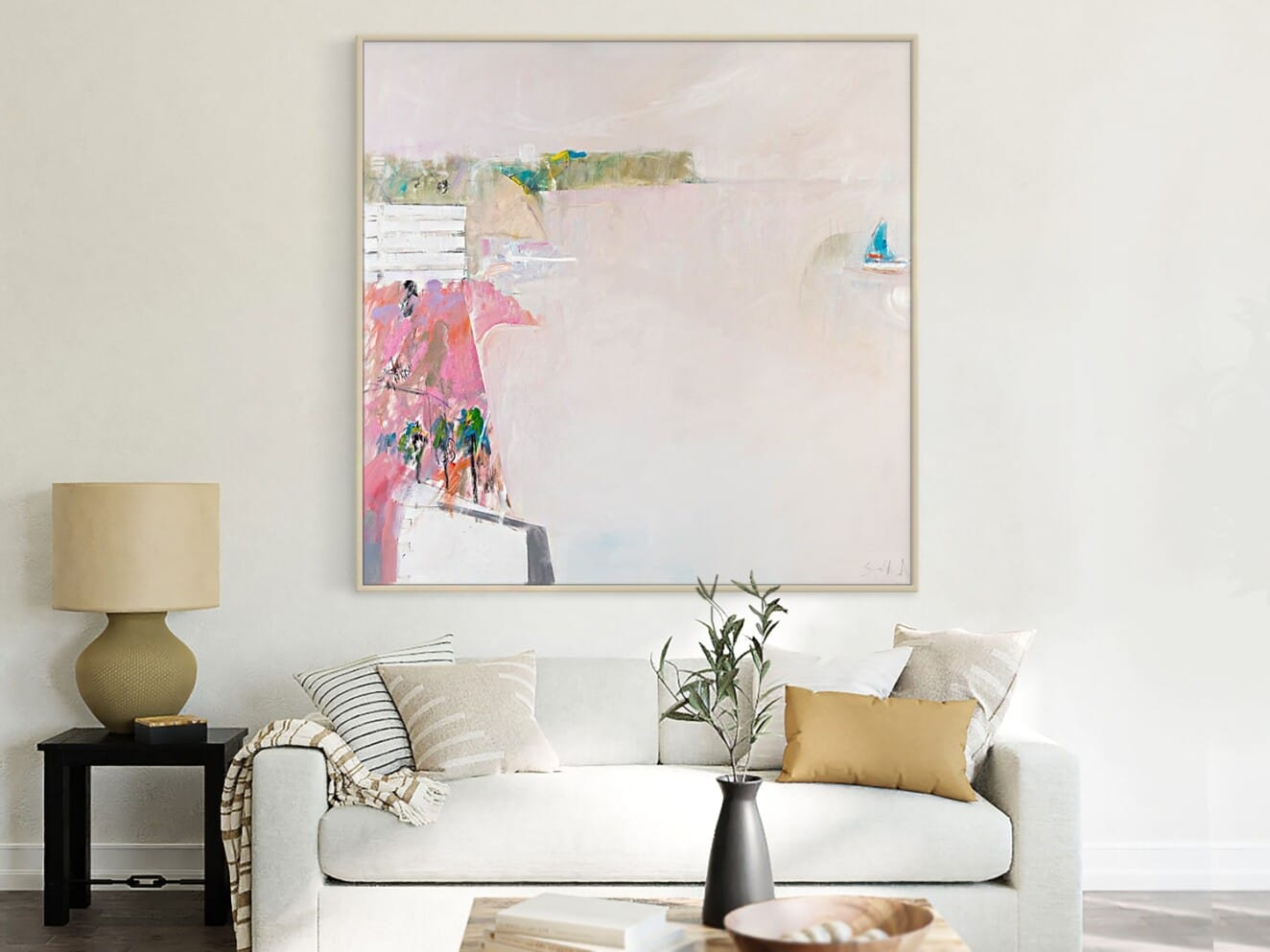
The practical question is proportion. A work that fills two-thirds of a wall reads well. One that’s slightly too small for the space tends to look like an afterthought. We’re happy to advise on sizing before you commit.
Art and Interior Design
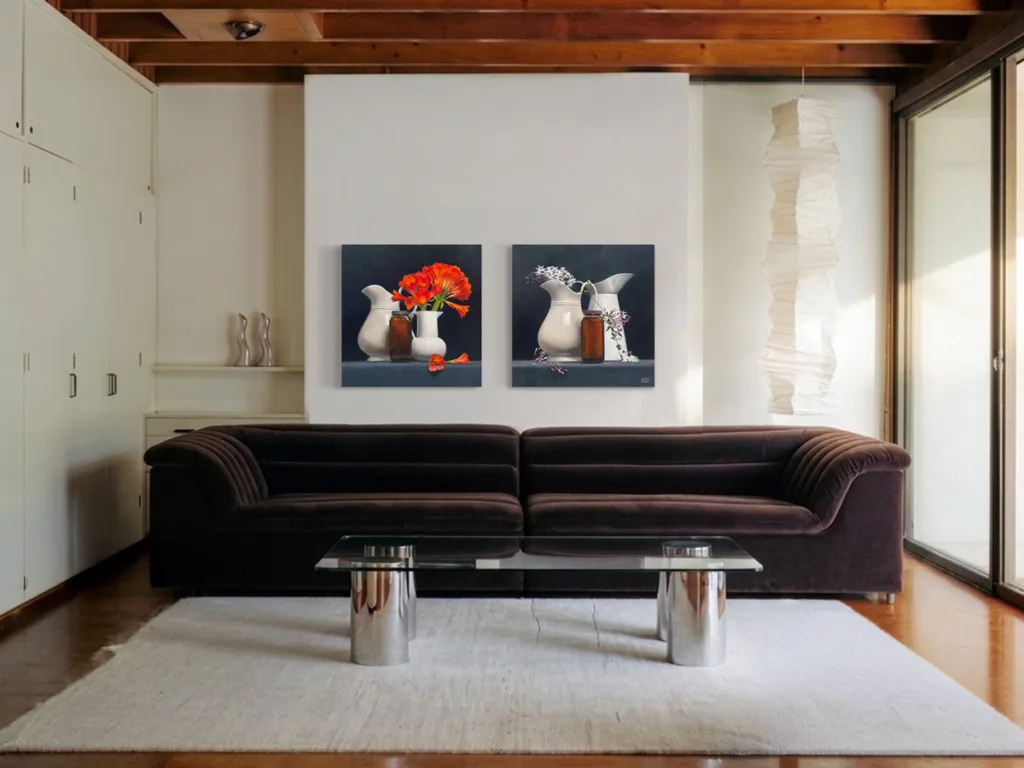
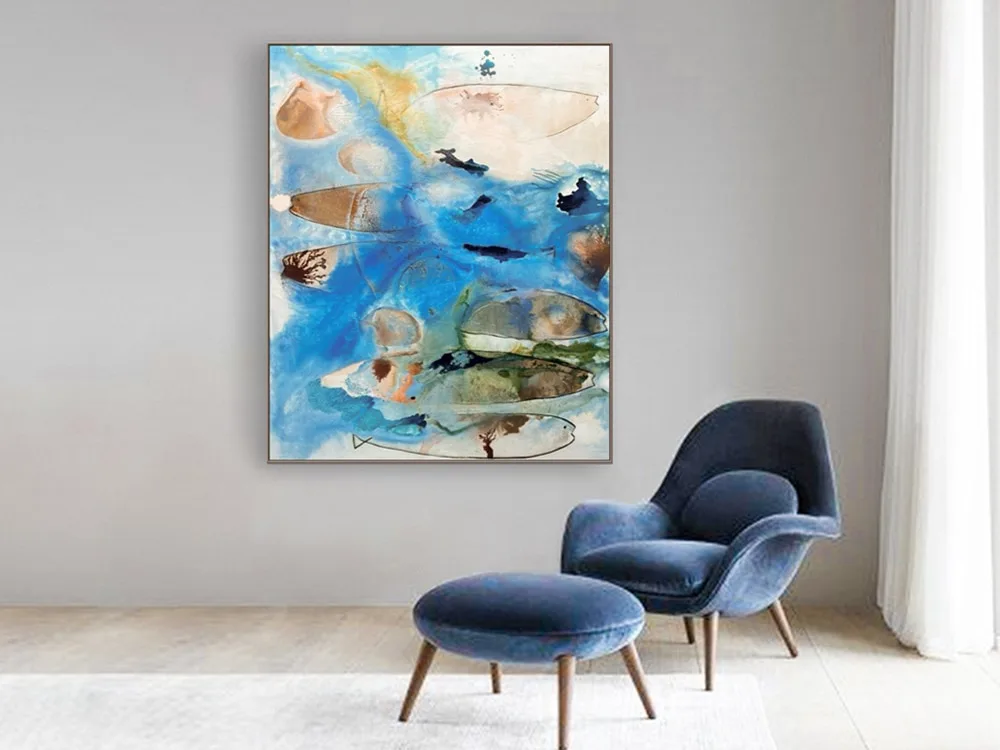
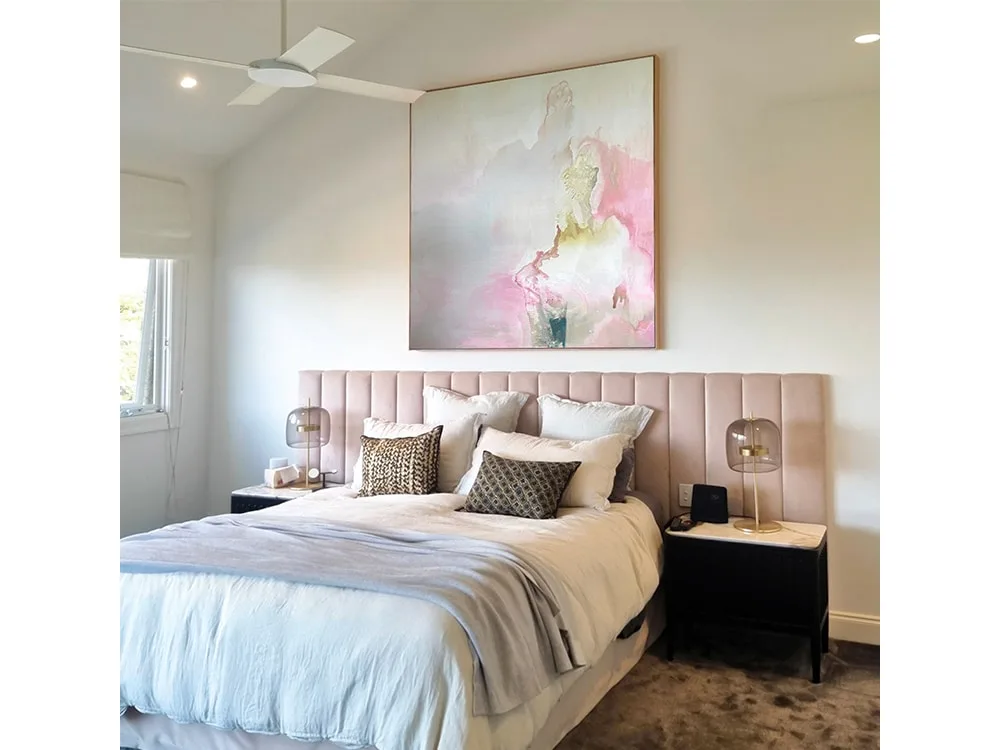
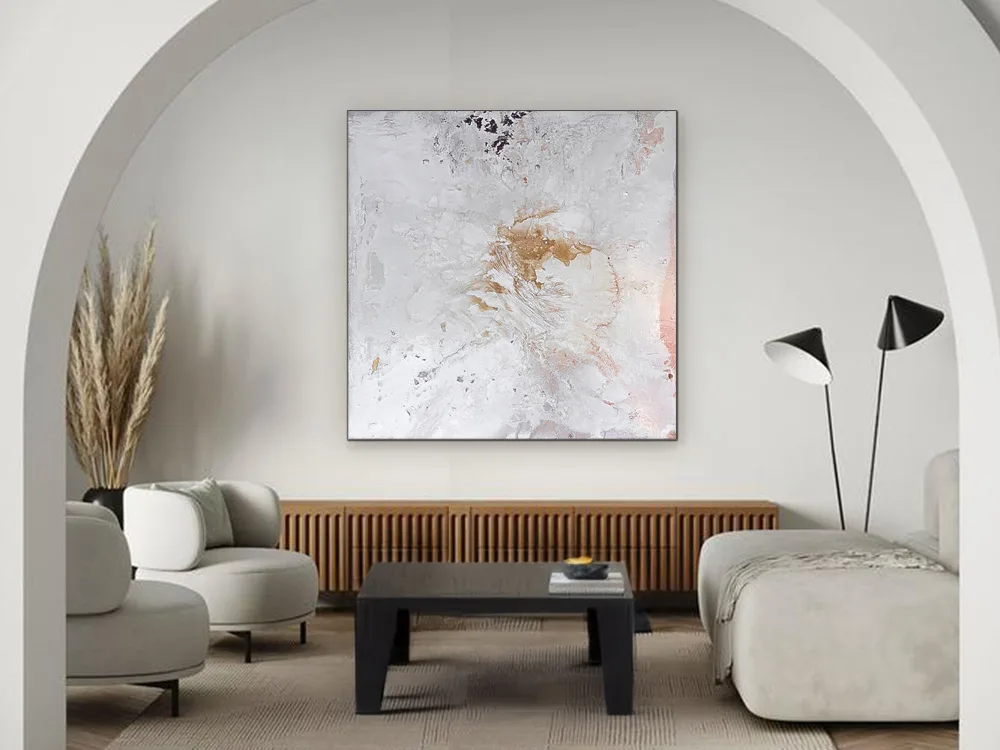
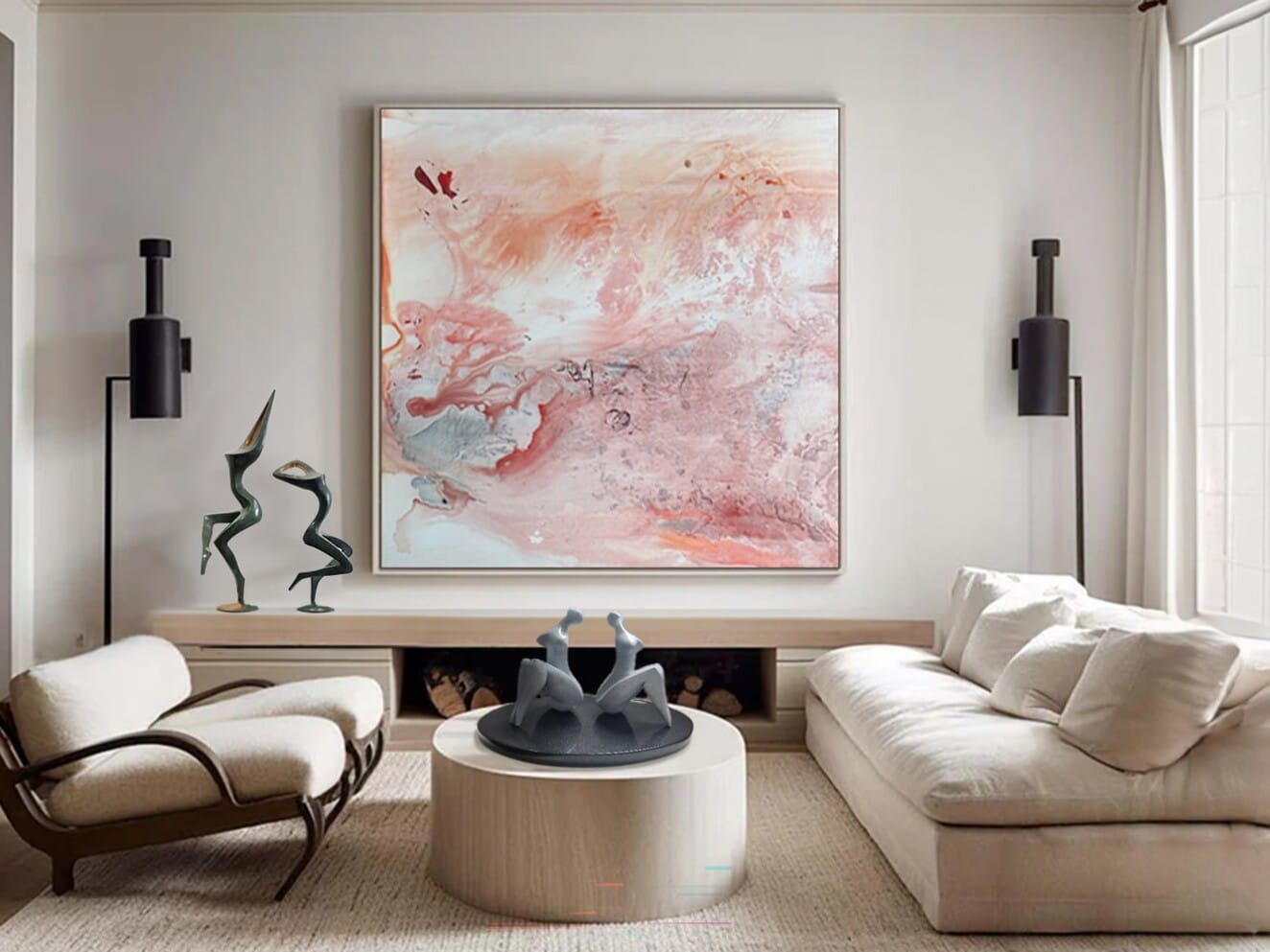
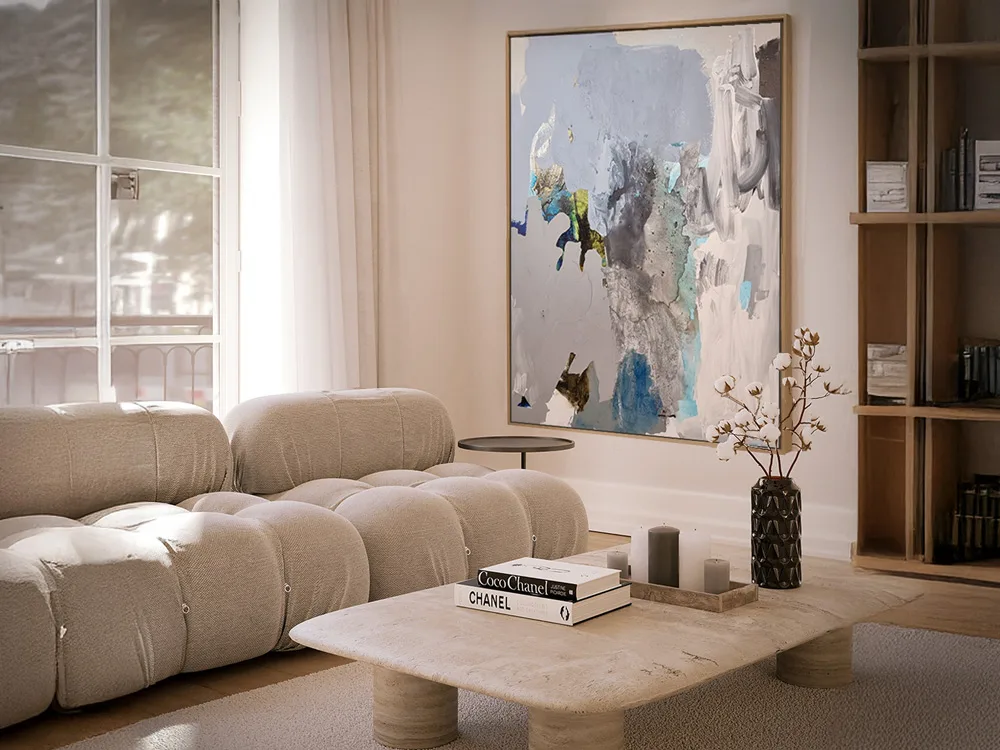
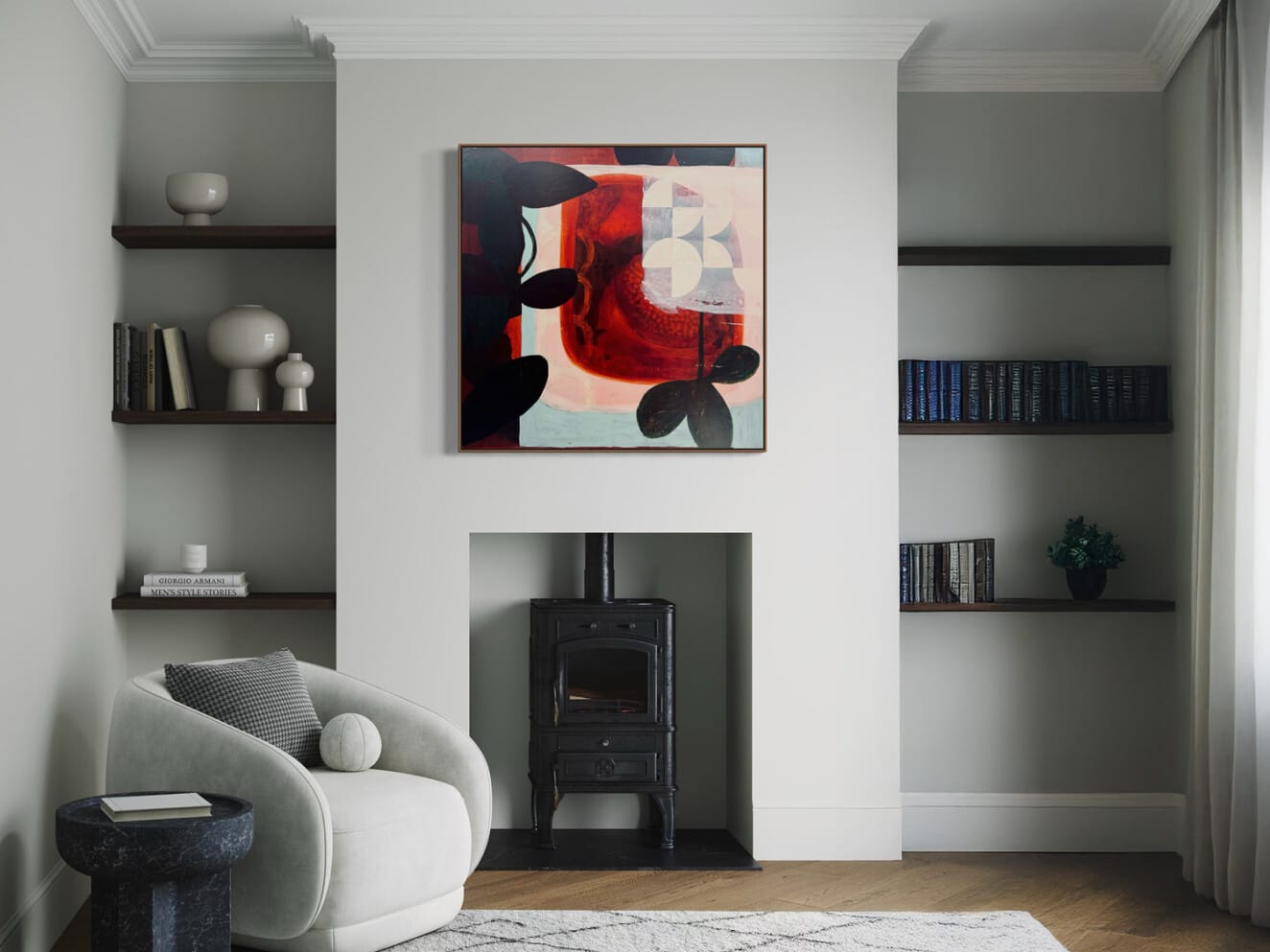
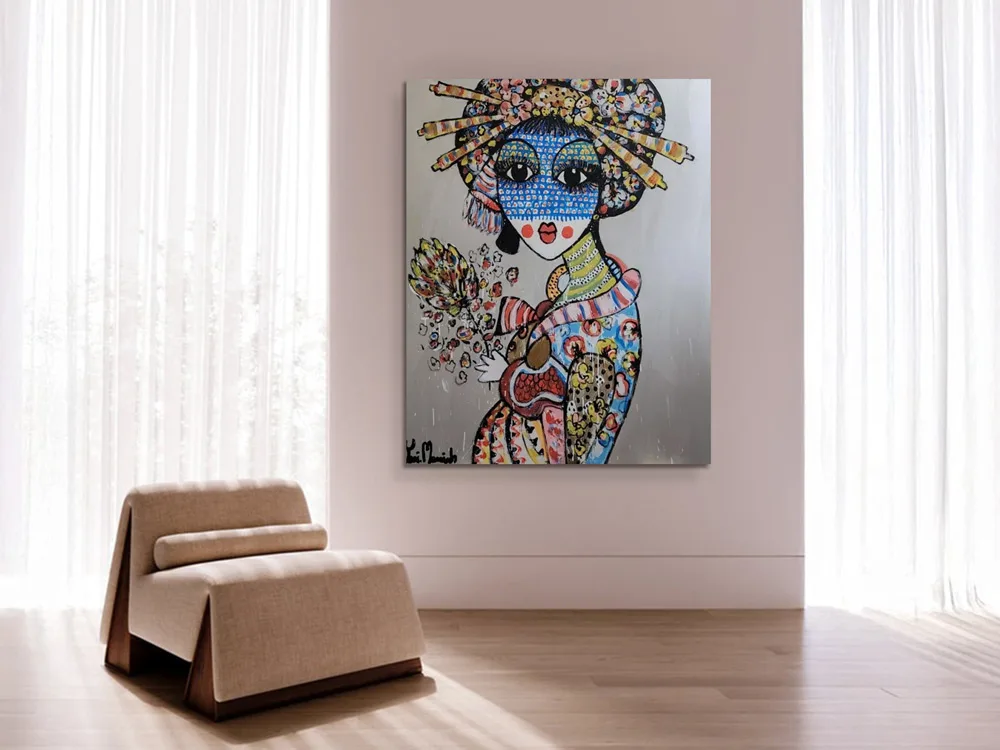
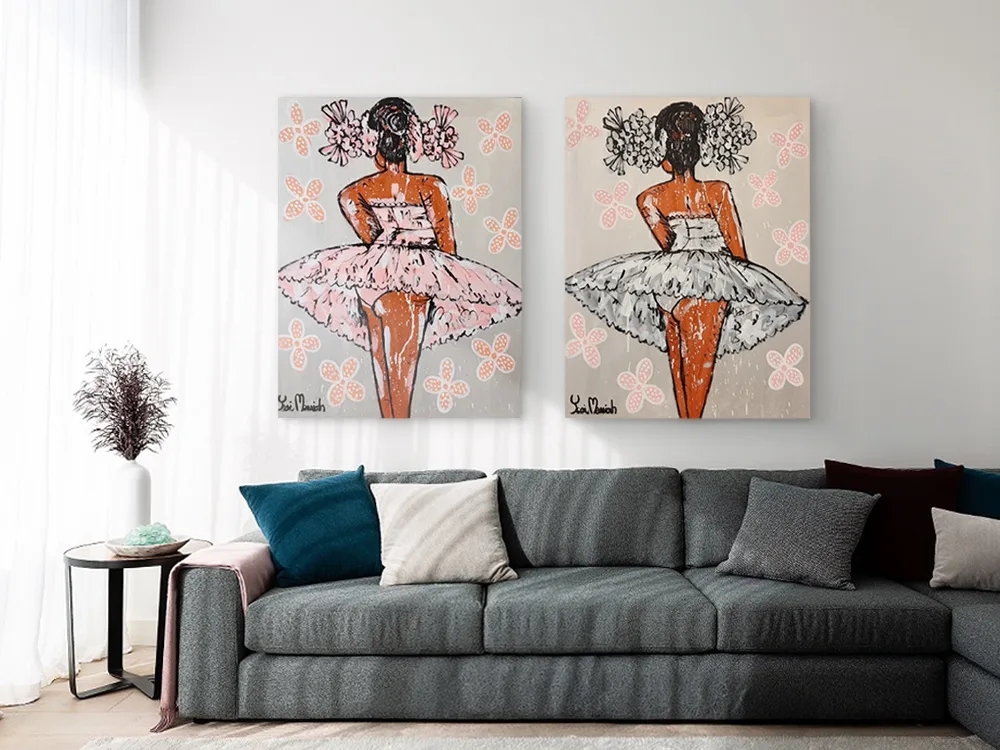
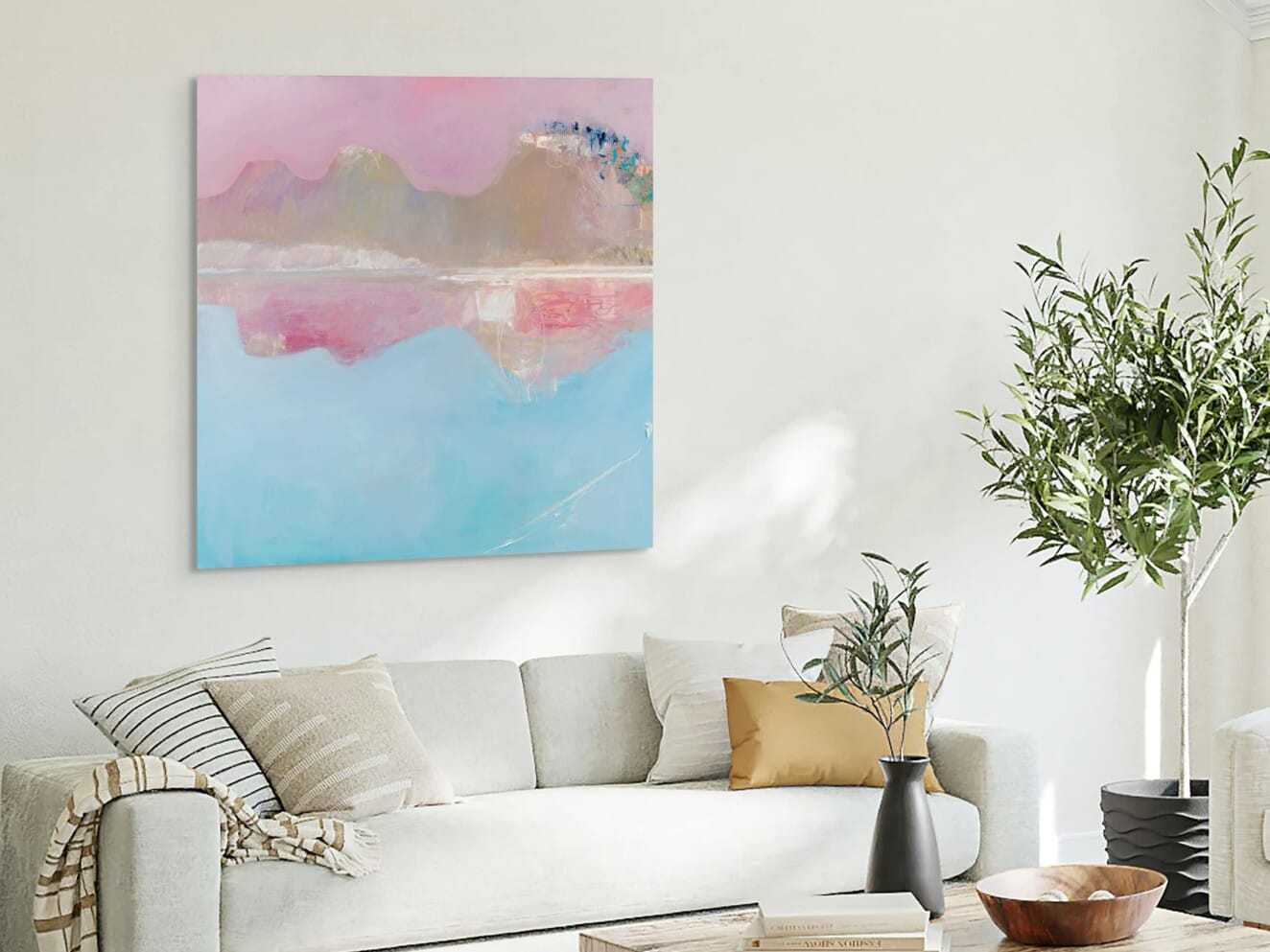
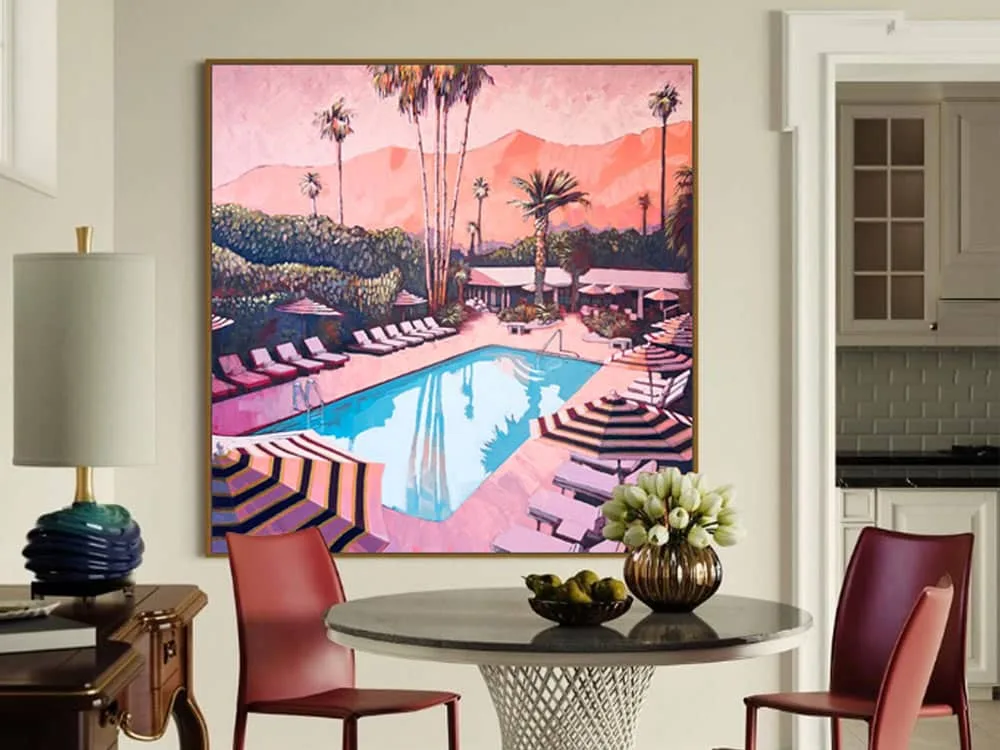
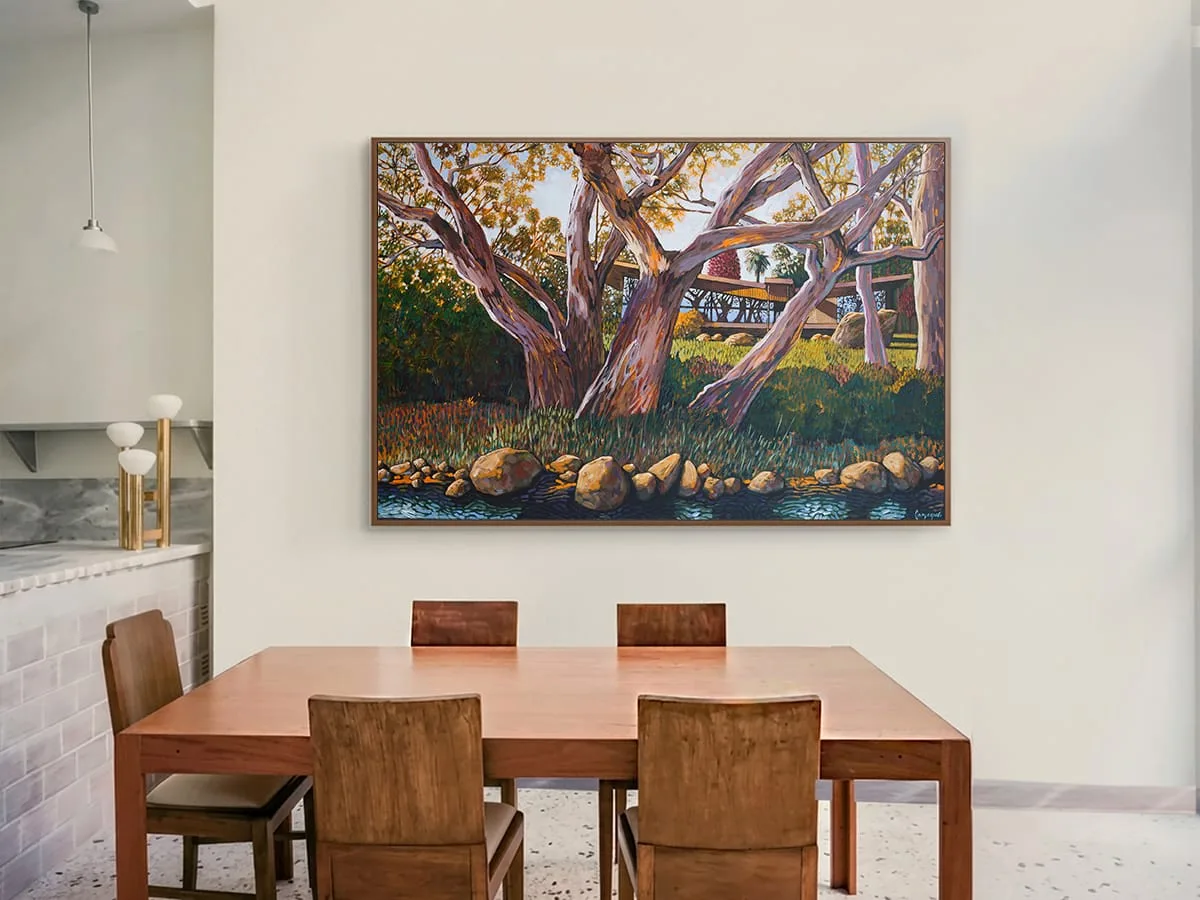
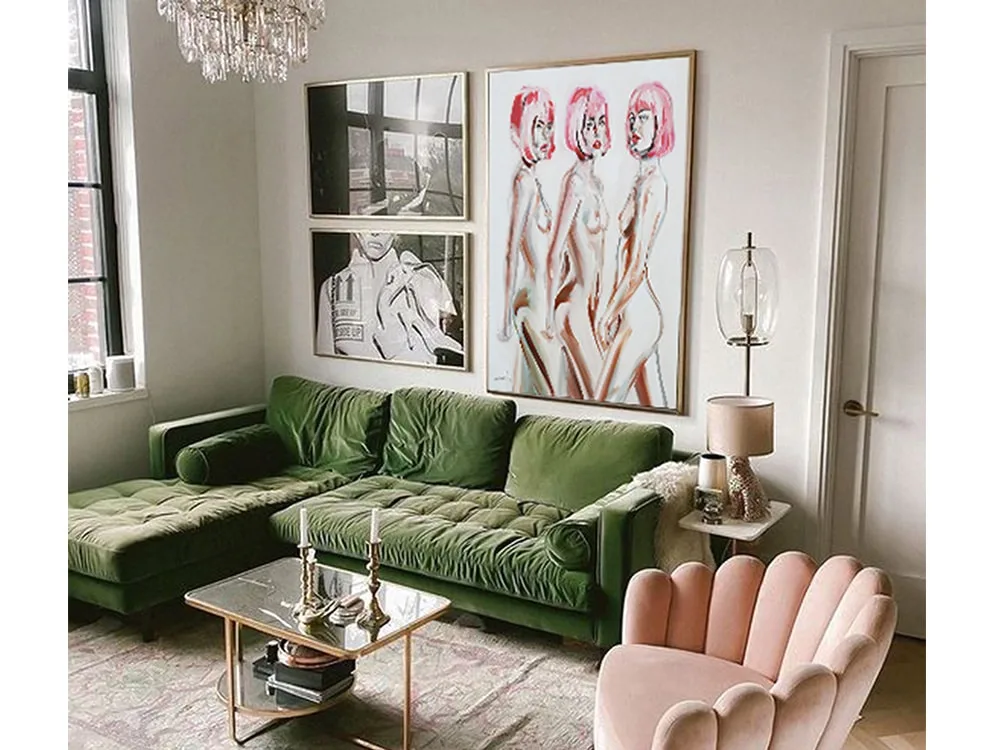
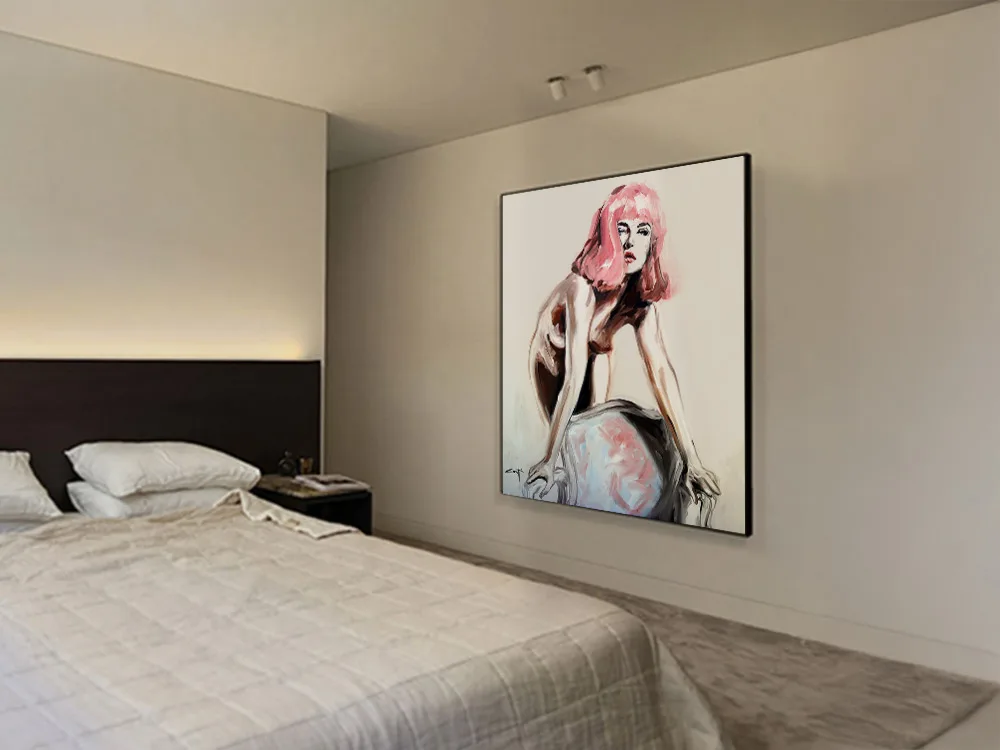
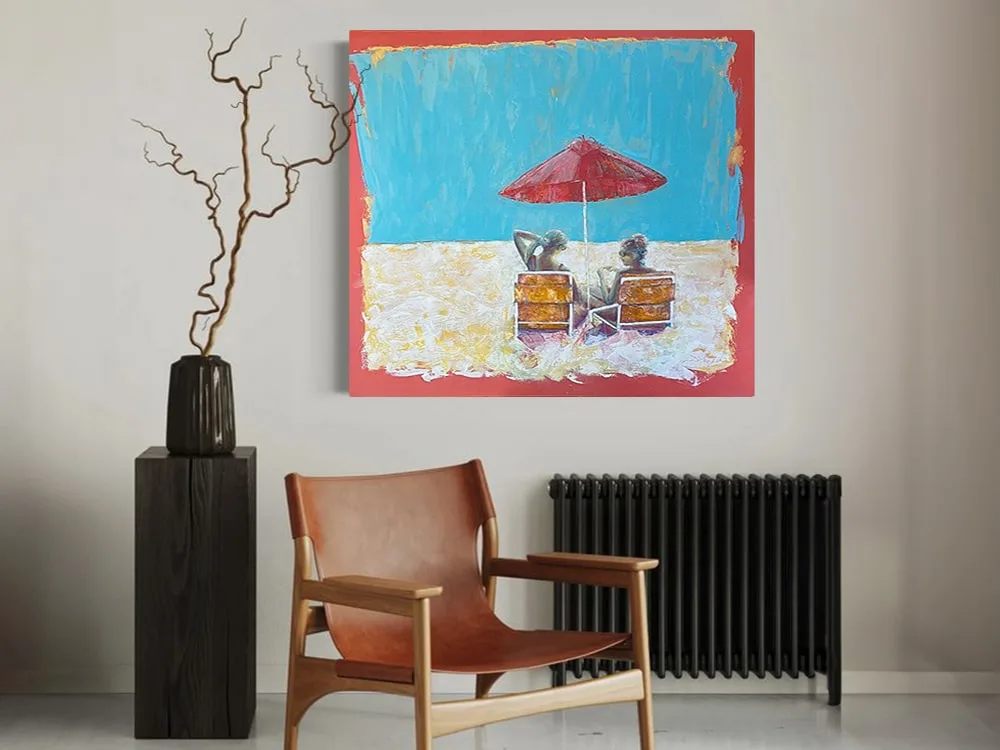
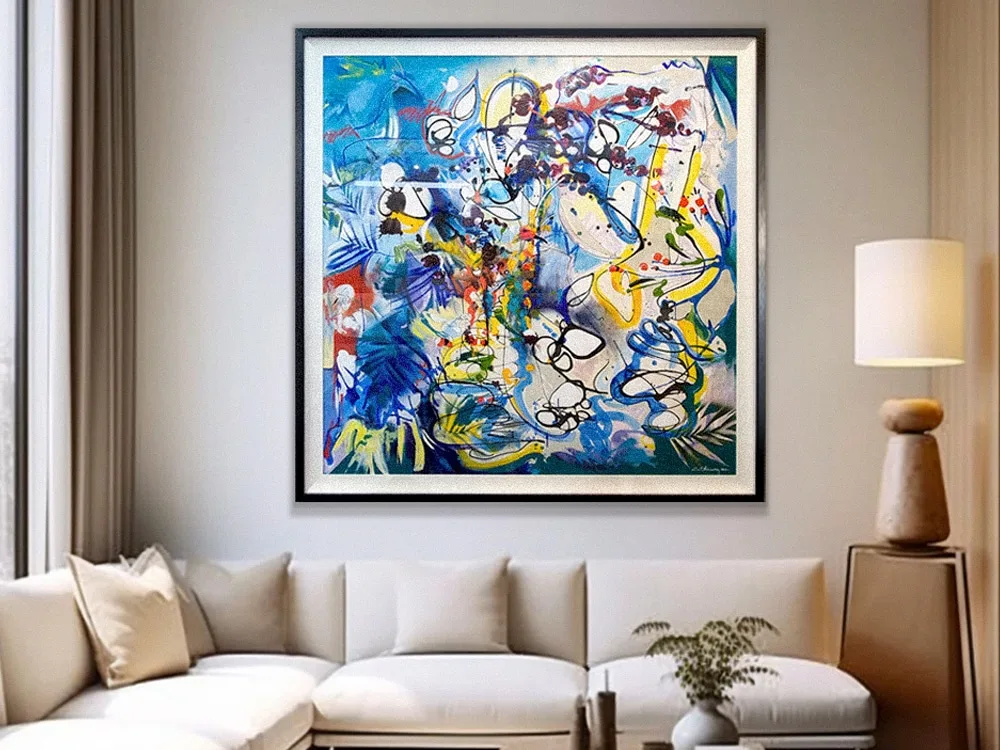
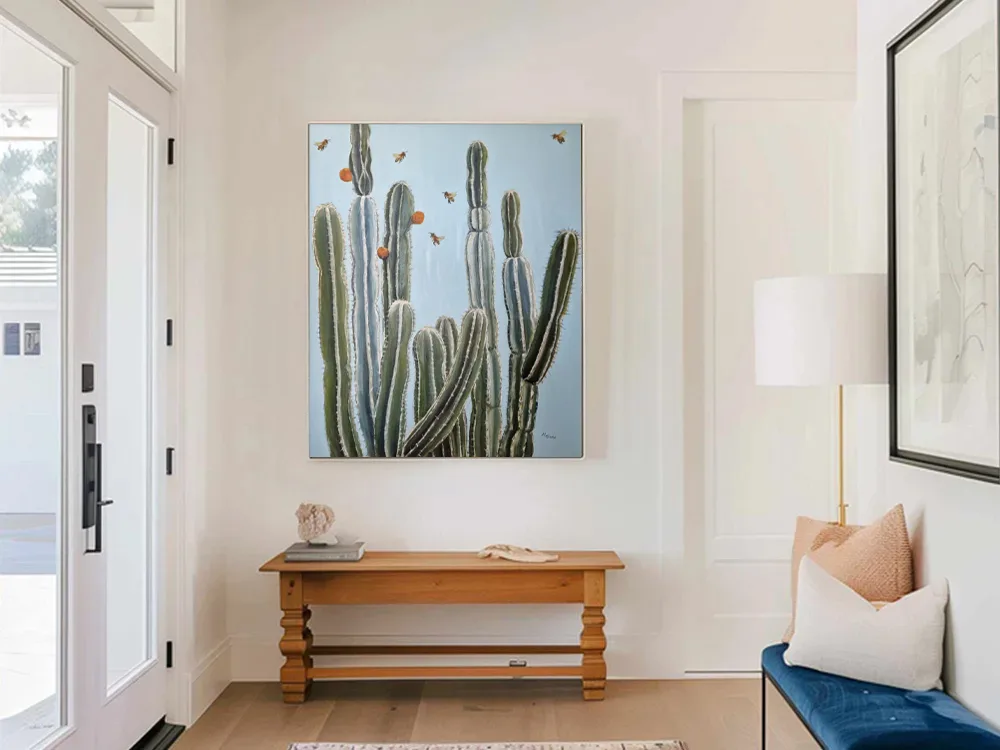
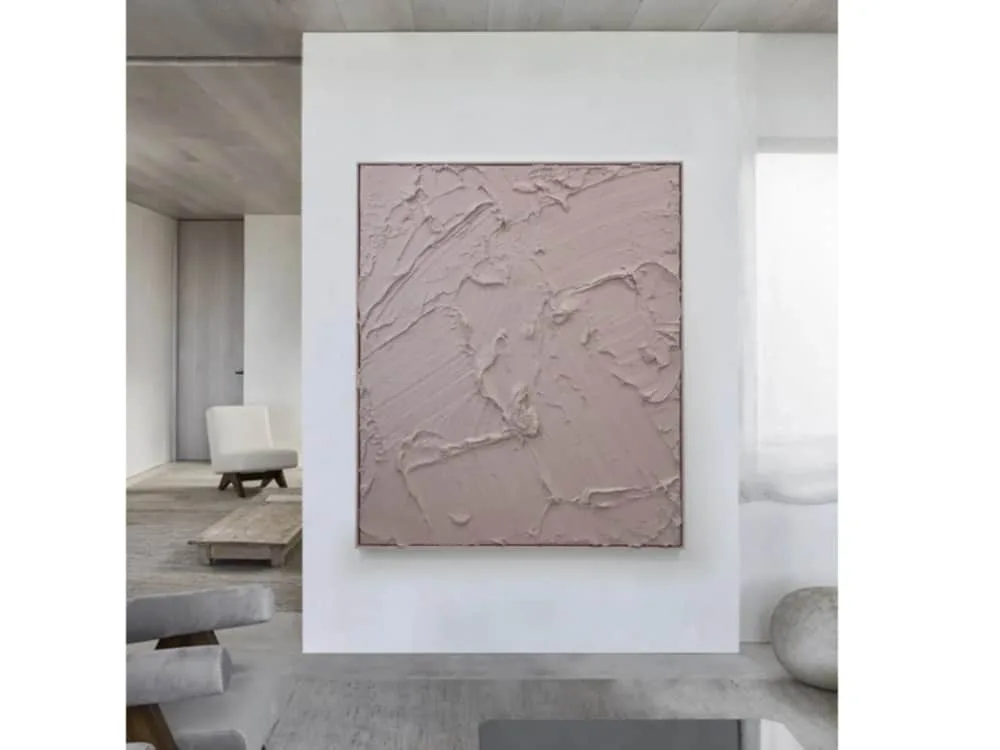
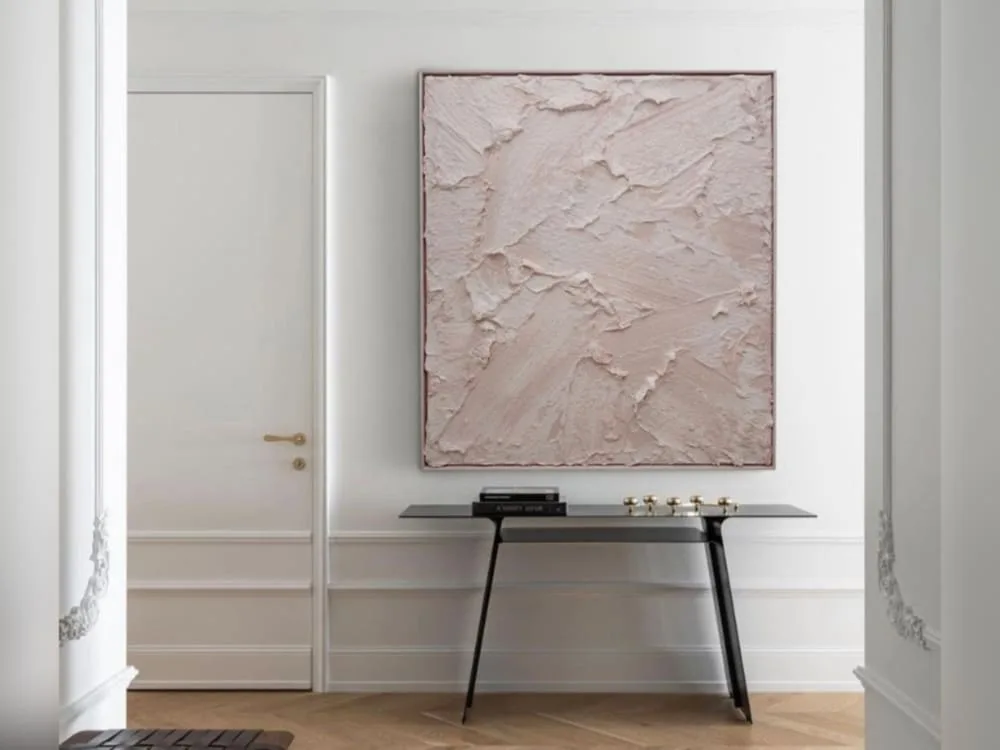
Art doesn’t need to match the room. It needs to hold its own in the room. That’s a different thing. Colour harmony matters less than weight, presence, and whether the piece can anchor the space or needs to be carried by it.
Lighting is worth getting right. Most residential lighting is too warm and too diffuse for showing art properly. A focused, cooler source, even a single adjustable track light, will change what you see in a work significantly.
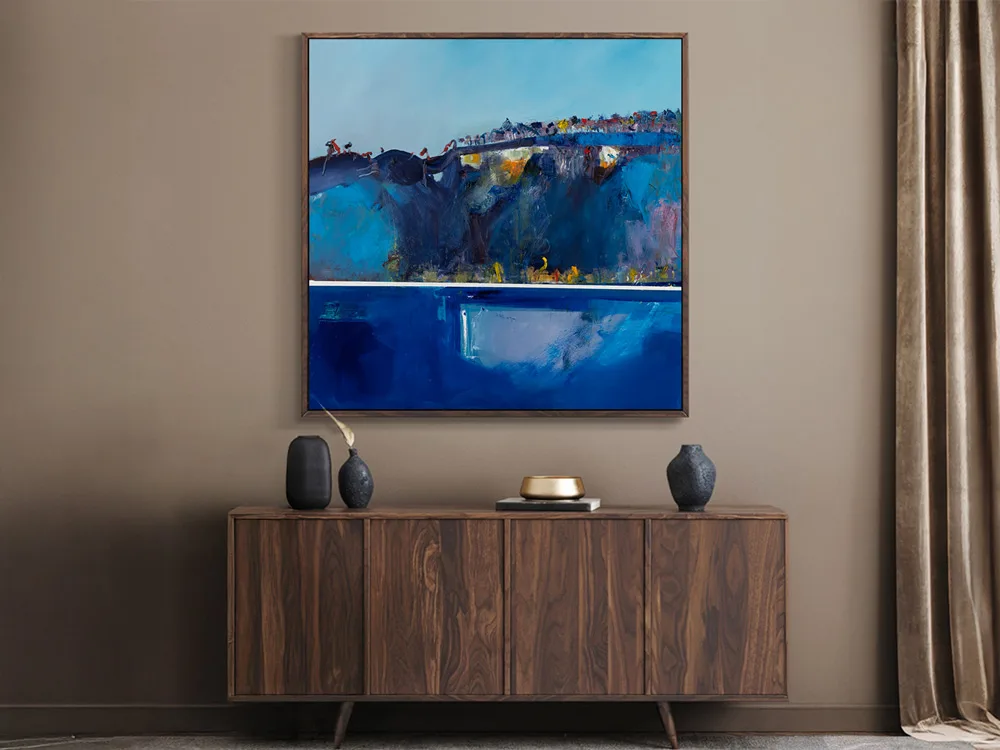
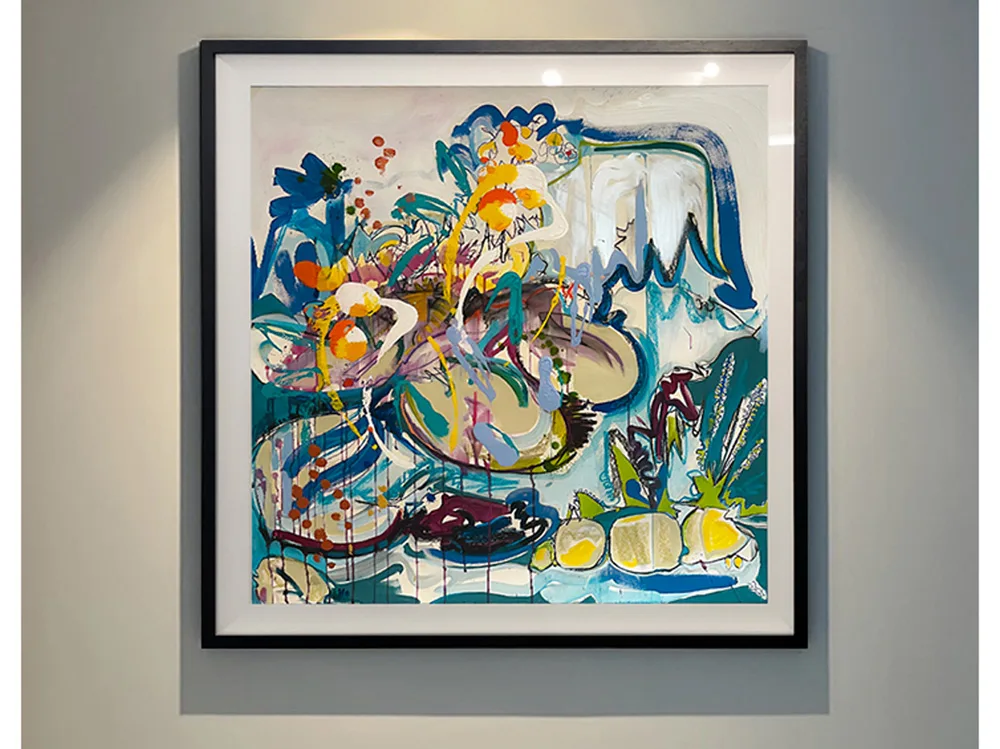
Framing is finishing. The wrong frame competes with the work. A simple, well-made frame that steps back and lets the painting read is almost always the right choice.
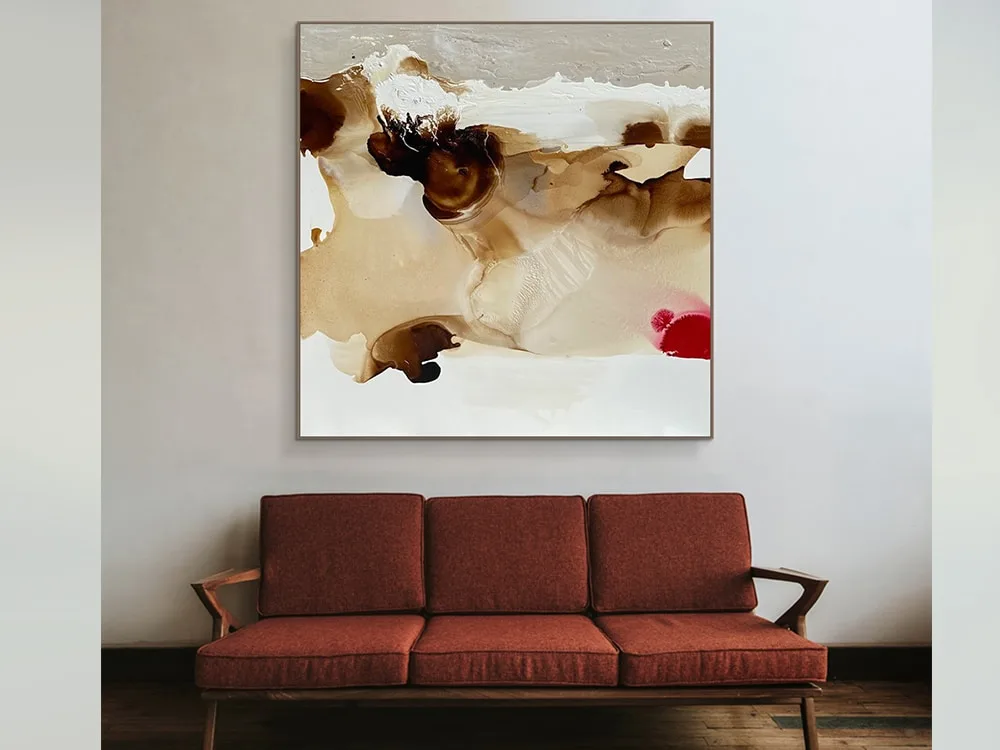
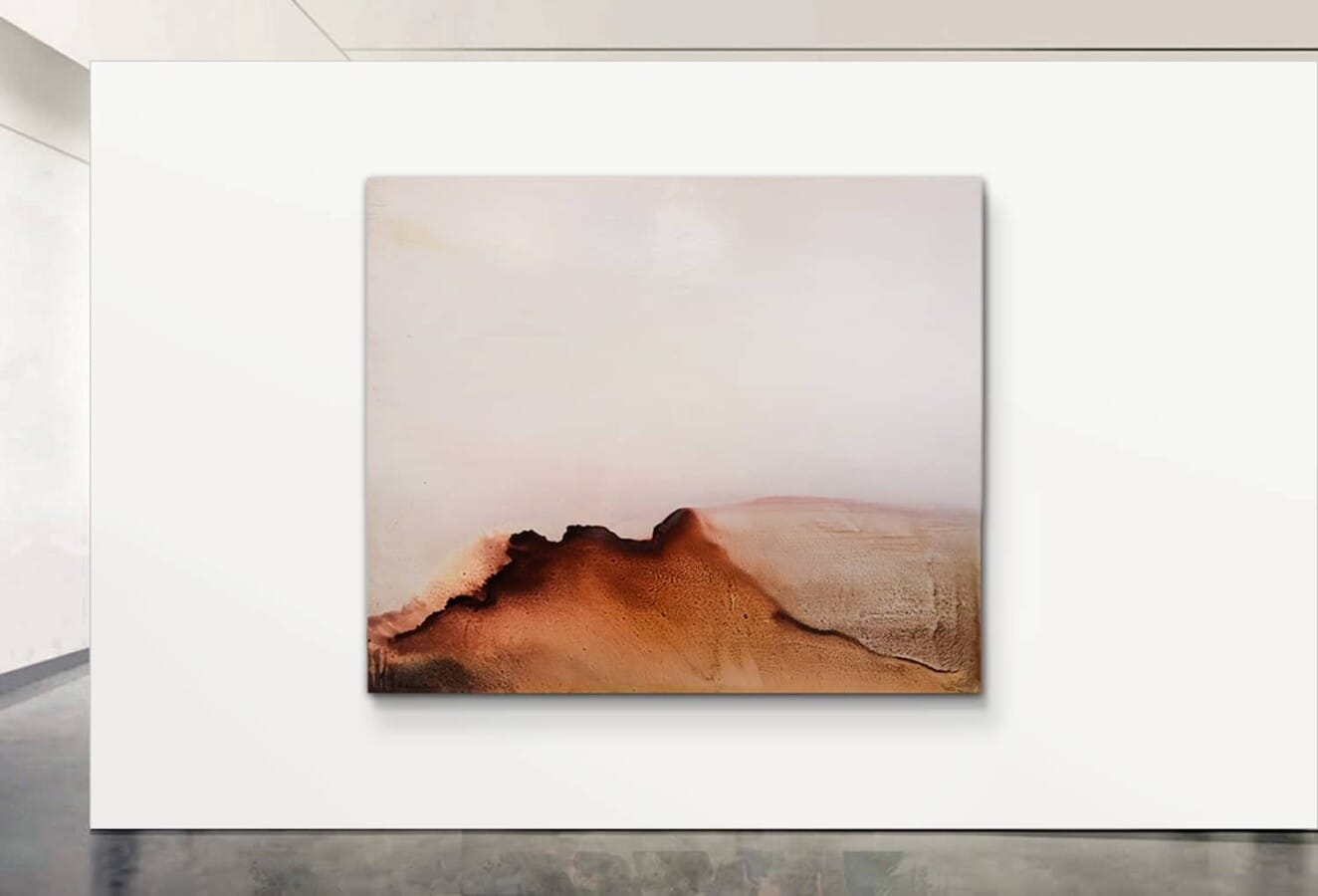
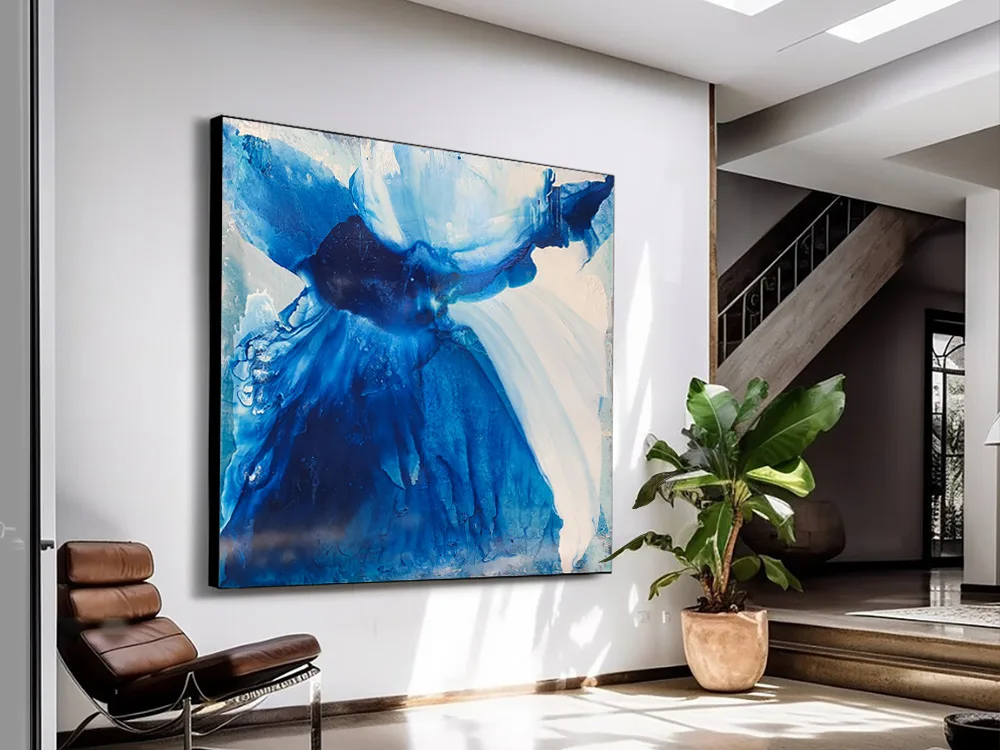
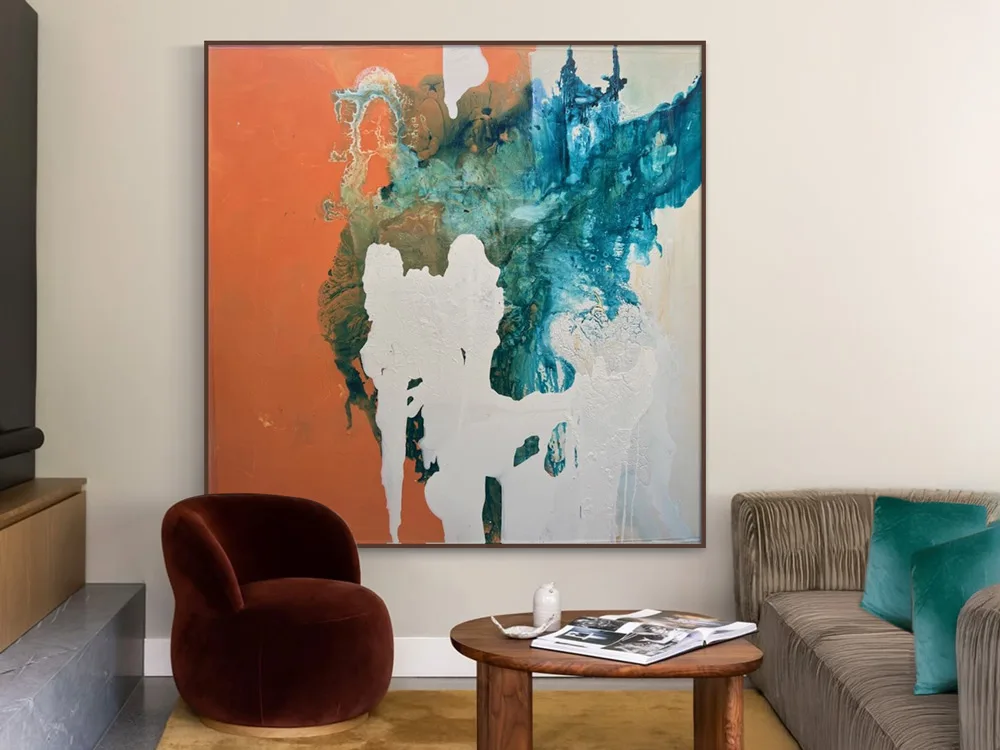
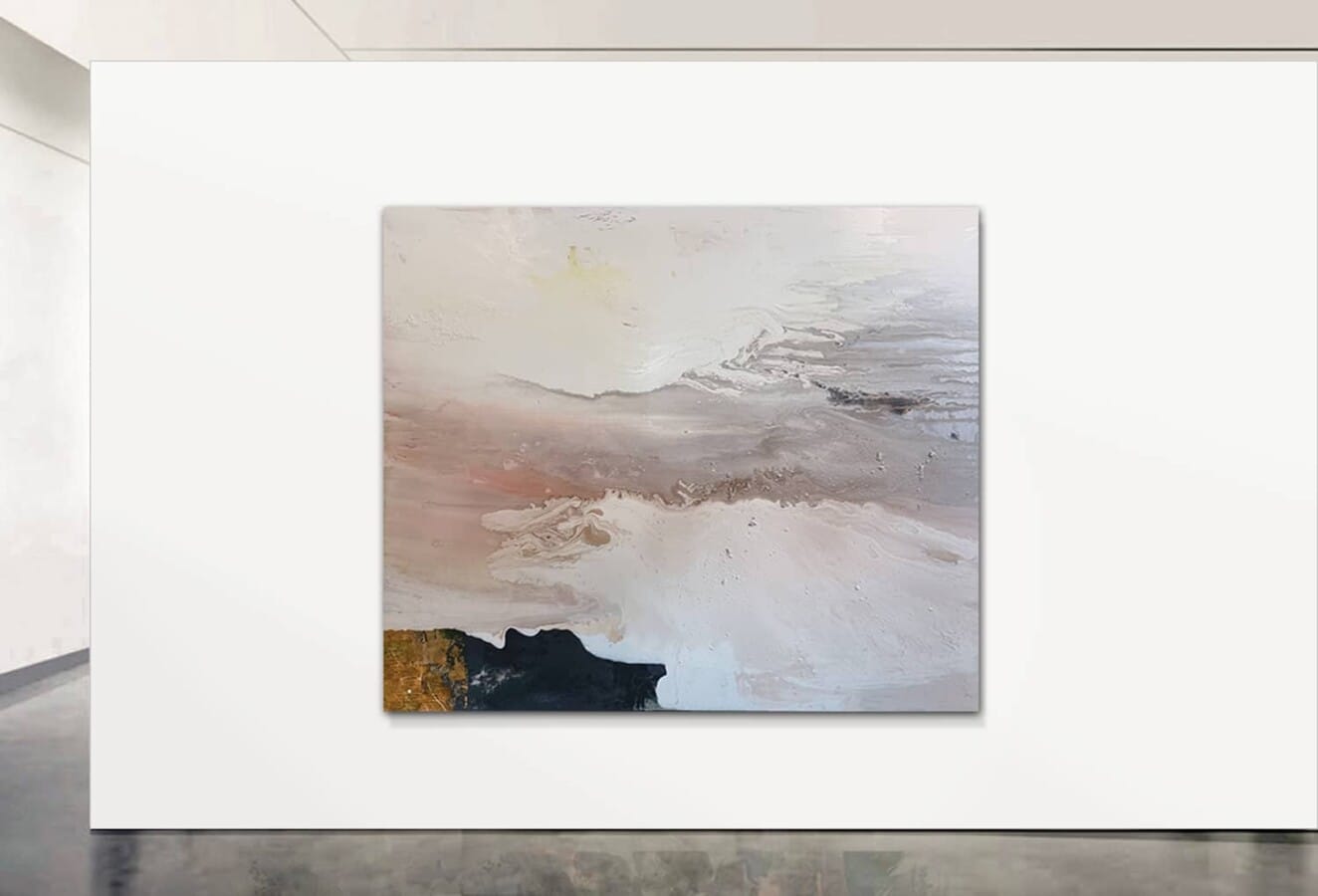
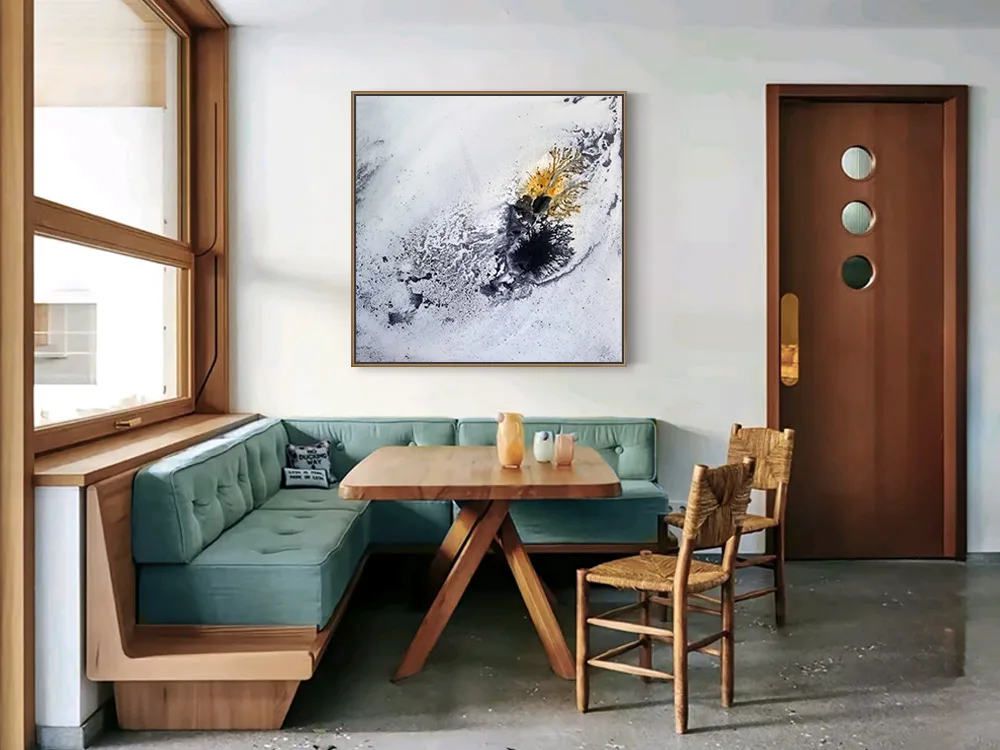
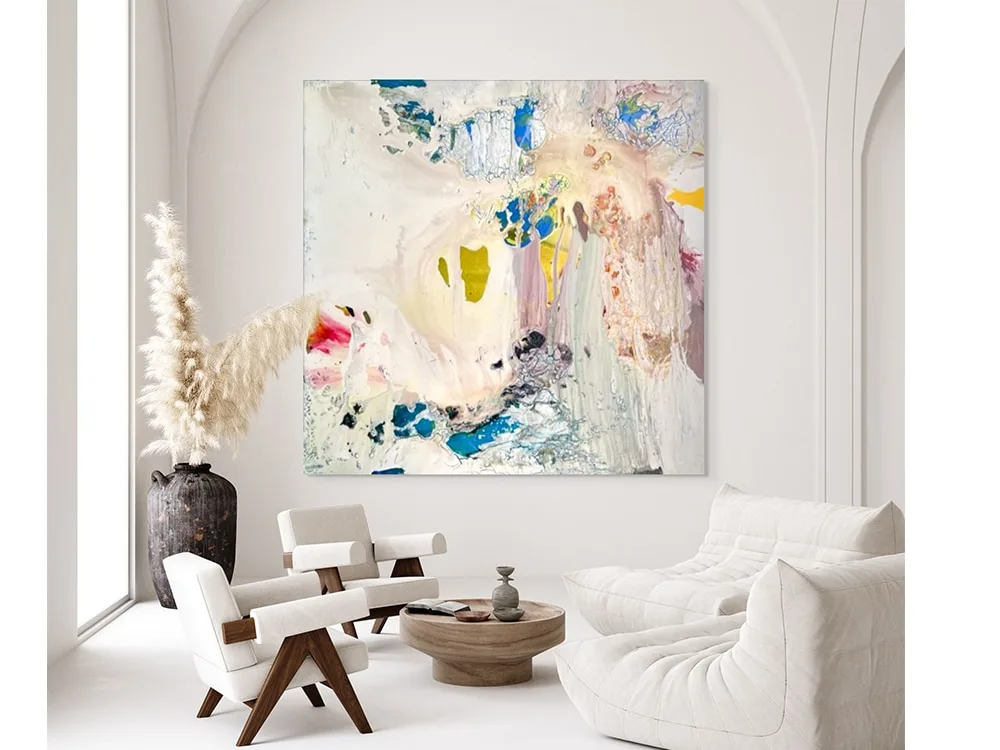
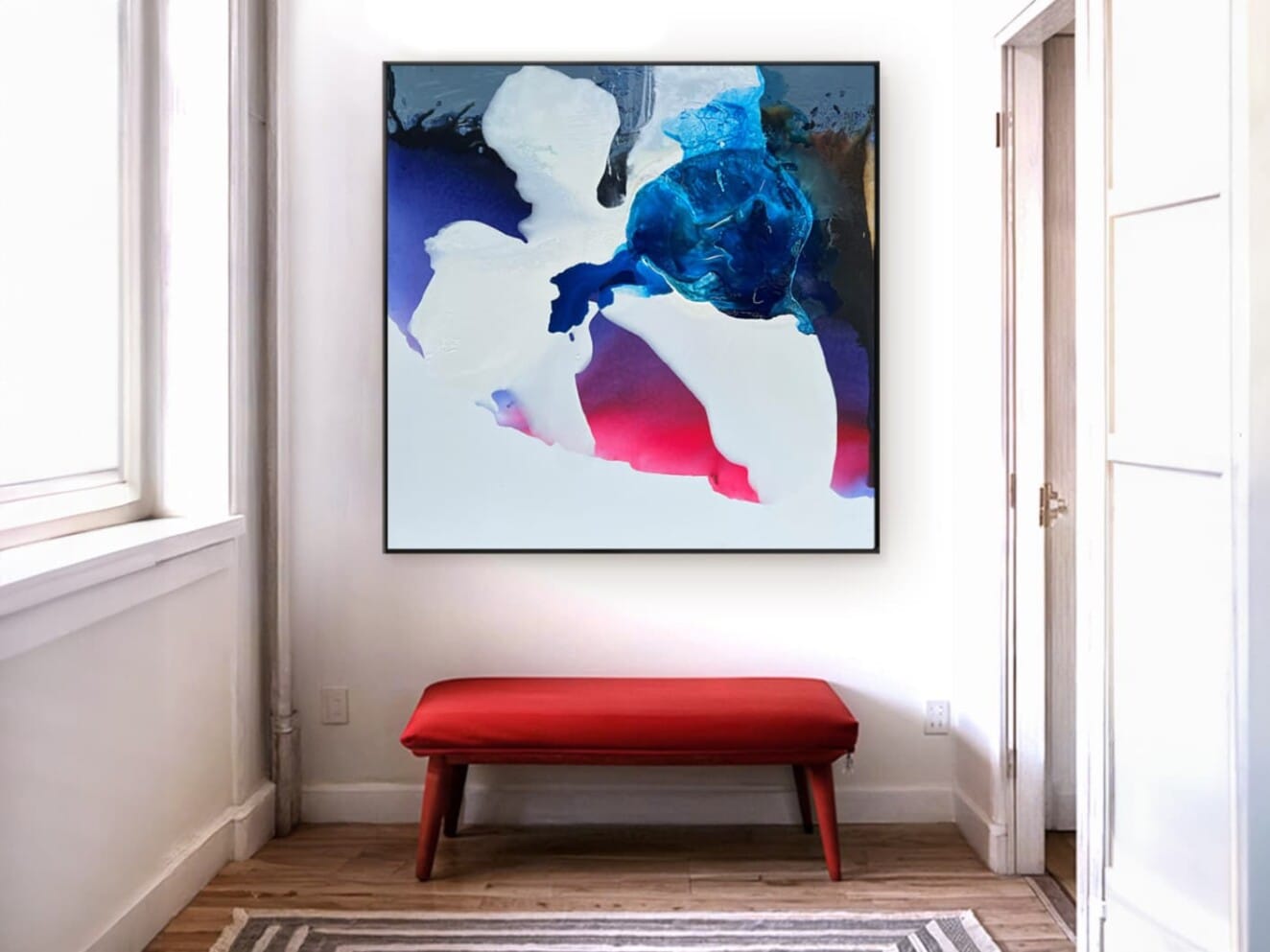
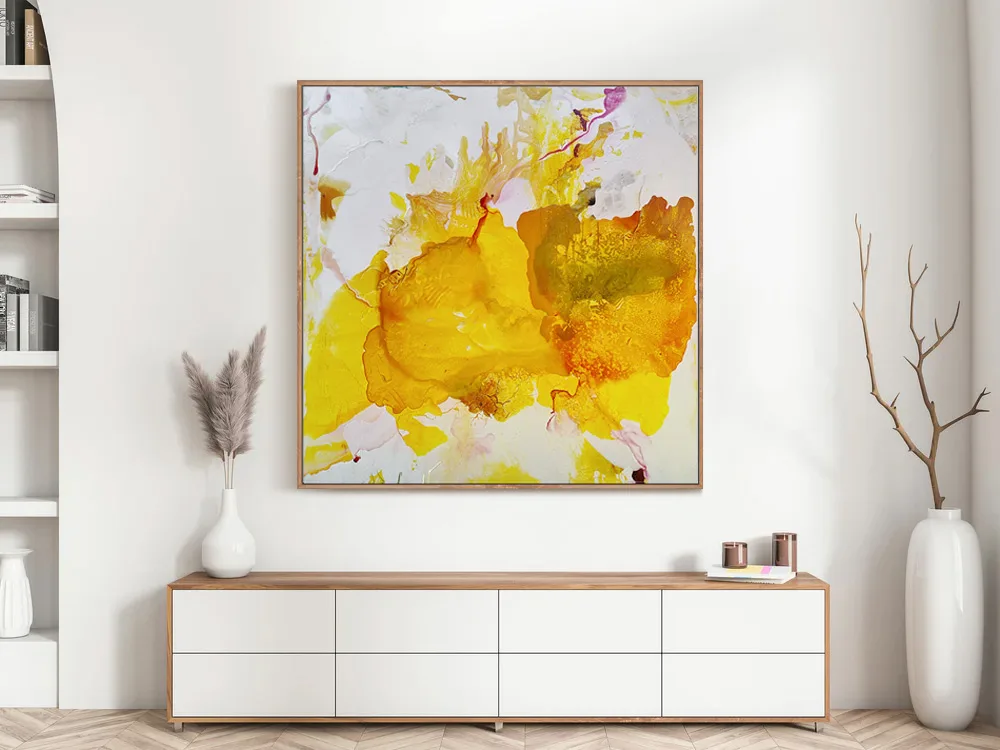
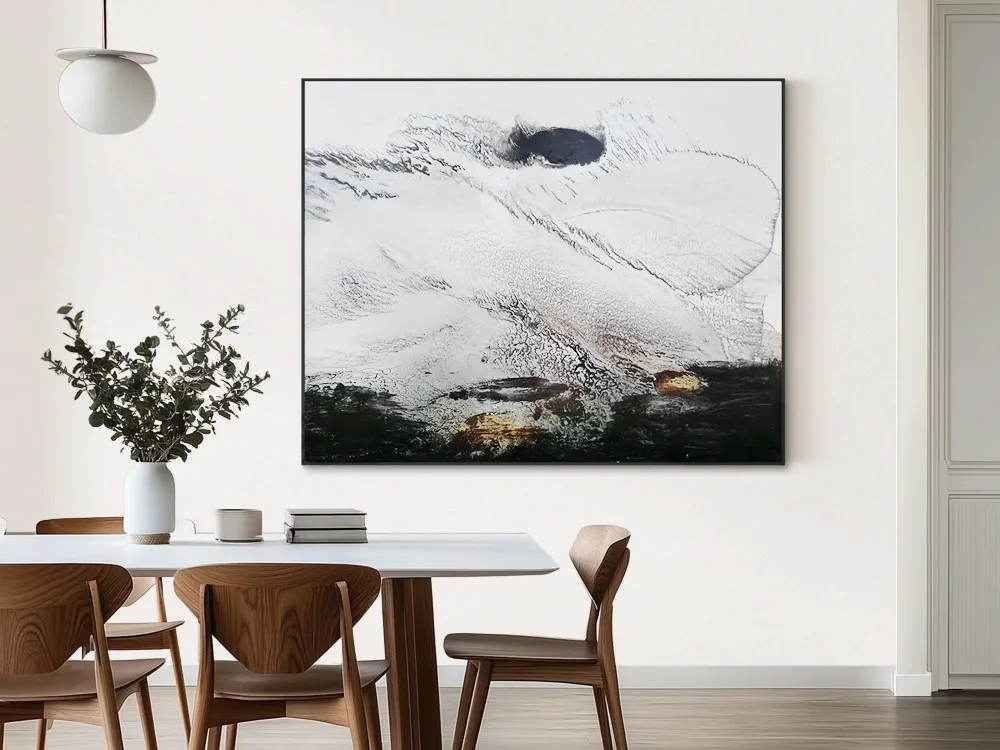
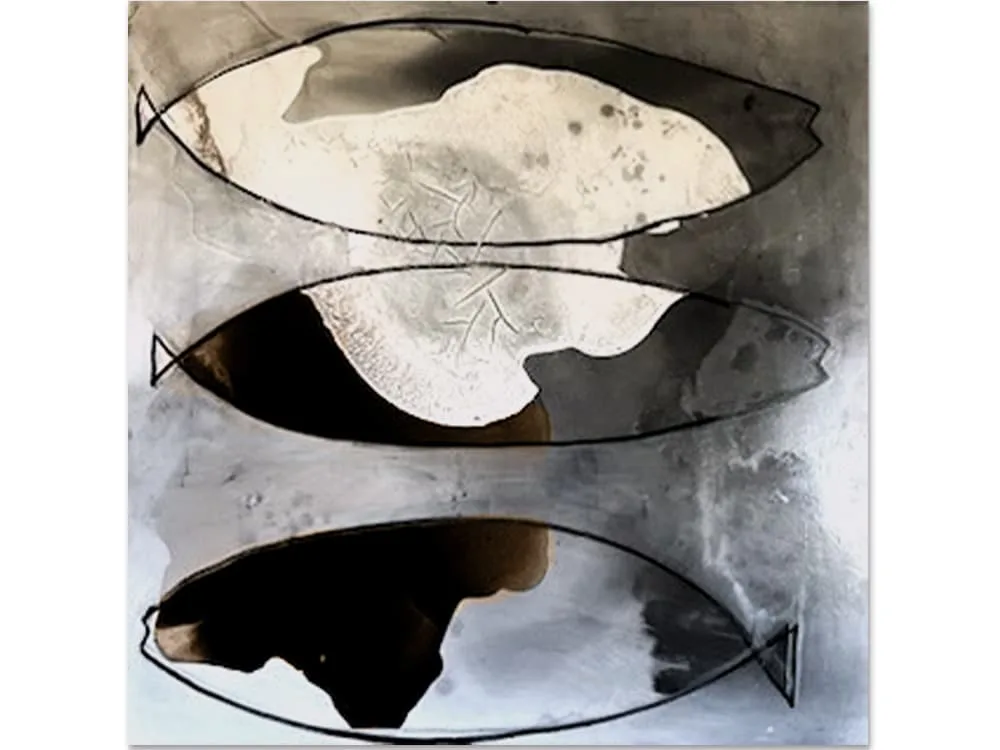
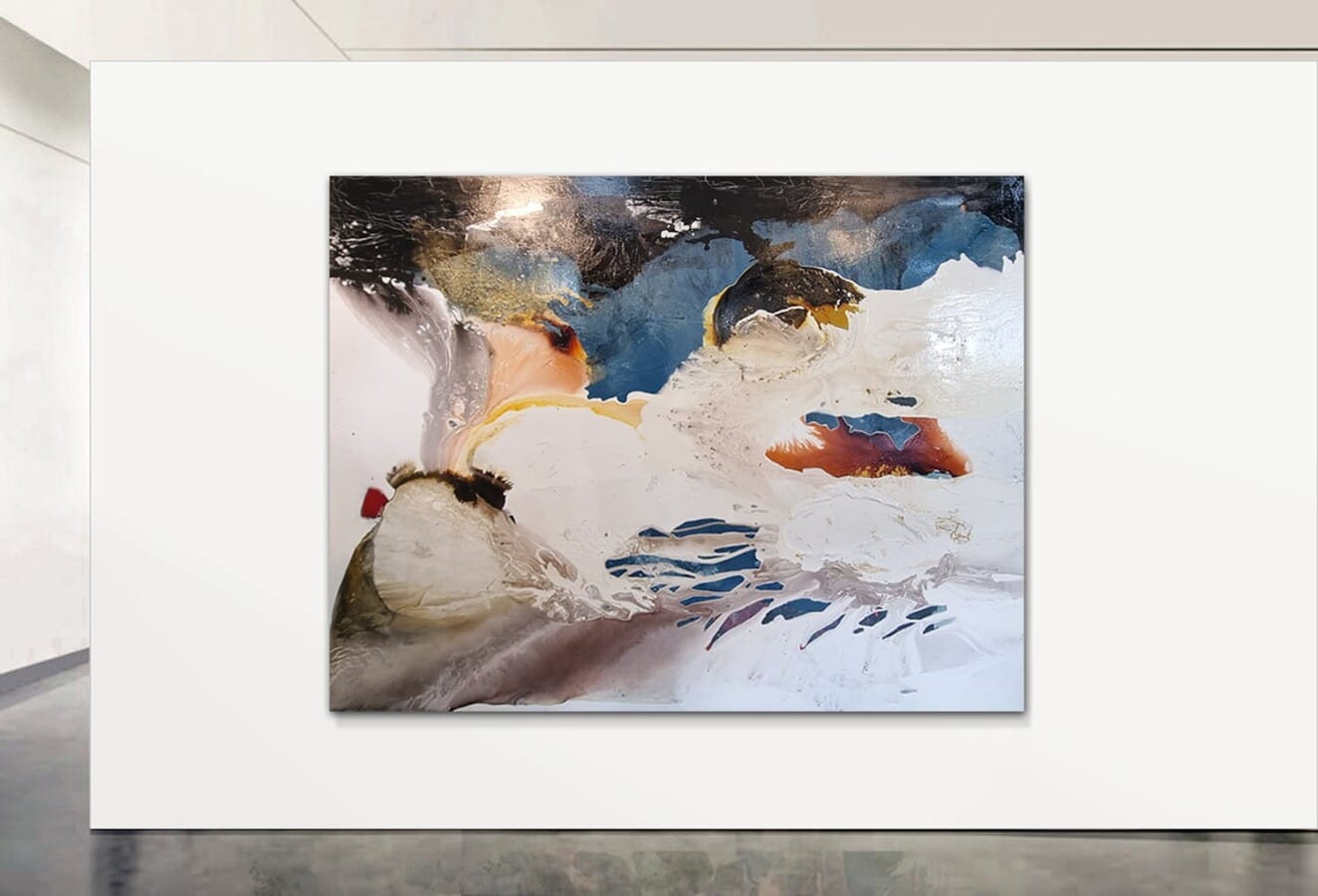
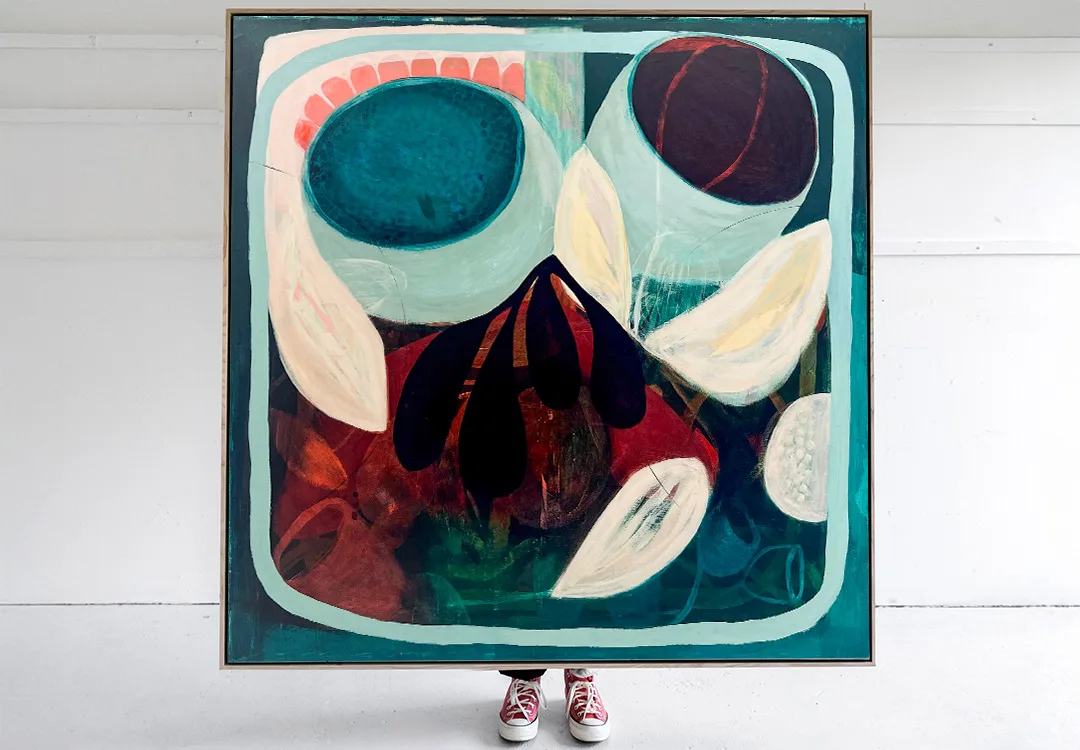
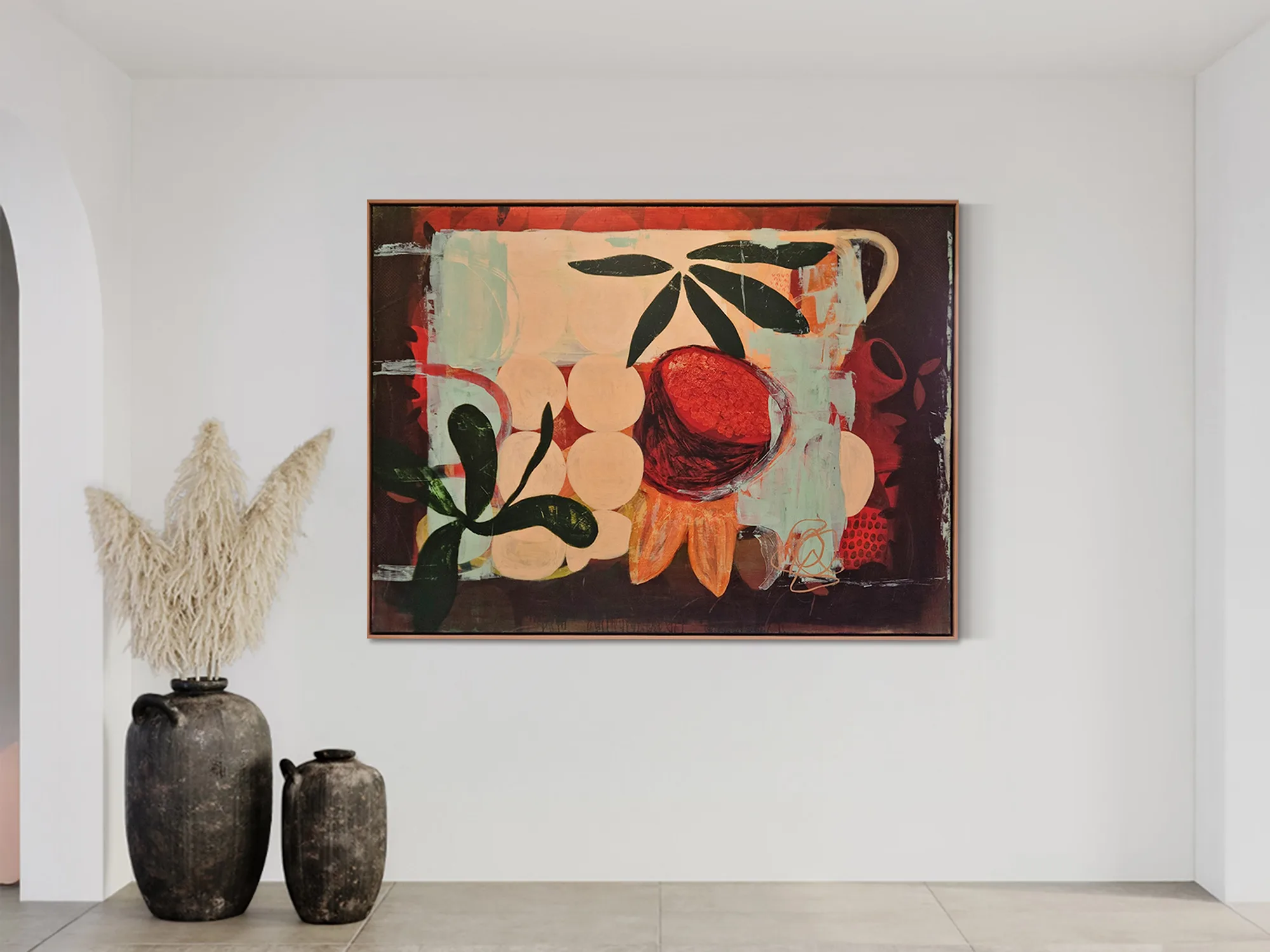
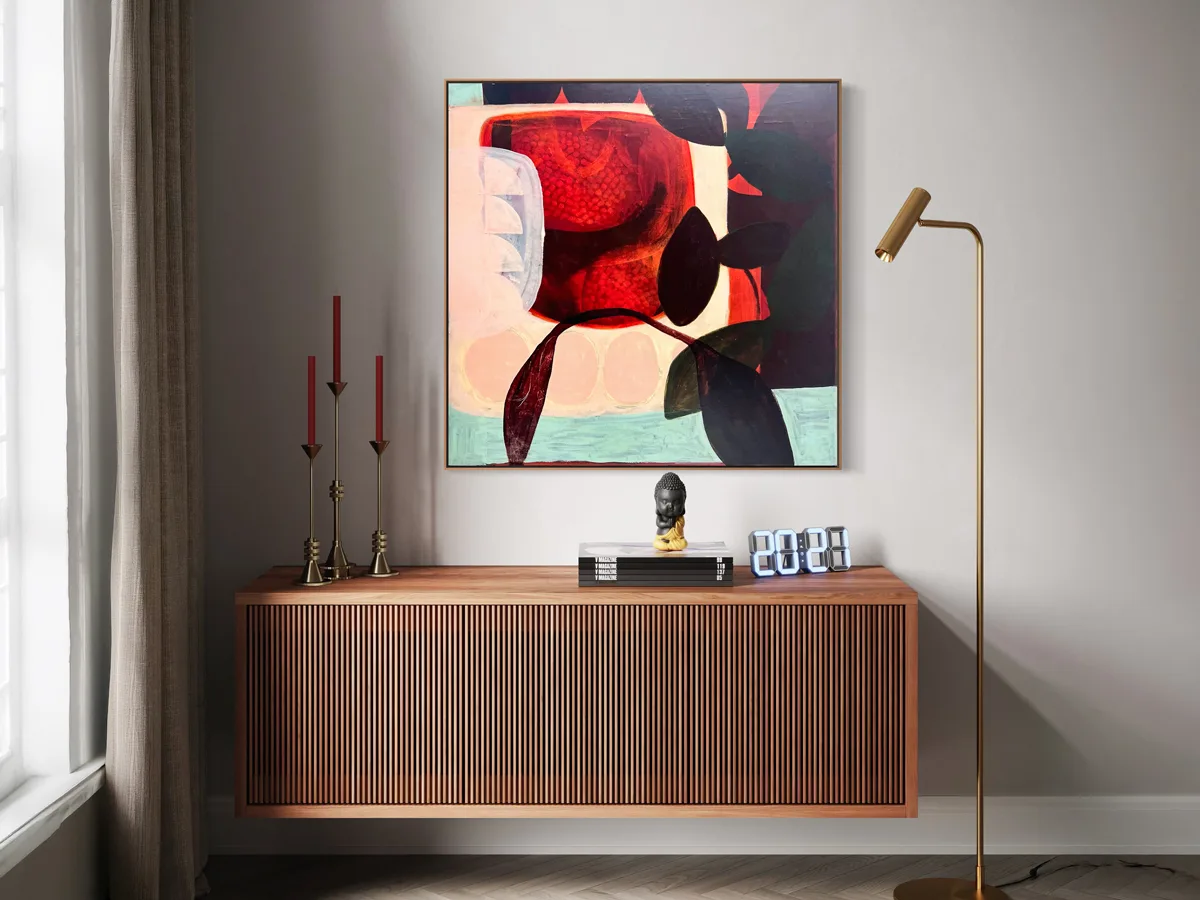
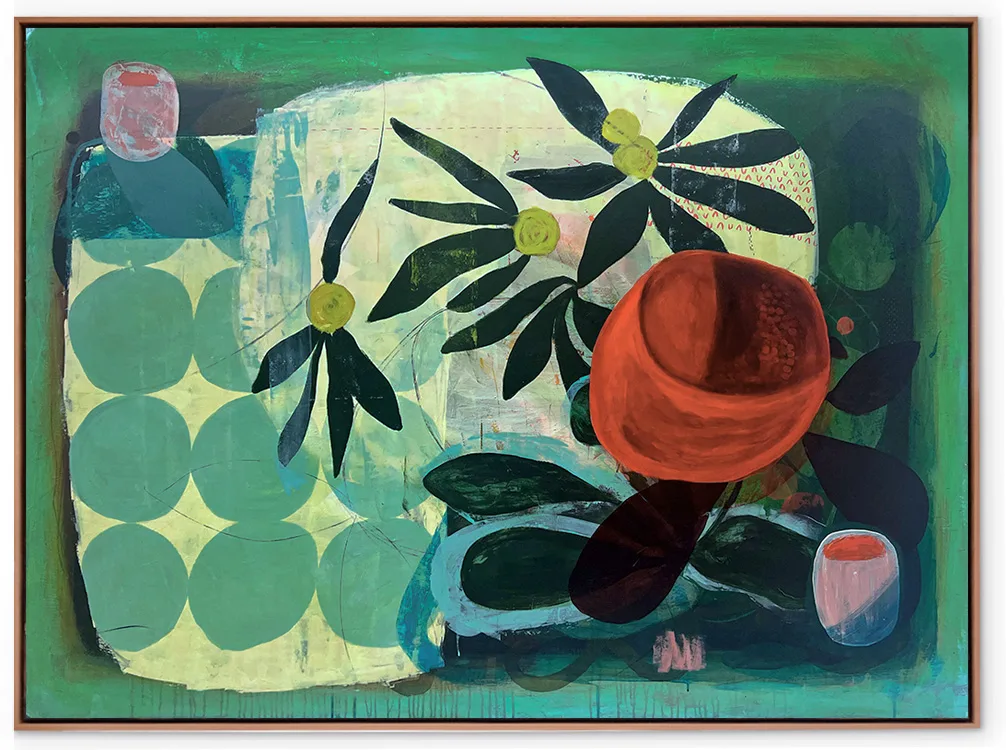
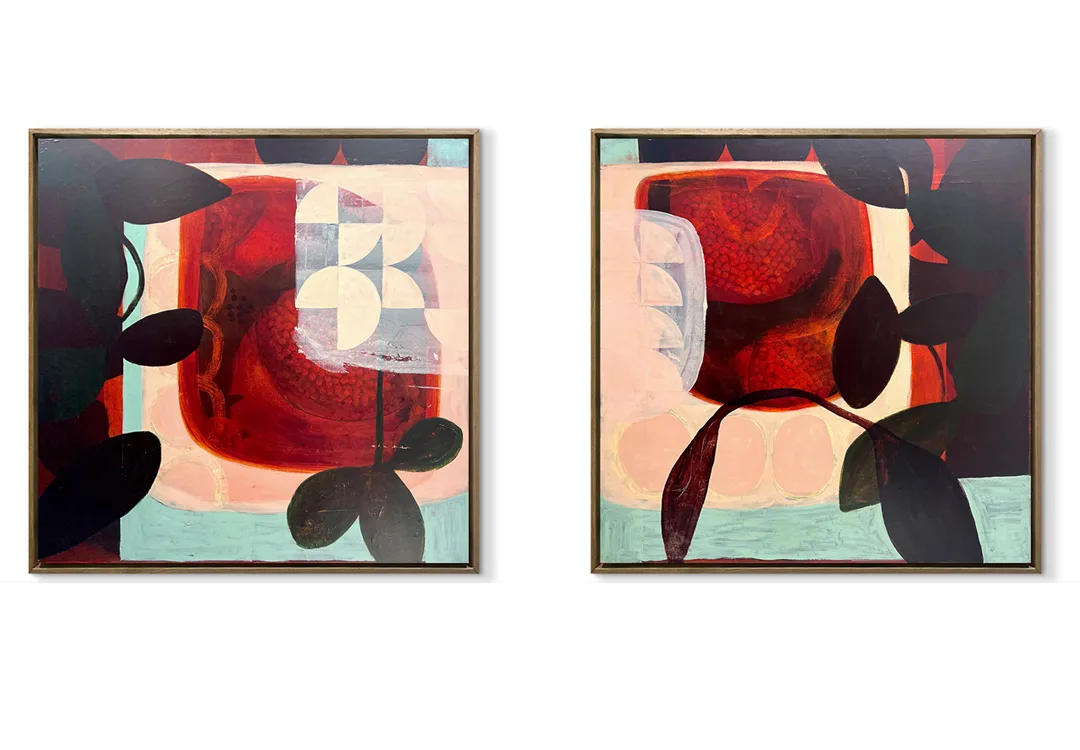
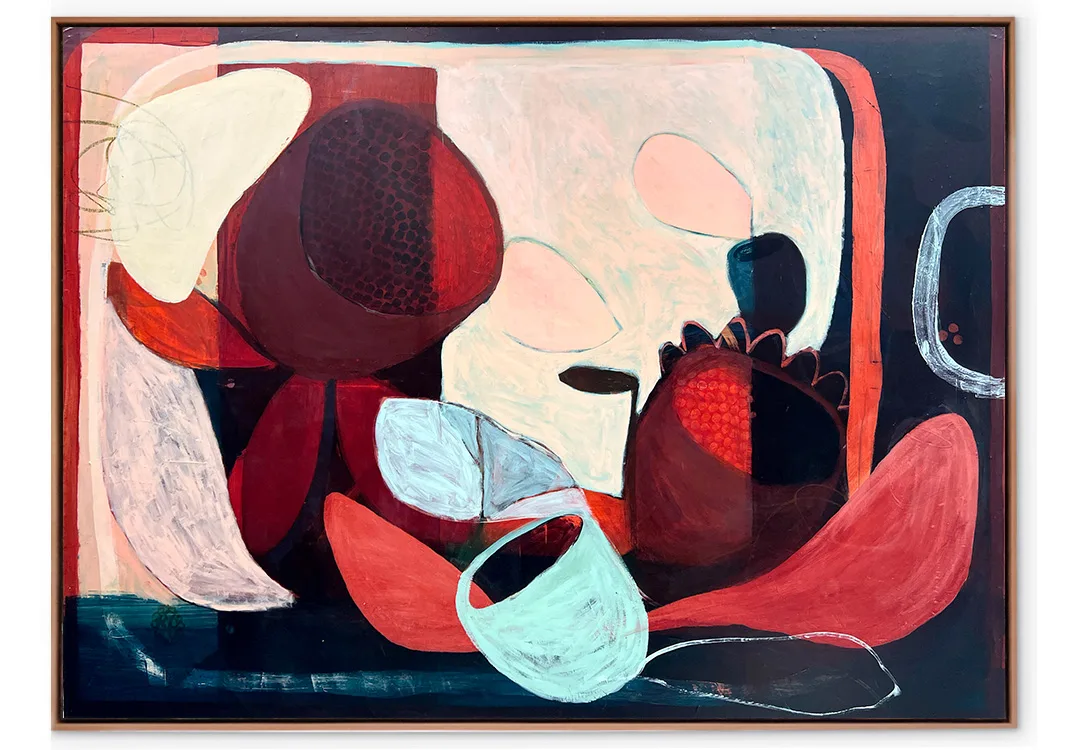
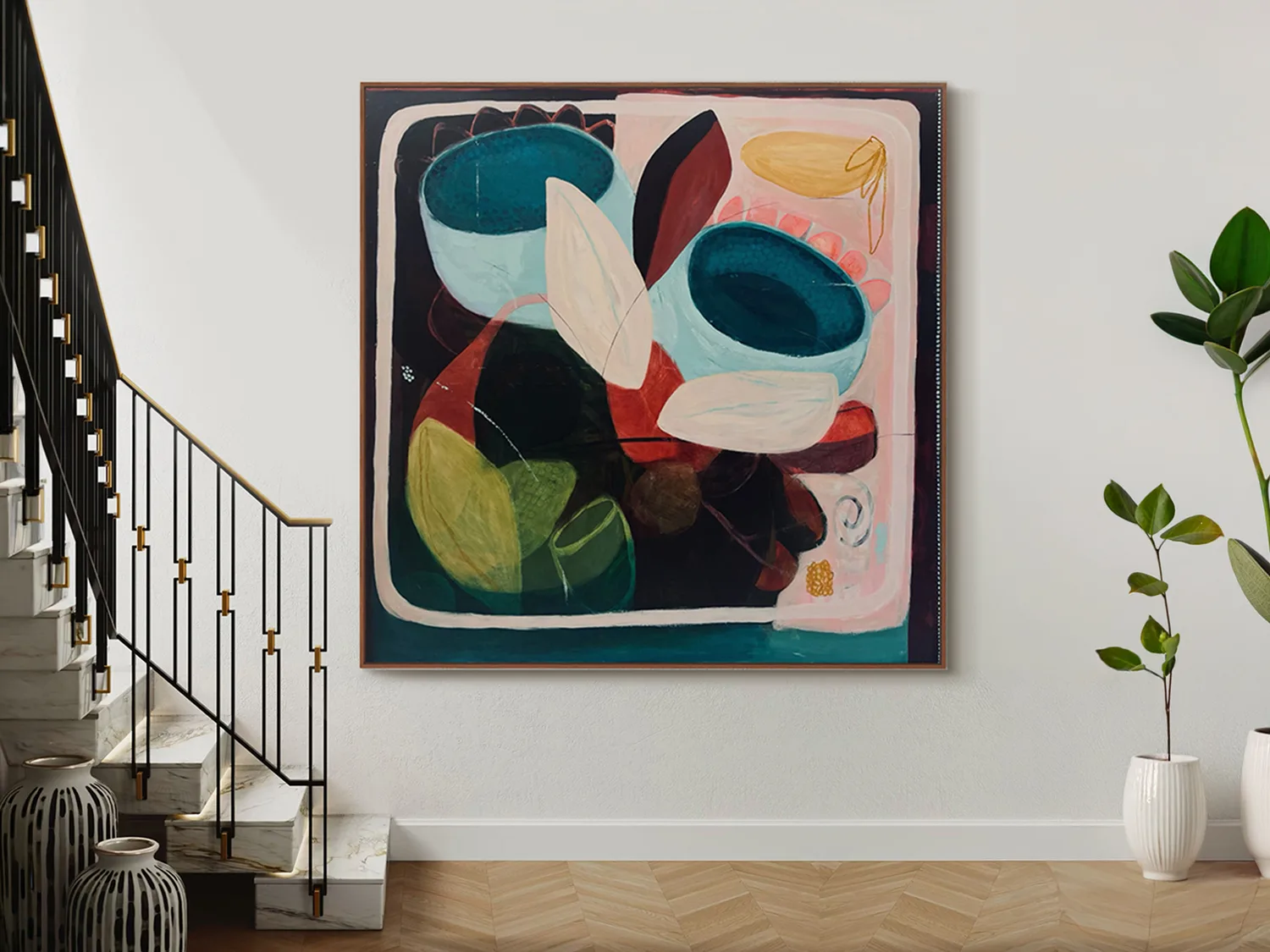
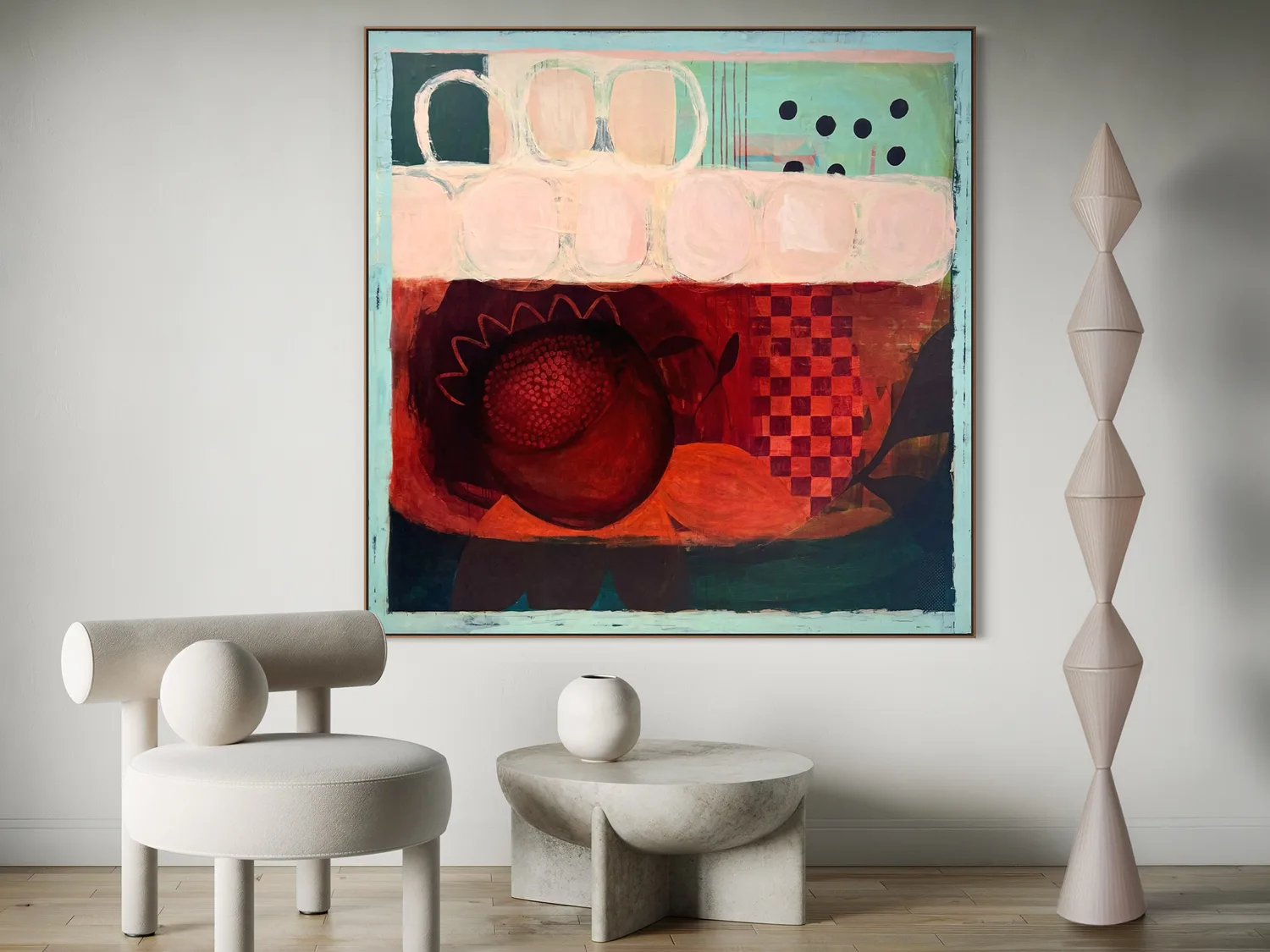






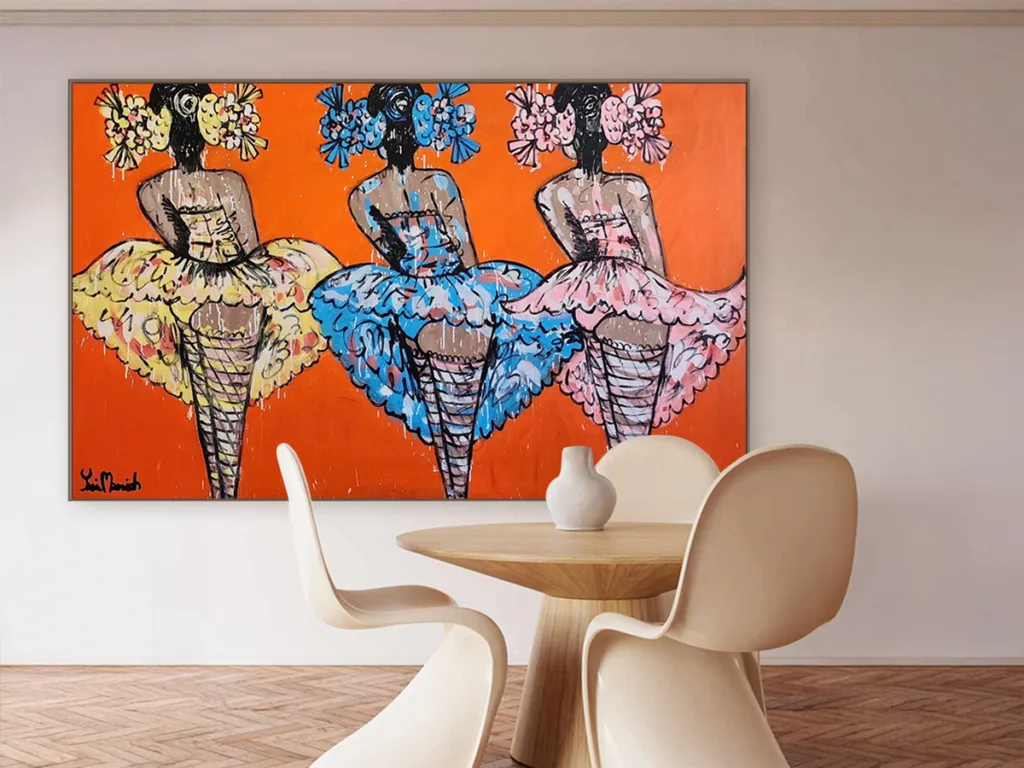
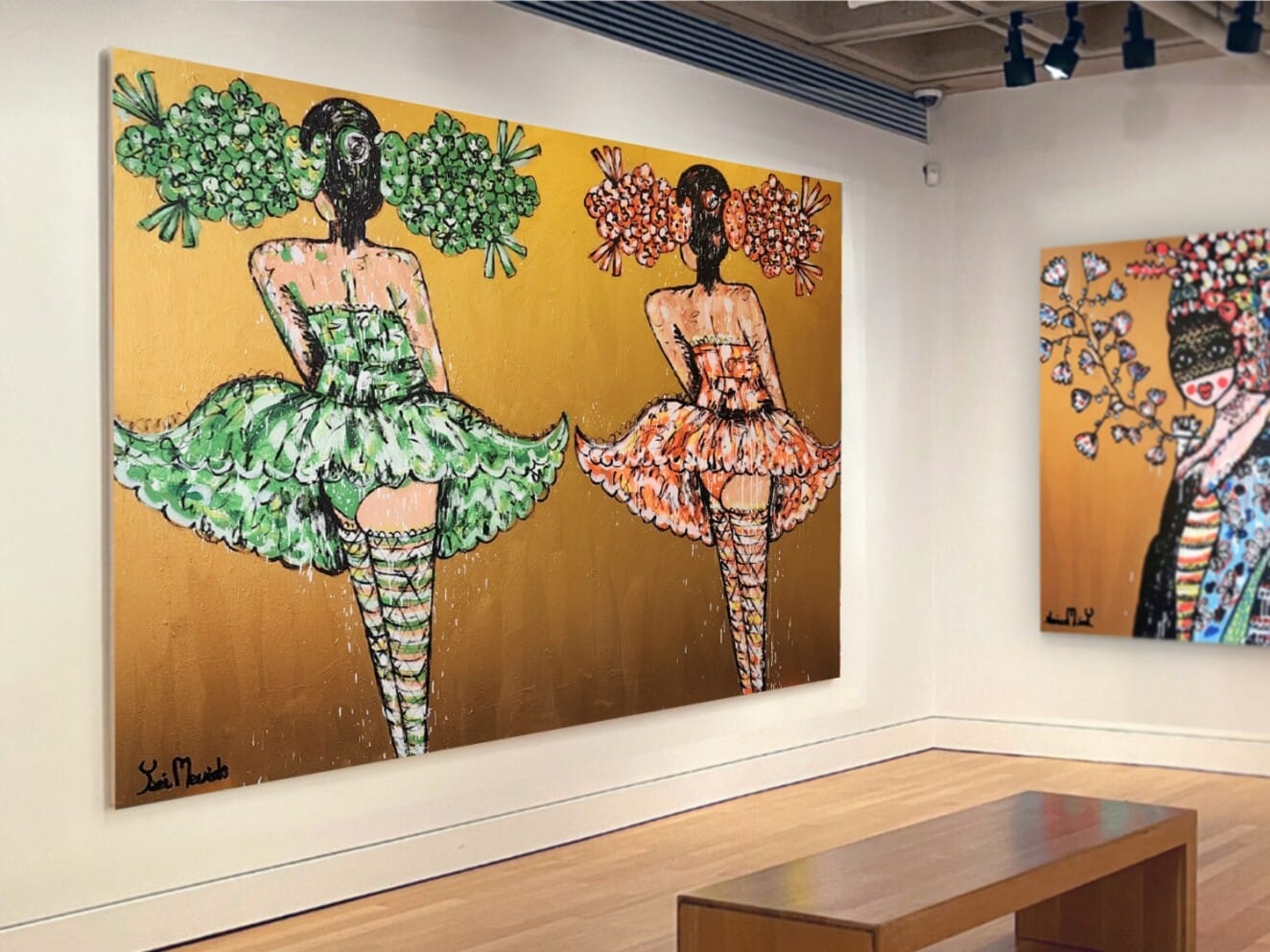

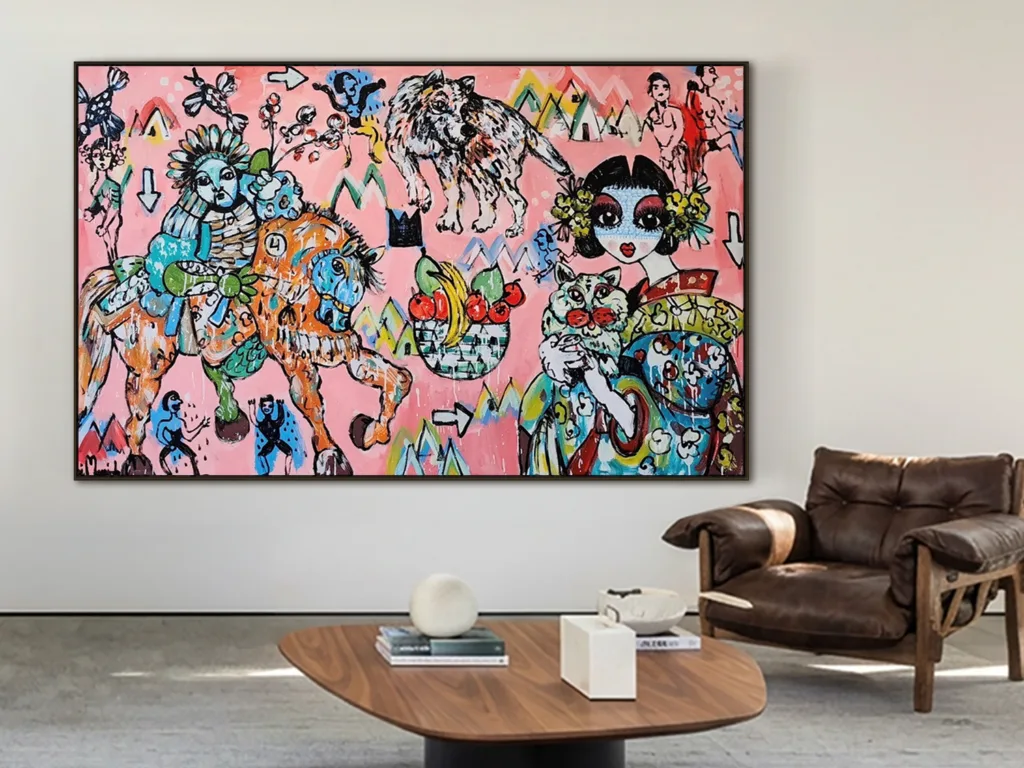
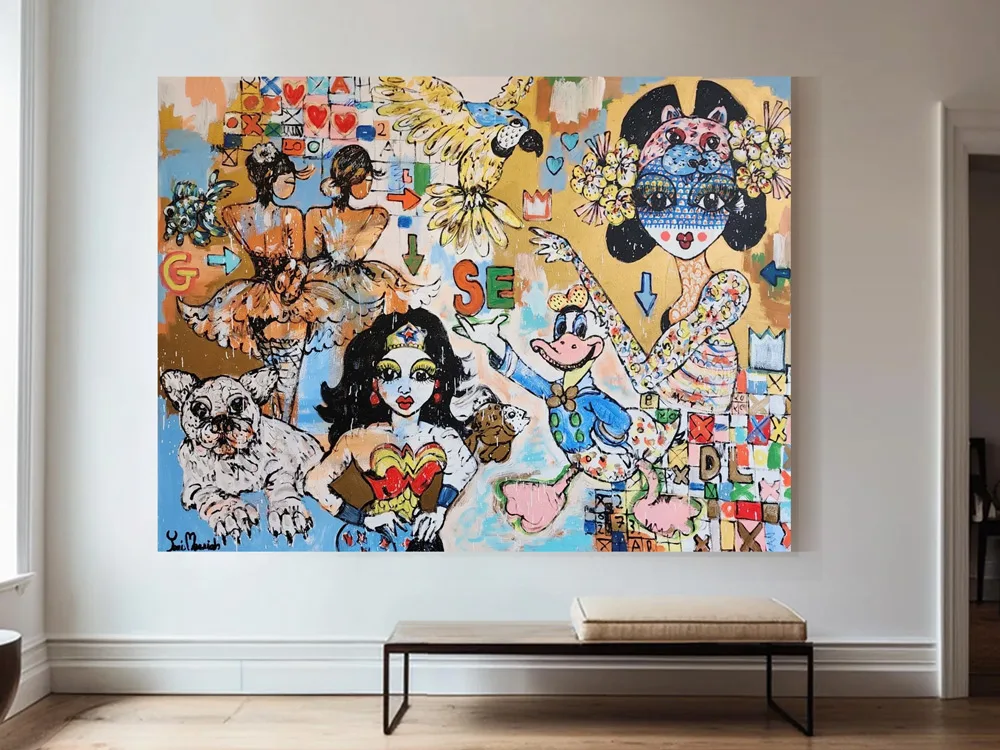



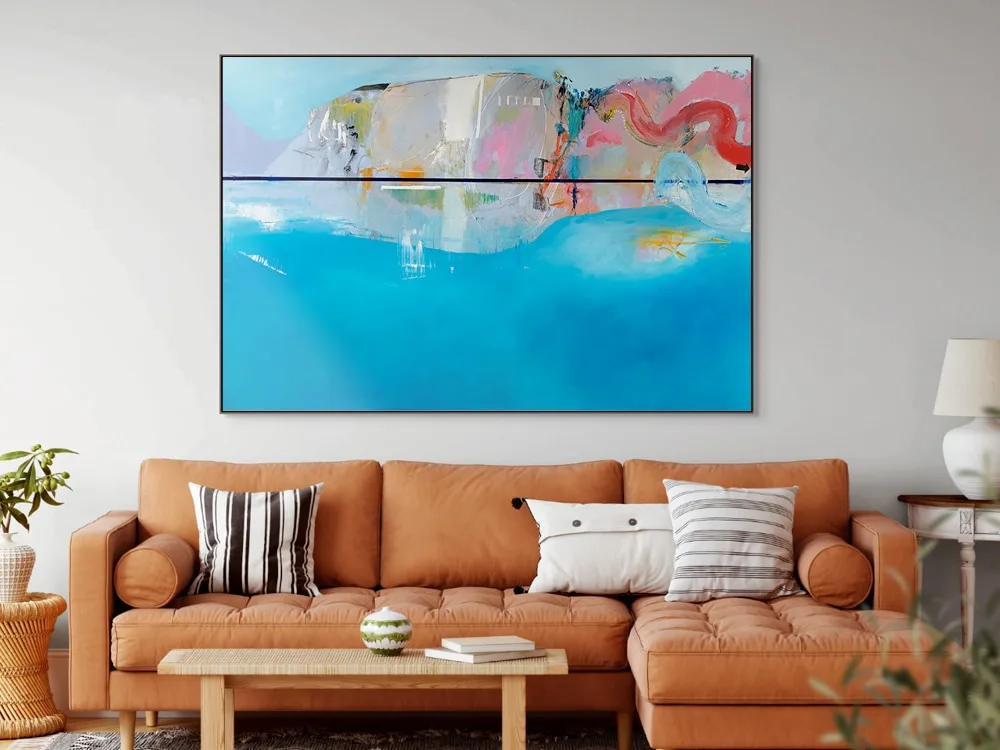
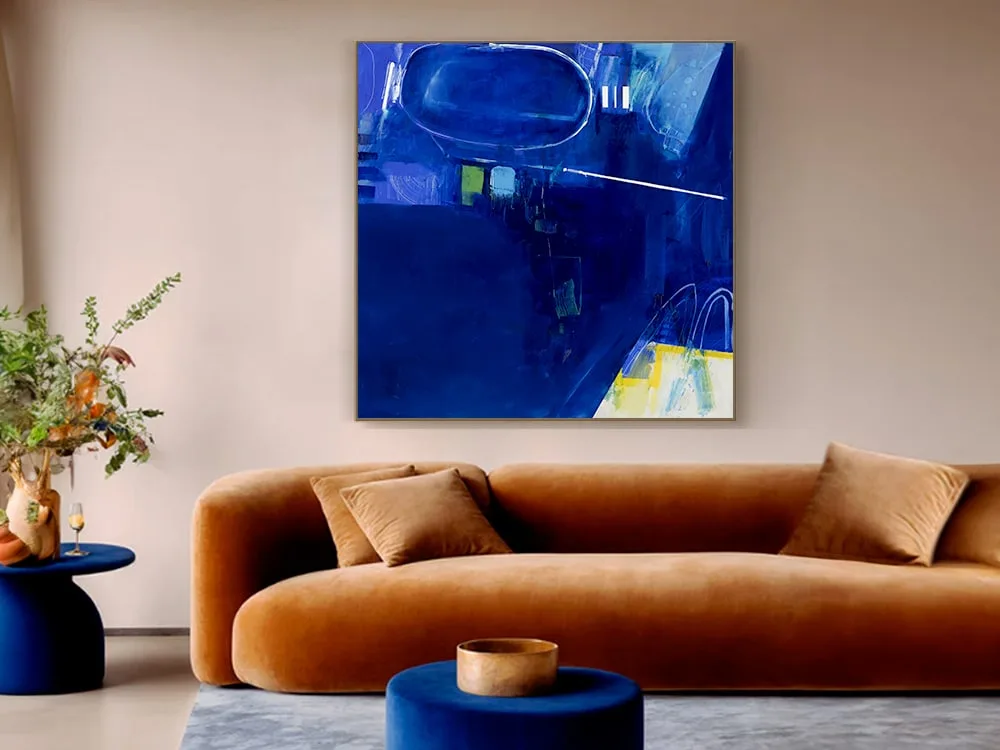
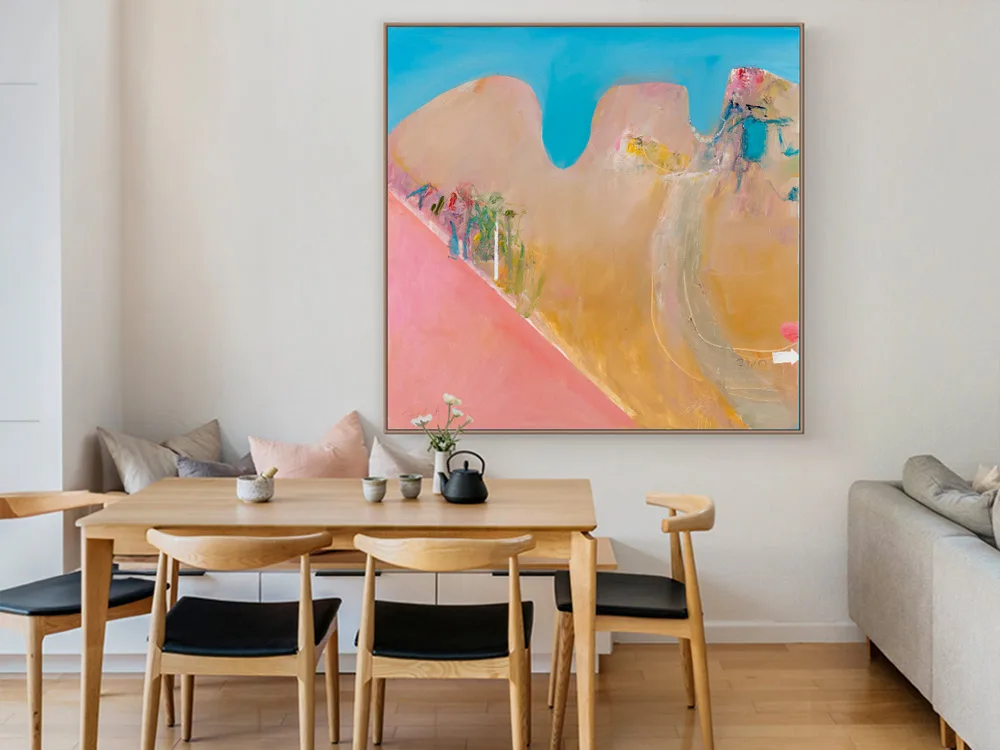
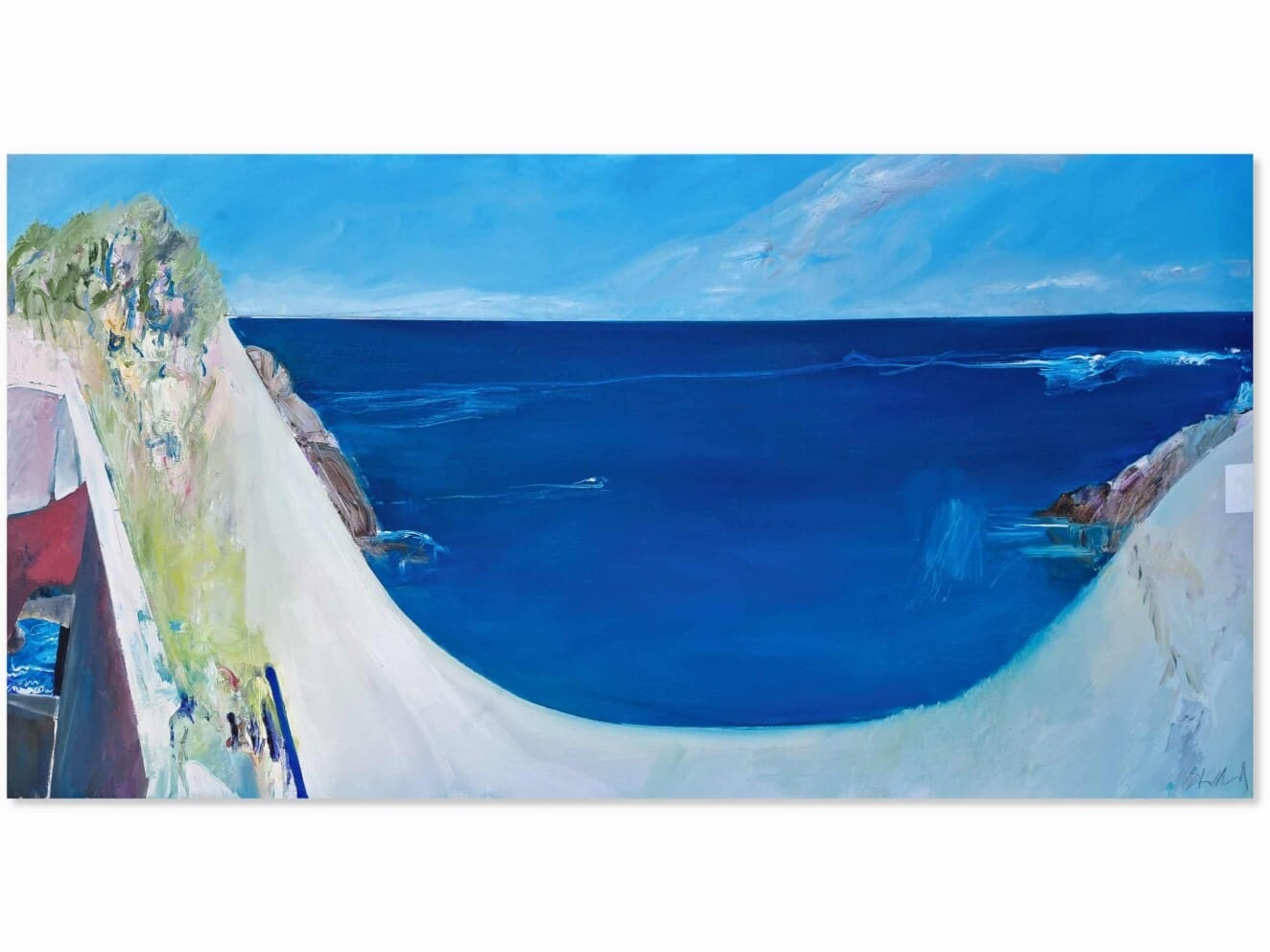
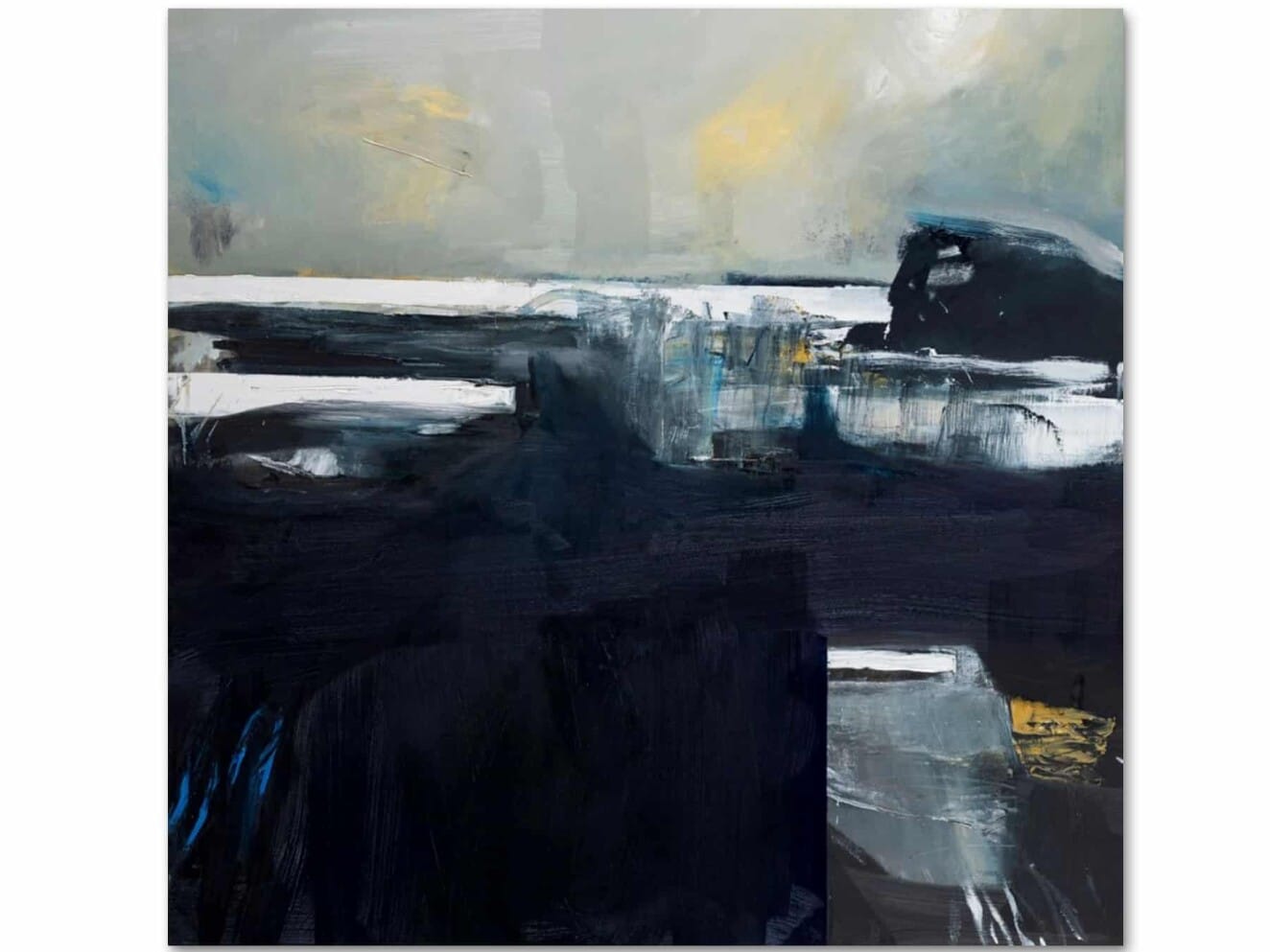
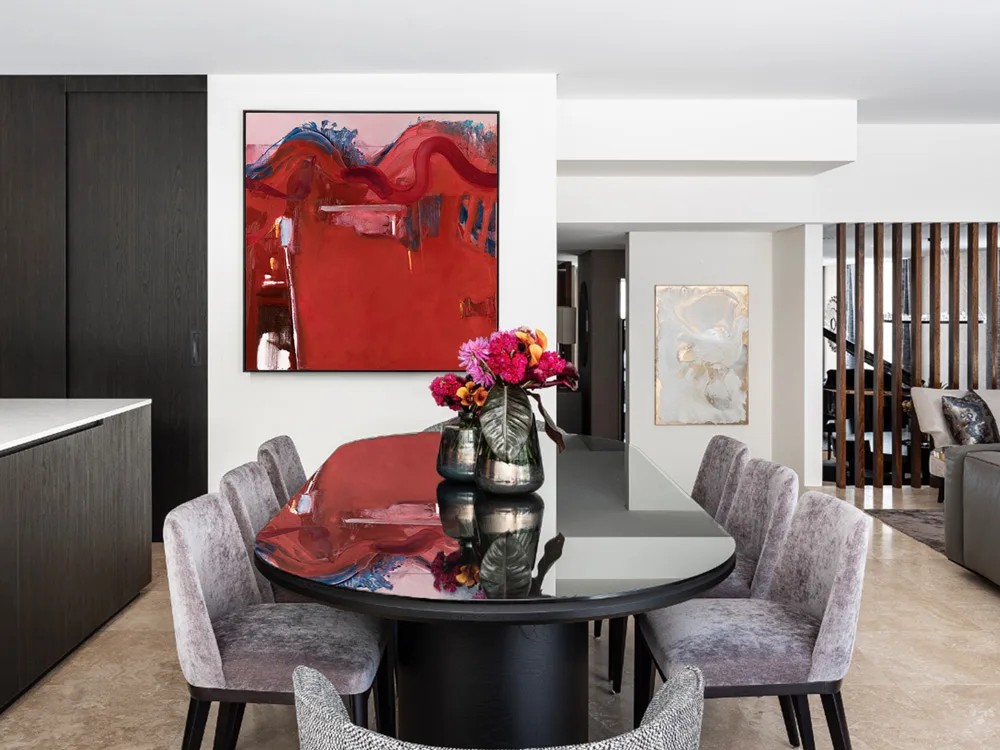
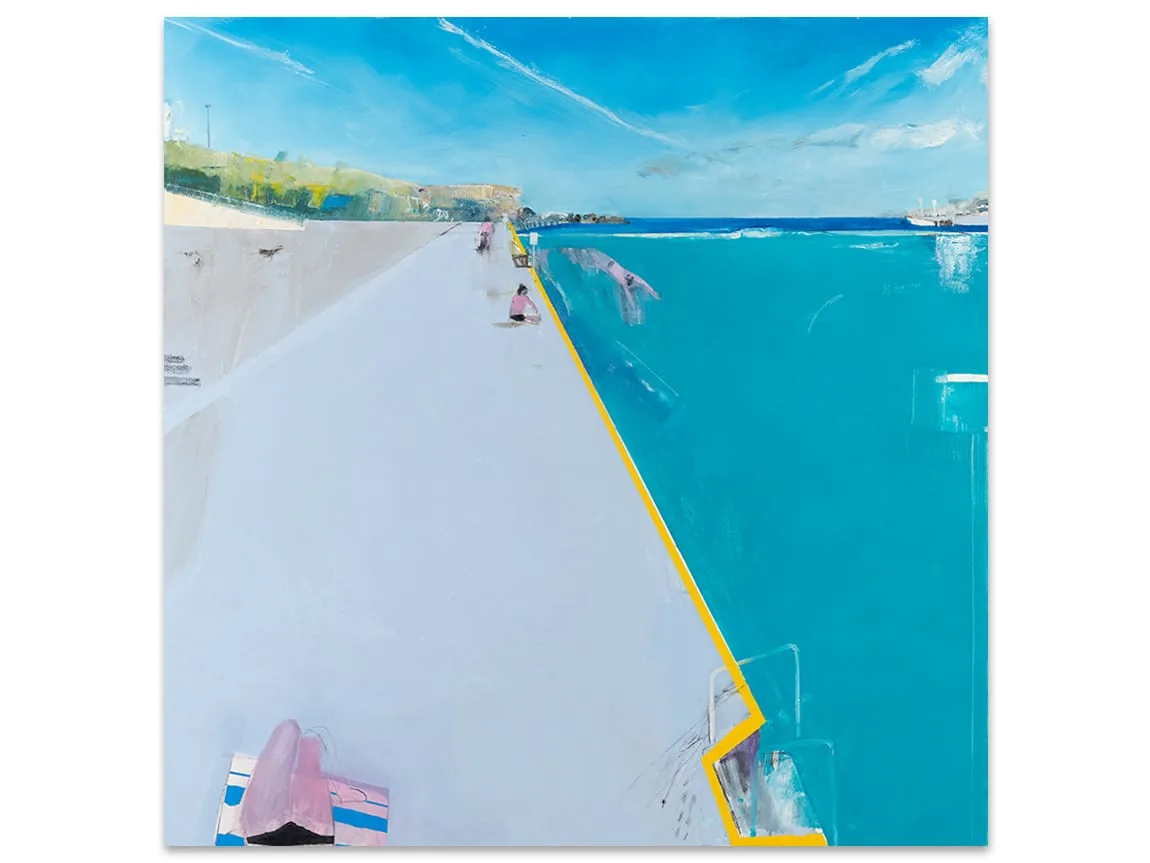
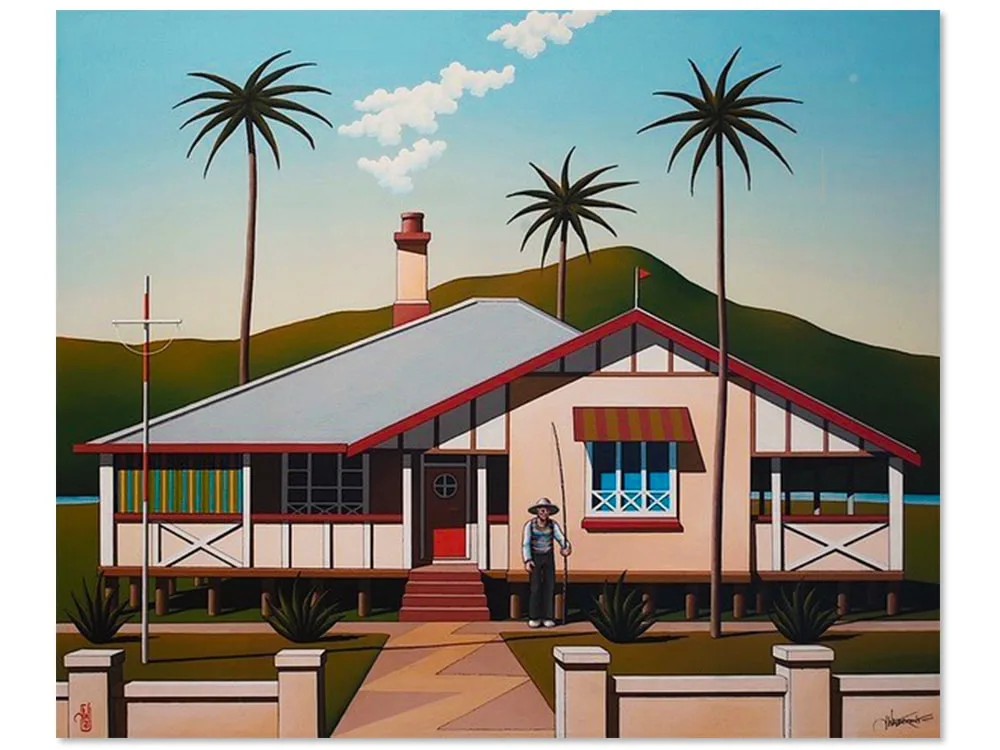
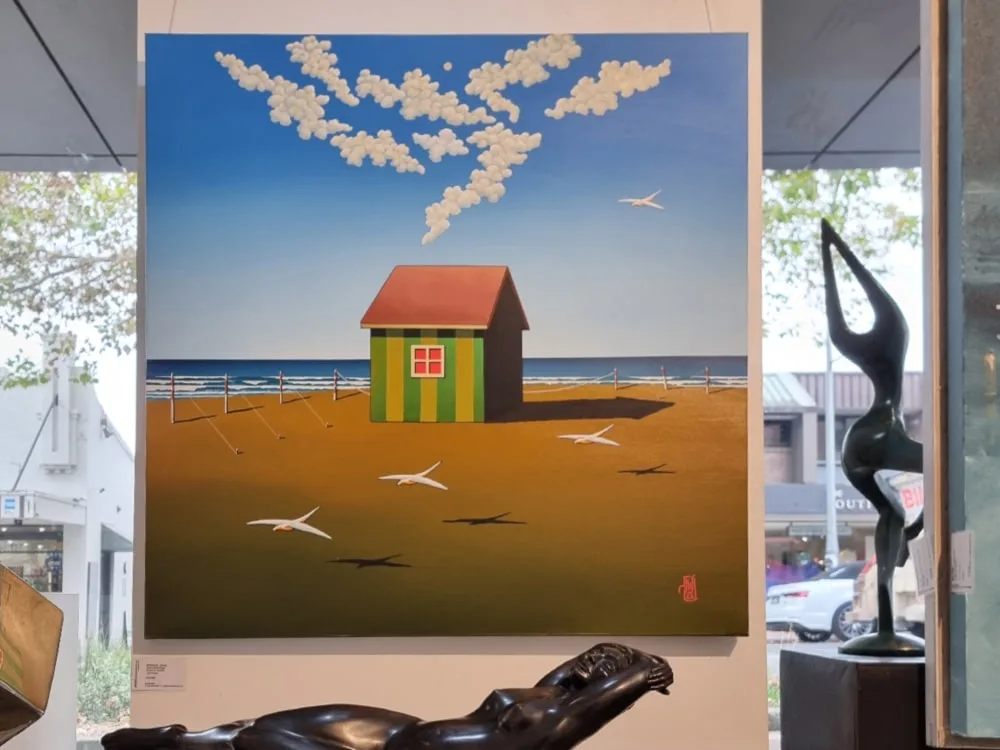
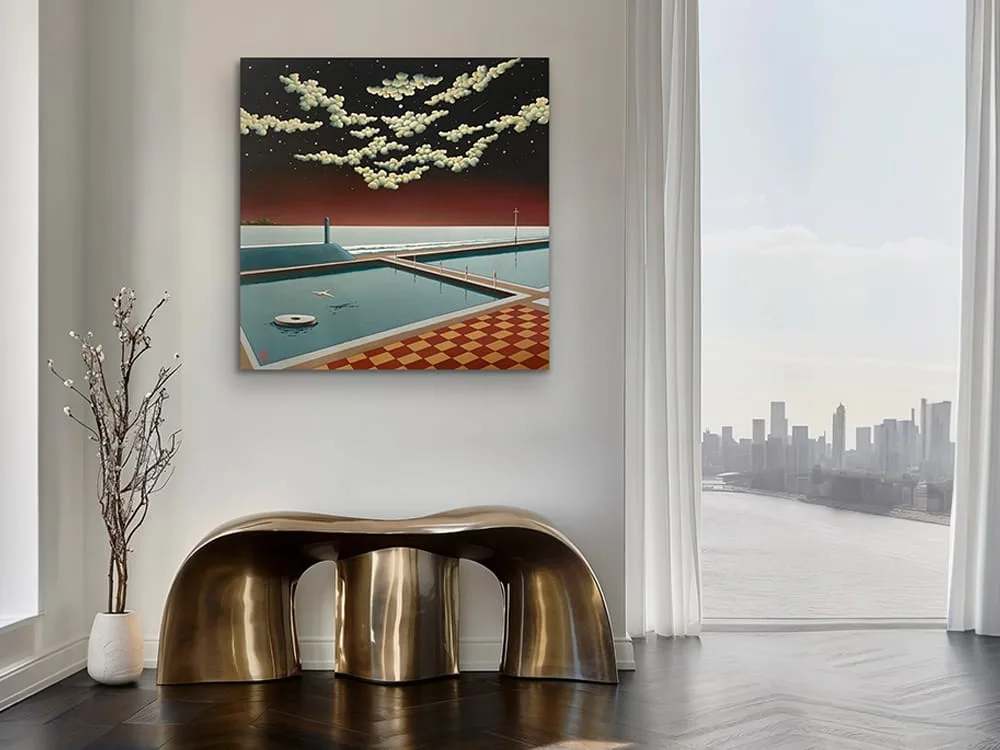
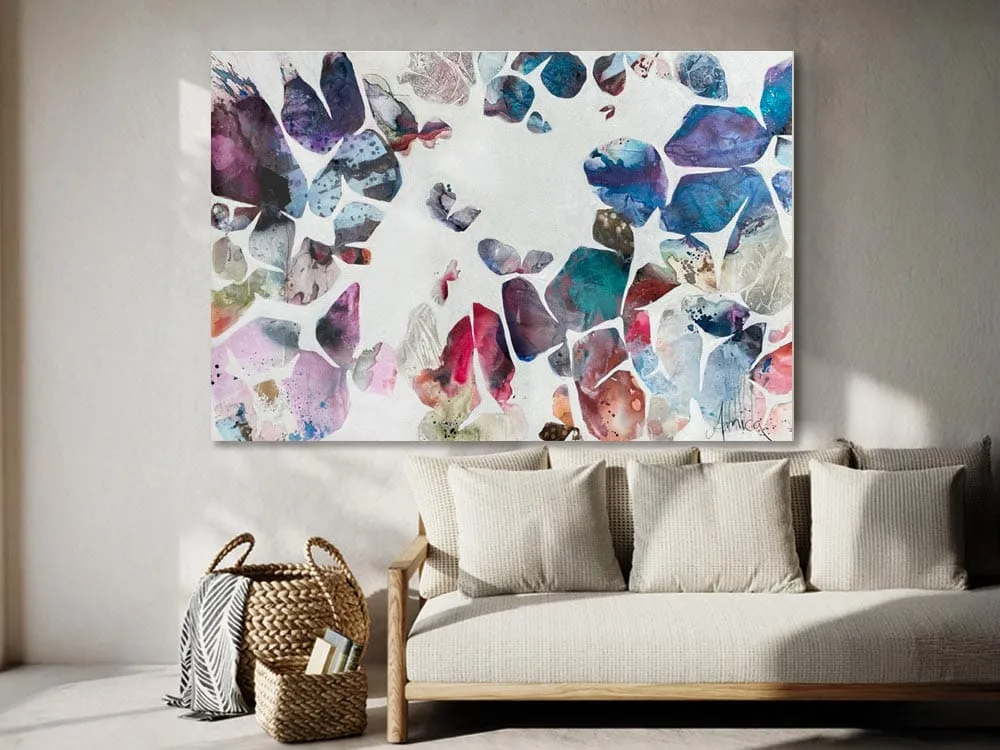
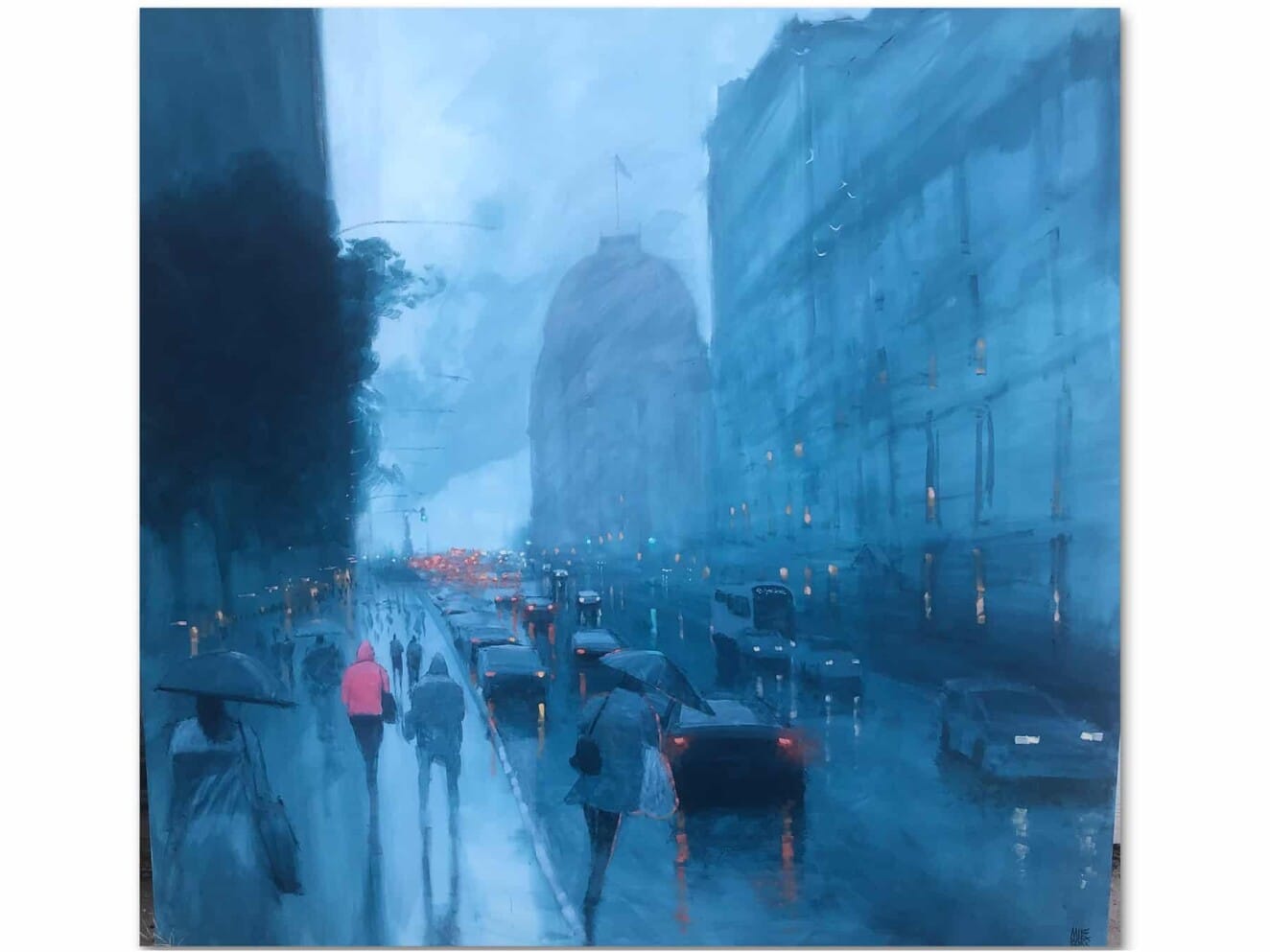
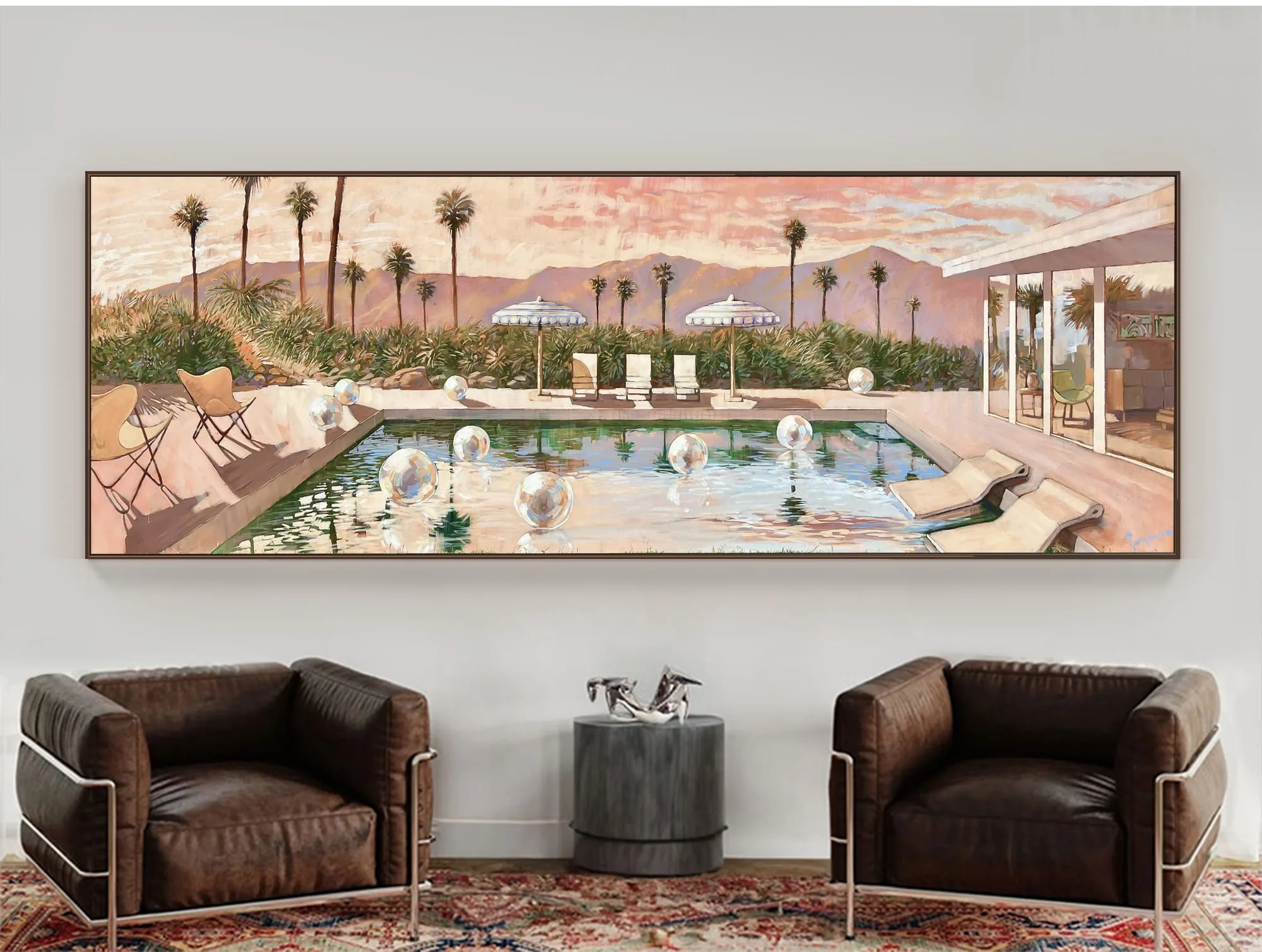
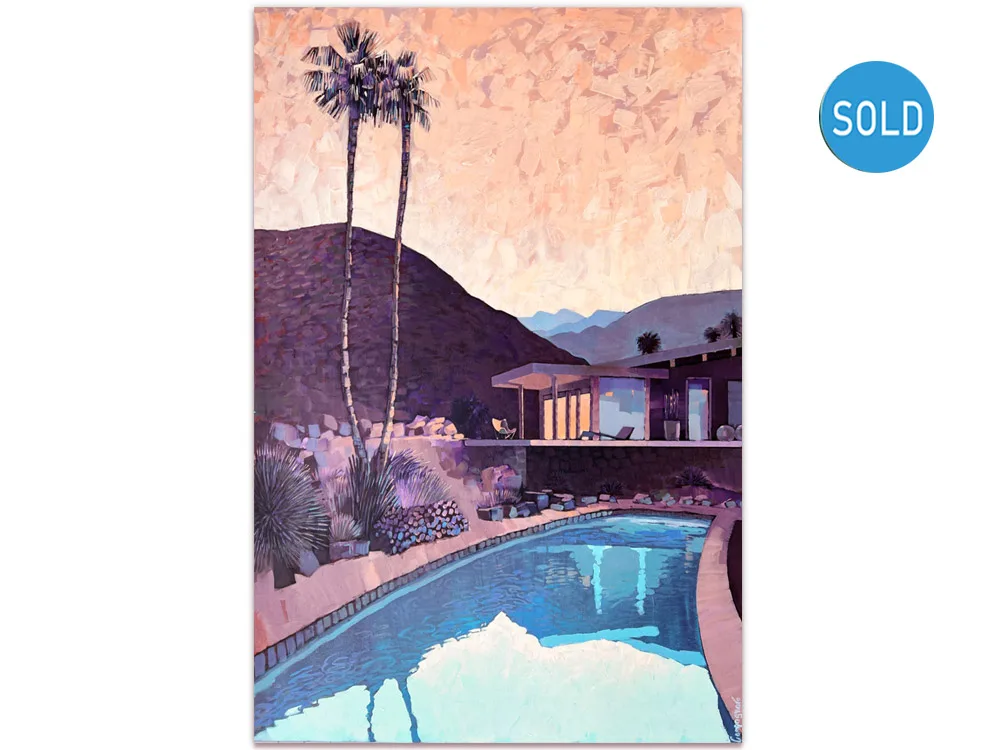
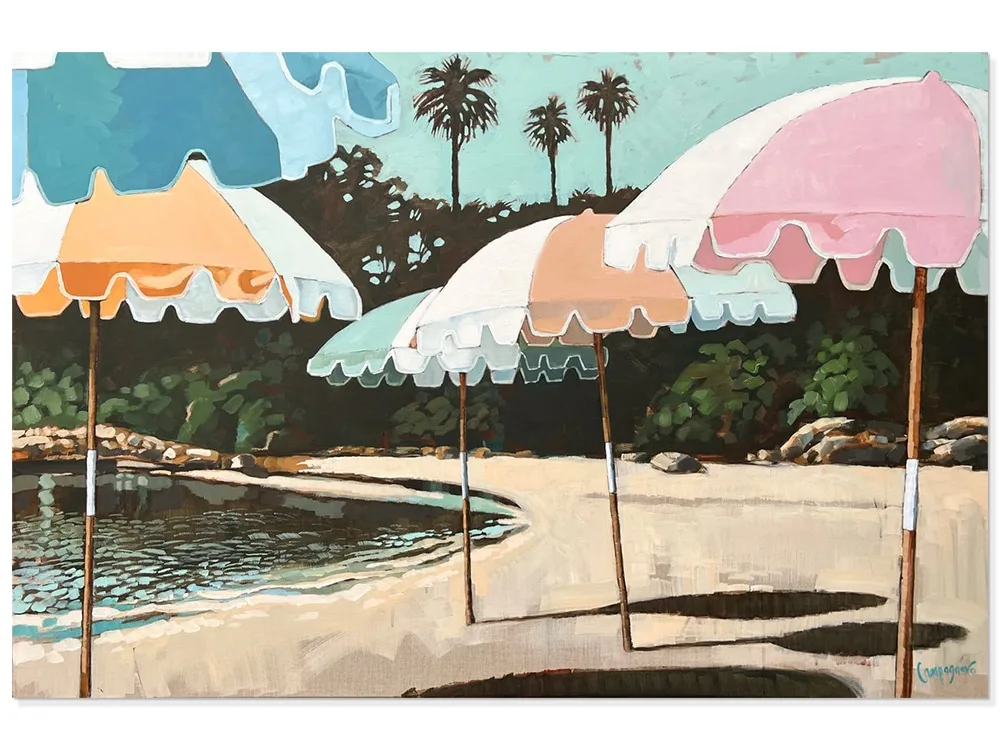
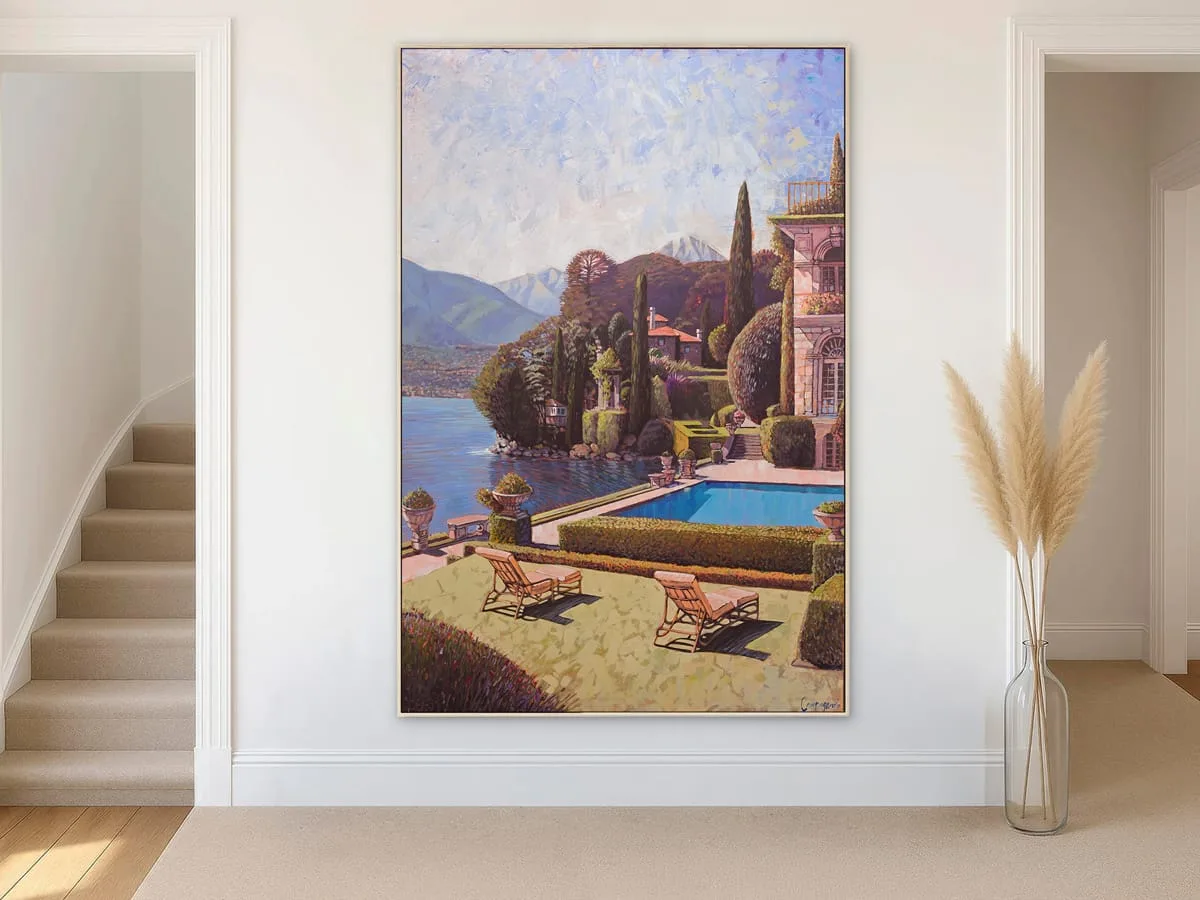
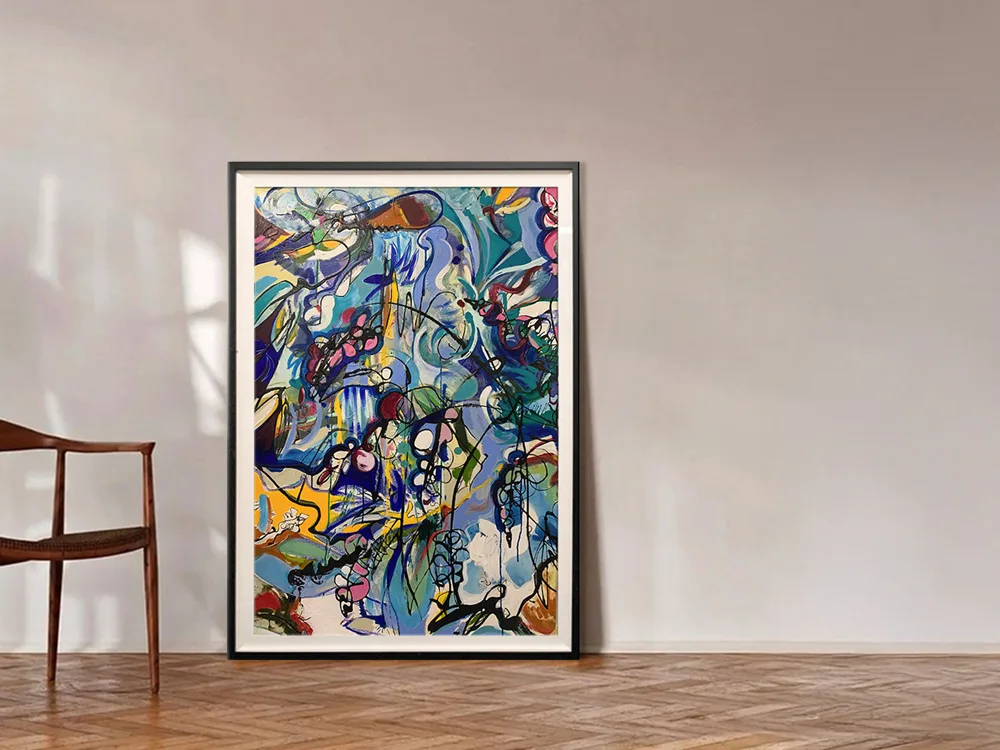
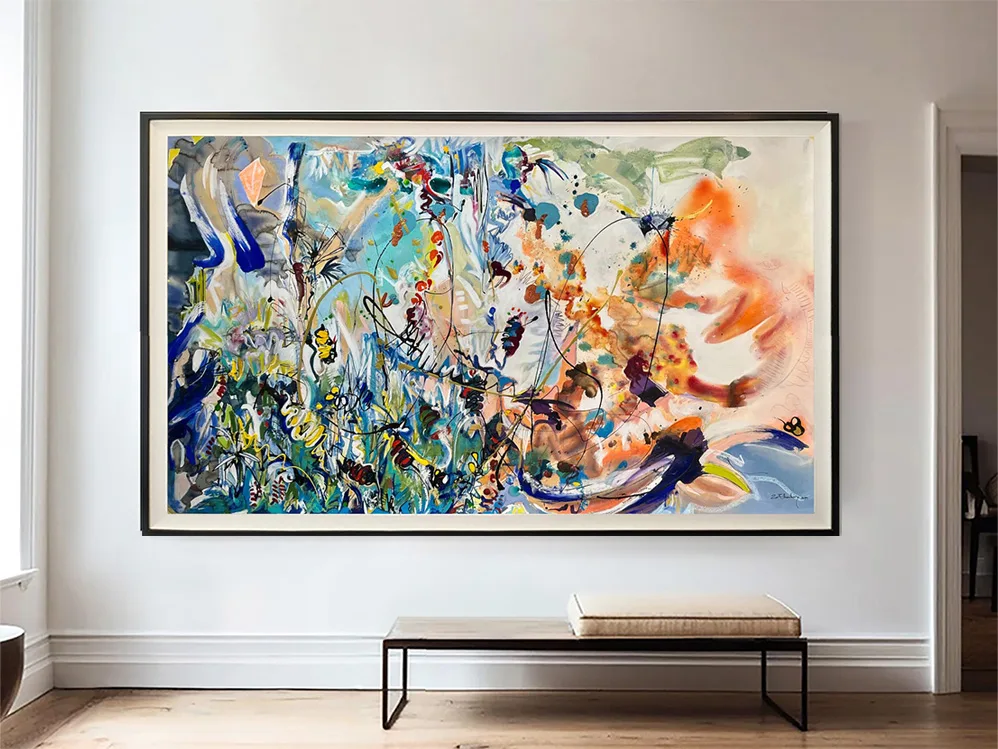
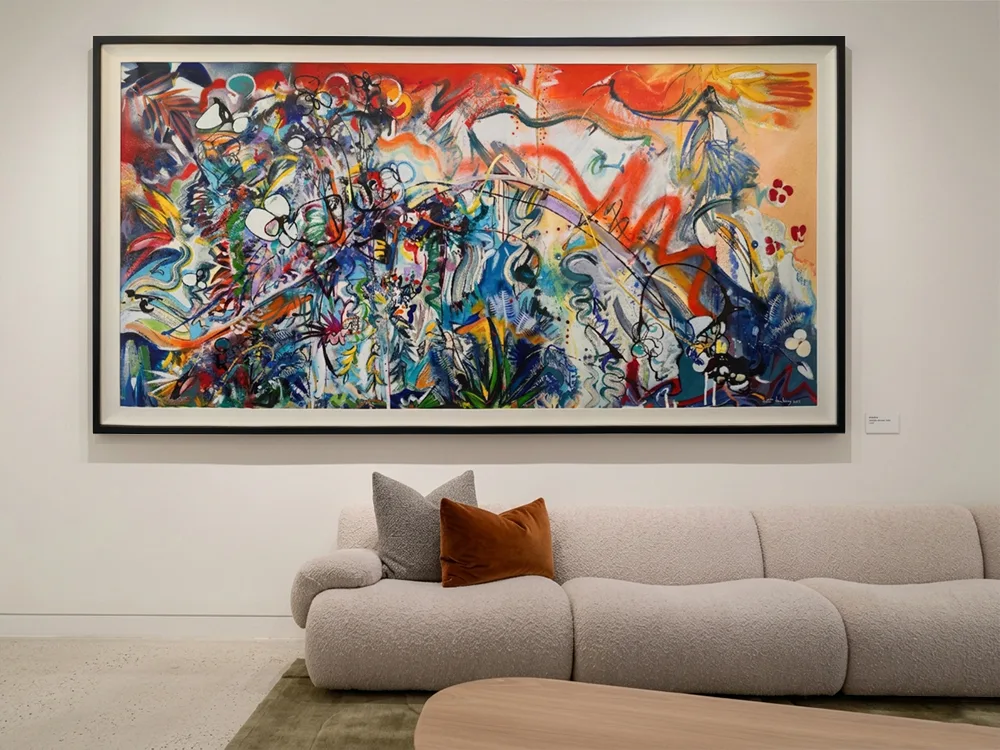
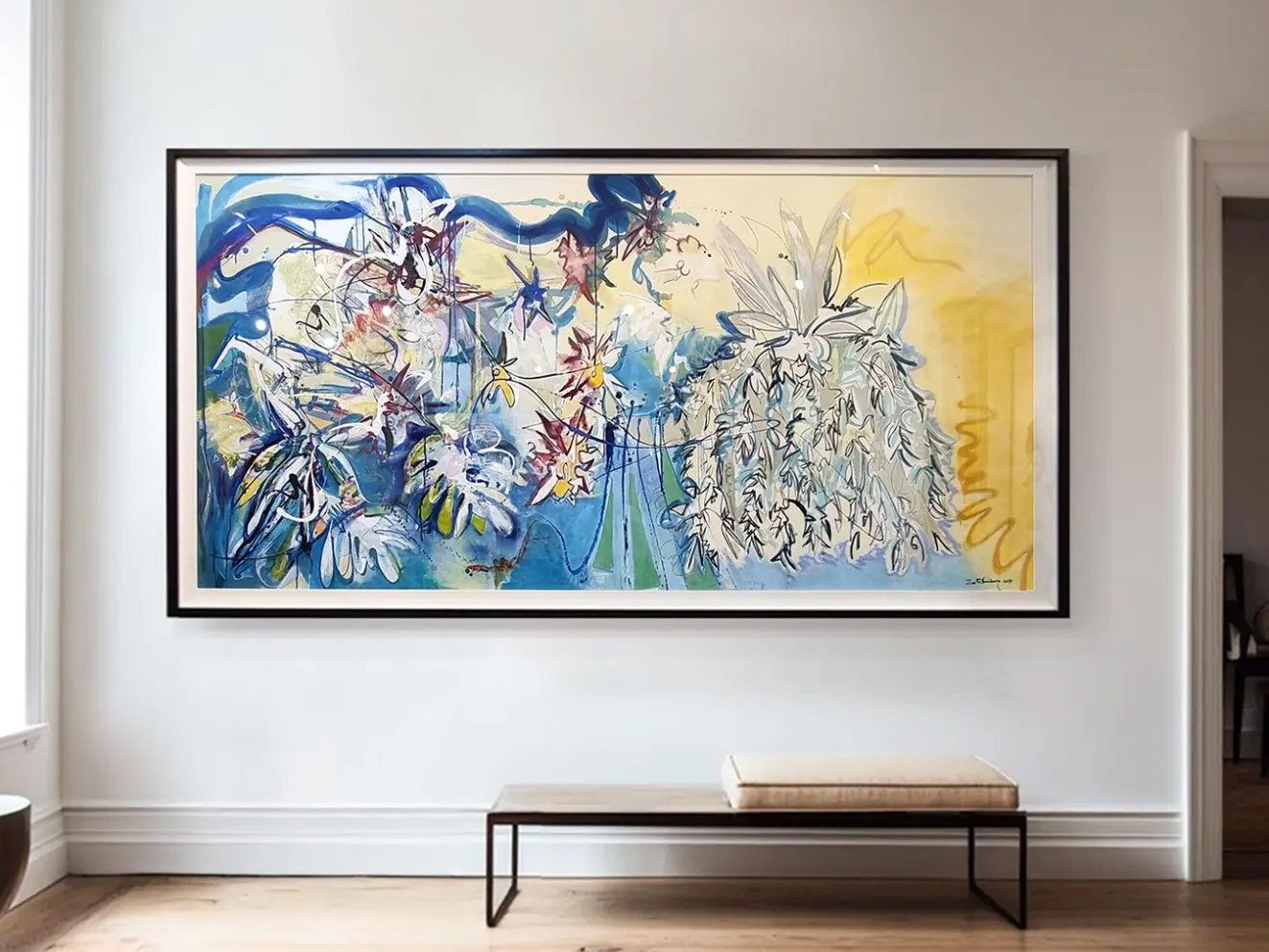
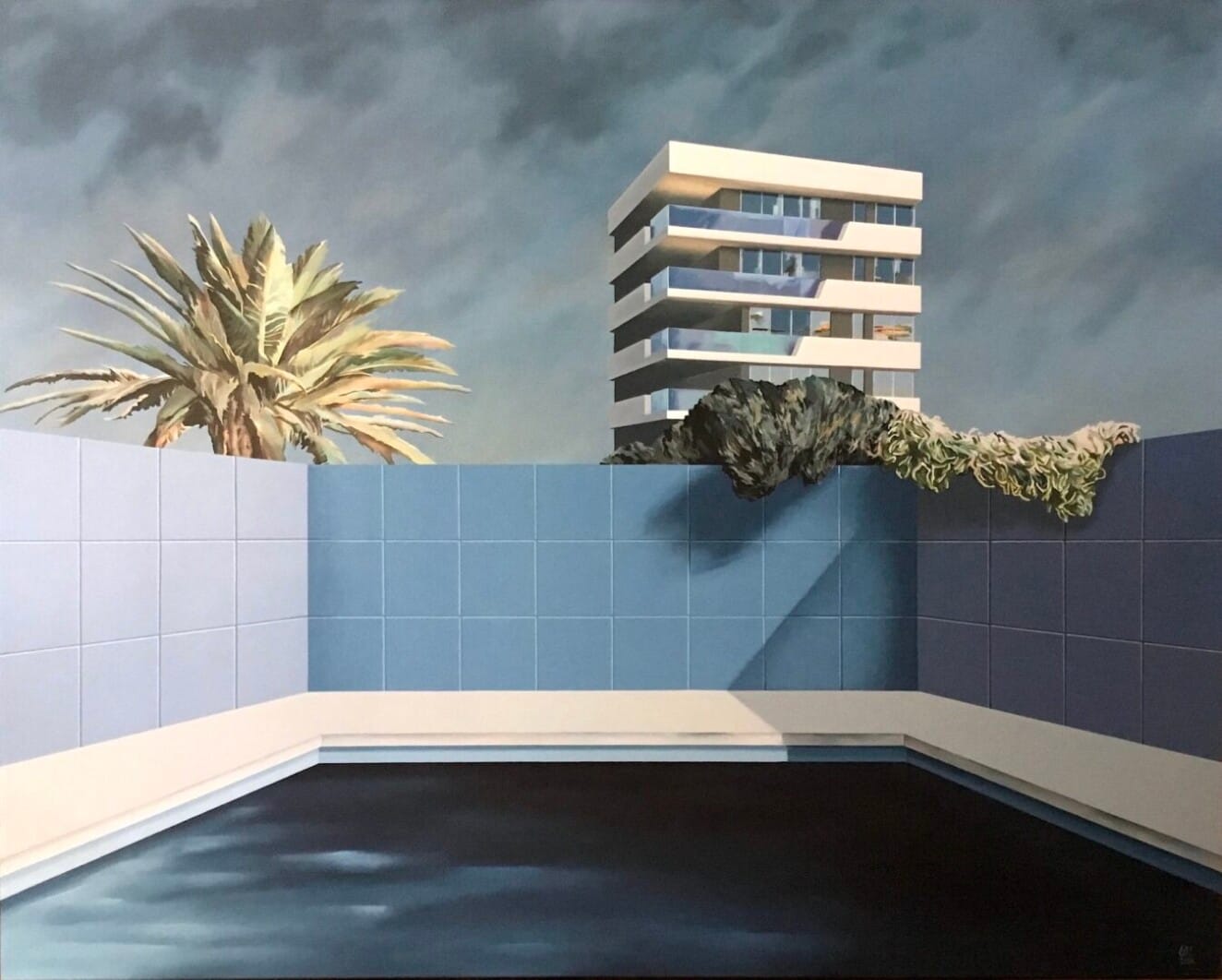
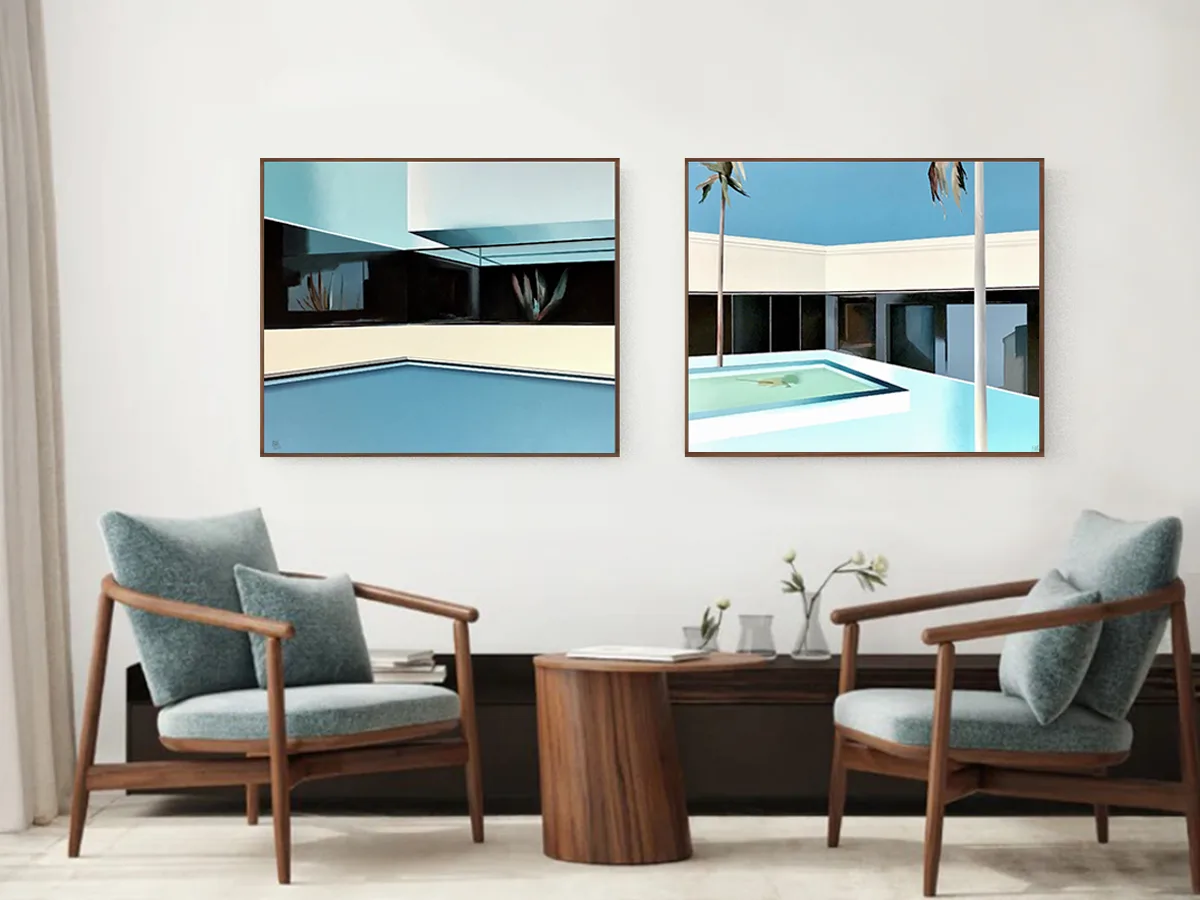
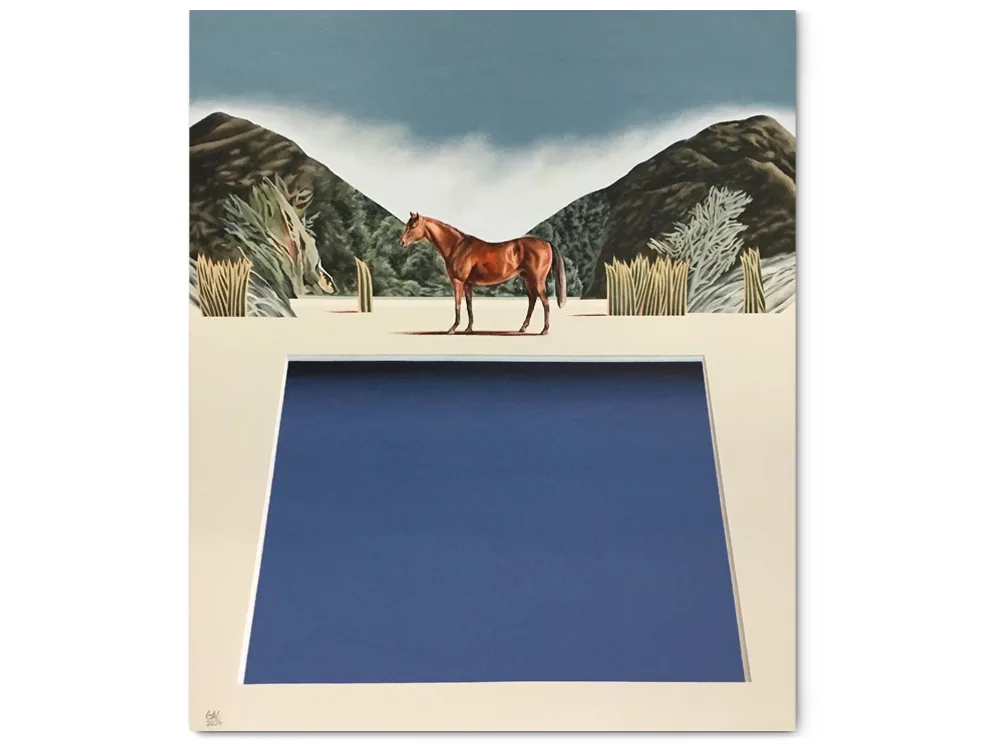
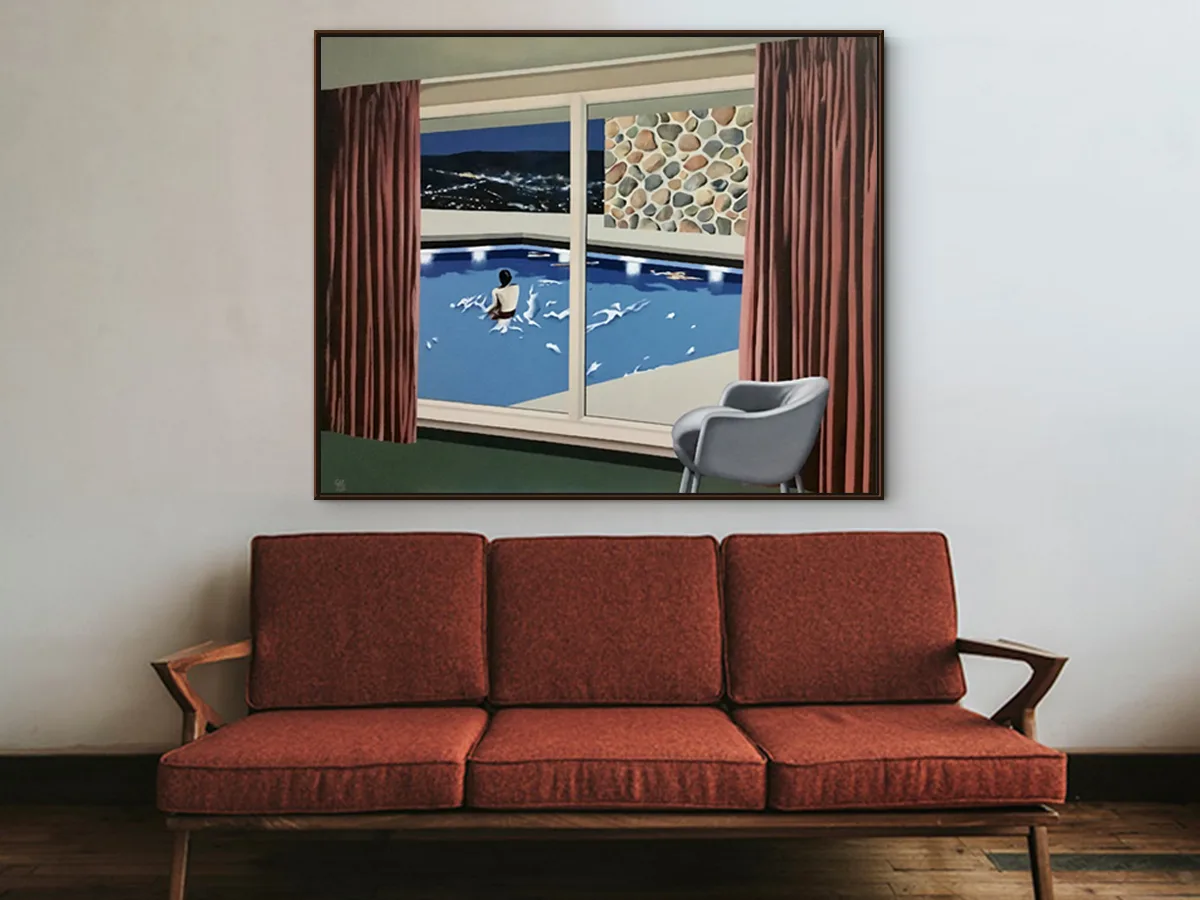
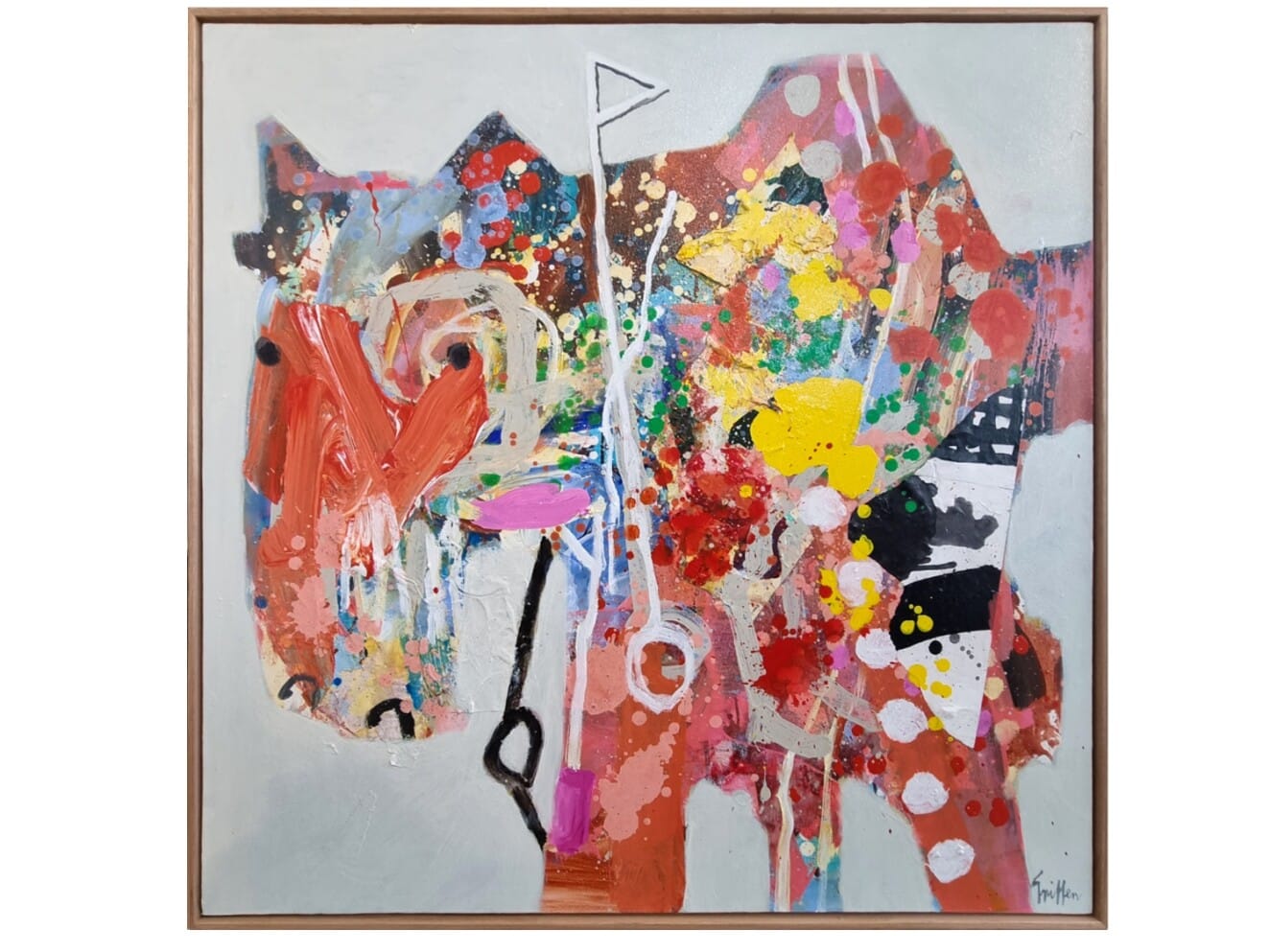
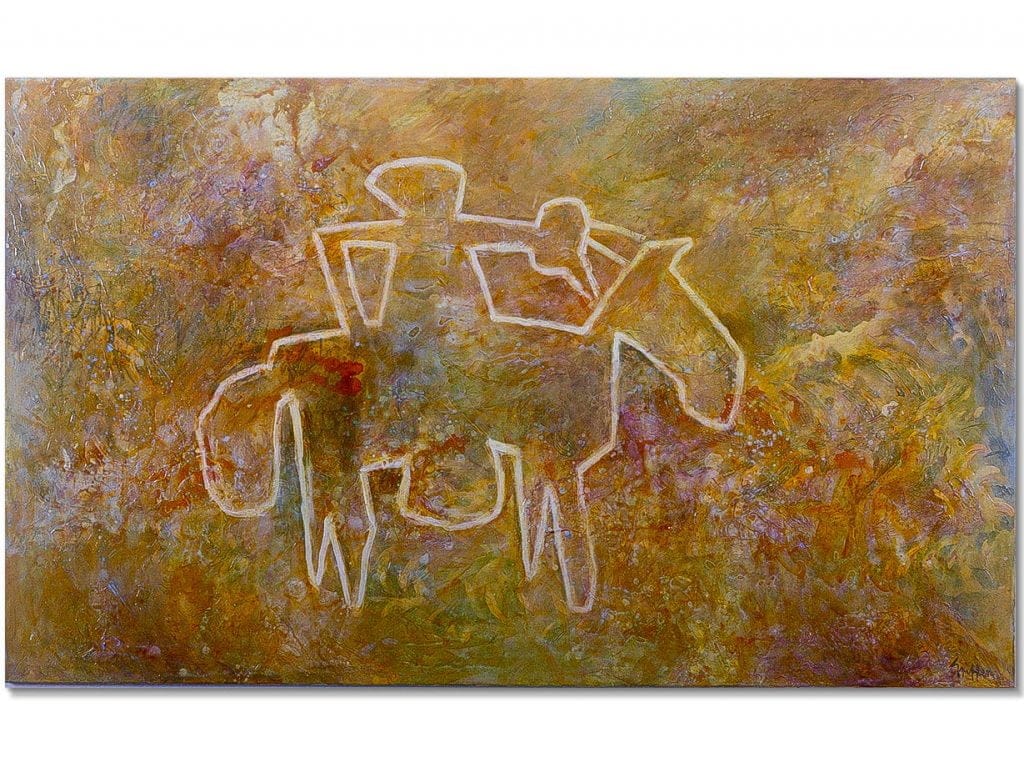
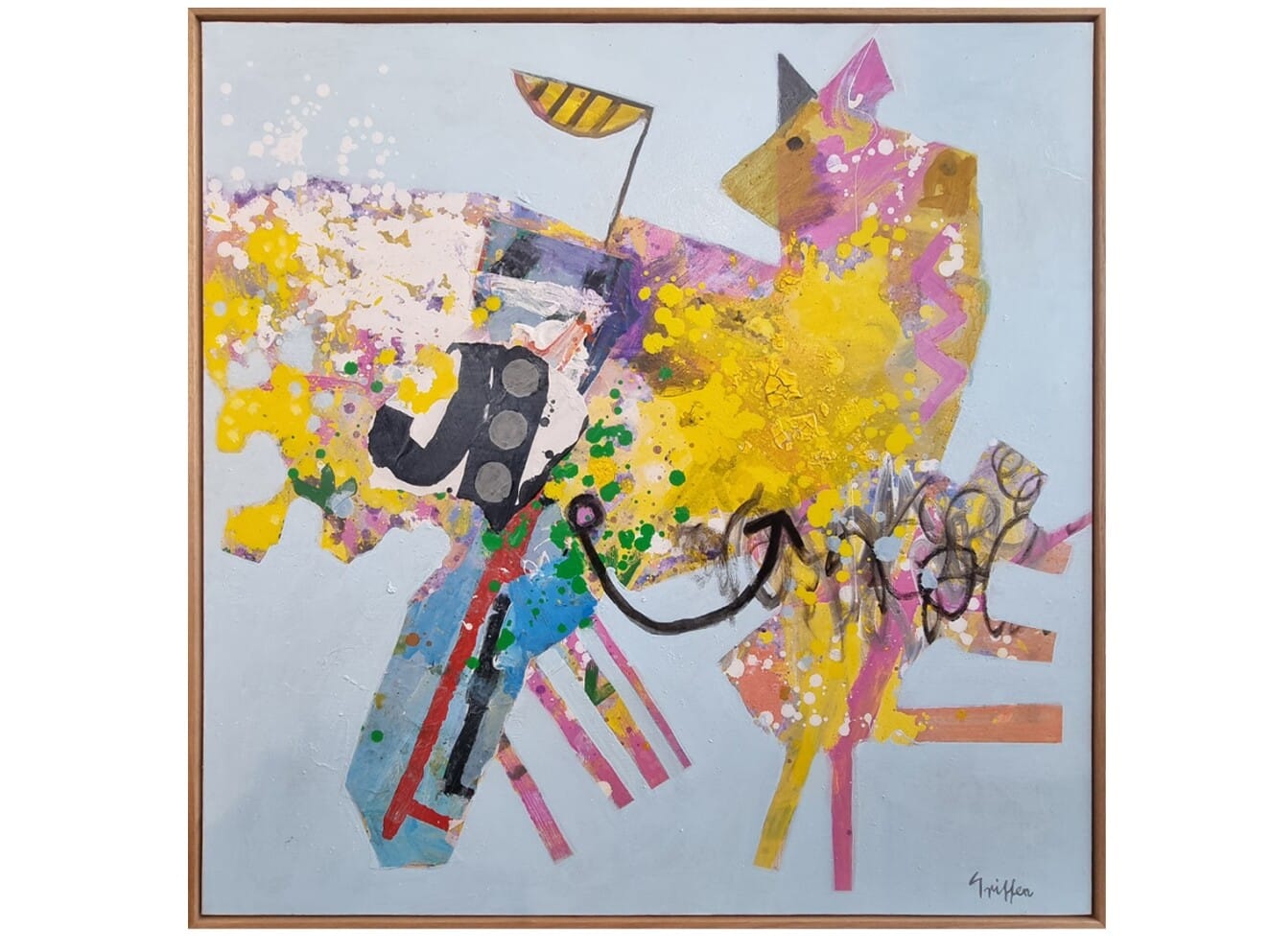
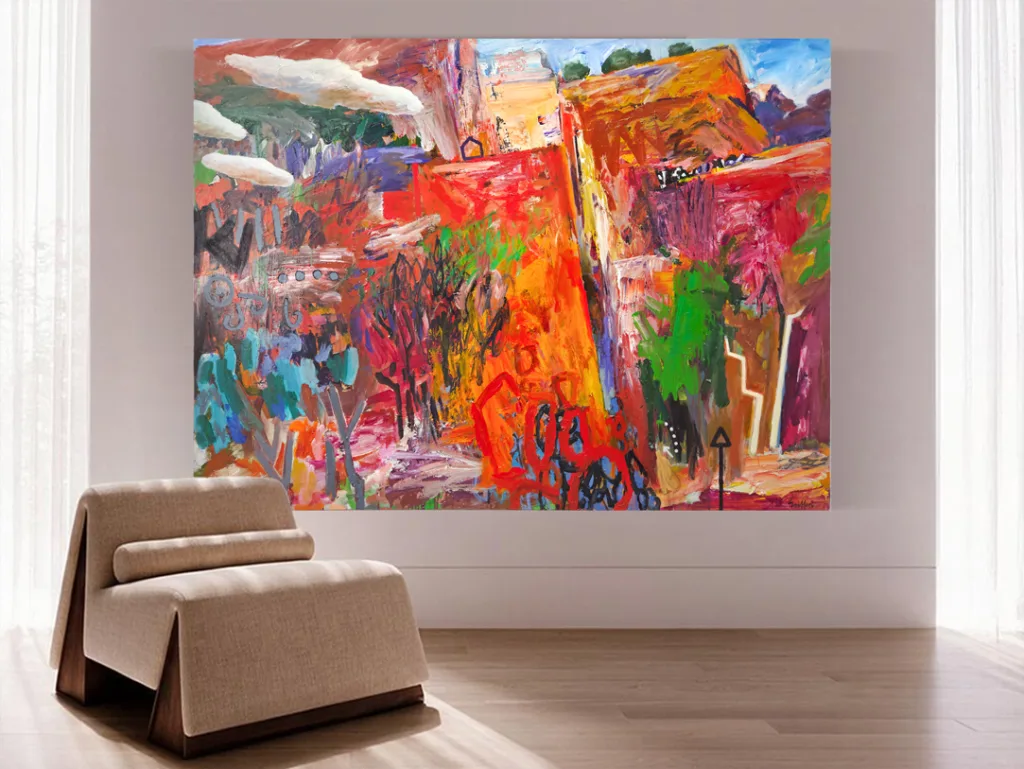
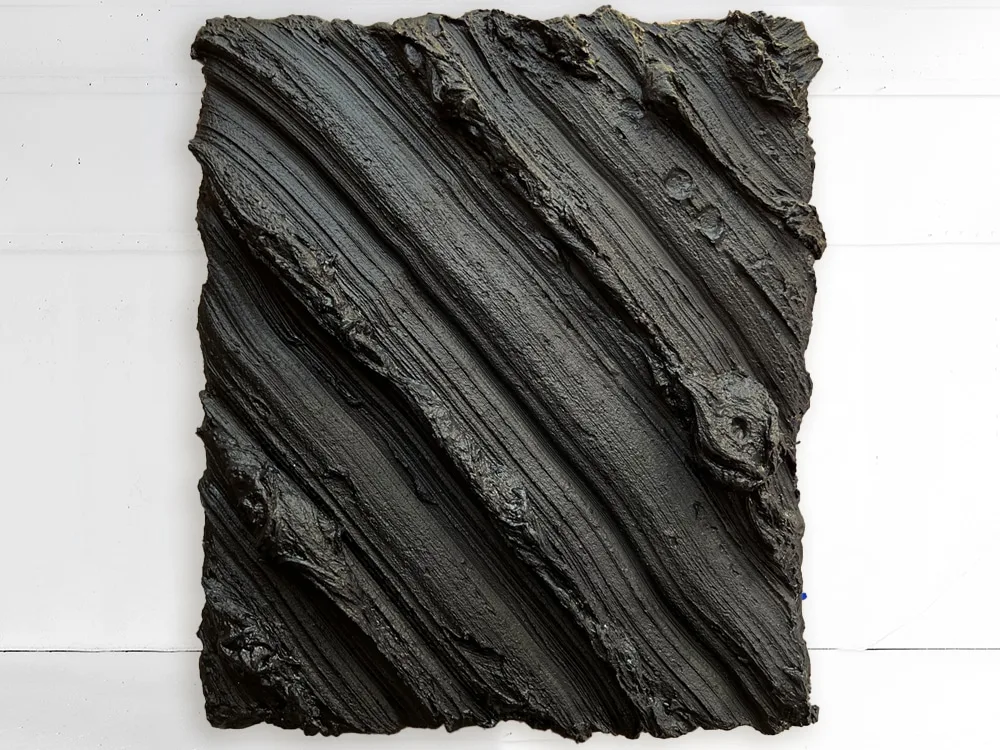
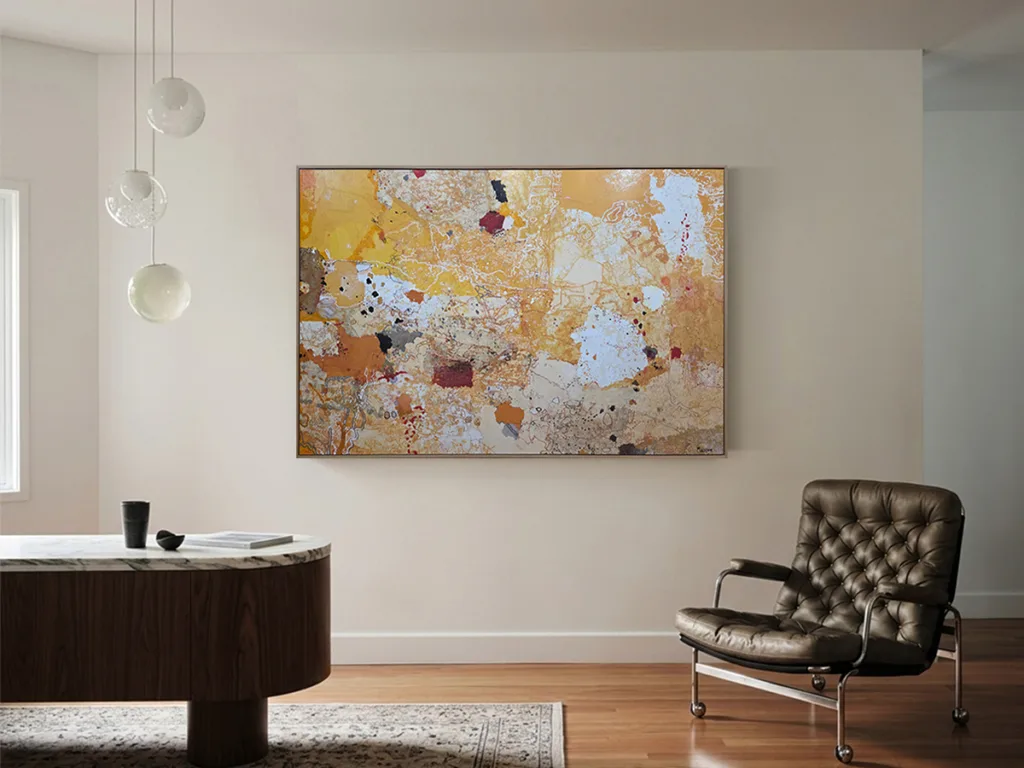
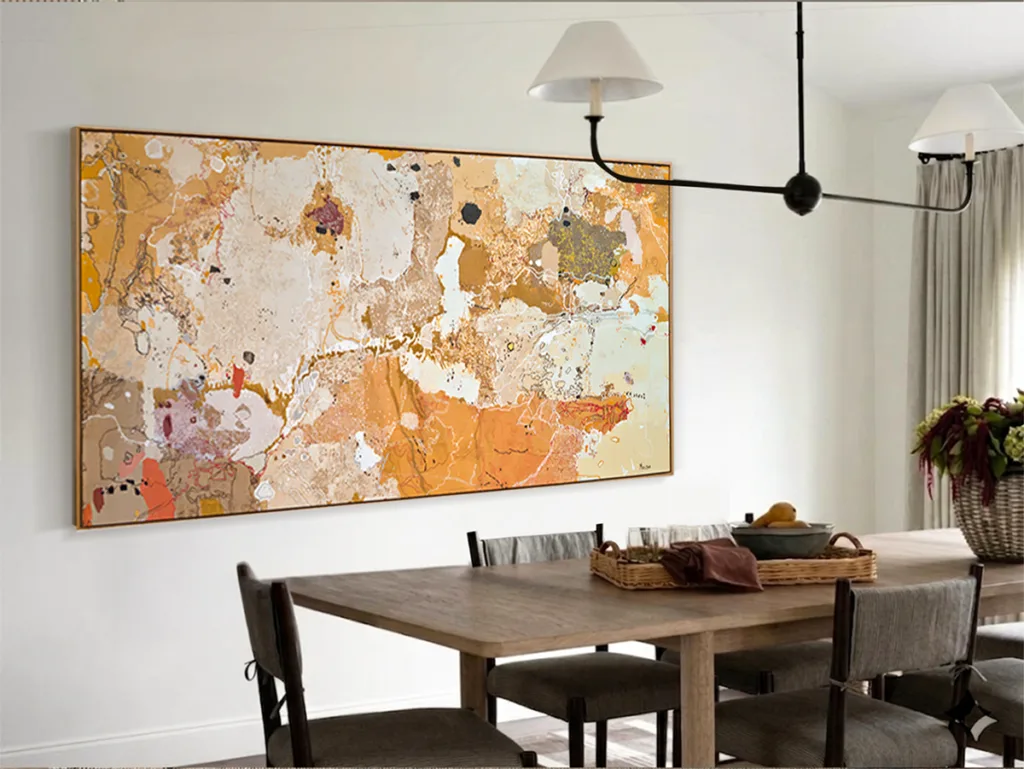
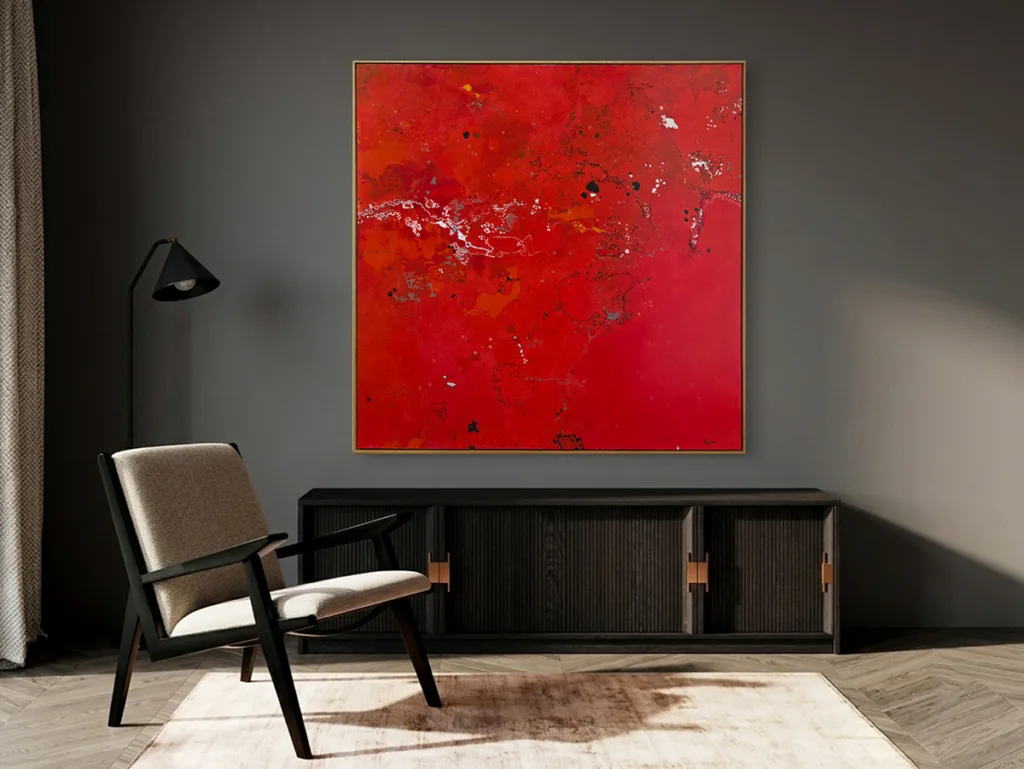
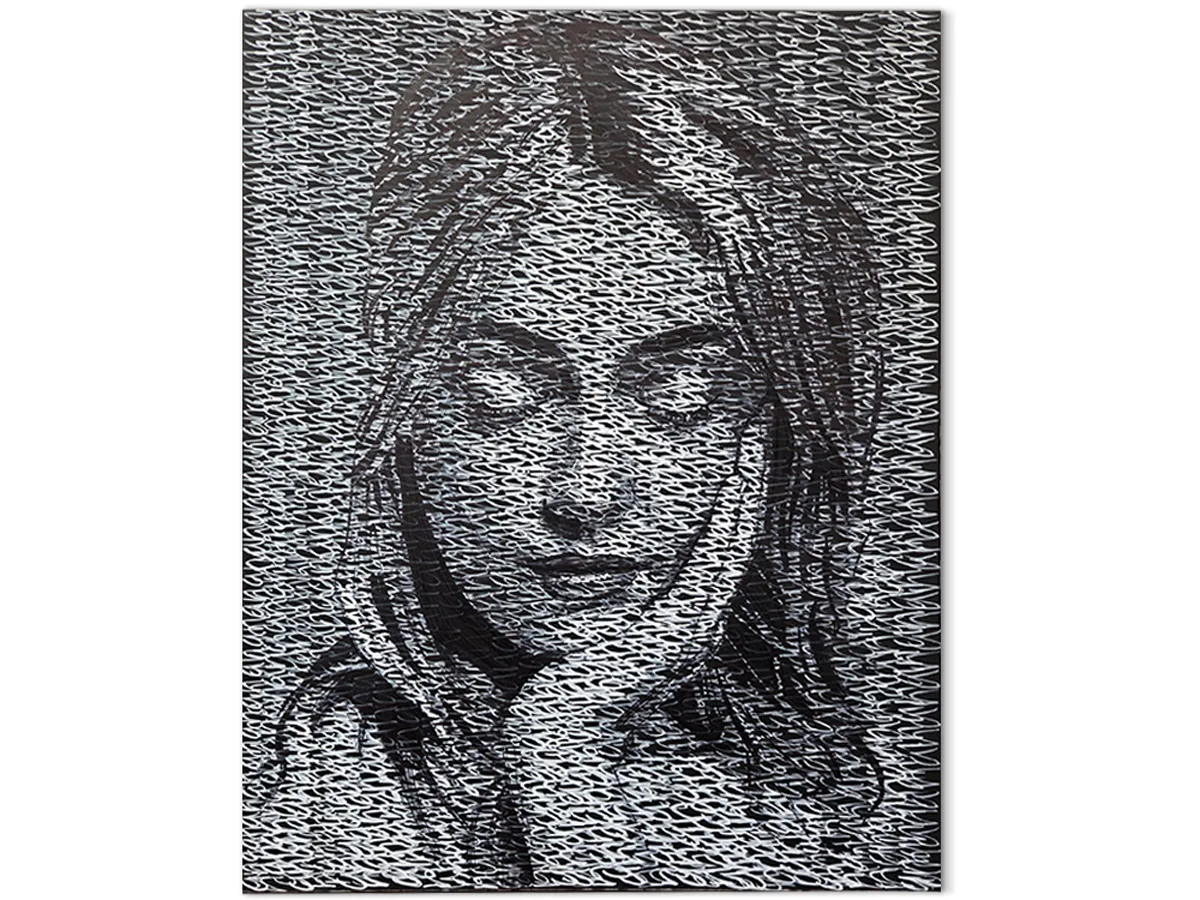
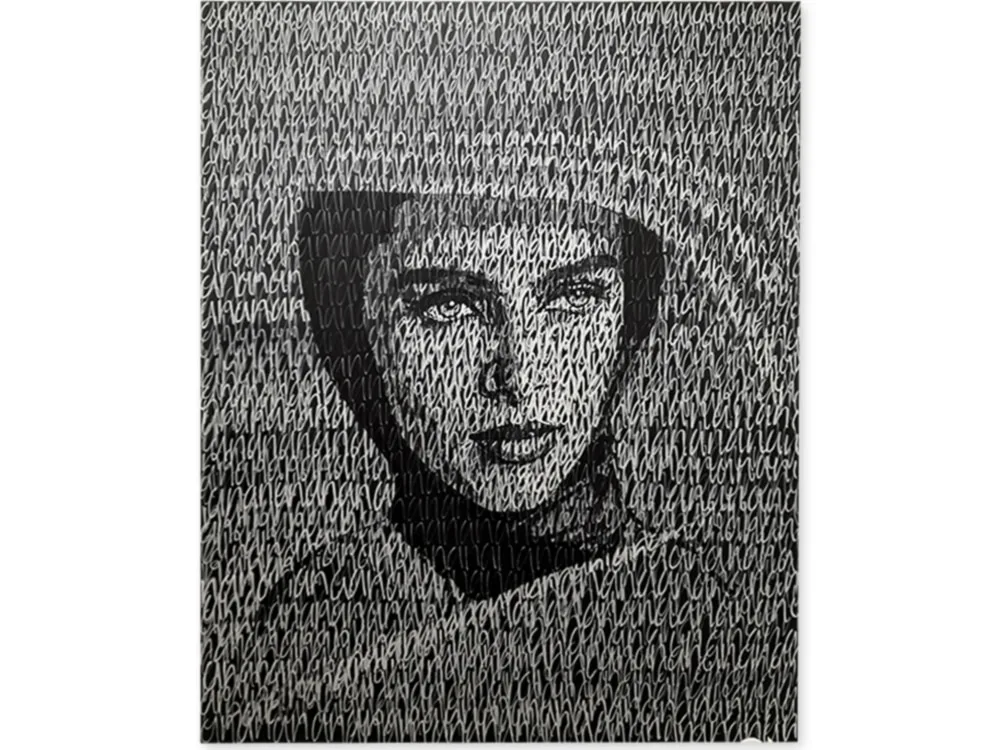
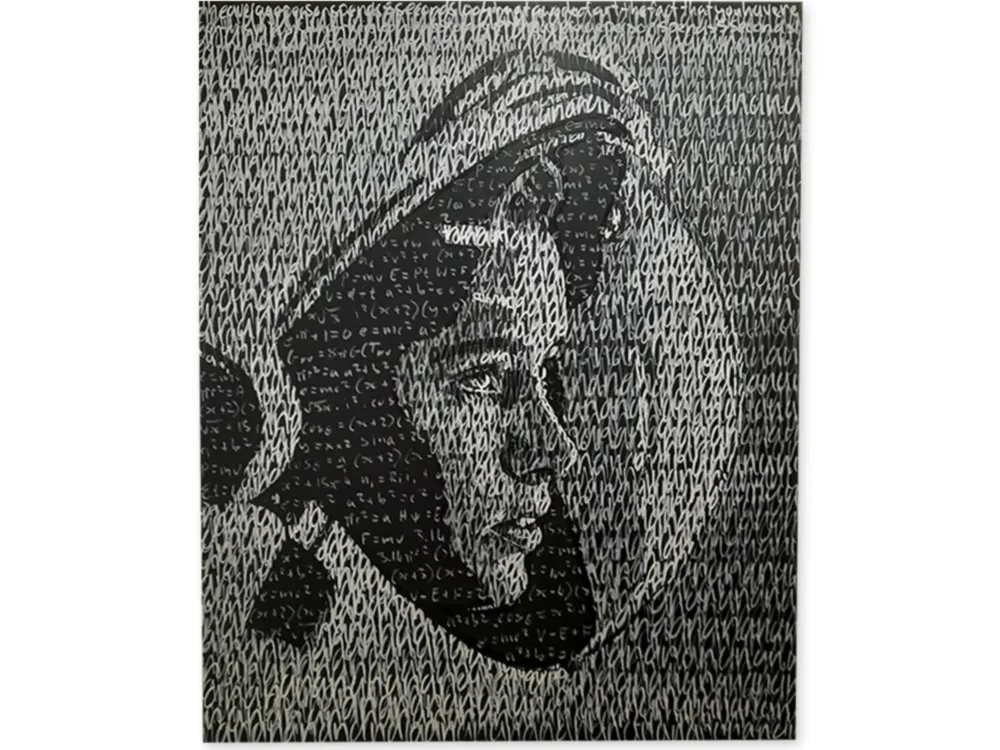
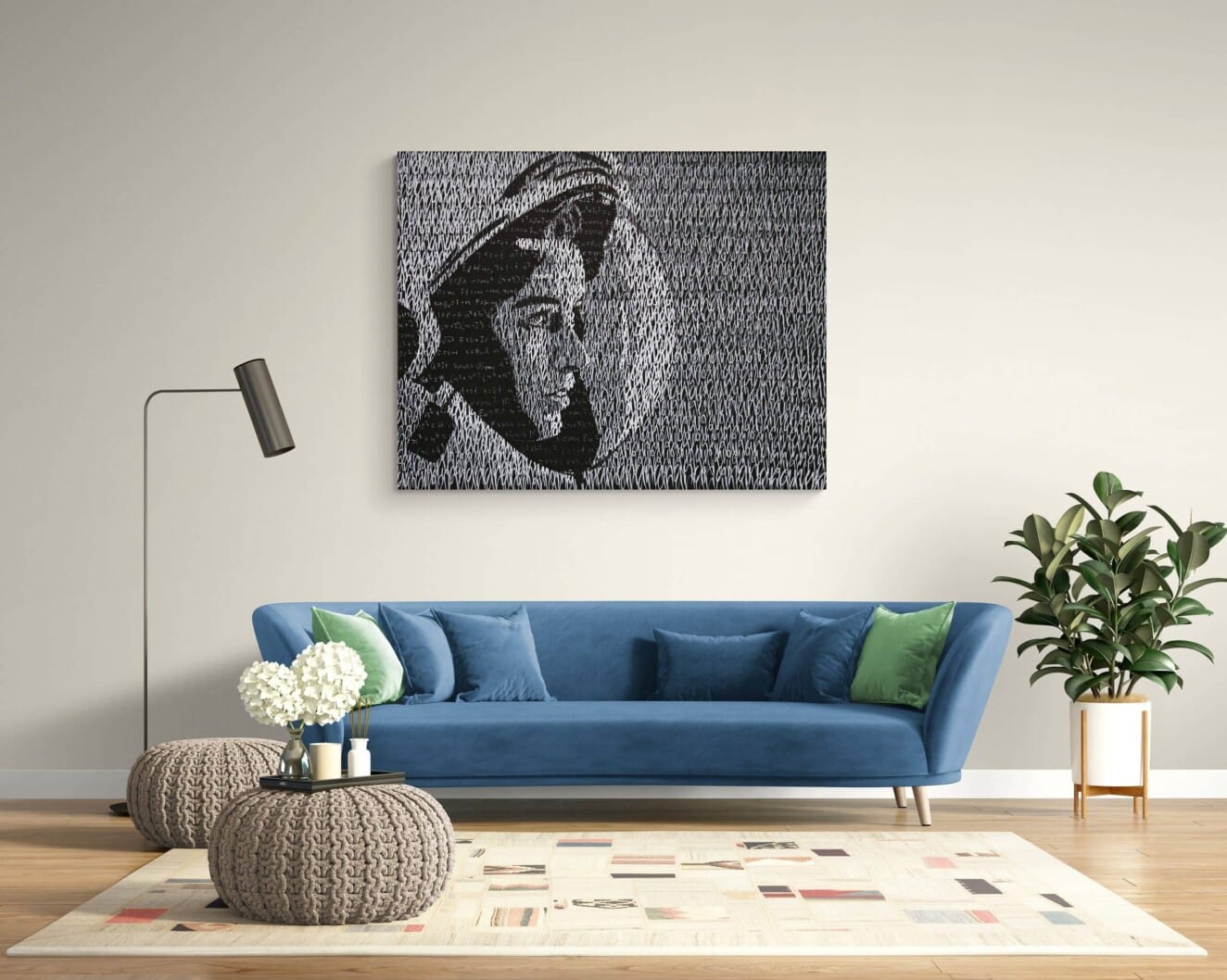
![Re-Awakening 1.4x6m [4 panels]](https://www.sohogalleries.net/wp-content/uploads/2022/04/Nafisa_Re-Awakening-1.4x5.6m_a.webp "Australian Artists")
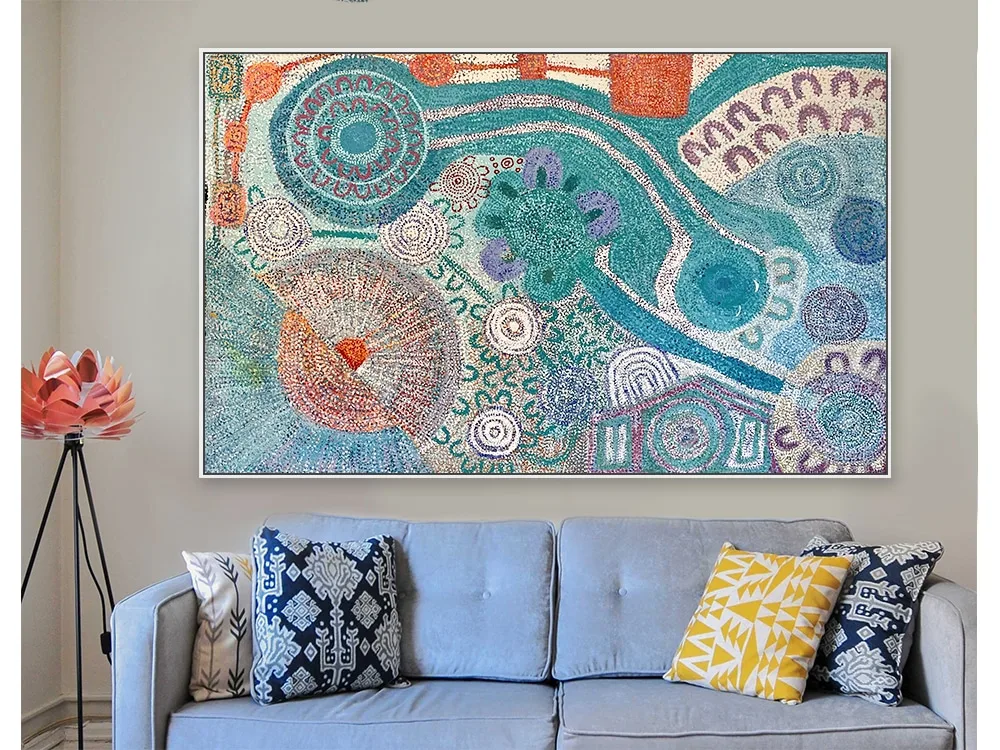
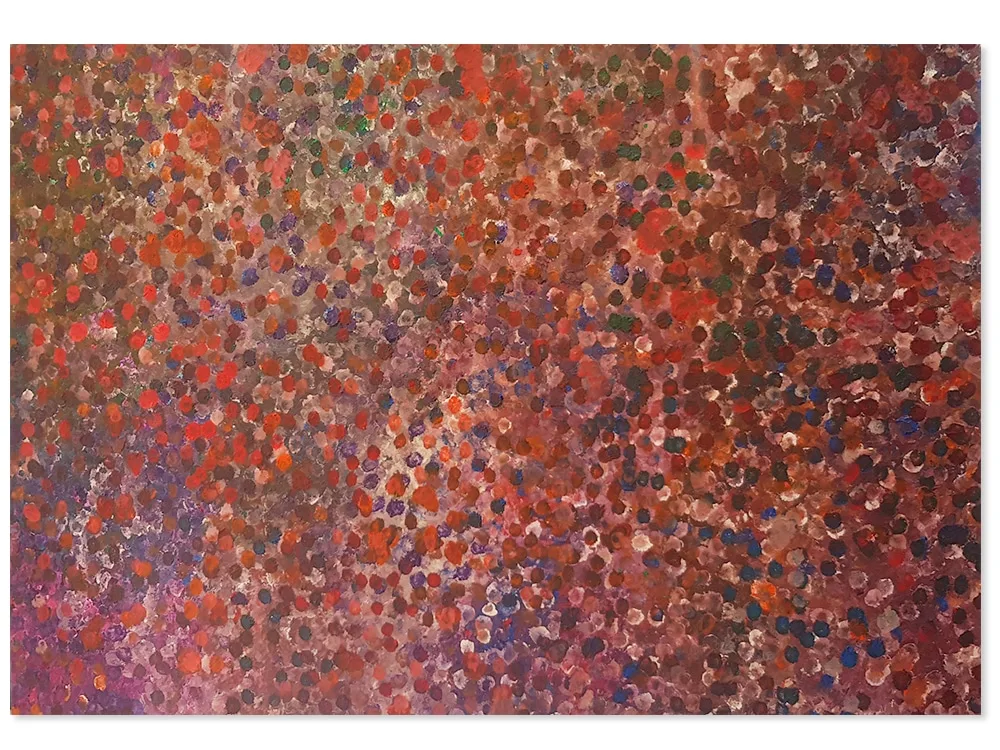
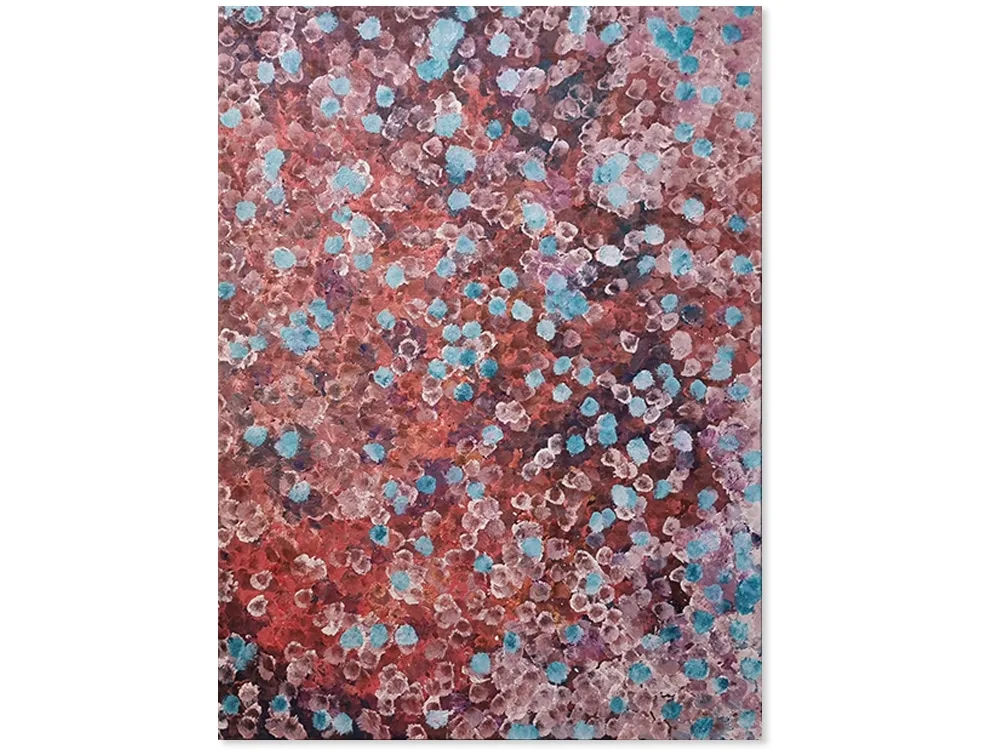
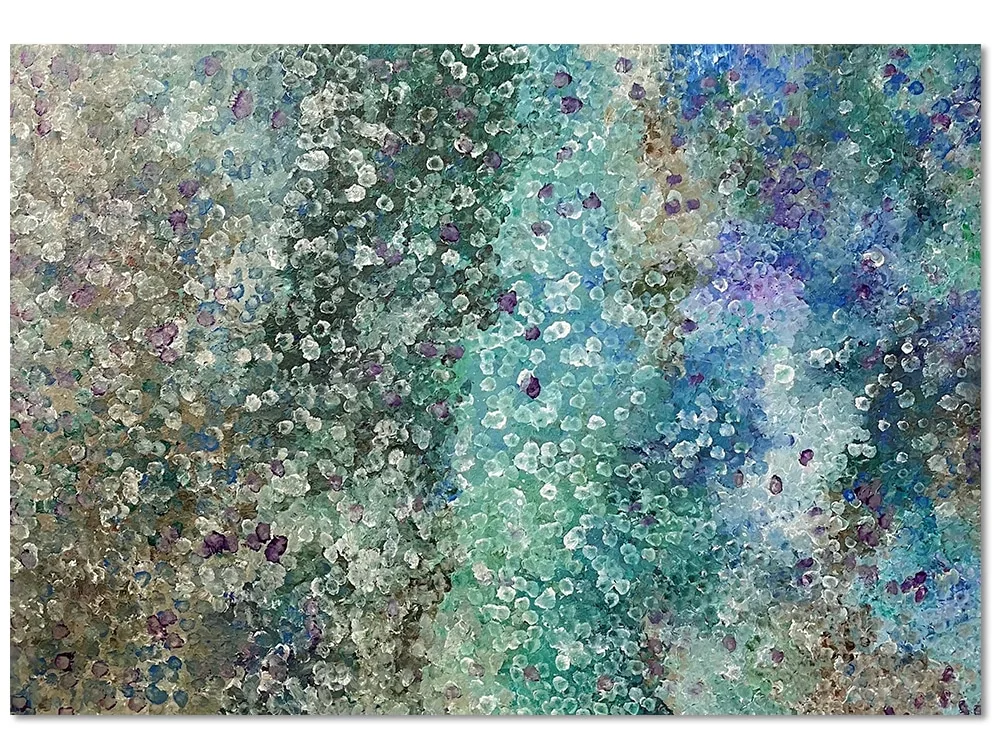
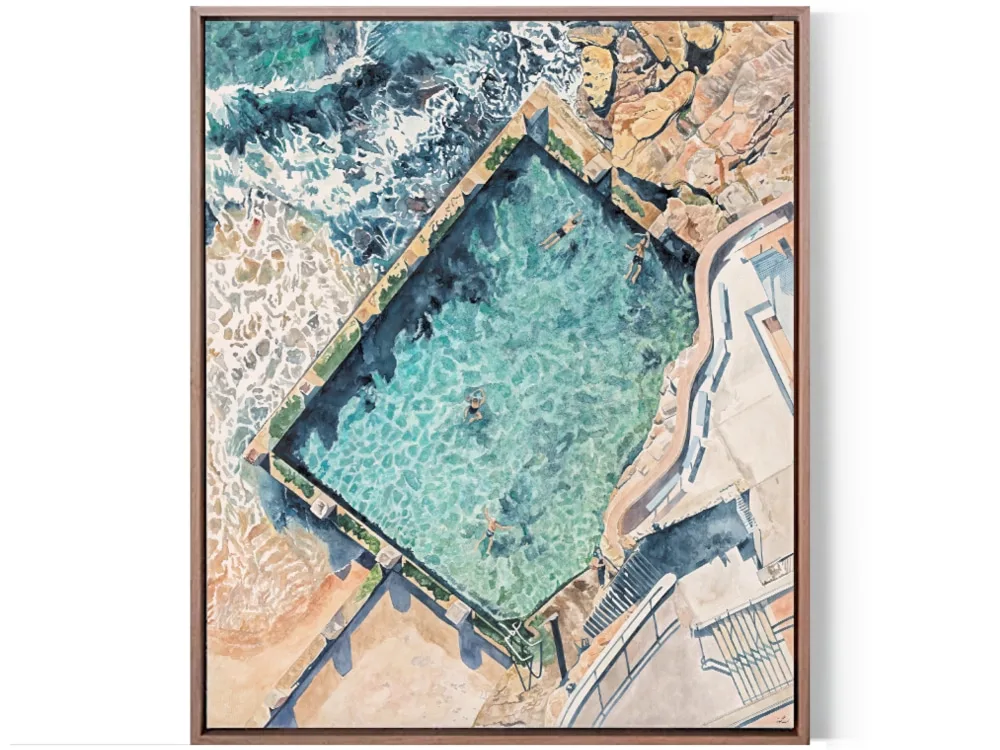
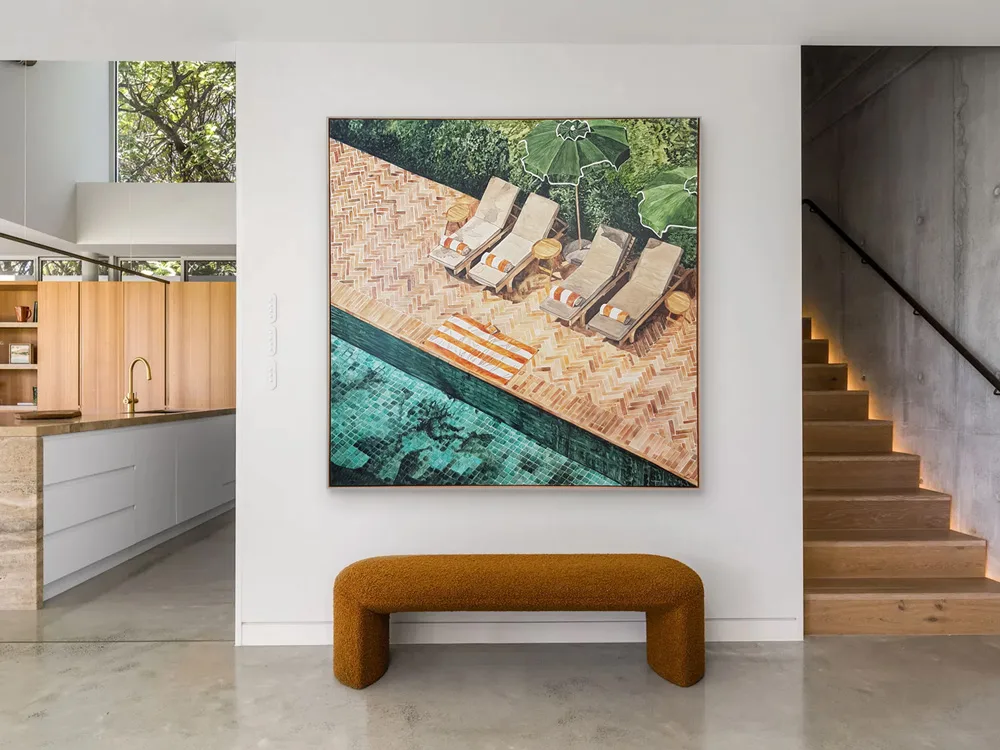
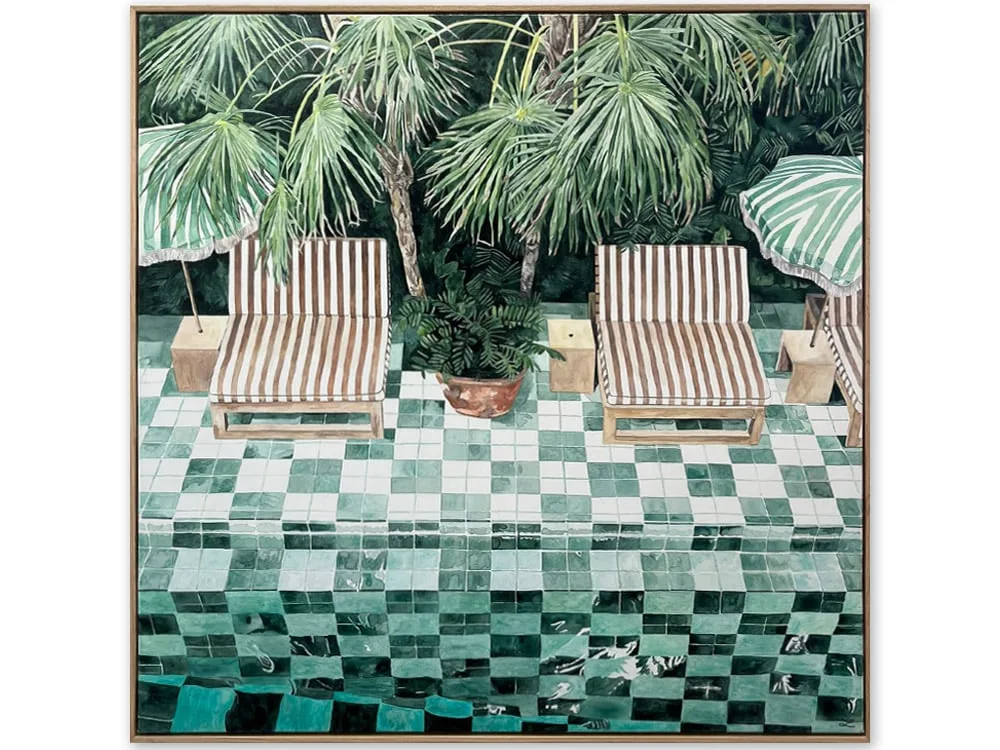
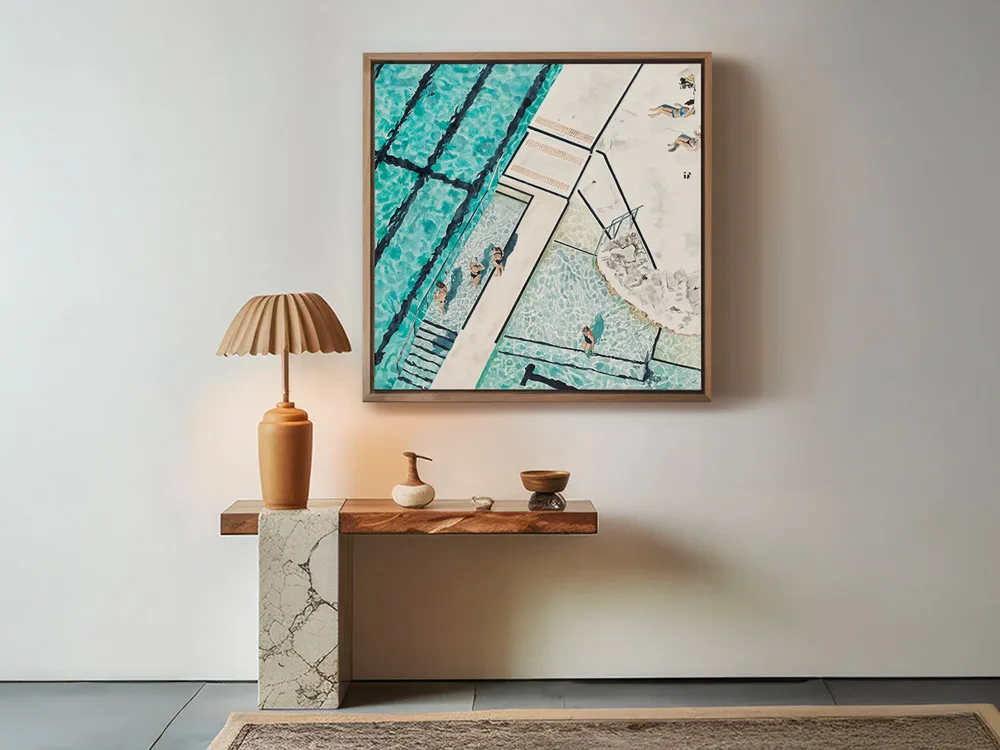
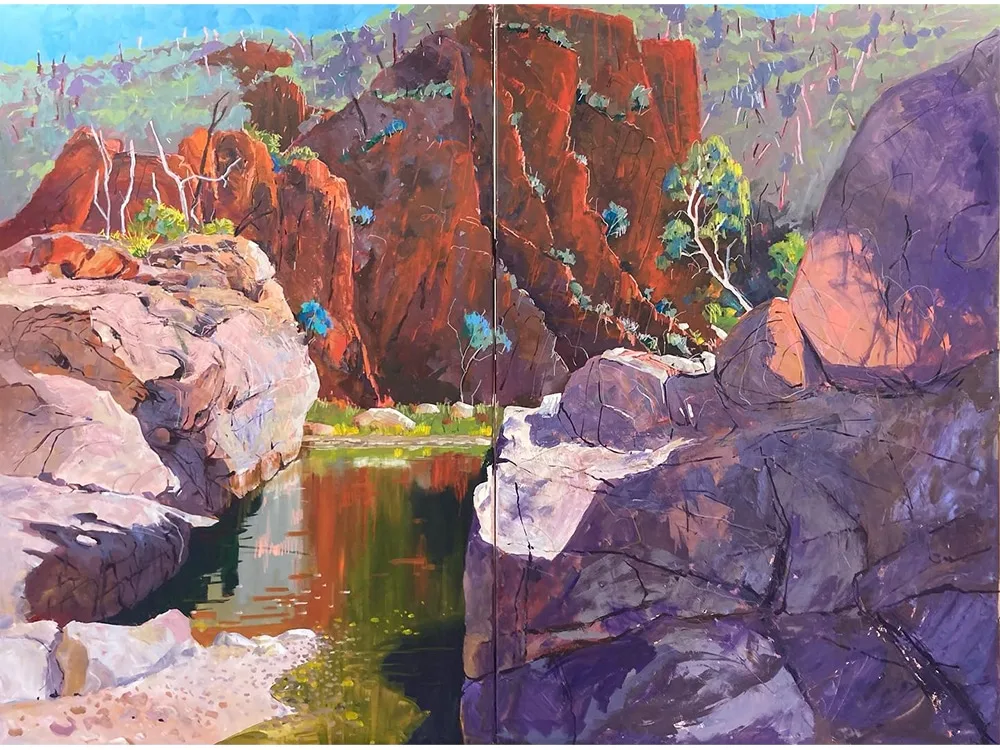
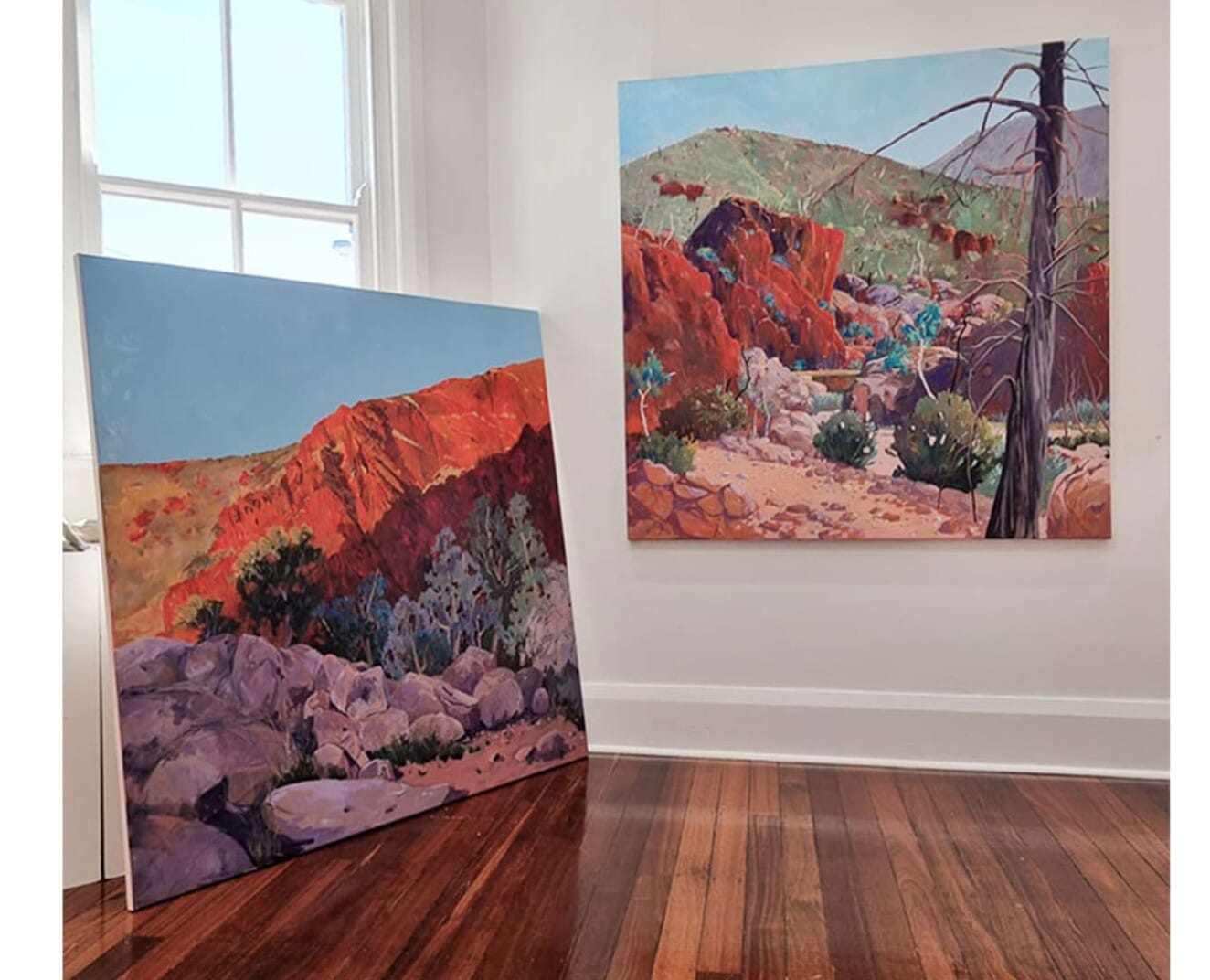
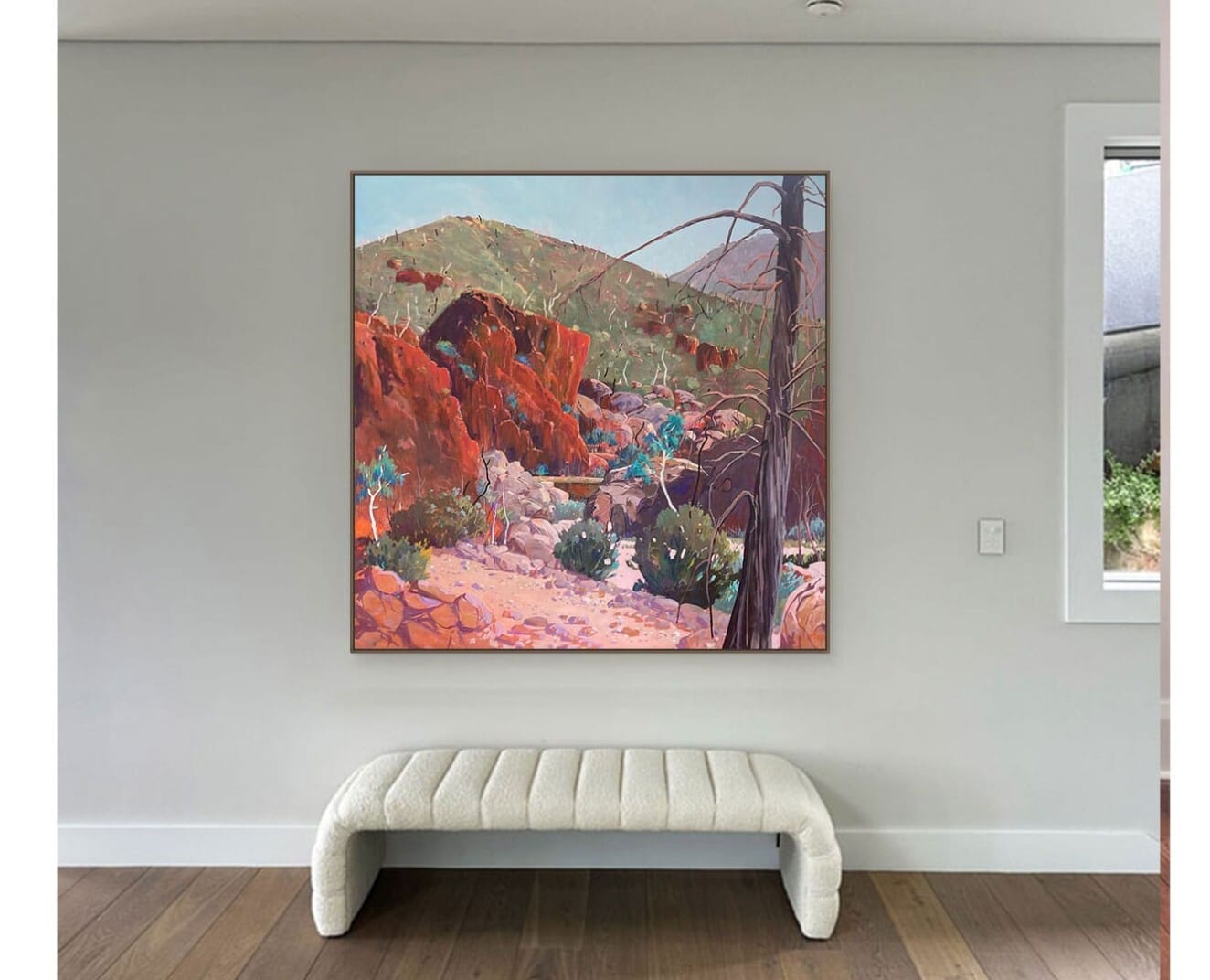
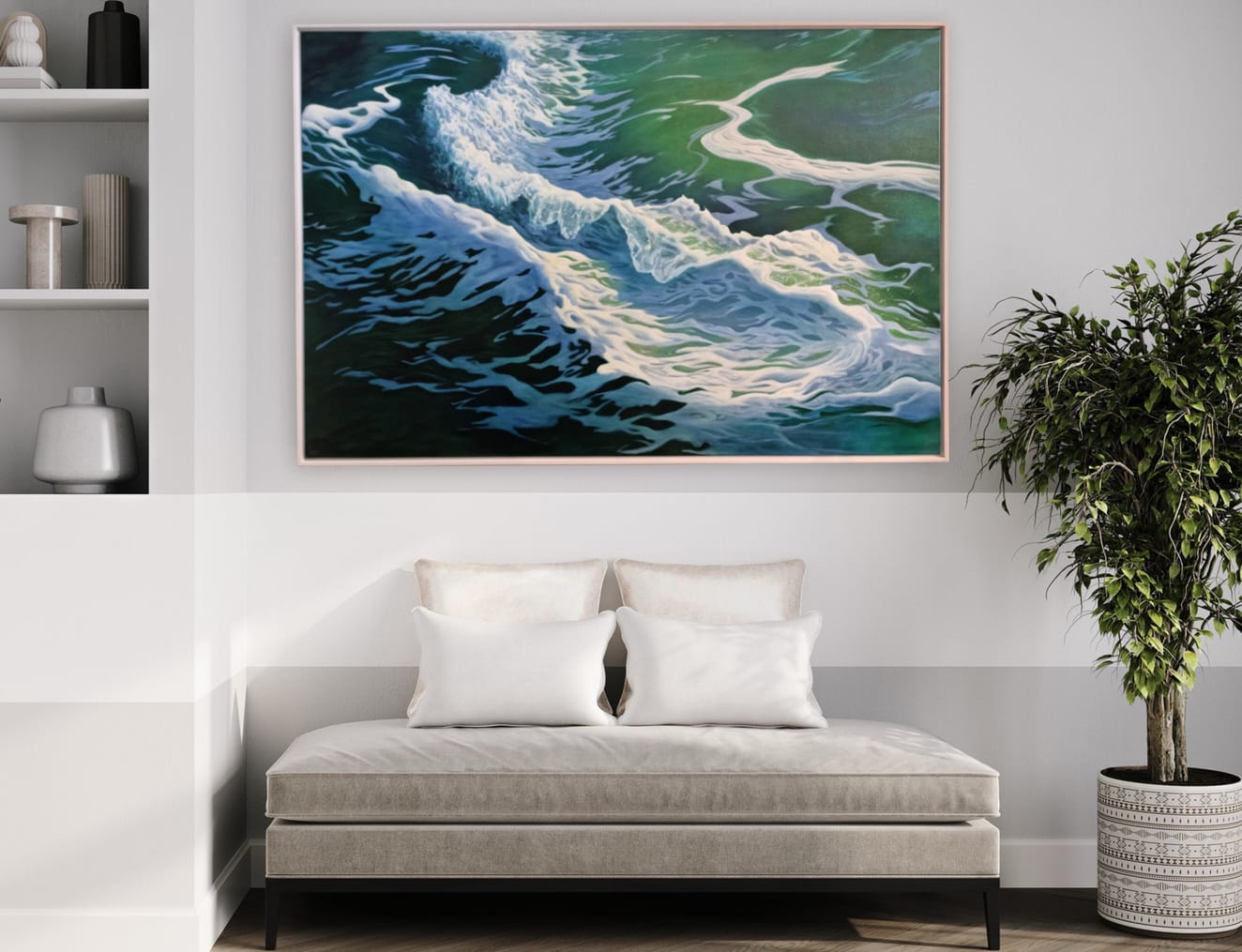
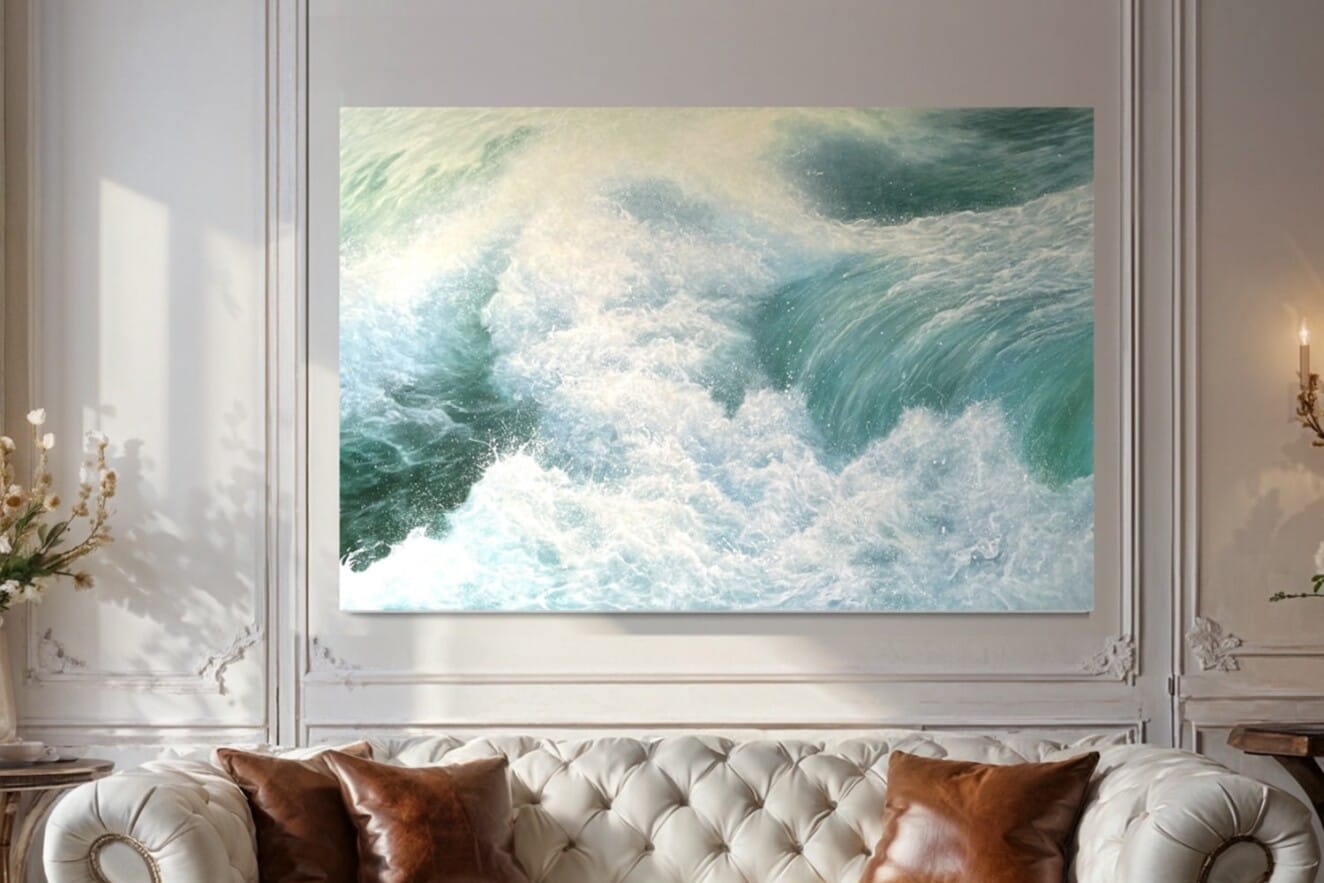
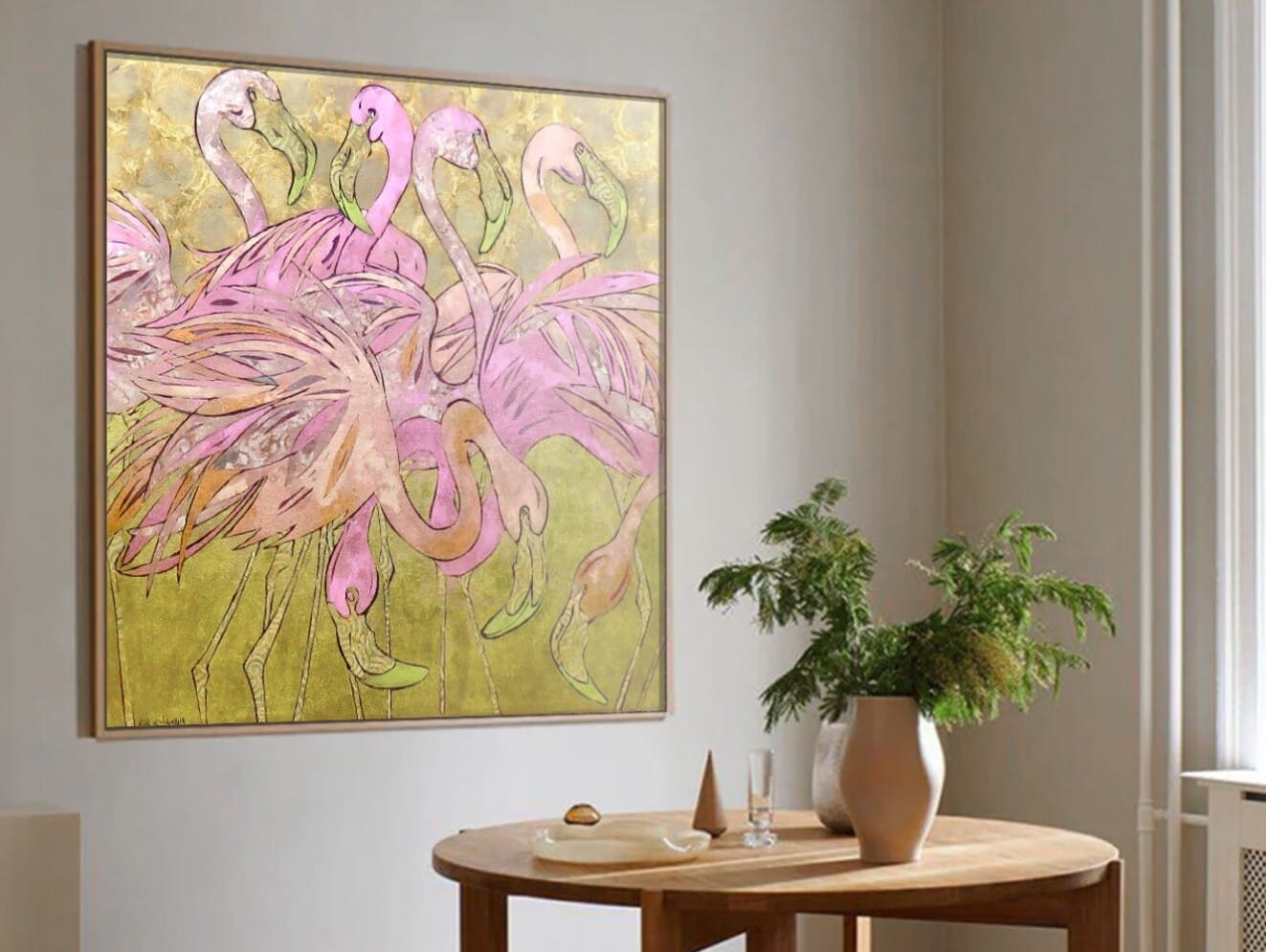
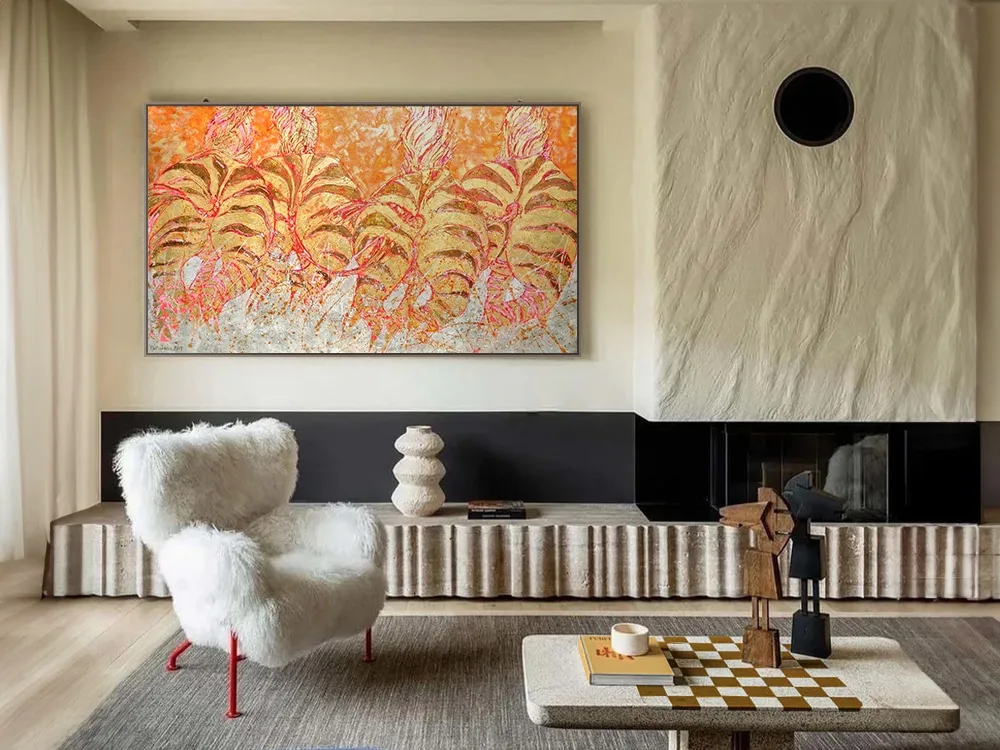
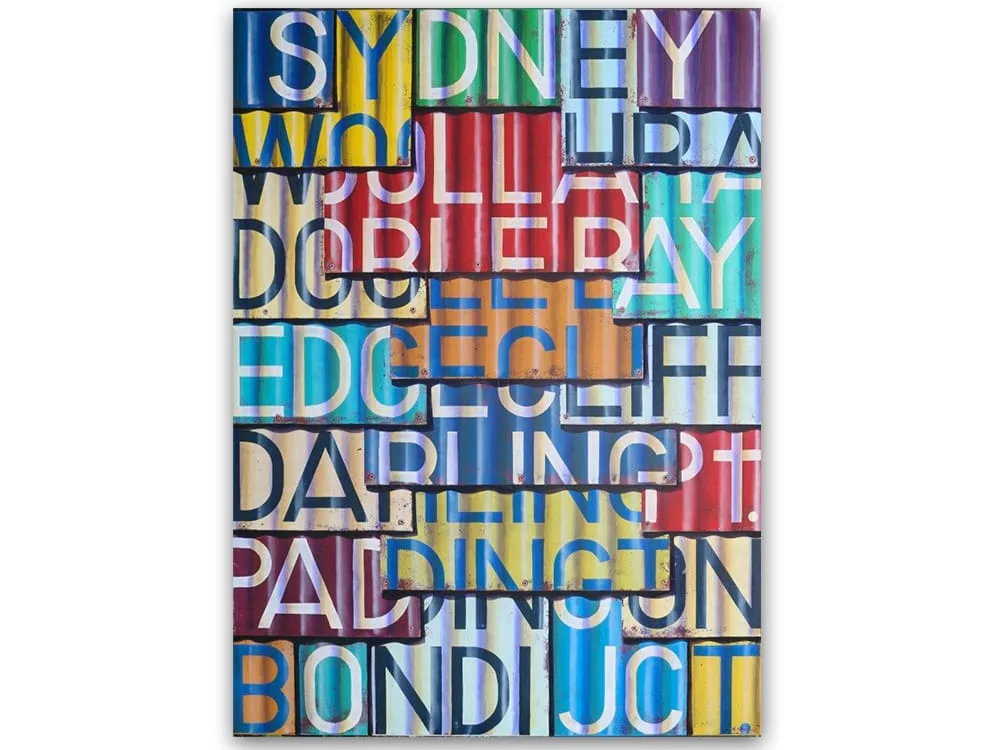
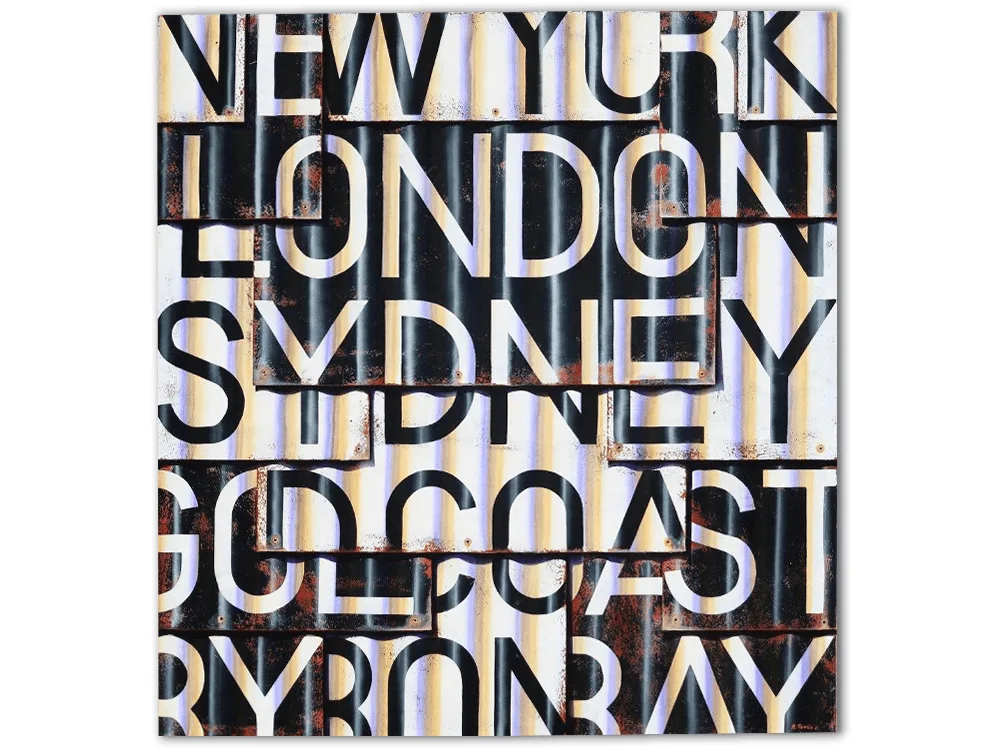
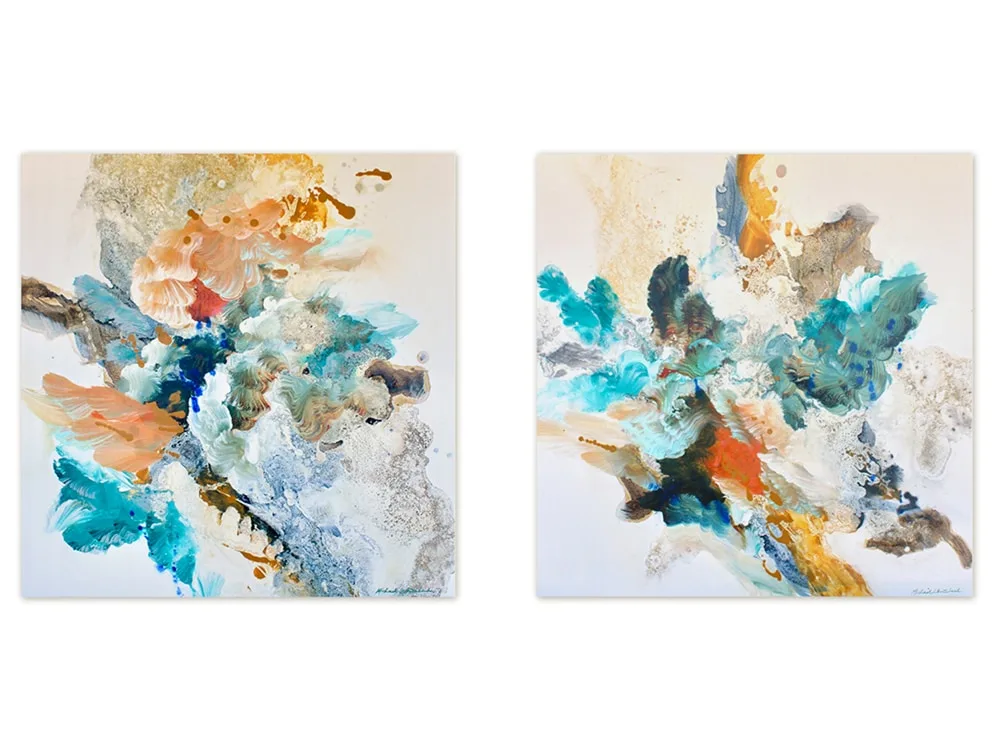
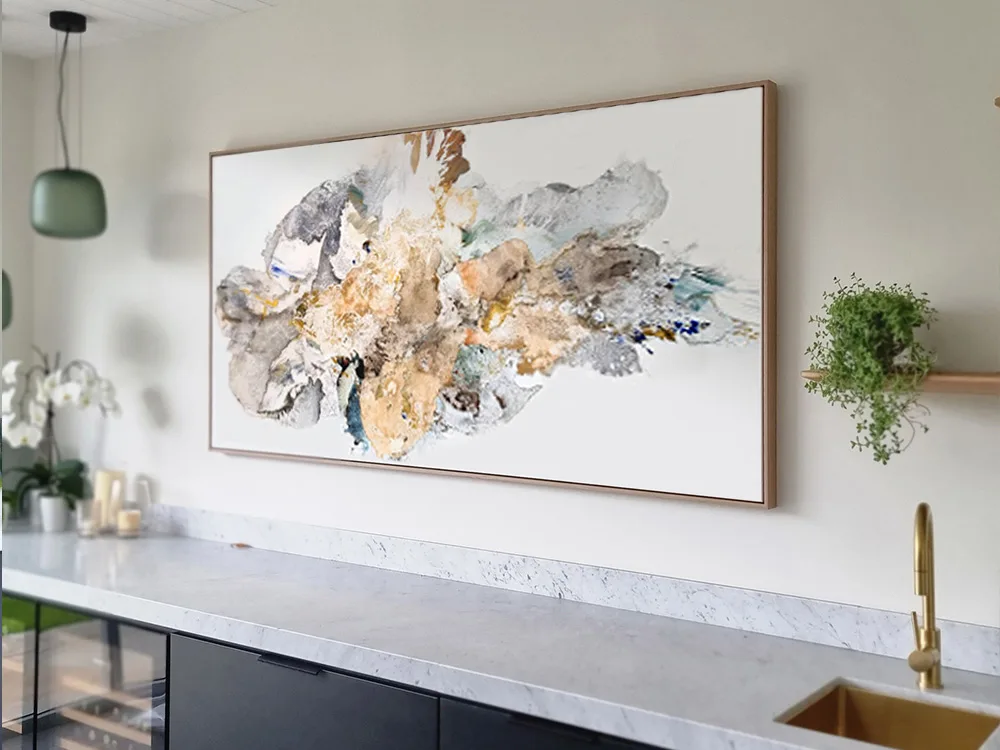
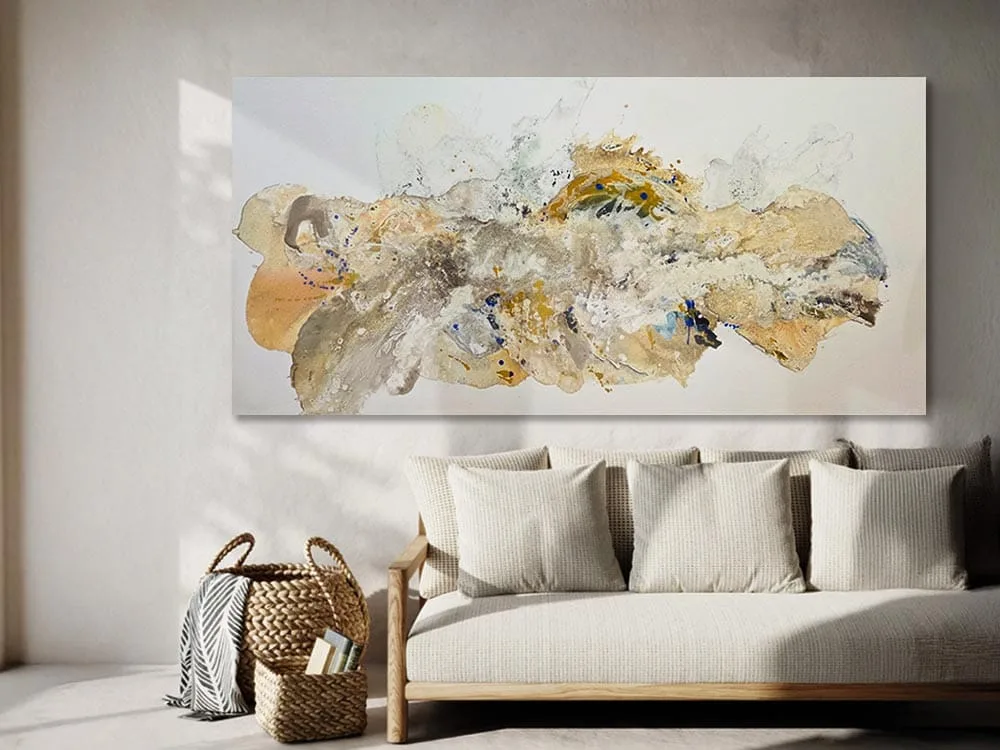
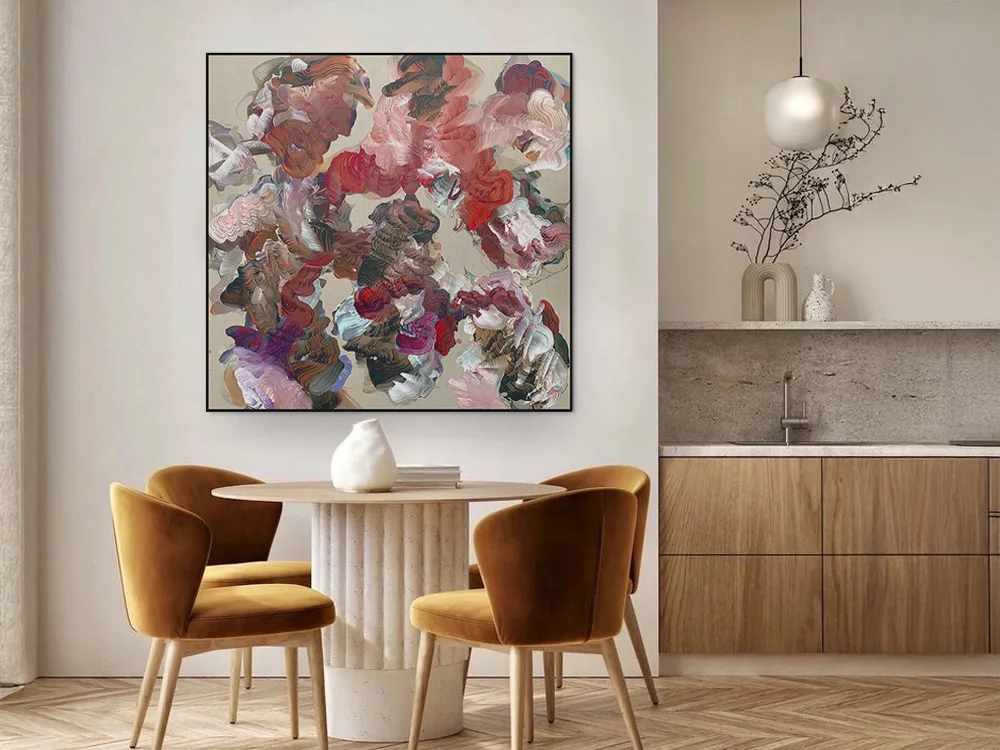
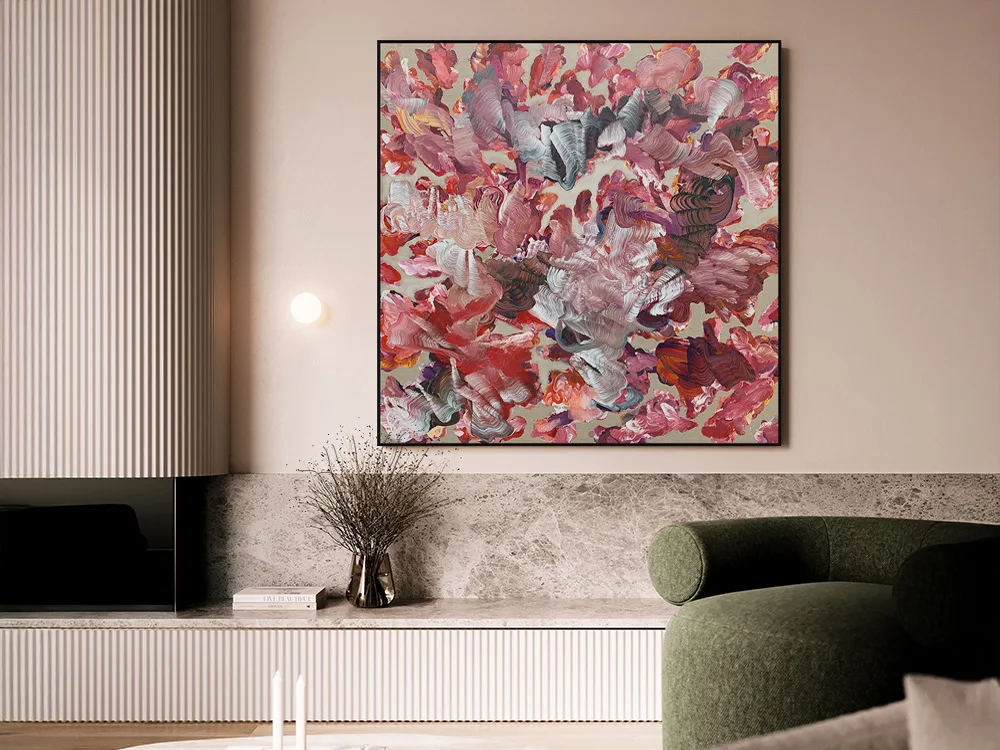
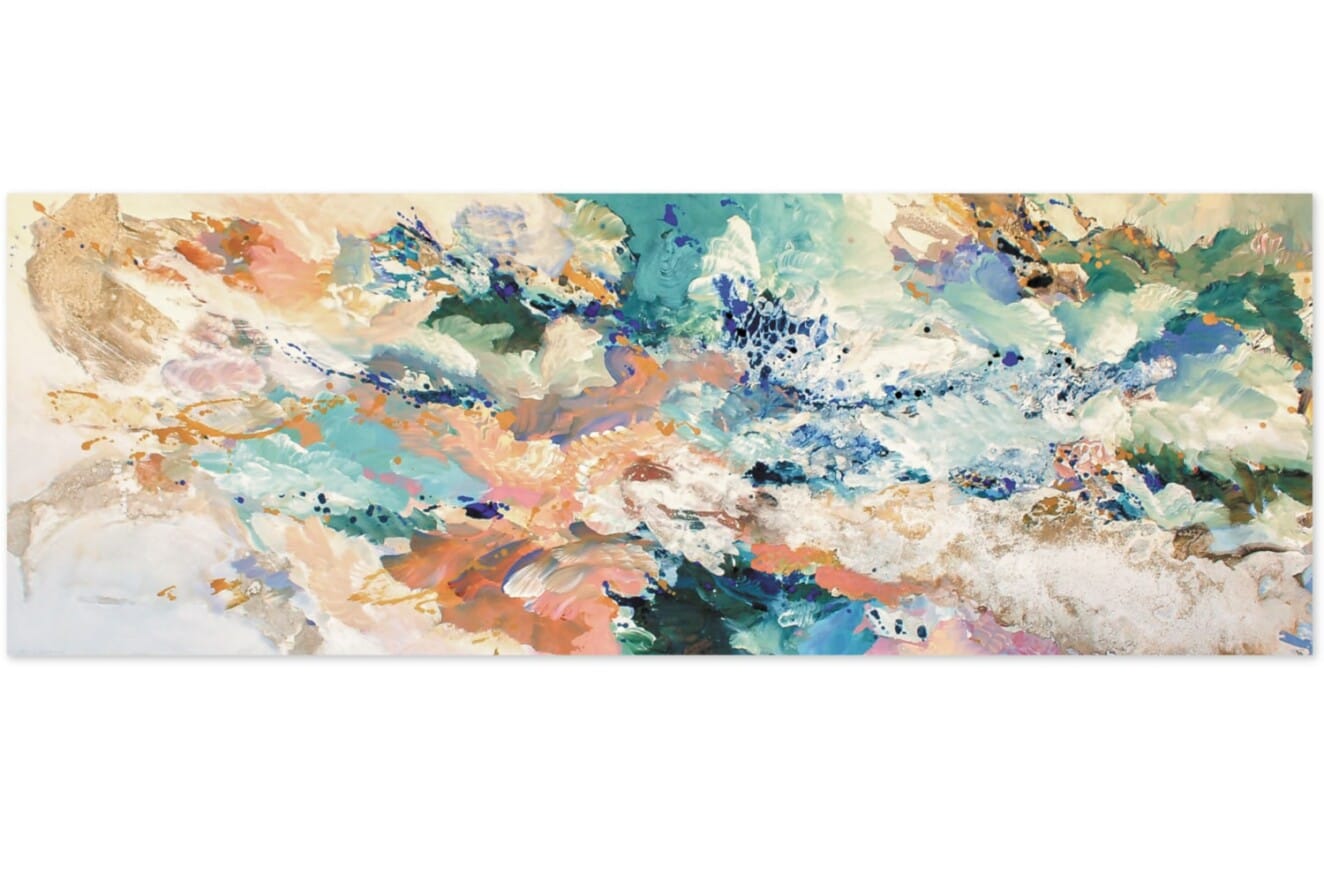
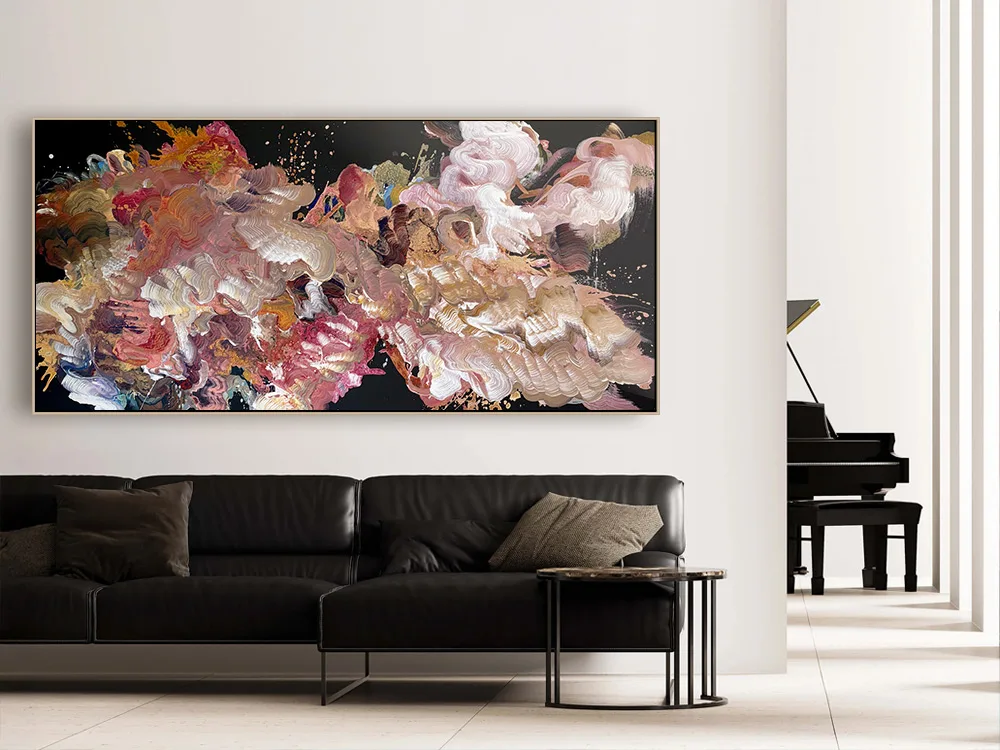
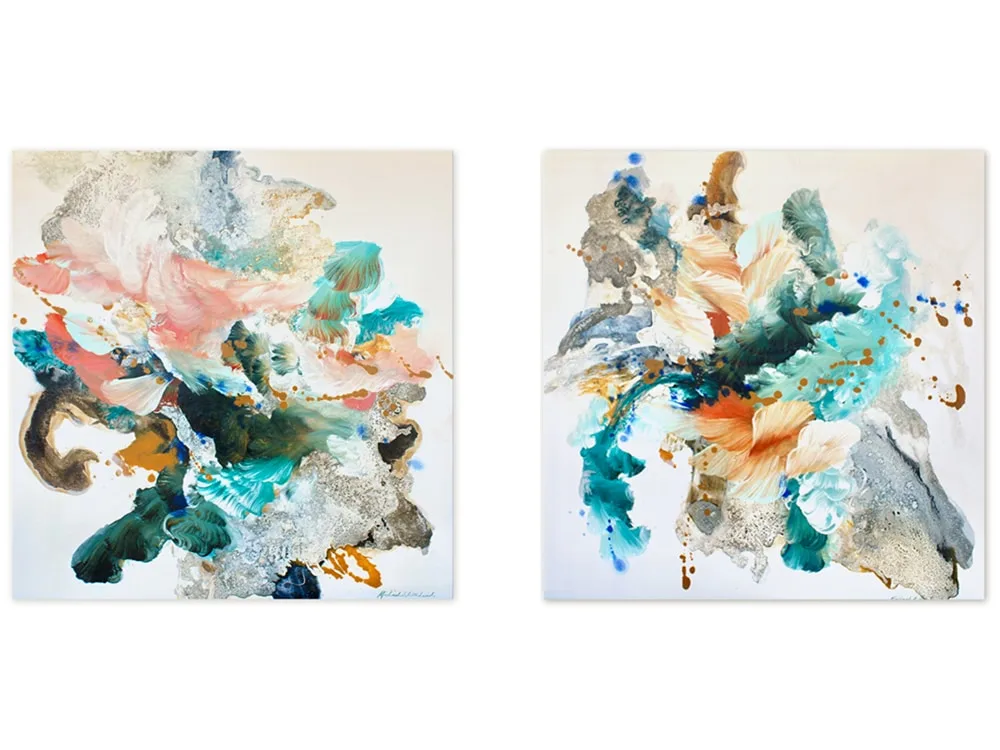
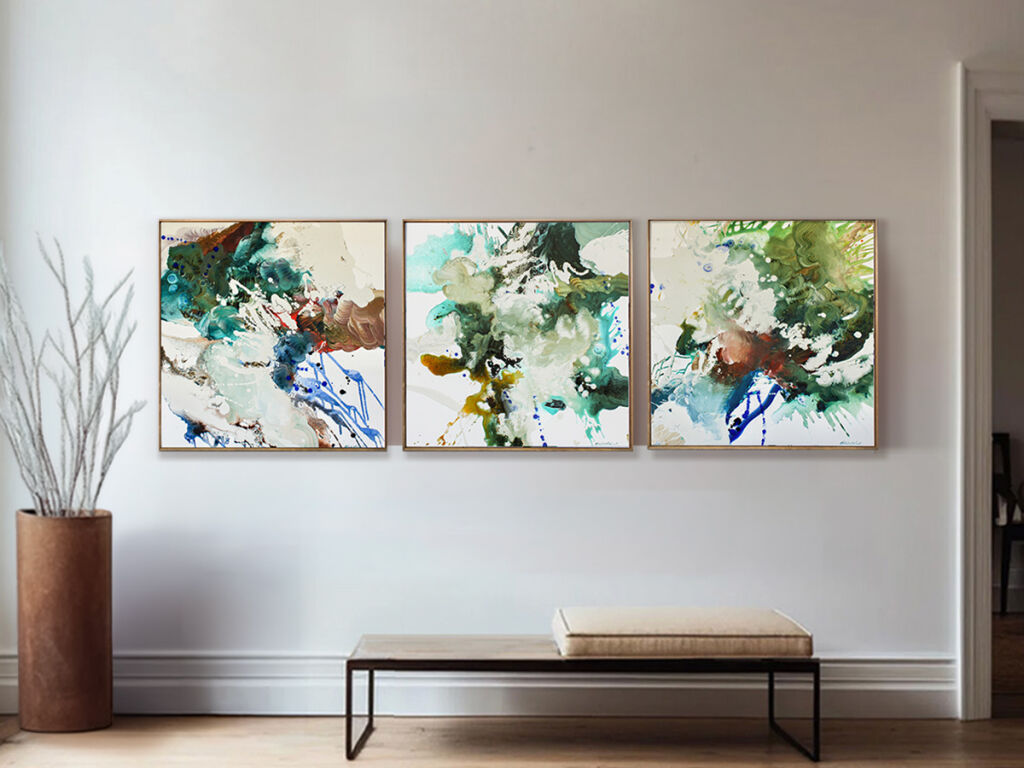
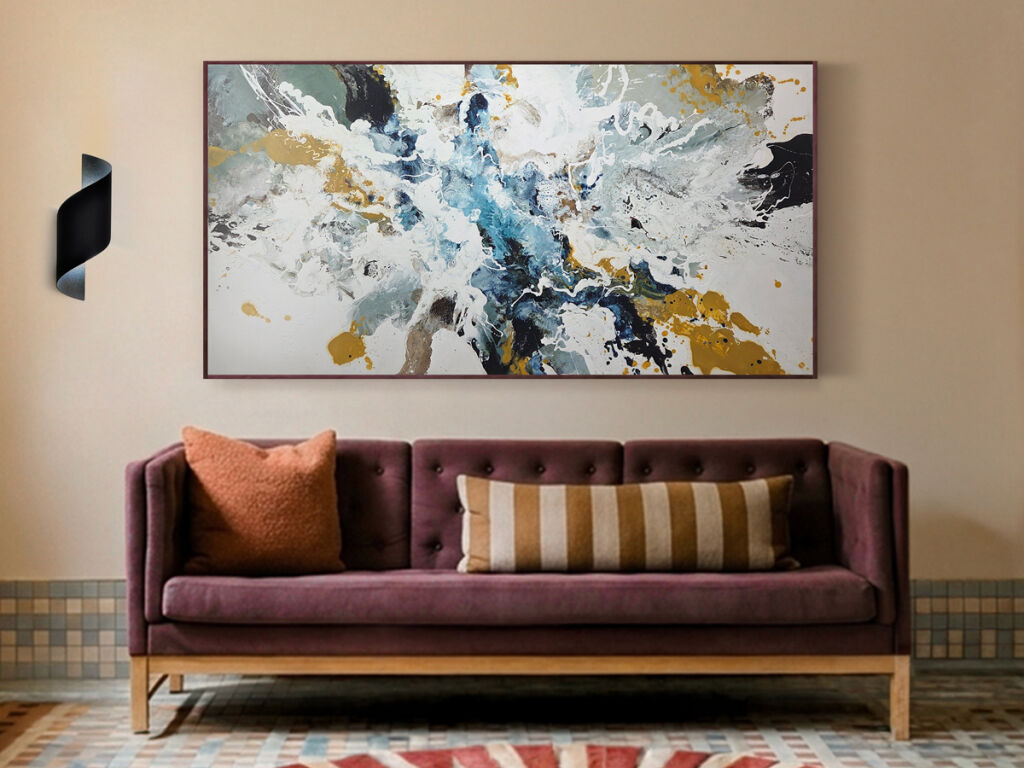
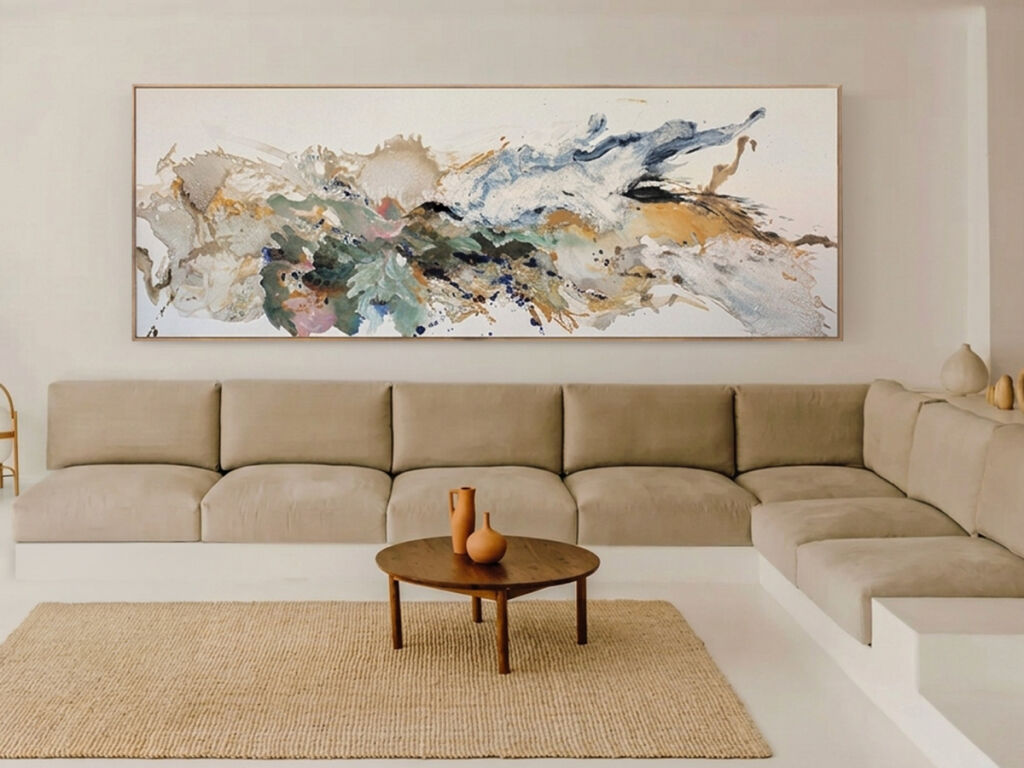
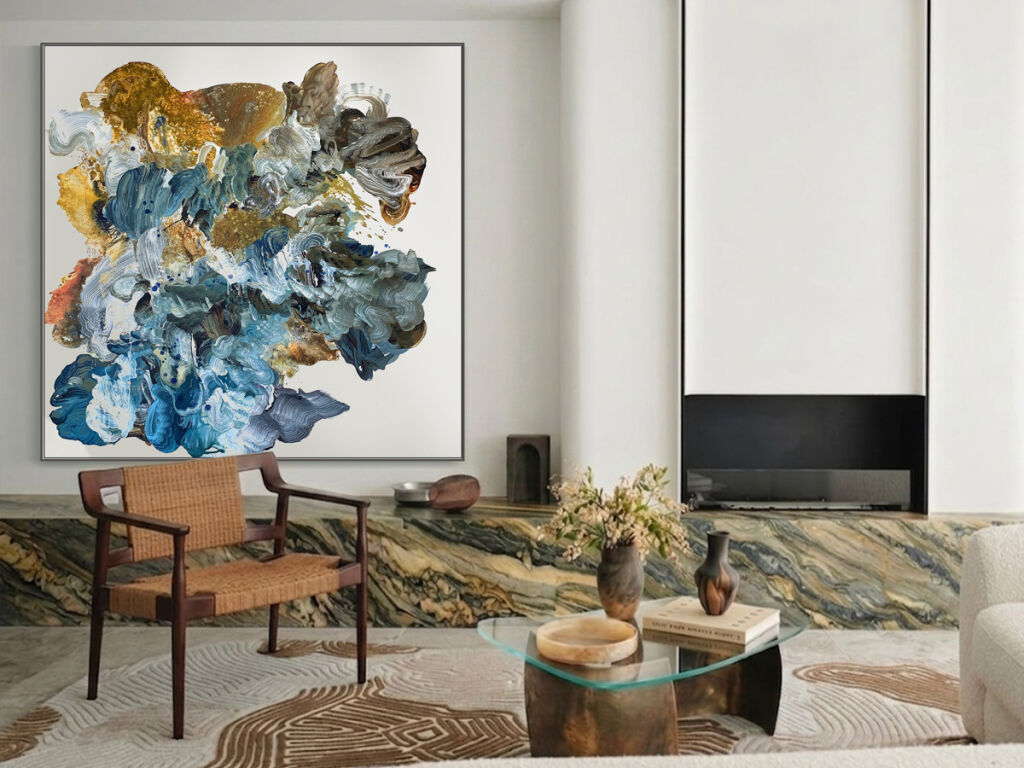
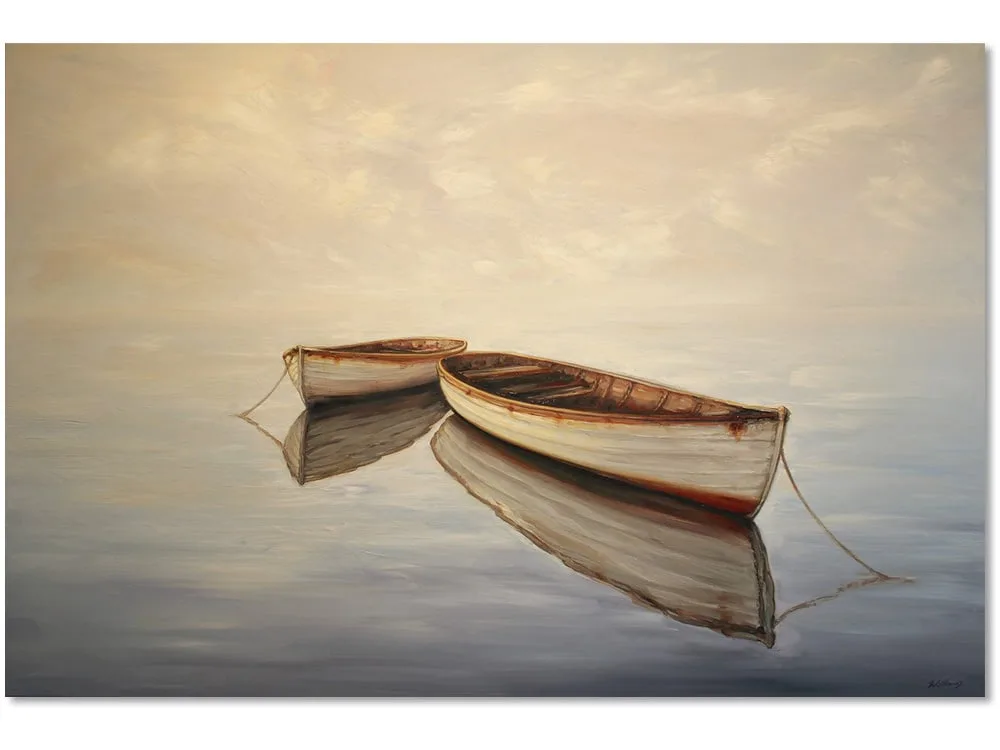
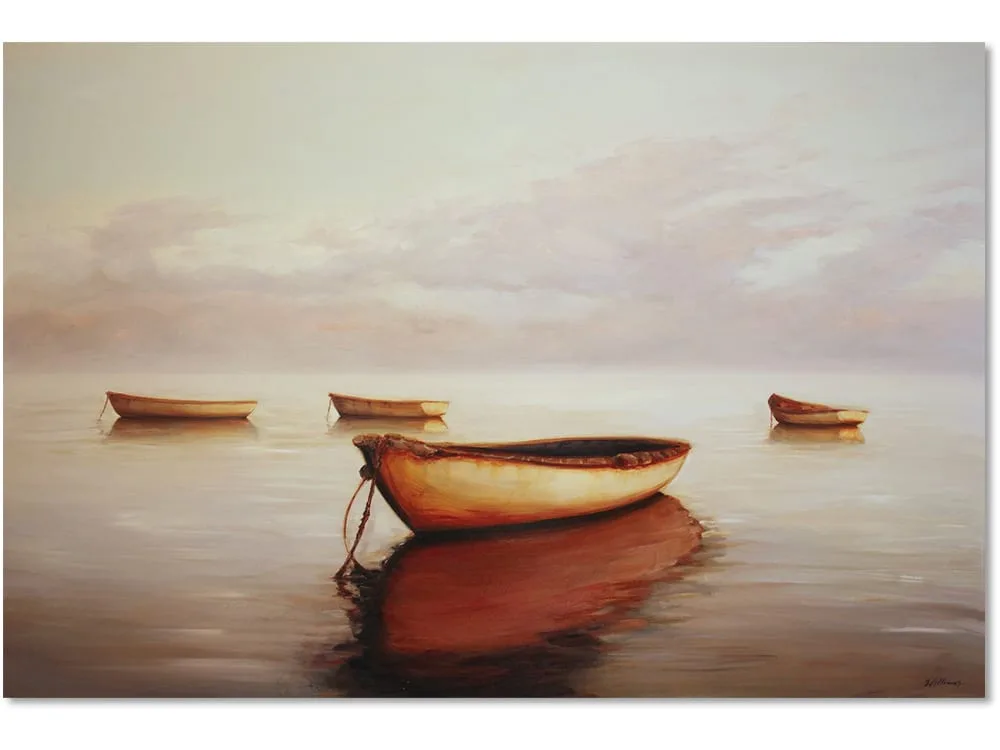
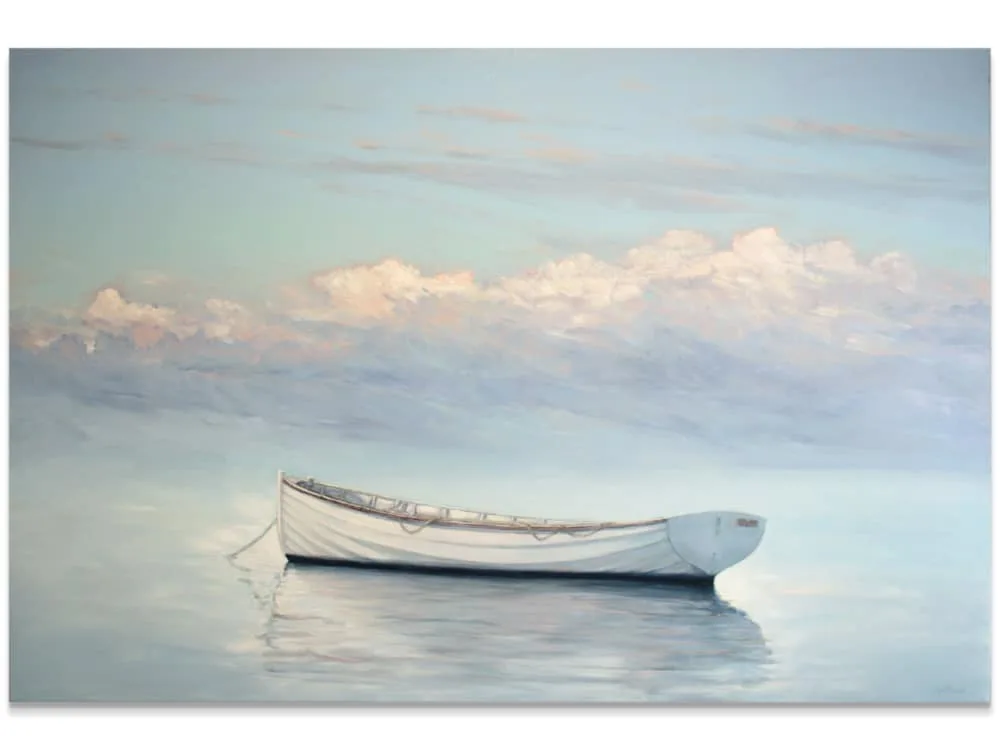
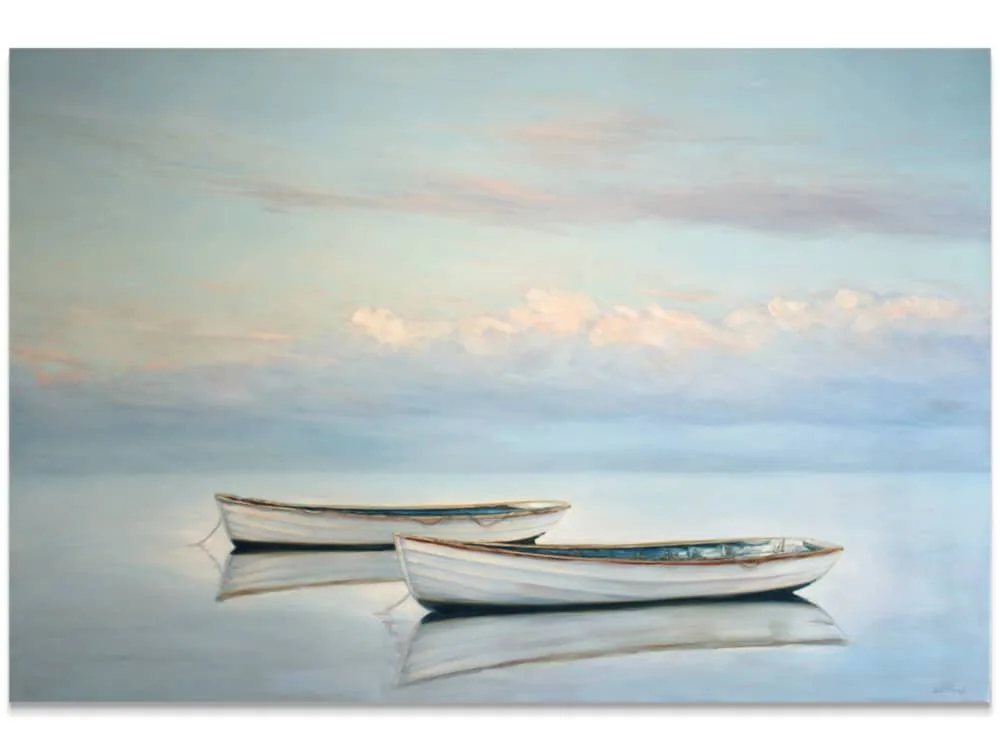
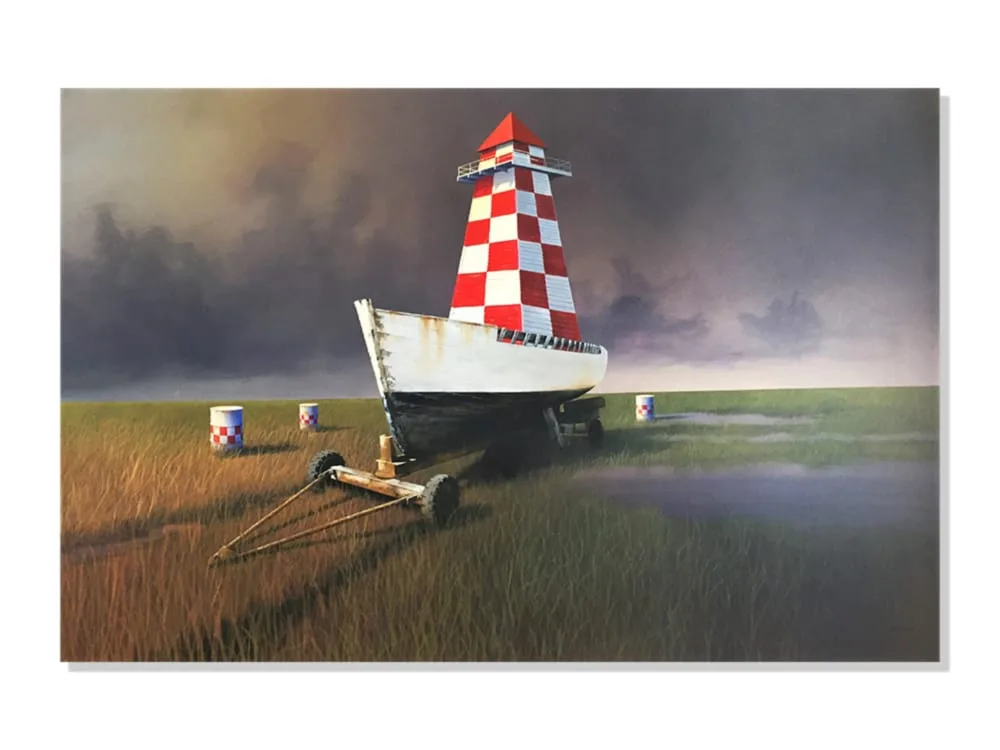
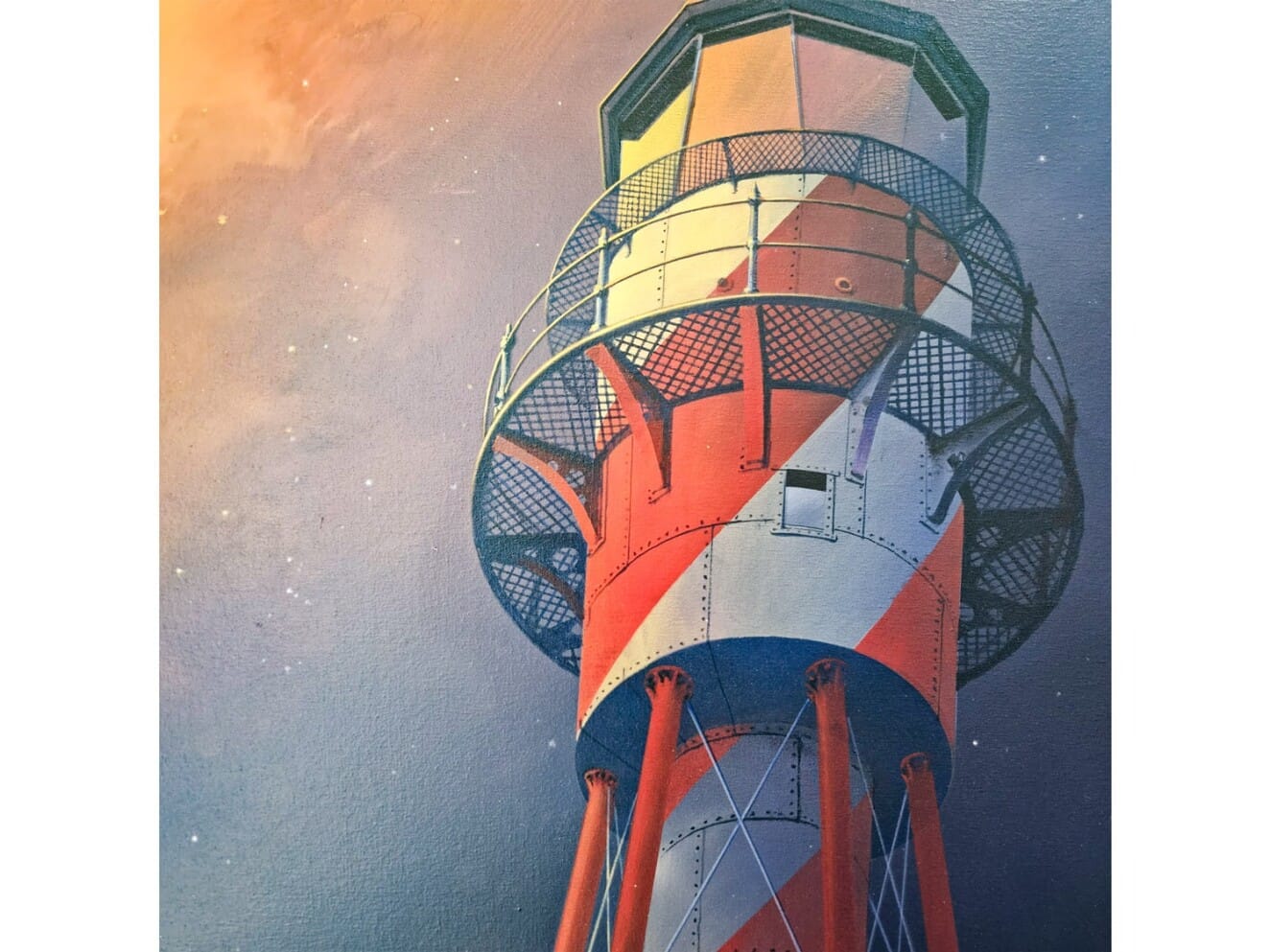
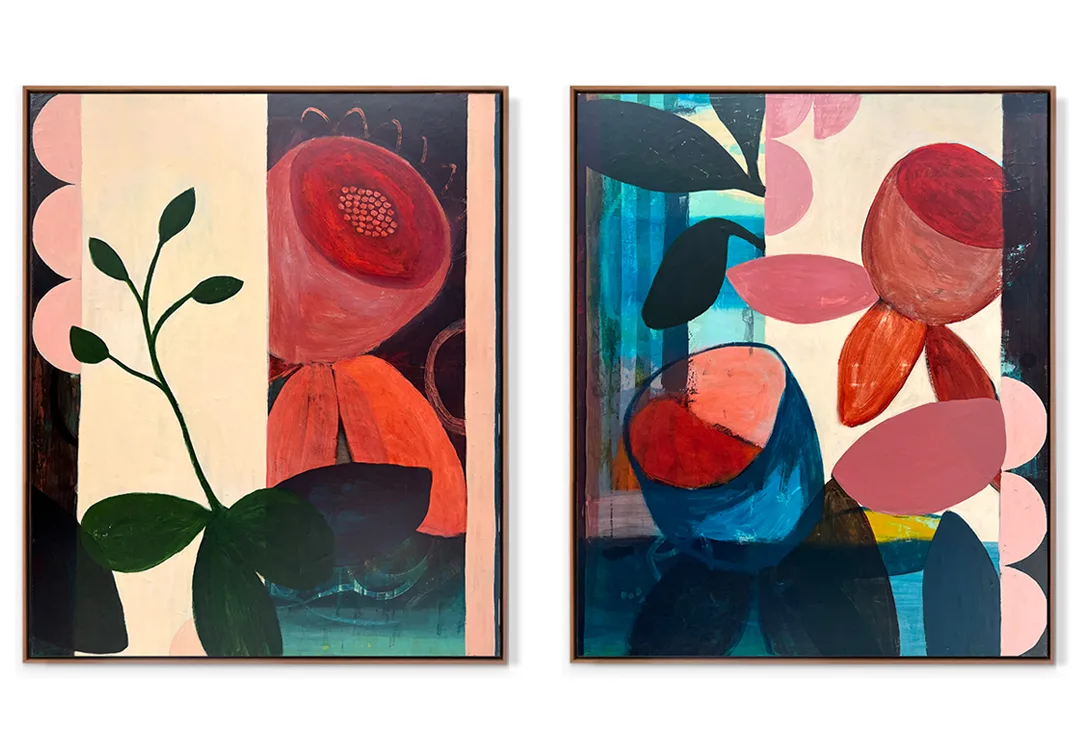
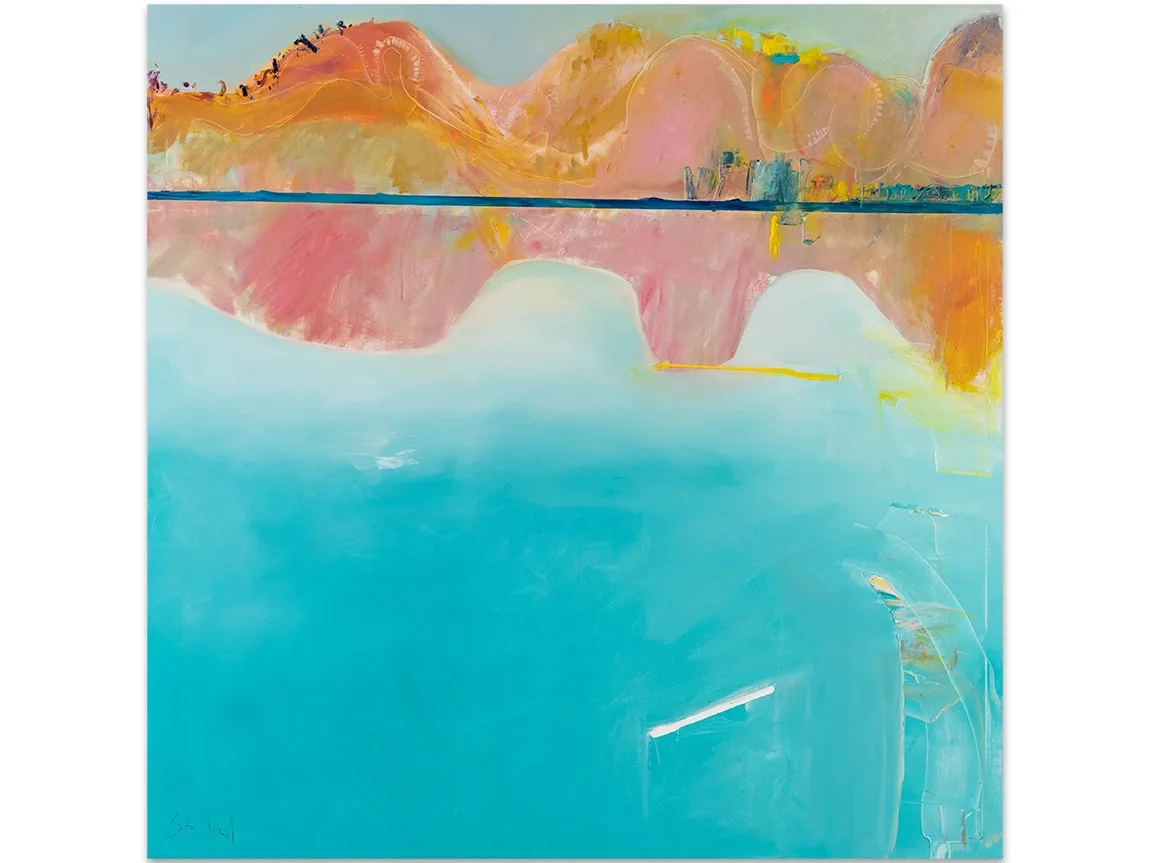
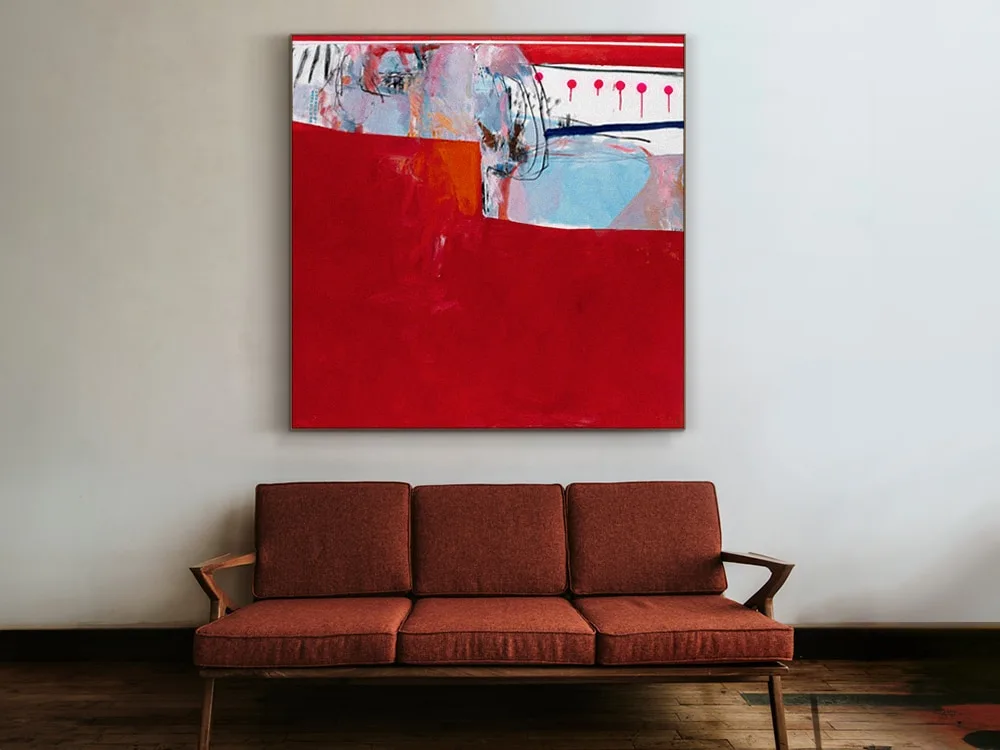
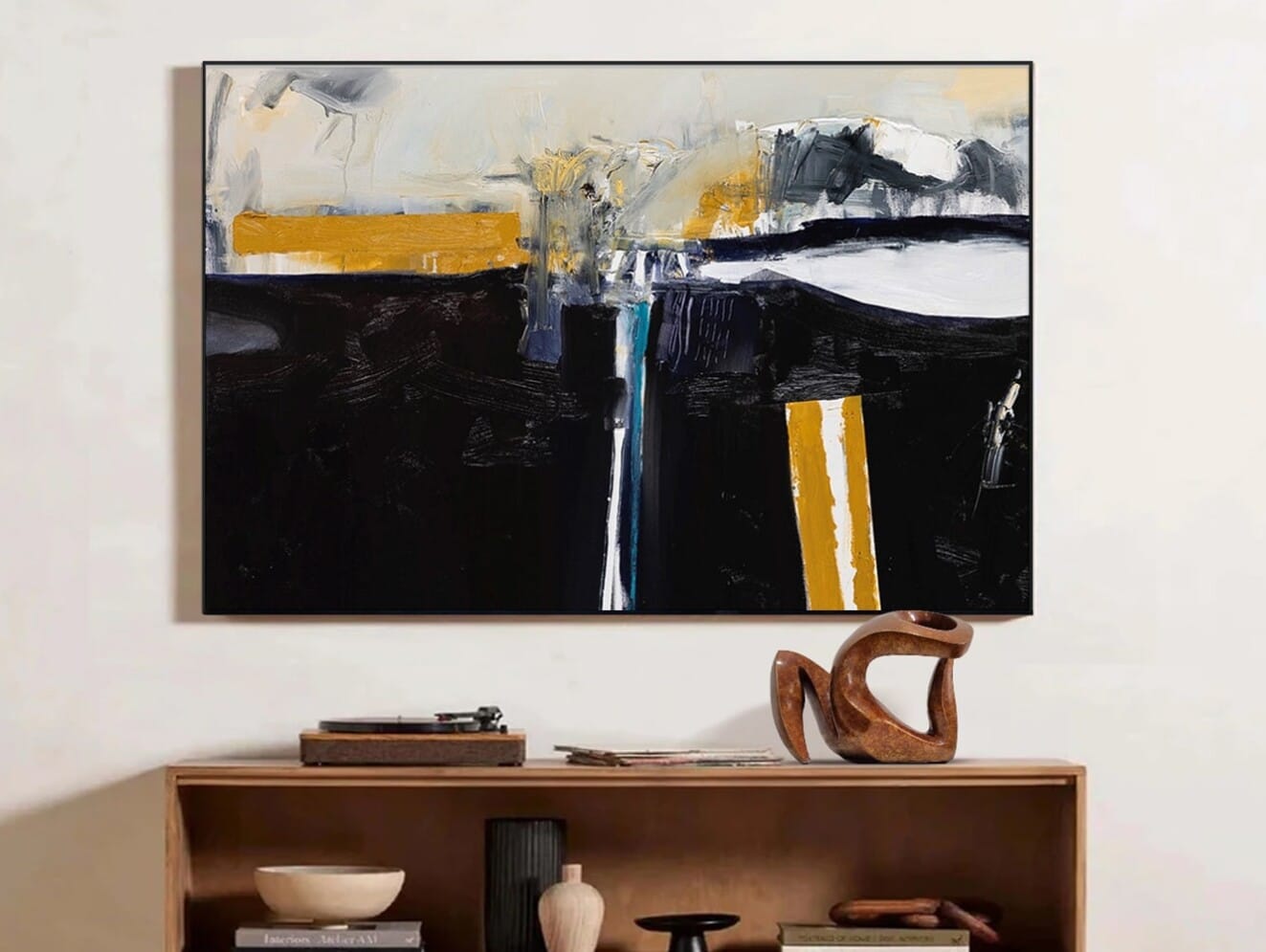
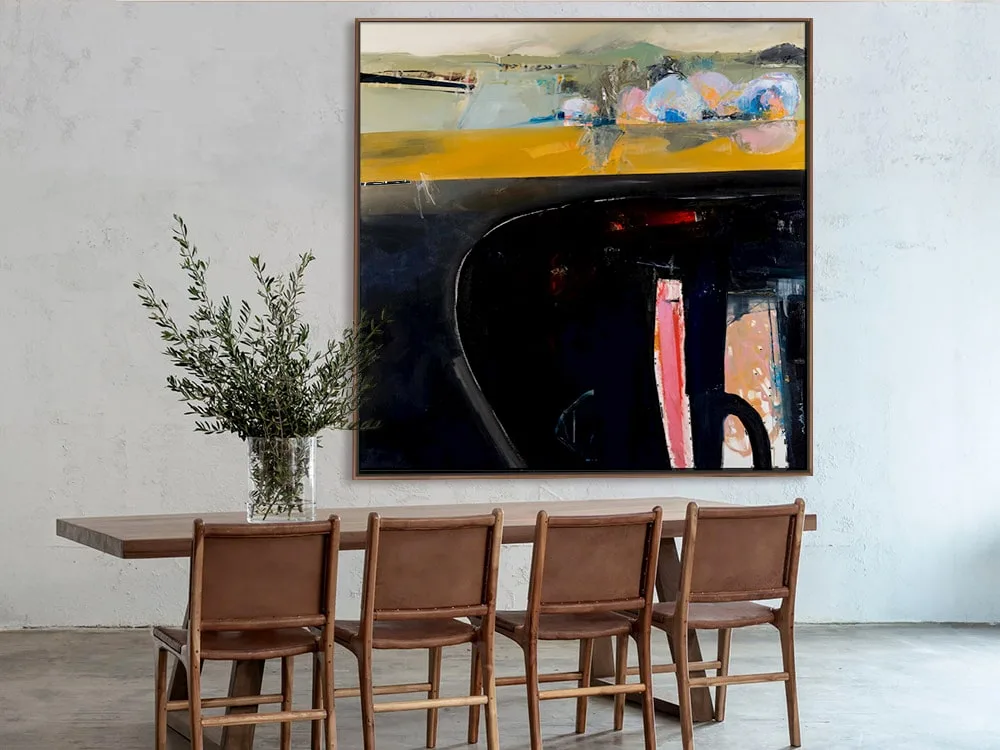
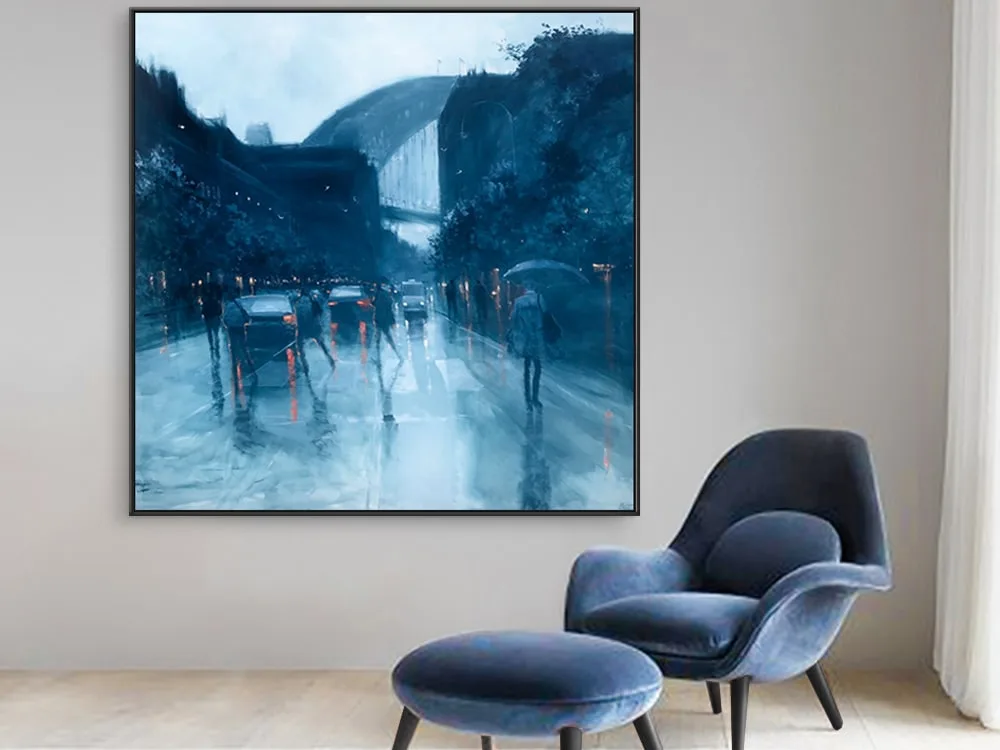
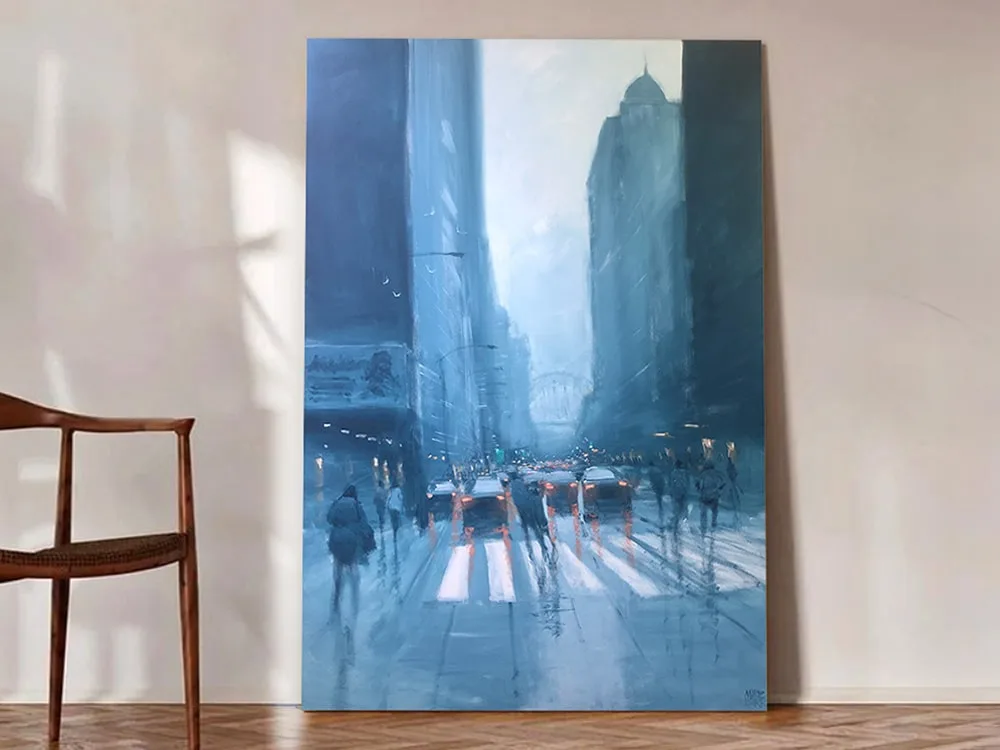
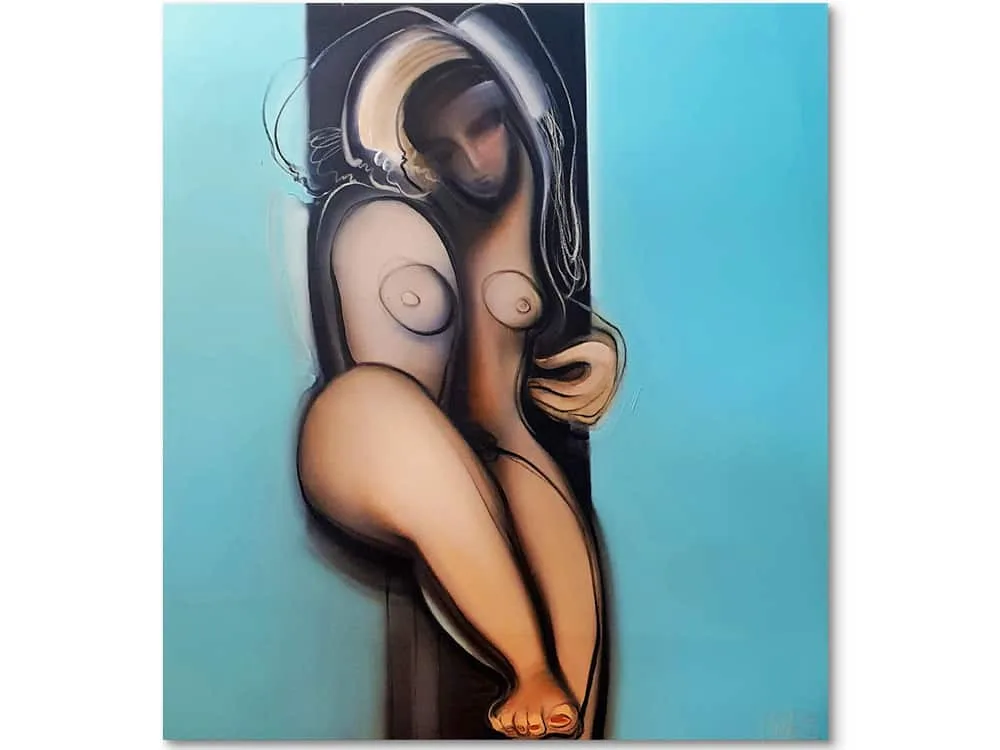
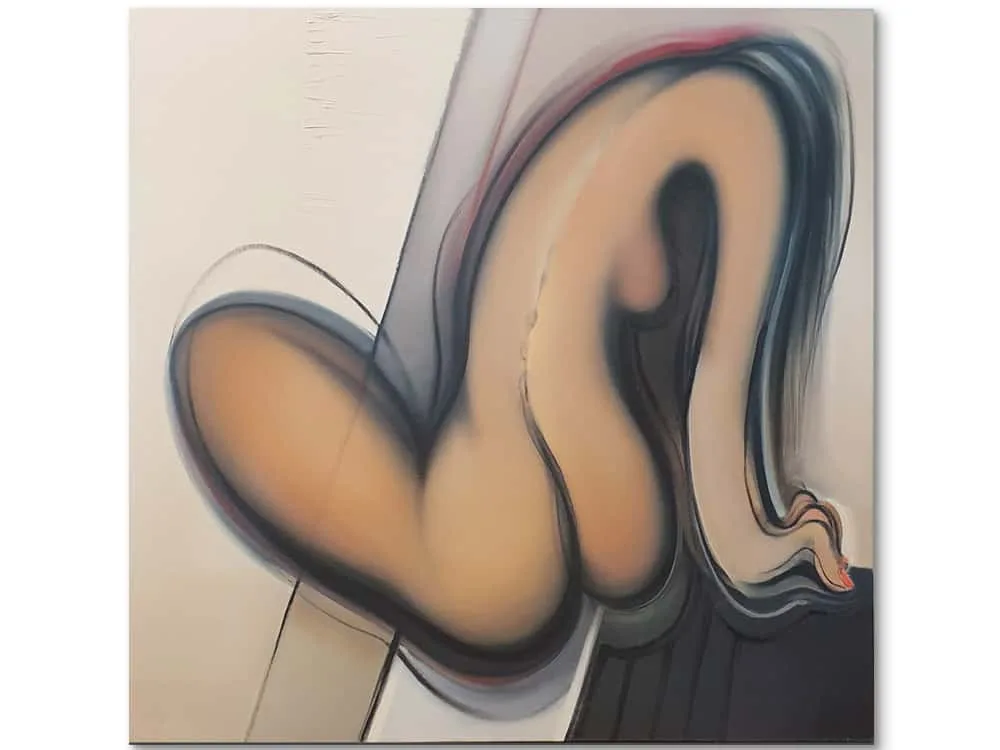
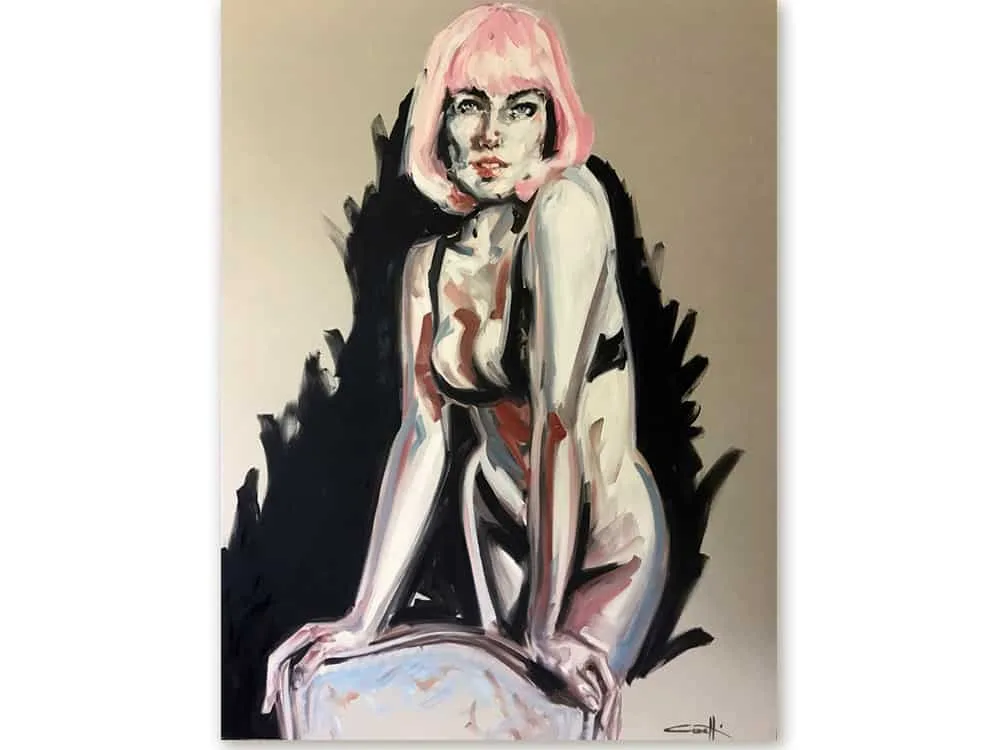
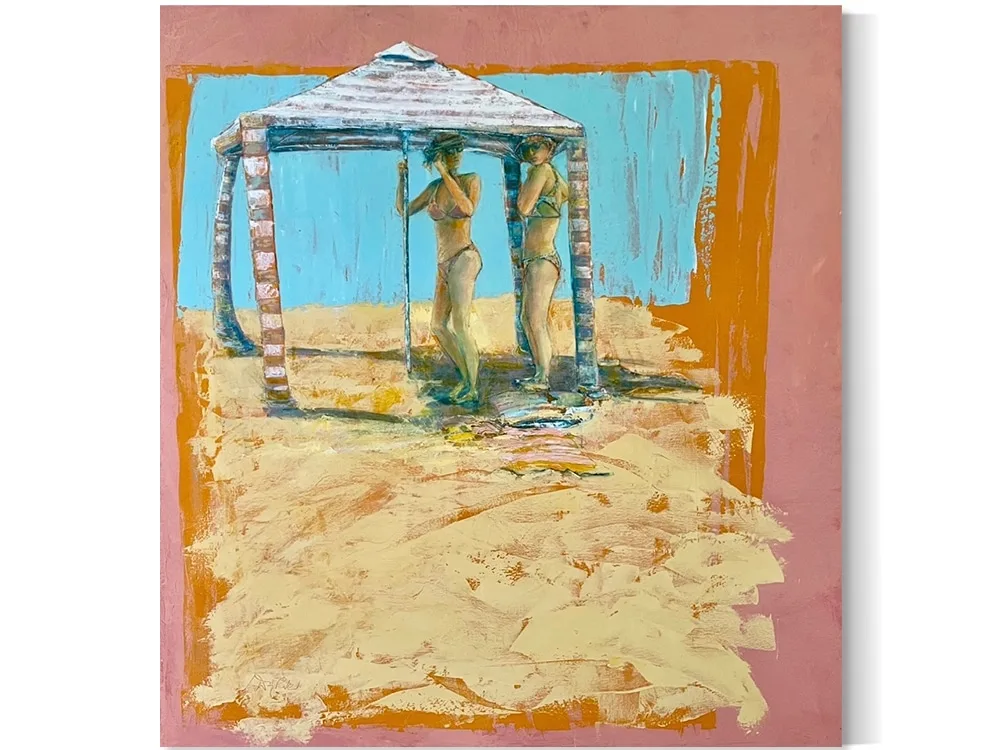
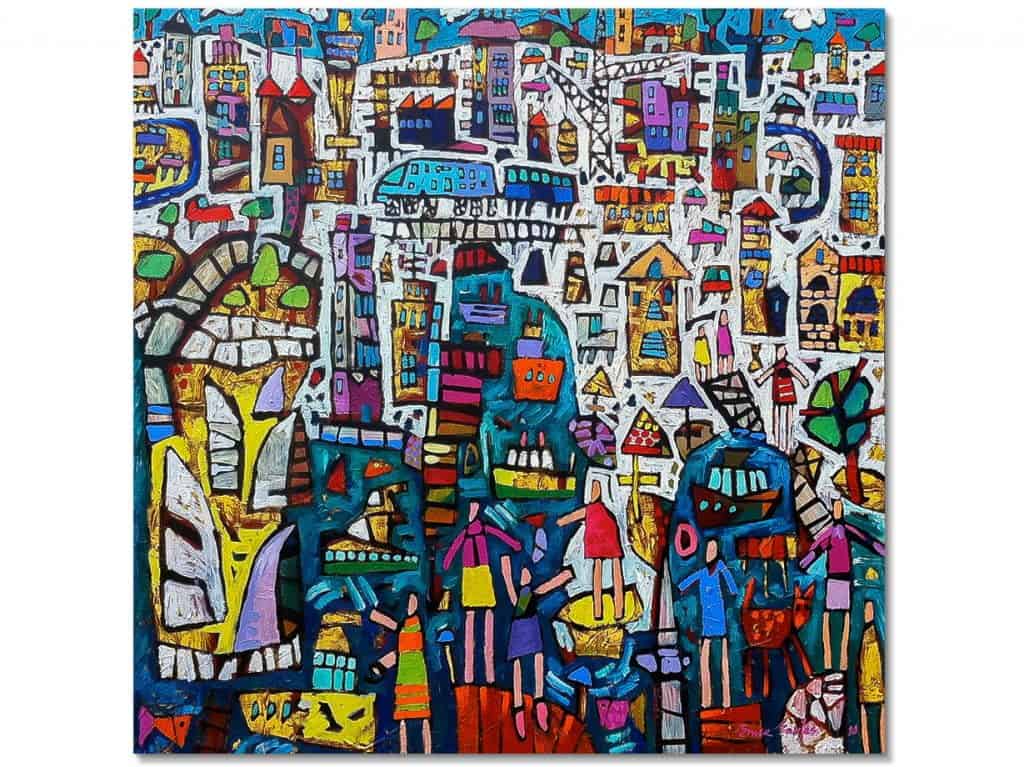
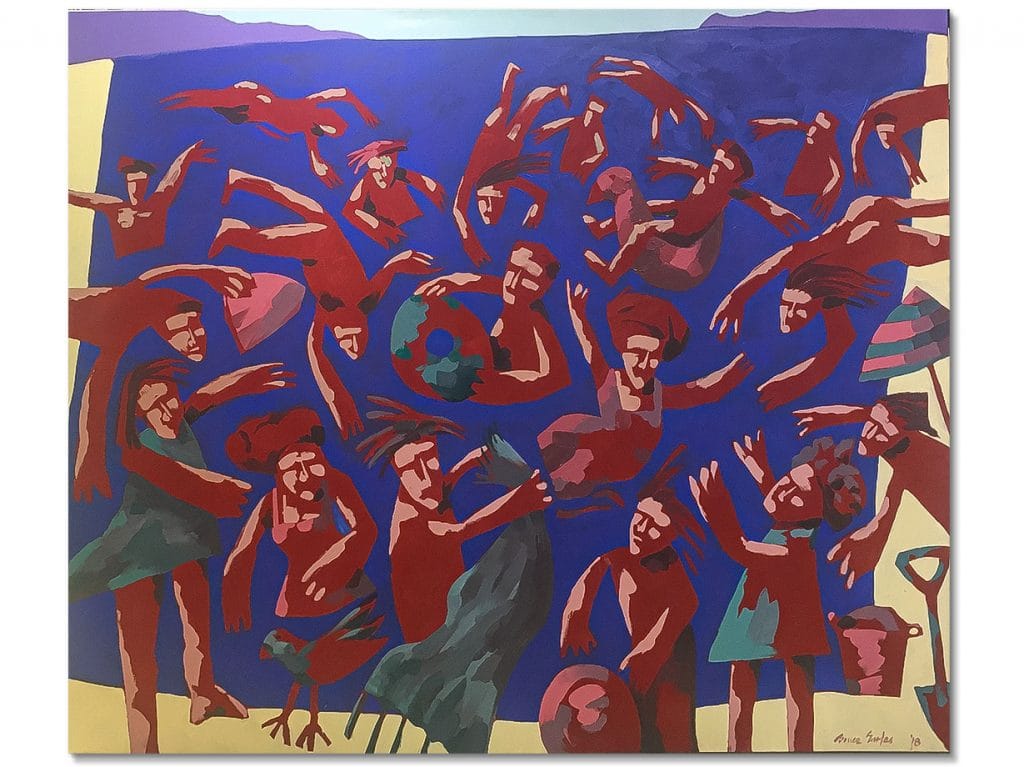
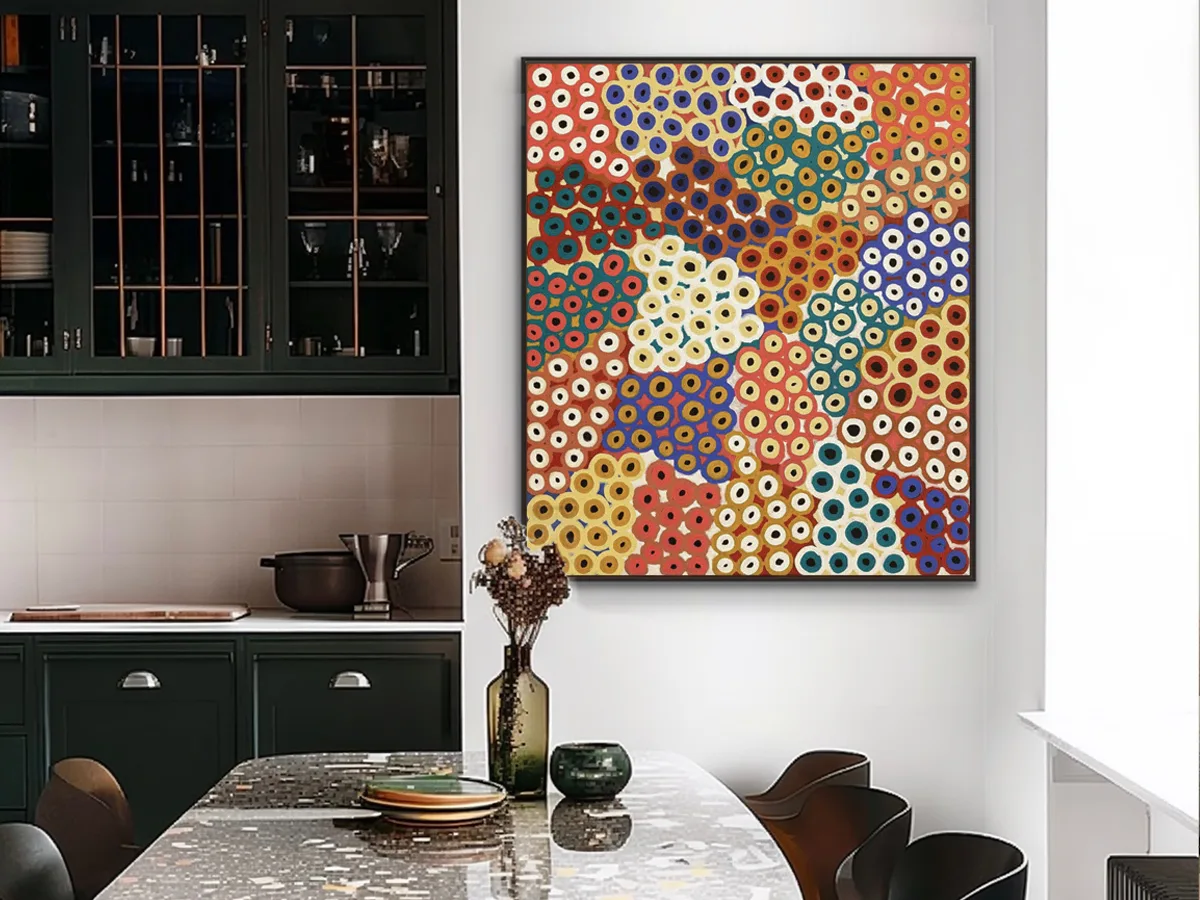
SOHO Galleries represents a roster of established and emerging Australian artists working across painting, sculpture, and large-scale canvas work. Some work in oil and acrylic, others in bronze, stainless steel, or mixed media. A few move between several. Browse by artist below to see current work, read their background, and buy Australian art in Sydney online or at our Woollahra gallery. If there’s an artist we represent who isn’t on display right now, or someone we don’t list at all, get in touch and we’ll see what we can find.
Famous Australian artists — a short guide
Australian art has a shorter written history than the European tradition and a far longer one than that suggests, and it splits into a few clear chapters. This is the quick version — the painters most often named, and why.
Aboriginal artists — the oldest continuous tradition
Indigenous Australians have been making art for tens of thousands of years, and the most significant names in Australian art belong to this tradition. Albert Namatjira (1902–1959) was the first to become widely known outside it, painting the MacDonnell Ranges in Western-style watercolour and founding the Hermannsburg School. Emily Kame Kngwarreye (c.1910–1996) took up painting on canvas late in life at Utopia in Central Australia and produced, in barely eight years, one of the most admired bodies of work in Australian art. Minnie Pwerle (c.1910–2006), also of Utopia, painted Awelye women’s ceremony designs with a directness that made her instantly recognisable. Clifford Possum Tjapaltjarri and Rover Thomas are the other names most often cited.
SOHO’s own Aboriginal collection comes from that Utopia line directly: Betty Mbitjana is Minnie Pwerle’s daughter, and Freddy Purla is Minnie Pwerle’s grandson and — in Aboriginal law — Emily Kame Kngwarreye’s adopted nephew. See the Aboriginal art collection.
The Heidelberg School — inventing an Australian way of seeing
European painters arriving in the nineteenth century found their inherited visual language didn’t fit the country: the light was harder and the bush less orderly than anything in a British or French tradition. By the 1880s the mainly Melbourne-based Heidelberg School had stopped trying to force it. Tom Roberts painted the working bush and the pastoral industry — Shearing the Rams, A Break Away! — while Frederick McCubbin, the first Australian-born painter to build a major reputation, took the melancholy side of the same subject in The Pioneer and Lost. Arthur Streeton, later knighted, pushed furthest into the dazzling high-key light that still reads as instantly Australian. Charles Conder completes the core group.
The modernists
Margaret Preston turned to Australian native flora and to woodblock and stencil printing, and did more than anyone to give Australian modernism a local subject. Grace Cossington Smith brought post-impressionist colour to Sydney and painted the Harbour Bridge under construction. Russell Drysdale made the drought-stricken outback a serious subject; John Brack turned a cold eye on suburban and city life in Collins St., 5 p.m.; Sidney Nolan stopped describing the country and started using it, turning Ned Kelly into the most recognisable image in Australian painting. Arthur Boyd and Albert Tucker belong to the same generation.
So does Charles Blackman (1928–2018), whose Schoolgirls and Alice in Wonderland series are among the best-known Australian paintings of the 1950s. Blackman won the Helena Rubinstein Scholarship, was awarded an OBE in 1977, had a major retrospective at the National Gallery of Victoria in 1993, and is held in the National Gallery of Australia and every state gallery. SOHO represents Charles Blackman — see his limited-edition sculptural works, which carry the same figures as the paintings into powder-coated steel.
Post-war and contemporary
Brett Whiteley (1939–1992) remains the most romanticised figure in Australian art, and his Lavender Bay paintings the most imitated. John Olsen spent six decades on the country seen from above, most famously in Five Bells. Fred Williams reduced the Australian bush to marks on a field and changed how every landscape painter after him worked. Jeffrey Smart found his subject in road signs, apartment blocks and empty urban geometry. Among living artists, Del Kathryn Barton and Ben Quilty are the most widely recognised, both Archibald Prize winners.
Famous Australian women artists
The canon has historically under-represented them, which makes the correction worth stating plainly. Emily Kame Kngwarreye and Minnie Pwerle stand among the most significant Australian artists of any era. Margaret Preston and Grace Cossington Smith are central to Australian modernism rather than adjacent to it. Clarice Beckett, long overlooked, has been substantially reassessed in recent years. Bronwyn Oliver (1959–2006) is among the finest sculptors Australia has produced. Del Kathryn Barton has won the Archibald twice.
See our fuller guides to Australian female artists and painters and Australian female sculptors.
Australian artists represented by SOHO Galleries
The names above mostly hang in public collections. What follows is the part we can speak to first-hand — the artists we actually show and sell, browsable by name below.
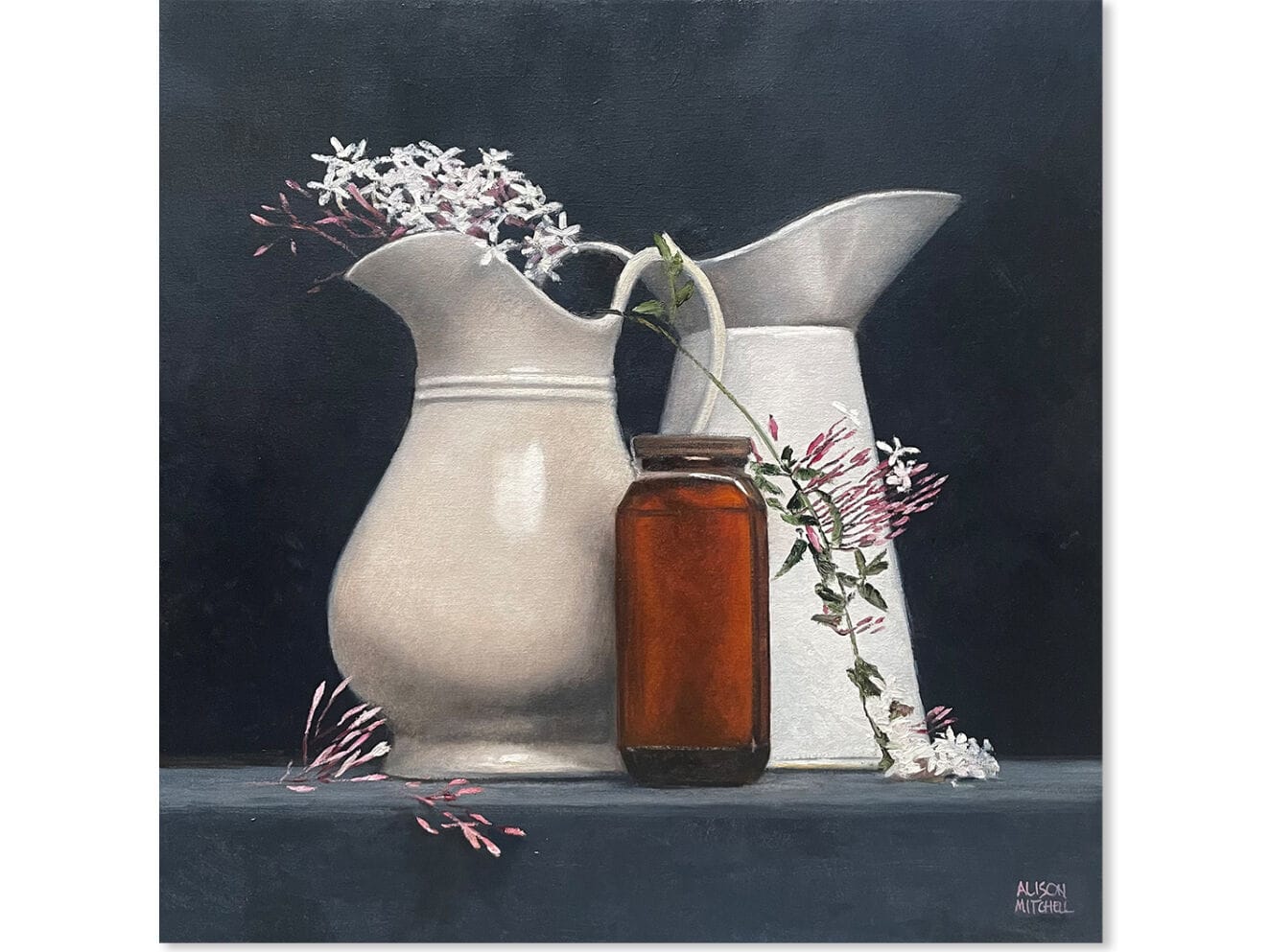
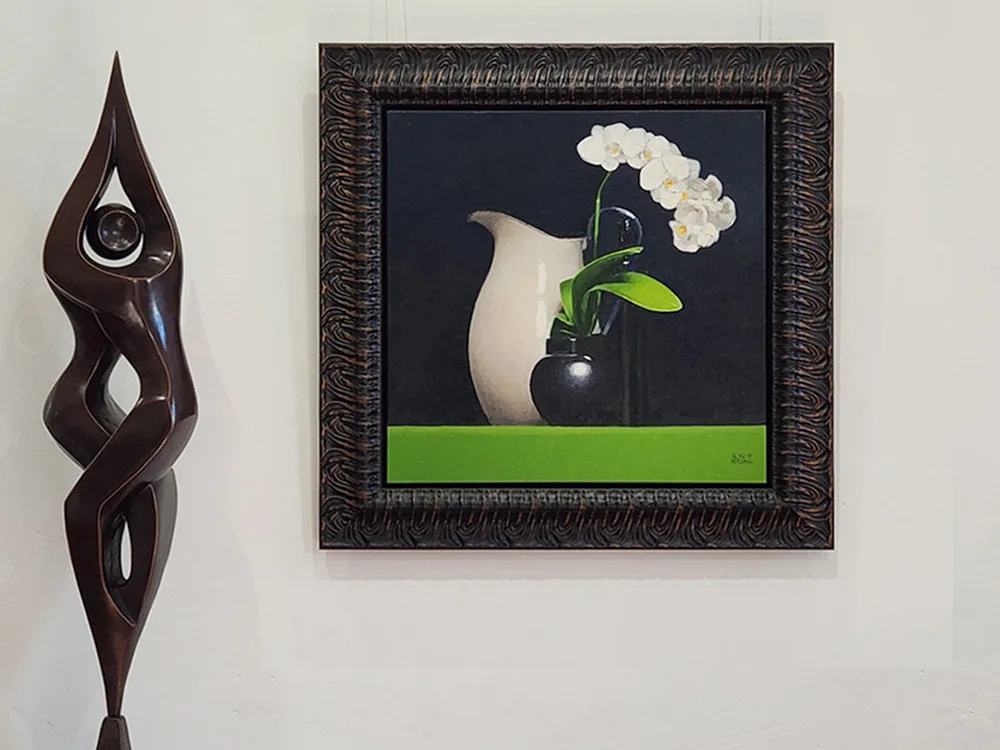
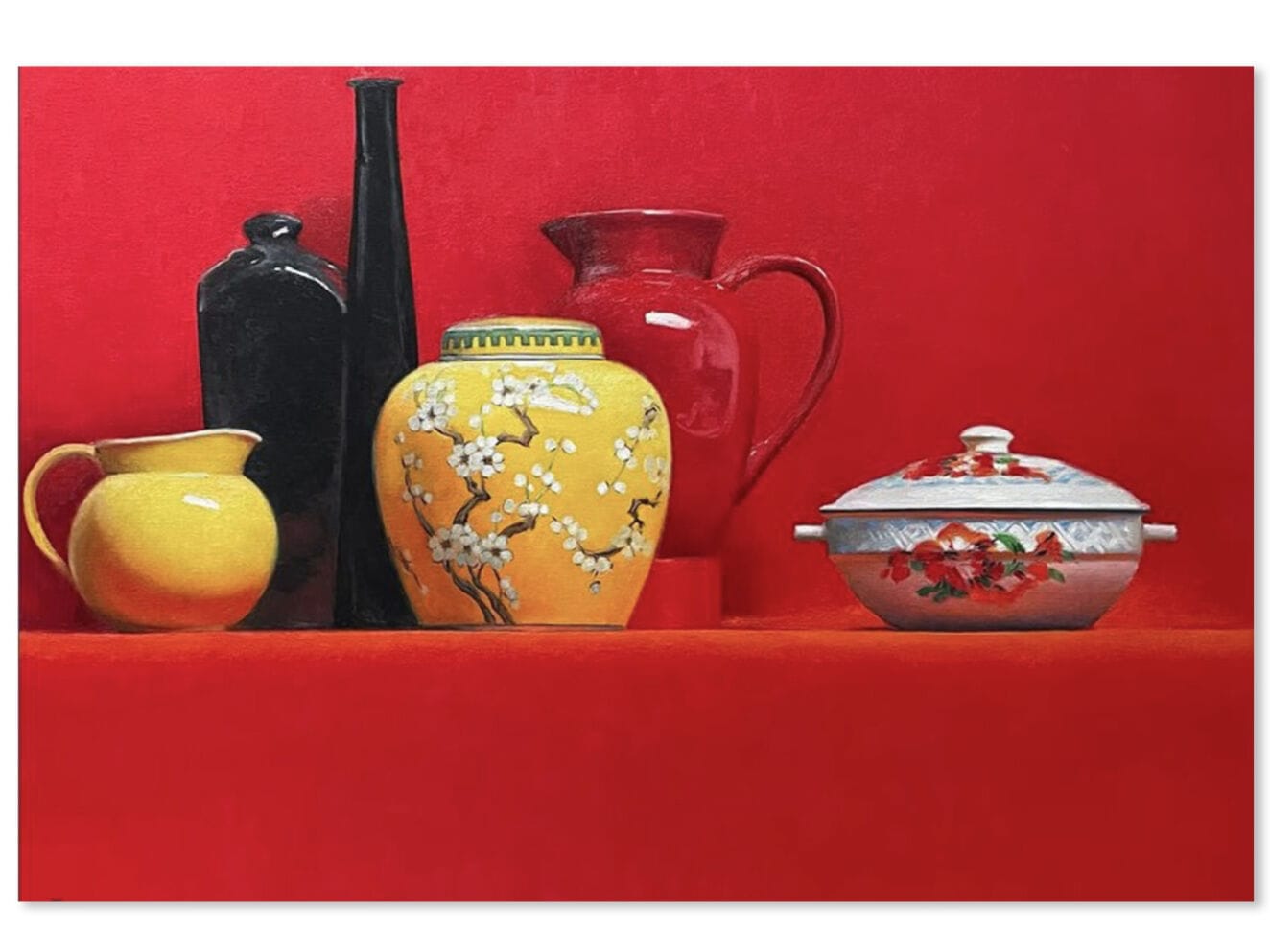
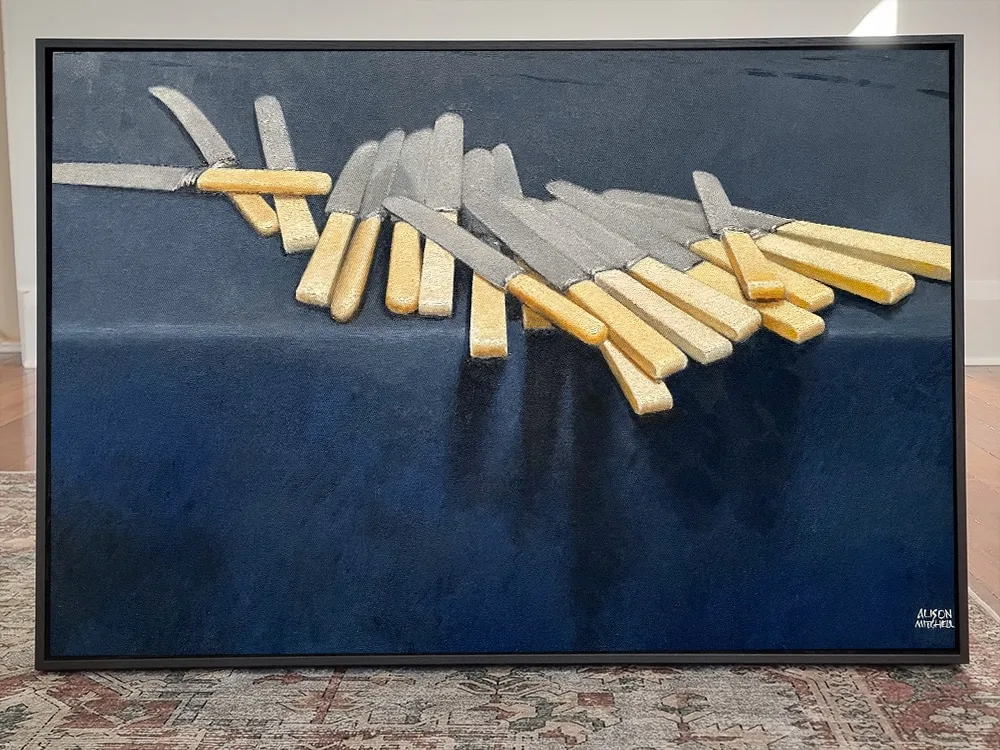
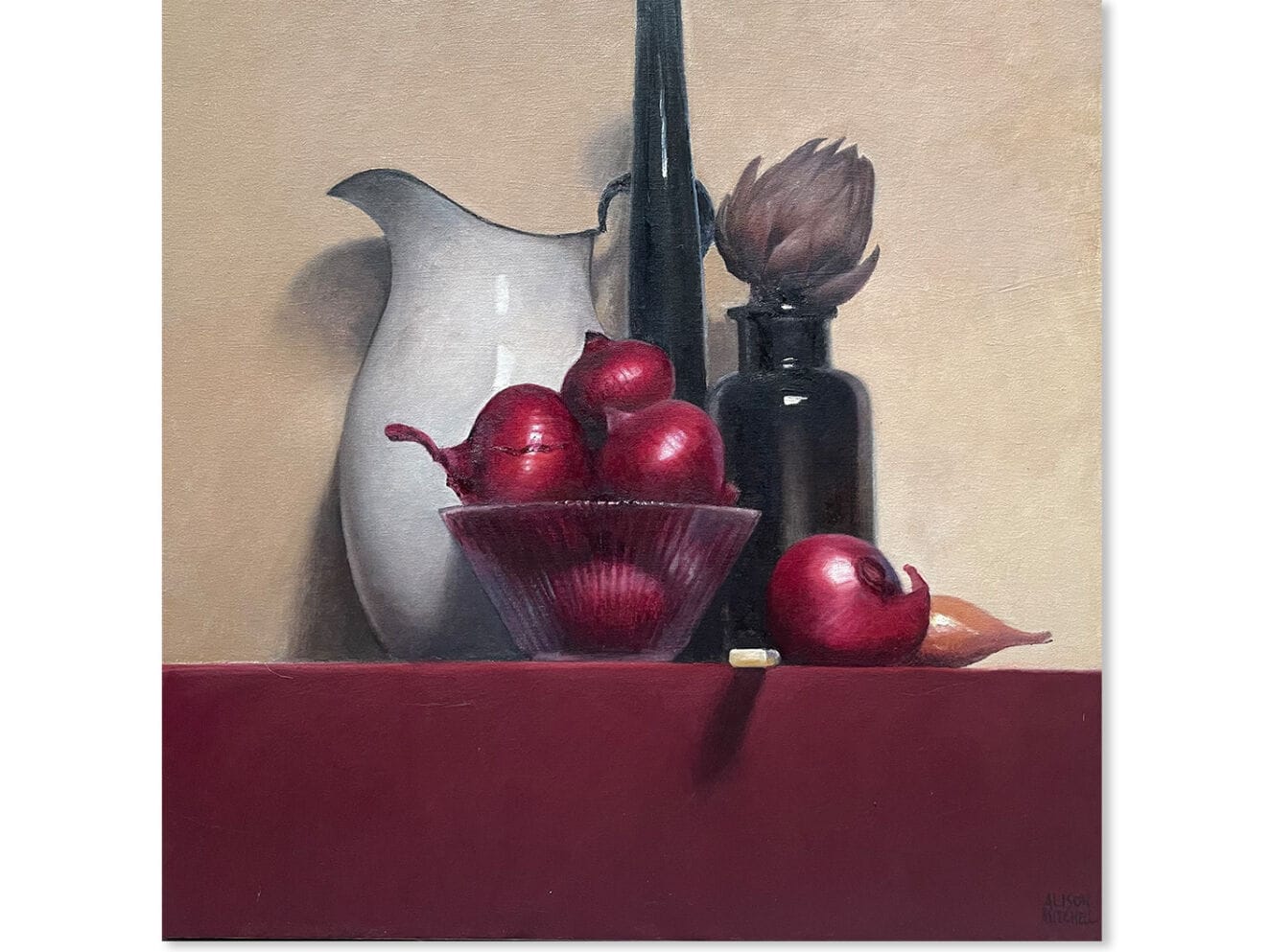
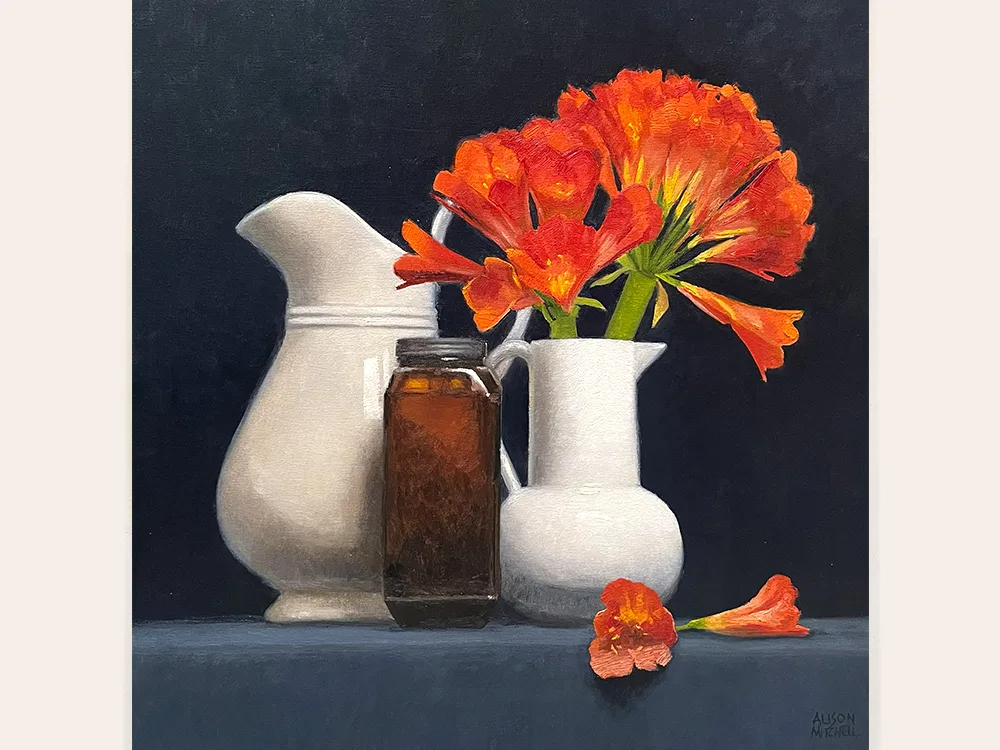
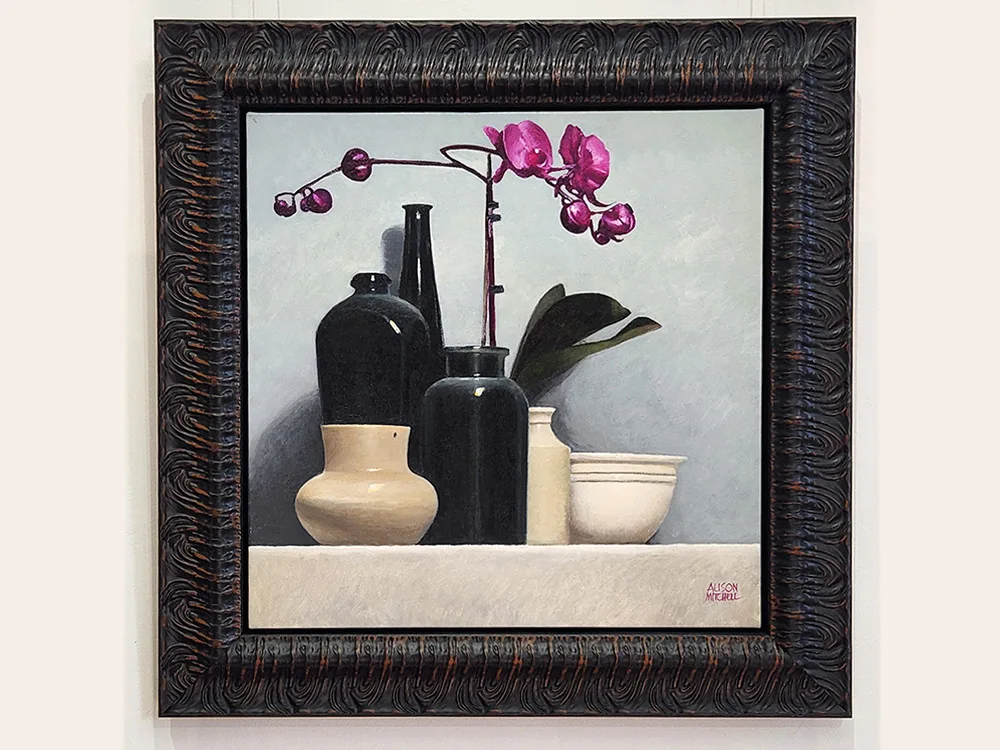
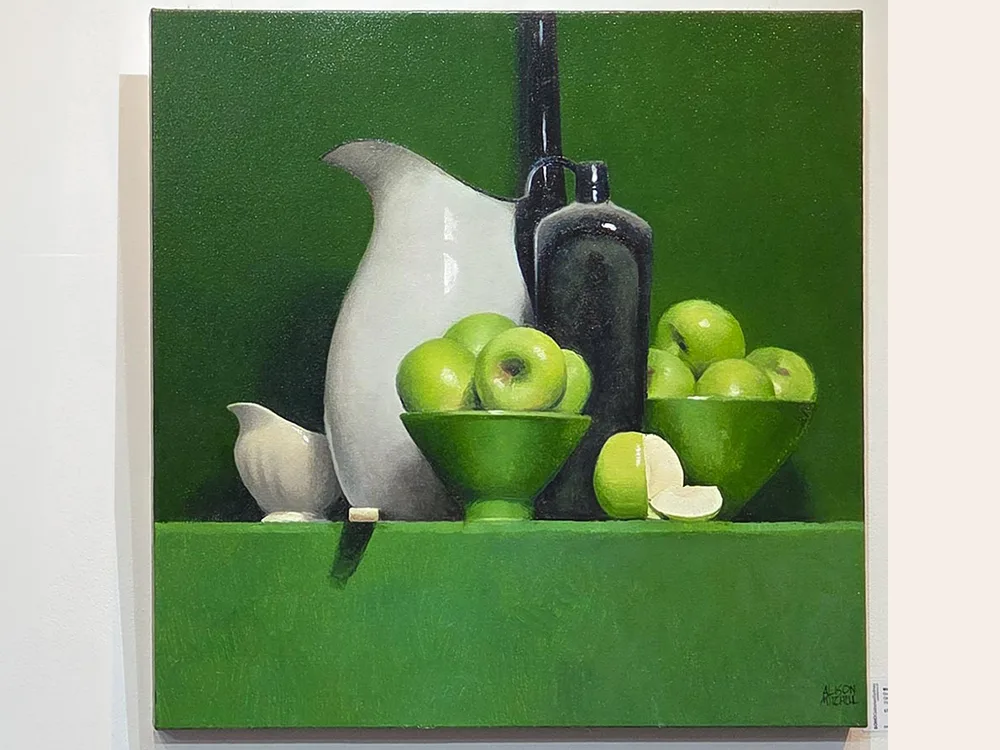
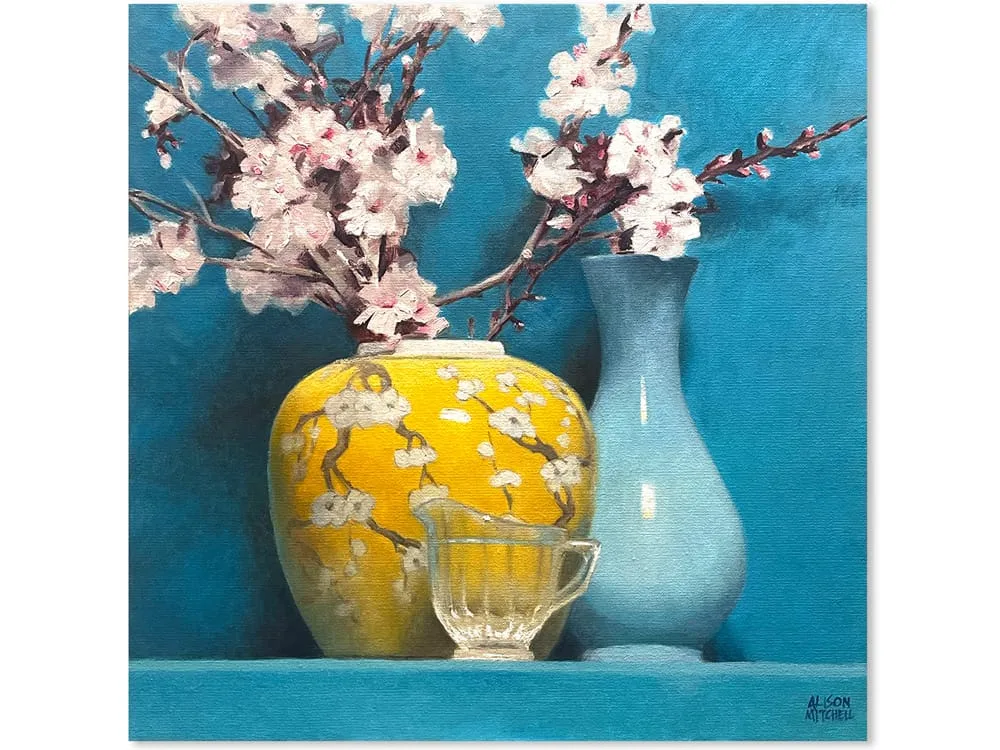
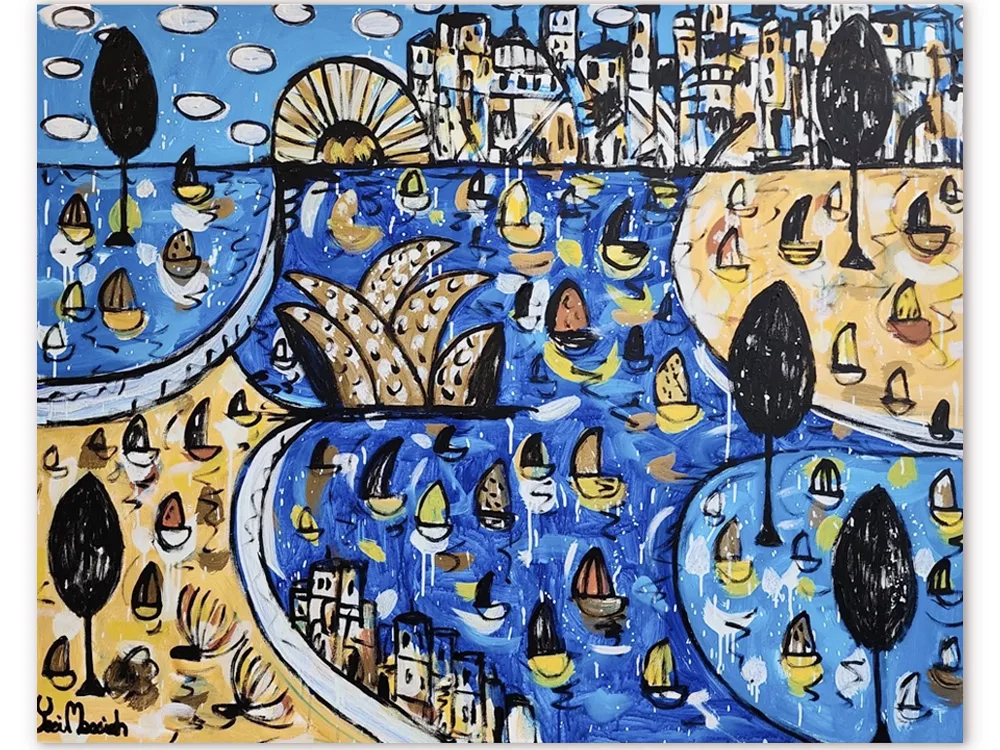
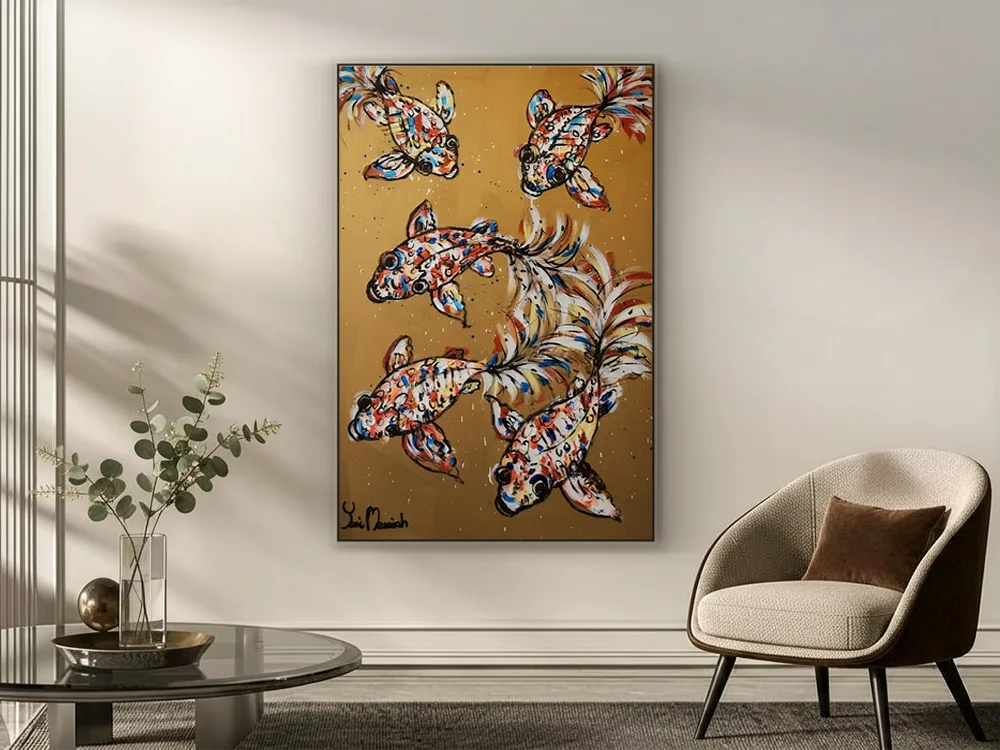
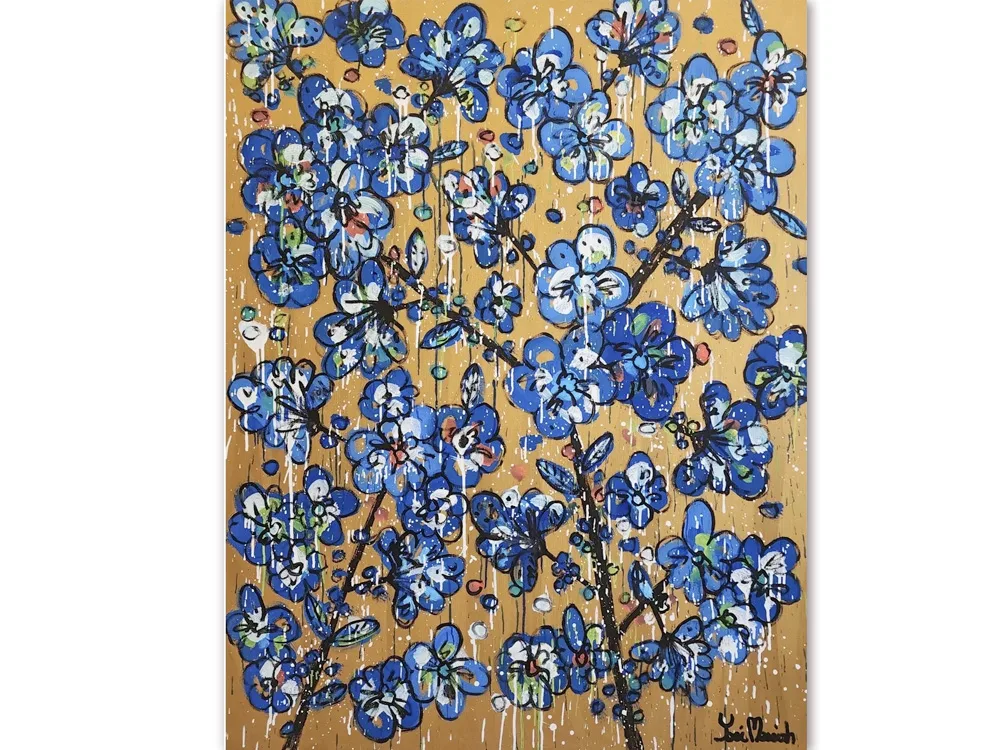
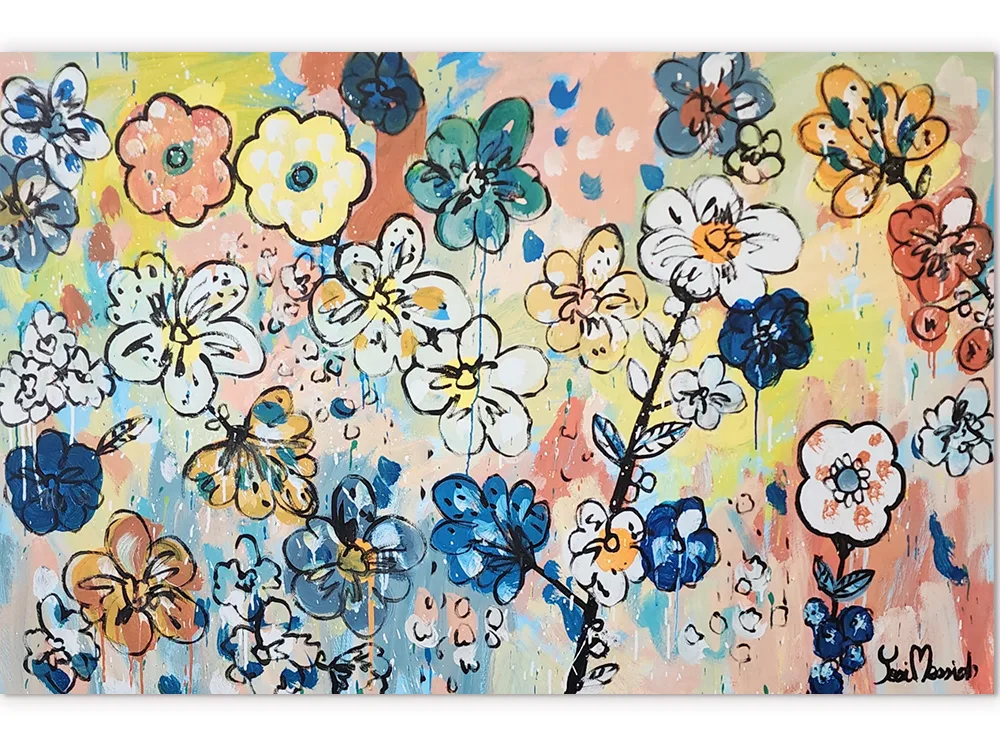
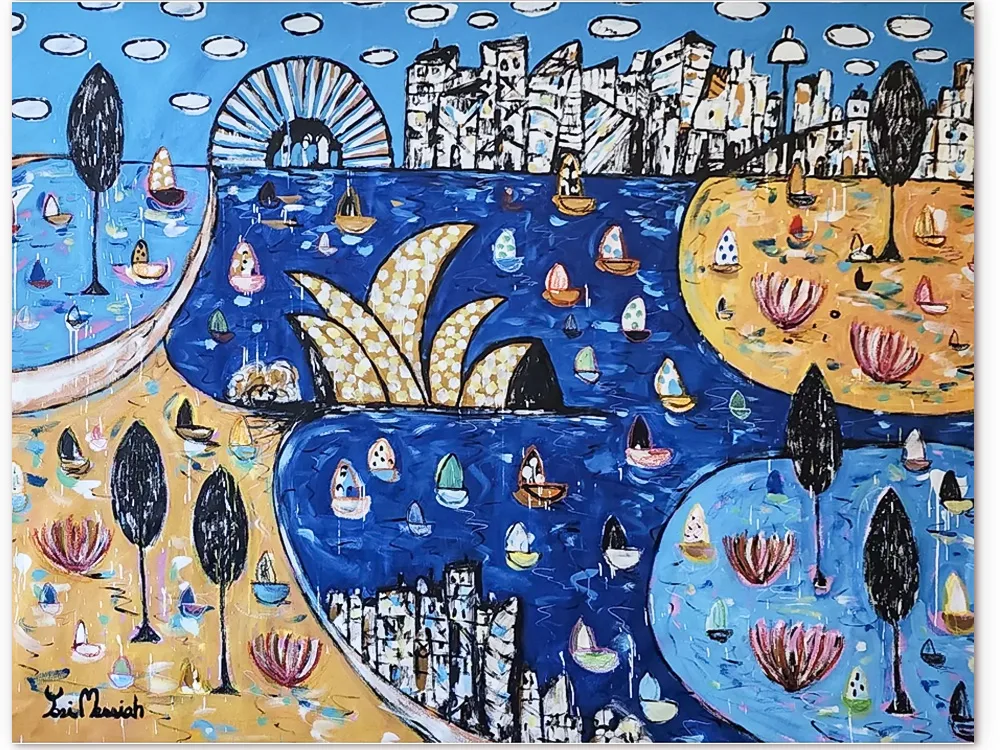
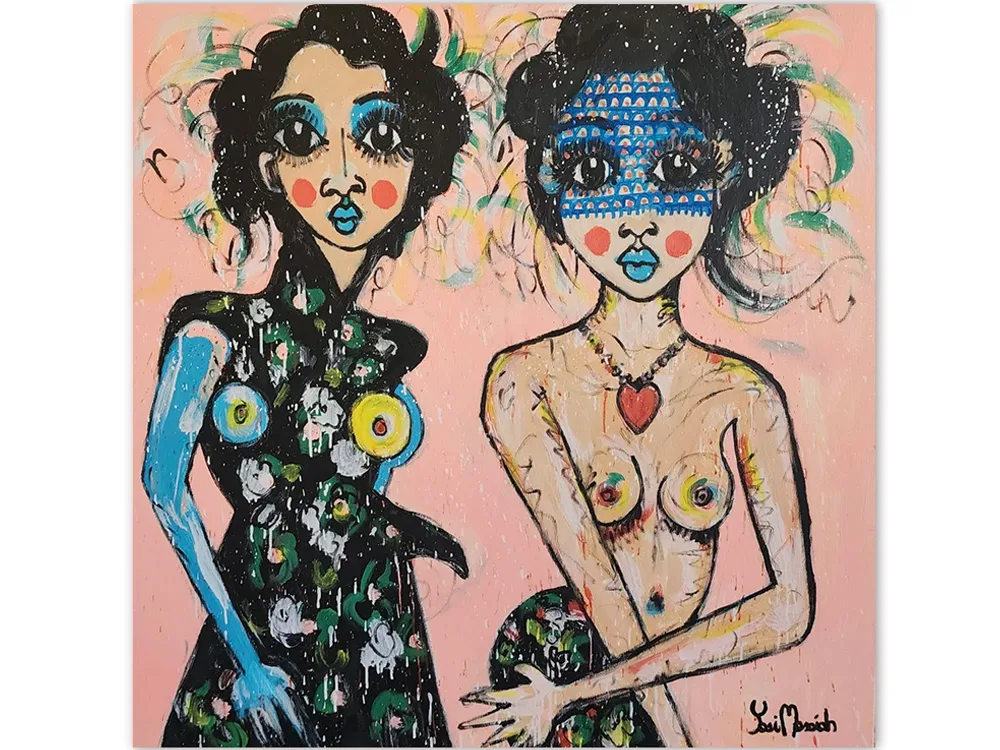
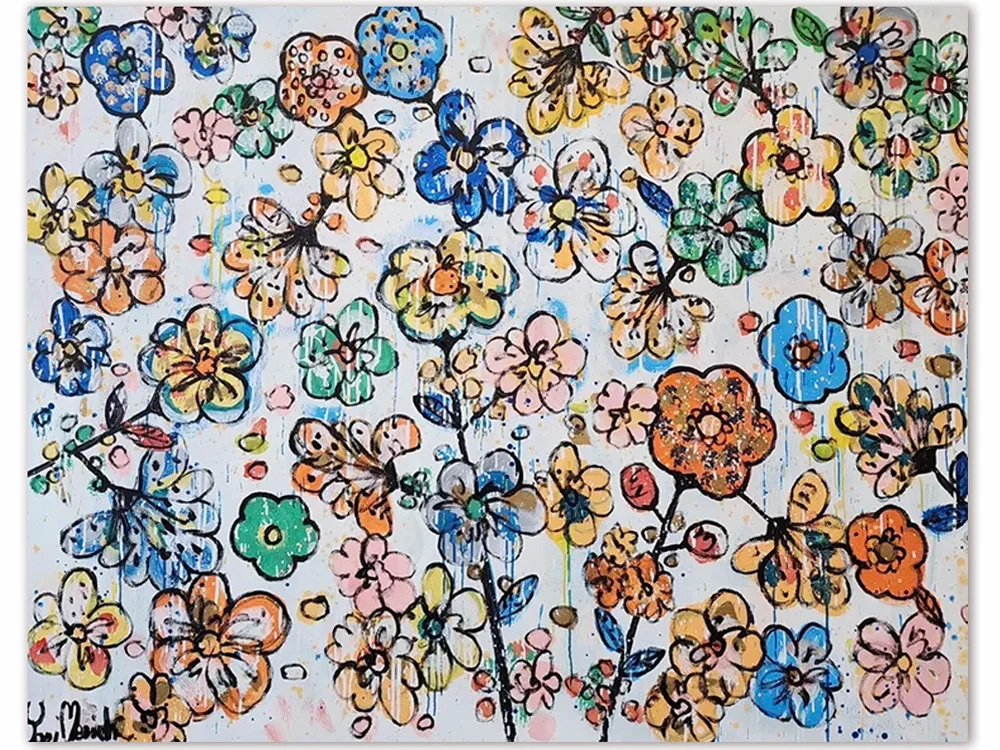
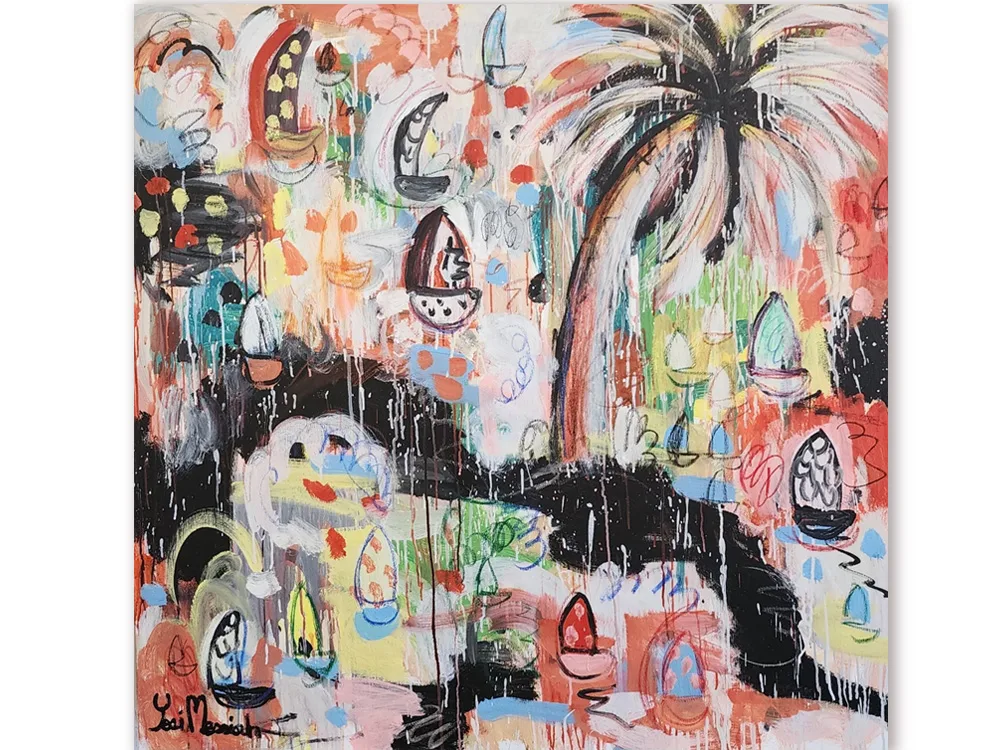
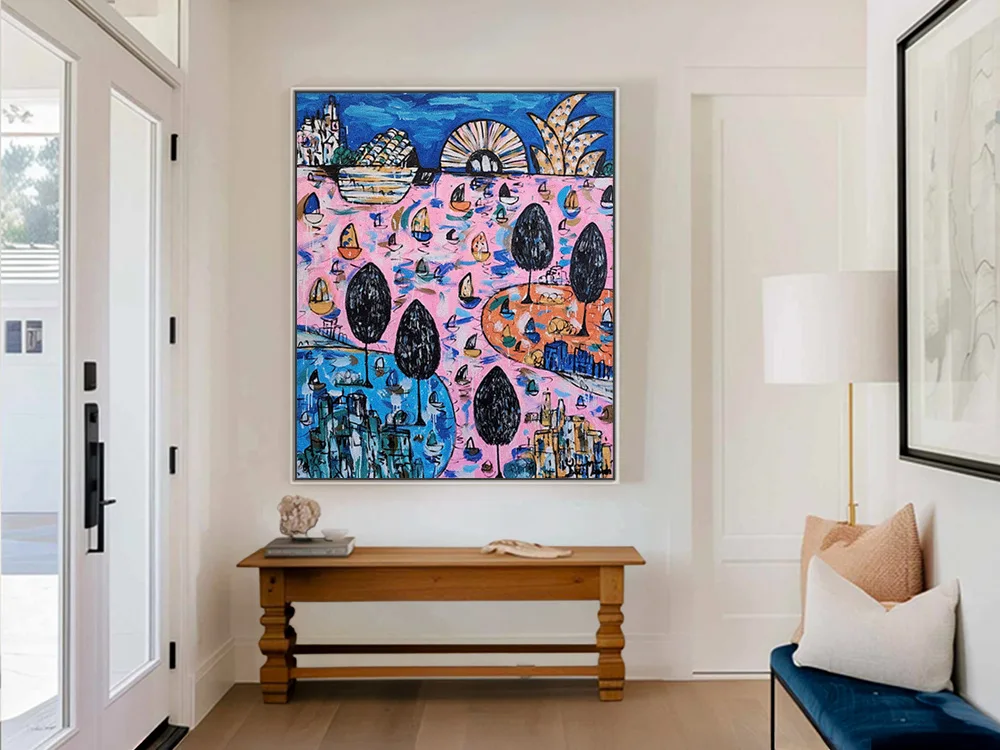
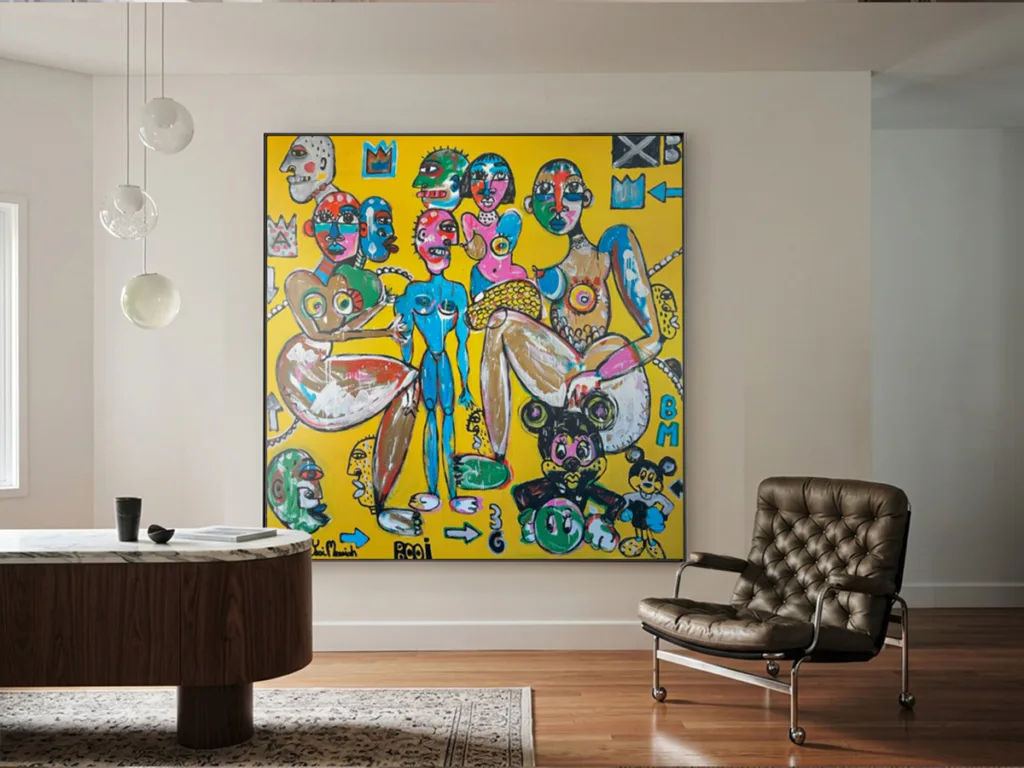
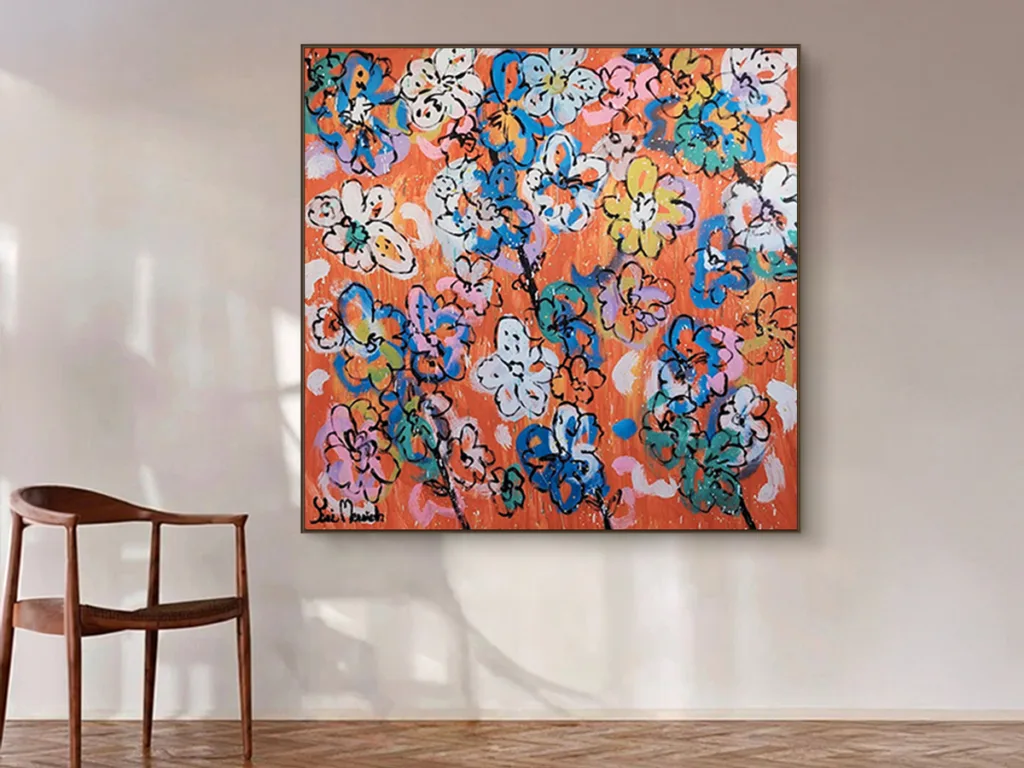
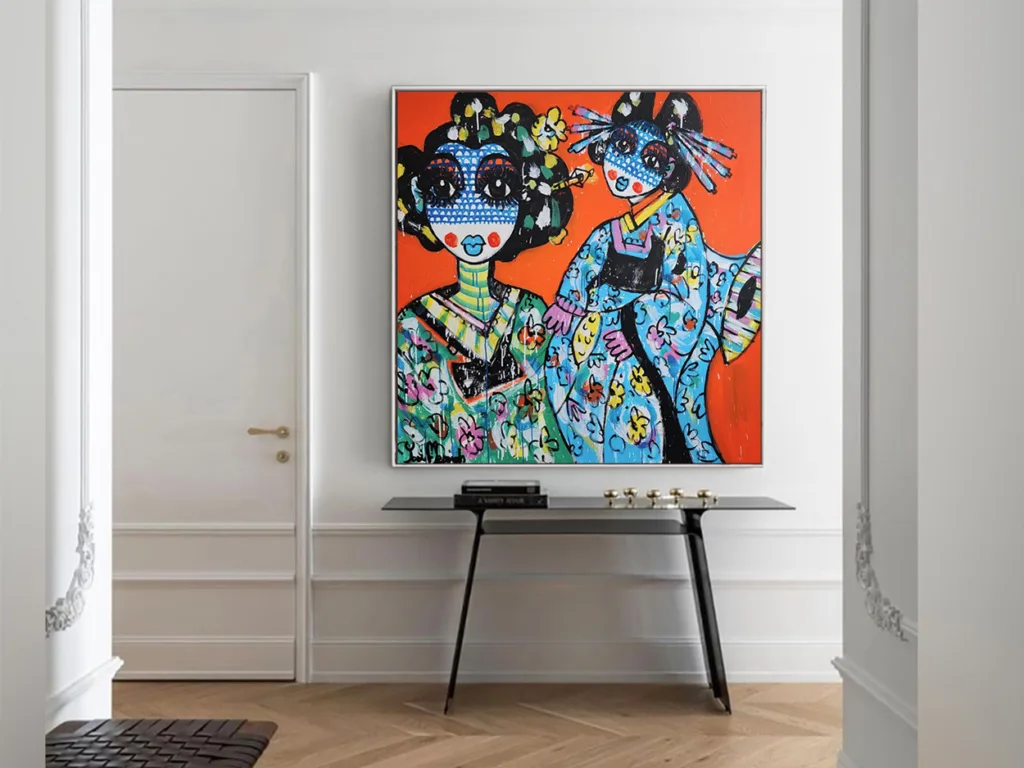
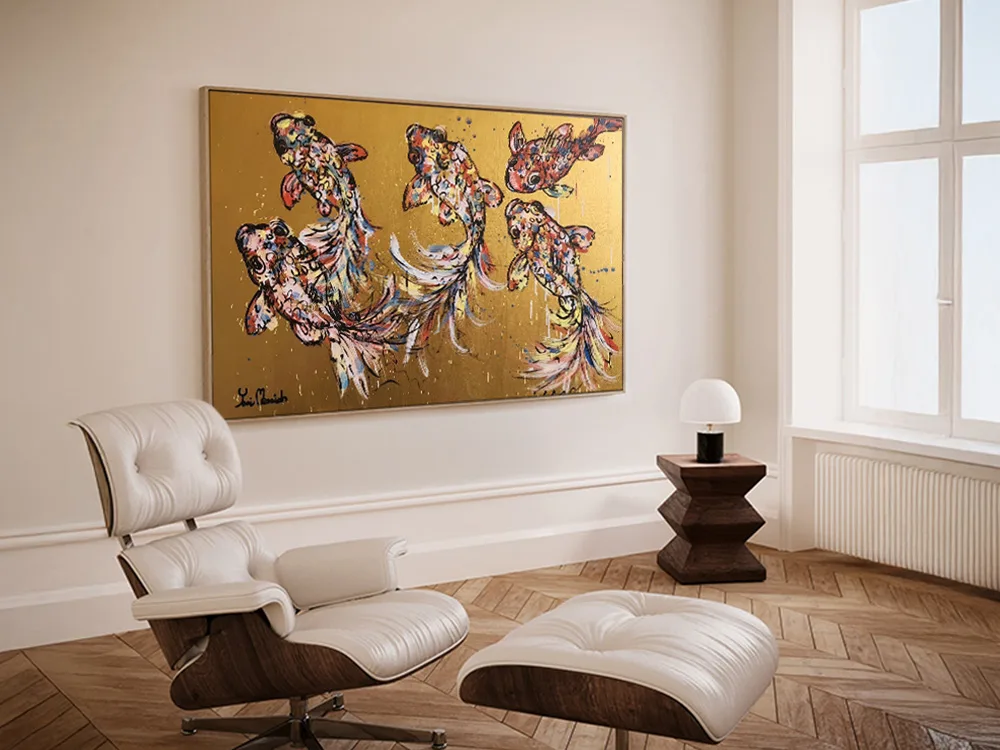
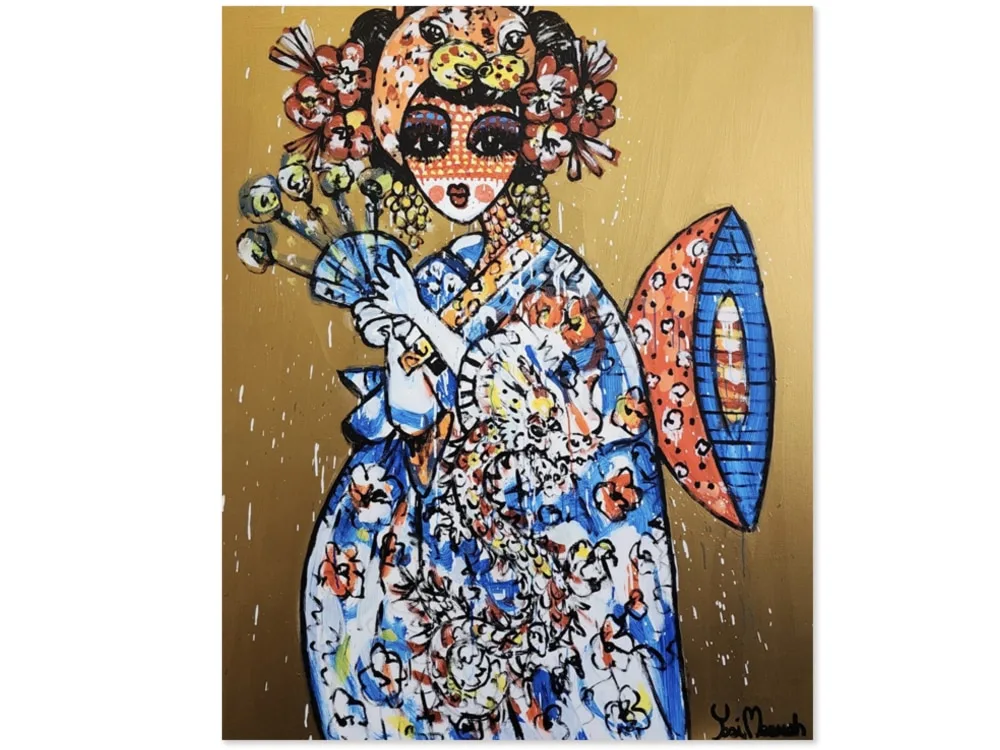
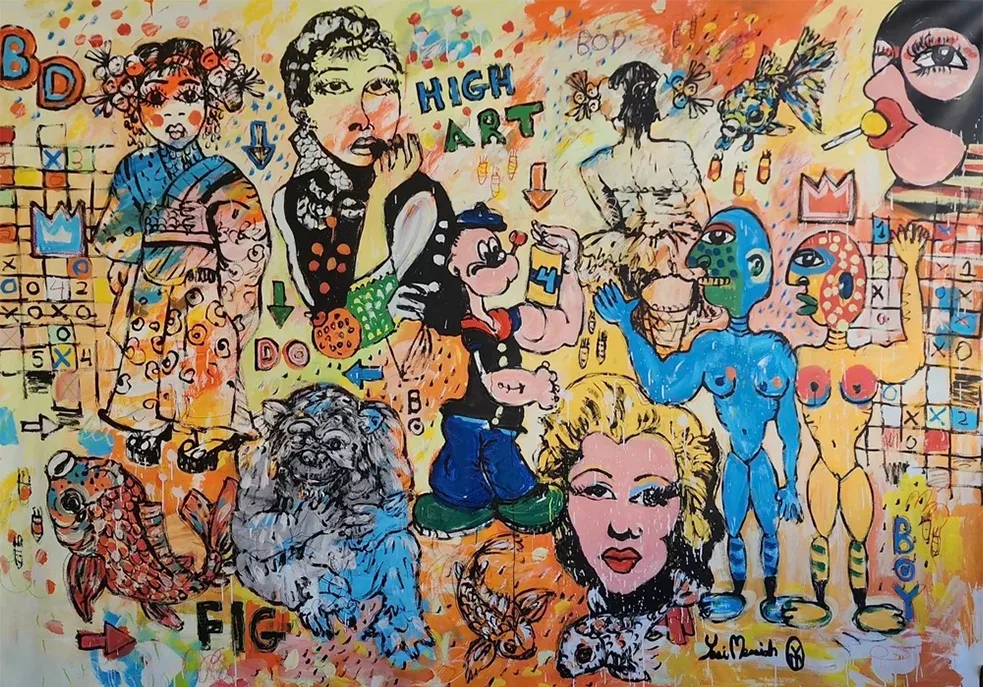
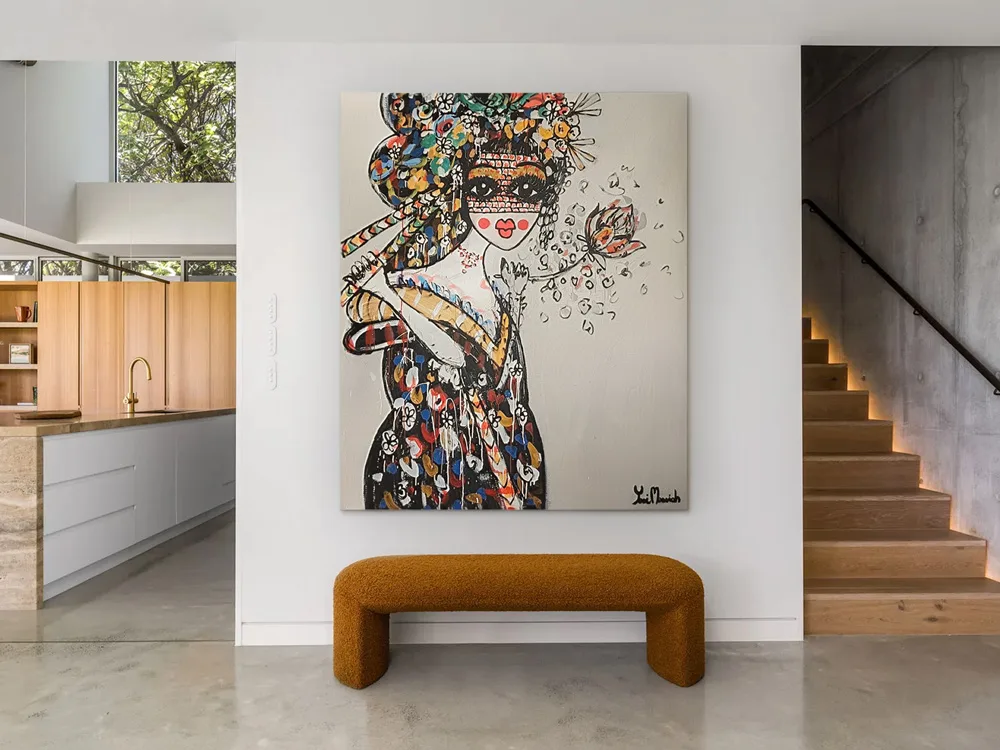
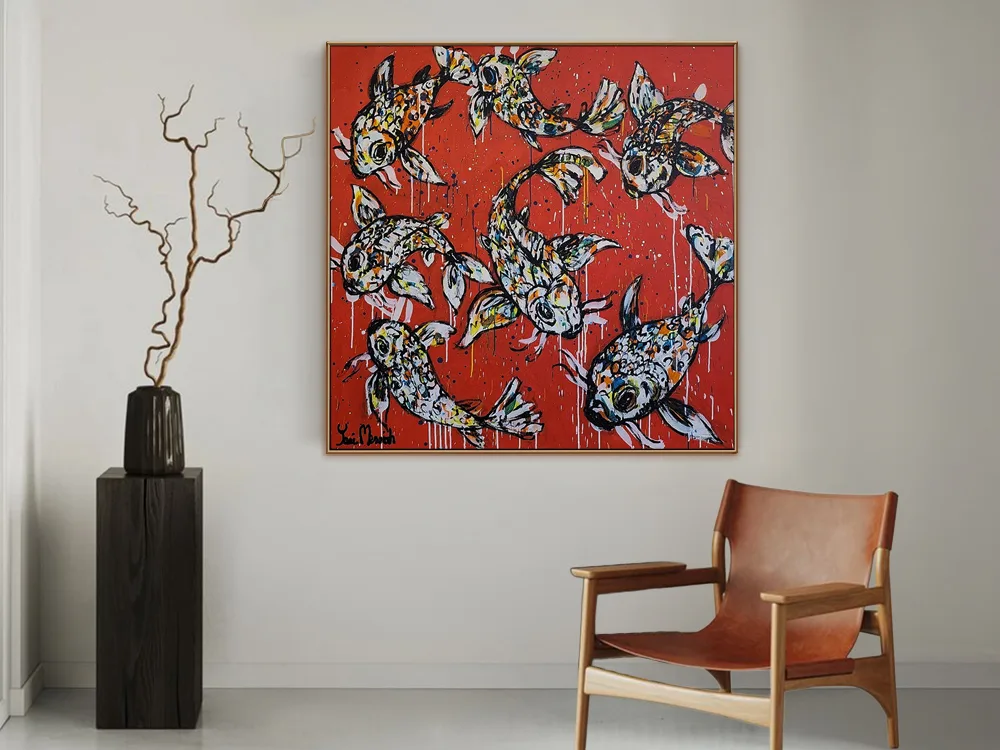
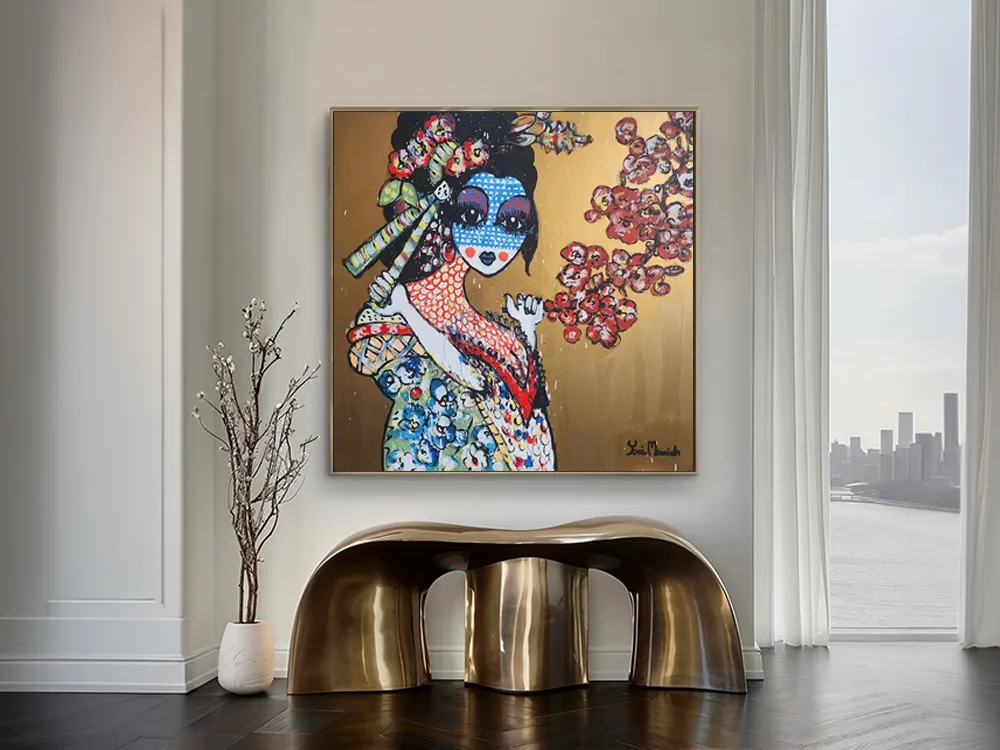
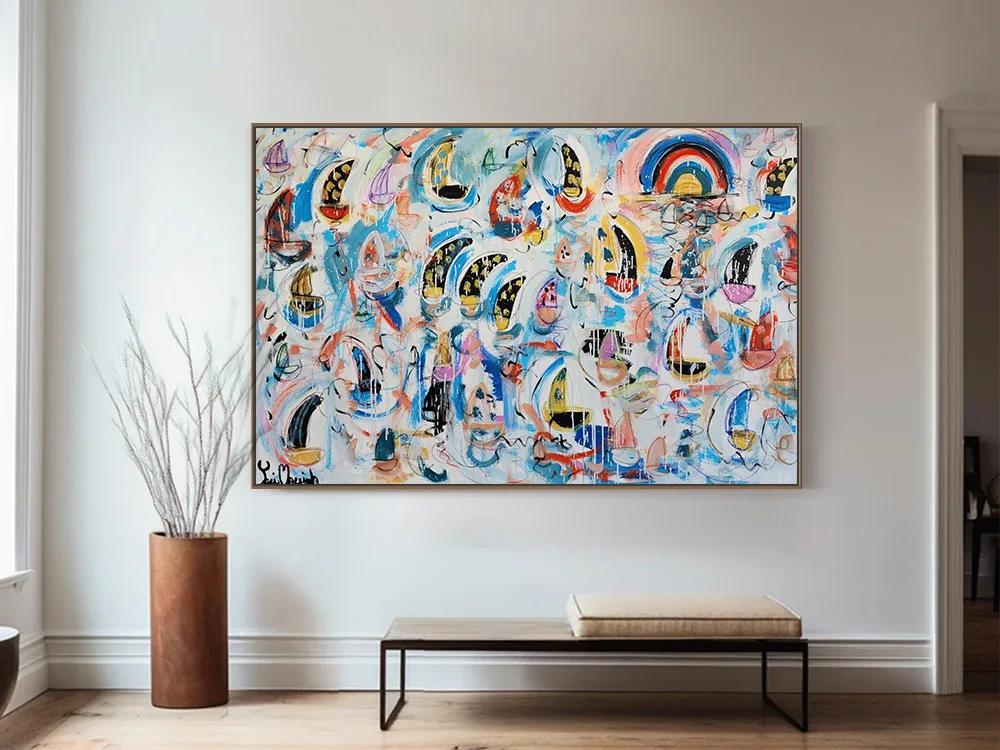
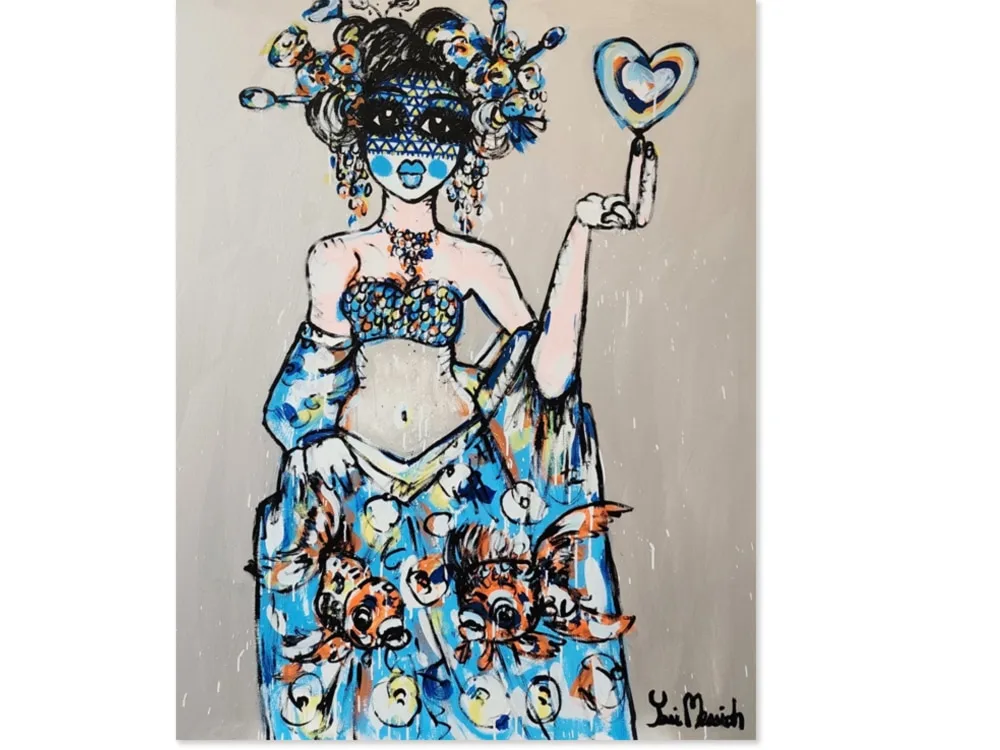
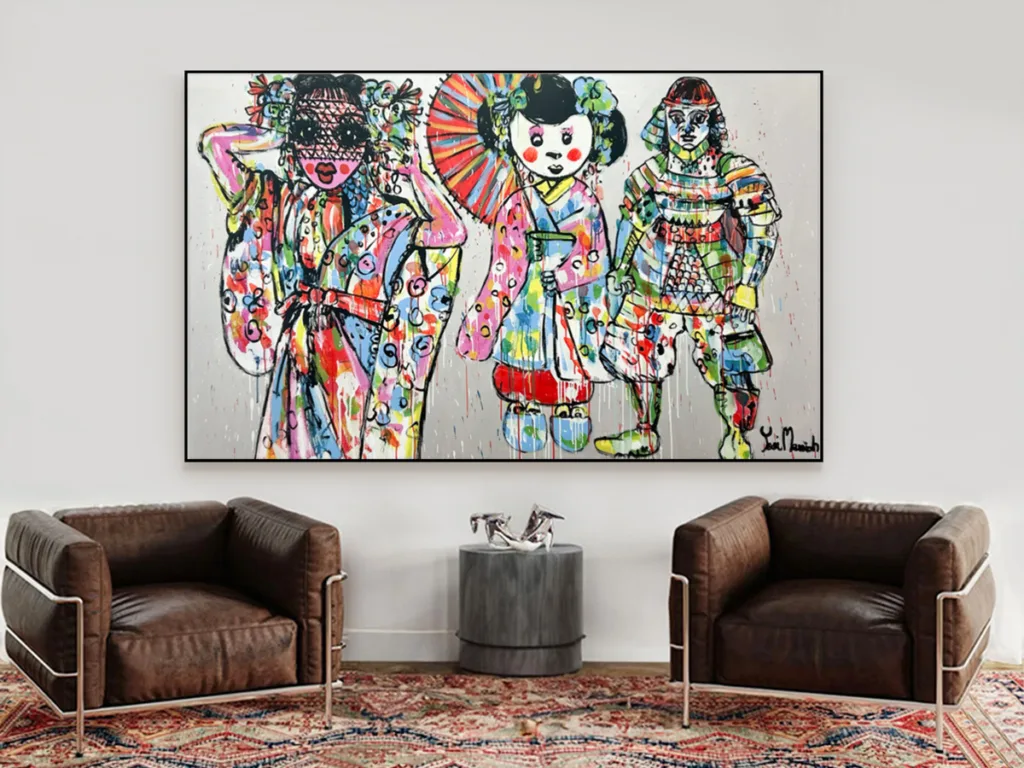
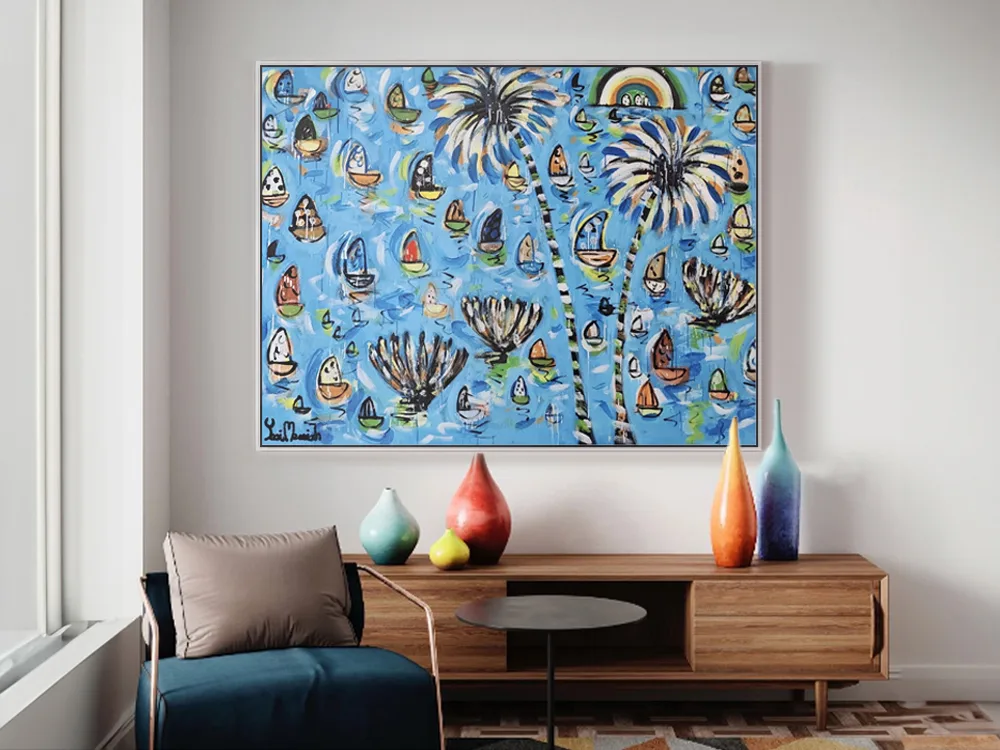
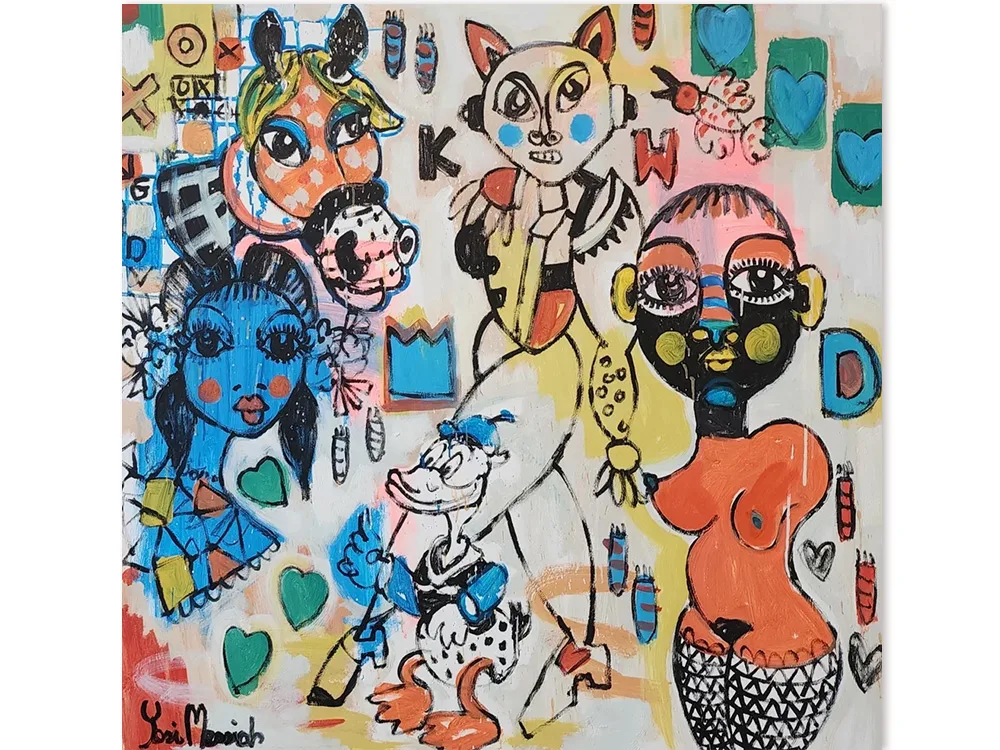
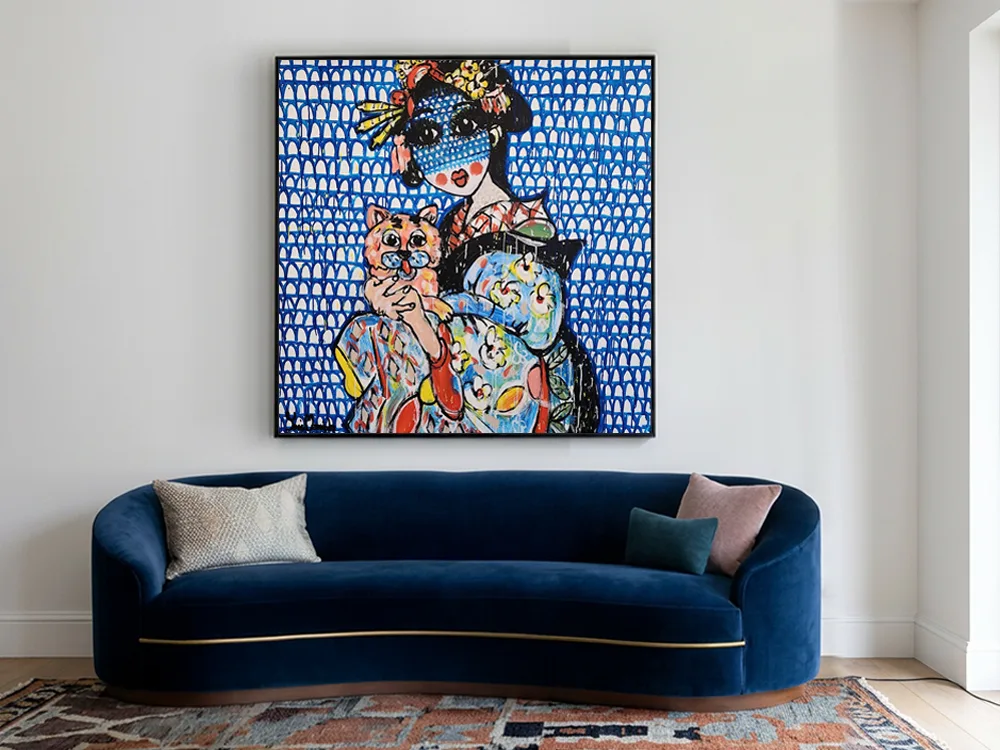
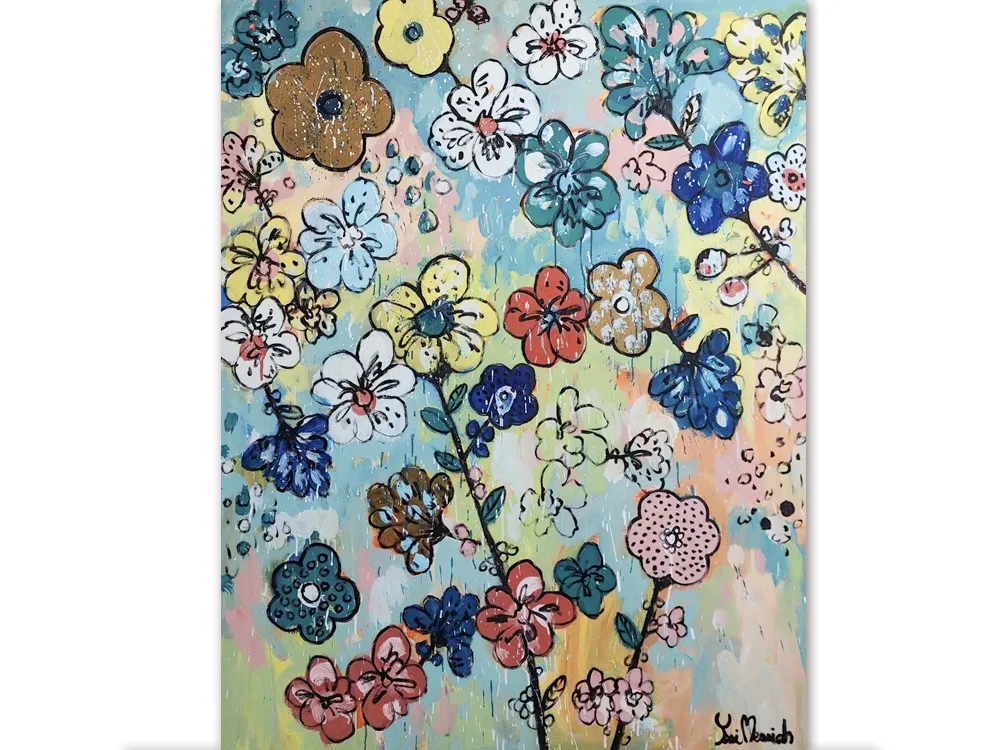
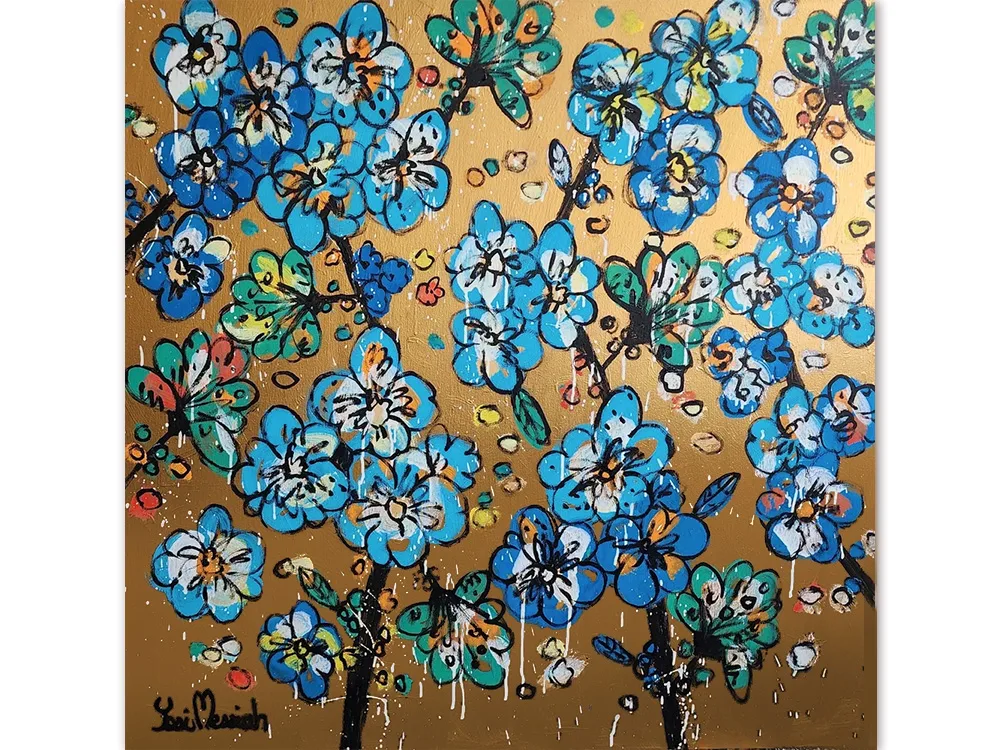
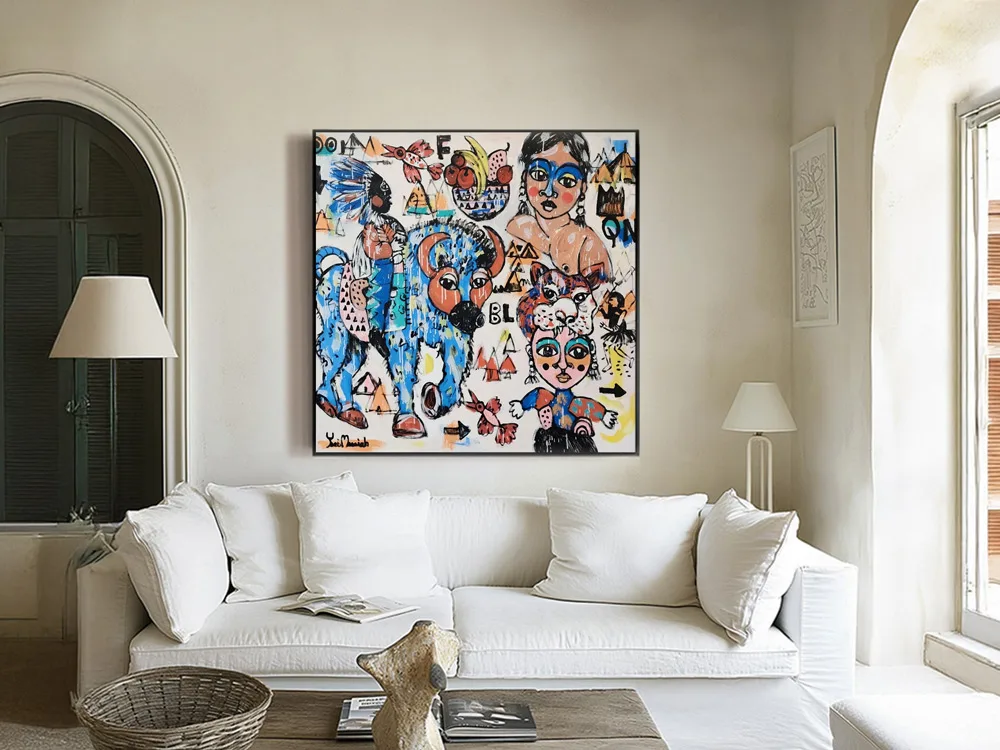
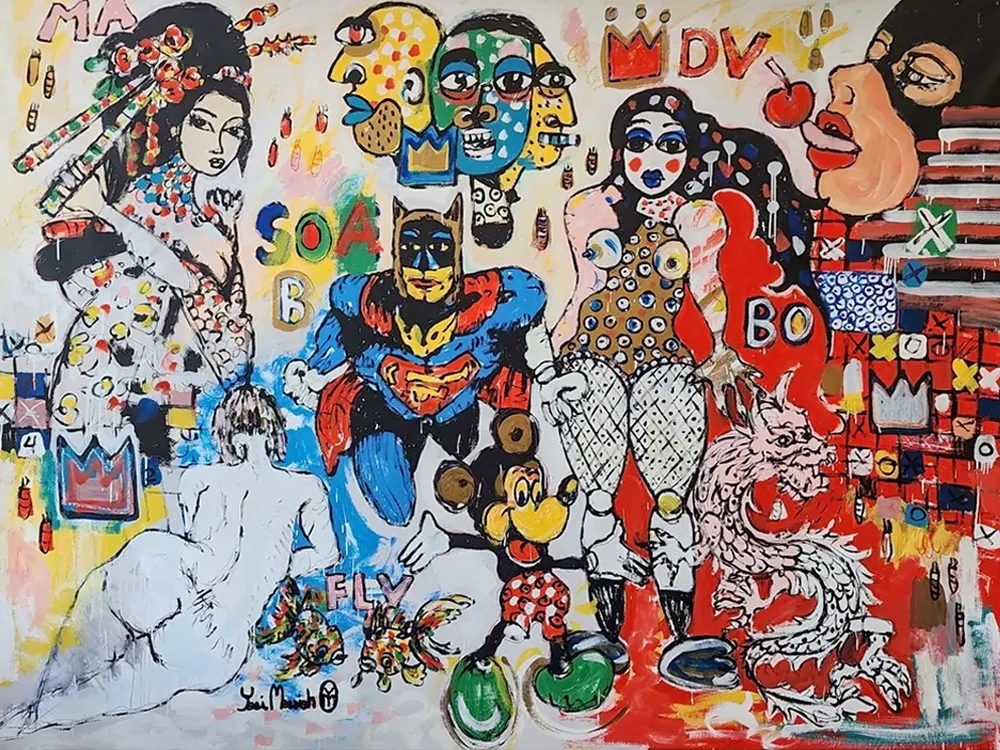
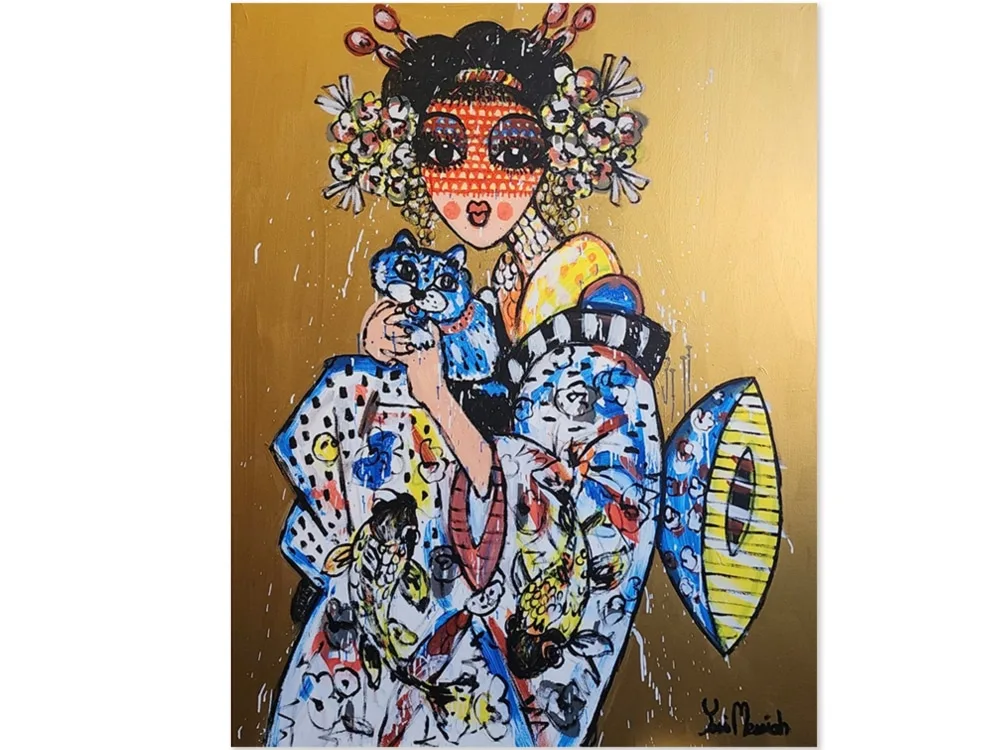
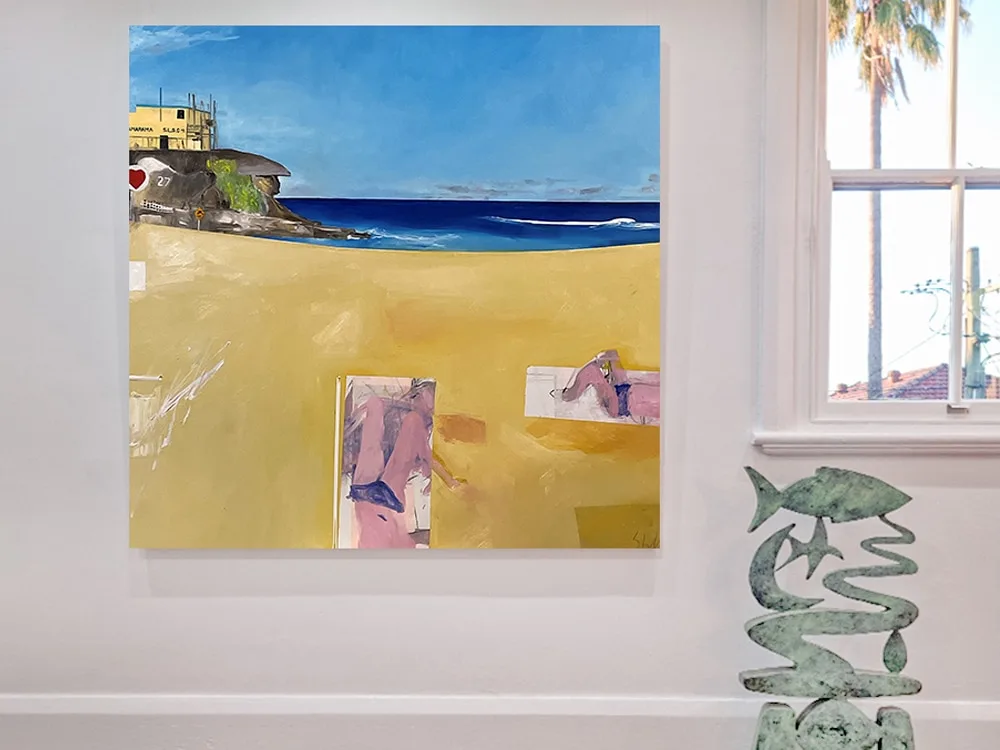
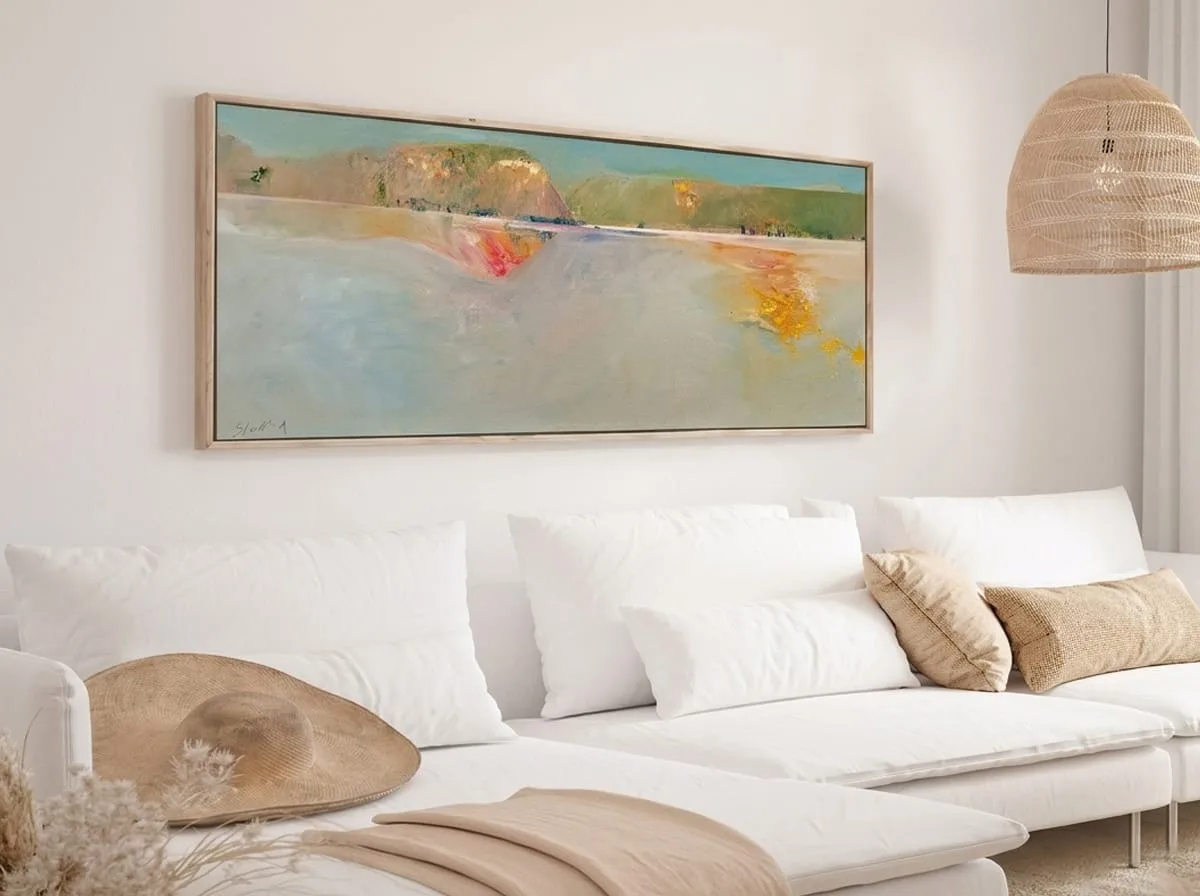
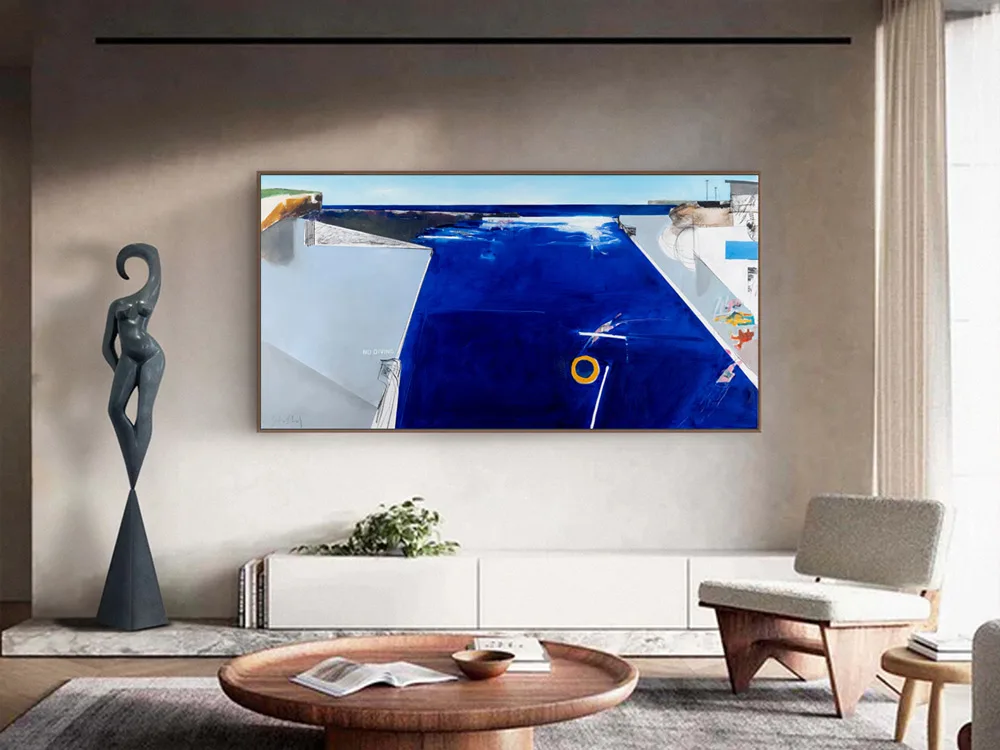
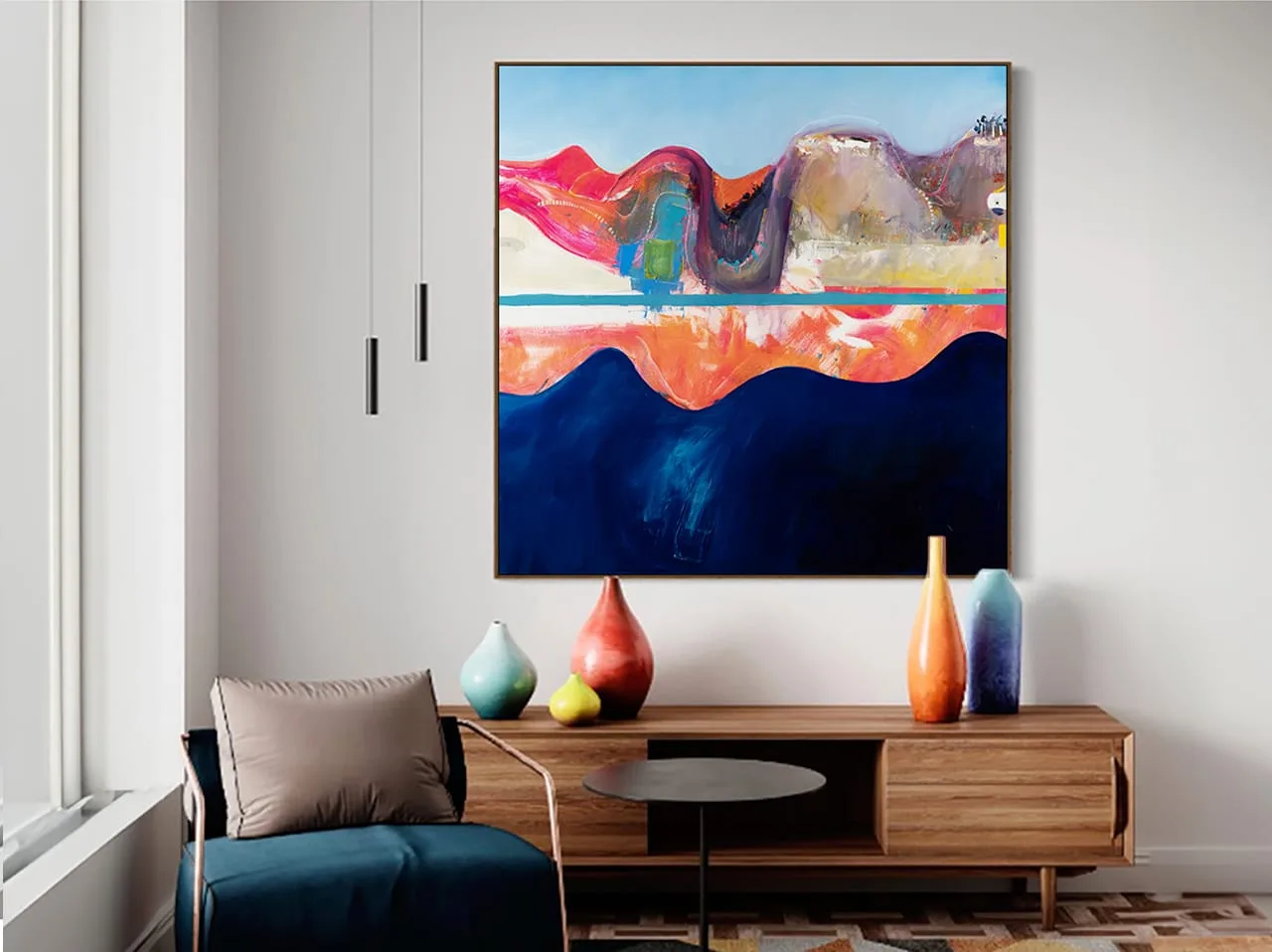
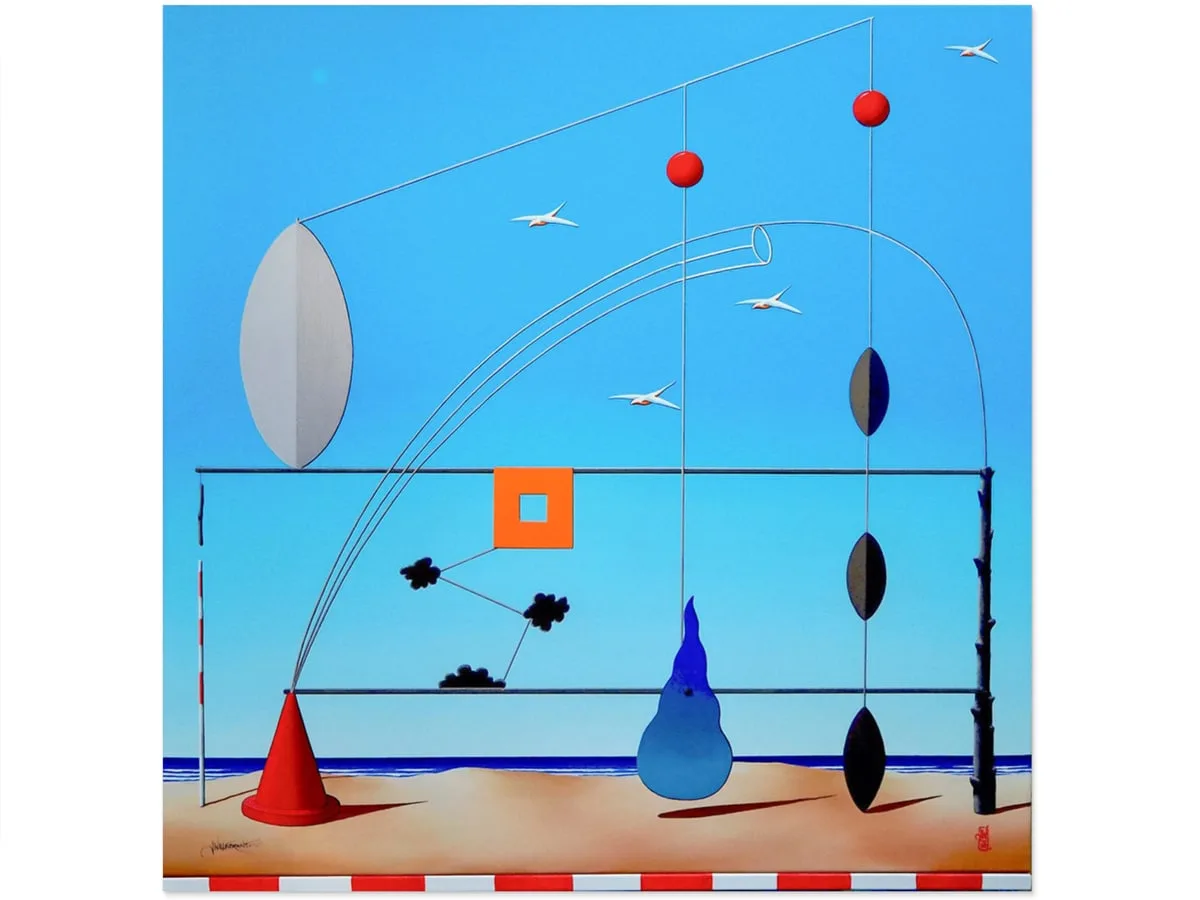
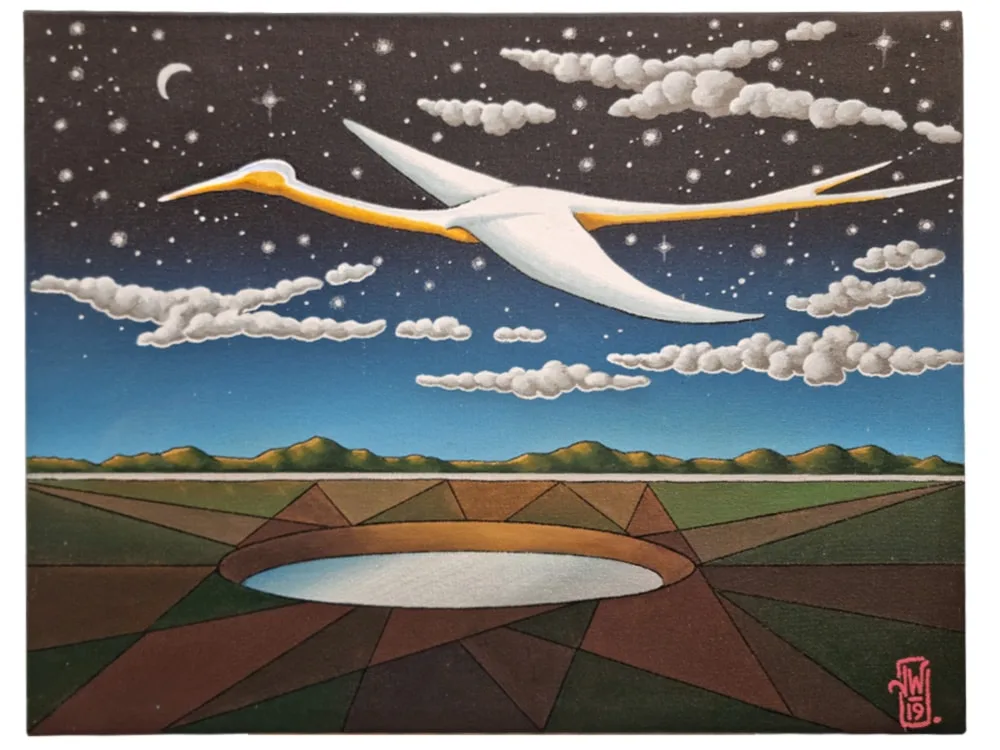
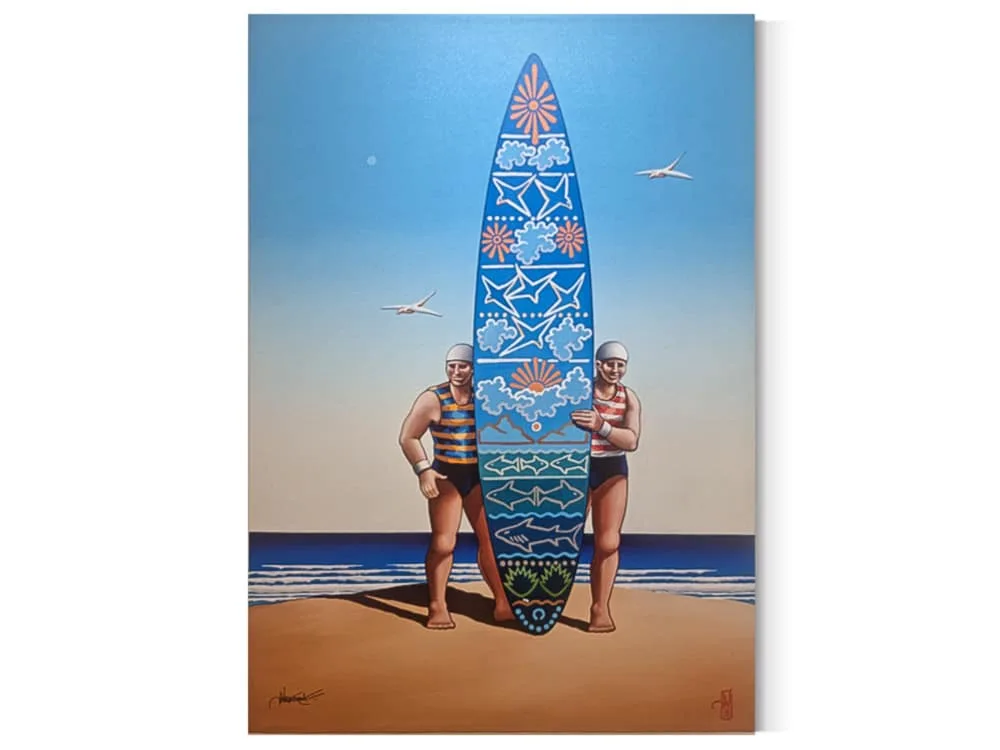
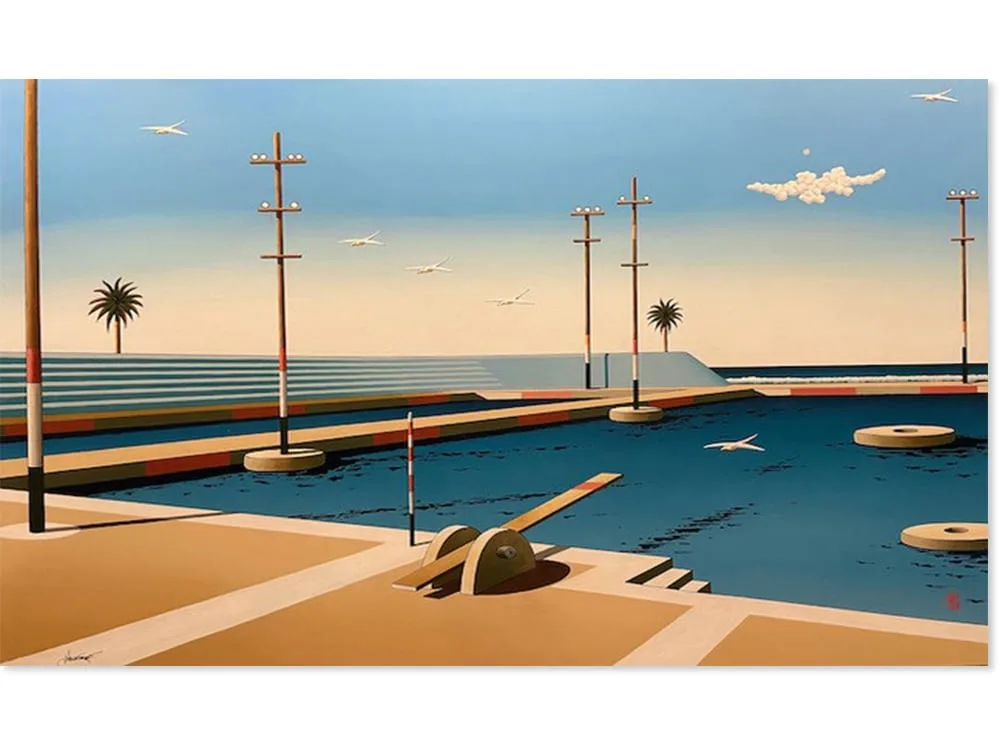
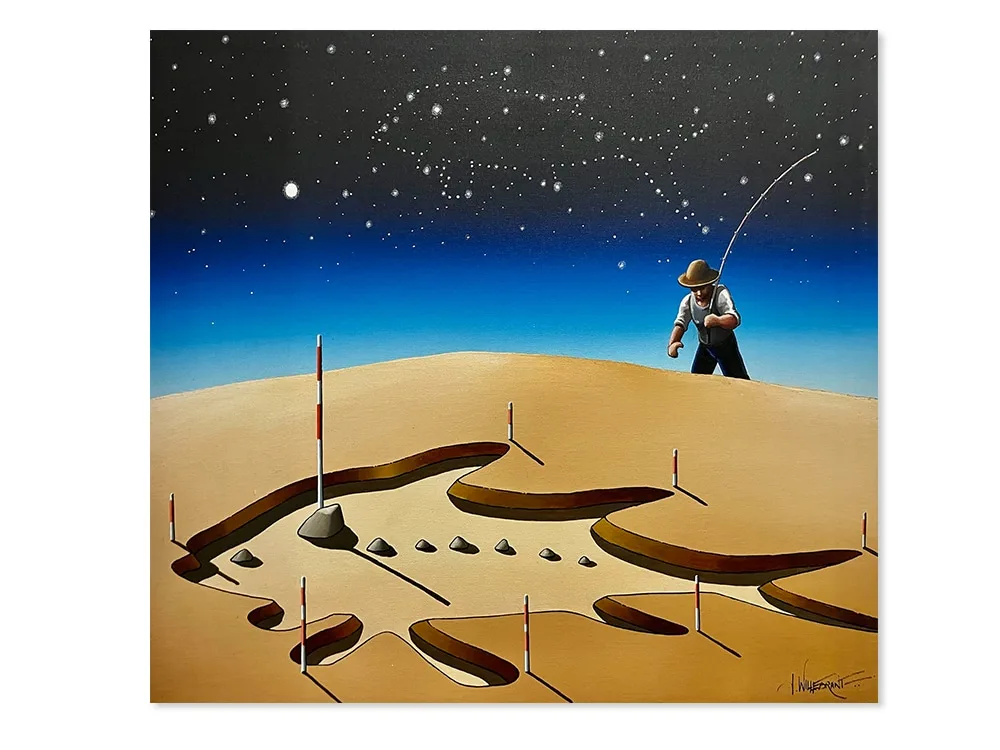
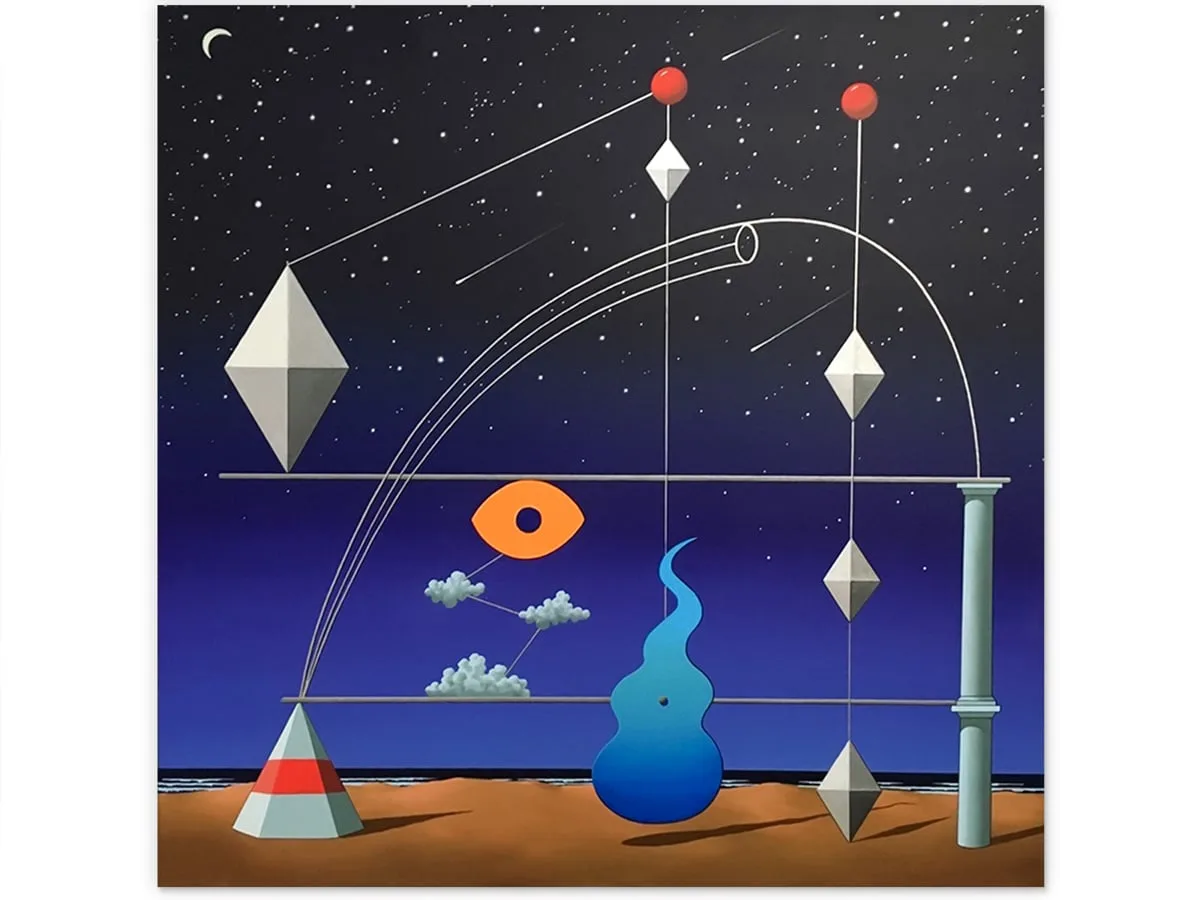
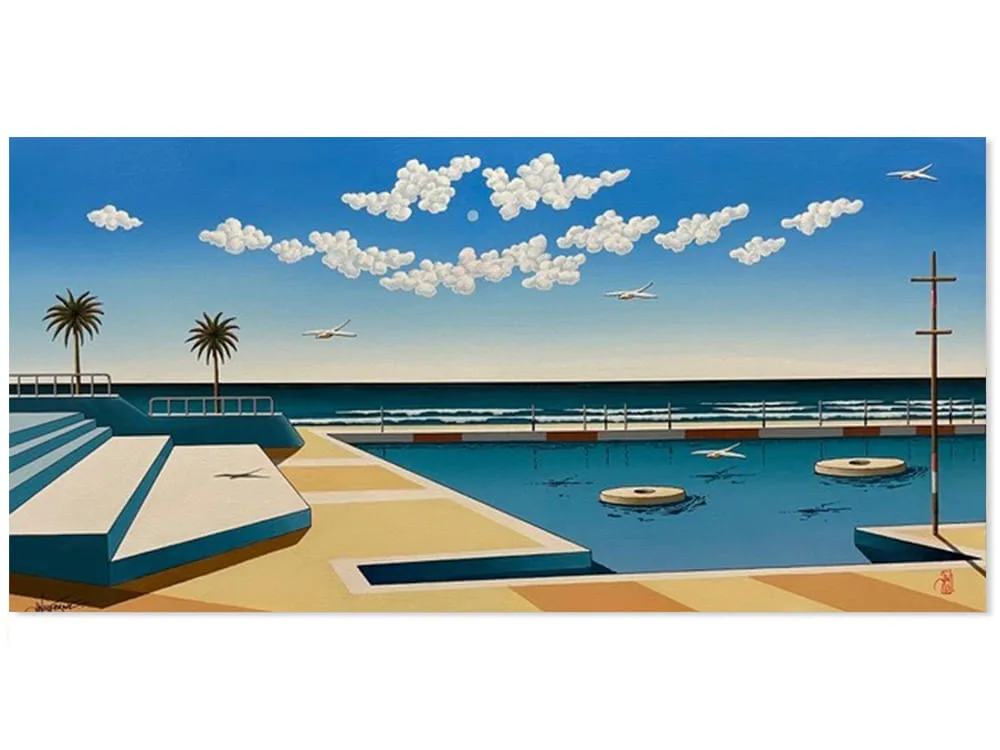
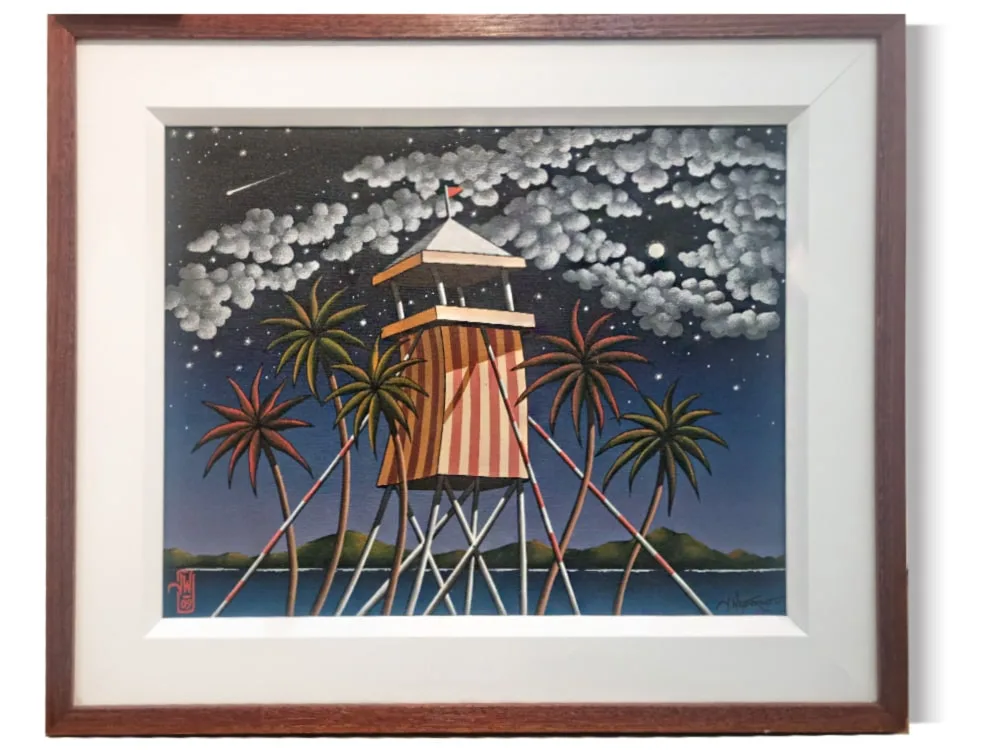
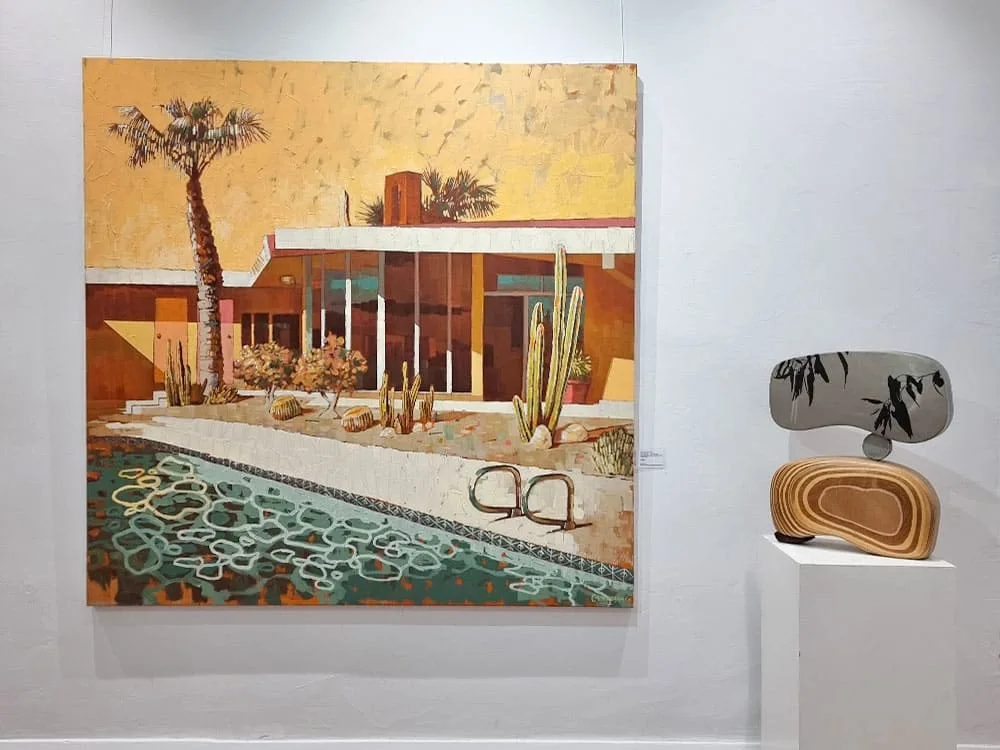
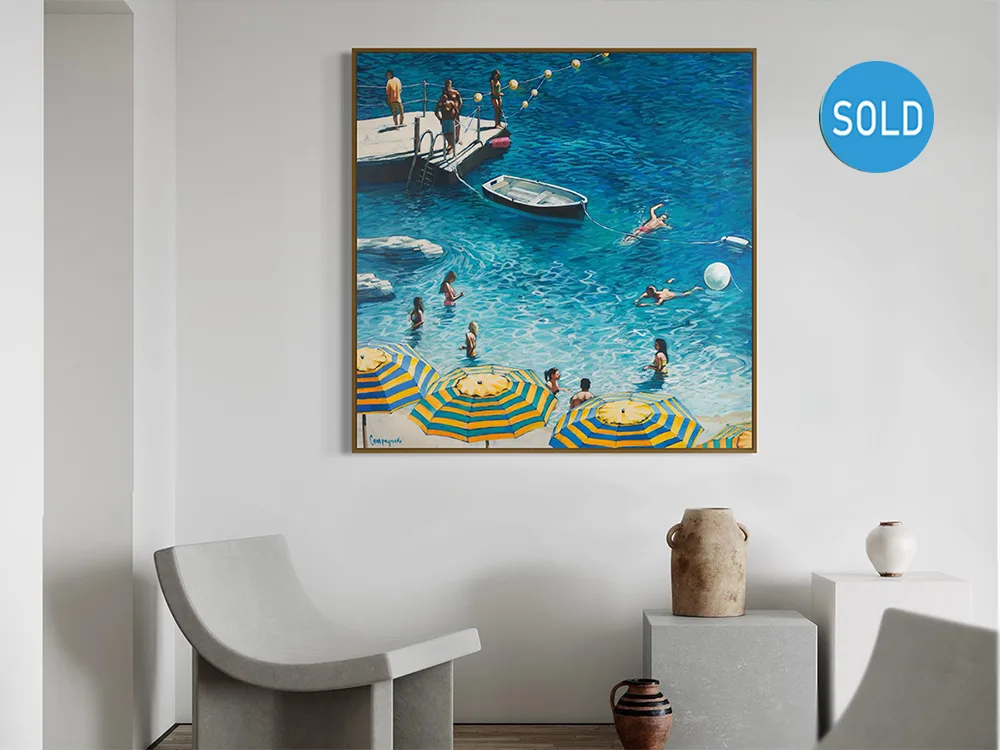
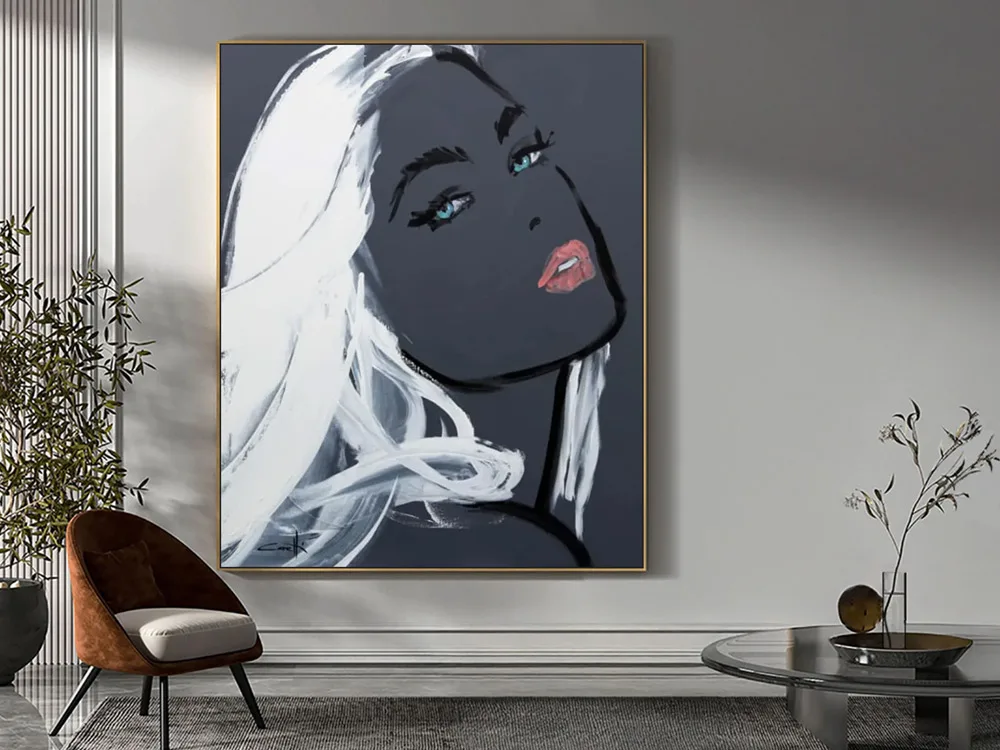
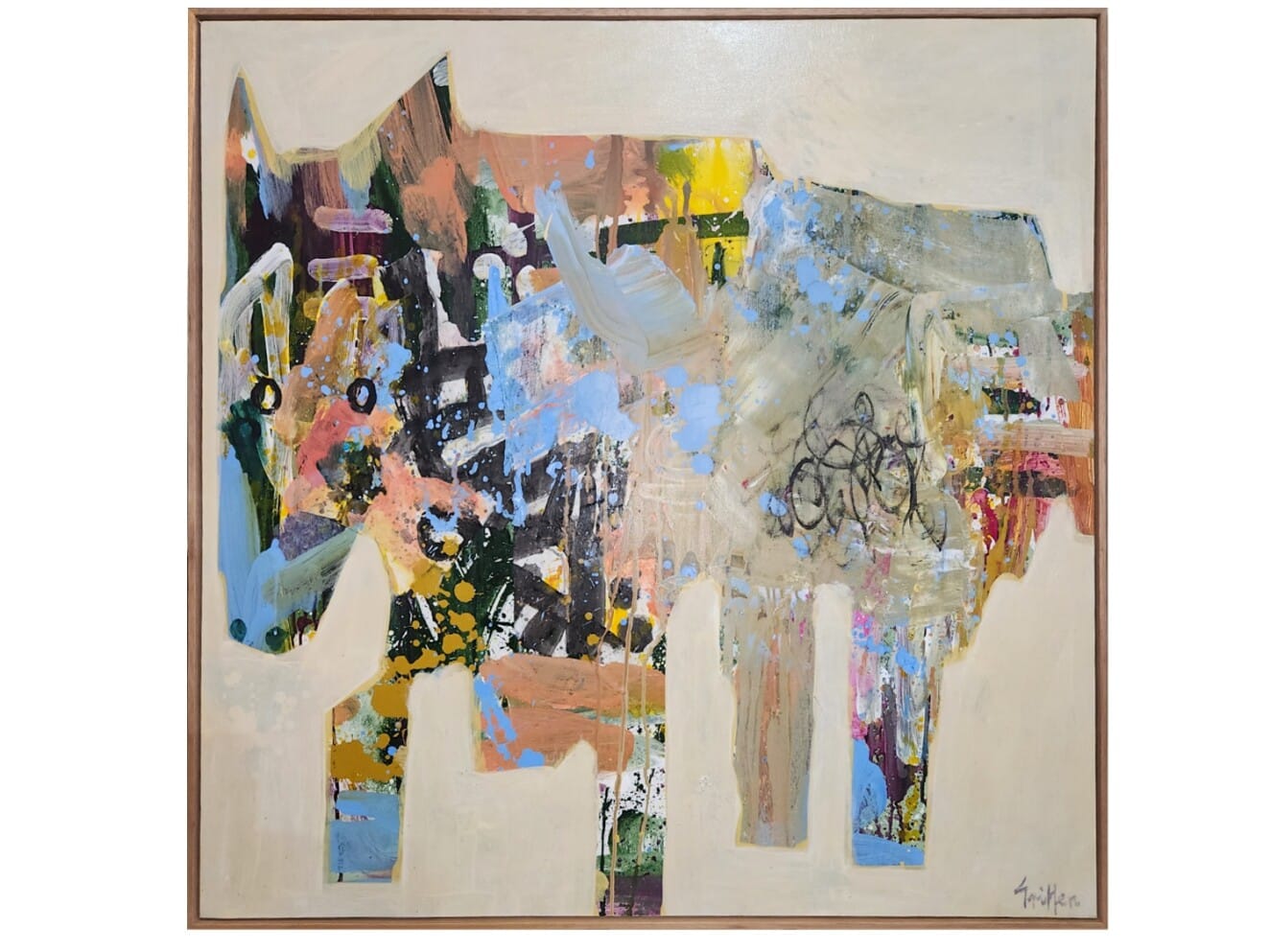
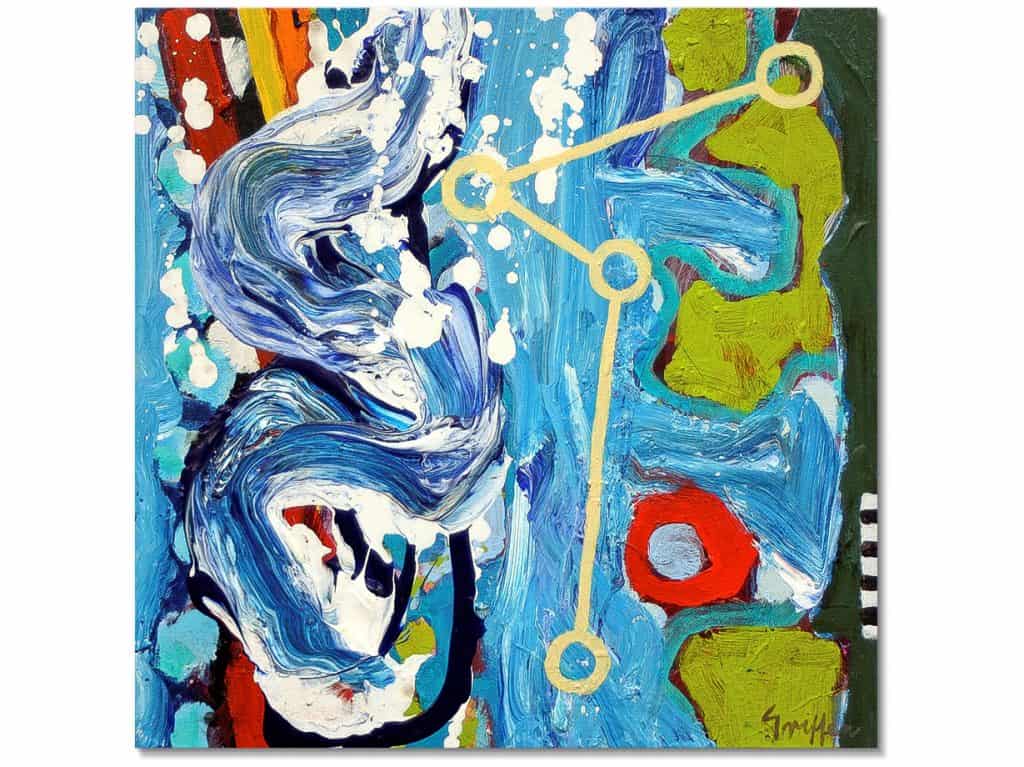
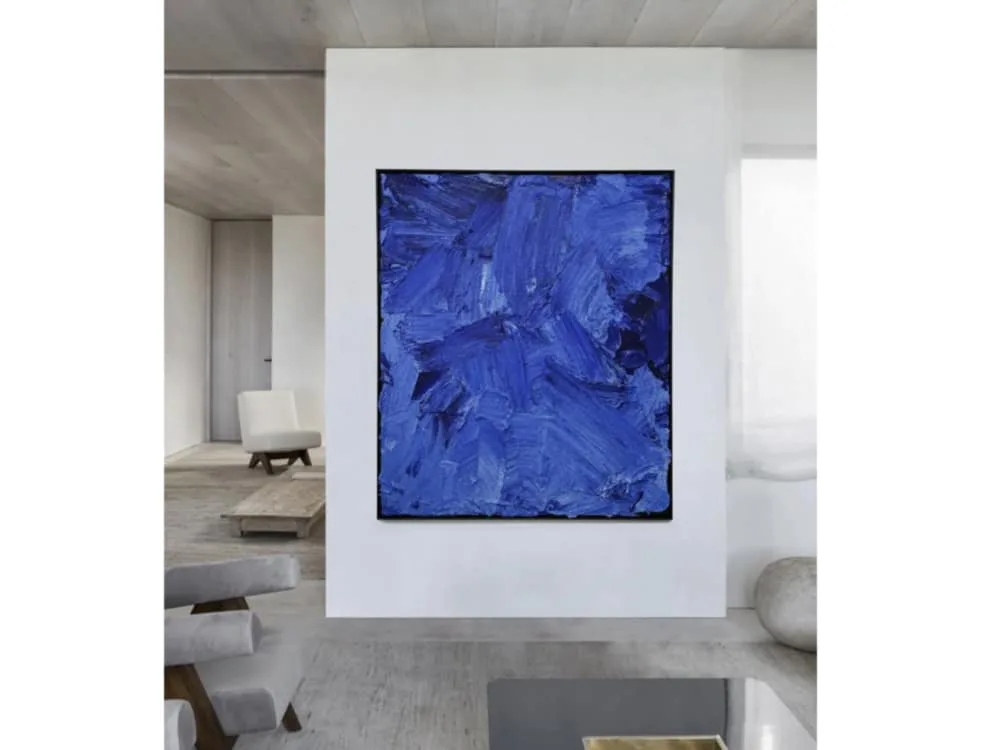
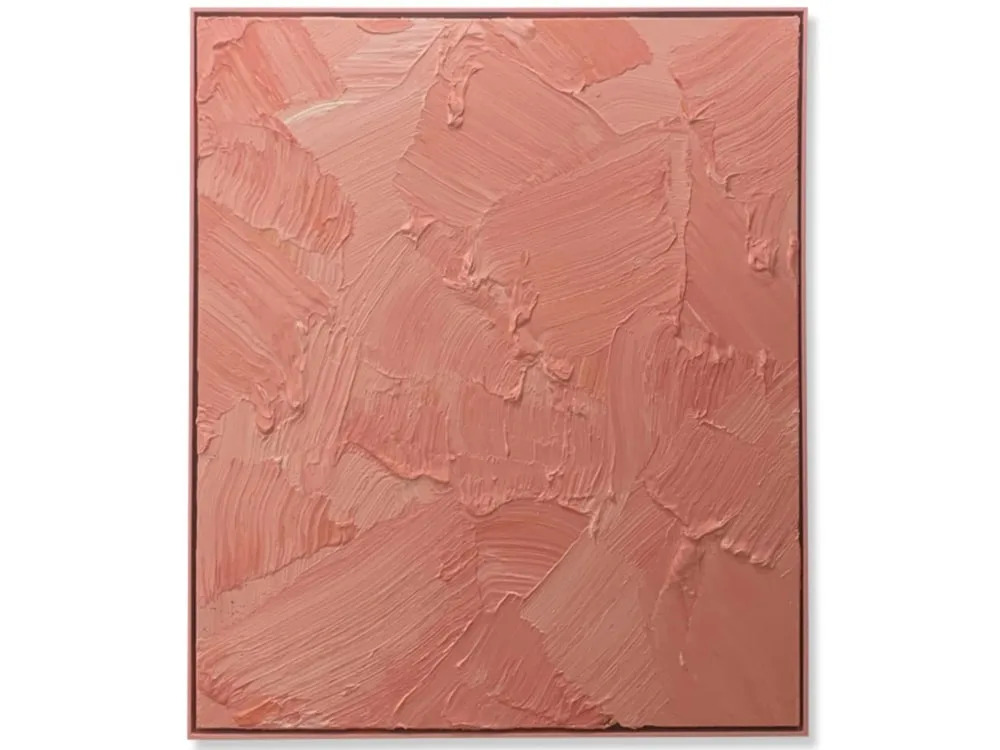
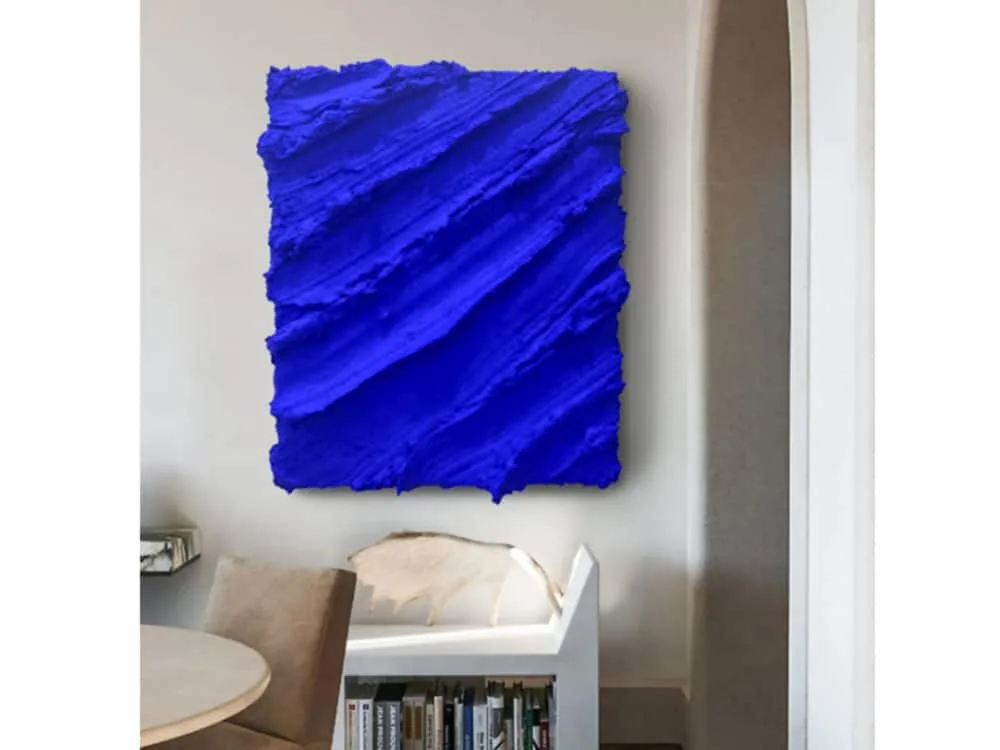
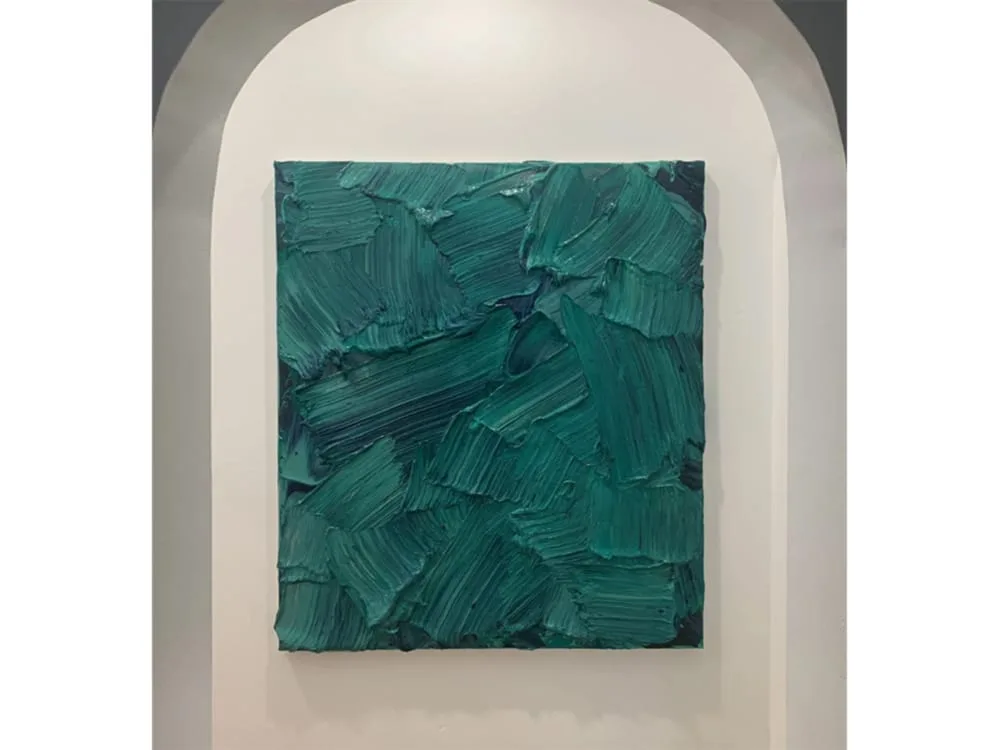
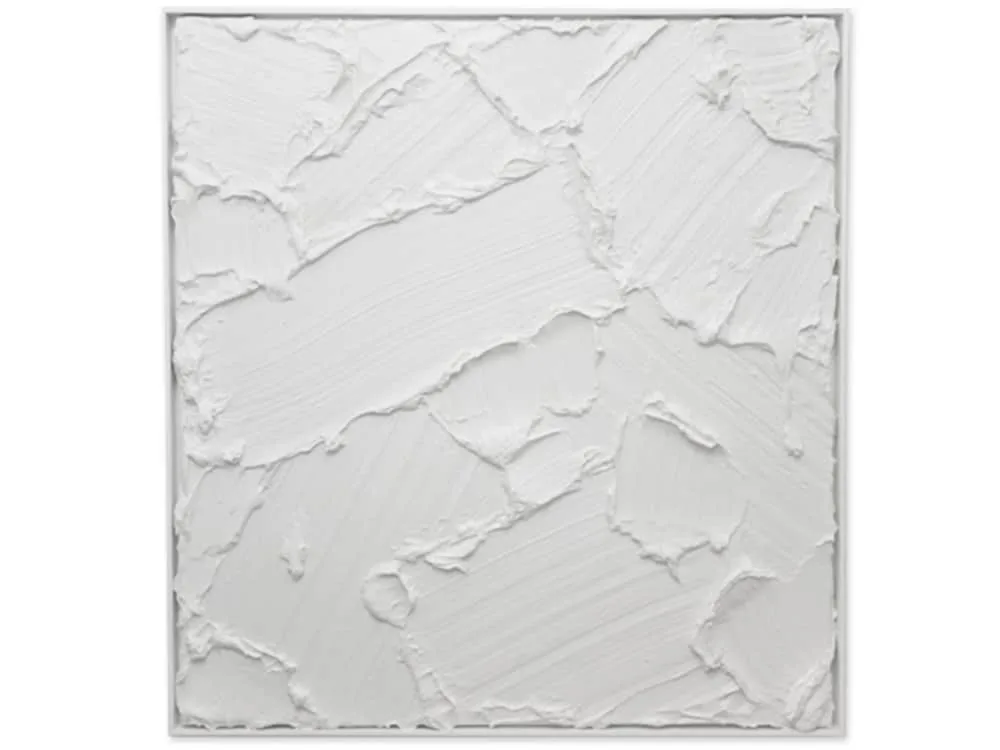
On the painting side: Conchita Carambano, whose textured abstraction has been refined across four decades; James Willebrant, five decades of the Australian eastern seaboard, with prints held in the NGV and the Art Gallery of NSW; Phil Stallard on the Hawkesbury and Sydney’s waterways; Yosi Messiah, Peter Griffen, Michael Whitehead, Gino Campagnaro, Geoff Coleman, Alison Mitchell and Amanda Ketterer.
On the sculpture side: Sonia Payes, winner of the McClelland Achievement Prize, with permanent public work in Western Australia and a solo exhibition behind her at Shanghai’s Urban Planning Exhibition Centre; David McCracken, exhibited at Sculpture by the Sea; Mela Cooke in bronze; Lucas Guilbert in carved timber; and Greg Johns in corten steel.
Buy contemporary Australian art in Sydney
Australian contemporary art in Sydney runs from major institutions like the Art Gallery of New South Wales down to small commercial galleries showing one or two artists at a time. SOHO Galleries sits in the middle of that range. We’re not large enough to mount museum surveys, but we carry enough depth across painting and sculpture that most collectors find more than one artist worth following.
If you’re new to buying Australian art in Sydney, start with a few artists rather than trying to take in the whole collection at once. Click through to a couple of pages, look at how a single artist’s work changes across a few paintings or pieces, and see what holds your attention longer than the first glance. That’s usually a better filter than price or size.
Our gallery in Woollahra, Sydney carries a rotating selection of the artists listed here. We try to keep the site up to date, but what’s in the gallery isn’t always online yet — call ahead if you’re after a specific artist or piece and we’ll let you know where to find it.
Australian Artists FAQ
What is Australian contemporary art? Painting, sculpture and mixed-media work by living and recent Australian artists, spanning figurative, abstract and Indigenous traditions. It’s distinct from the historical “Australian art” of the colonial and Heidelberg School periods, though contemporary artists often work in dialogue with that history.
Who are the most famous Australian artists? Depends on the era. From the Heidelberg School: Tom Roberts, Arthur Streeton, Frederick McCubbin. Among modernists: Margaret Preston, Sidney Nolan, Russell Drysdale. Post-war and contemporary: Brett Whiteley, John Olsen, Charles Blackman. In Aboriginal art, Albert Namatjira and Emily Kame Kngwarreye are the names most often cited as founding figures.
Who are the most significant Aboriginal artists in Australian art history? Albert Namatjira, who founded the Hermannsburg School; Emily Kame Kngwarreye, whose Utopia-period canvases are among the most admired bodies of work in Australian art; Minnie Pwerle, Clifford Possum Tjapaltjarri and Rover Thomas are the other names most often named alongside them.
Which Australian artists does SOHO Galleries represent? On the painting side, artists including Conchita Carambano, James Willebrant, Phil Stallard, Yosi Messiah and Gino Campagnaro. On the sculpture side, Sonia Payes, David McCracken, Mela Cooke, Lucas Guilbert and Greg Johns, among others. The full roster is browsable above by name.
Where can I buy original Australian art in Sydney? SOHO Galleries, in Woollahra, has been a Sydney destination for original Australian art and sculpture for more than 35 years, with pieces available online and through the gallery.
What is contemporary Australian art? Contemporary, in this context, usually means work made from the late 20th century onward — but the more useful boundary is generational rather than strict dates. It spans painting, sculpture and mixed media, and much of it engages with identity, place and landscape without settling into a single style.
Is abstract art different from contemporary art? Not a separate category — abstract is one approach within contemporary practice, distinguished by what it leaves out rather than what it depicts. It works through colour, form and composition instead of a recognisable subject.
Can I view or trial artwork before buying? Yes. Local (Sydney) home trials are available, and we’d rather you saw a piece in the room it’s going into than decide from a listing. Gallery viewings can be arranged directly.