

Australian Sculptors
SOHO Galleries represents a group of established and emerging Australian sculptors working primarily in bronze, stainless steel, and other cast or fabricated metal. Some pieces are cast through traditional foundry processes. Others are welded and fabricated by hand. A few sculptors do both, depending on the piece. Browse the collection below to see current work and read about each sculptor’s practice. Many pieces here suit outdoor placement, gardens, courtyards, coastal sites, as well as interior display, and several of our sculptors take private and architectural commissions. We’re SOHO Galleries Sydney, Woollahra, with a rotating selection on permanent display.
Last updated: 14 August 2026
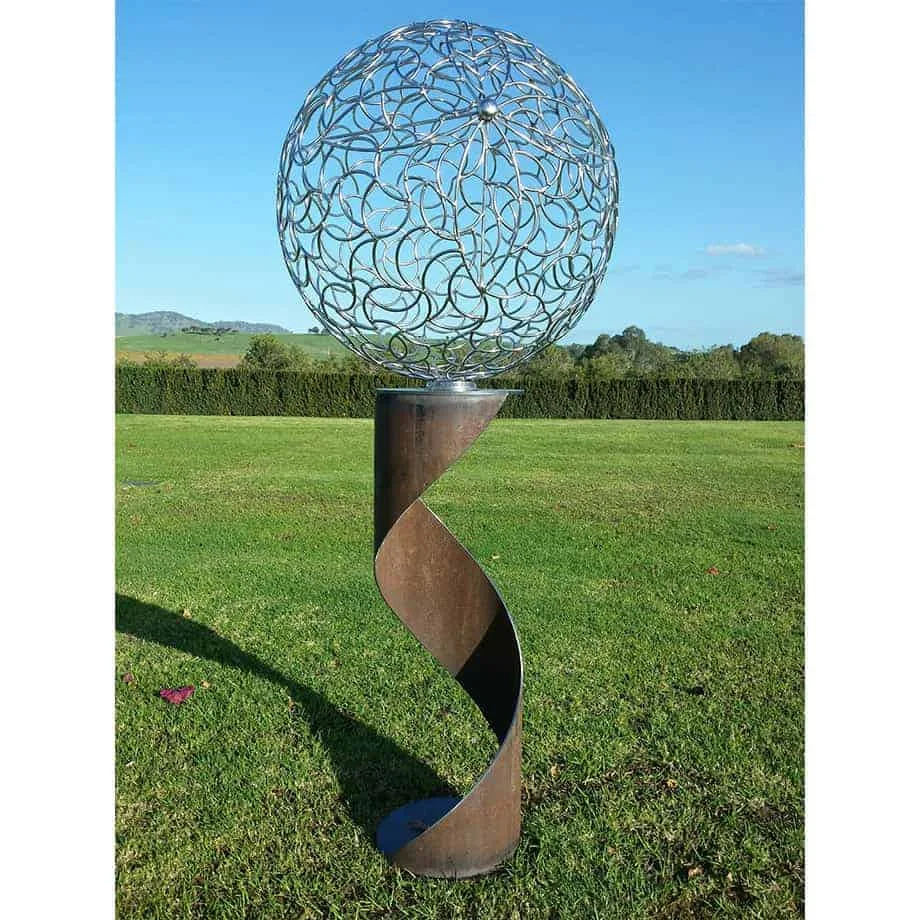
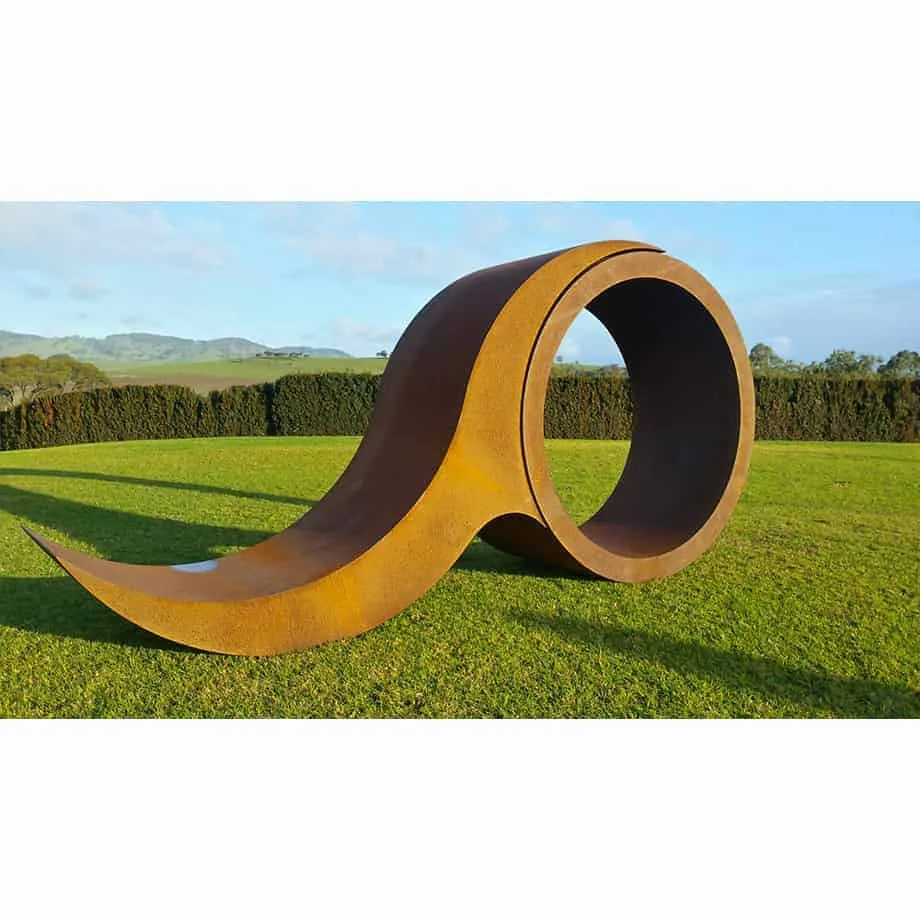
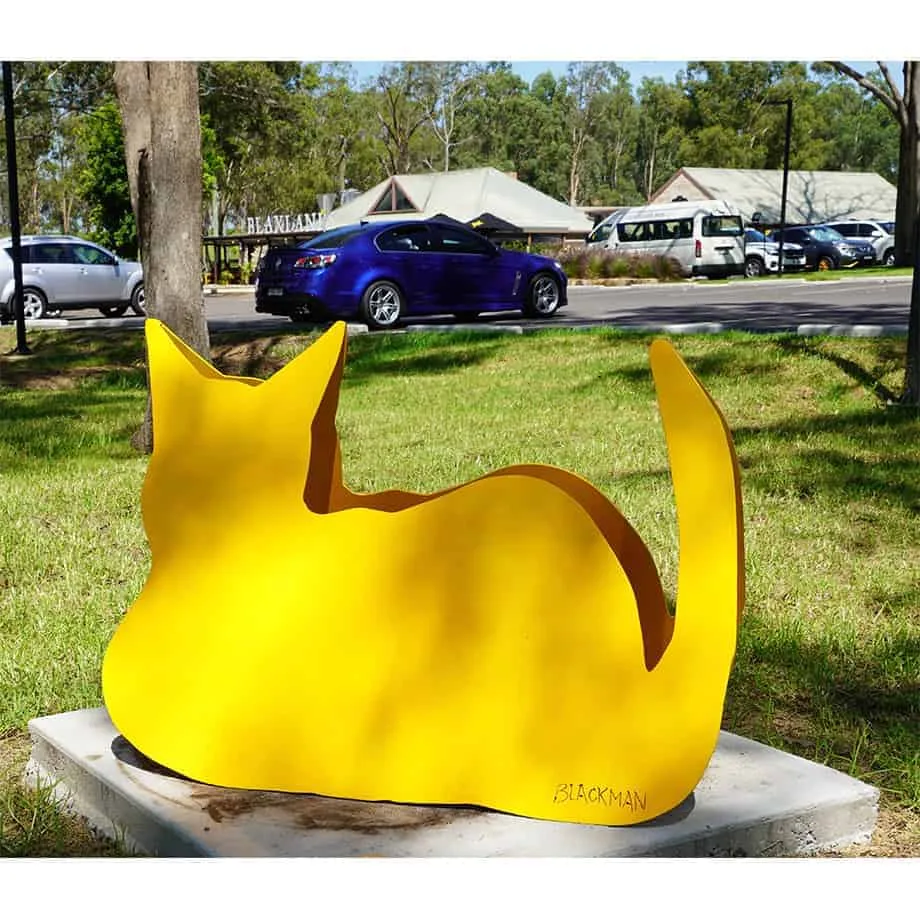
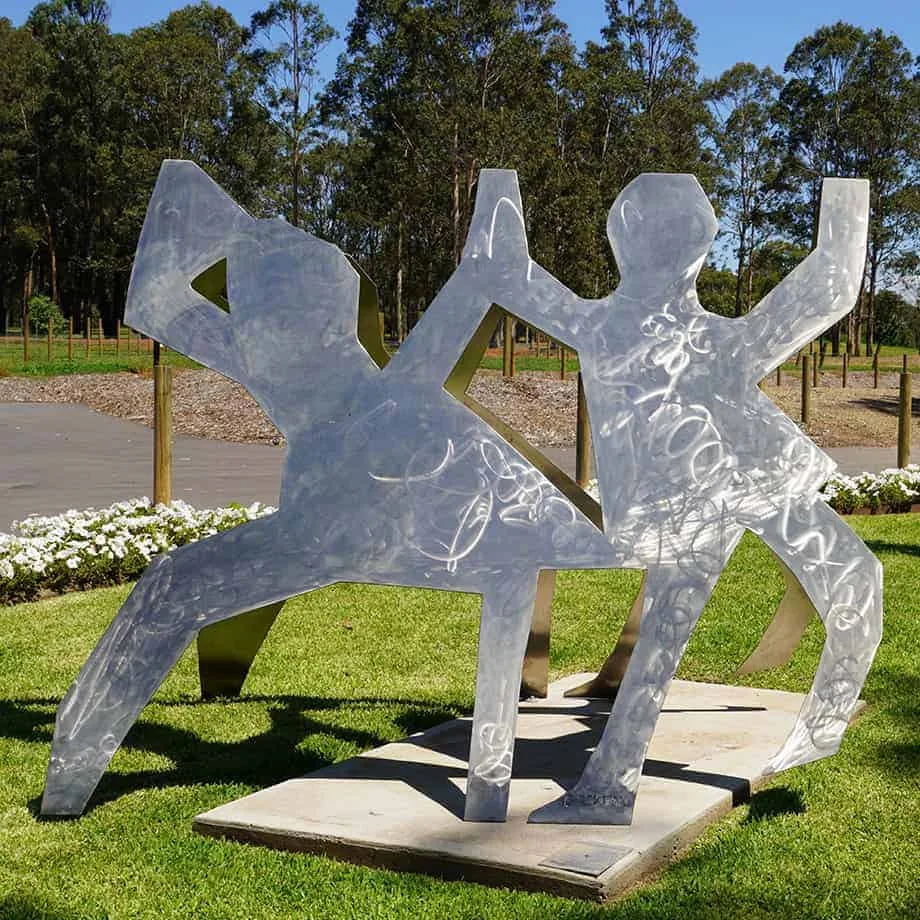
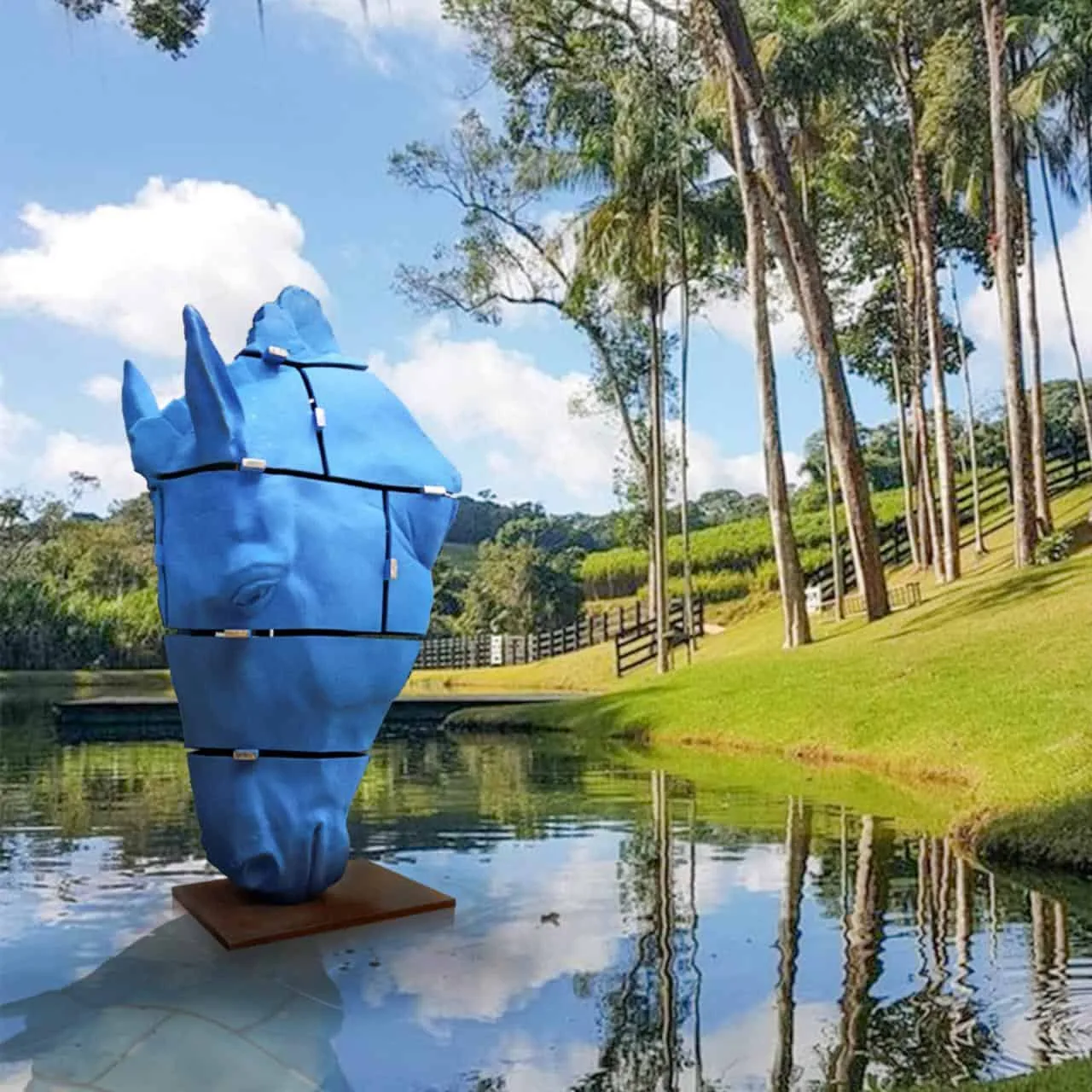
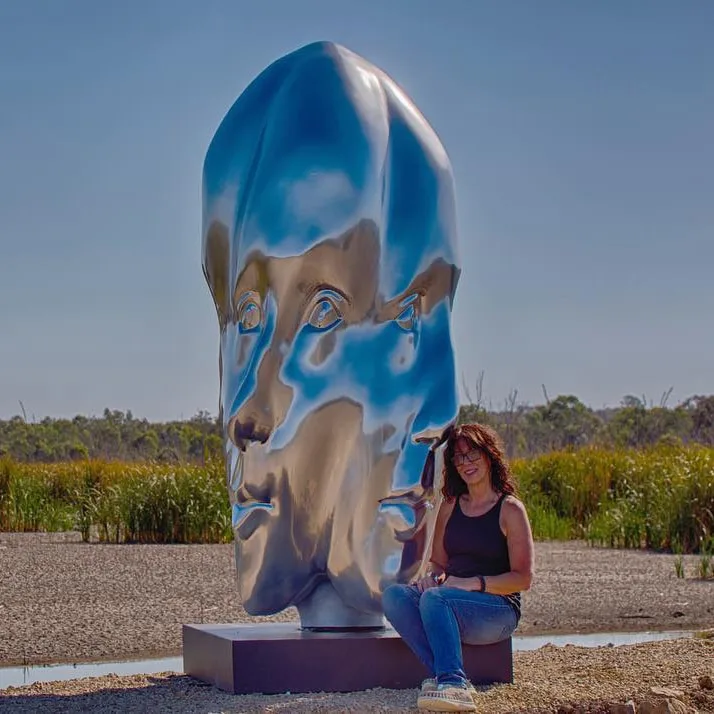
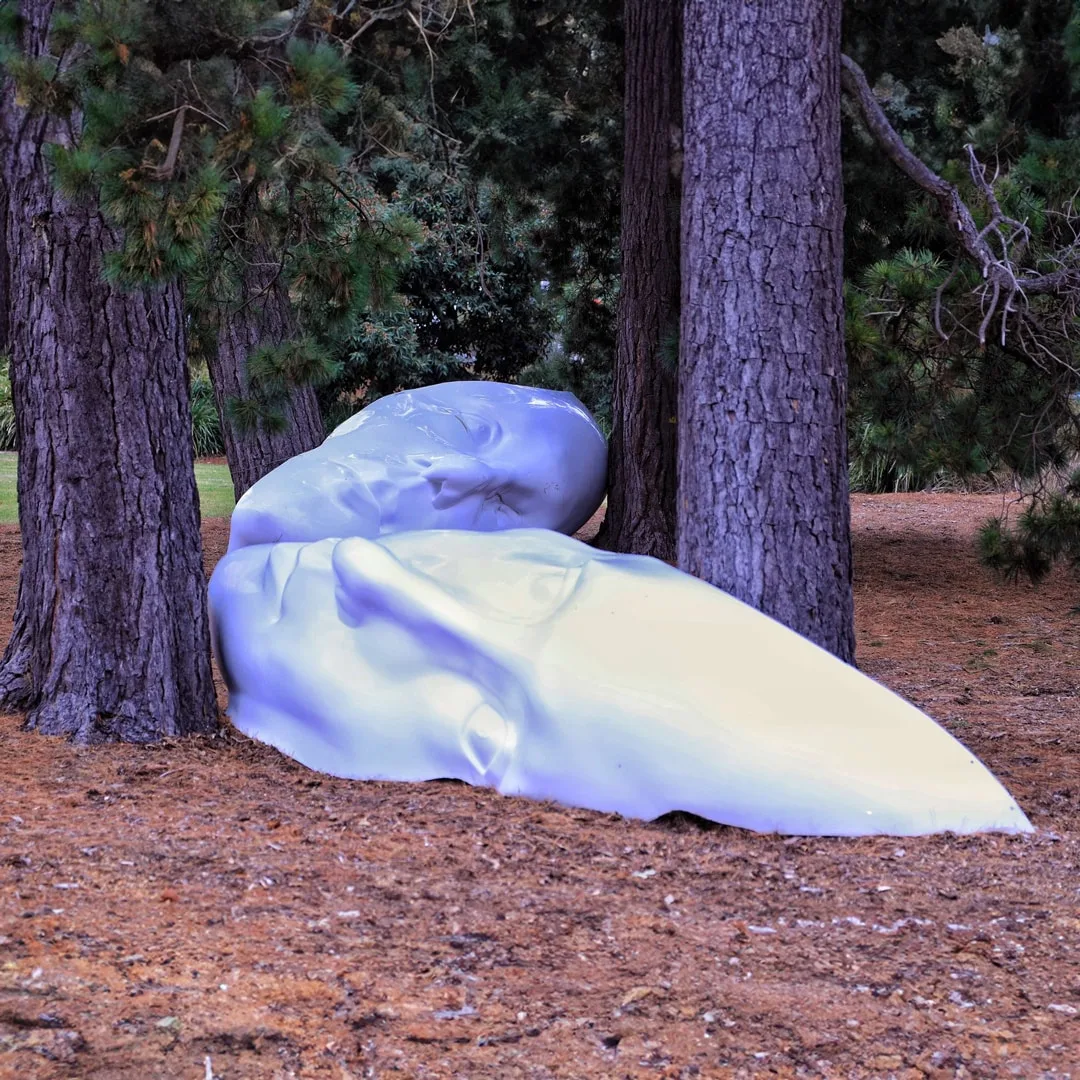
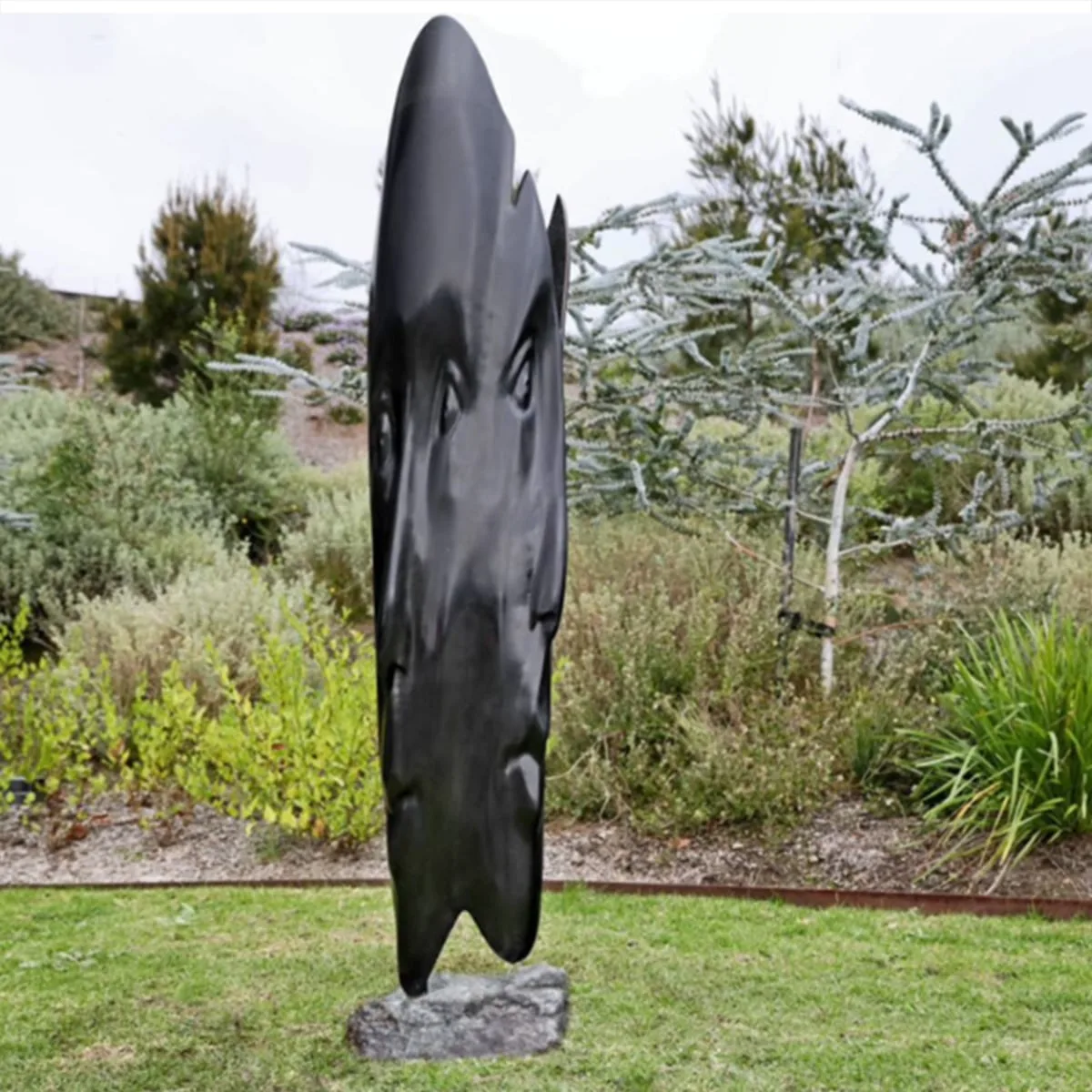
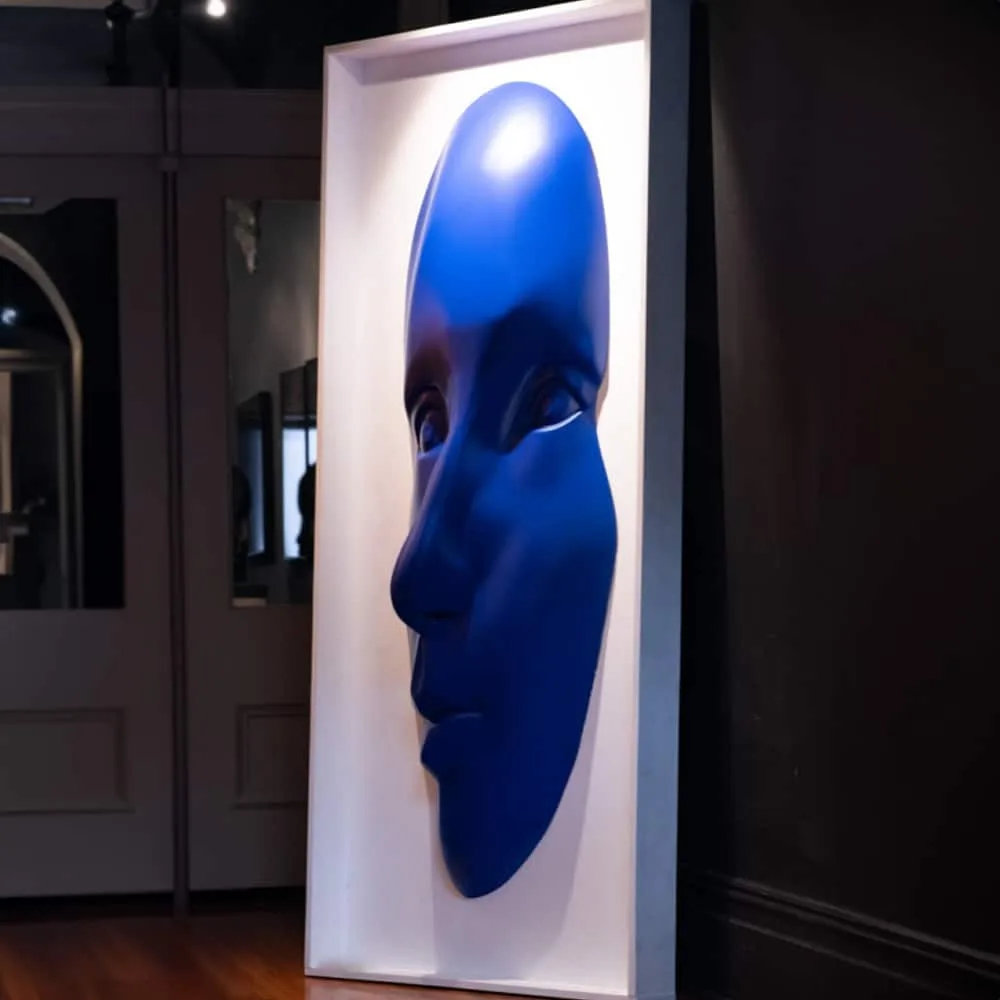
![Visage [limited 2/9] - 200x160cm](https://www.sohogalleries.net/wp-content/uploads/2021/01/Visage-2of9-200x160cm-POWDER-COATED-STEEL-stainless-steel-Outdoor-Charles-blackman-australian-sculpture.webp "Australian Sculptors")
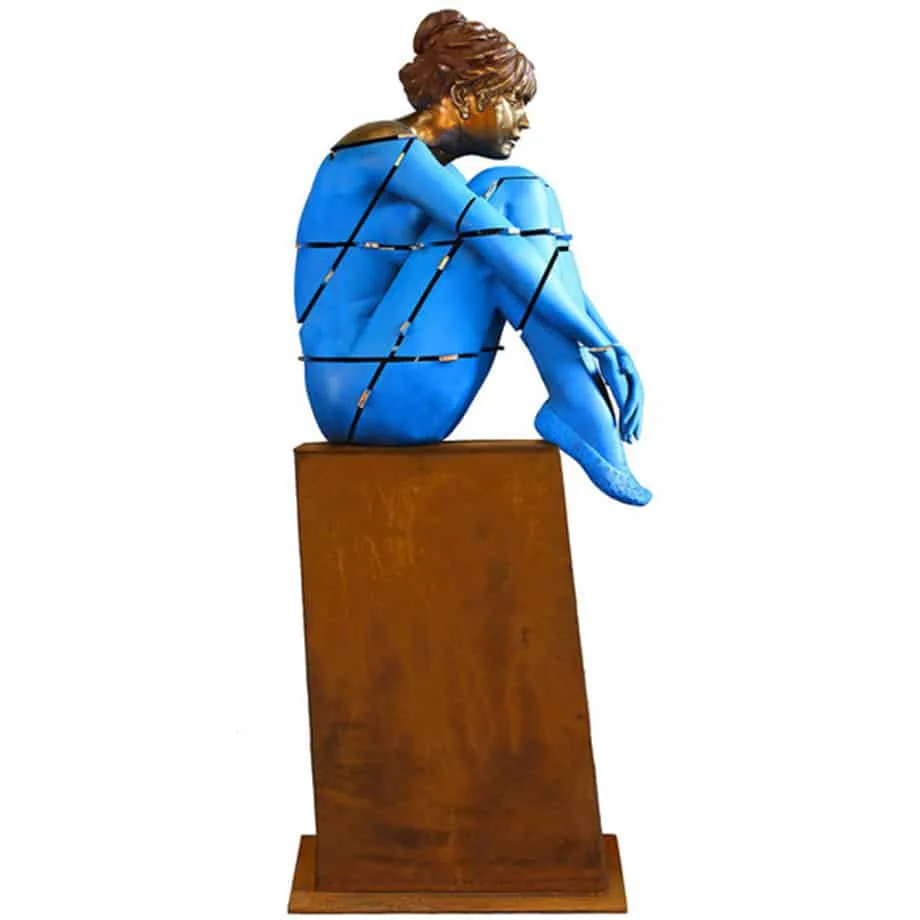
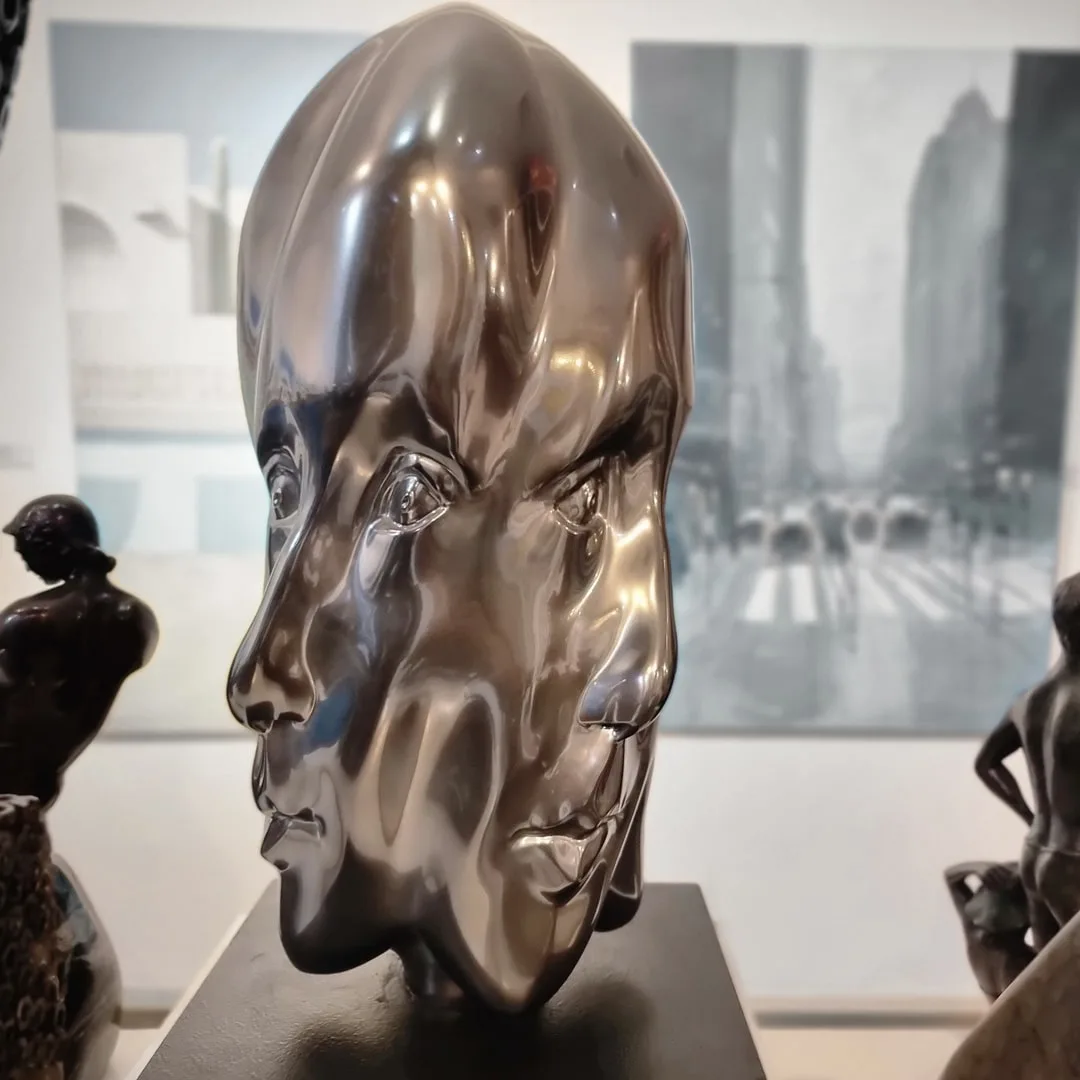
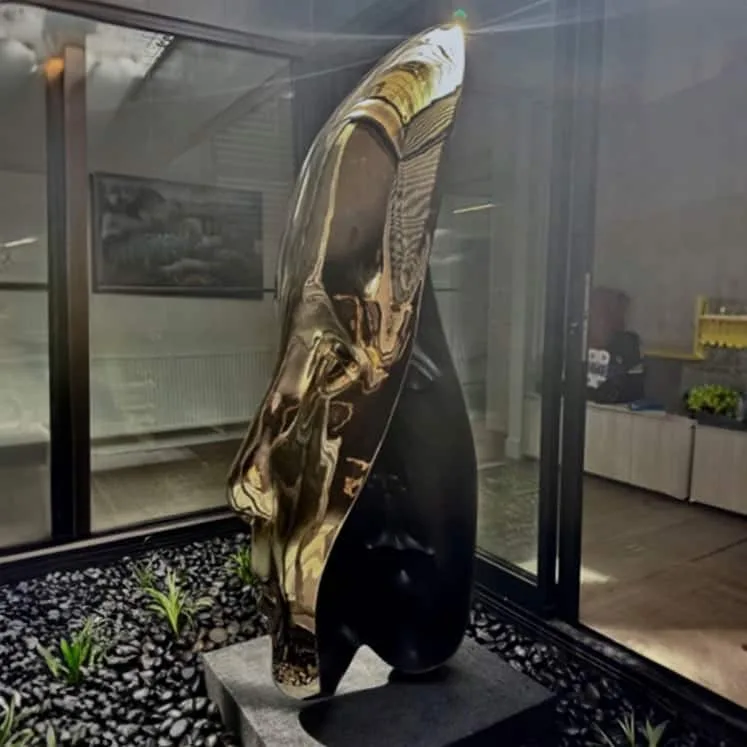
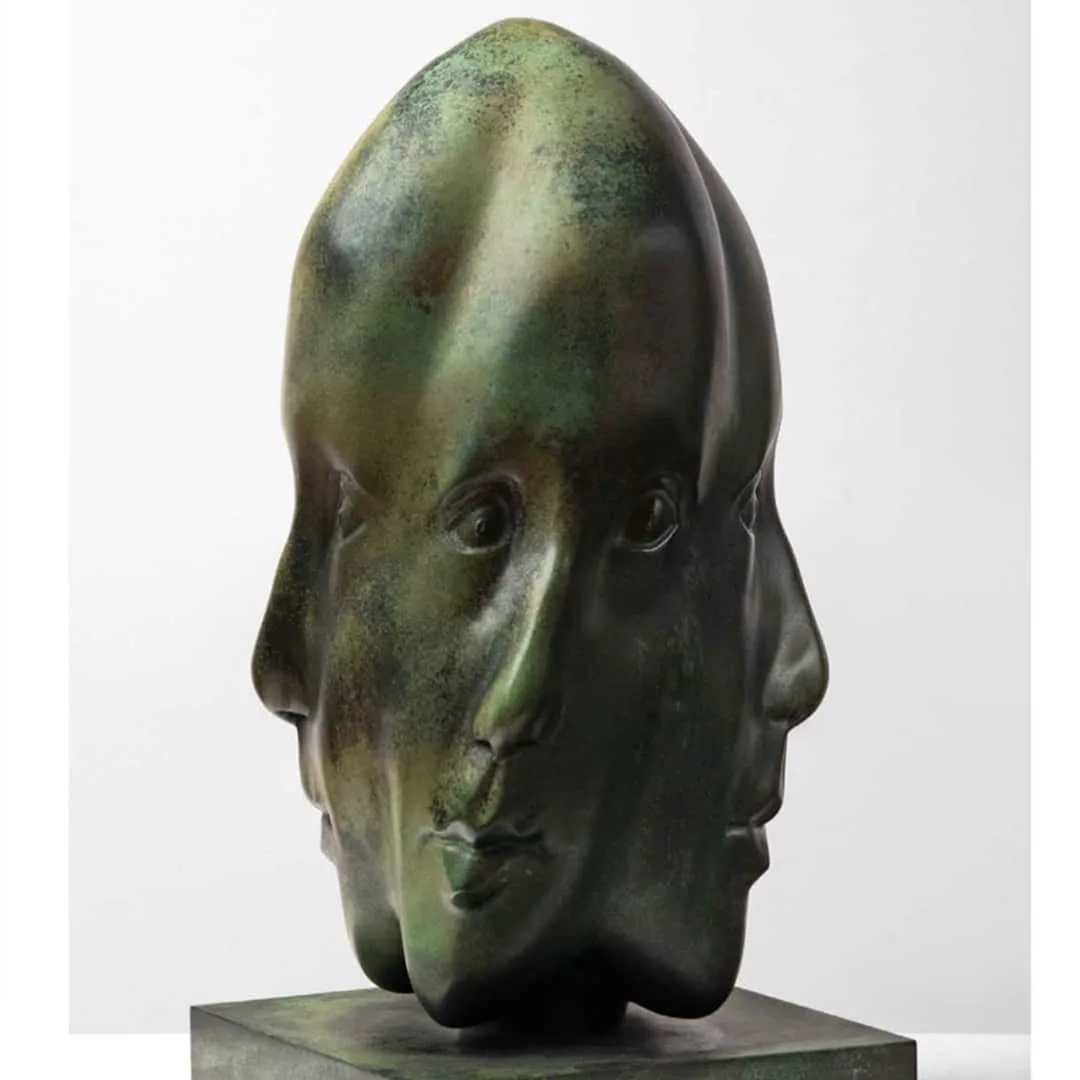
![At The Windowsill [Large] - 2m](https://www.sohogalleries.net/wp-content/uploads/2021/01/At-the-Windowsill-25x41cm-POWDER-COATED-STEEL-stainless-steel-tabletop-Charles-blackman-australian-sculpture.webp "Australian Sculptors")
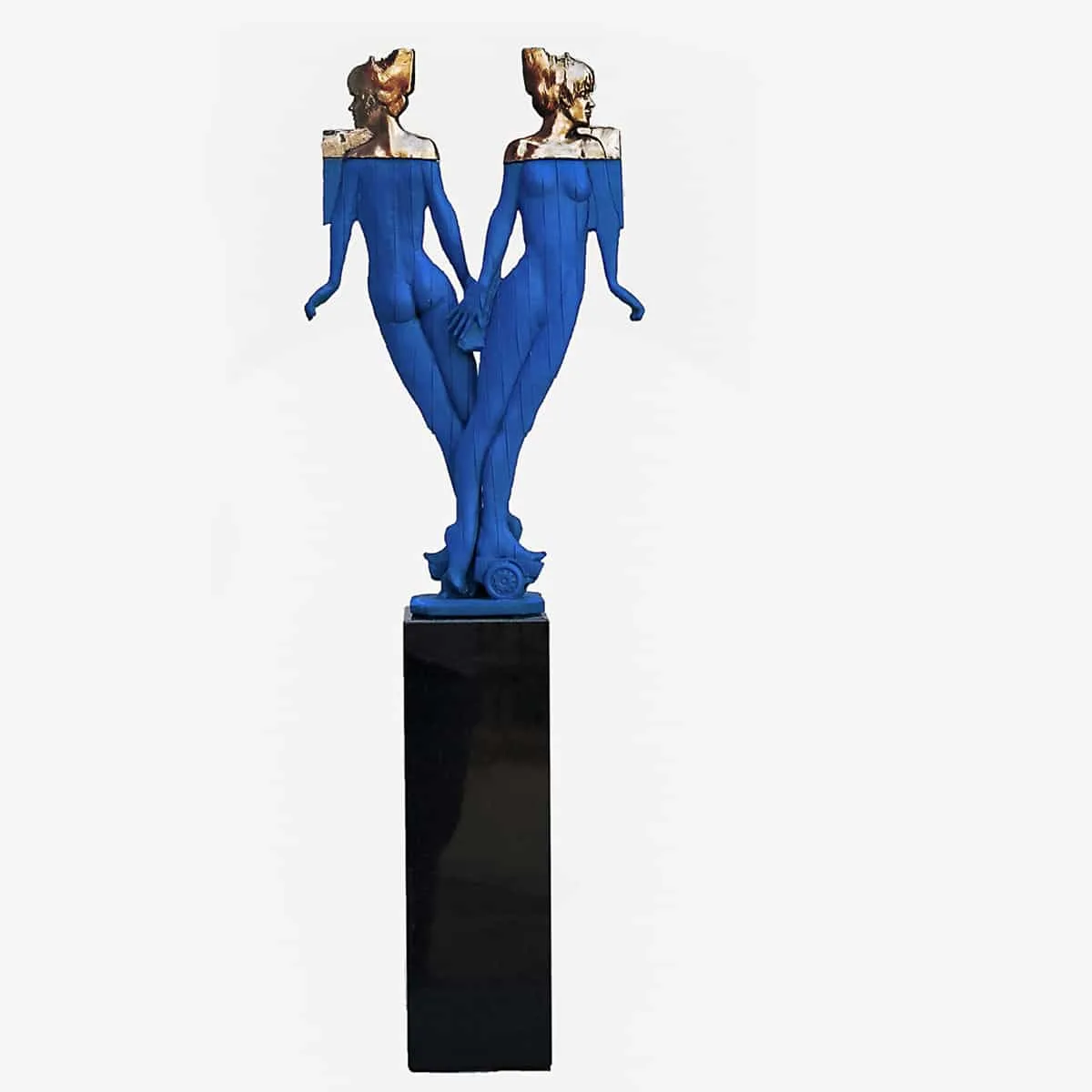
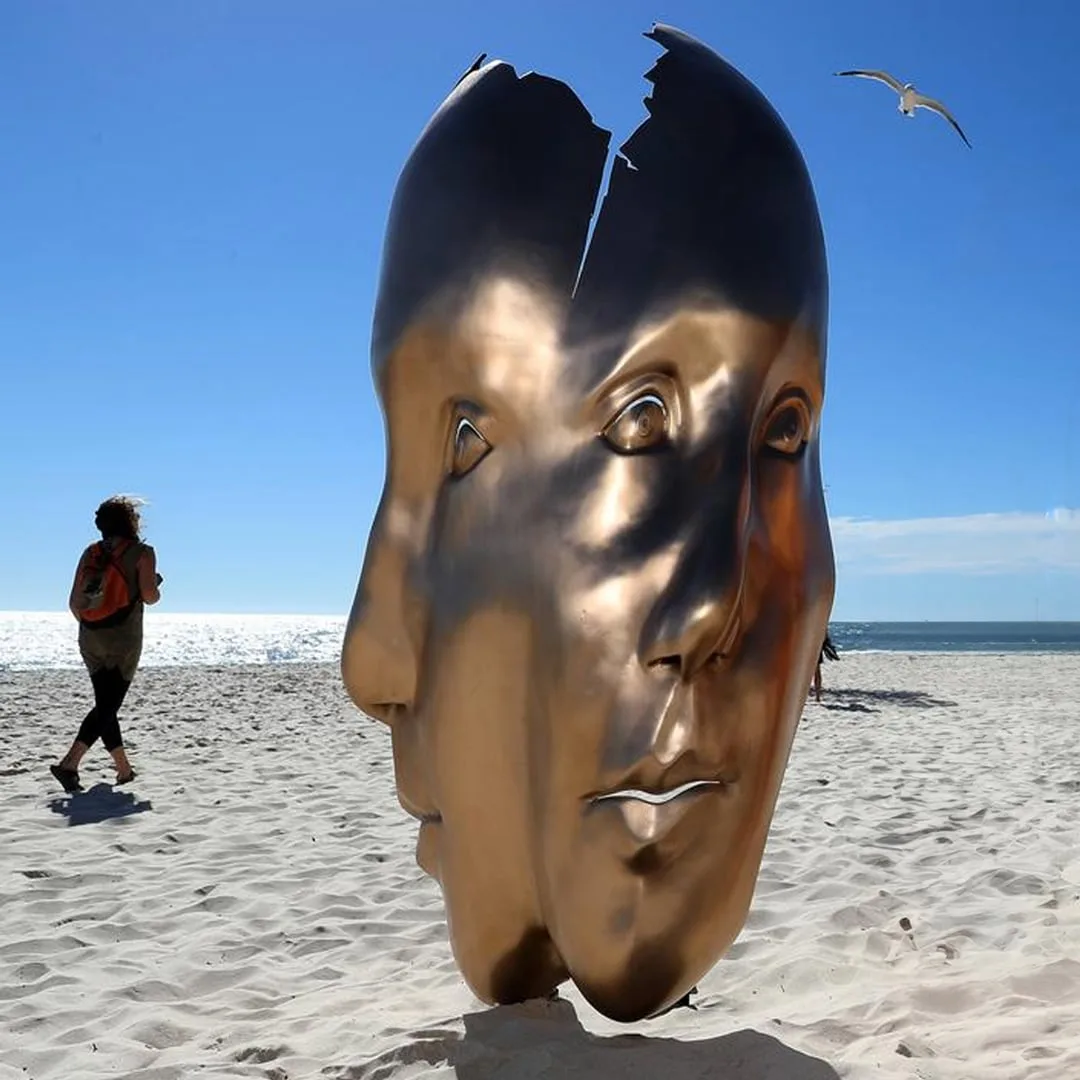
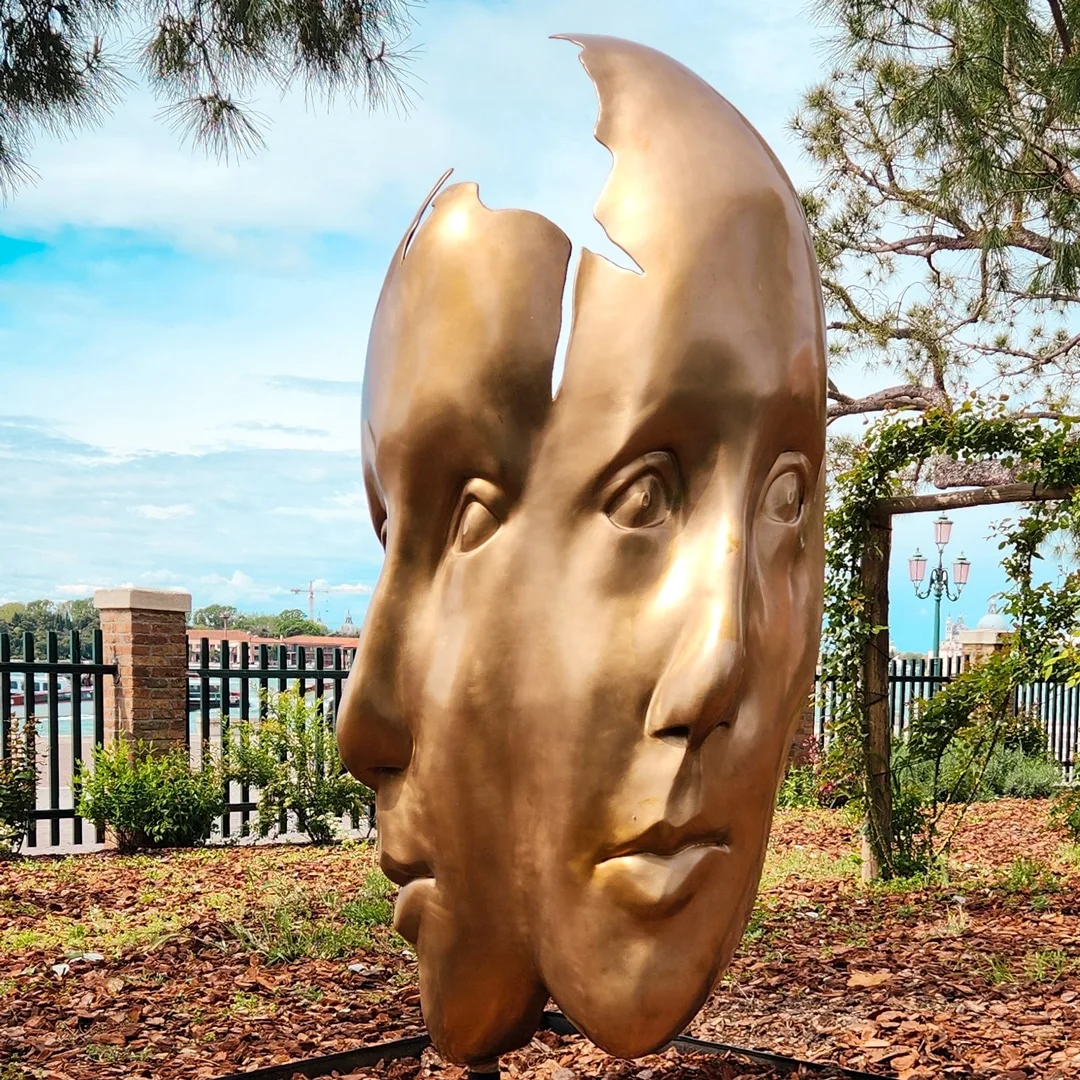
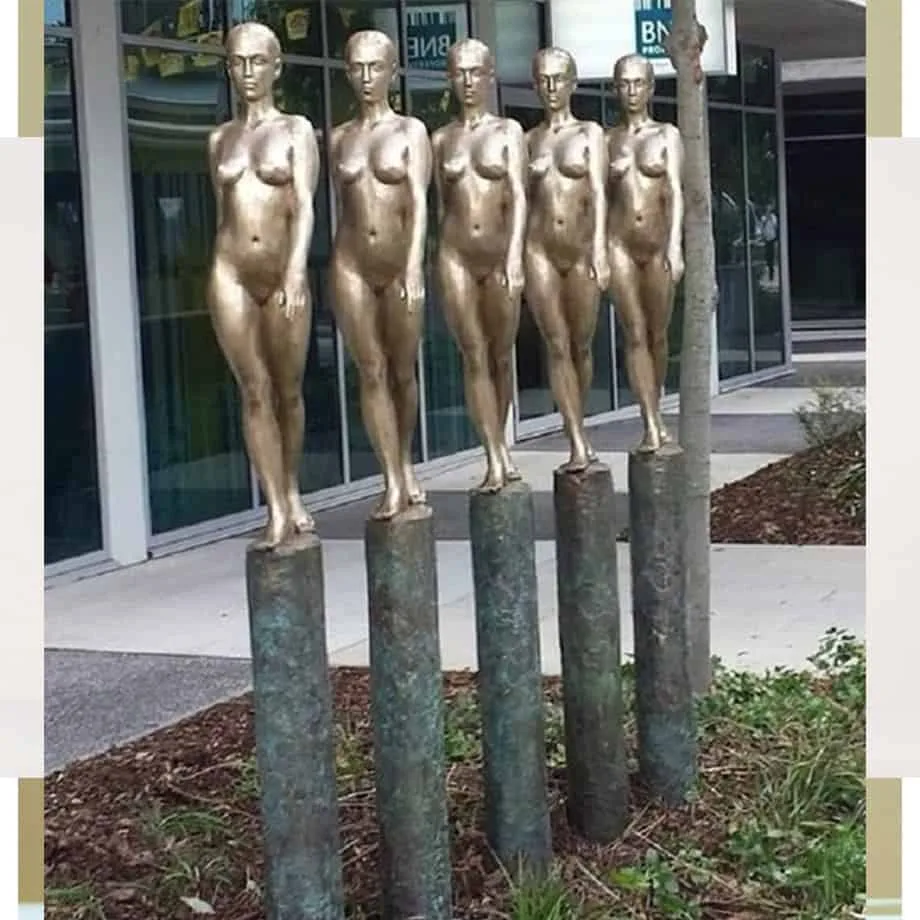
![Forever Girls [limited1/9] - 160x200cm](https://www.sohogalleries.net/wp-content/uploads/2021/01/Forever-Girls-1of9-200x160cm-POWDER-COATED-STEEL-stainless-steel-Outdoor-Charles-blackman-australian-sculpture.webp "Australian Sculptors")
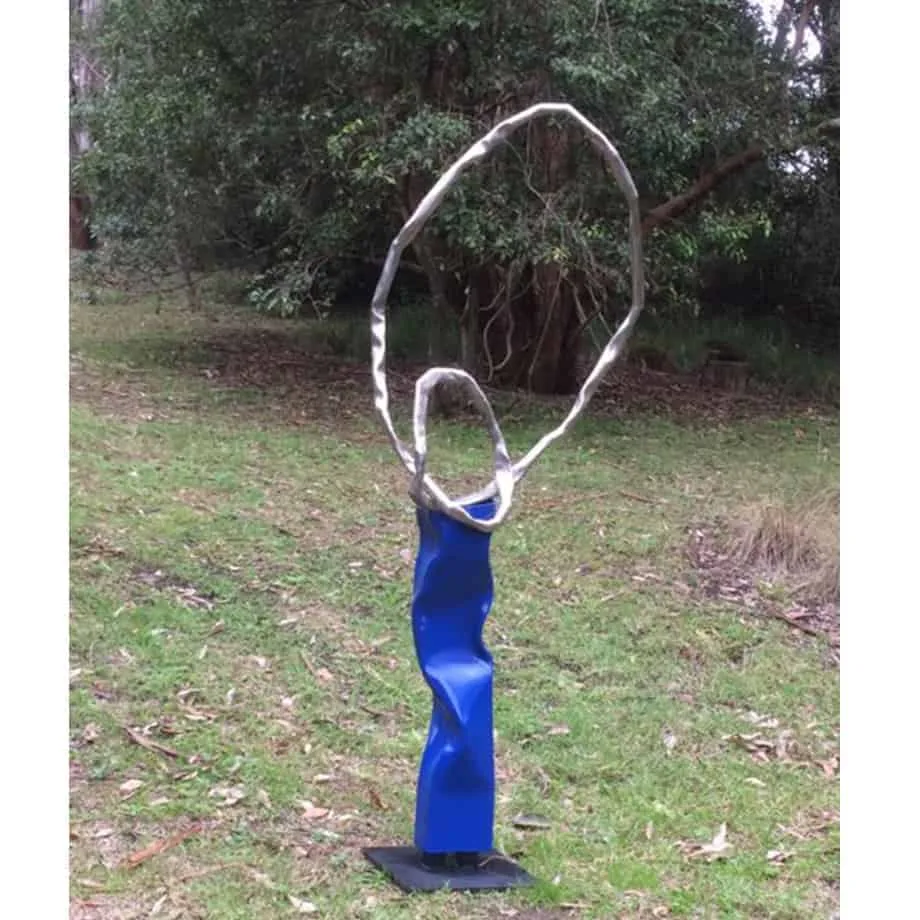

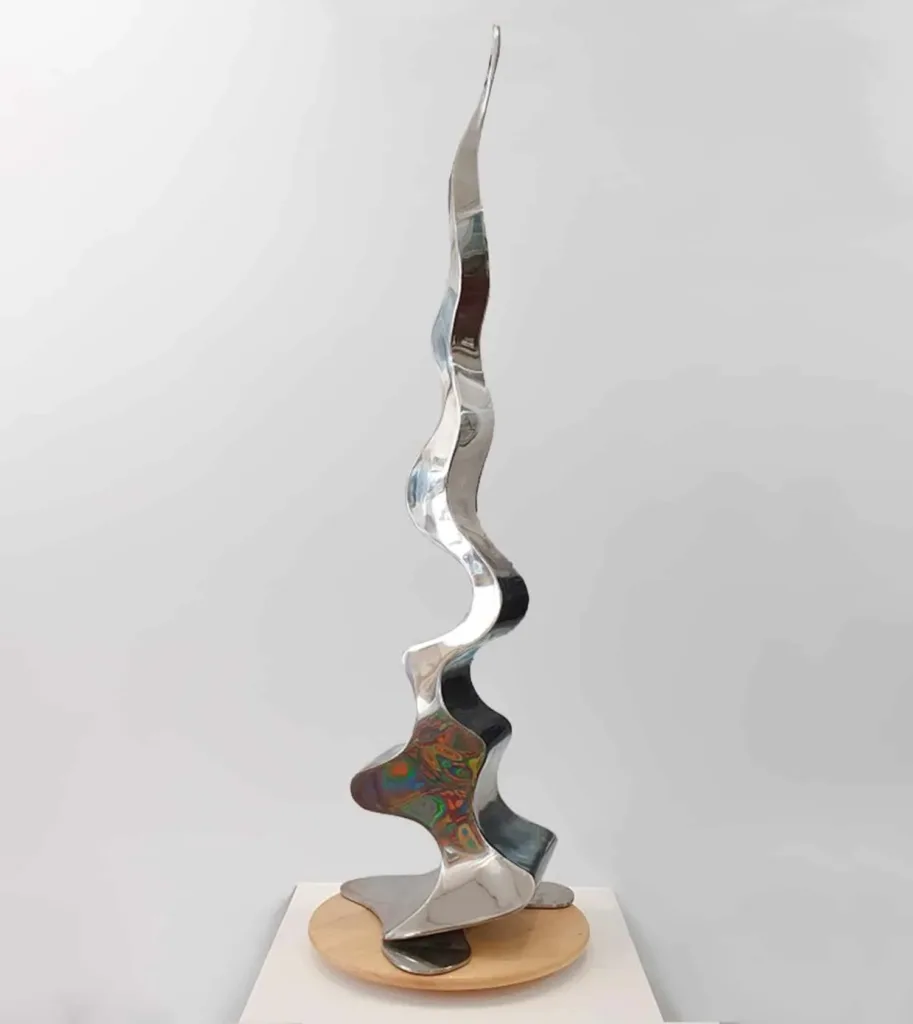
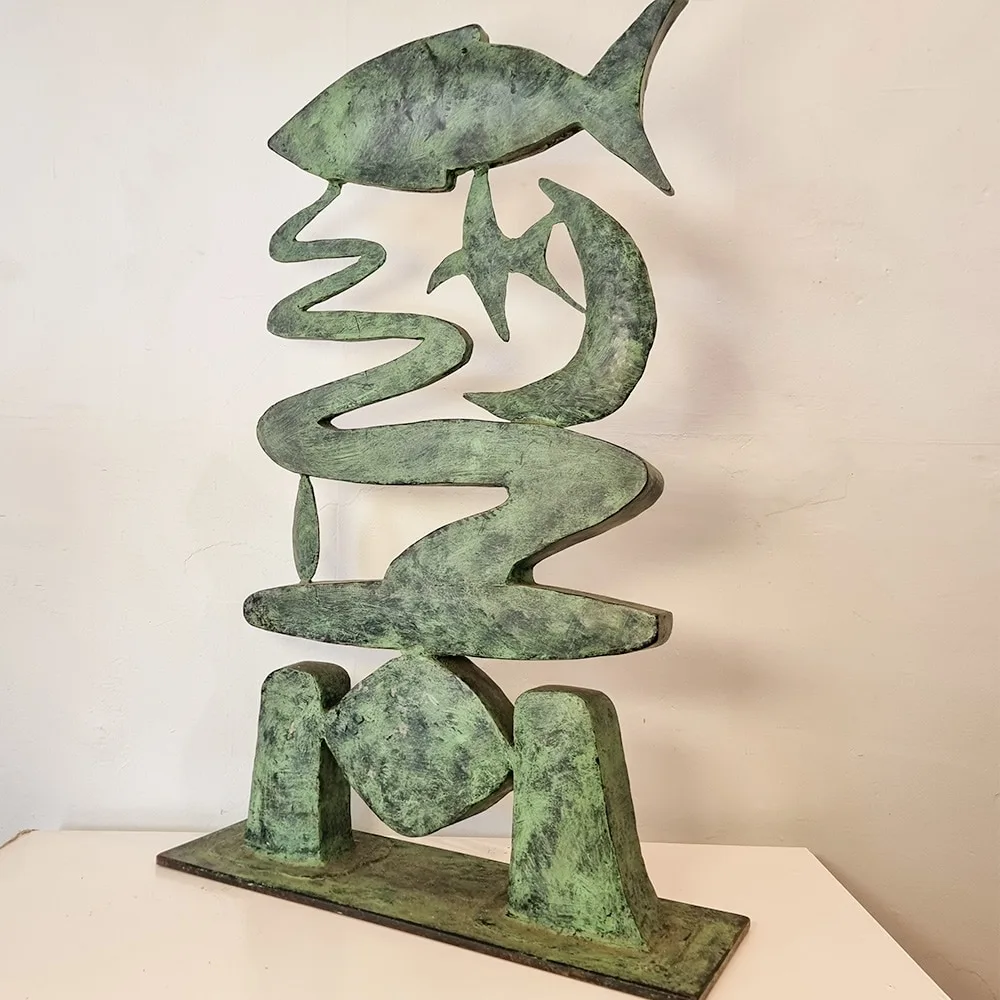
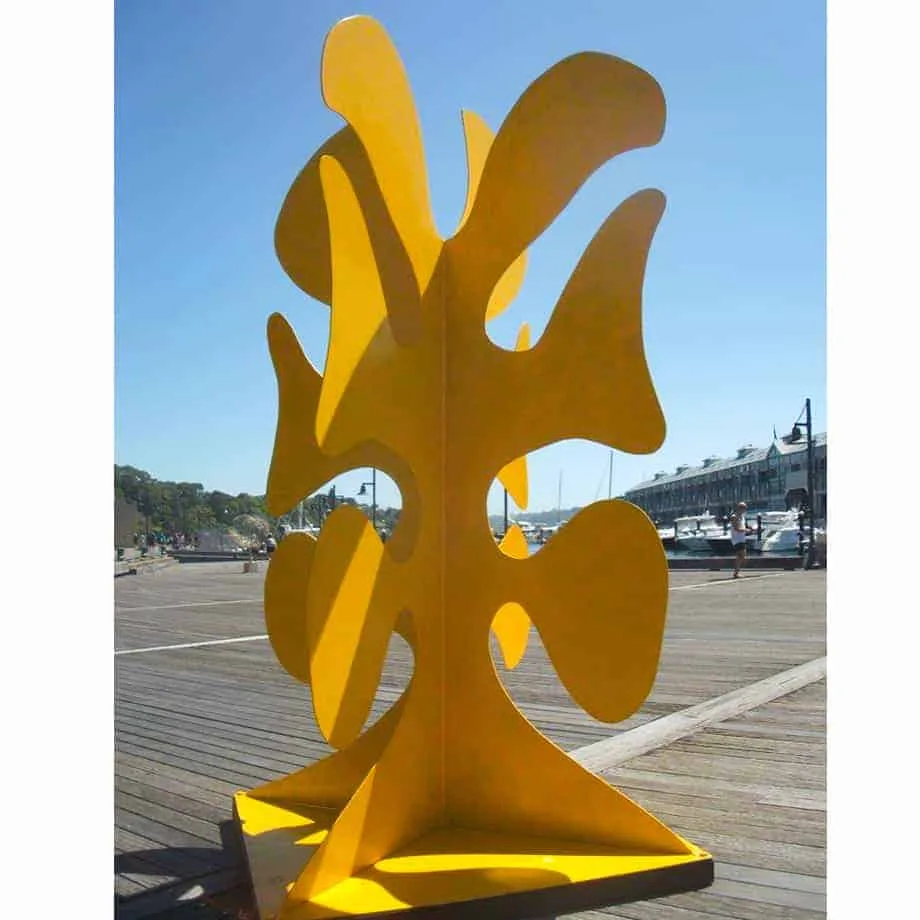
![FLOW [large]](https://www.sohogalleries.net/wp-content/uploads/2021/02/FLOW-Large-800cm-POLISHED-STAINLESS-STEEL-stainless-steellandmark-stephen-Coburn-australian-large-garden-sculpture.webp "Australian Sculptors")
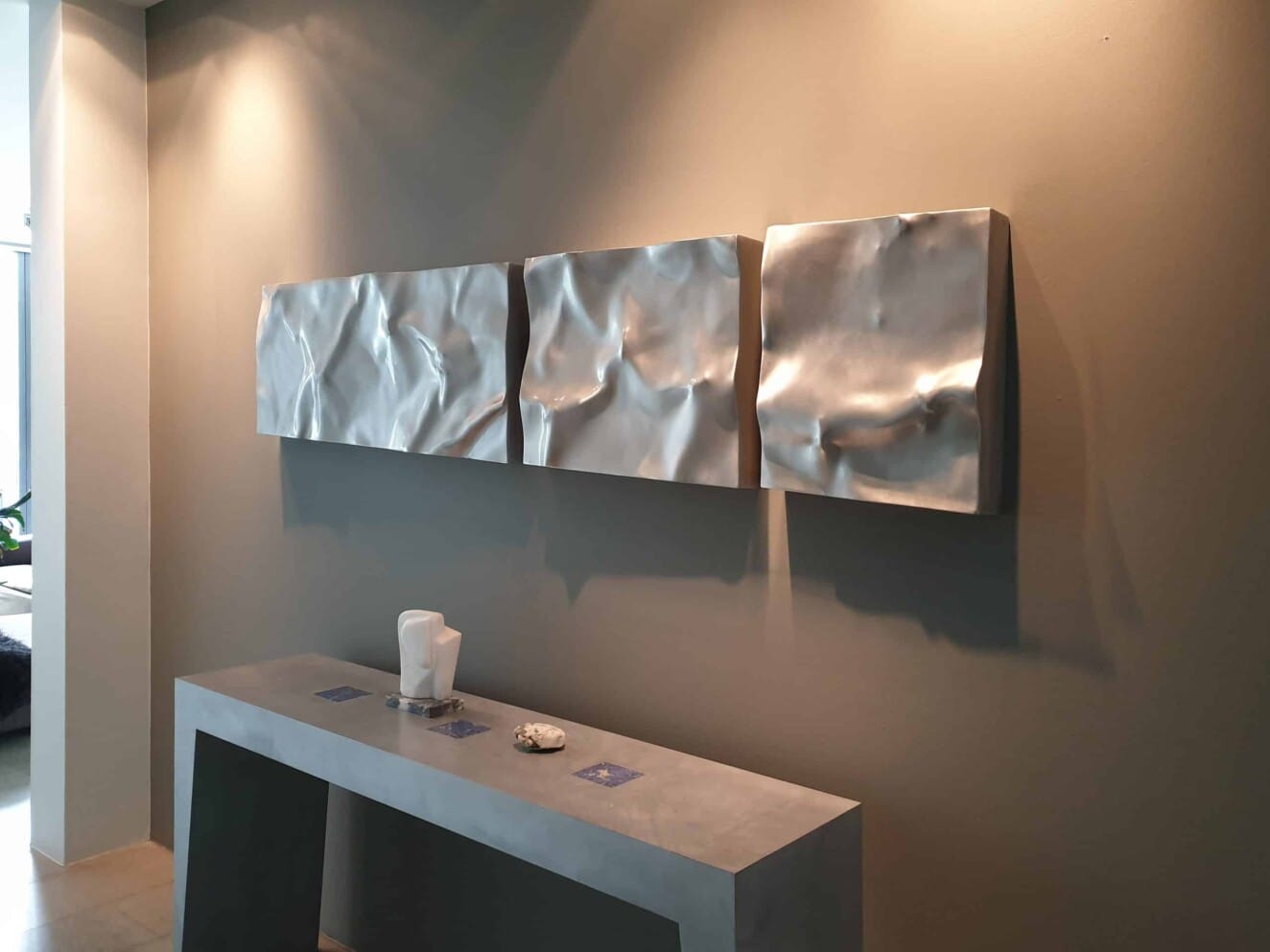
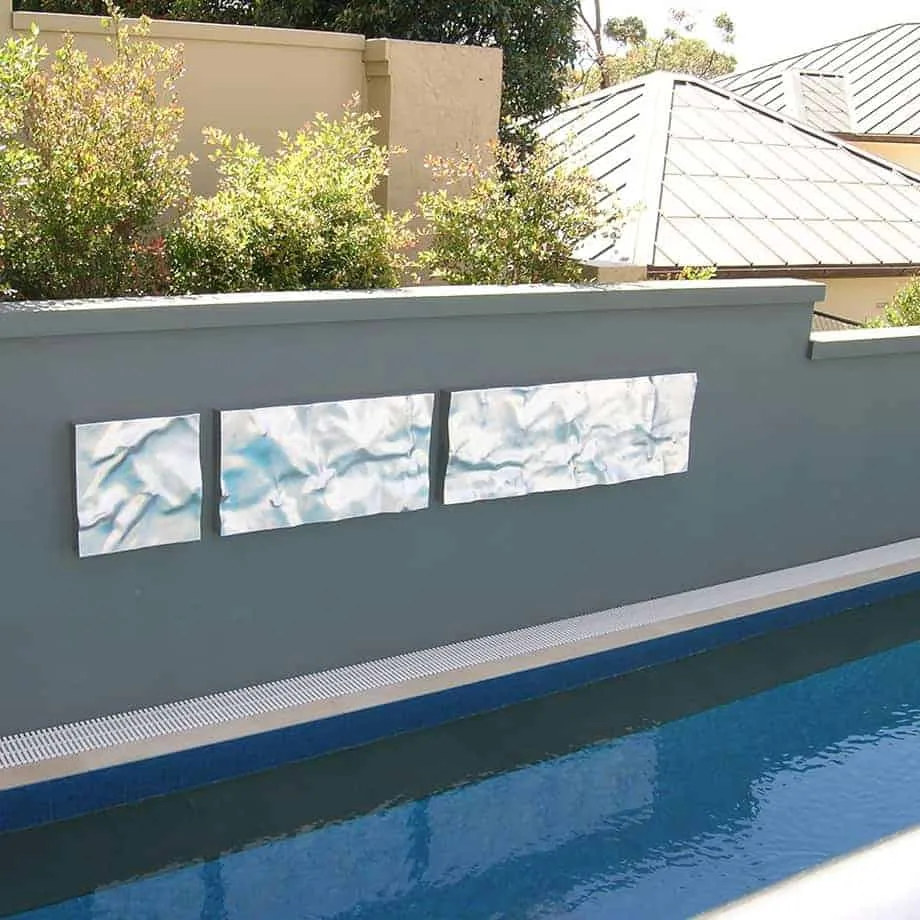
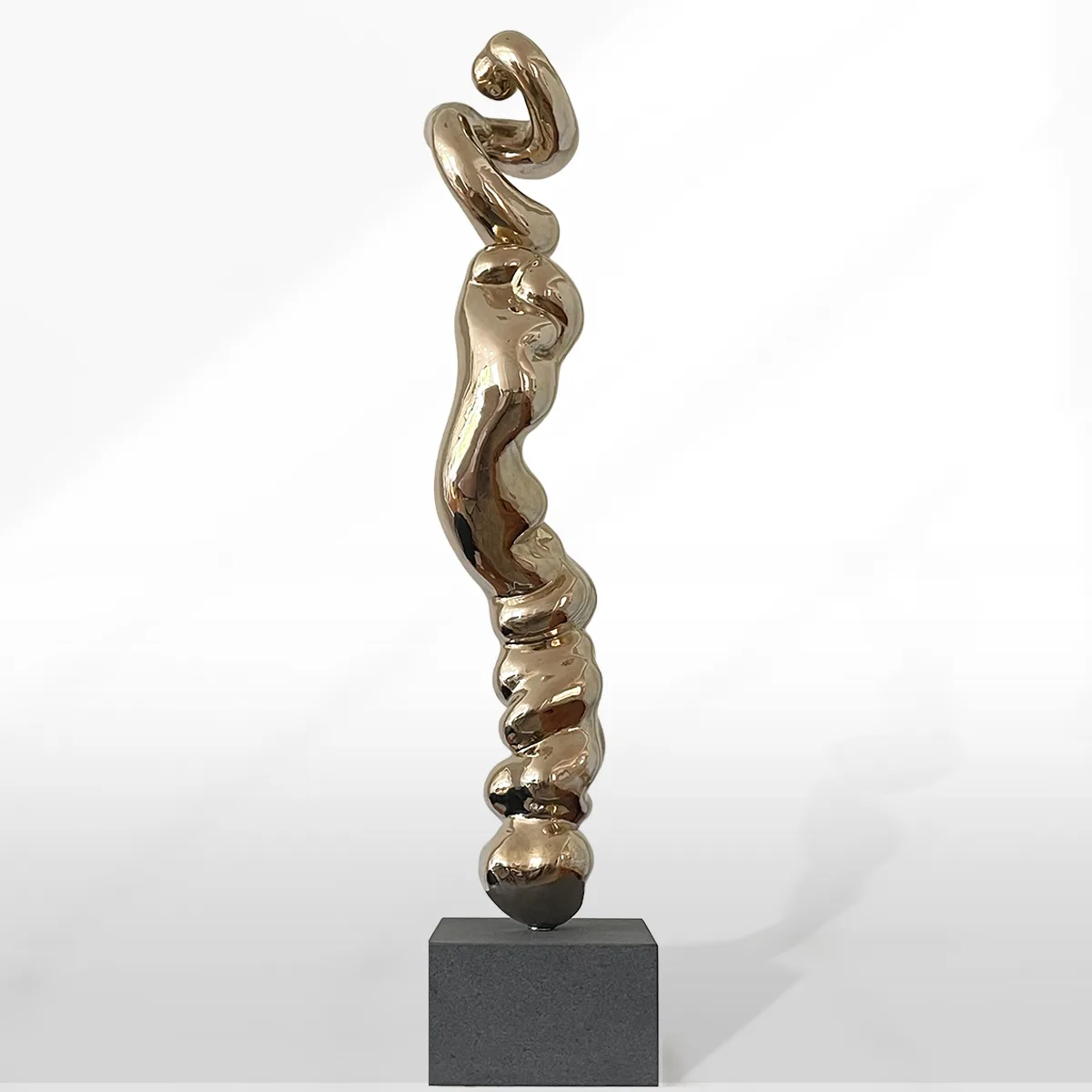
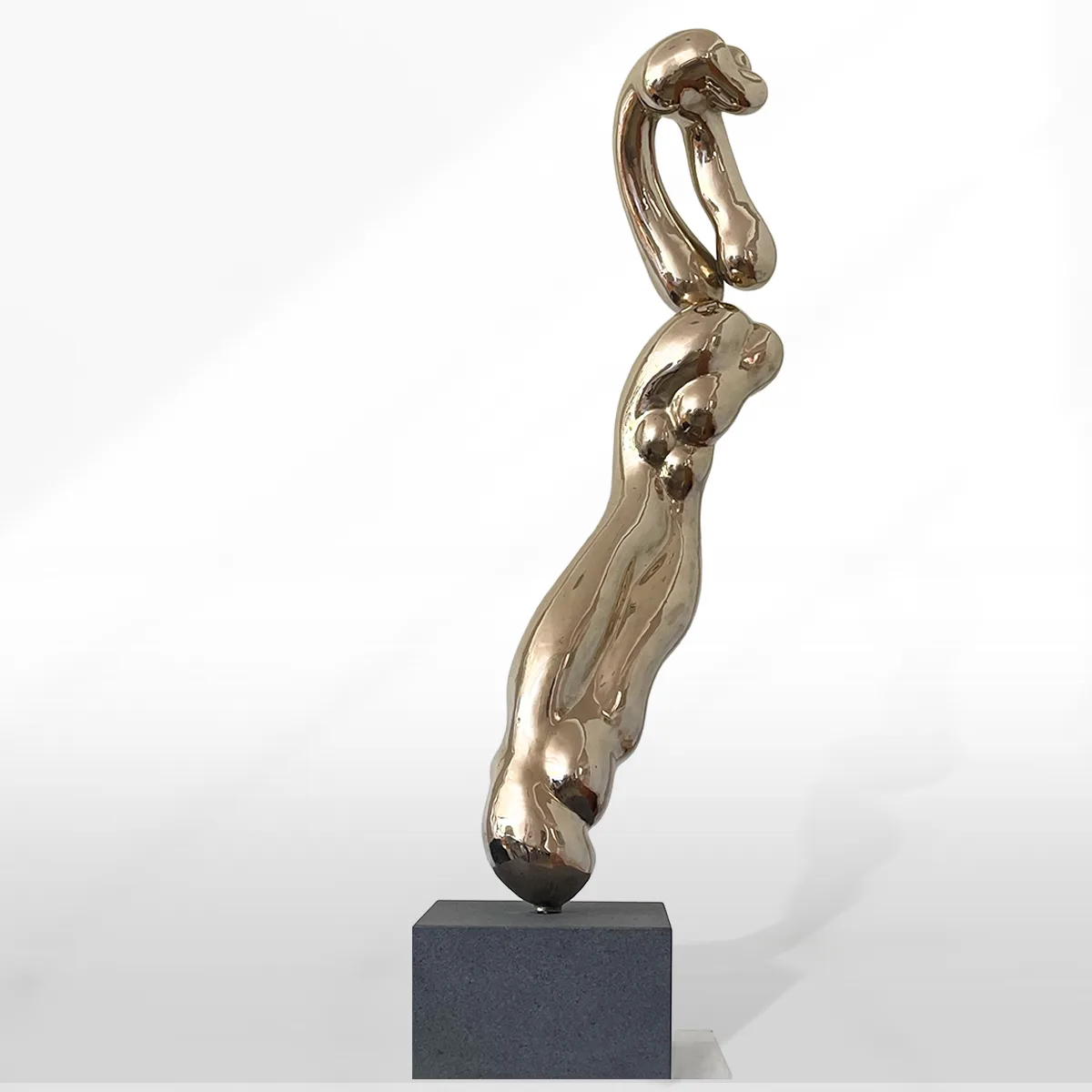
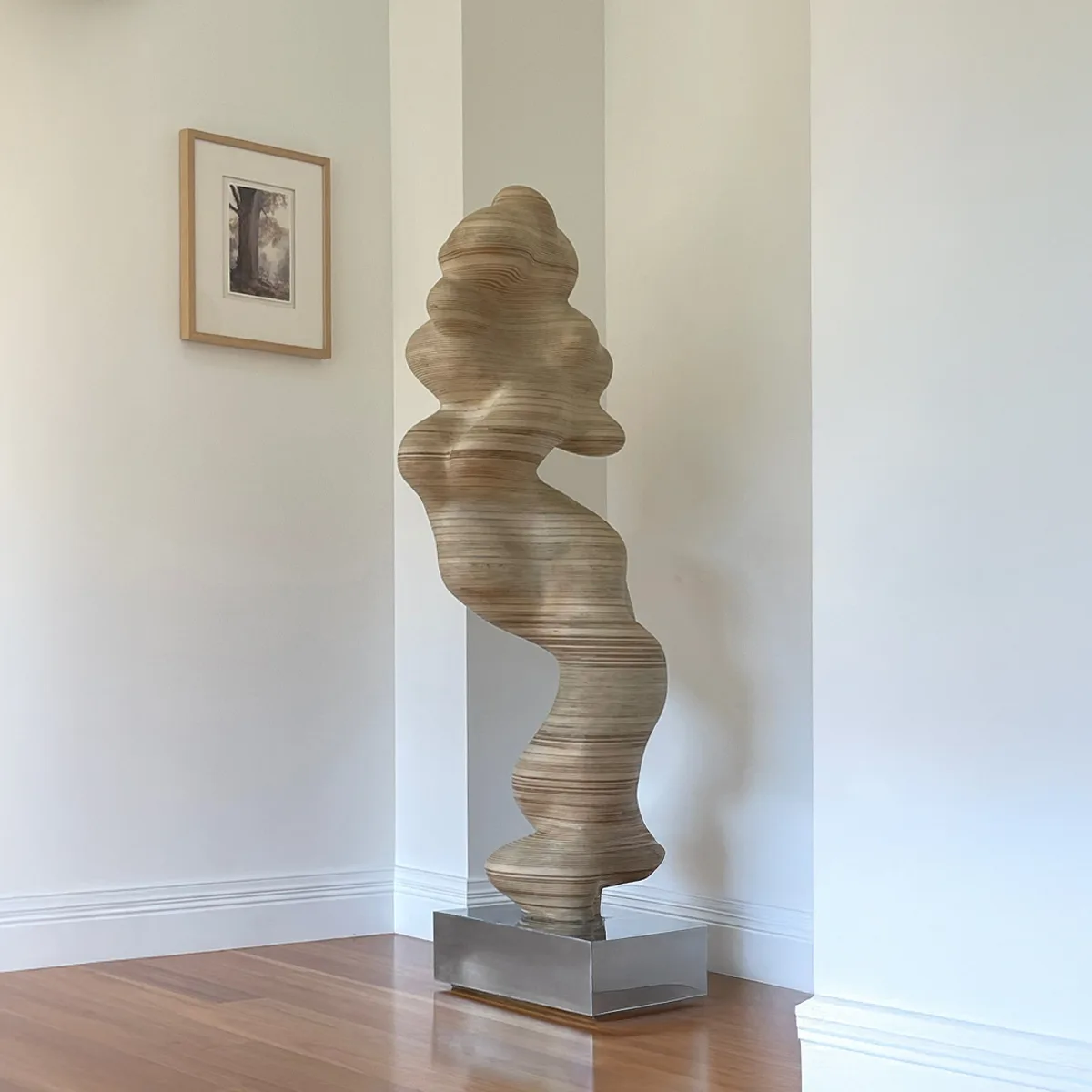
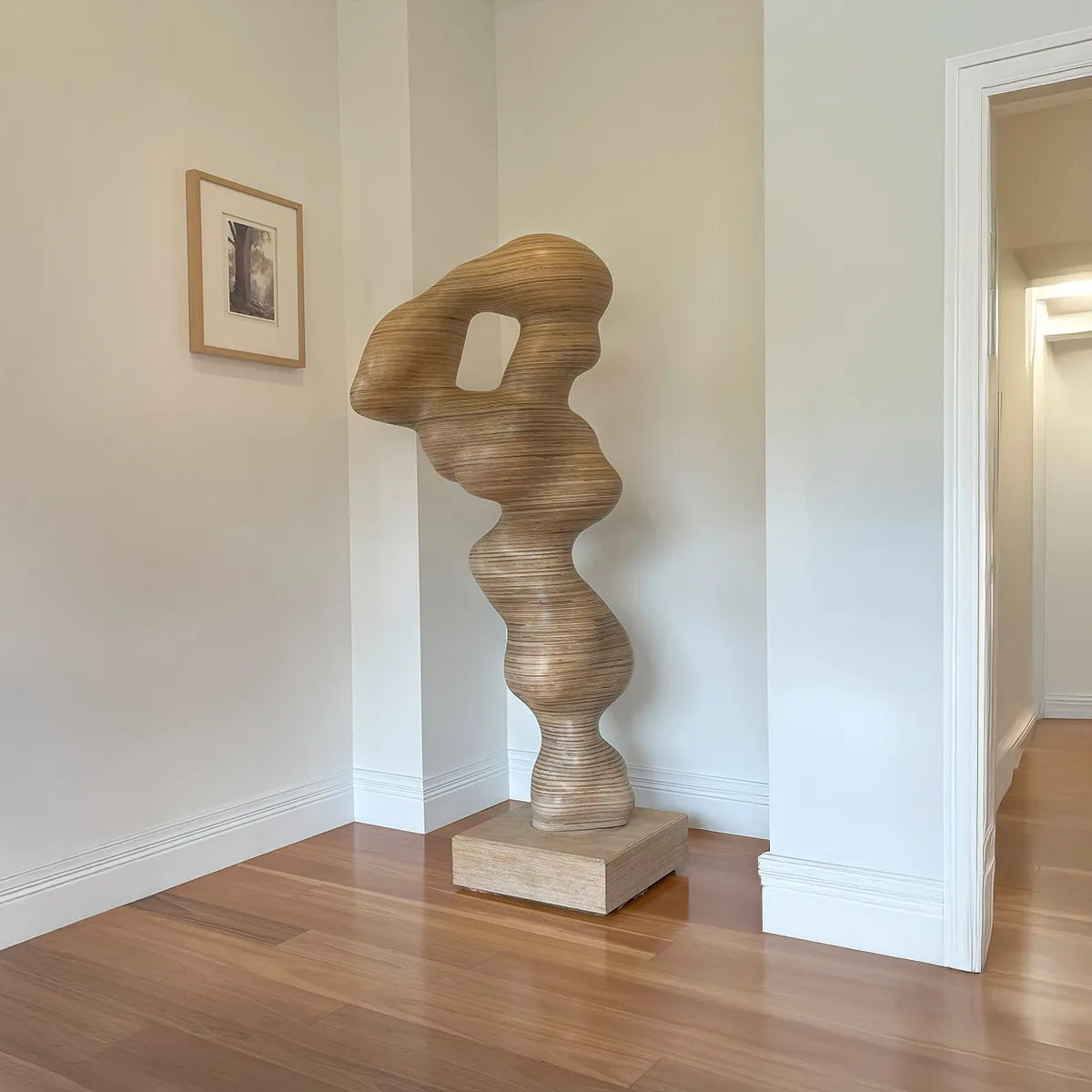
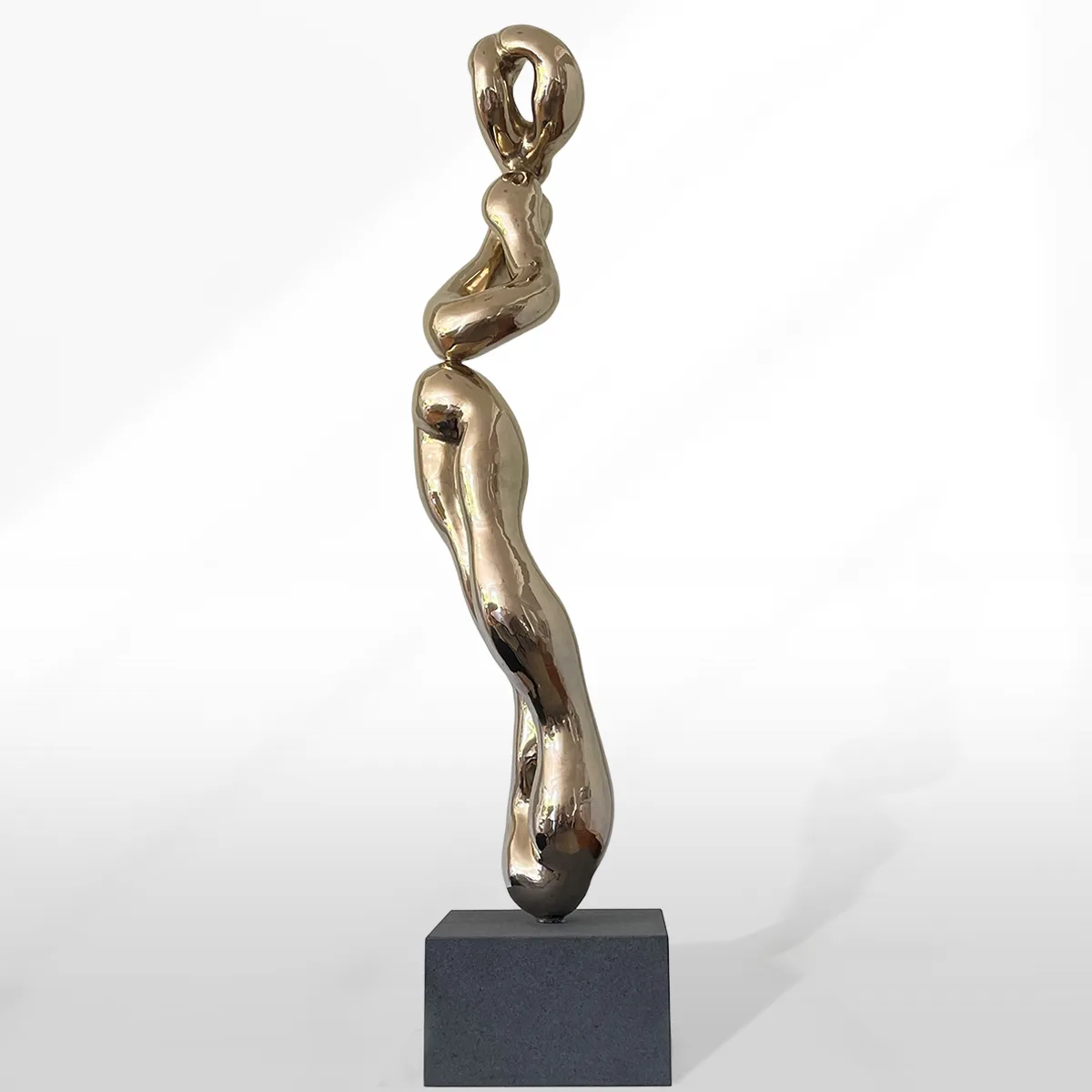
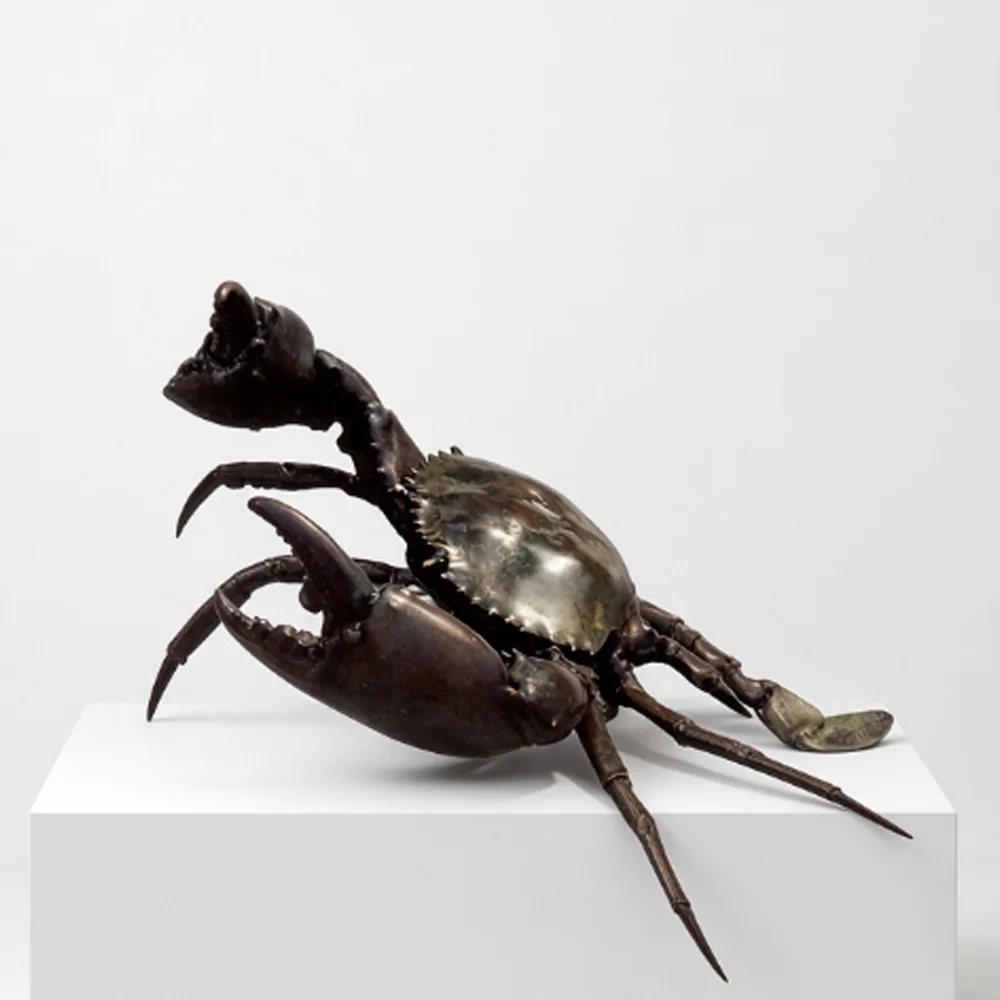
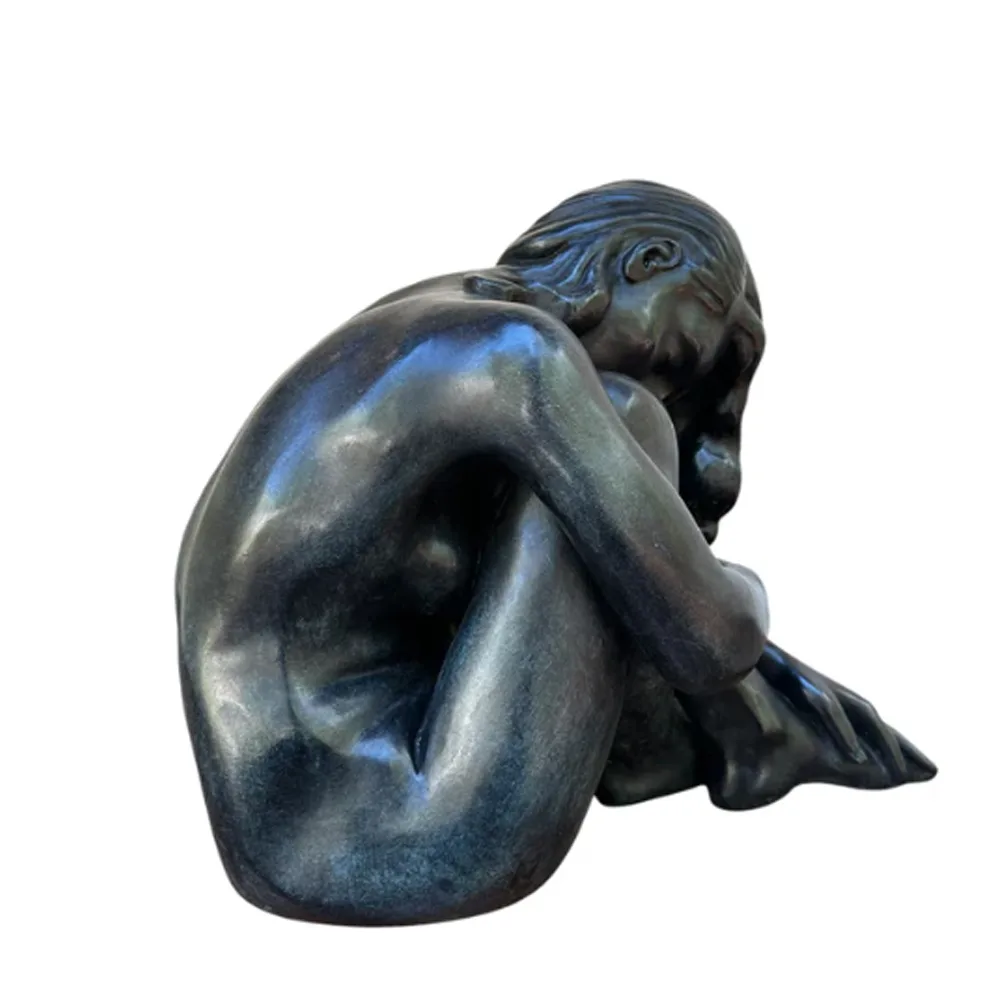
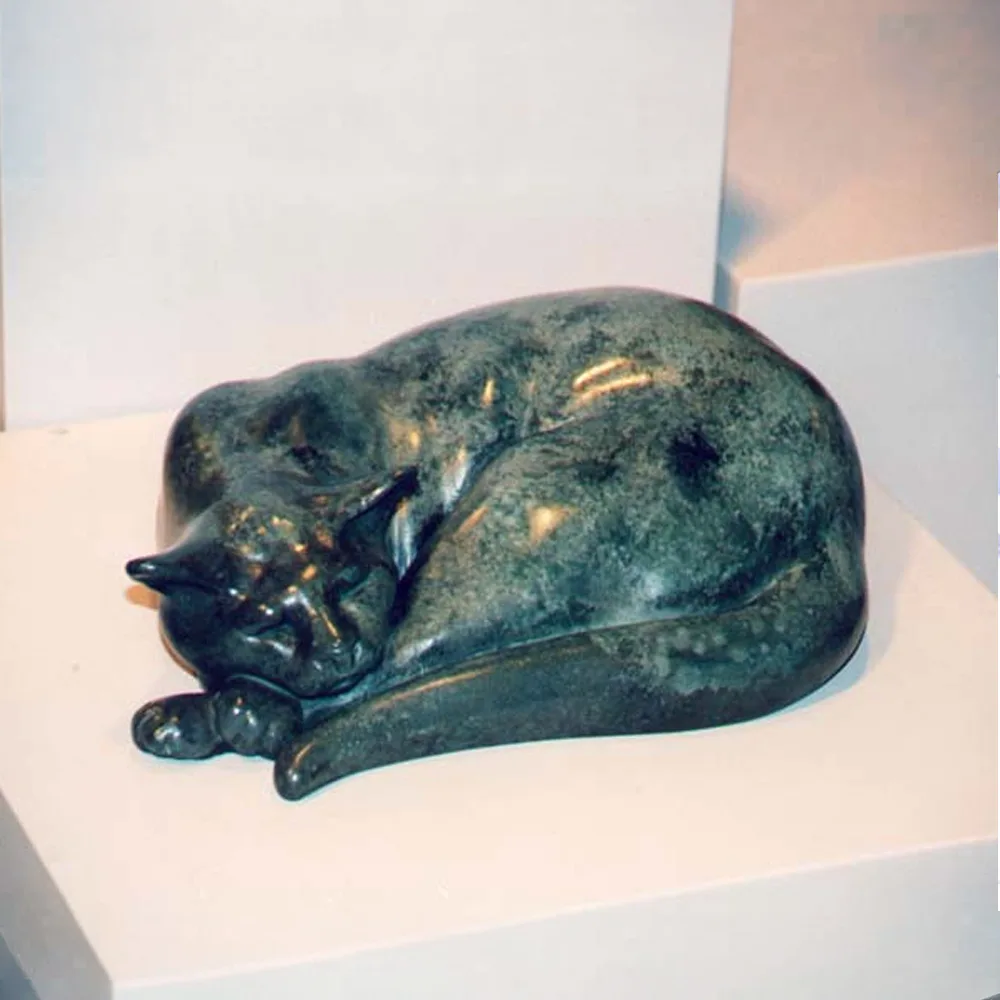
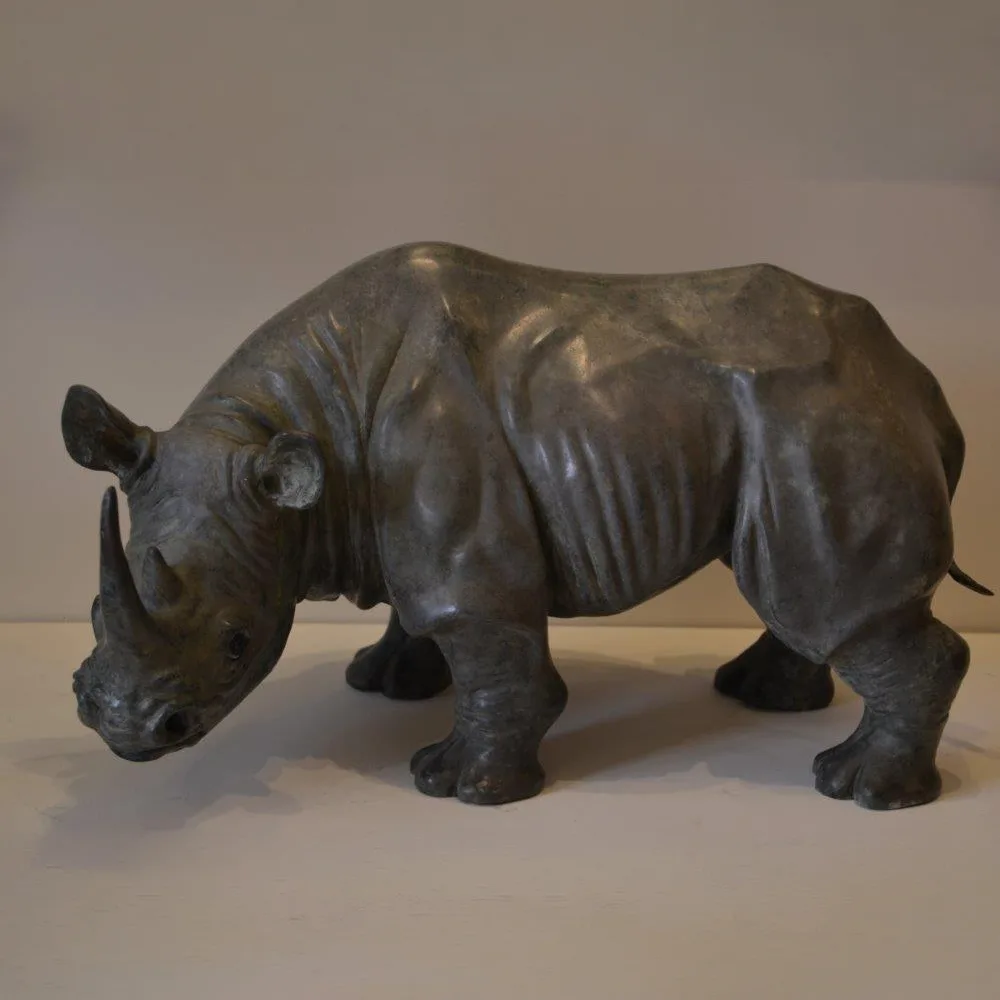
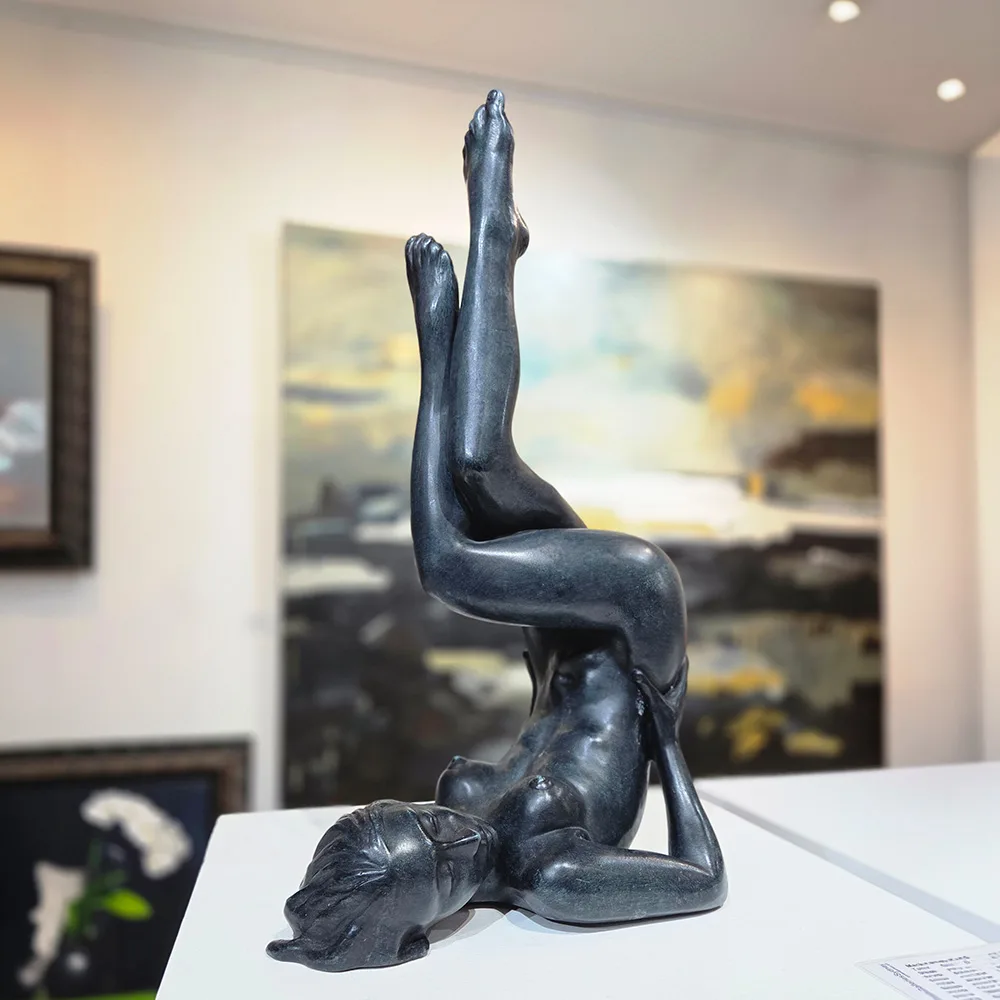
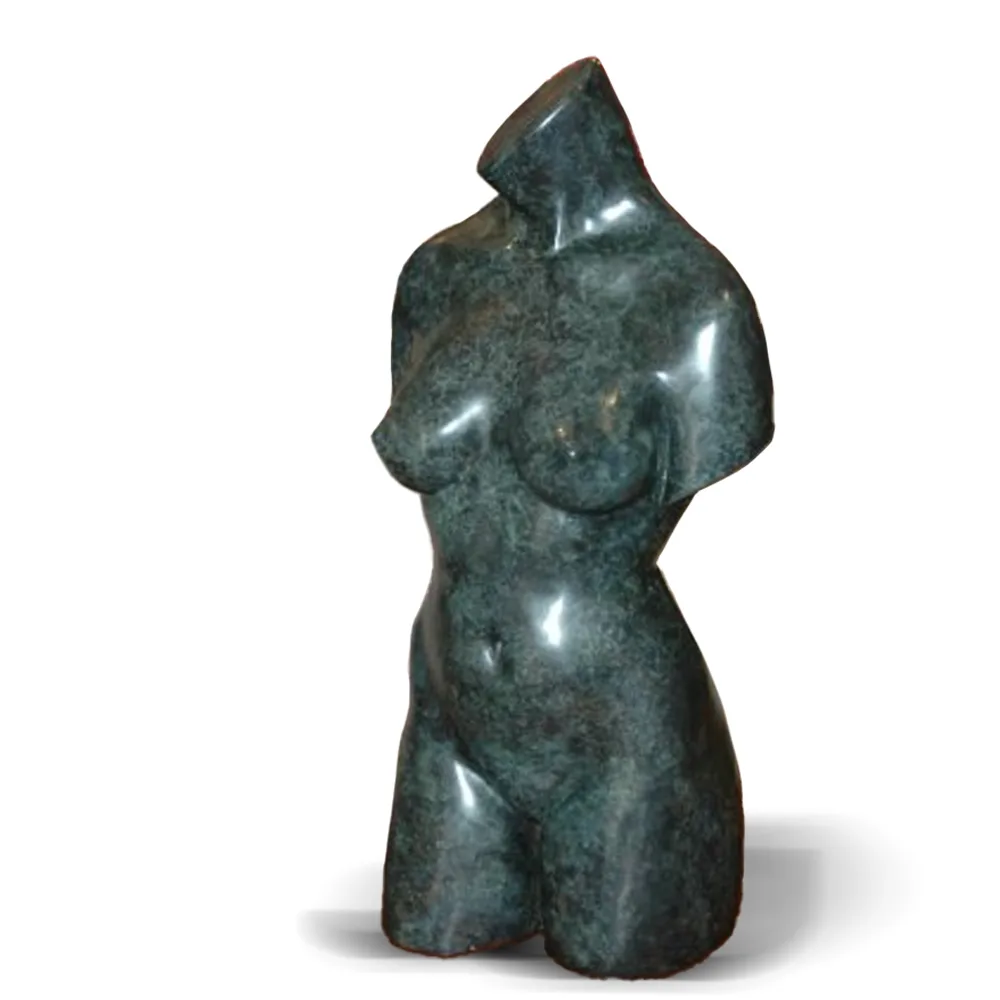
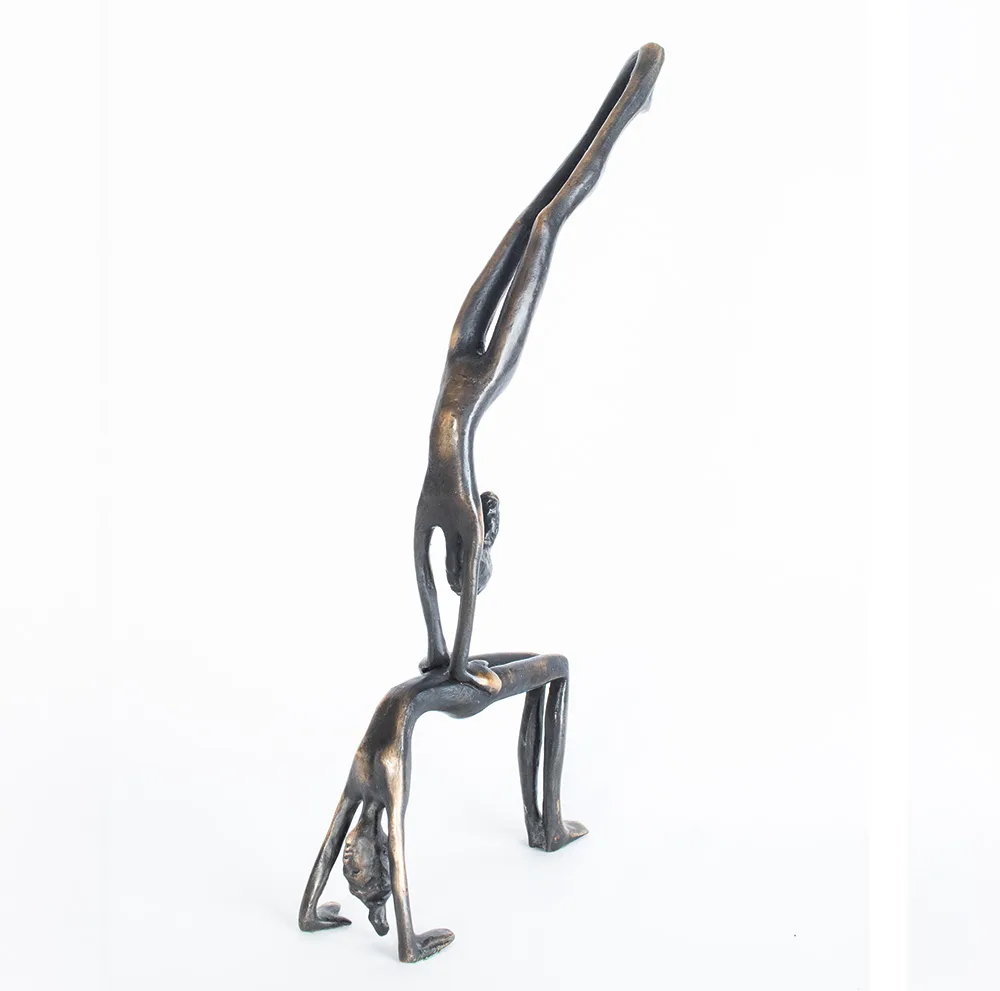
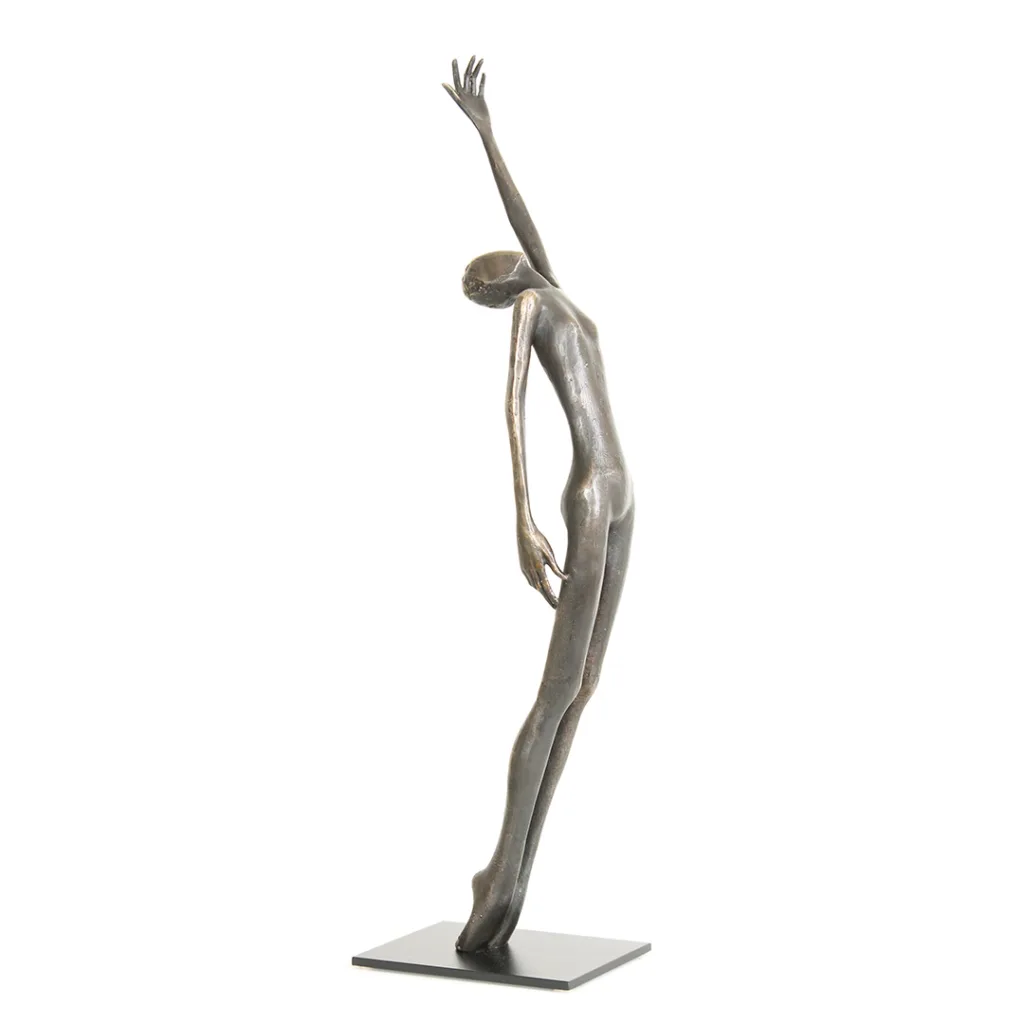
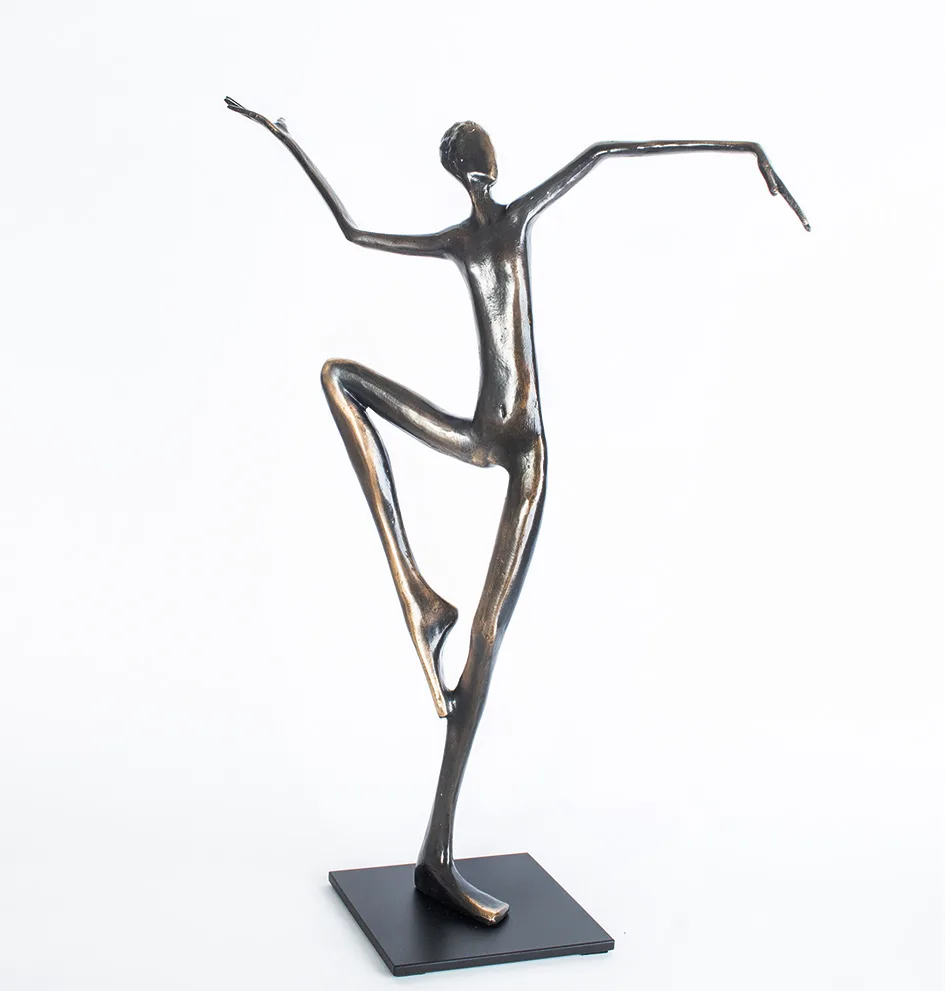
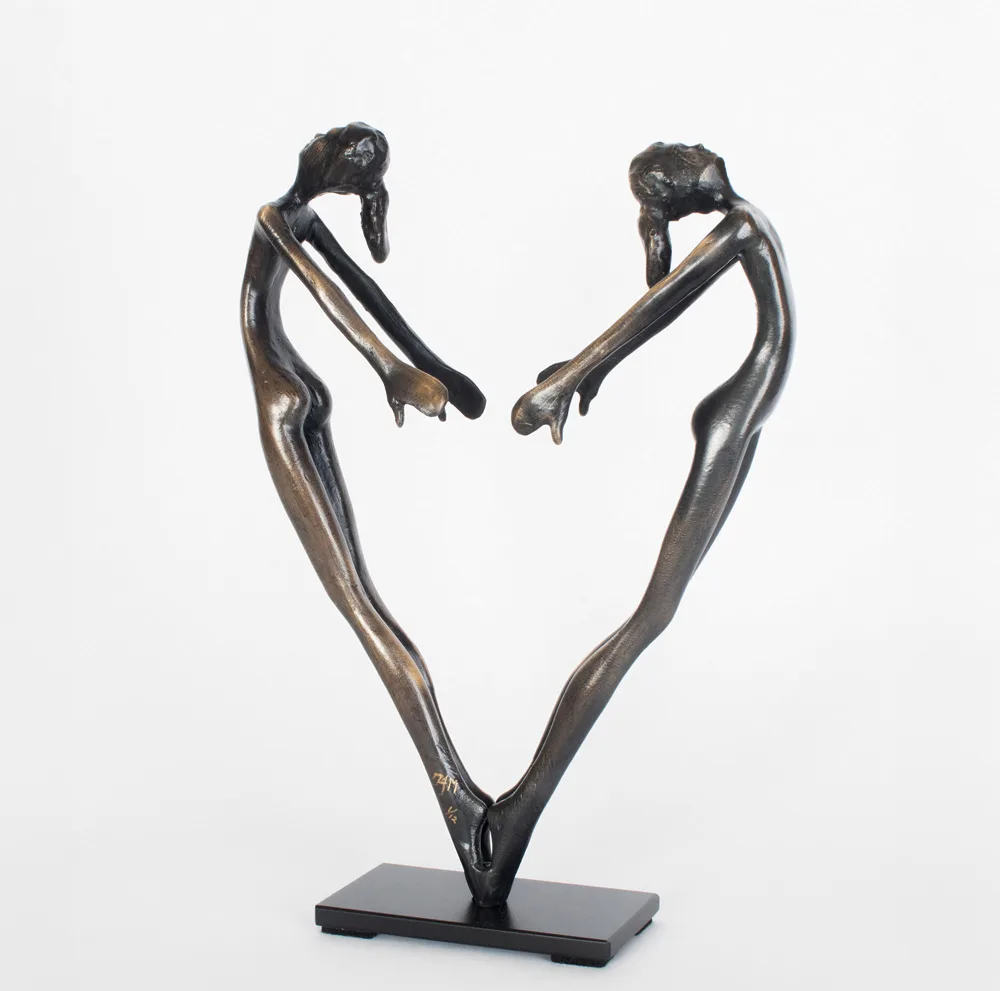
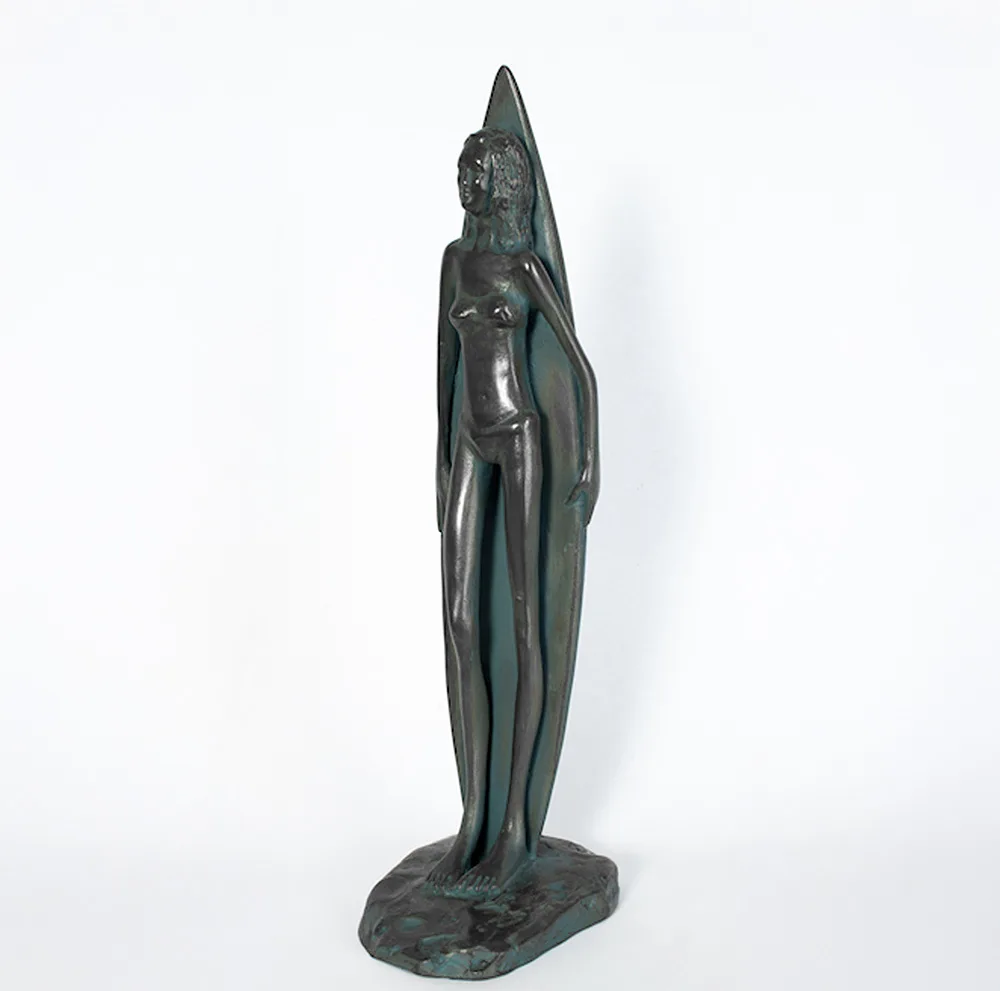
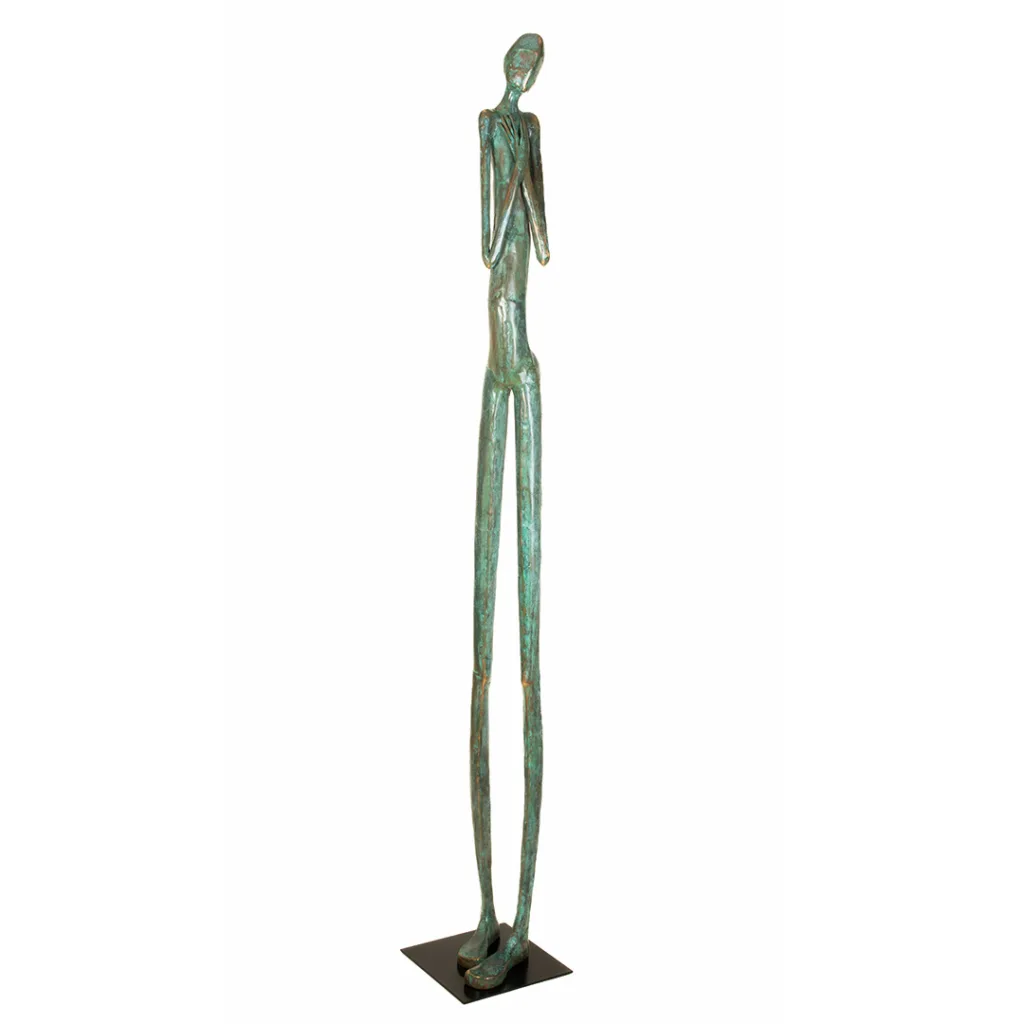
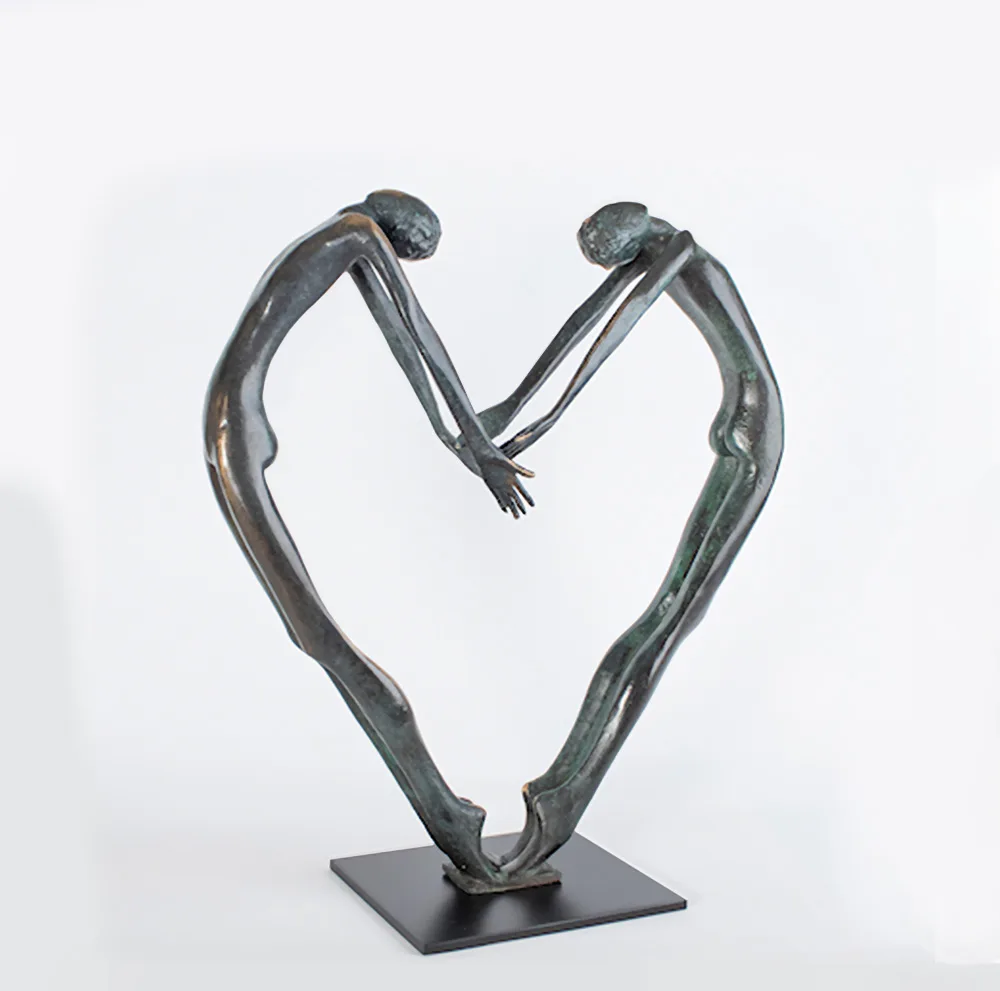
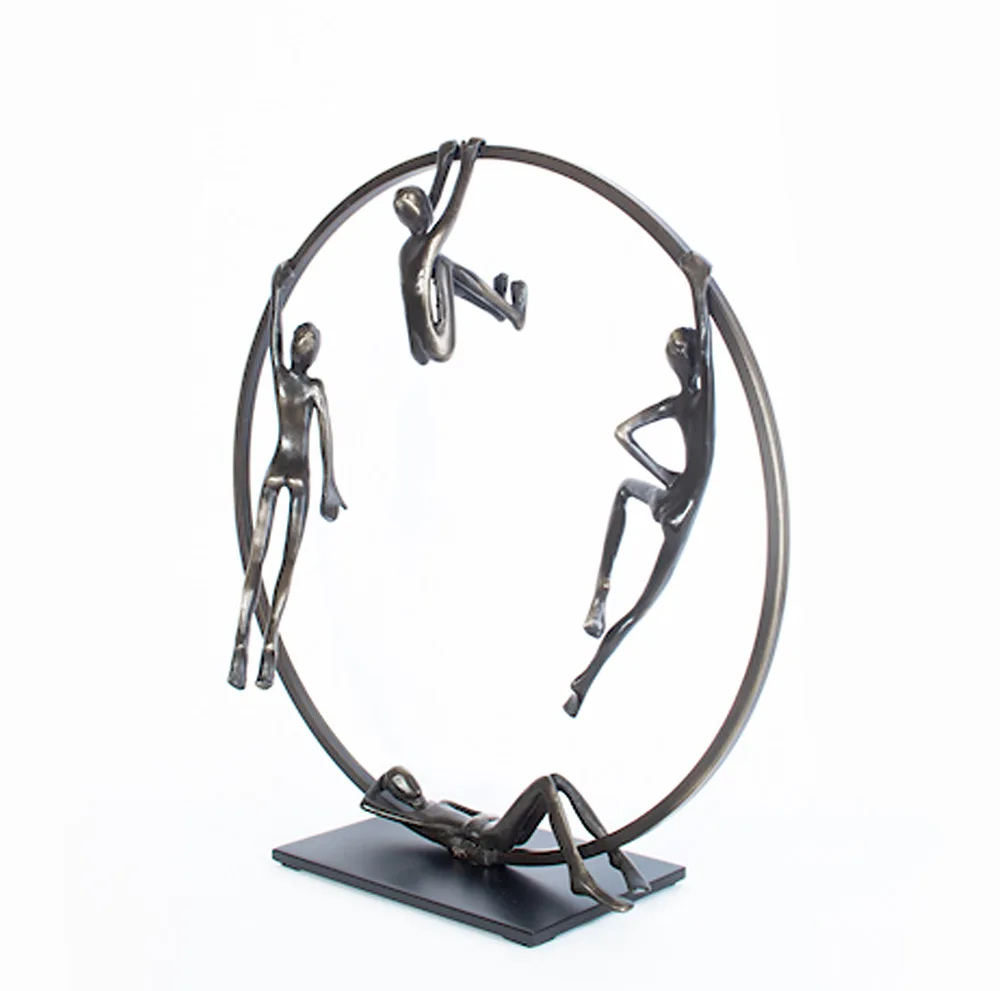
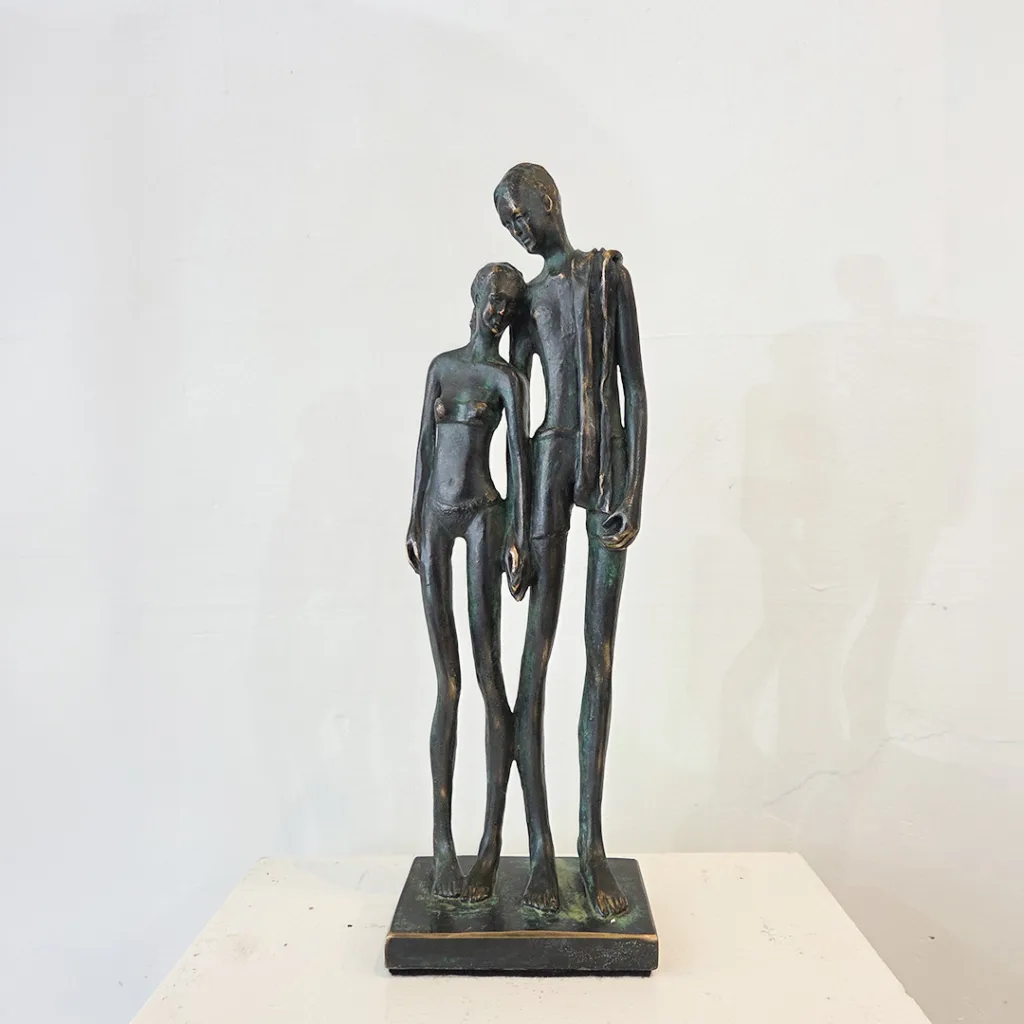
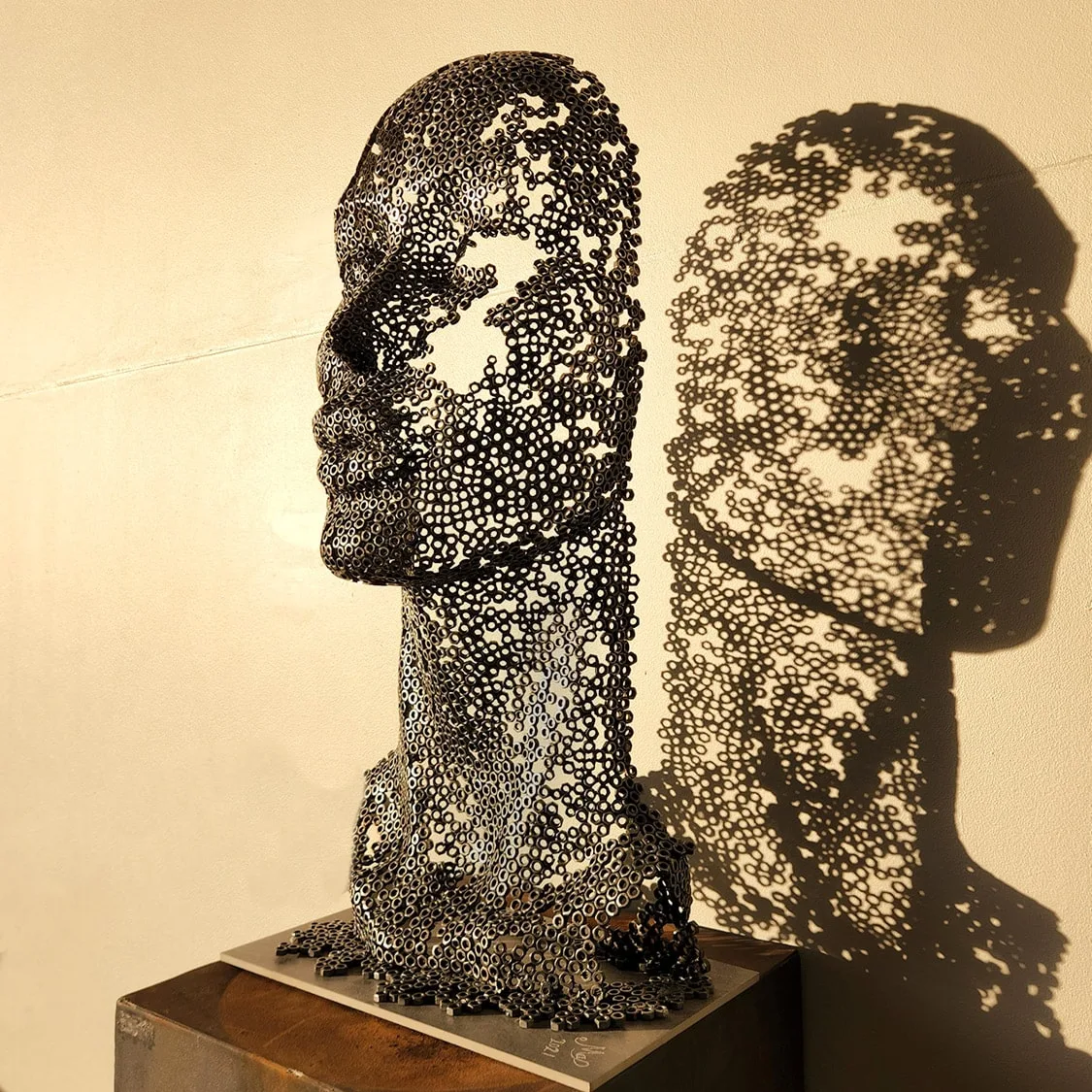
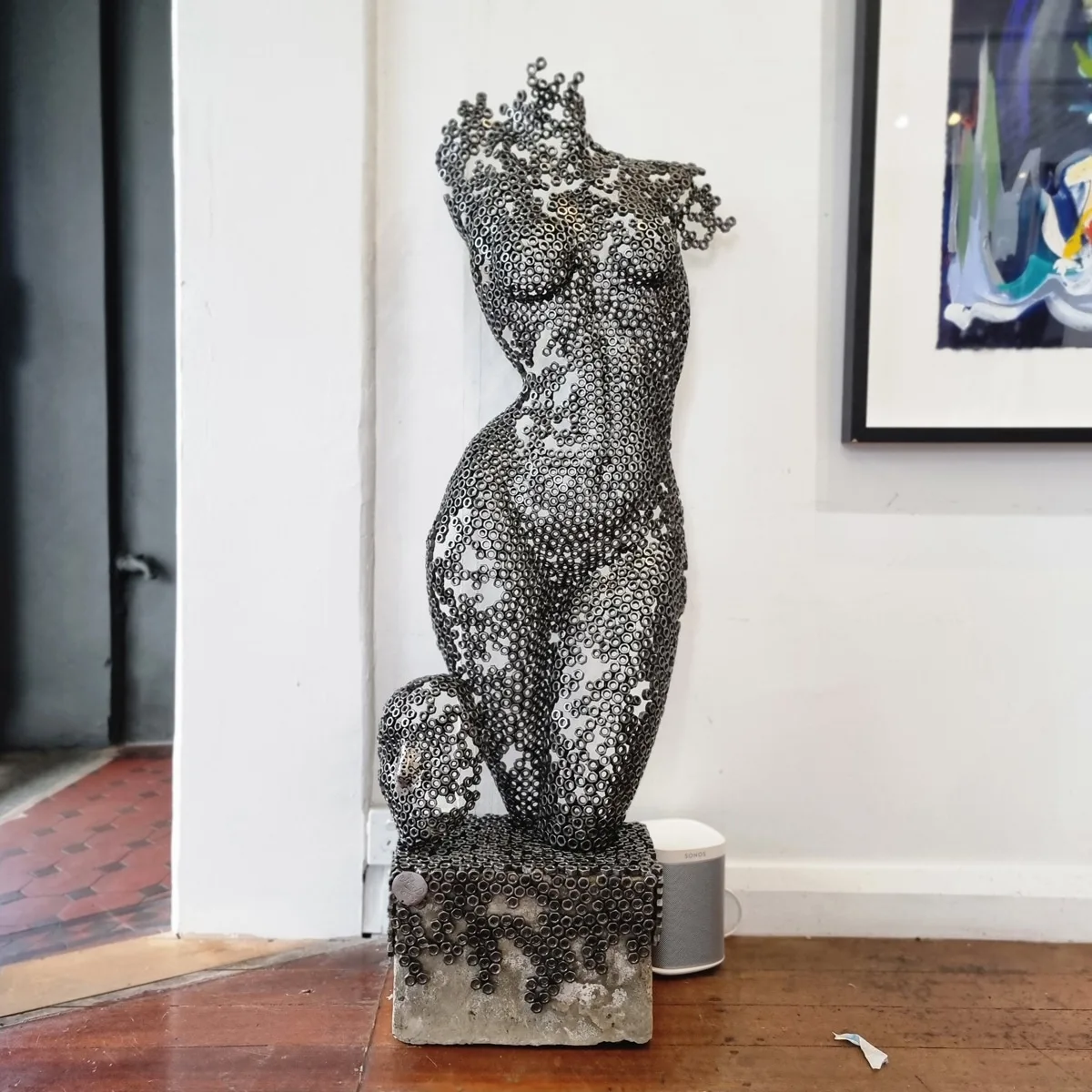
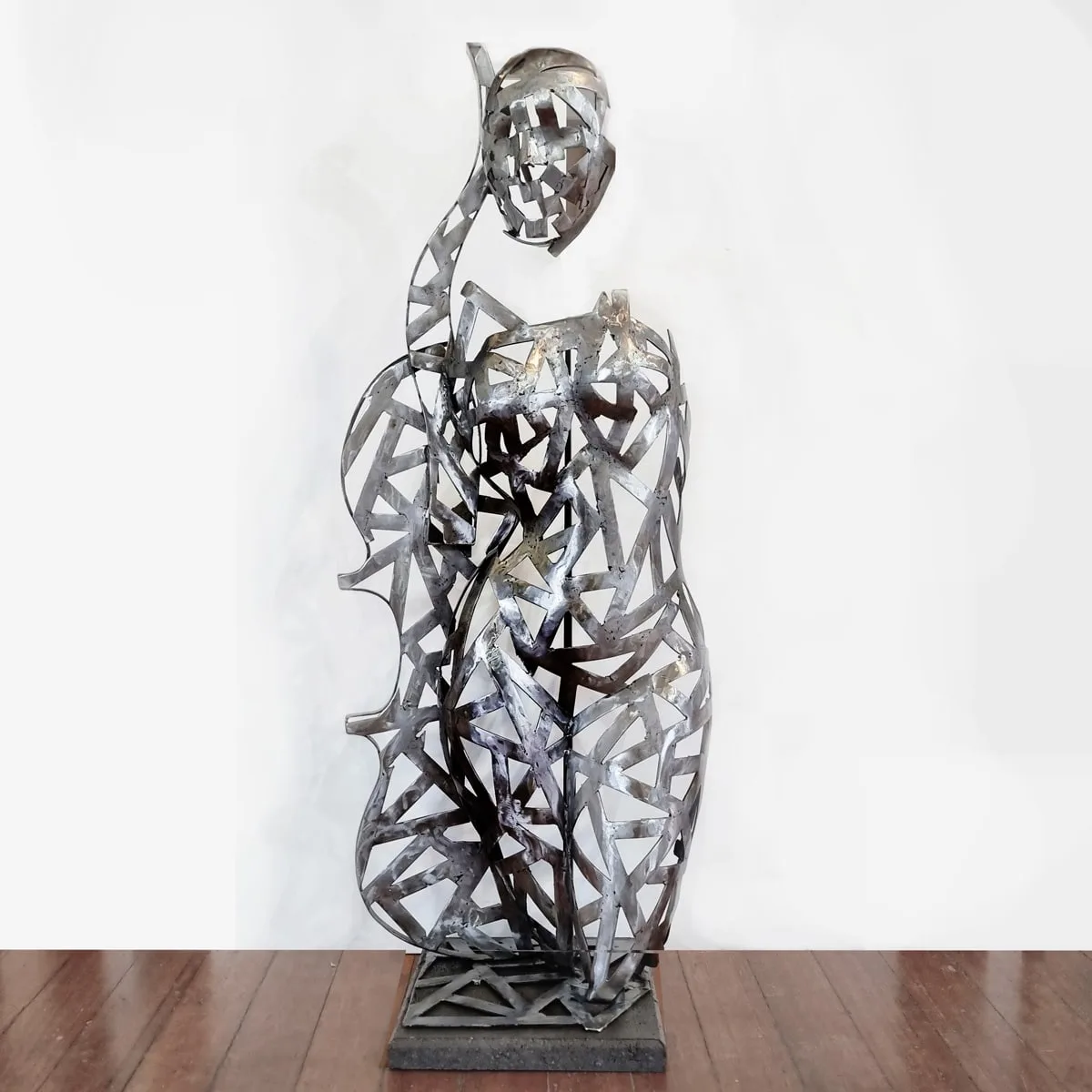
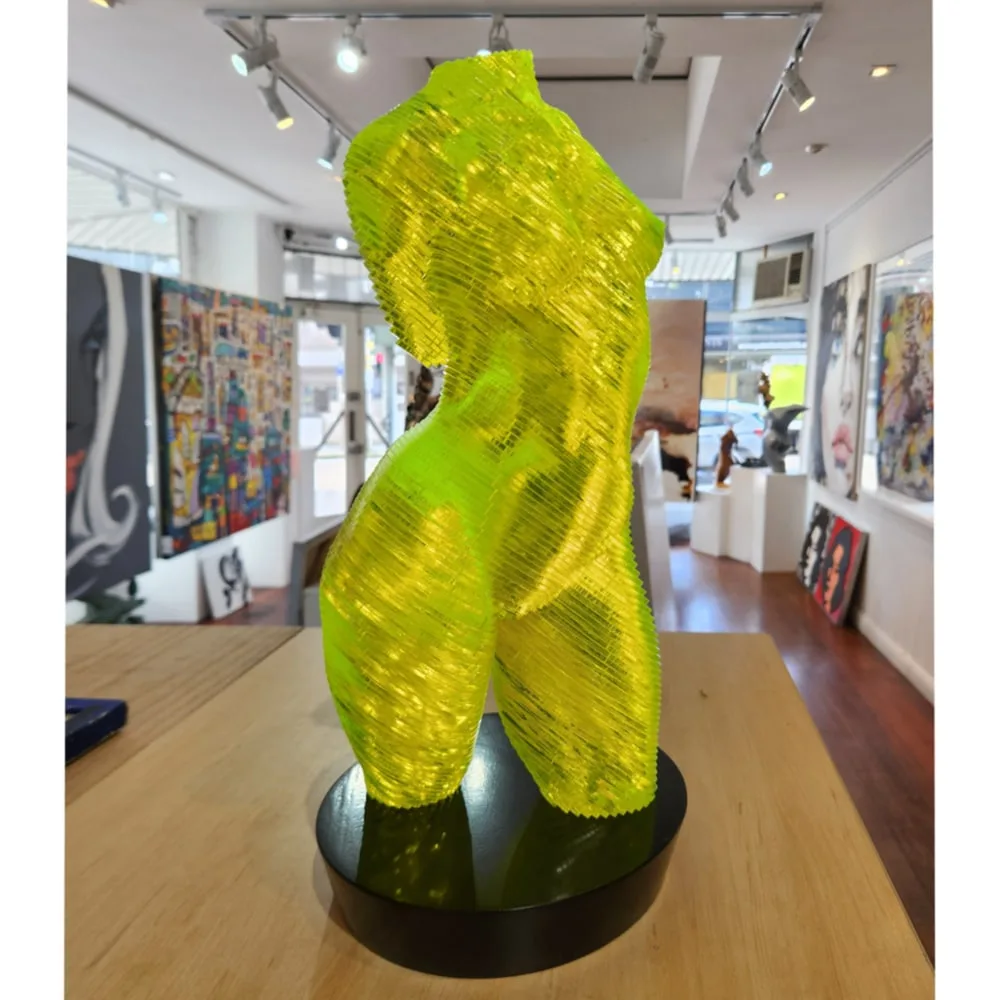
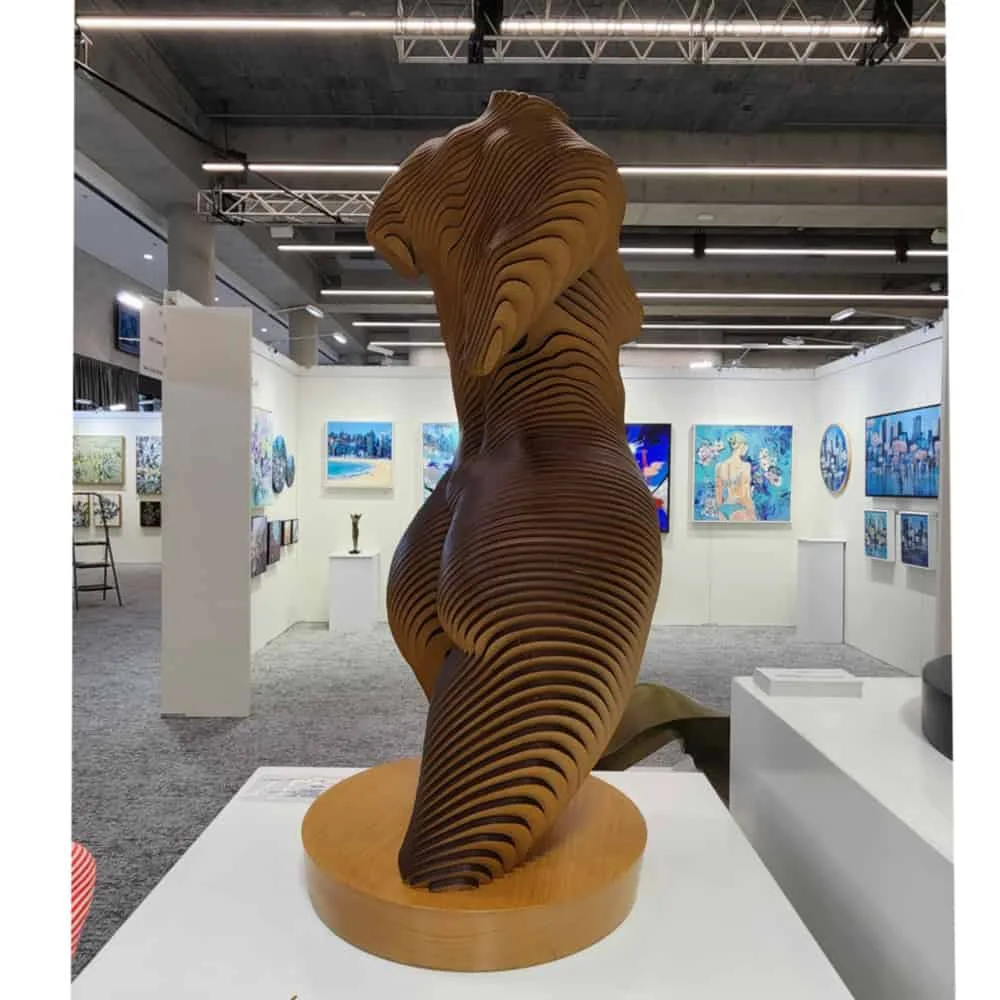
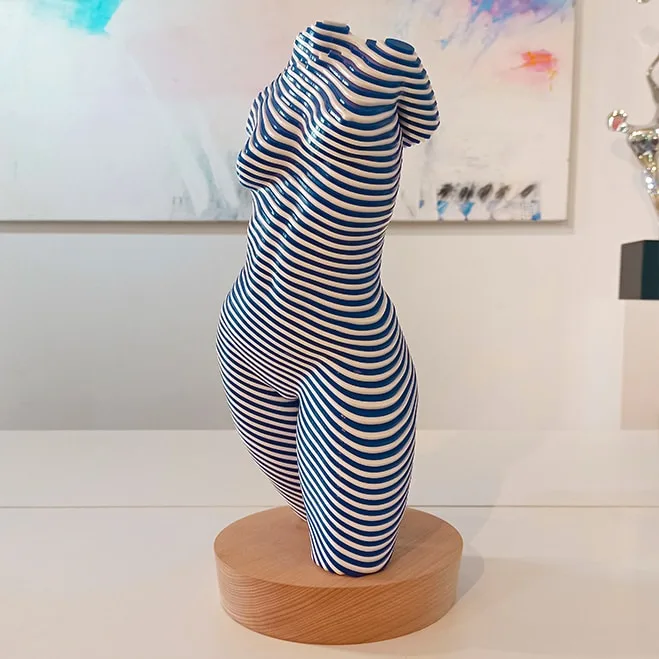
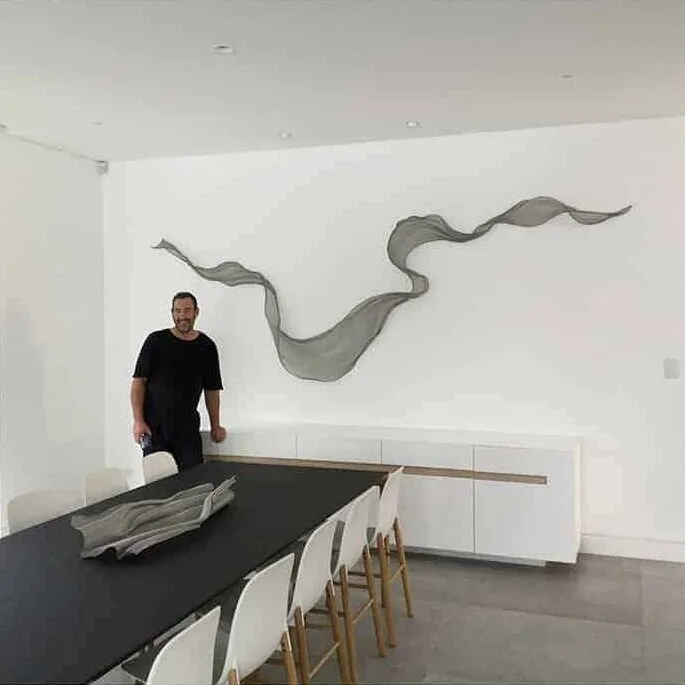
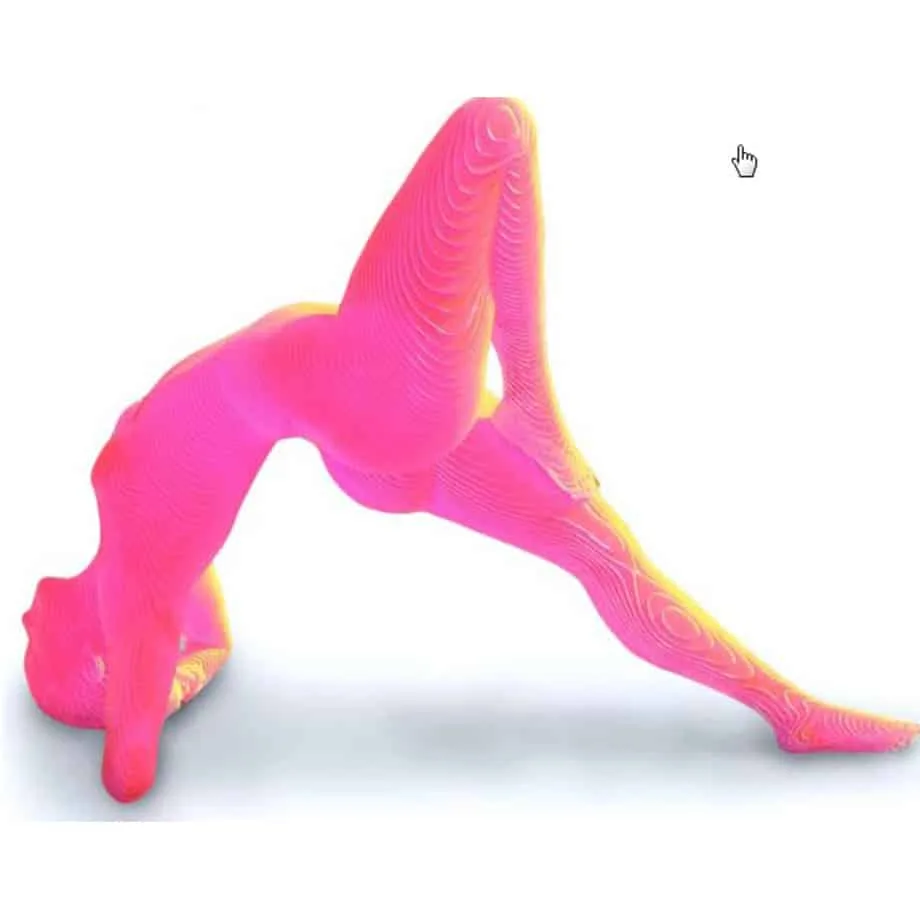
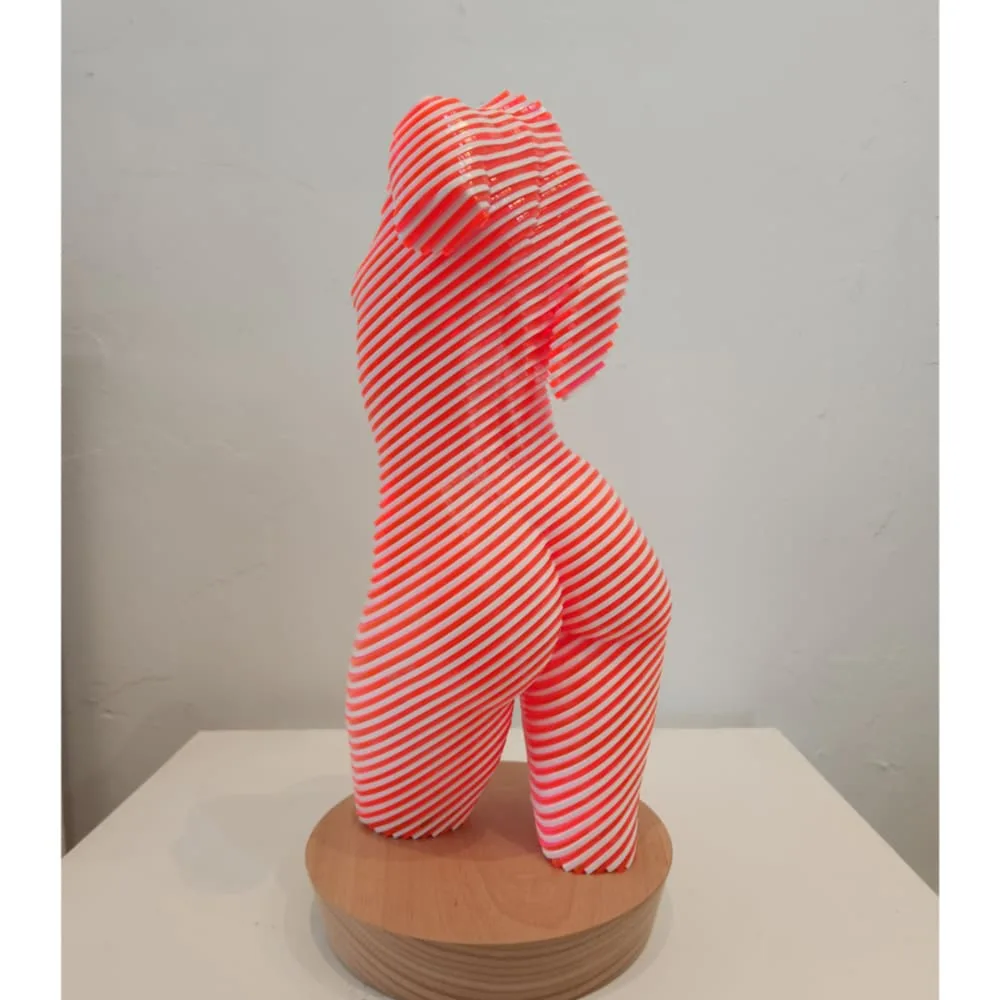
![Avocado Plant - 49x17cm [limited/10]](https://www.sohogalleries.net/wp-content/uploads/2021/02/AVOCAD1.webp "Australian Sculptors")
![Avocado Split - 46x11cm [limited/10]](https://www.sohogalleries.net/wp-content/uploads/2021/02/AV61921.webp "Australian Sculptors")
![Avocado Form - 33x11cm [limited/10]](https://www.sohogalleries.net/wp-content/uploads/2021/02/AV18BF1.webp "Australian Sculptors")
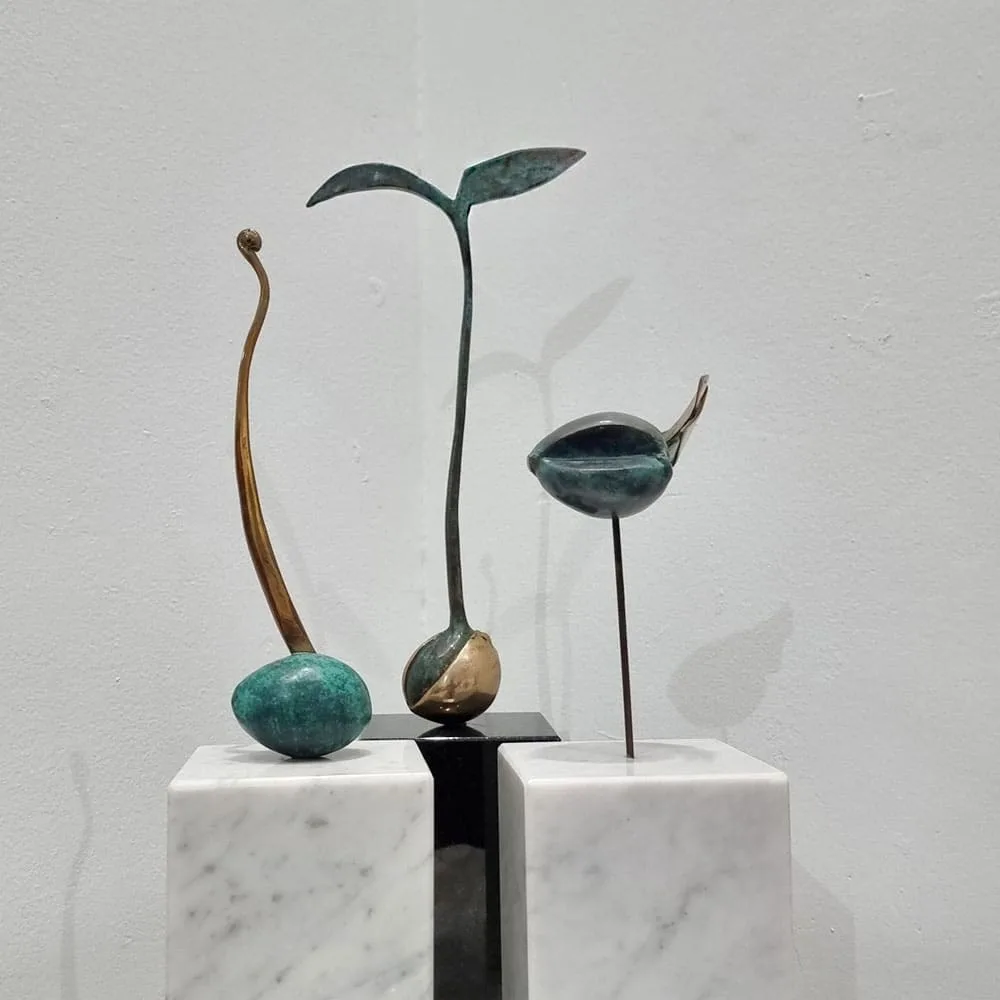
![Avocado - Complete Collection [limited/10]](https://www.sohogalleries.net/wp-content/uploads/2021/02/Avocado-COMPLETE-set-BRONZE-PATINA-polished-stainless-INCLUDE-IMAGE-FOR-ALL-SCULPTURES.webp "Australian Sculptors")
![Avocado Young - 43x17cm [limited/10]](https://www.sohogalleries.net/wp-content/uploads/2021/02/AVE0231.webp "Australian Sculptors")
![Avocado Curl - 40x11cm [limited/10]](https://www.sohogalleries.net/wp-content/uploads/2021/02/AV29D21.webp "Australian Sculptors")
![Avocado Pip - 5x7cm [limited/10]](https://www.sohogalleries.net/wp-content/uploads/2021/02/AVOCAD4.webp "Australian Sculptors")
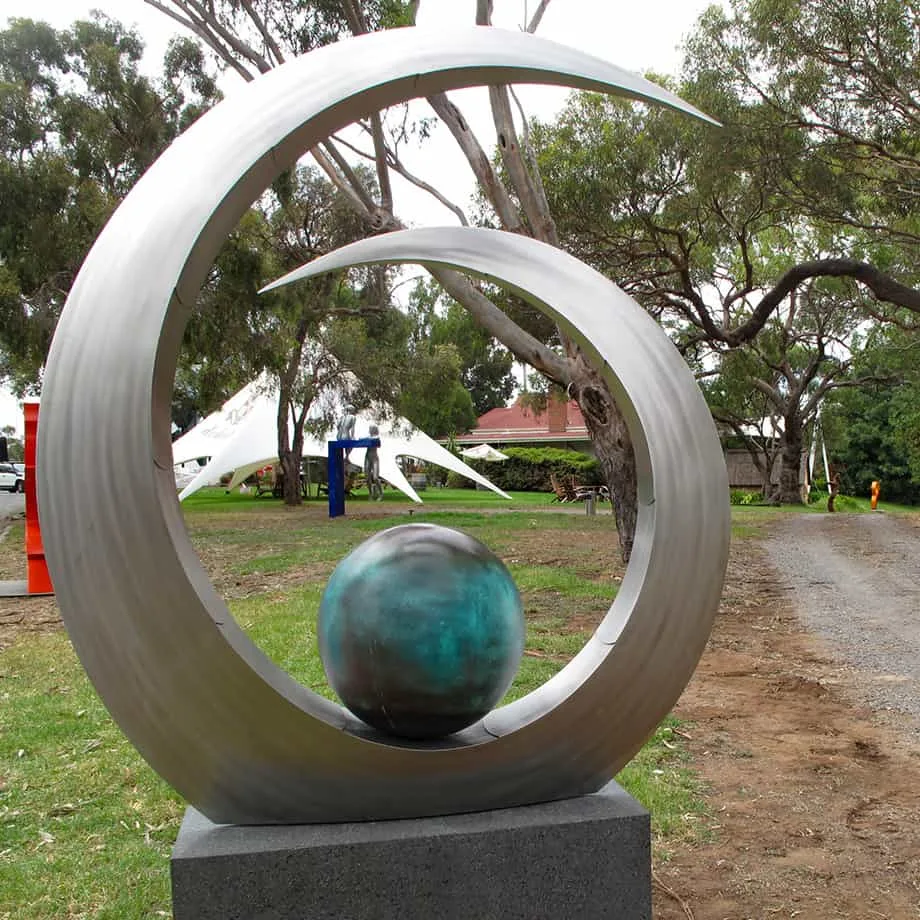
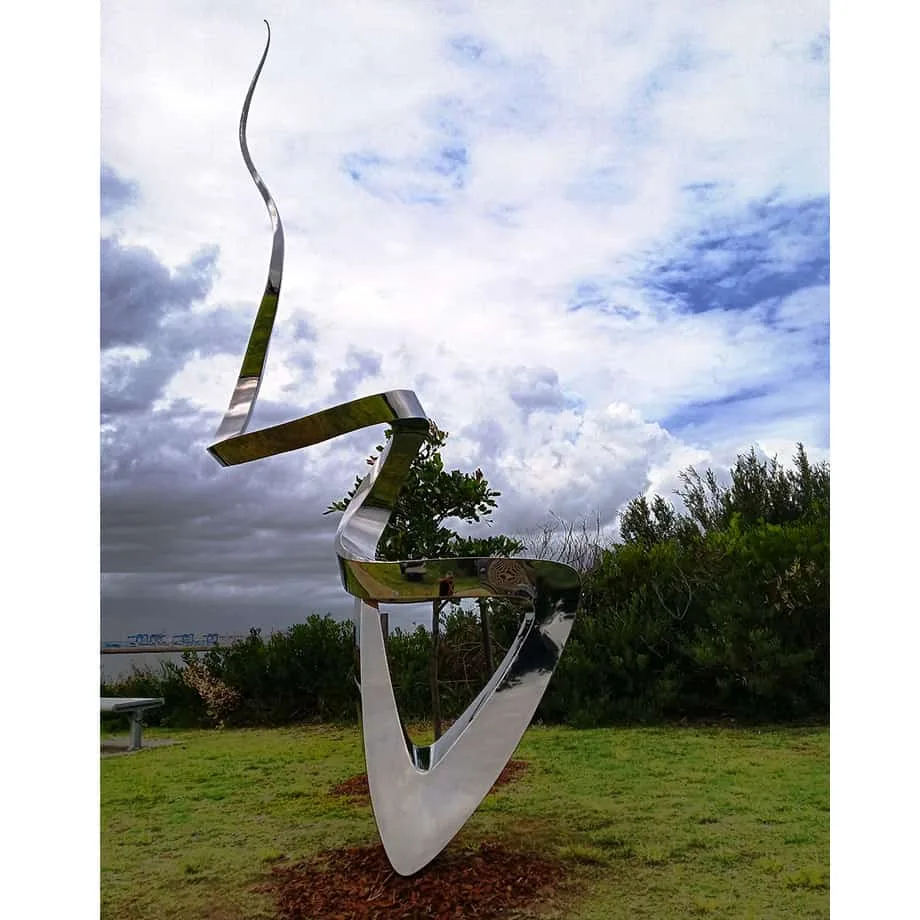
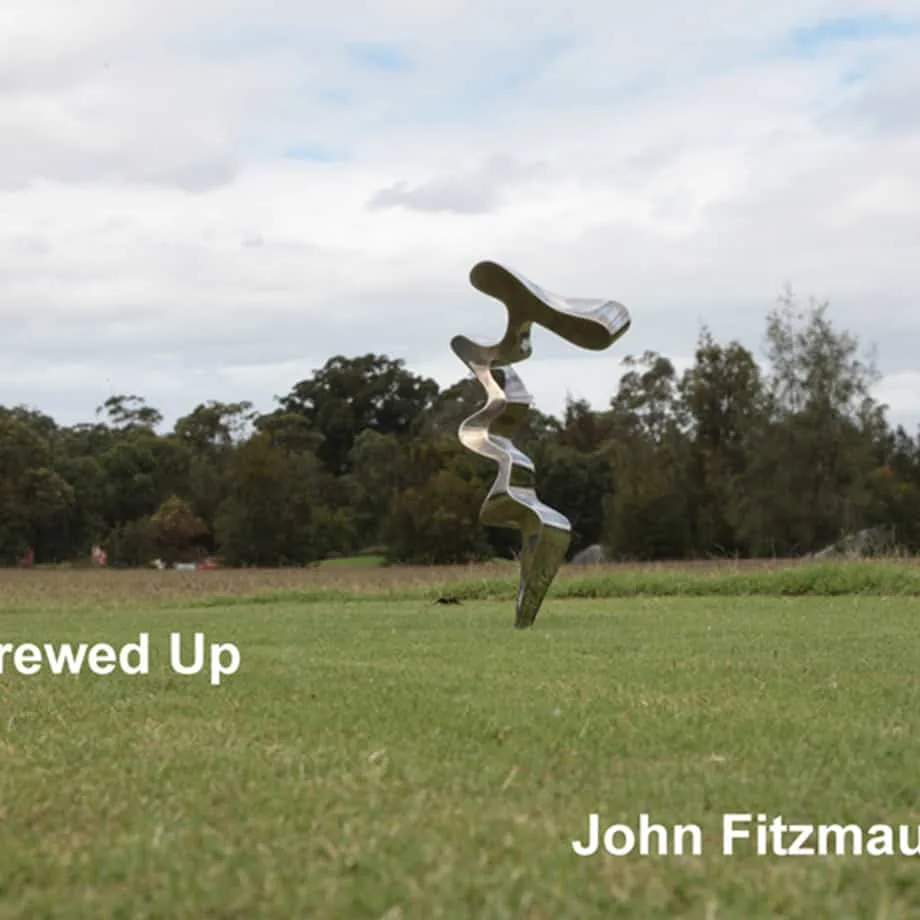
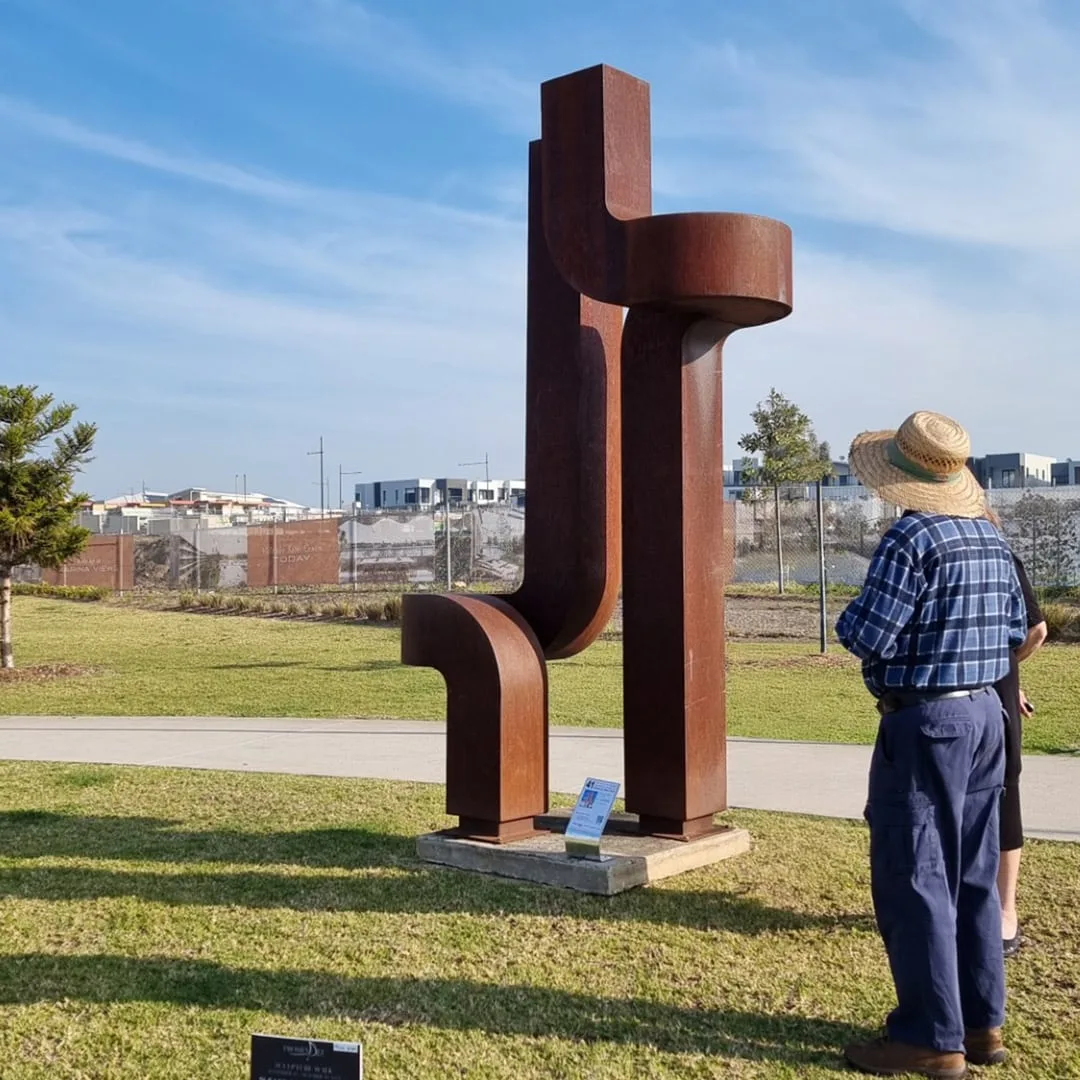
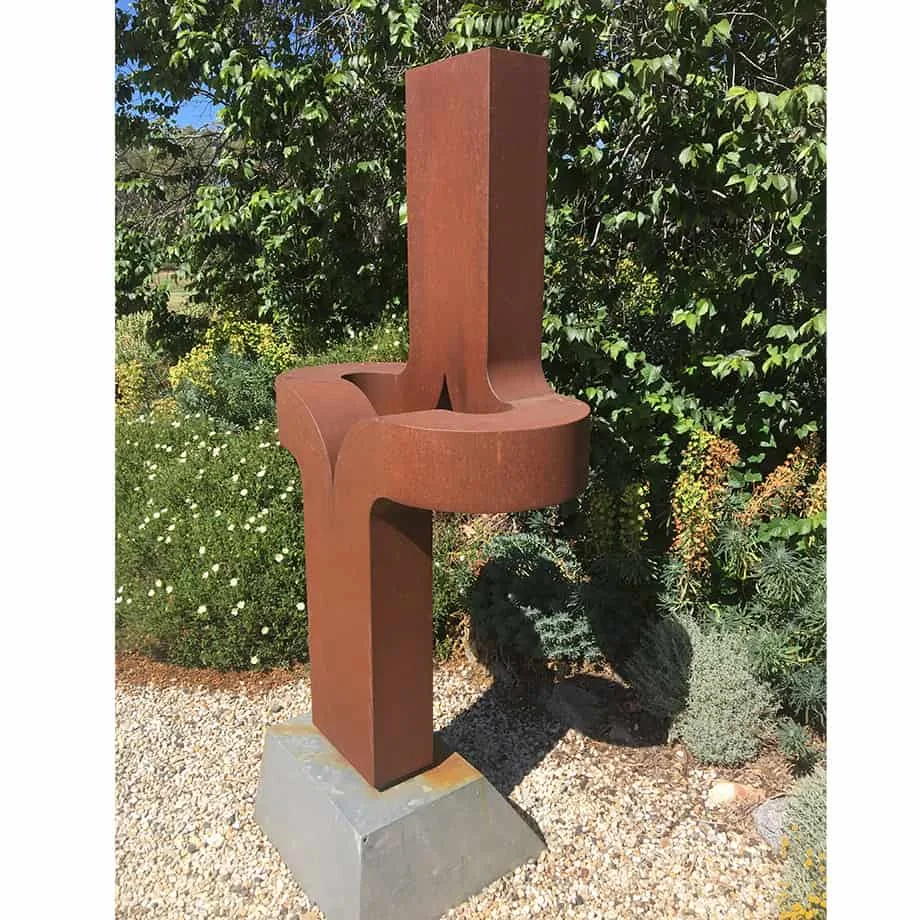
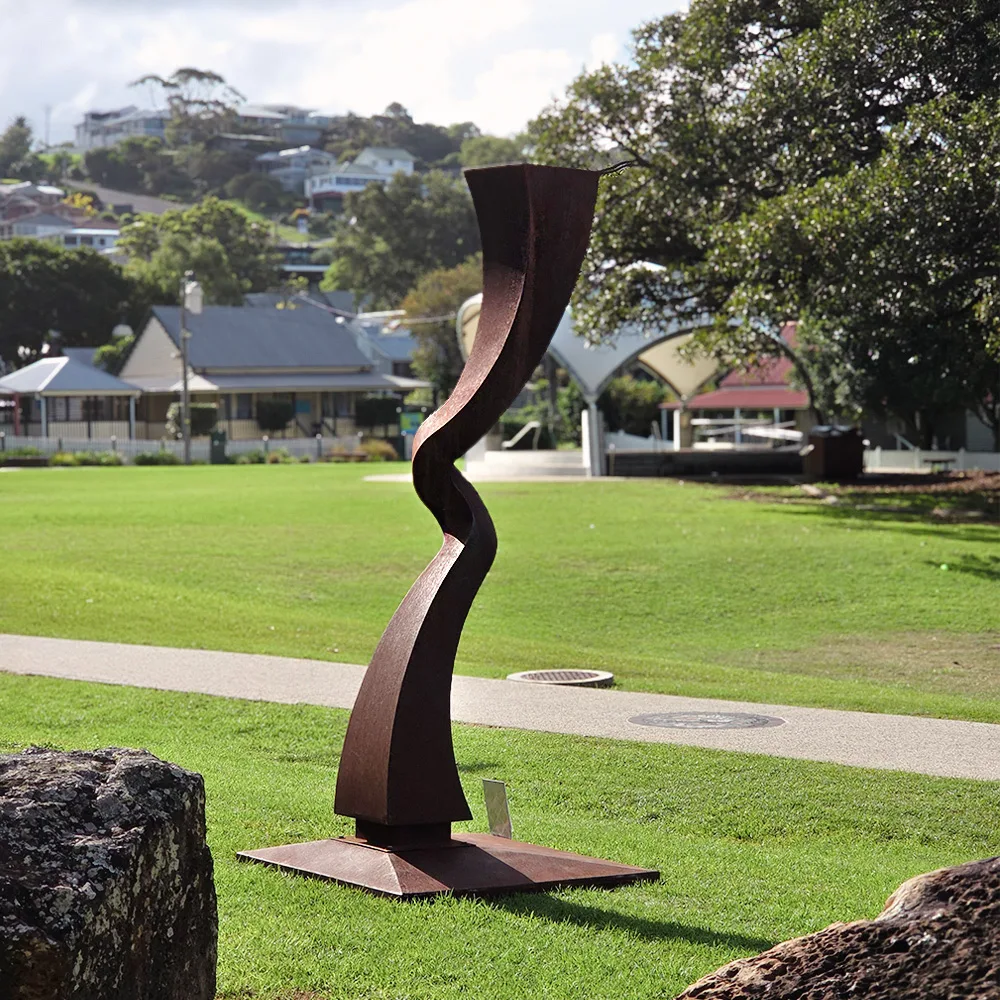
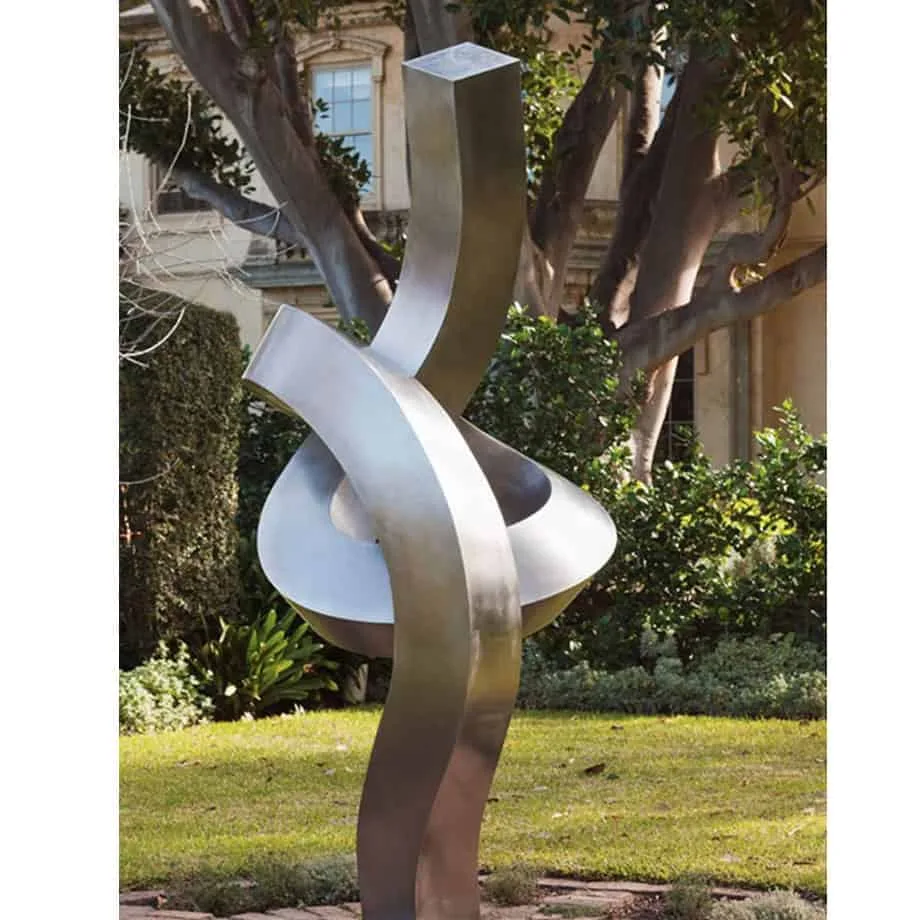
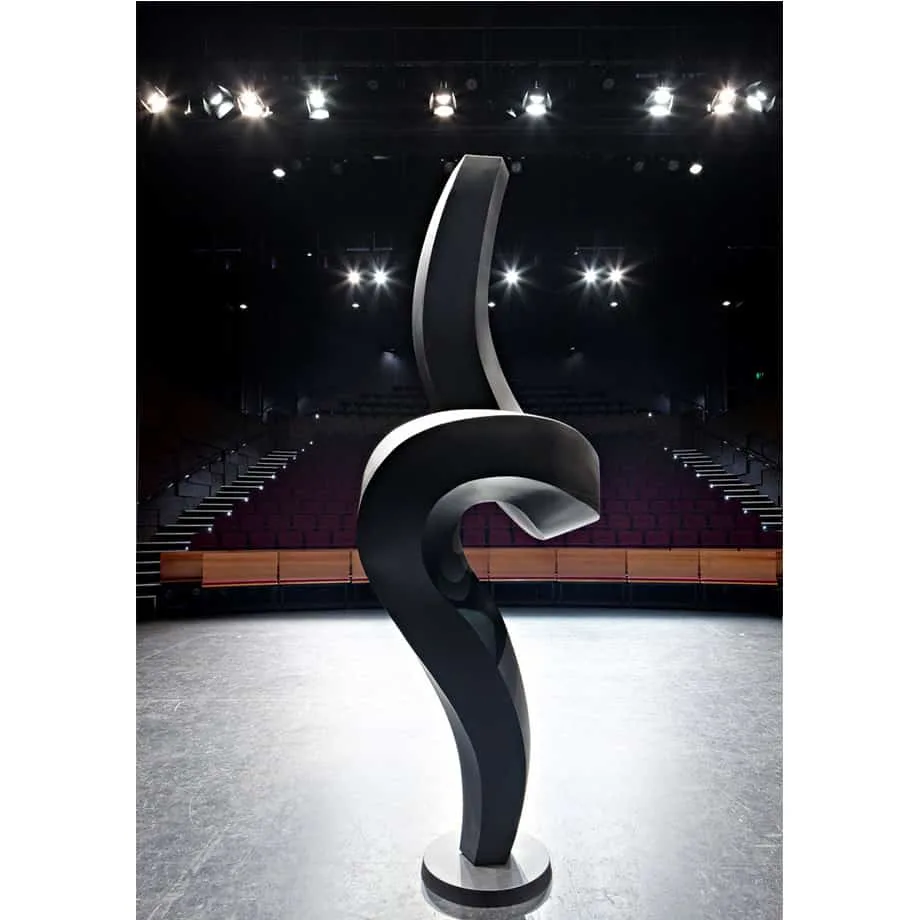
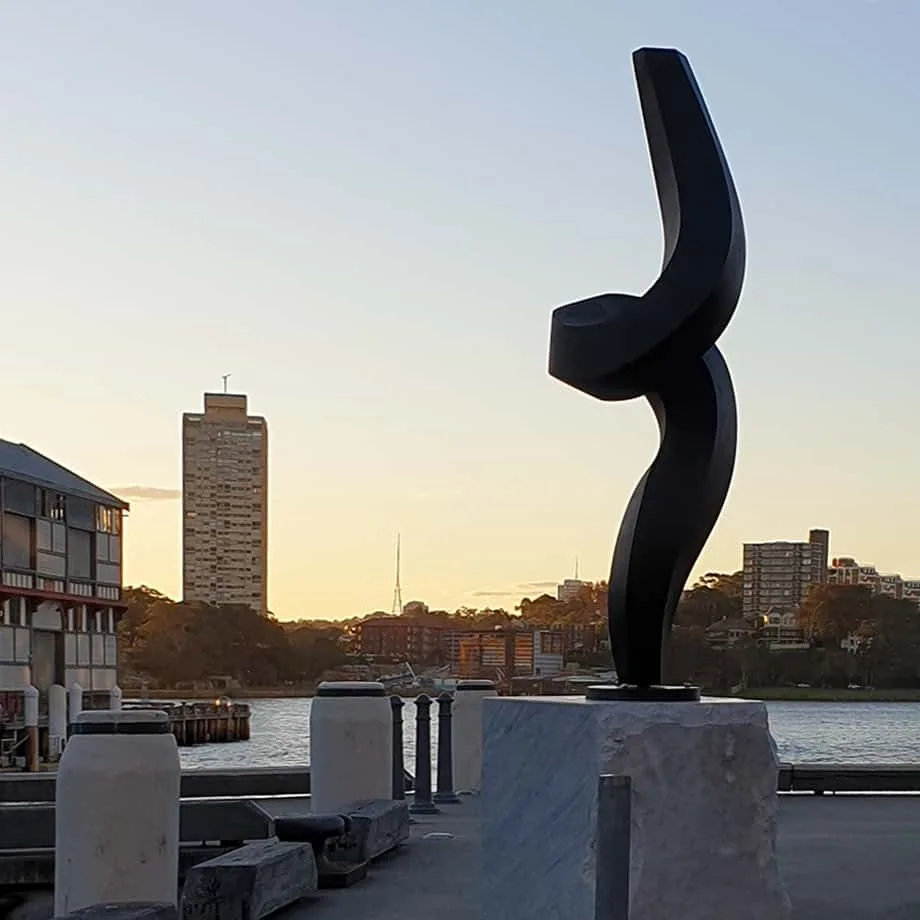
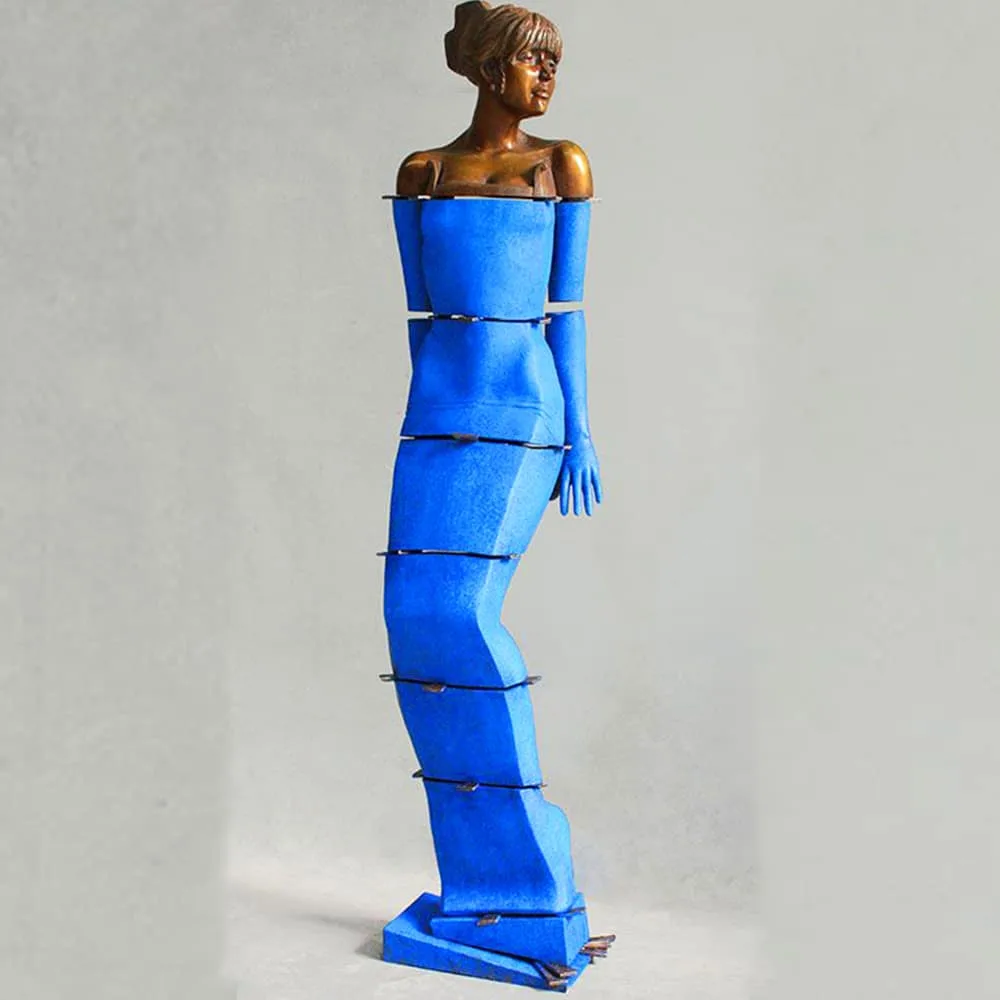
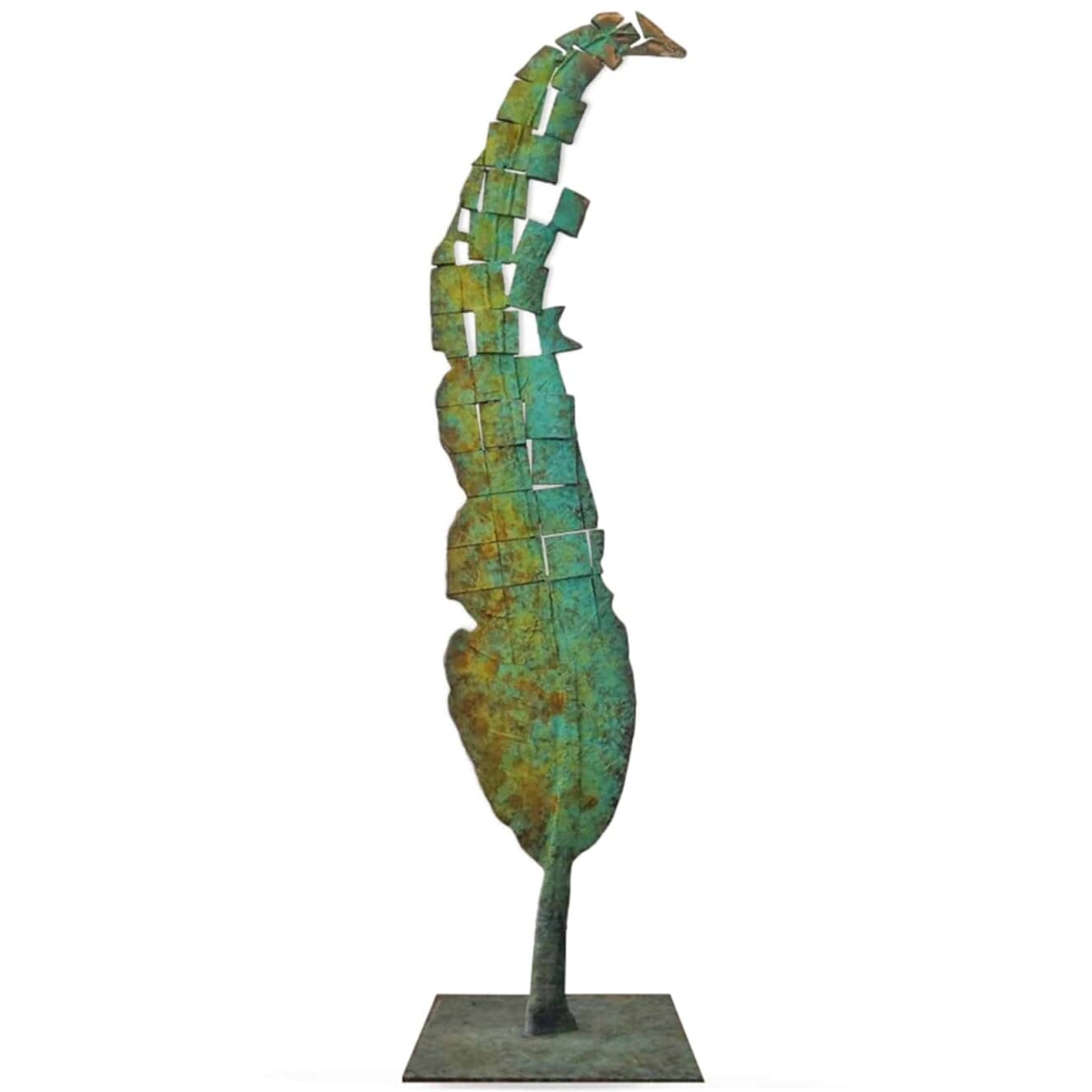
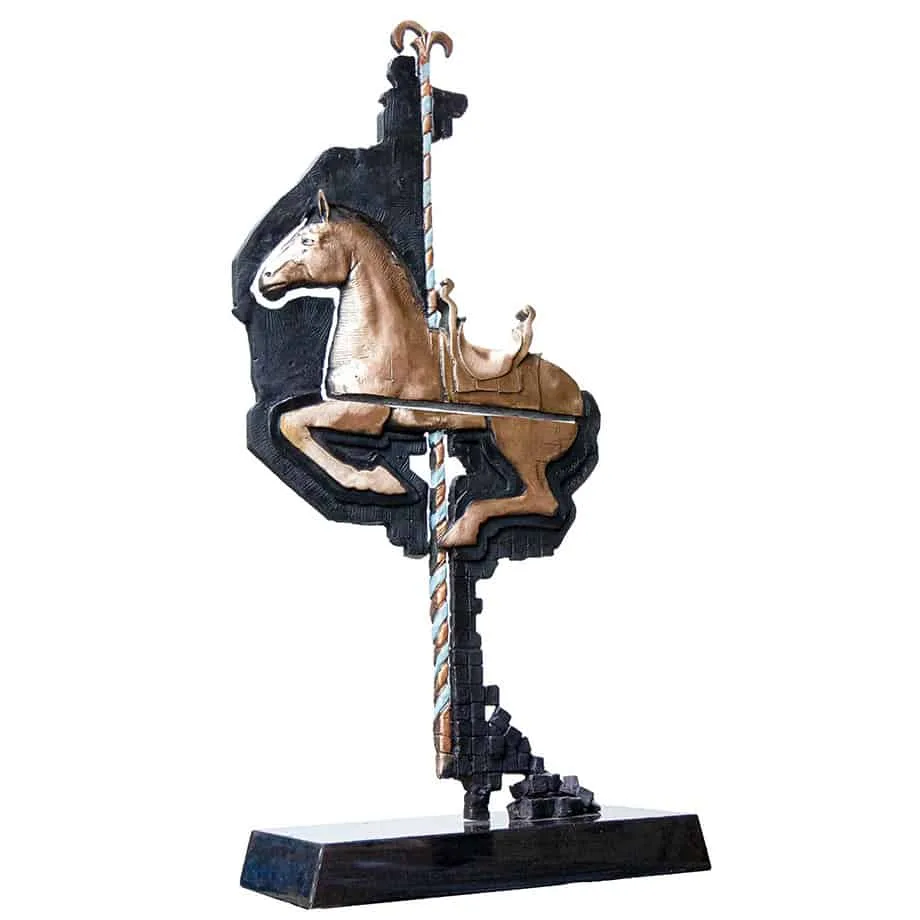
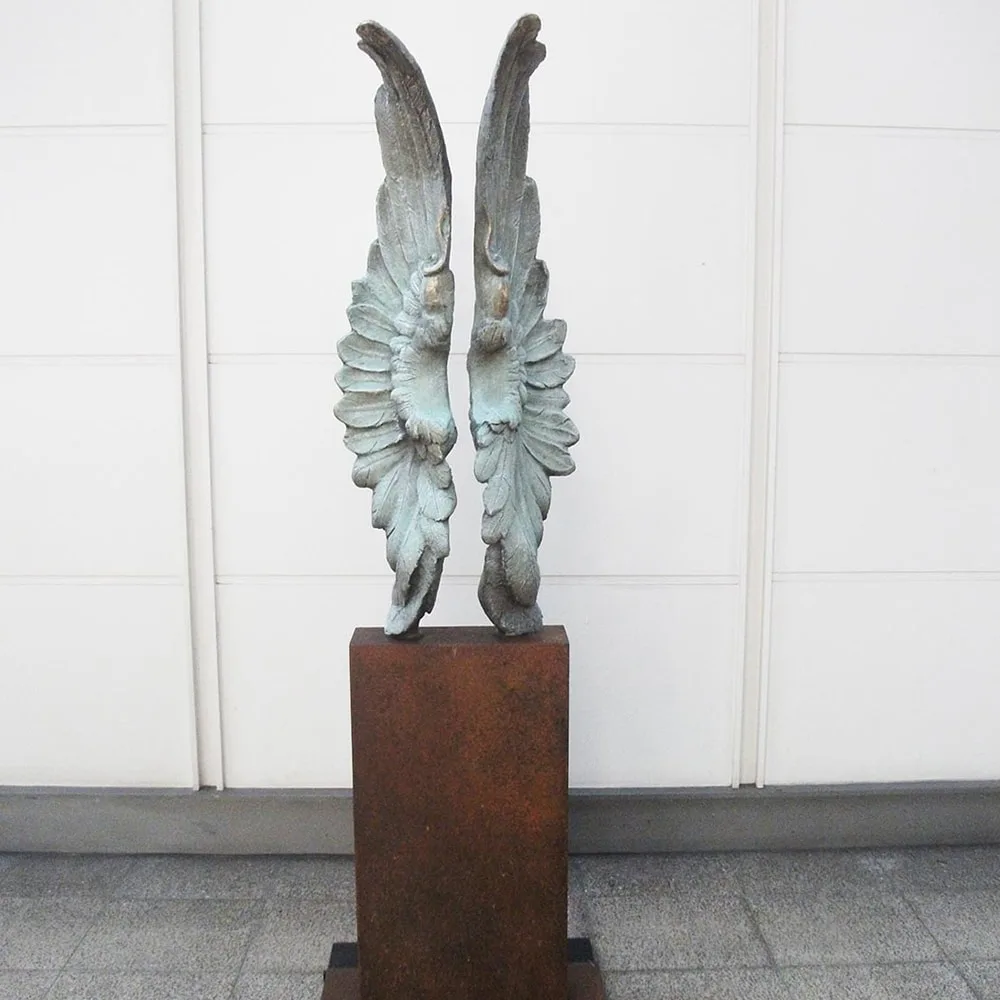
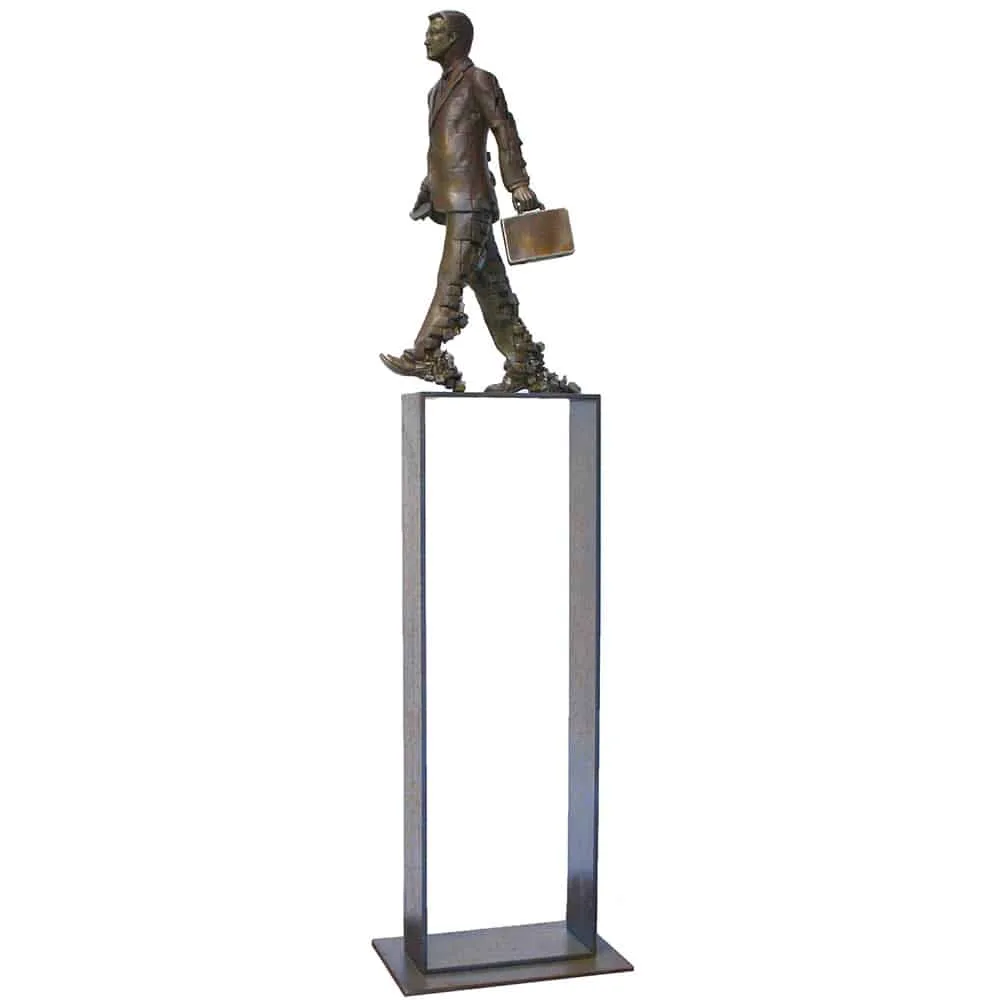
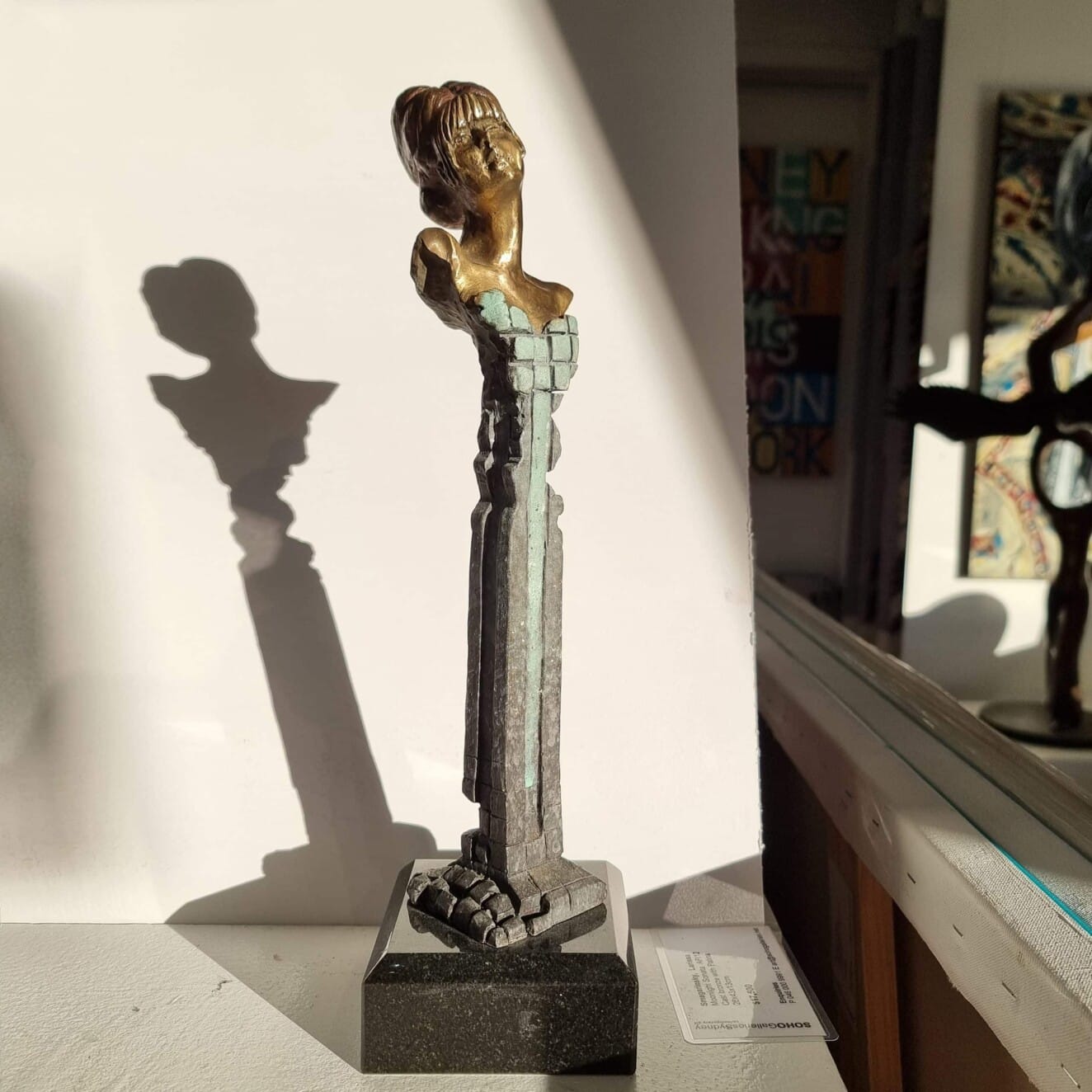
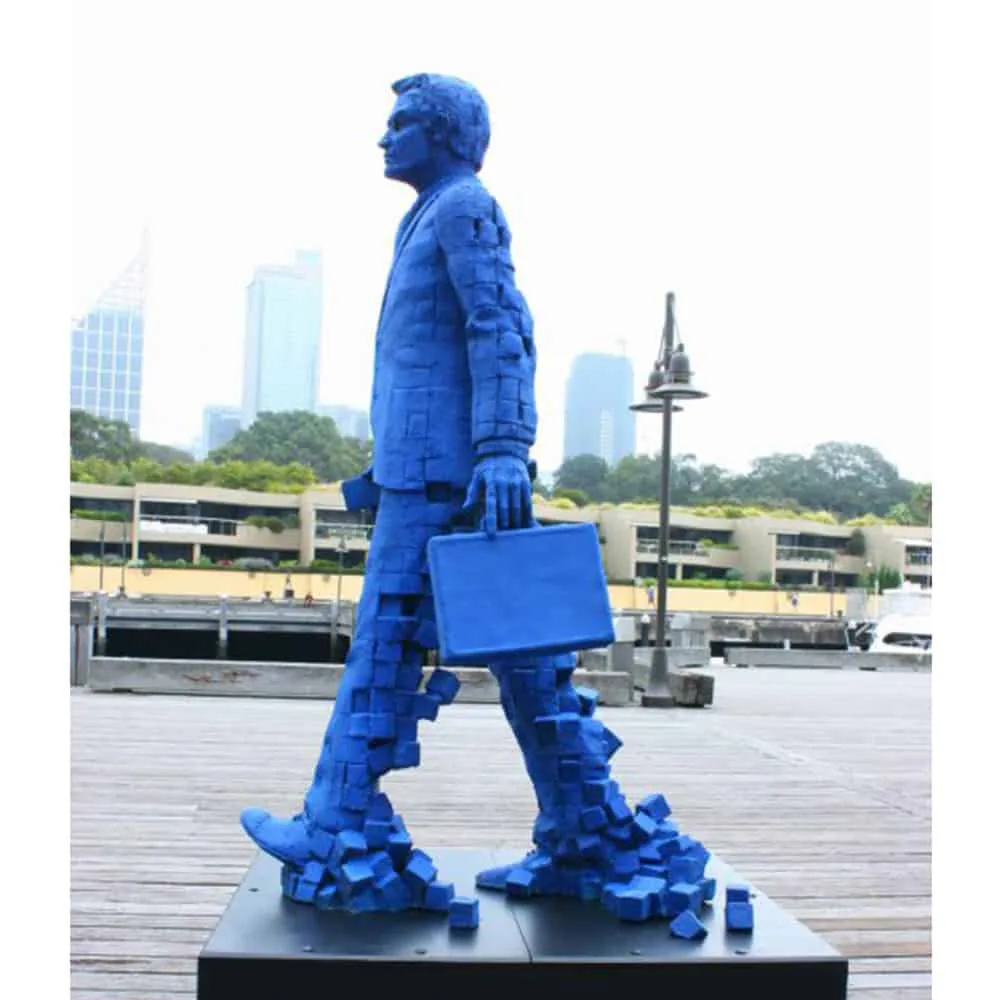
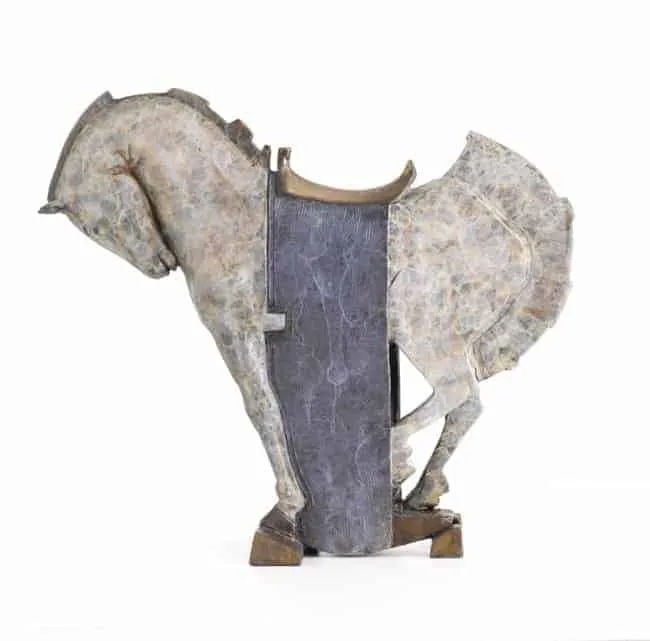
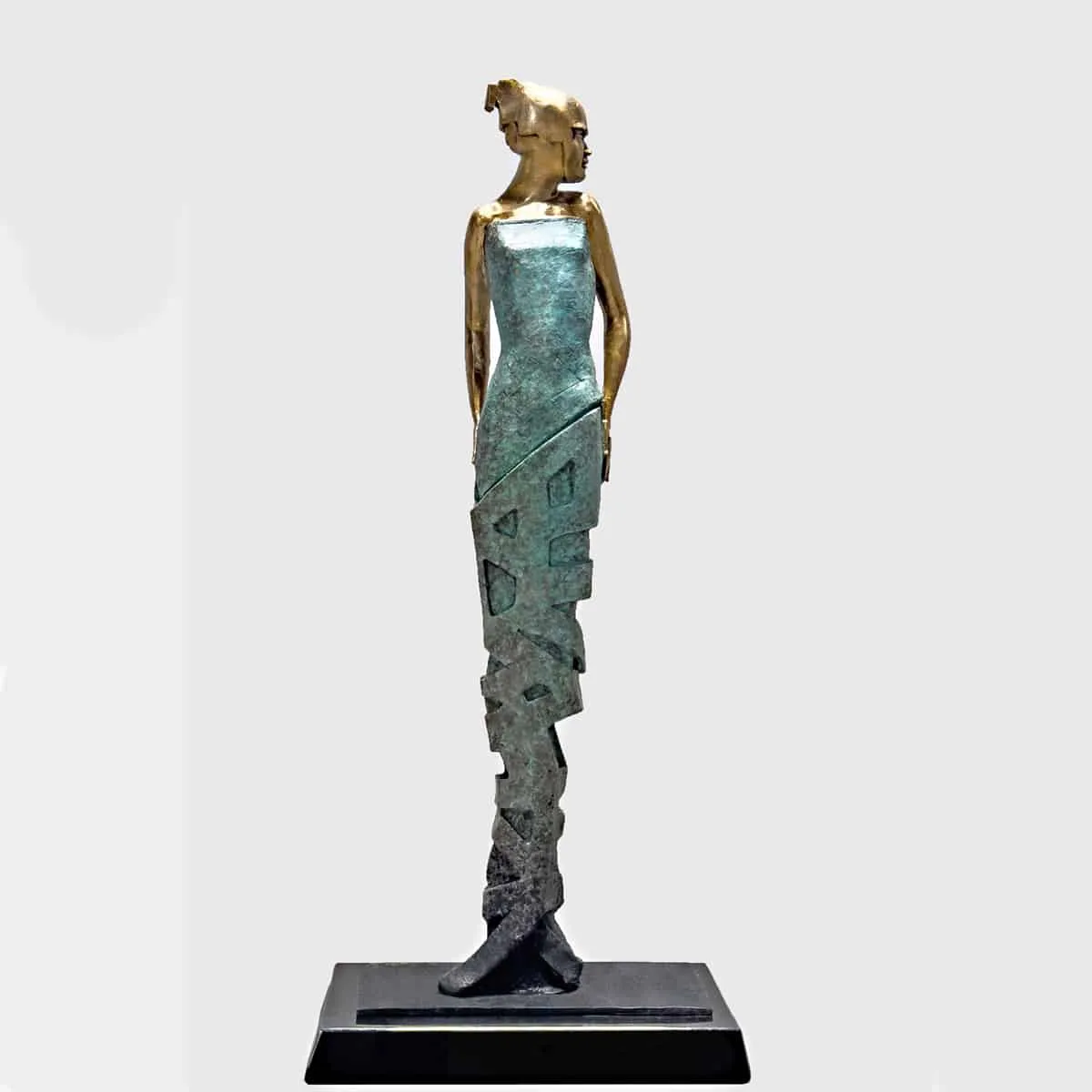
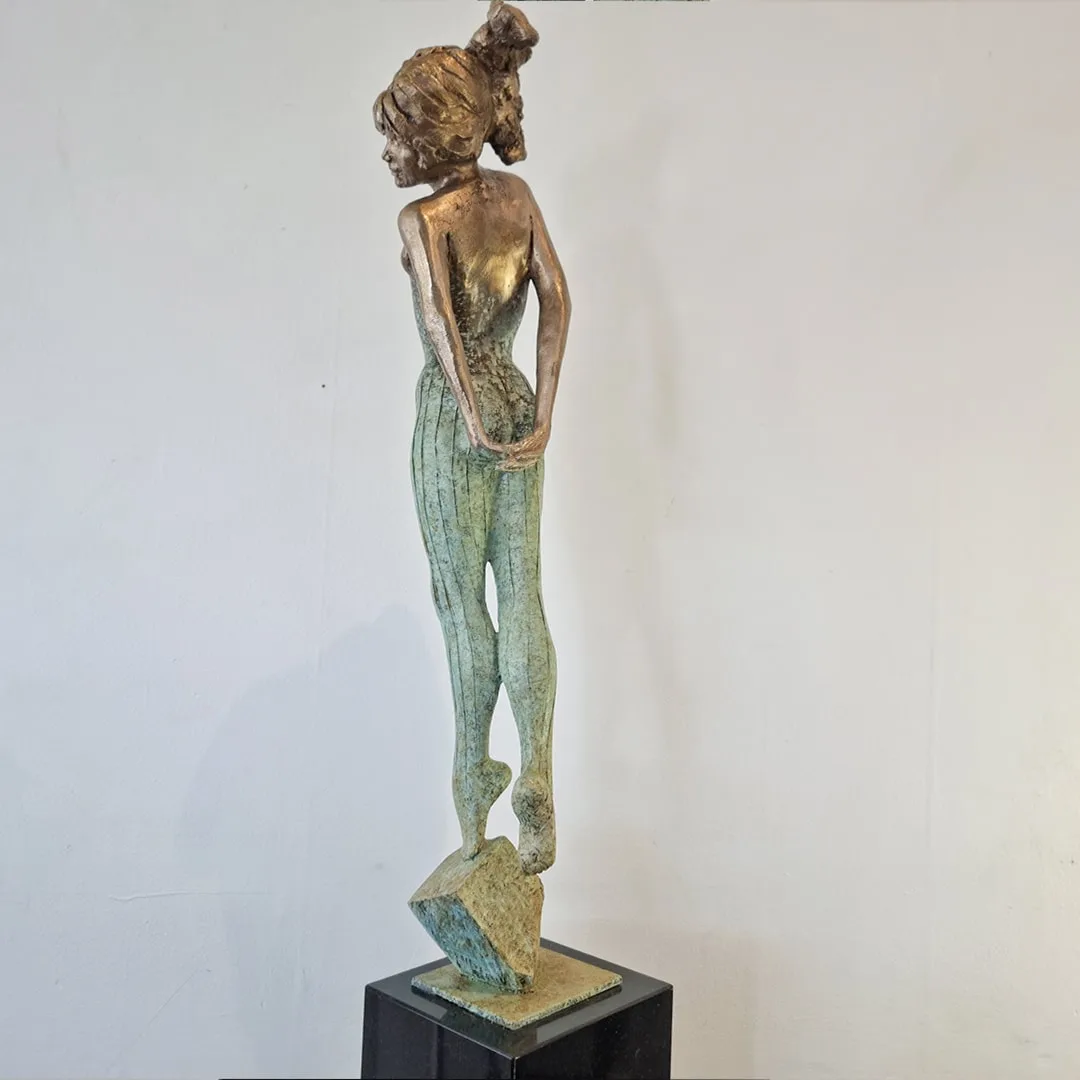
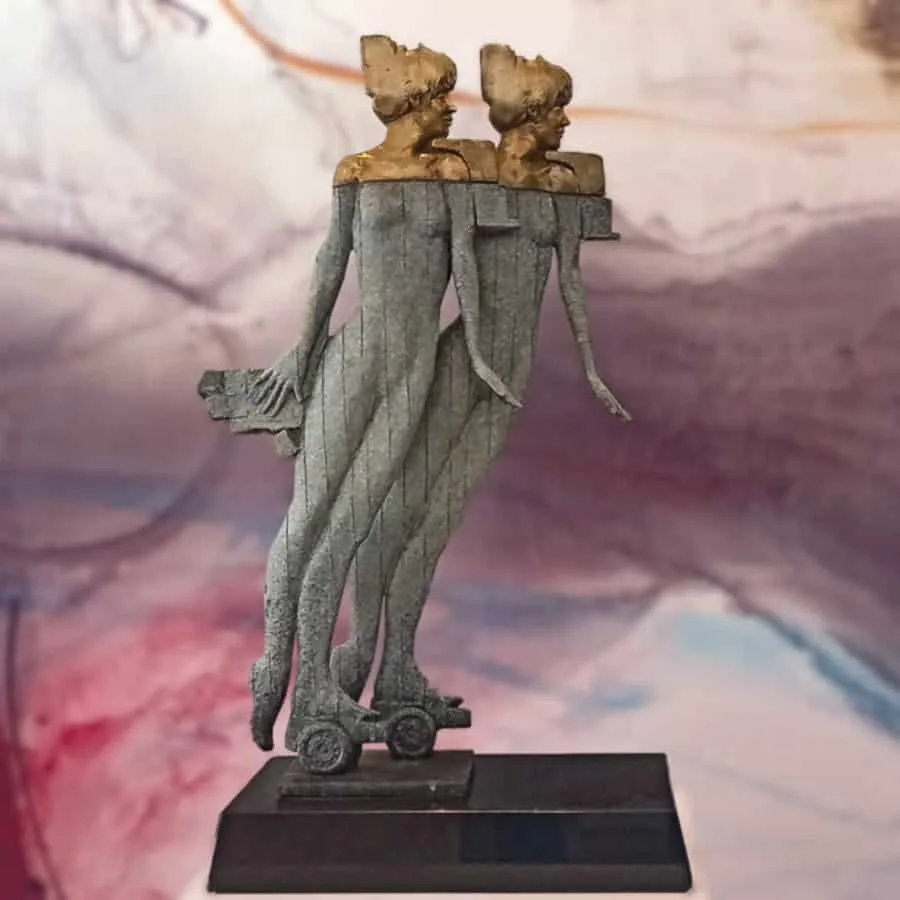
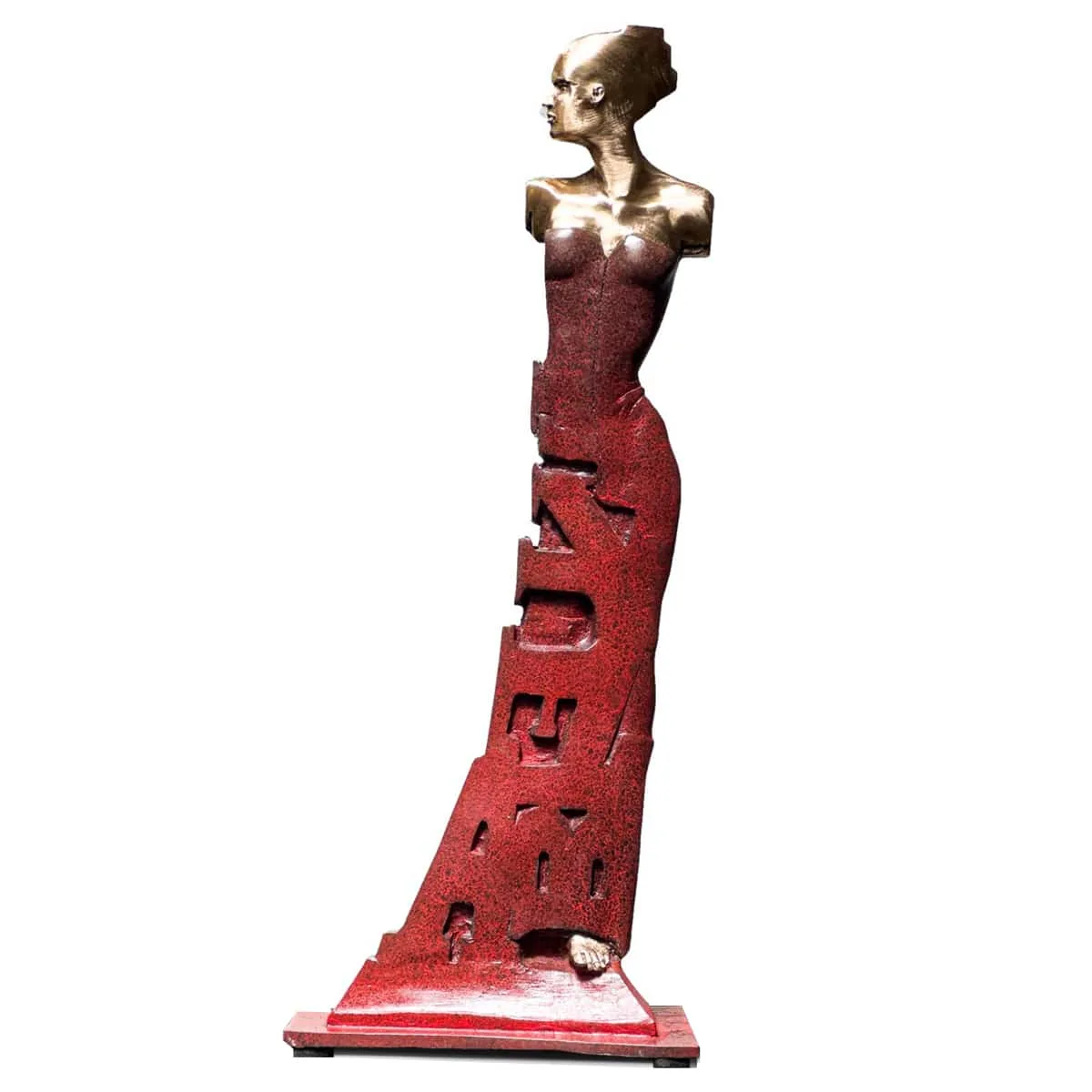
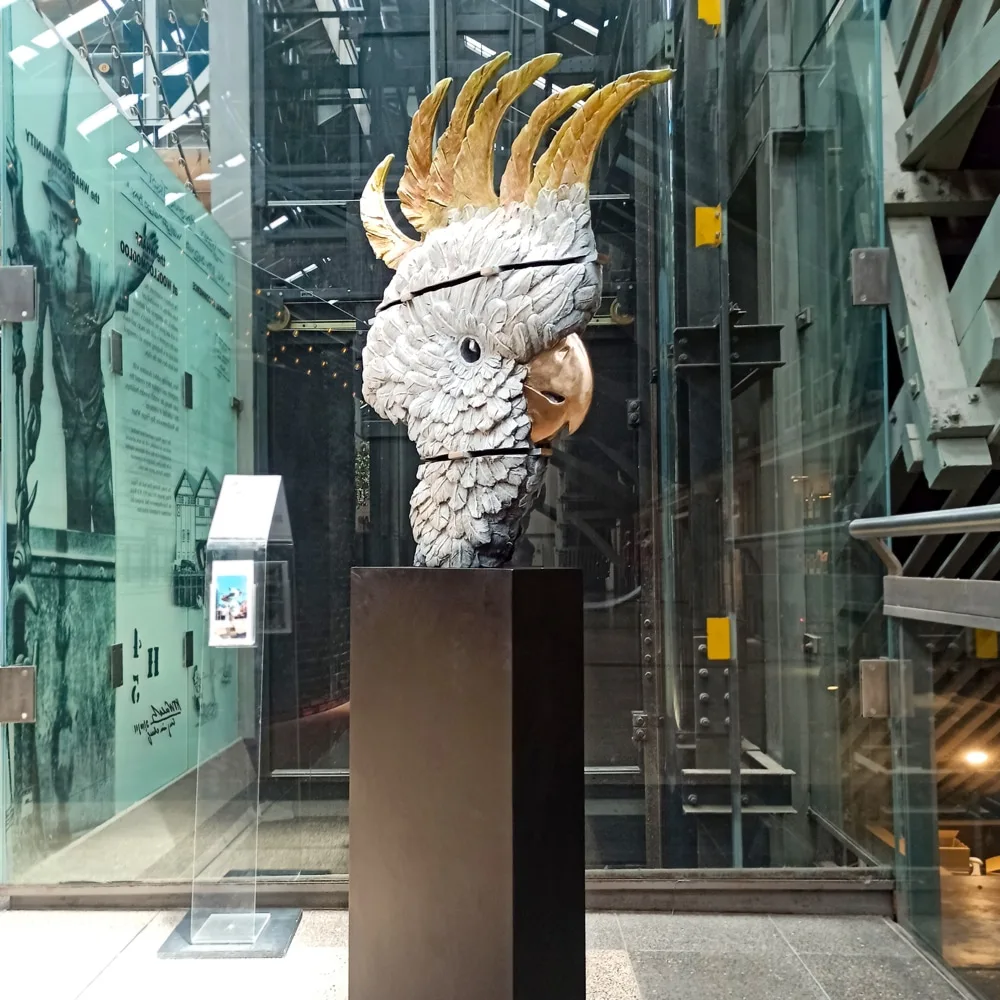
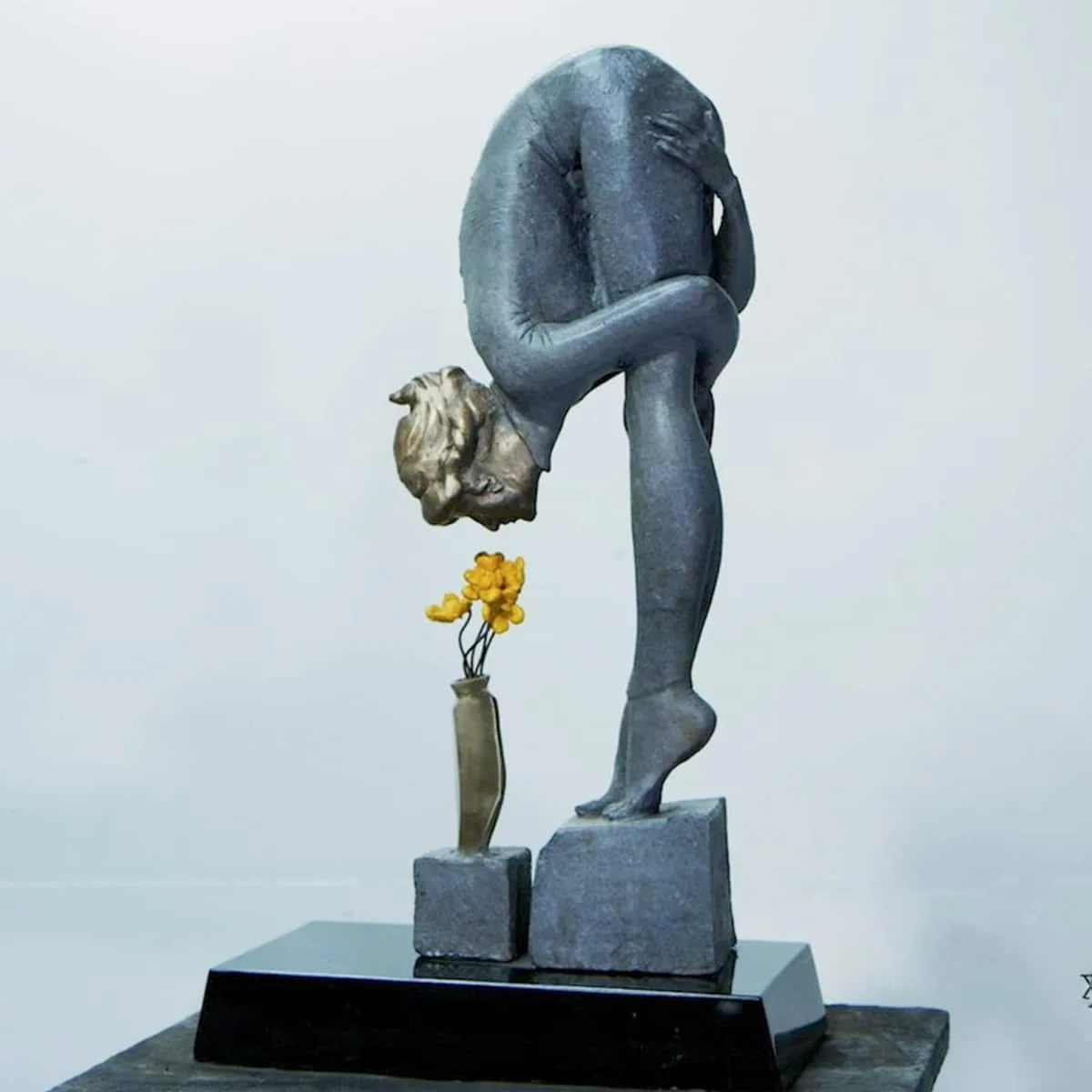
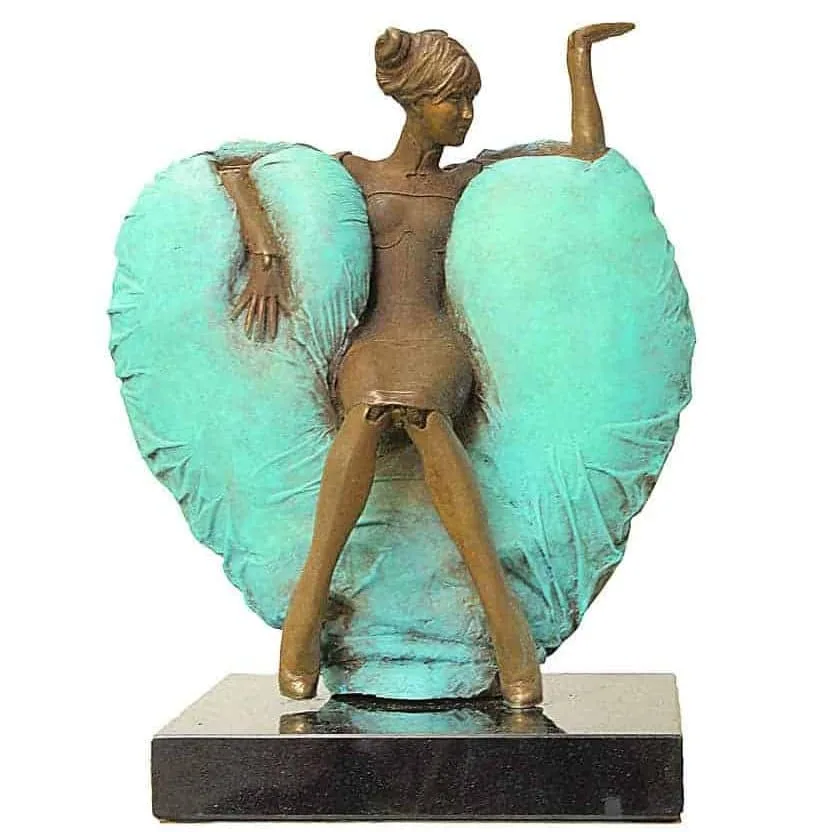
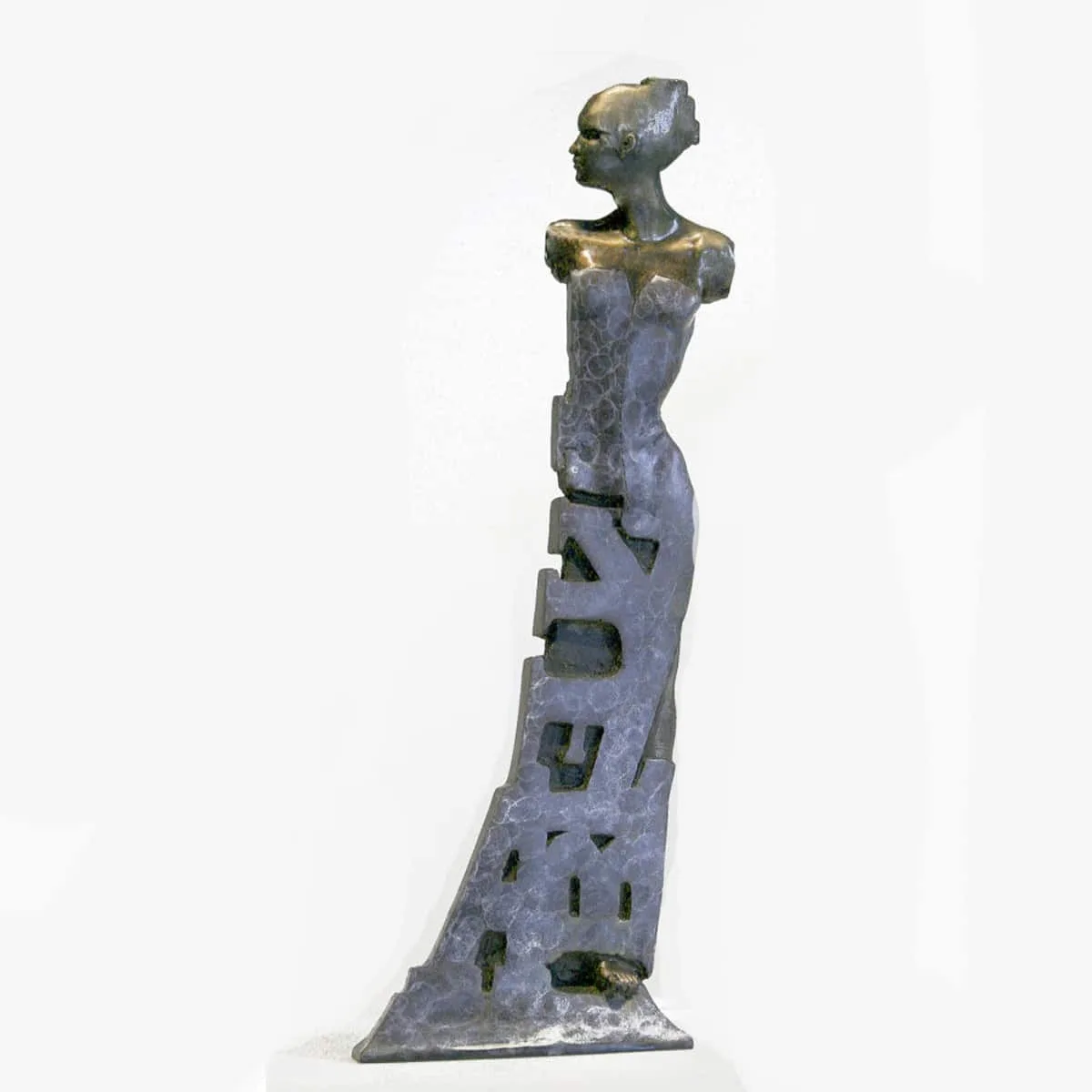
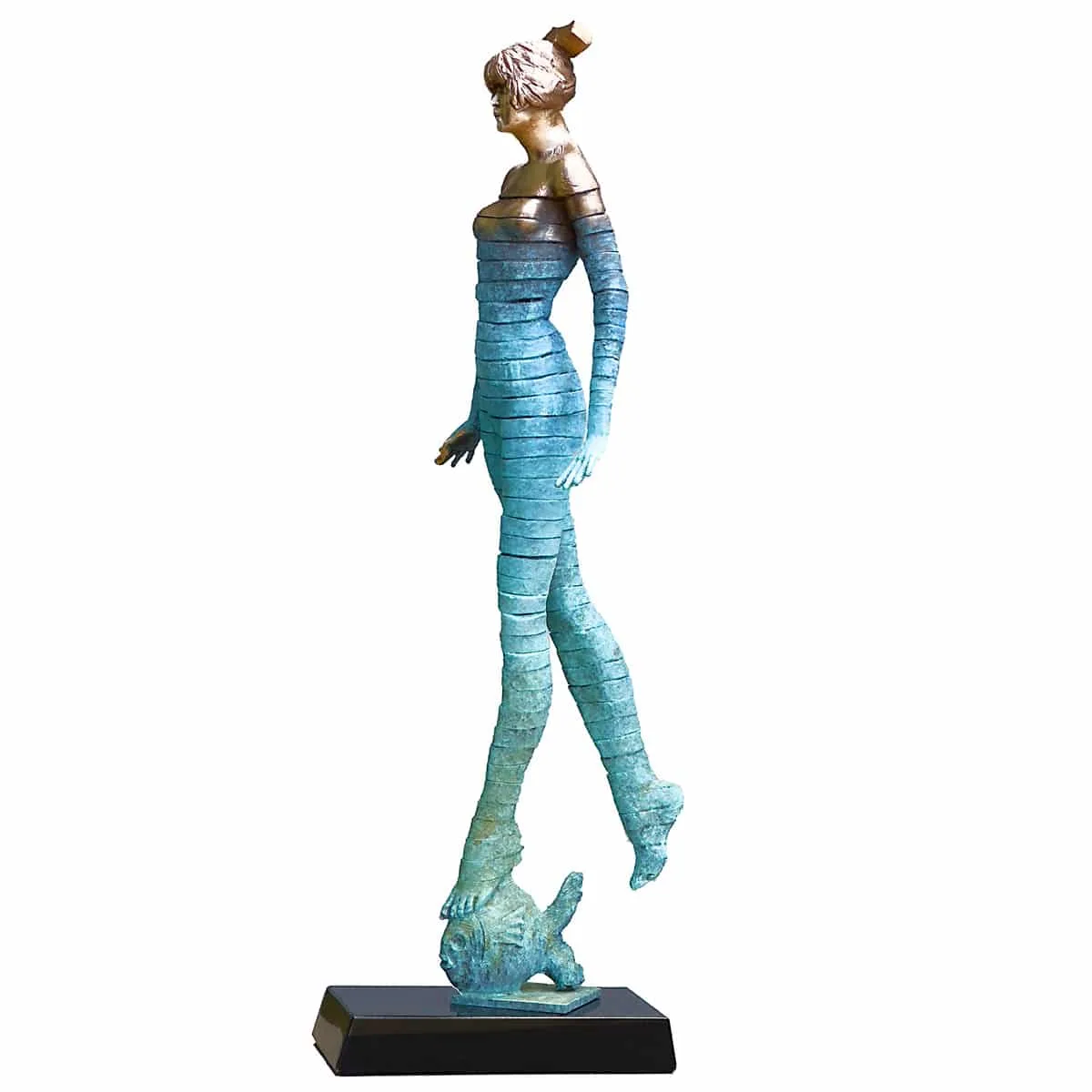
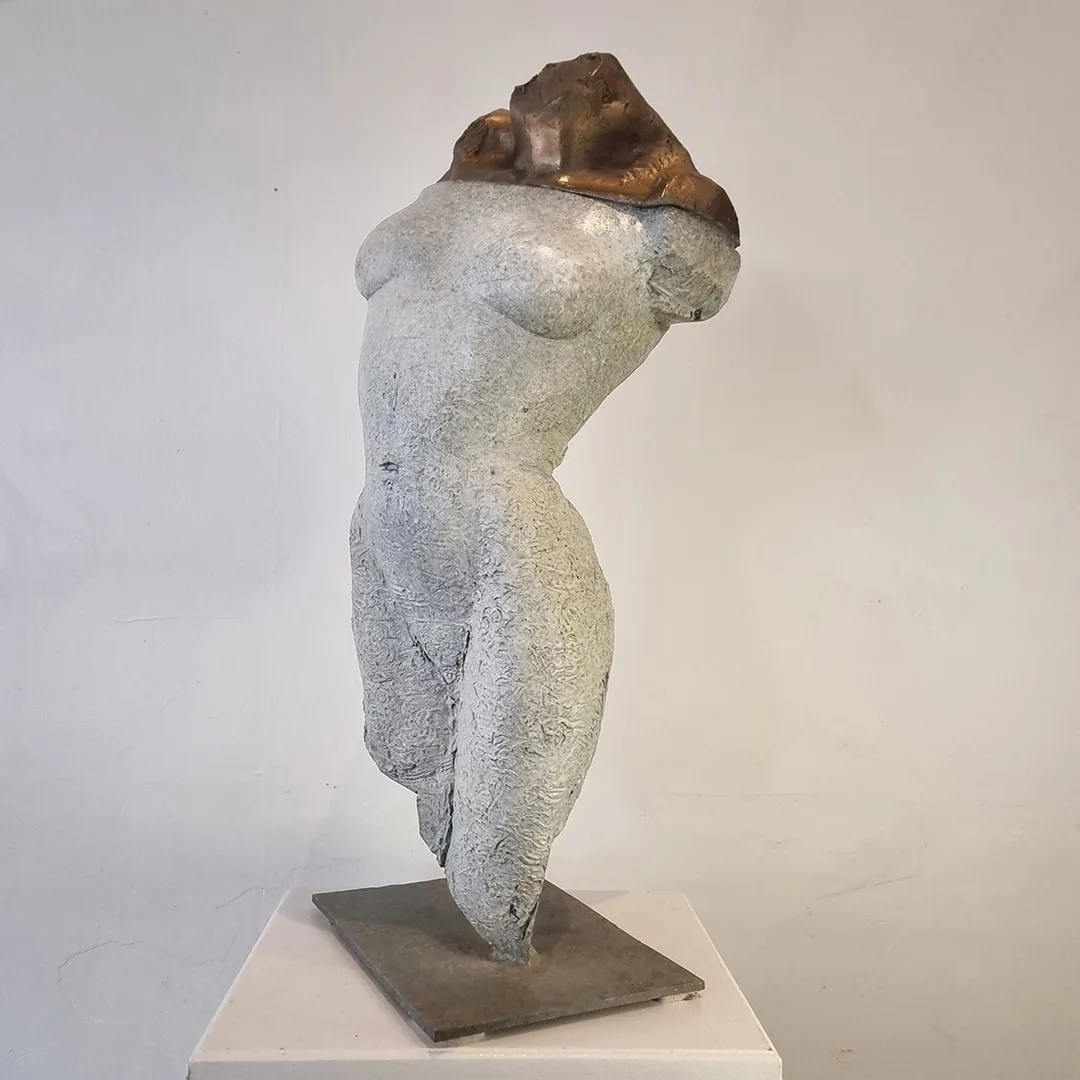
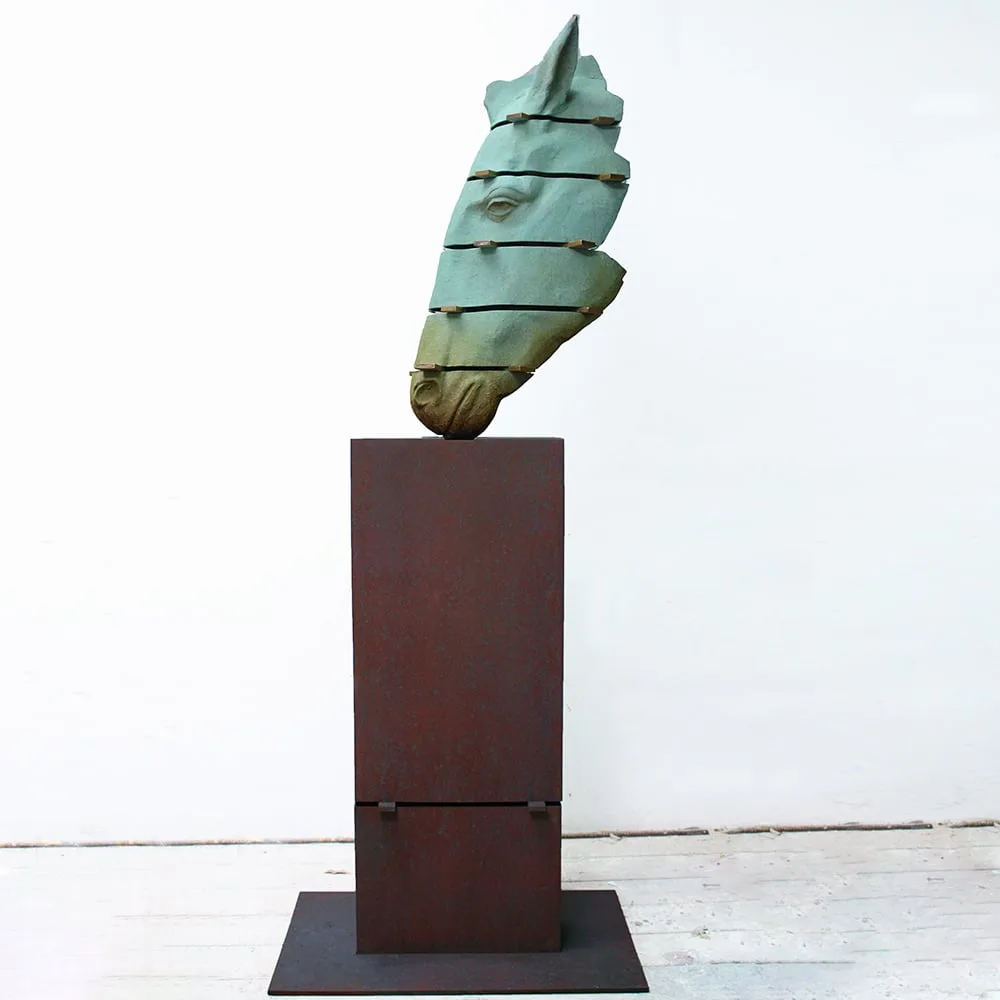
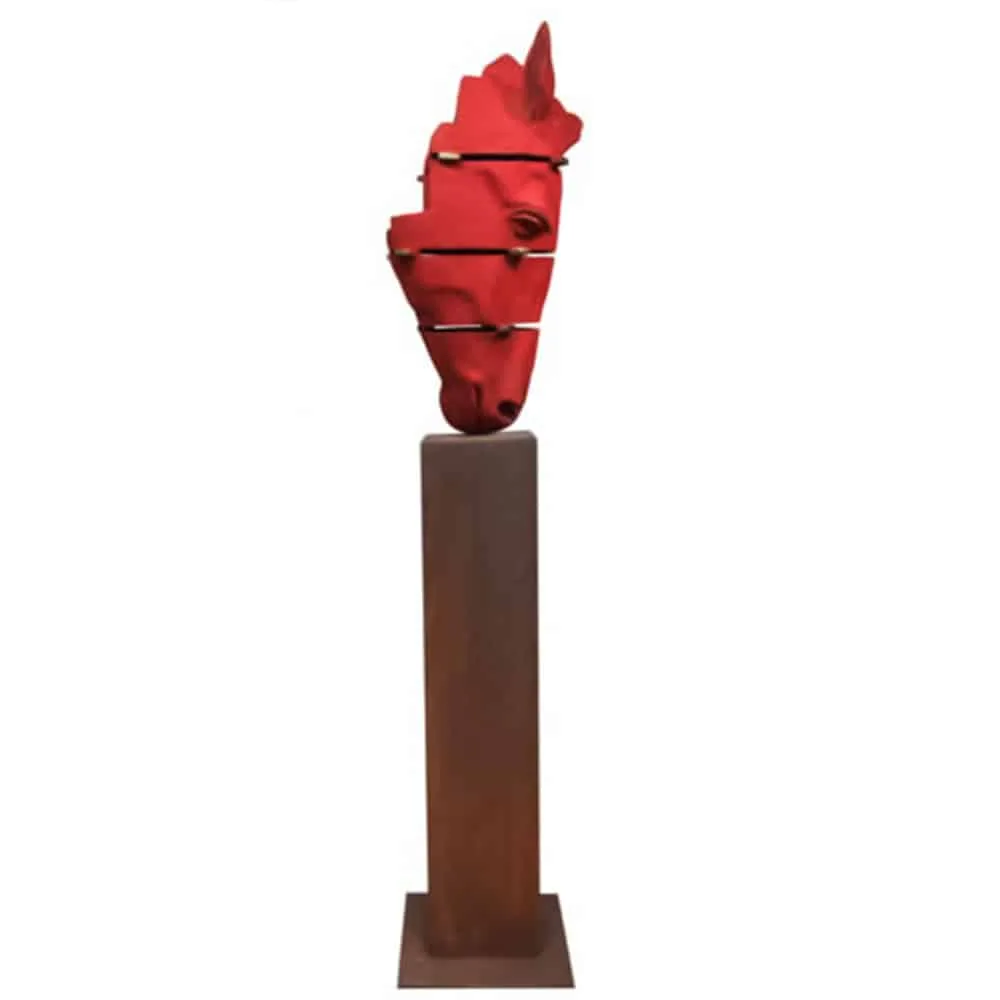
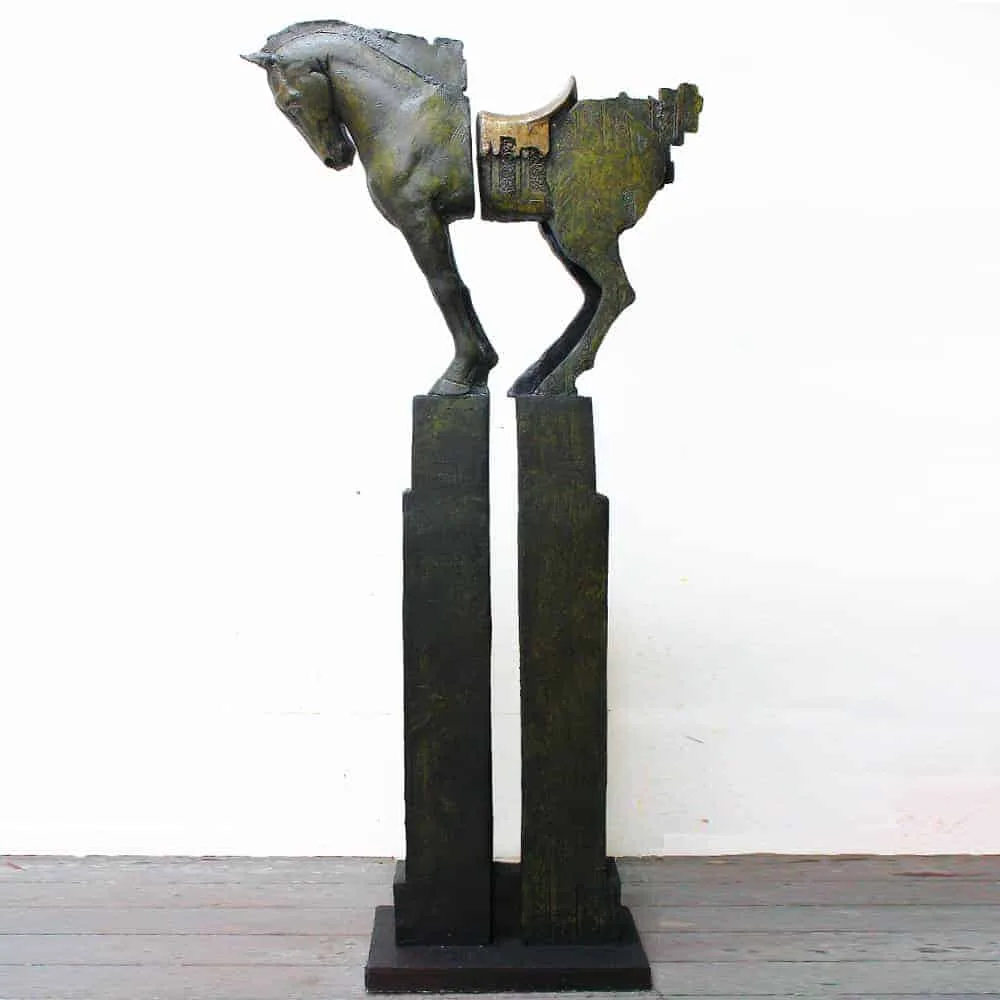
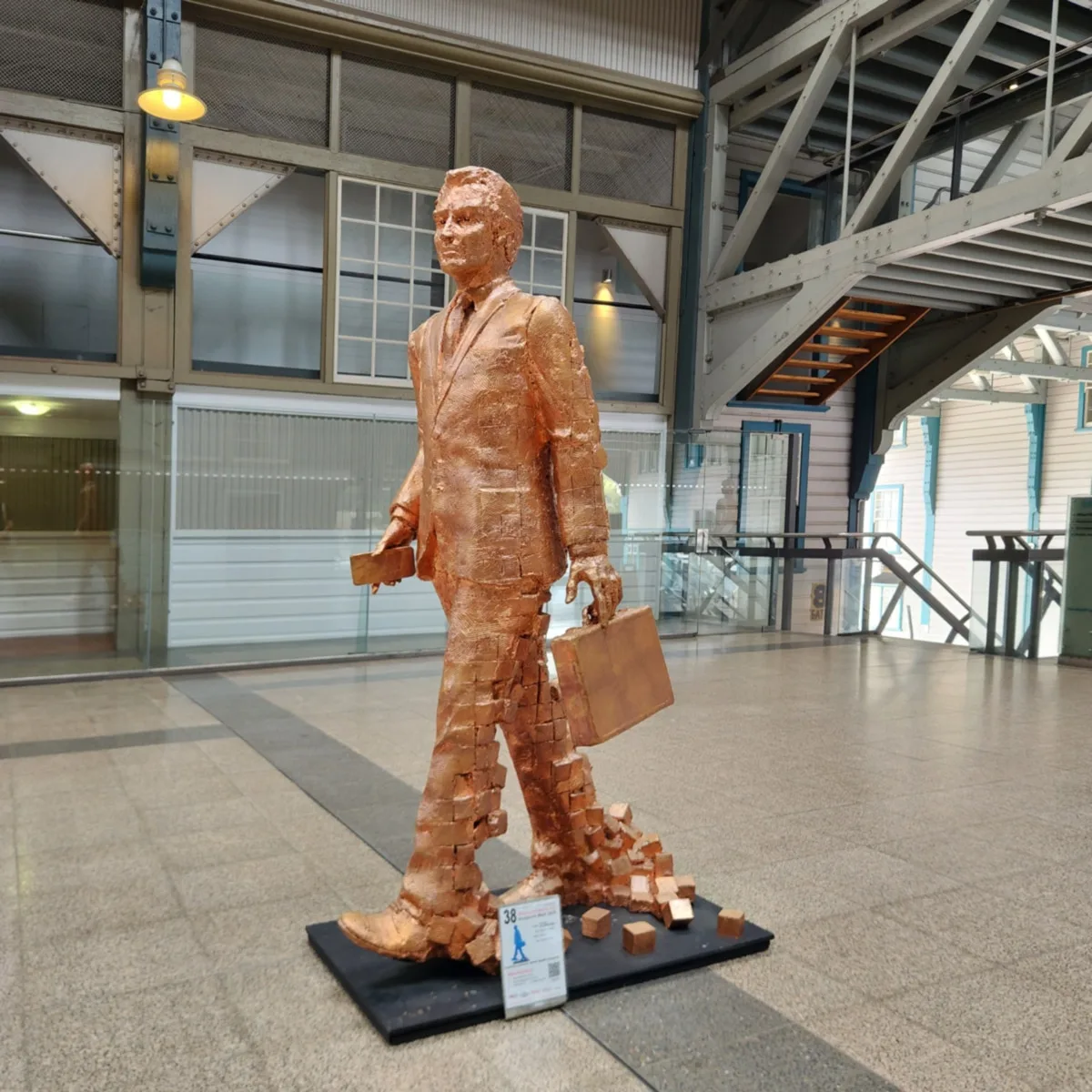
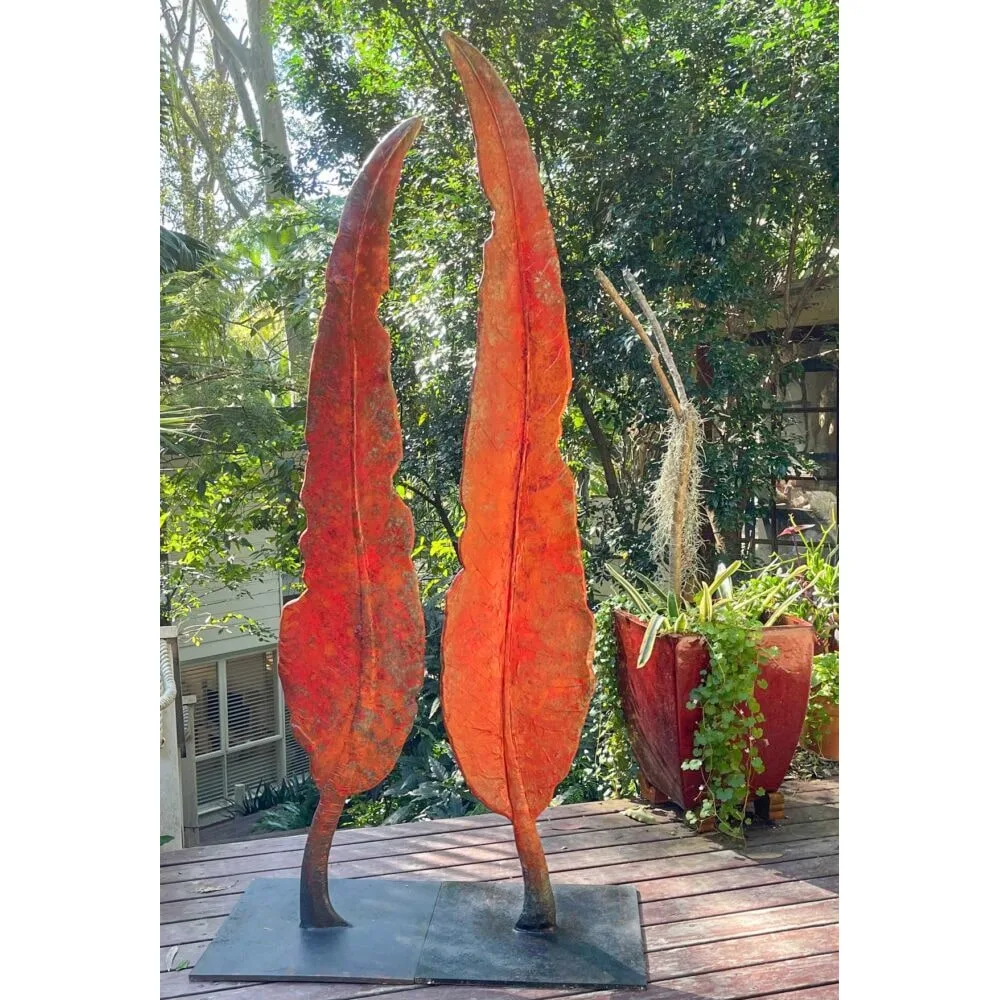
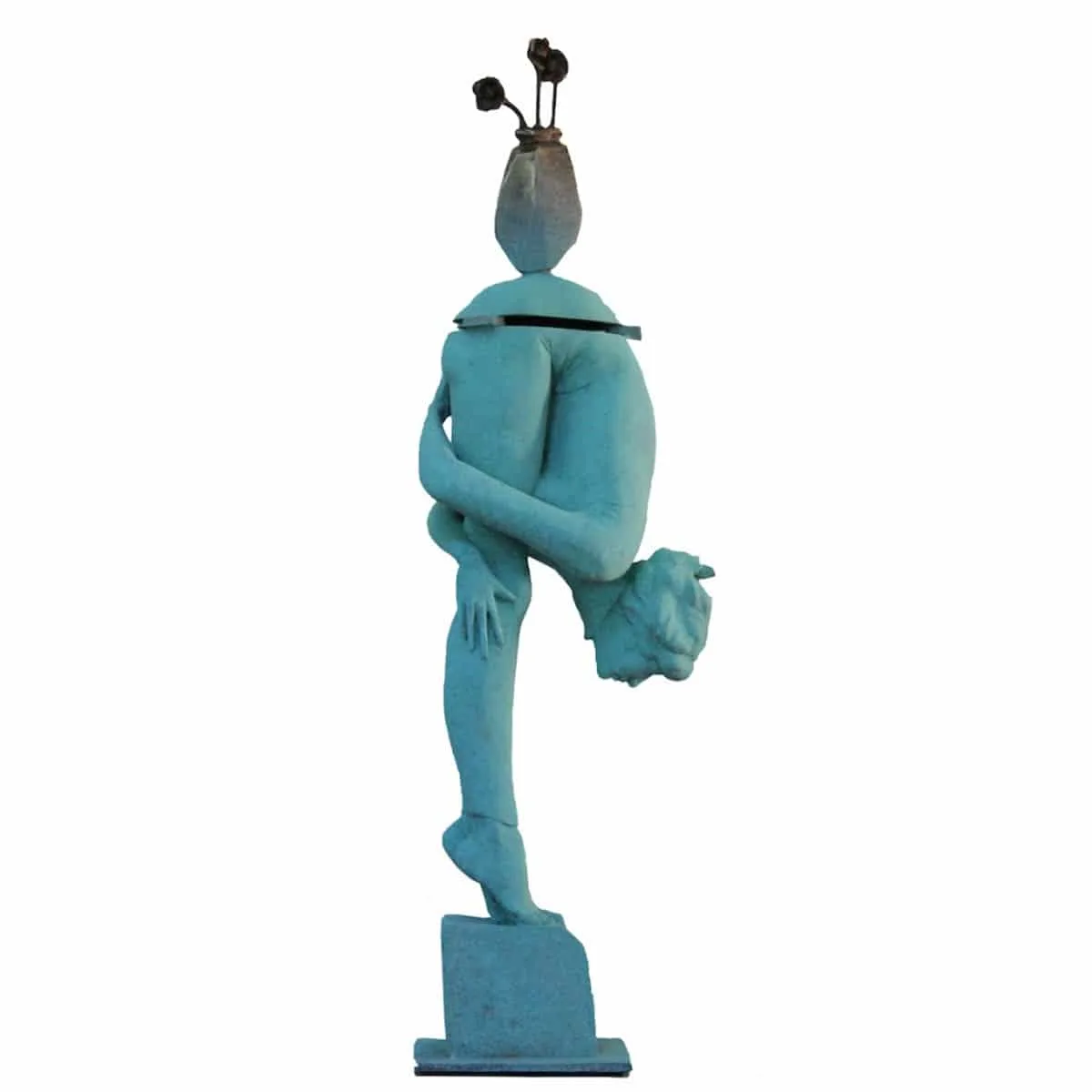
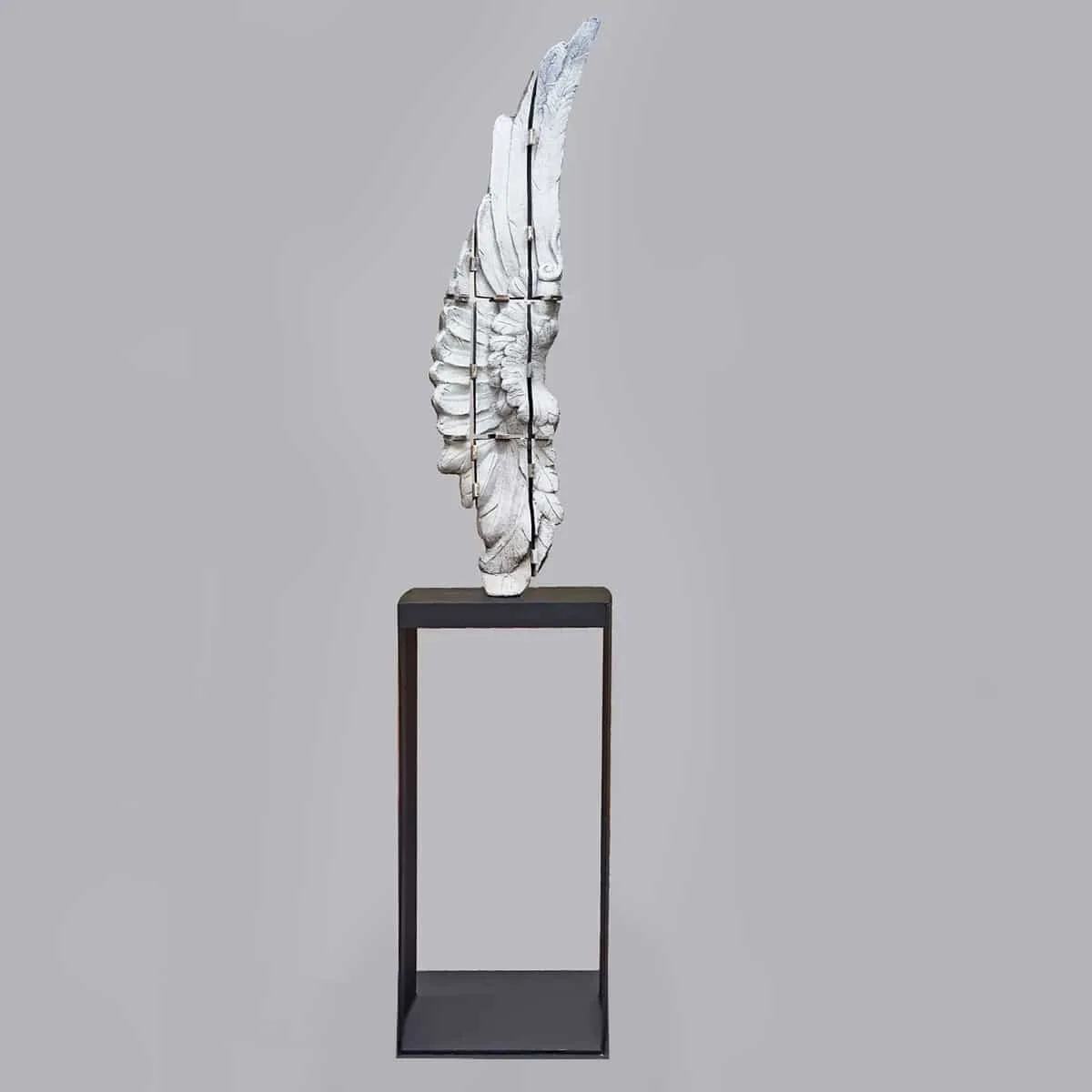
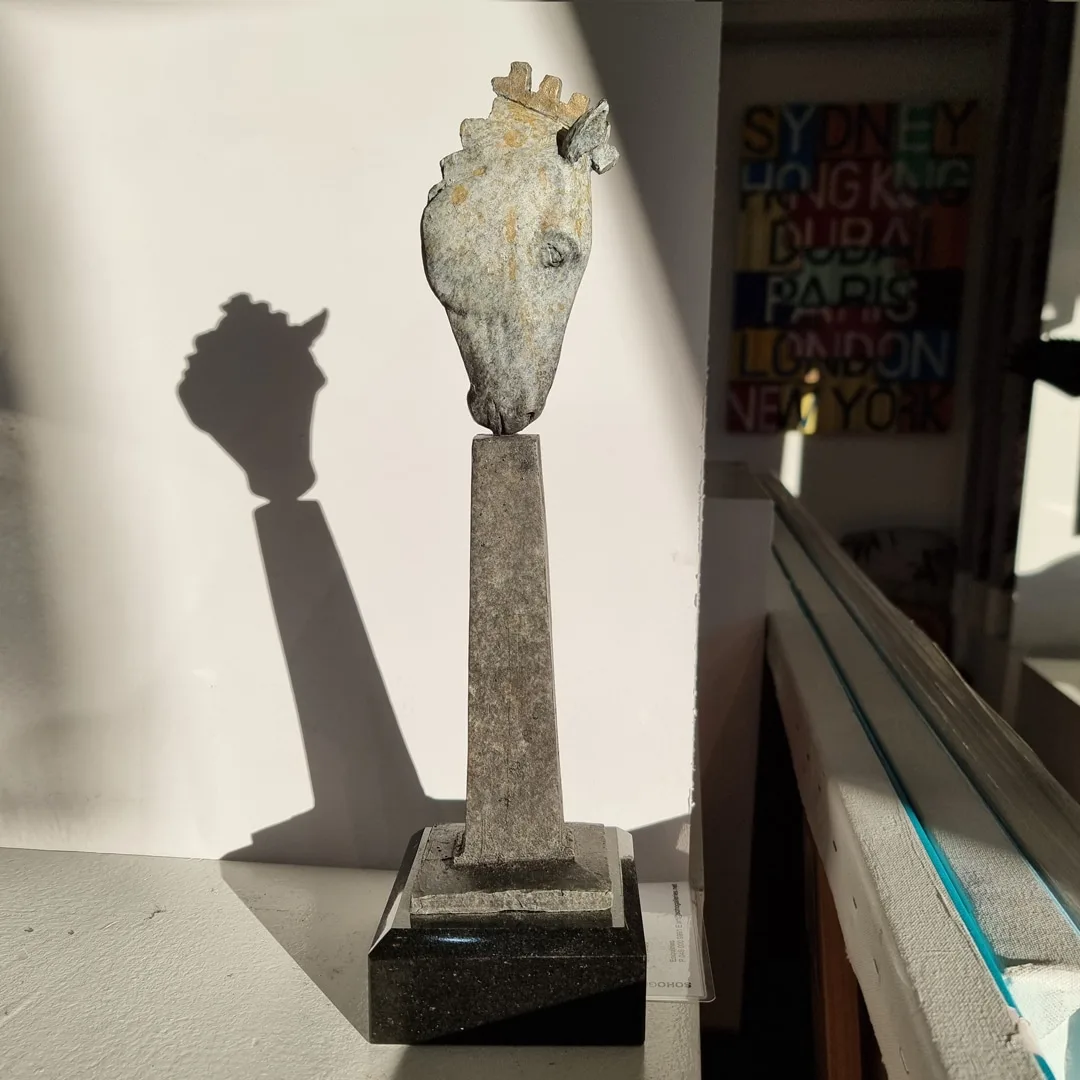
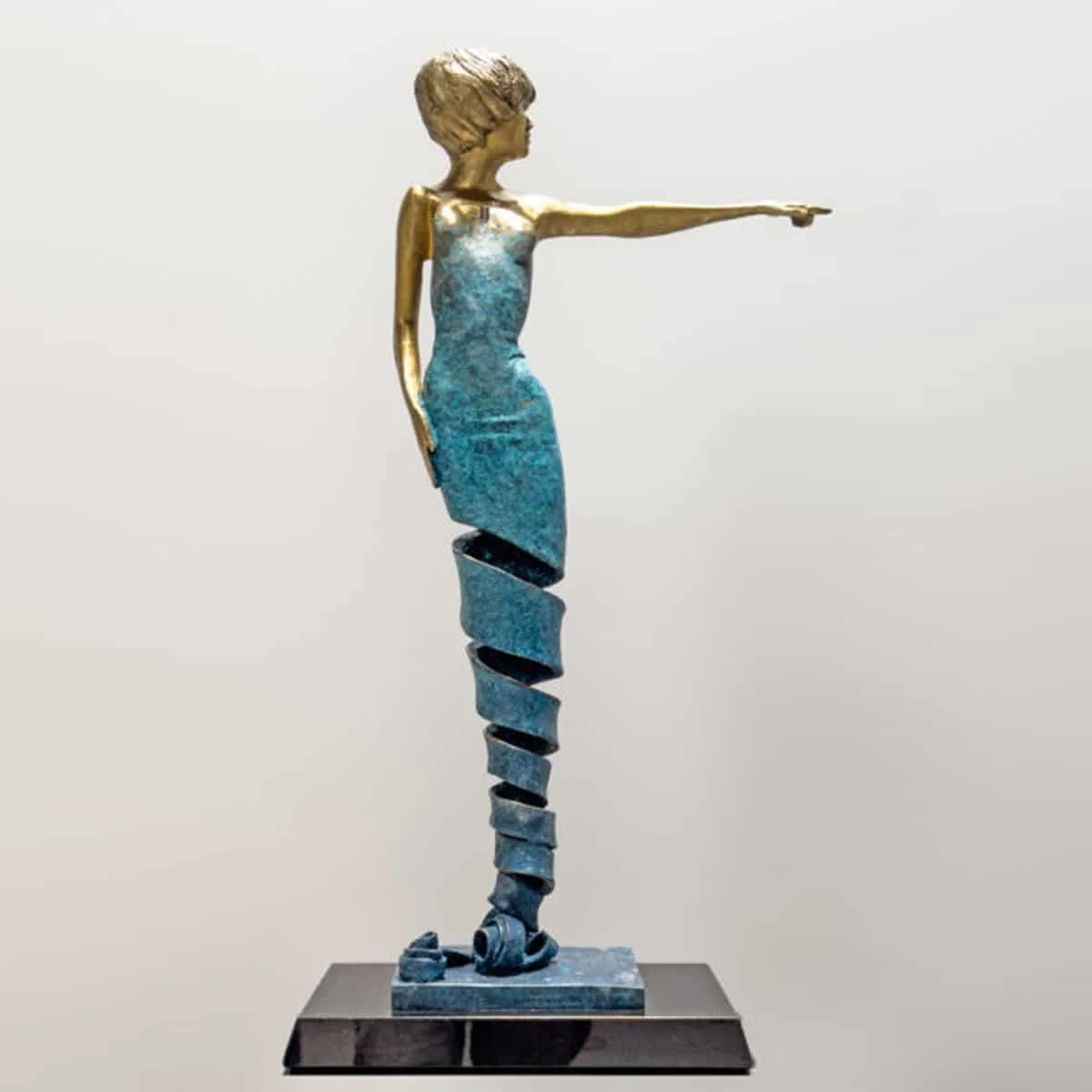
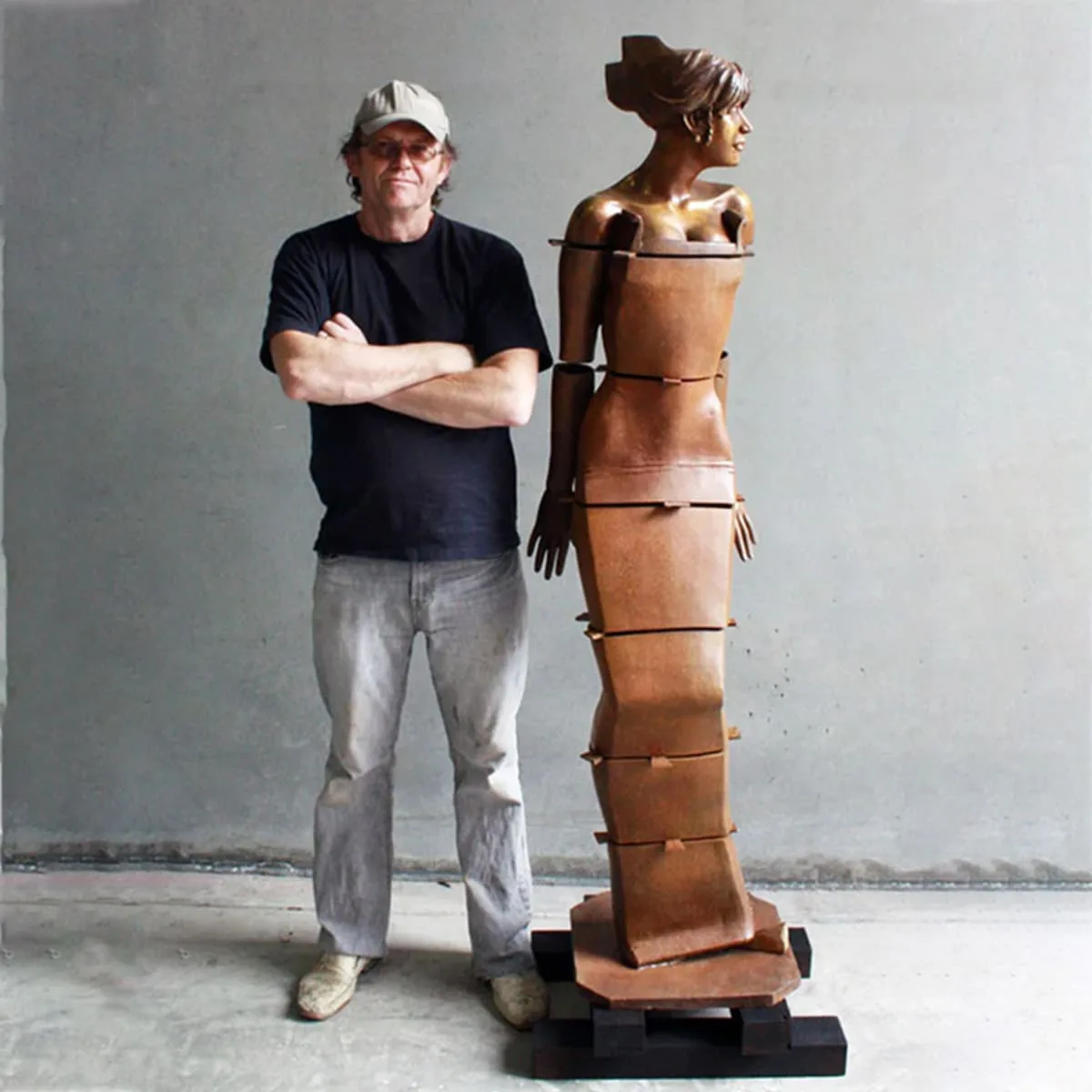
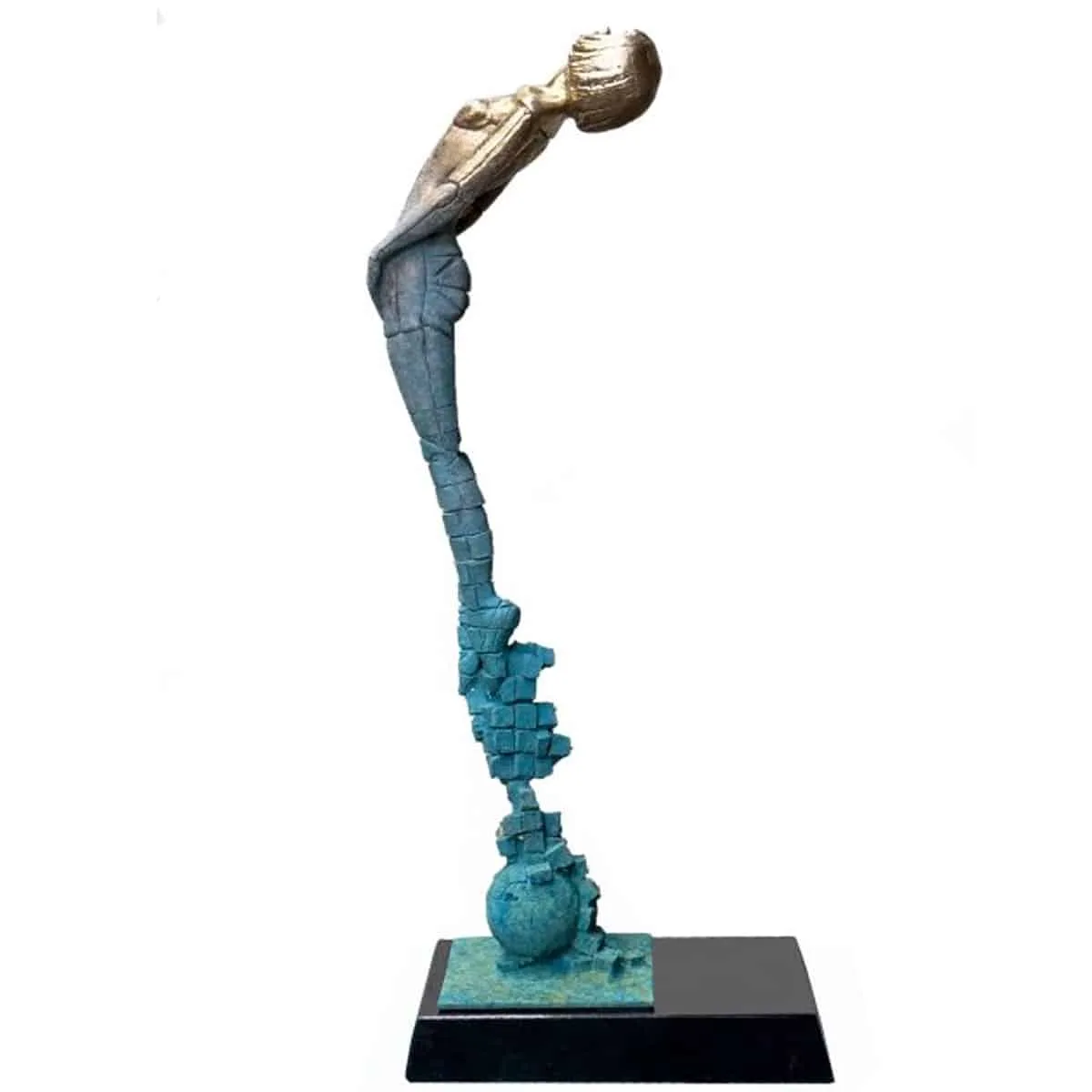
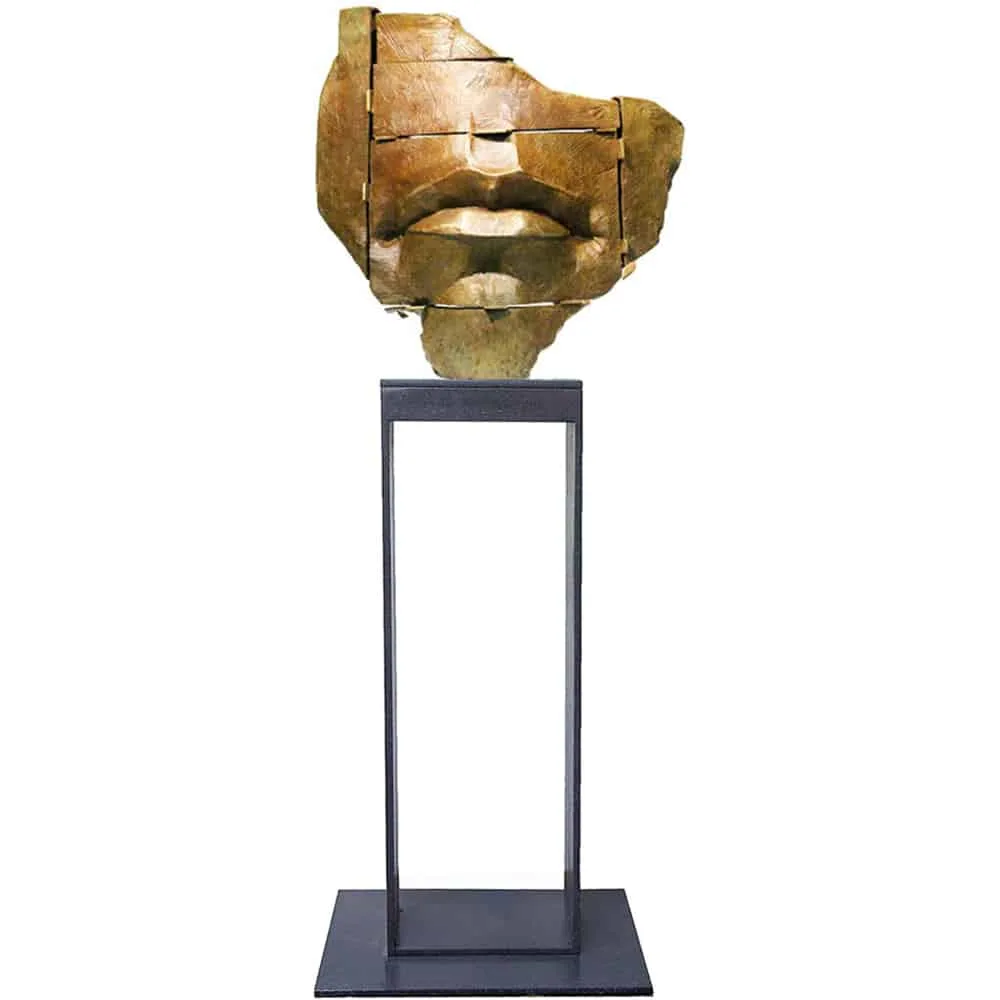
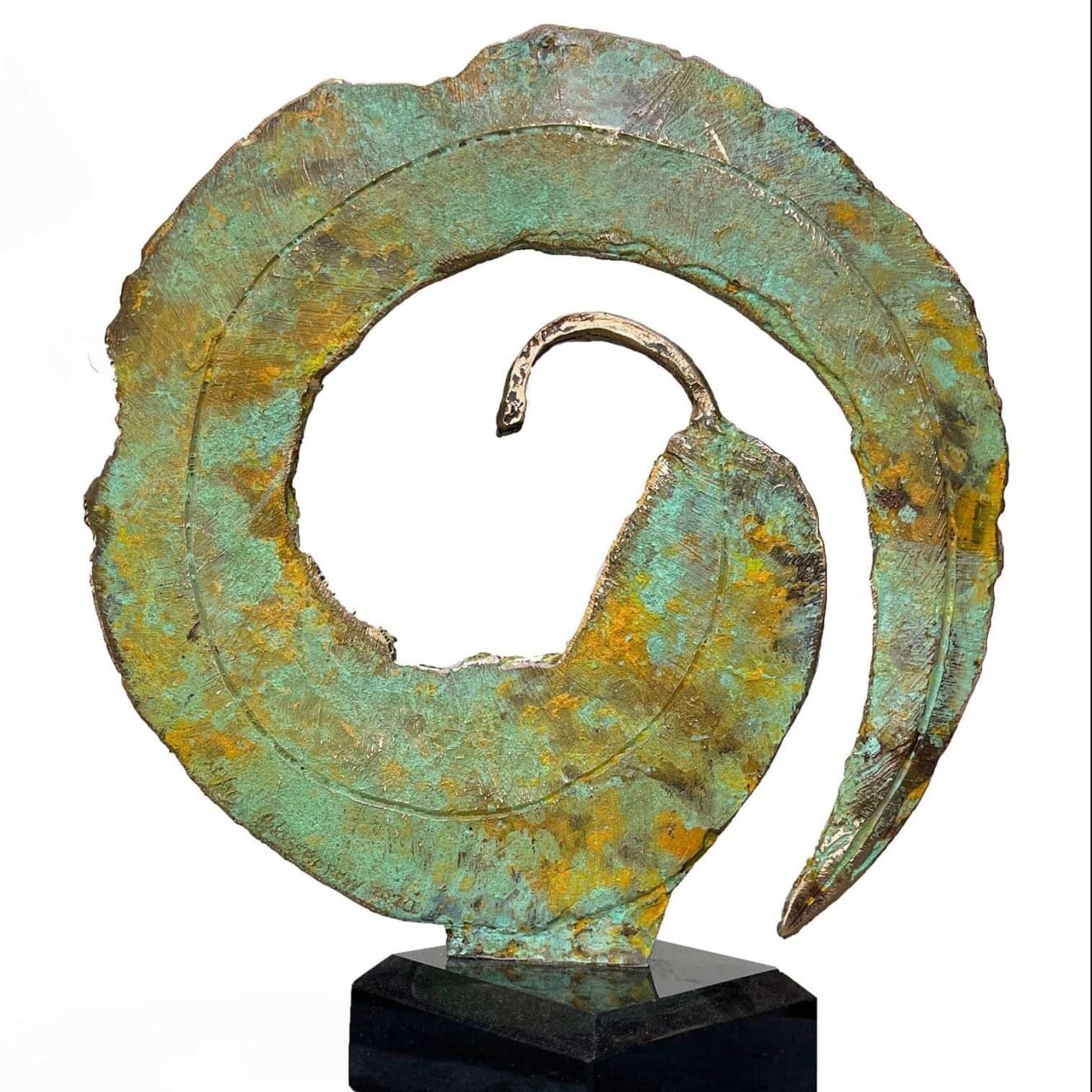
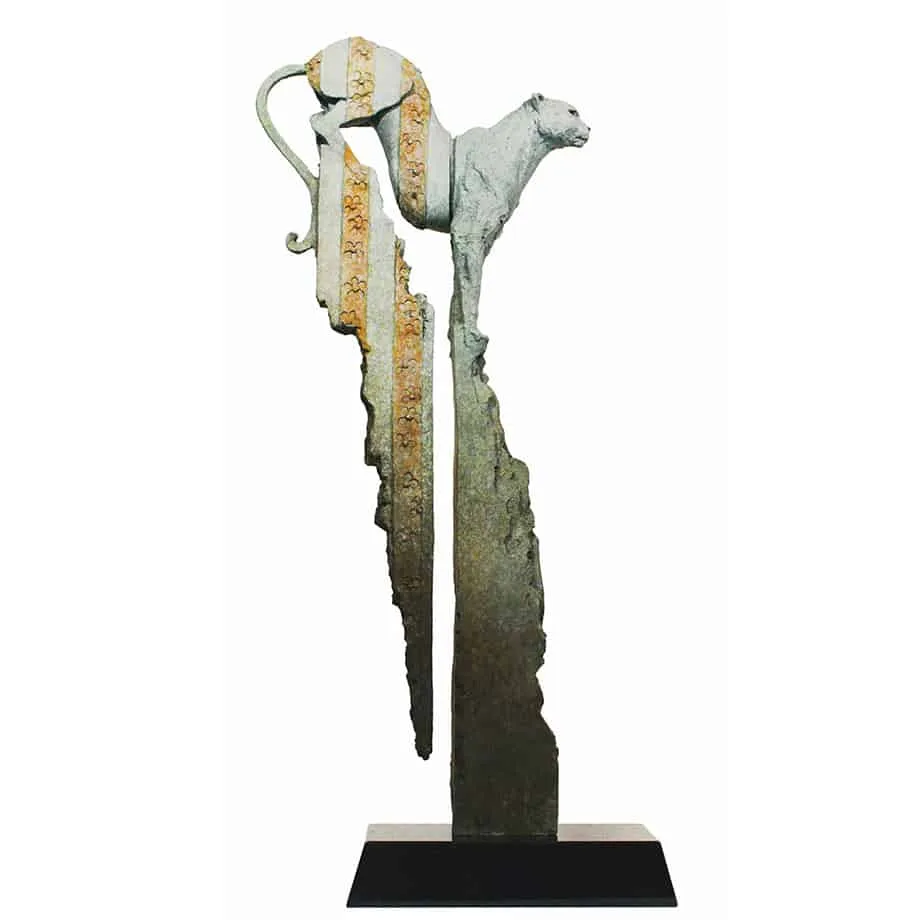
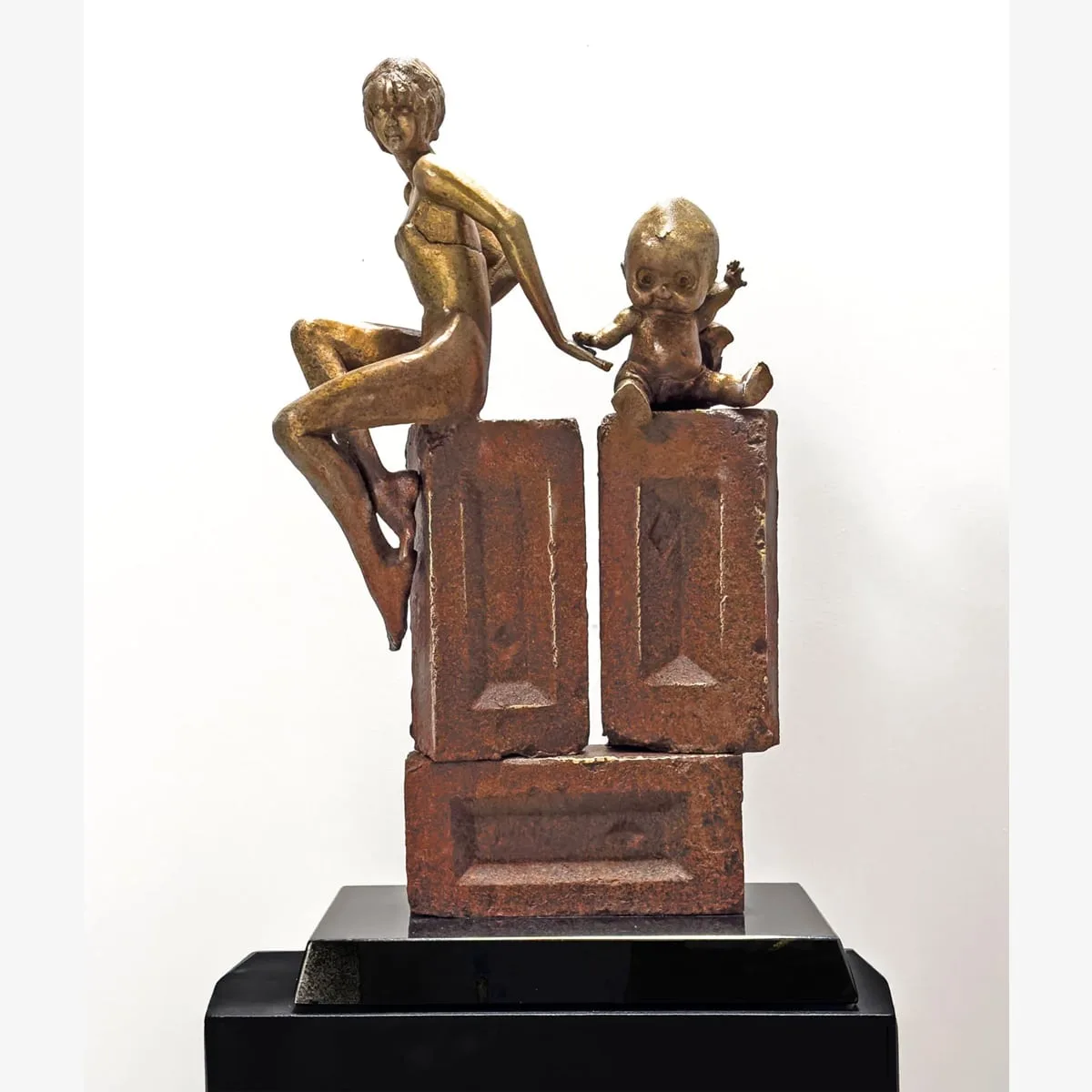
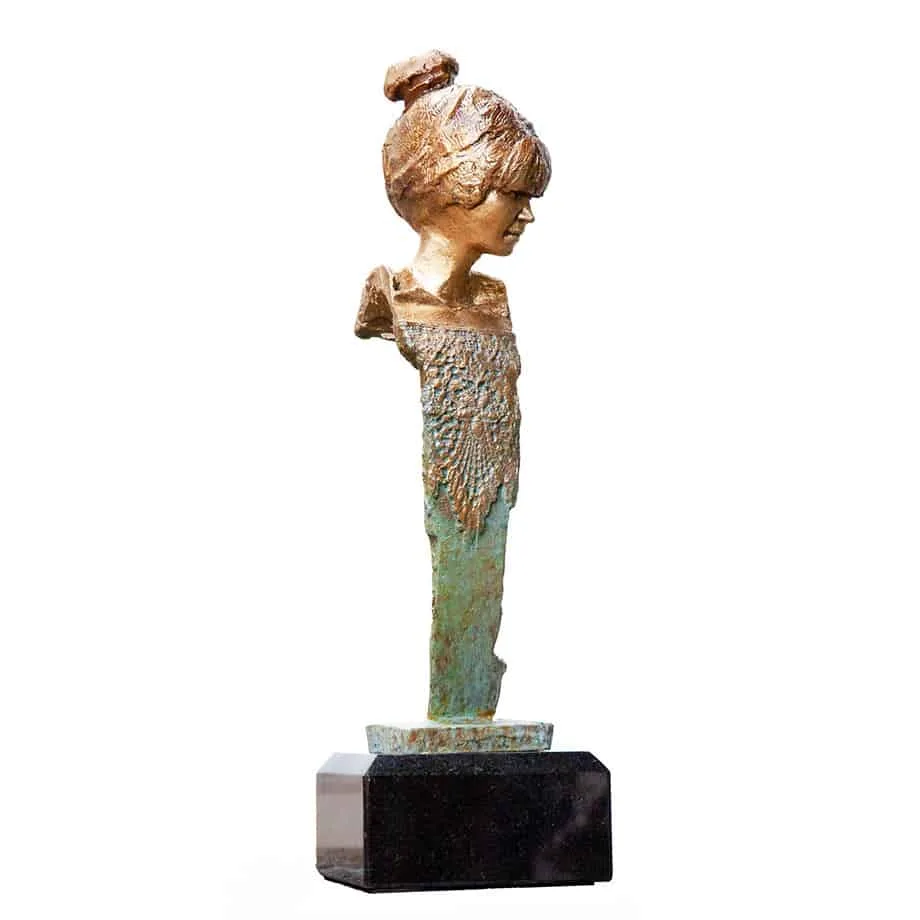
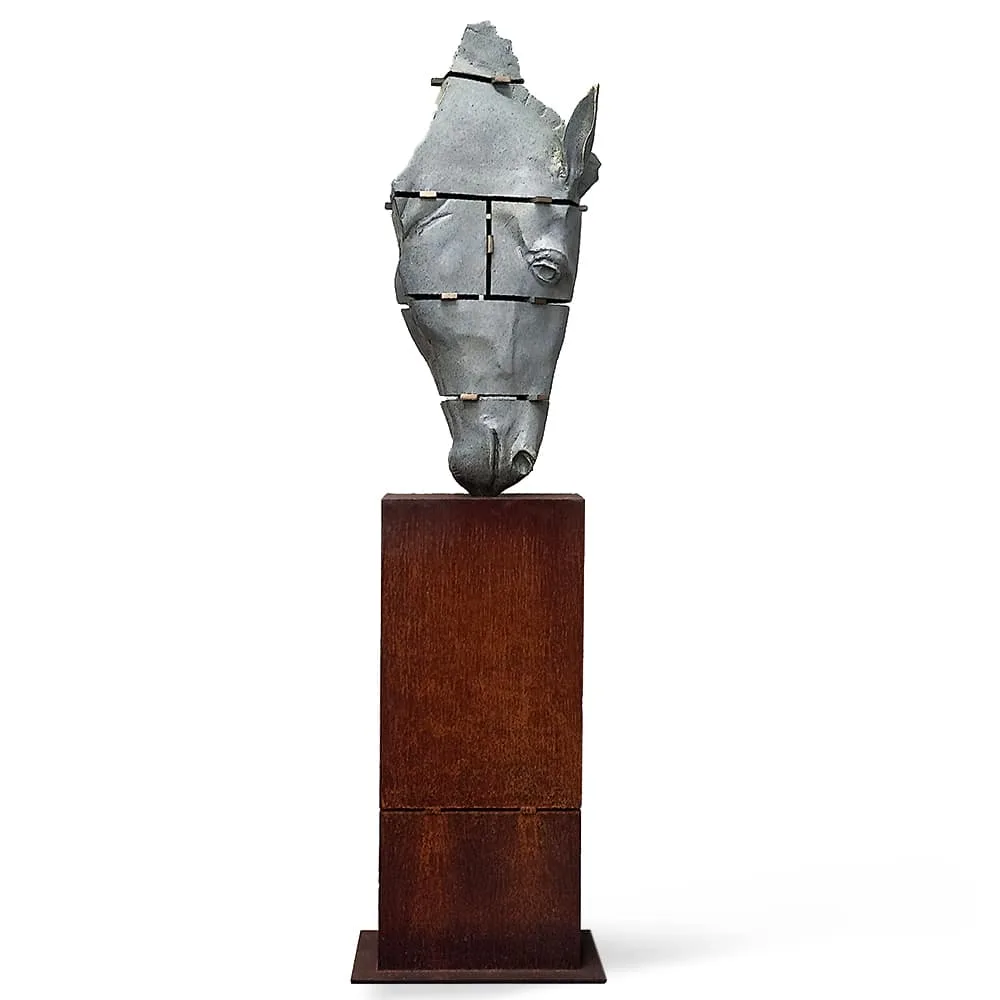
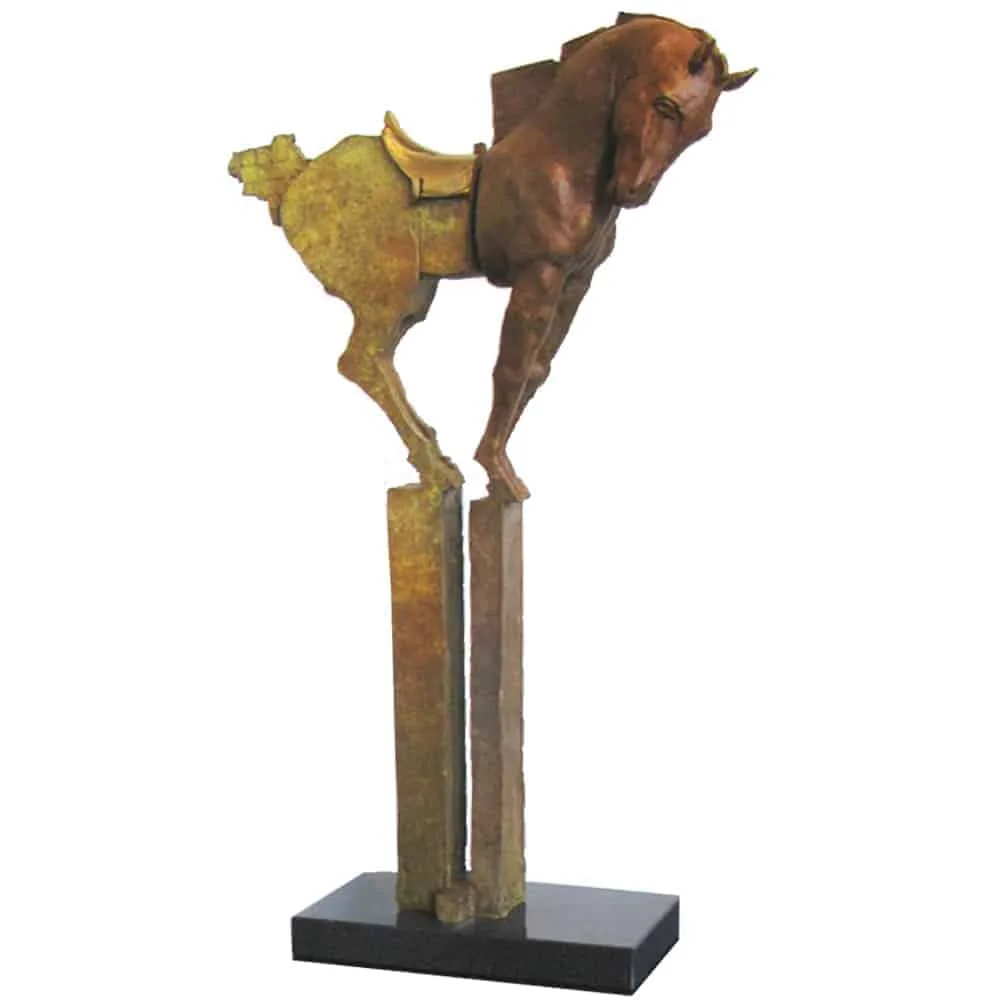
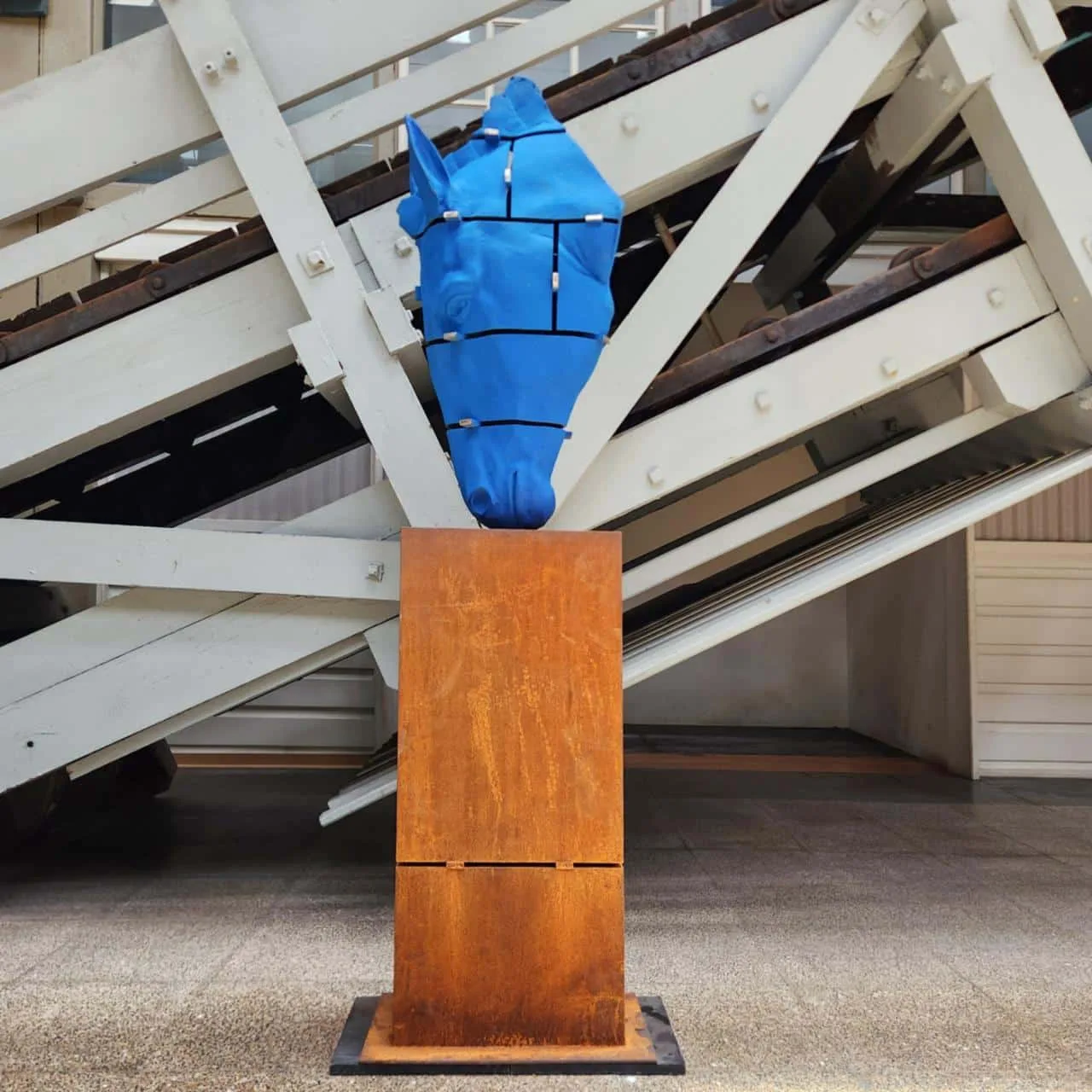
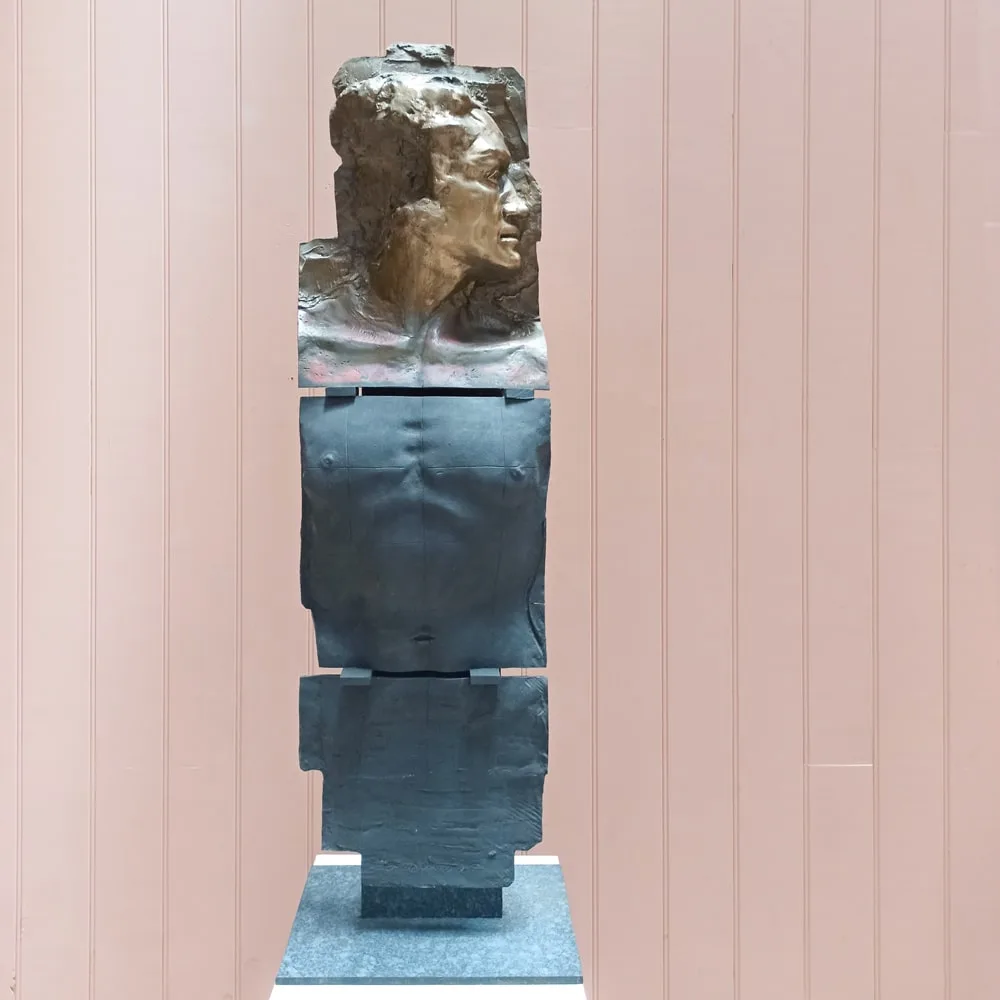
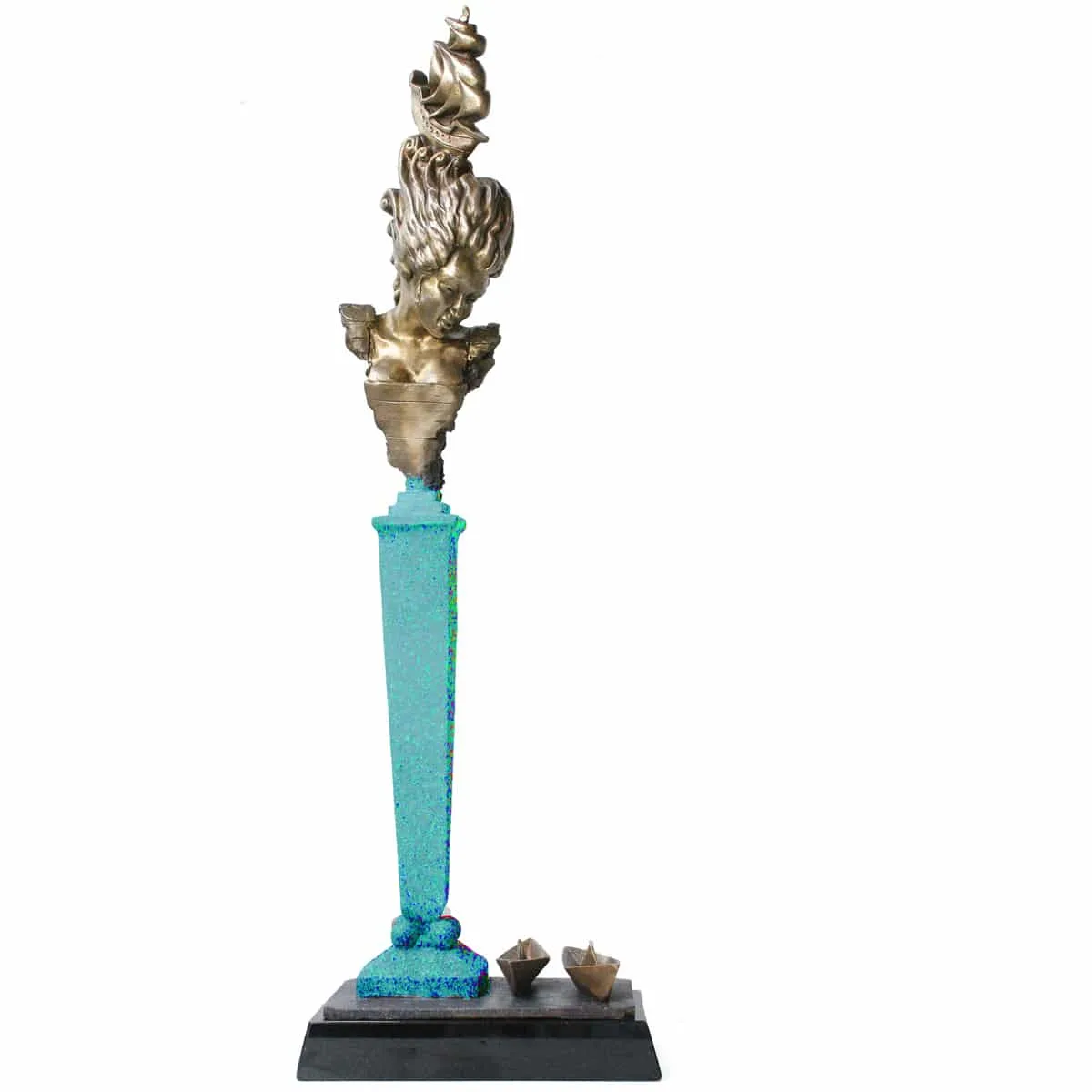
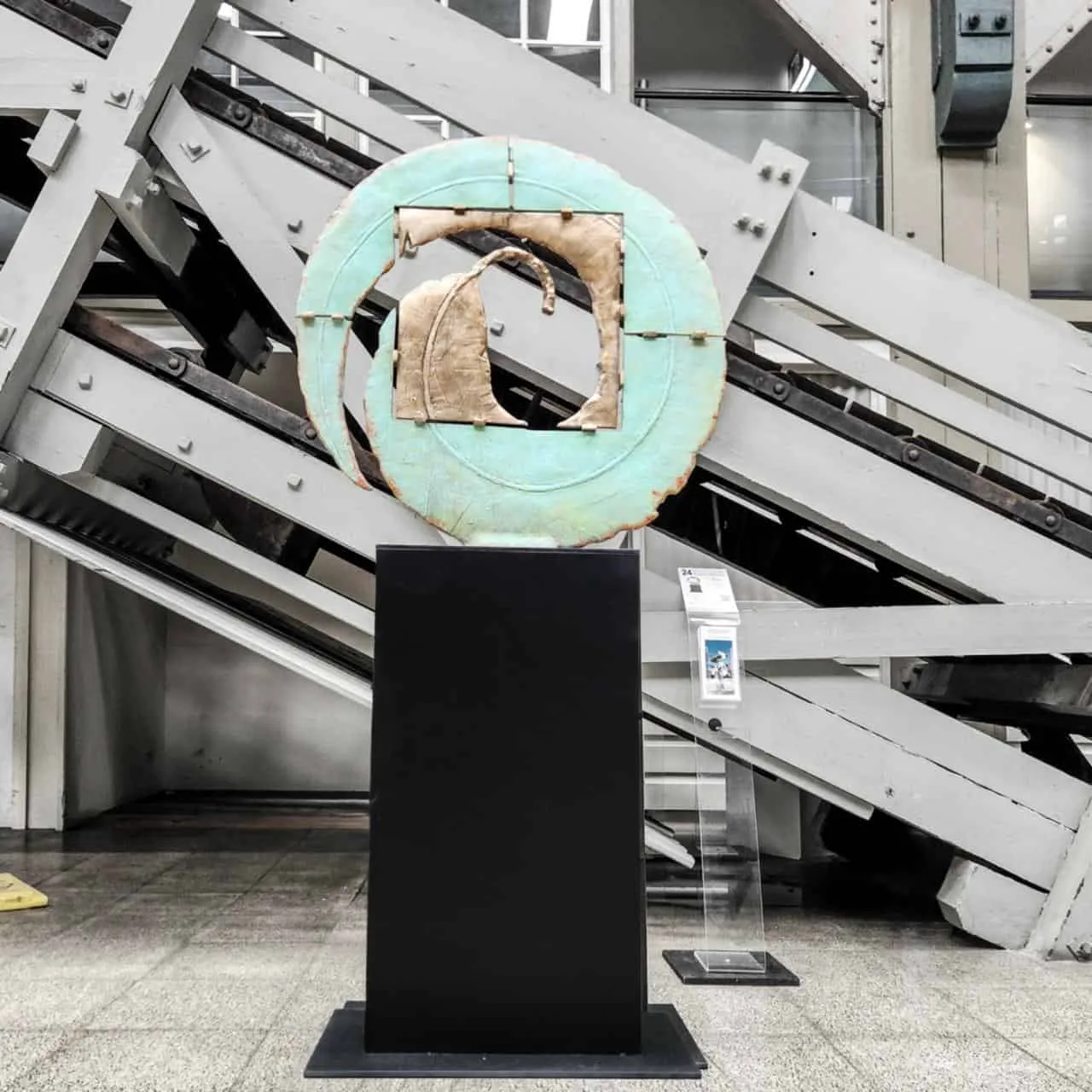
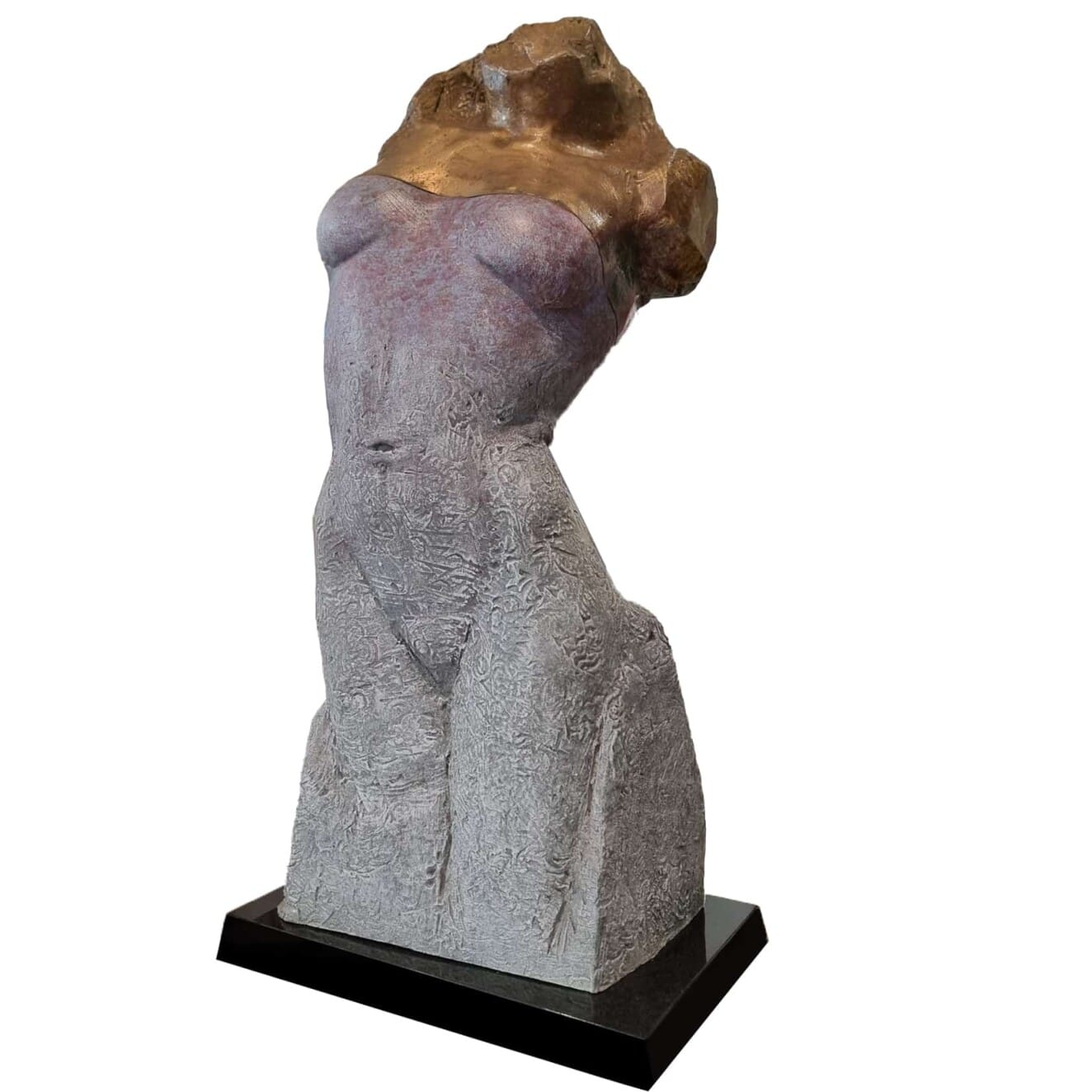
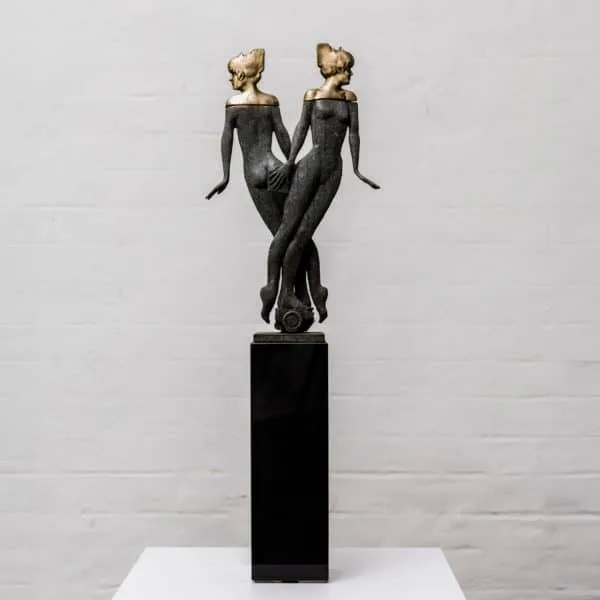
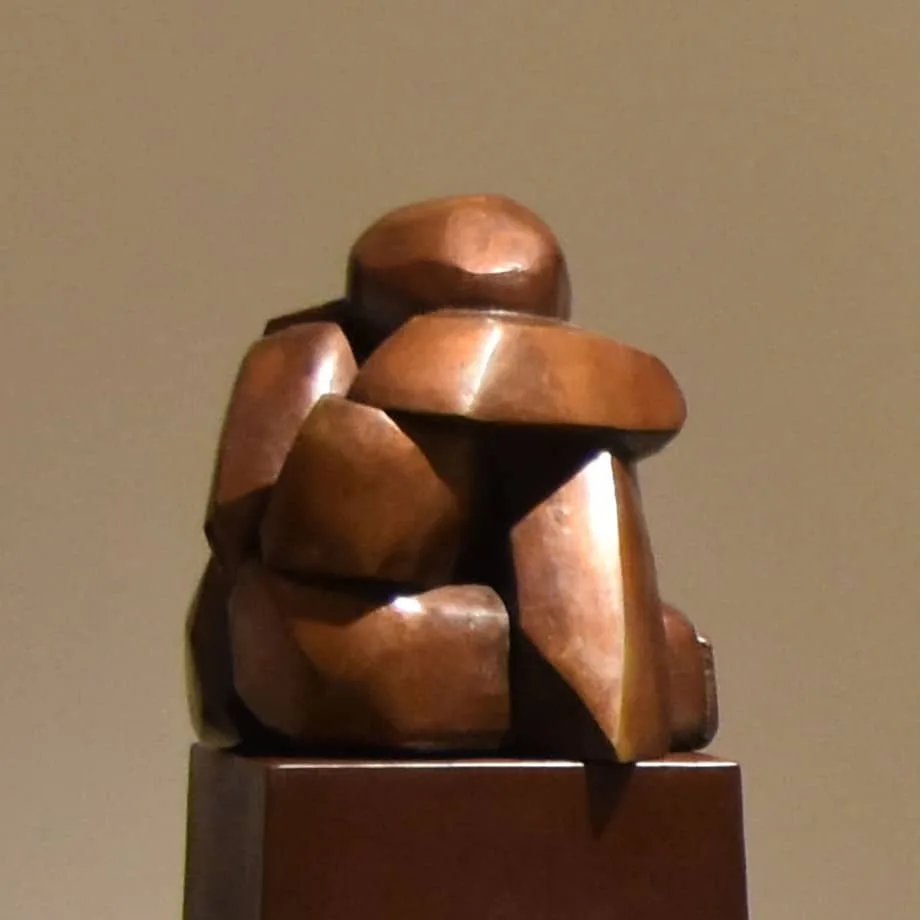
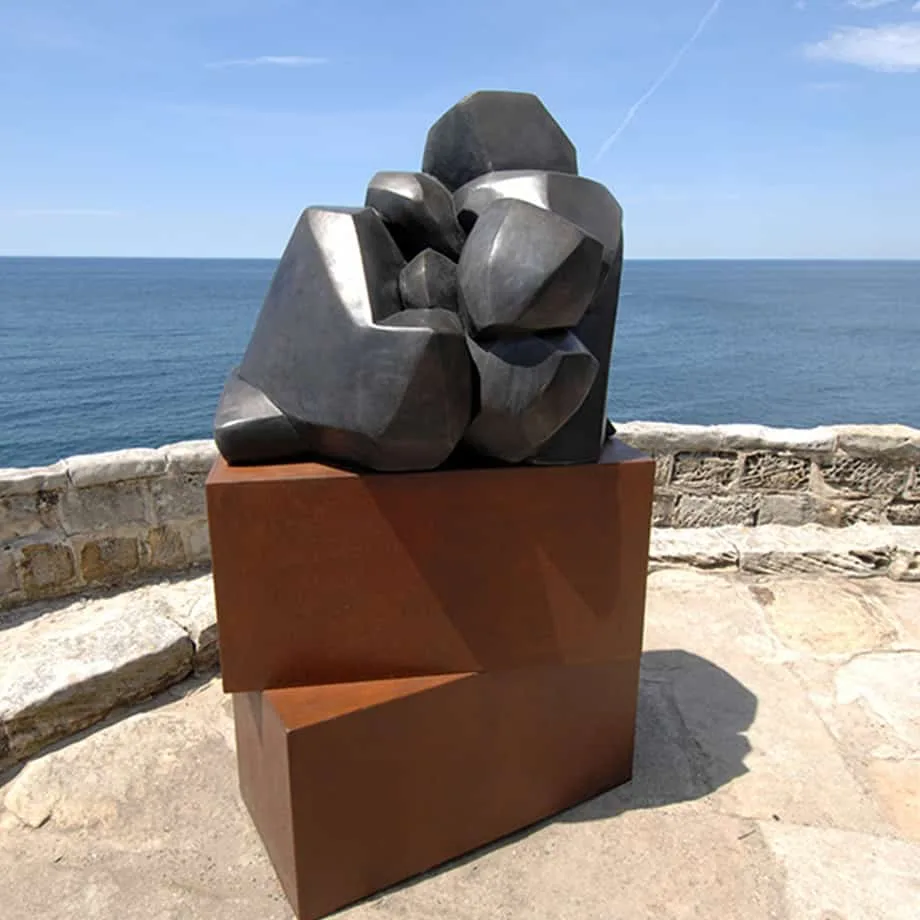
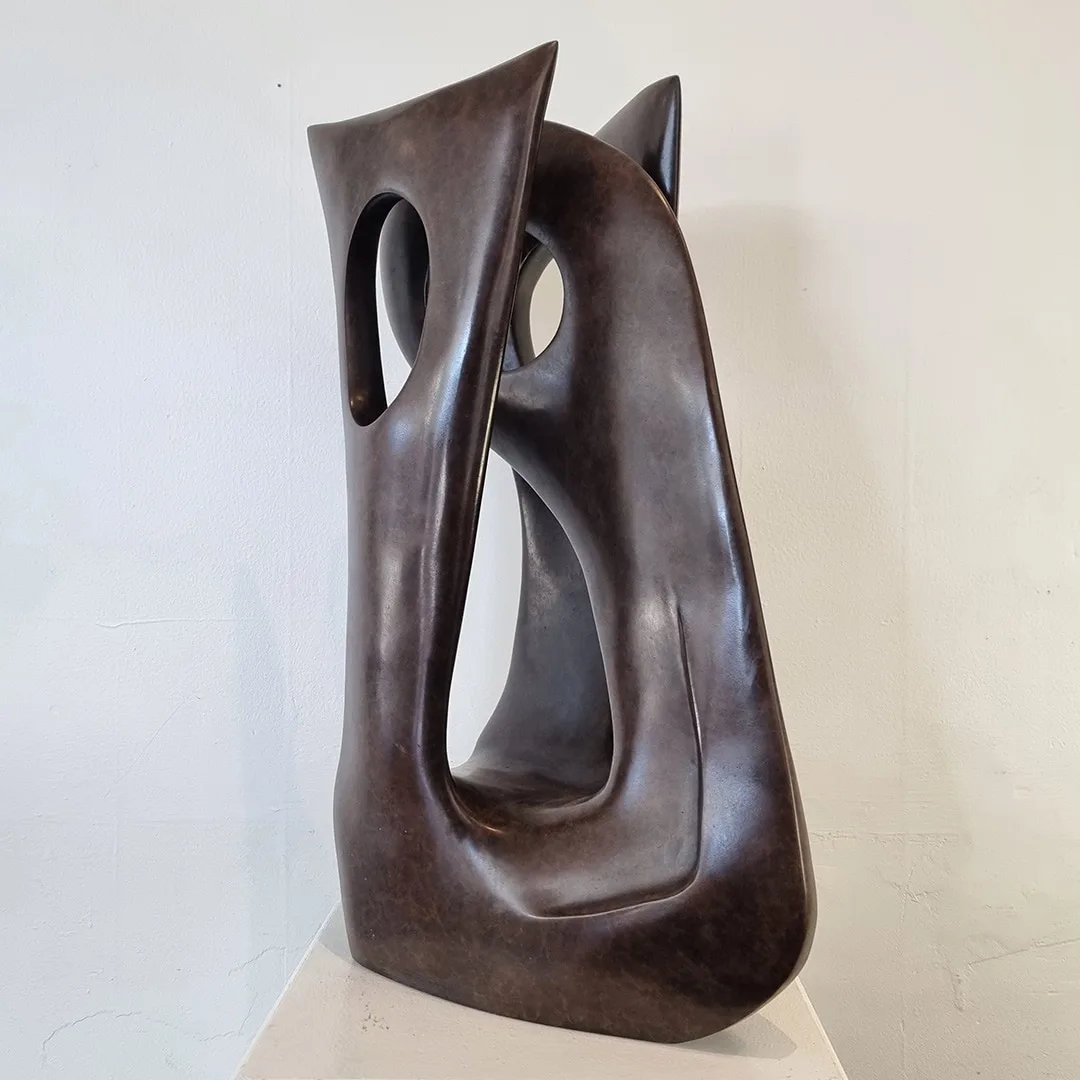
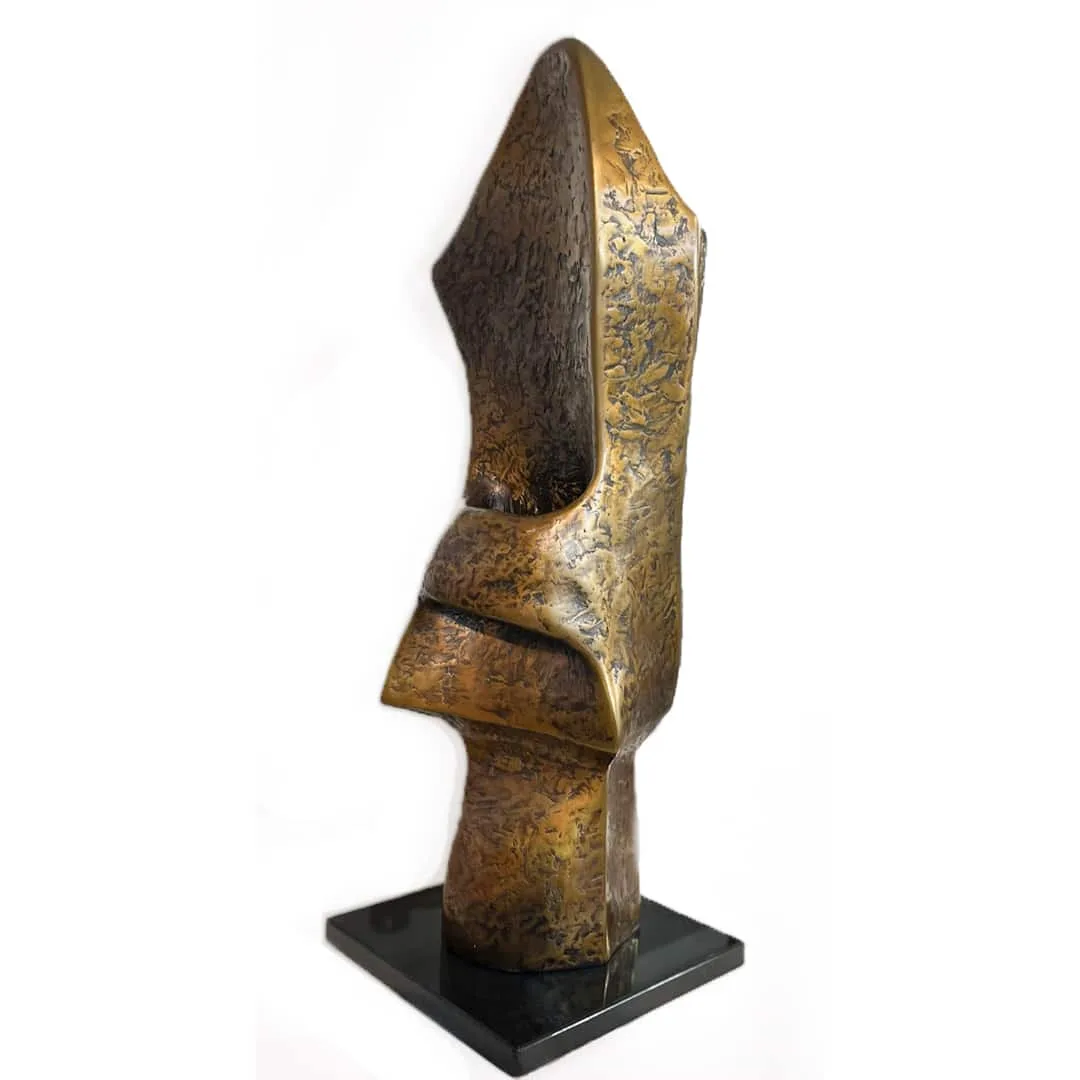
![Dual Knife Edge [1of 6] - 54x25cm](https://www.sohogalleries.net/wp-content/uploads/2021/02/Dual-Knife-Edge-Ed1of6-54x325cm-BRONZE-bronze-table-top-Robin-Holliday-abstract-australian-bronze-scientific-sculpture.webp "Australian Sculptors")
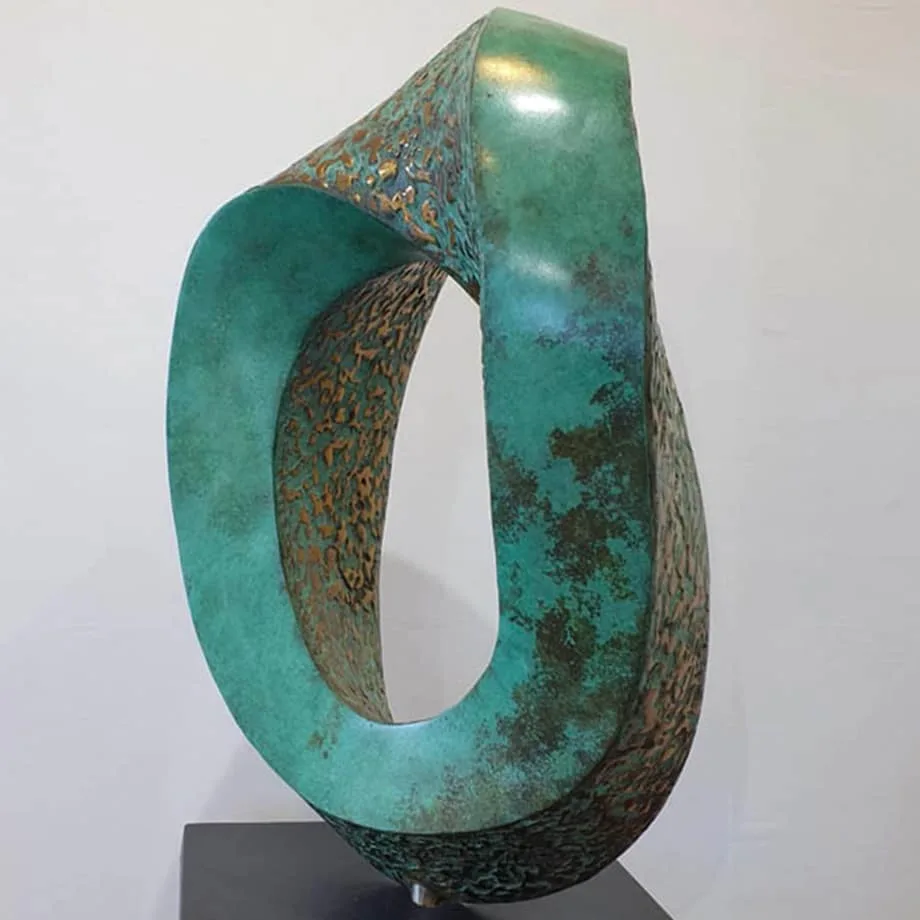
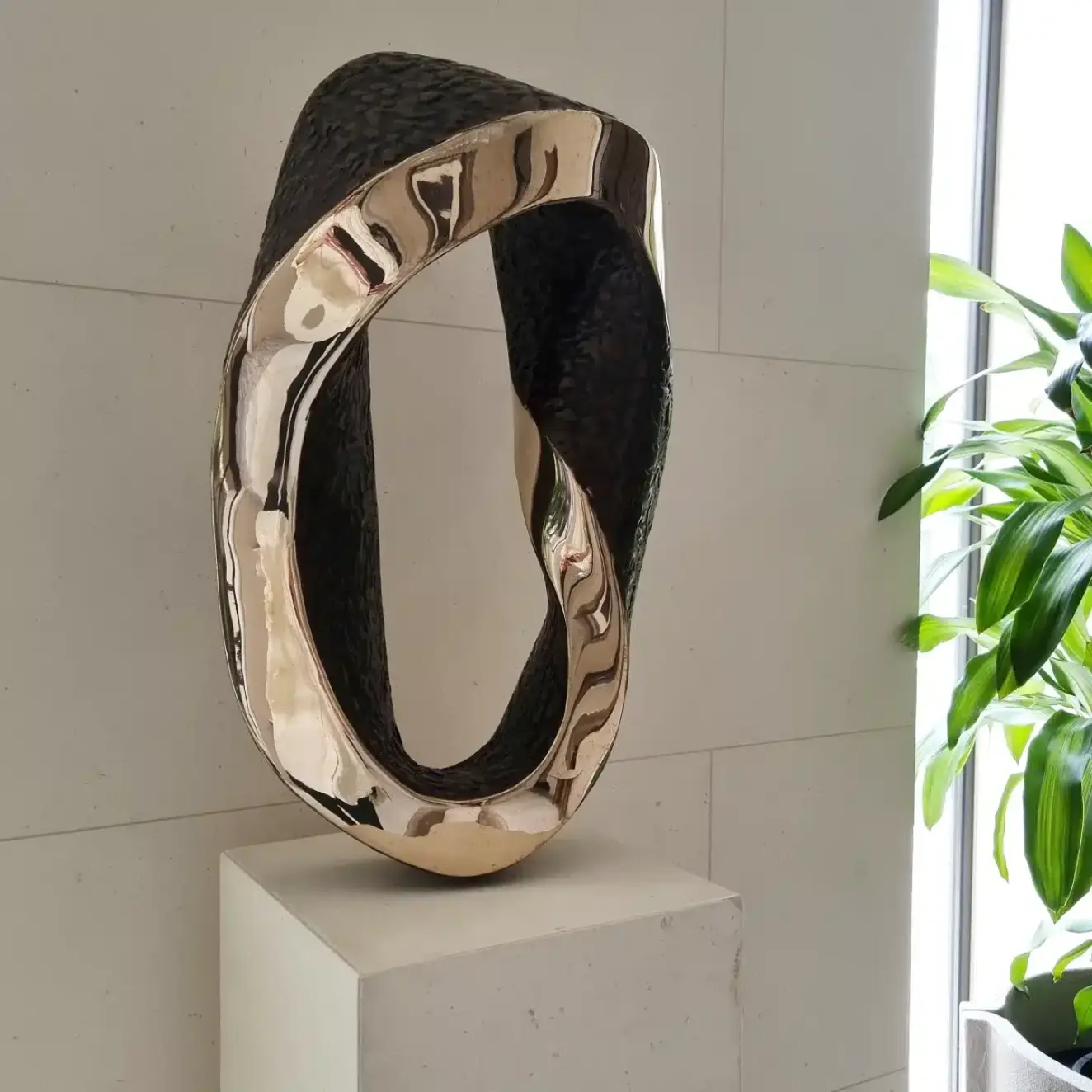
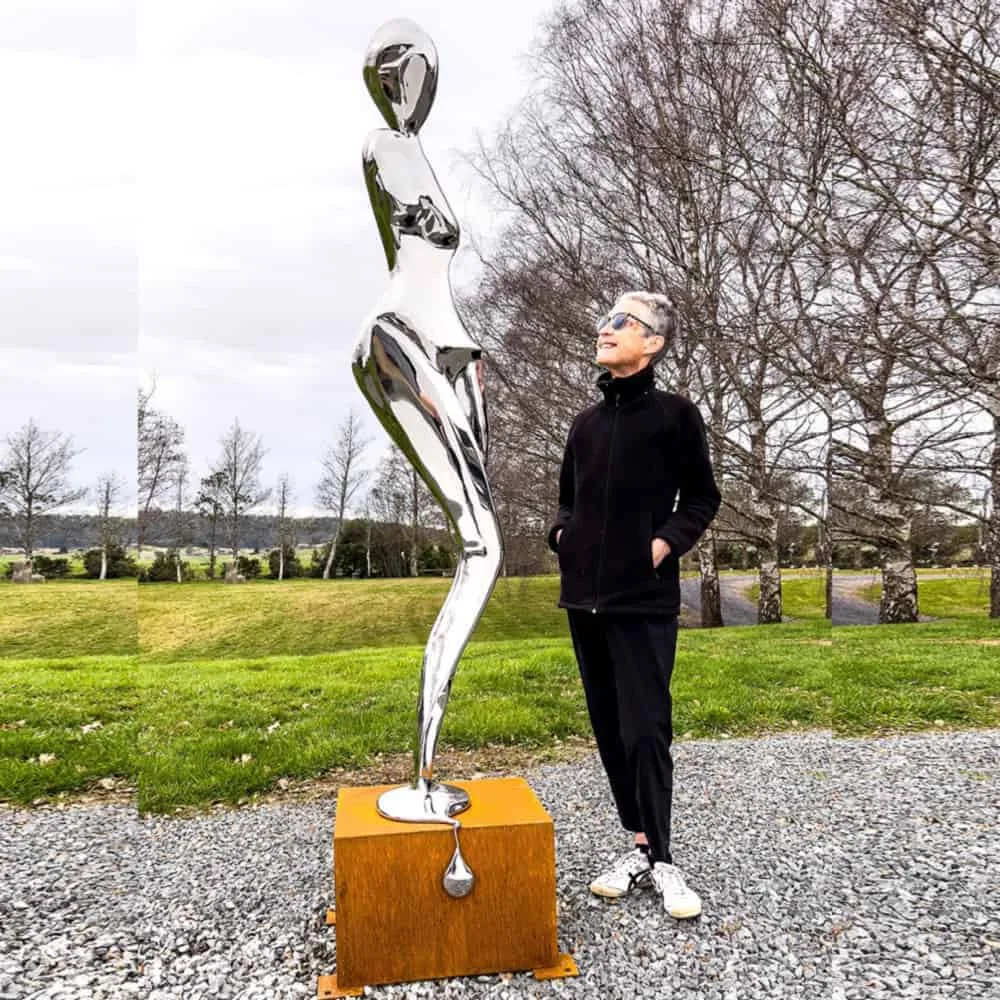
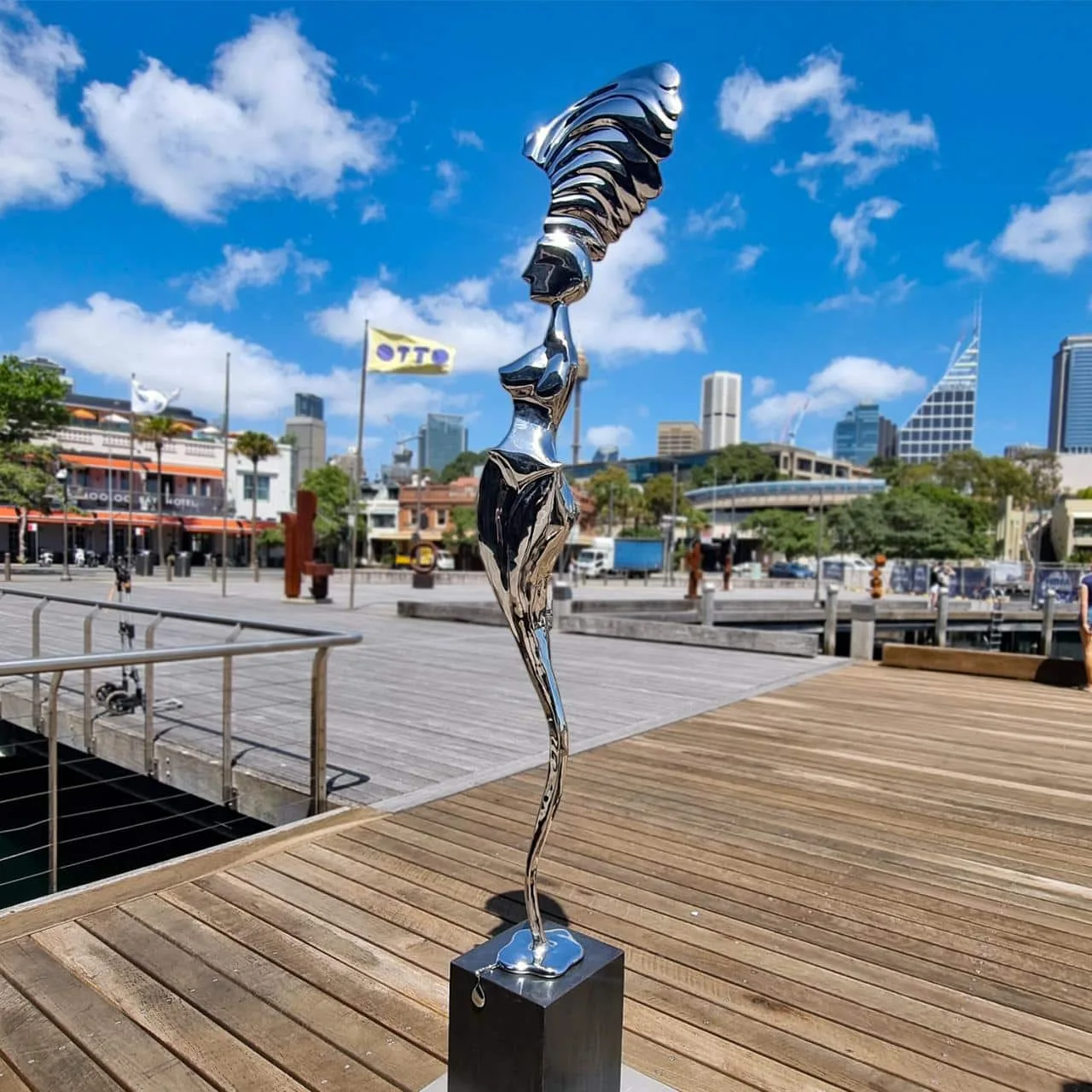
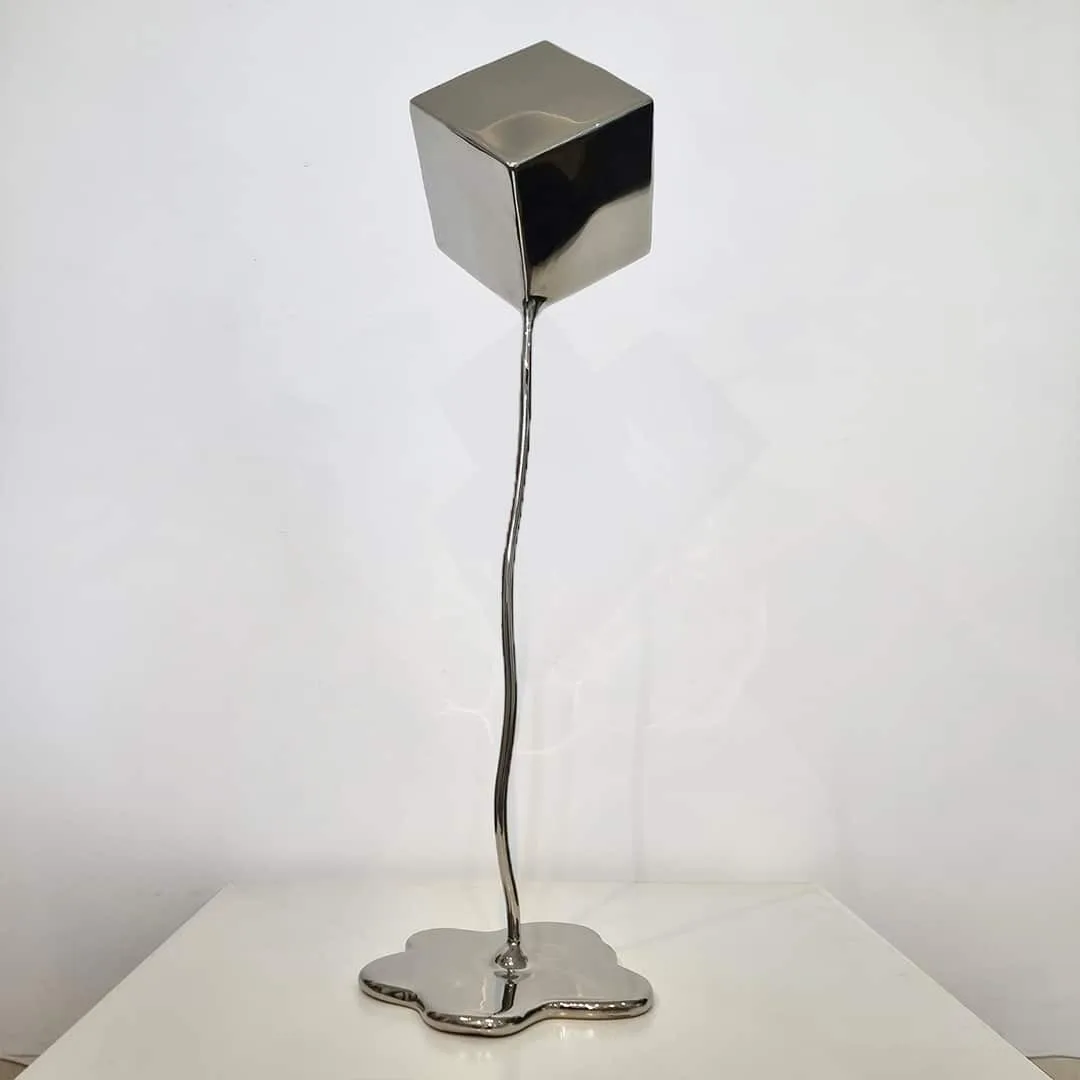
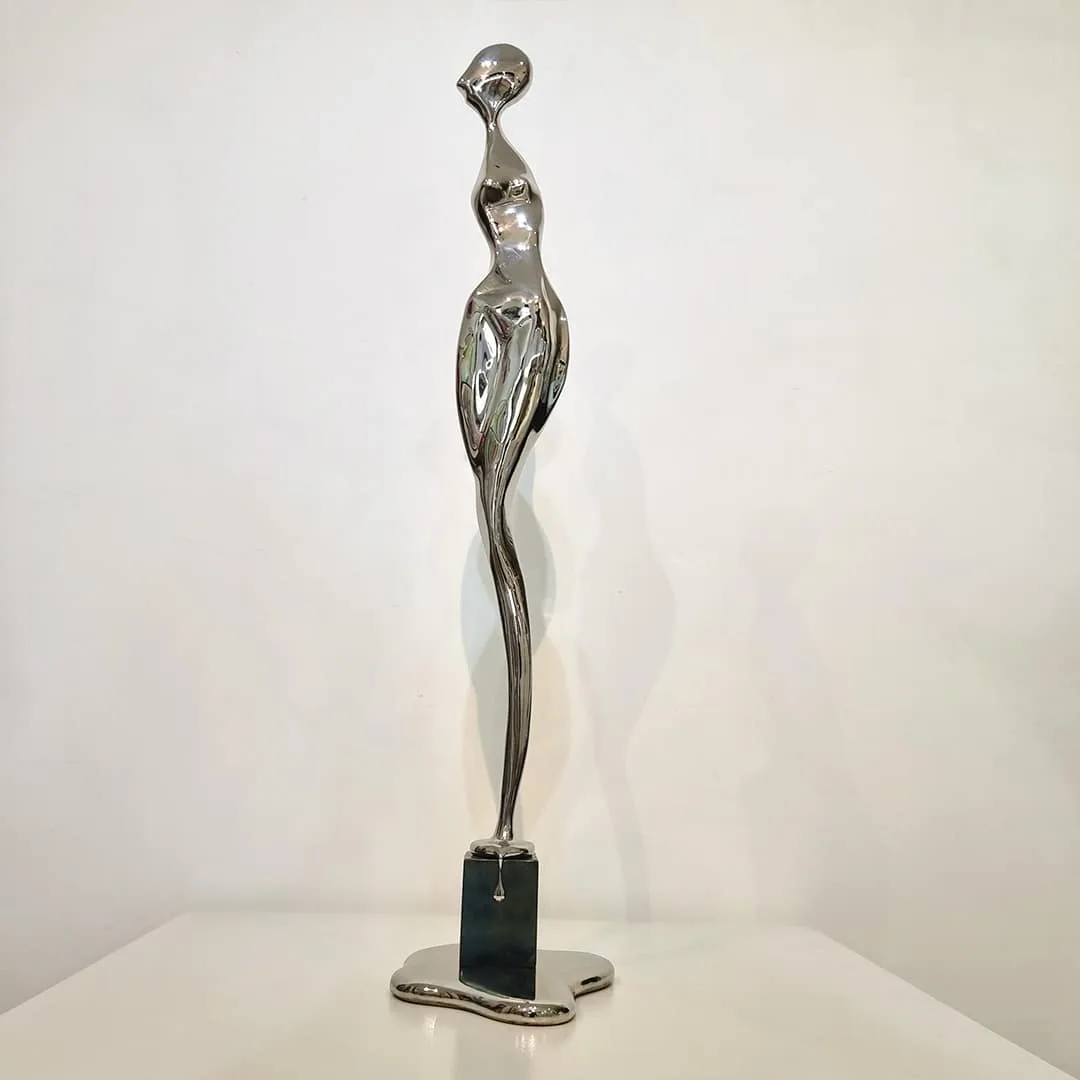
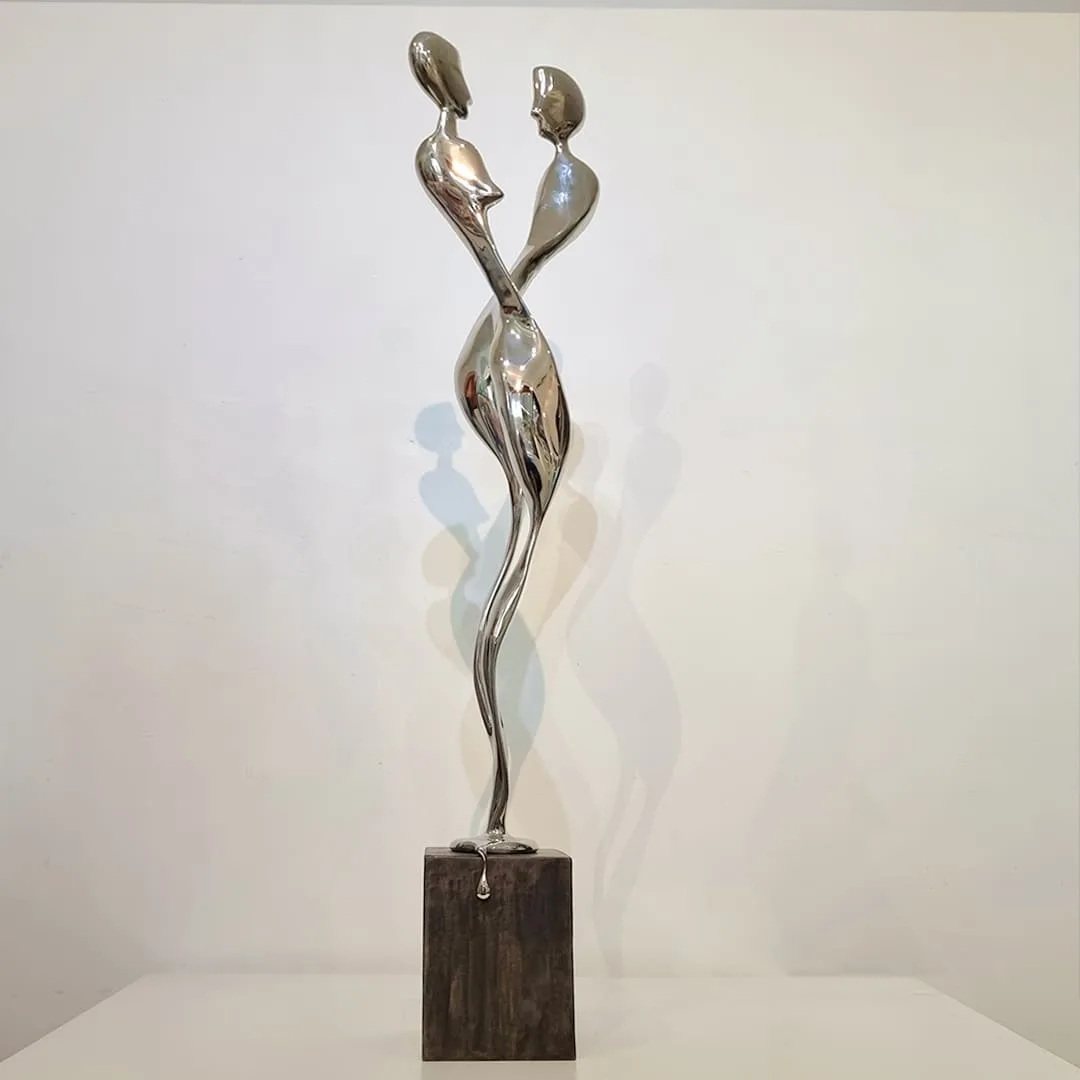
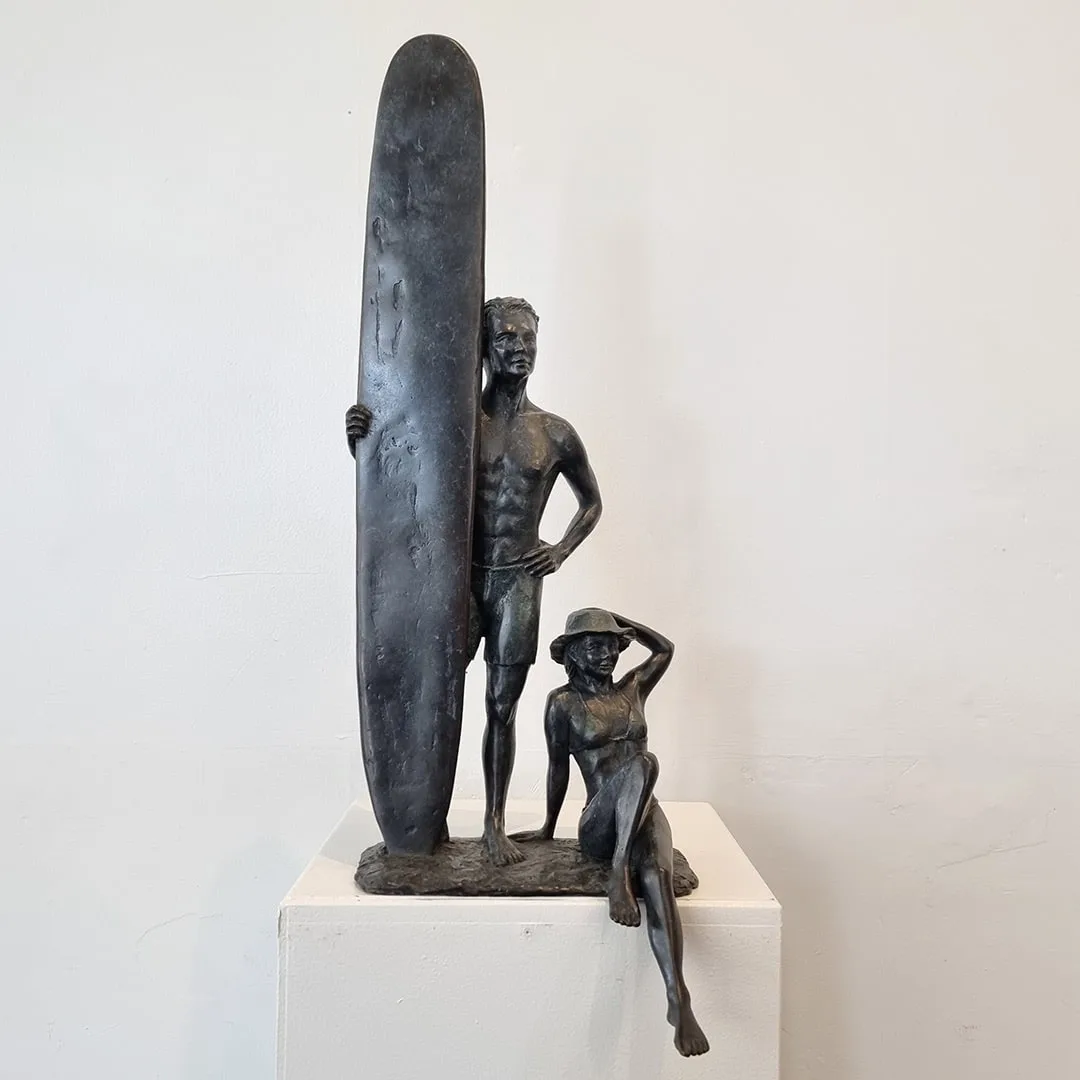
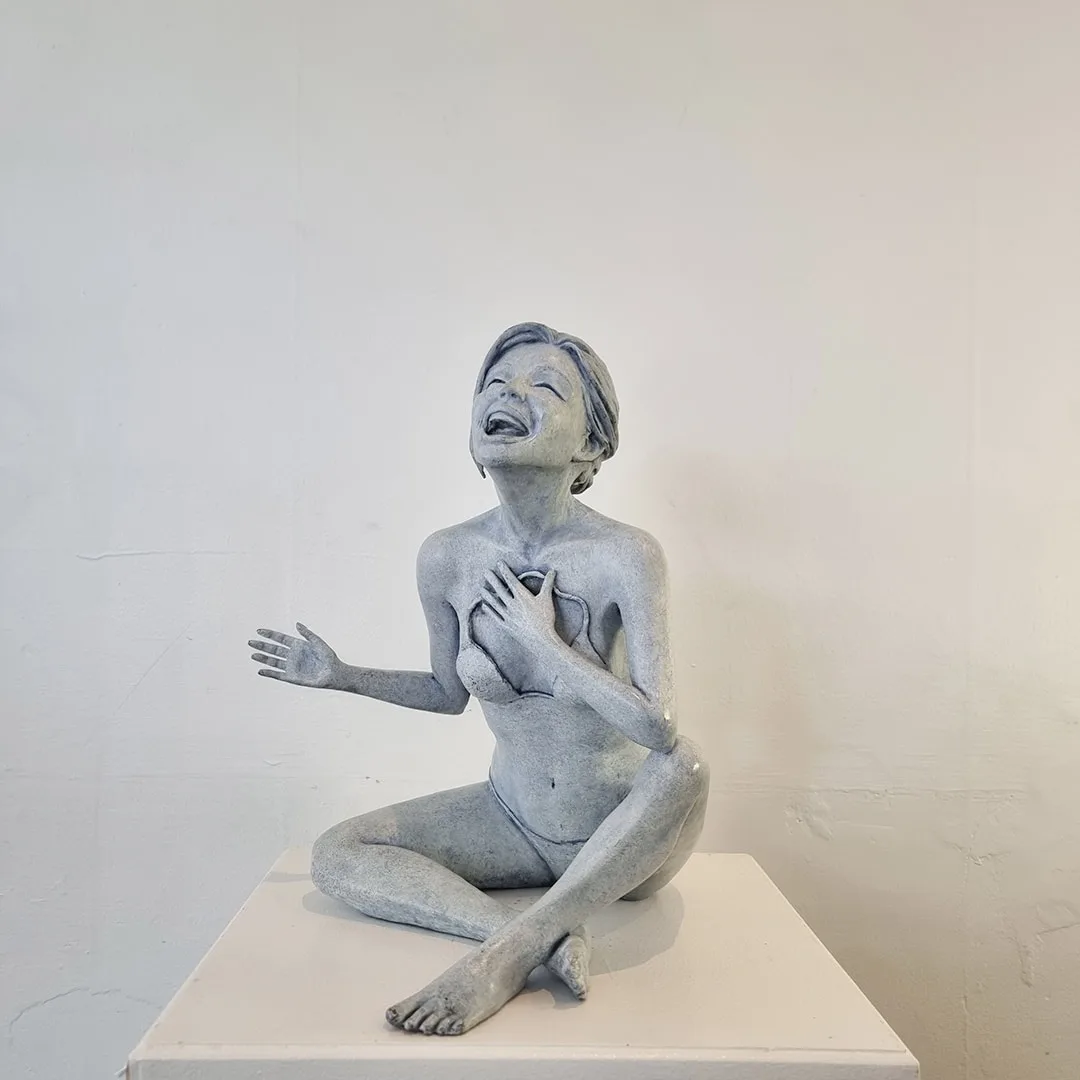
![Spring - 78cm [limited/9]](https://www.sohogalleries.net/wp-content/uploads/2022/03/BI_Spring_bronze-web2.webp "Australian Sculptors")
![Silver Spring - 78cm [limited/9]](https://www.sohogalleries.net/wp-content/uploads/2022/03/BI_Spring_bronze-white-patinaweb.webp "Australian Sculptors")
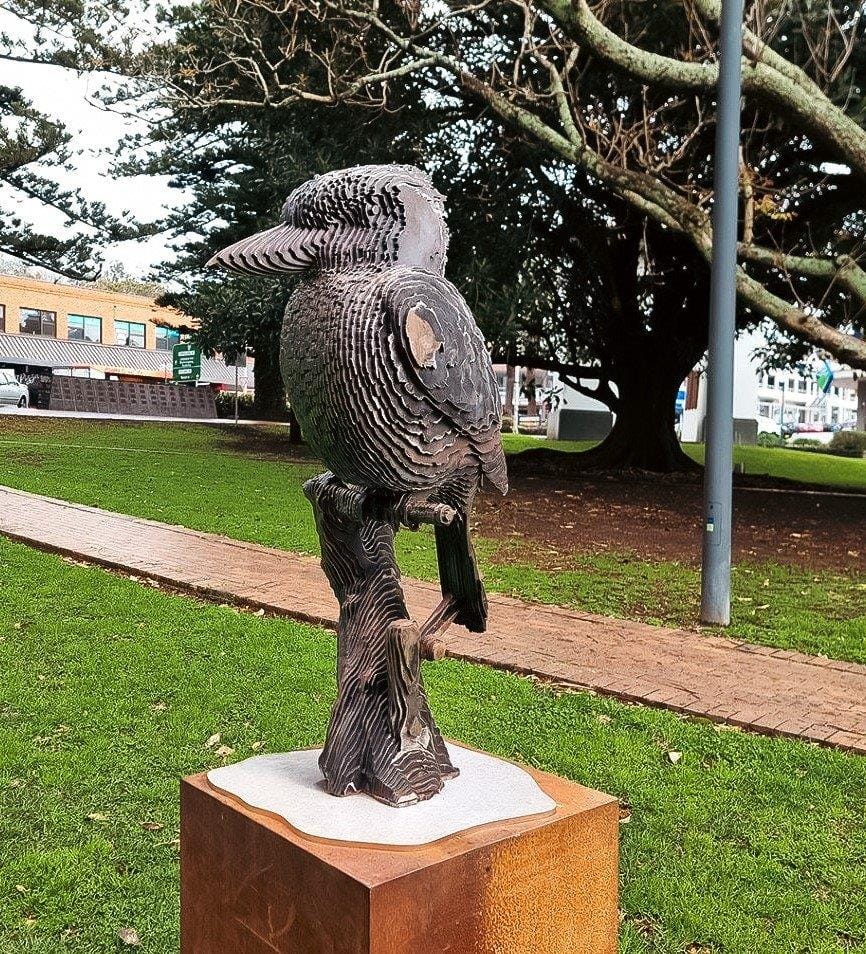
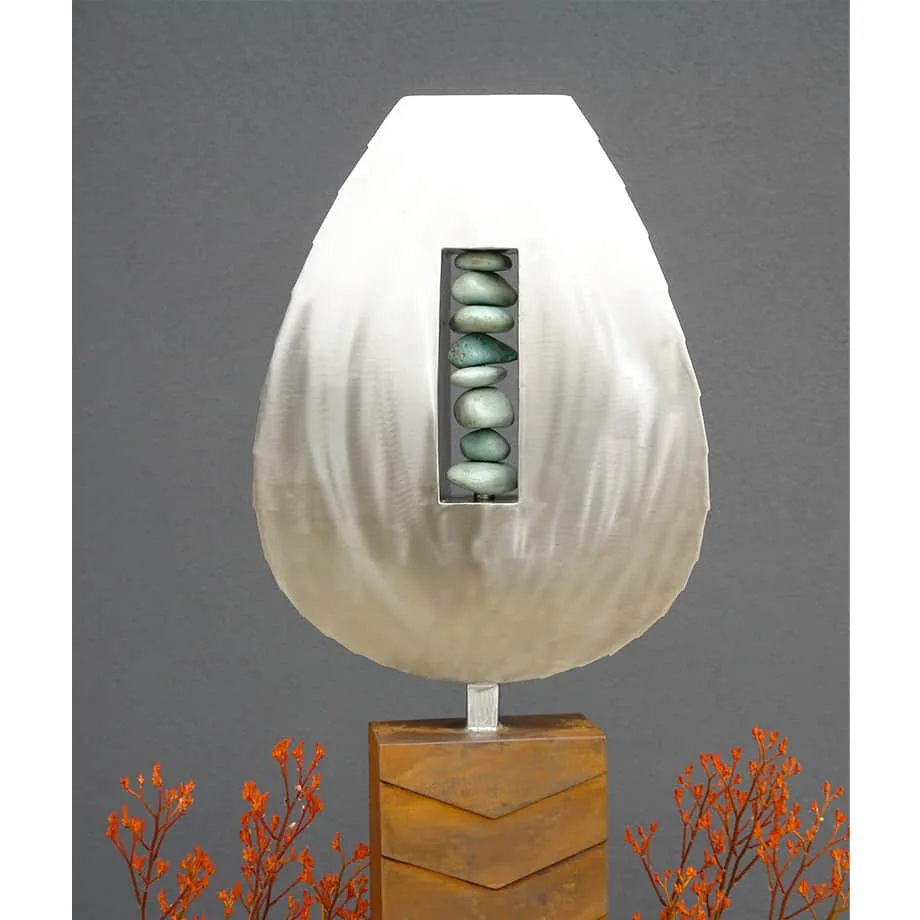
![Leaves [Series]](https://www.sohogalleries.net/wp-content/uploads/2021/02/Leaves-series-STAINLESS-stainlessoutdoor-free-standing-Rudi-Jass-australian-garden-leaves-sculpture-natural-native-australia.webp "Australian Sculptors")
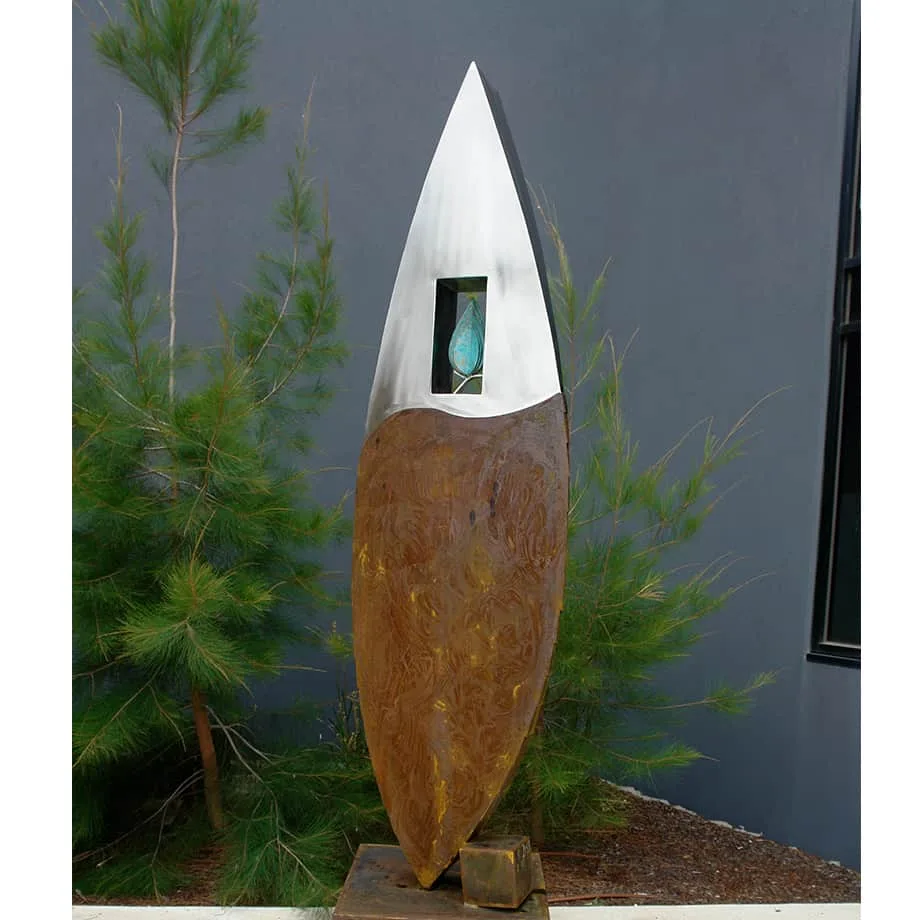
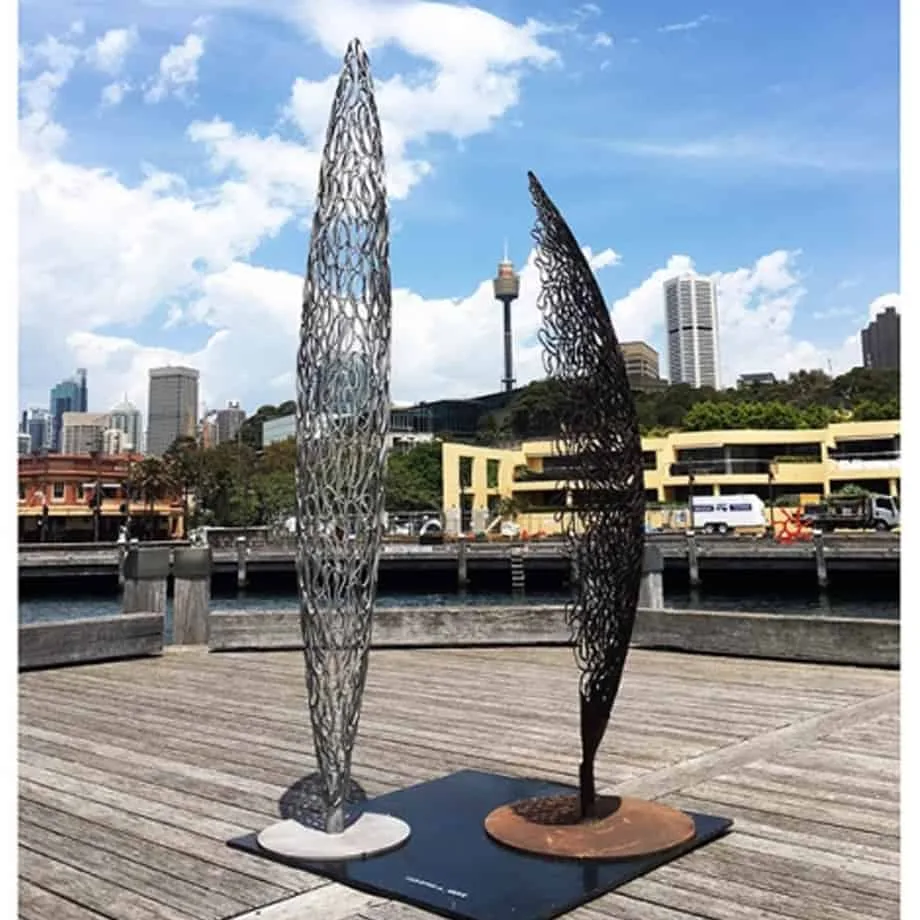
![Pod [series]](https://www.sohogalleries.net/wp-content/uploads/2021/02/Pod-series-STAINLESS-_-CORTEN-stainlessoutdoor-free-standing-Rudi-Jass-australian-garden-leaves-sculpture-natural-native-australia.webp "Australian Sculptors")
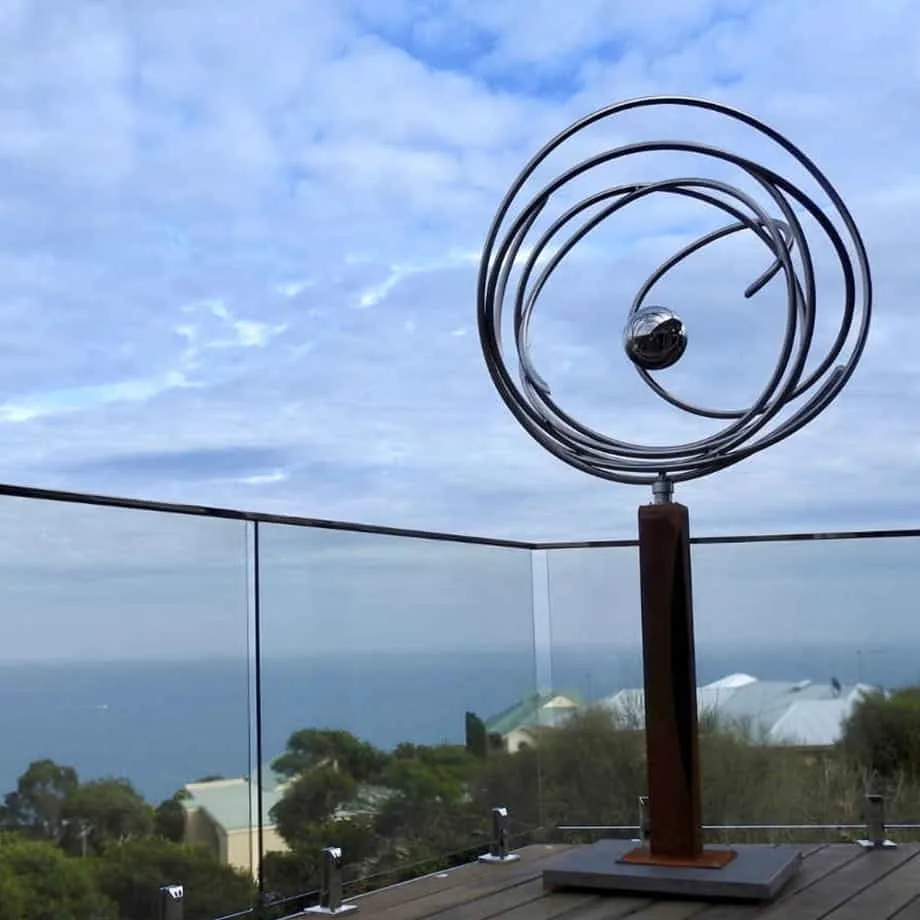
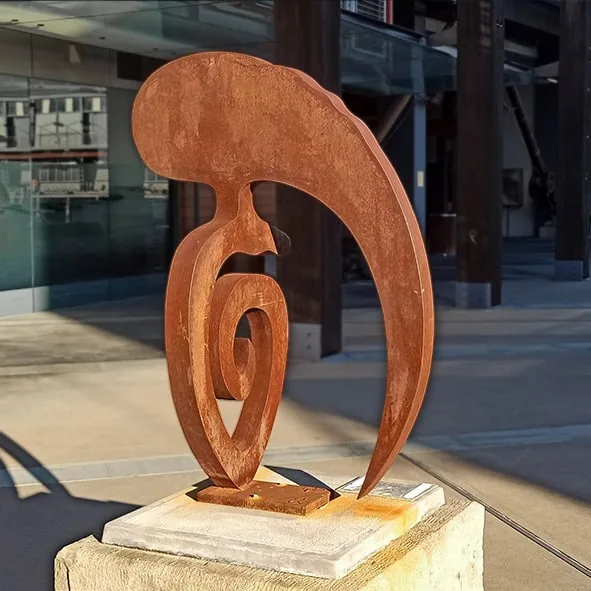
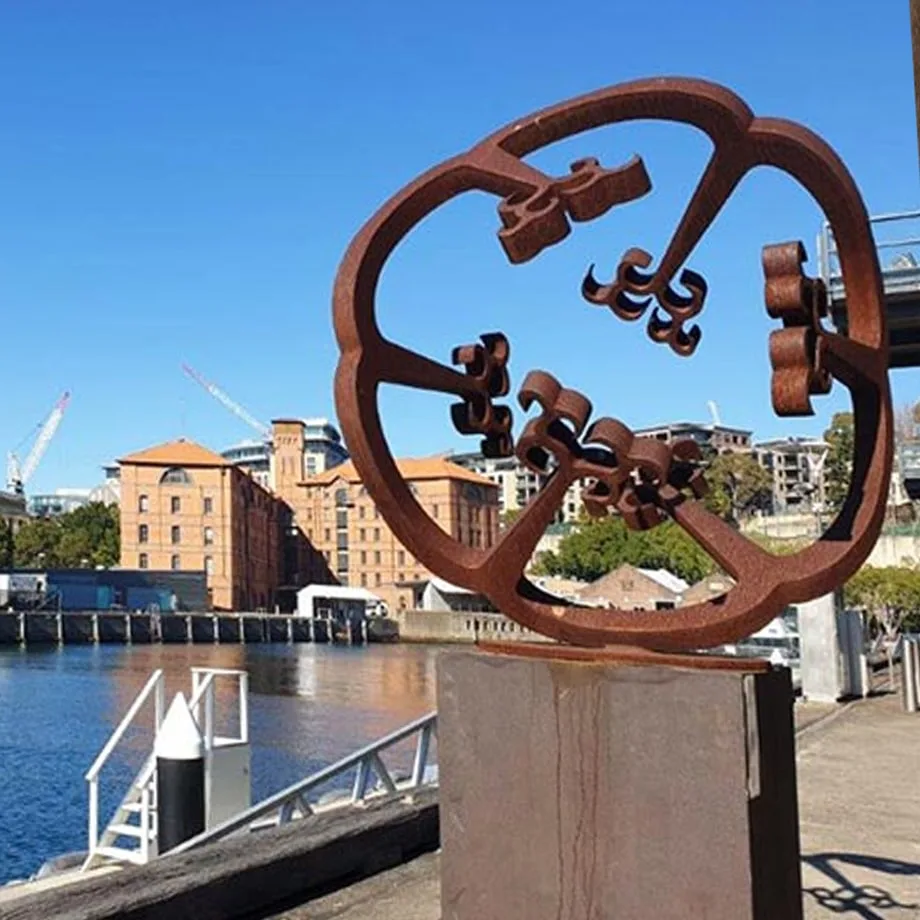
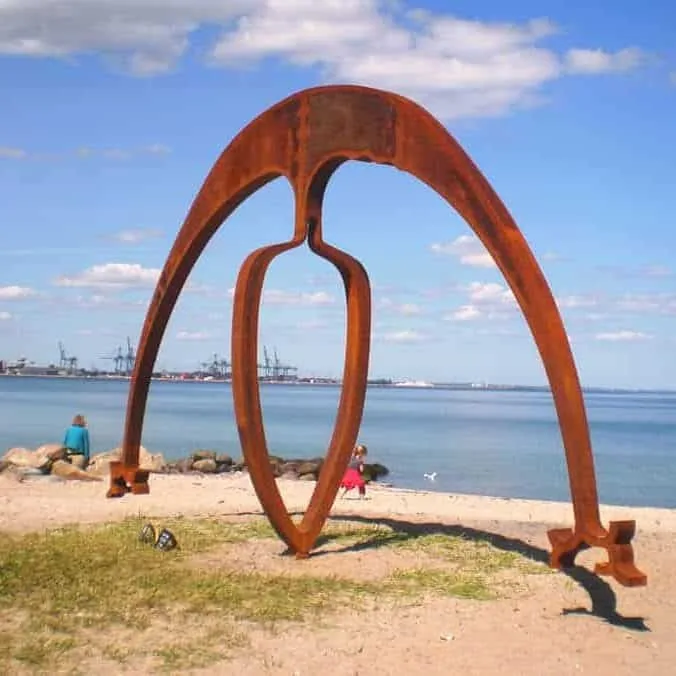
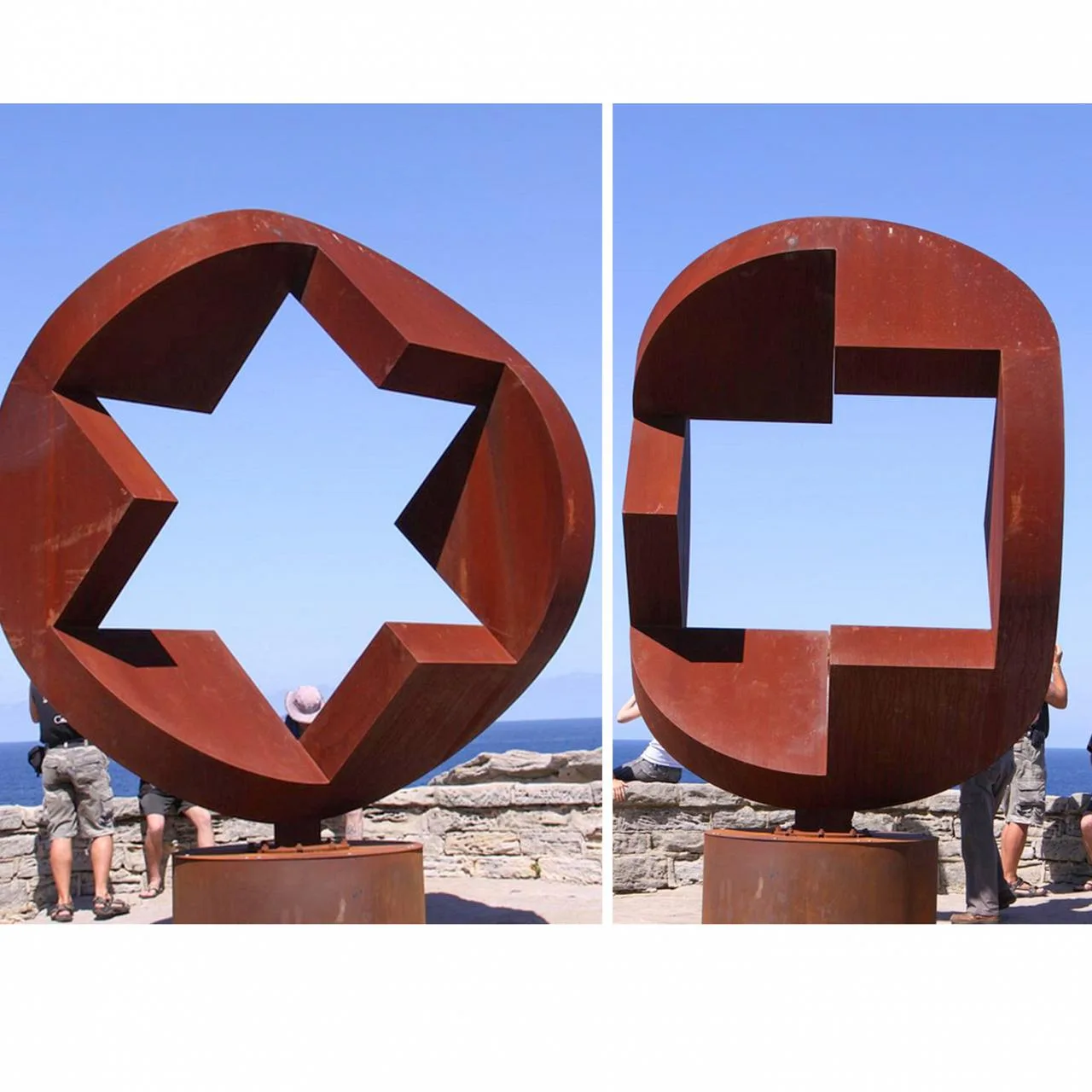
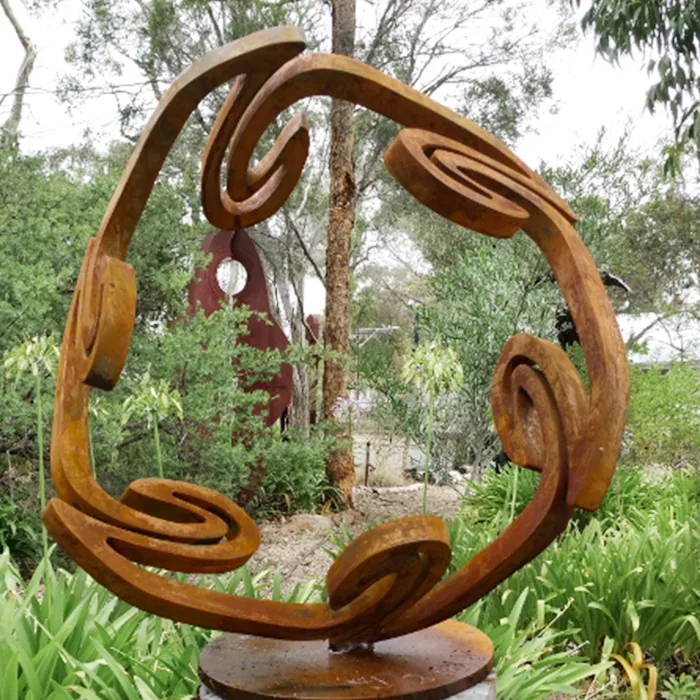
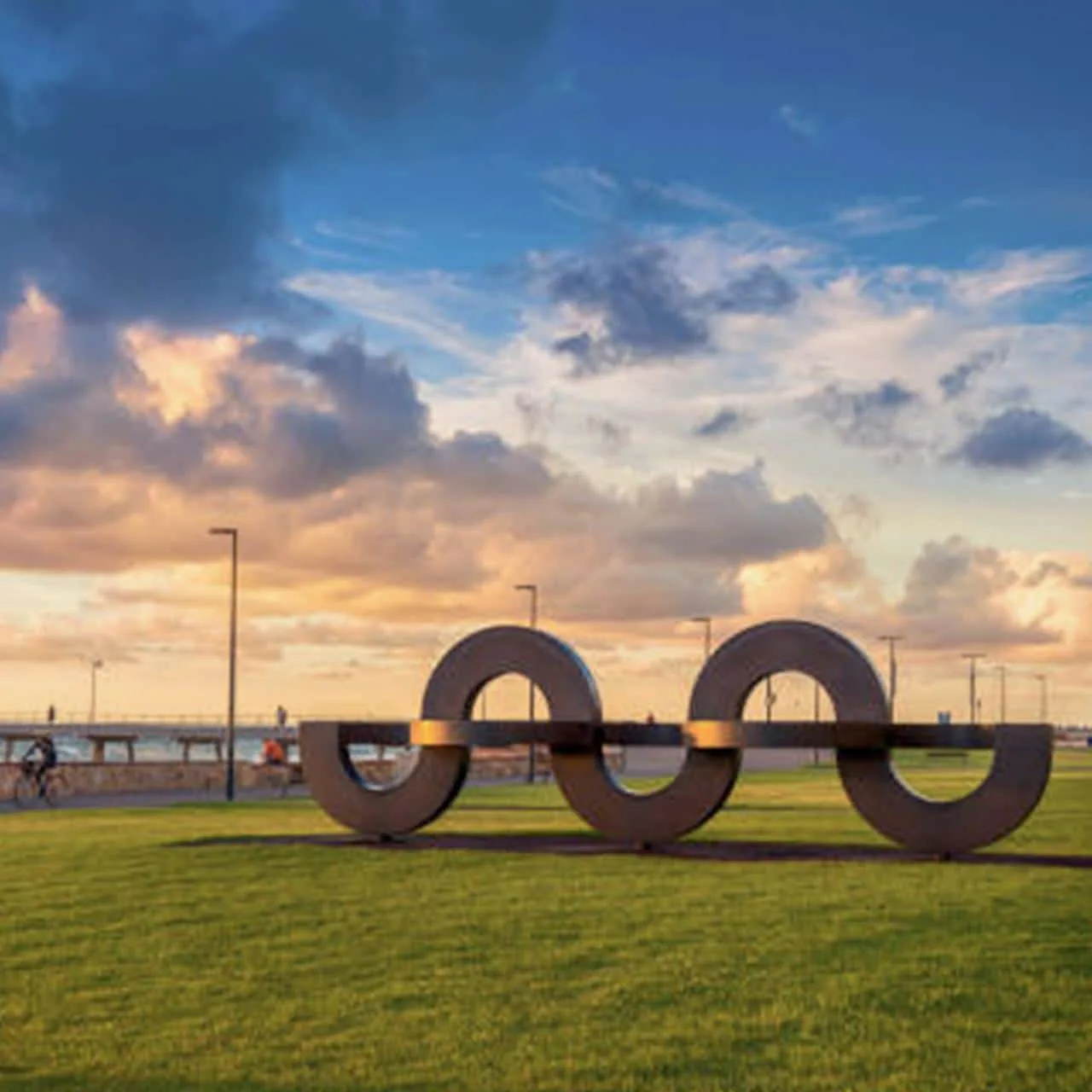
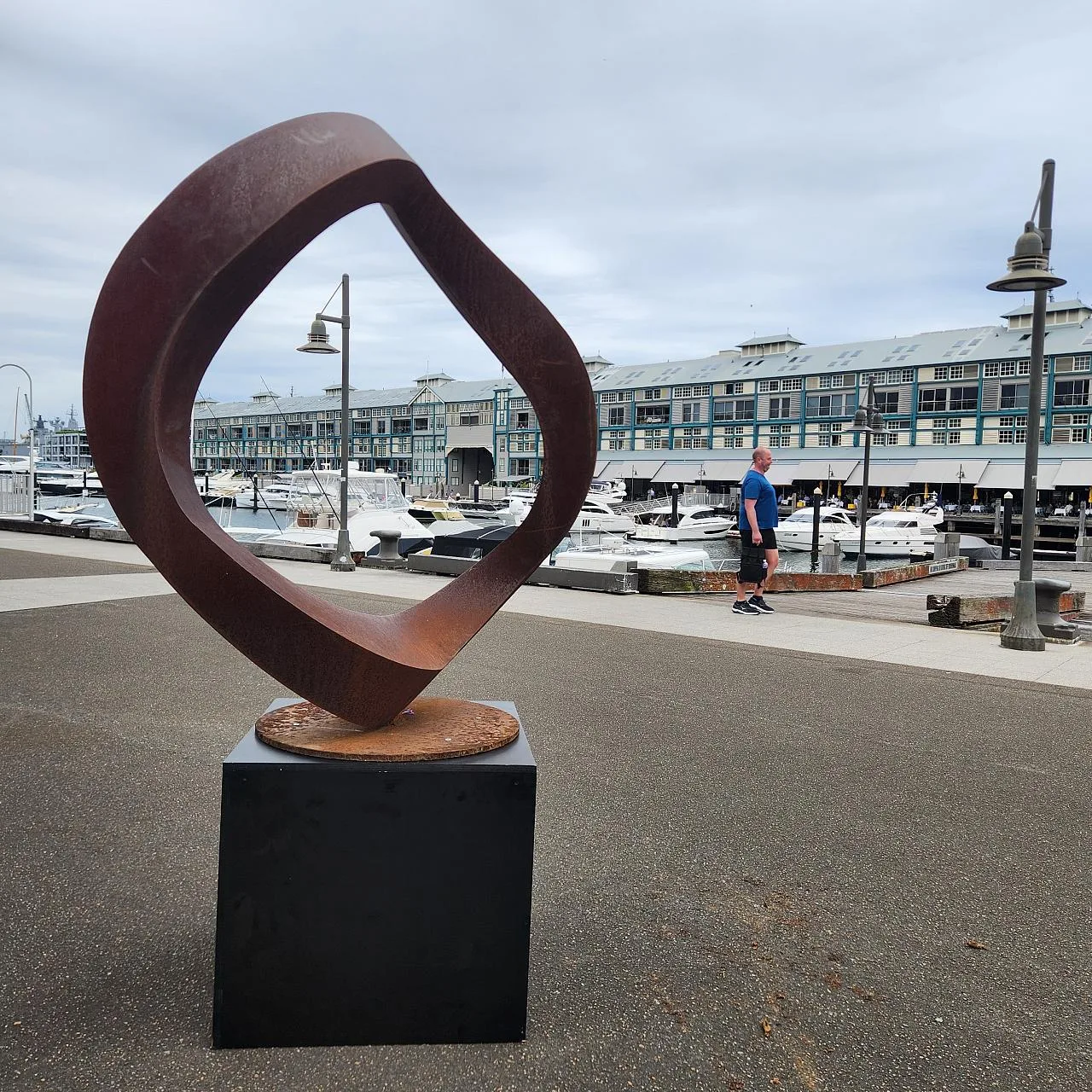
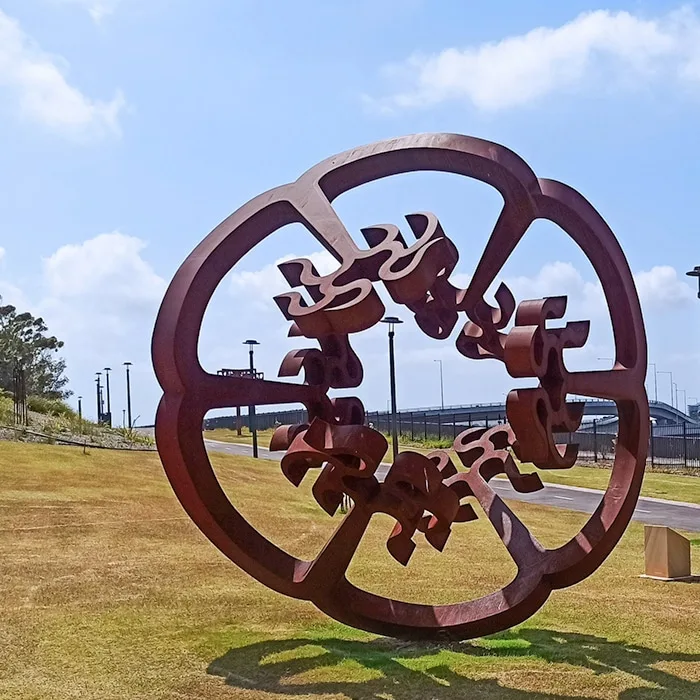
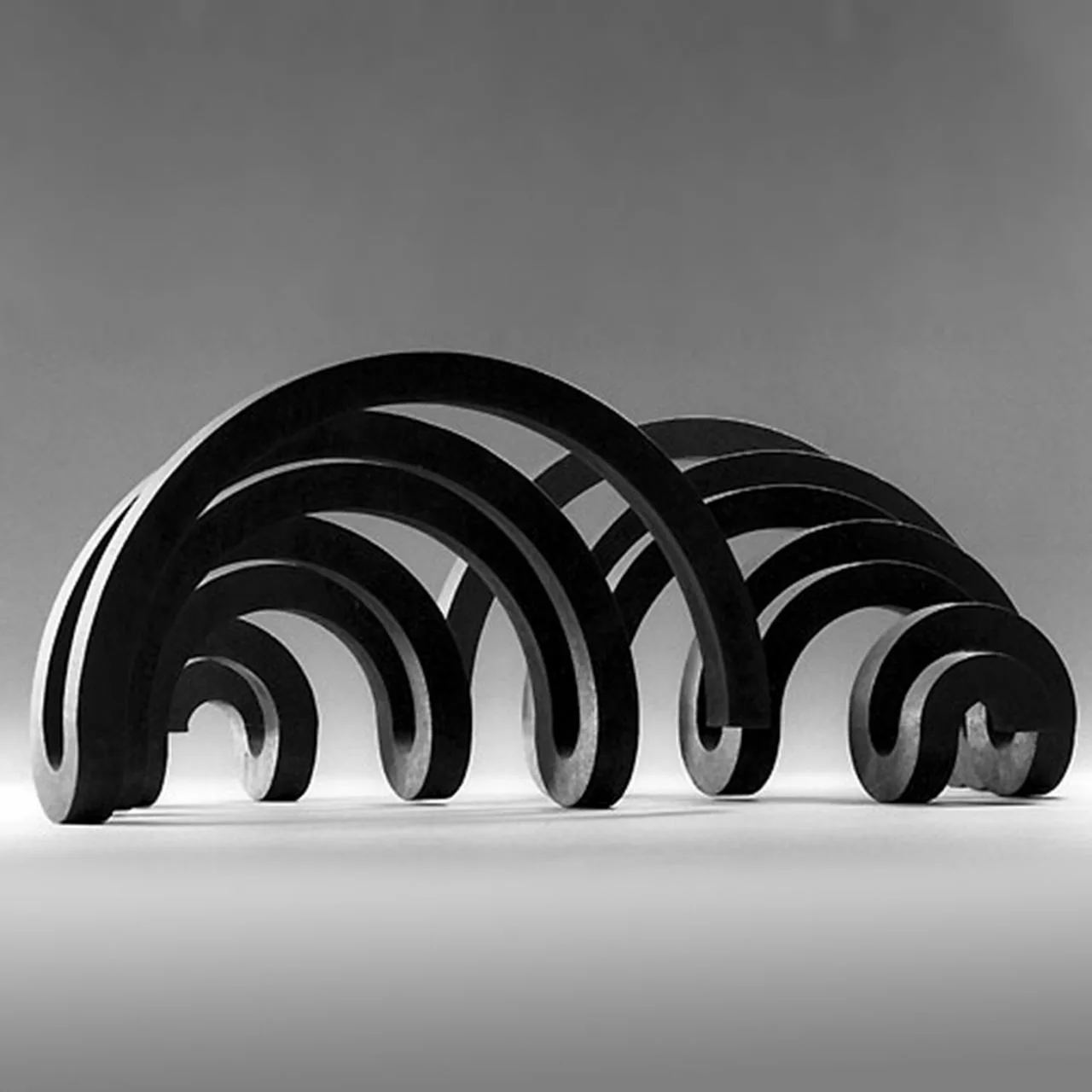
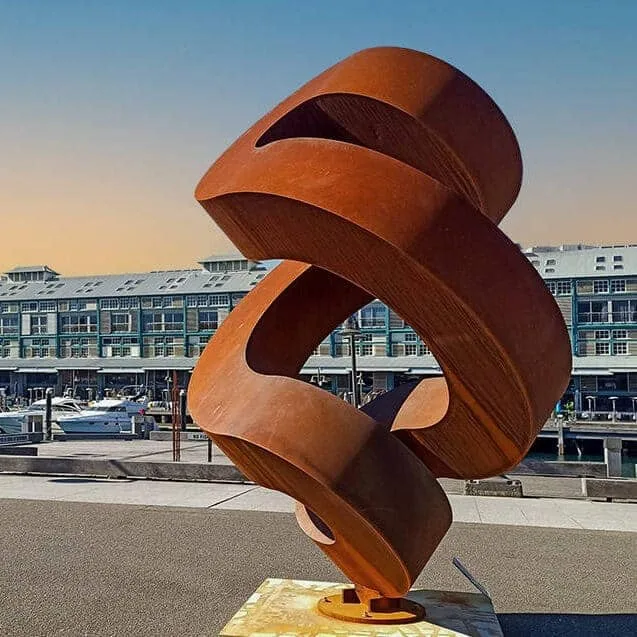
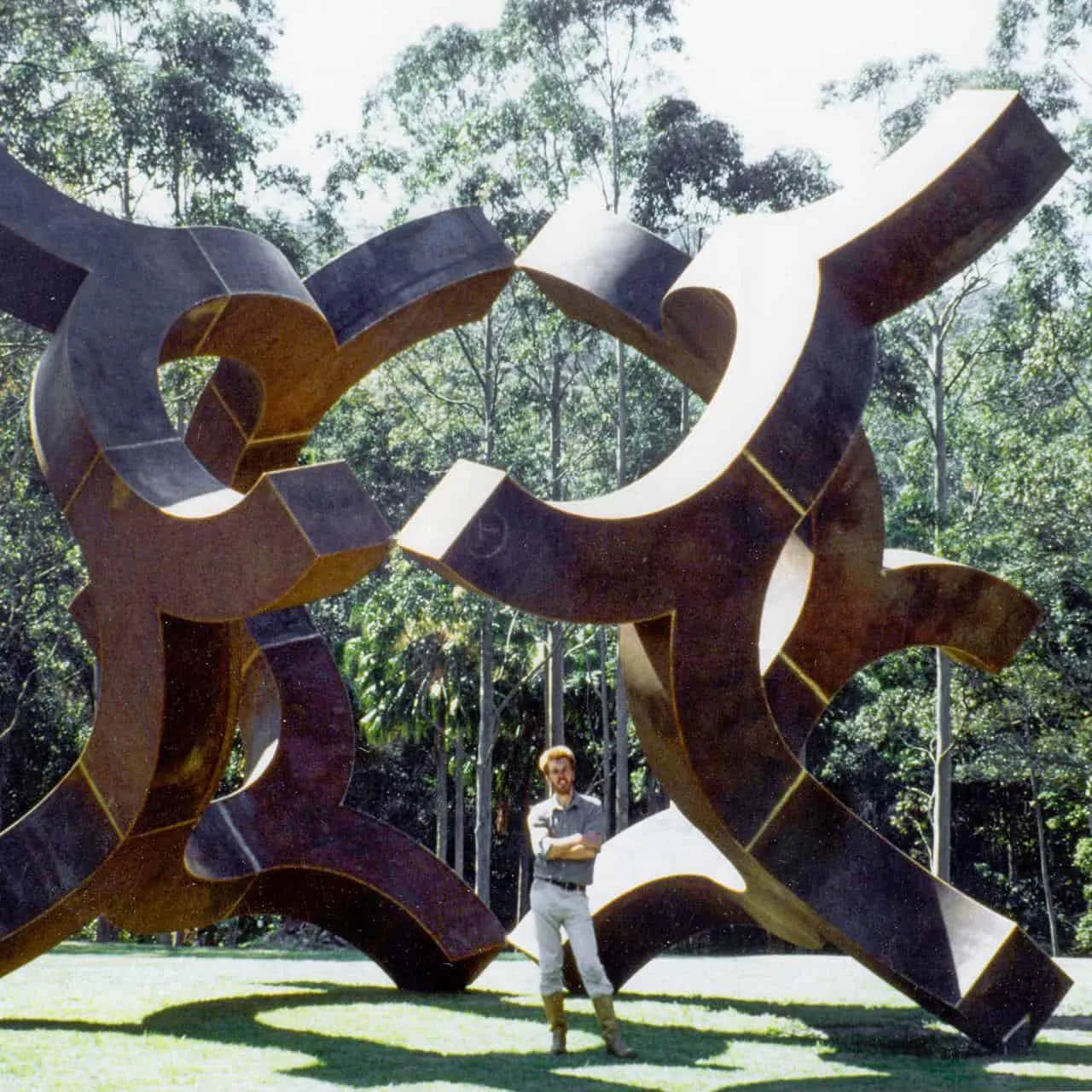
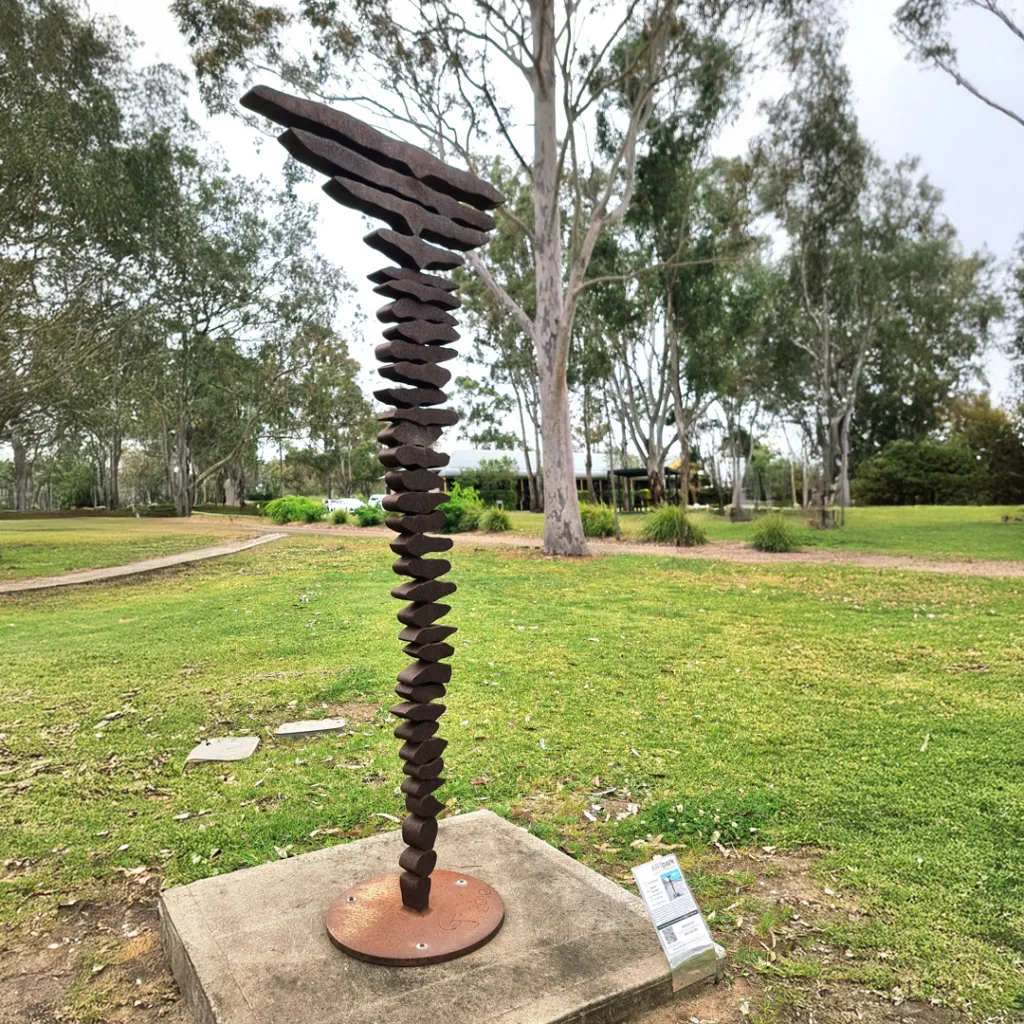
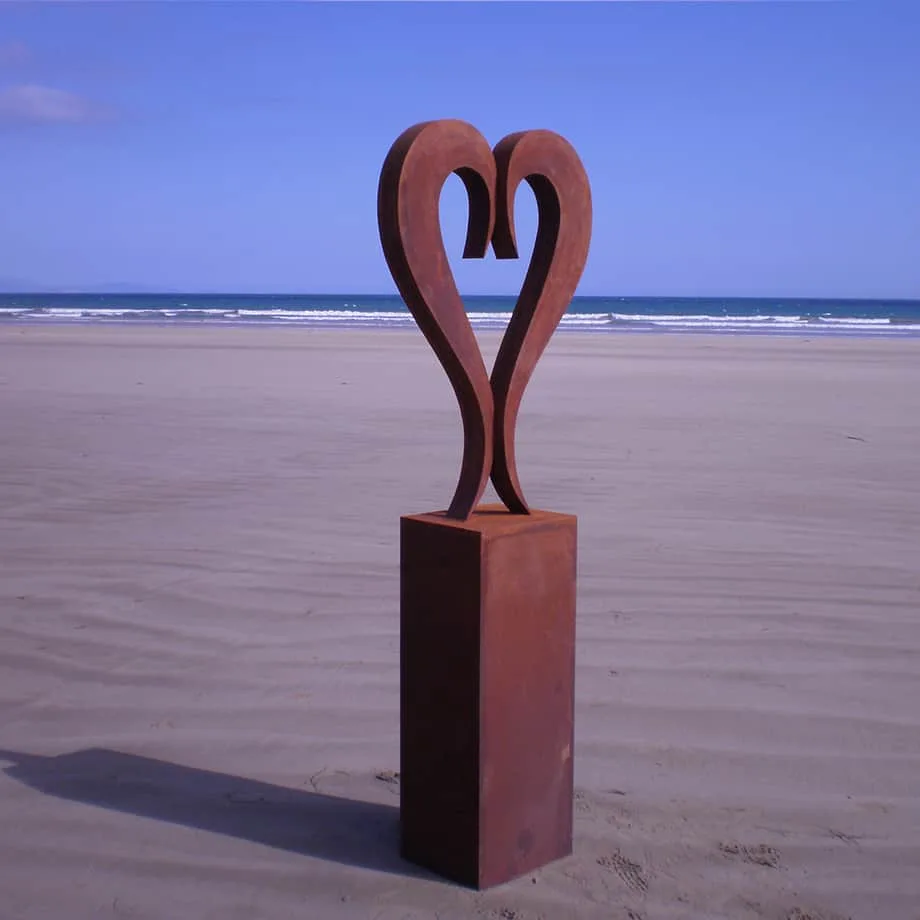
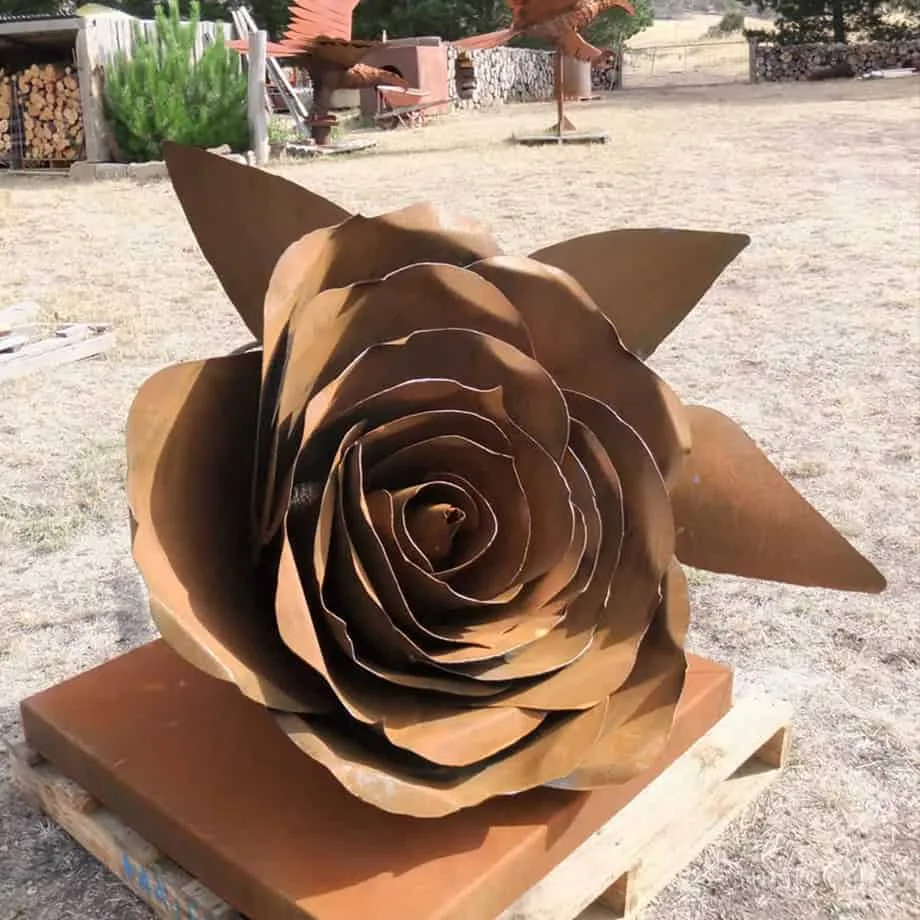
![Roses [series] -150cm](https://www.sohogalleries.net/wp-content/uploads/2021/02/Roses-150cm-Fabricated-Steel-OutdoorCortenKooper-Folko-australian-flower-sculpture-outdoor-garden-art-leaves-nature-2.webp "Australian Sculptors")
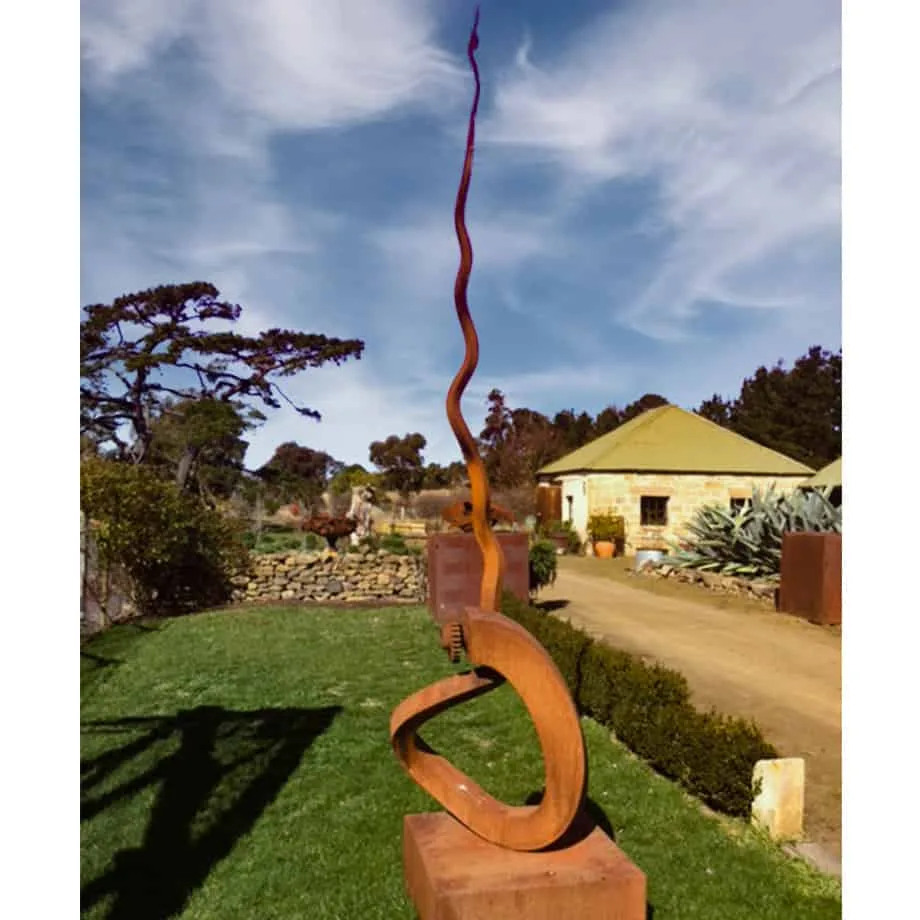
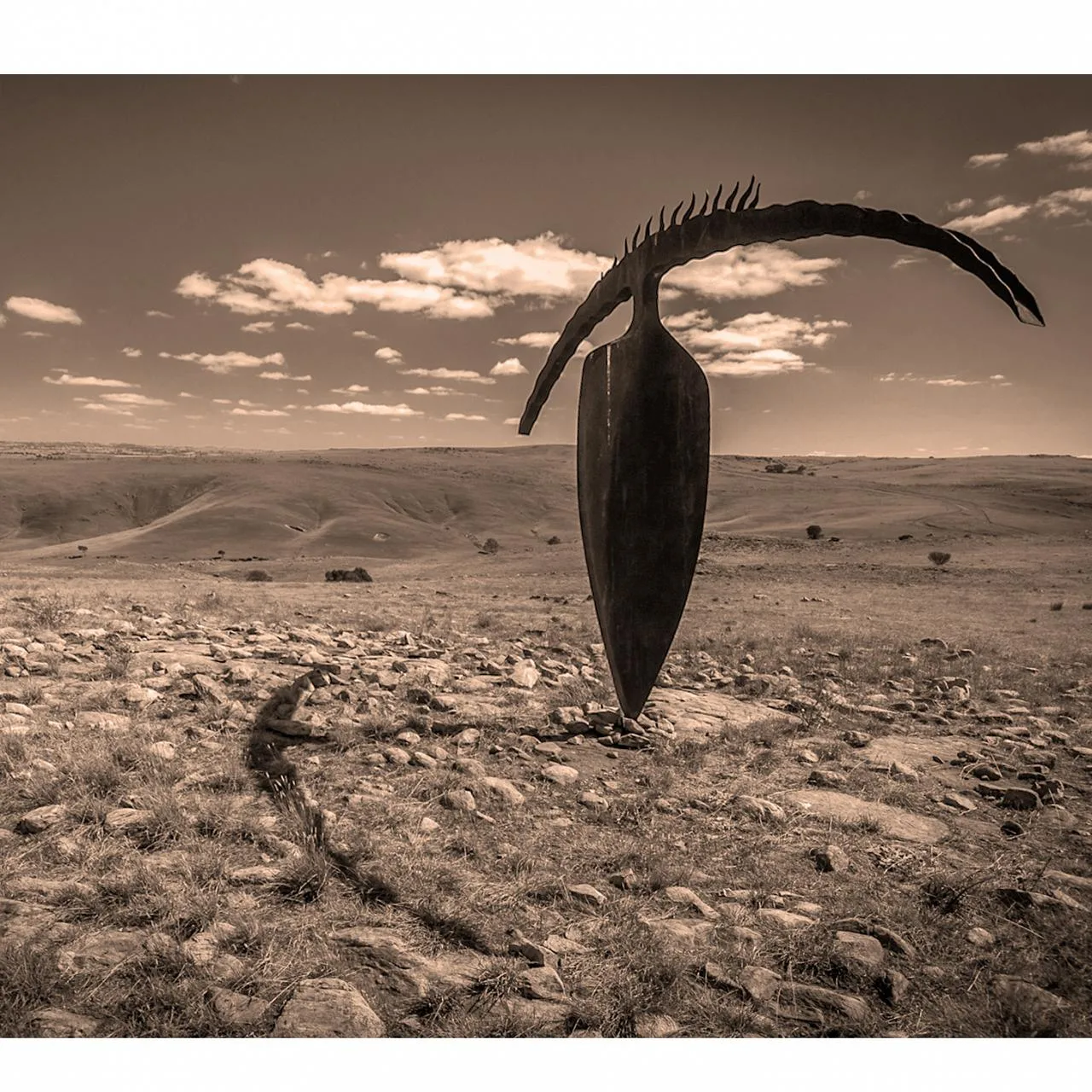
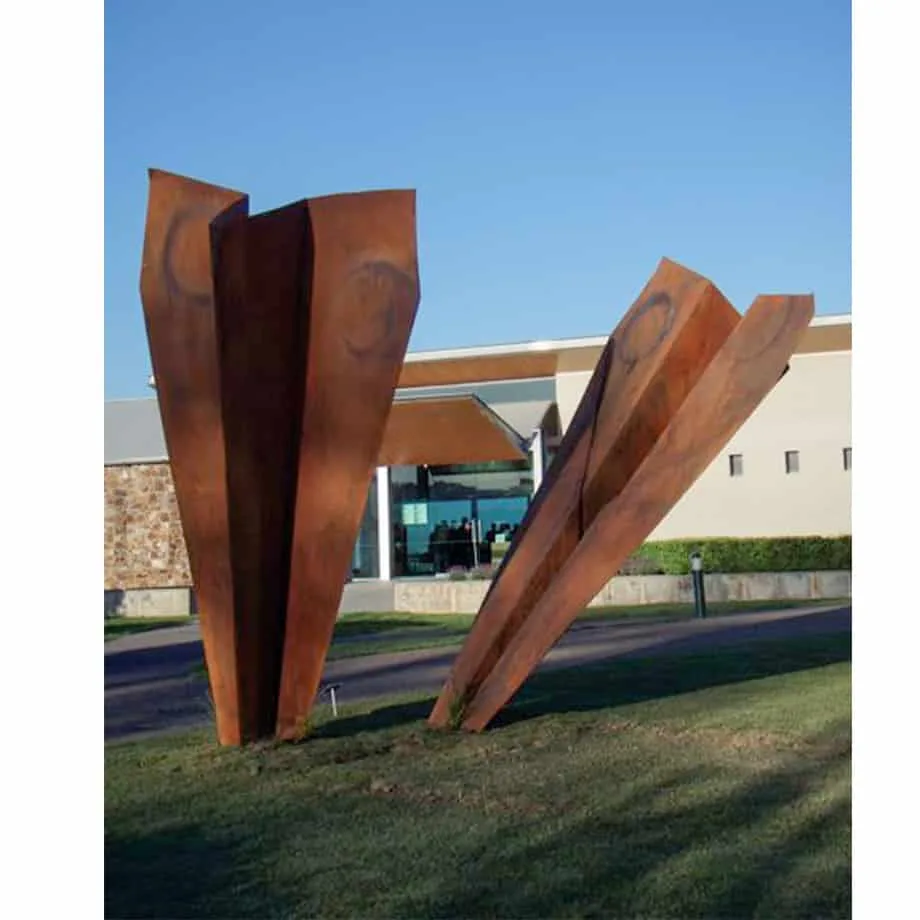
![Flint Tools [series]](https://www.sohogalleries.net/wp-content/uploads/2021/02/Flint-Tools-Seriesl-Fabricated-Steel-OutdoorCorten-landmarkKooper-Folko-australian-arrow-sculpture-outdoor-garden-indigenous-art-.webp "Australian Sculptors")
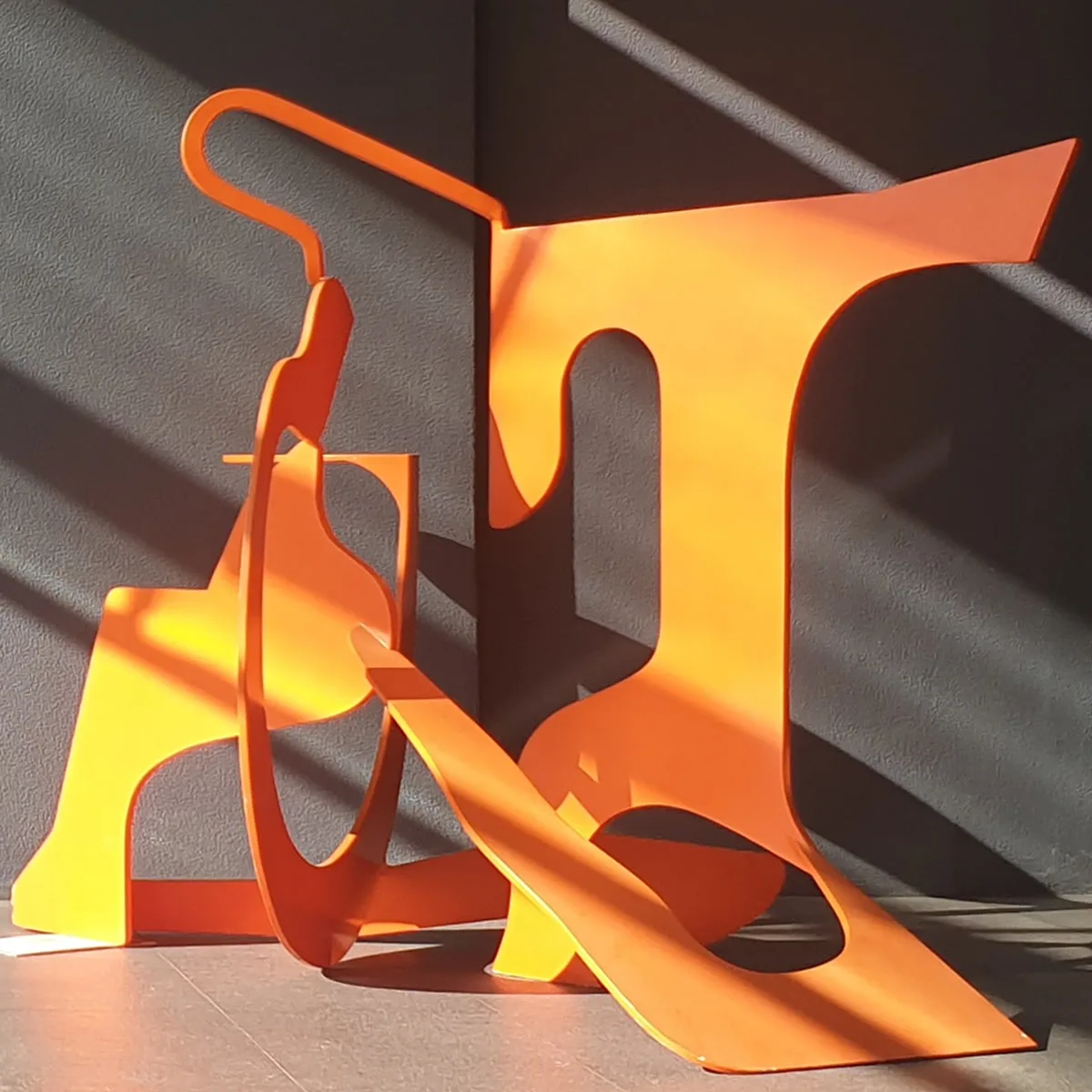
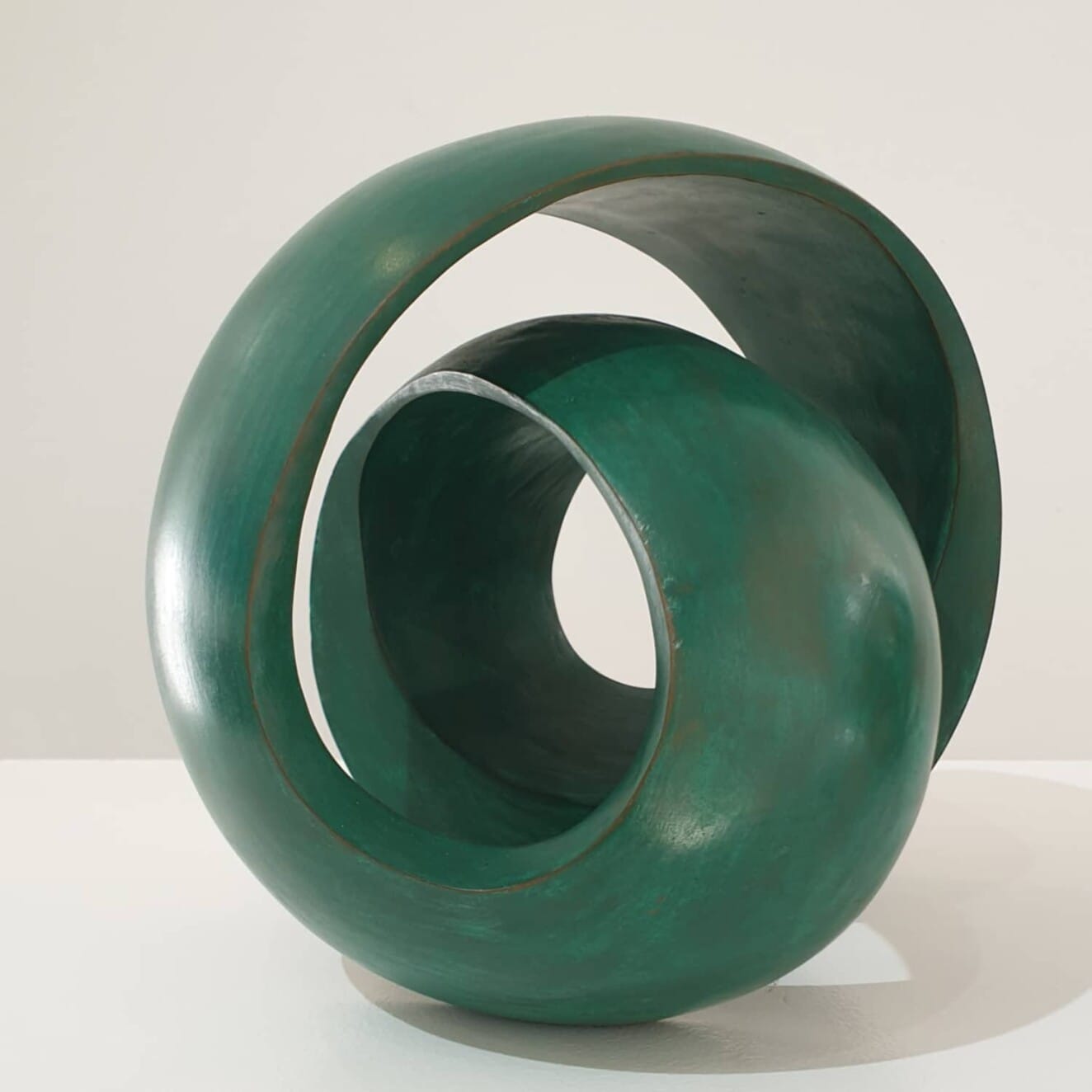
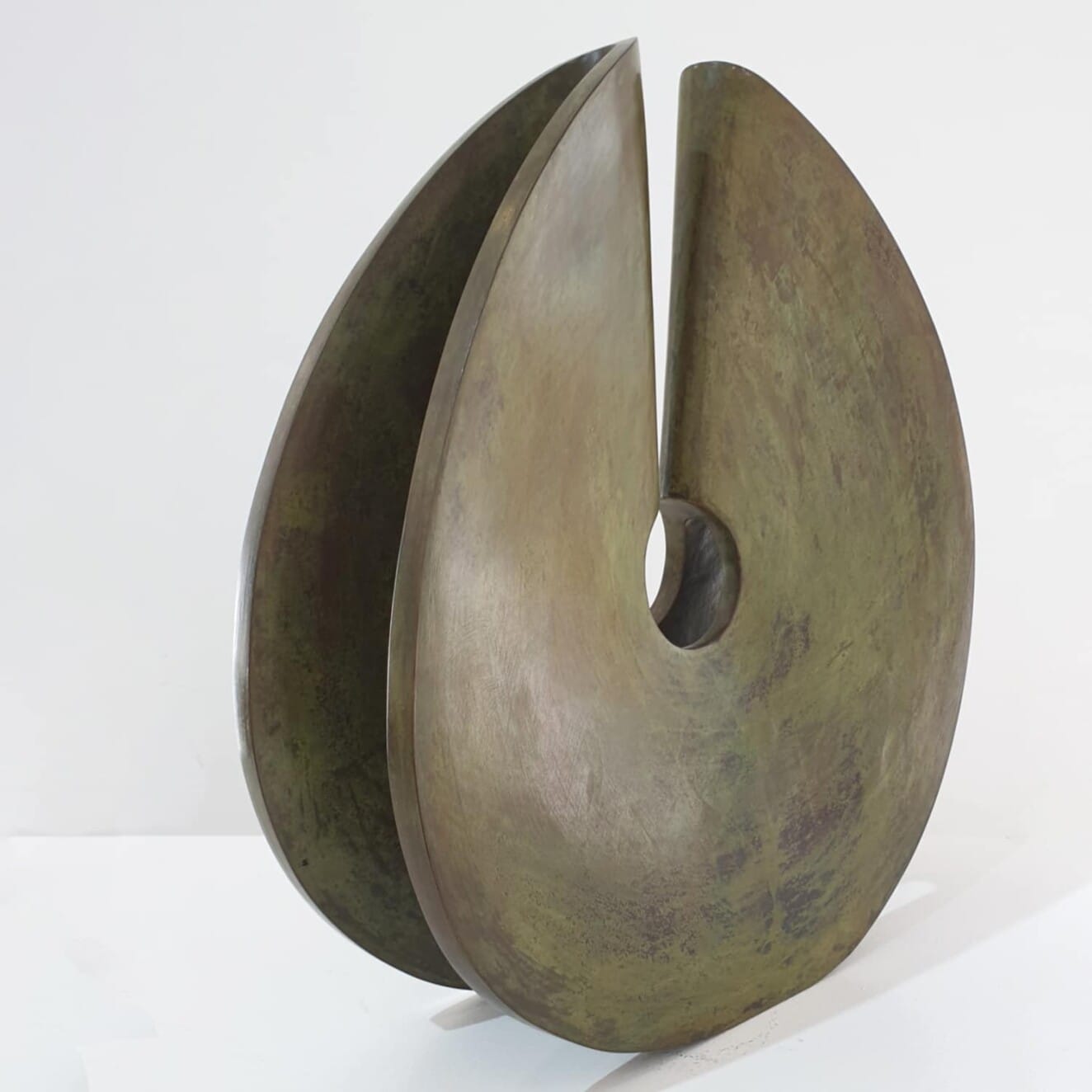
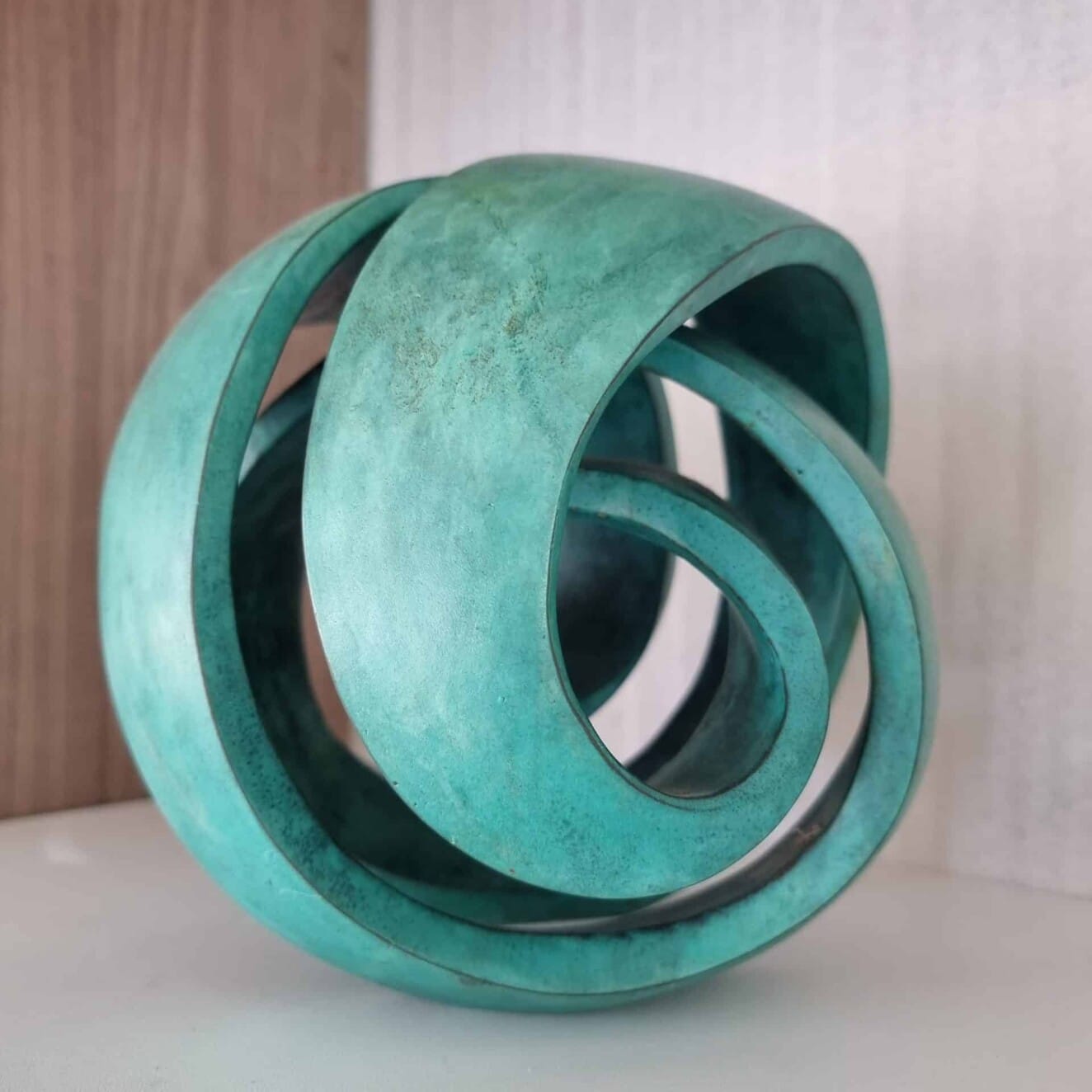
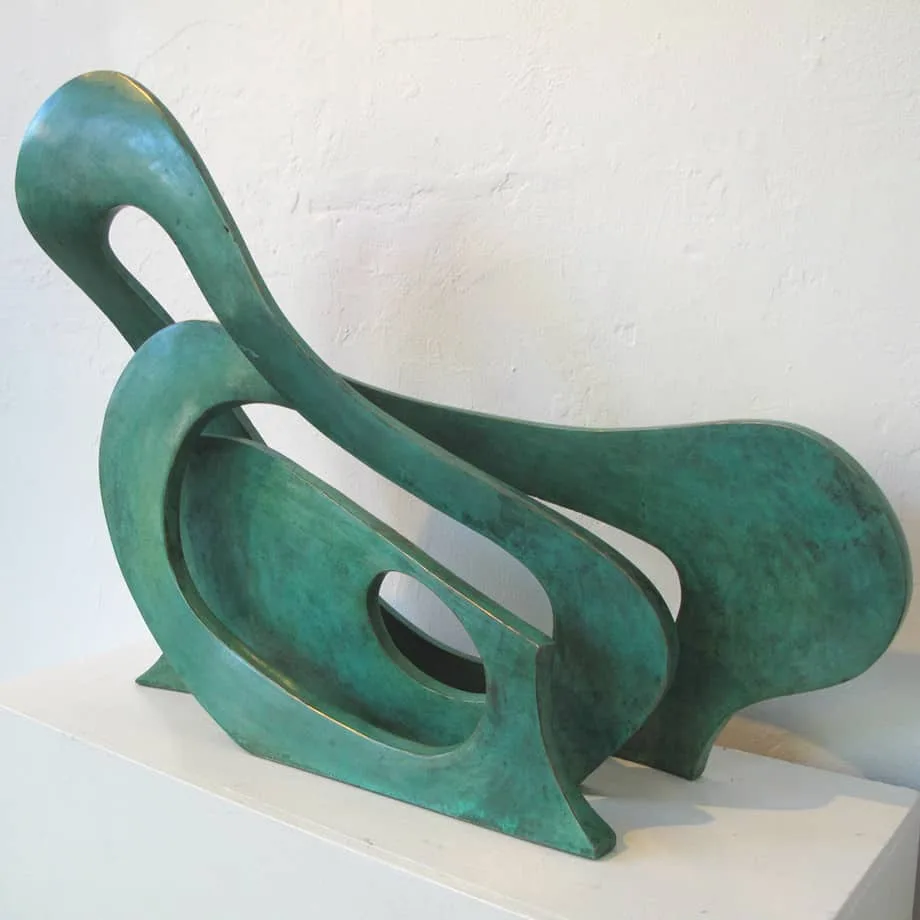
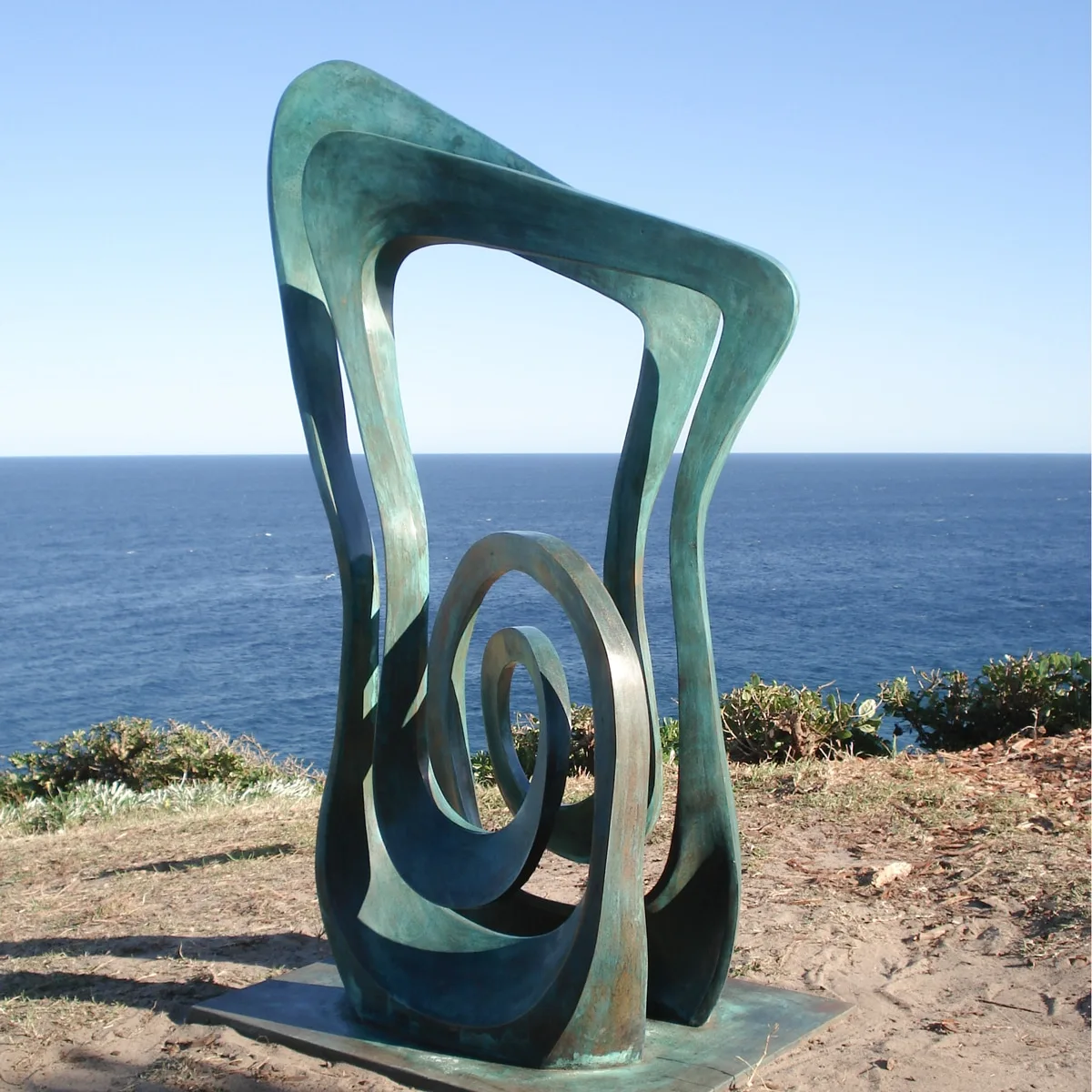
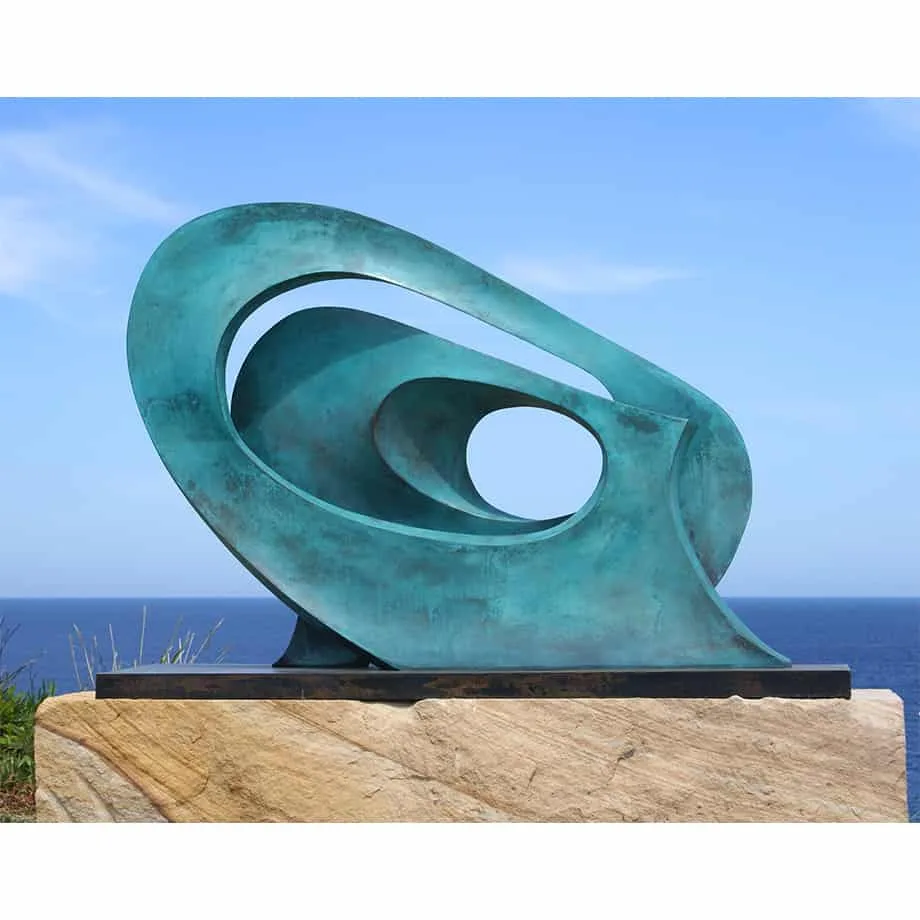
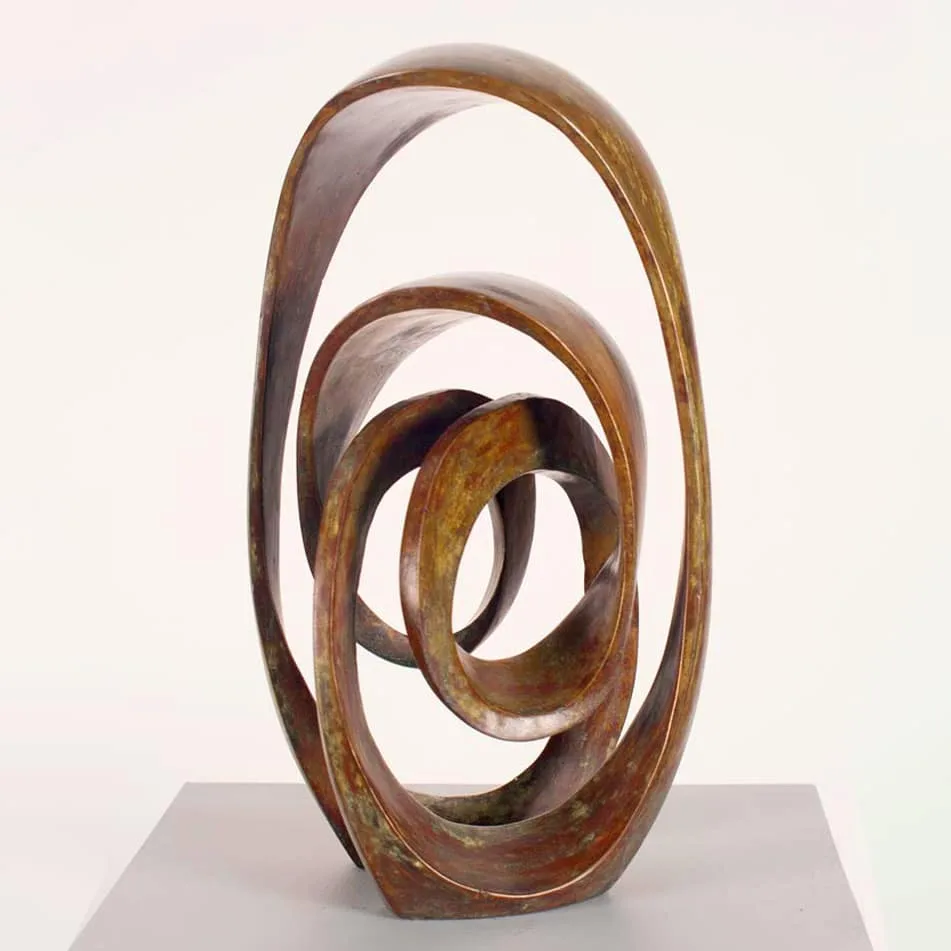
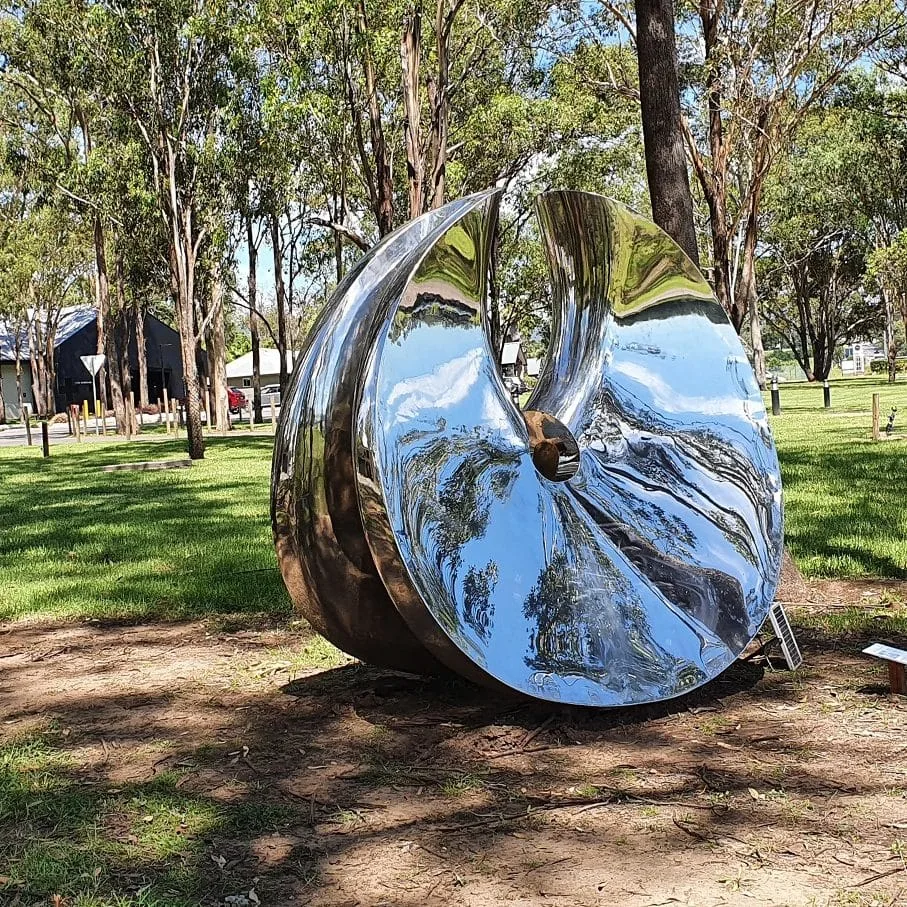
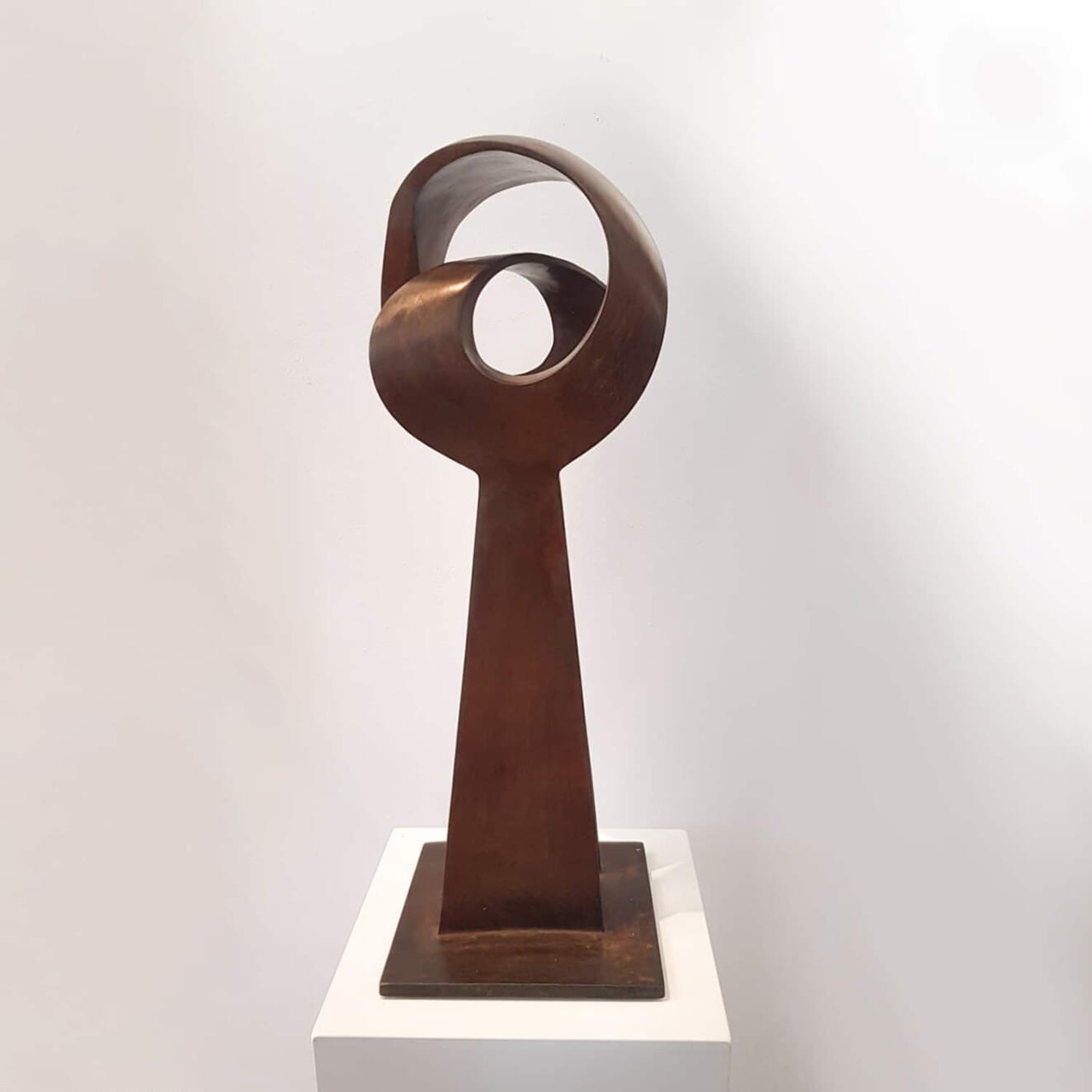
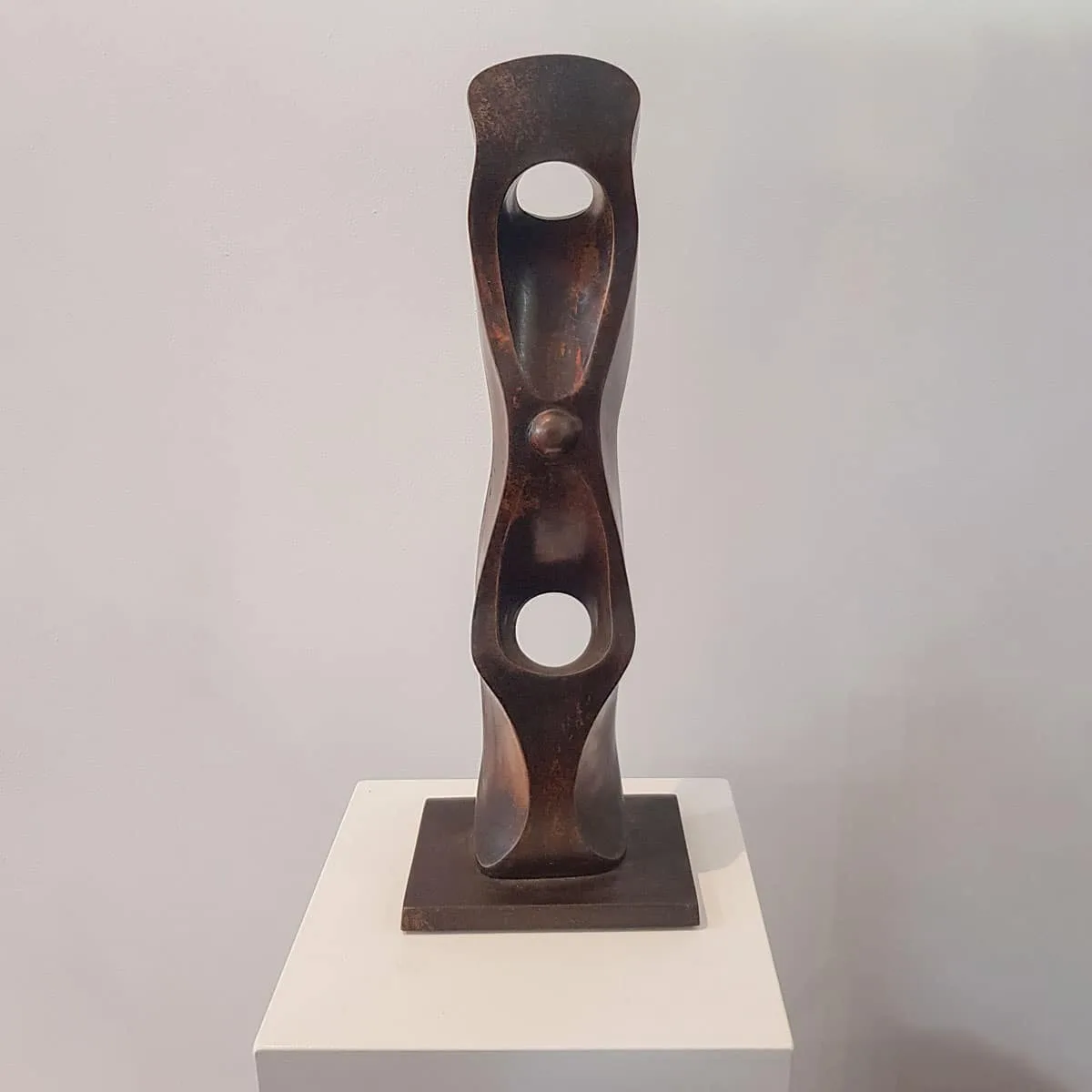
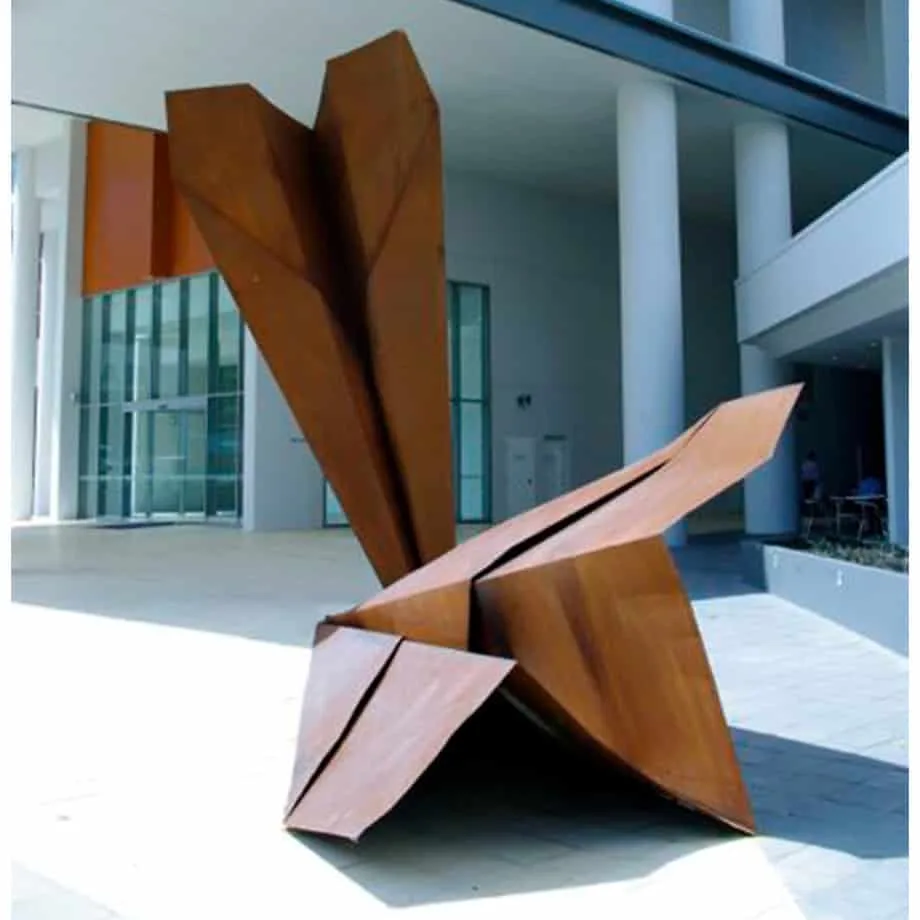
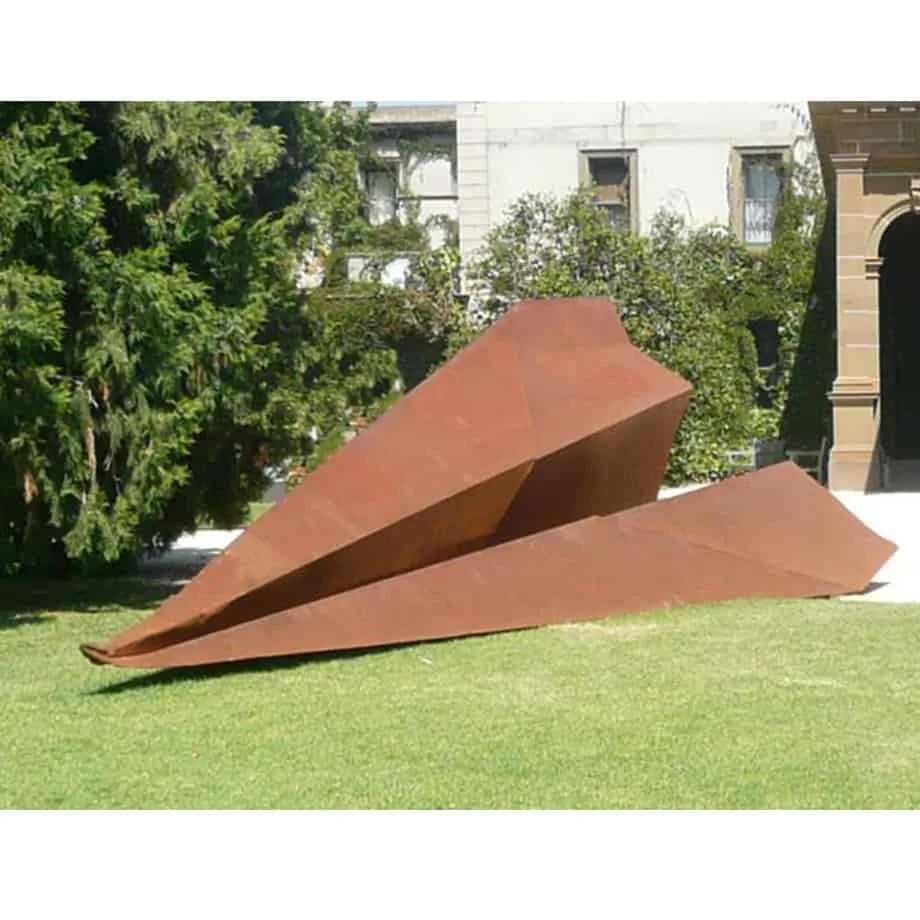
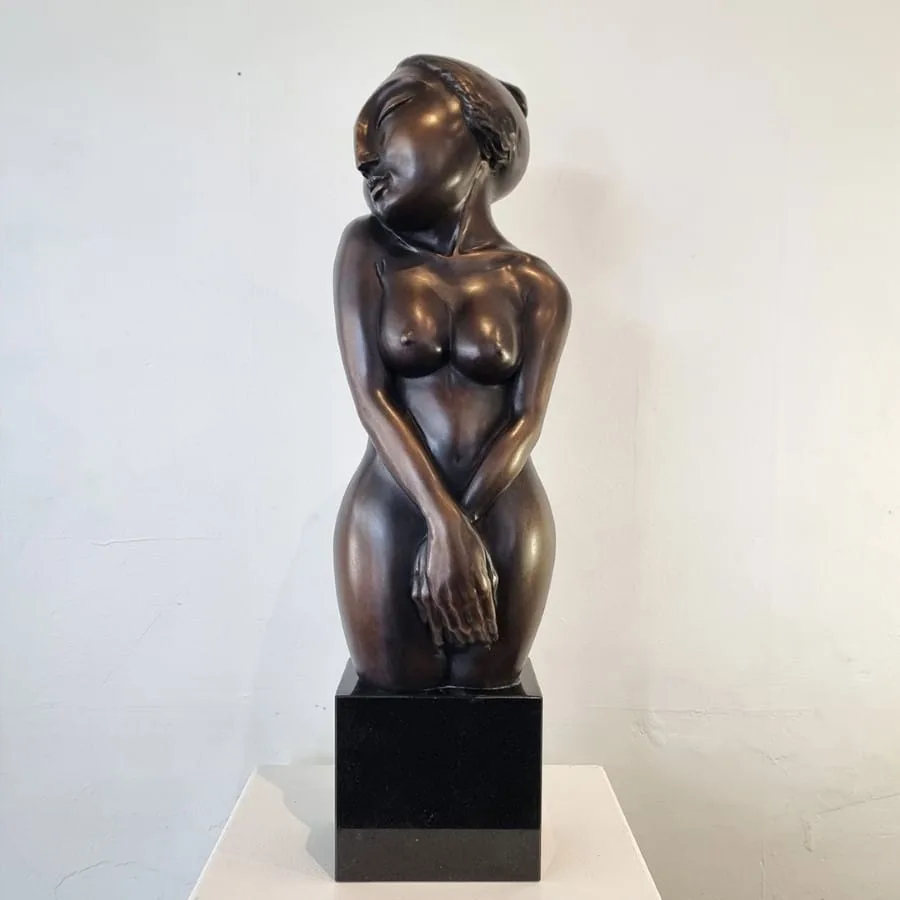
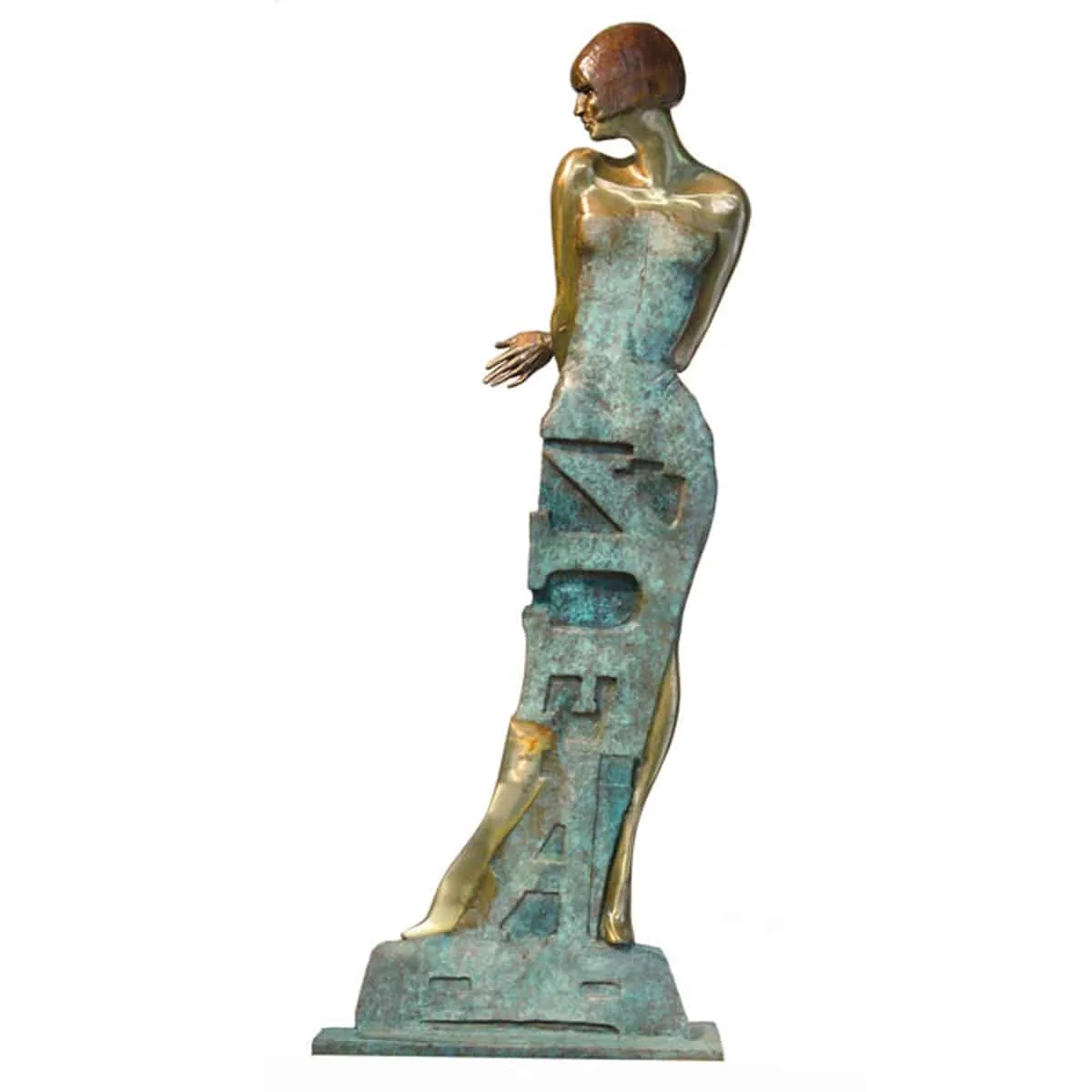
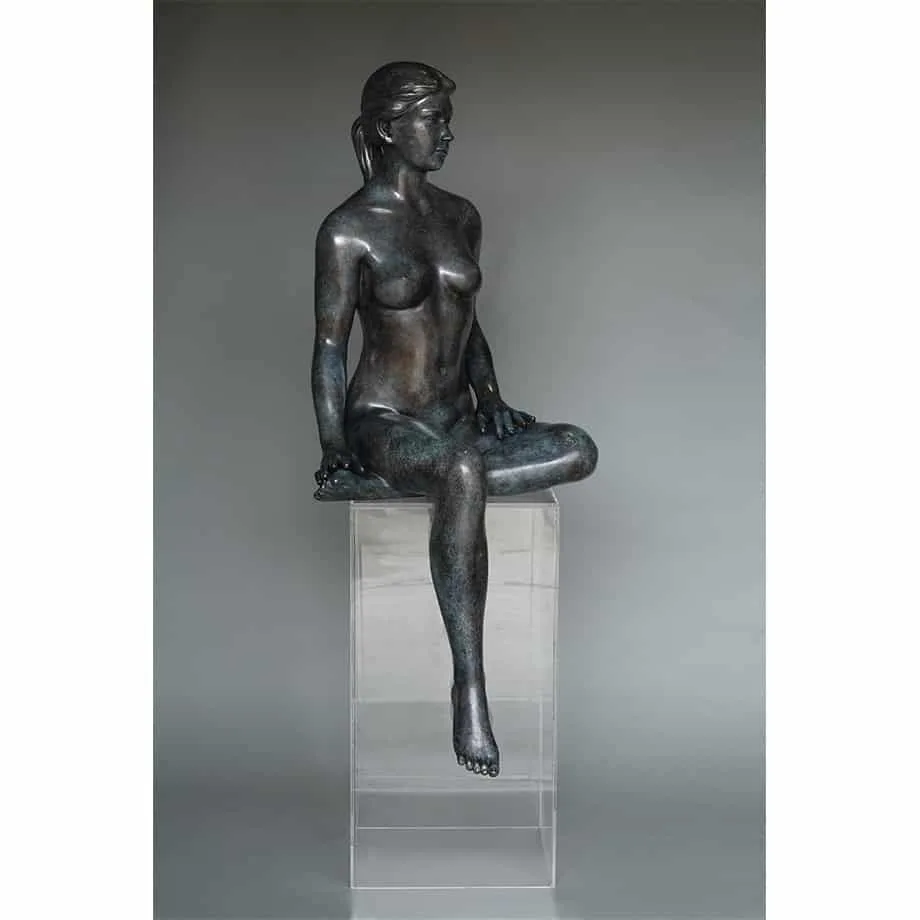
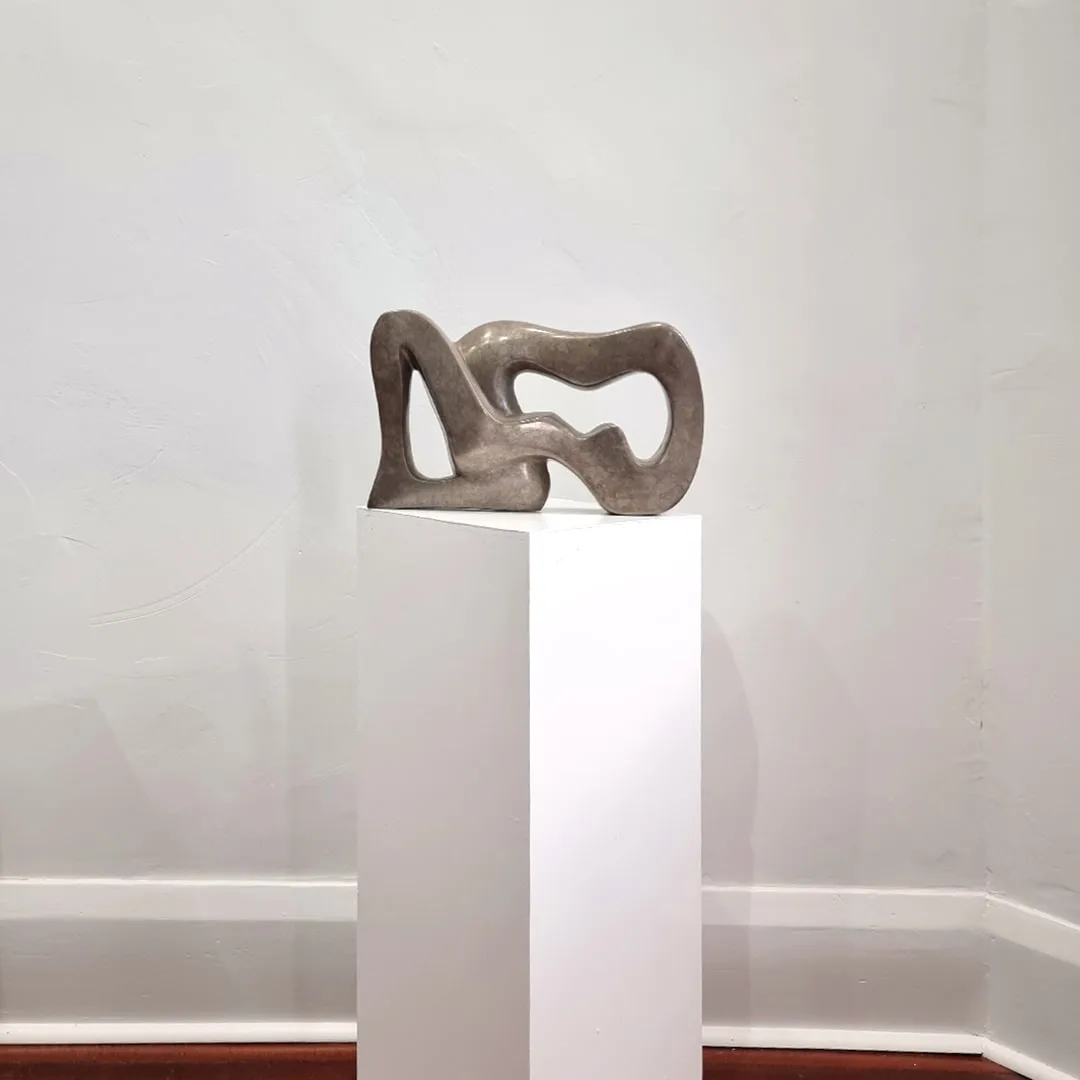
![Hammock - 85x32cm [6/25]](https://www.sohogalleries.net/wp-content/uploads/2021/07/Hammock-1-85x32cm-6of25-BRONZE-sculpture-BronzeTable-topFigurative-Libucha-Zygmunt-australian-sculpture-female-form-indoor.webp "Australian Sculptors")
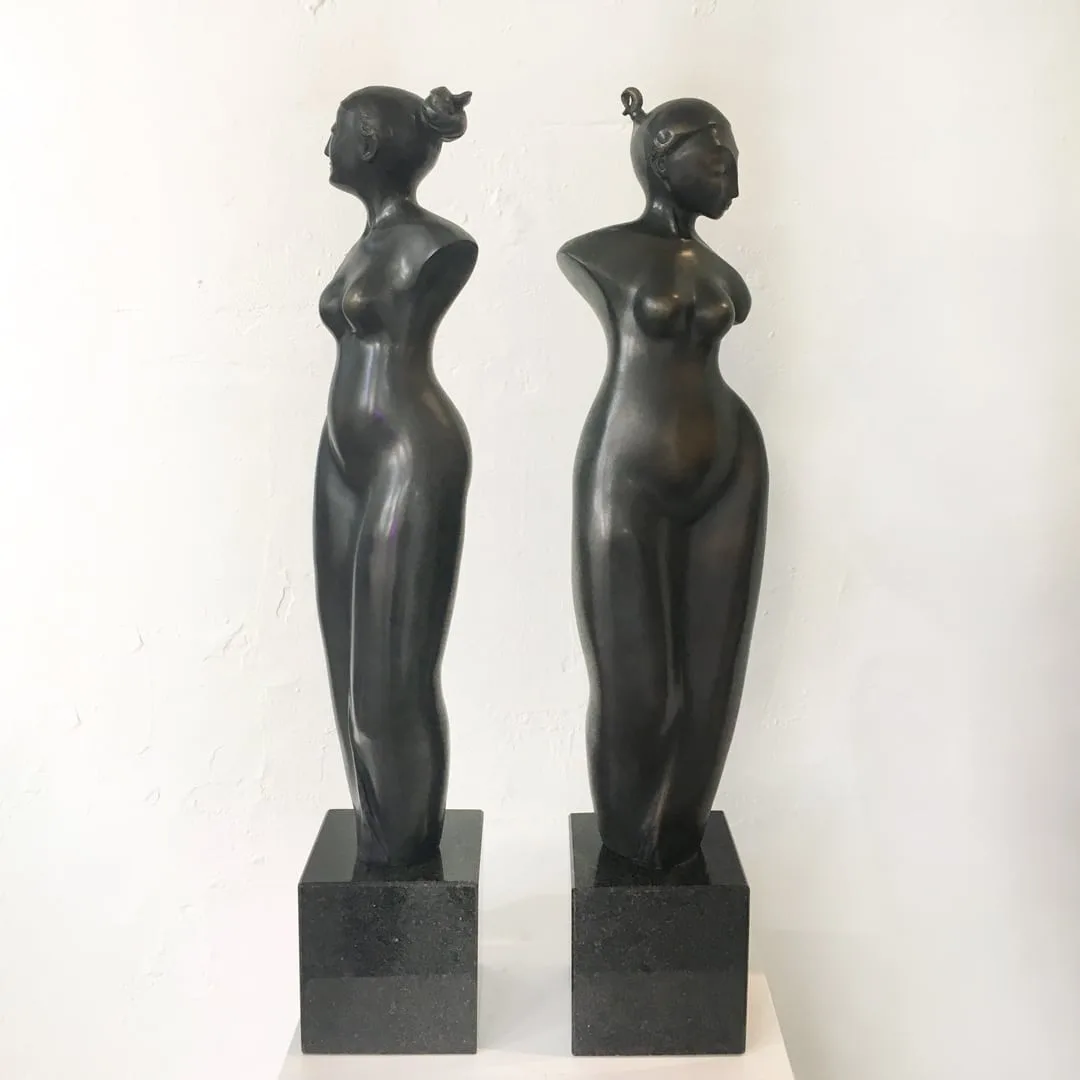
![Tall Sister 2 - 76x17cm [8of30]](https://www.sohogalleries.net/wp-content/uploads/2021/02/Tall-sister-2-1-8of30-bronze-sculpture-figurative-female-form.webp "Australian Sculptors")
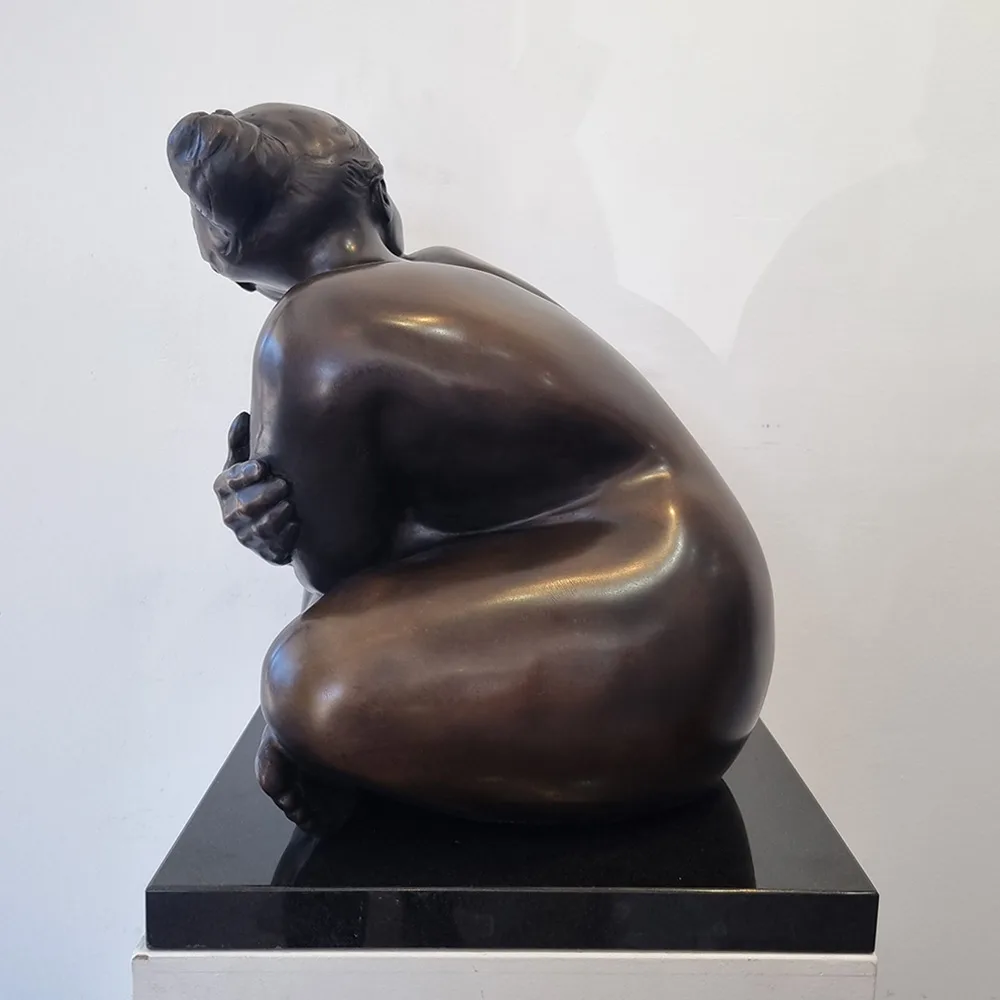
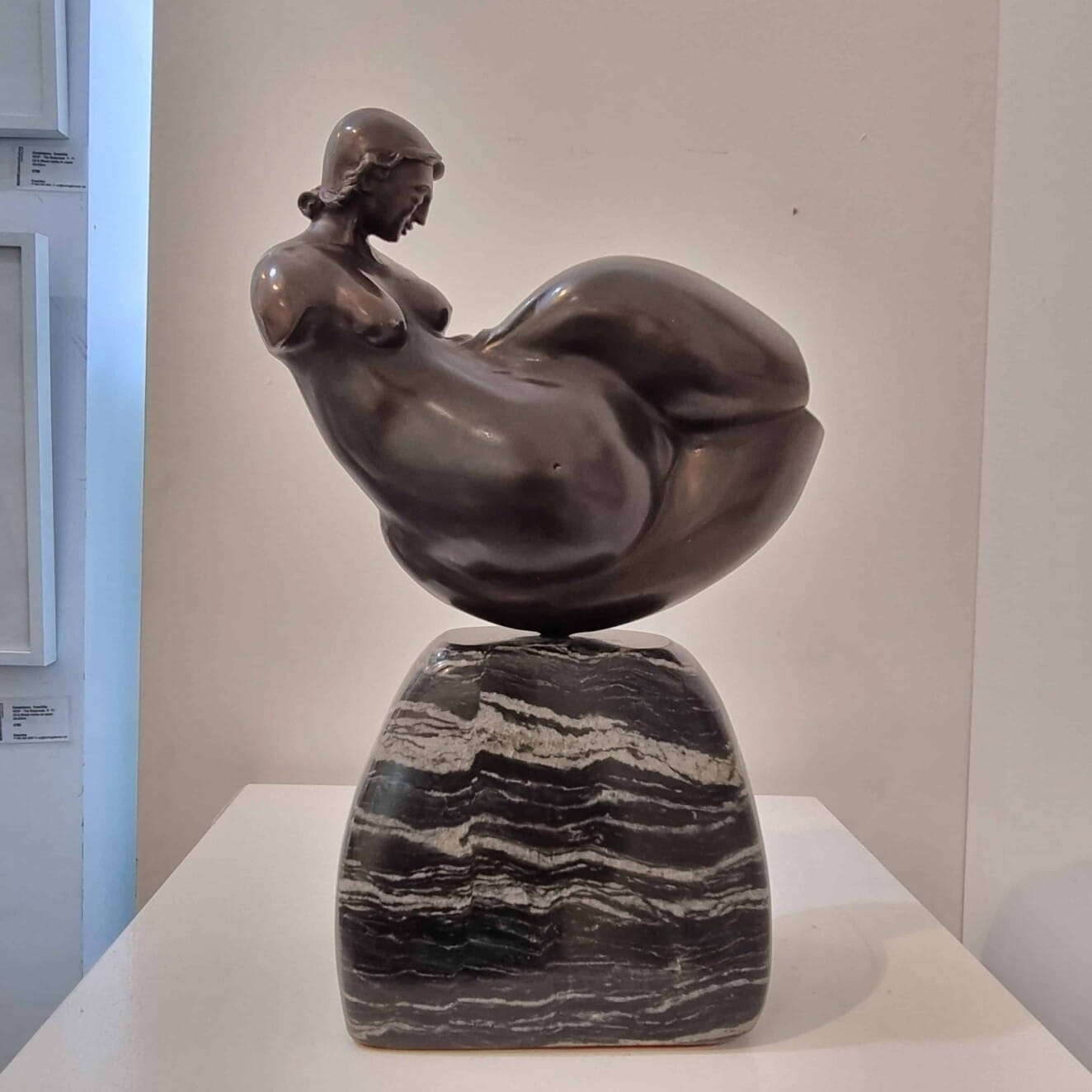
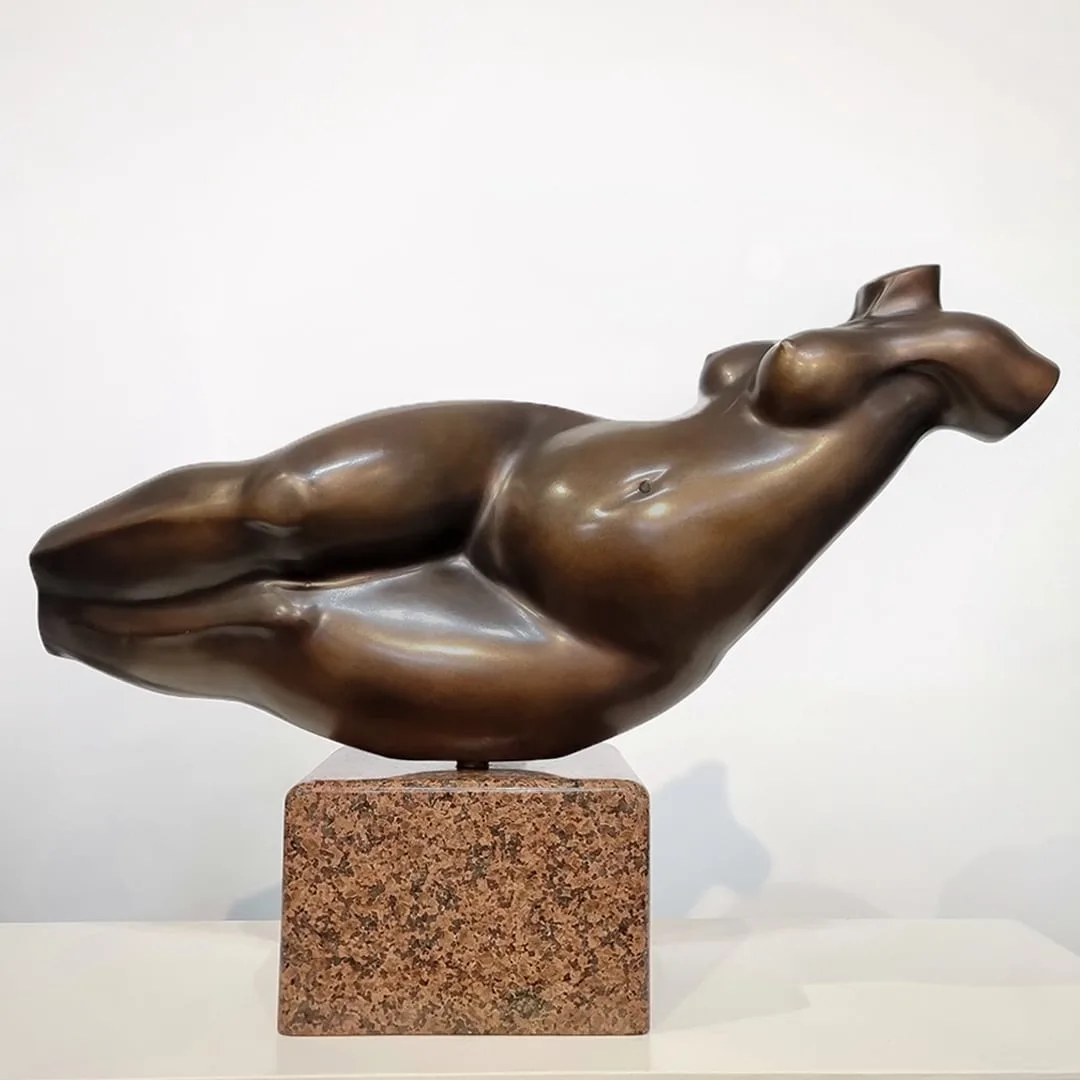
![Gone with the Wind - 49x40cm [#of25]](https://www.sohogalleries.net/wp-content/uploads/2021/02/gone-with-the-wind-49x40cm-bronze-1.webp "Australian Sculptors")
![Tall Sister 1 - 76x17cm [8of30]](https://www.sohogalleries.net/wp-content/uploads/2021/02/Tall-sister-1-1-8of30-bronze-sculpture-figurative-female-form.webp "Australian Sculptors")
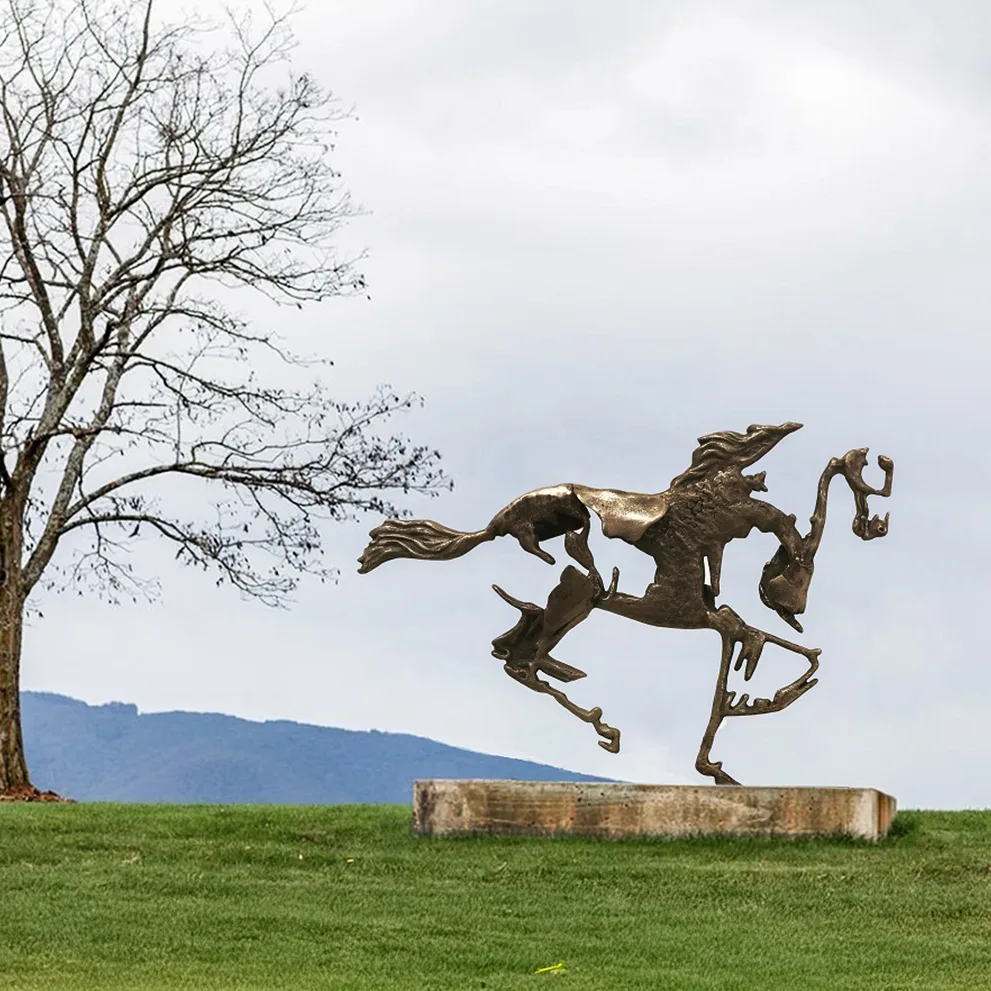
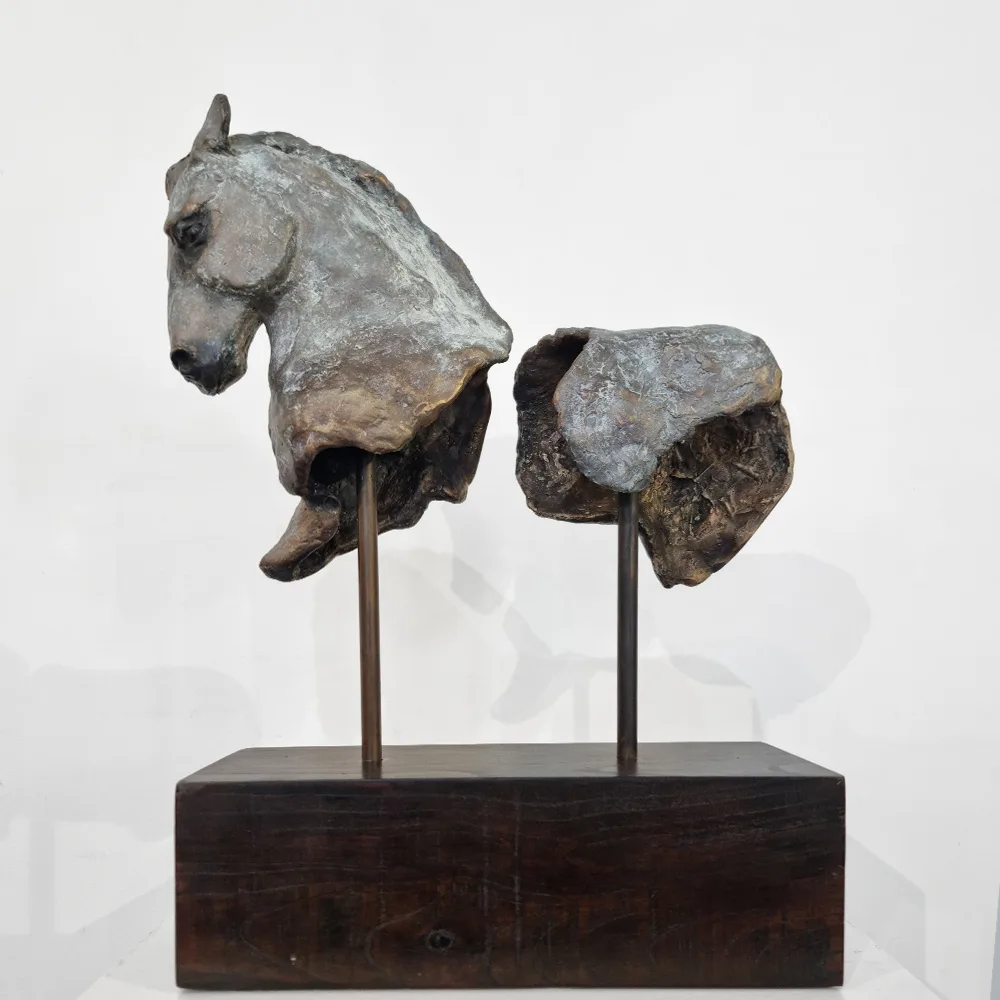
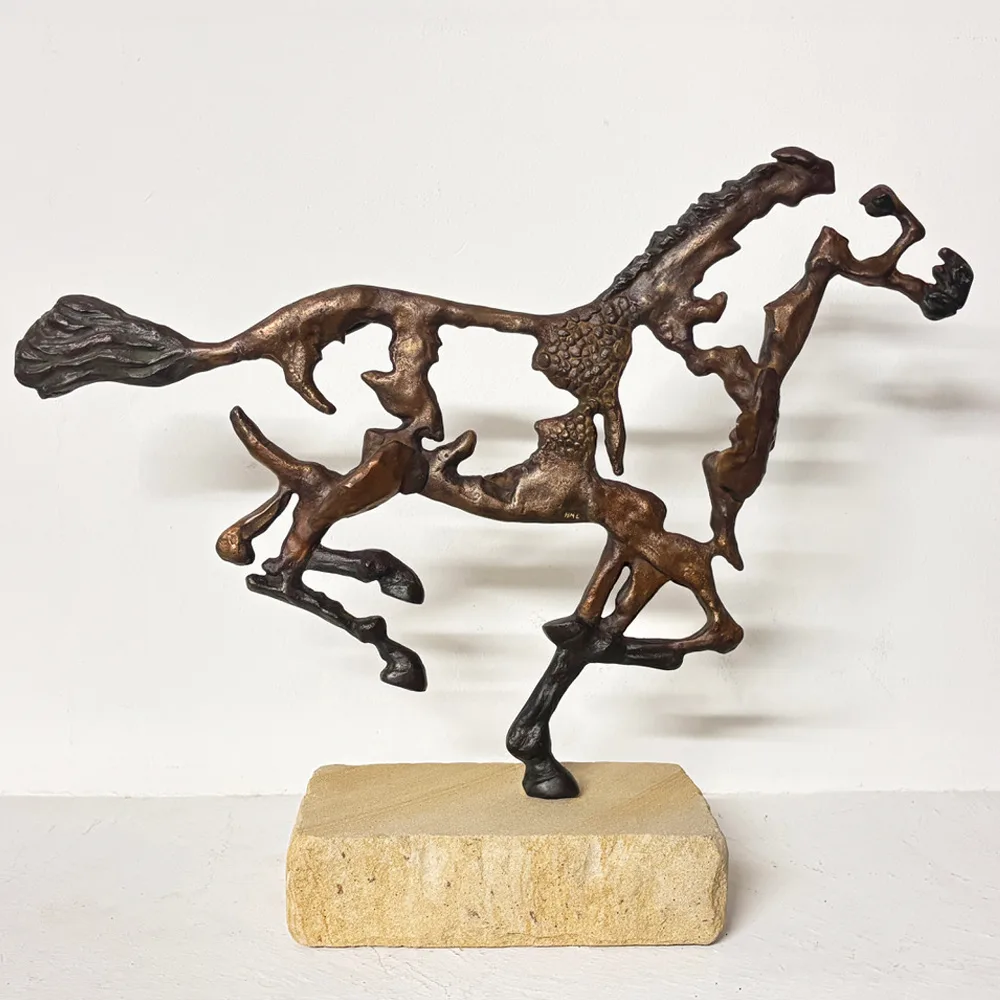
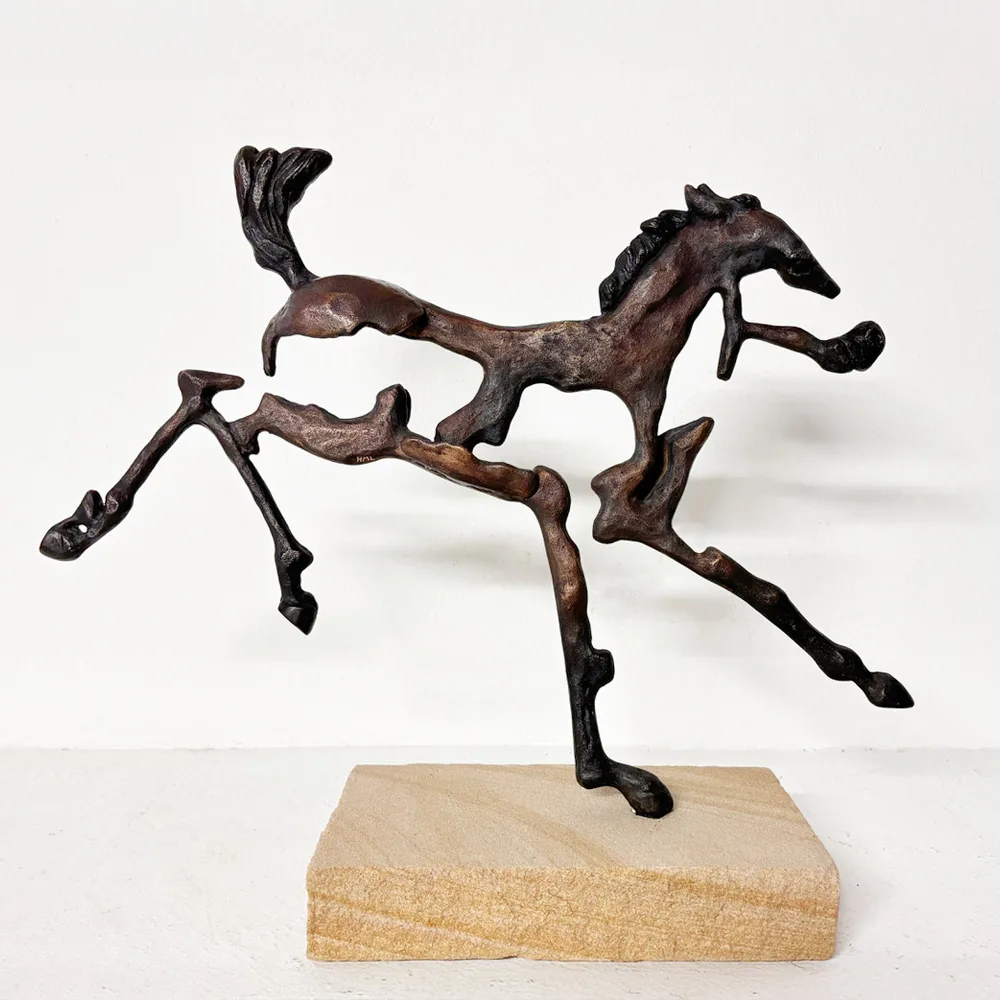
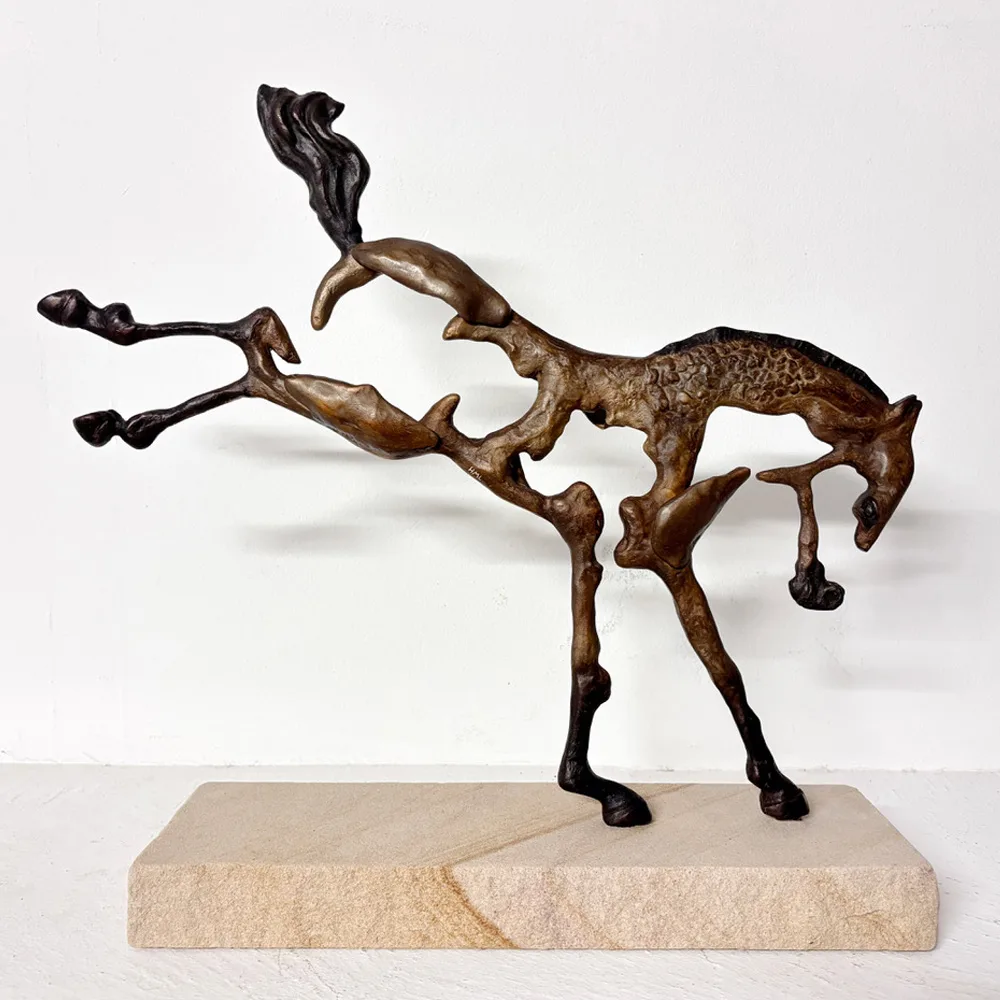
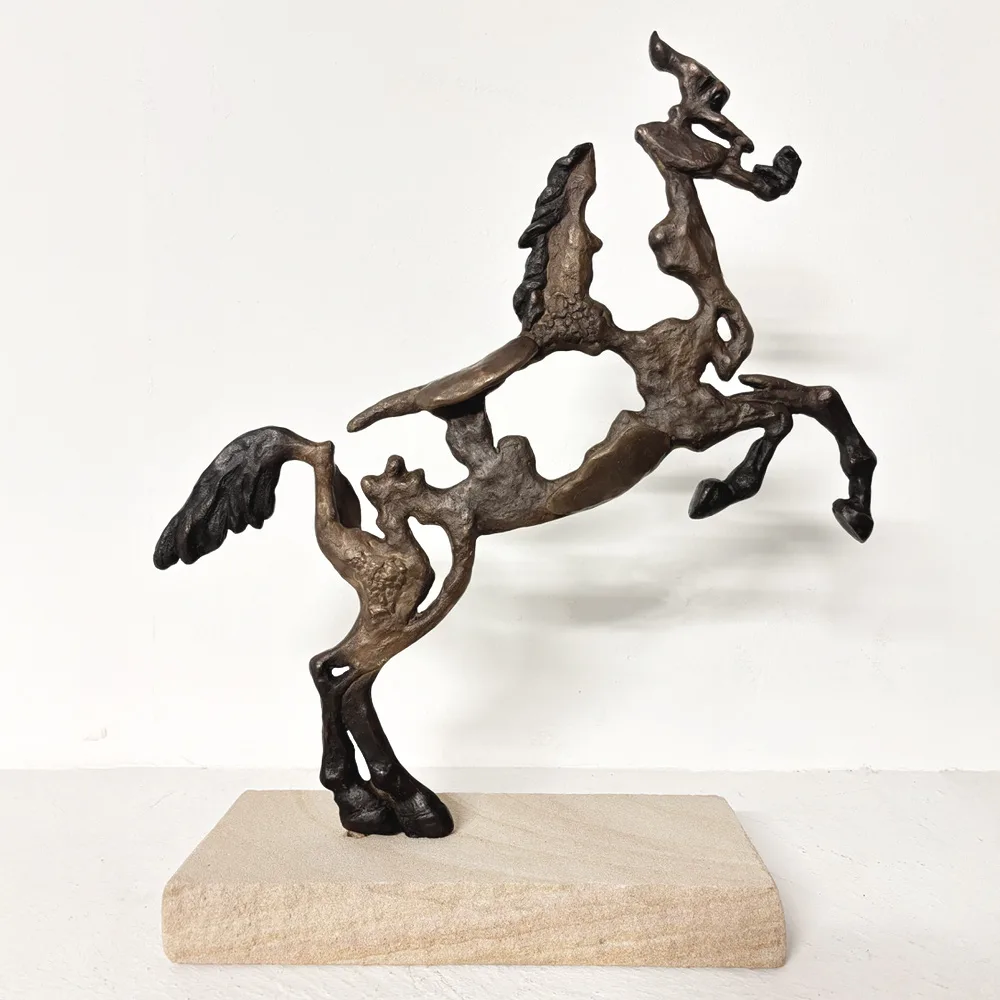
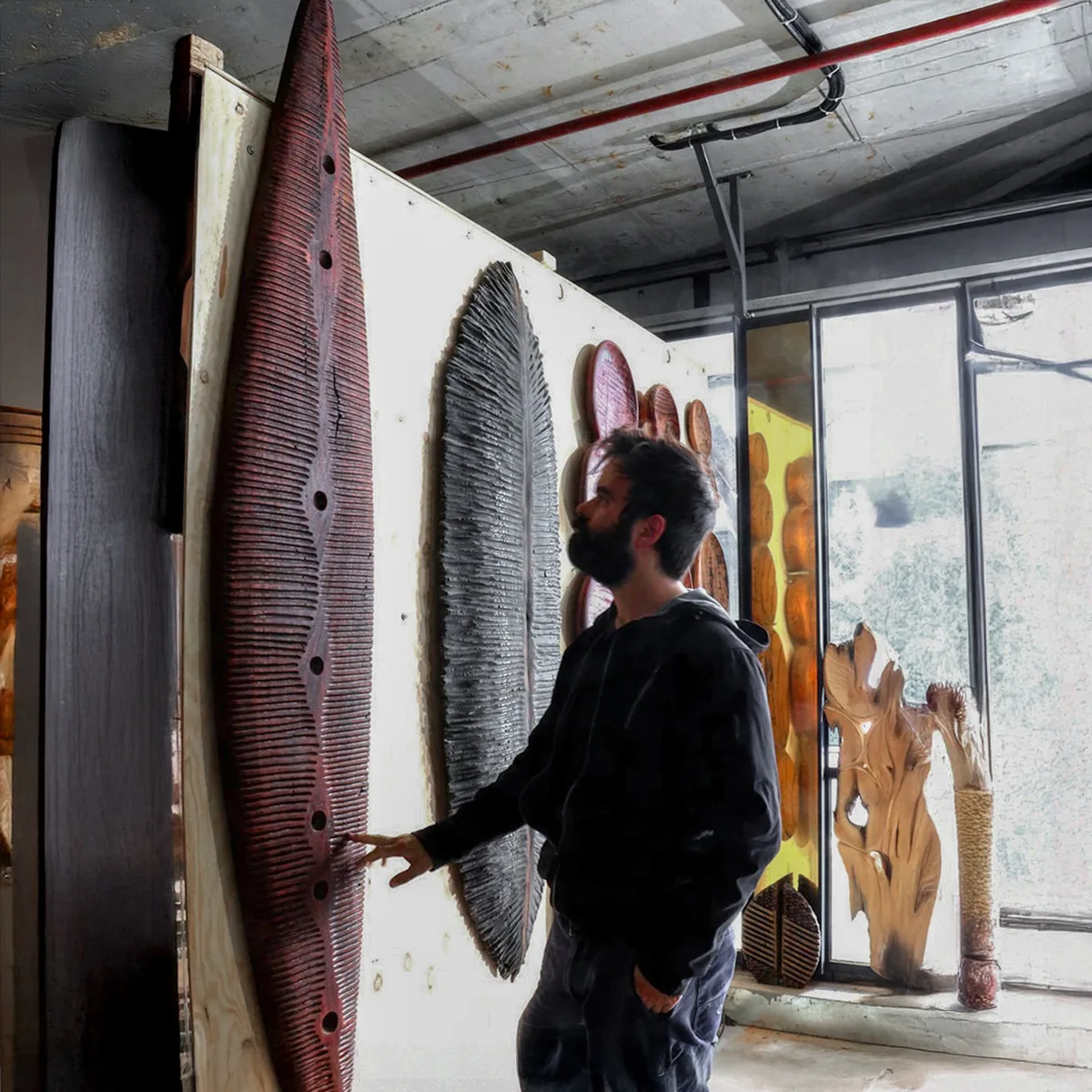
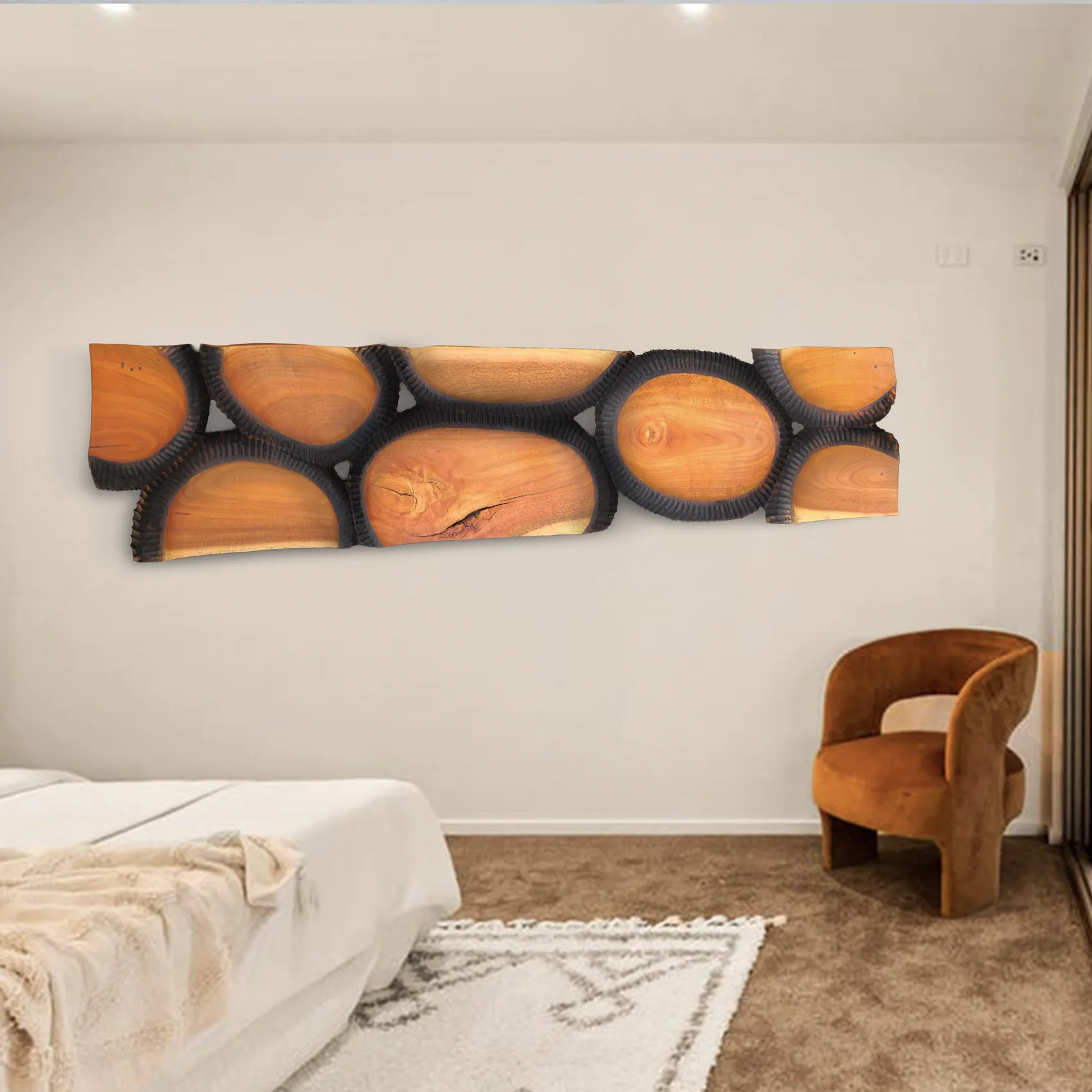
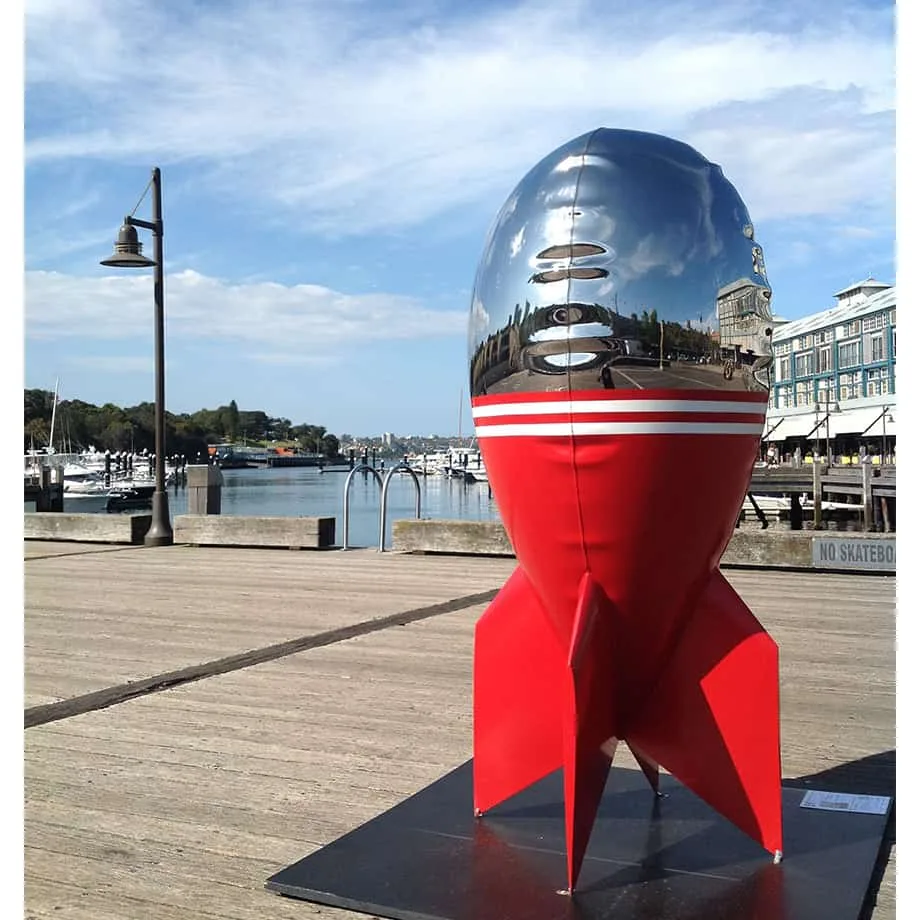
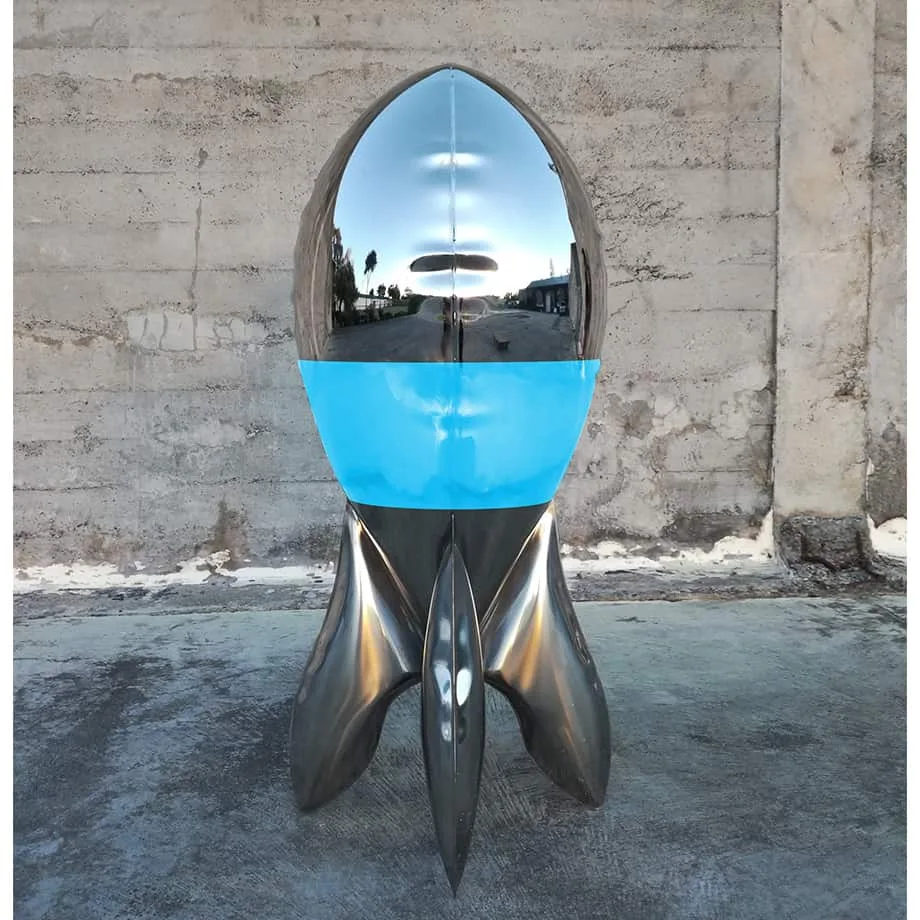
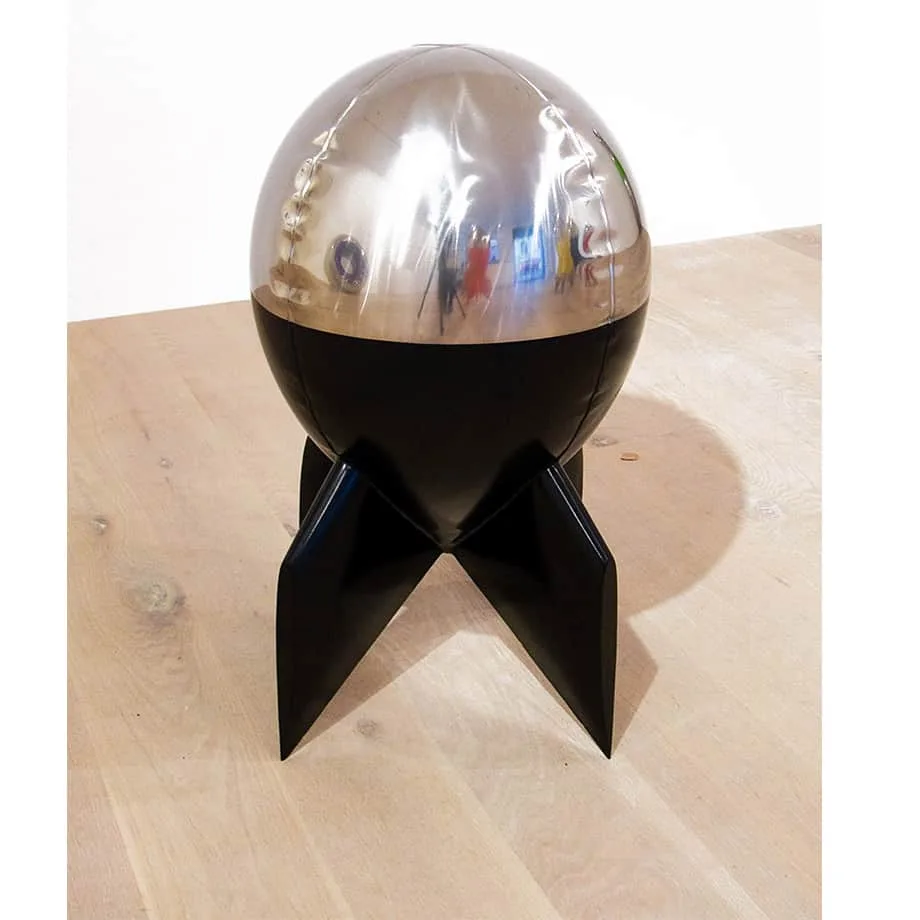
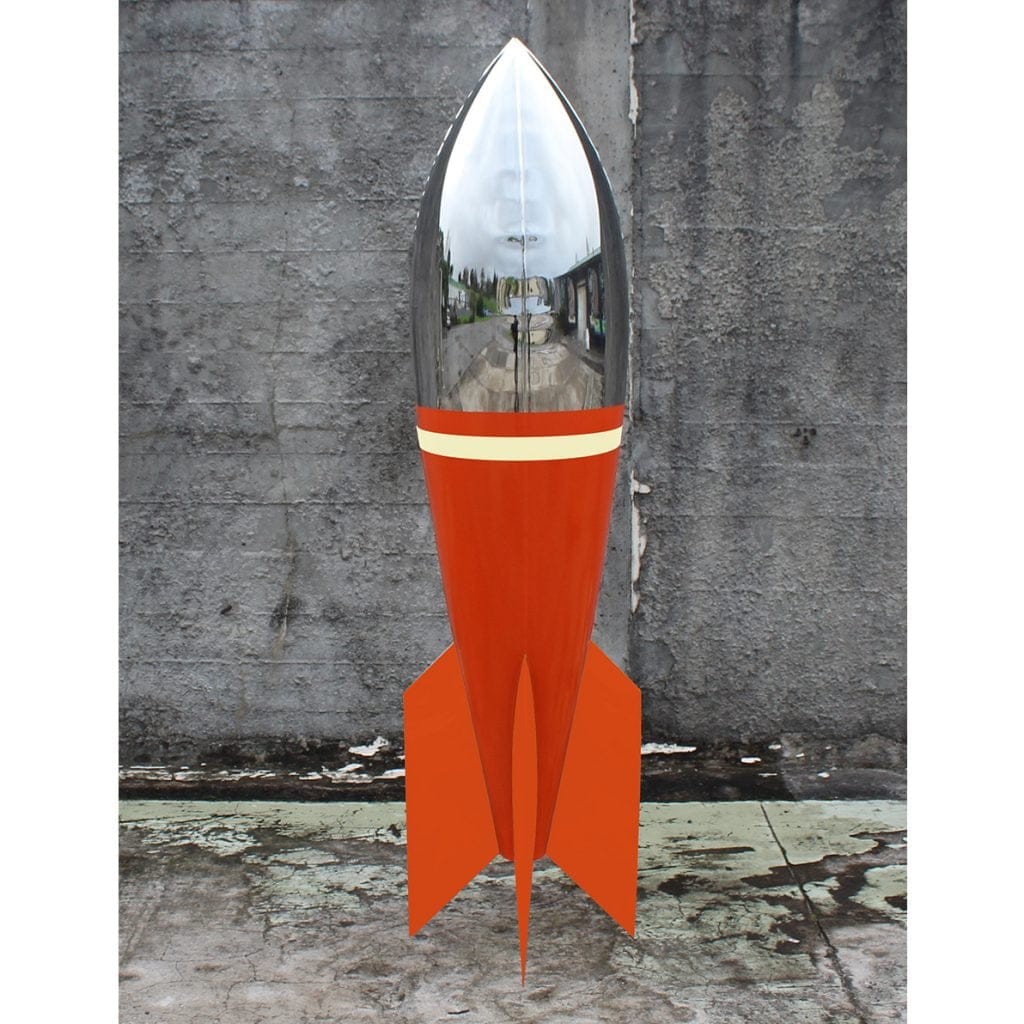
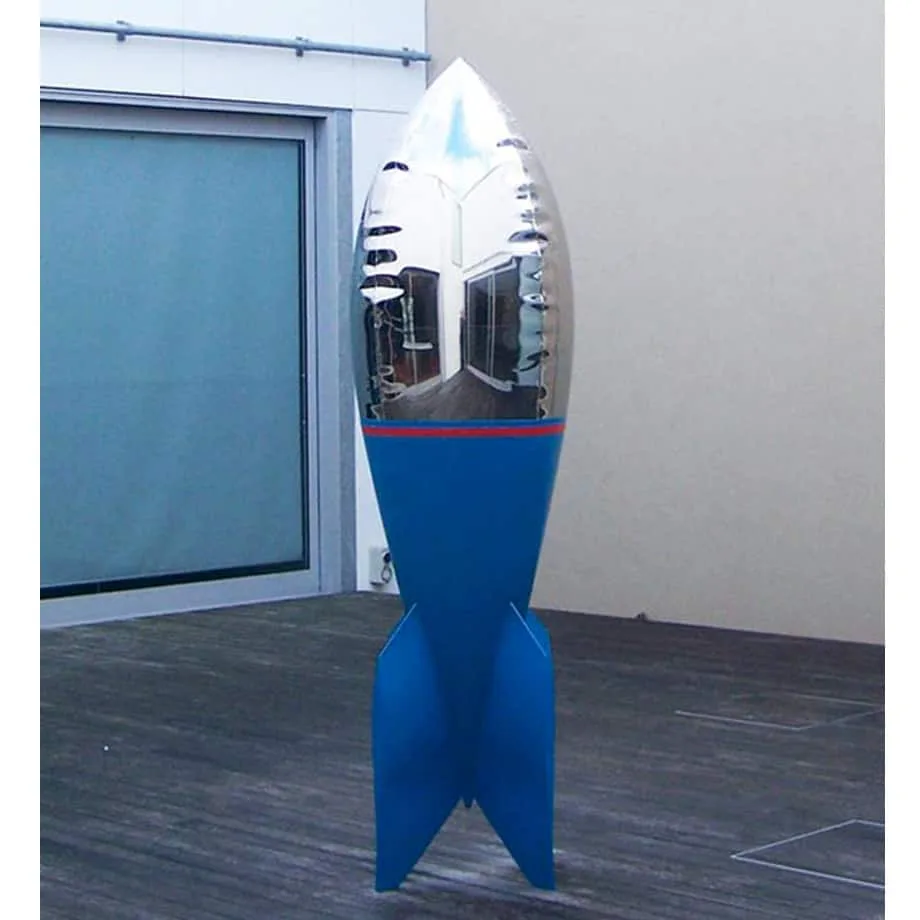
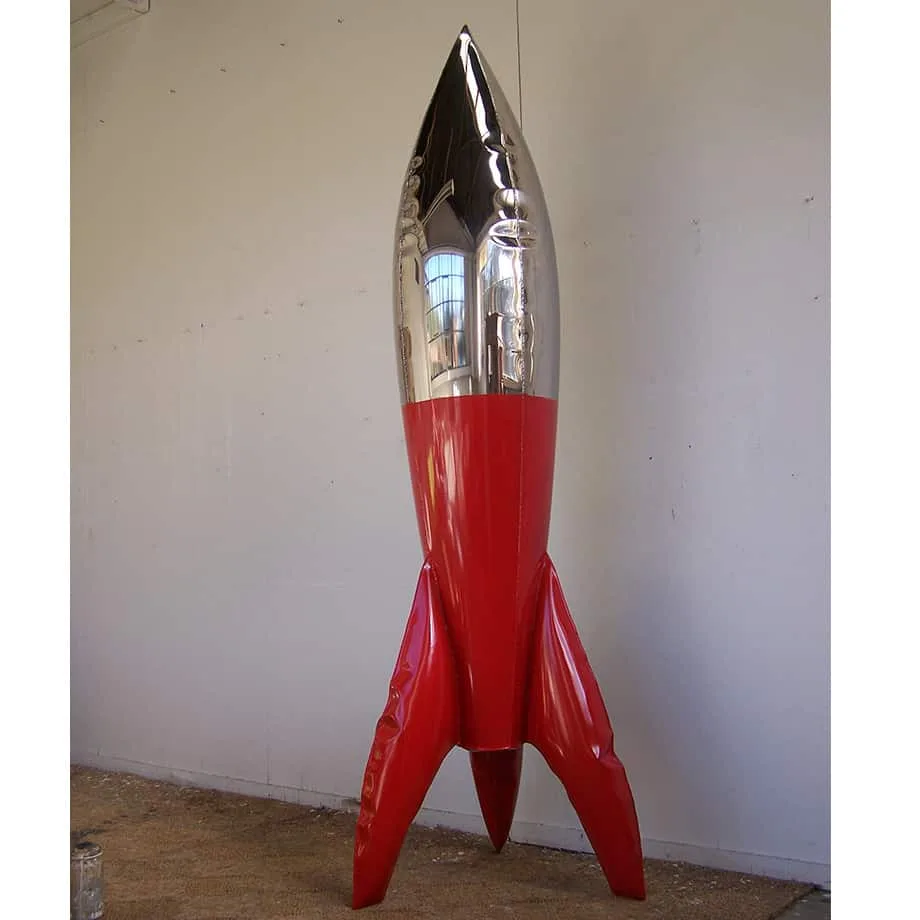
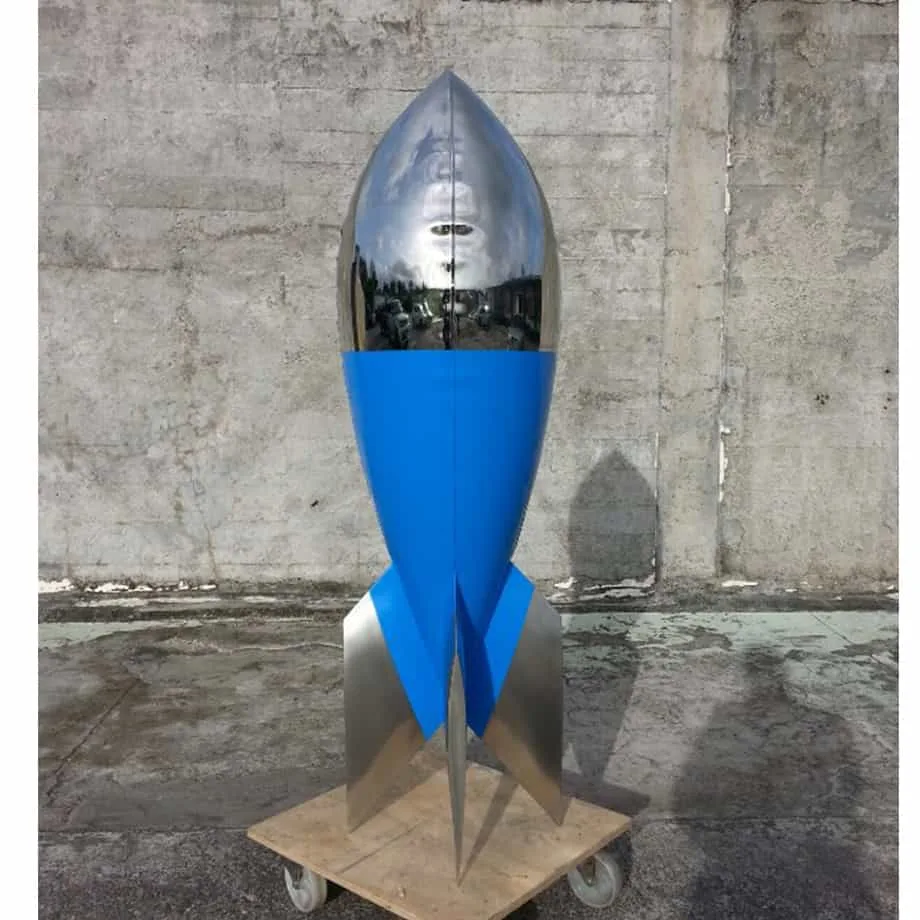
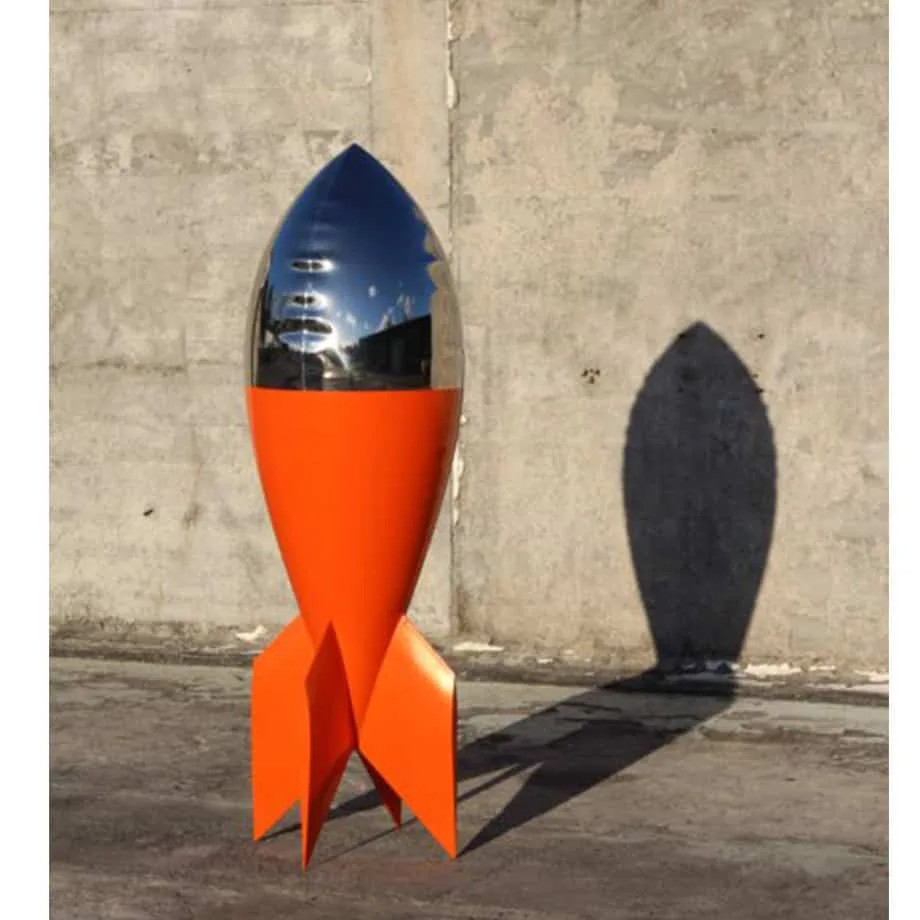
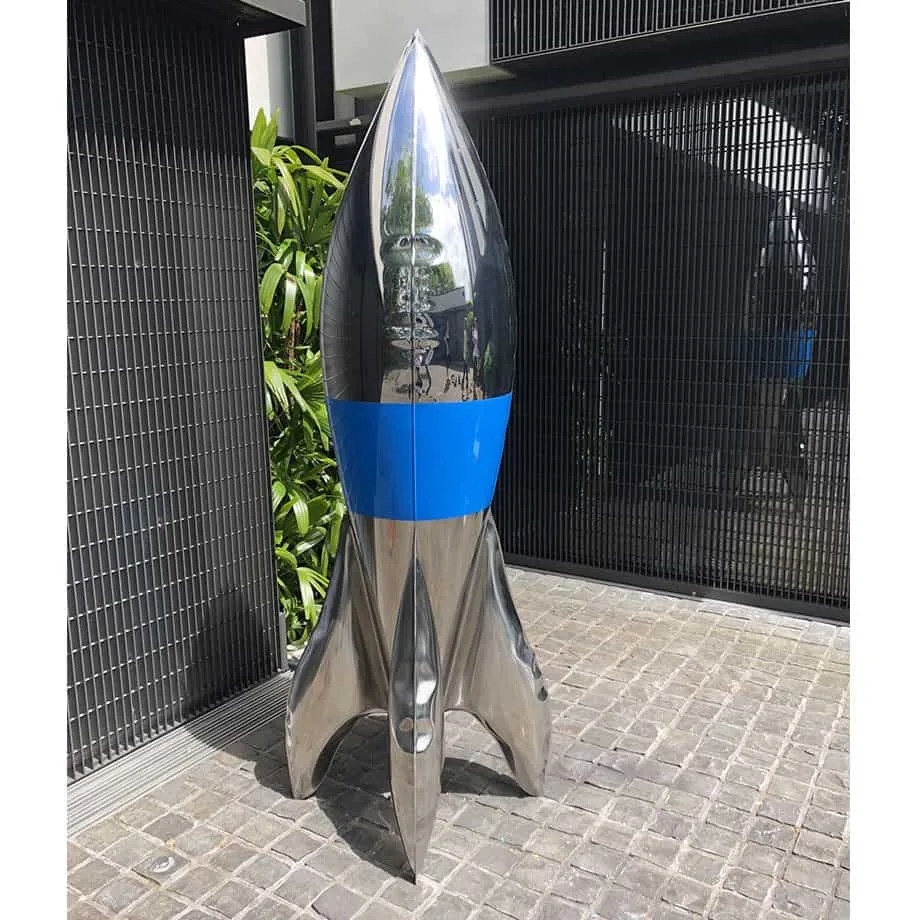
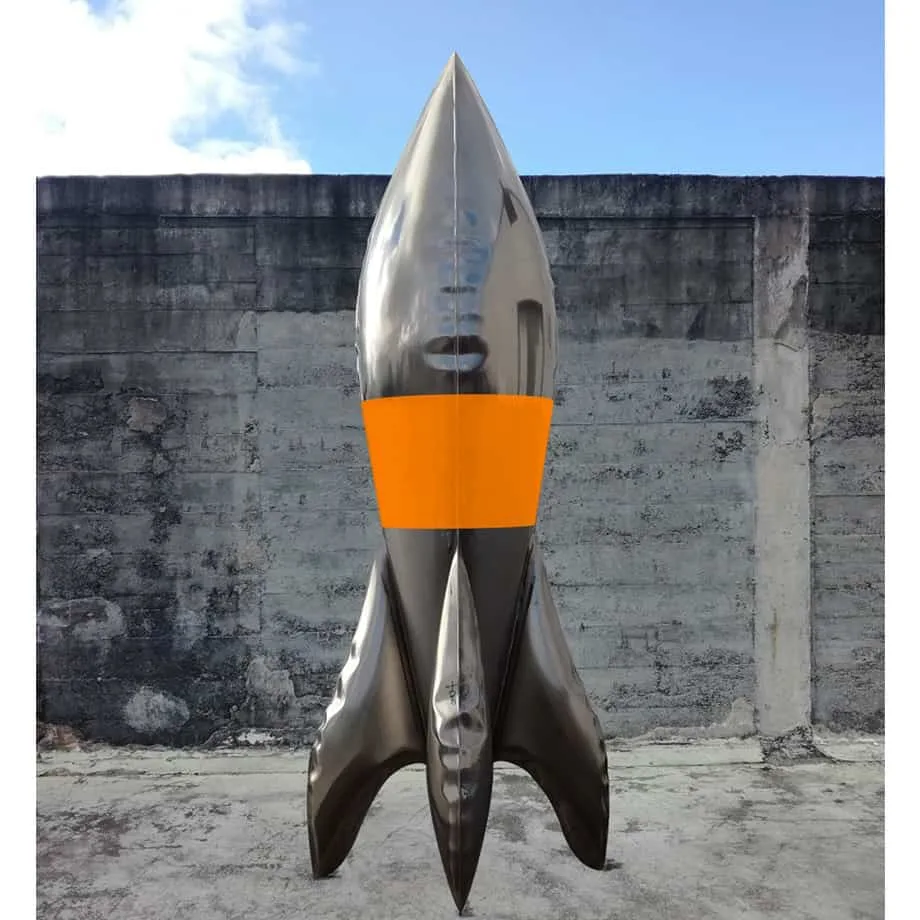
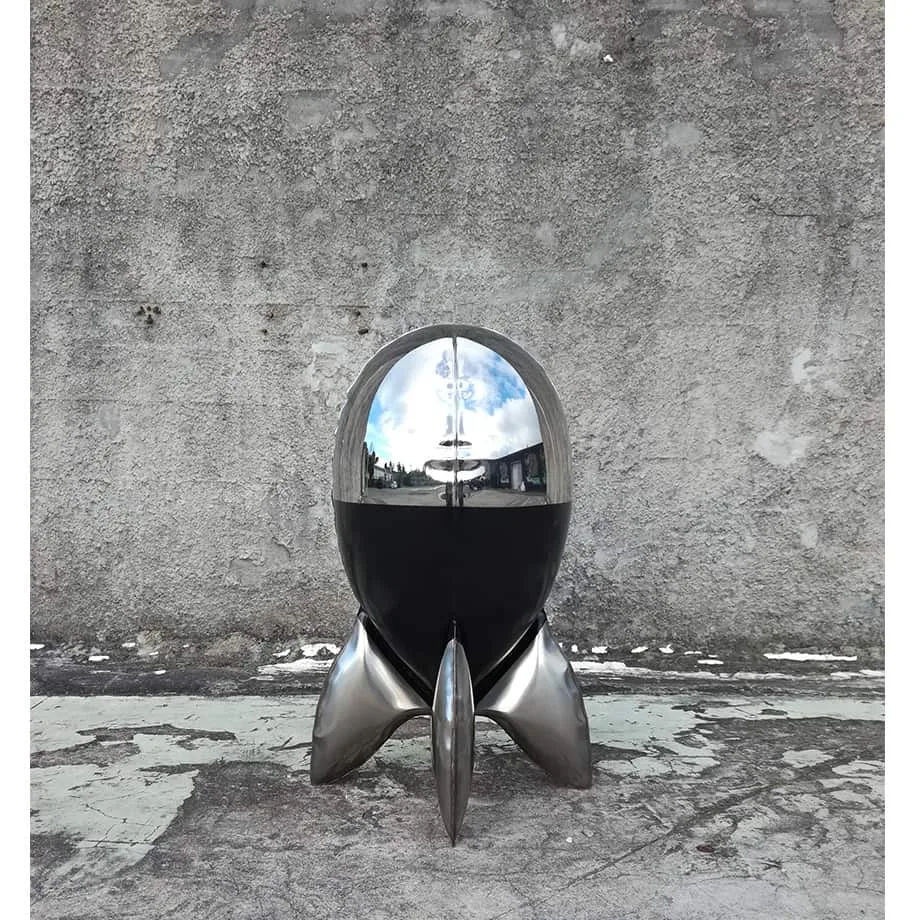
![Rockets [series]](https://www.sohogalleries.net/wp-content/uploads/2021/02/Dm-Incendiary-Devices-Various-MR.webp "Australian Sculptors")
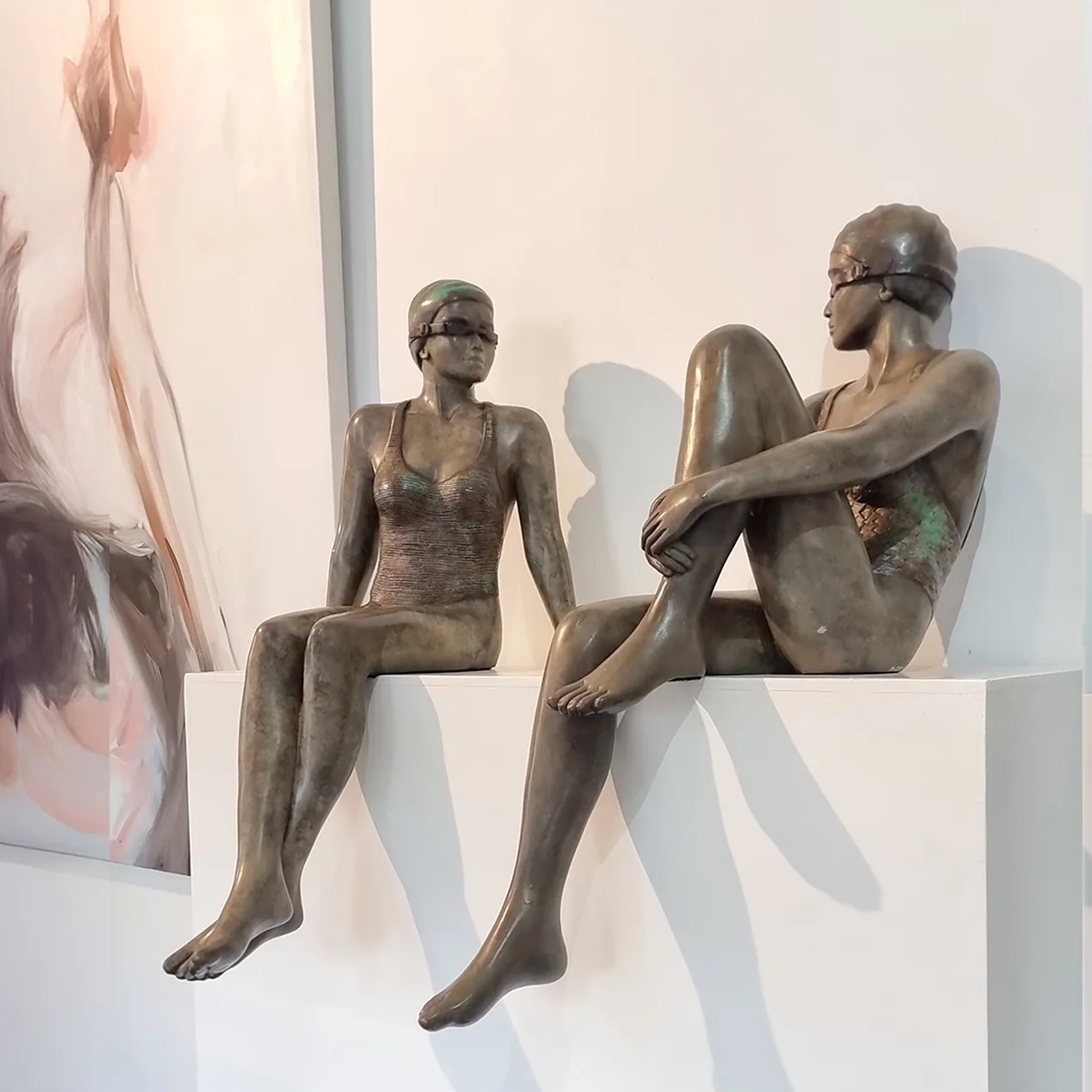
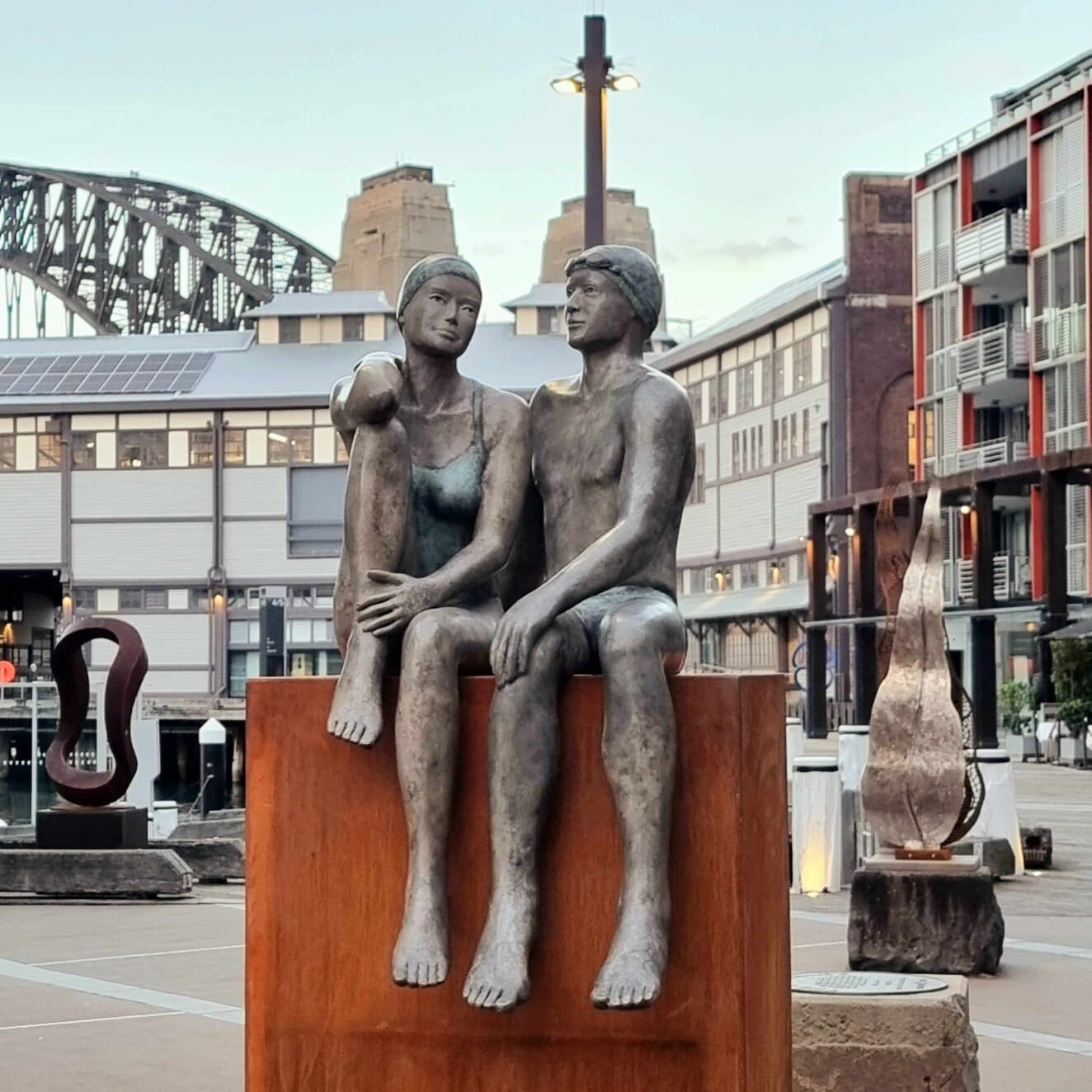
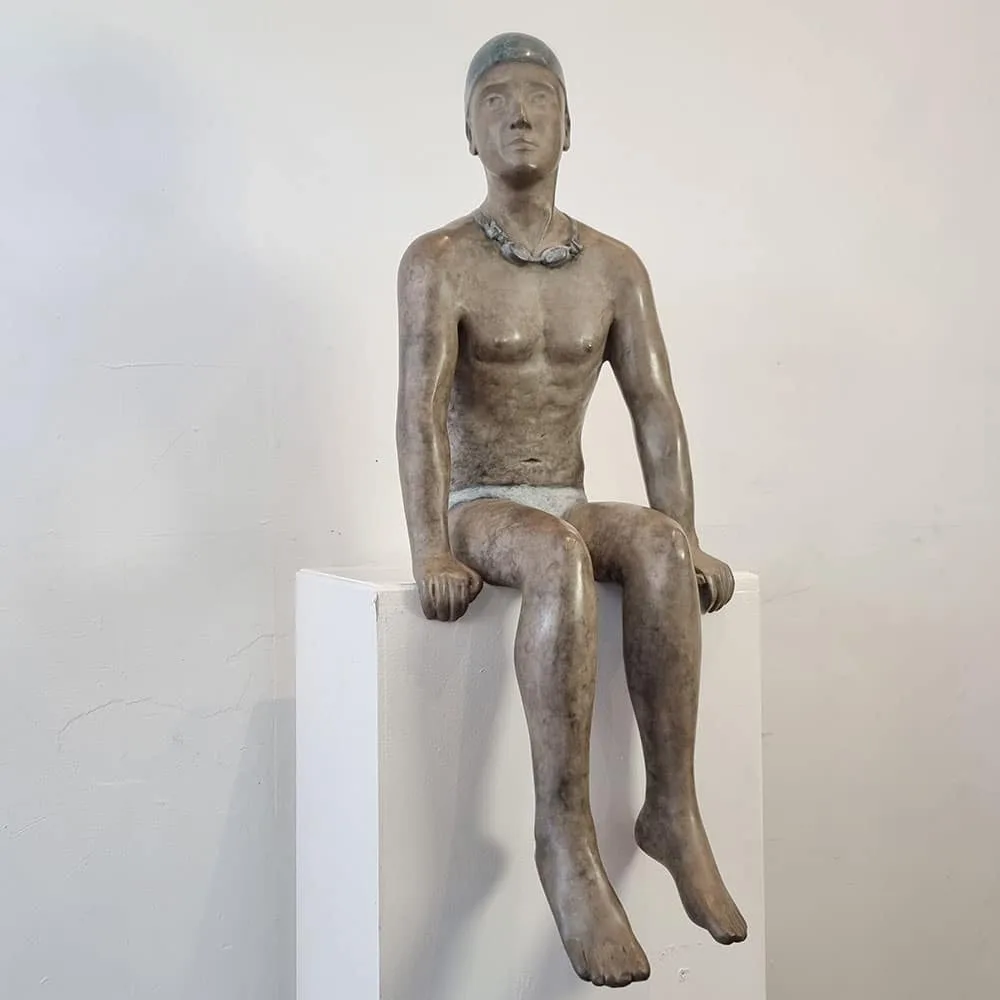
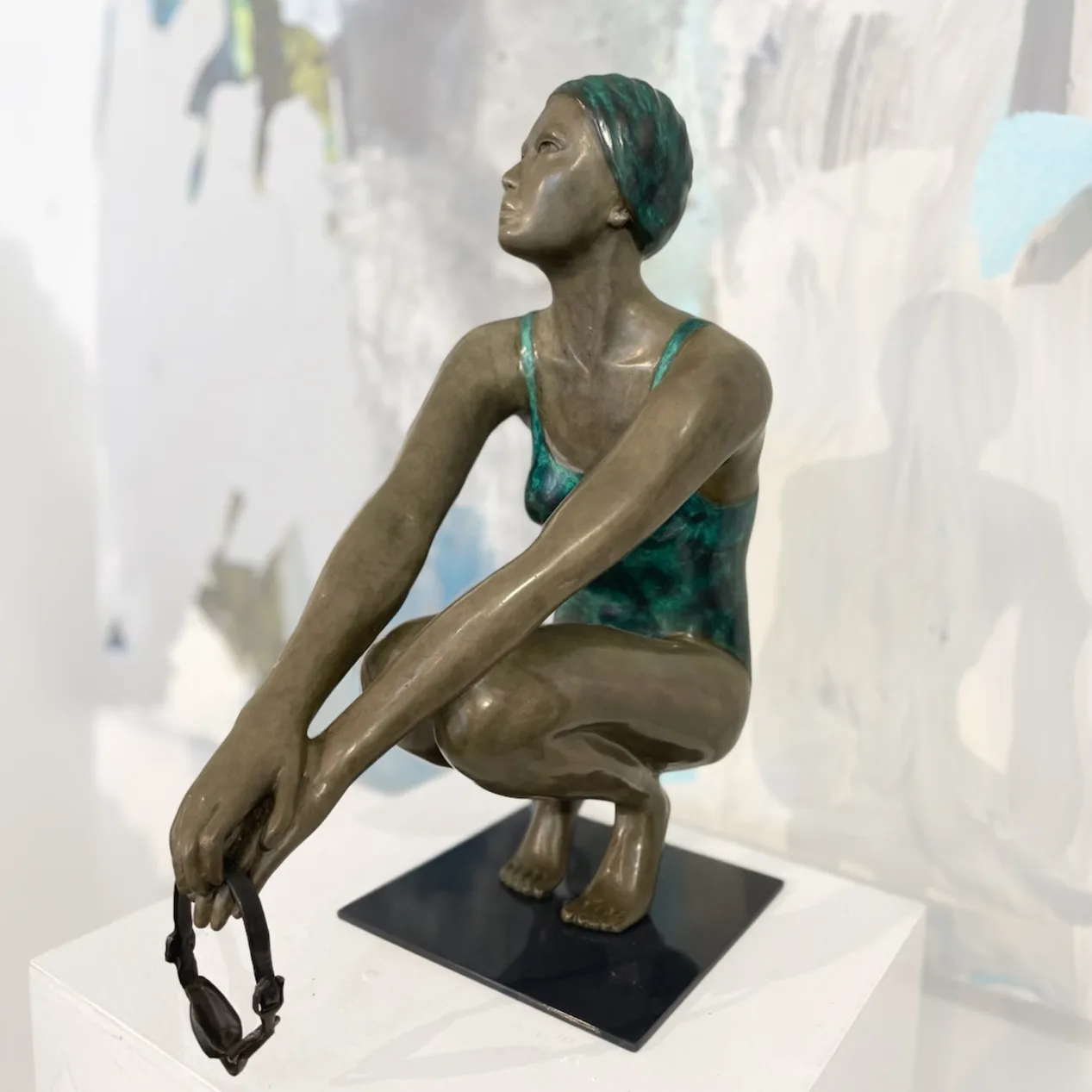
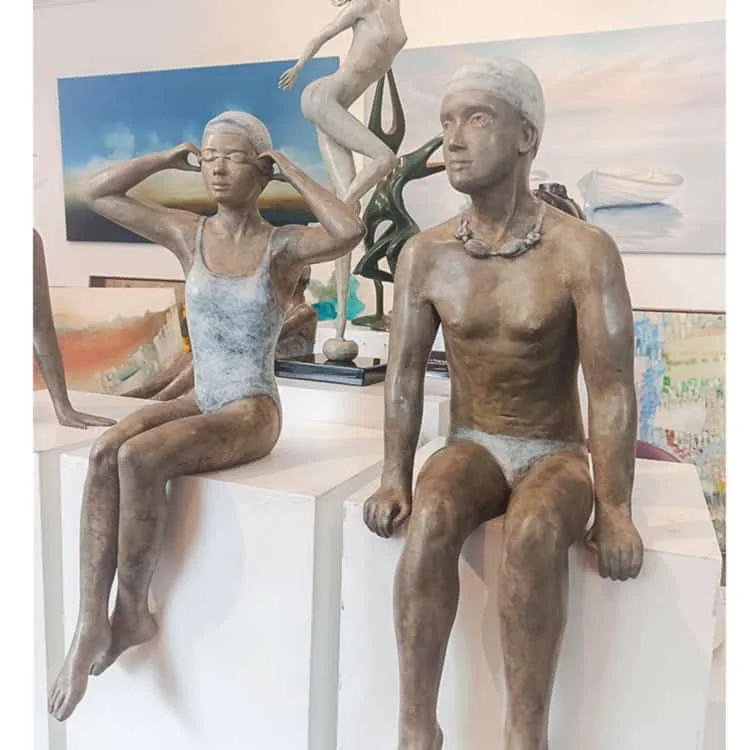
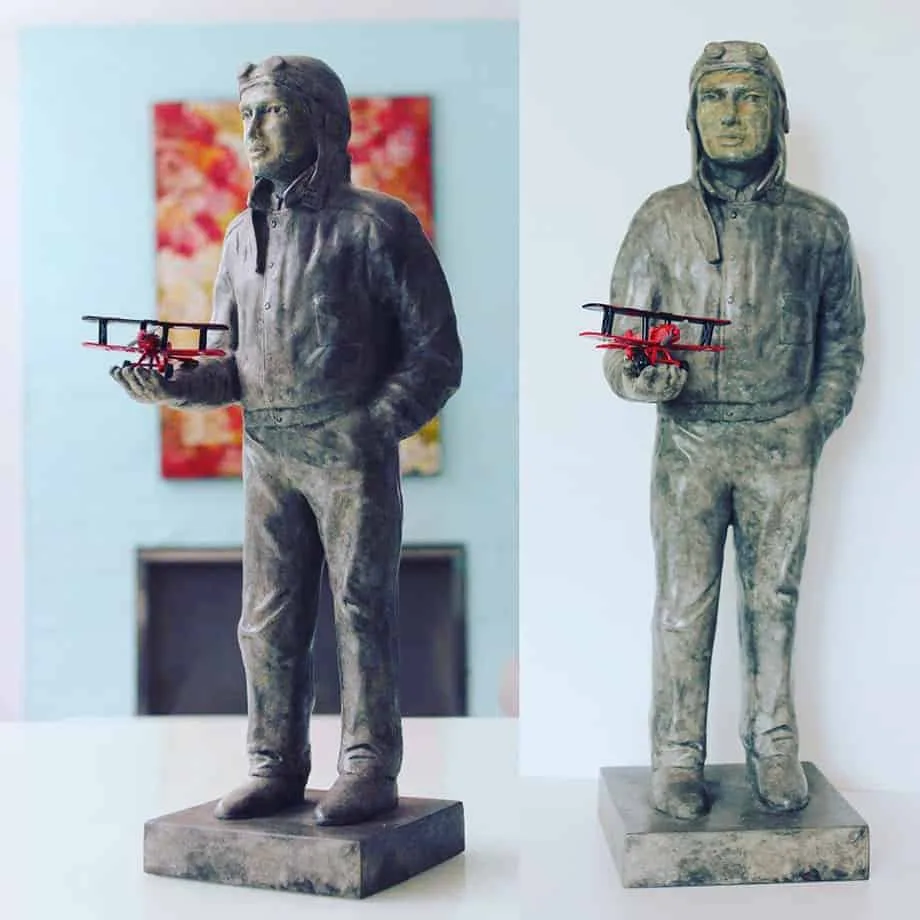
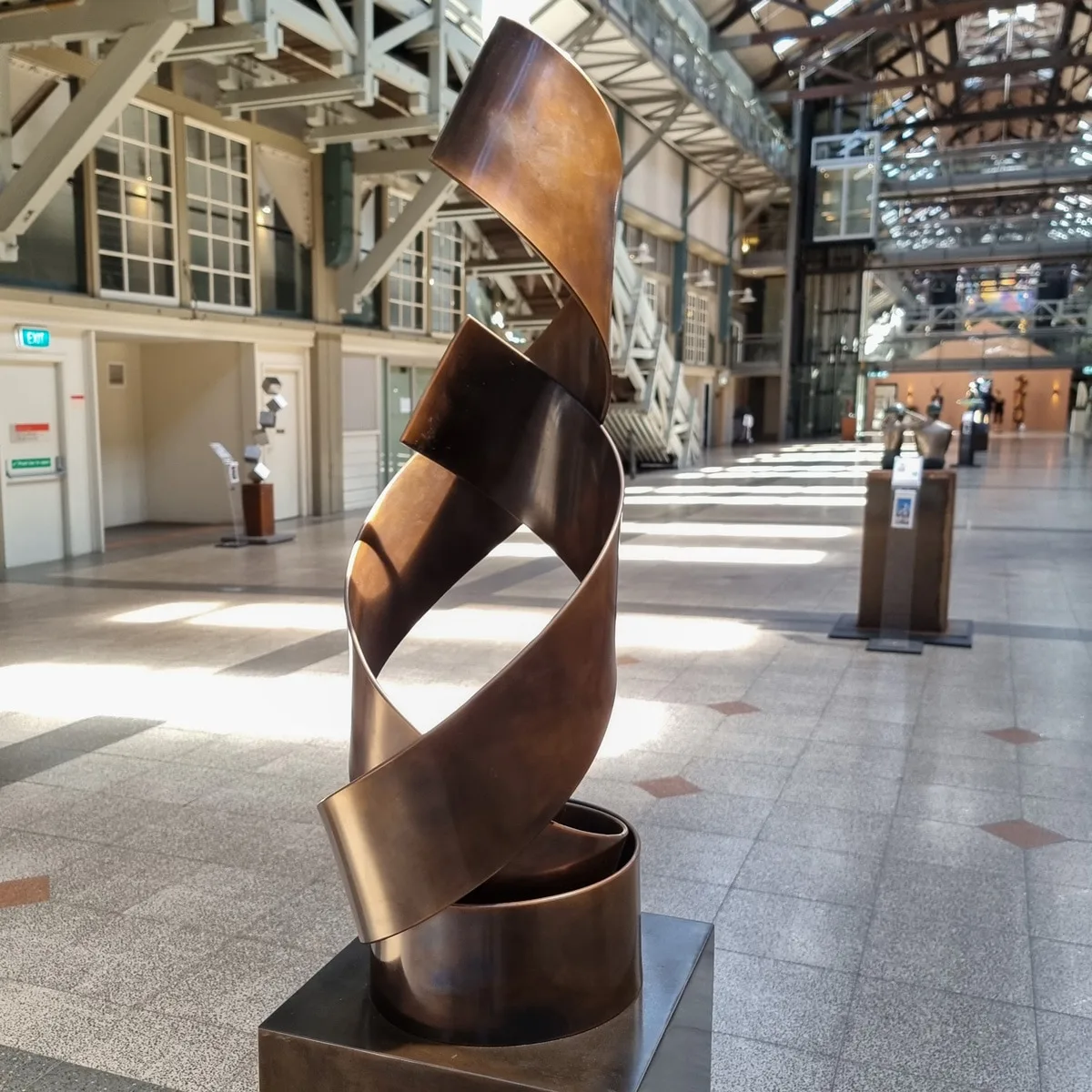
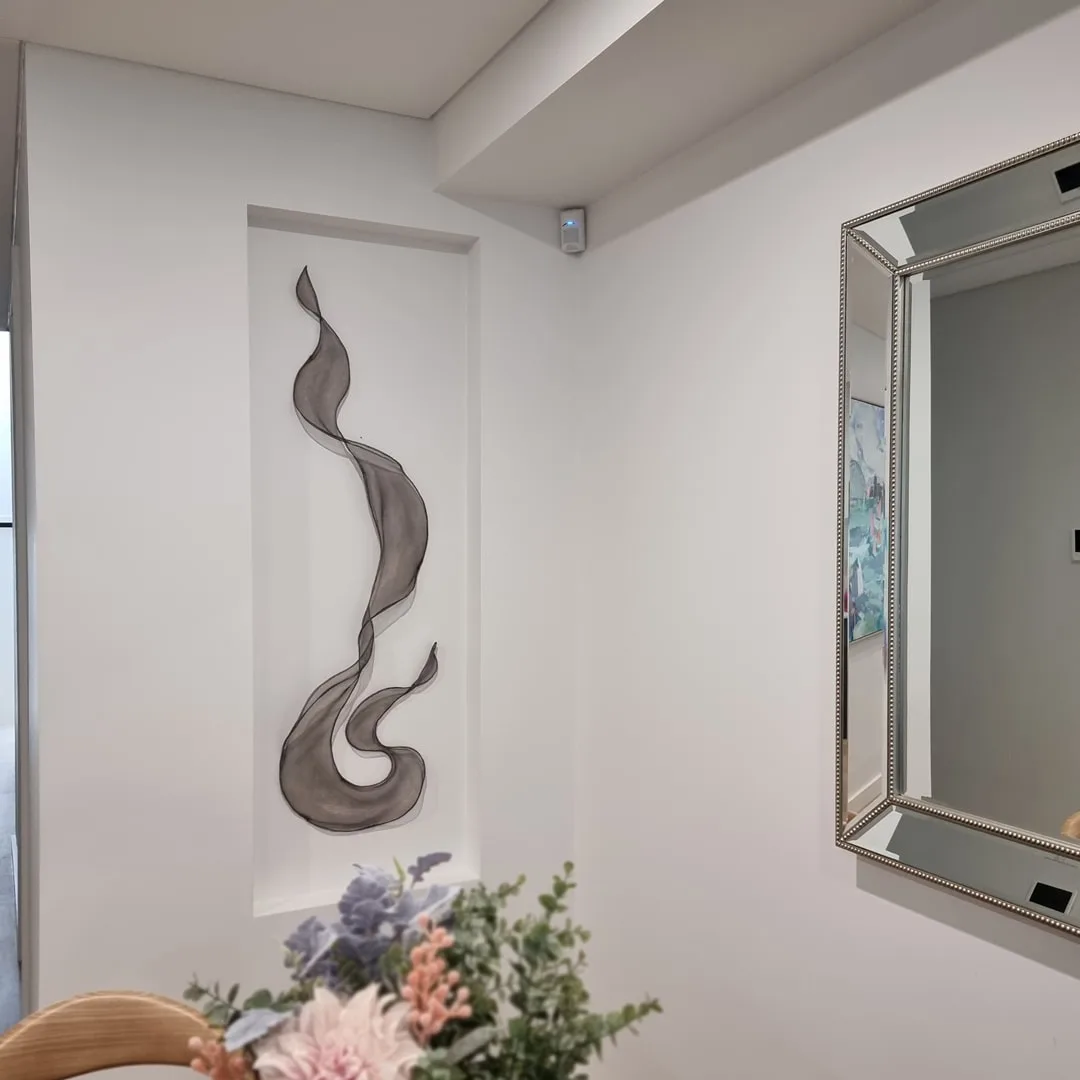
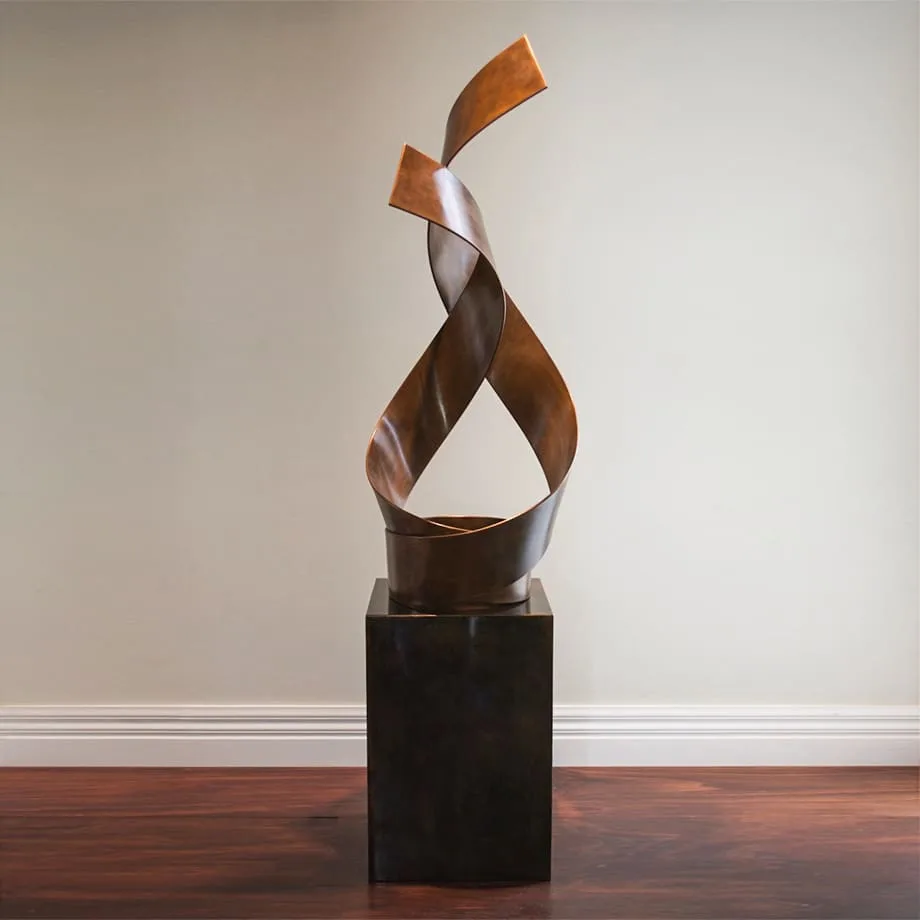
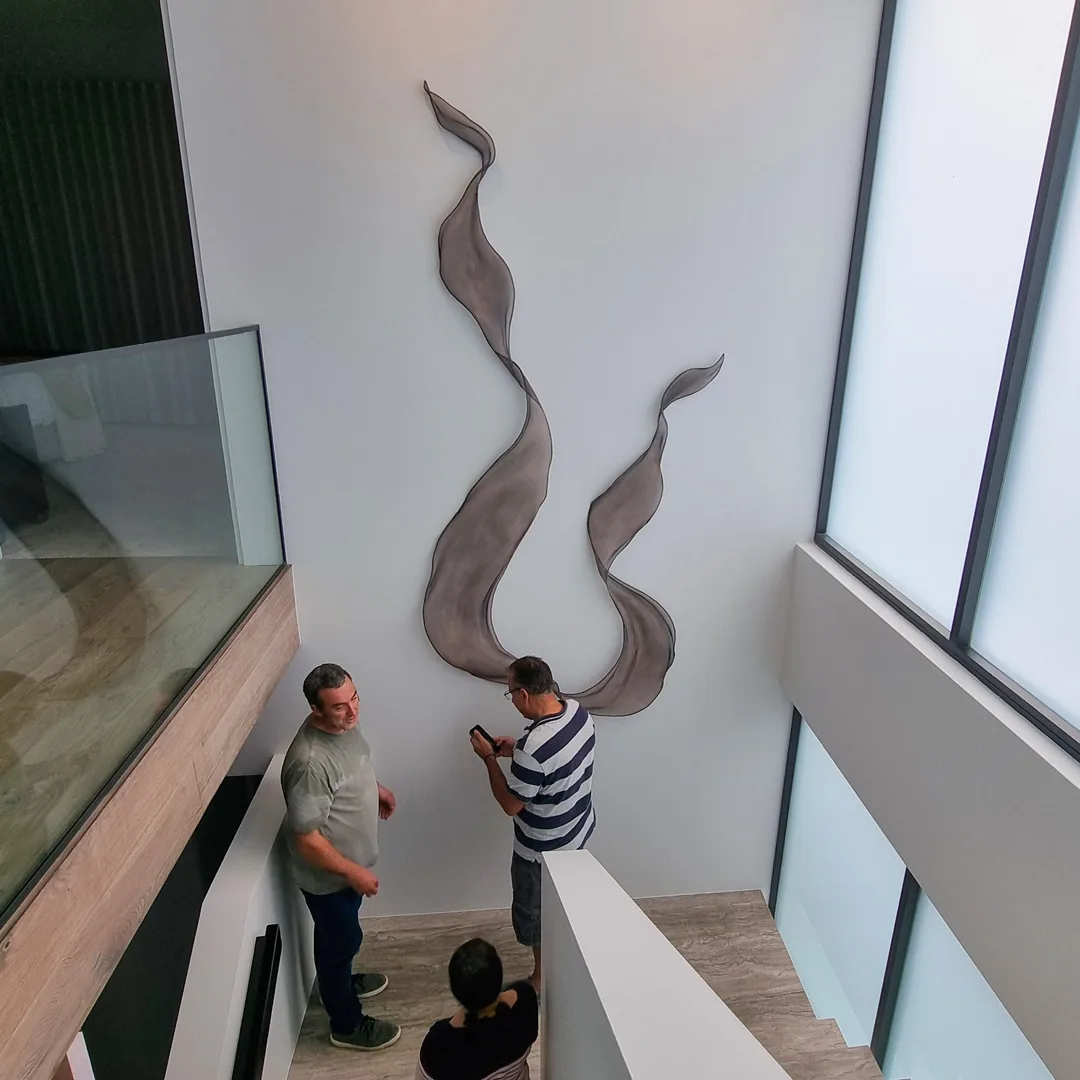
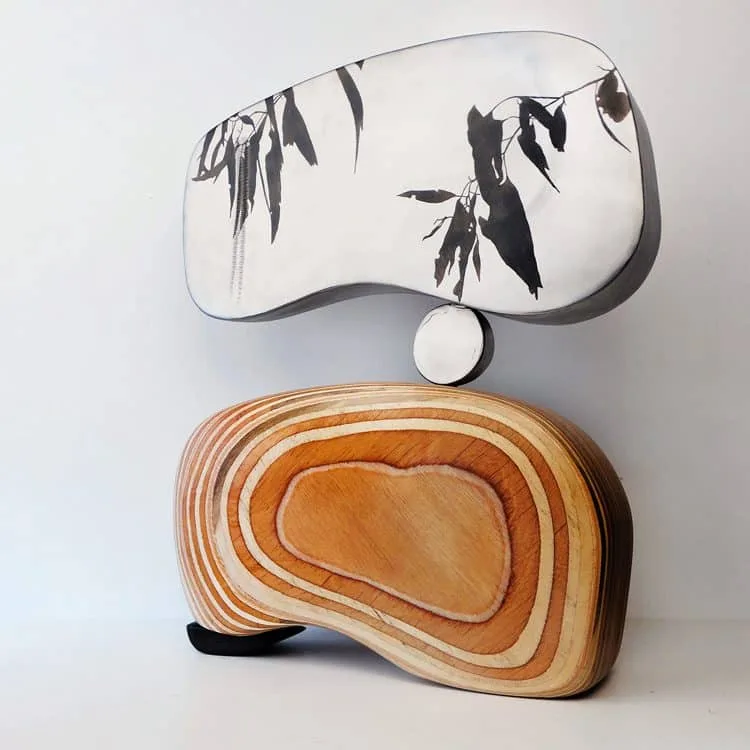
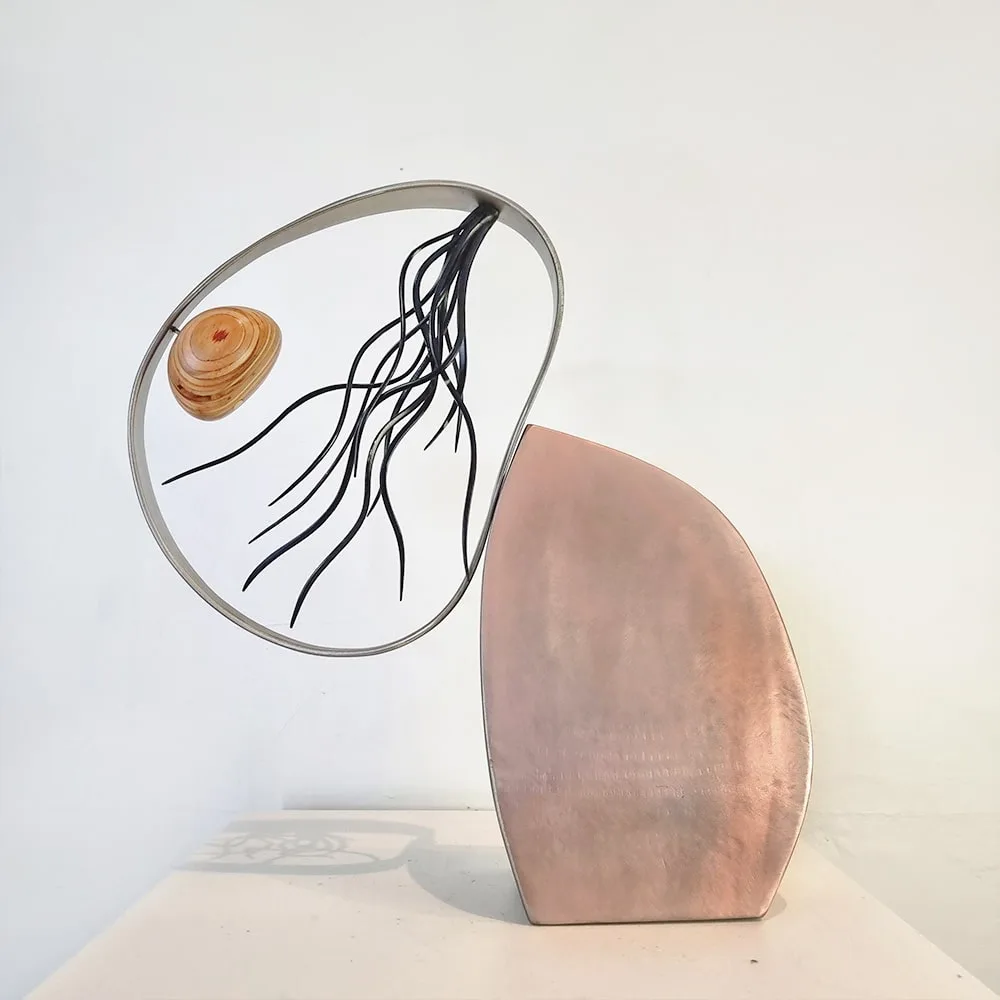
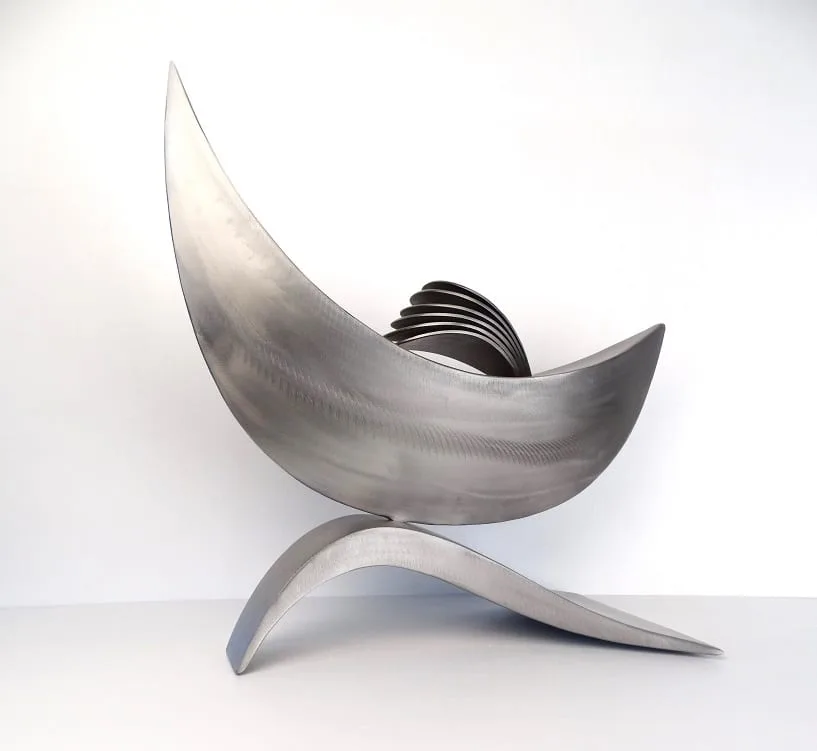
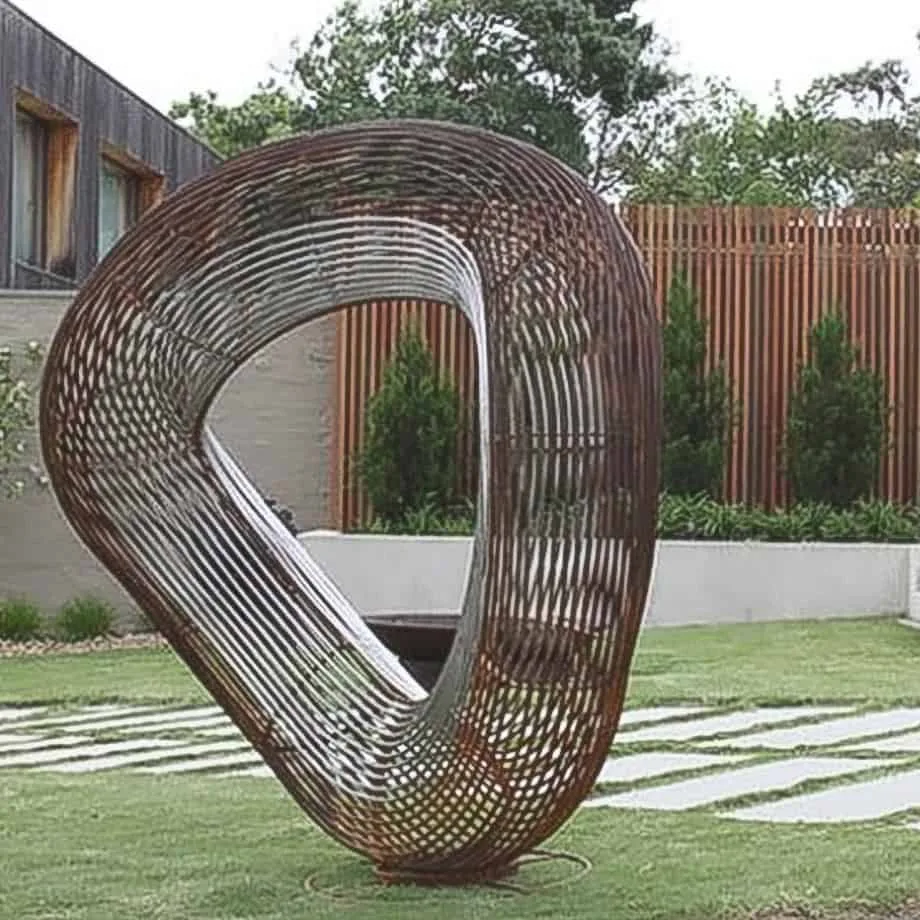
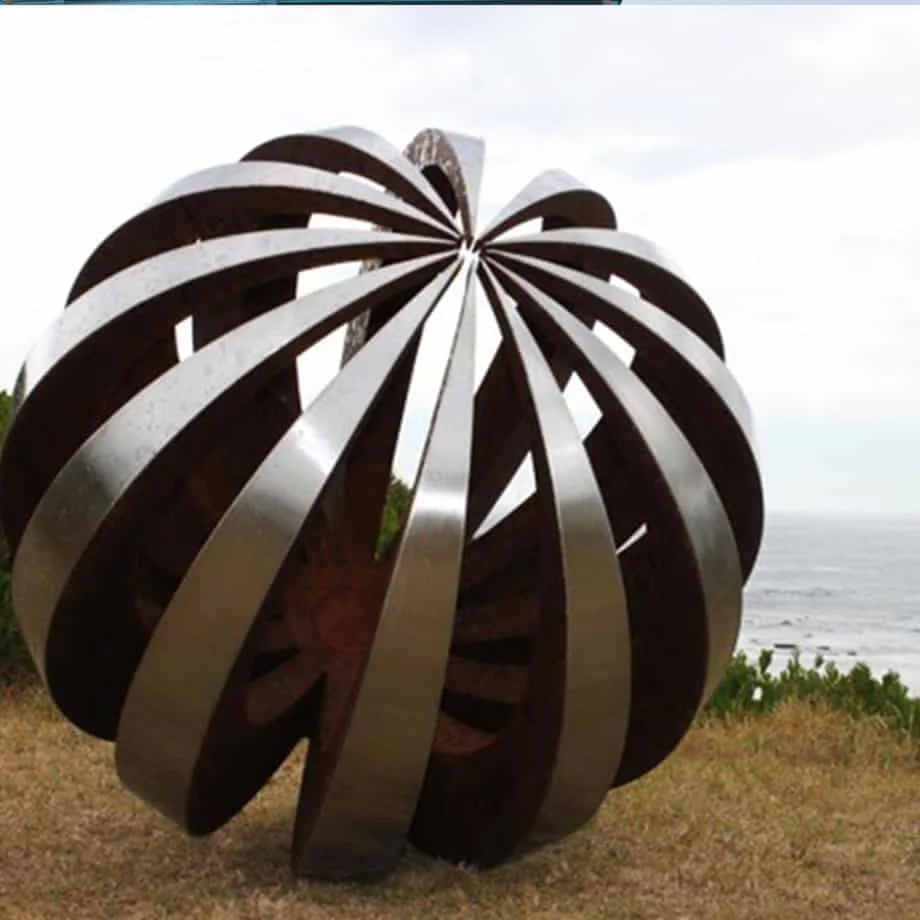
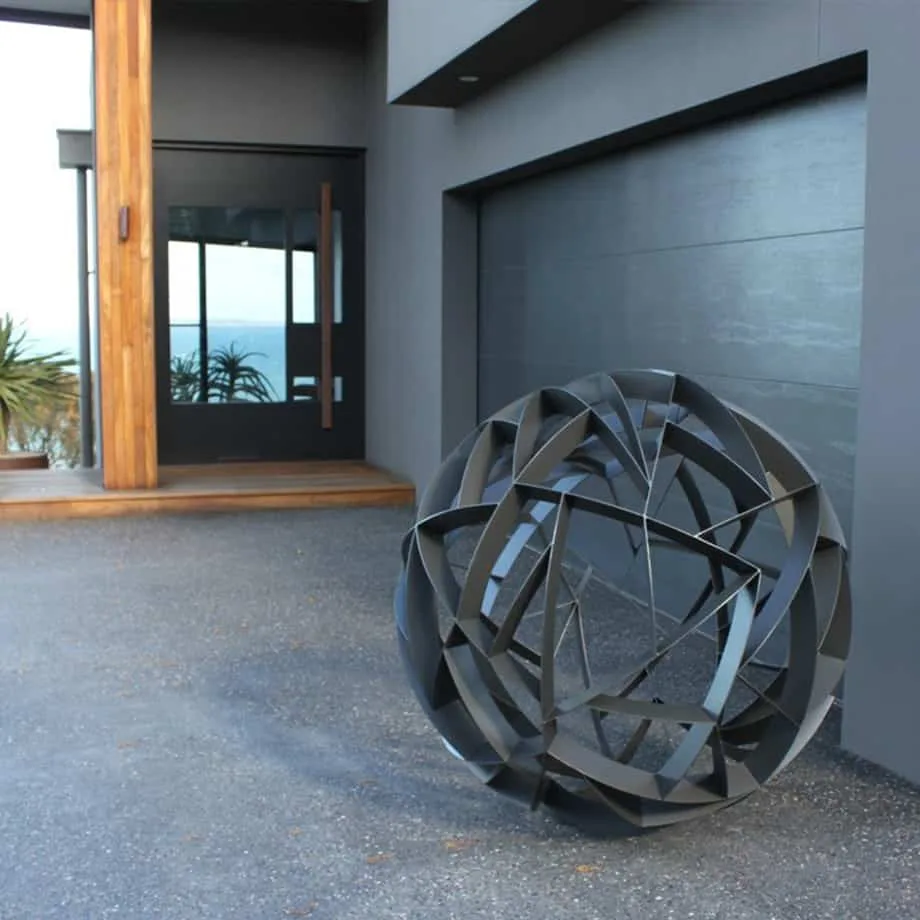
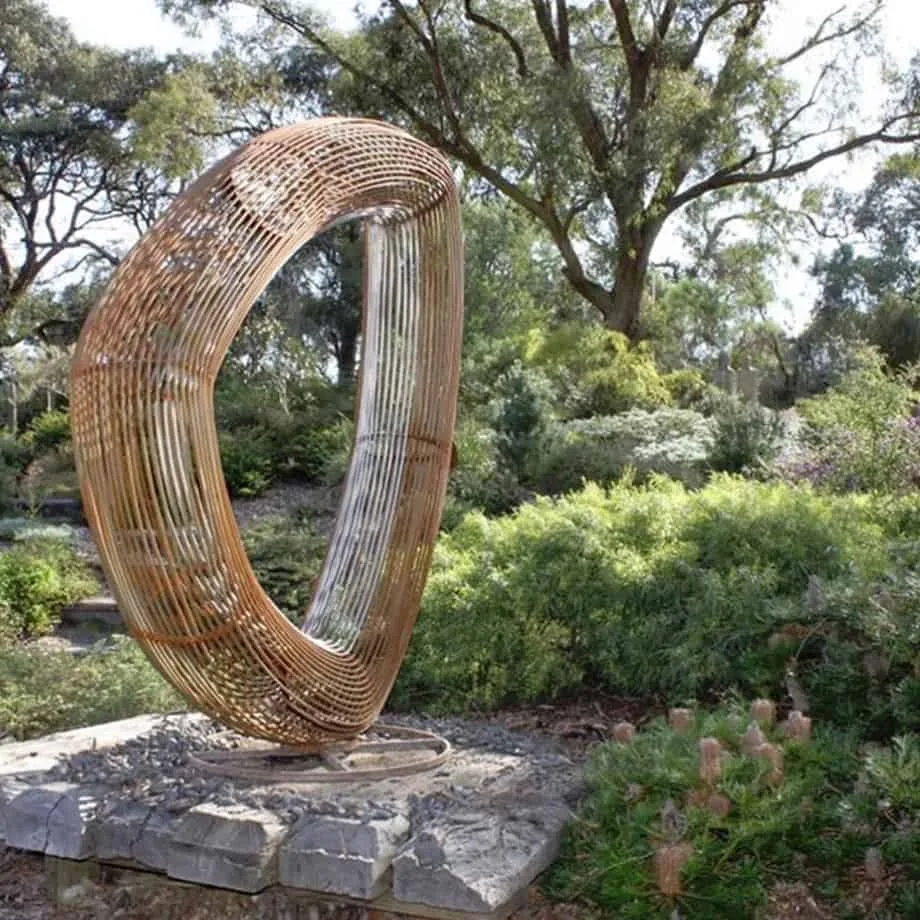
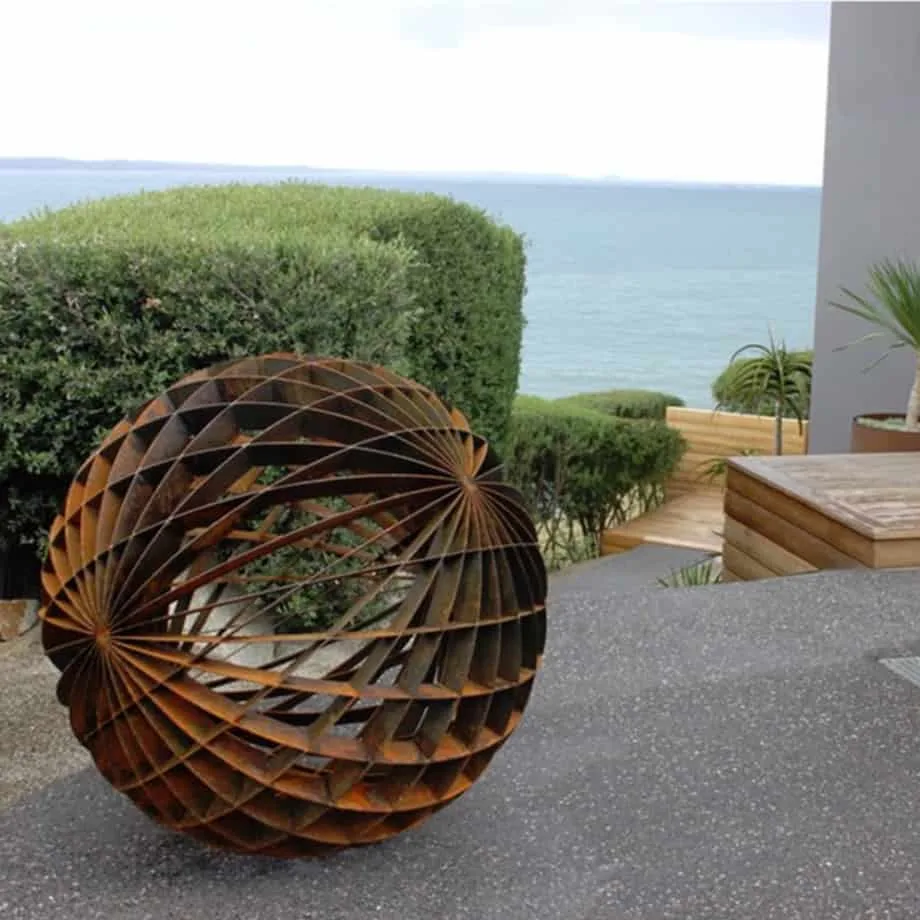
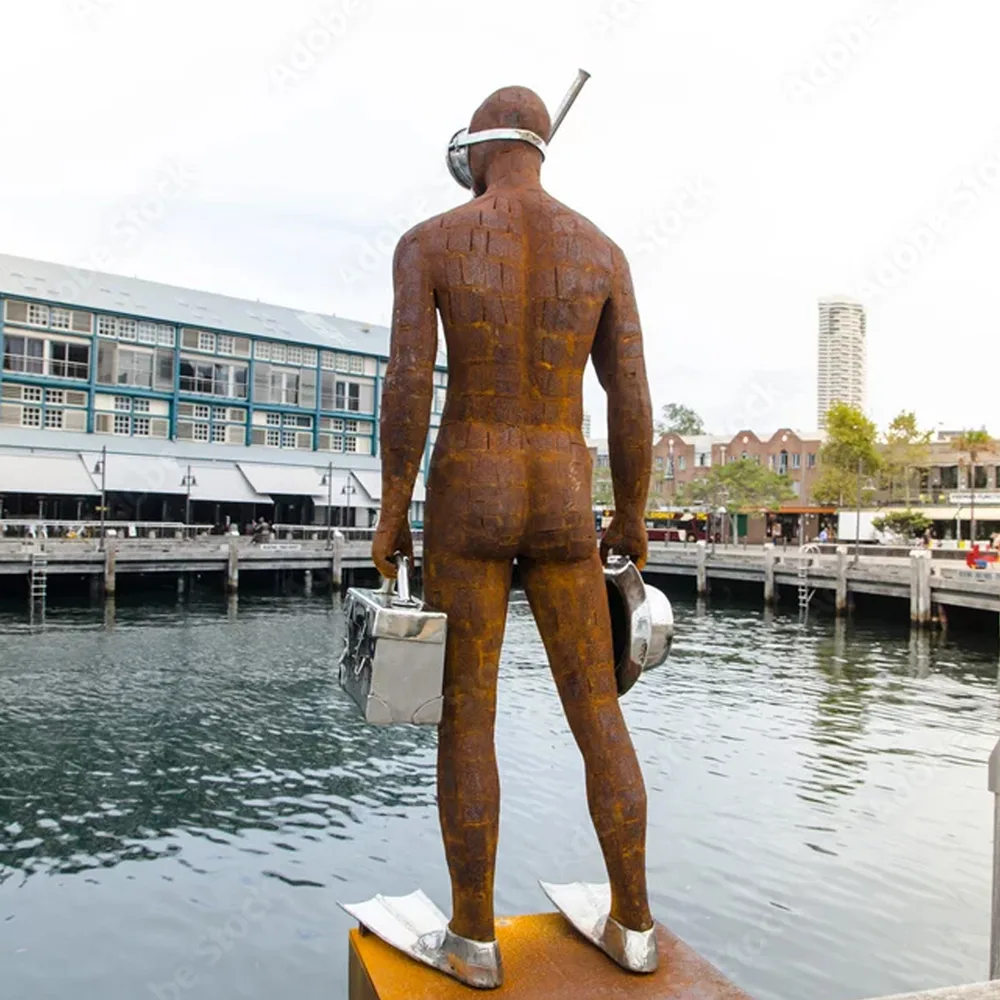
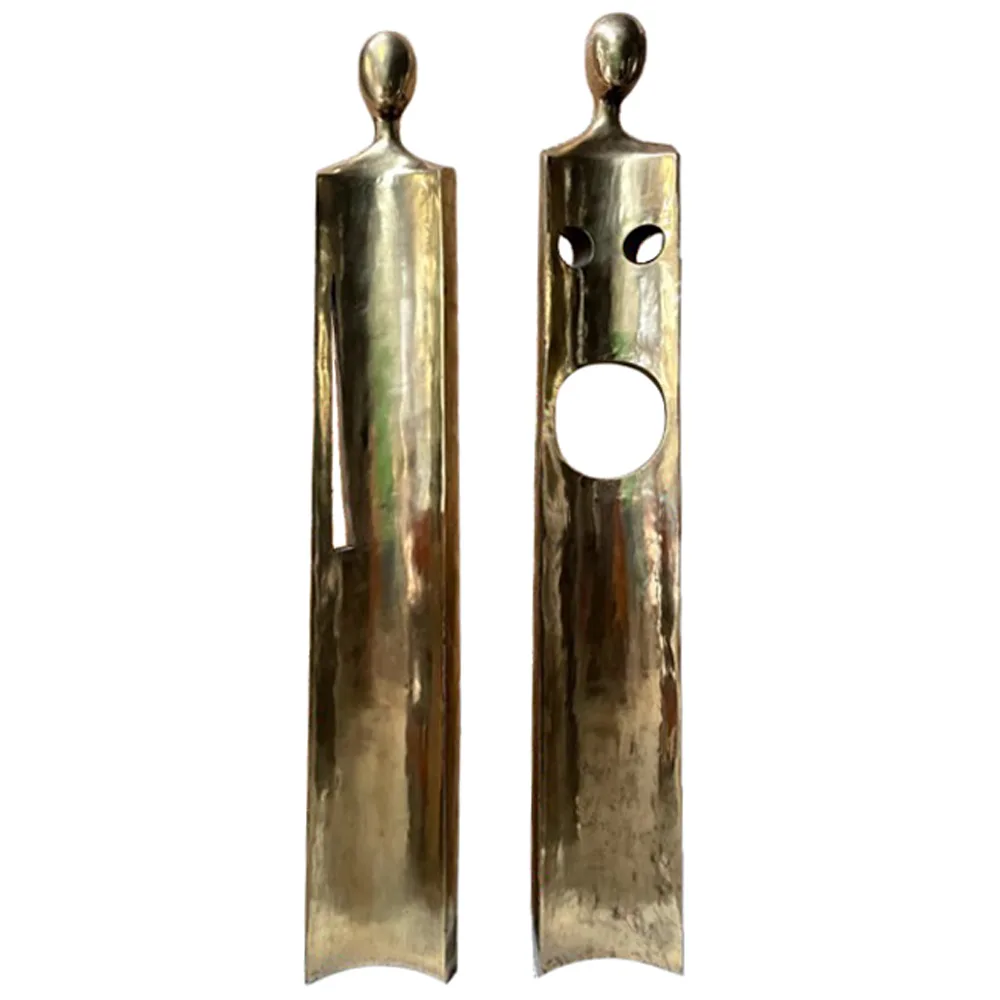
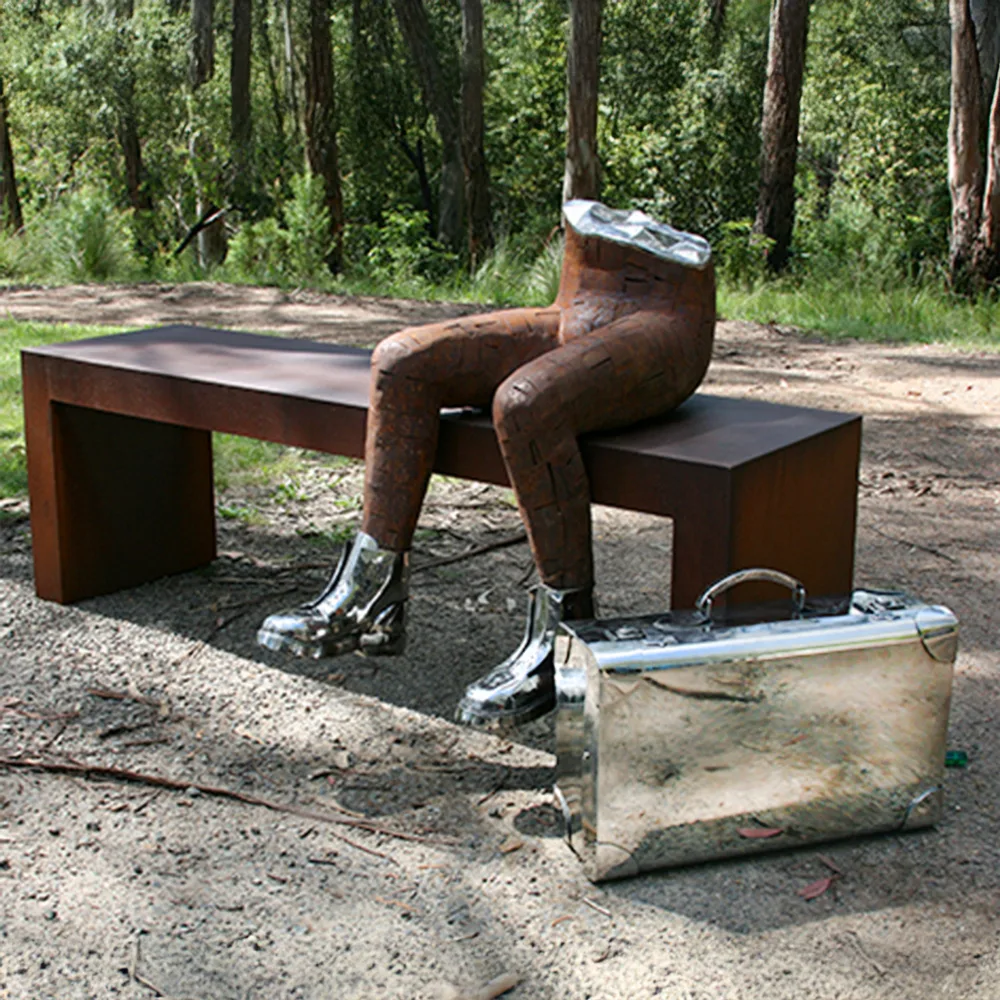
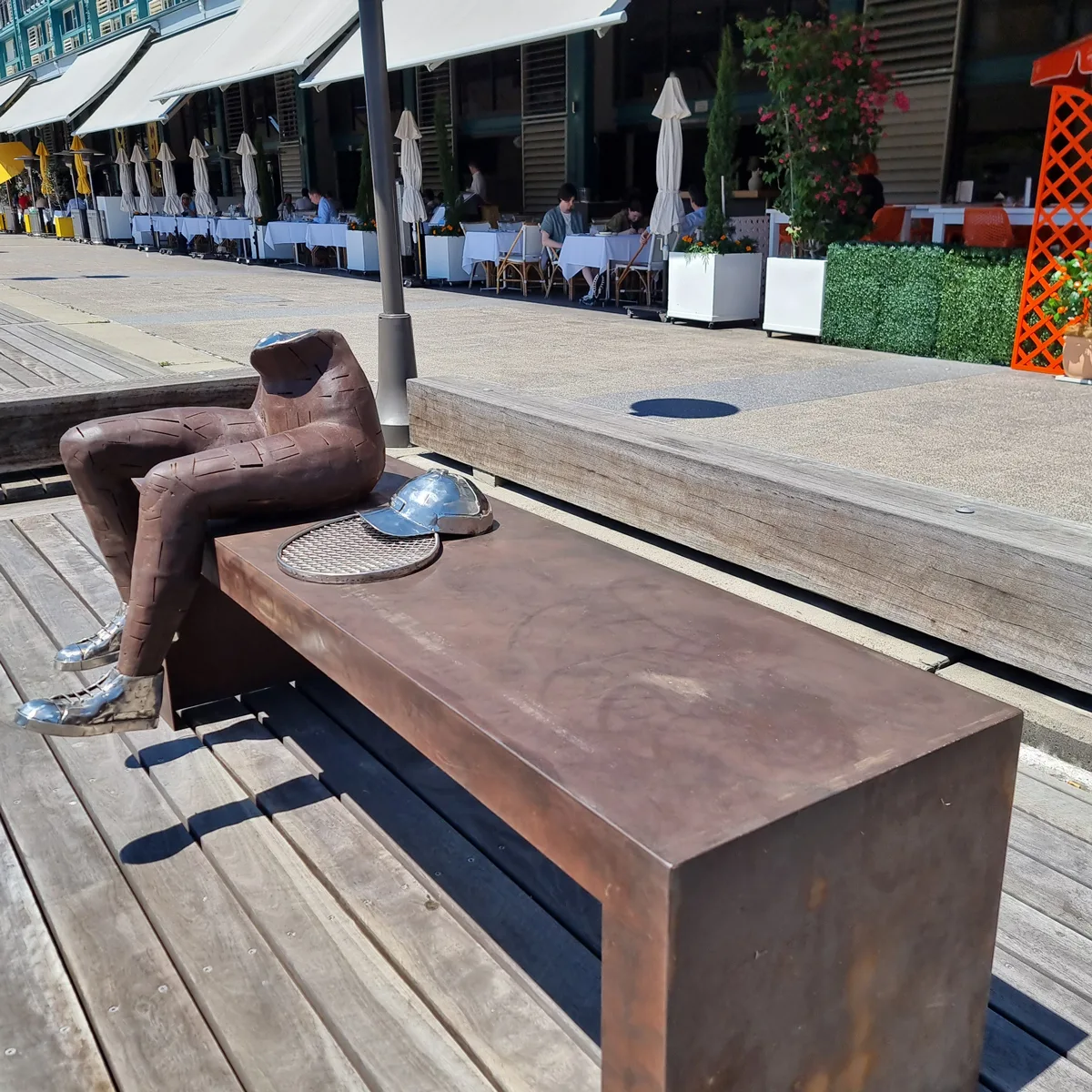
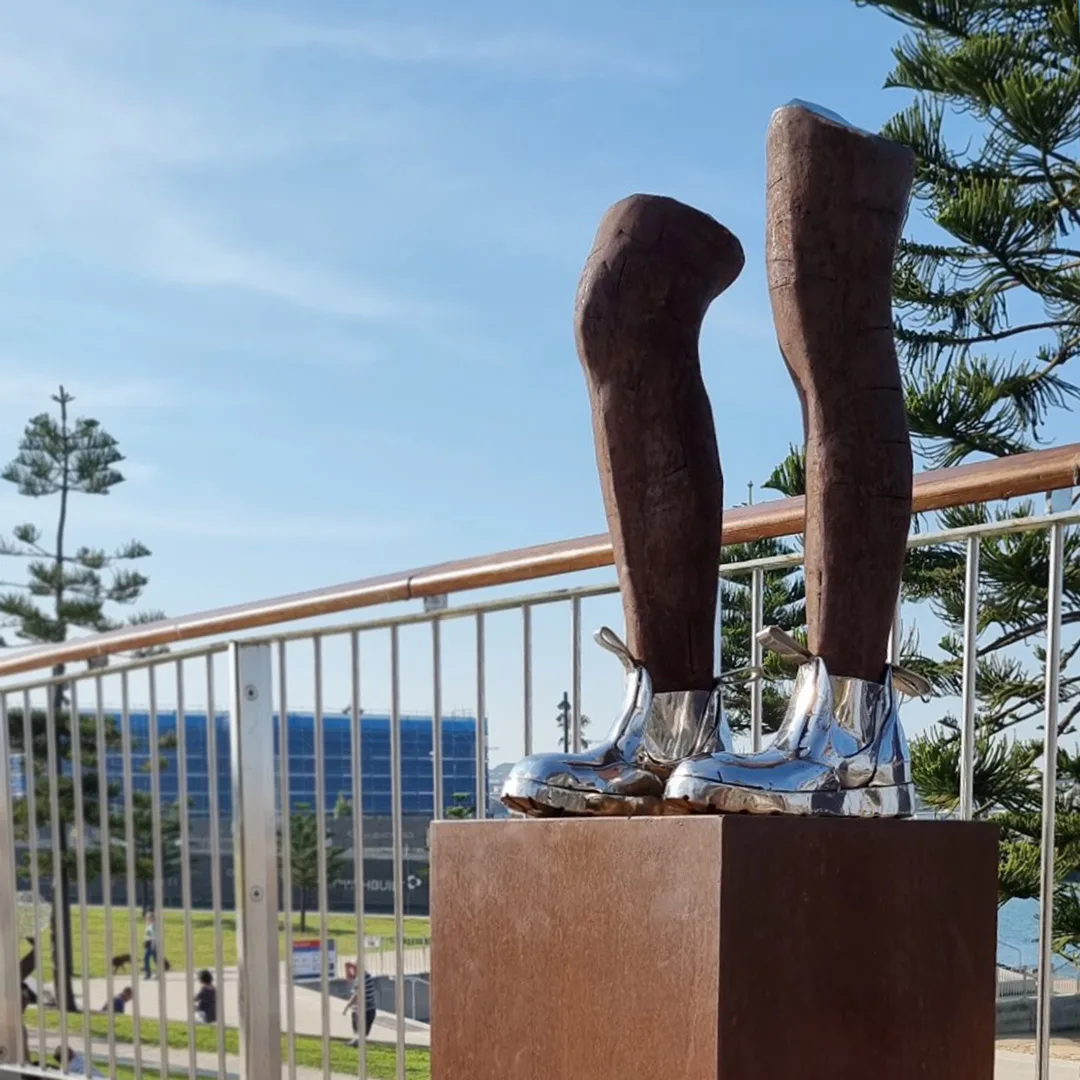
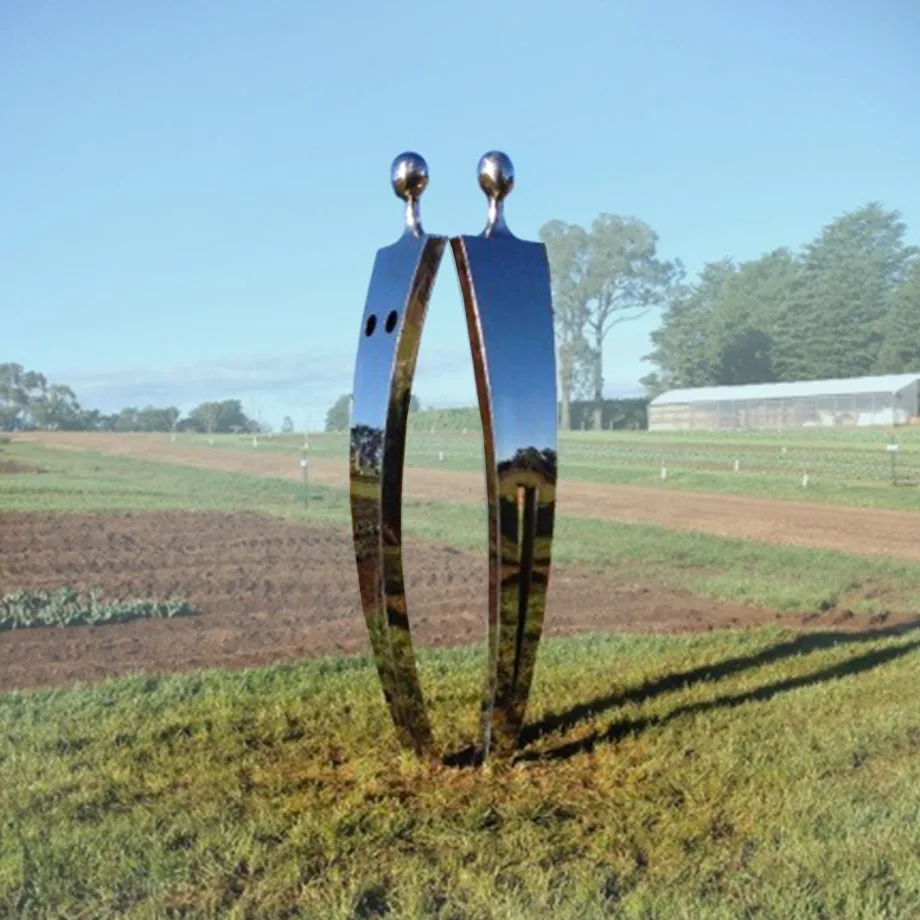
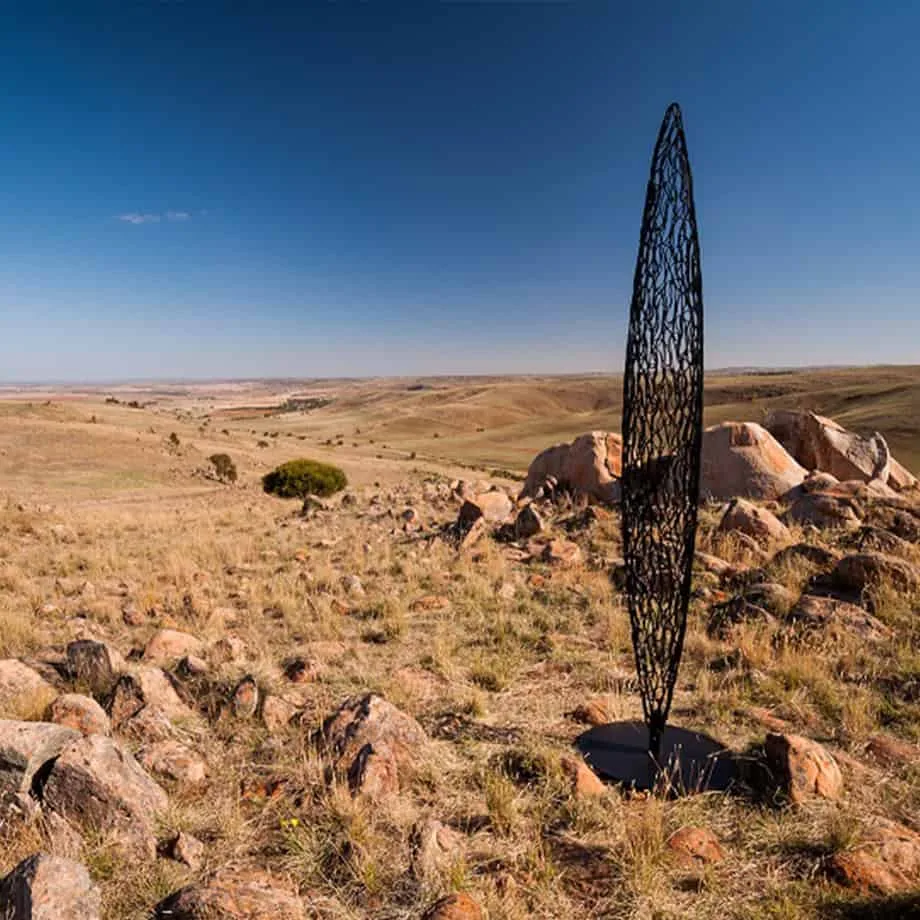
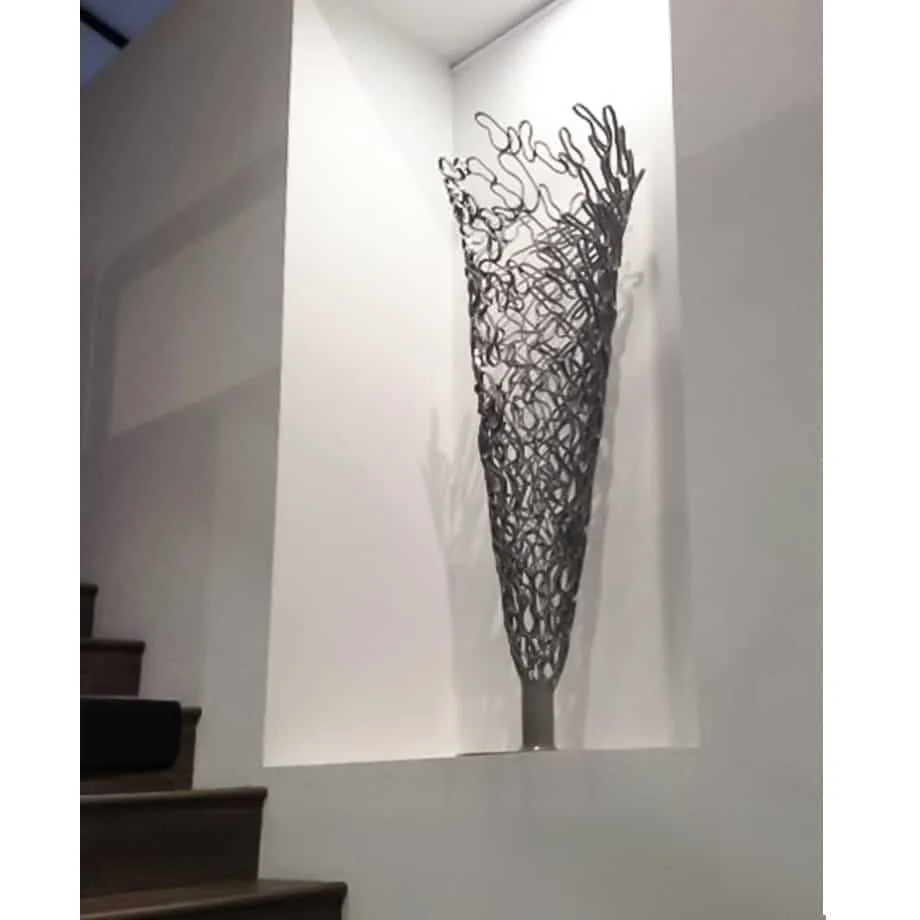
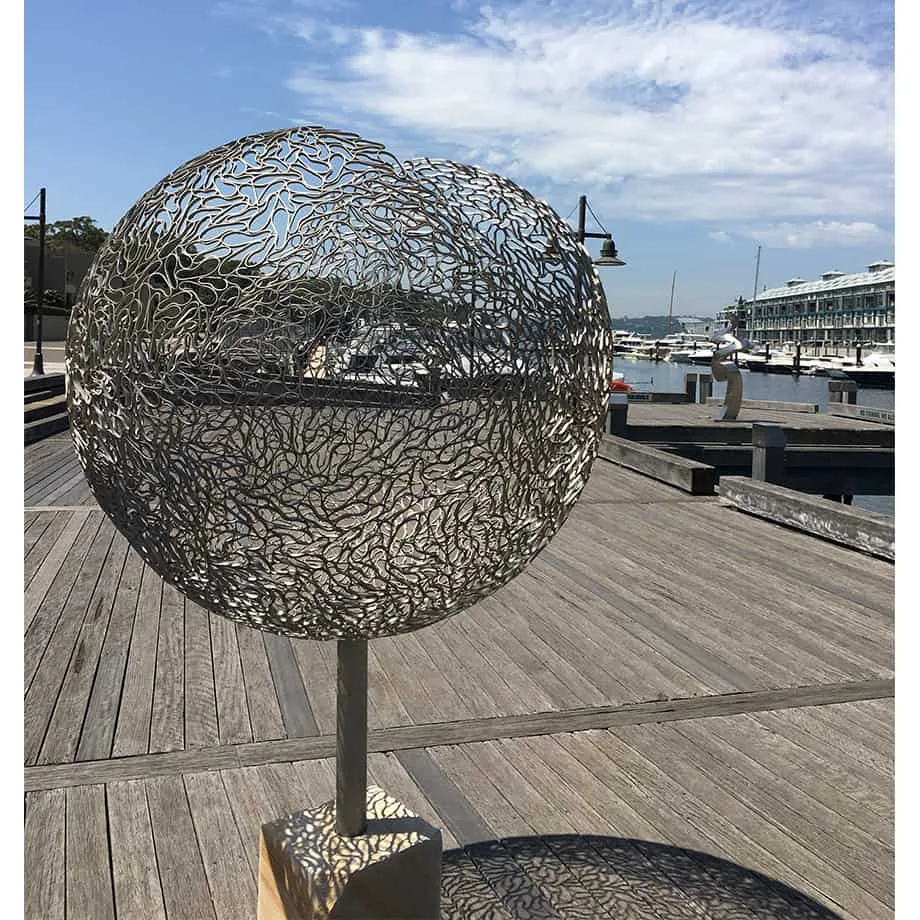
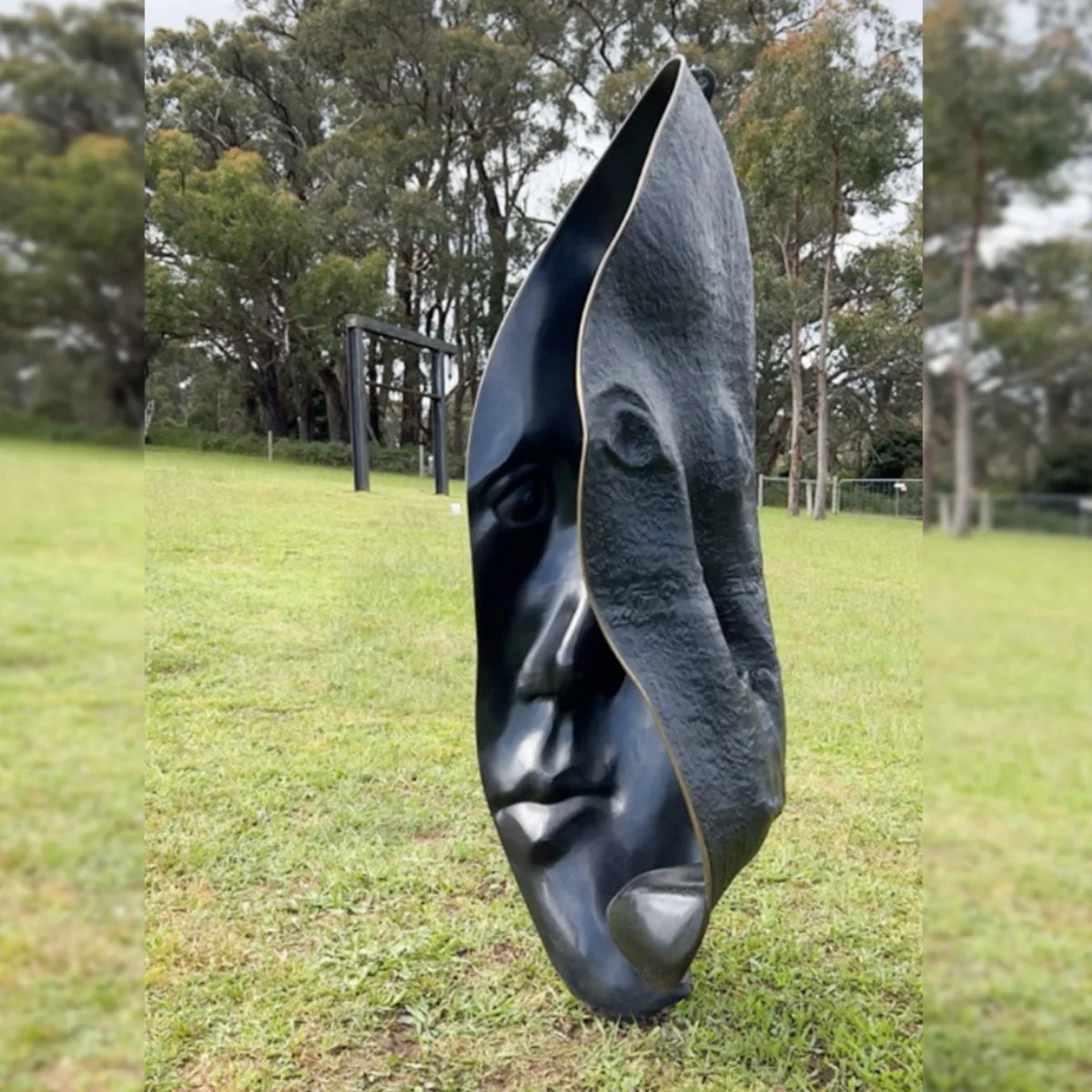
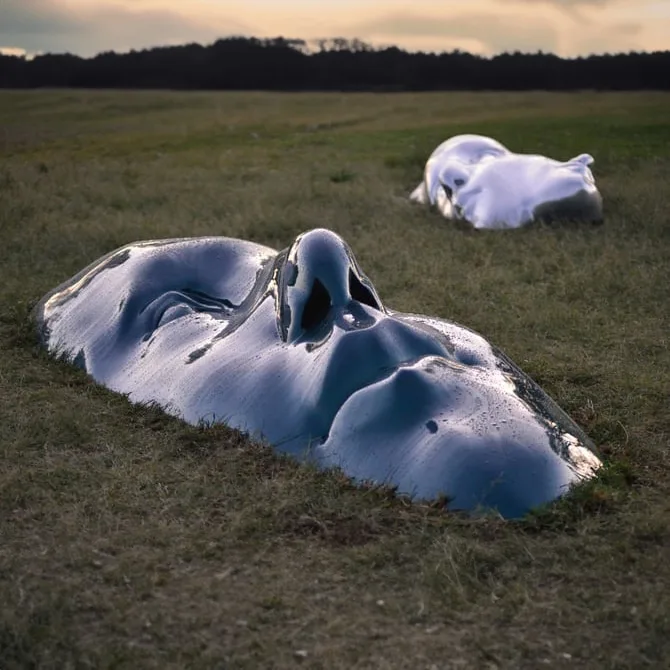
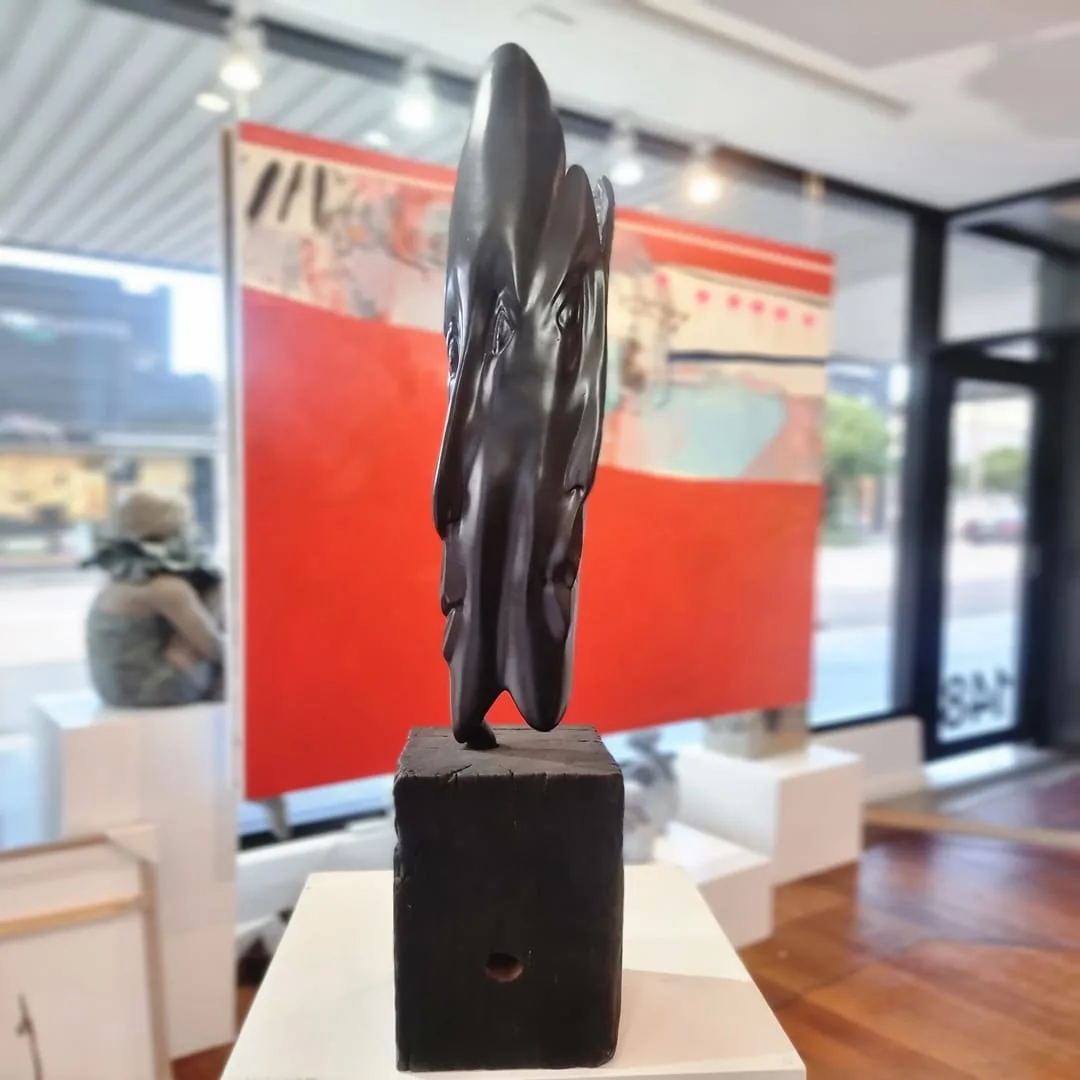
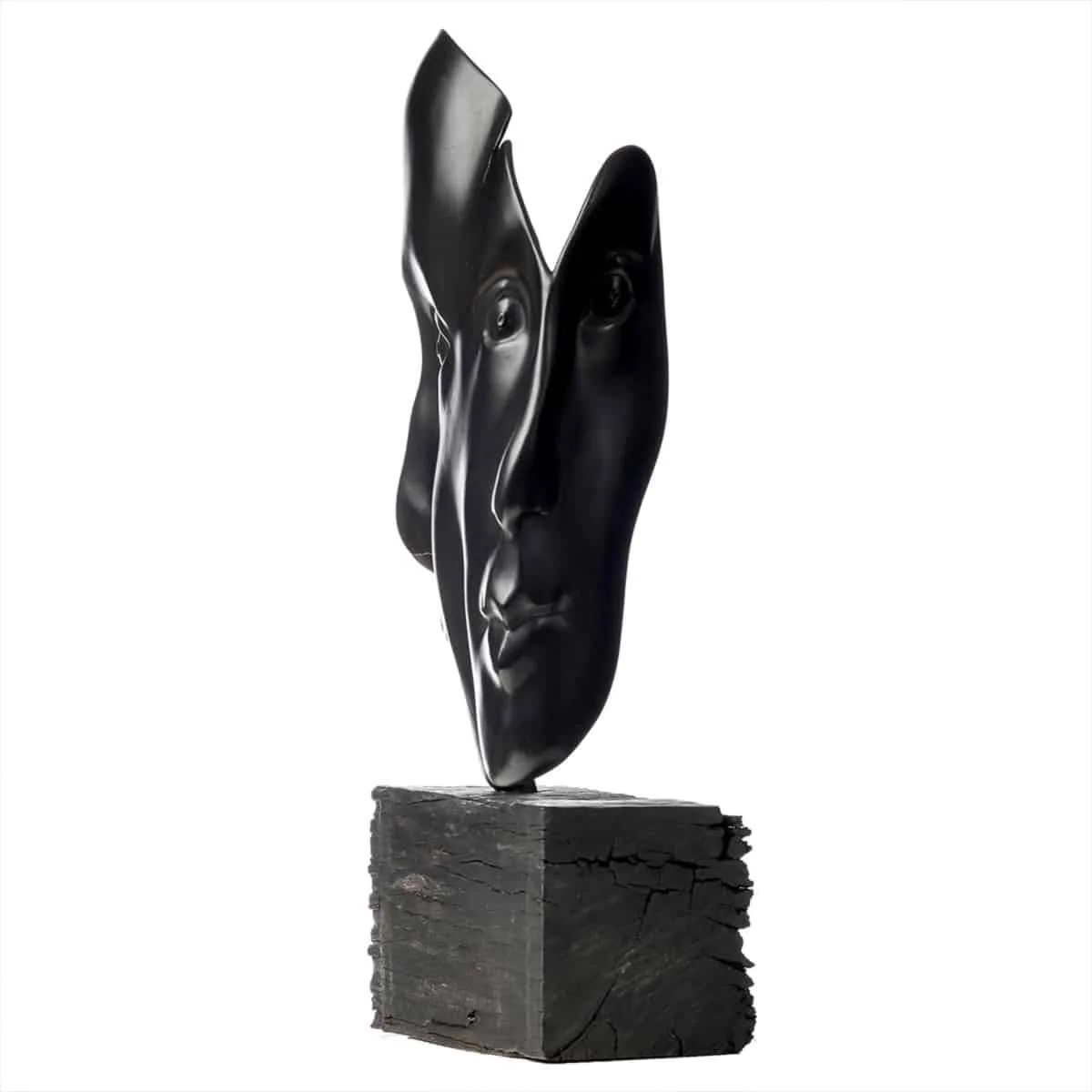
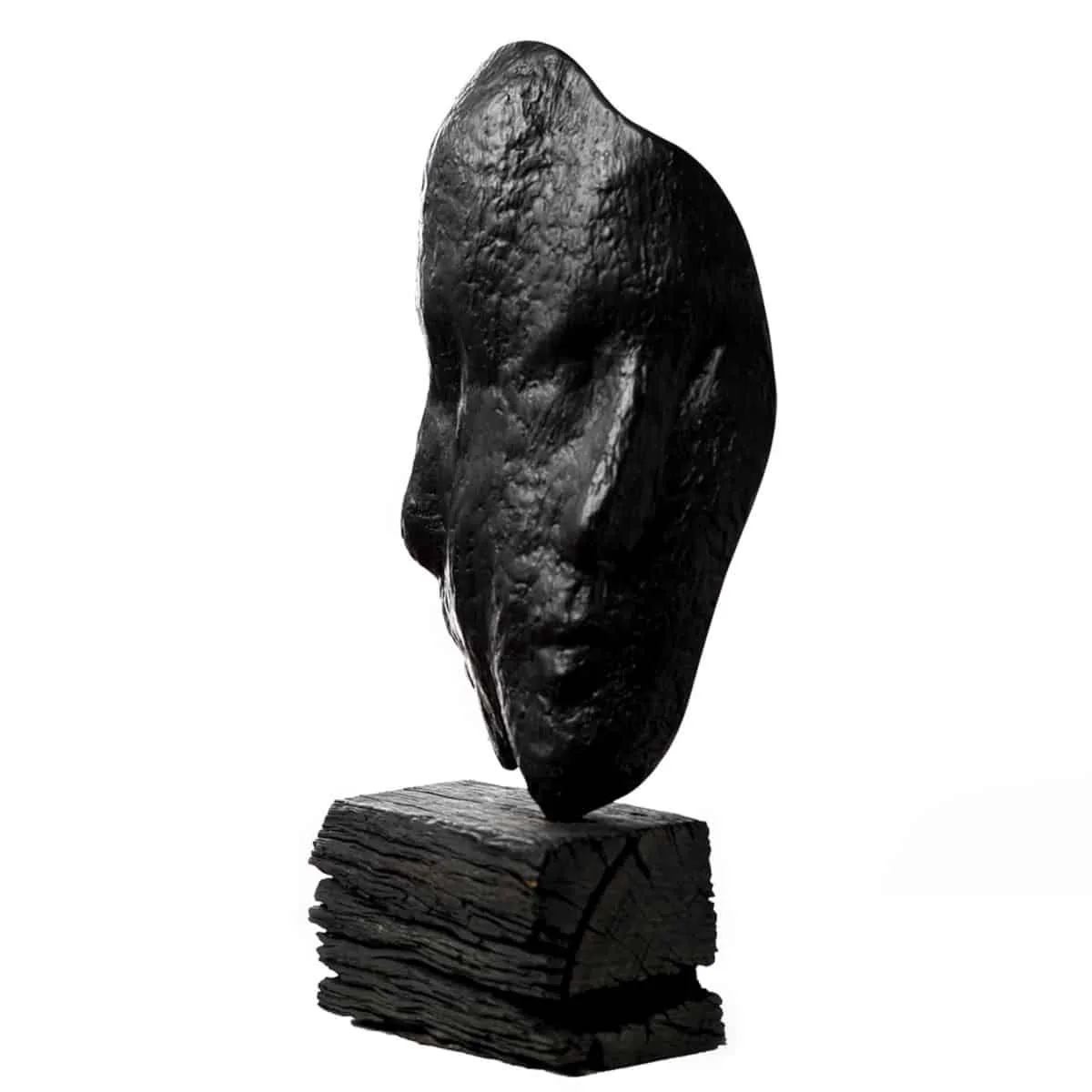
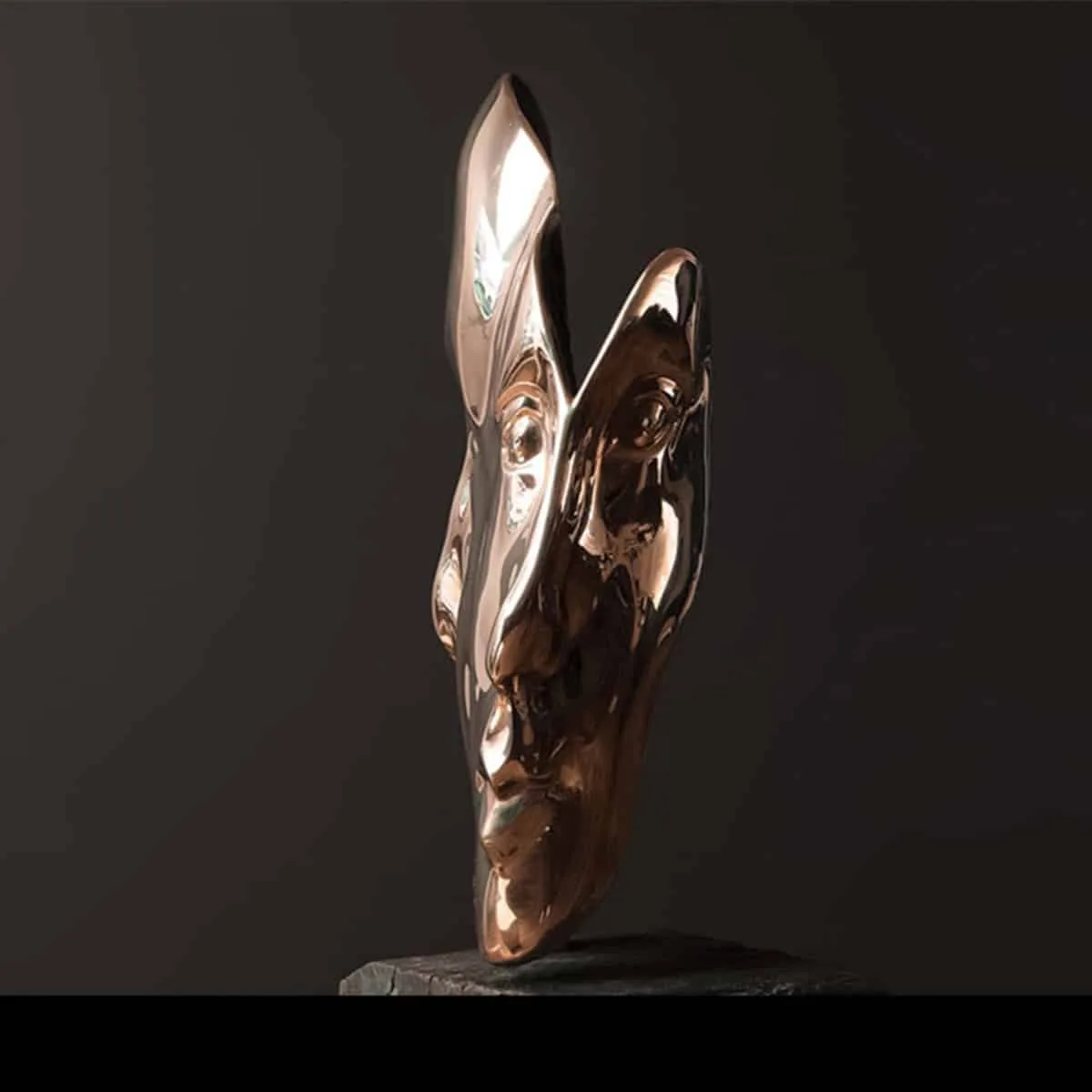
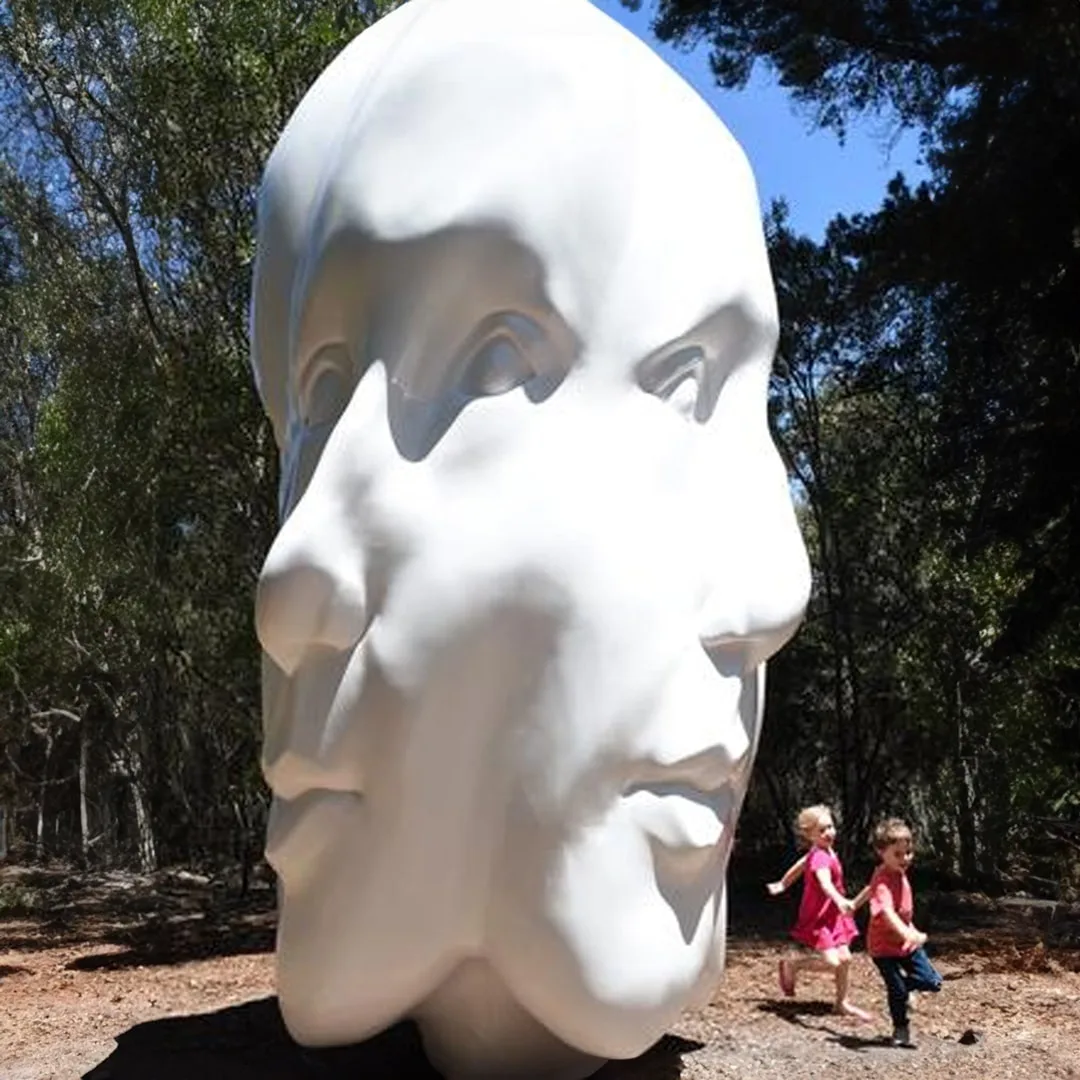
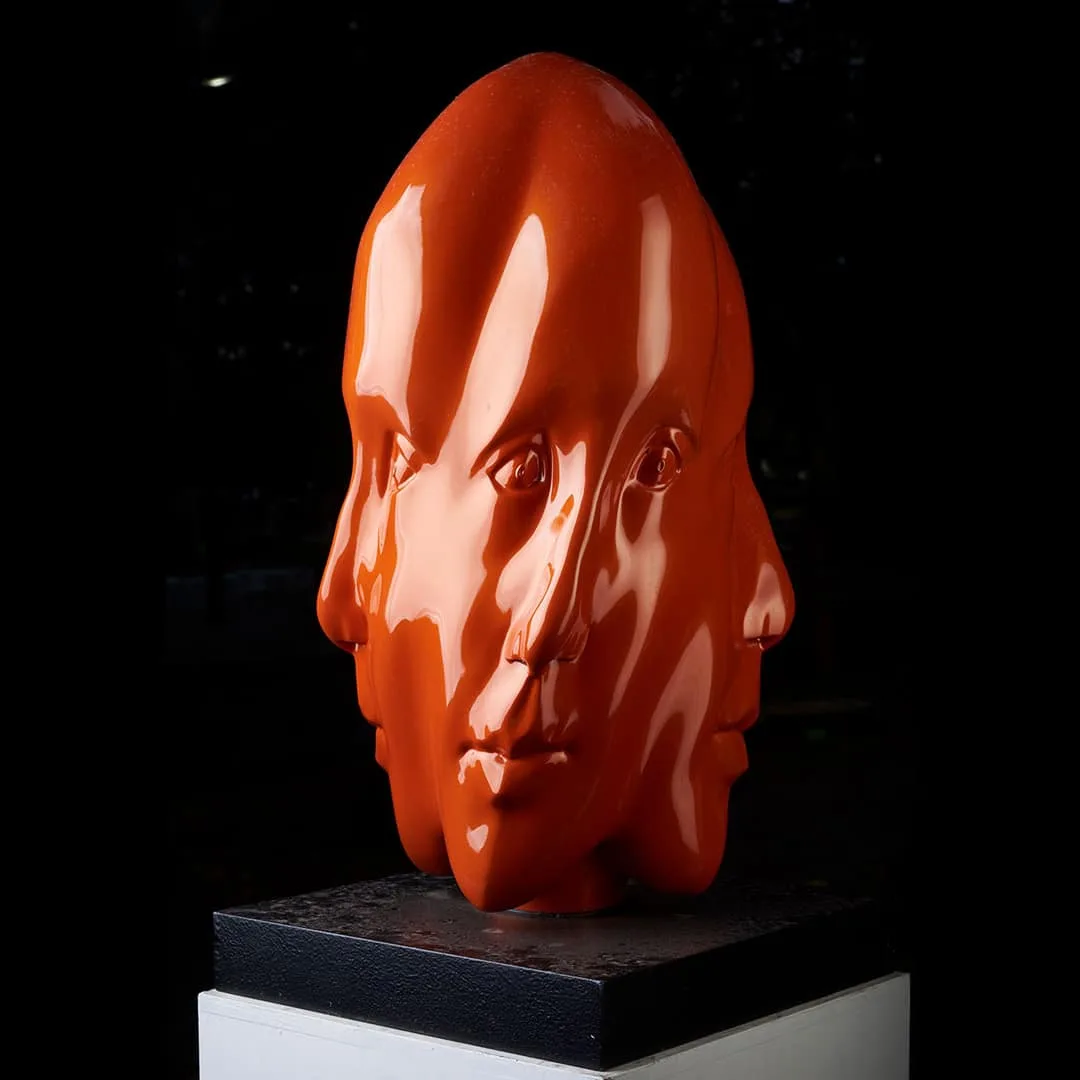
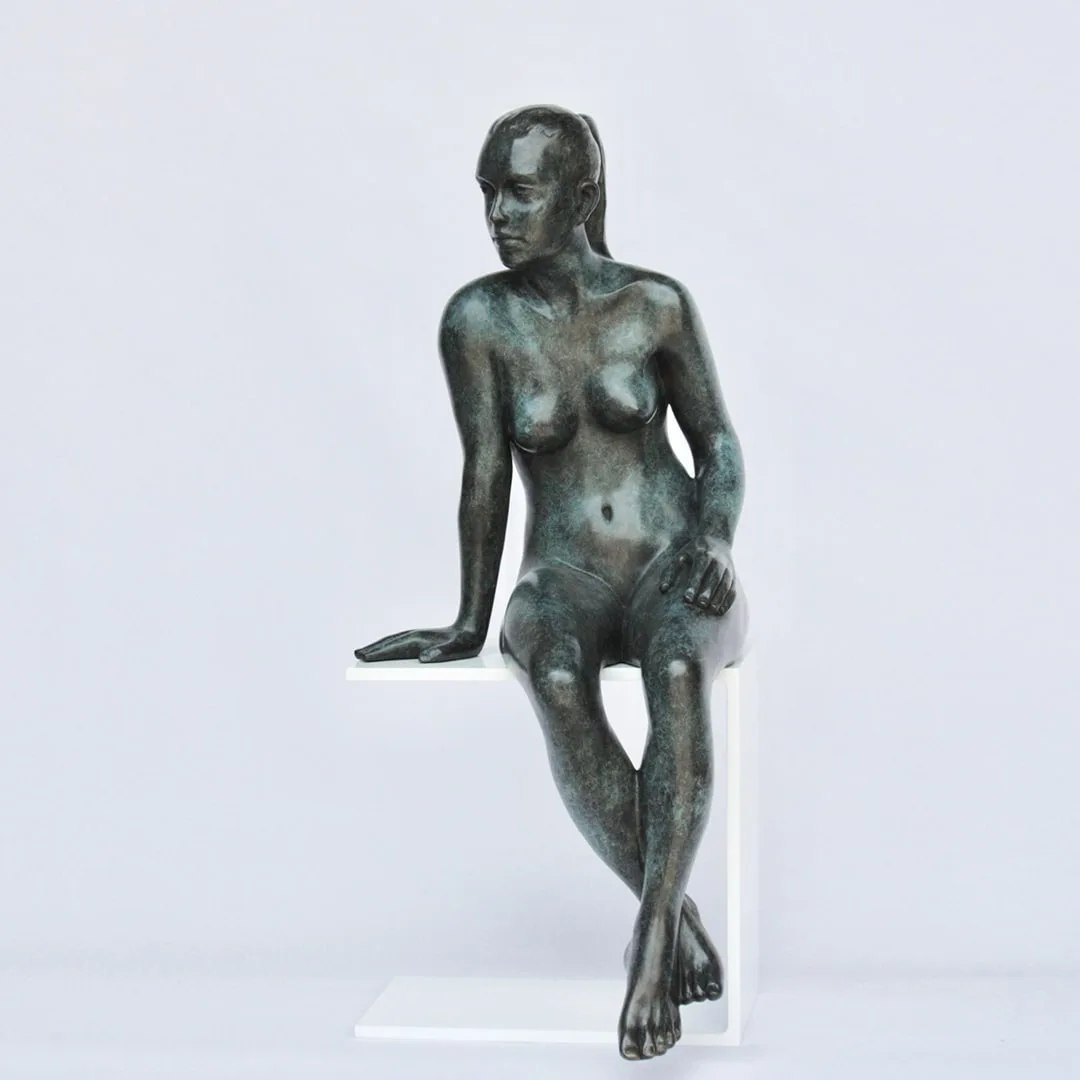
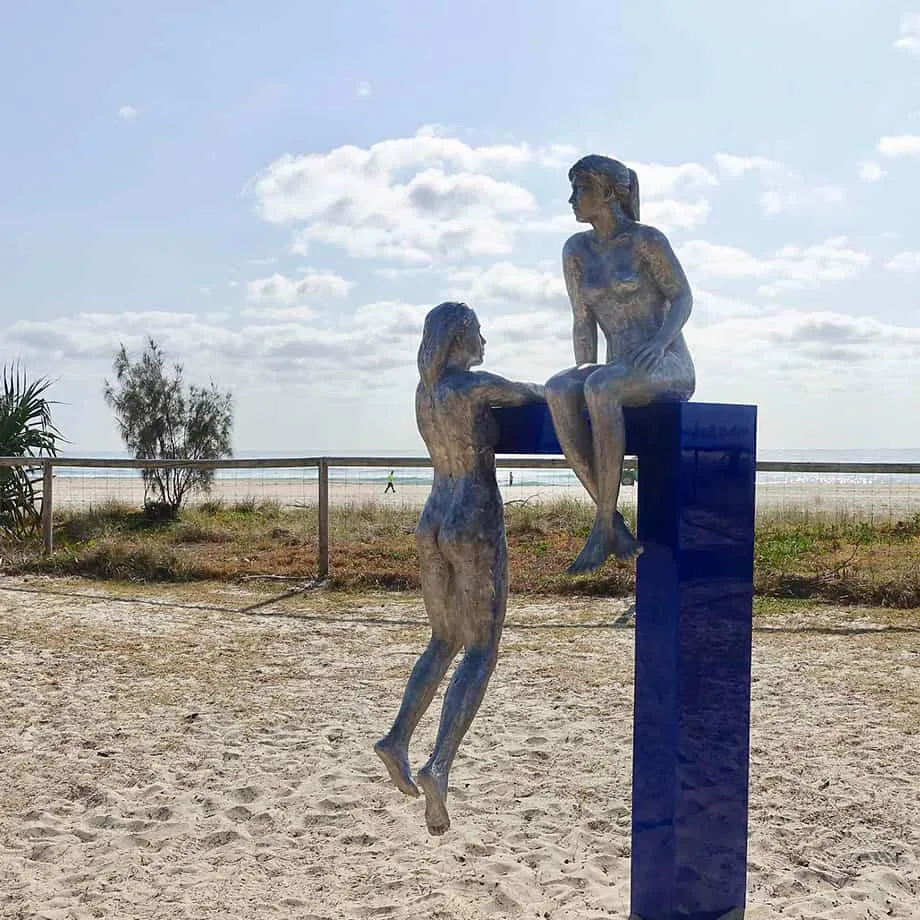
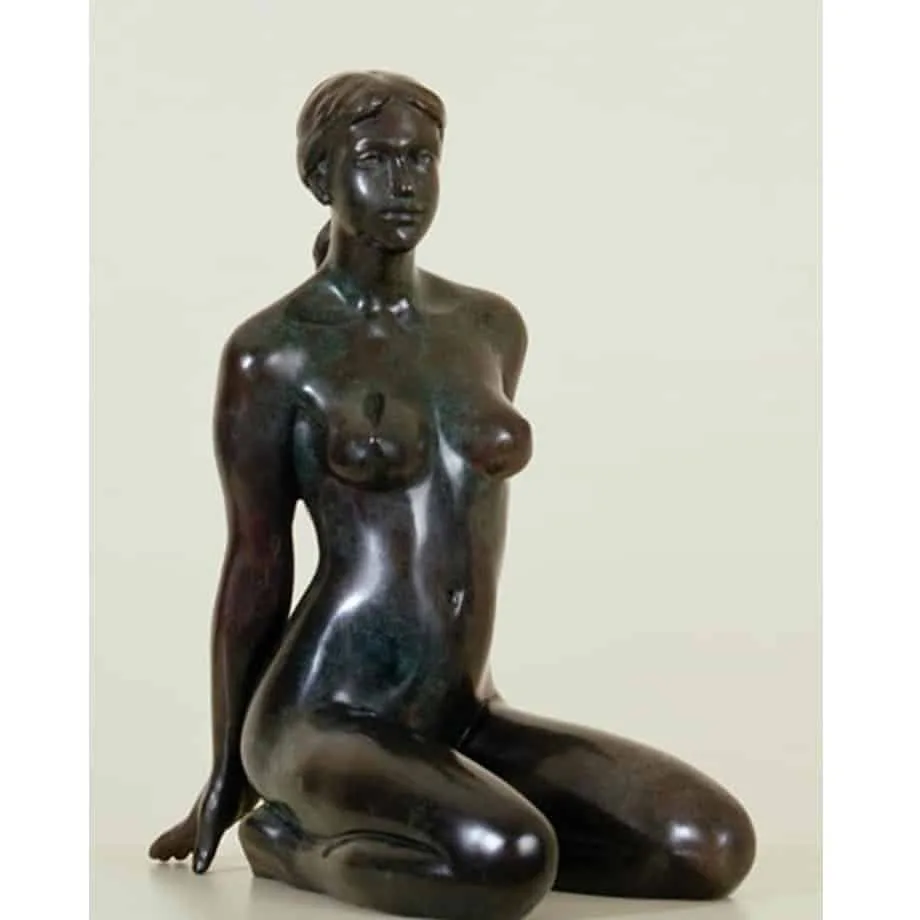
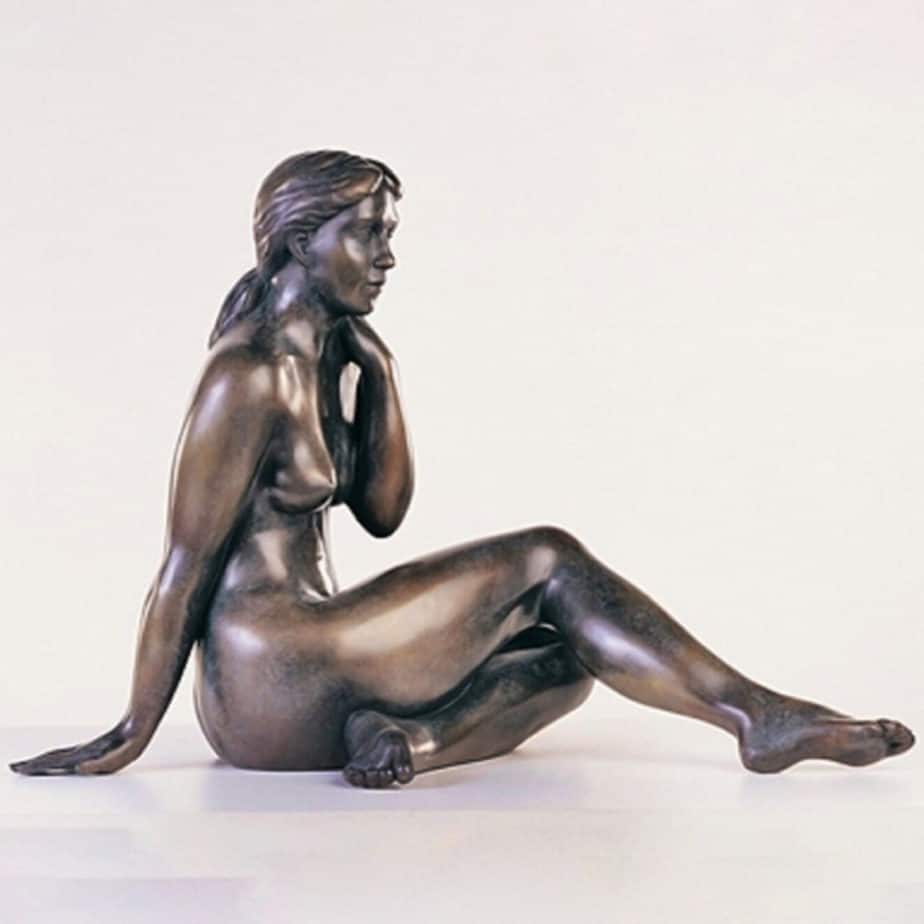
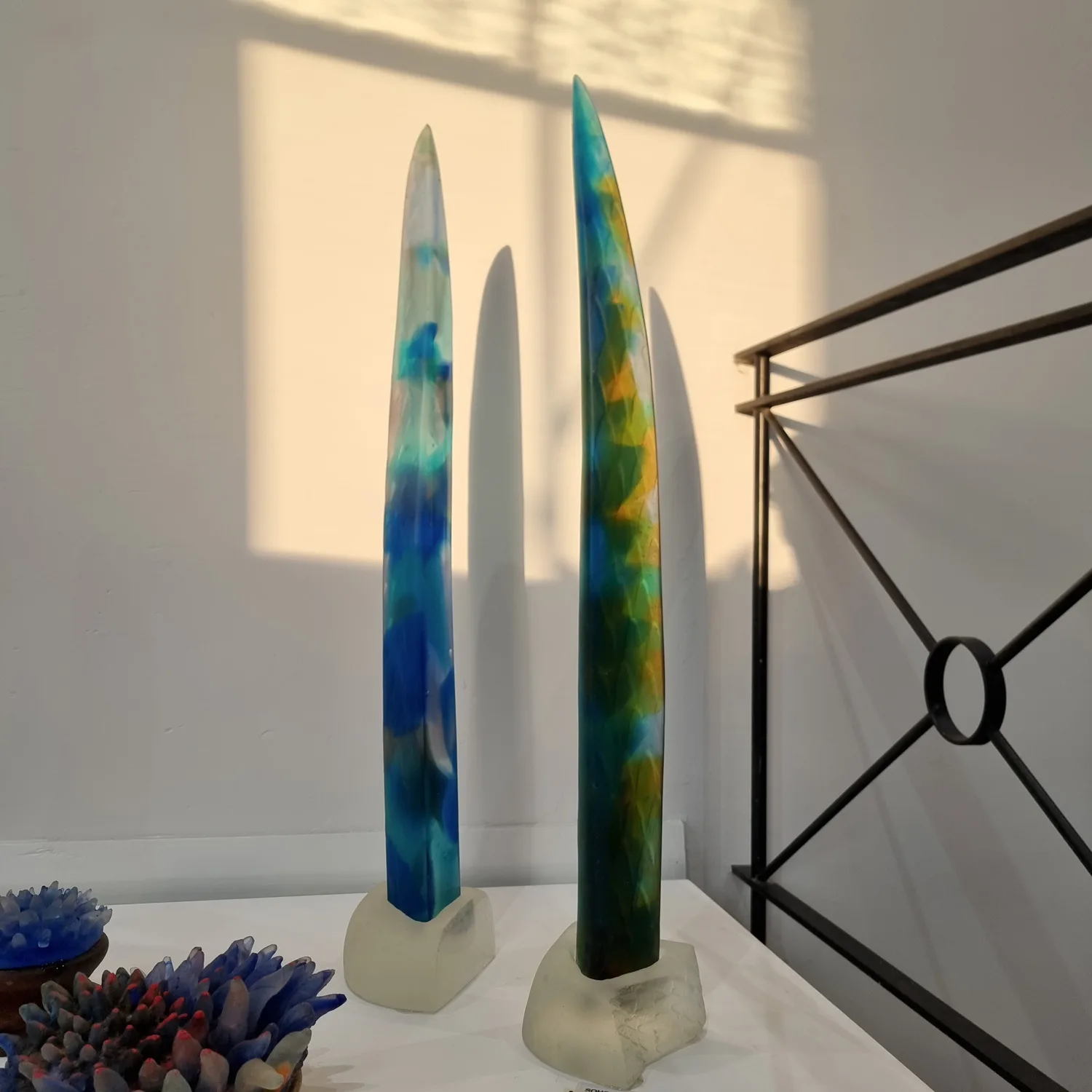
![light blades [glass] - 2.4m](https://www.sohogalleries.net/wp-content/uploads/2021/02/Glass-Light-Blades-2.4cm-CAST-GLASS-free-standingGlass-Sallie-Portnoy-australian-sculpture-glass-figures.webp "Australian Sculptors")
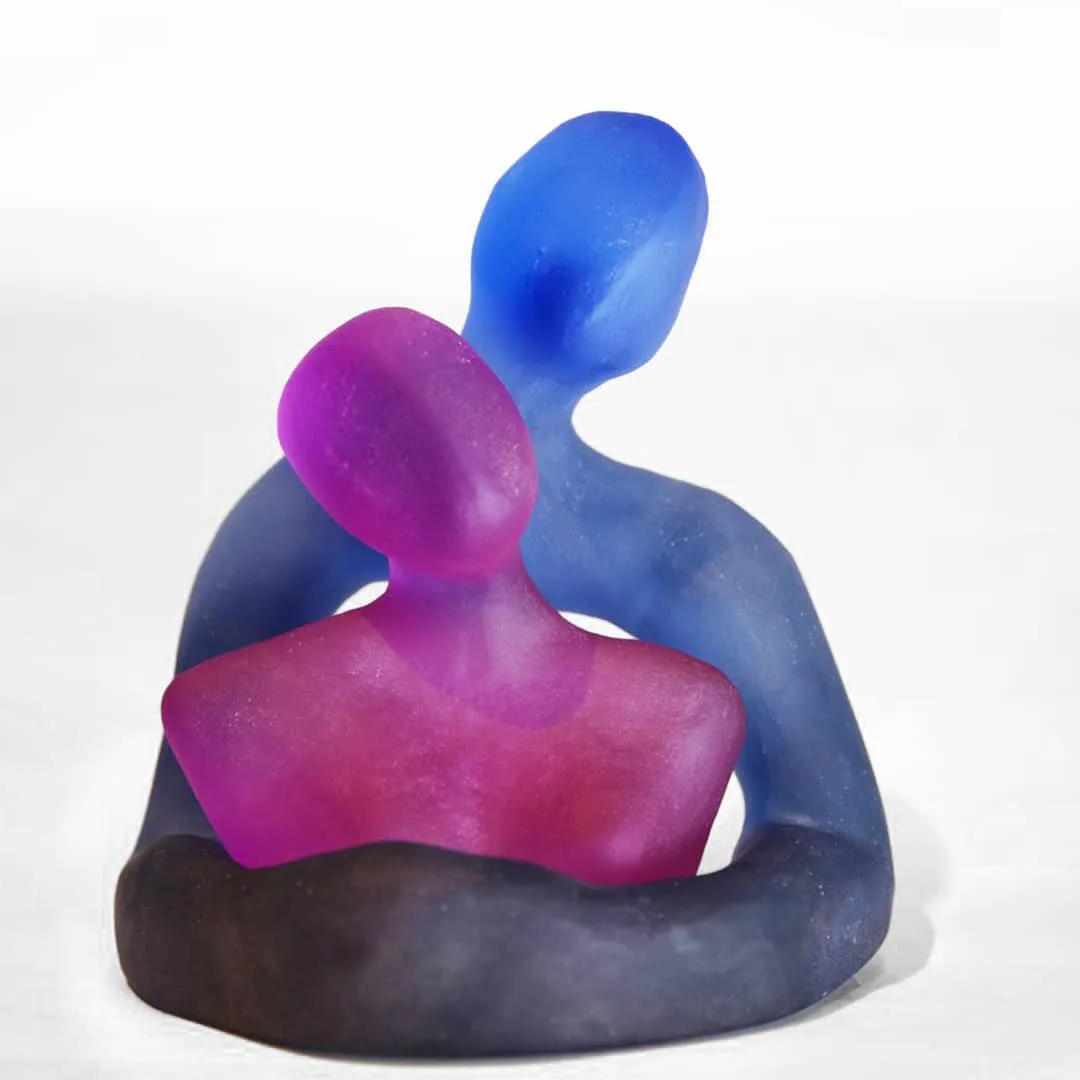
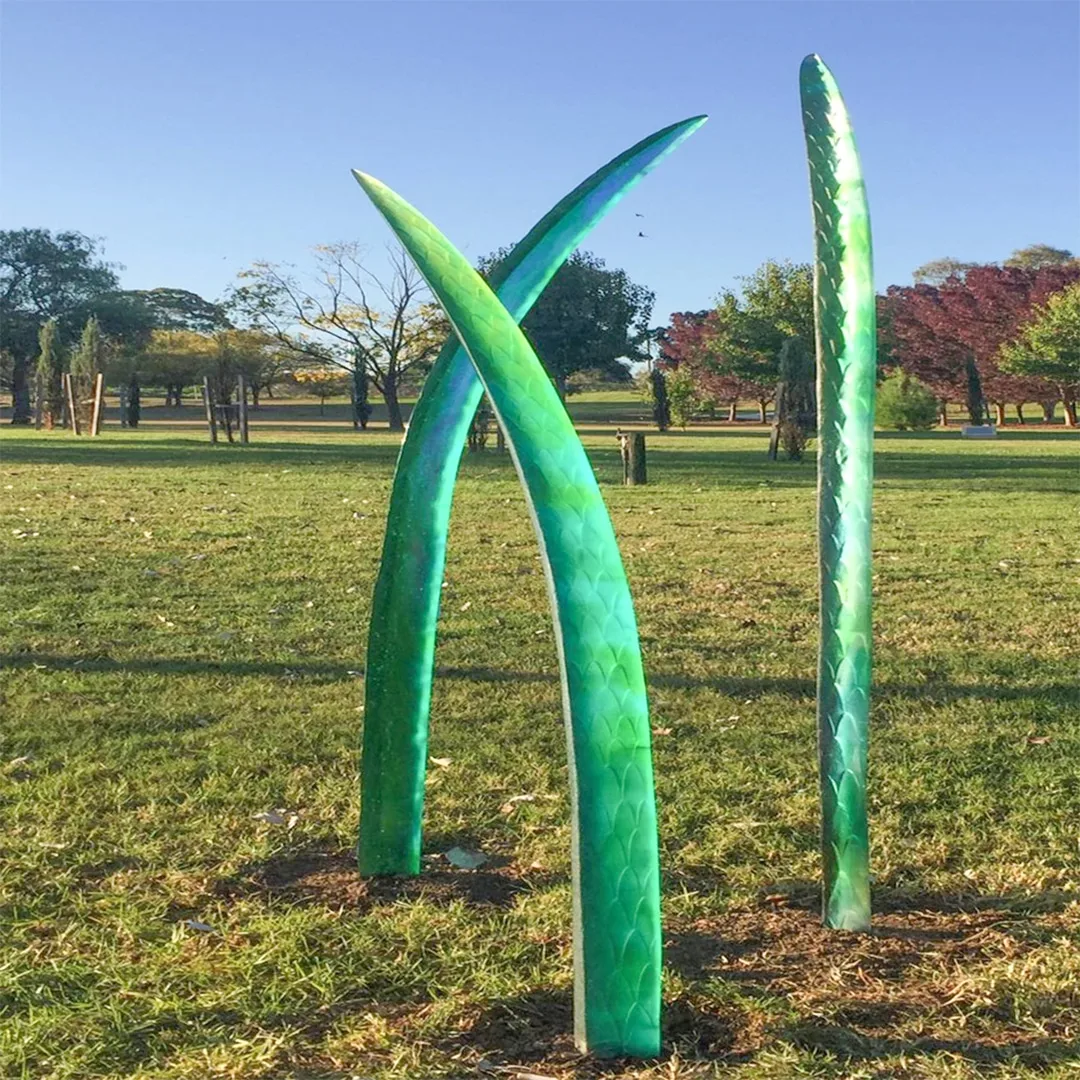
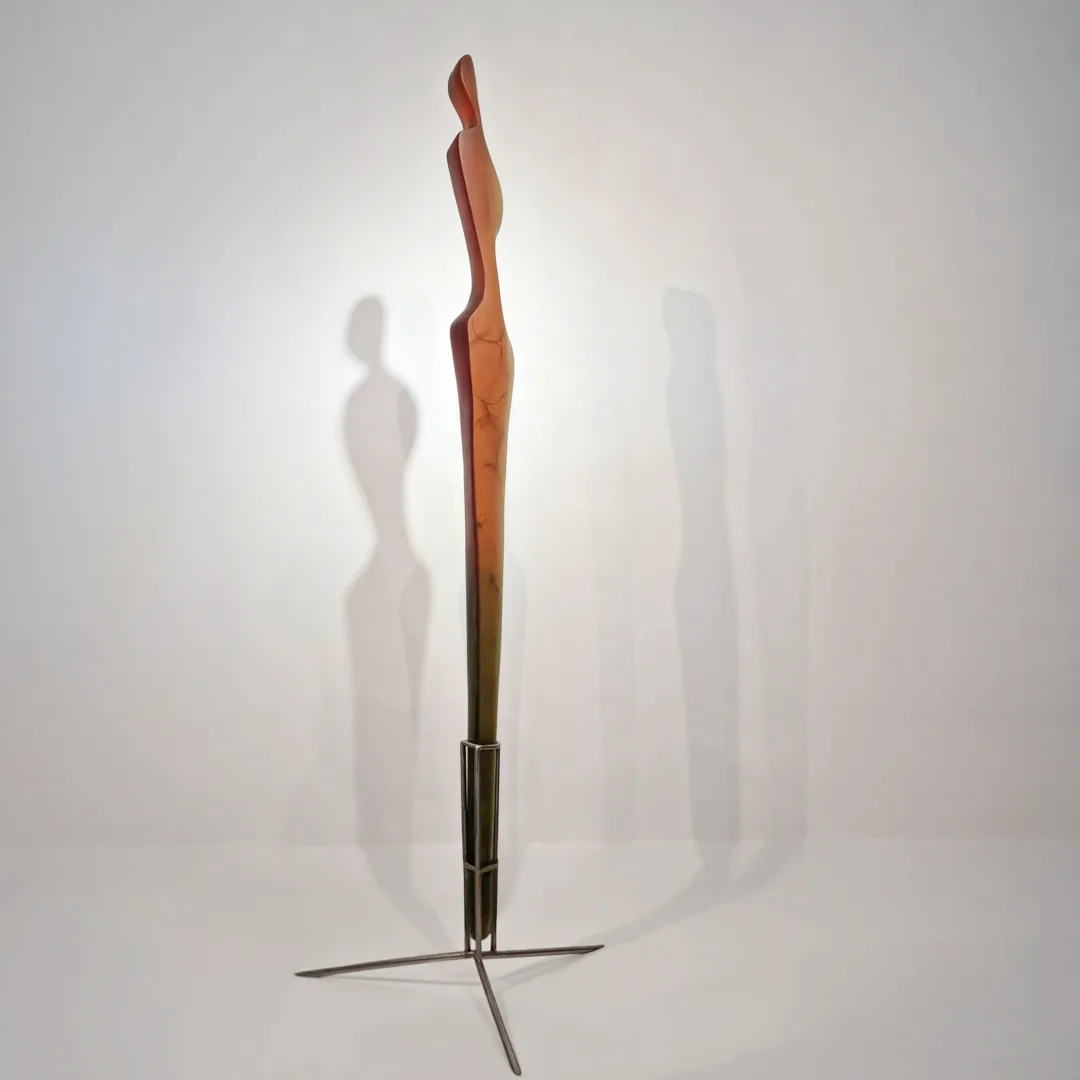
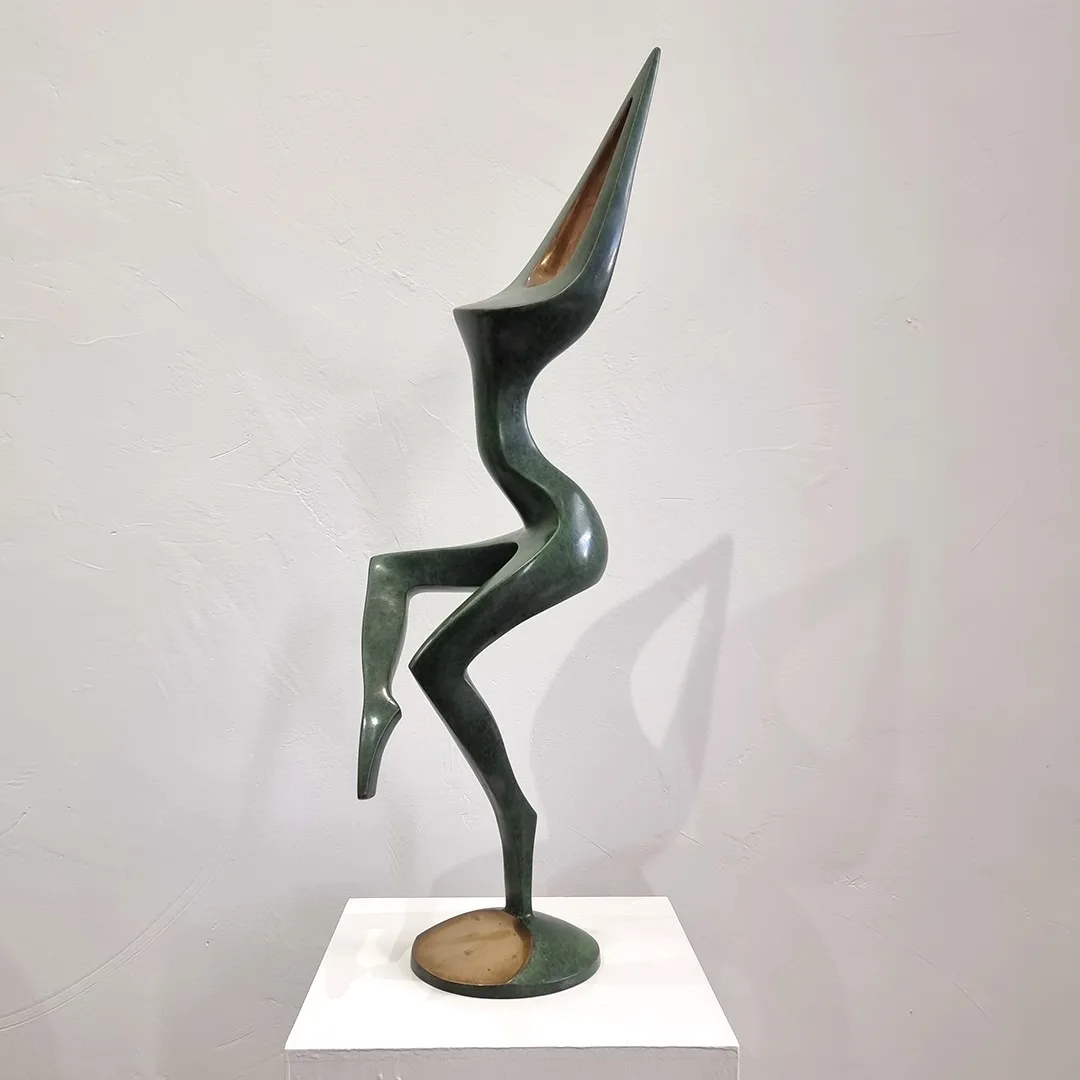
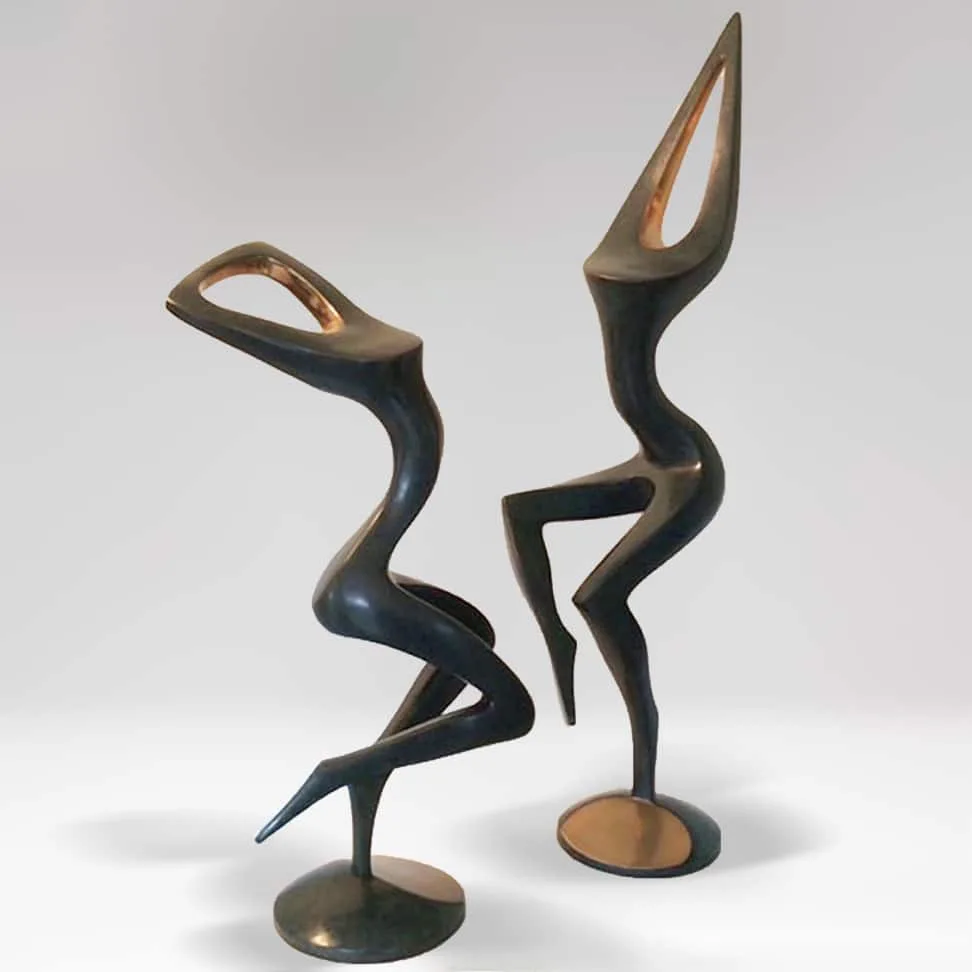
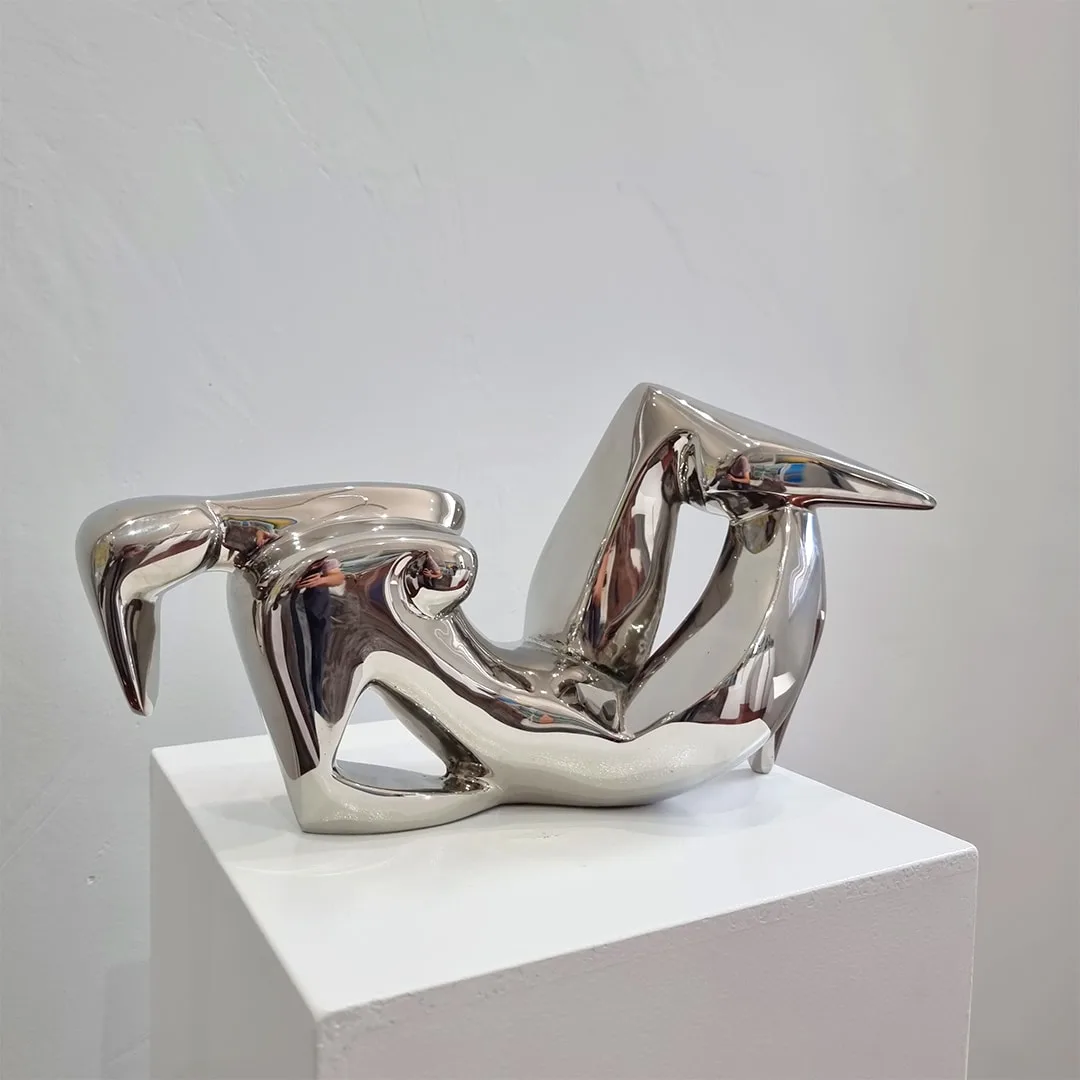
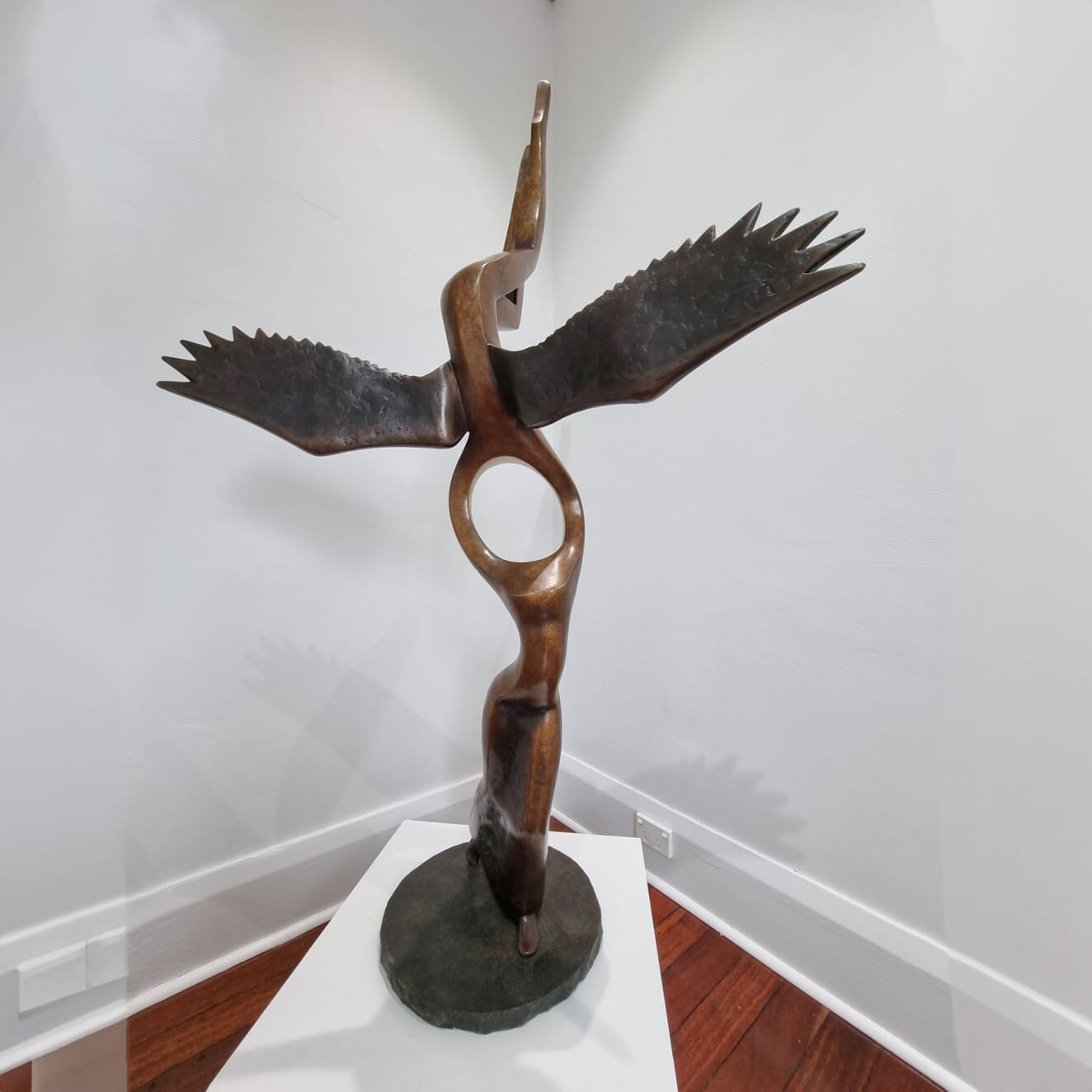
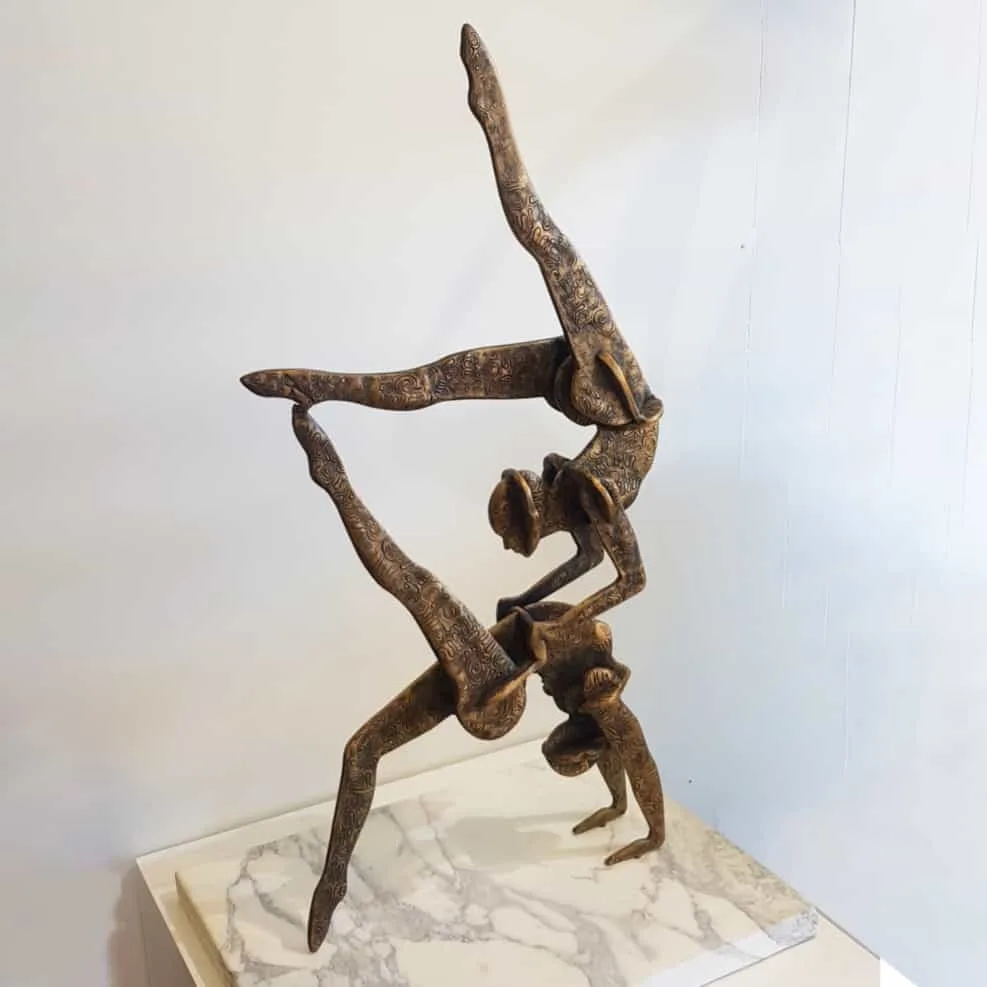
![The Song [Bronze] - 100x63cm](https://www.sohogalleries.net/wp-content/uploads/2021/02/LS-The-Song-Bronze-100x63x35cm-MR_.webp "Australian Sculptors")
![The Song [Stainless] - 100x63cm](https://www.sohogalleries.net/wp-content/uploads/2021/02/LS-The-Song2-Cast-stainless-steel-GRANITE-base-100x63cm-BRONZE-tabletop-bronze-figurative-smagarinsky-female-dance-sculpture-australian-artist.webp "Australian Sculptors")
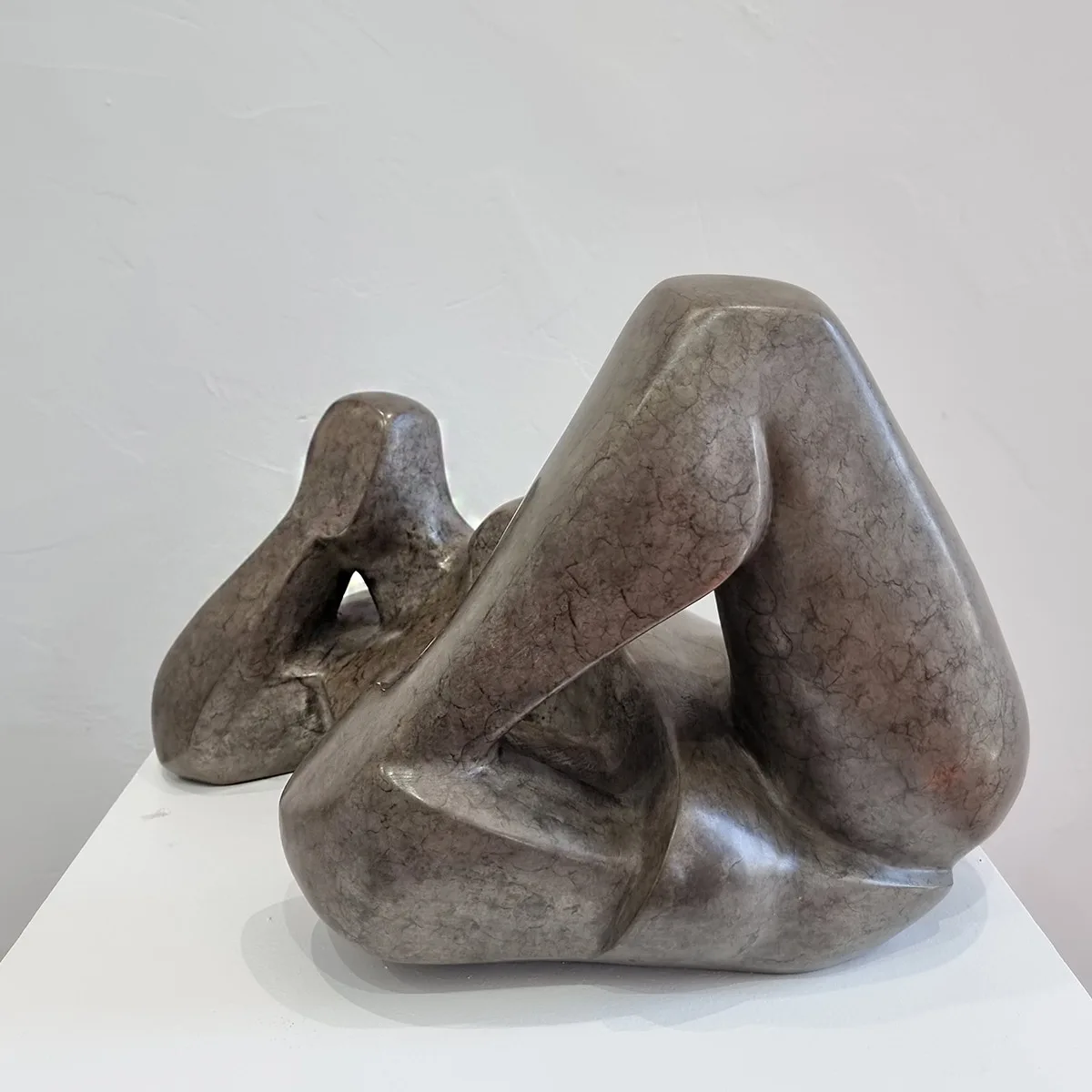
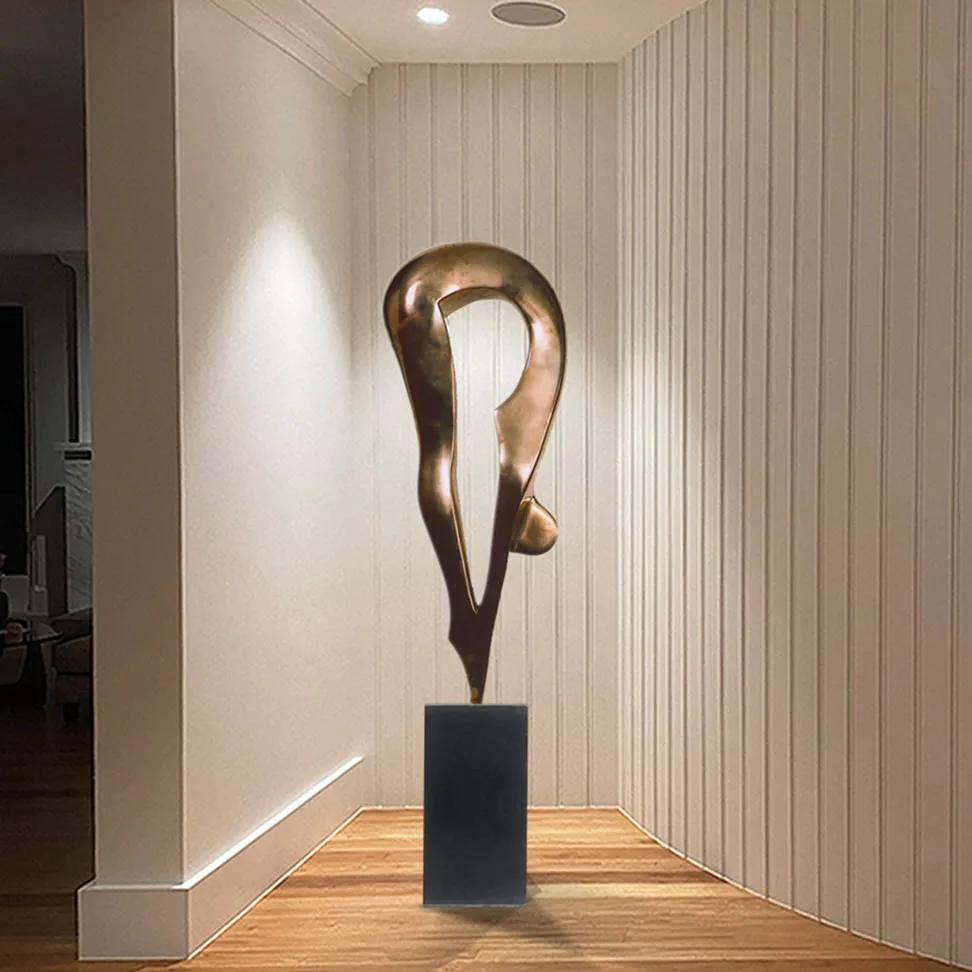
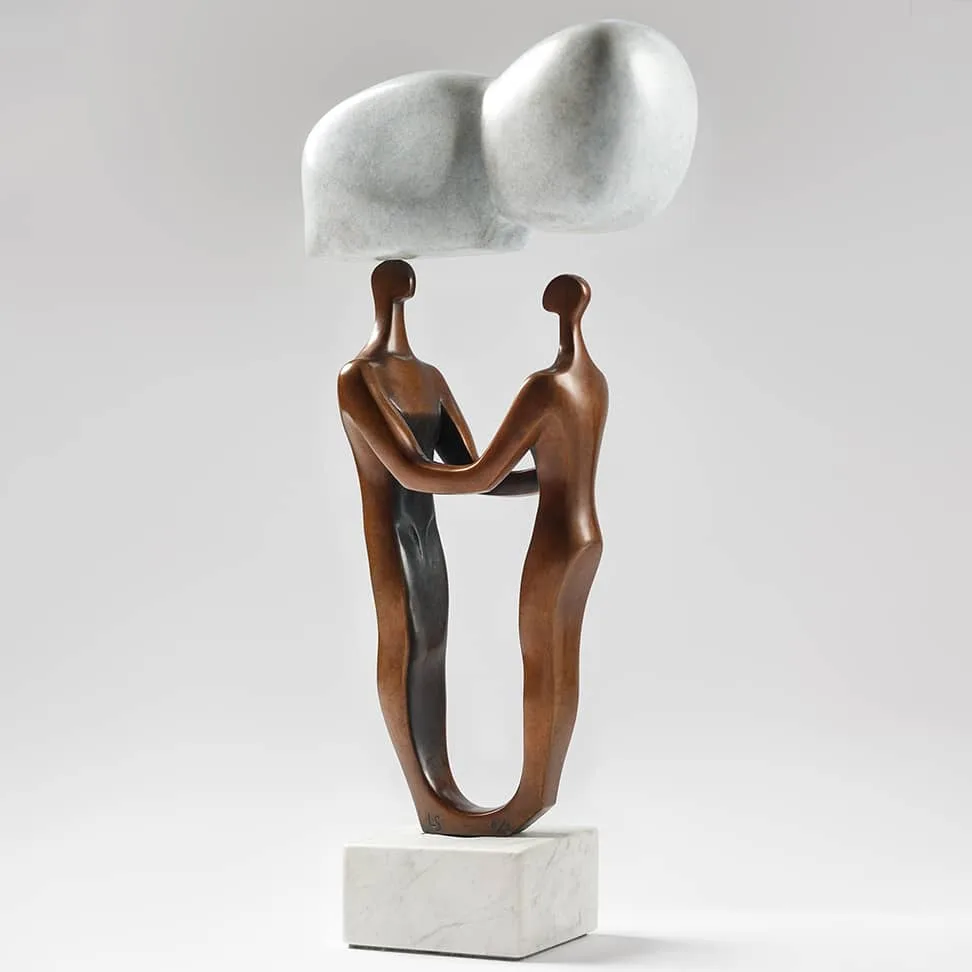
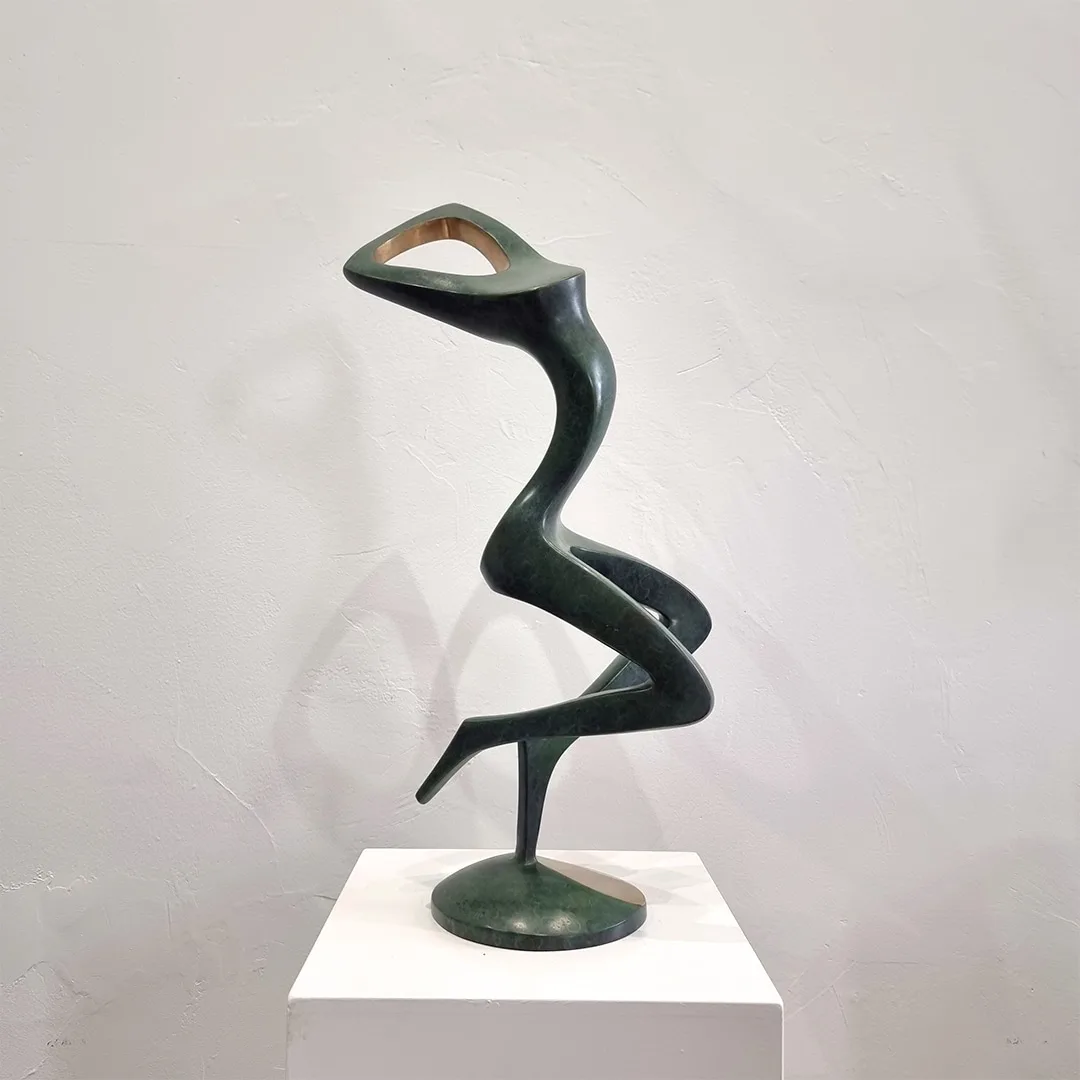
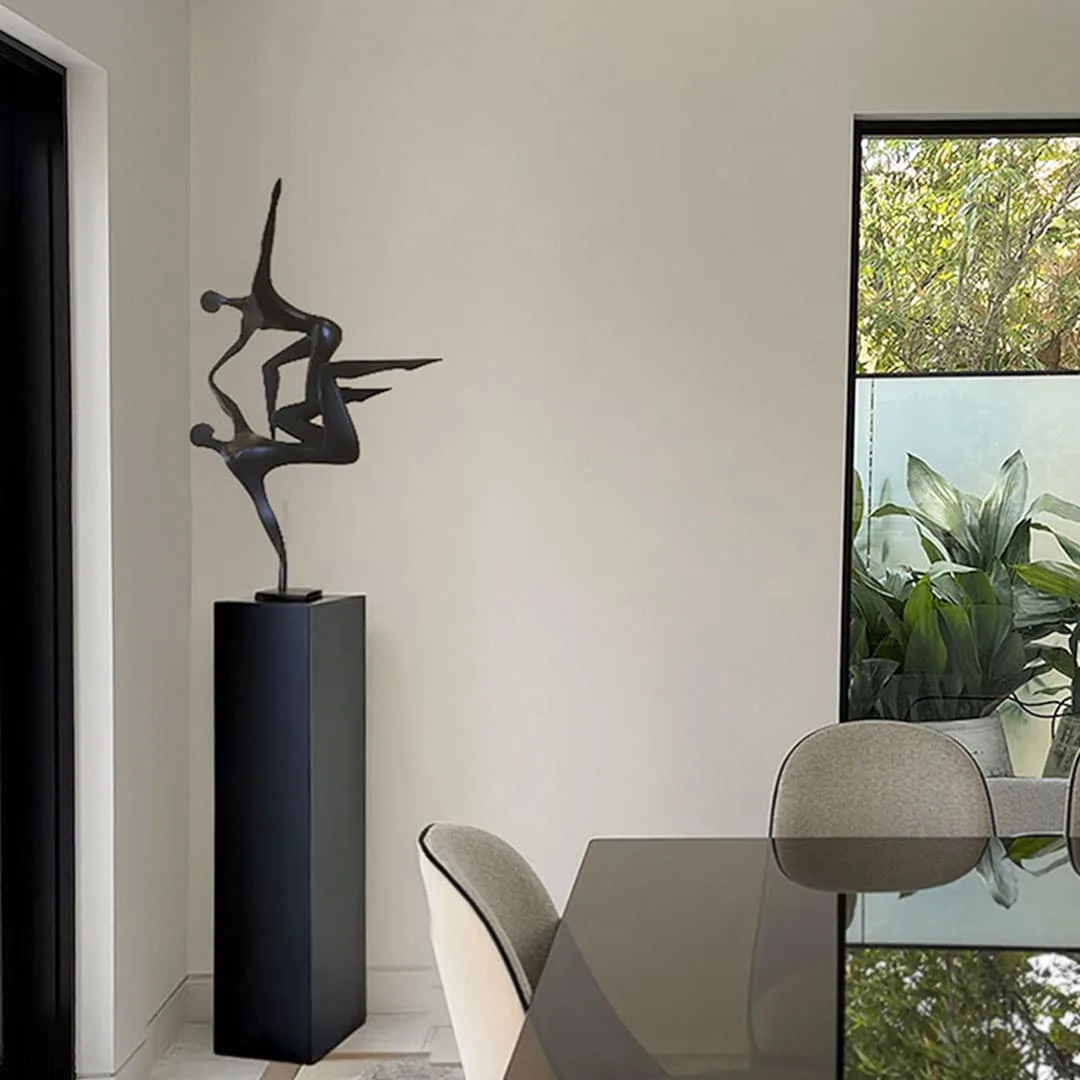
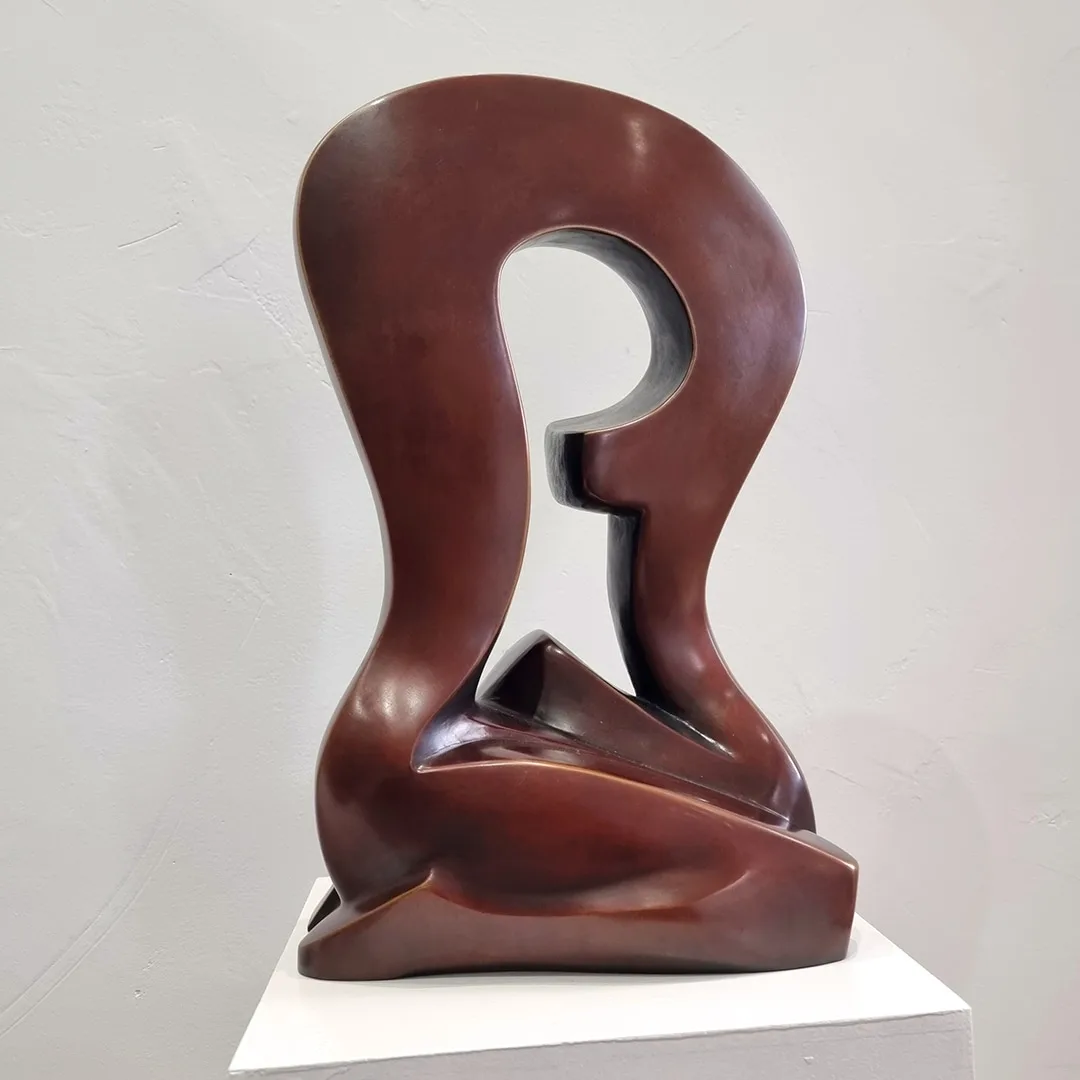
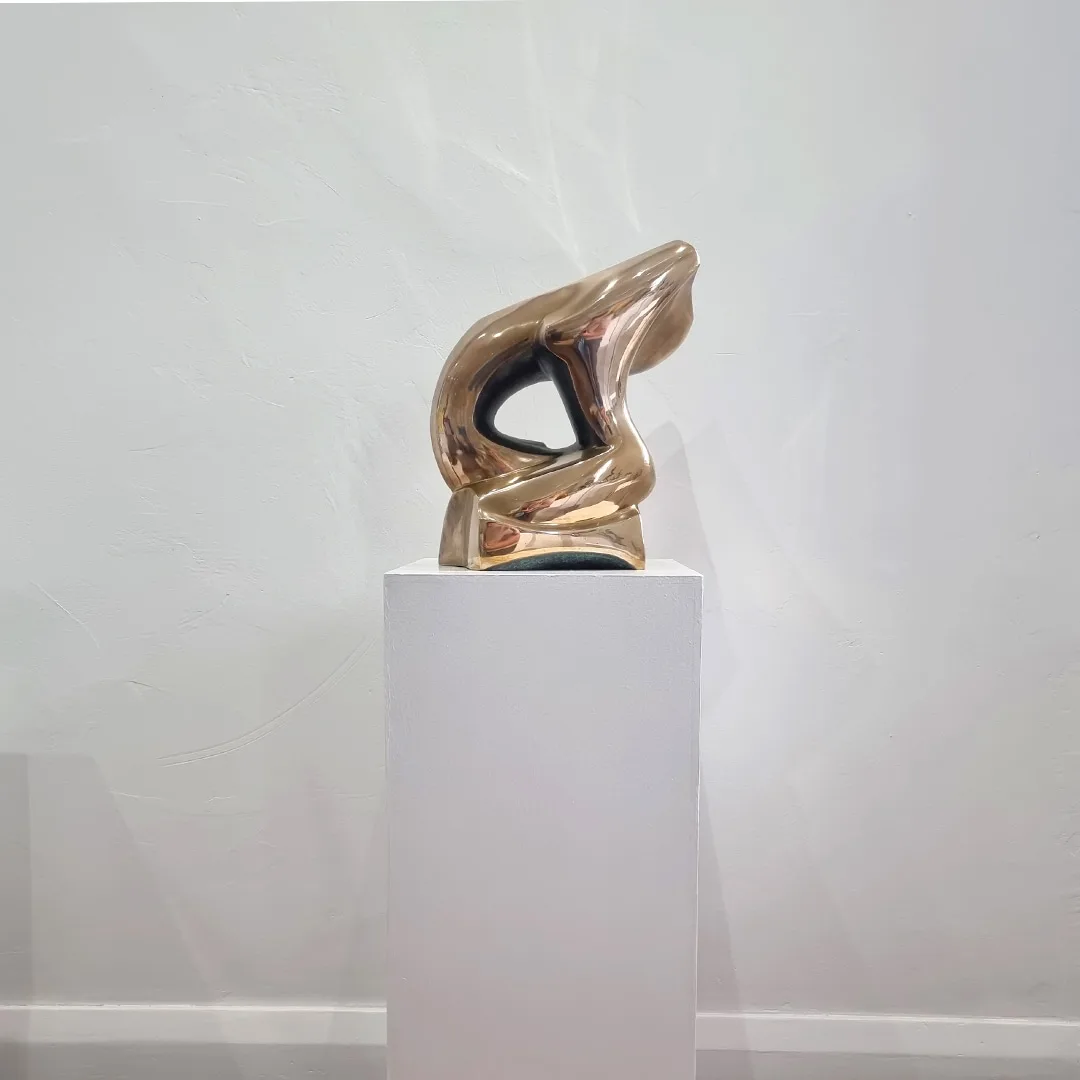
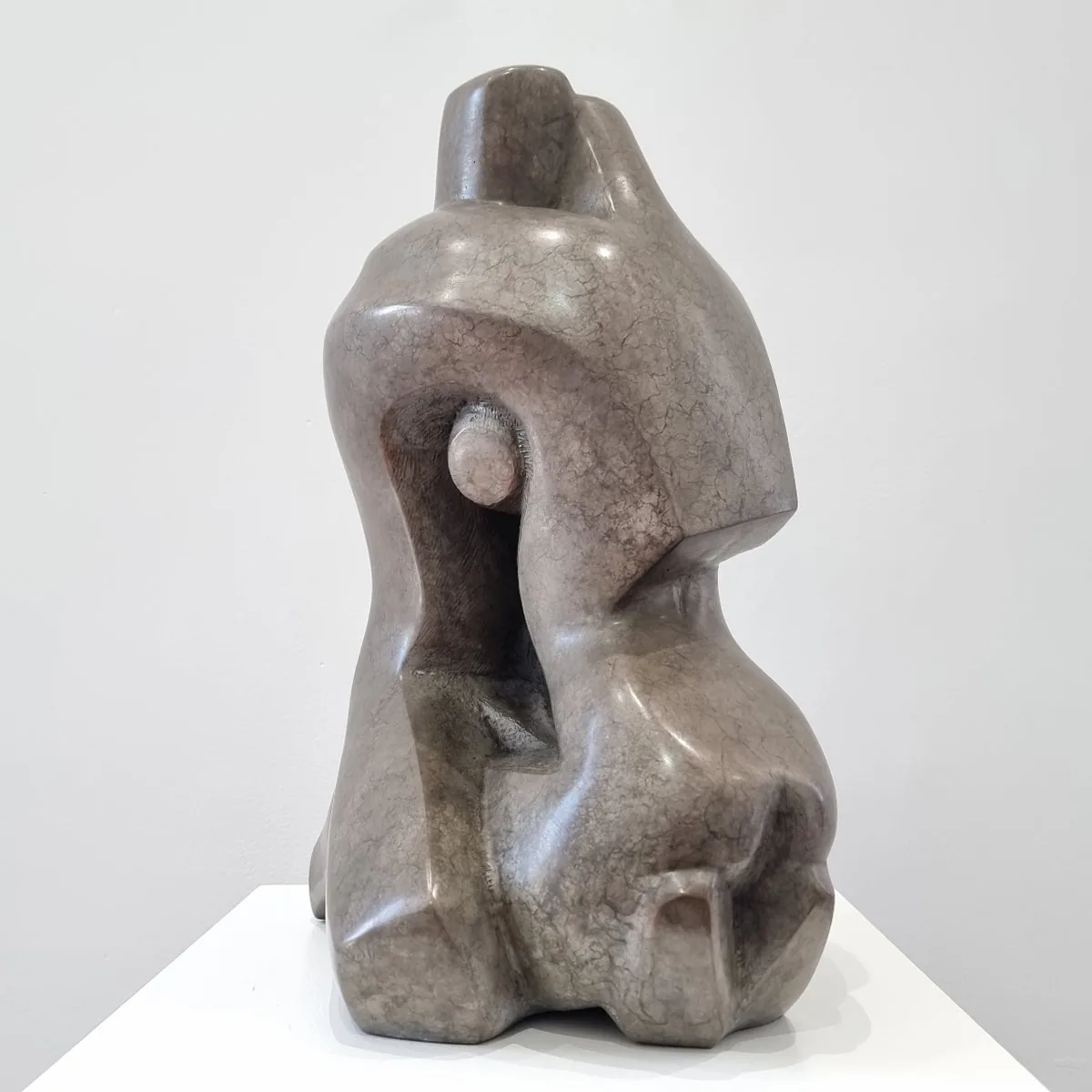
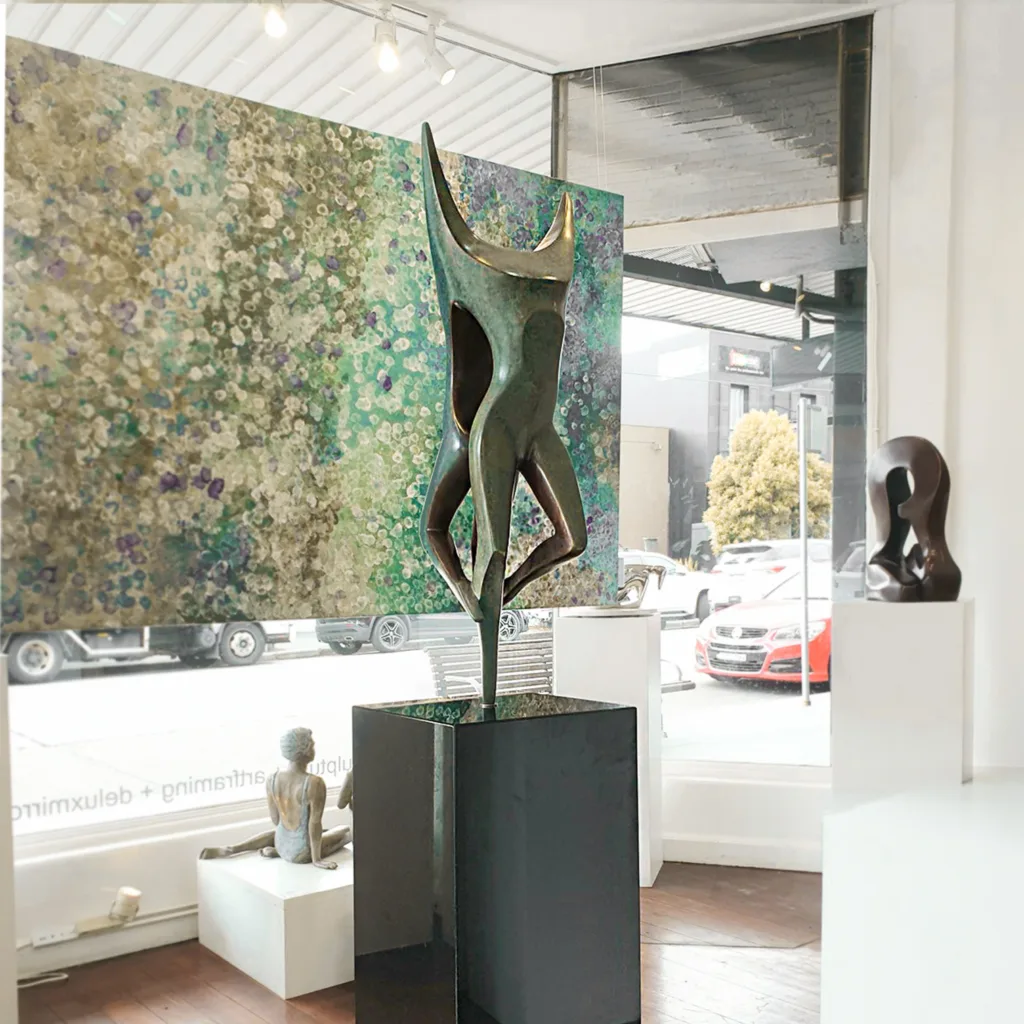
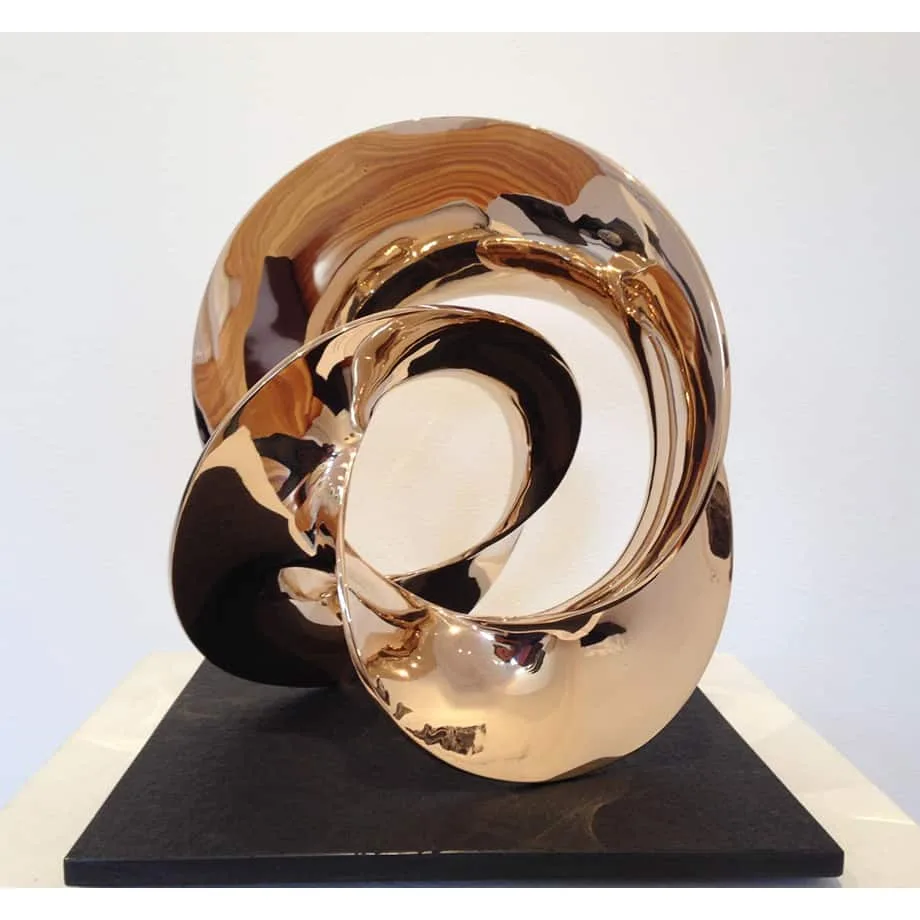
![Lissajous 70cm [stainless-steel]](https://www.sohogalleries.net/wp-content/uploads/2021/10/BS-lissajous_70x65x30cm.webp "Australian Sculptors")
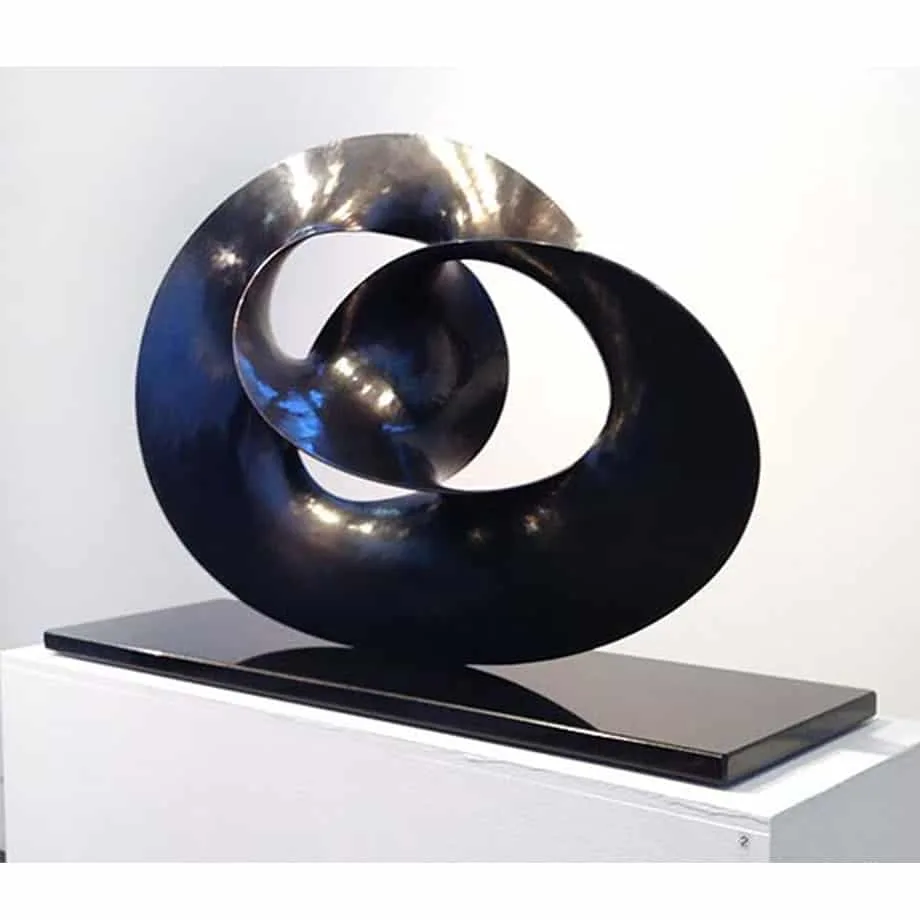
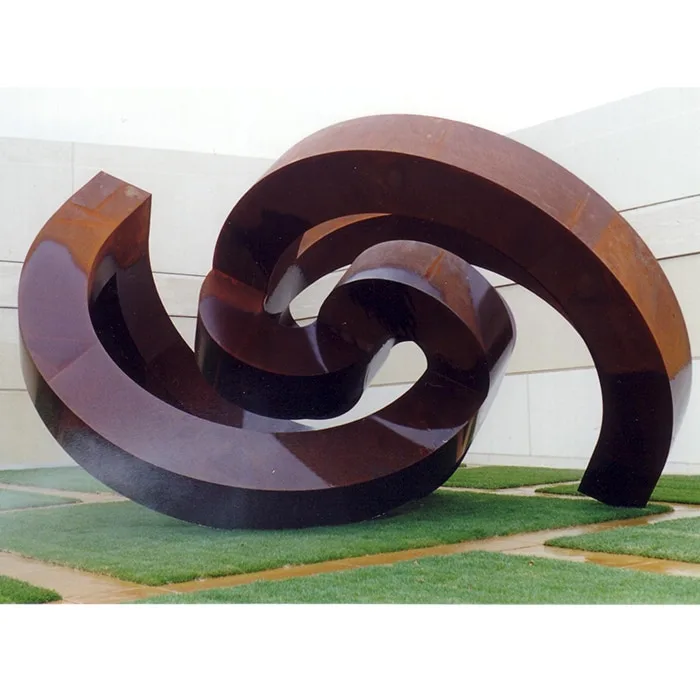
![Cycles - 210cm [Corten-steel]](https://www.sohogalleries.net/wp-content/uploads/2021/10/Cycles-2-210x210x70cm-MR-1.webp "Australian Sculptors")
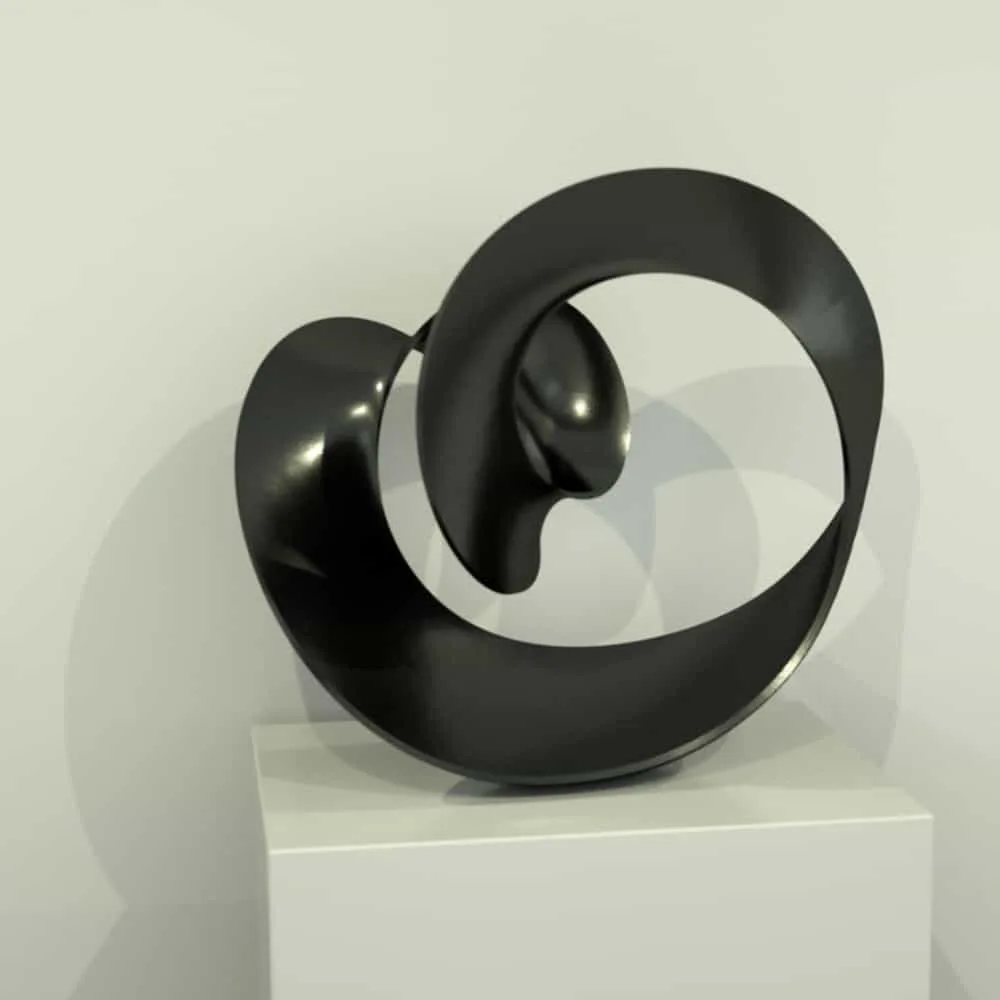
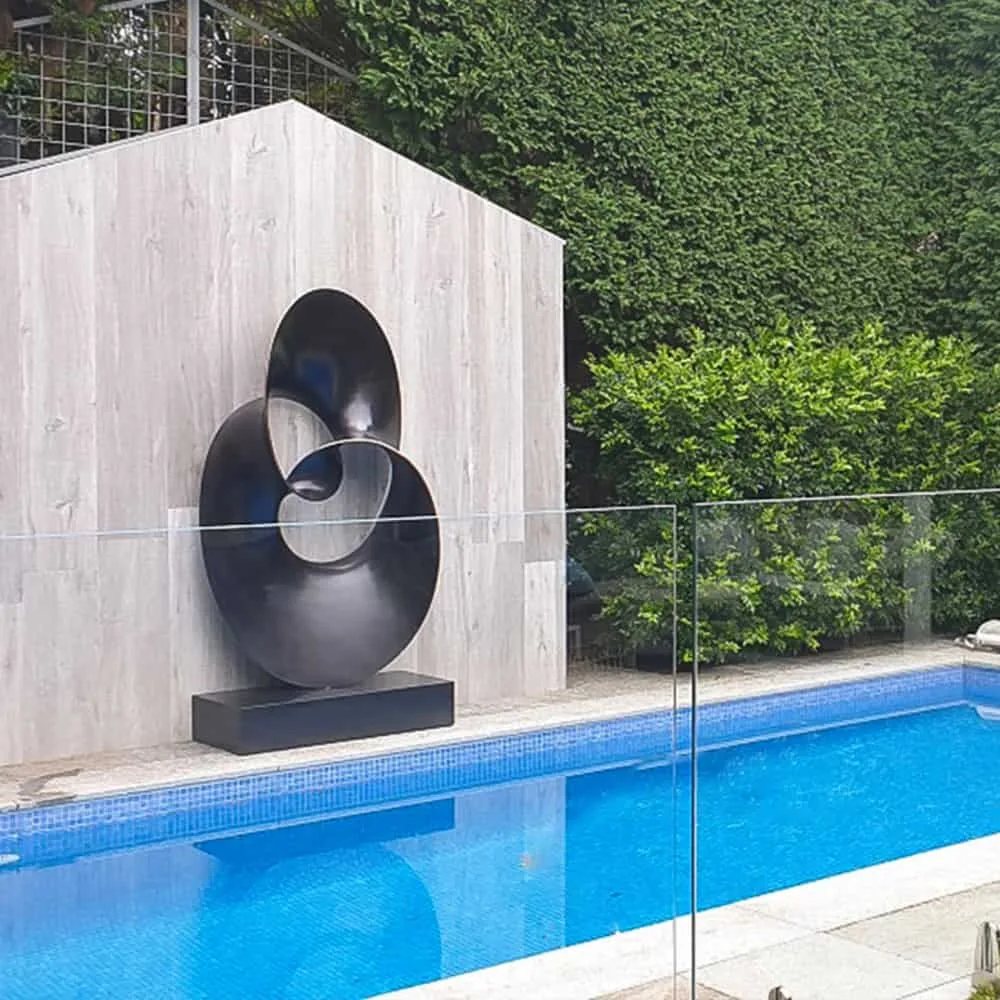
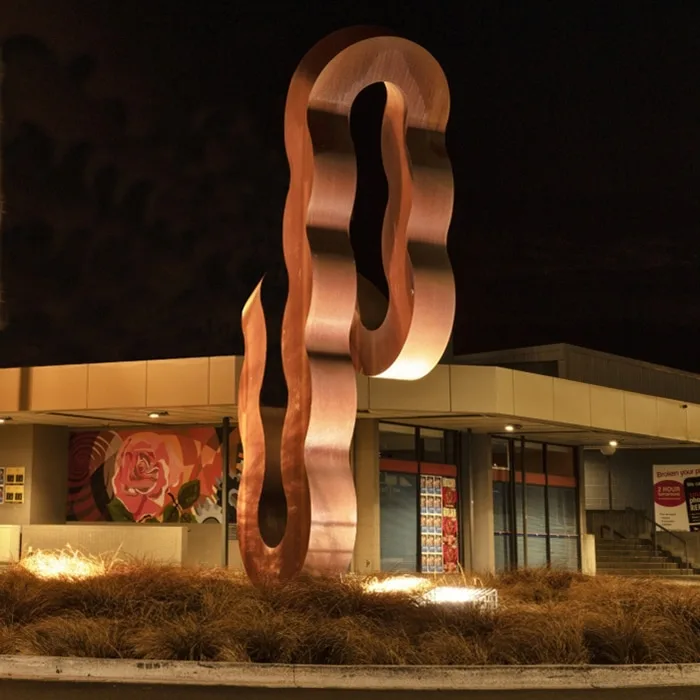
![Luminality - 180cm [Copper]](https://www.sohogalleries.net/wp-content/uploads/2021/02/Luminality180cm-COPPER-Free-standingOutdoor-Ben-Storch-sculpture-australian-abstract-twisted-form-art.webp "Australian Sculptors")
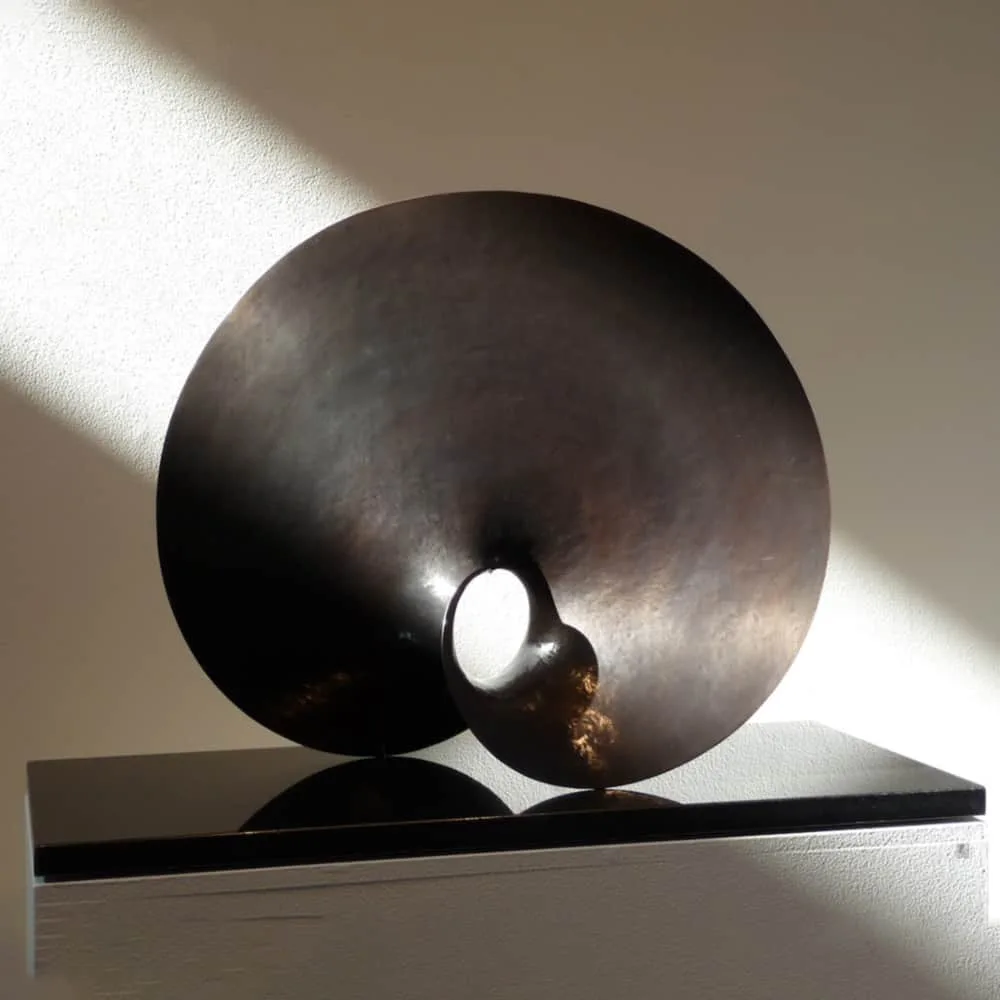
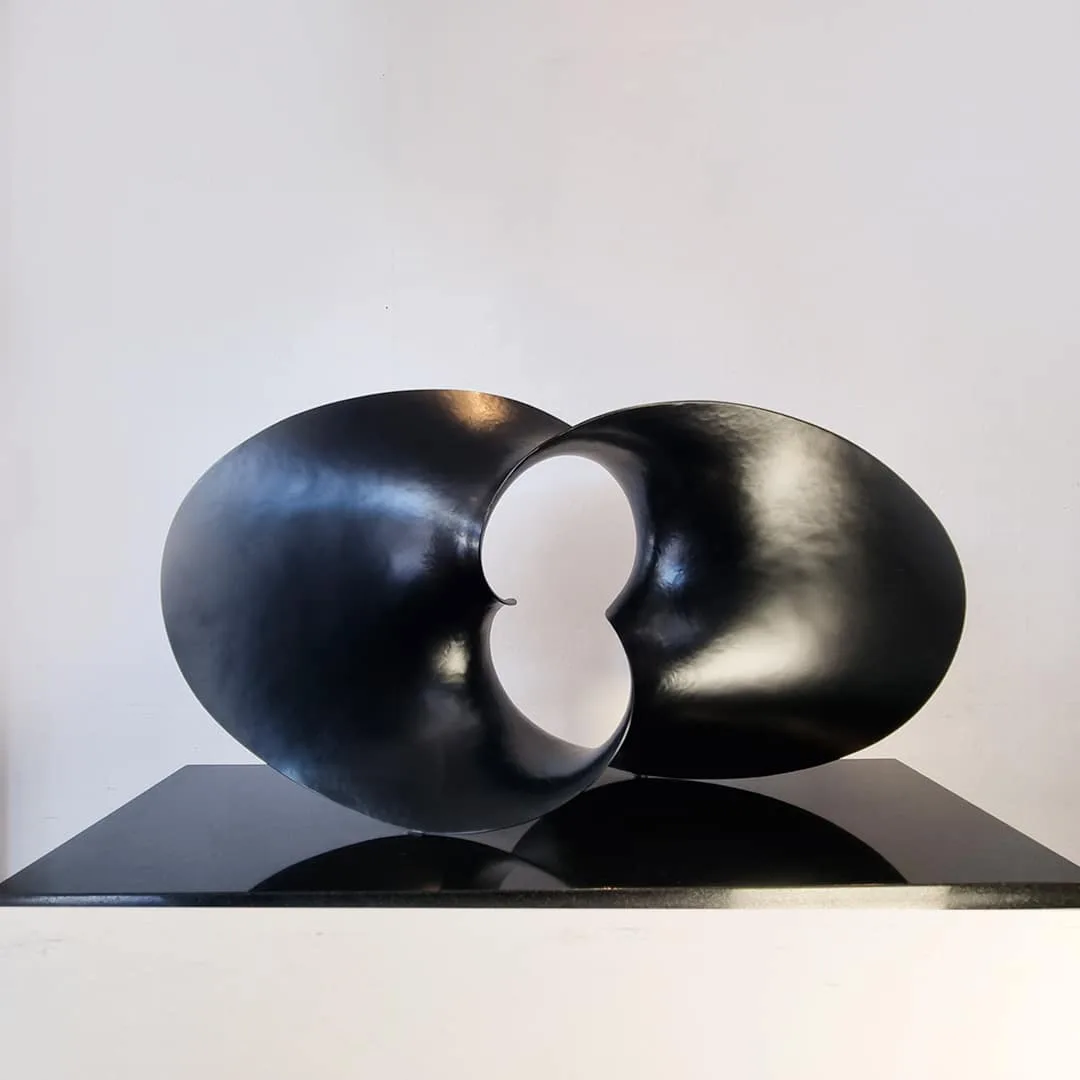
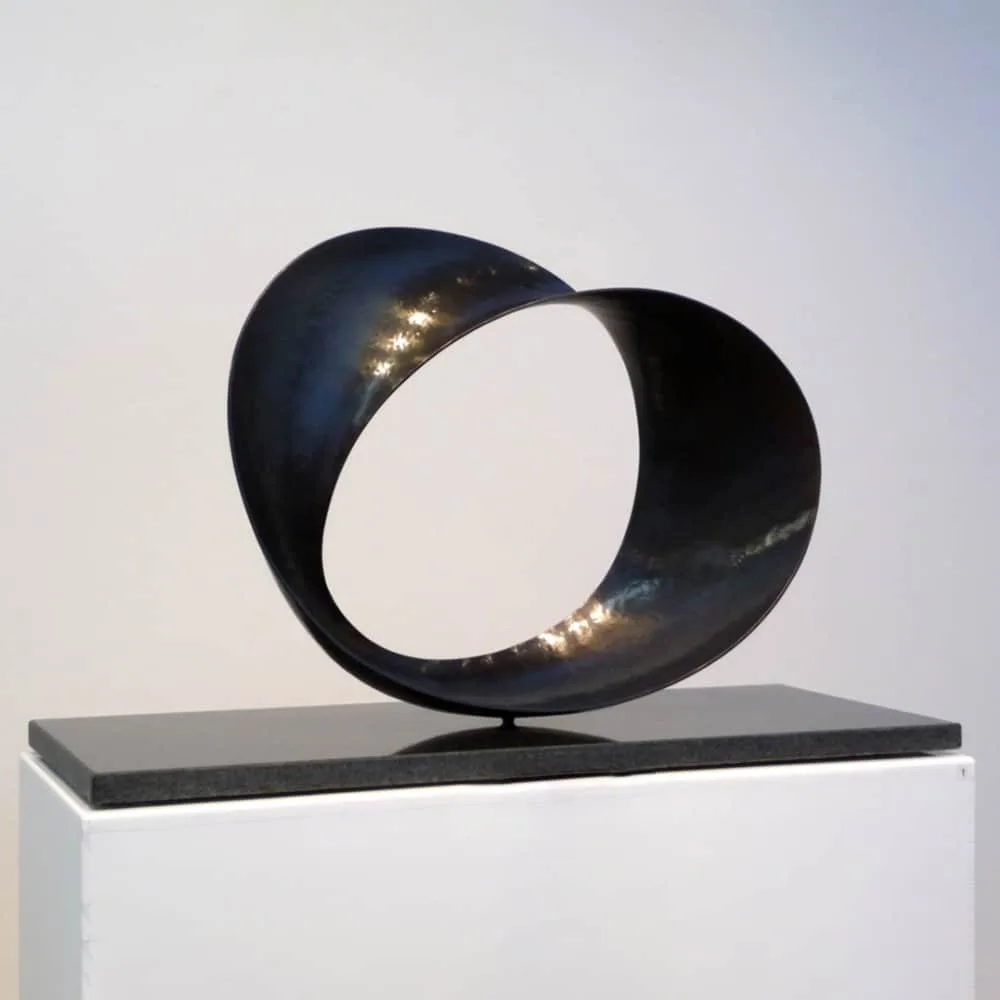
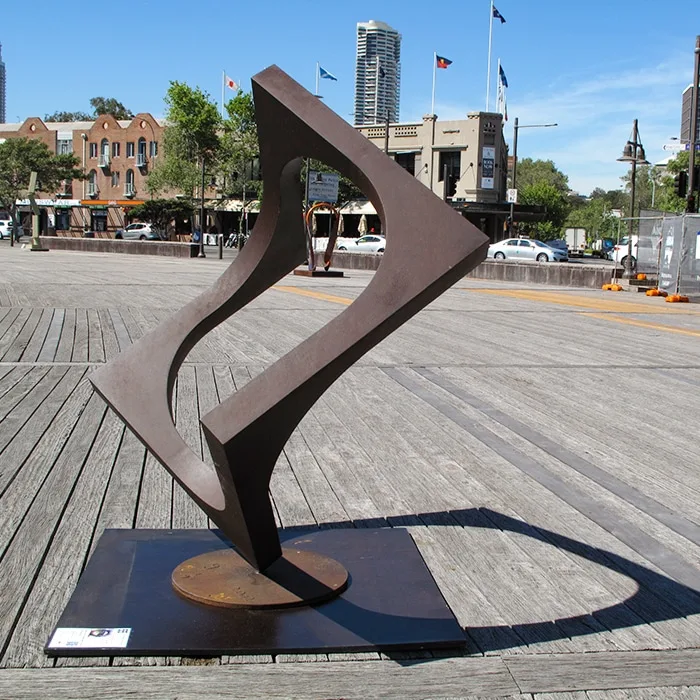
![Oscillate - 160cm [Stainless-Steel]](https://www.sohogalleries.net/wp-content/uploads/2021/10/BS-Oscillatess-6.webp "Australian Sculptors")
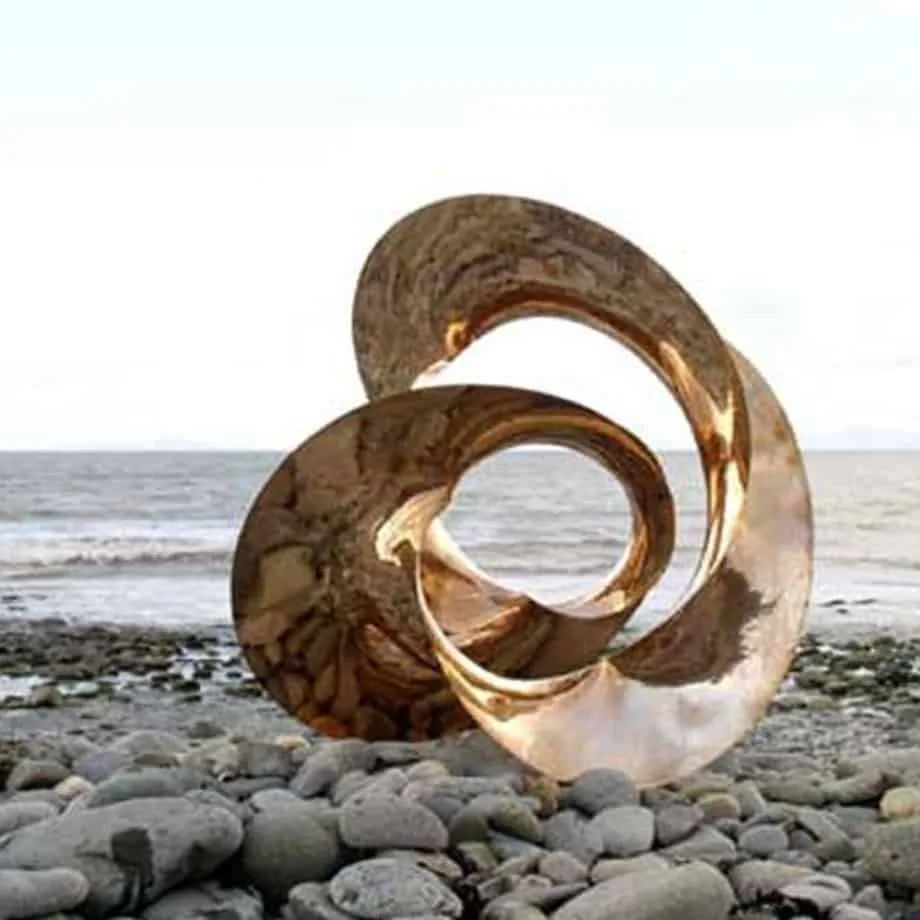
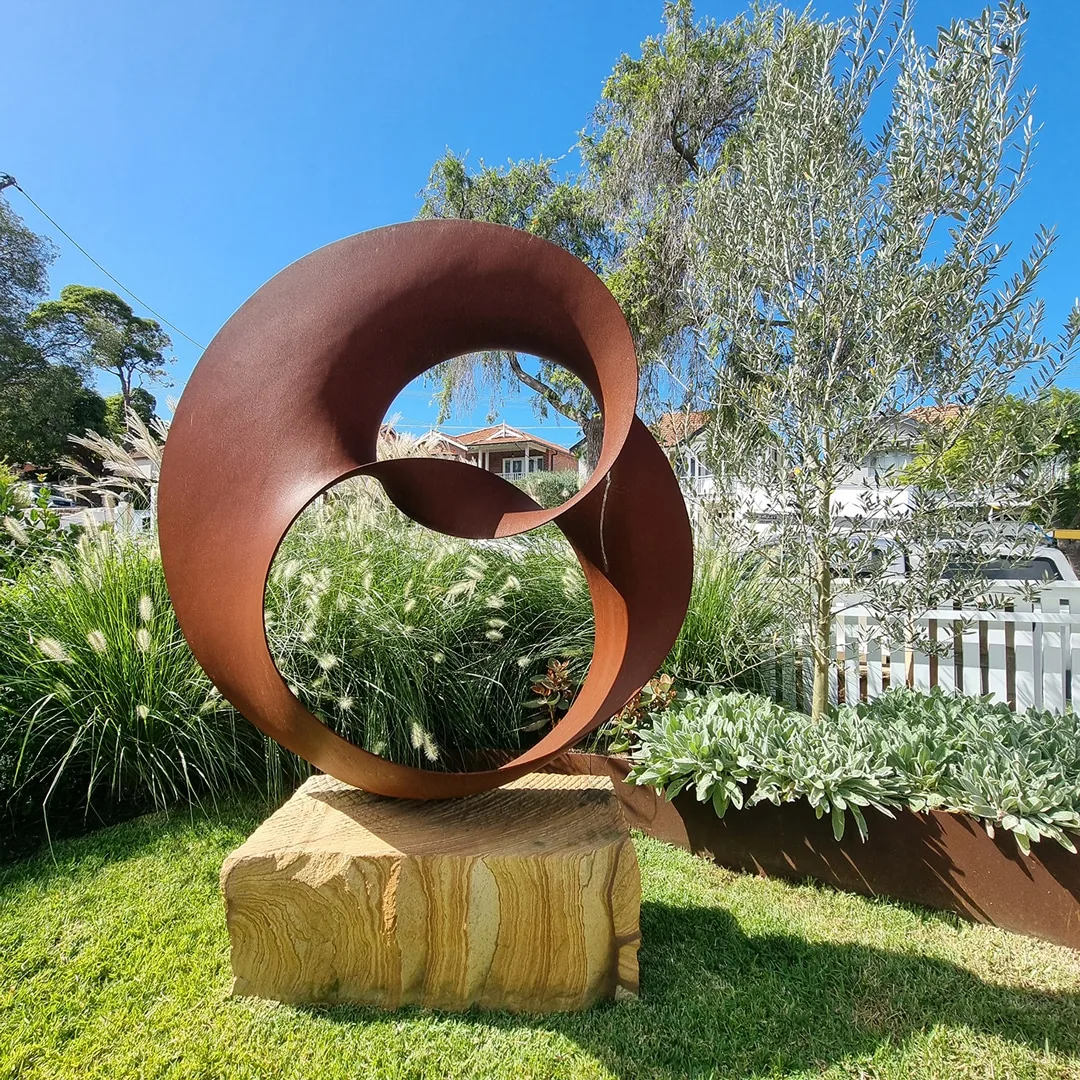
![Luminality - 180cm [Corten-steel]](https://www.sohogalleries.net/wp-content/uploads/2021/02/Luminality180cm-CORTEN-CortenFree-standingOutdoor-Ben-Storch-sculpture-australian-abstract-twisted-form-art.webp "Australian Sculptors")
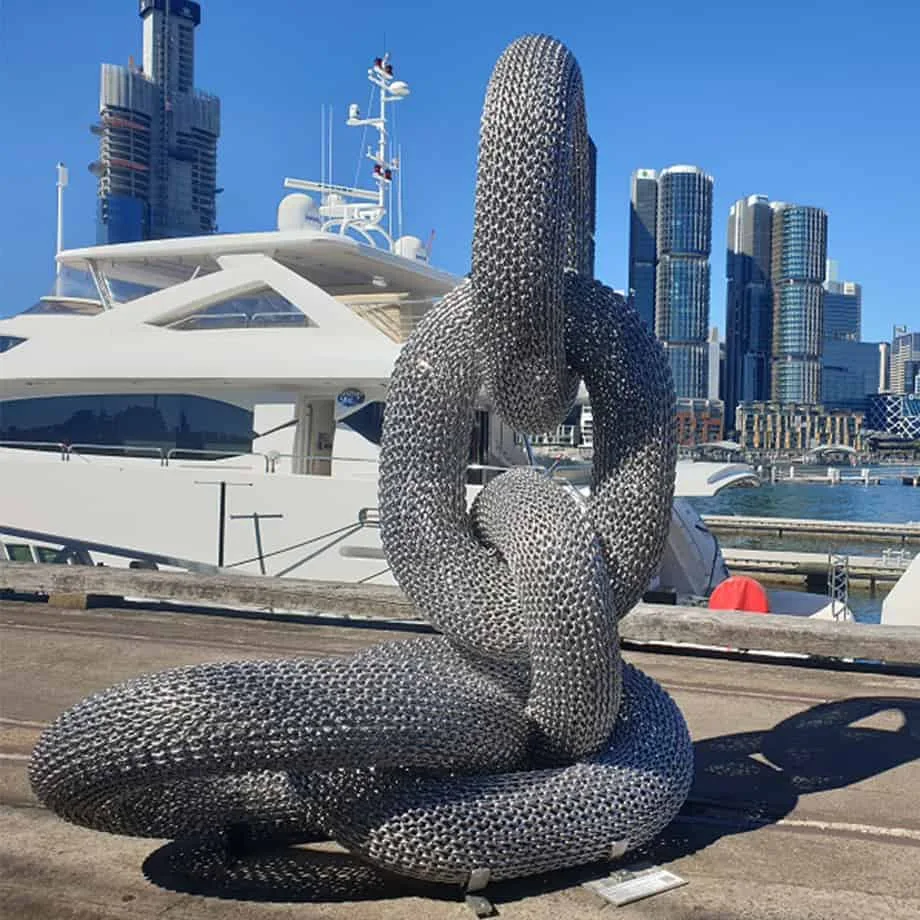
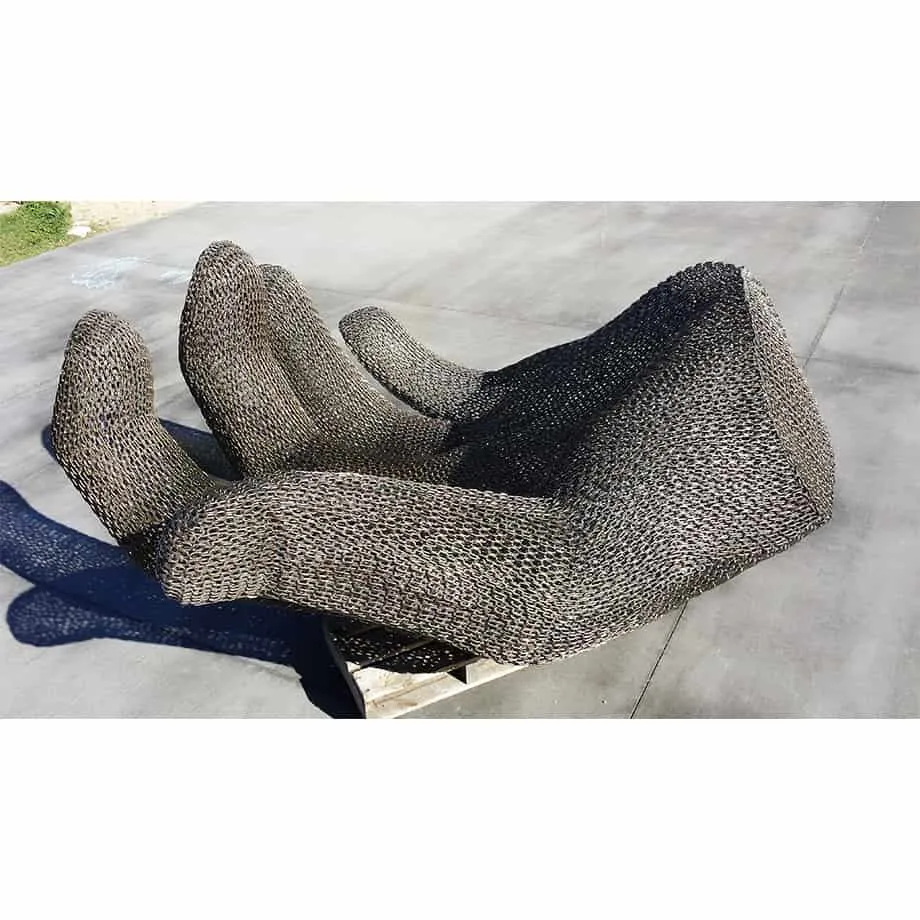
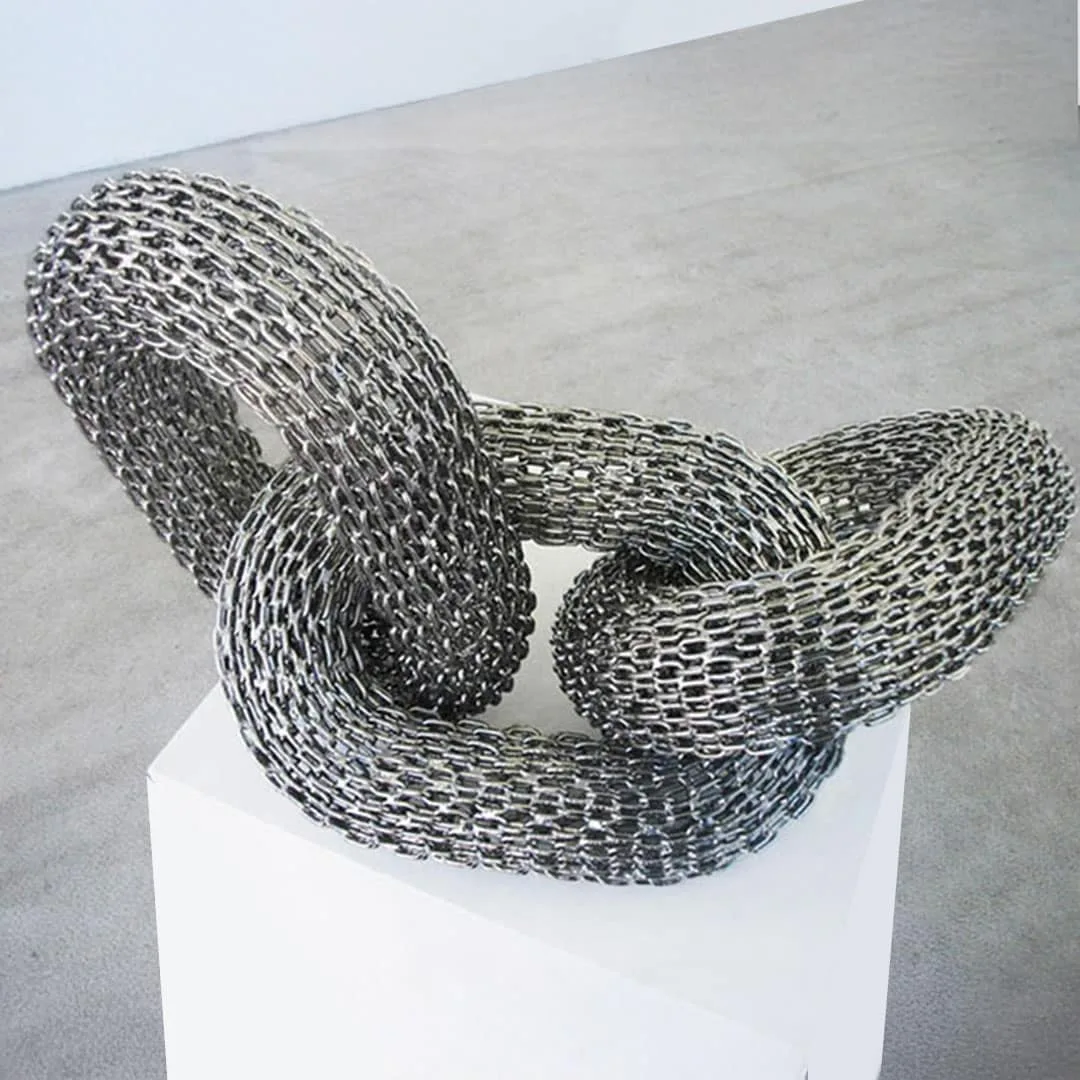
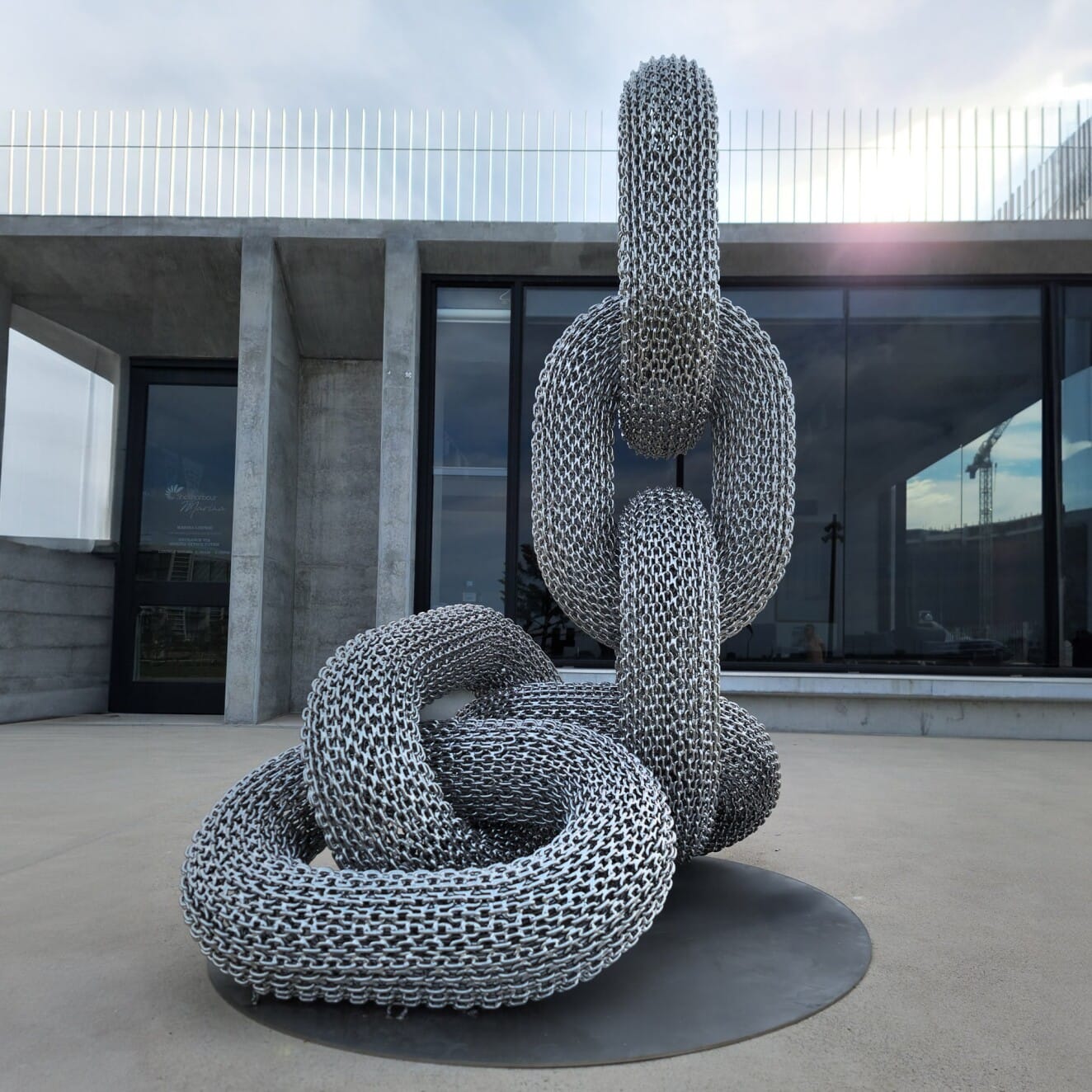
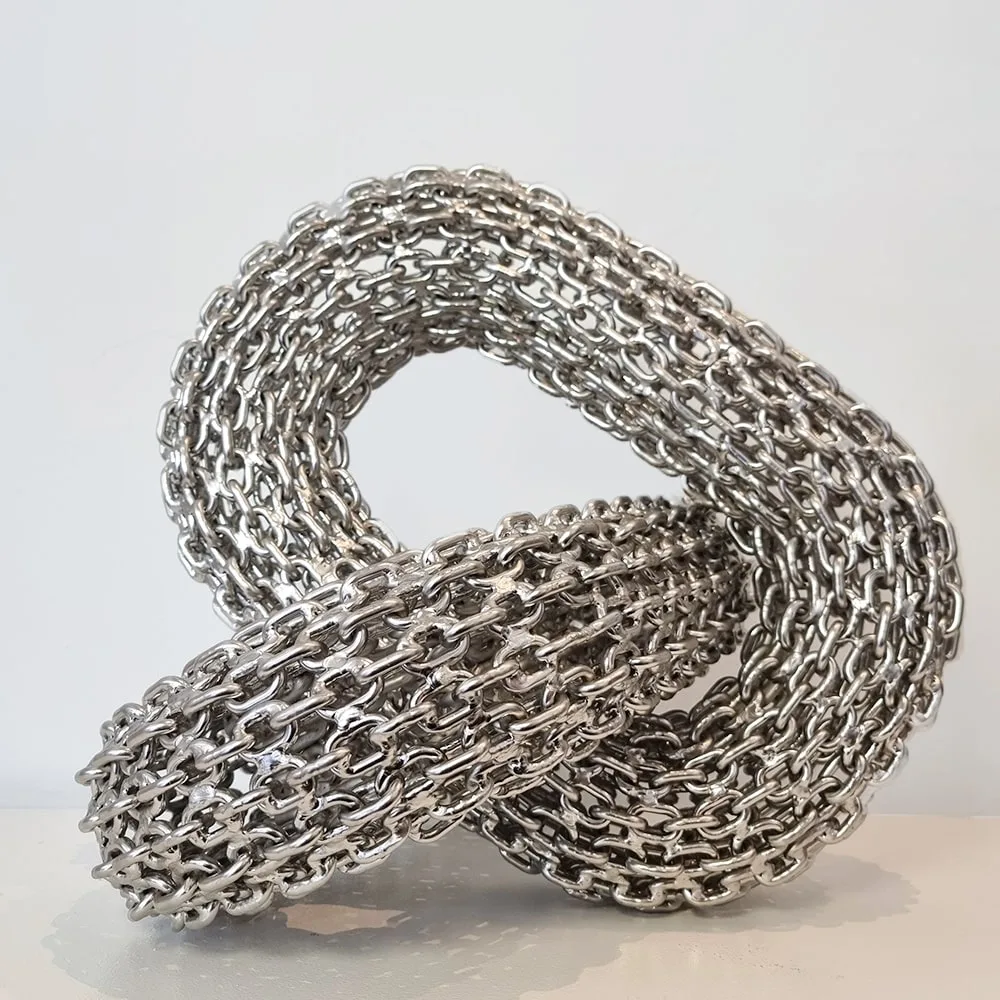
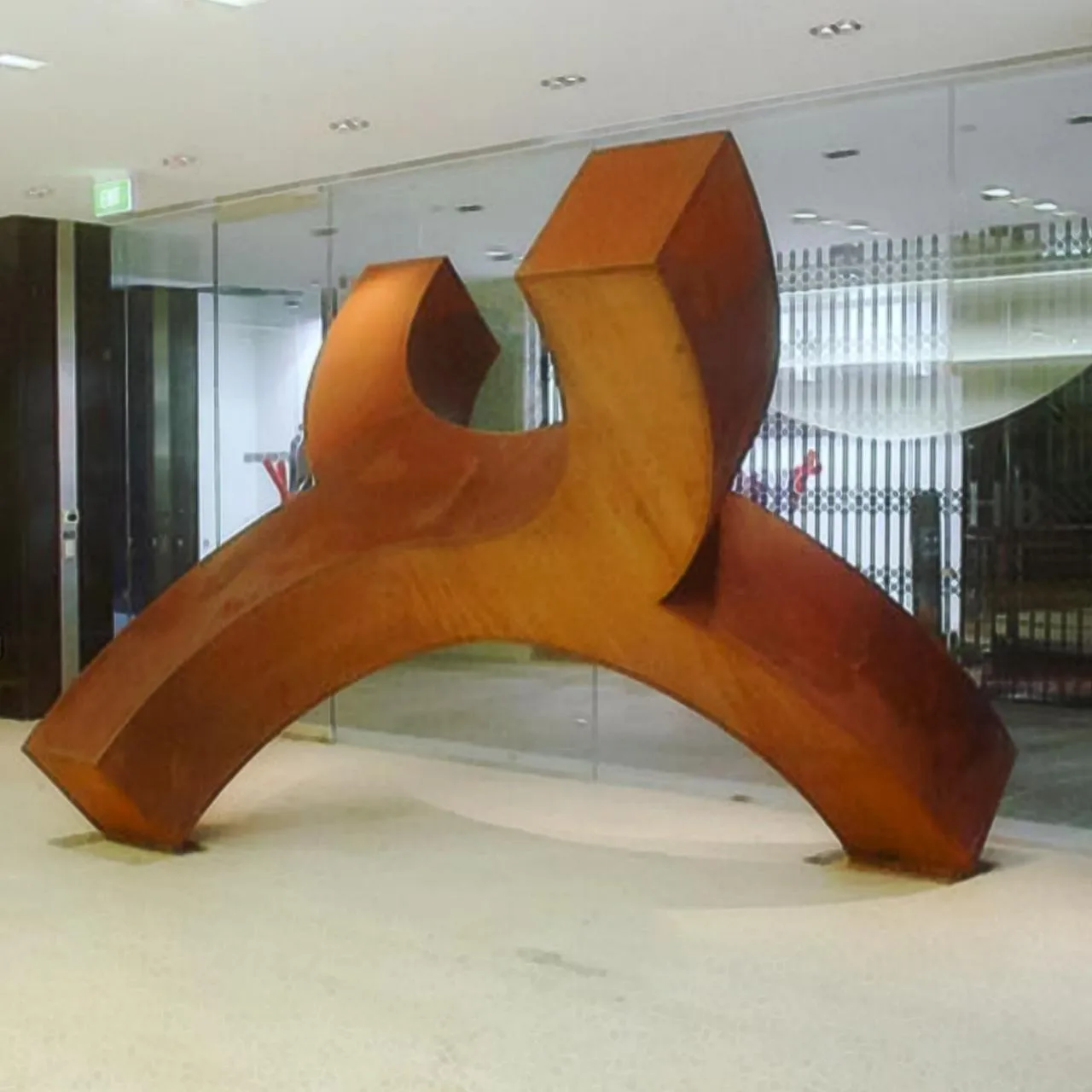
![Clasp - 3.5m [sold]](https://www.sohogalleries.net/wp-content/uploads/2021/02/Clasp-3.5m.webp "Australian Sculptors")
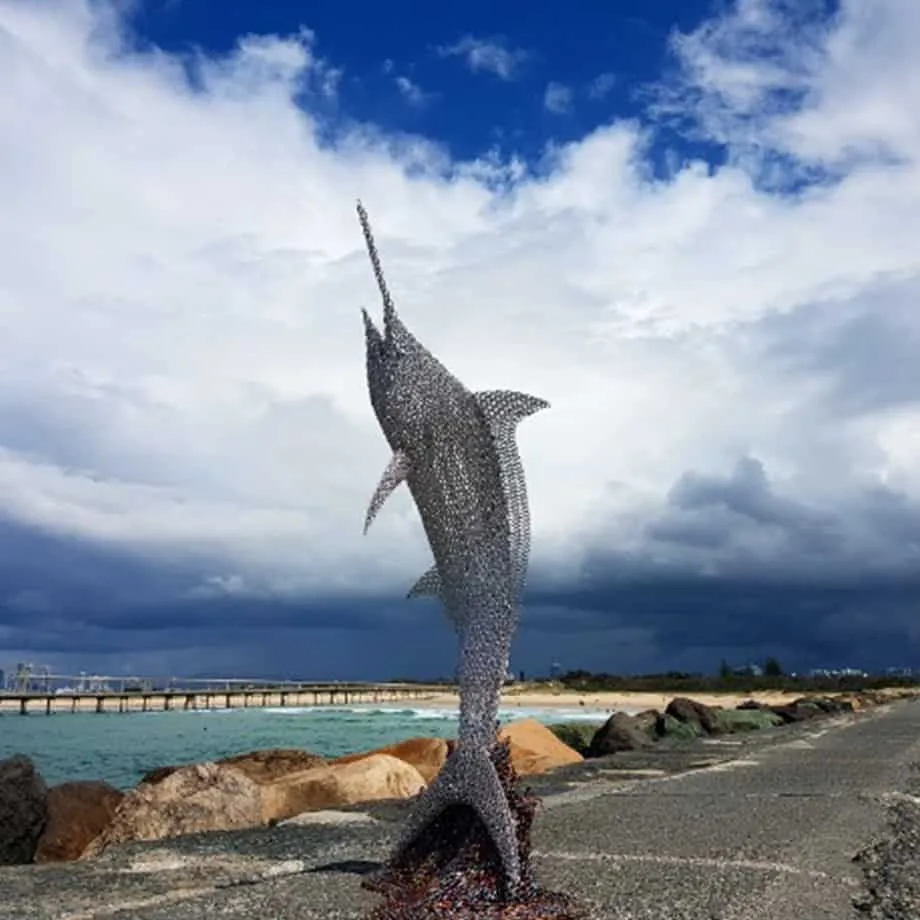
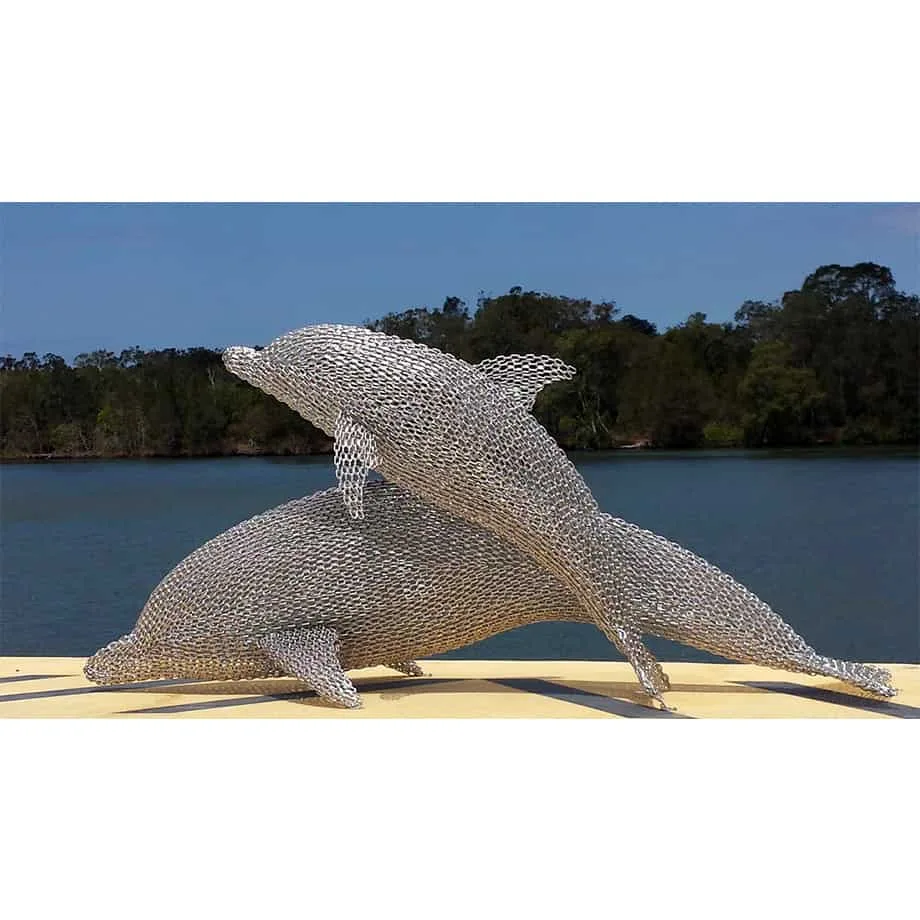
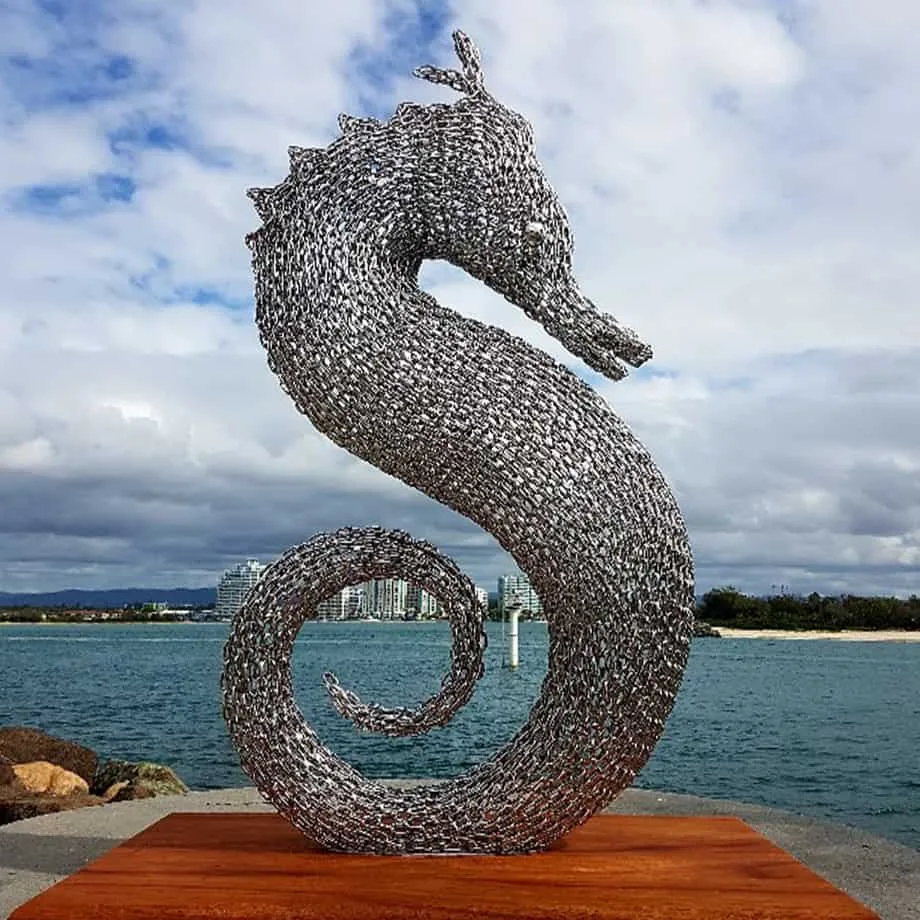
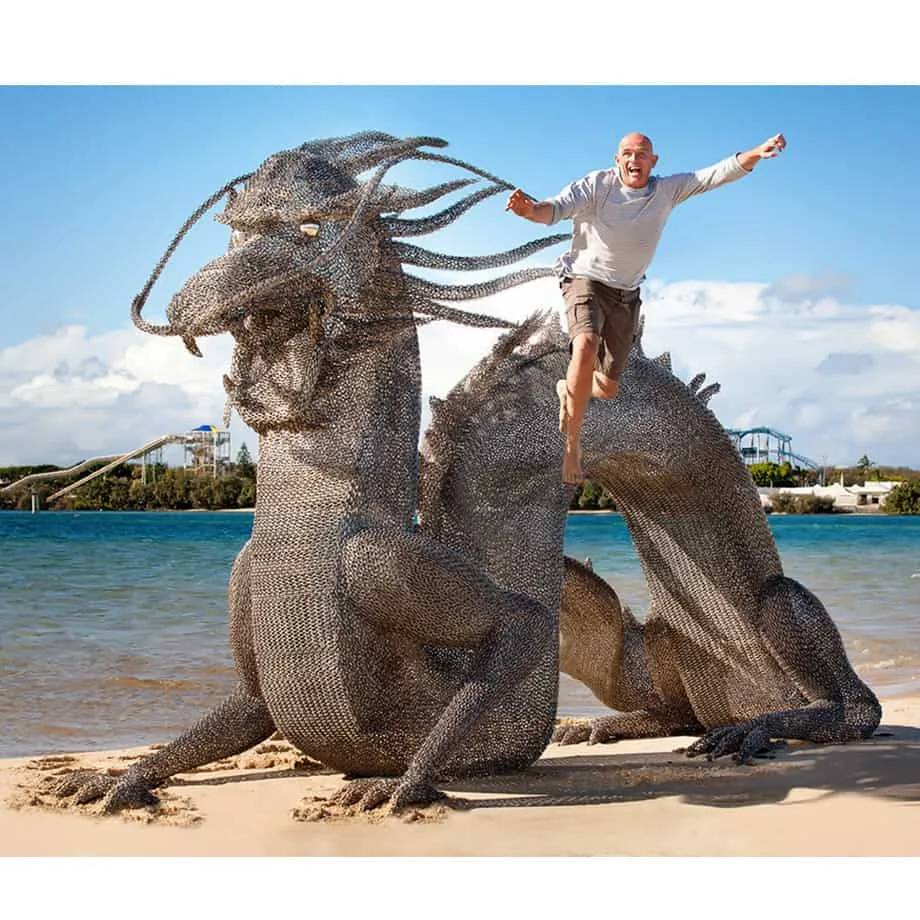

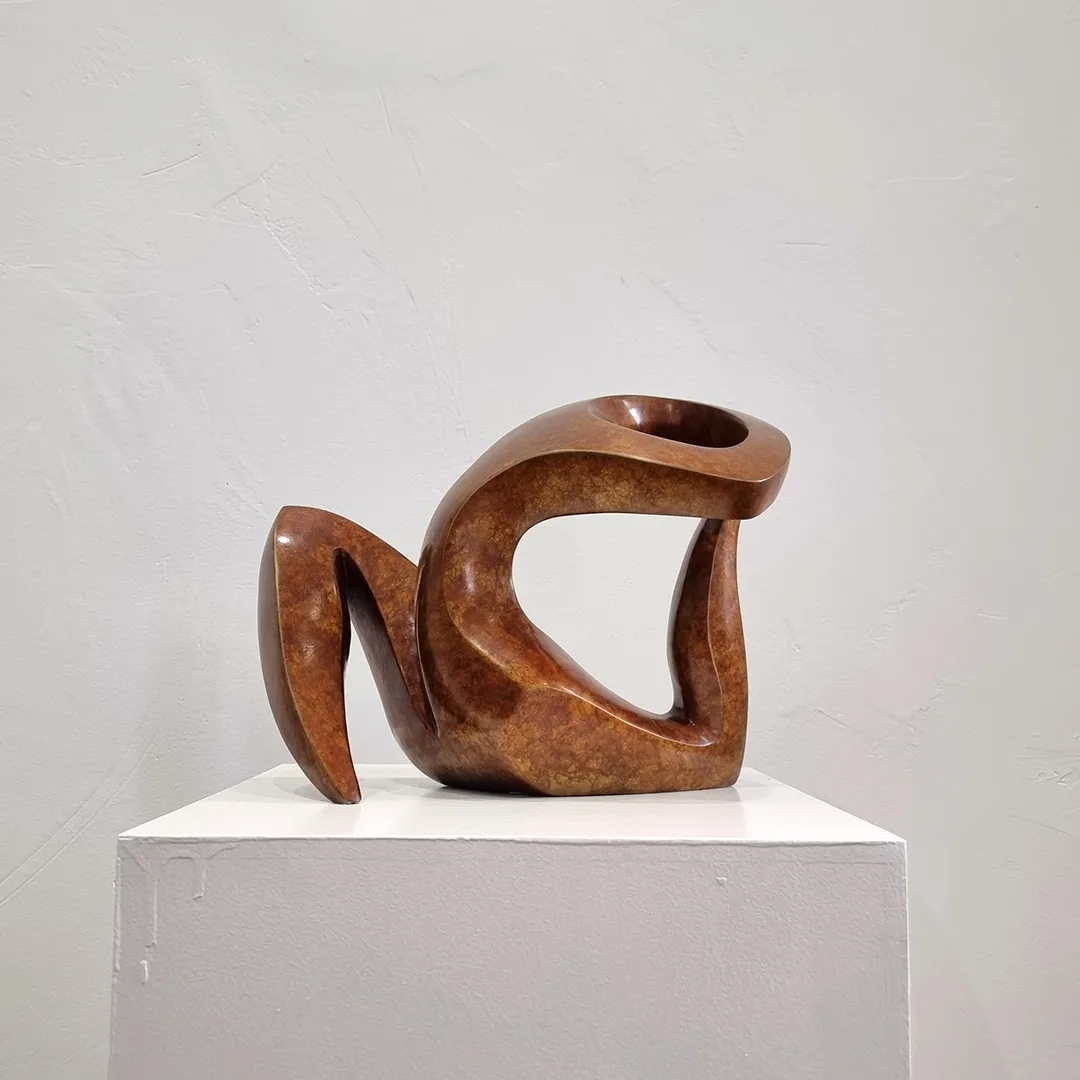
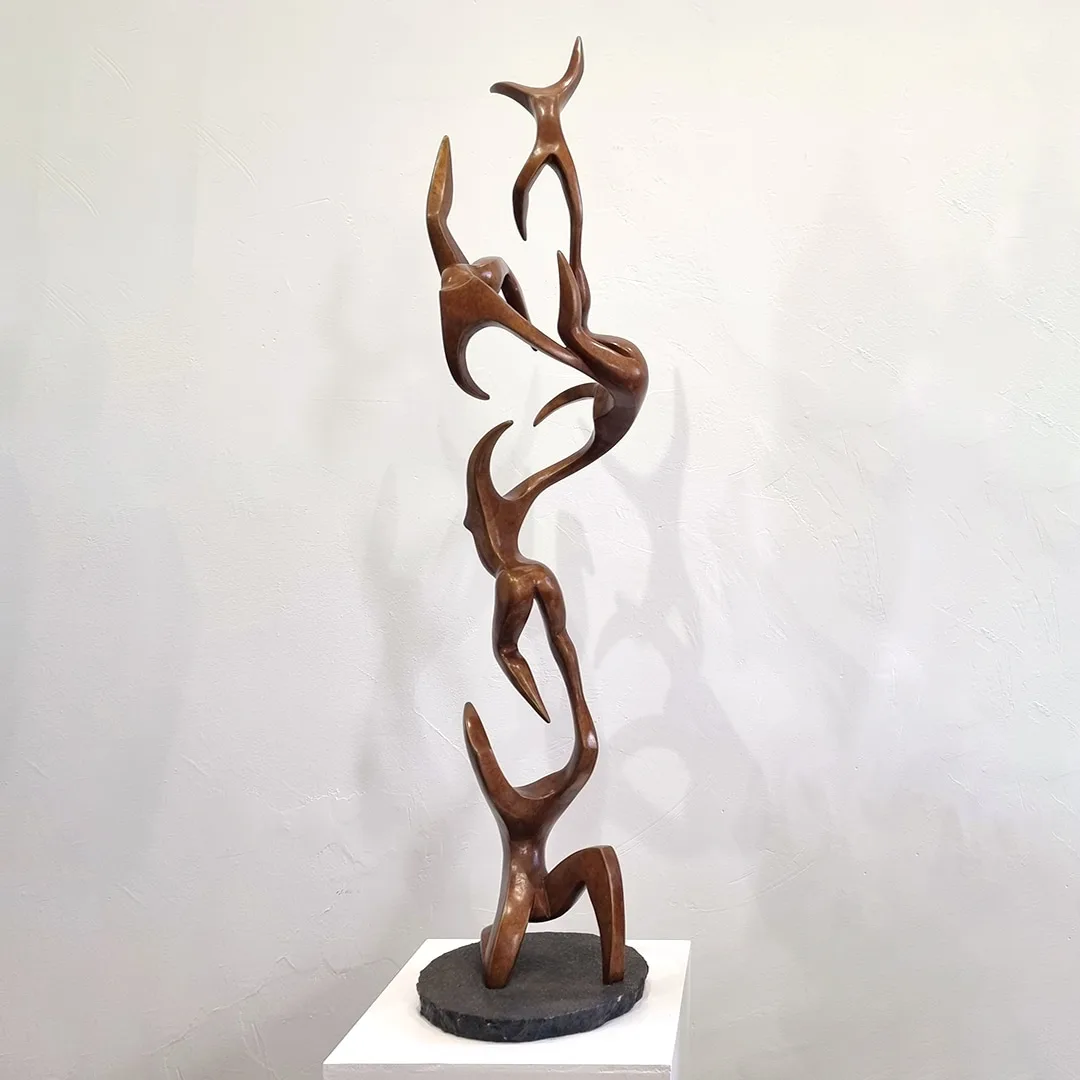
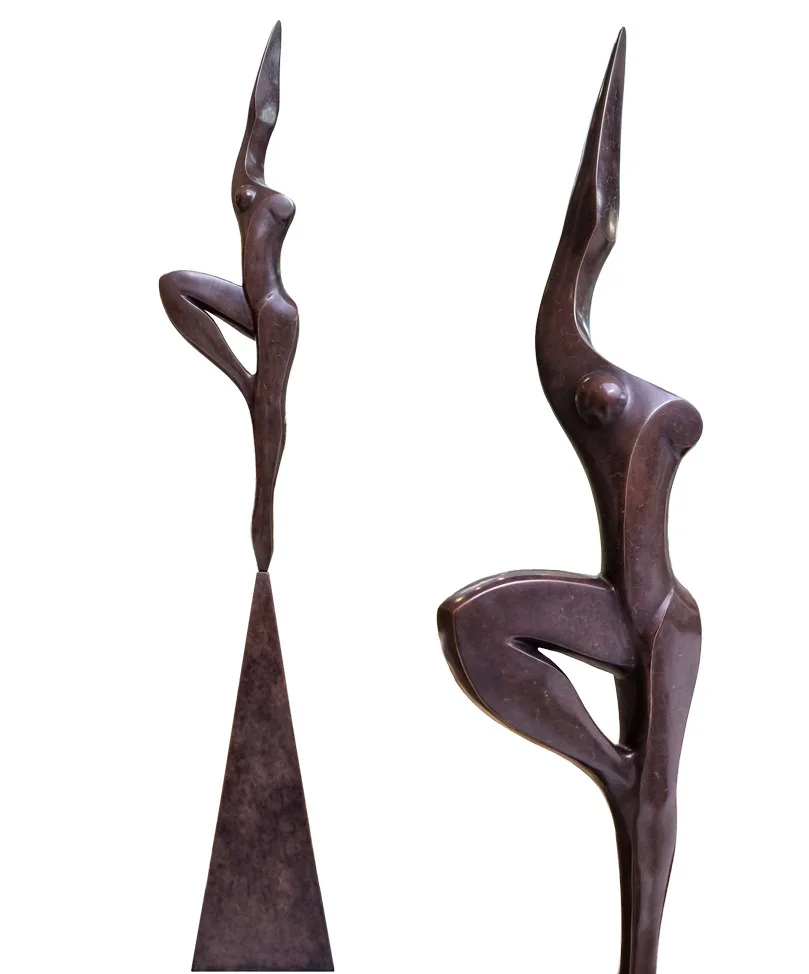
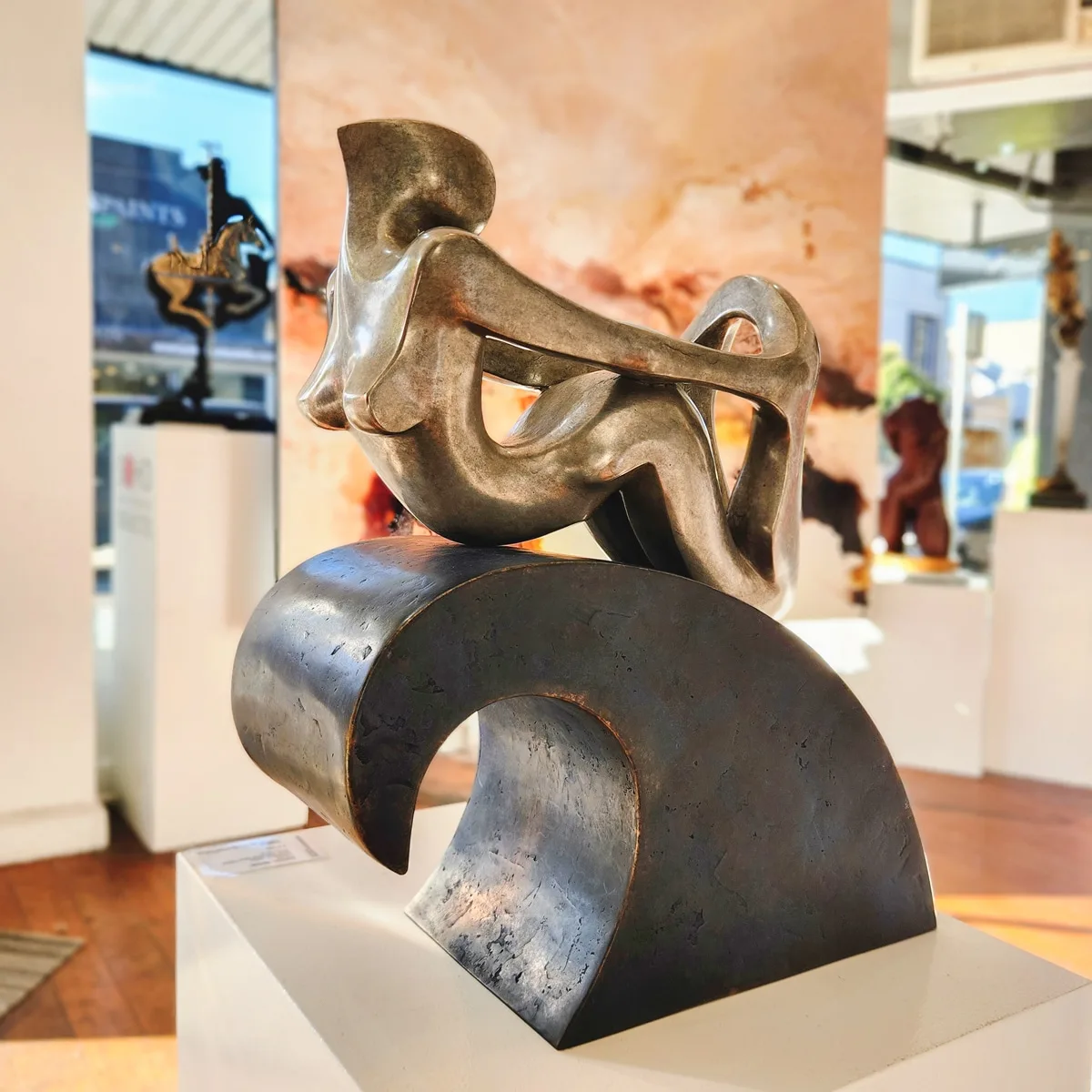
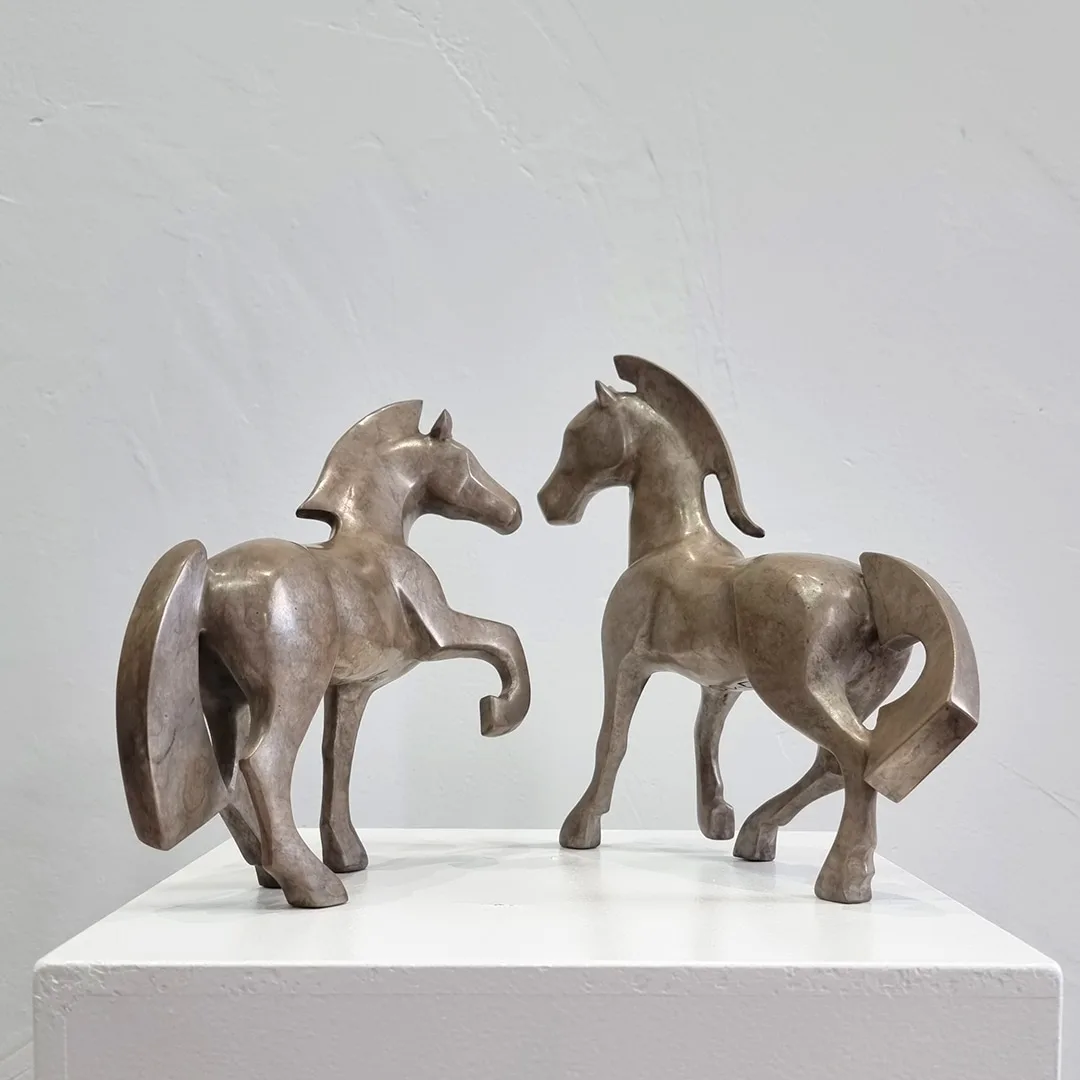
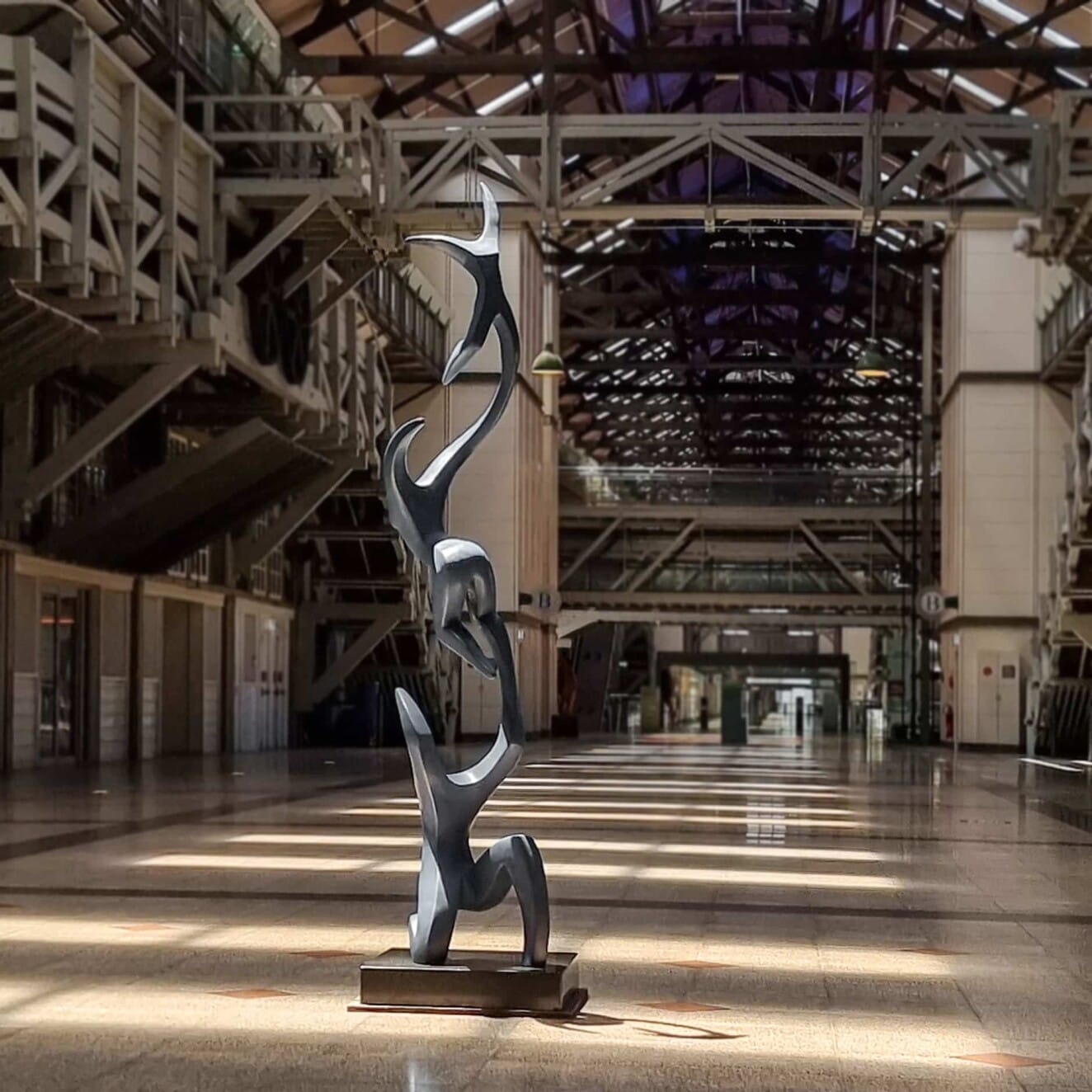
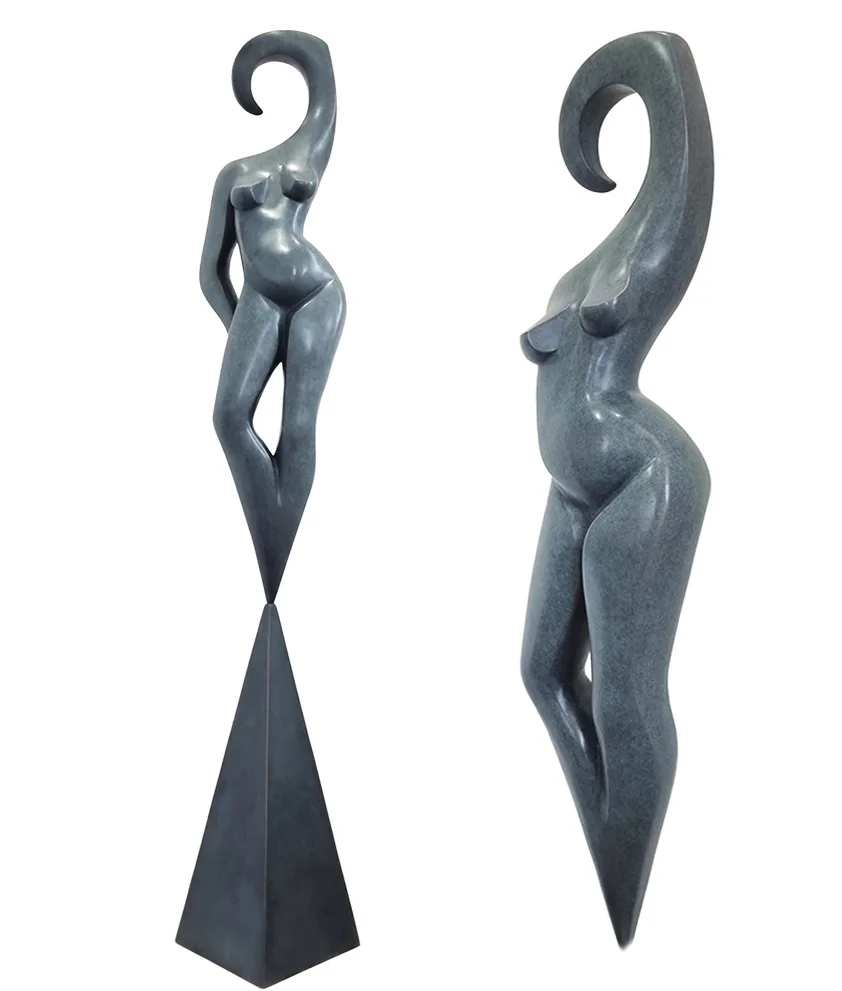
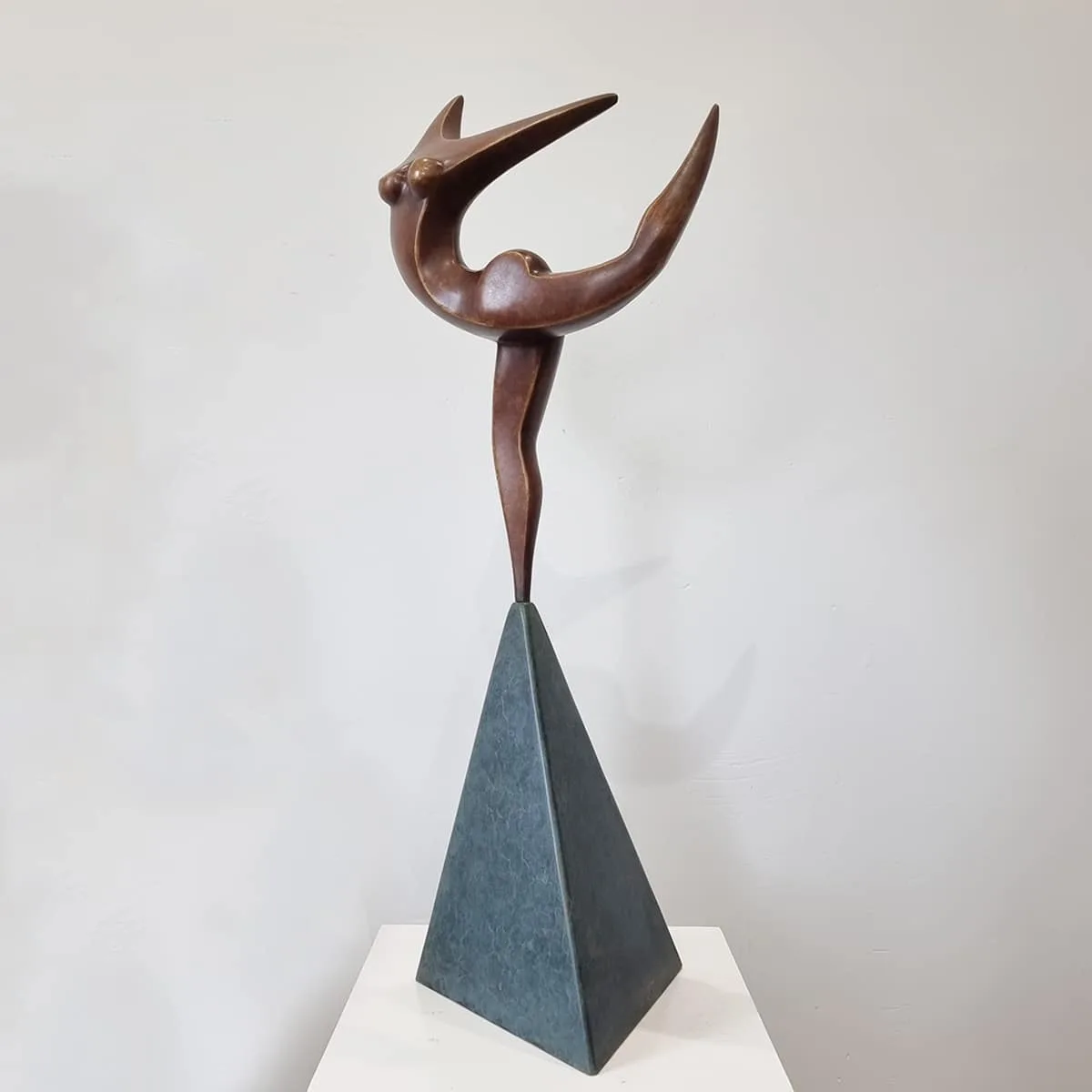
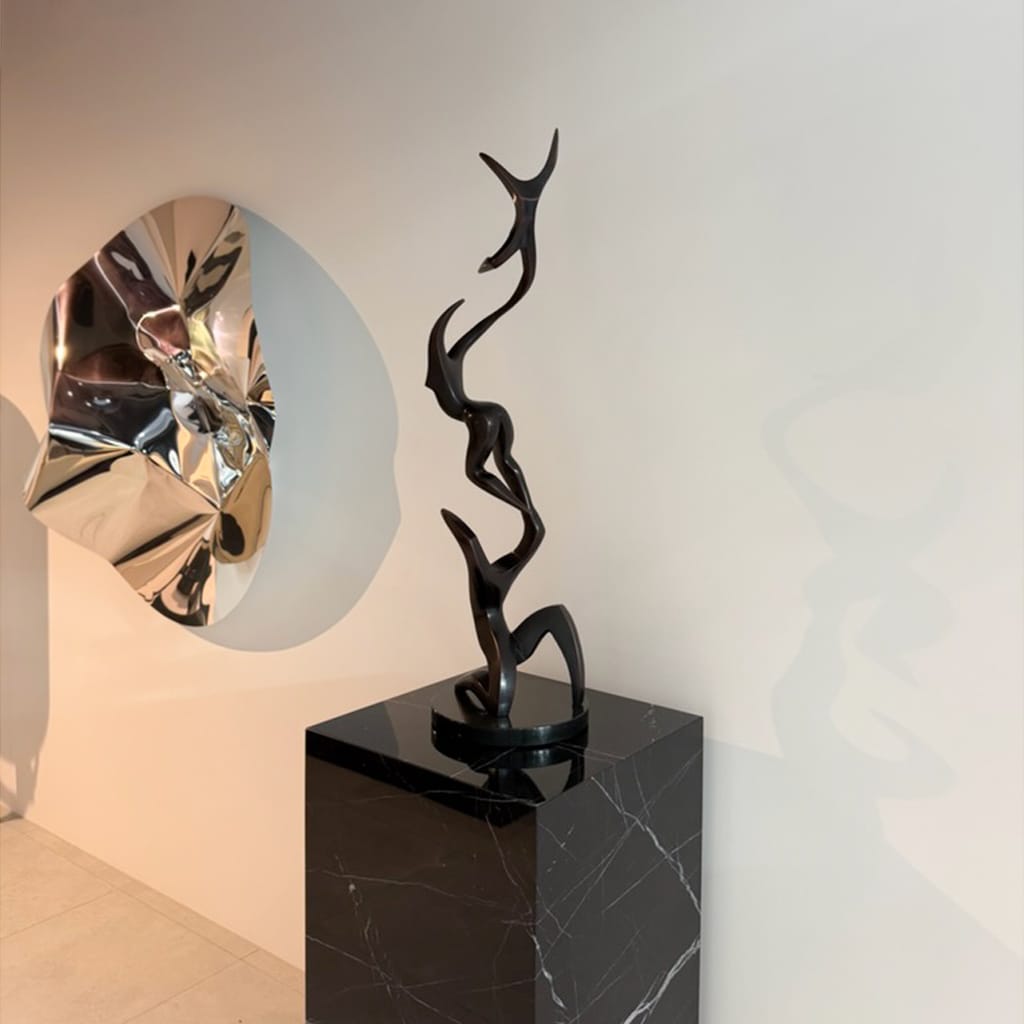
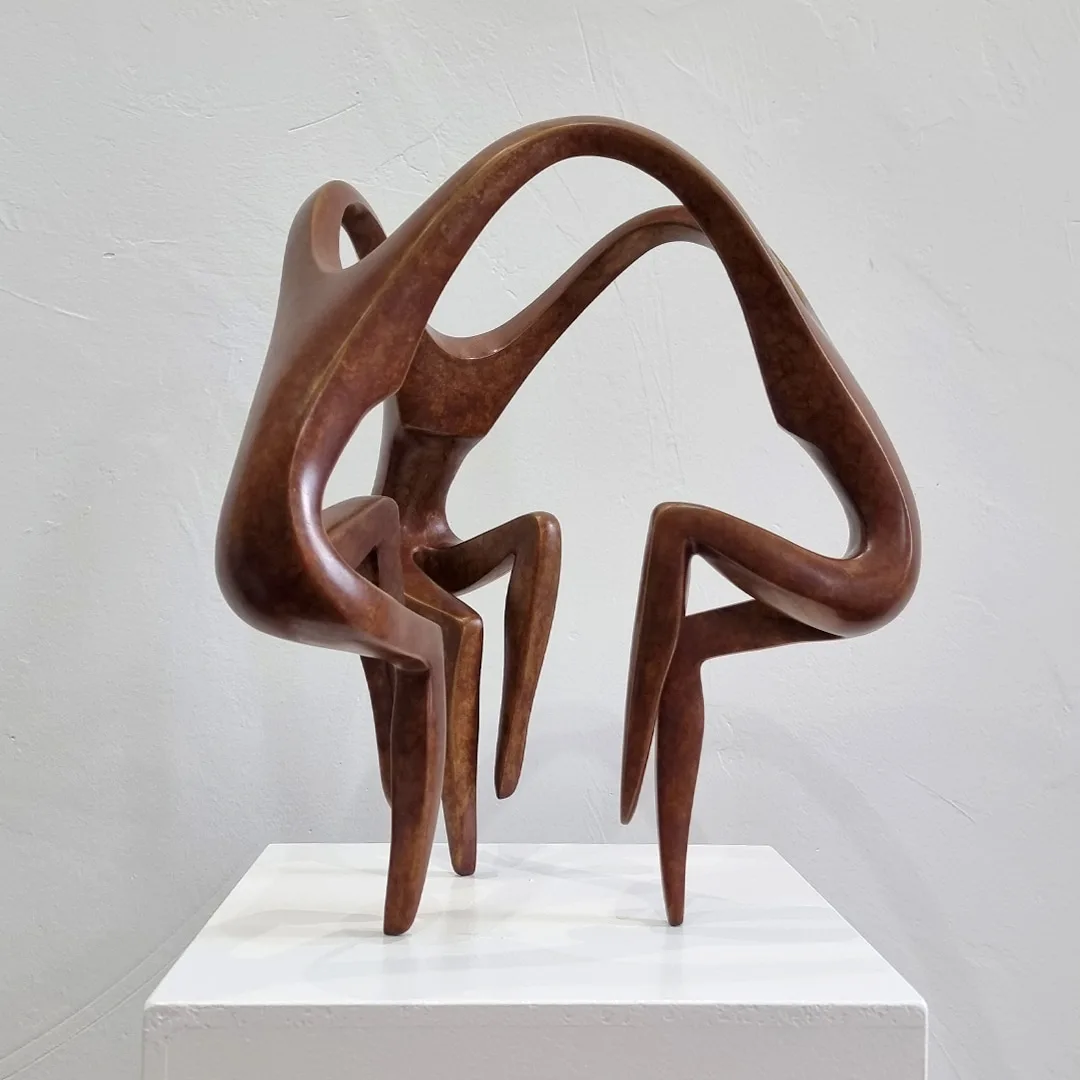
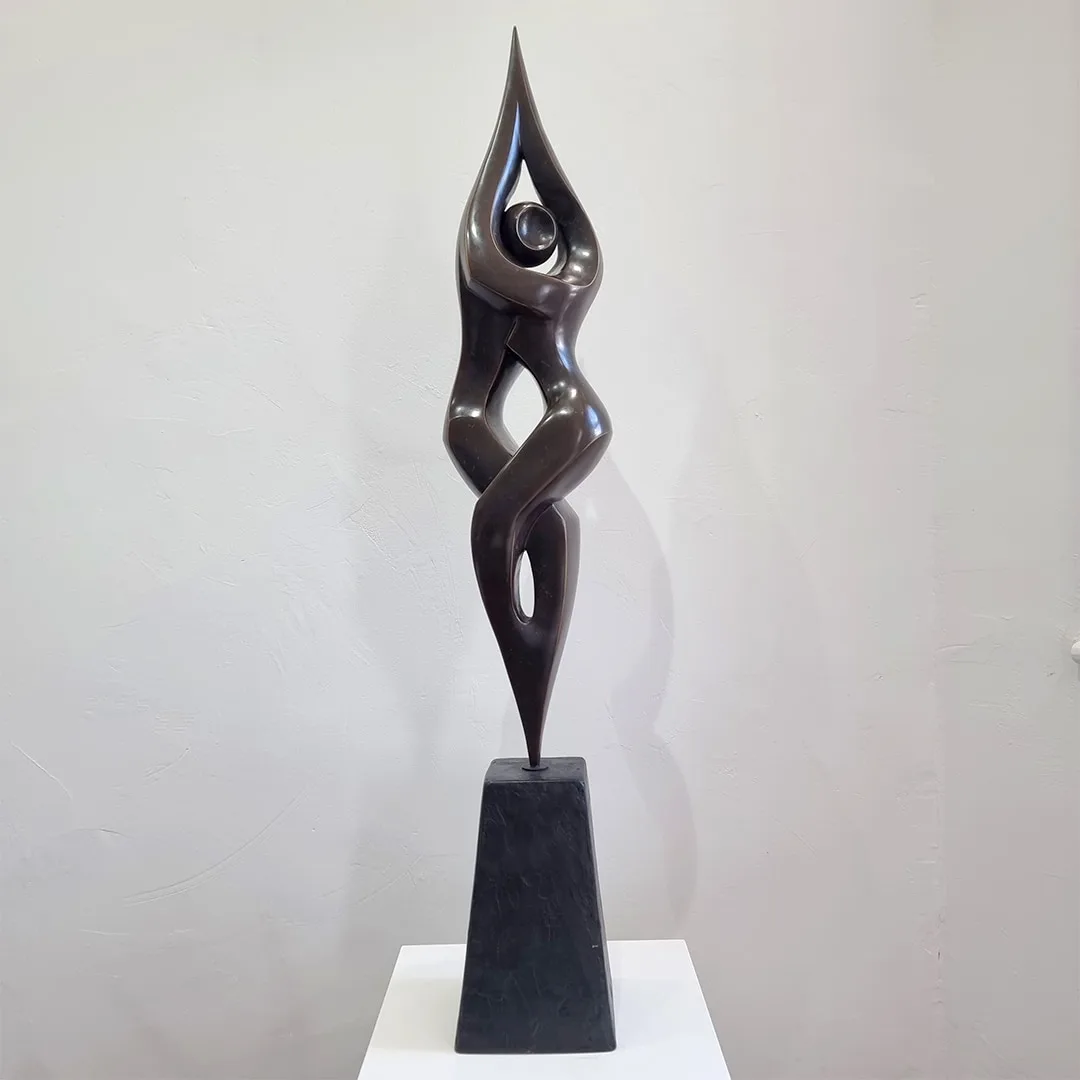
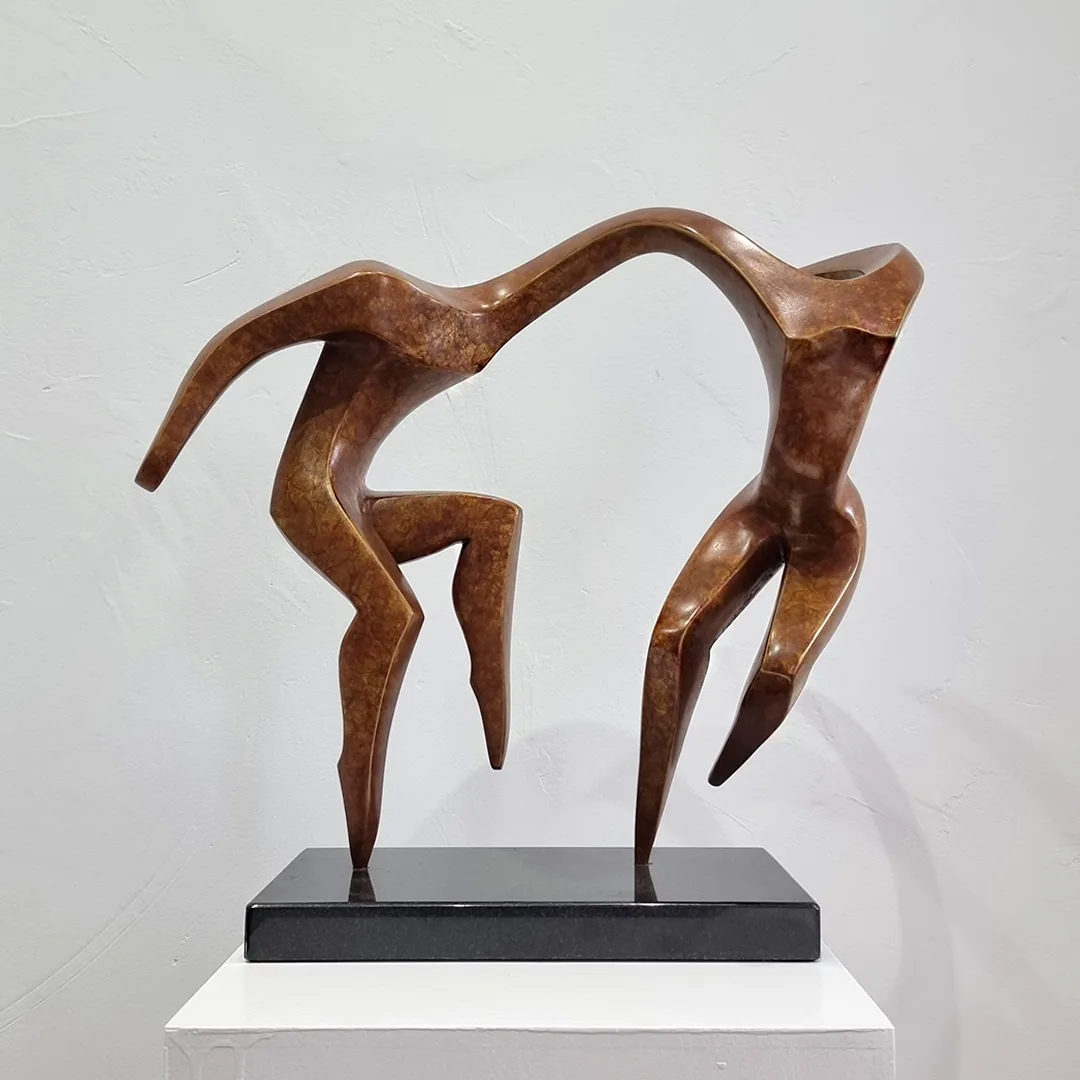
How sculpture is actually made
Most of what separates one sculpture from another comes down to process, and there are really only four.
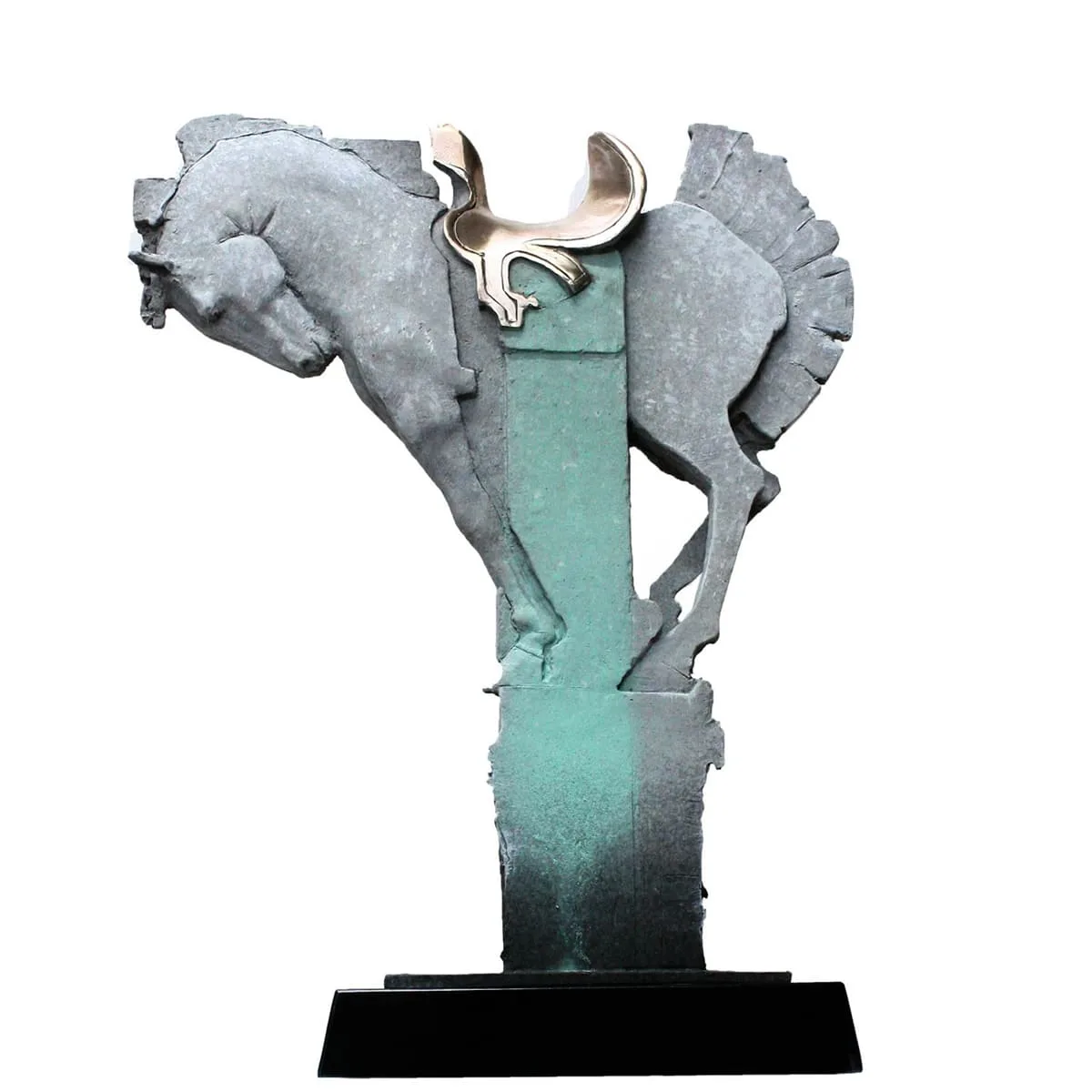
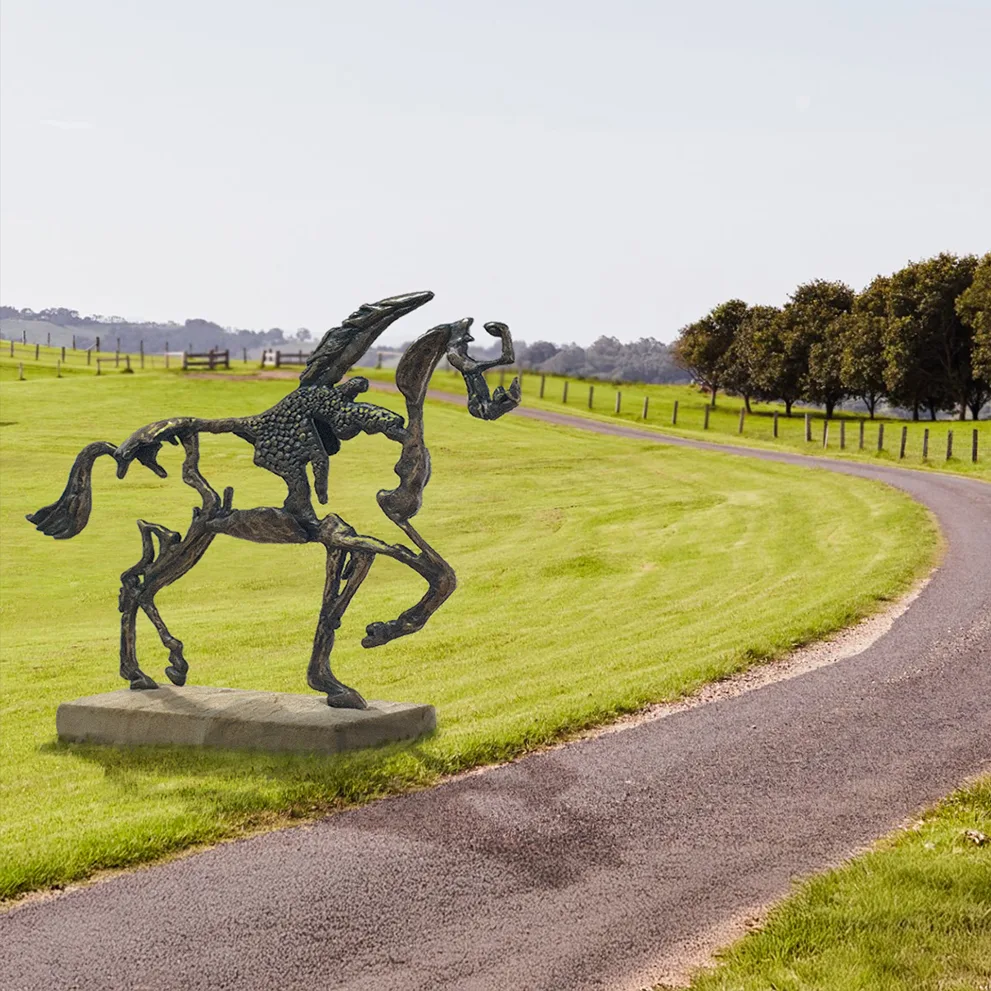
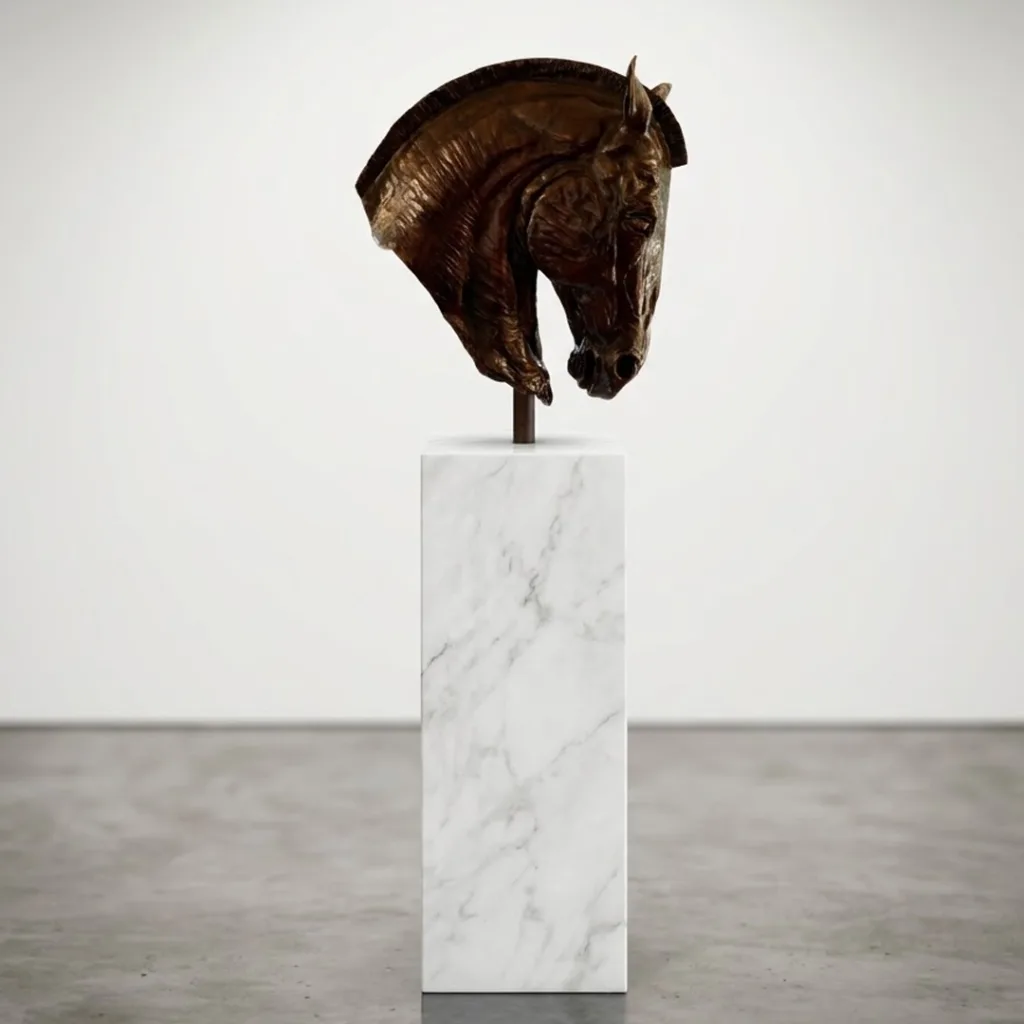
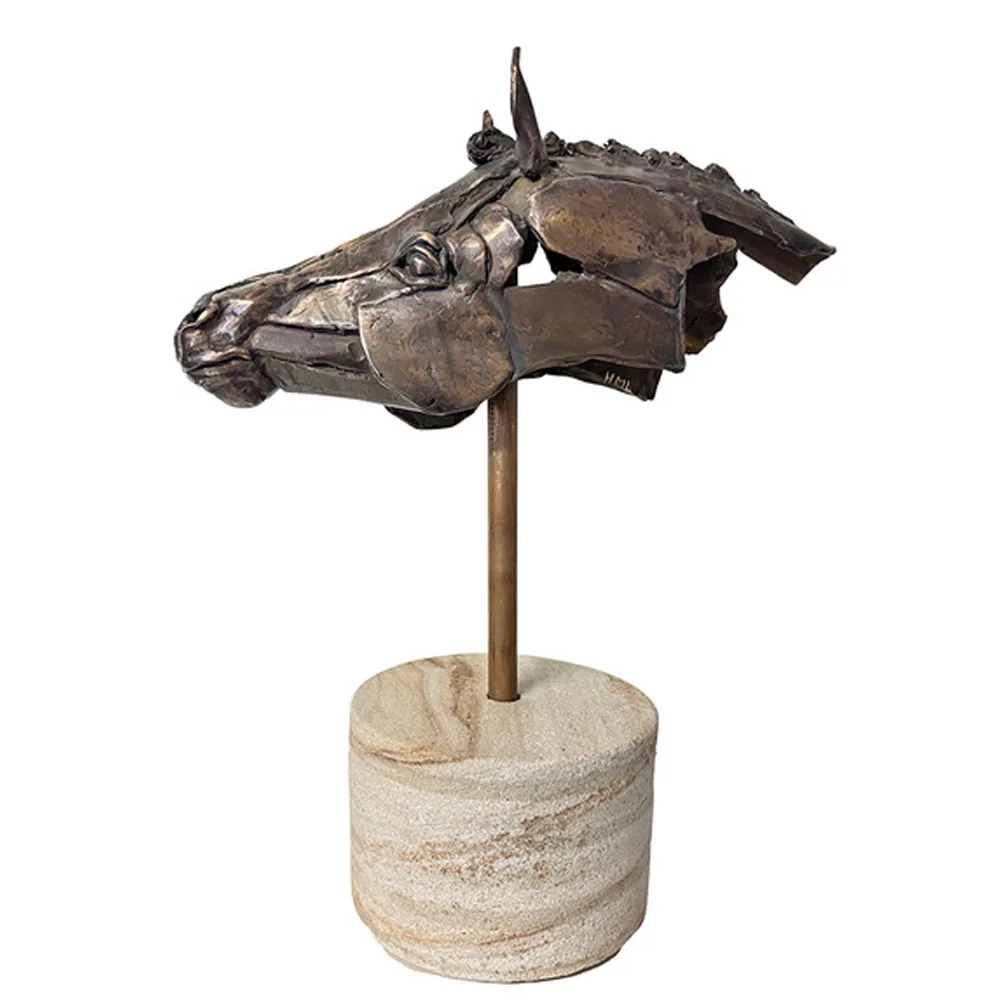
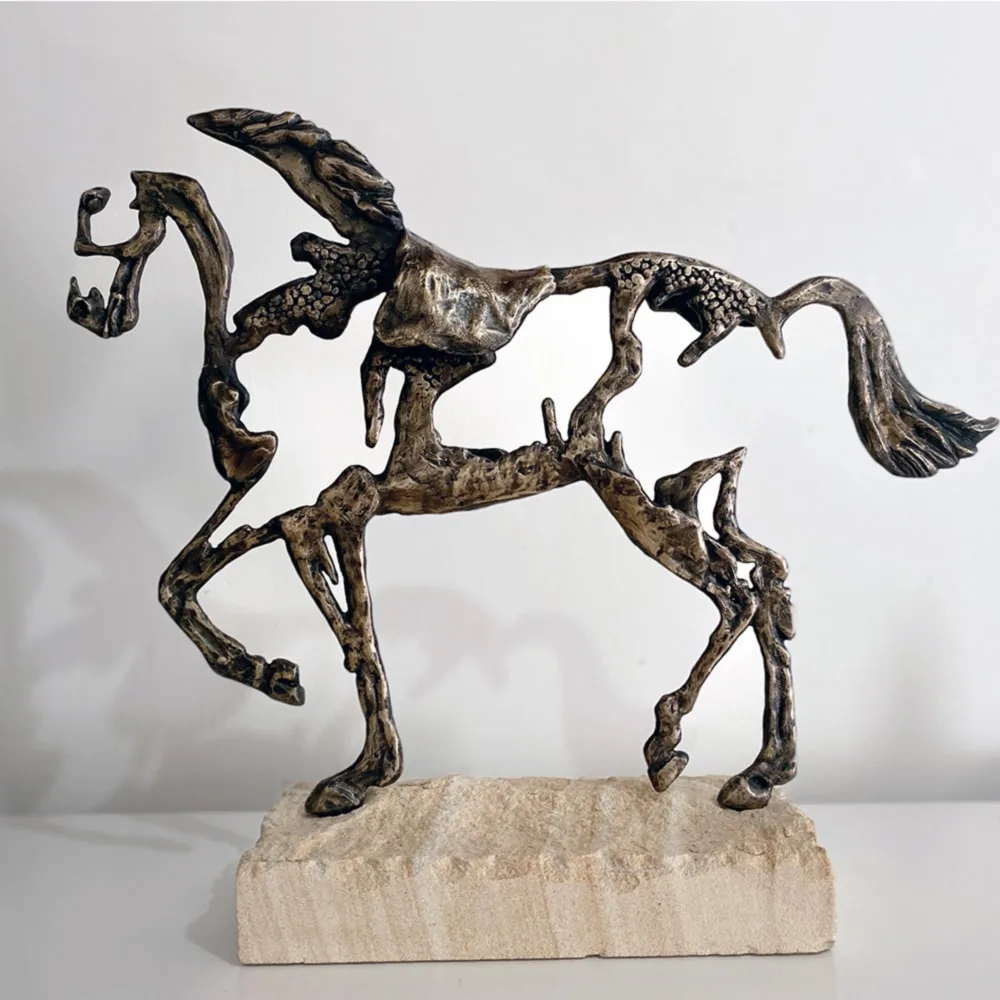
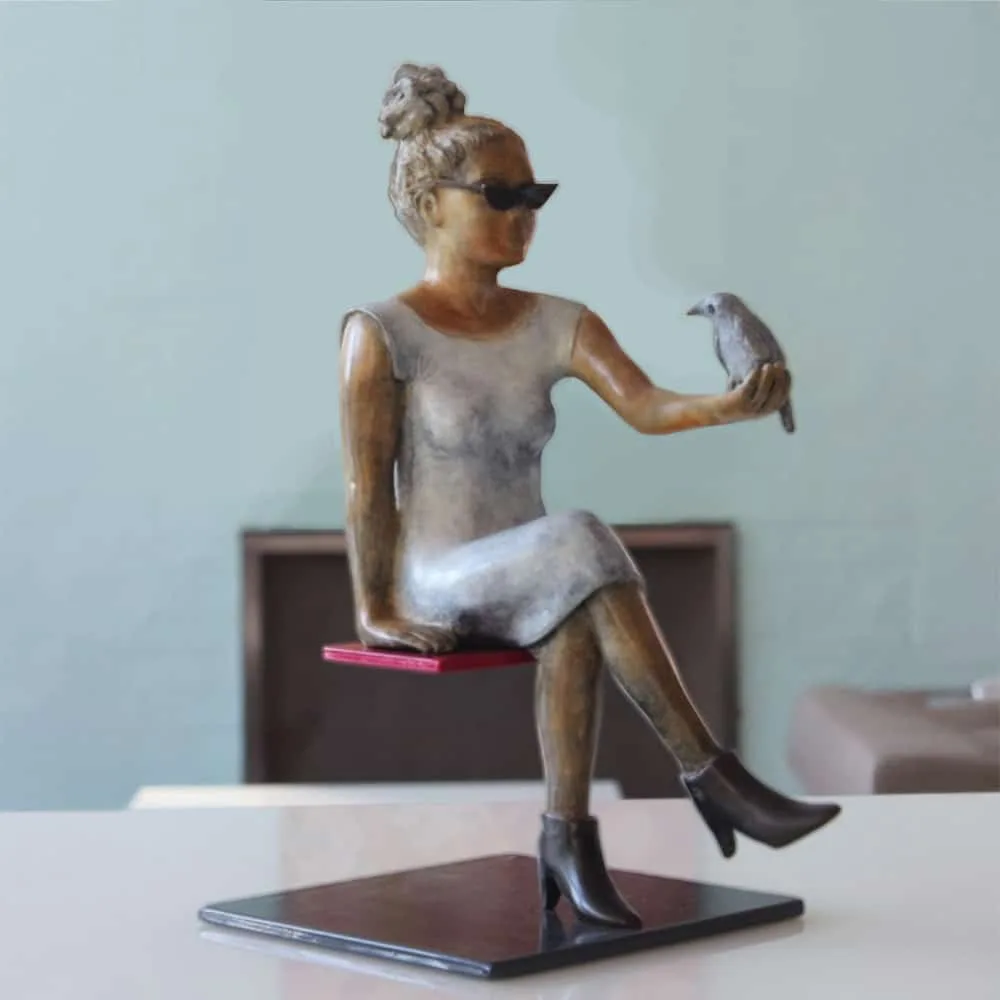
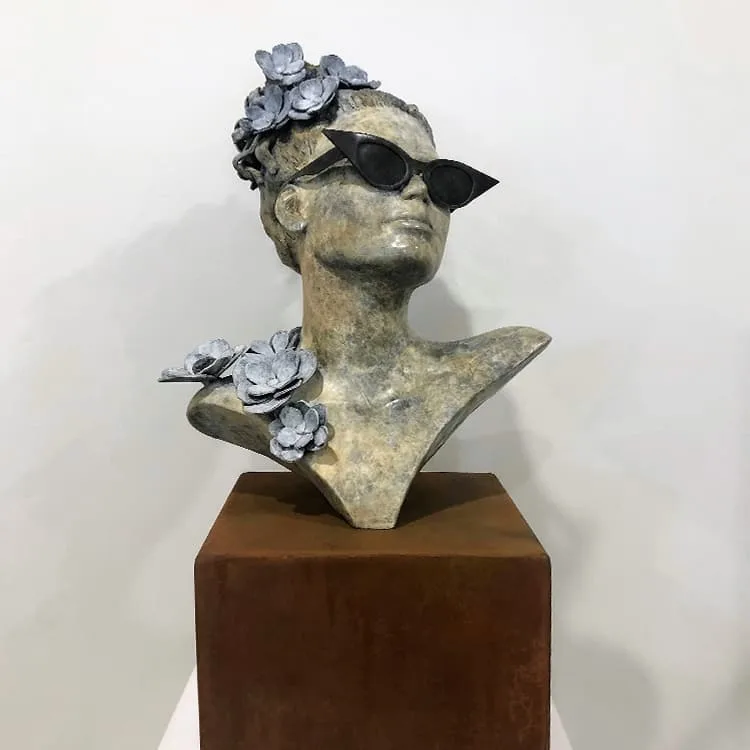
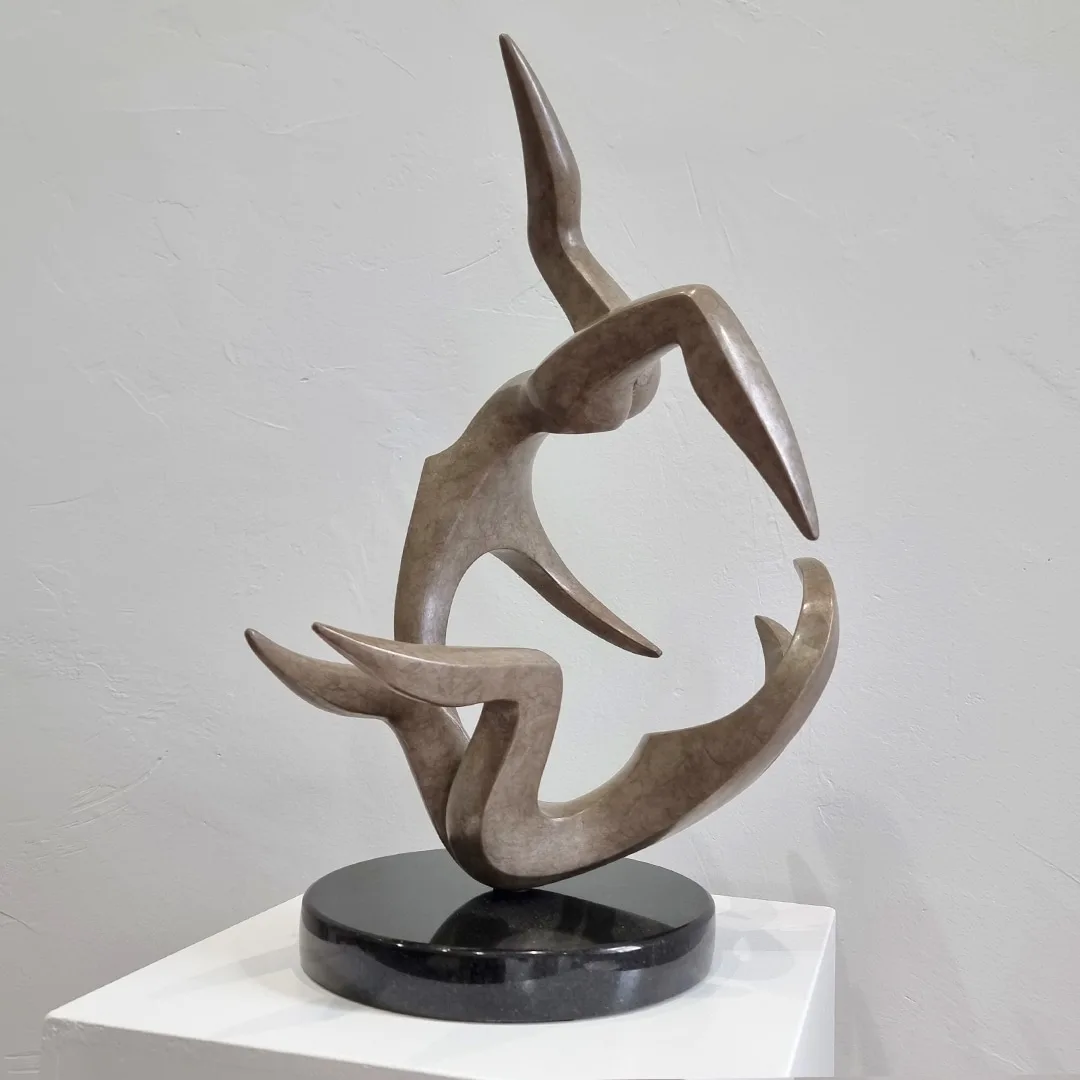
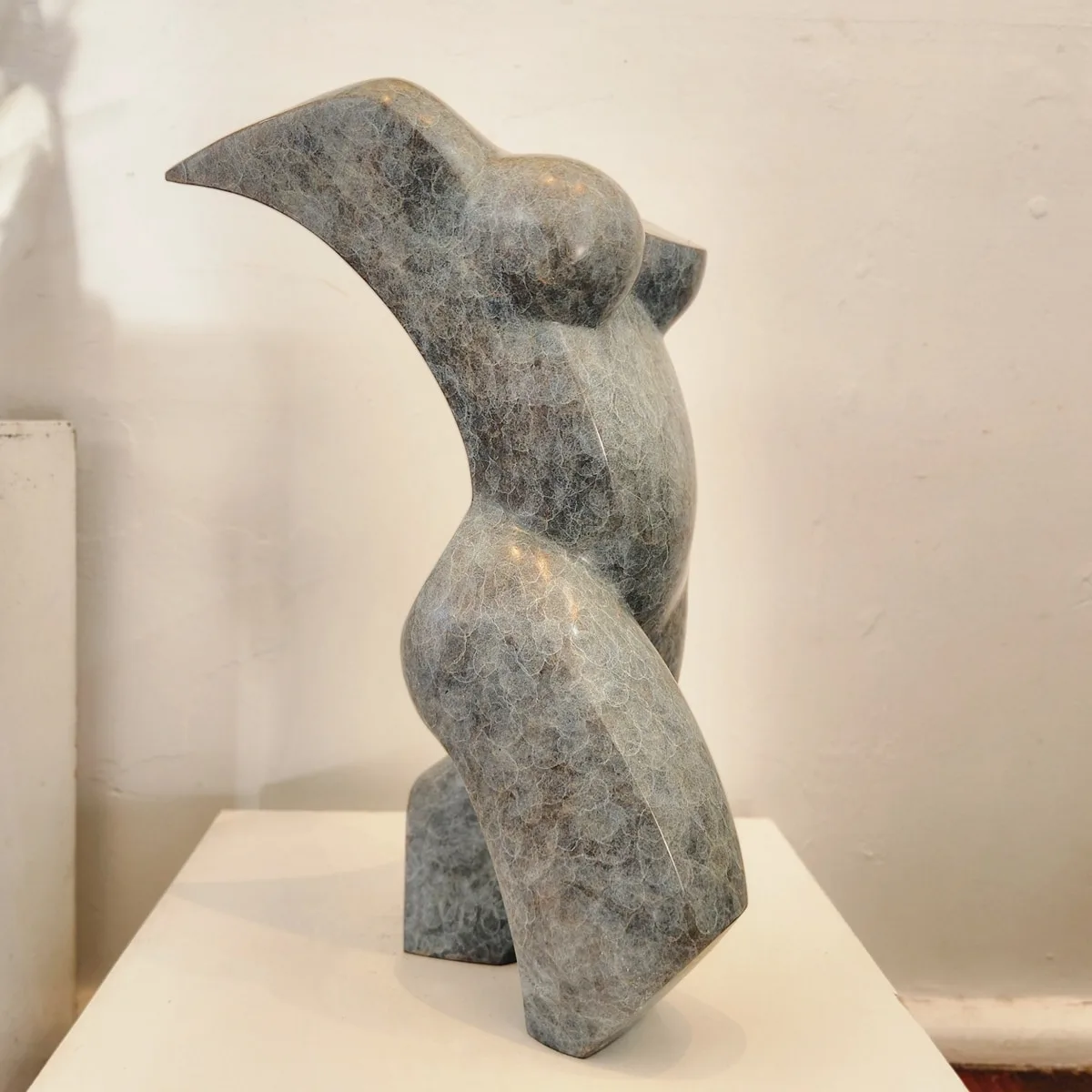
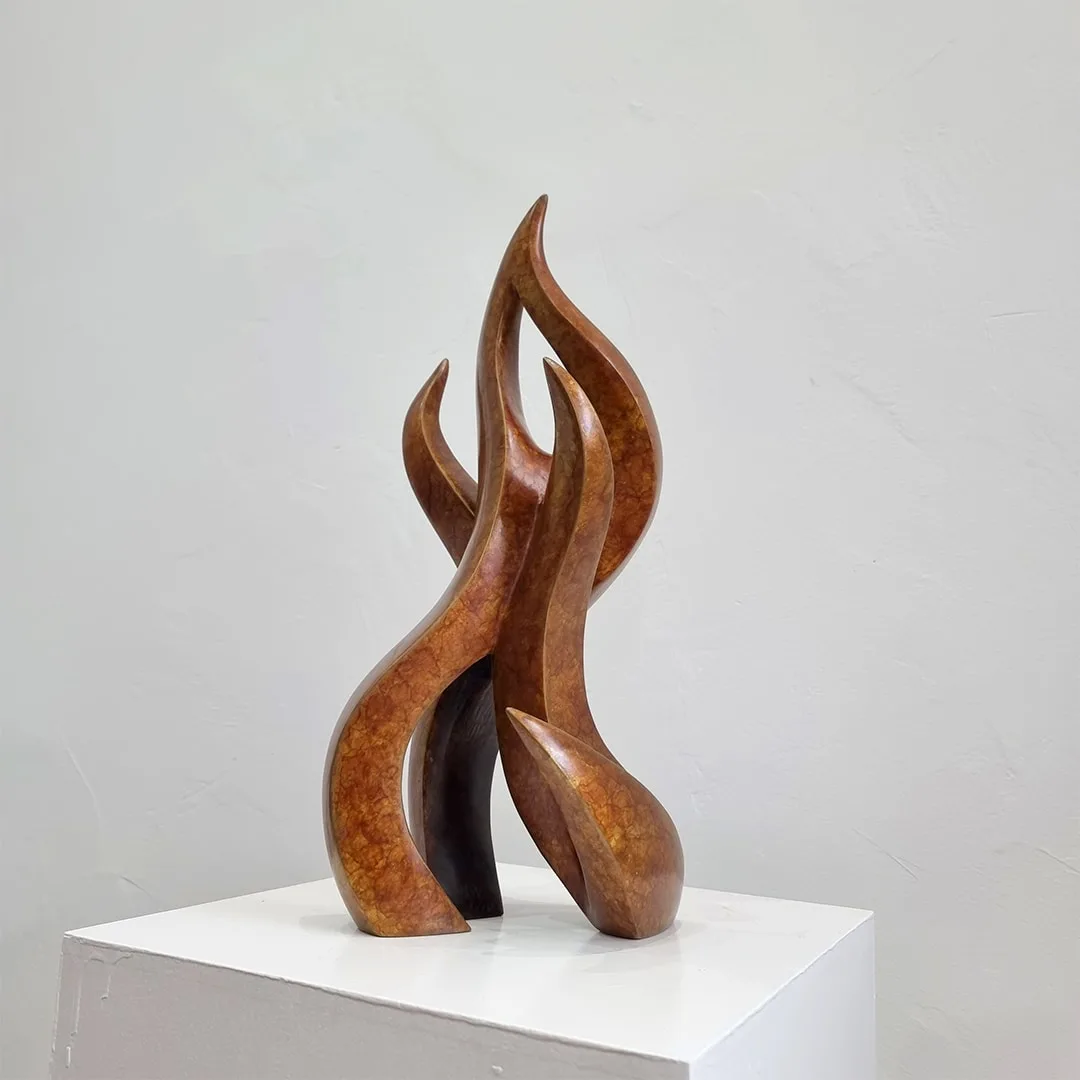
Casting is the foundry route, and it’s how almost all bronze is made. The sculptor models the original in clay or wax, a mould is taken, and molten metal is poured — the lost-wax method, essentially unchanged for three thousand years. It’s the only process that lets an artist produce a small edition of identical works, which is why bronzes are often numbered.
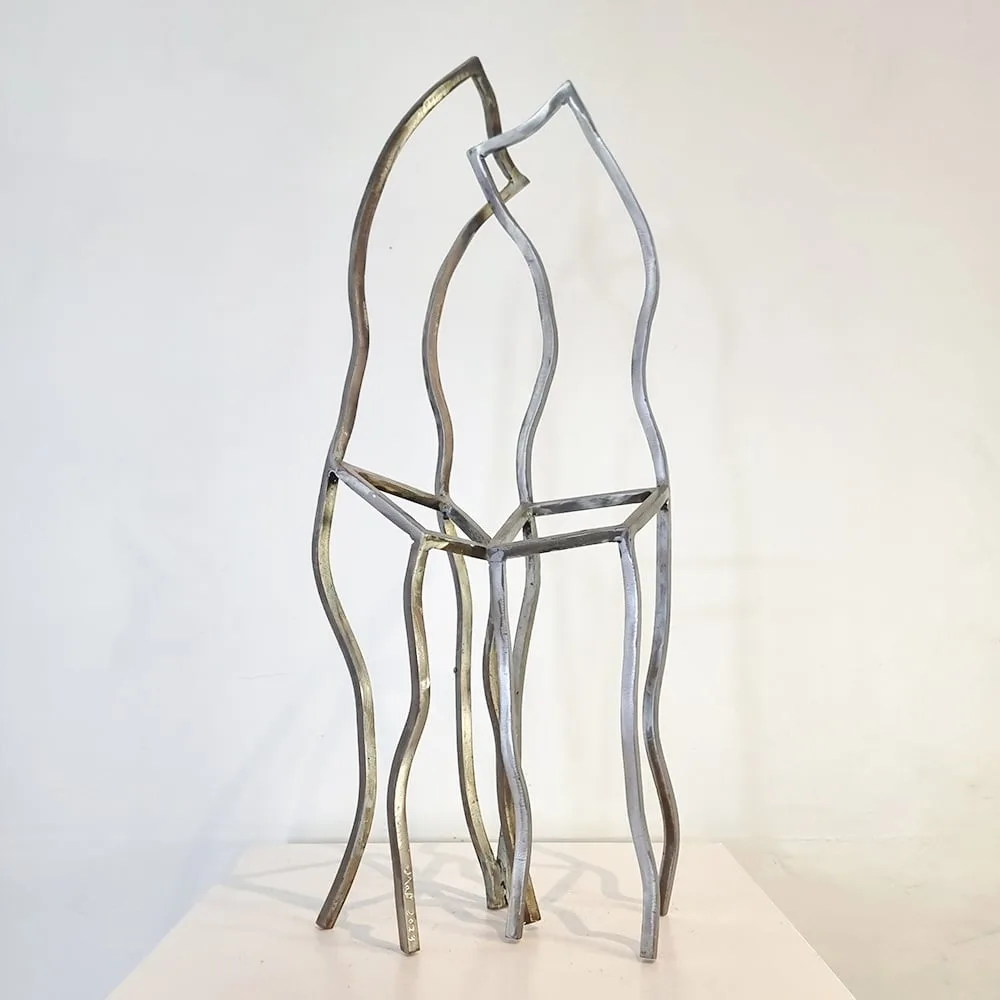
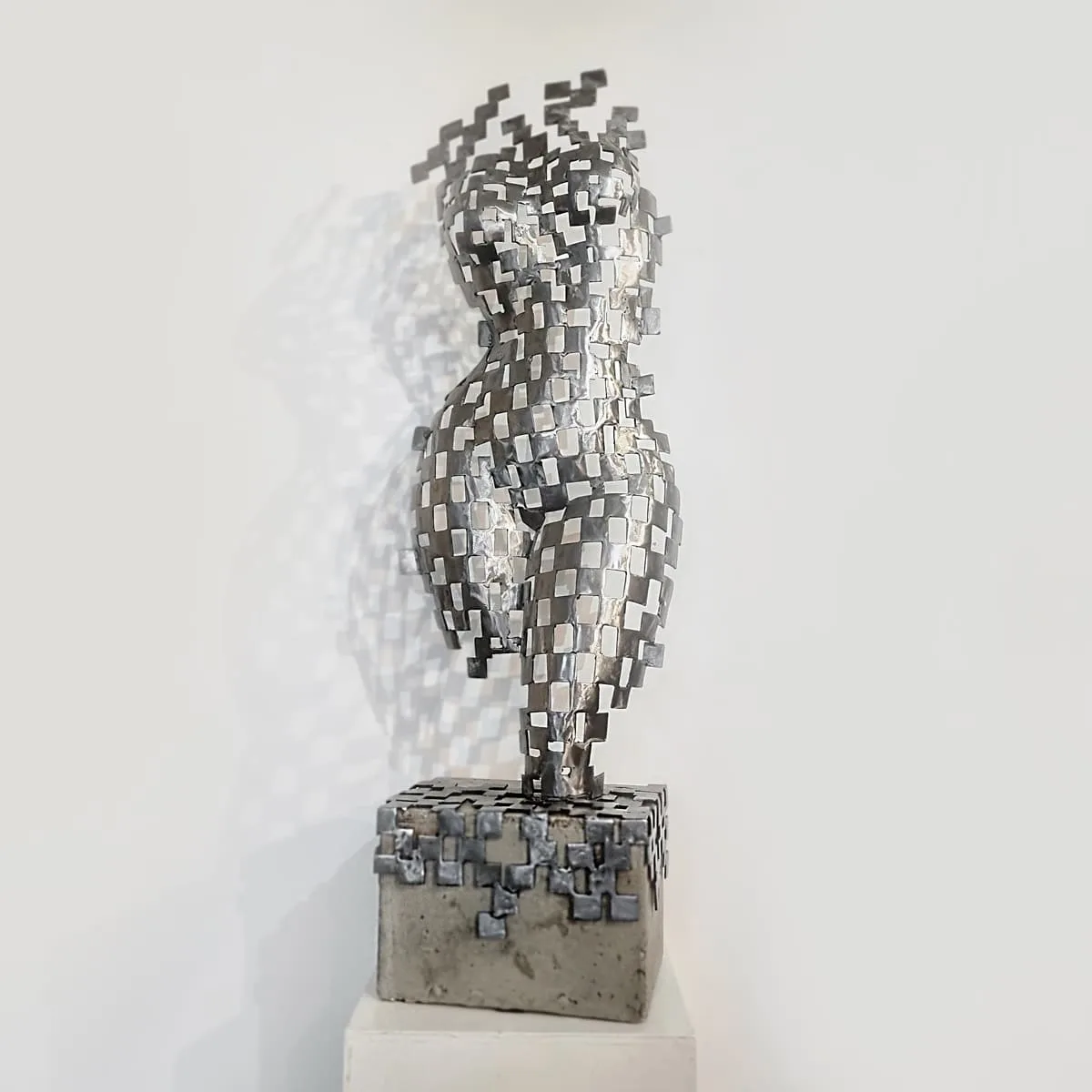
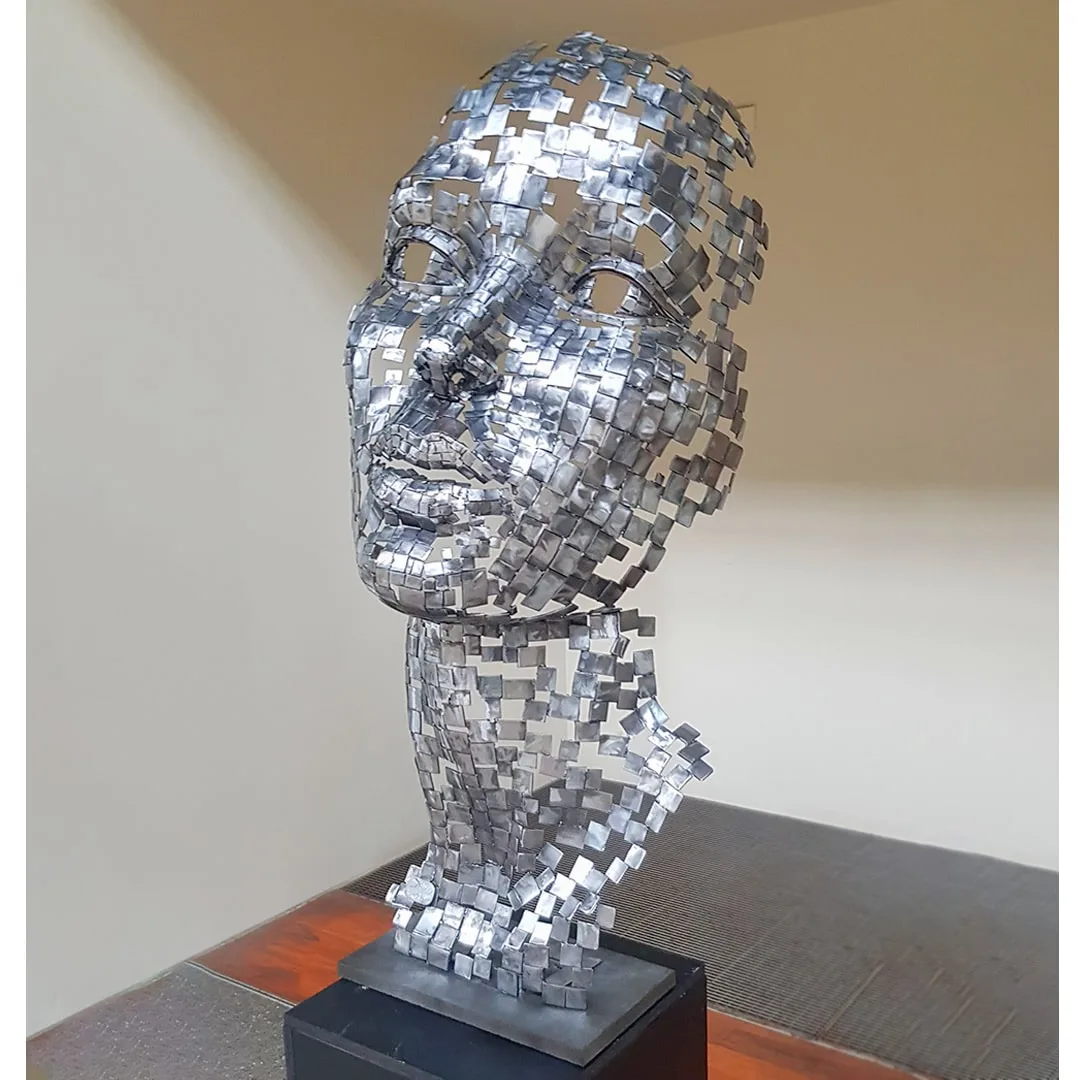
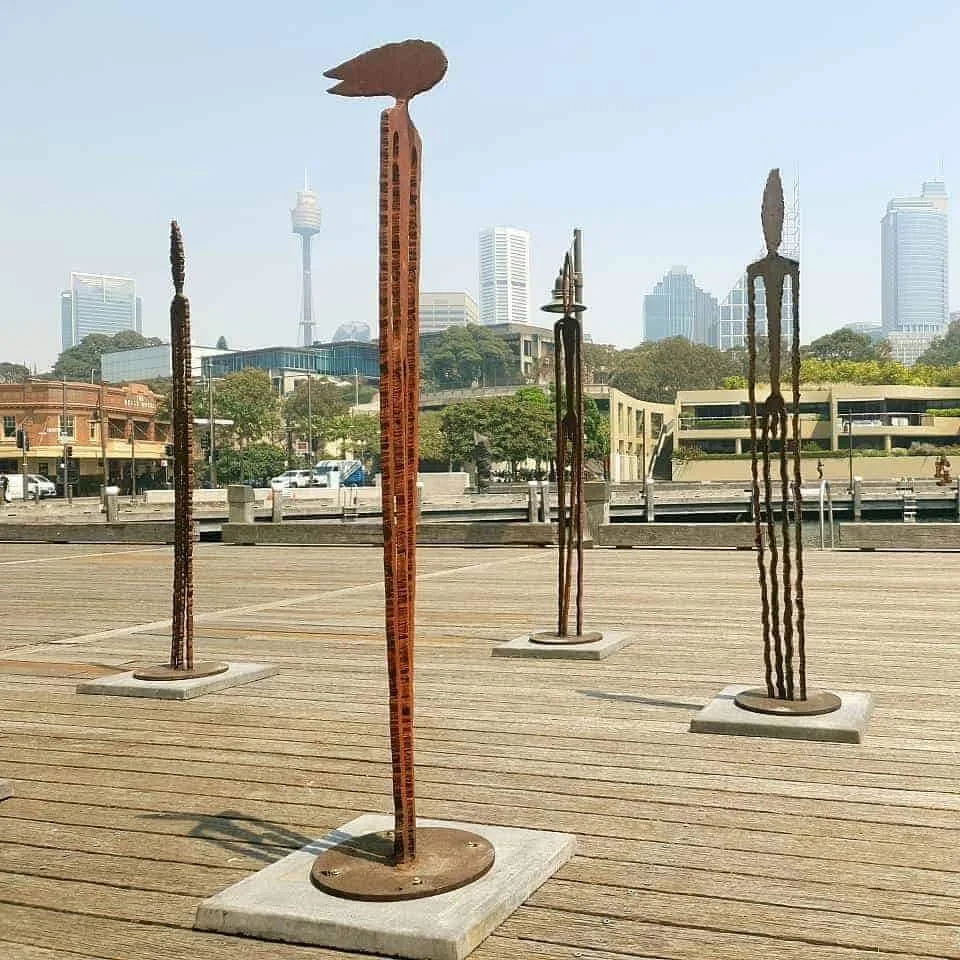
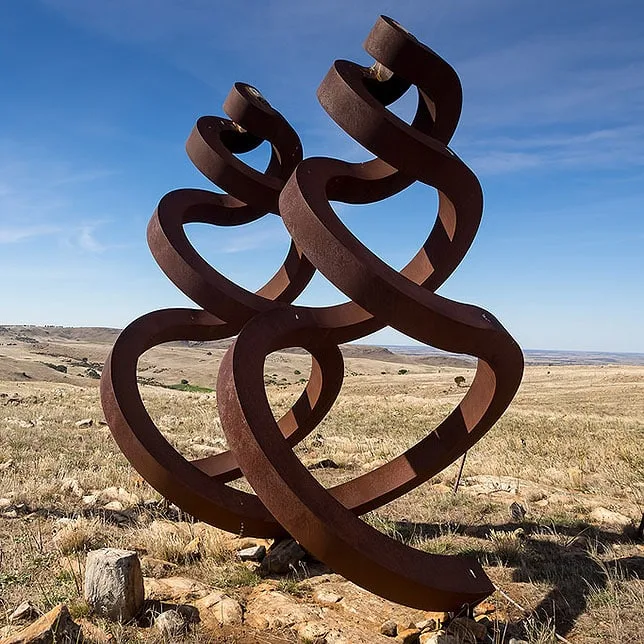
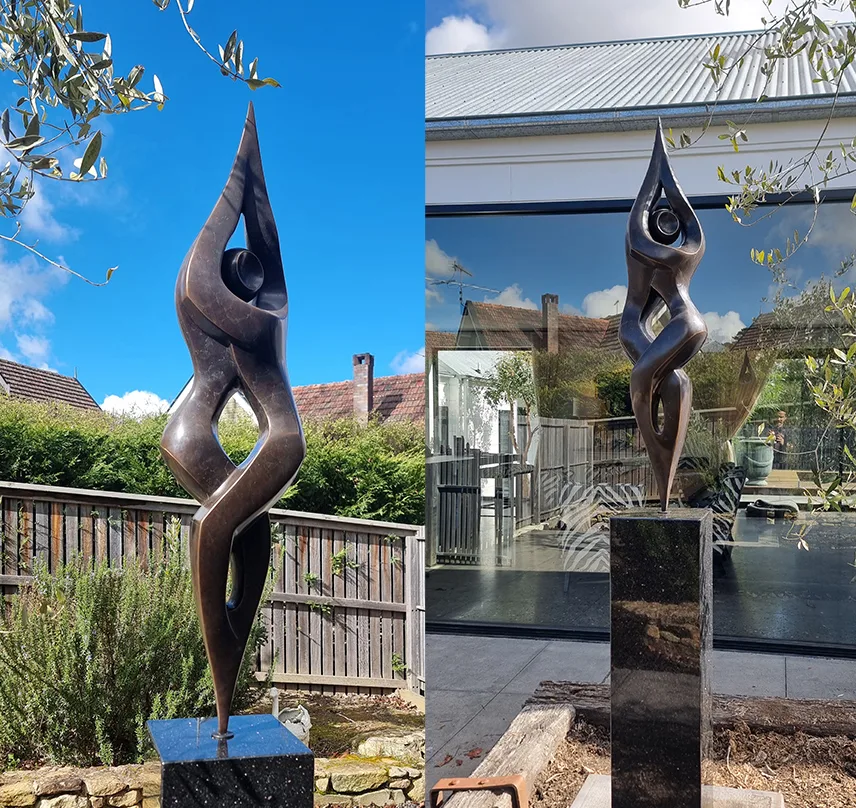
Fabrication is cutting, bending and welding sheet or plate metal — the method behind most stainless and corten steel work. Nothing is poured; the form is built. It suits large scale and hard geometry, and it’s how most contemporary outdoor sculpture is made.
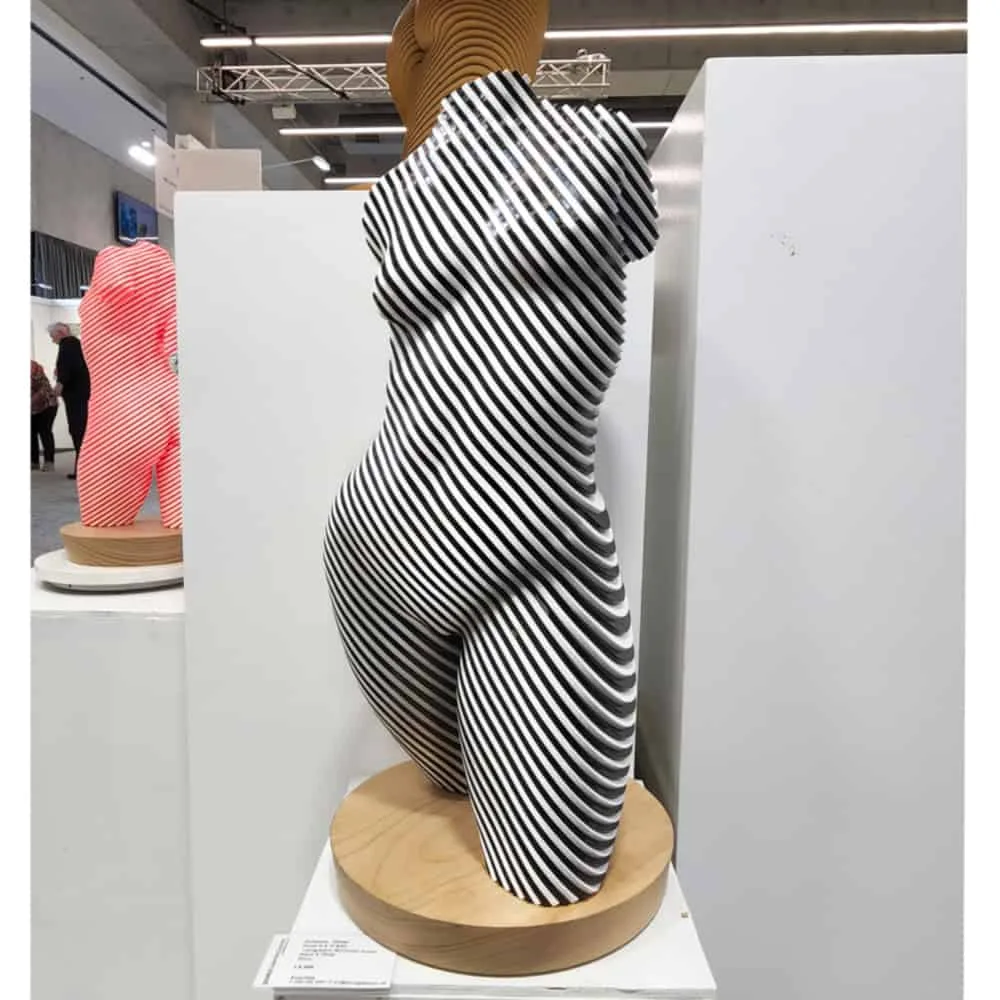
Carving is subtractive: stone, marble or timber removed until the form emerges. It is the least forgiving of the four, because nothing can be put back.
Modelling and assemblage covers everything built up by hand or put together from existing parts — clay, plaster, mixed media, found objects.
Famous sculptors through history
The names that recur in any account of the medium, briefly:
Donatello (c.1386–1466) reintroduced the free-standing nude to European art and cast the first major bronze since antiquity. Michelangelo (1475–1564) carved the David and the Pietà and is the reason most people picture marble when they hear the word sculpture. Gian Lorenzo Bernini (1598–1680) made stone behave like flesh and cloth in Apollo and Daphne, the high point of Baroque carving.
Auguste Rodin (1840–1917) broke the academic surface and effectively began modern sculpture; The Thinker remains the most reproduced sculpture in the world. Constantin Brâncuși (1876–1957) reduced form to its essentials and opened the door to abstraction. Alberto Giacometti (1901–1966) stripped the figure to a thread. Henry Moore (1898–1986) and Barbara Hepworth (1903–1975) put the hole through the middle of the form and made bronze and stone feel organic. Louise Bourgeois (1911–2010), whose giant spider Maman is among the most recognised sculptures of the past fifty years, is the bridge to the present.
Notable Australian sculptors
Australia’s sculptural tradition is younger but not thin. Bertram Mackennal (1863–1931) was the first Australian sculptor to build a genuine international reputation. Rayner Hoff (1894–1937) produced the figures of the ANZAC Memorial in Sydney’s Hyde Park. Robert Klippel (1920–2001) is generally regarded as Australia’s most important modernist sculptor, assembling machine parts and typeset into intricate constructions. Inge King (1915–2016) made Forward Surge outside the Arts Centre in Melbourne. Clement Meadmore (1929–2005) left for New York and became one of the significant abstract steel sculptors of his generation. Ron Robertson-Swann‘s Vault caused the loudest public-art argument in Australian history. Bronwyn Oliver (1959–2006) worked copper into forms of extraordinary delicacy and is among the finest sculptors this country has produced. Ken Unsworth continues to be widely collected.
Sculptors represented by SOHO Galleries
Those names largely sit in public collections. Below are the sculptors we actually represent and sell — grouped by the material each principally works in, because in sculpture the material tends to define the practice.
Seven of them are women, several with major public commissions and decades of practice — see Australian female sculptors.
Bronze
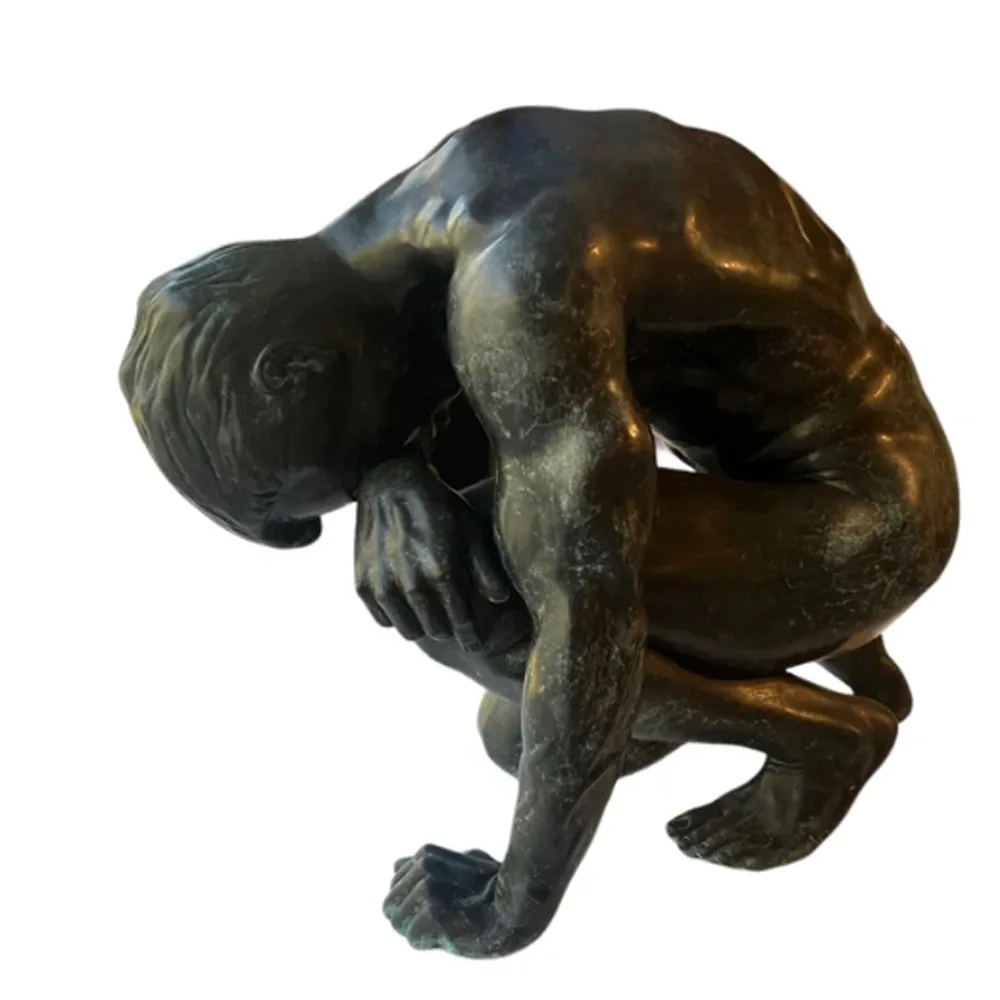
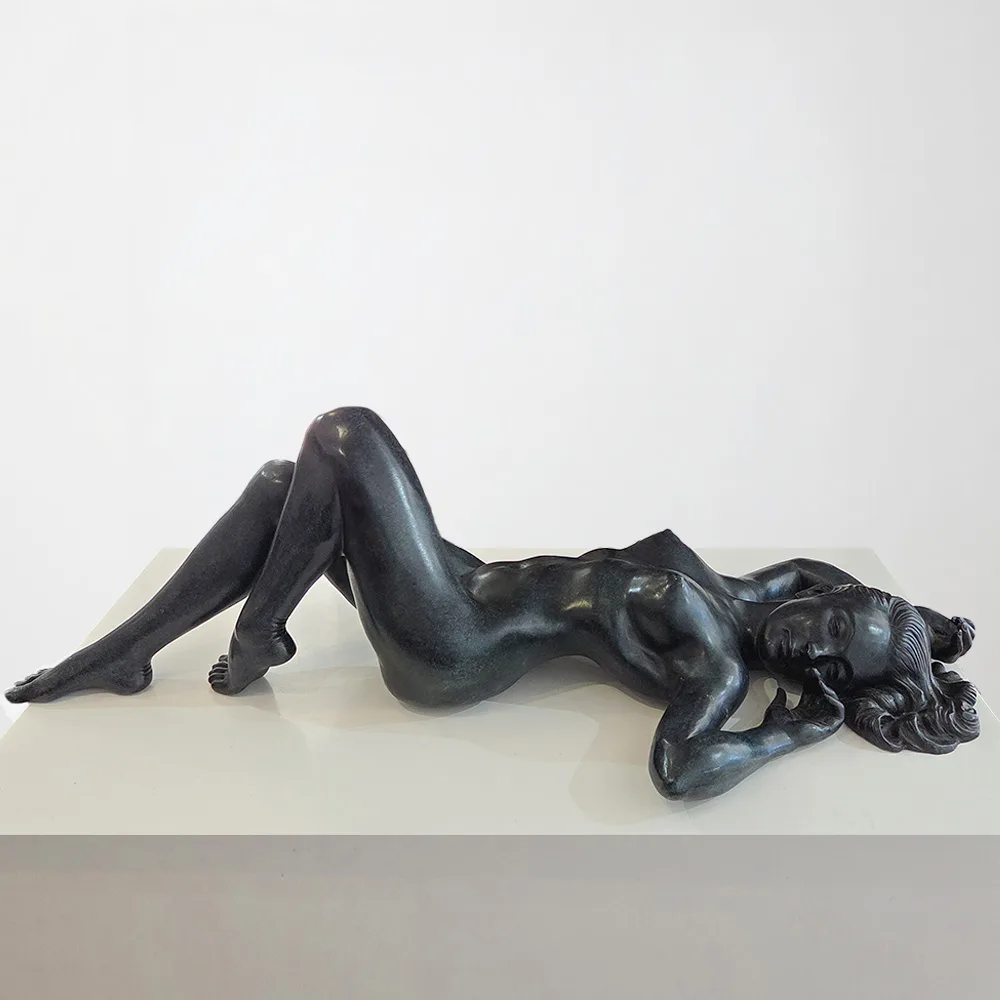
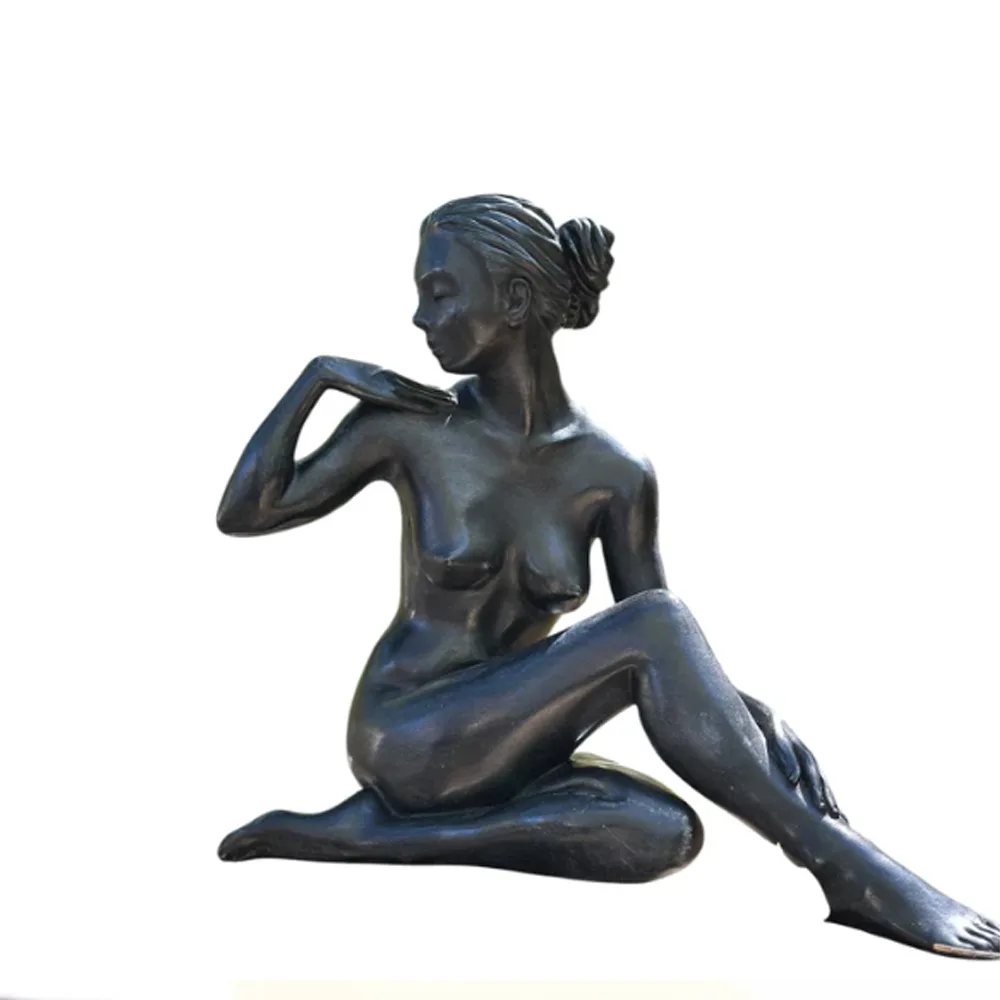
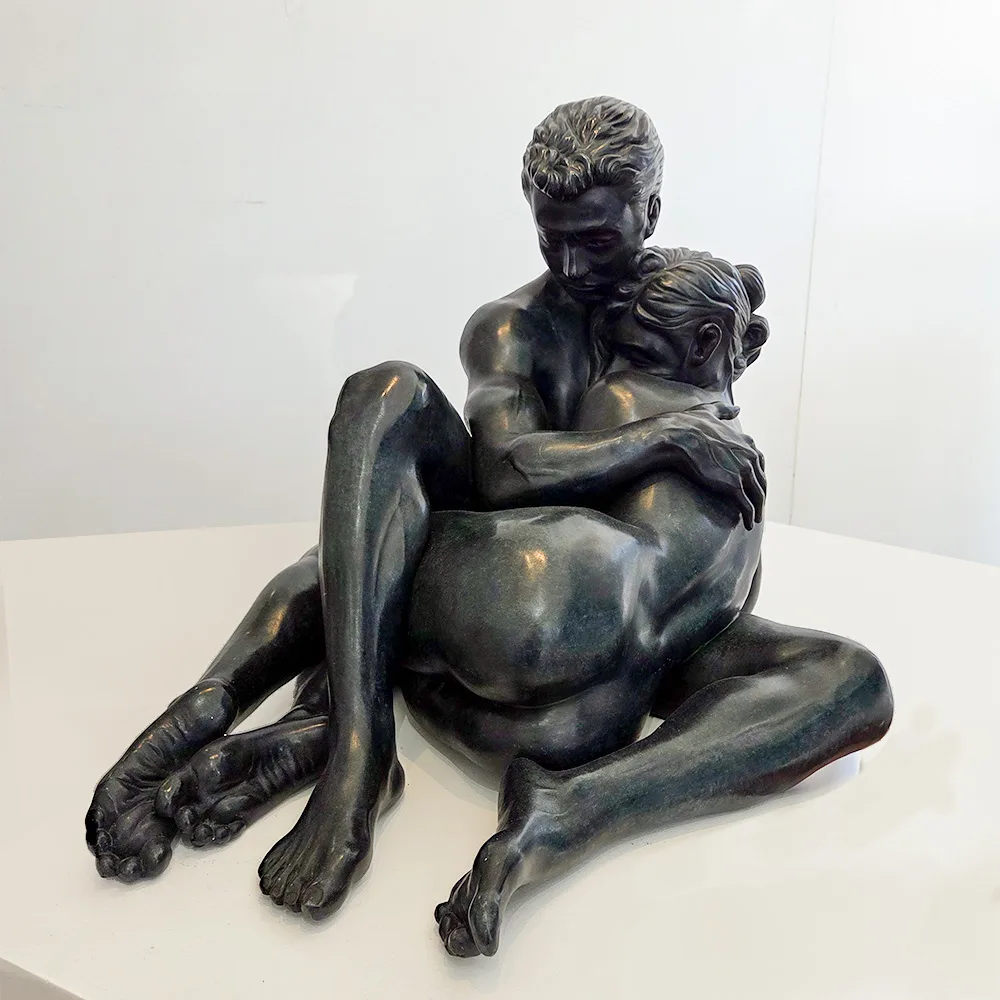
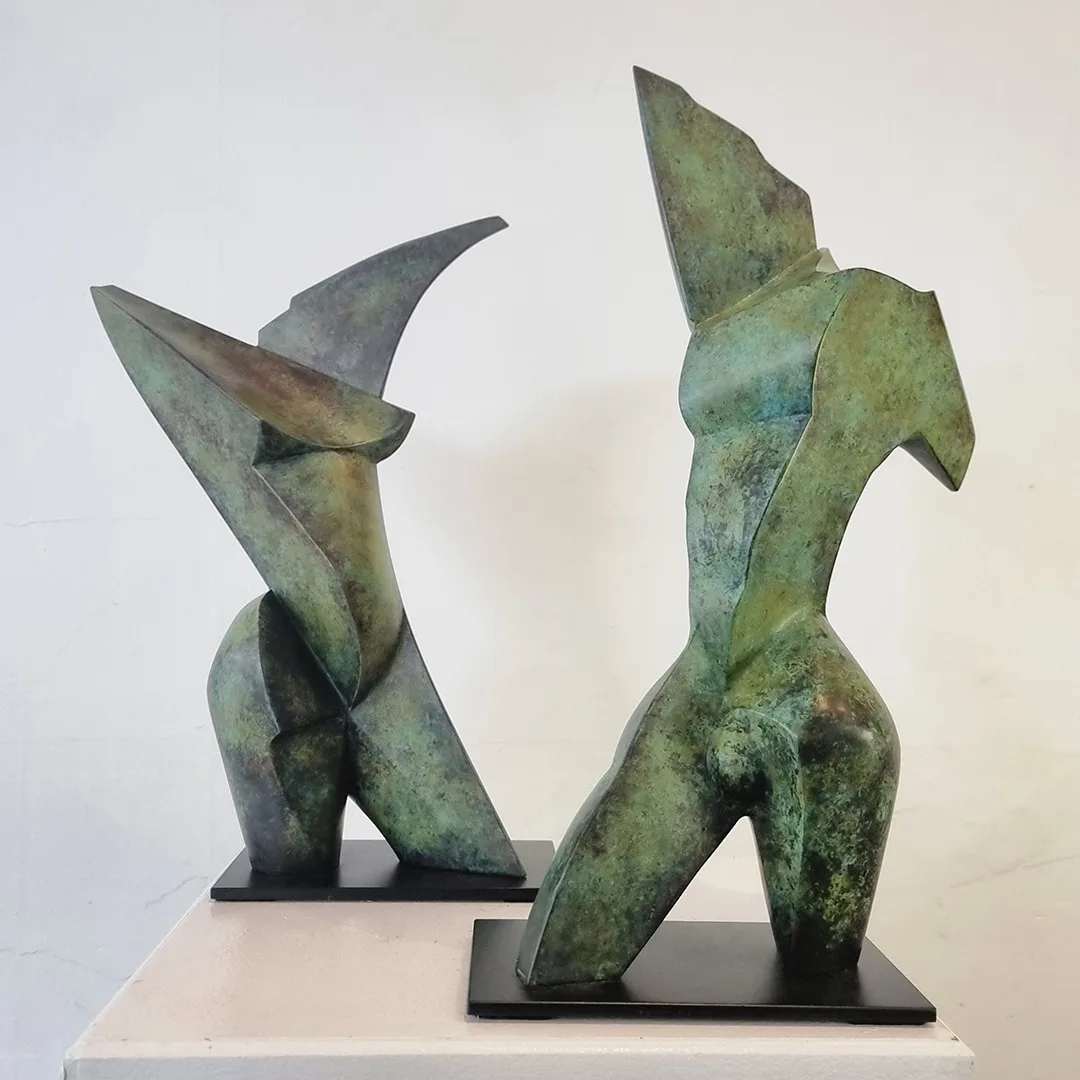
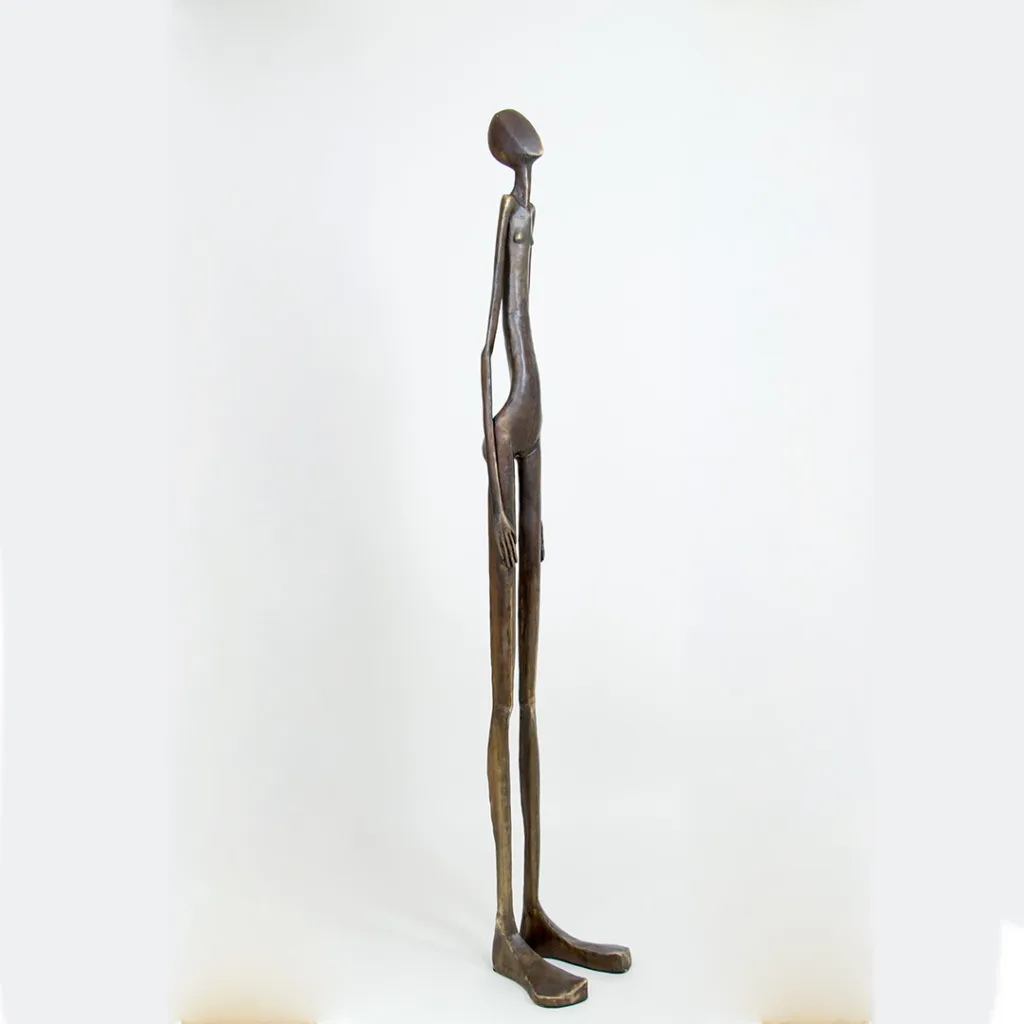
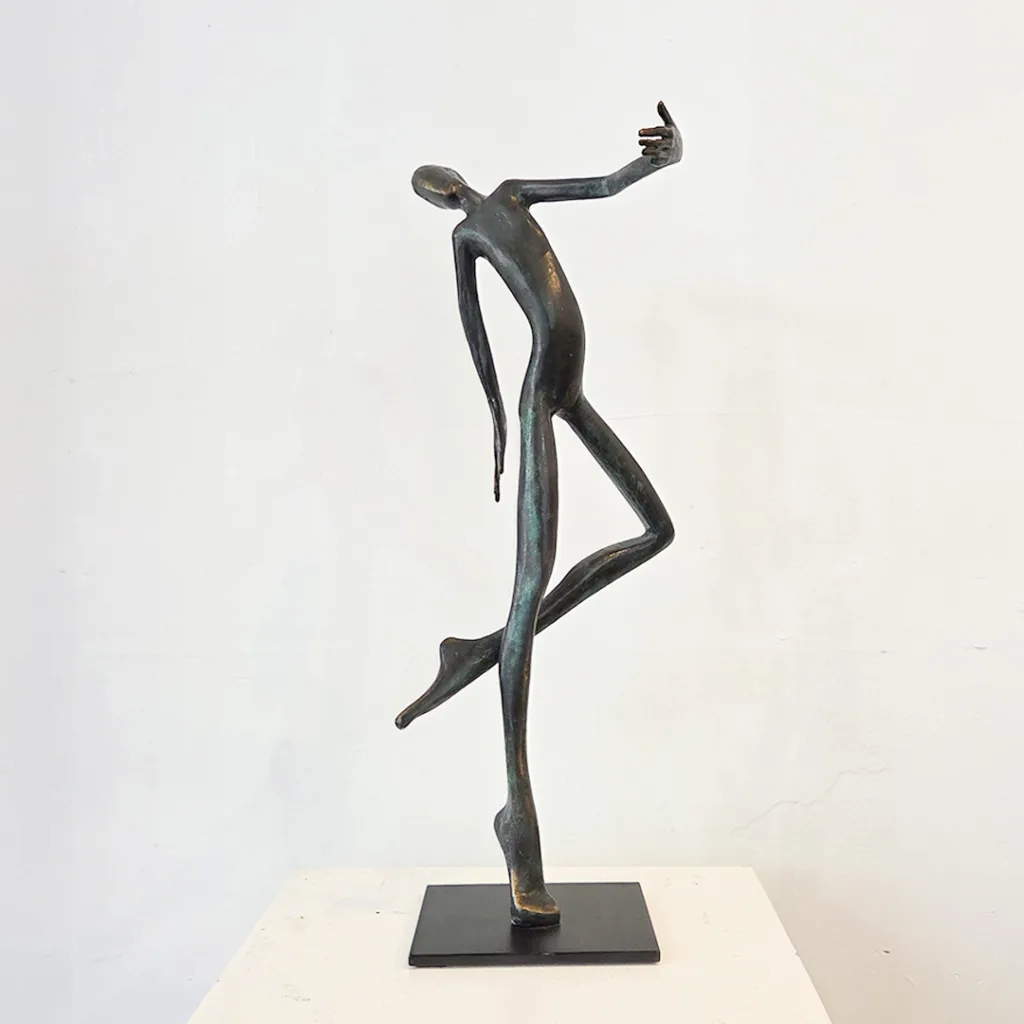
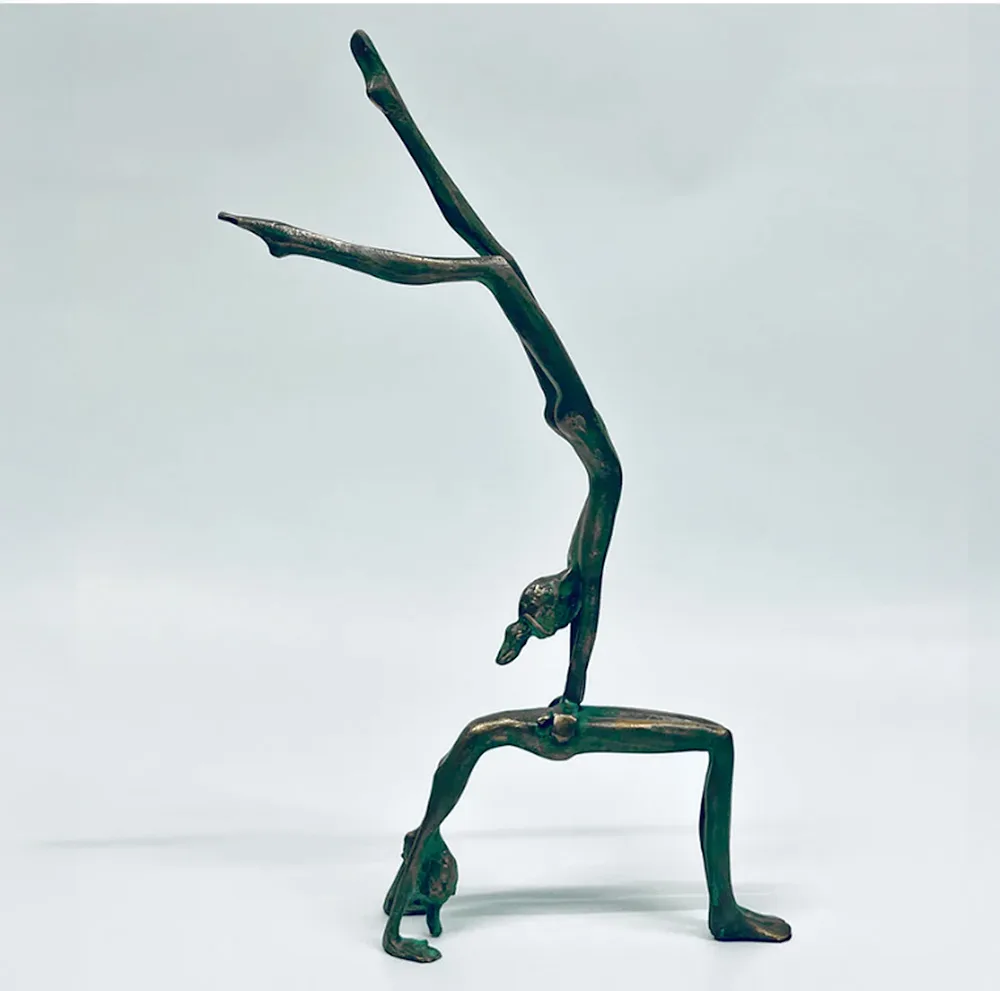
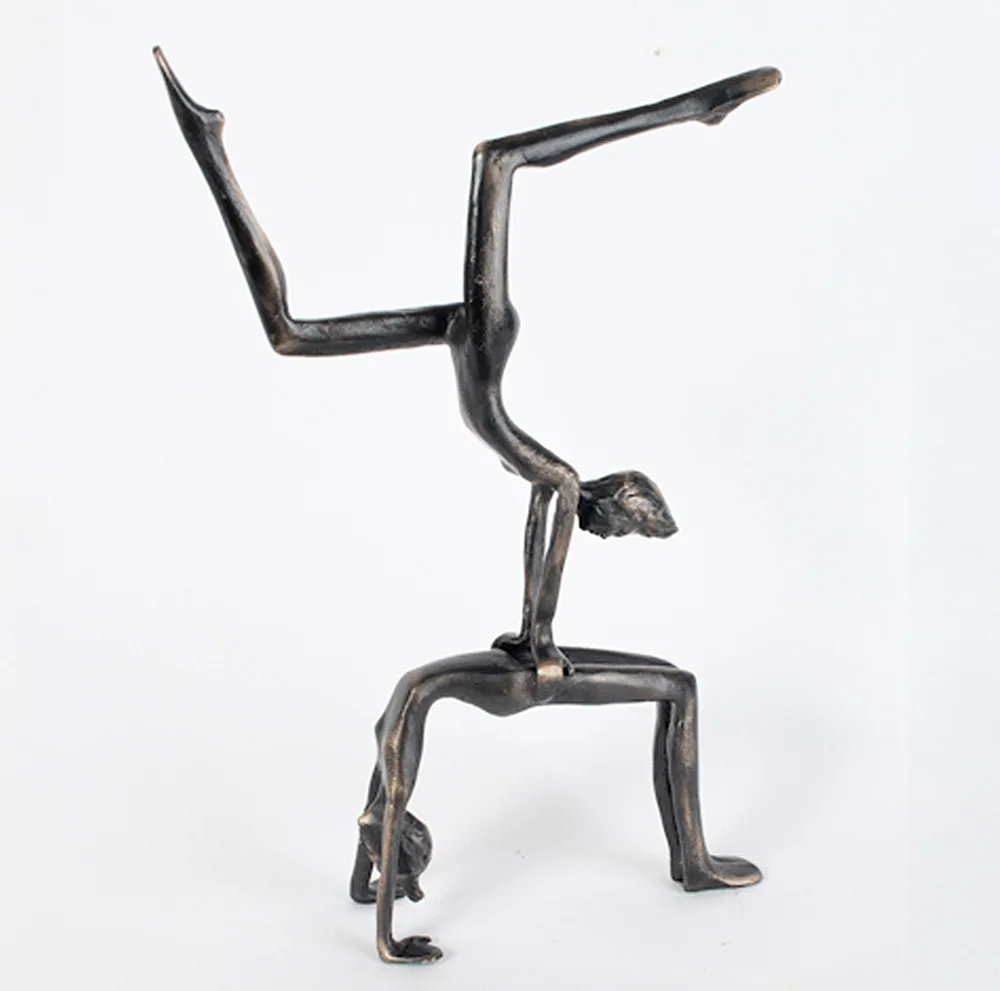
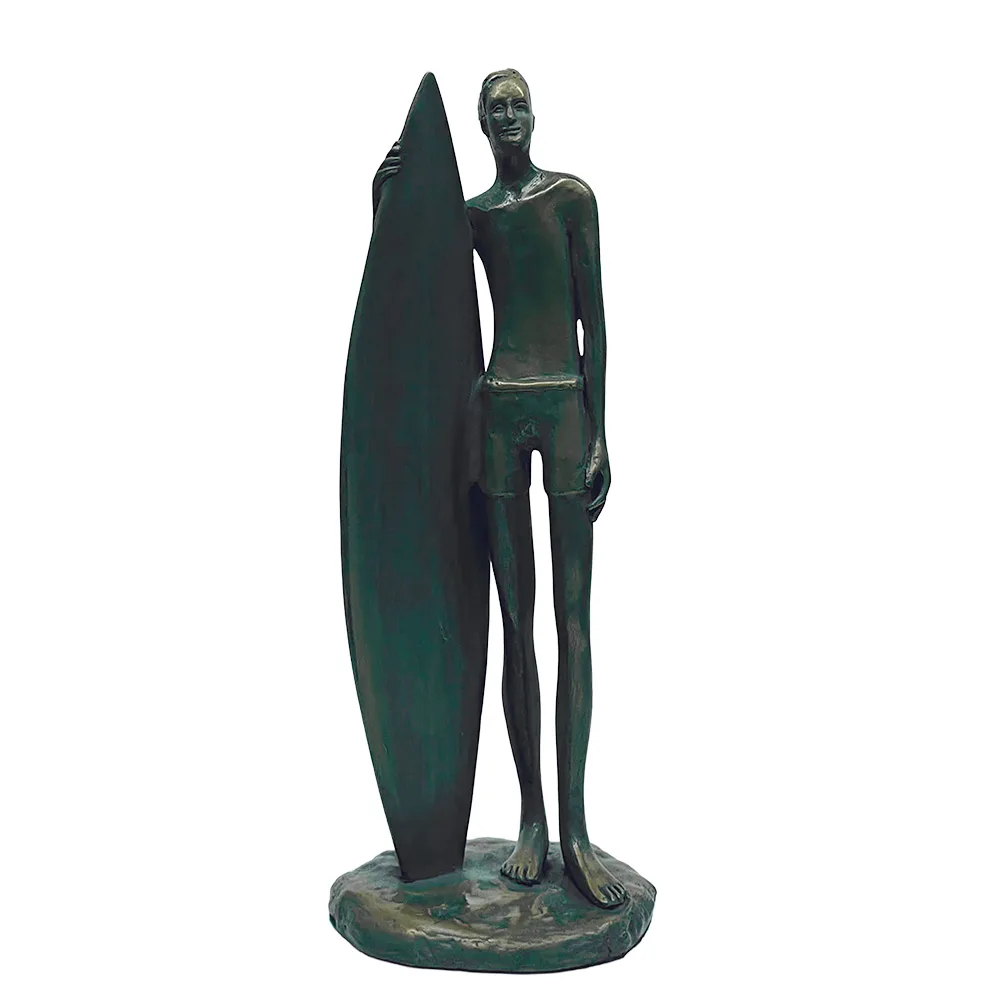
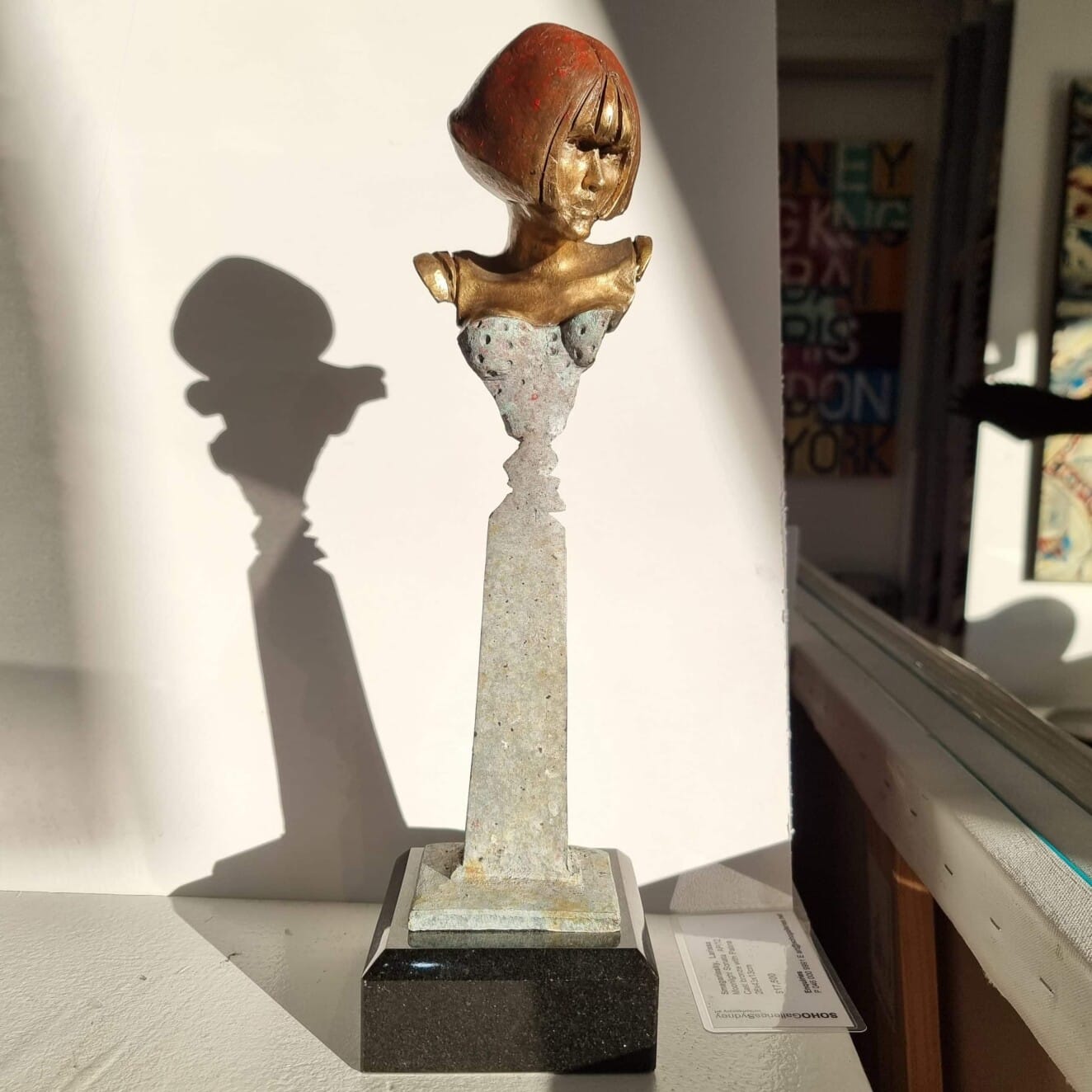
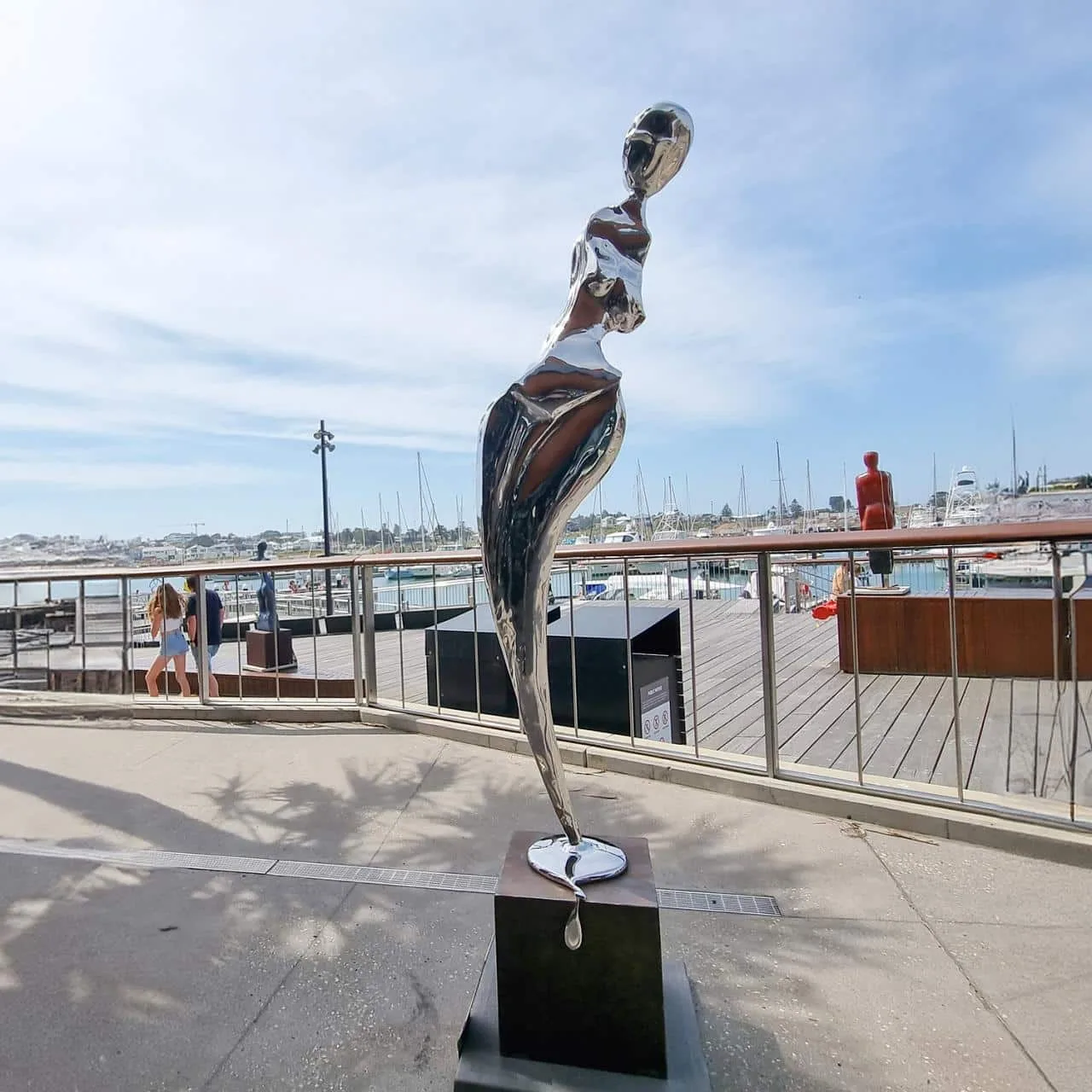
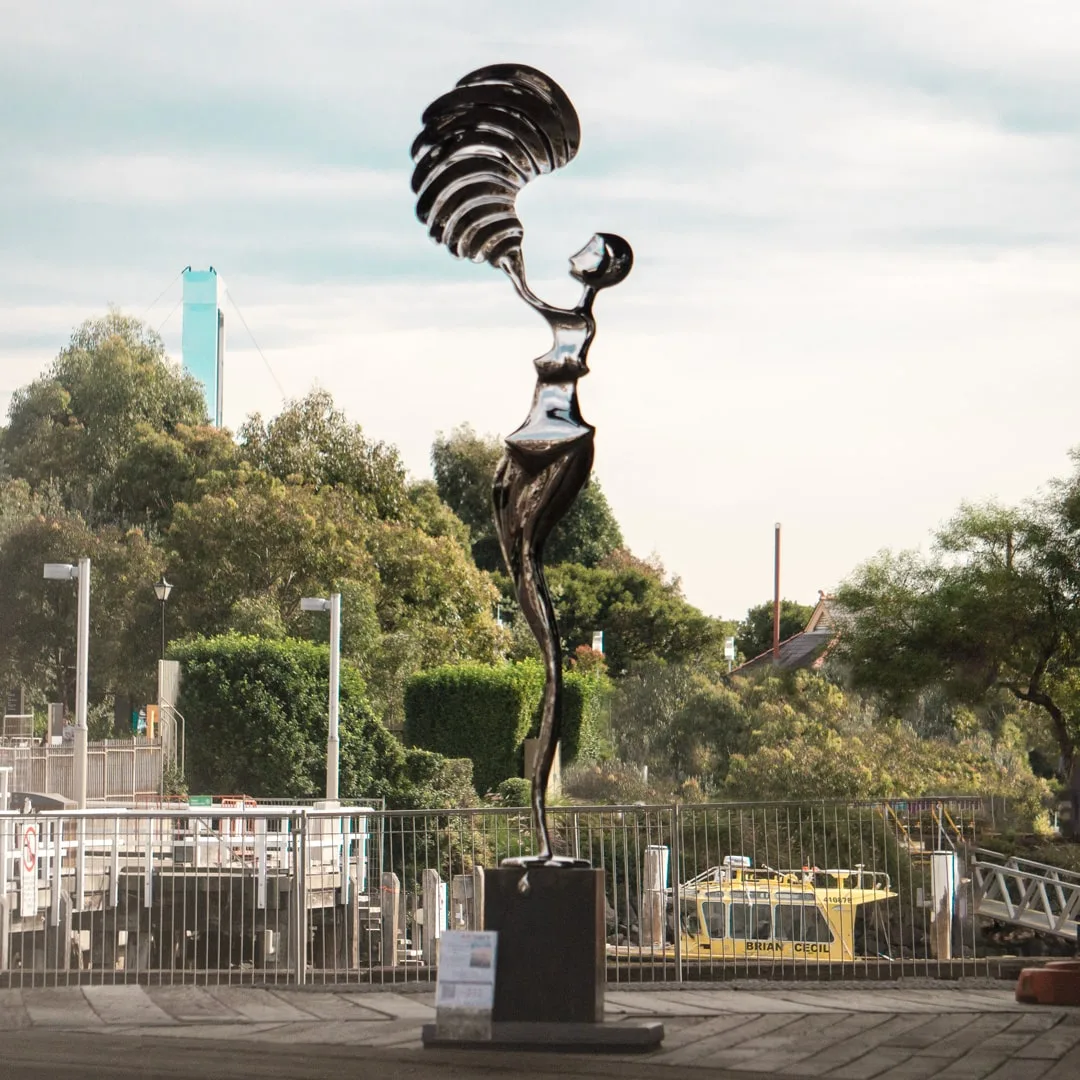
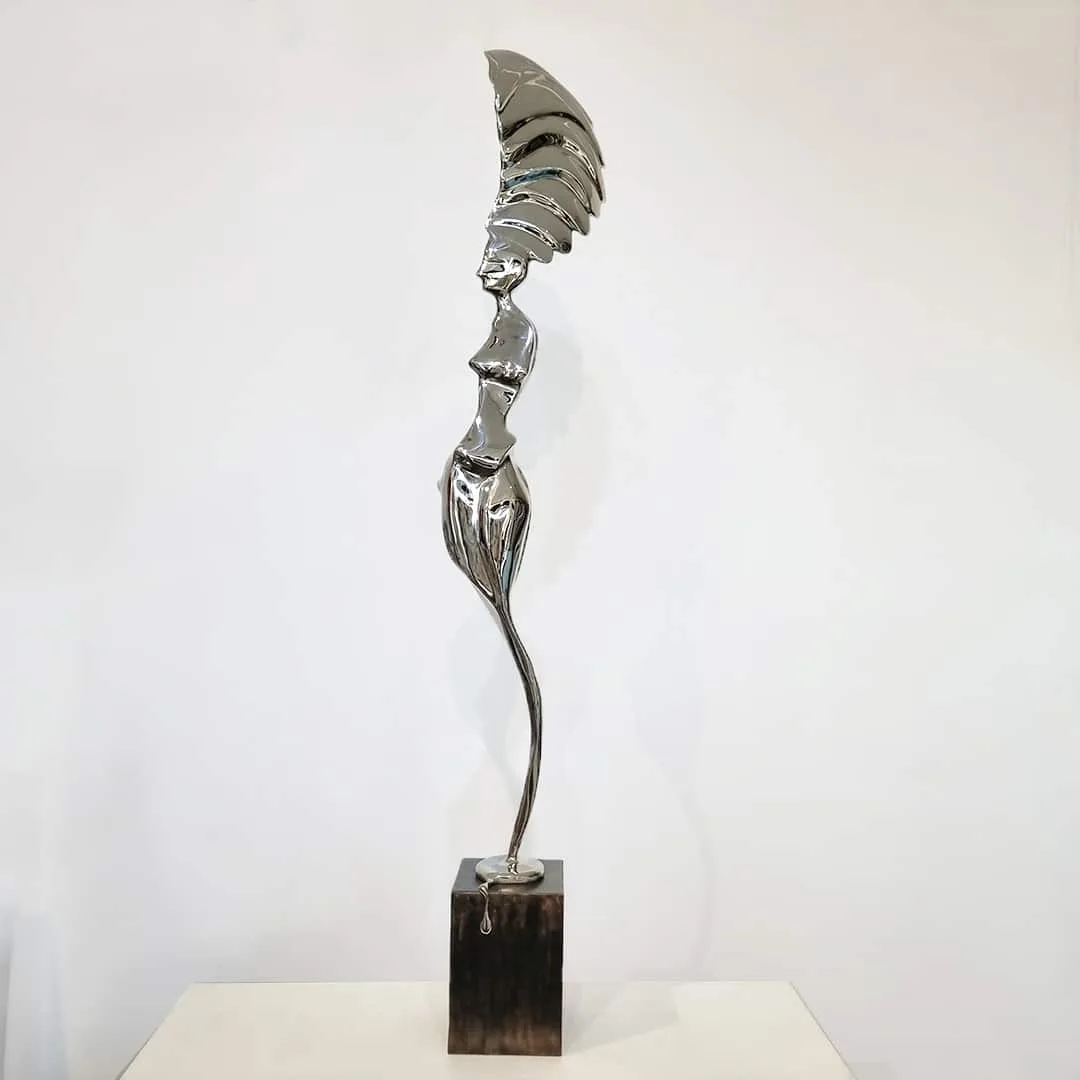
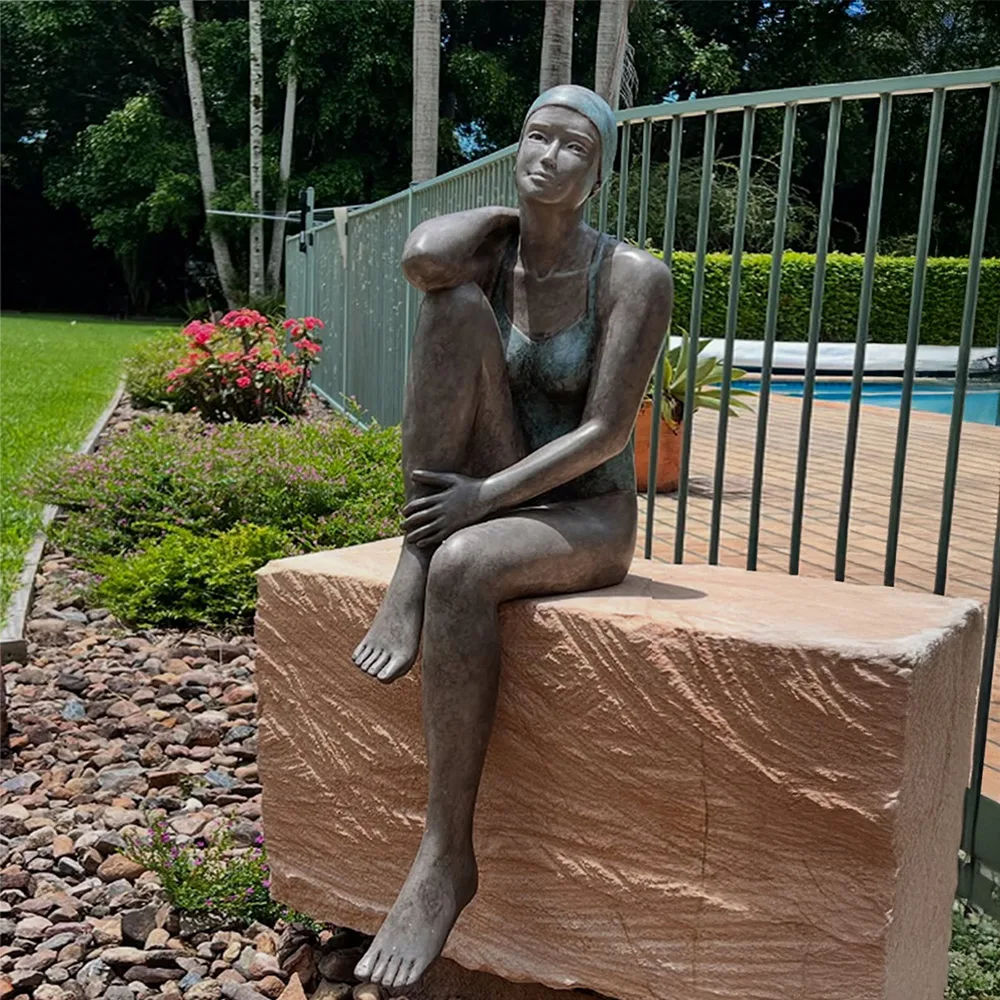
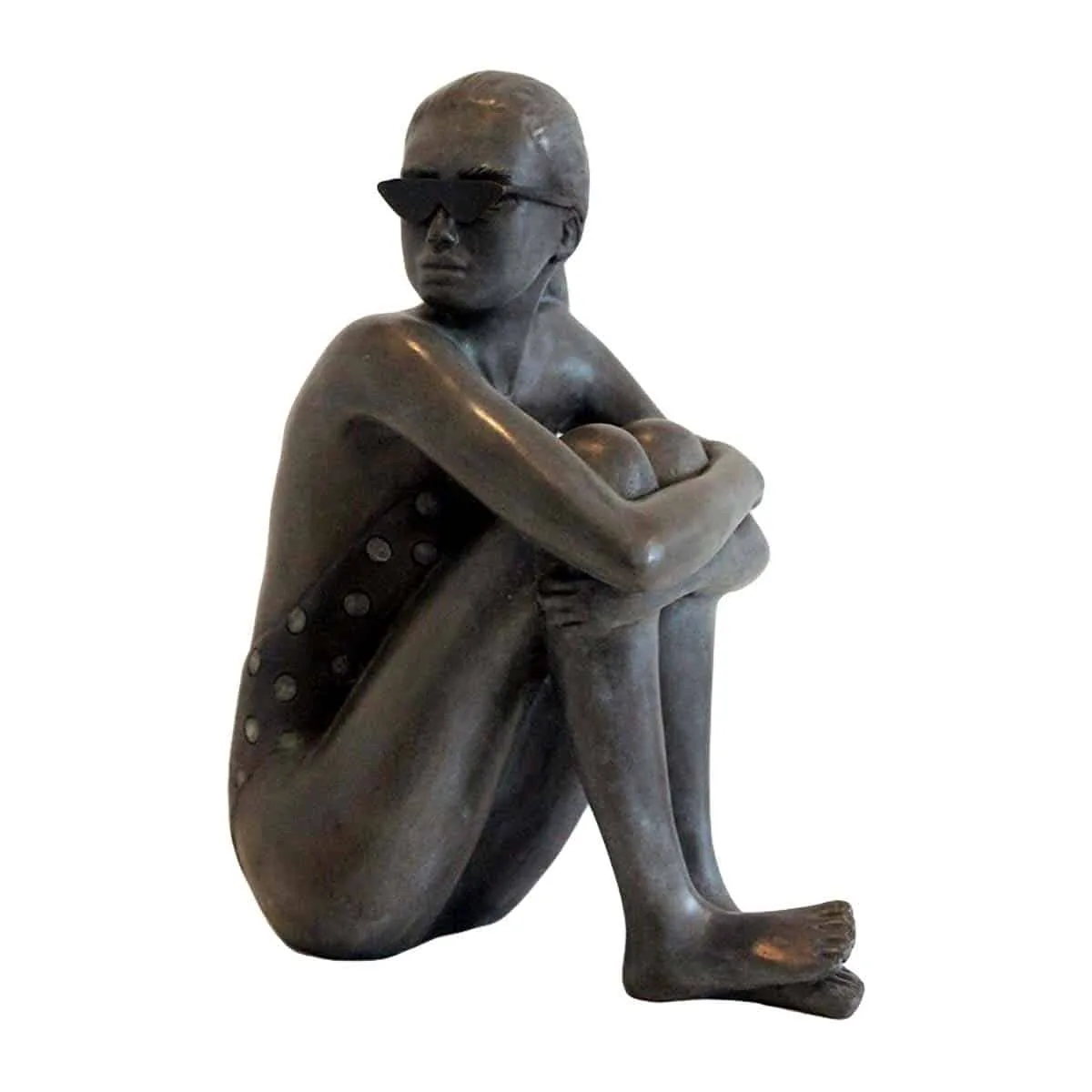
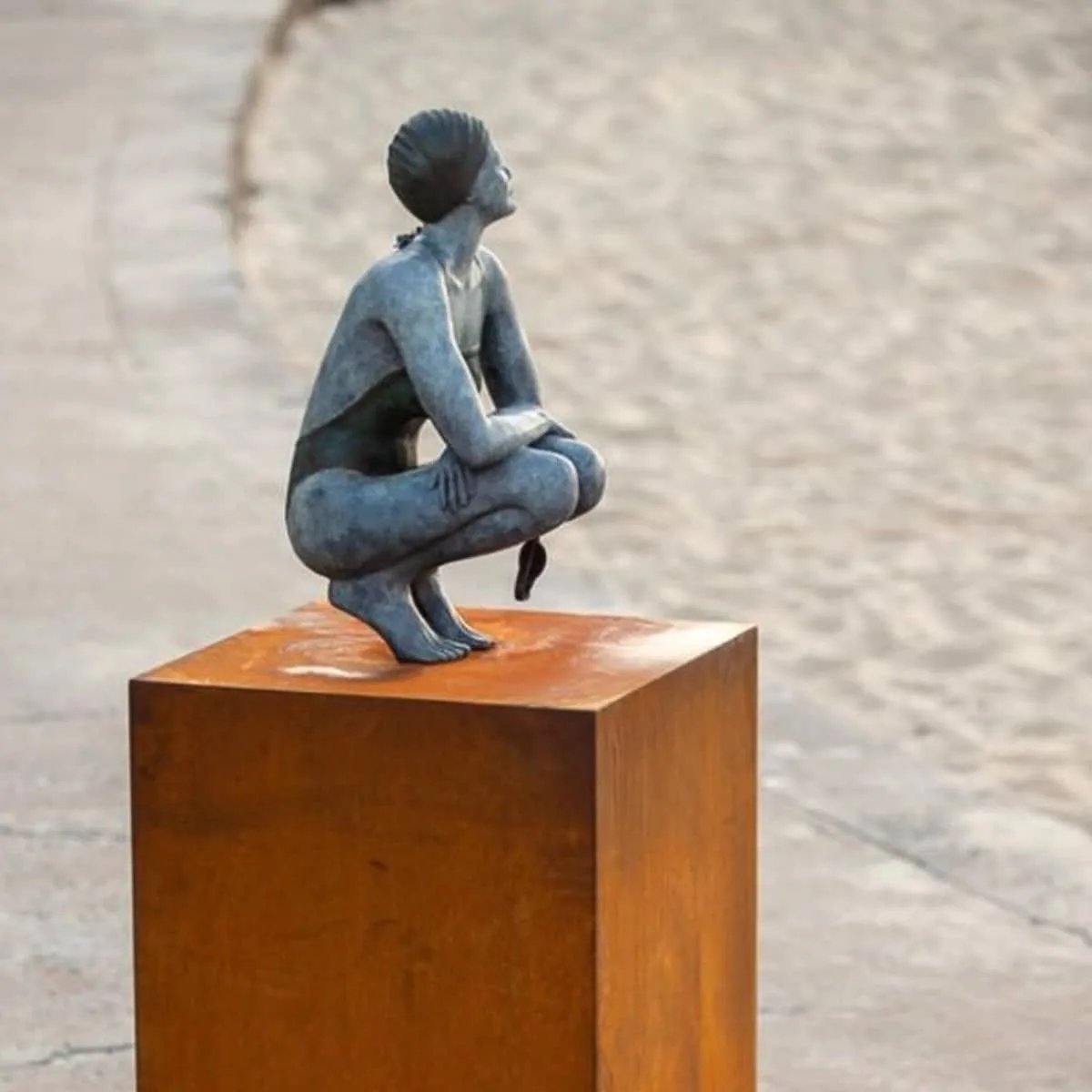
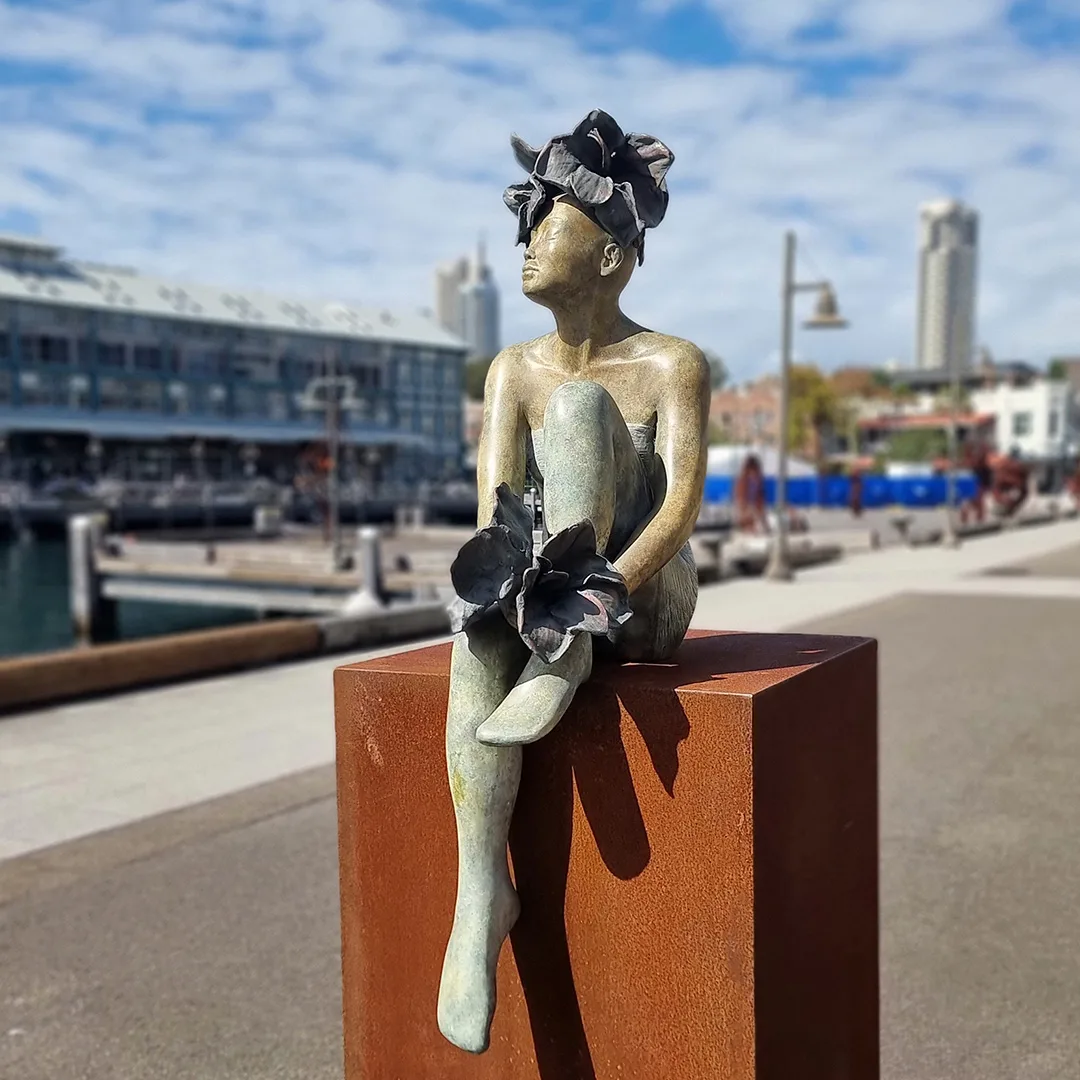
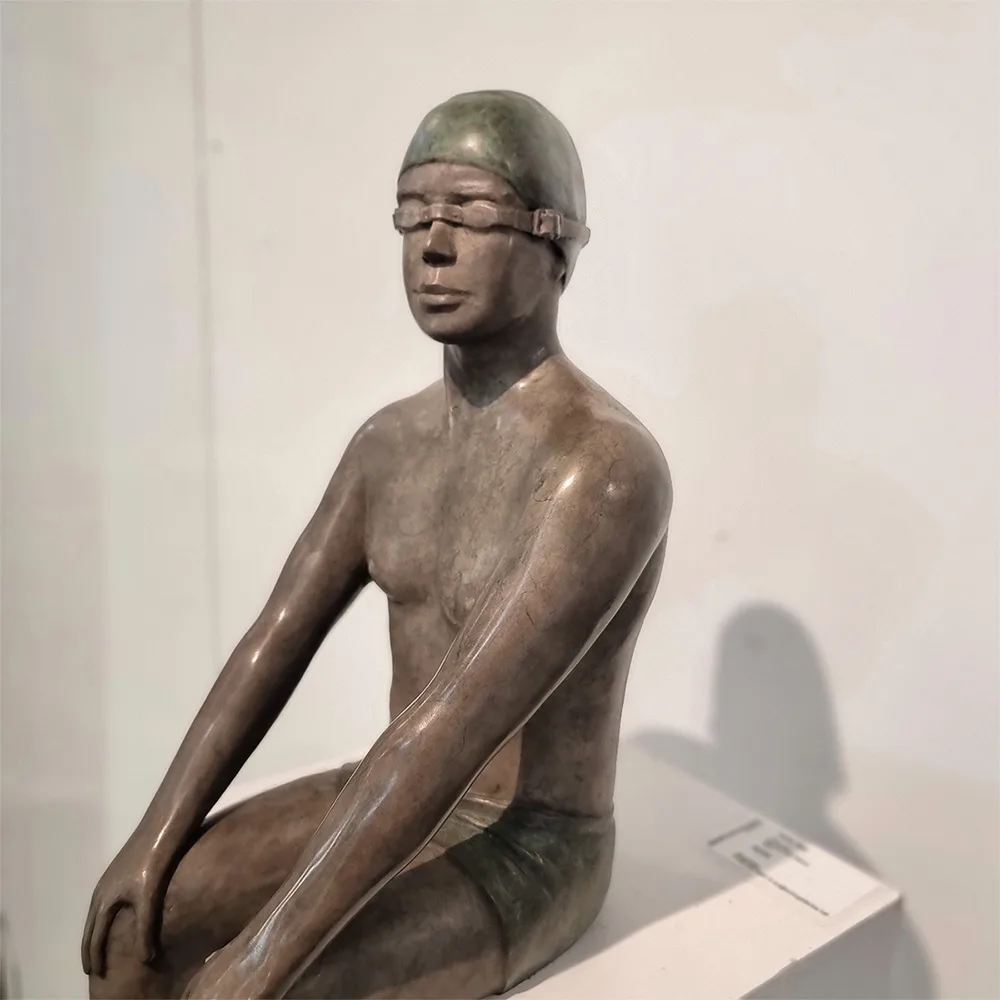
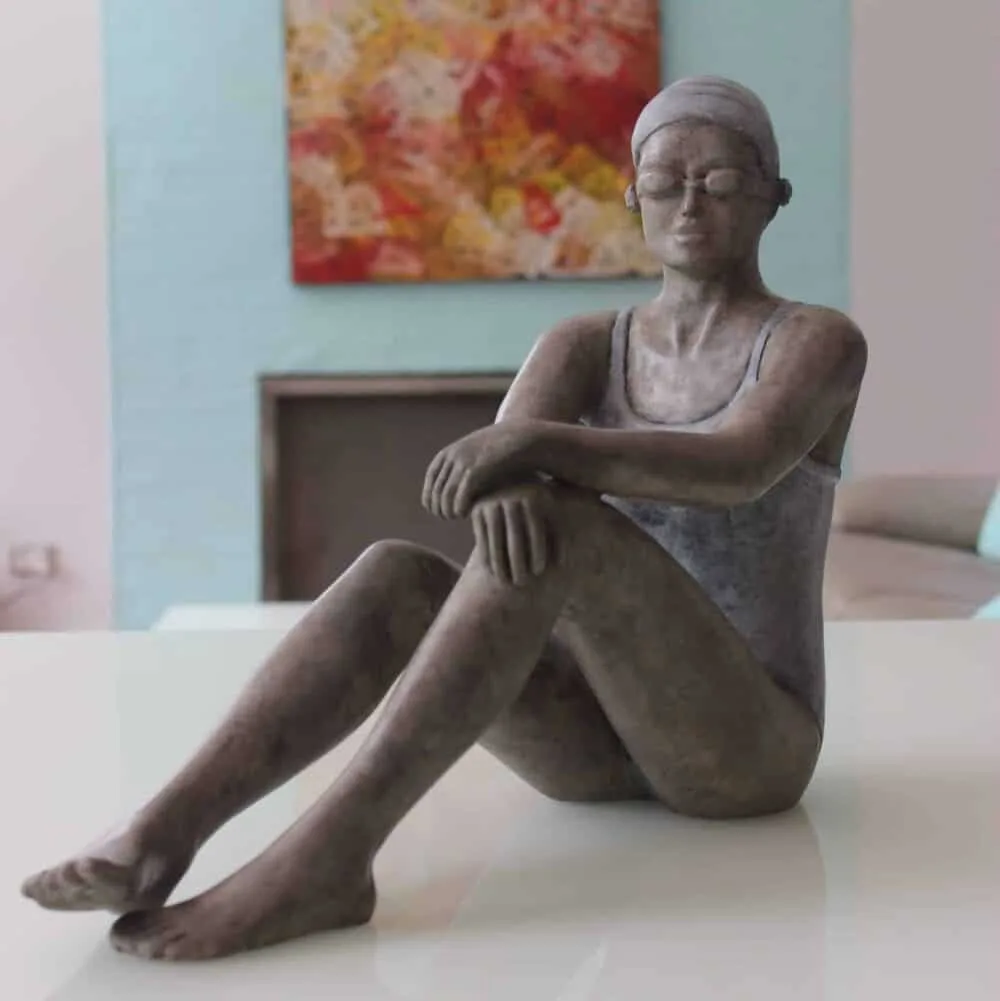
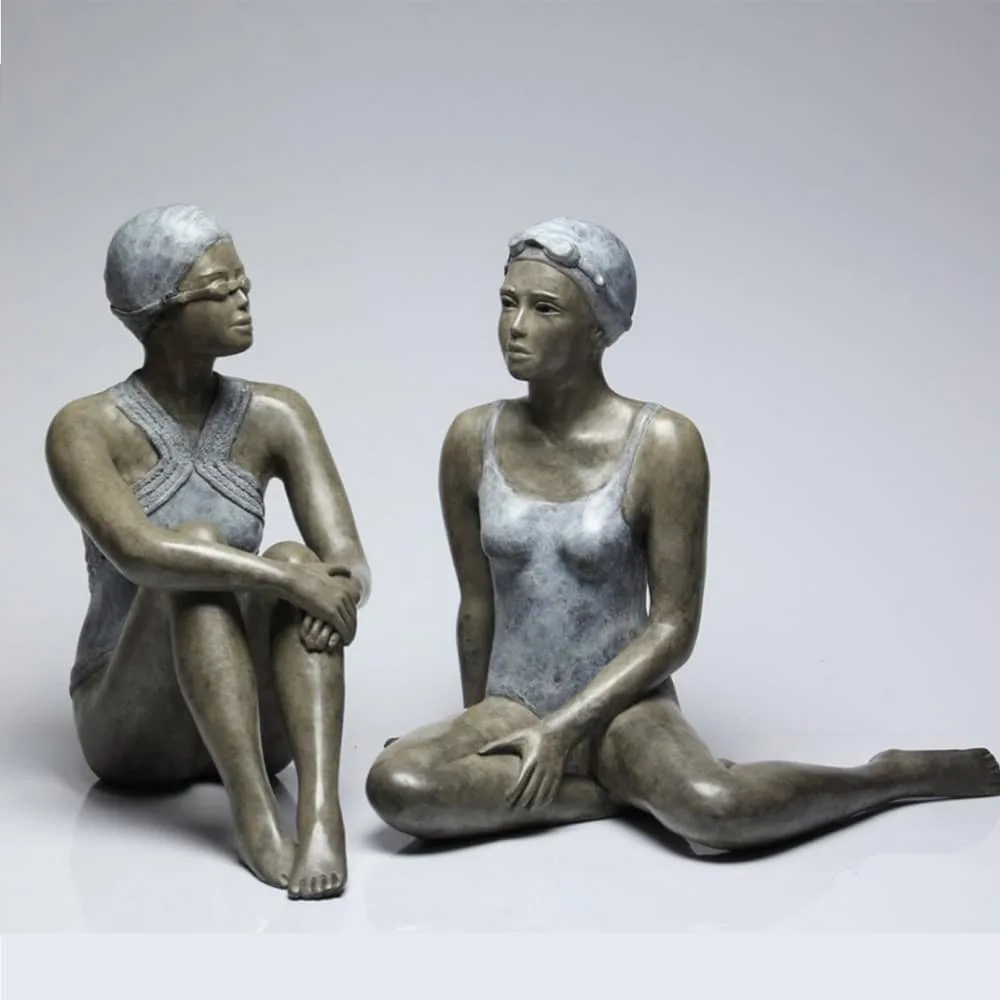
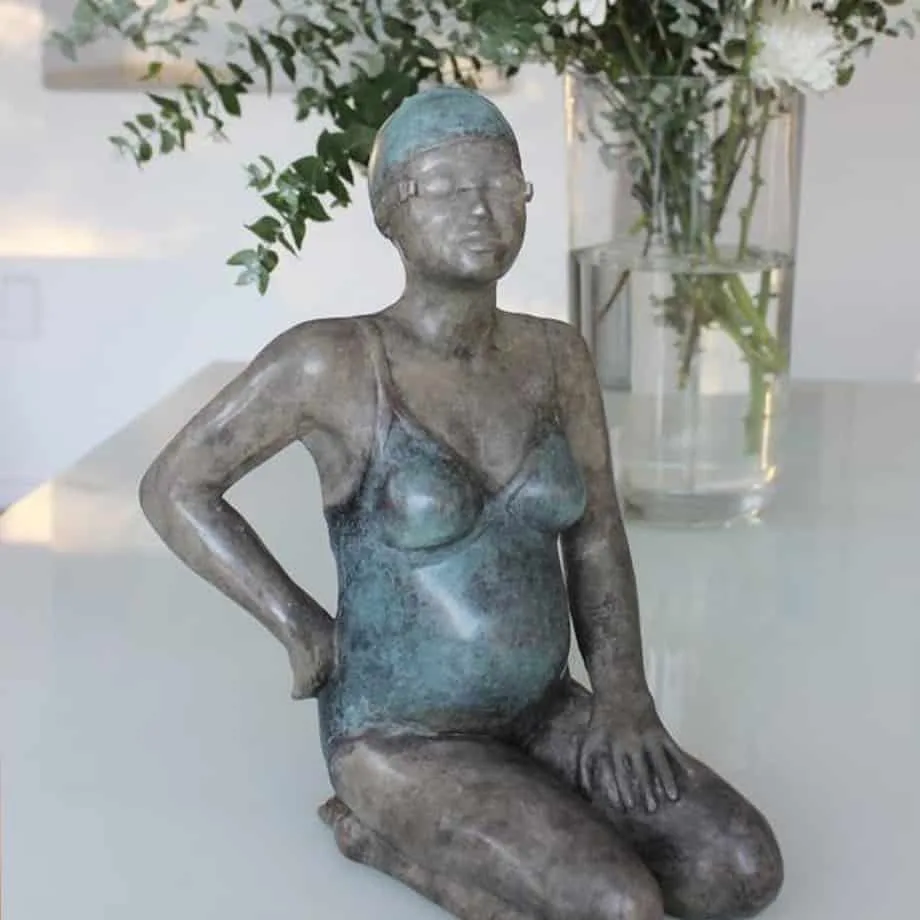
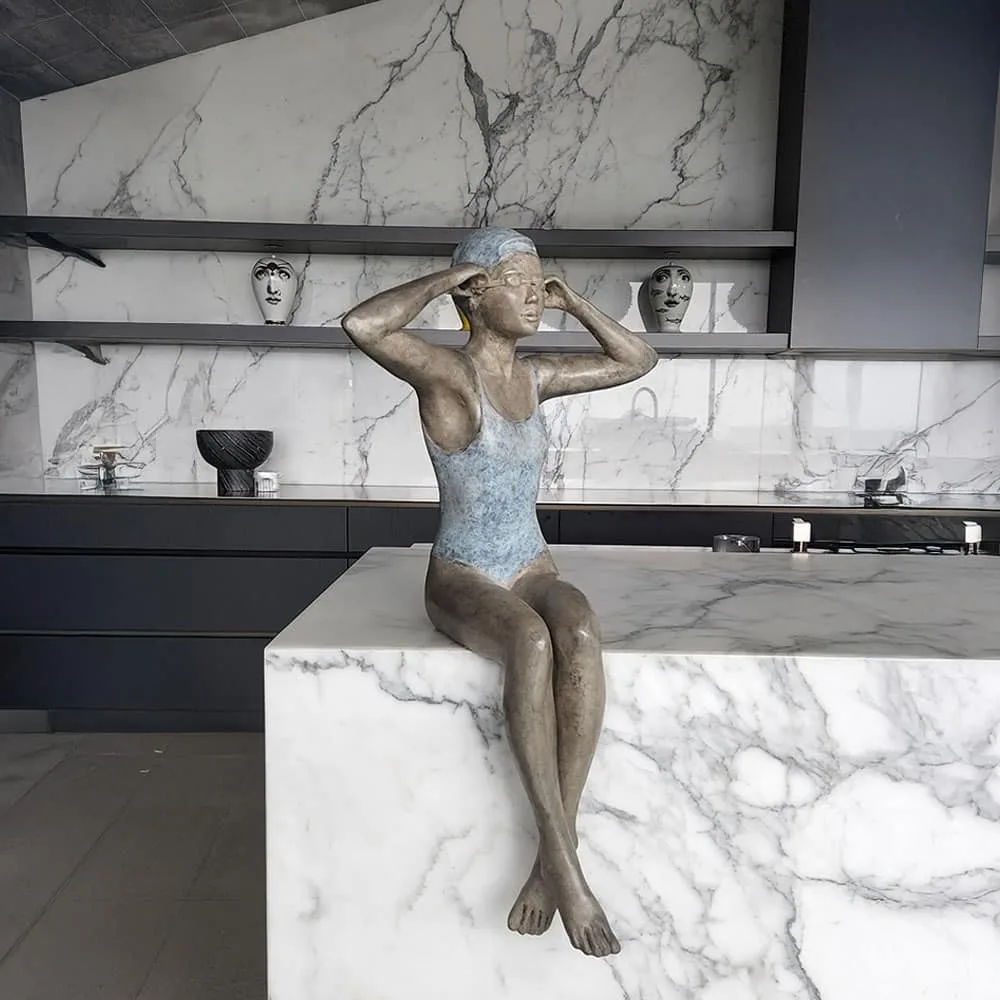
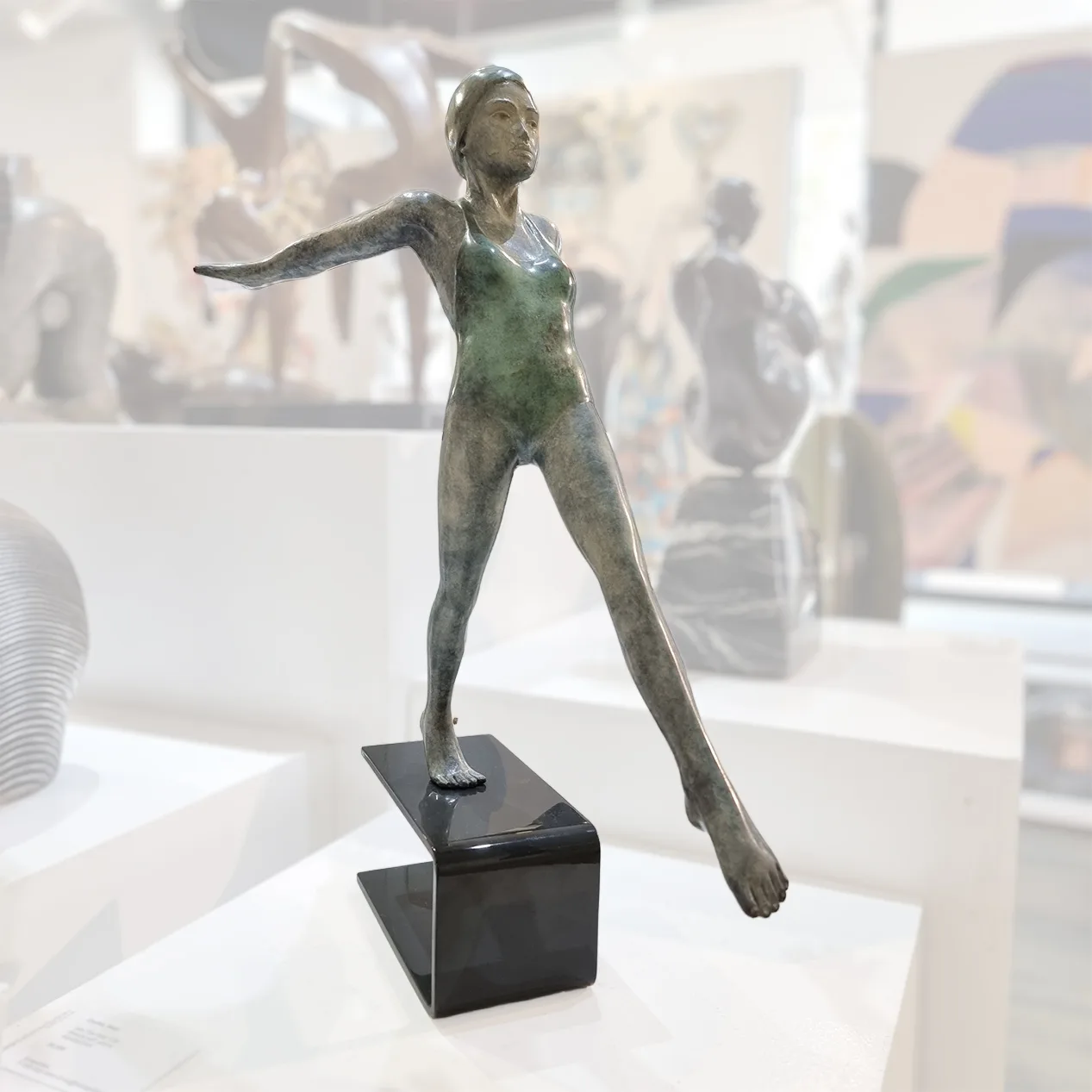
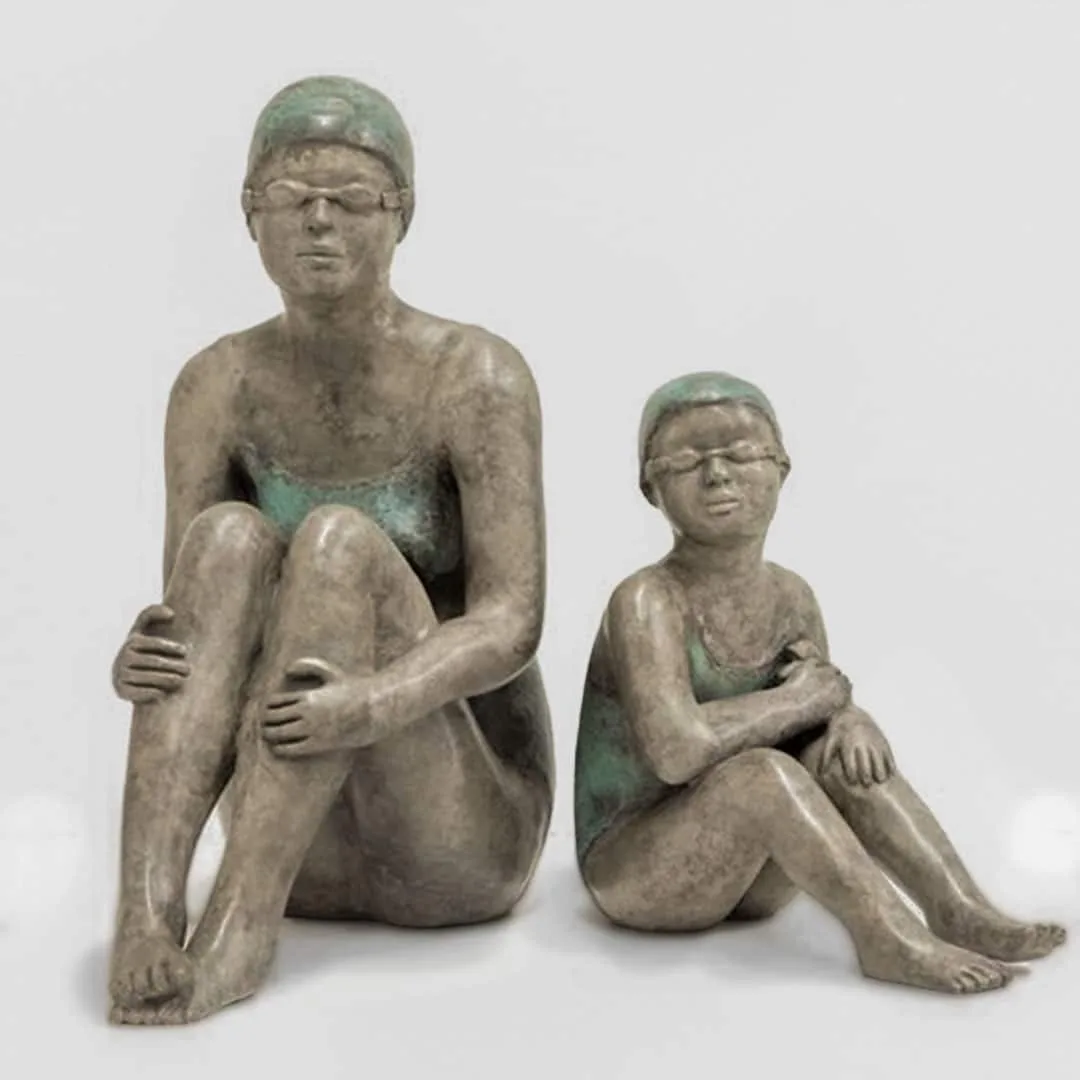
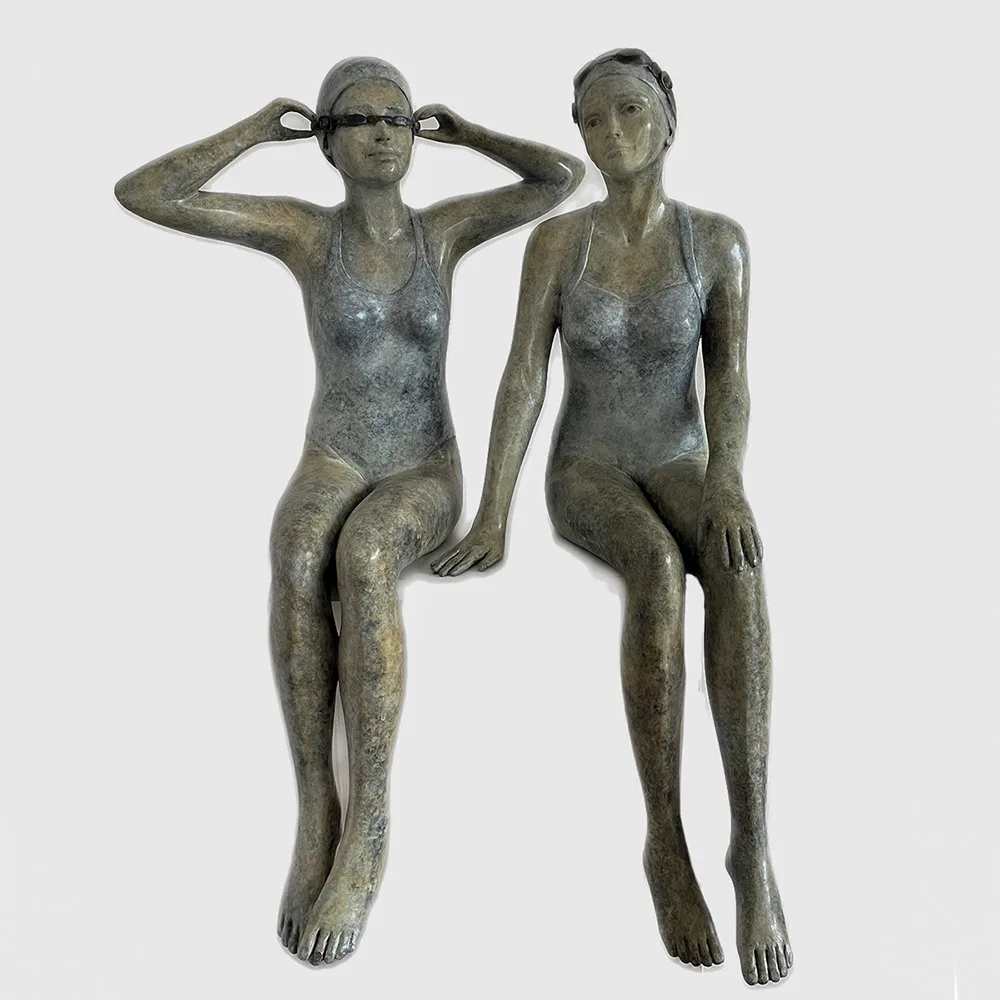
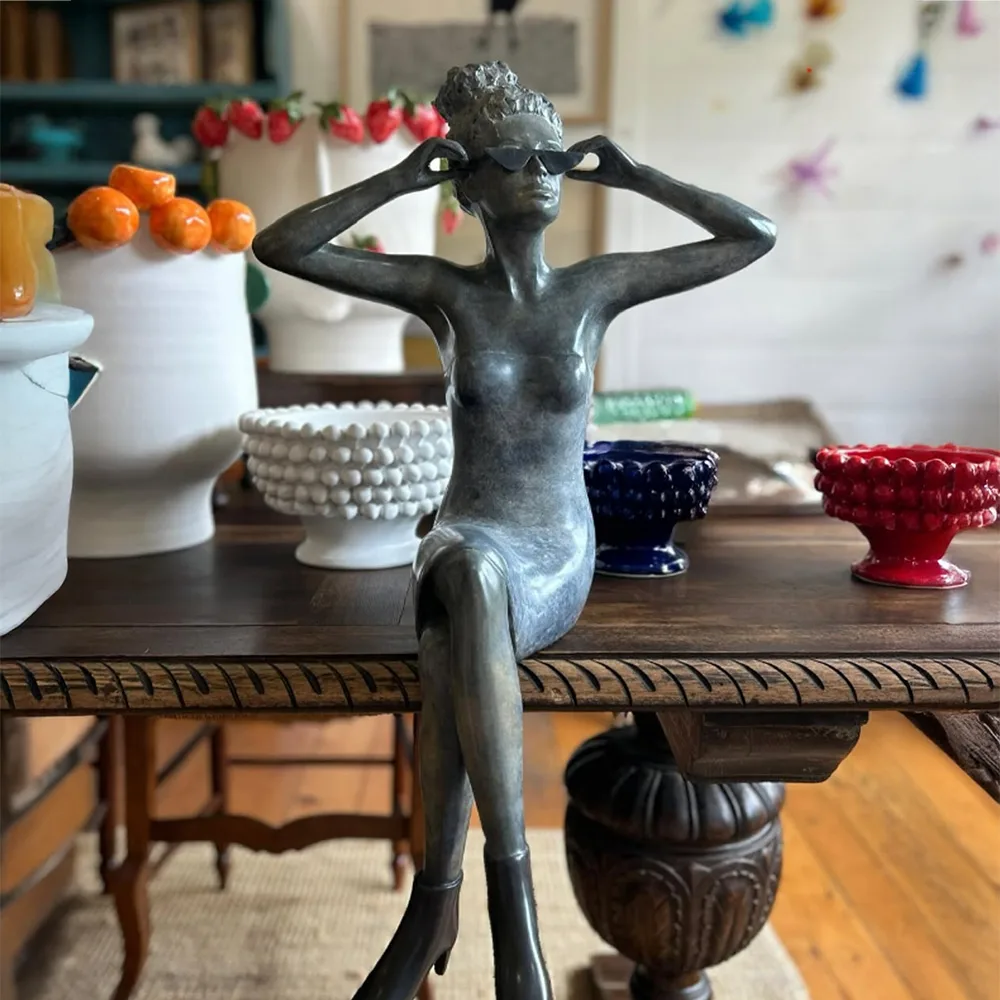
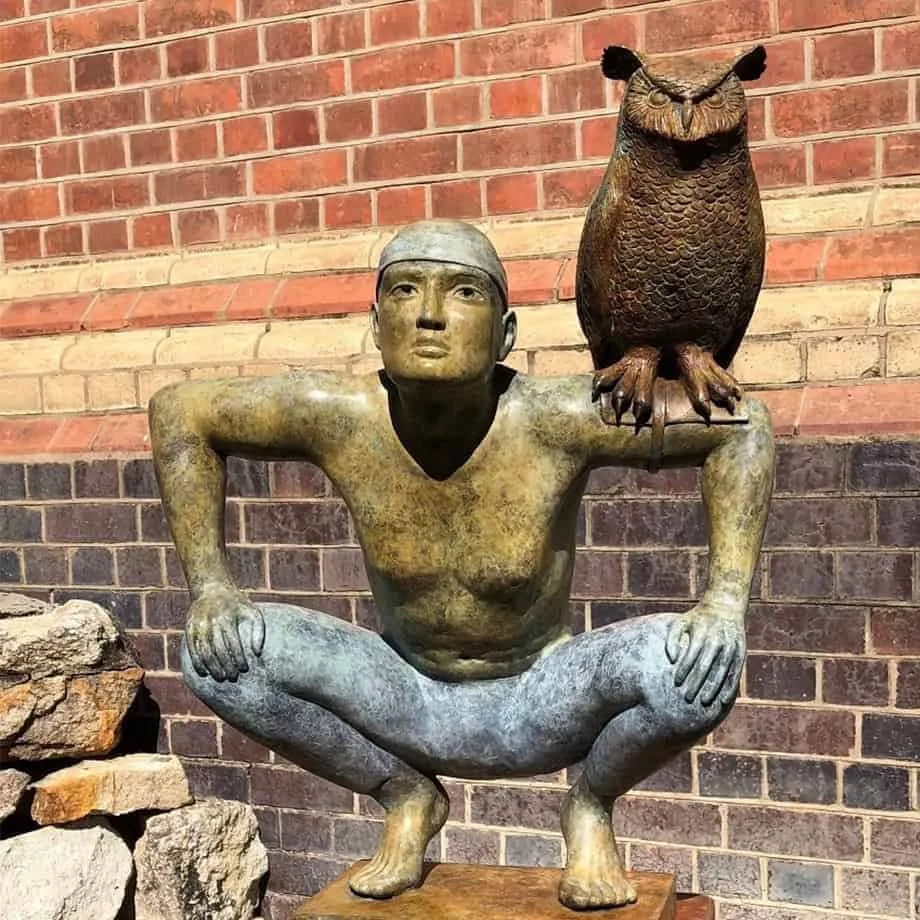
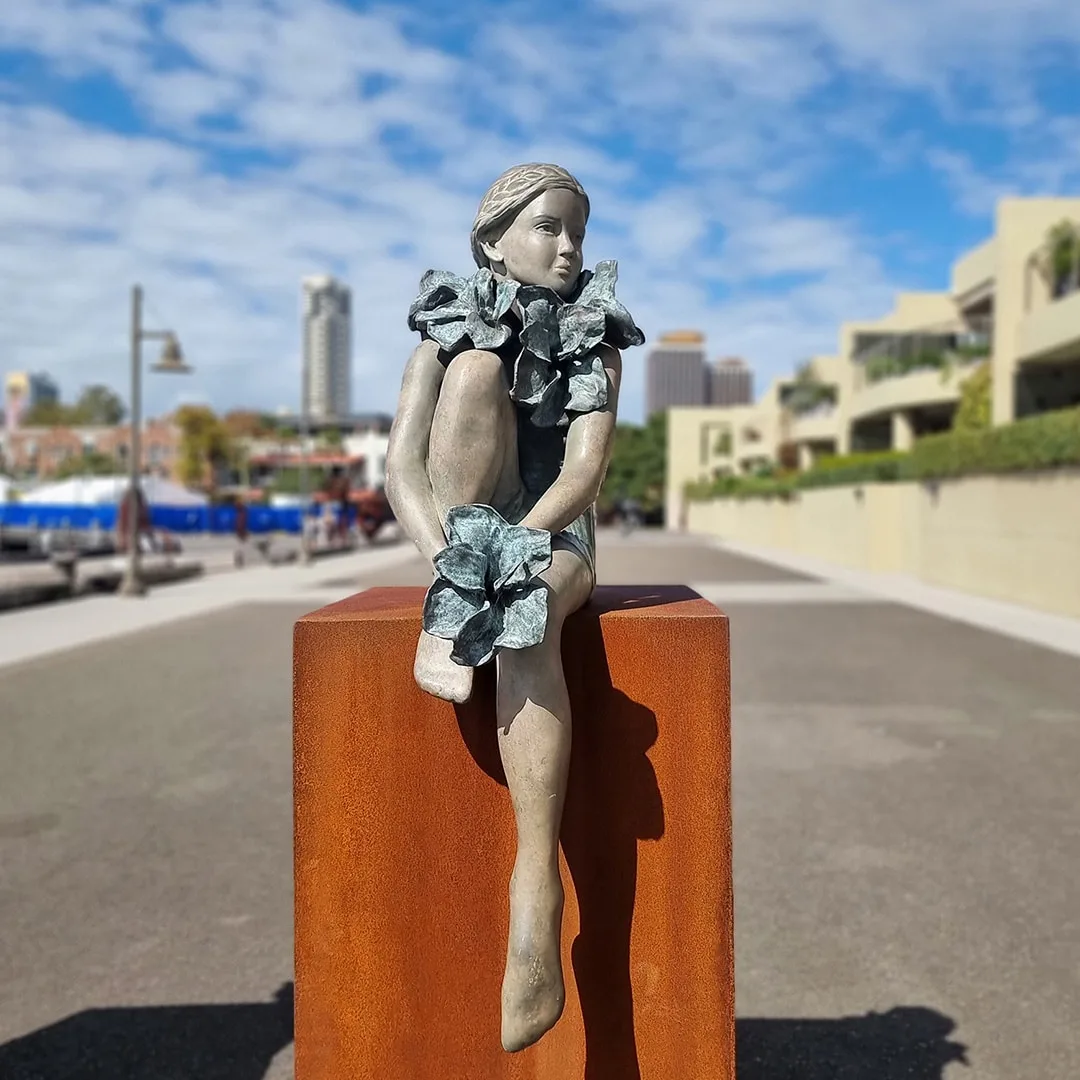
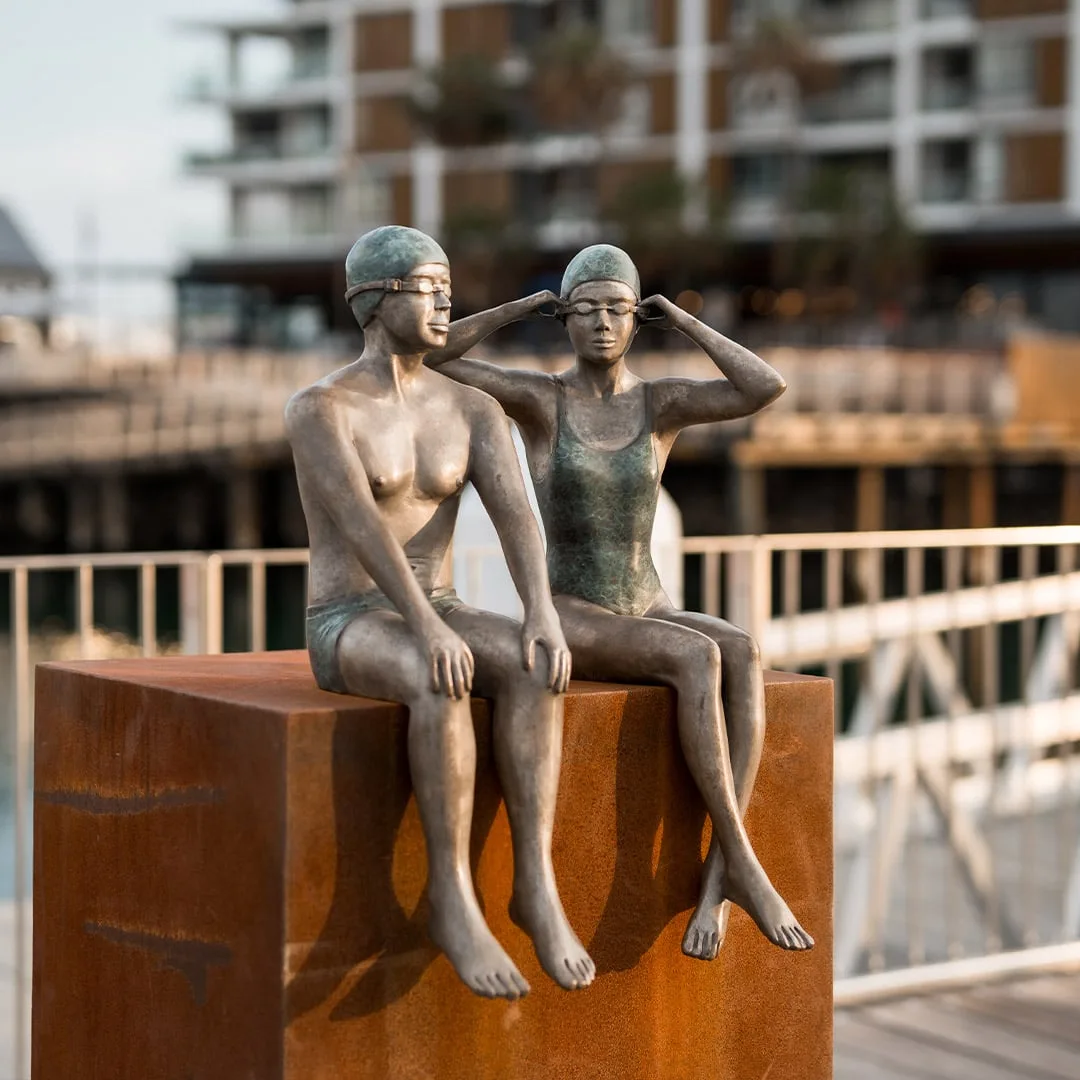
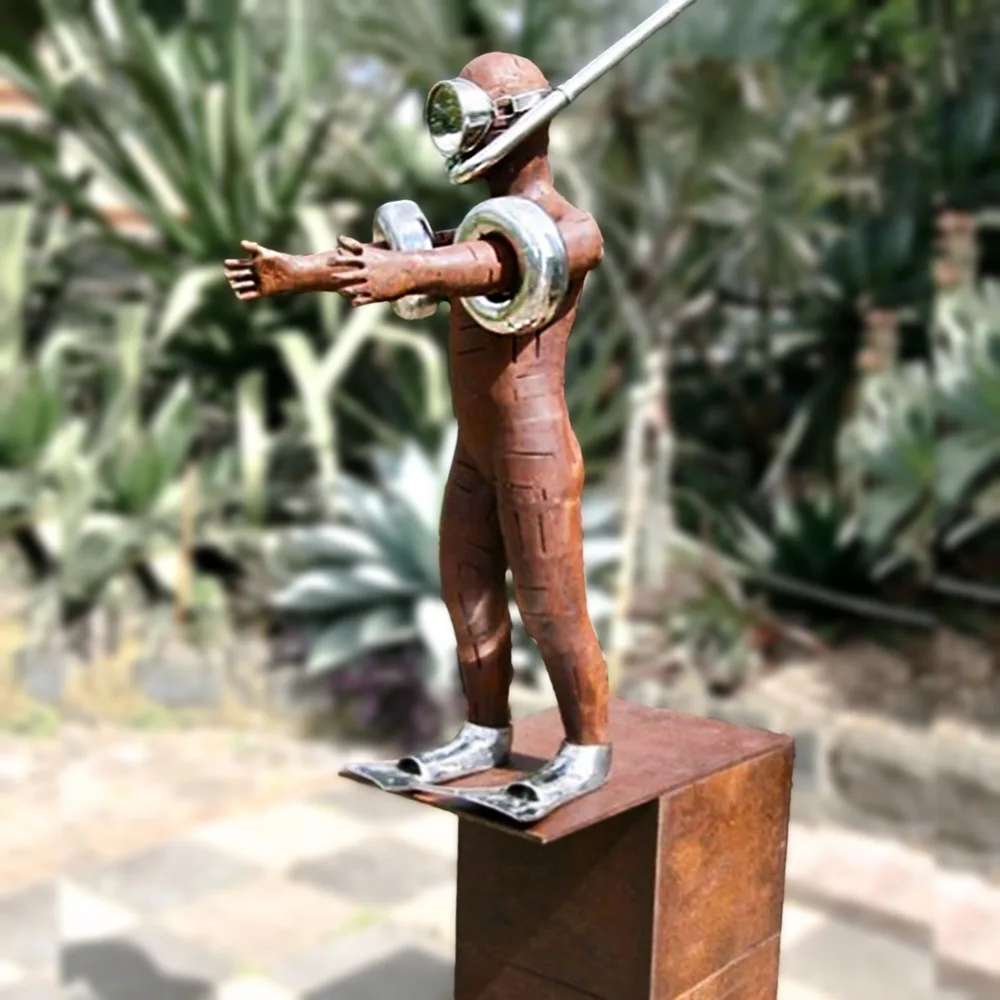
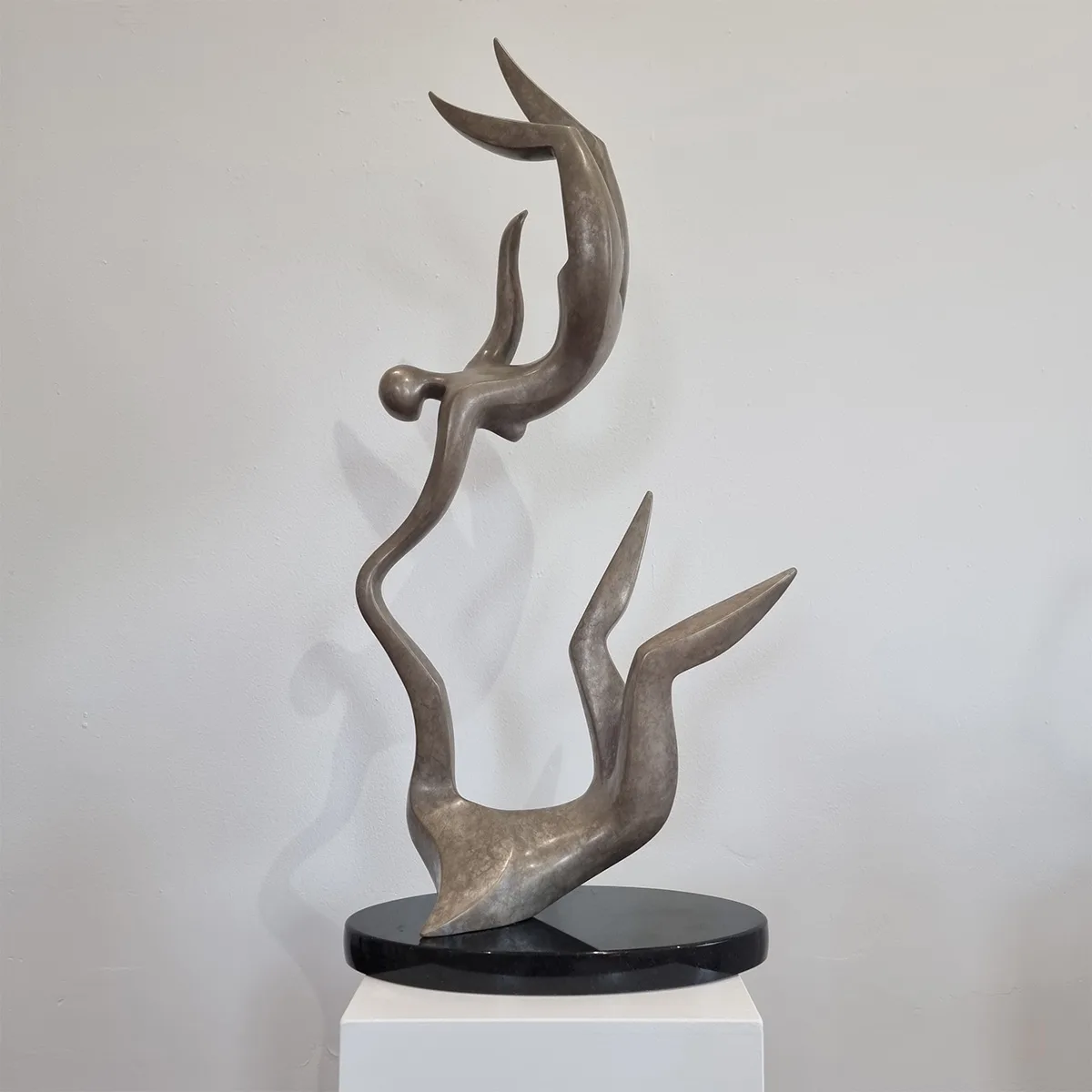
Stephen Glassborow is the largest single body of work in our collection and one of the more widely collected figurative bronze sculptors working in Australia. Mela Cooke takes the human body in water as her subject and holds the feeling of a stroke mid-reach rather than freezing it. Sonia Payes won the McClelland Achievement Prize and works monumentally, with permanent public commissions in Western Australia. Also in bronze: Michael Vaynman, Larissa Smagarinsky and Denise Murray.
Stainless steel
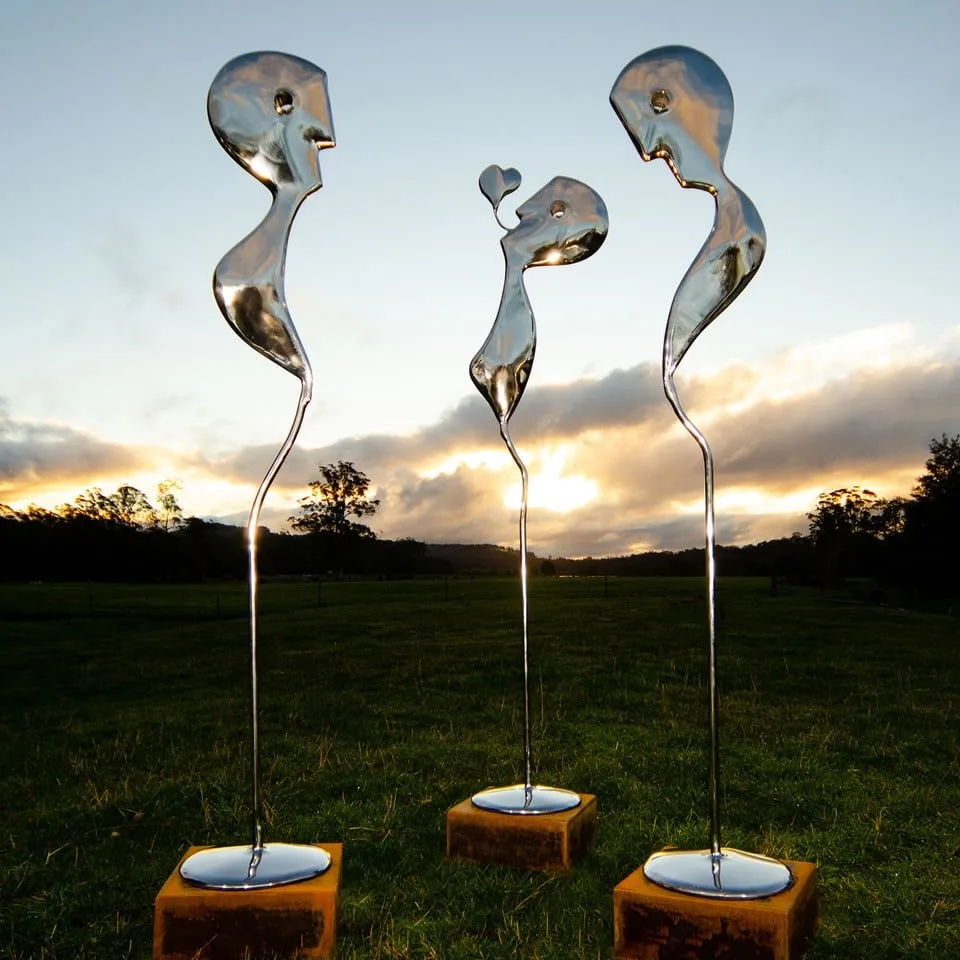
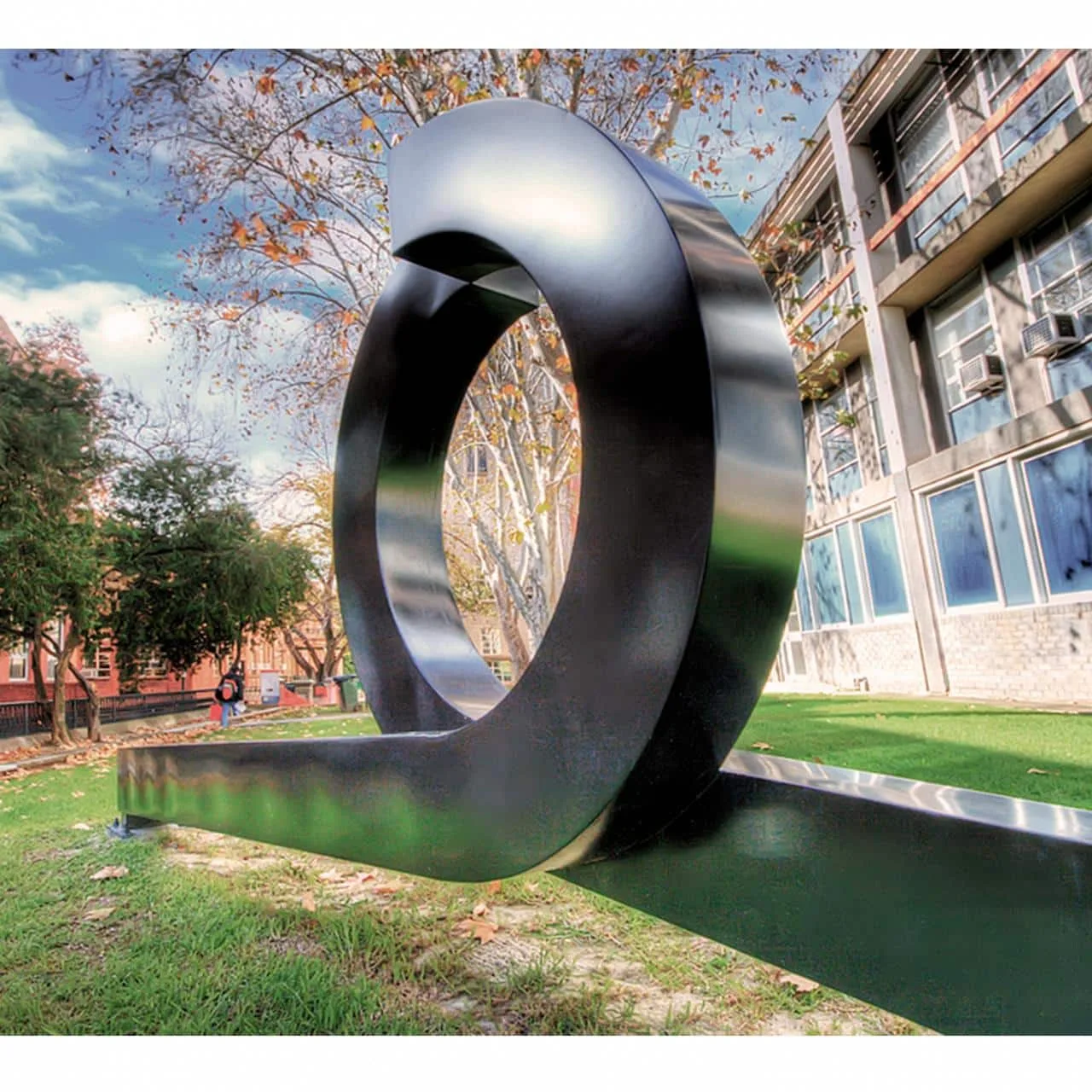
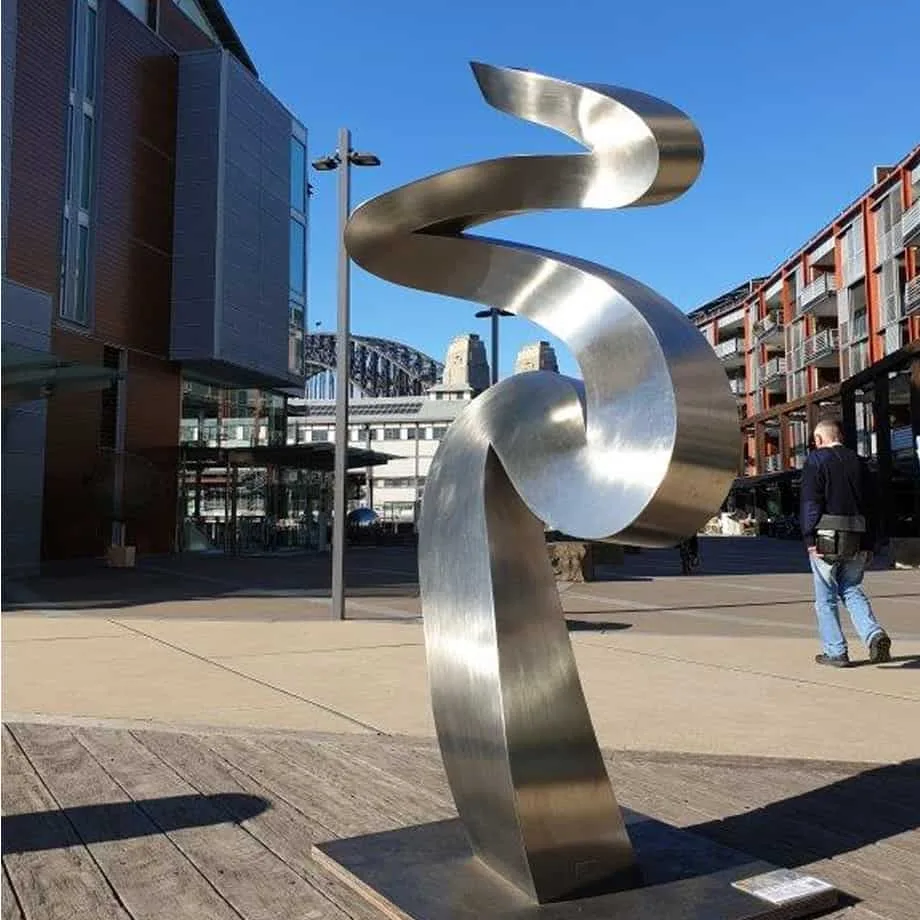
David McCracken came to sculpture through boatbuilding, steel fabrication and stage design, and has exhibited at Sculpture by the Sea and Sculpture on the Gulf; his painted Rocket series is the most recognisable work in this material we carry. Hugh McLachlan and Mike Van Dam work at architectural scale; Zoe Ellenberg works small and nature-derived, in polished stainless and bronze. We also hold limited-edition sculptural works by Charles Blackman (1928–2018) — the painter of the Schoolgirls and Alice in Wonderland series, awarded an OBE and held in the National Gallery of Australia and every state gallery — which carry his painted figures into powder-coated steel.
Corten steel
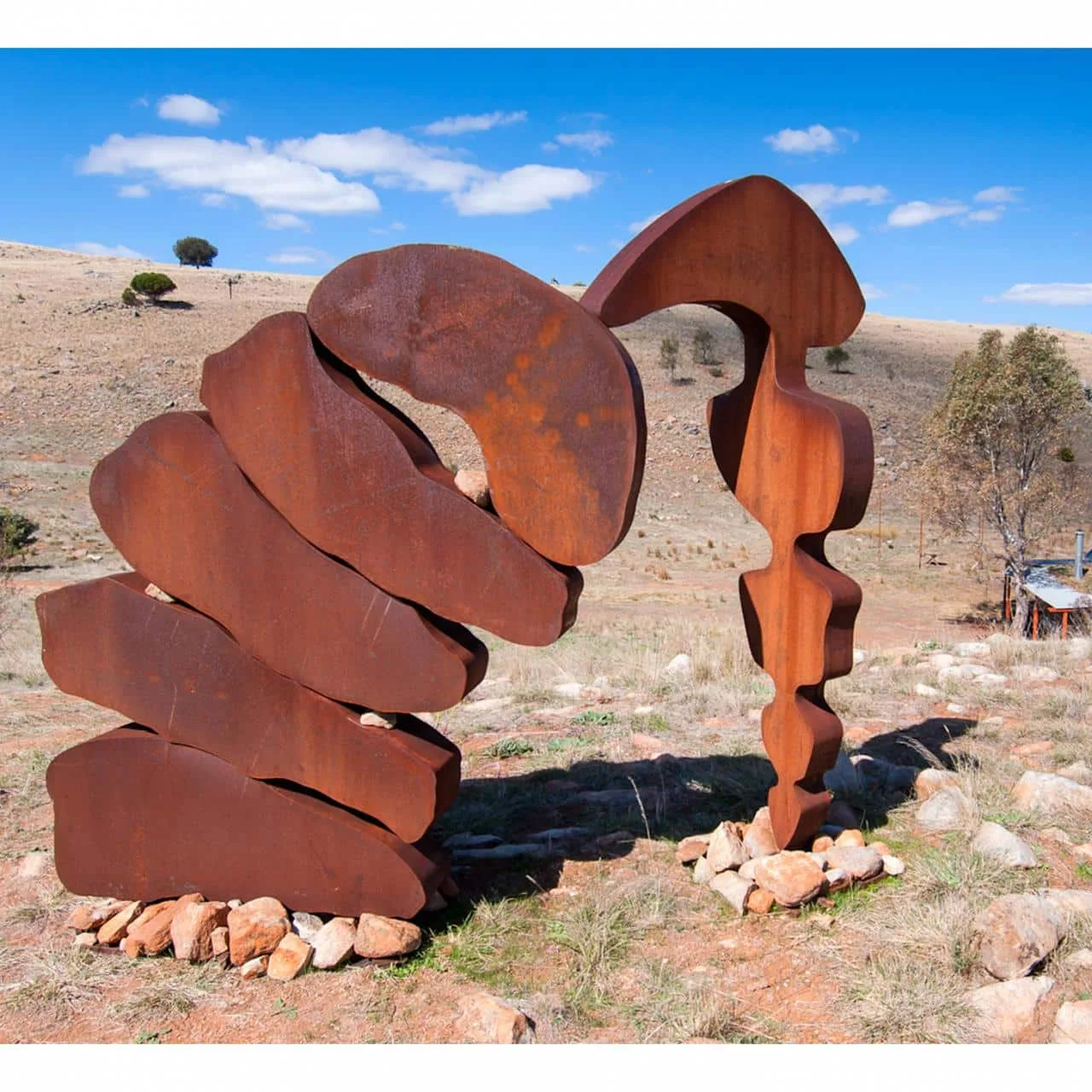
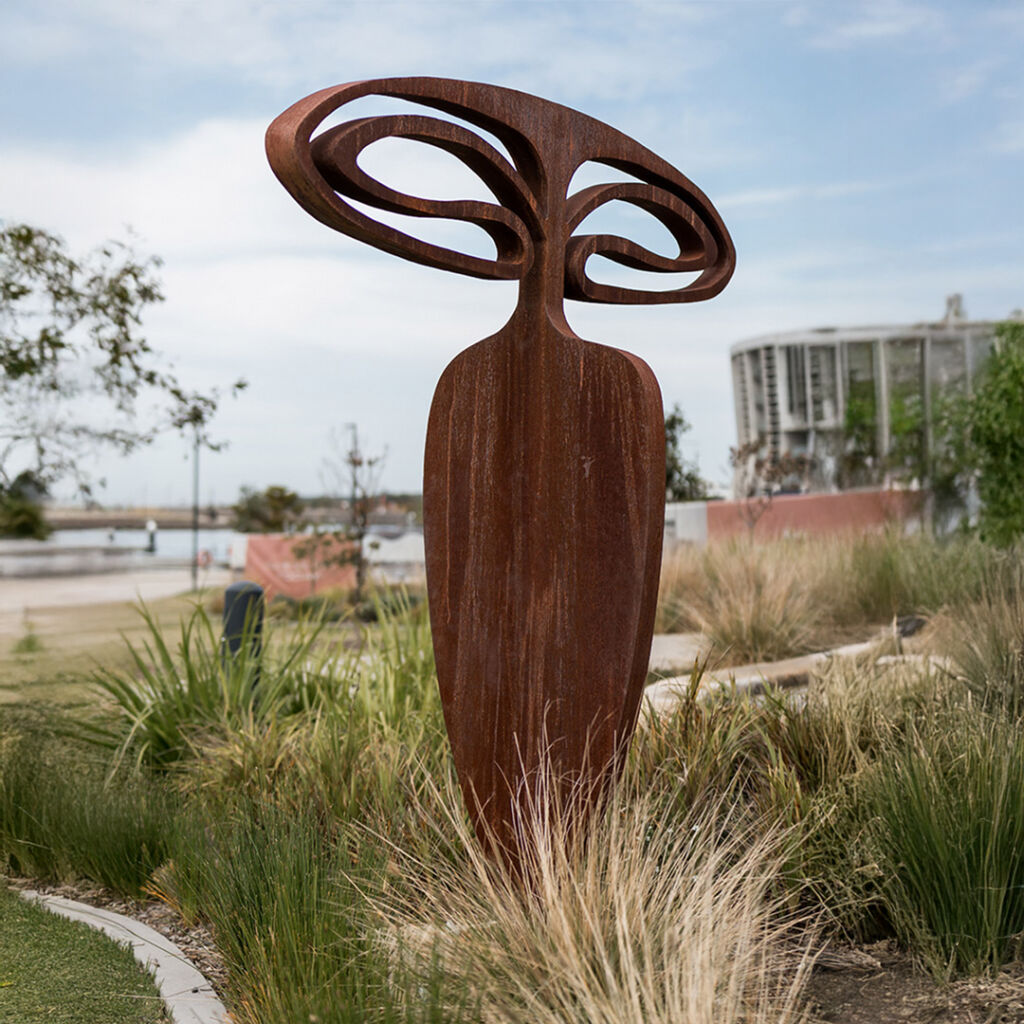
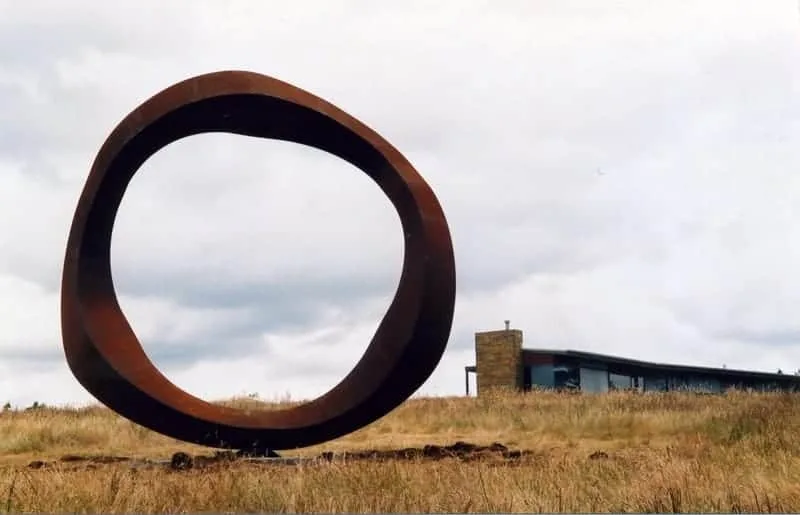
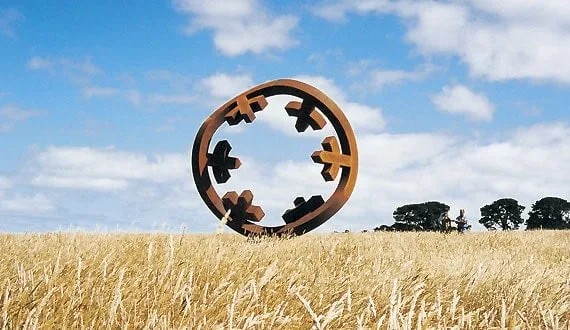
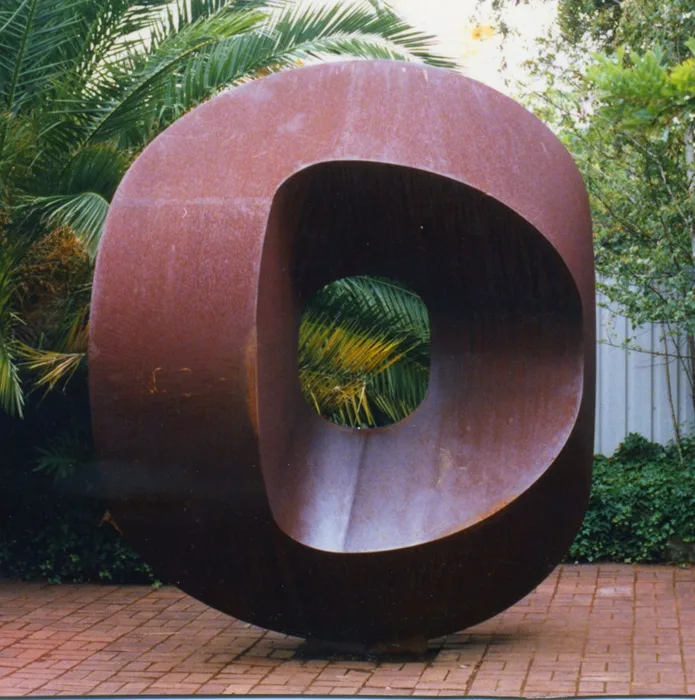
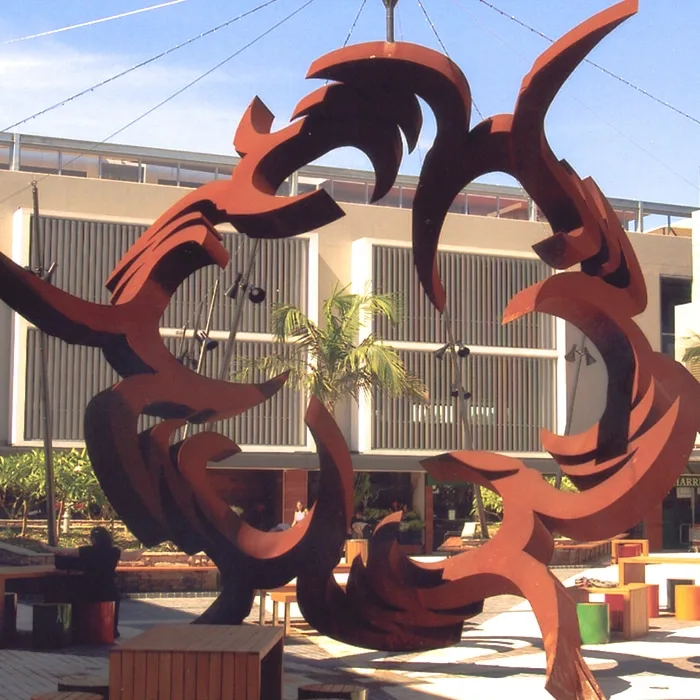
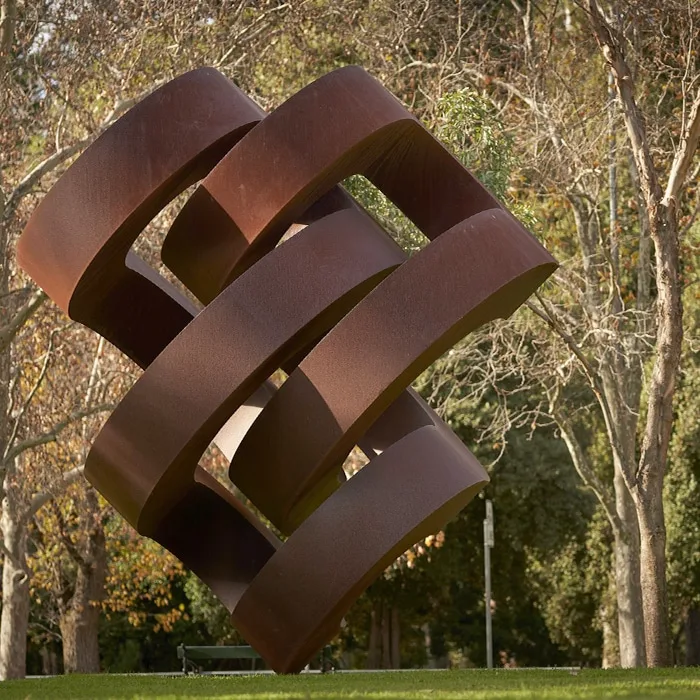
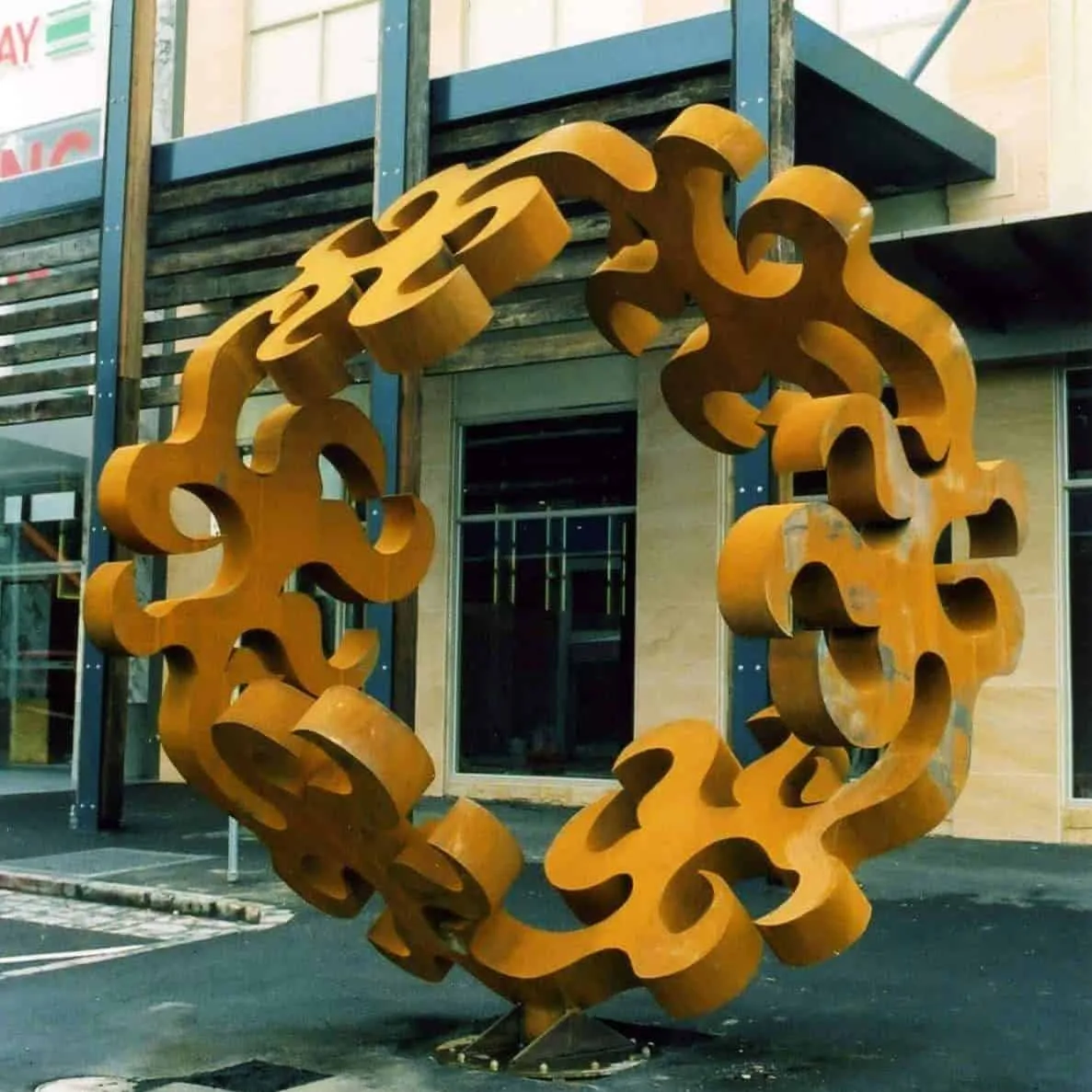
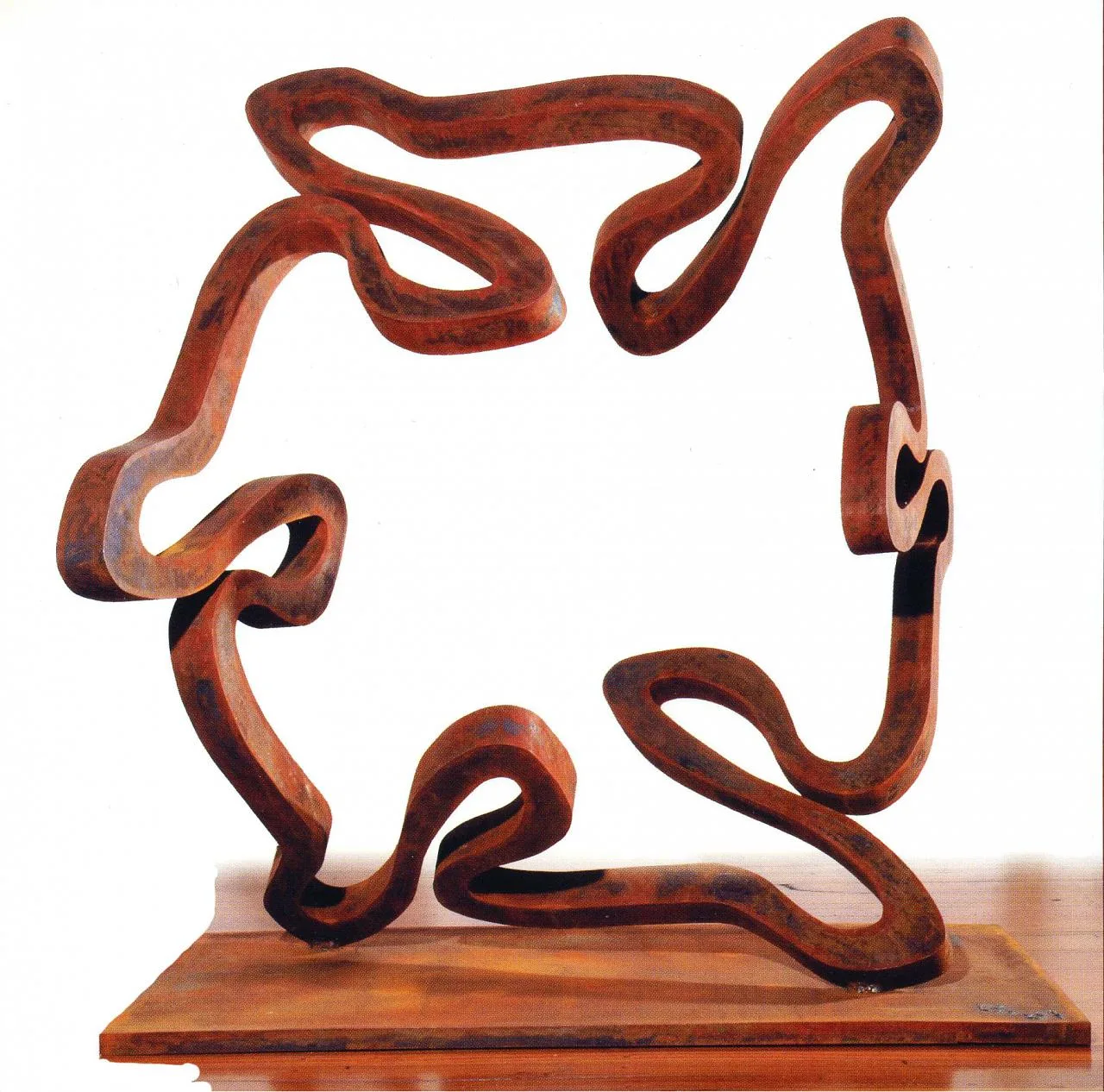
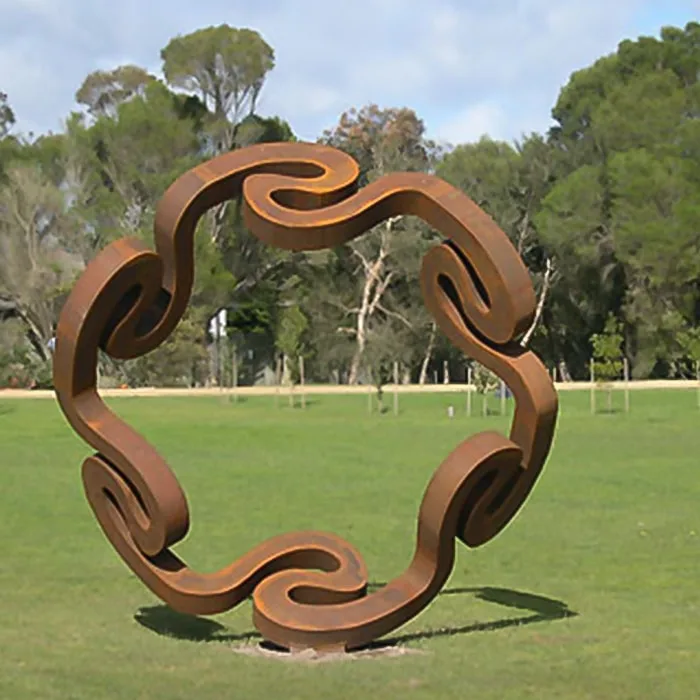
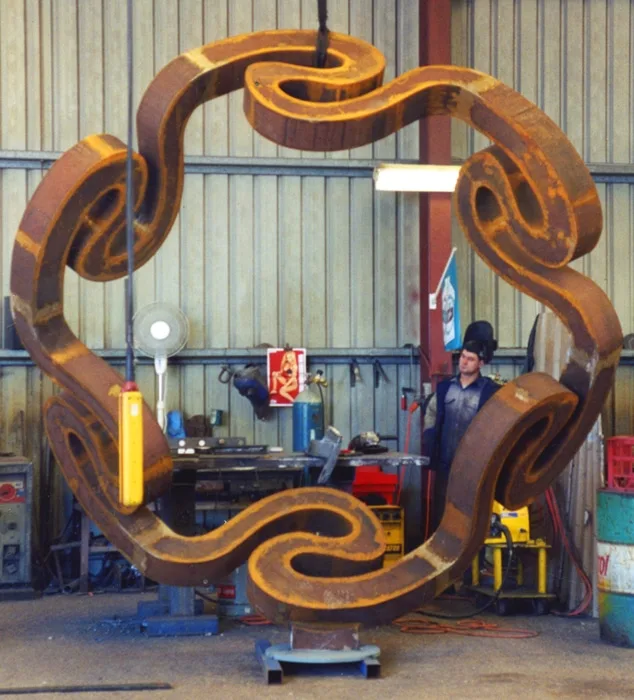
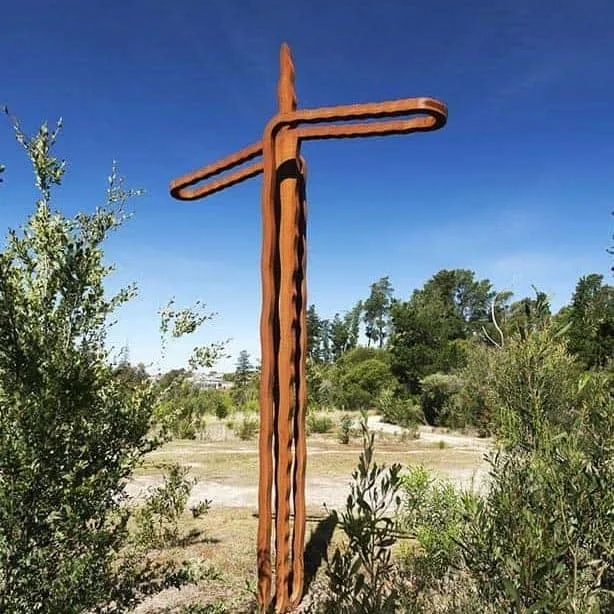
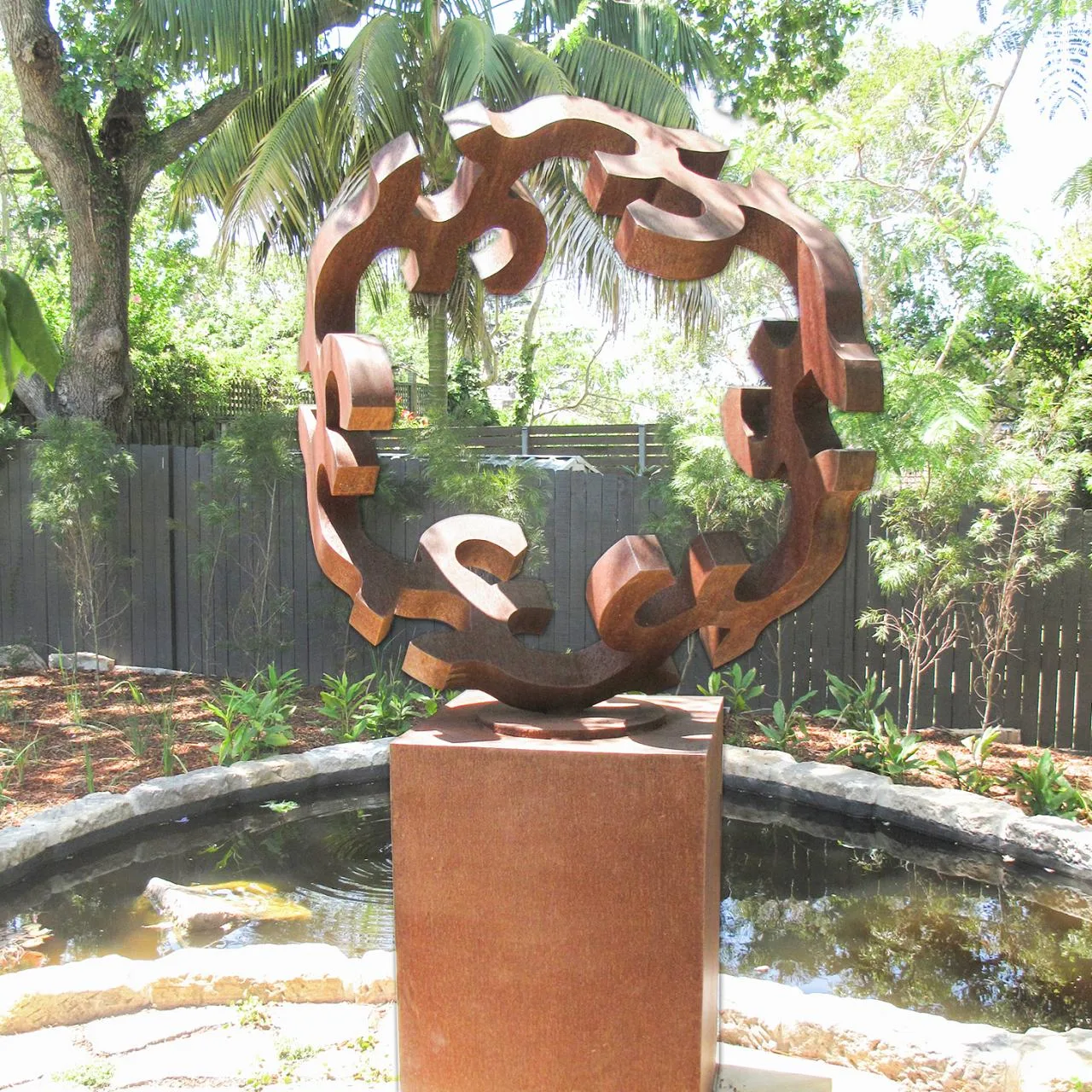
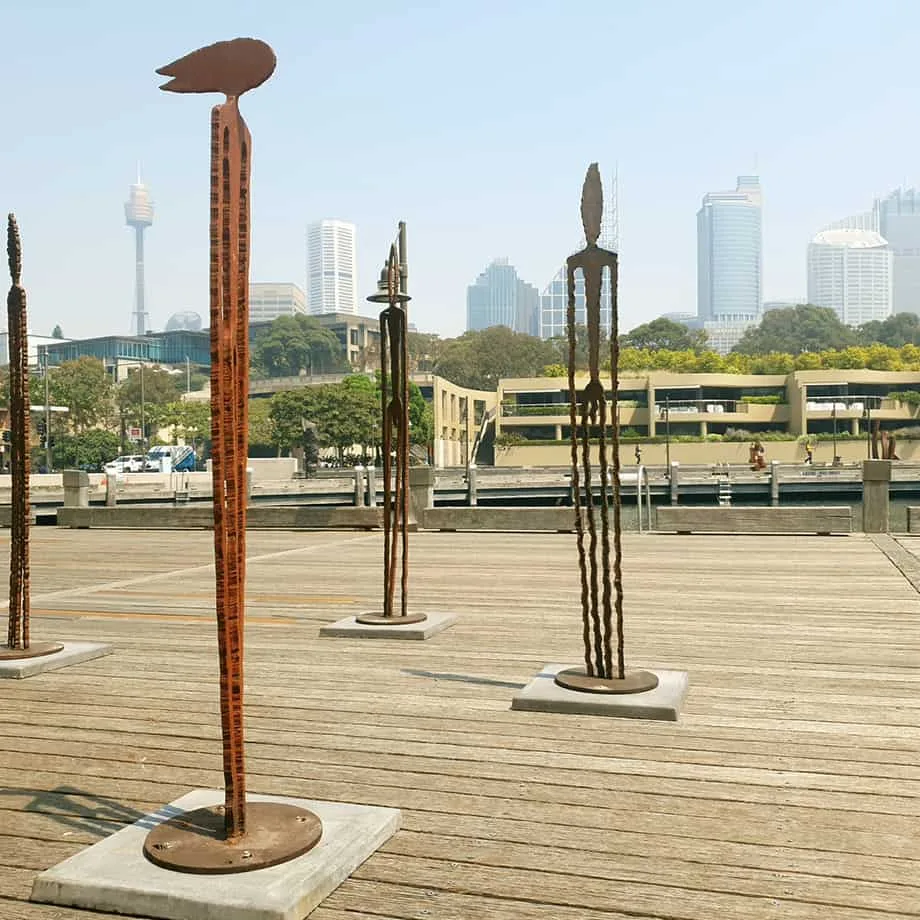
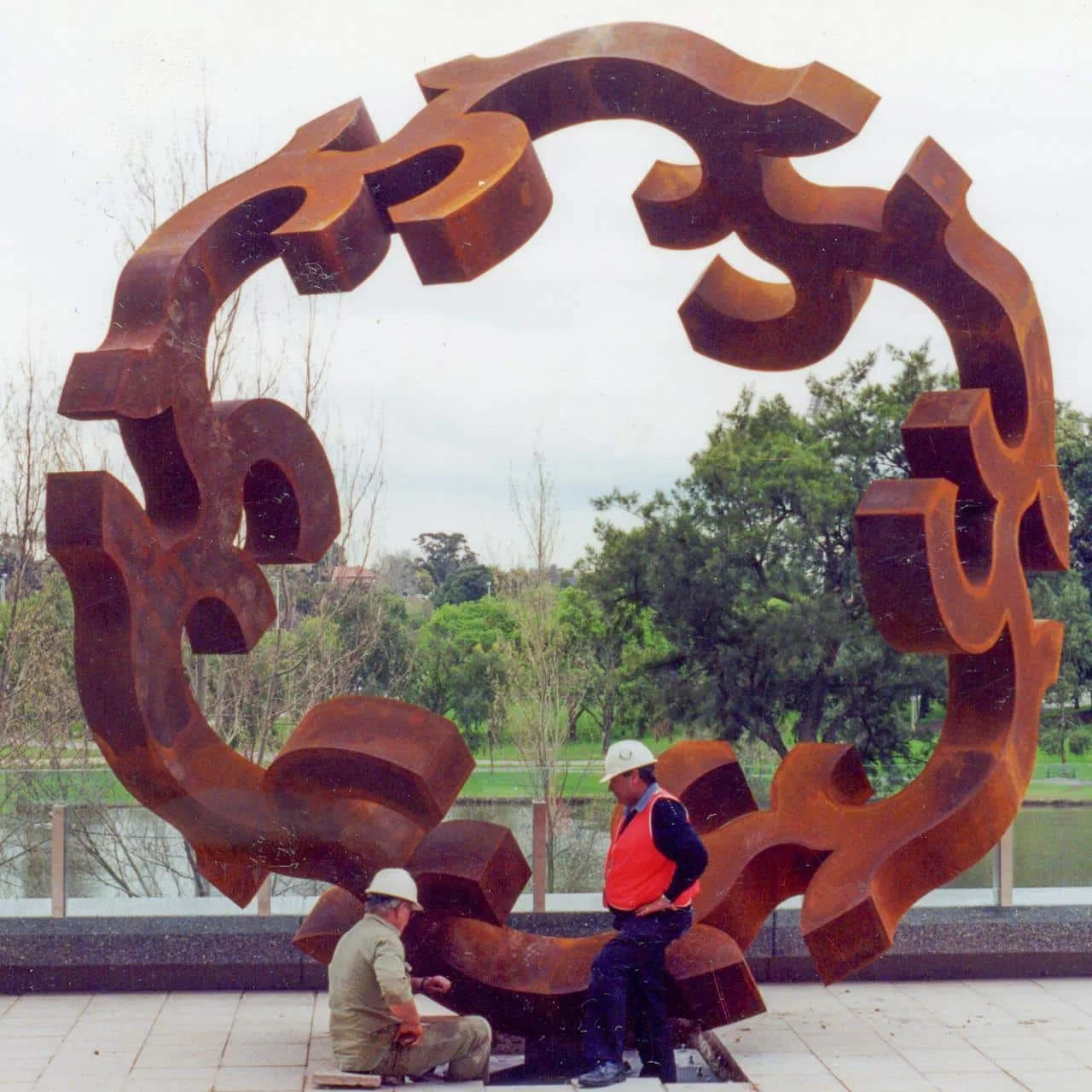
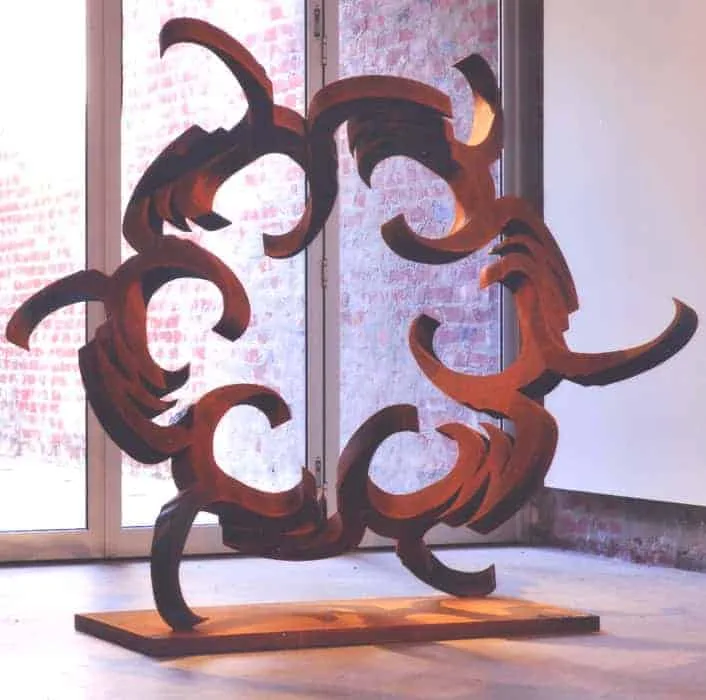
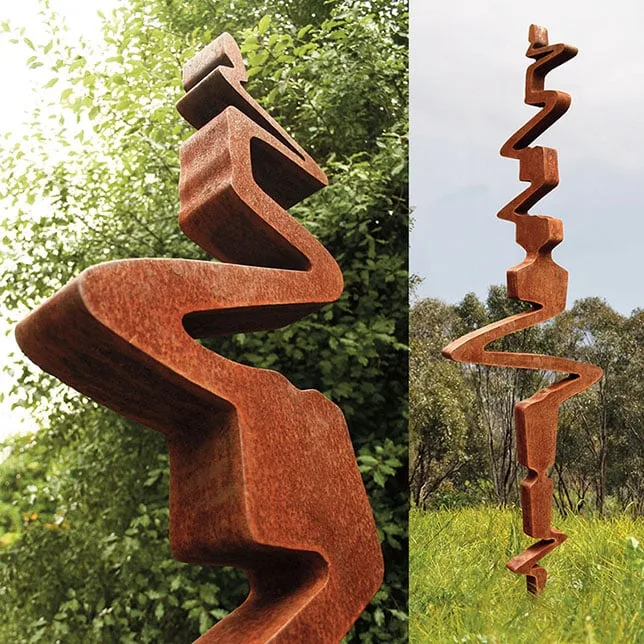
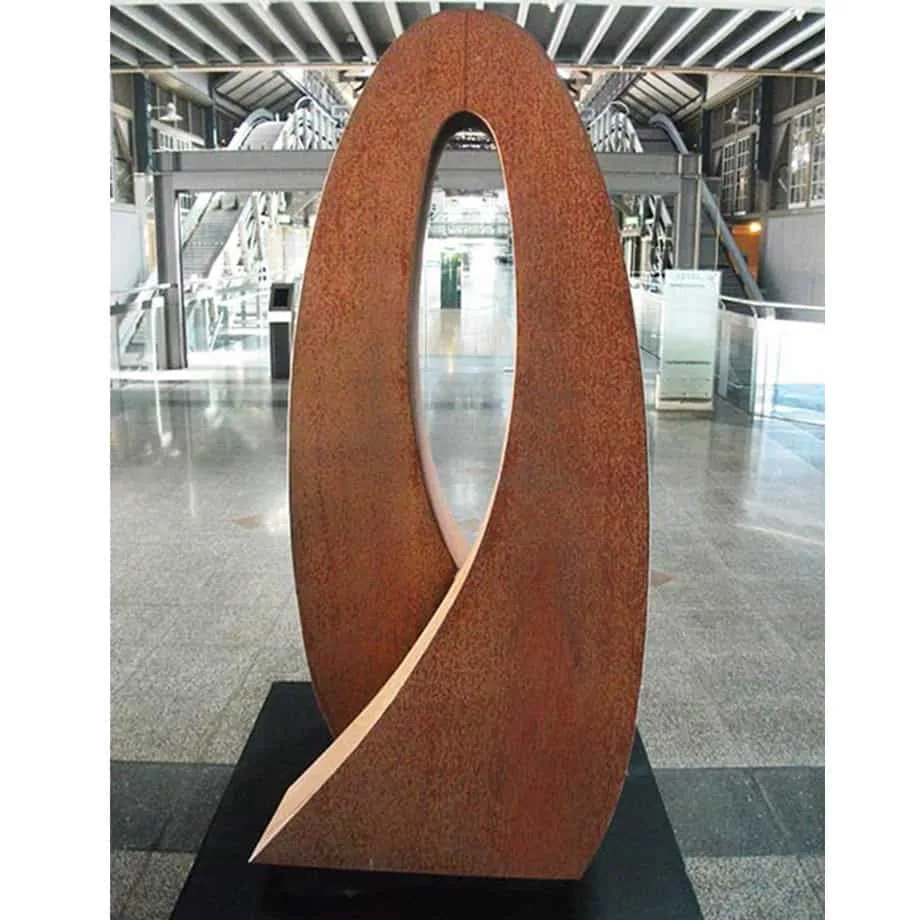
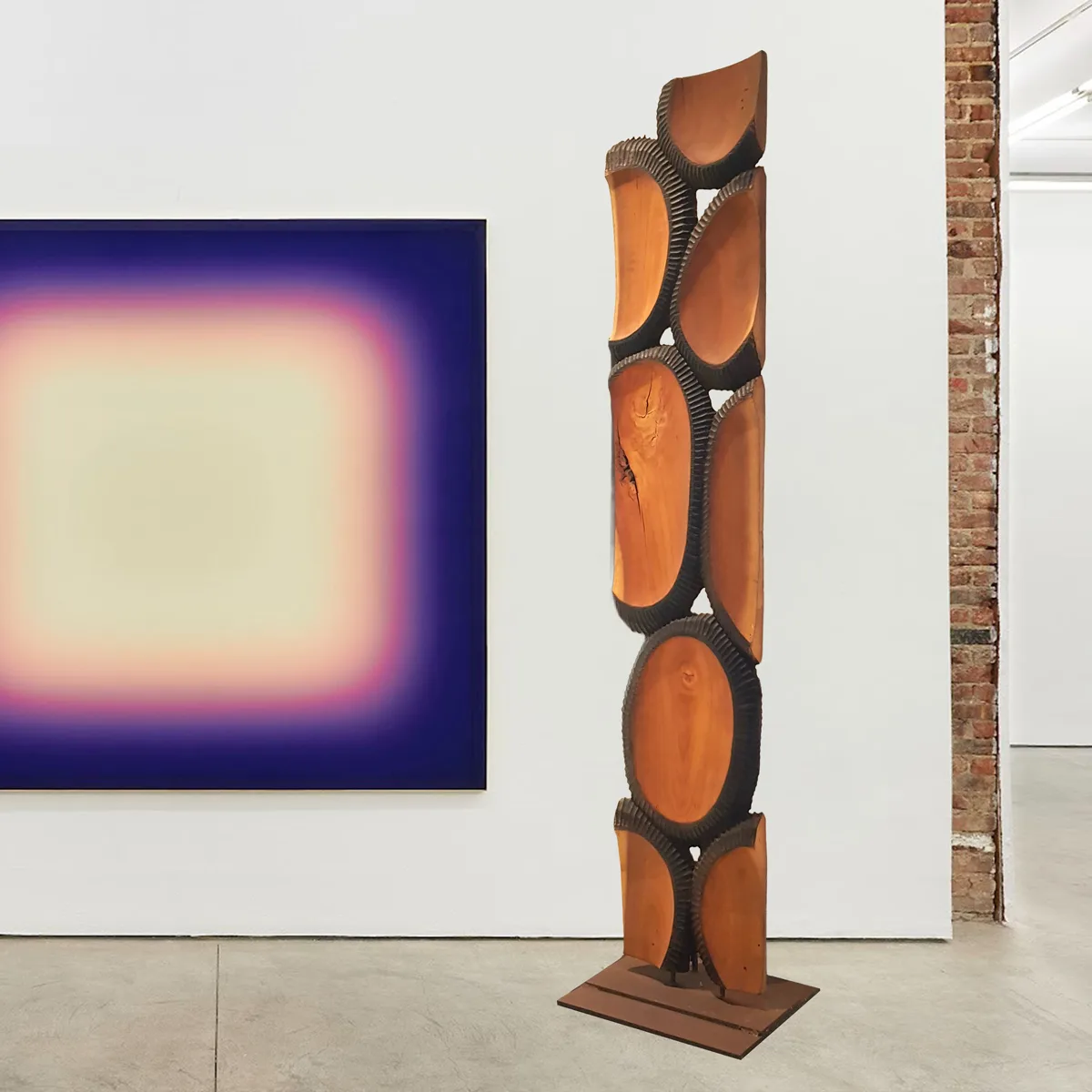
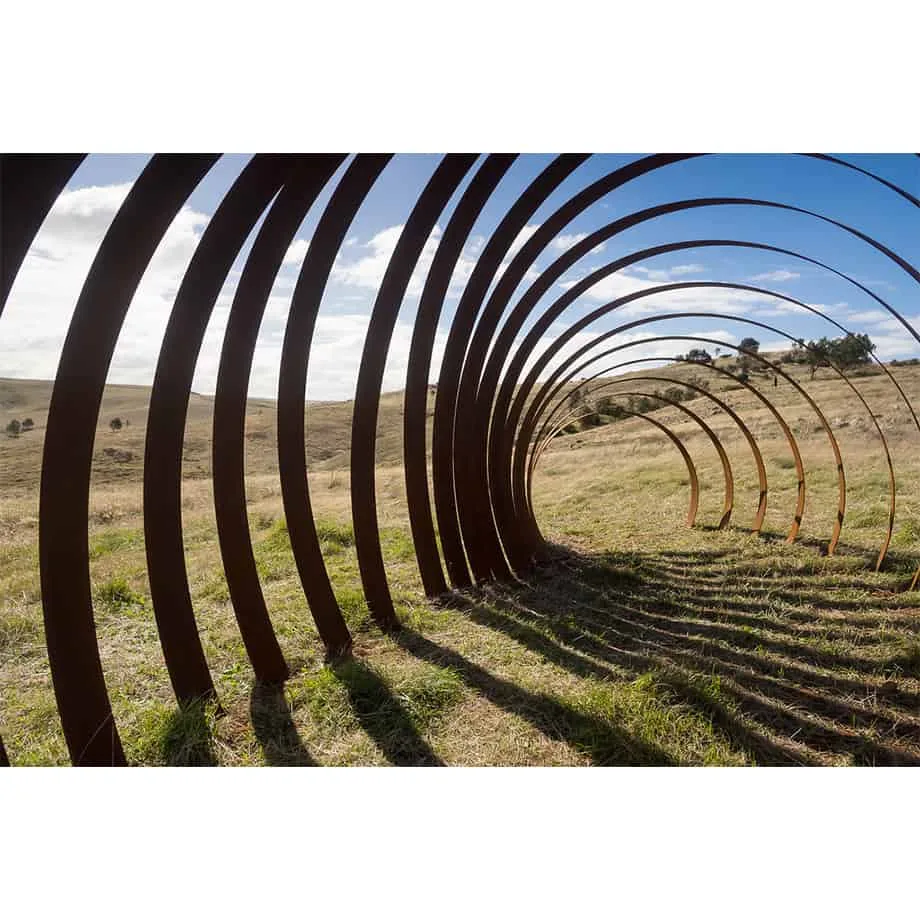
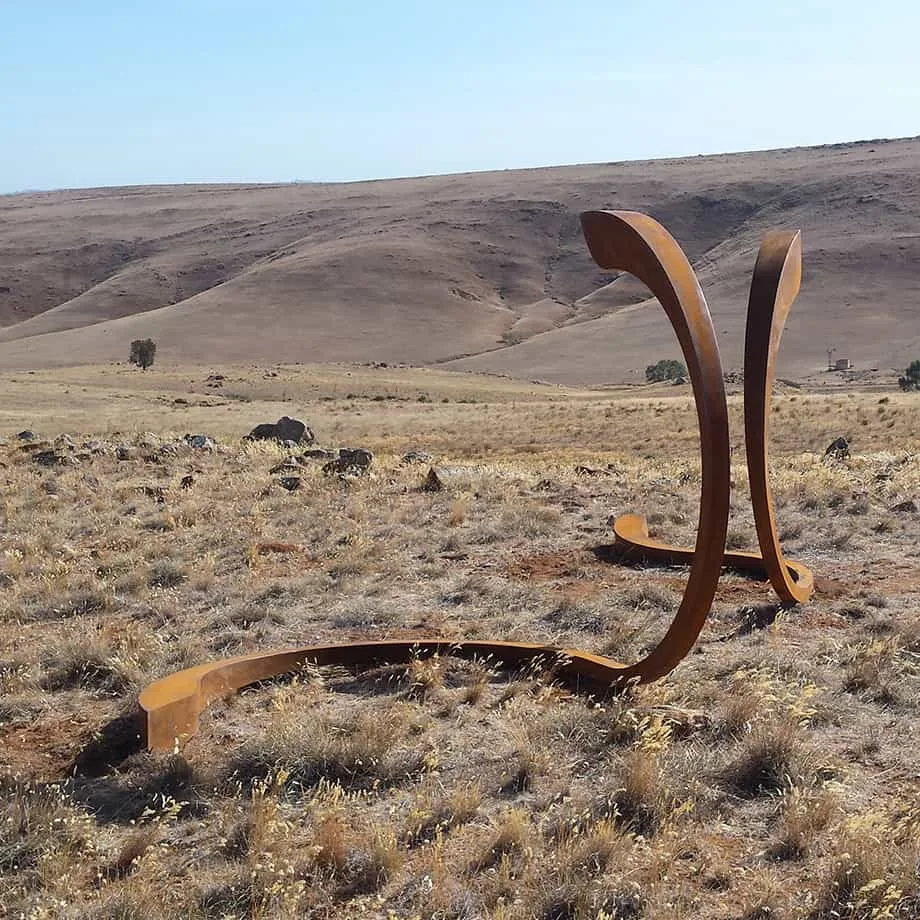
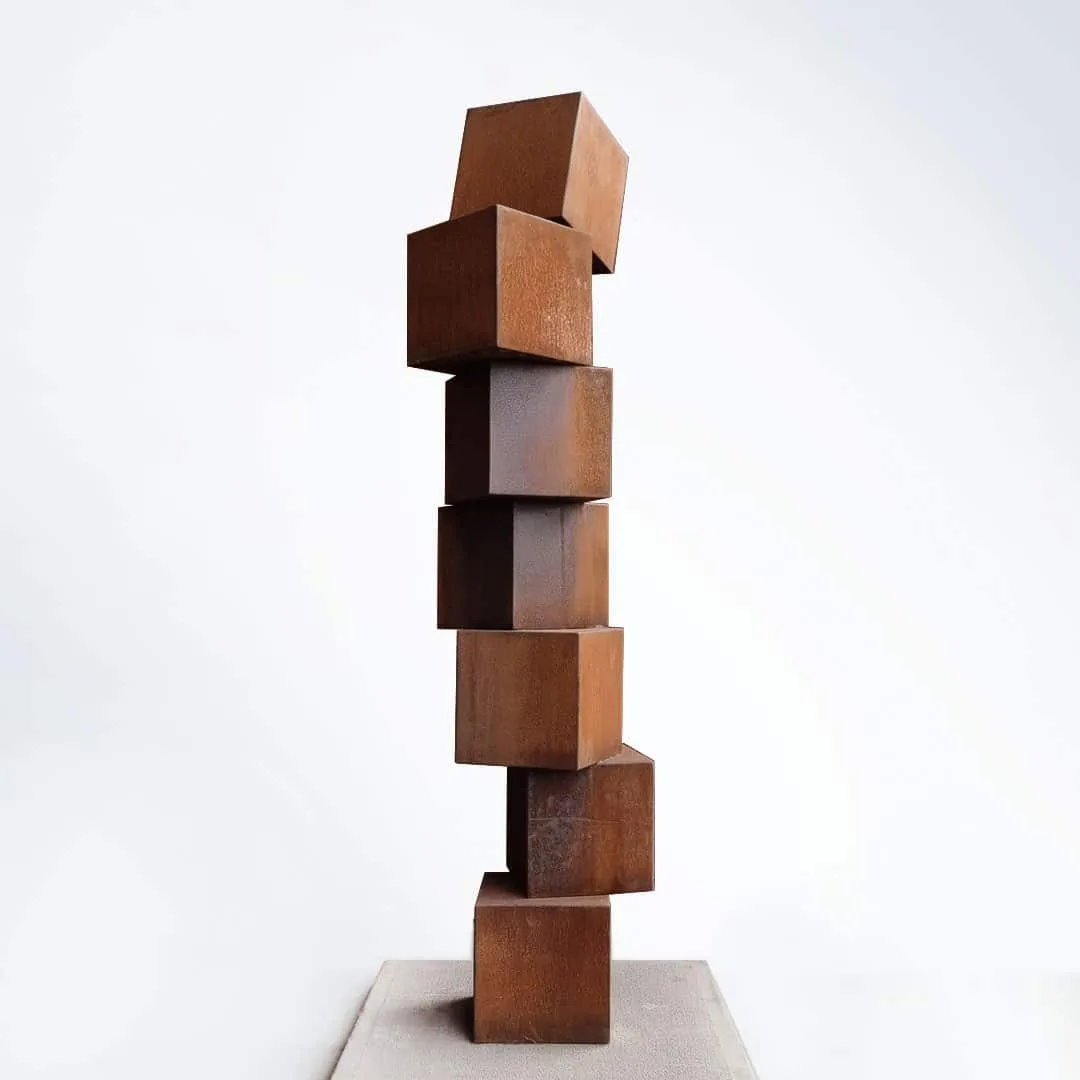
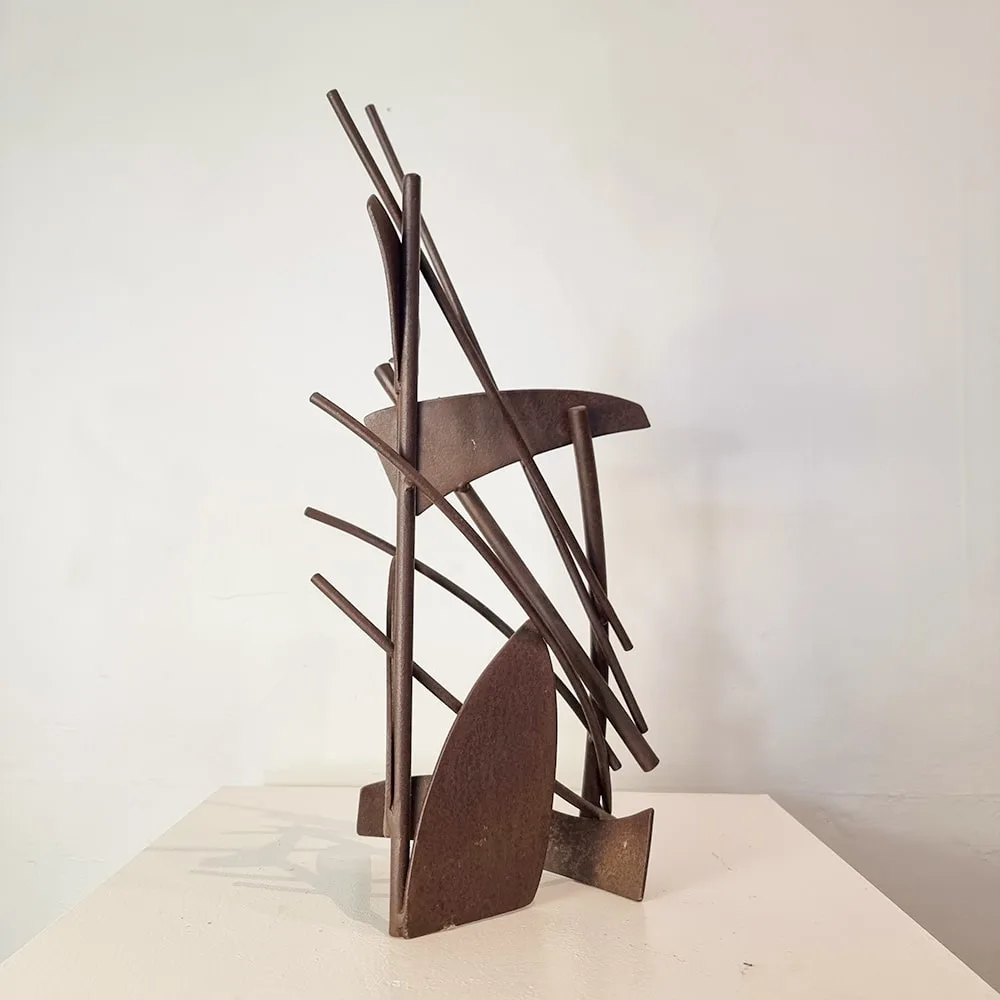
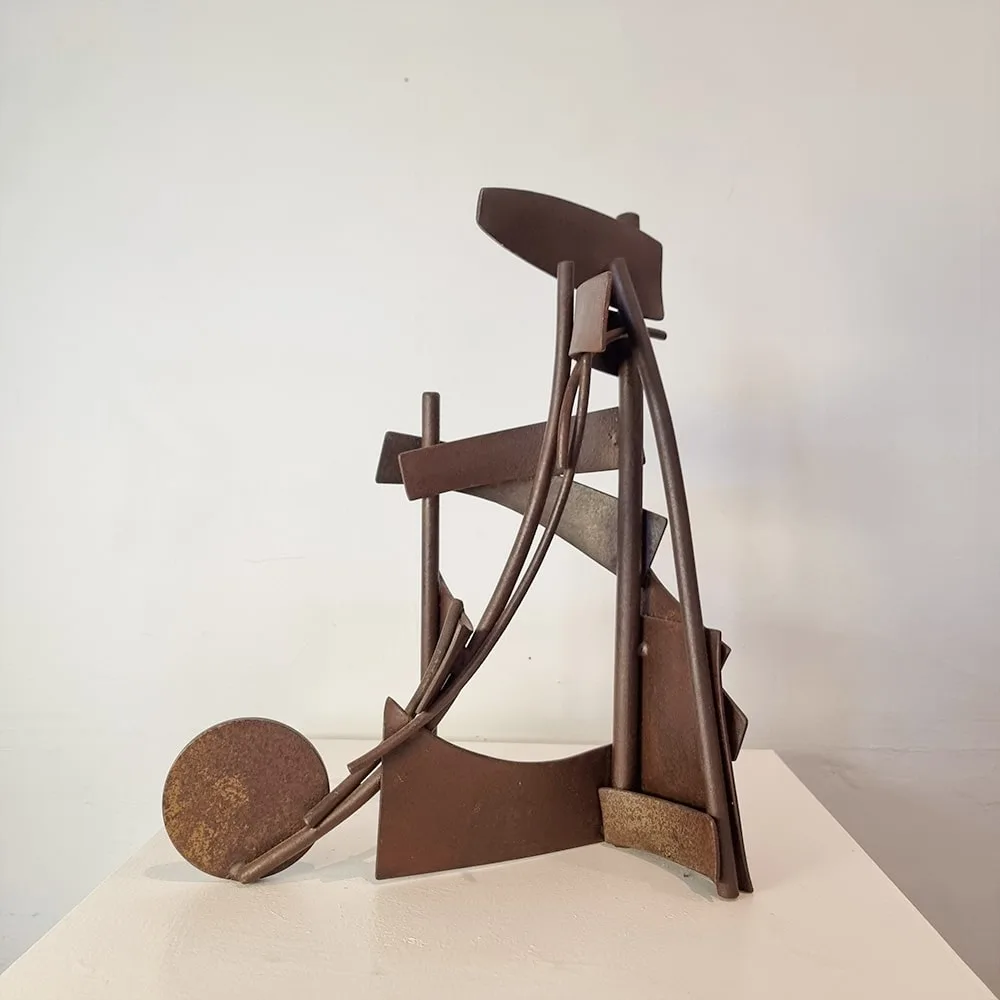
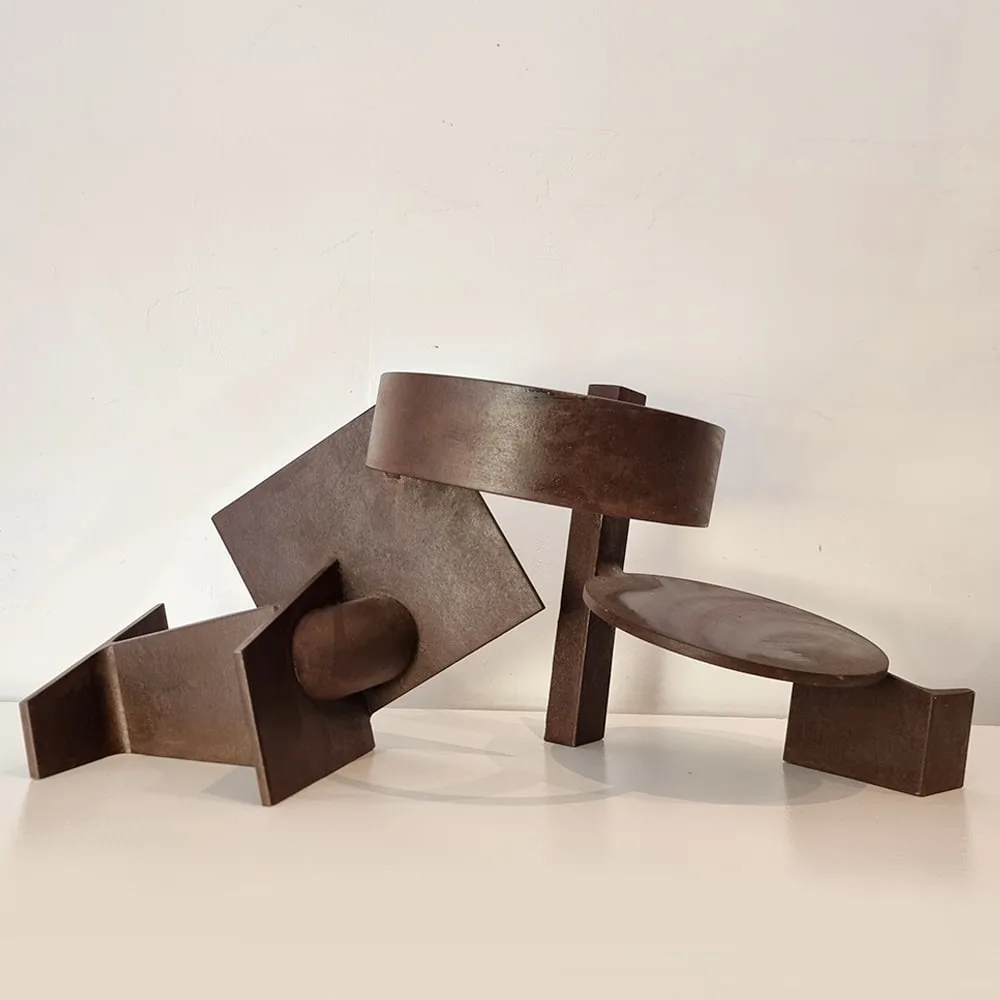
Greg Johns dominates this material in our collection, working the weathered rust surface into totemic and interlocking forms built for landscape settings. Also in corten: Nicole Allen, Alex Scheibner, Paul Mutimer and Folko Kooper.
Timber, stone and glass
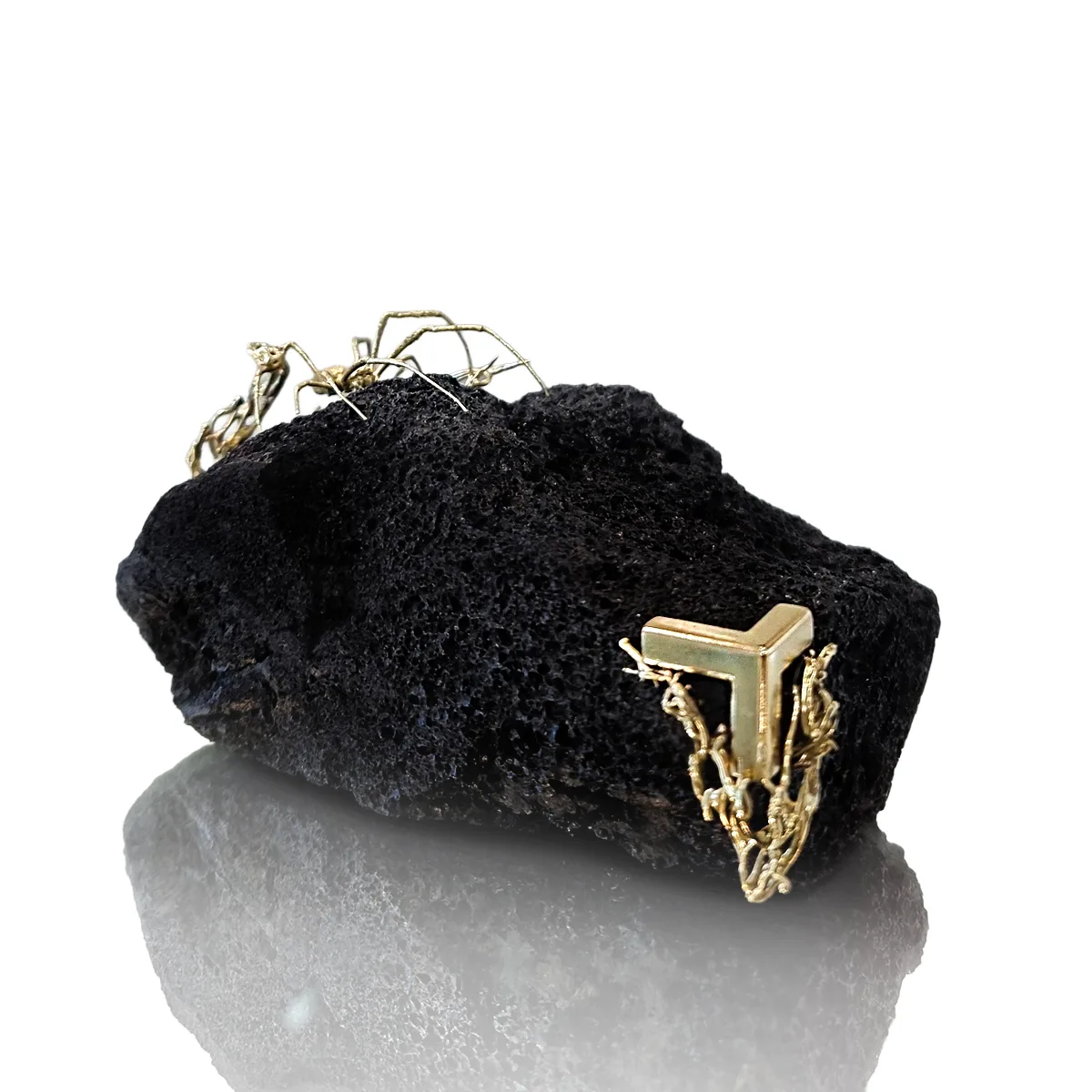
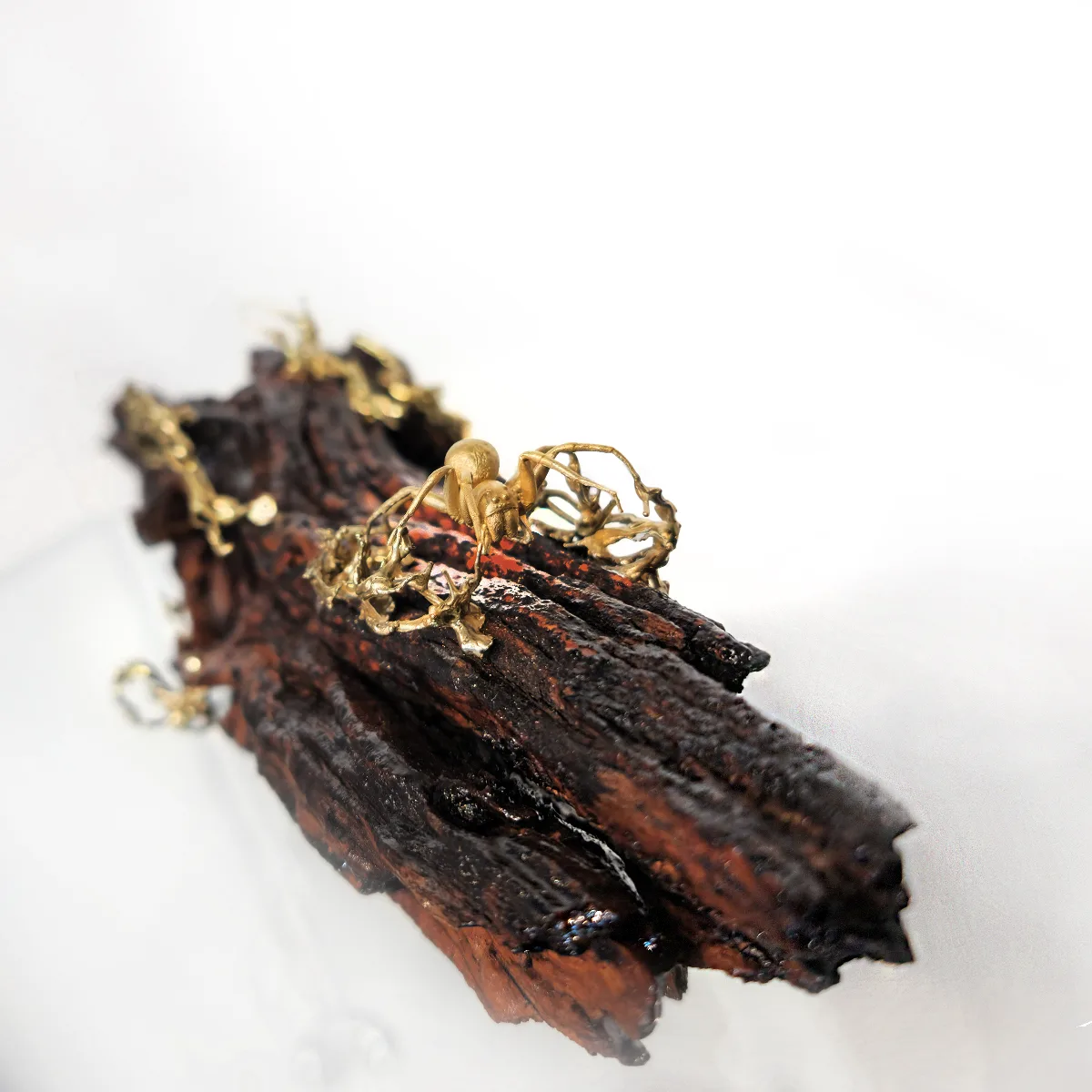
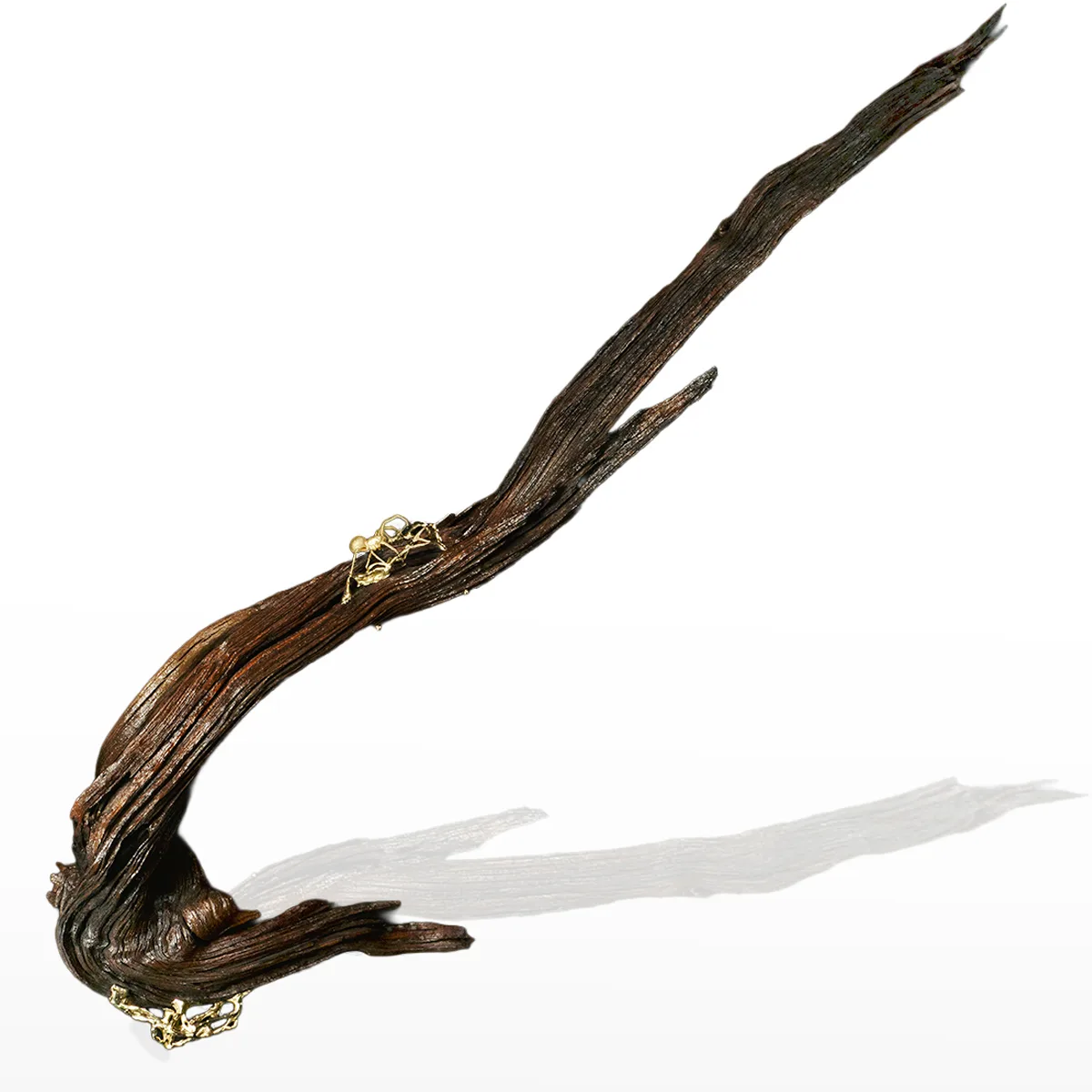
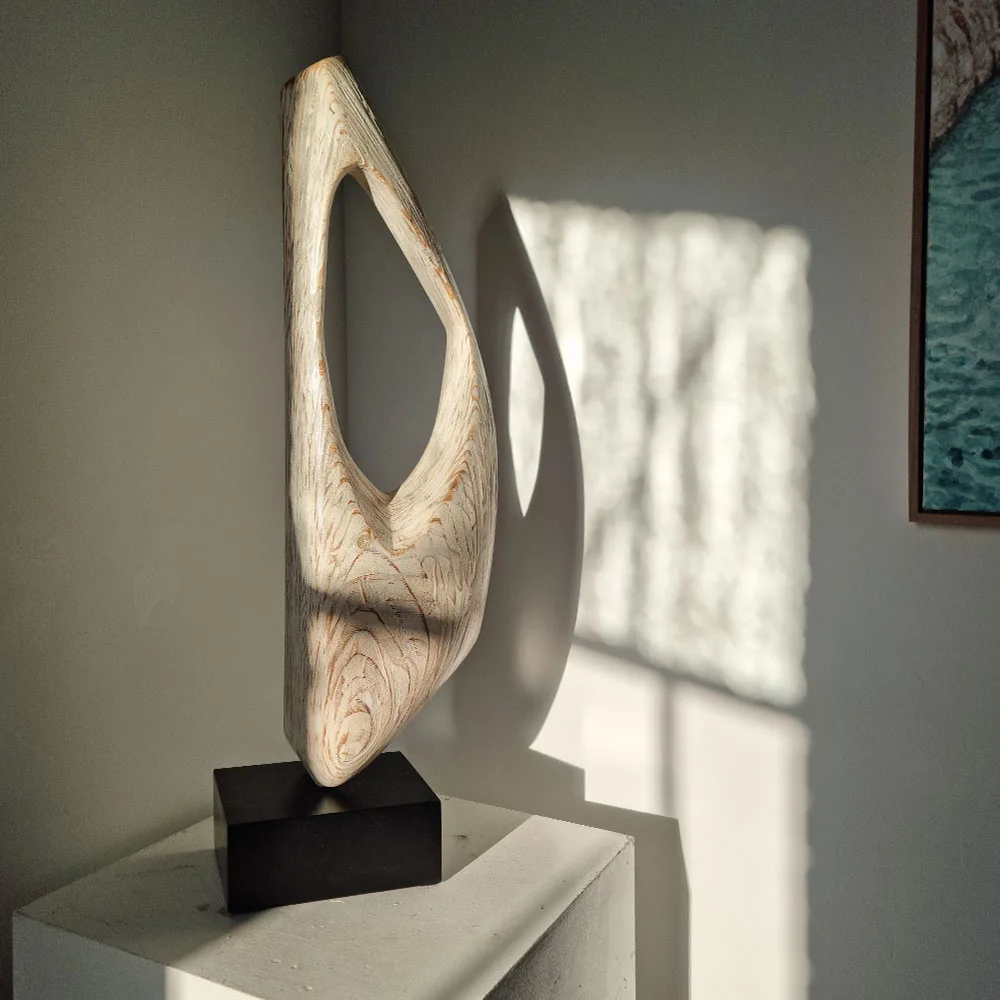
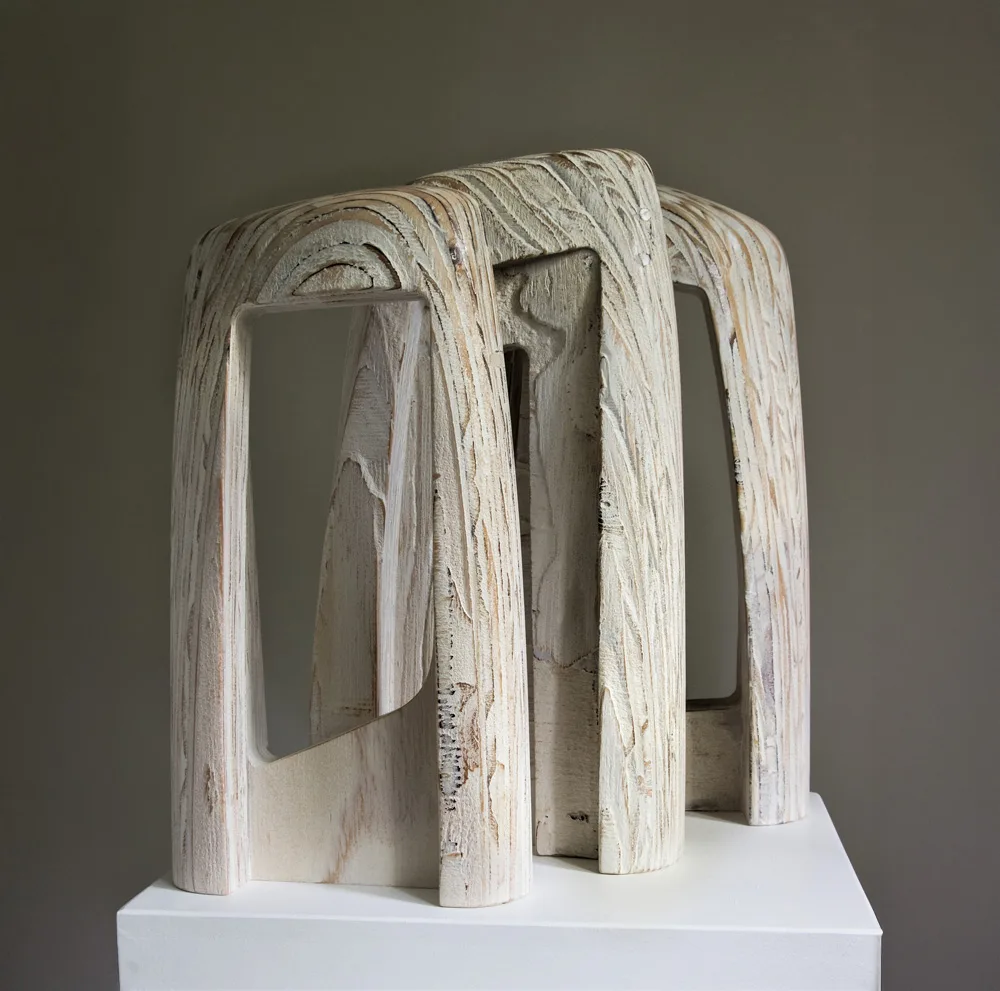
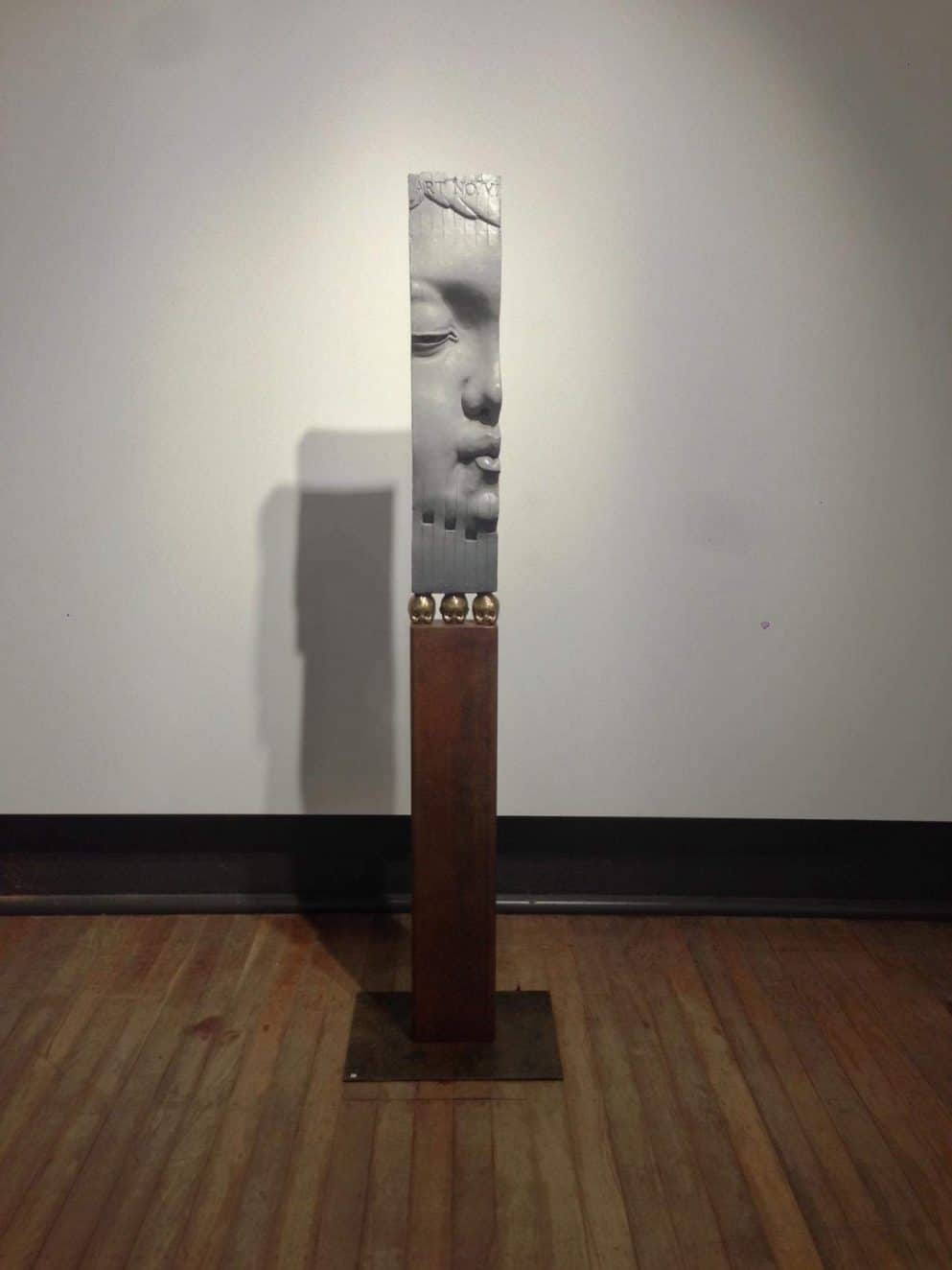
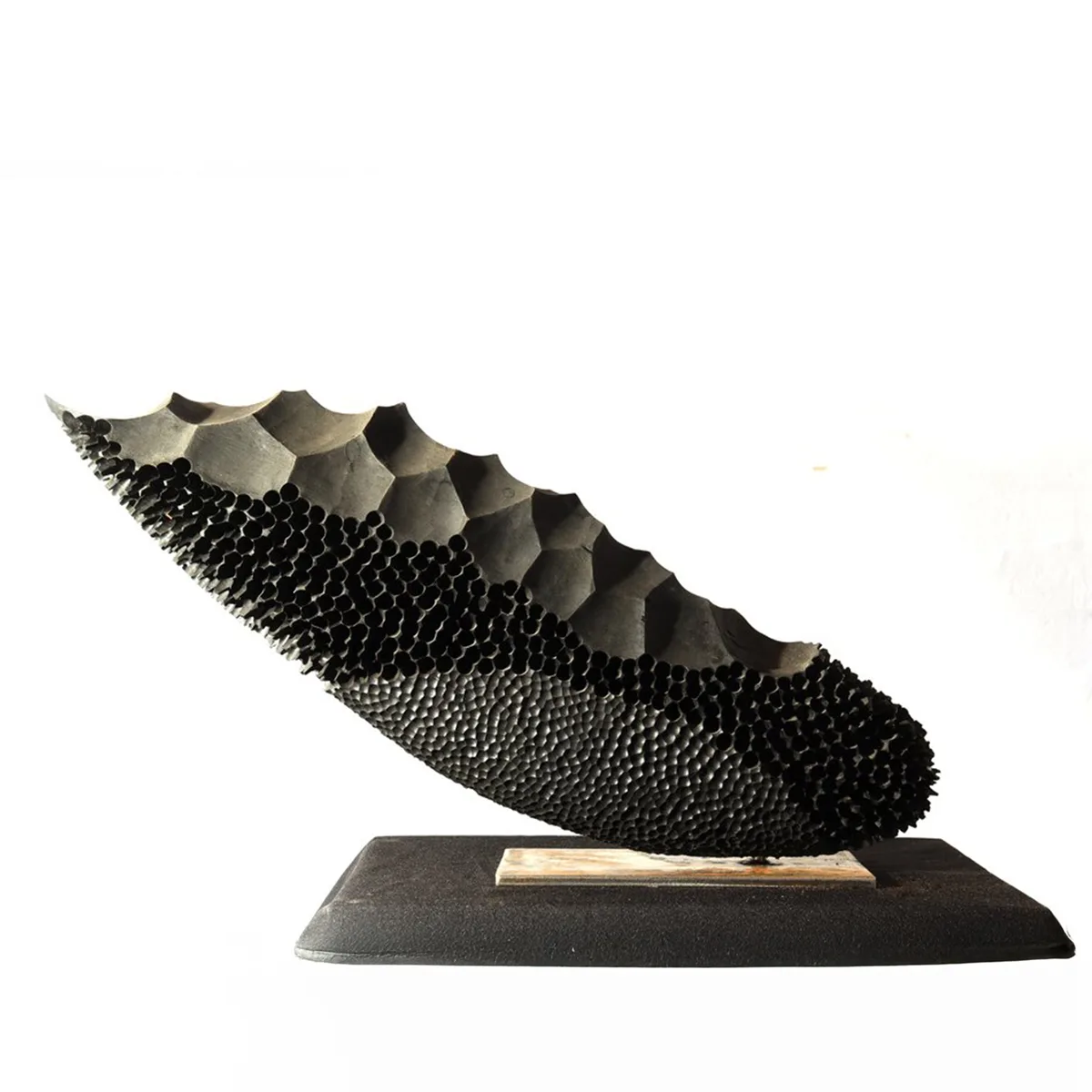
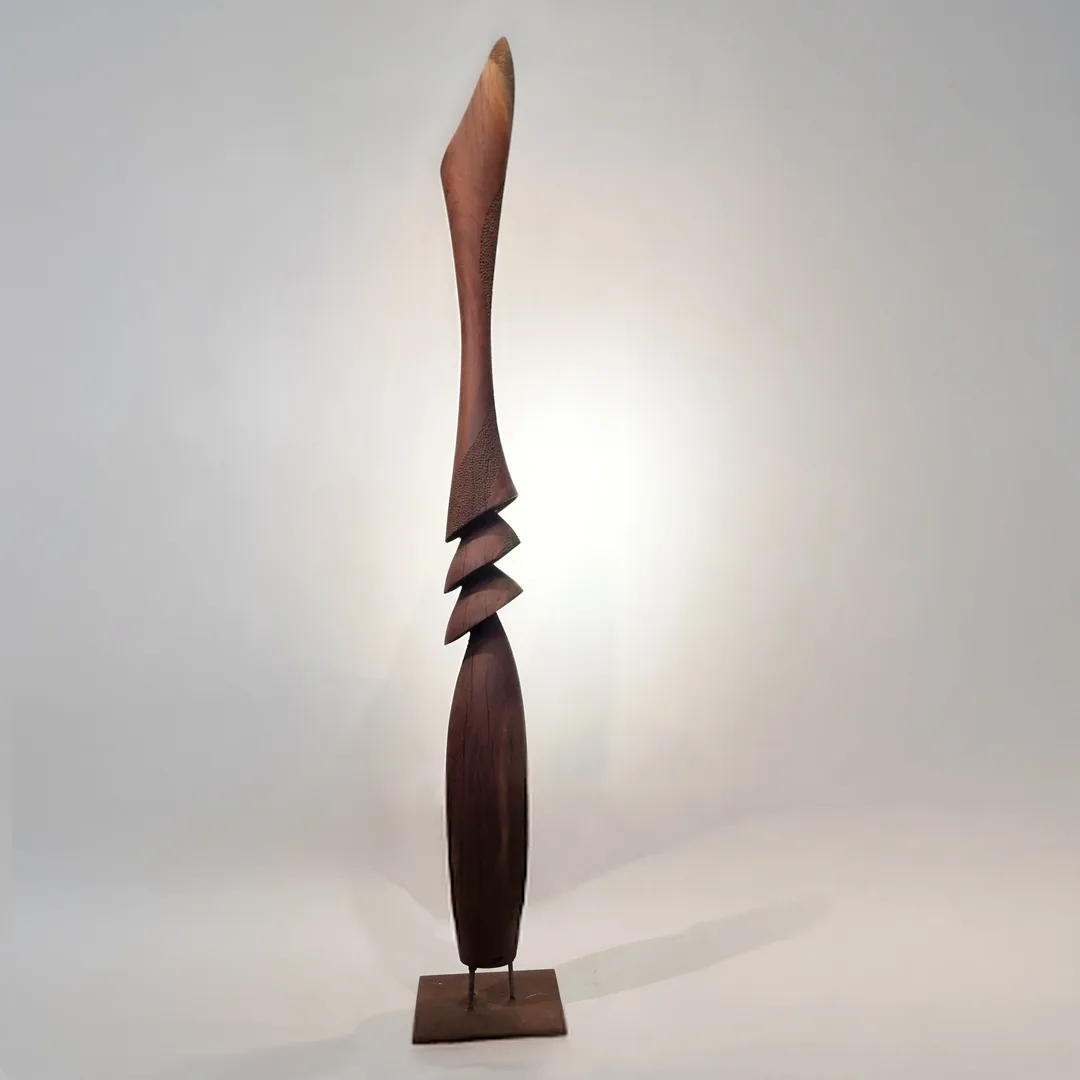
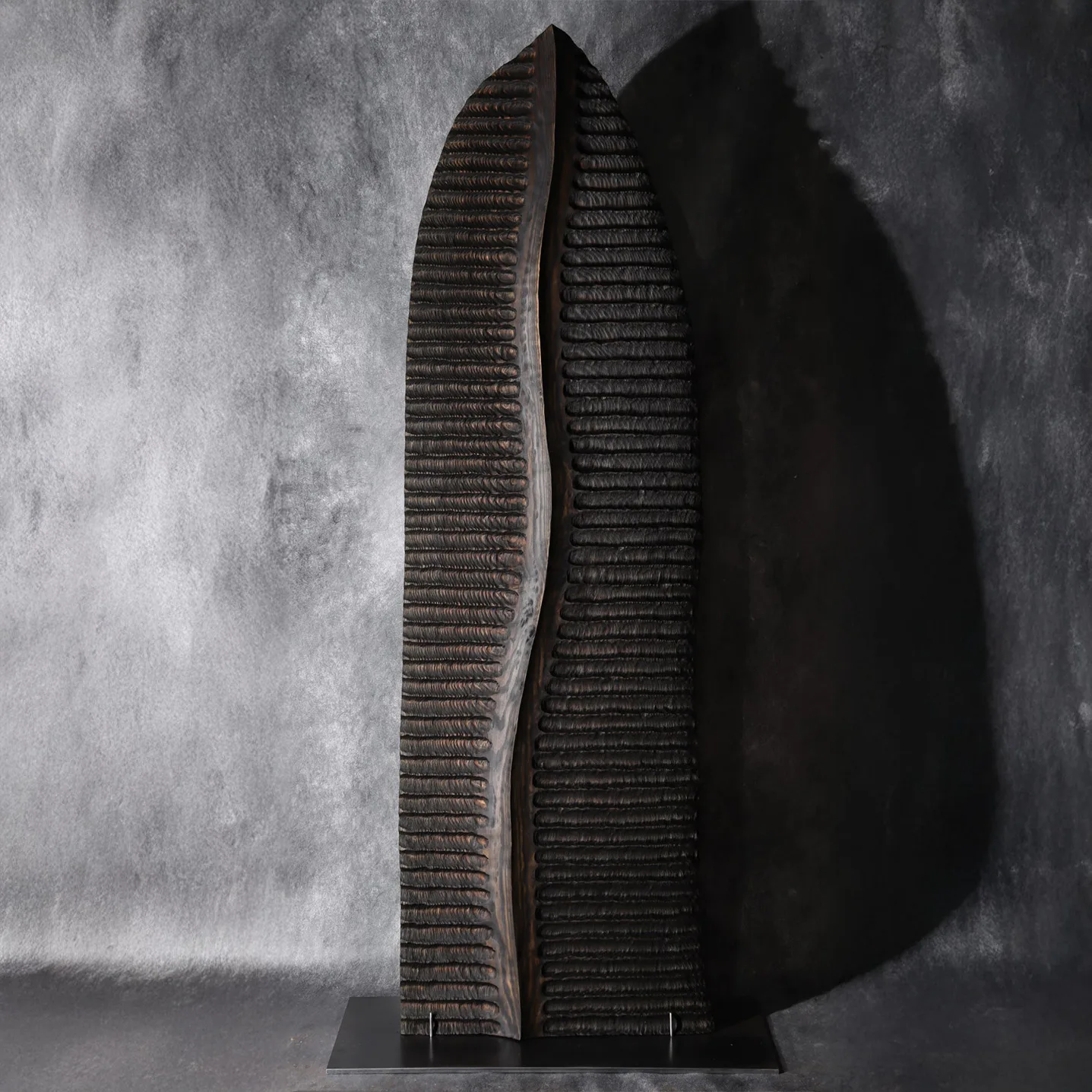
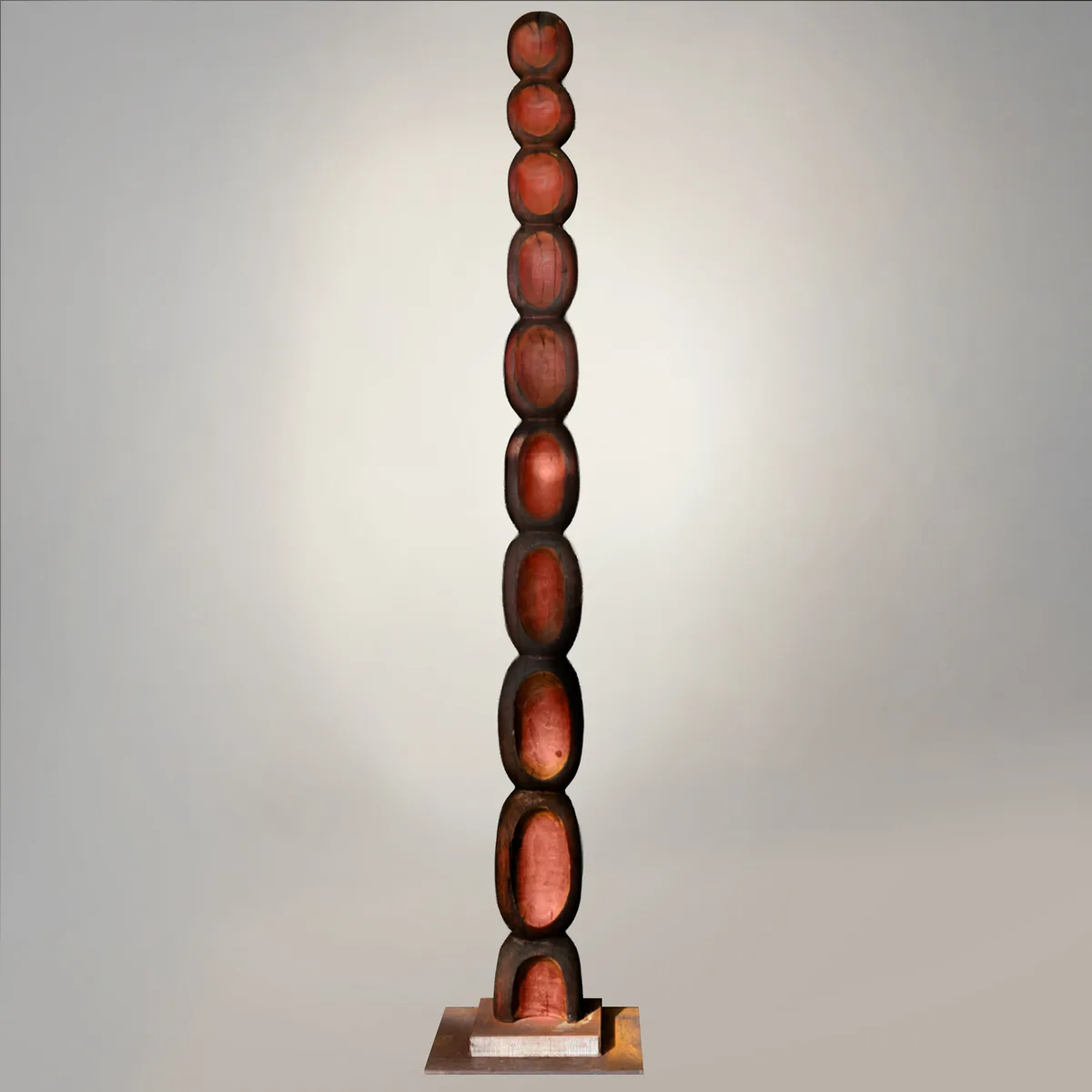
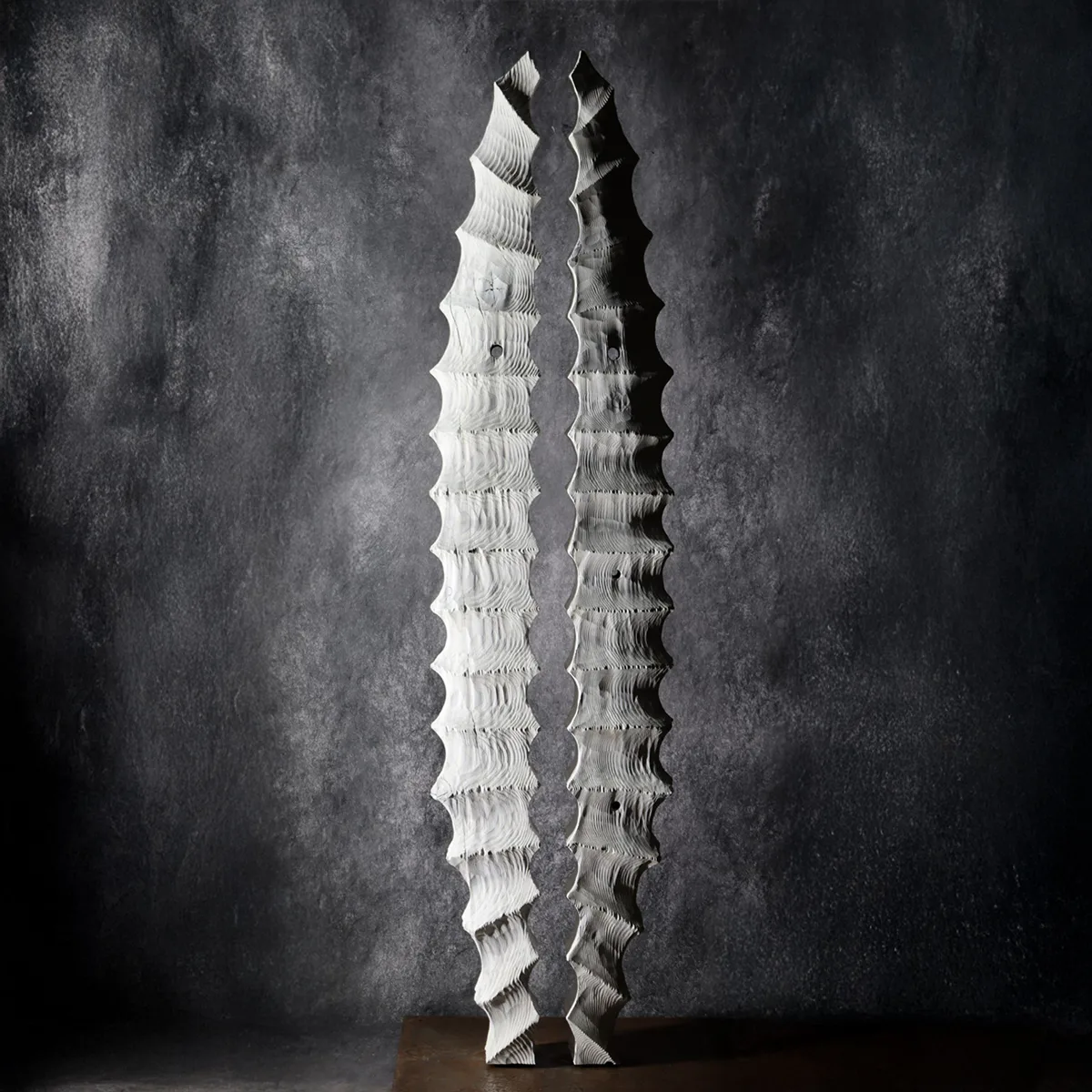
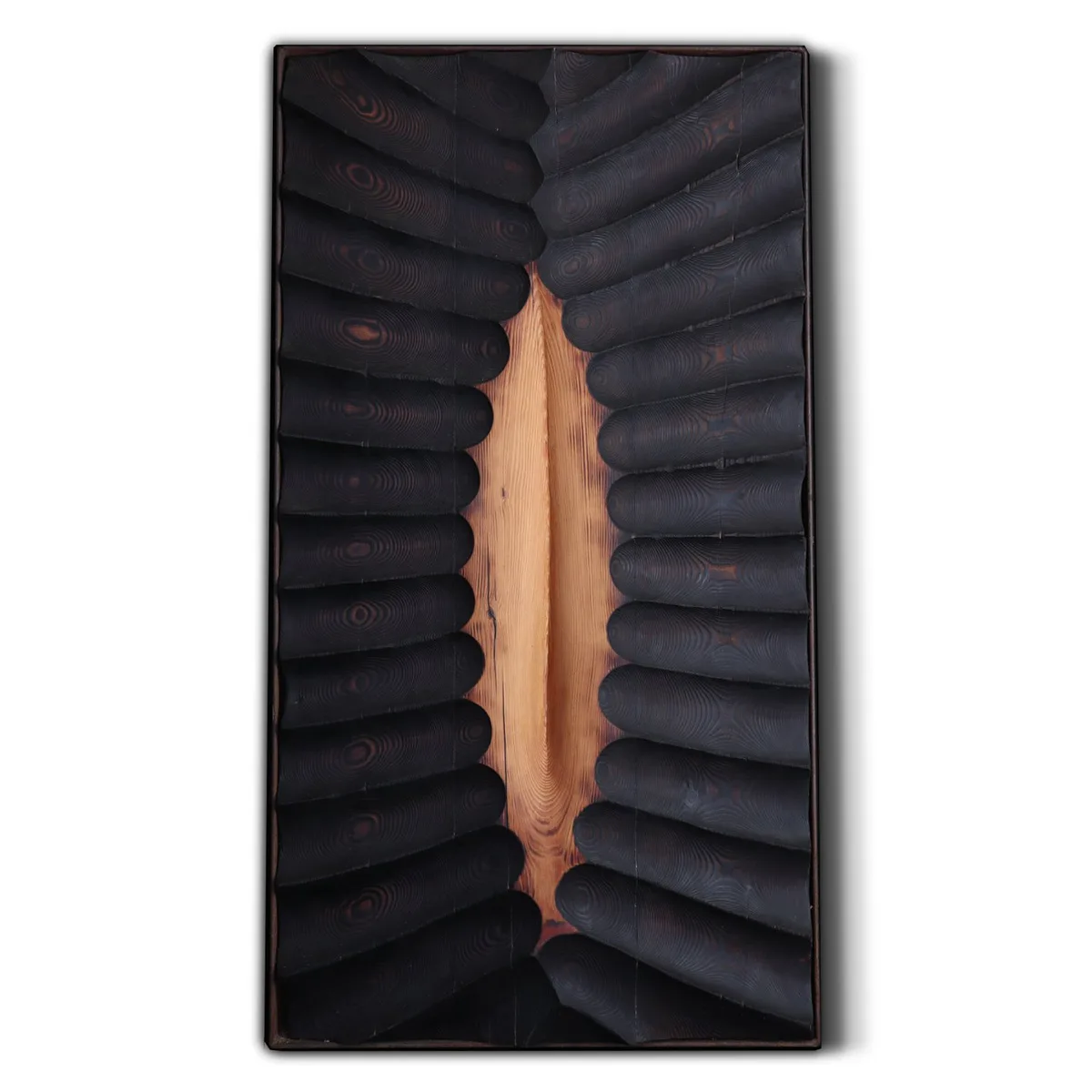
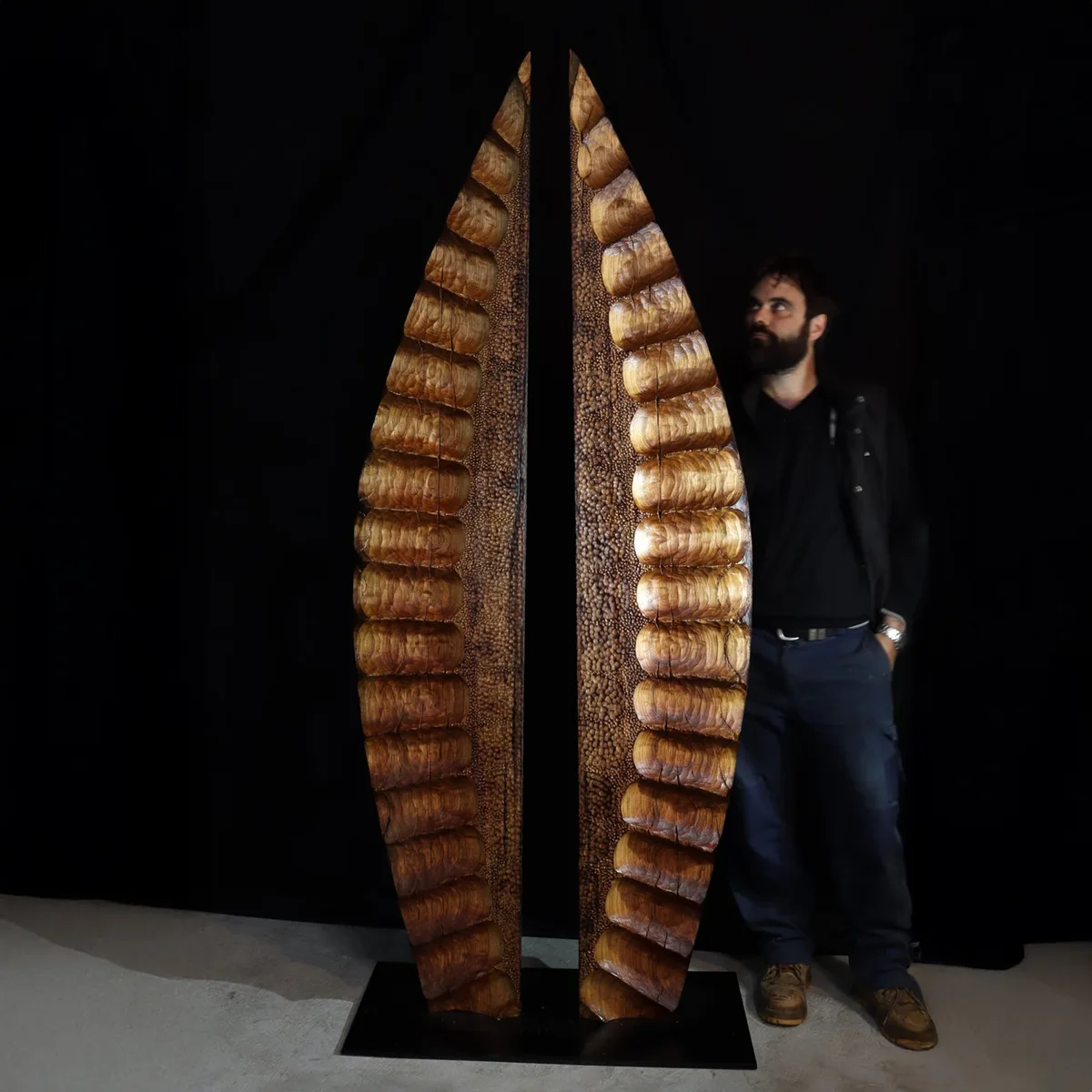
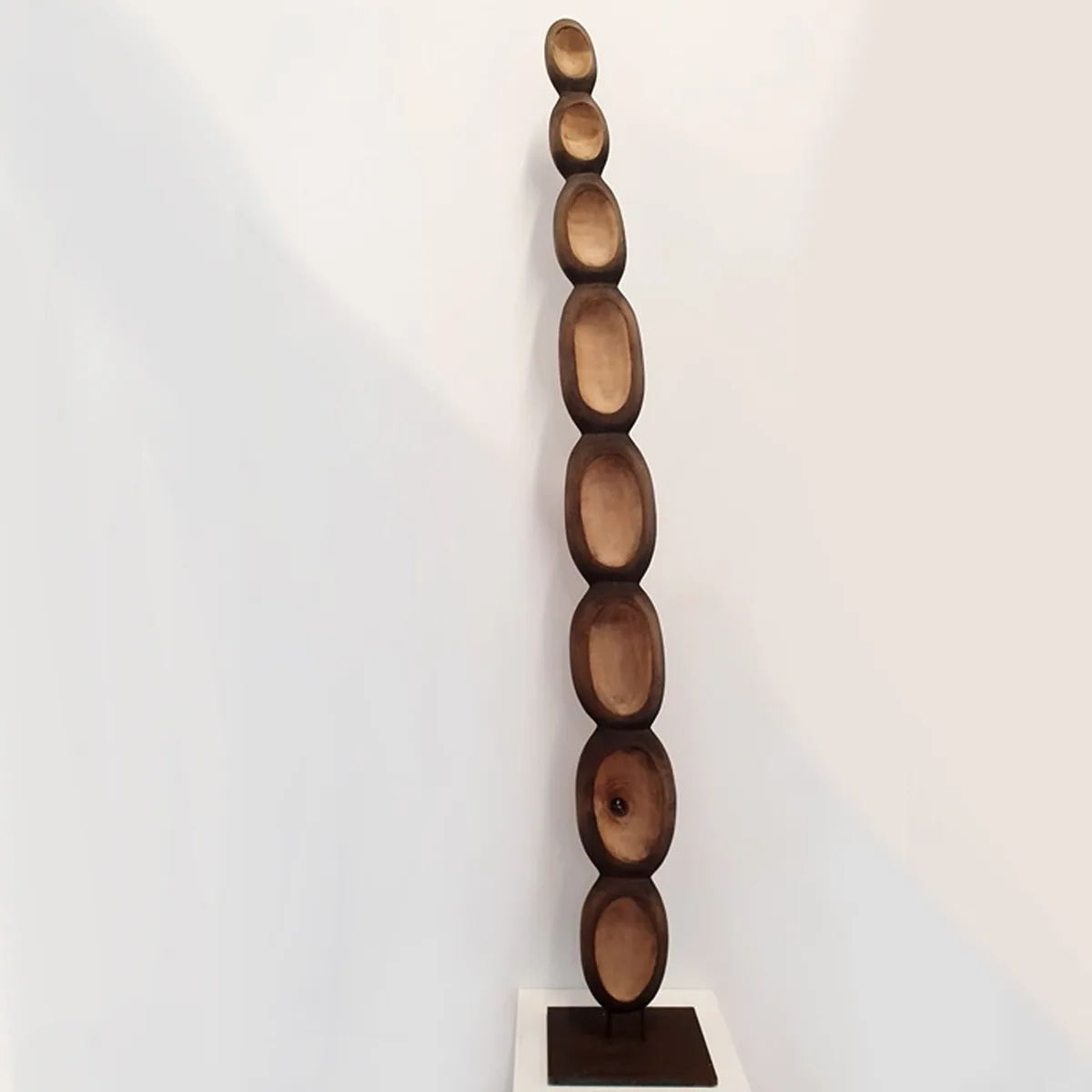
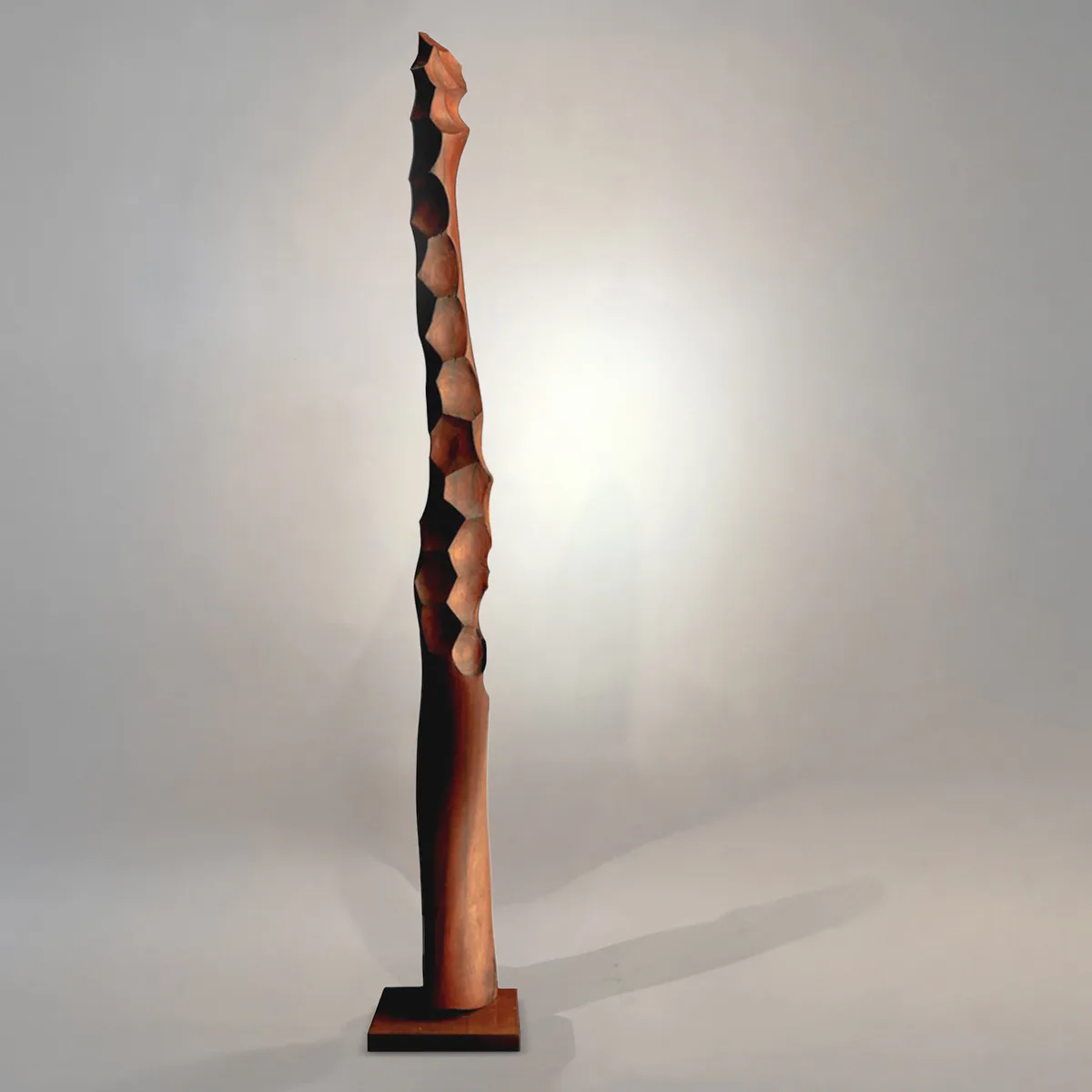
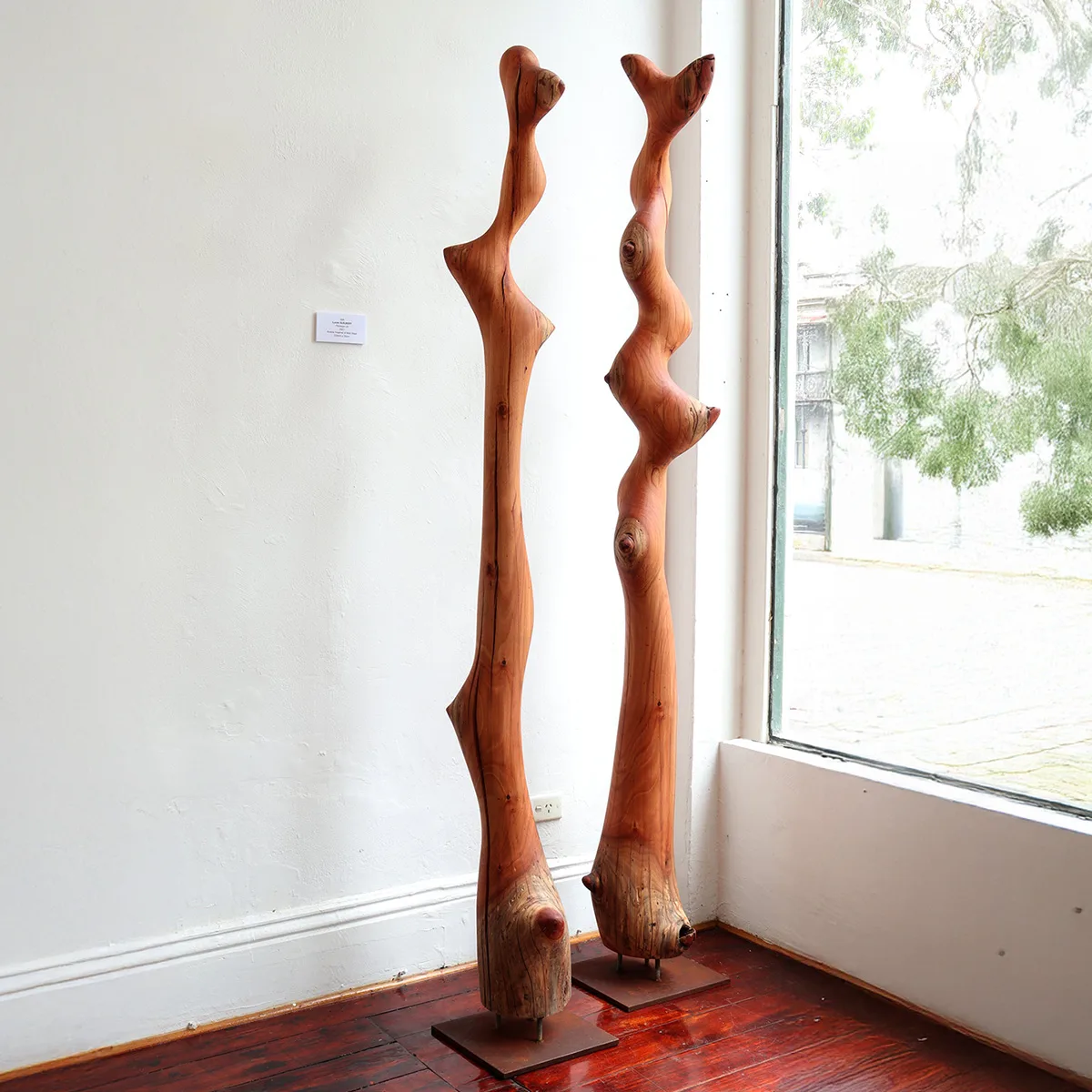
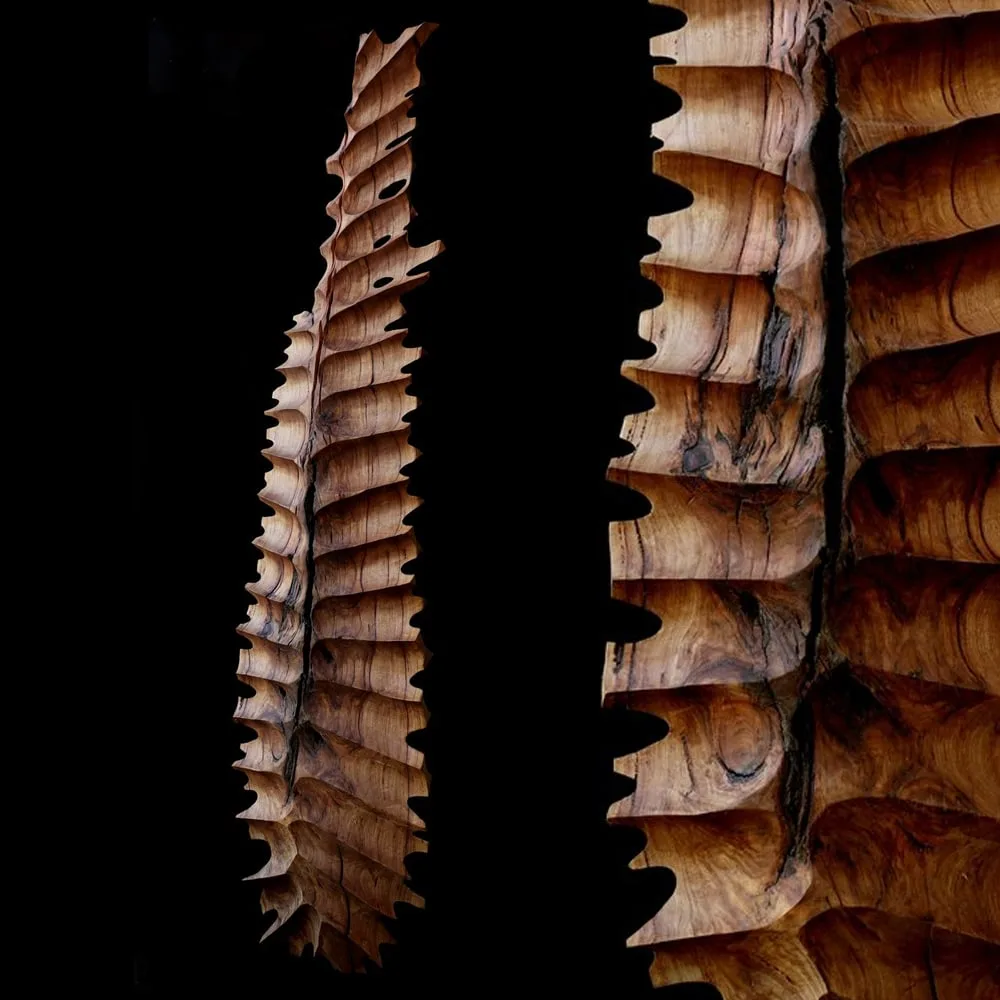
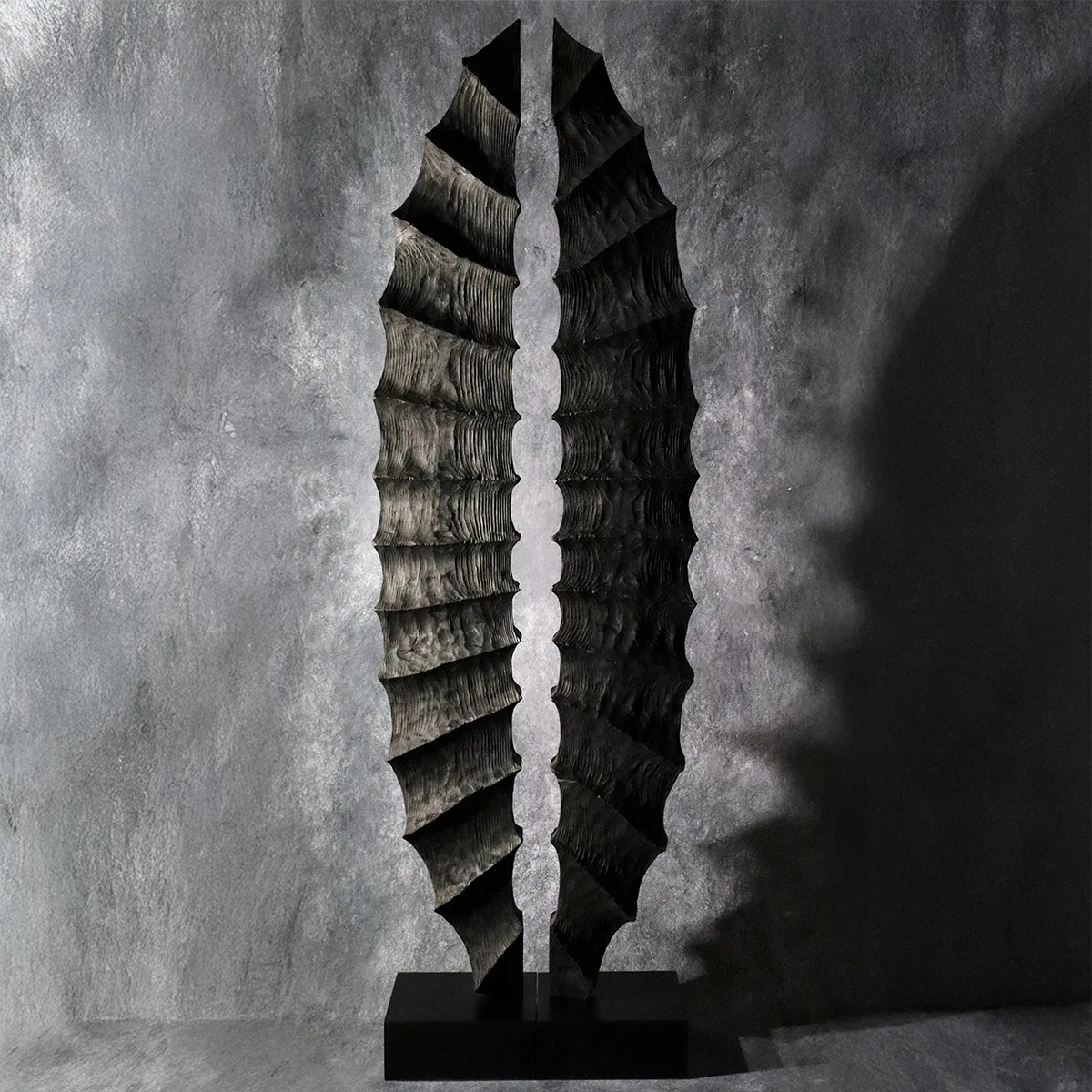
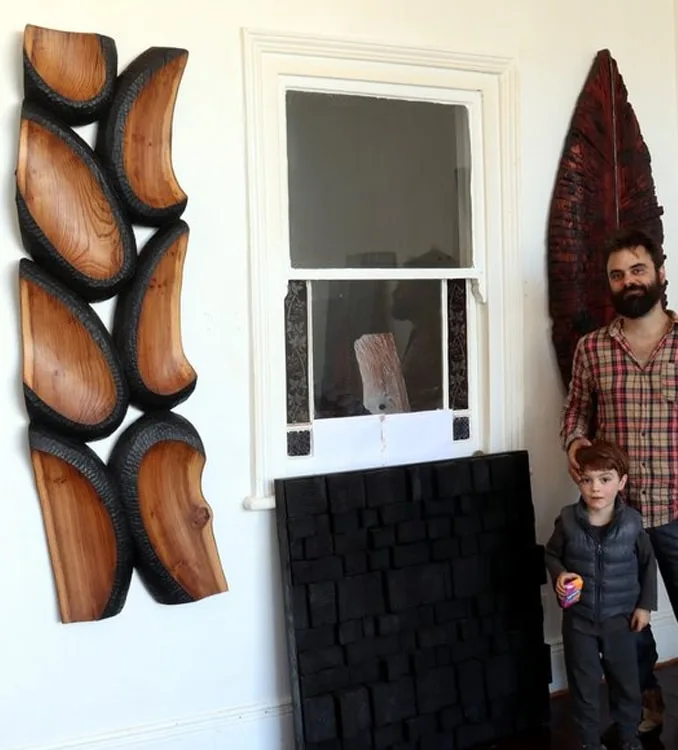
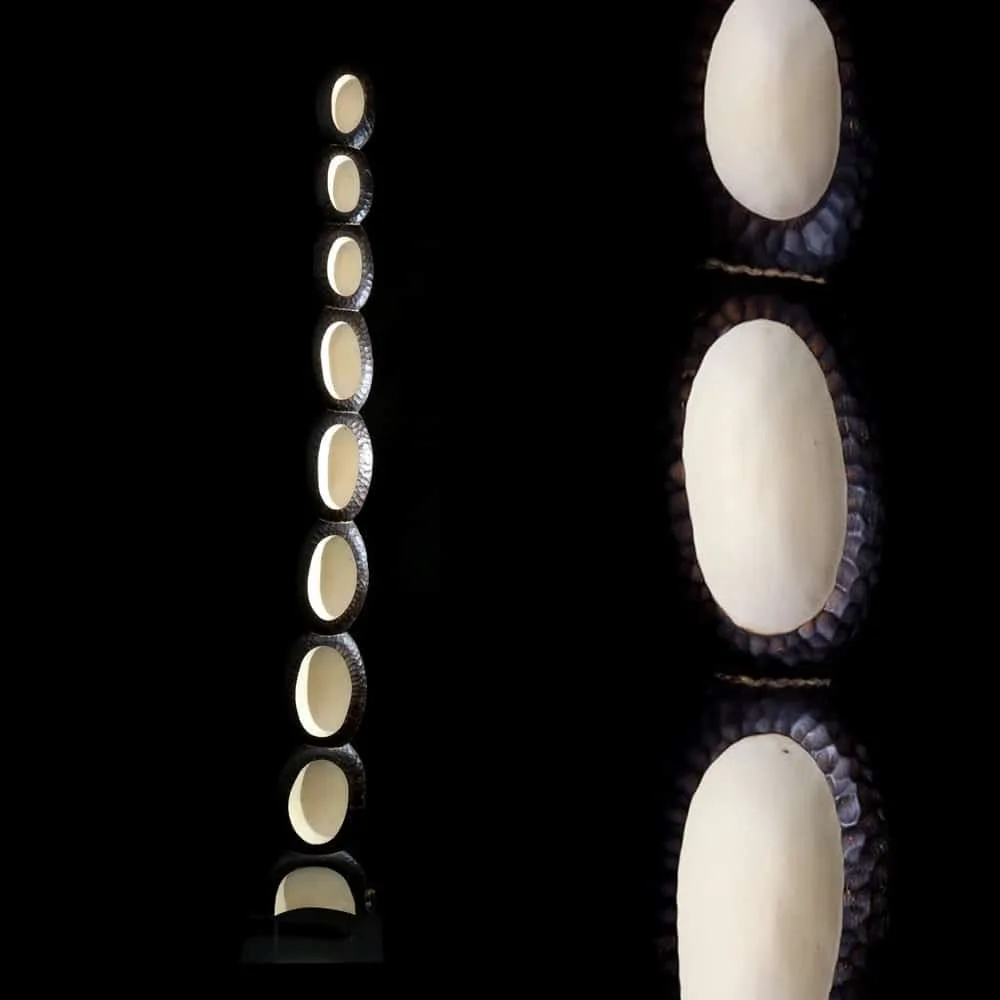
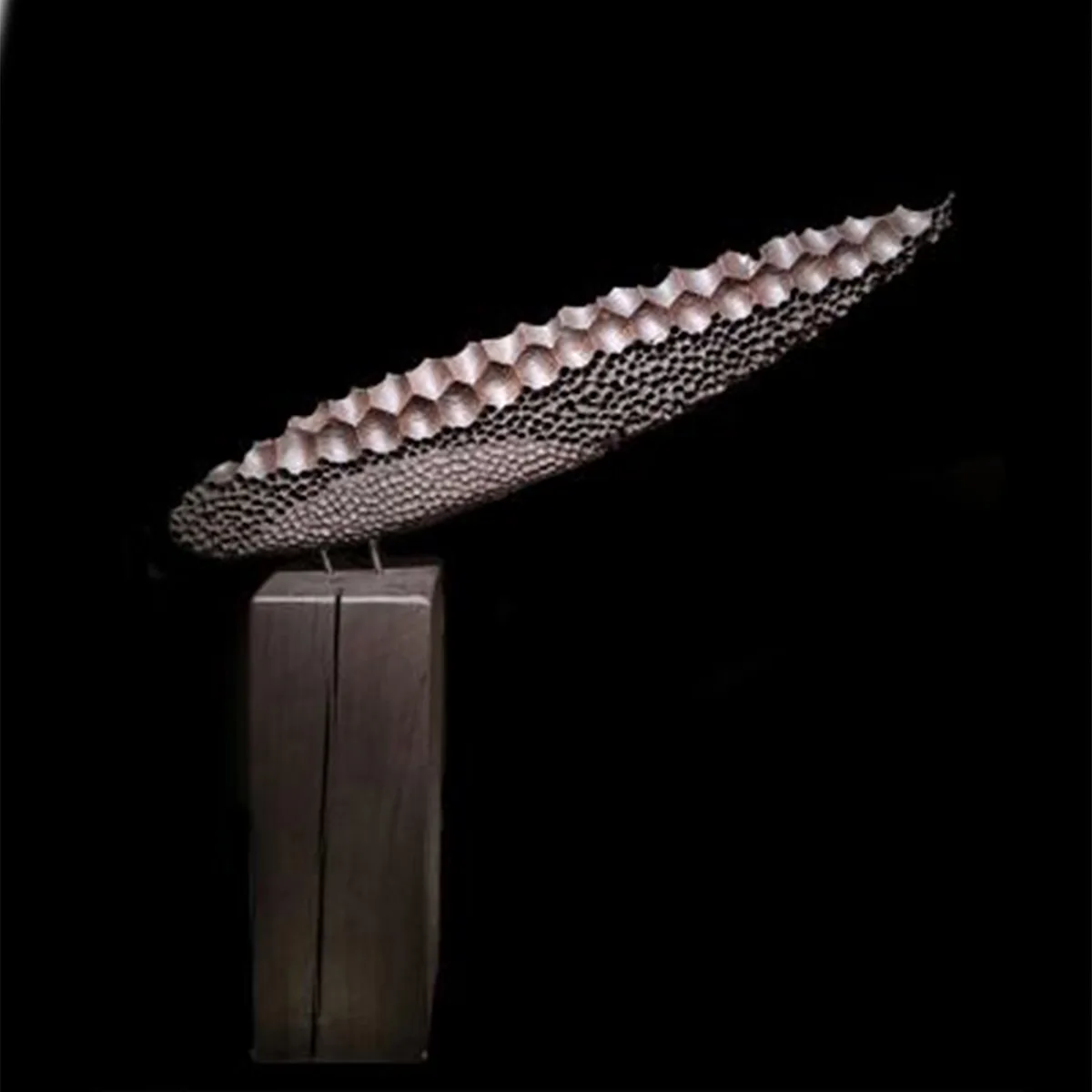
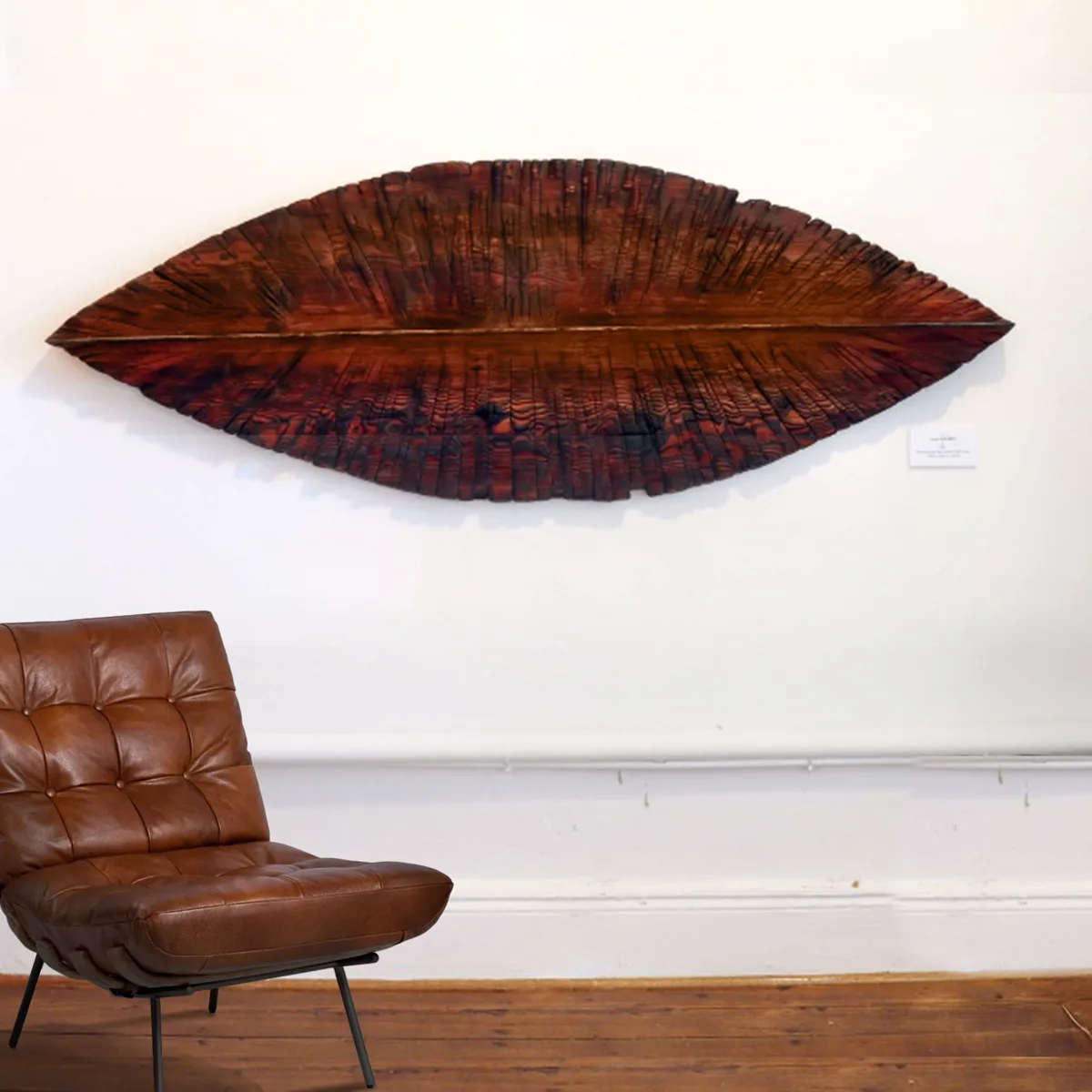
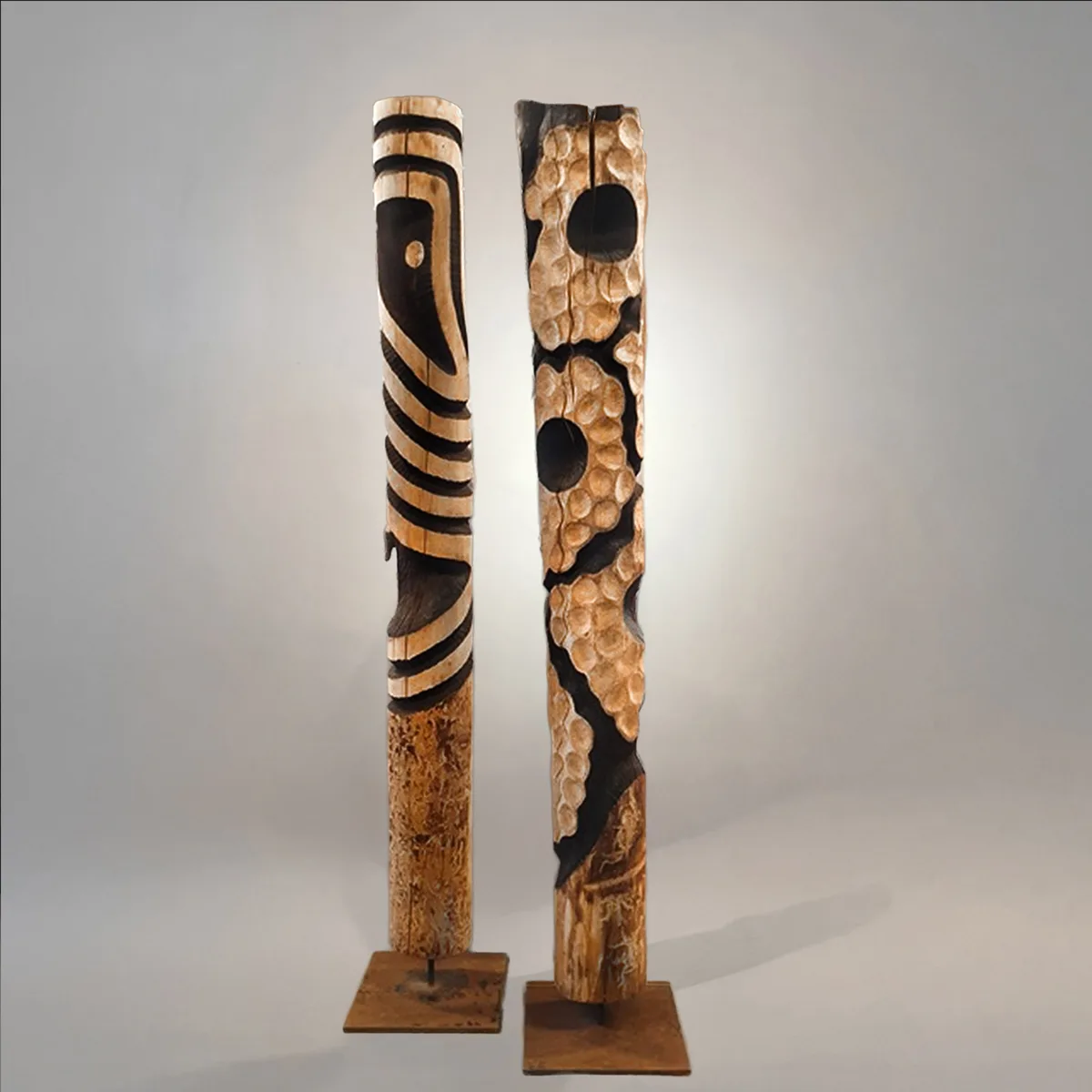
Lucas Guilbert sources timber from across Australia’s ecological regions and works it with burning, charring, bleaching and ageing, often combined with raw steel or brass. Chris Winspear also carves. In stone, Zygmunt Libucha carries the marble tradition; in glass, Sallie Portnoy.
Browse the full collection by bronze, stainless steel, corten steel, timber, or by setting — outdoor, garden, table-top and landmark.
Buy Australian sculpture in Sydney
For more than 35 years SOHO Galleries has been a Sydney destination for original Australian sculpture, with an emphasis on work made through the slow processes — the foundry, the forge, the fabrication shop — and built to last generations rather than seasons.
Interior designers, landscape architects and private collectors use the collection differently, so we work backwards from the site: what the piece has to do in the space, how it will be seen and from how far, what the weather and salt exposure will be, and what it needs to stand on. We can advise on plinths, footings, engineering certification for large works, and craning and installation. Several of our sculptors accept private and architectural commissions.
Sculptors FAQ
What is a sculptor? An artist who works in three dimensions — casting, fabricating, carving or modelling — rather than on a flat surface. The word covers everyone from a foundry-trained figurative bronze artist to someone welding plate steel at architectural scale.
Who is the most famous Australian sculptor? There’s no single answer, but Robert Klippel is the name most often given for the modern period, and Bertram Mackennal for the era before it. Among sculptors working today, those with major public commissions and prize records — including several we represent — are the most widely collected.
What’s the difference between cast and fabricated sculpture? Cast work is poured as molten metal into a mould taken from the artist’s original, which allows small numbered editions. Fabricated work is cut, formed and welded directly, so each piece is effectively unique and can be made much larger.
Which sculpture materials last outdoors in Australia? Bronze, stainless steel and corten steel are the most durable, needing little maintenance across decades even in coastal conditions. Painted and powder-coated finishes generally need refreshing every several years depending on sun and salt. Timber suits sheltered positions best.
Do your sculptors take commissions? Yes — several accept private and architectural commissions, to a specific size, material and finish. Contact us to discuss the site and budget.
Can you deliver and install? Yes, Australia-wide, including large and heavy works requiring specialist freight or craning.