
Australian Art & Artists
Original Australian Art - Established & Emerging Australian Artists
Original Australian Art for Interior Design
SOHO Galleries represents established and emerging Australian artists working across painting, sculpture, and large-scale works. The collection spans contemporary and classical traditions, with a focus on pieces that hold their own in residential and commercial interiors.
Why Original Art
A print is a reproduction. It can work in a space, but it carries none of the weight of the original. Original art has texture, scale, decision-making visible in the surface. You can see where the artist changed their mind.
There’s also the matter of value. Original works by Australian artists have a track record of appreciating over time, particularly as those artists build exhibition histories and institutional recognition. That doesn’t make every purchase an investment, but it’s worth knowing the difference between what you’re buying and what you’re not.
Supporting Australian Artists
Buying original work puts money directly into the hands of the person who made it. For working artists, that’s not a small thing. Gallery sales fund studio time, material costs, and the ability to keep working. The piece you take home is connected to what comes next in their practice.
Emerging Australian Artists
Some of the most interesting work in the current Australian art market is coming from artists who are still early in their careers. Early acquisition has obvious appeal, but the more honest reason to look at emerging work is that it’s often less safe. Artists who haven’t settled into a recognisable style yet tend to take more risks.
SOHO Galleries actively shows emerging talent alongside established names. We’d rather have a conversation about the work than hand you a biography.
Contemporary Australian Art
Contemporary Australian art covers a wide range of practices, but a few threads run through much of it: questions of identity and place, the relationship between Indigenous and non-Indigenous cultures, and an ongoing engagement with landscape that goes well beyond the picturesque.
The best contemporary work doesn’t need to announce its themes. It earns its place on a wall first, and rewards attention over time.
Large-Scale Works
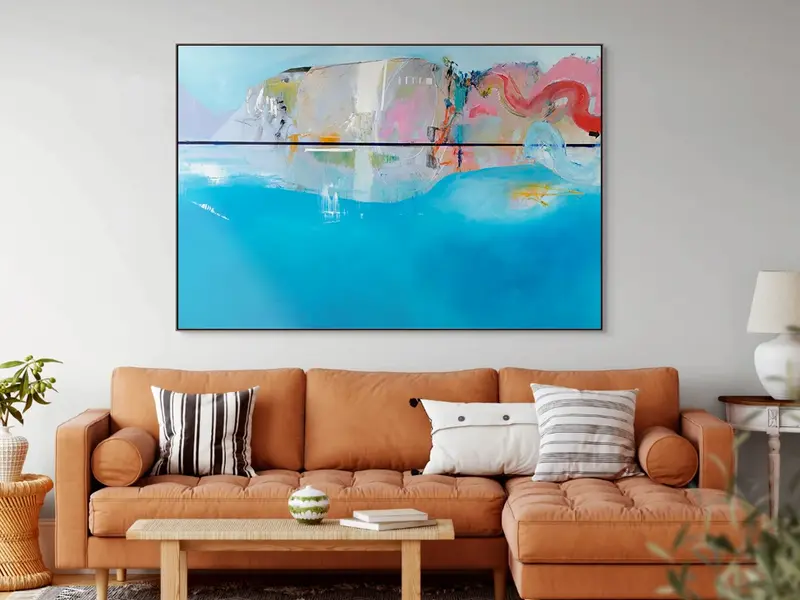
Scale changes what a work does in a room. A large canvas read from across a space is a different experience from the same image at 30 centimetres. If you’re working with a significant wall or an open-plan interior, it’s worth considering works that were made with that kind of viewing distance in mind rather than scaling up a small composition.
The practical question is proportion. A work that fills two-thirds of a wall reads well. One that’s slightly too small for the space tends to look like an afterthought. We’re happy to advise on sizing before you commit.
Art and Interior Design
Art doesn’t need to match the room. It needs to hold its own in the room. That’s a different thing. Colour harmony matters less than weight, presence, and whether the piece can anchor the space or needs to be carried by it.
Lighting is worth getting right. Most residential lighting is too warm and too diffuse for showing art properly. A focused, cooler source, even a single adjustable track light, will change what you see in a work significantly.
Framing is finishing. The wrong frame competes with the work. A simple, well-made frame that steps back and lets the painting read is almost always the right choice.
Frequently Asked Questions
What’s the difference between a print and an original?
A print is a reproduction, often made in editions of dozens or hundreds. An original is the work the artist actually made. Most originals are unique; some artists make small series of originals, but each is hand-produced. The price difference reflects this.
Is buying art a good investment?
Some art appreciates, most holds its value, some doesn’t. The clearer question is whether you’d be happy owning the work for 20 years regardless of what it’s worth. If yes, the investment question tends to take care of itself.
How do I care for an original work?
Keep it out of direct sunlight and away from heat sources and damp walls. For anything beyond basic care, particularly for older or fragile works, a conservator is worth consulting. We can make referrals.
Can I use large-scale art in a smaller space?
Yes, but it needs to be the only thing the wall is doing. One substantial piece in a compact room works. Multiple pieces competing for the same wall usually don’t.
Where can I see the collection?
The full collection is available online. We also show works in the Sydney gallery by appointment, which we’d recommend before purchasing anything large-scale.
ALLEN-Ankins, Peter
View available paintings
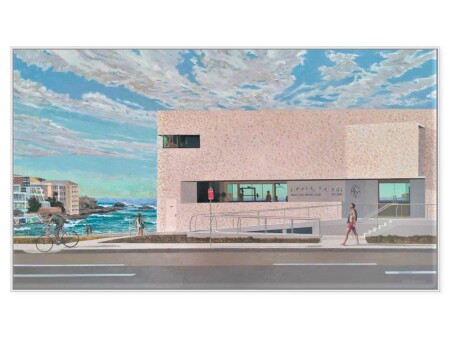
Bondi, Another Day in Paradise - 150x100cm
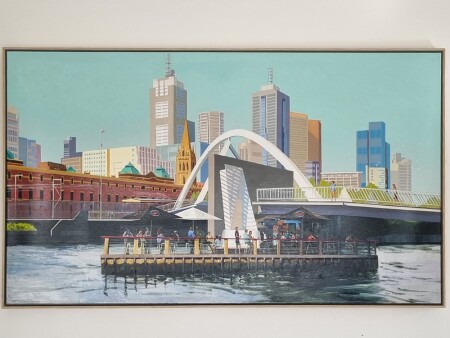
Yarra Afternoon - 153x85cm
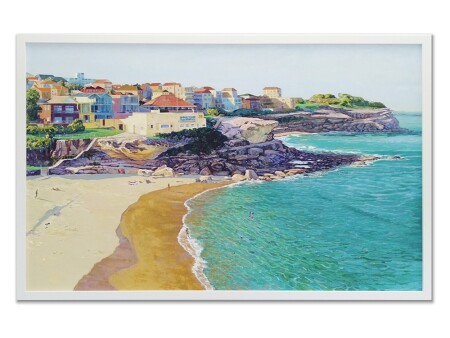
Golden Afternoon - 155x98cm
Bondi, Another Day in Paradise - 150x100cm
Yarra Afternoon - 153x85cm
Golden Afternoon - 155x98cm
BARR, Mike
View available paintings
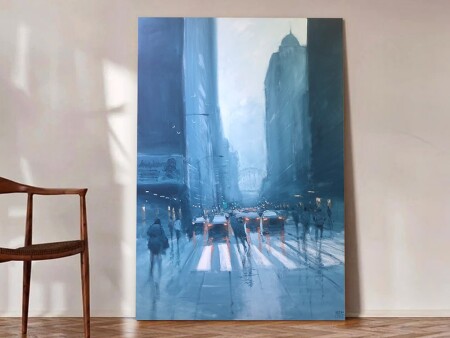
Hometime, George Street - 100x152cm
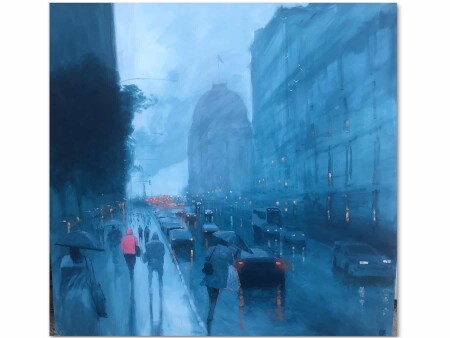
Pink Coat in Rain, Bridge St (SOLD)
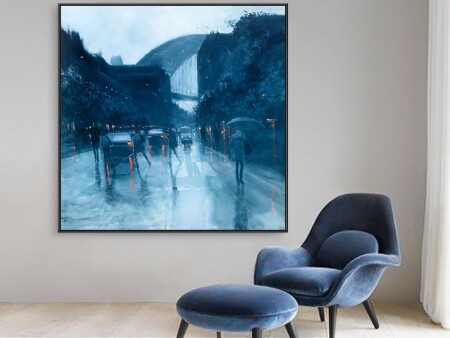
Showers at the Rocks - 150x150cm
Hometime, George Street - 100x152cm
Showers at the Rocks - 150x150cm
Pink Coat in Rain, Bridge St (SOLD)
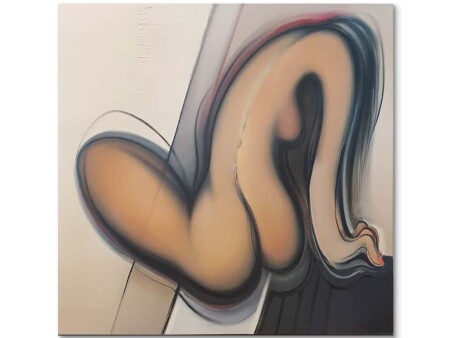
(SOLD) Nude #5 122x122cm (SOLD)
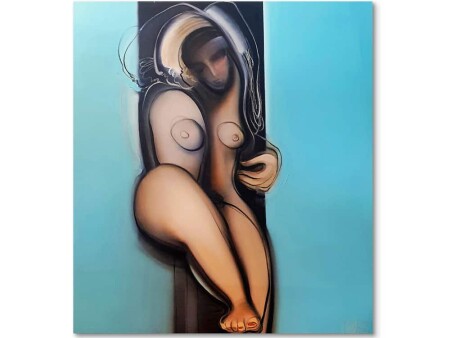
Blue Day 153x138cm
(SOLD) Nude #5 122x122cm (SOLD)
Blue Day 153x138cm
CAMPAGNARO, Gino
View available paintings
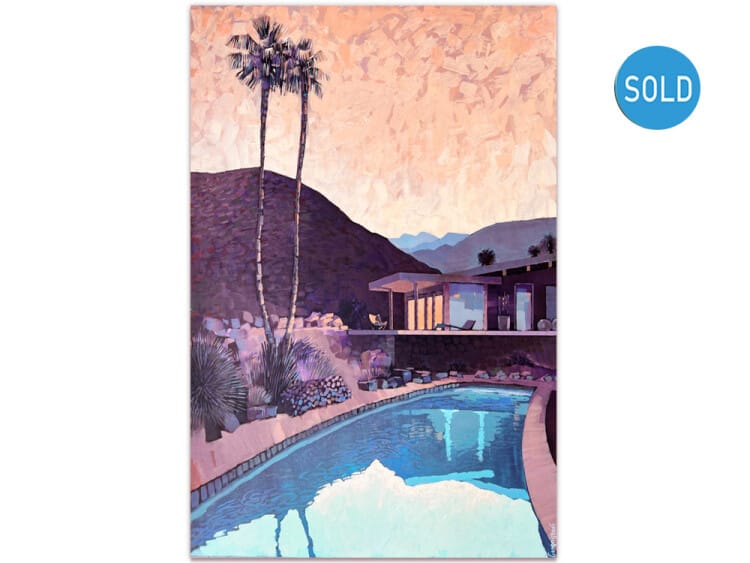
Into the Night - SOLD
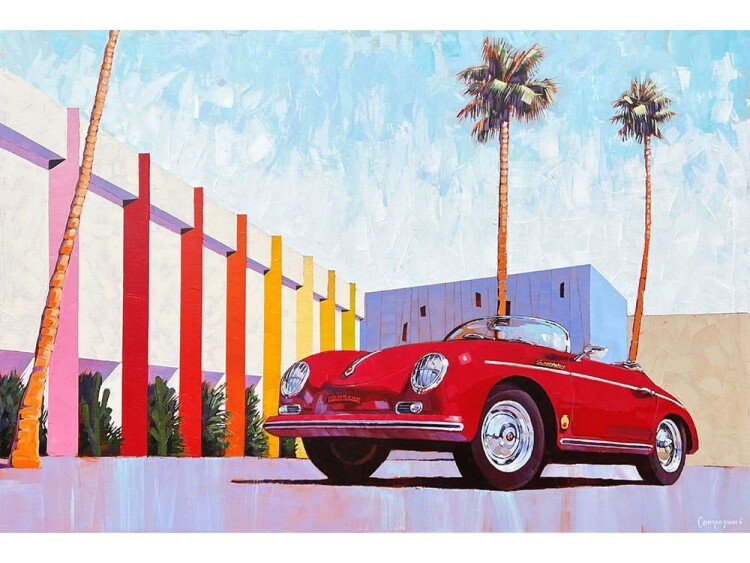
Speedster- (SOLD)
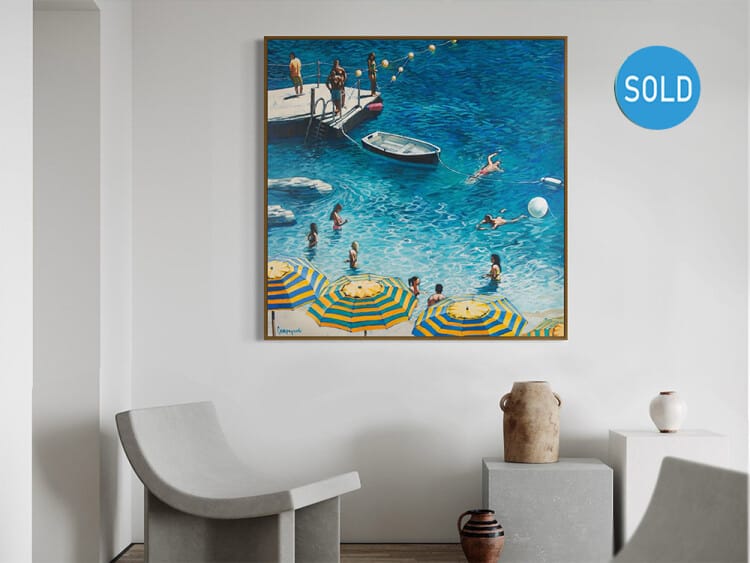
Me & Capri - SOLD
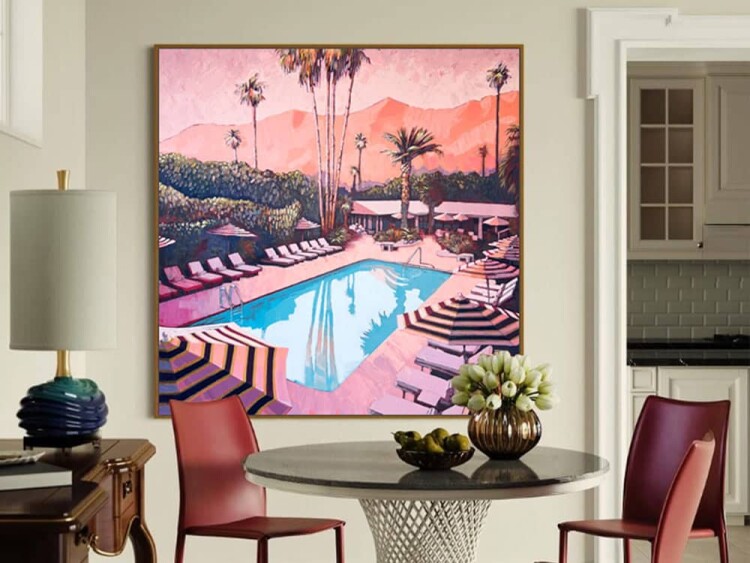
Wild Orchid- 150x150cm (SOLD)
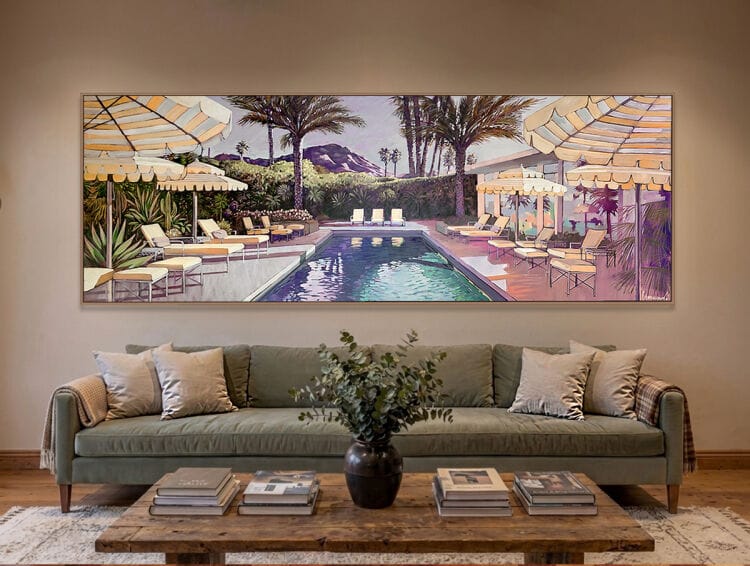
The Hour That Stays - 300x100cm
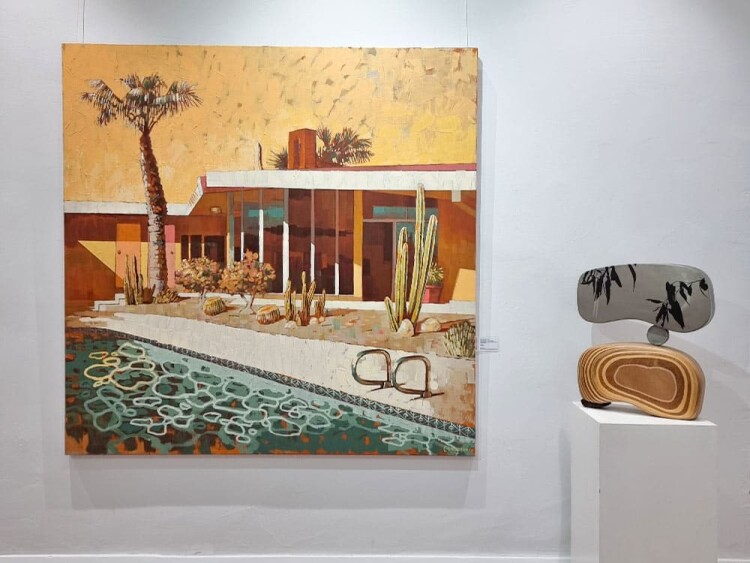
Hope Springs - (SOLD)
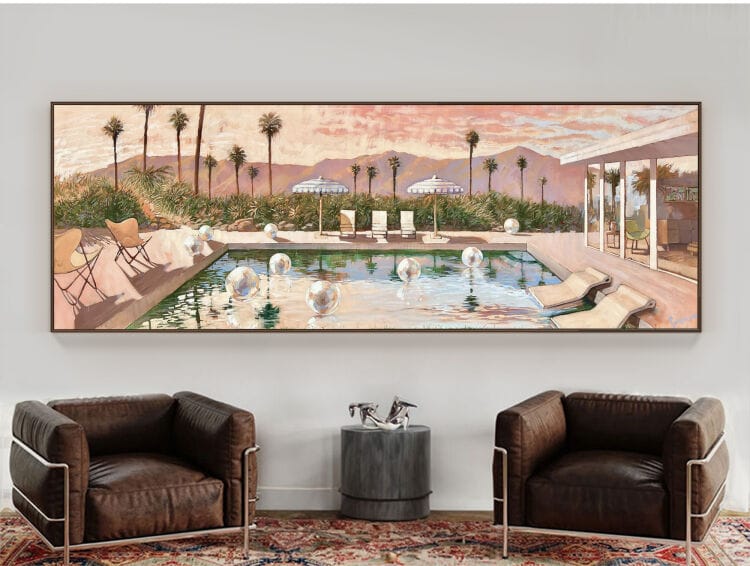
Our Dreams Left Floating - 300x100cm
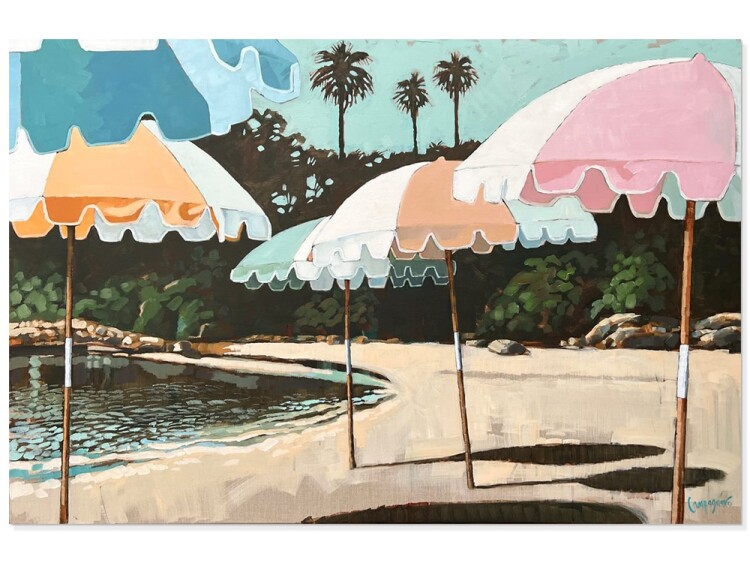
Shady Corner - (SOLD)
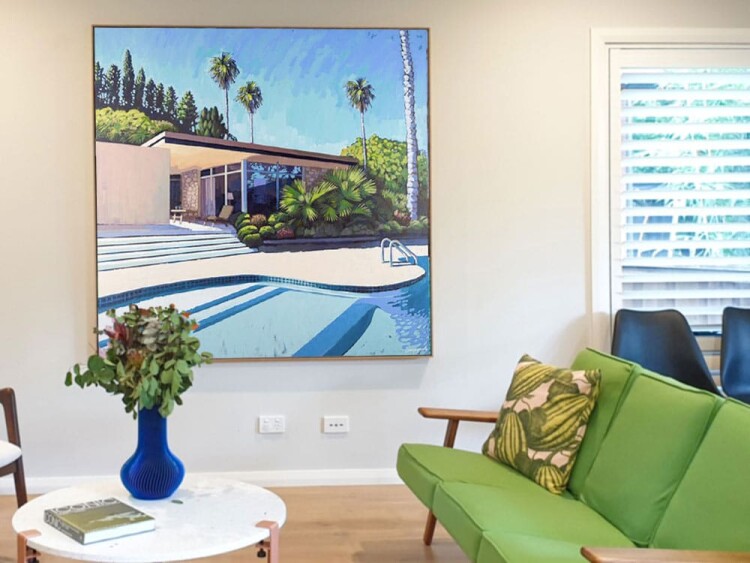
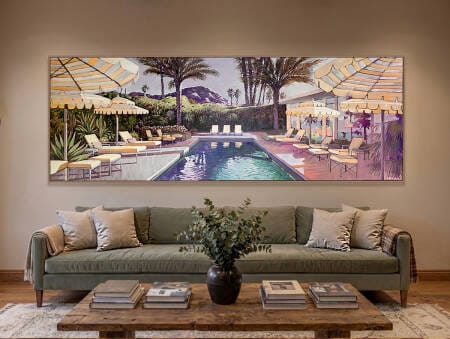
The Hour That Stays - 300x100cm
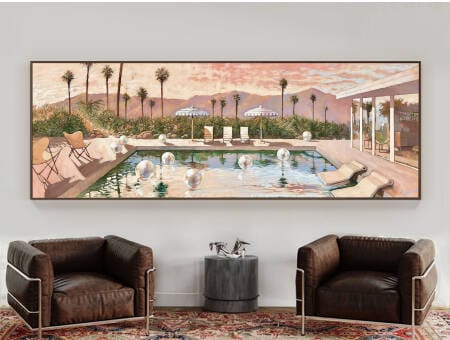
Our Dreams Left Floating - 300x100cm
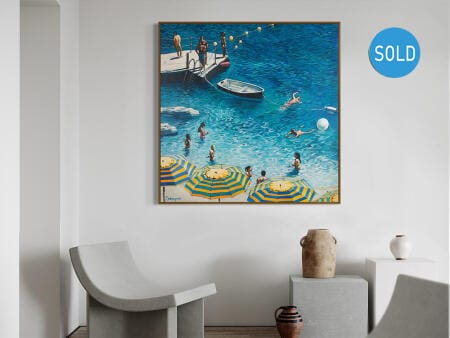
Me & Capri - SOLD
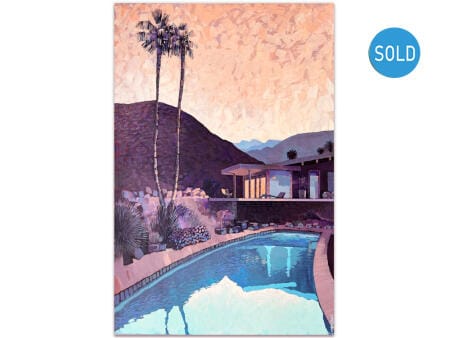
Into the Night - SOLD
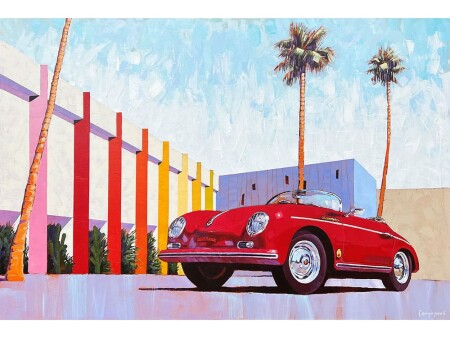
Speedster- (SOLD)
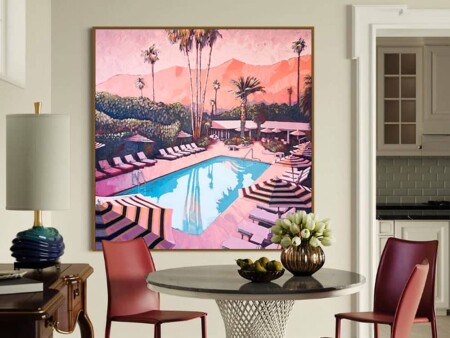
Wild Orchid- 150x150cm (SOLD)
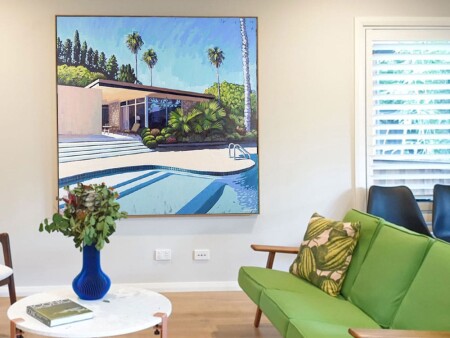
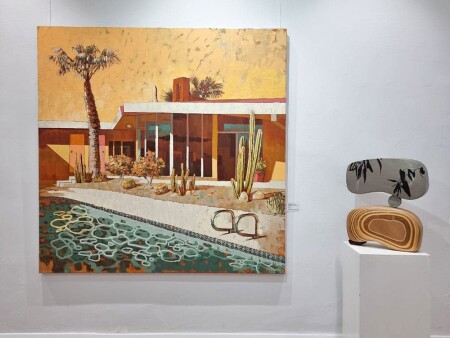
Hope Springs - (SOLD)
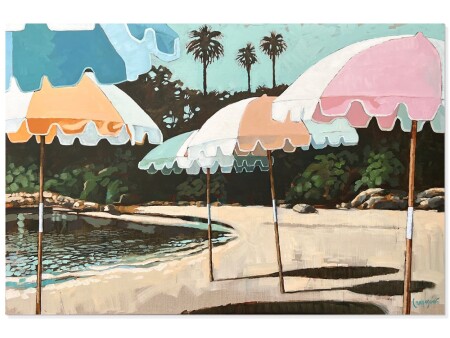
Shady Corner - (SOLD)
CANETTI, Michel
View available paintings
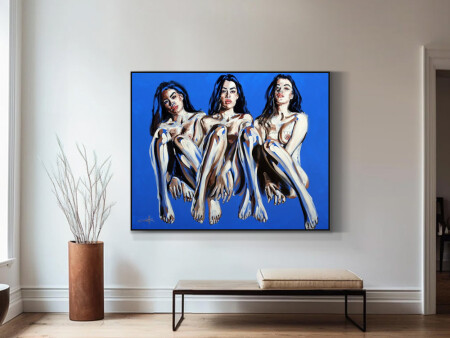
Triple Imogene - 168x137cm
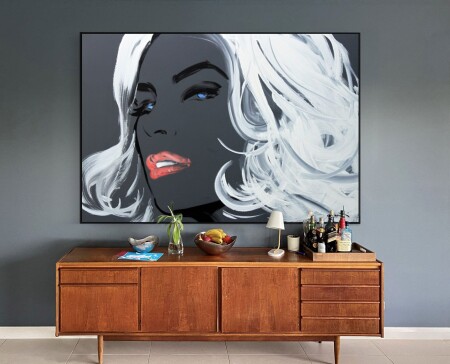
Malvina - 183x122cm
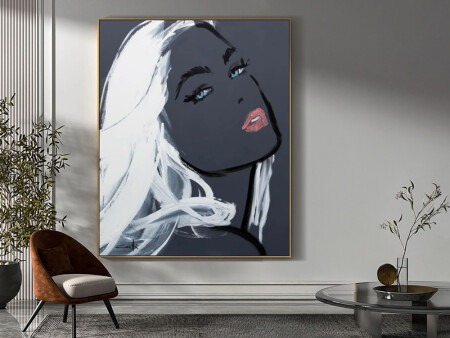
Jocelyn - 137x167cm
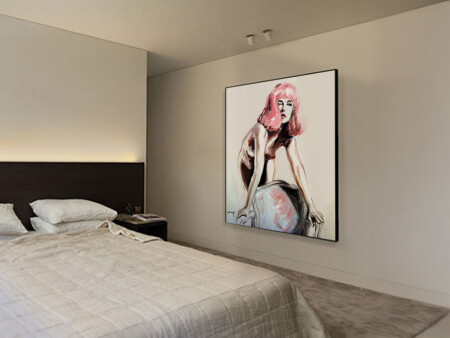
Anis - 137x167cm
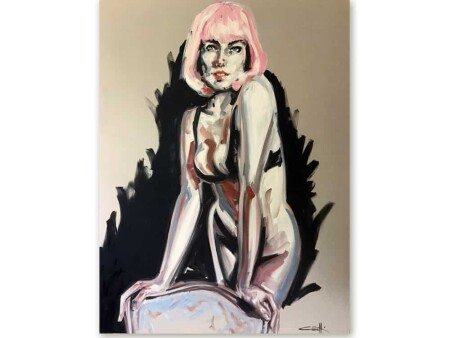
Peg - 112x152cm
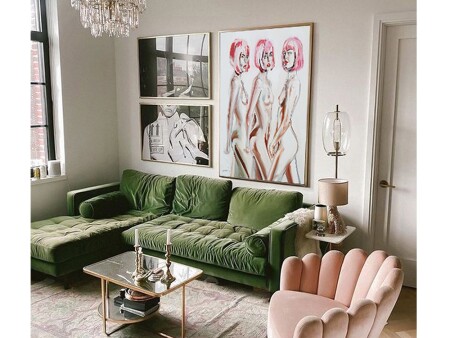
Mora - 122x152cm
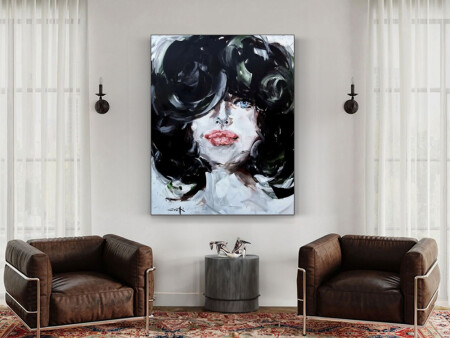
Leyla - 122x153cm
Anis - 137x167cm
Jocelyn - 137x167cm
Triple Imogene - 168x137cm
Mora - 122x152cm
Malvina - 183x122cm
Peg - 112x152cm
Leyla - 122x153cm
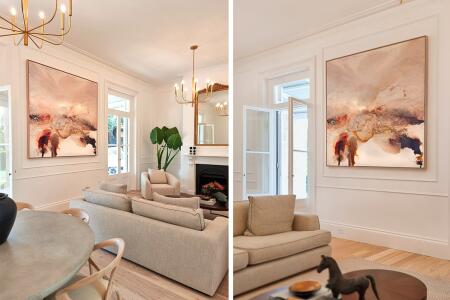
Tree Maker- 183x183cm
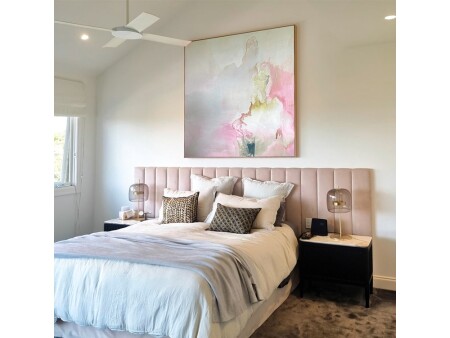
View - 160x160cm
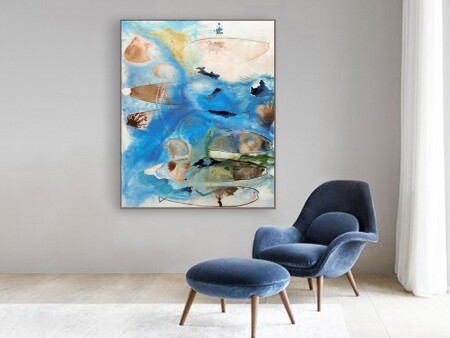
Finding Home - (SOLD)
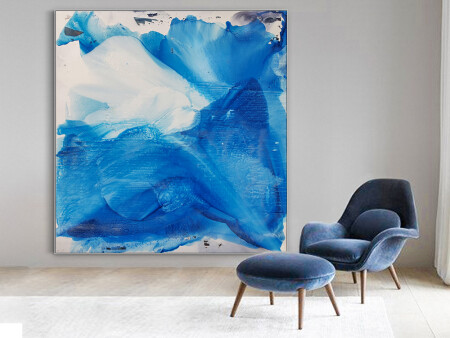
Cold Mountain - 183x183cm
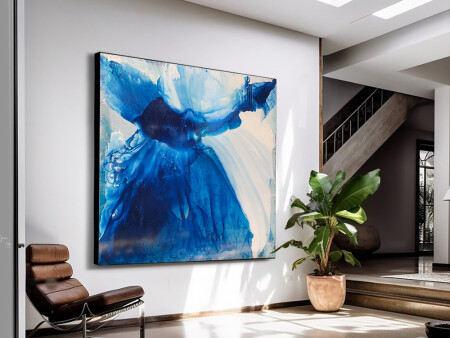
Ice Wings - 183x183cm
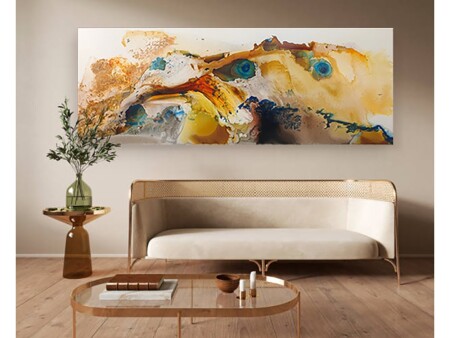
Down Under- 300x107cm (SOLD)
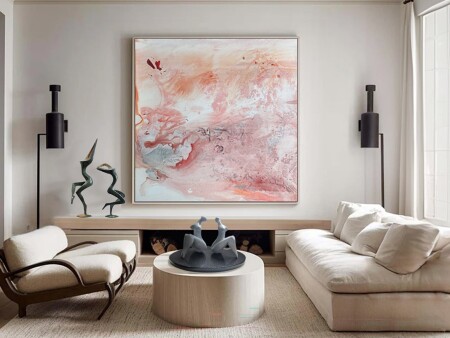
Sun Kissed Lovers -153x153cm
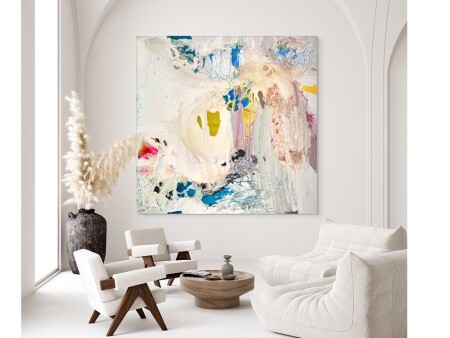
Kaleidoscope - 183x183cm
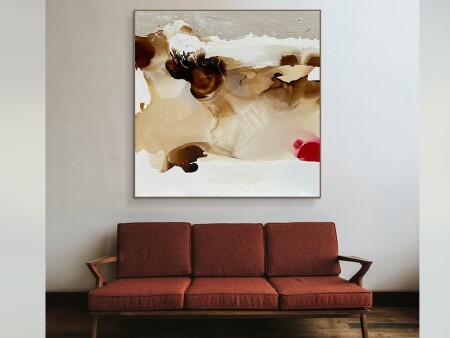
Wind on red Mountain -153x153cm
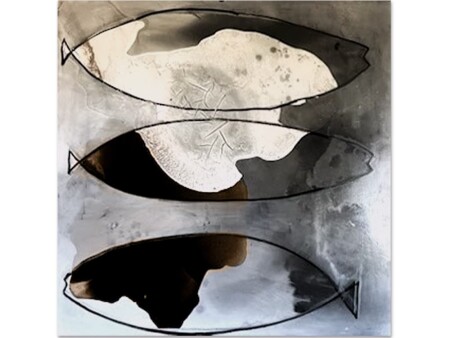
The Travellers - 102x102cm
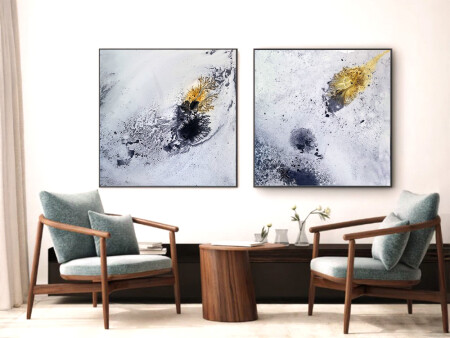
Air Frolic 2&4- 102x102cm
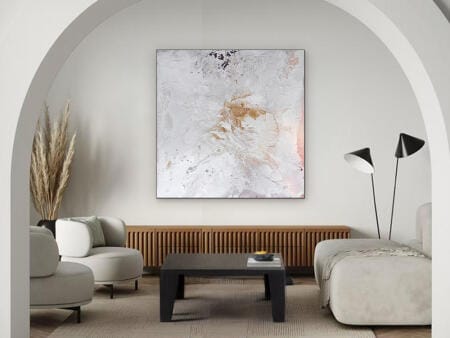
Pollen Play - 122x122cm
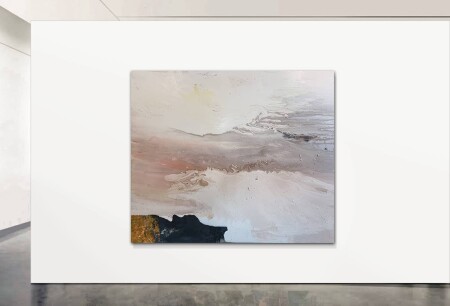
Crema - 180x160cm (framed)
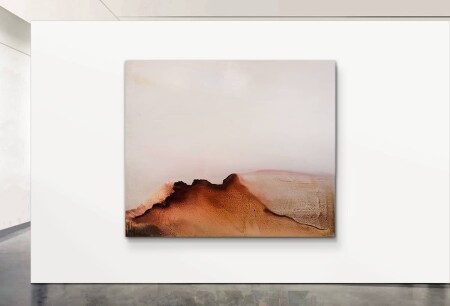
Shepard's Sky - 183x153cm
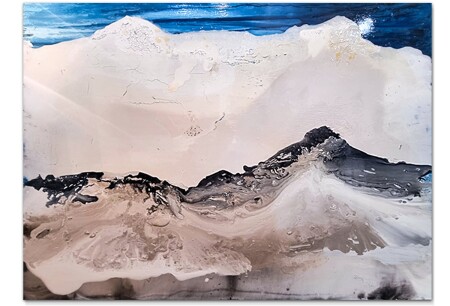
The View - 200x150cm
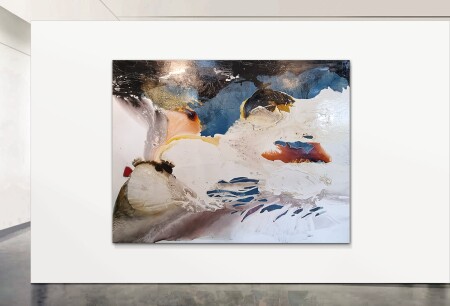
Towards Ice - 200x160cm
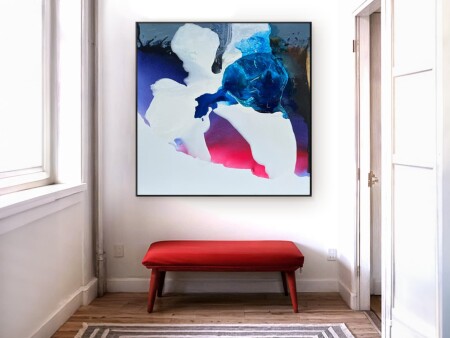
Island Paradise #2 - 153x153cm
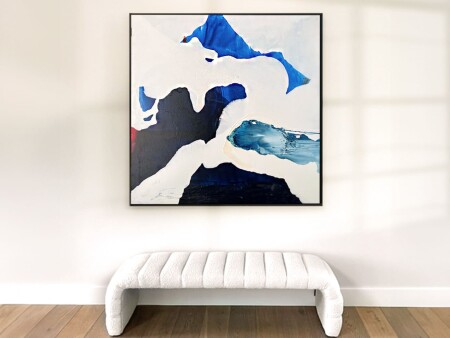
Island Paradise - 153x153cm
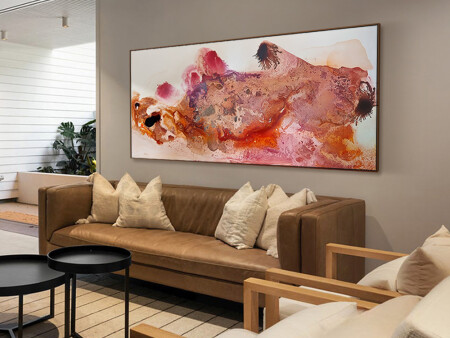
Jellyfish Haven - 200x100cm
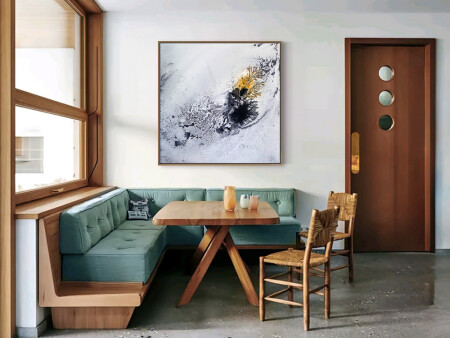
Air Frolic 4 - 102x102cm
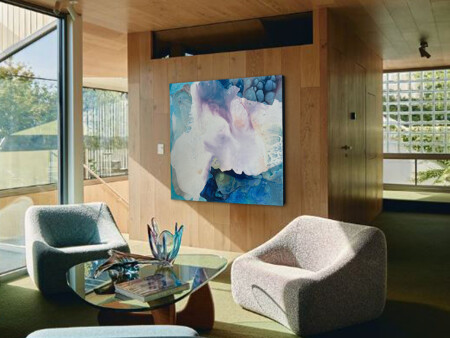
Water Space - 122x122cm
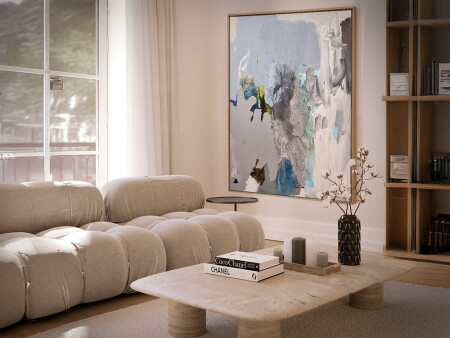
Play in the sky - 122x152cm
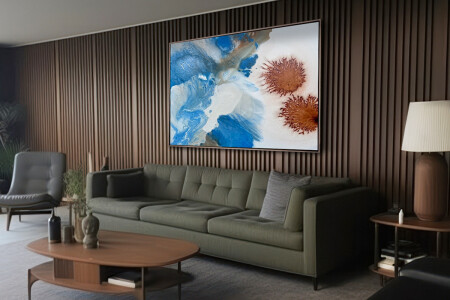
the chasers - 122x152cm
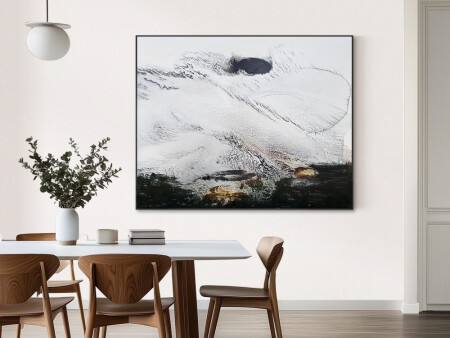
the net - 152x122cm
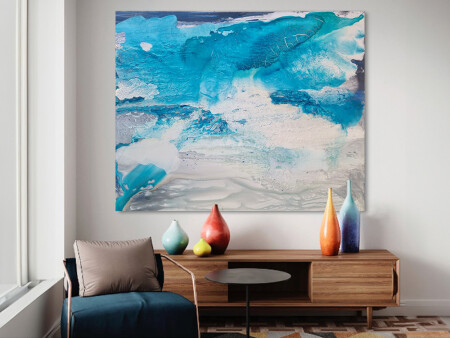
Wild Water - 152x122cm
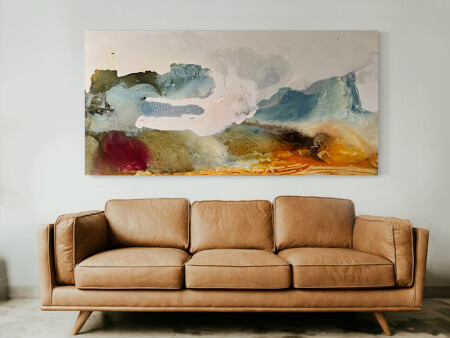
Village Clouds - (SOLD)
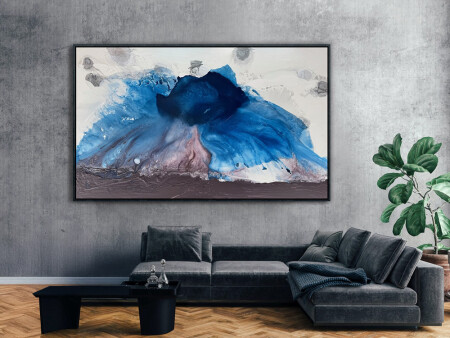
Twin Peaks - 120x200cm
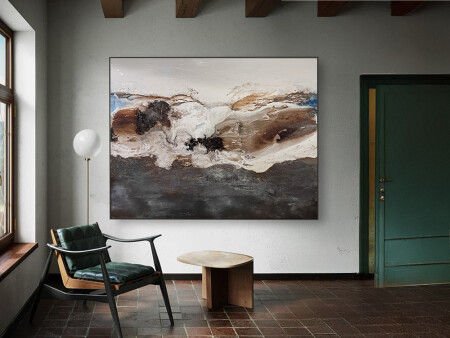
Sand Soil Sky- 150x180cm
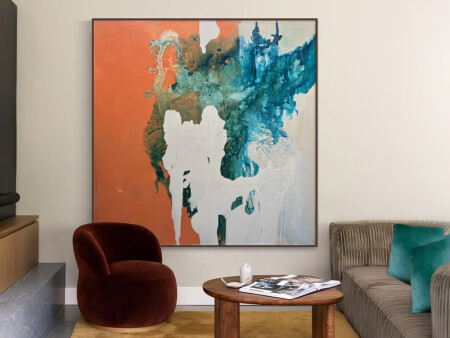
Lovers Travel - 183x183cm
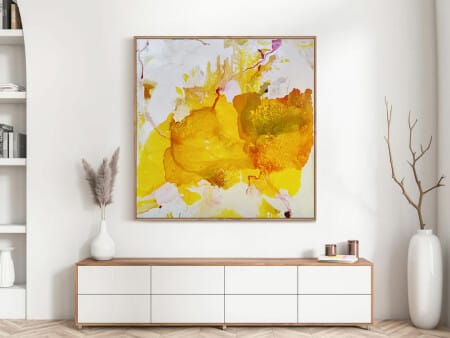
Valentina - 130x130cm
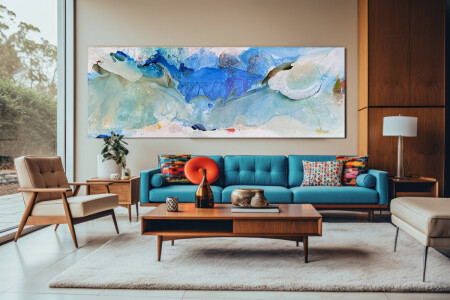
Gathered Blue - (SOLD)
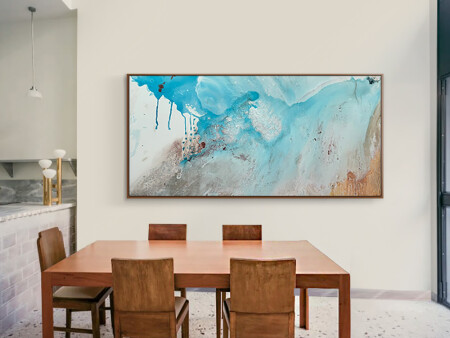
Rainbow Maker - 120x200cm
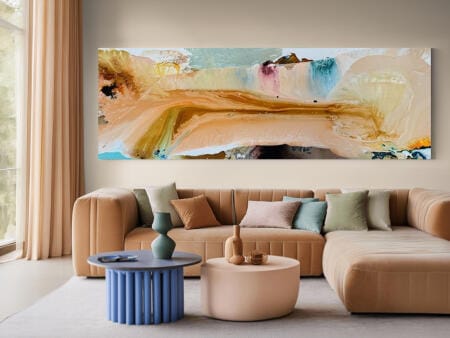
Tree, Waterfall, Sand - 300x100cm
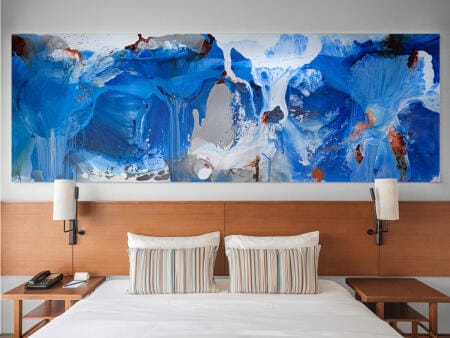
Blue Movement - 300x100cm
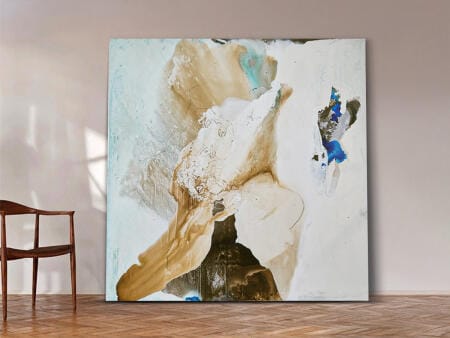
Forces that be - 150x150cm
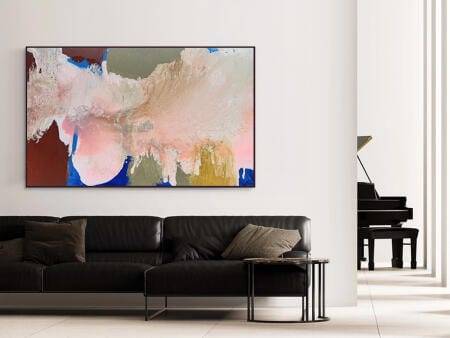
Labyrinth - 120x200cm
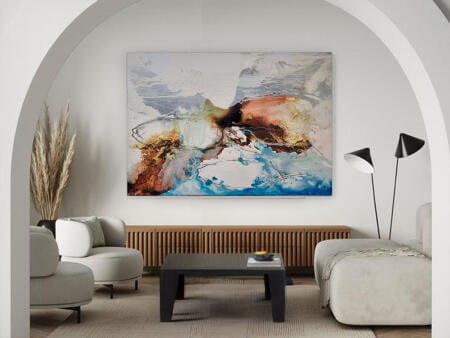
West Cove - 120x180cm
West Cove - 120x180cm
Labyrinth - 120x200cm
Forces that be - 150x150cm
Blue Movement - 300x100cm
Tree, Waterfall, Sand - 300x100cm
Rainbow Maker - 120x200cm
Gathered Blue - (SOLD)
Valentina - 130x130cm
Lovers Travel - 183x183cm
Sand Soil Sky- 150x180cm
Twin Peaks - 120x200cm
Village Clouds - (SOLD)
Wild Water - 152x122cm
the net - 152x122cm
the chasers - 122x152cm
Play in the sky - 122x152cm
Water Space - 122x122cm
Air Frolic 4 - 102x102cm
Jellyfish Haven - 200x100cm
Island Paradise - 153x153cm
Island Paradise #2 - 153x153cm
Towards Ice - 200x160cm
The View - 200x150cm
Shepard's Sky - 183x153cm
Crema - 180x160cm (framed)
Pollen Play - 122x122cm
Air Frolic 2&4- 102x102cm
The Travellers - 102x102cm
Wind on red Mountain -153x153cm
Kaleidoscope - 183x183cm
Sun Kissed Lovers -153x153cm
Down Under- 300x107cm (SOLD)
Ice Wings - 183x183cm
Cold Mountain - 183x183cm
Finding Home - (SOLD)
View - 160x160cm
Tree Maker- 183x183cm
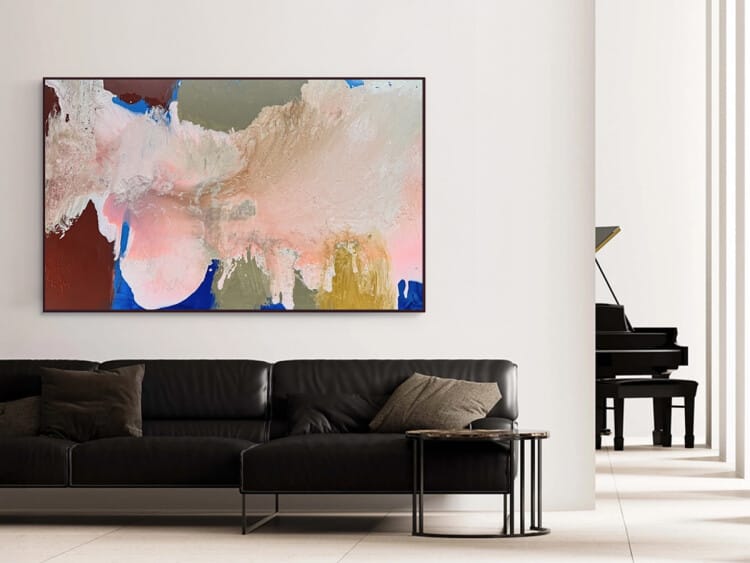
Labyrinth - 120x200cm
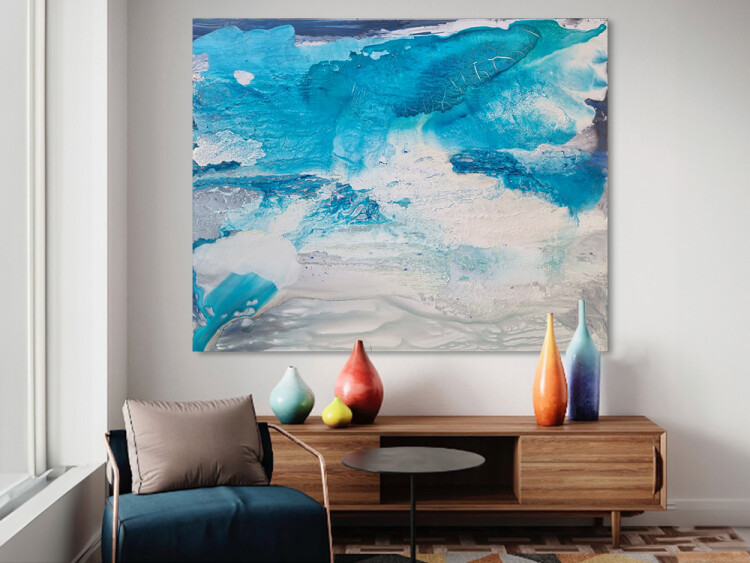
Wild Water - 152x122cm
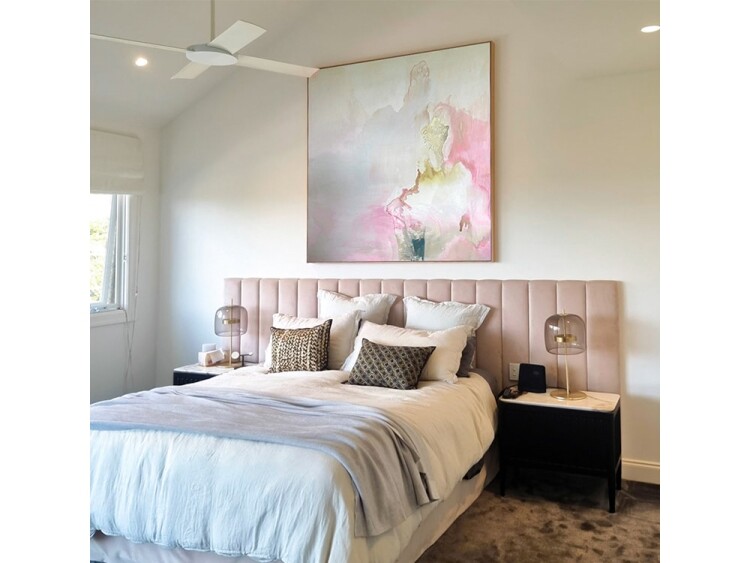
View - 160x160cm
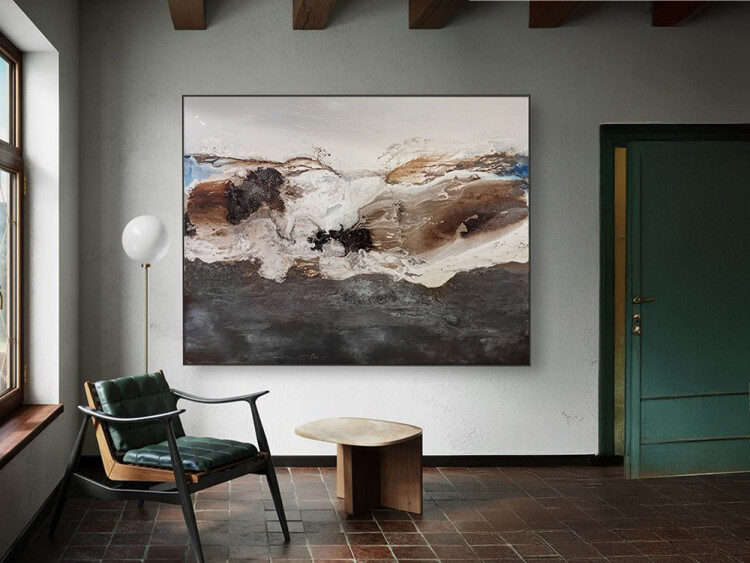
Sand Soil Sky- 150x180cm
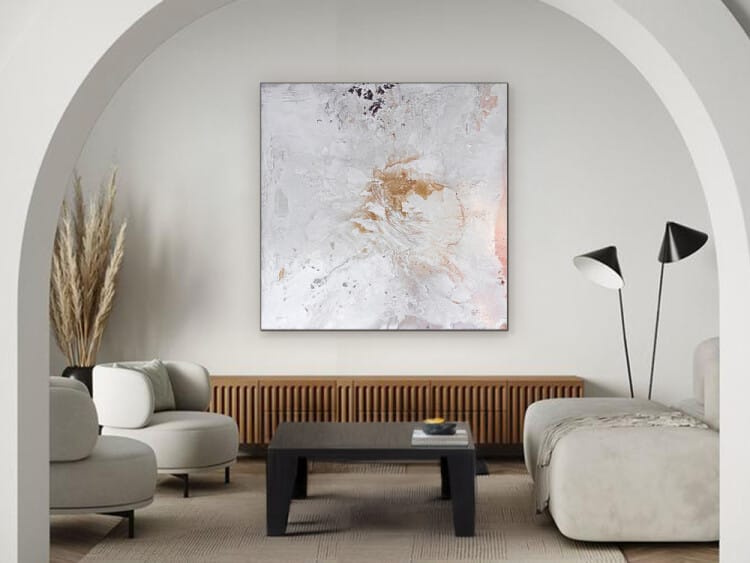
Pollen Play - 122x122cm
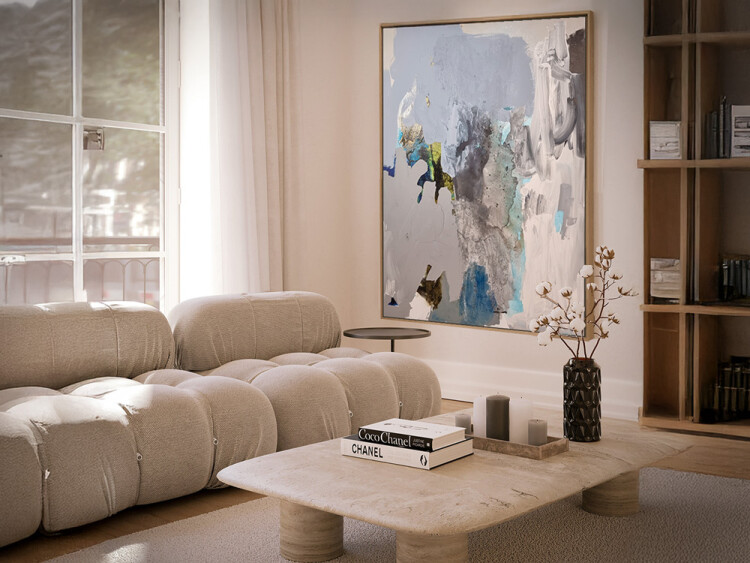
Play in the sky - 122x152cm
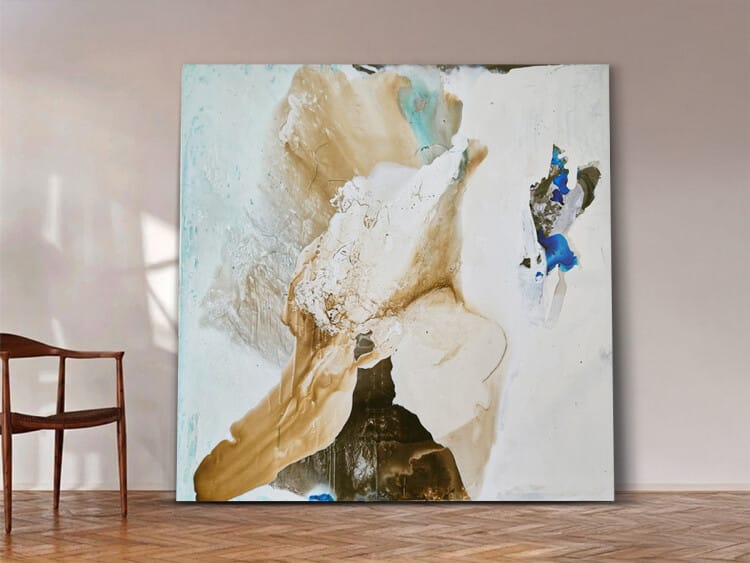
Forces that be - 150x150cm
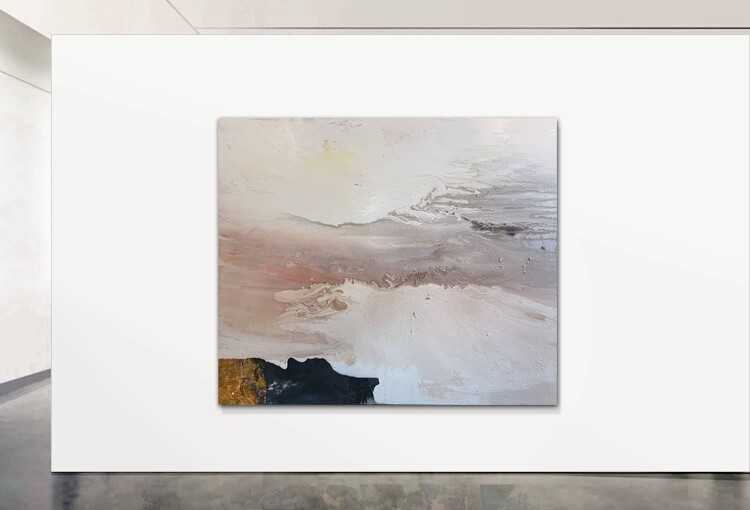
Crema - 180x160cm (framed)
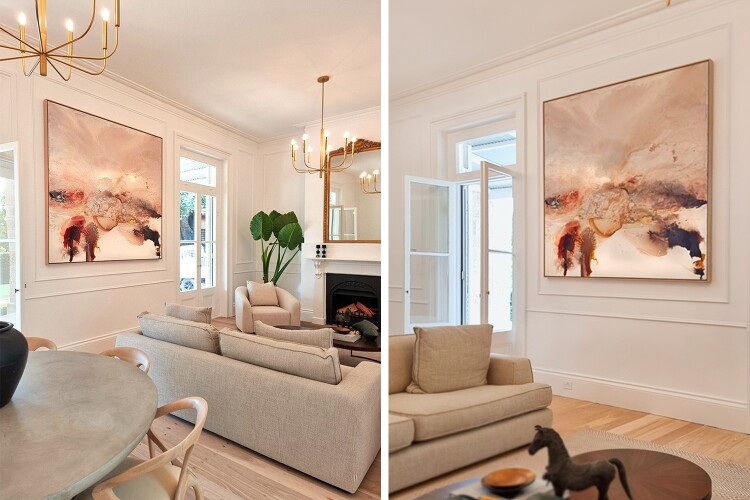
Tree Maker- 183x183cm
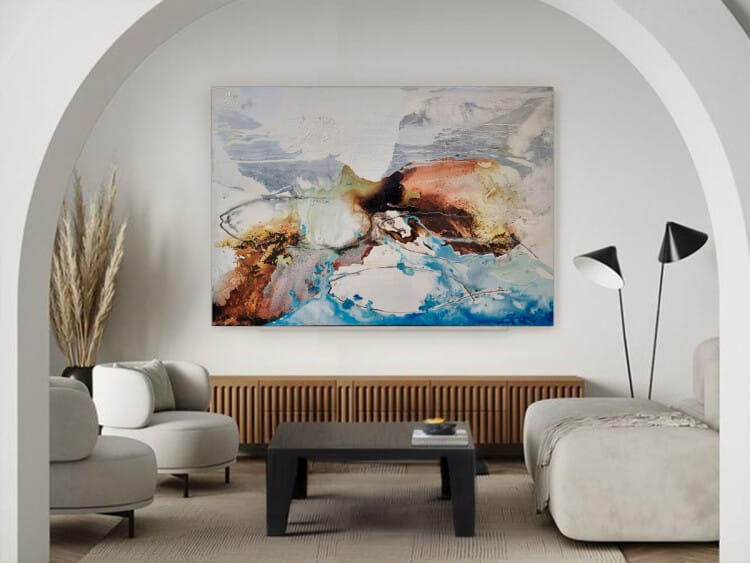
West Cove - 120x180cm
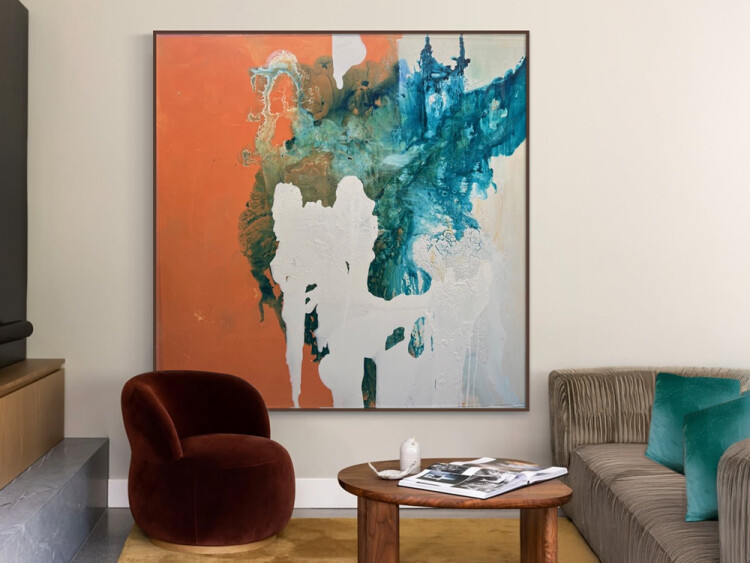
Lovers Travel - 183x183cm
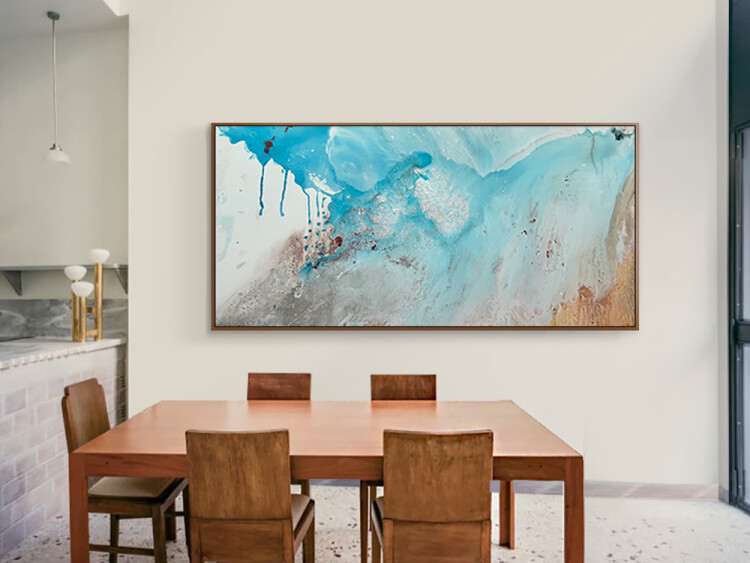
Rainbow Maker - 120x200cm
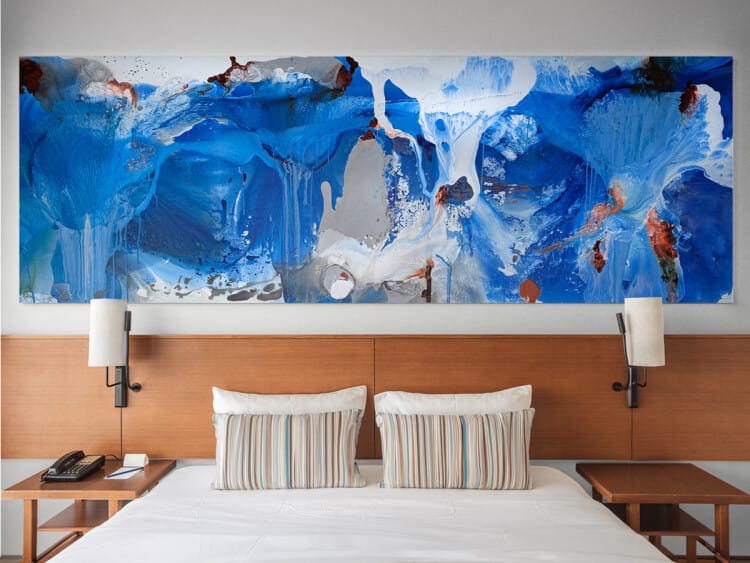
Blue Movement - 300x100cm
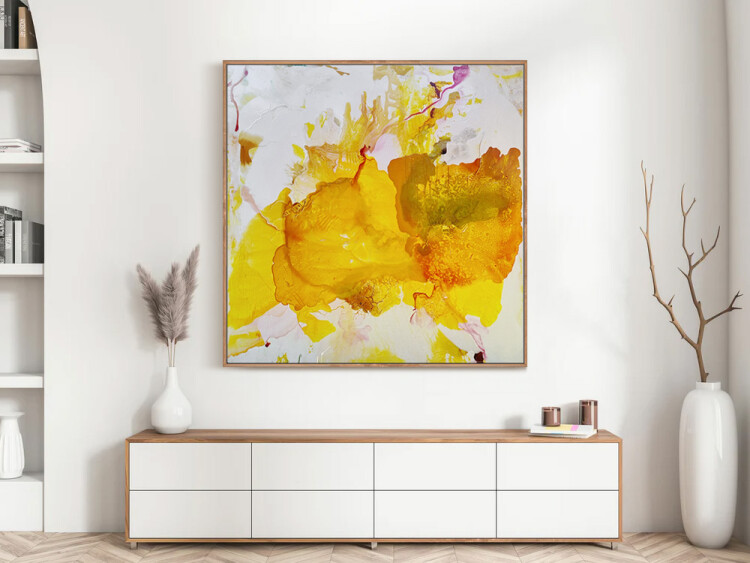
Valentina - 130x130cm
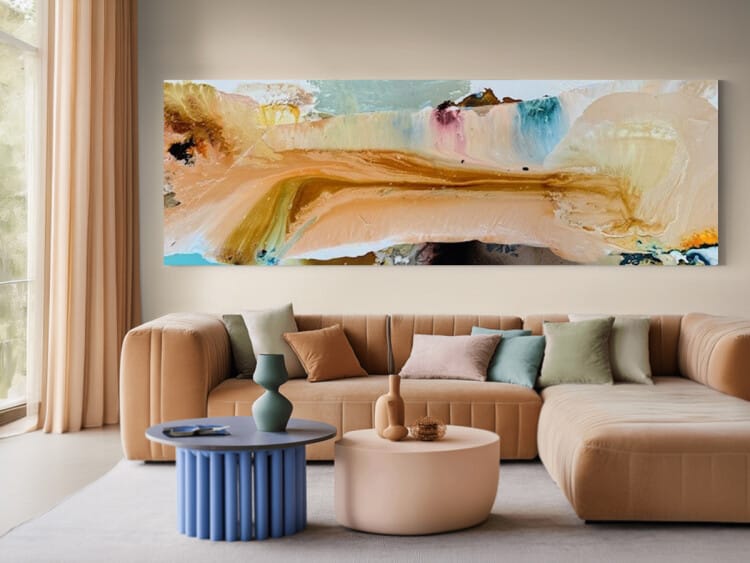
Tree, Waterfall, Sand - 300x100cm
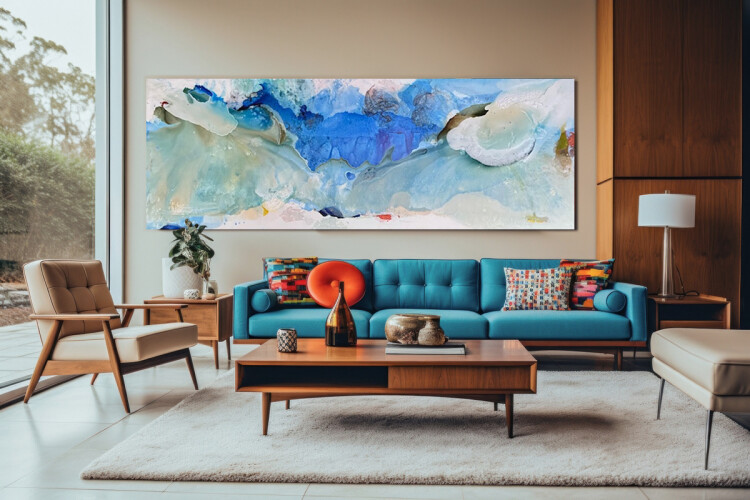
Gathered Blue - (SOLD)
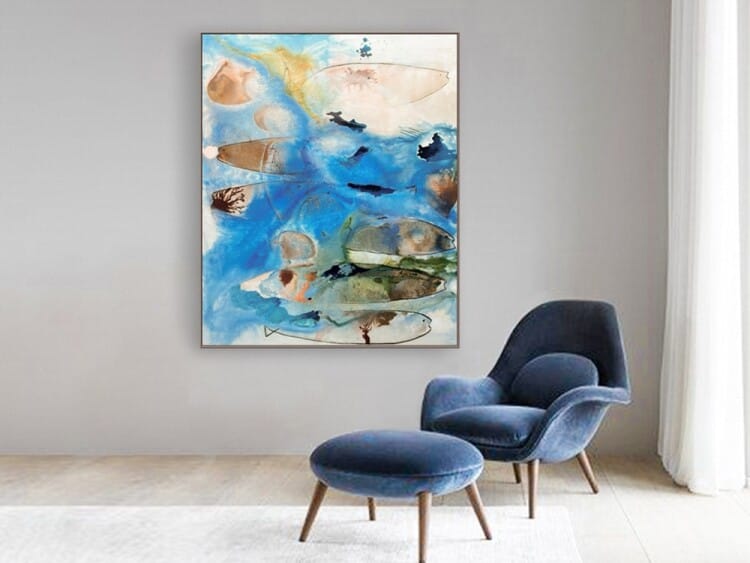
Finding Home - (SOLD)
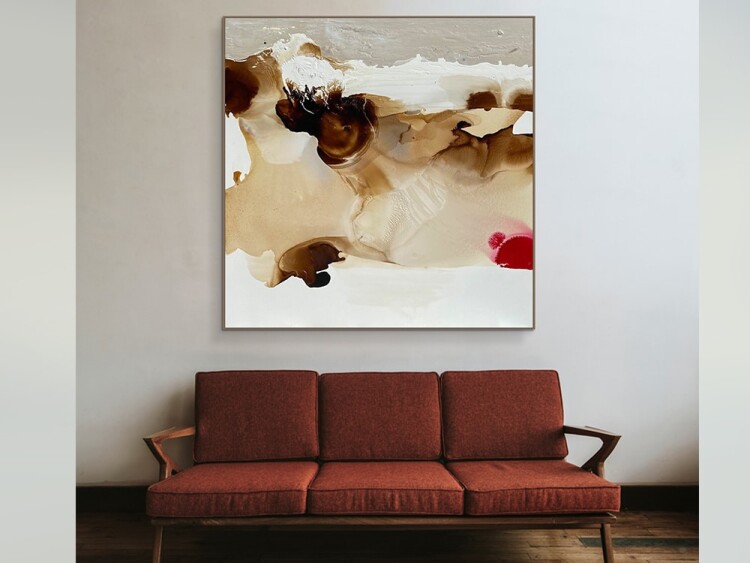
Wind on red Mountain -153x153cm
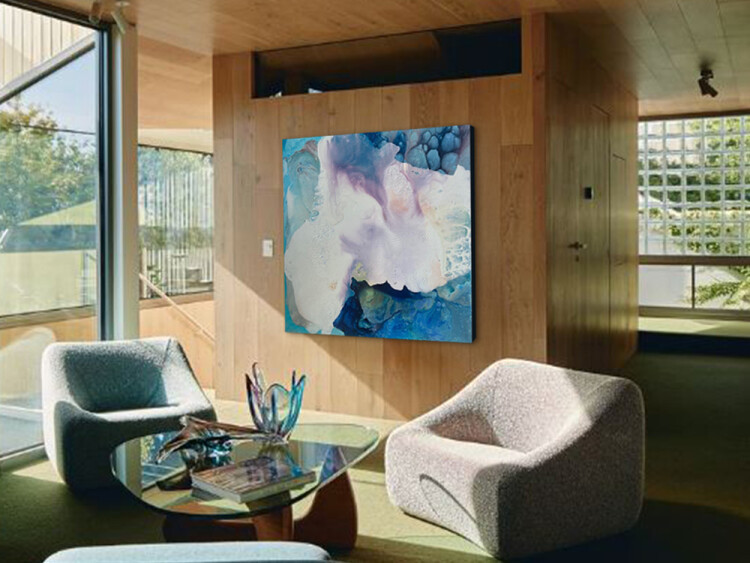
Water Space - 122x122cm
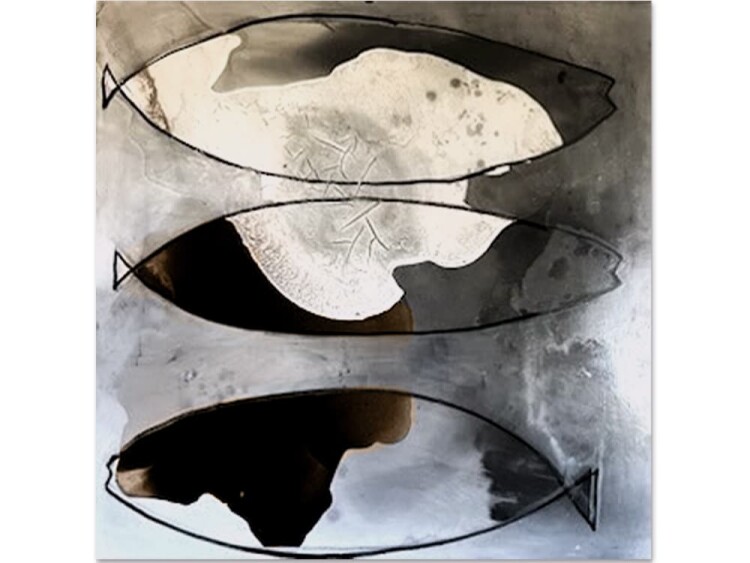
The Travellers - 102x102cm
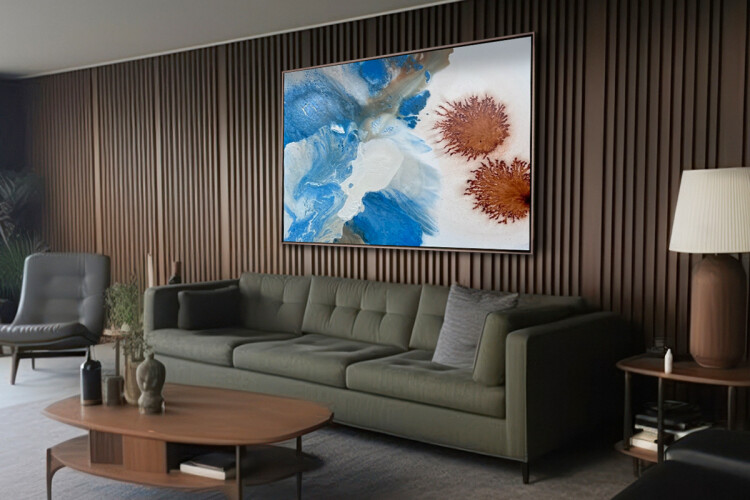
the chasers - 122x152cm
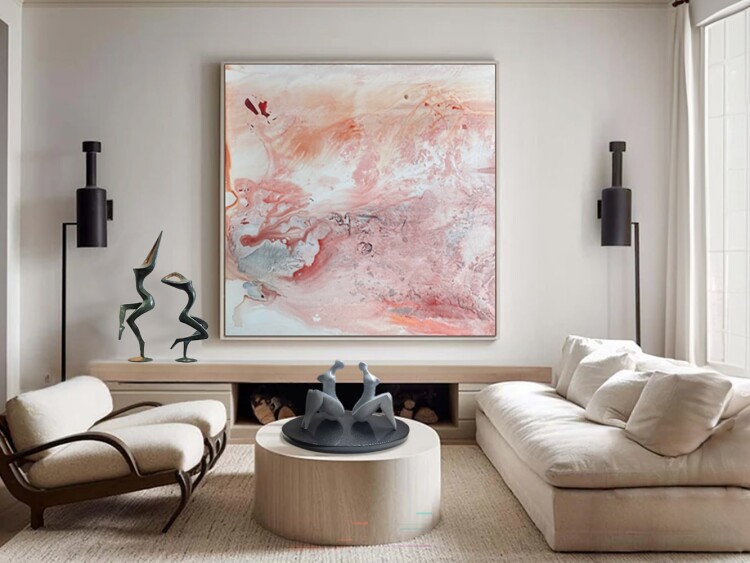
Sun Kissed Lovers -153x153cm
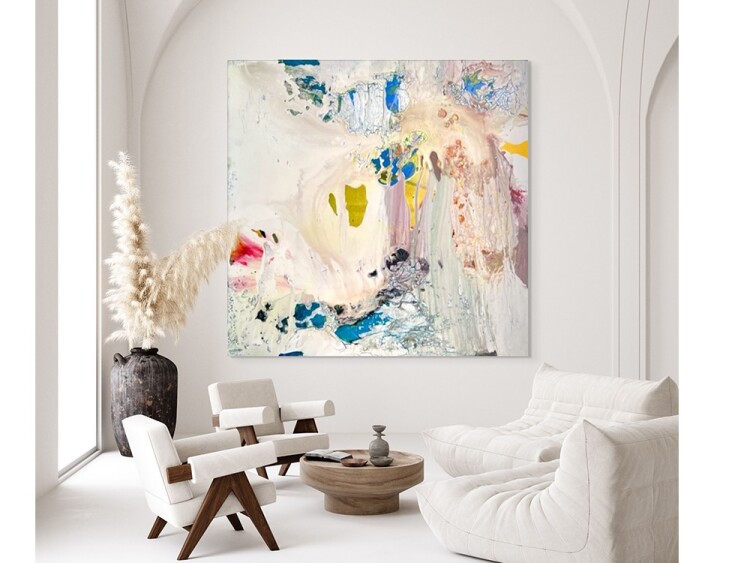
Kaleidoscope - 183x183cm
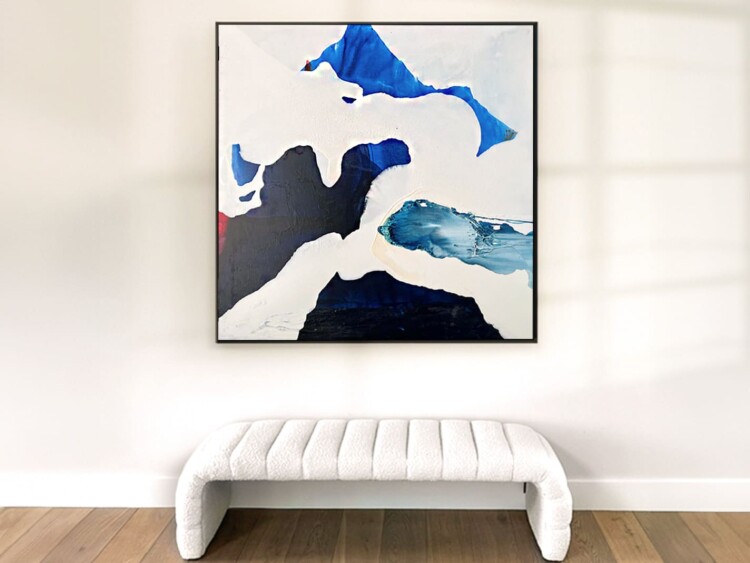
Island Paradise - 153x153cm
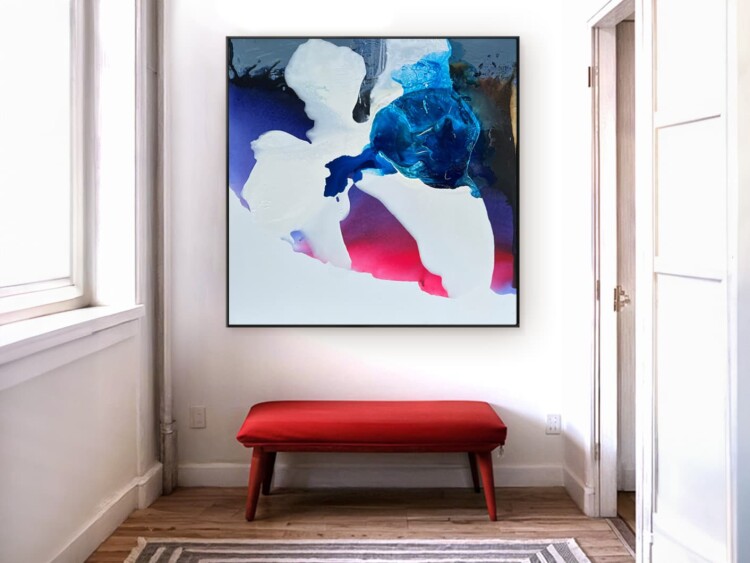
Island Paradise #2 - 153x153cm
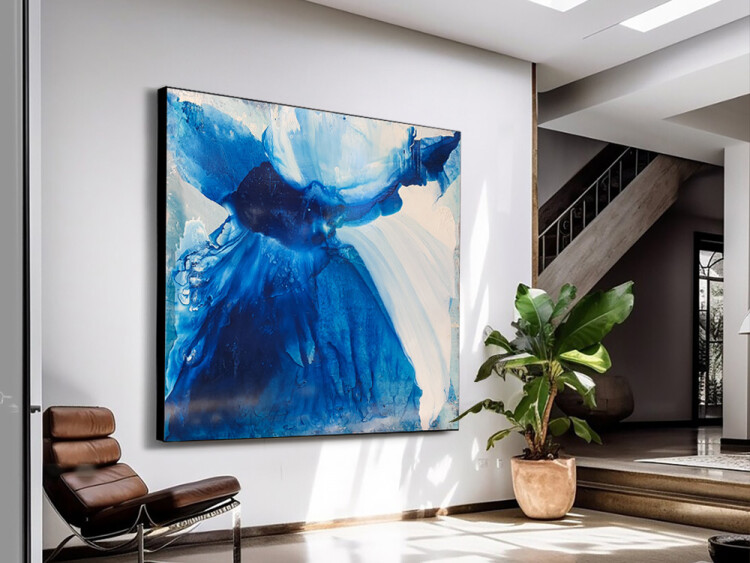
Ice Wings - 183x183cm
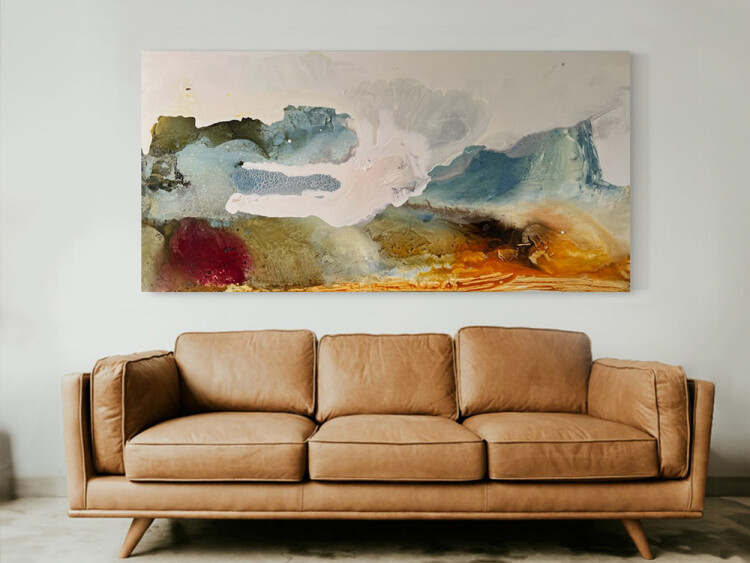
Village Clouds - (SOLD)
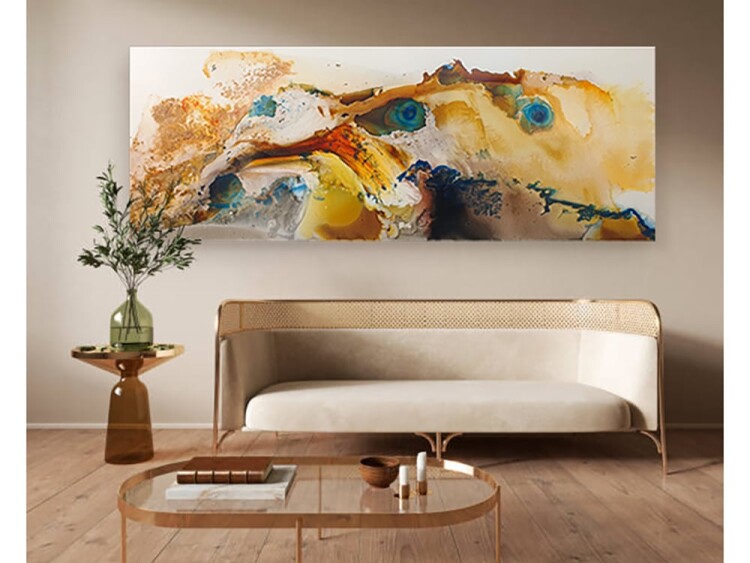
Down Under- 300x107cm (SOLD)
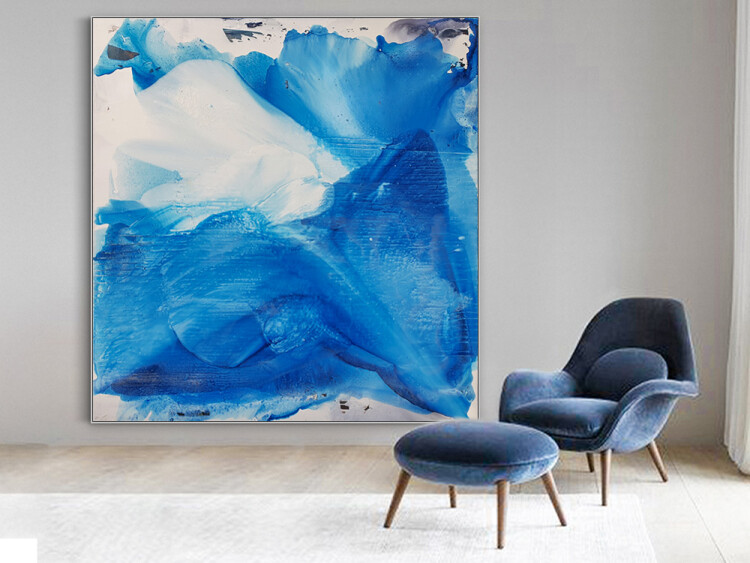
Cold Mountain - 183x183cm
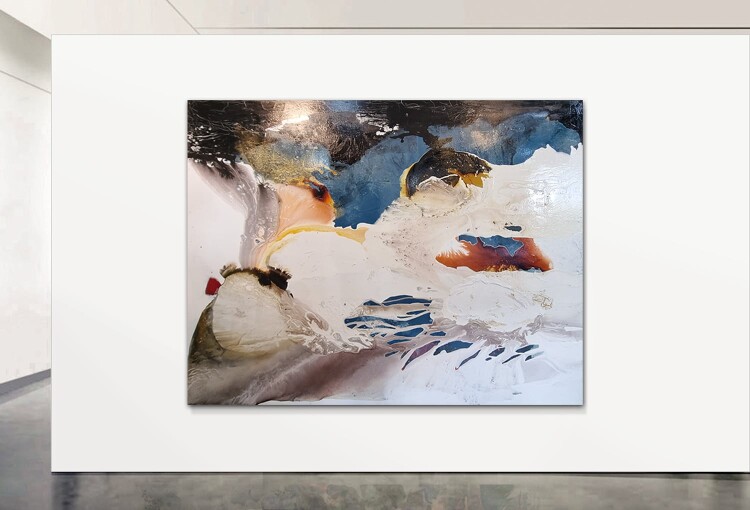
Towards Ice - 200x160cm
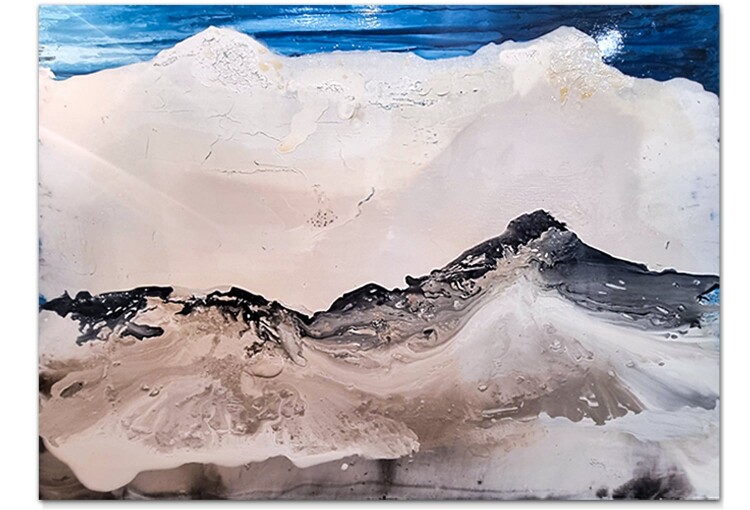
The View - 200x150cm
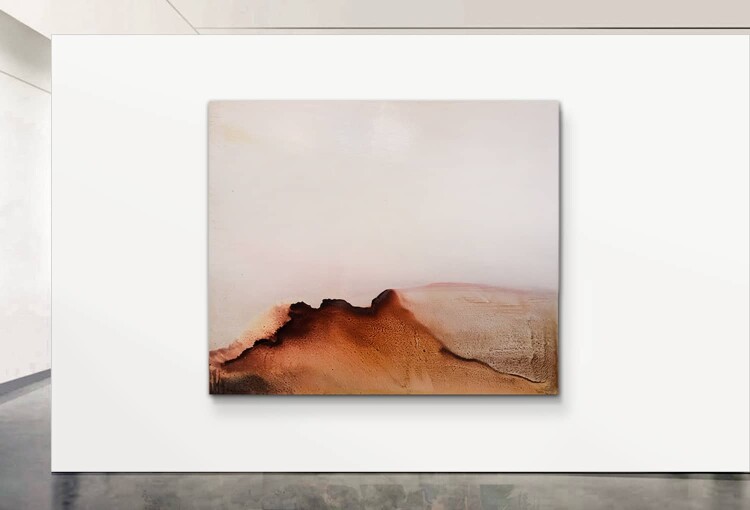
Shepard's Sky - 183x153cm
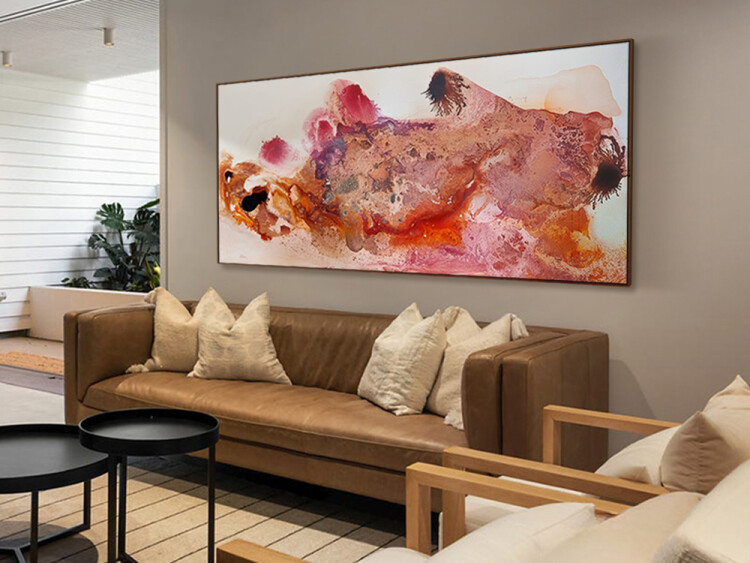
Jellyfish Haven - 200x100cm
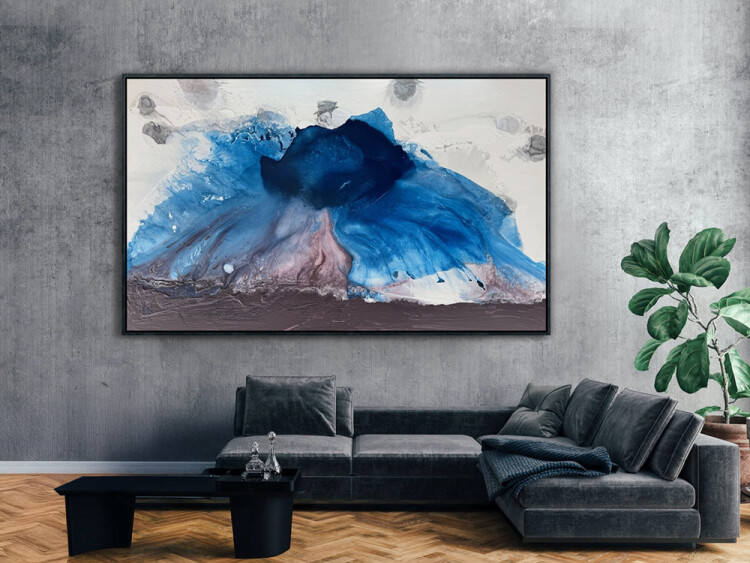
Twin Peaks - 120x200cm
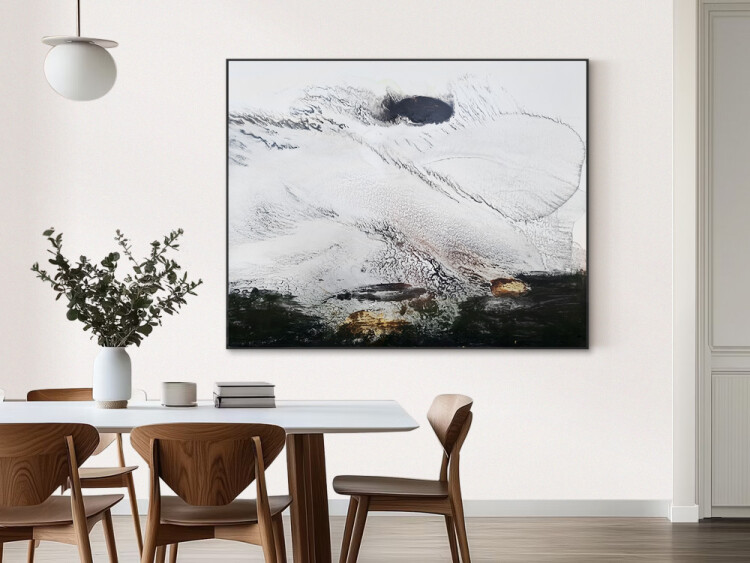
the net - 152x122cm
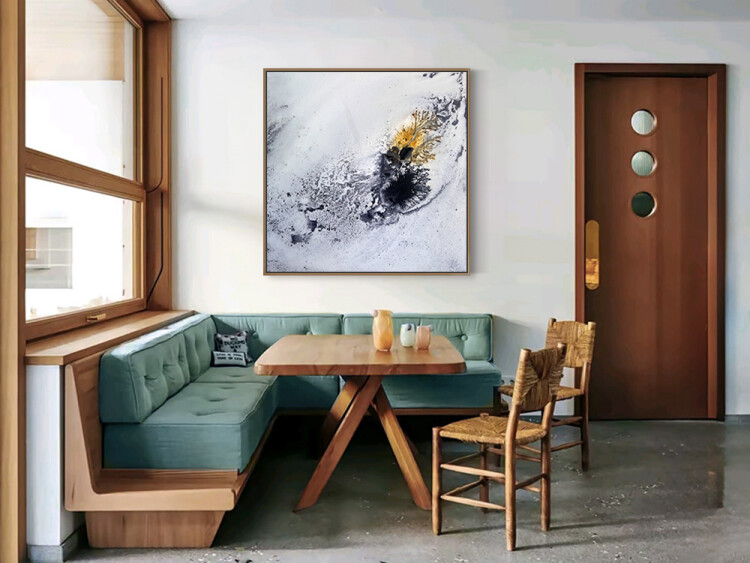
Air Frolic 4 - 102x102cm
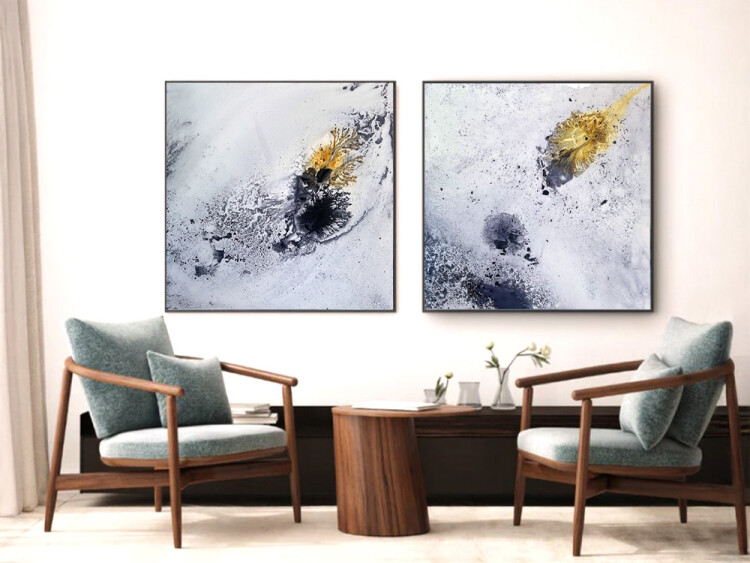
Air Frolic 2&4- 102x102cm
Wind on red Mountain -153x153cm
Wild Water - 152x122cm
West Cove - 120x180cm
Water Space - 122x122cm
Village Clouds - (SOLD)
View - 160x160cm
Valentina - 130x130cm
Twin Peaks - 120x200cm
Tree, Waterfall, Sand - 300x100cm
Tree Maker- 183x183cm
Towards Ice - 200x160cm
The View - 200x150cm
The Travellers - 102x102cm
the net - 152x122cm
the chasers - 122x152cm
Sun Kissed Lovers -153x153cm
Shepard's Sky - 183x153cm
Sand Soil Sky- 150x180cm
Rainbow Maker - 120x200cm
Pollen Play - 122x122cm
Play in the sky - 122x152cm
Lovers Travel - 183x183cm
Labyrinth - 120x200cm
Kaleidoscope - 183x183cm
Jellyfish Haven - 200x100cm
Island Paradise #2 - 153x153cm
Island Paradise - 153x153cm
Ice Wings - 183x183cm
Gathered Blue - (SOLD)
Forces that be - 150x150cm
Finding Home - (SOLD)
Down Under- 300x107cm (SOLD)
Crema - 180x160cm (framed)
Cold Mountain - 183x183cm
Blue Movement - 300x100cm
Air Frolic 4 - 102x102cm
Air Frolic 2&4- 102x102cm
DRY PARKER, Linda
View available paintings
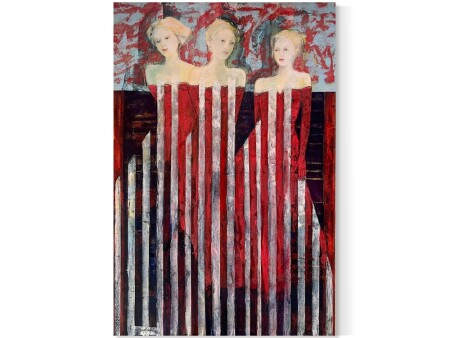
Three Muses - 112x 168cm
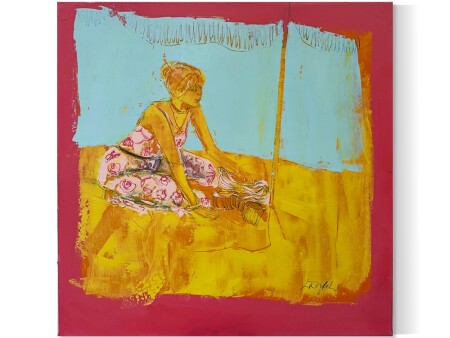
Pink Dress- 60x60cm
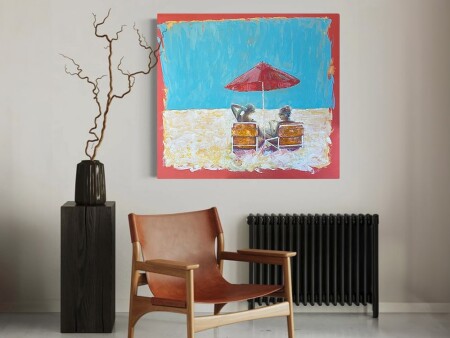
Two Set - 122x112cm
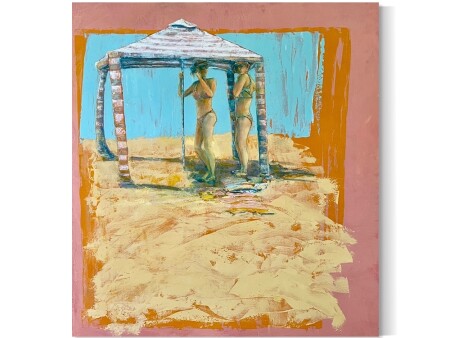
This must be the place - 112x122cm
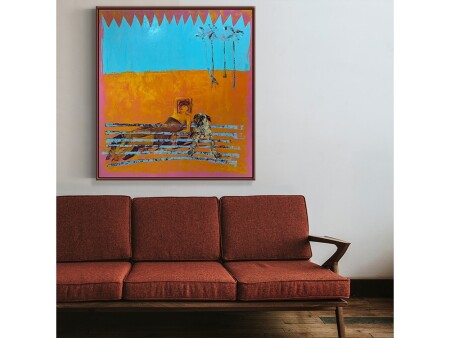
Fantasea - 112x122cm
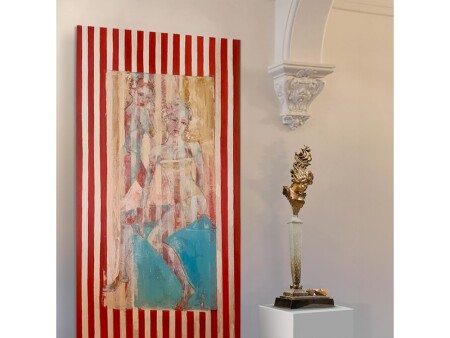
Pavillion -70x168cm
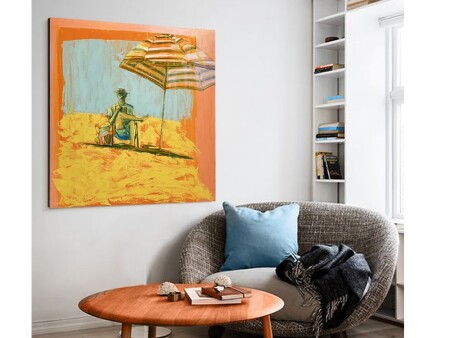
Location - 112x122cm
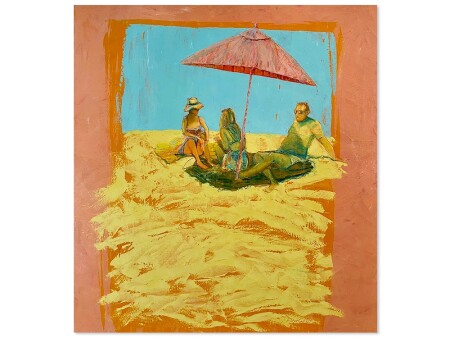
Vacation - 112x122cm
This must be the place - 112x122cm
Pavillion -70x168cm
Three Muses - 112x 168cm
Pink Dress- 60x60cm
Vacation - 112x122cm
Two Set - 122x112cm
Location - 112x122cm
Fantasea - 112x122cm
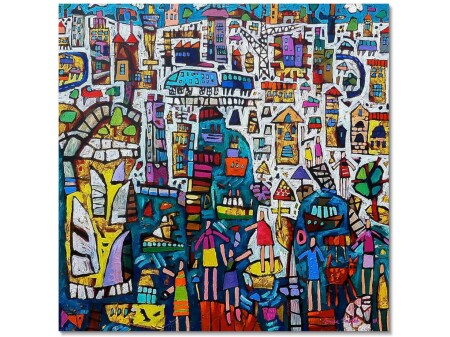
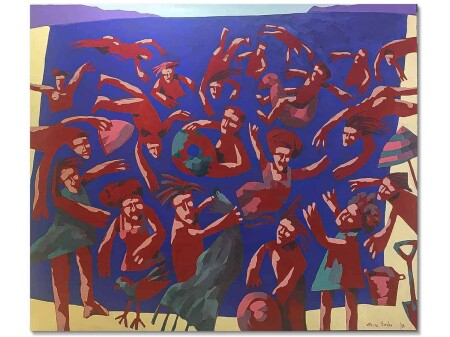
ELLENBERG, Zoe
View available paintings
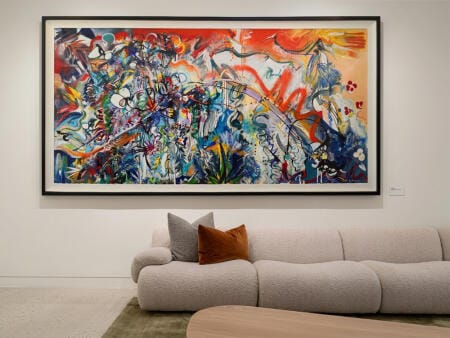
Garden Enchantment 266x135cm
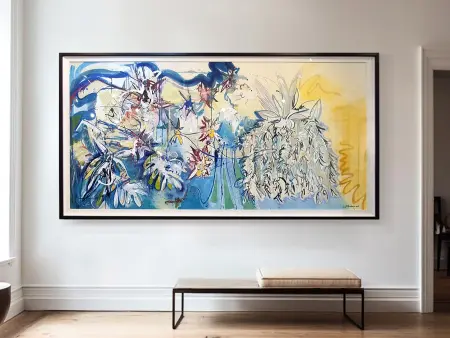
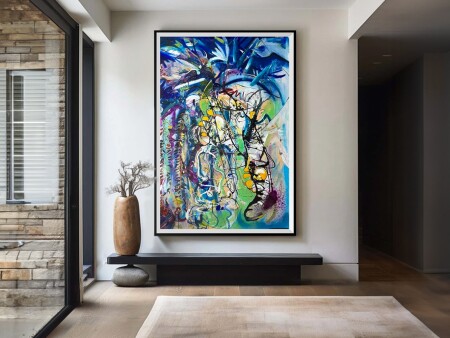
Air Orchids on Display - 190x130cm
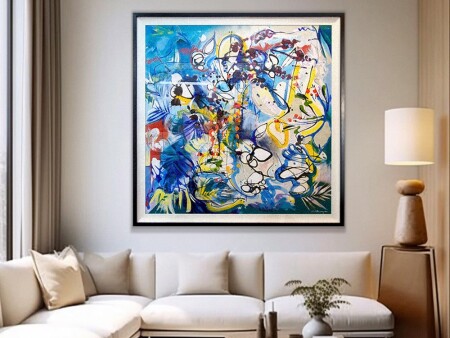
Tropics - 165x165cm
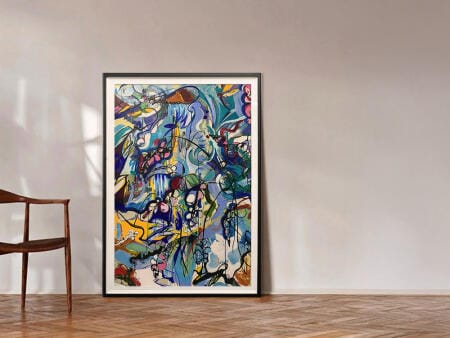
Rock Pools & Waterfalls - 86x126cm
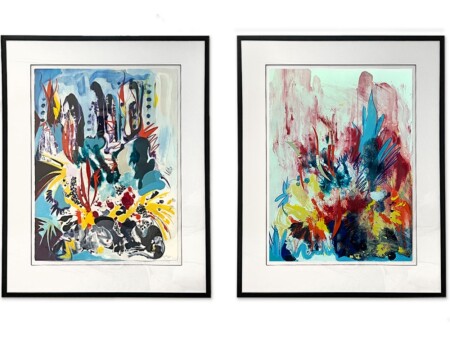
Coral & Seaweed Garden - 83x103cm
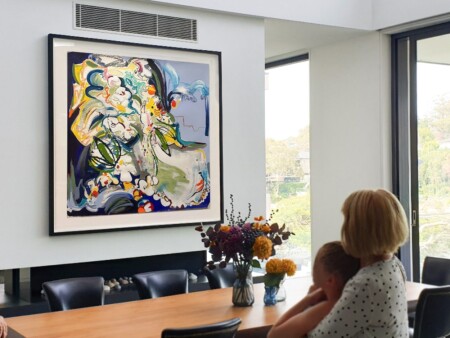
Frangipani & Waterfalls - (SOLD)
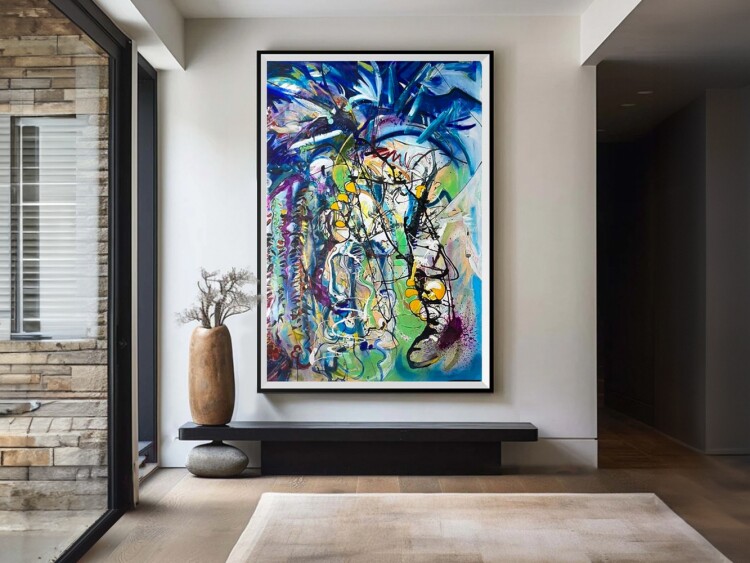
Air Orchids on Display - 190x130cm
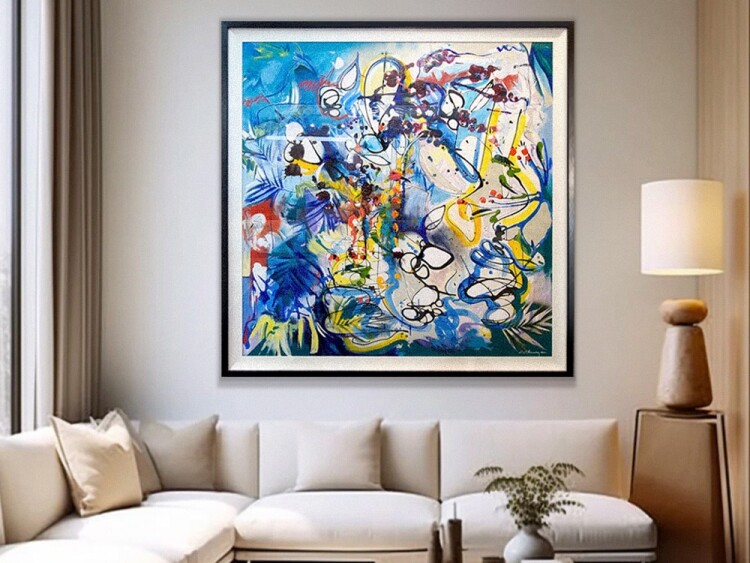
Tropics - 165x165cm
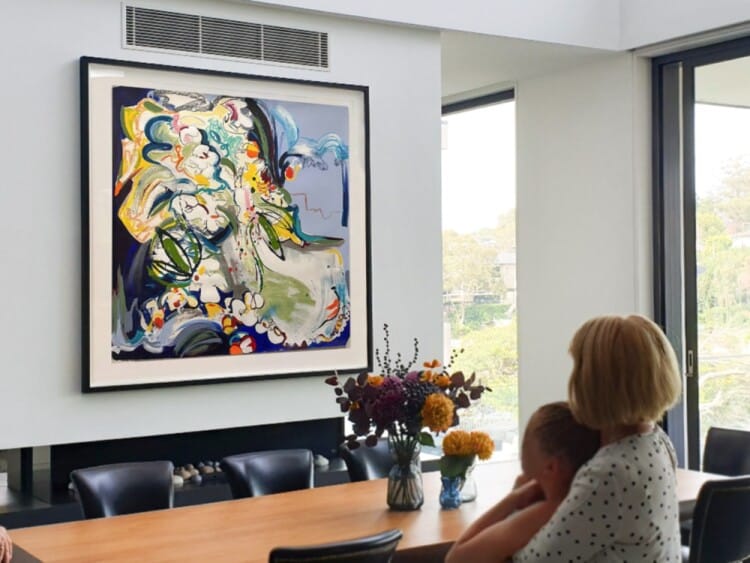
Frangipani & Waterfalls - (SOLD)
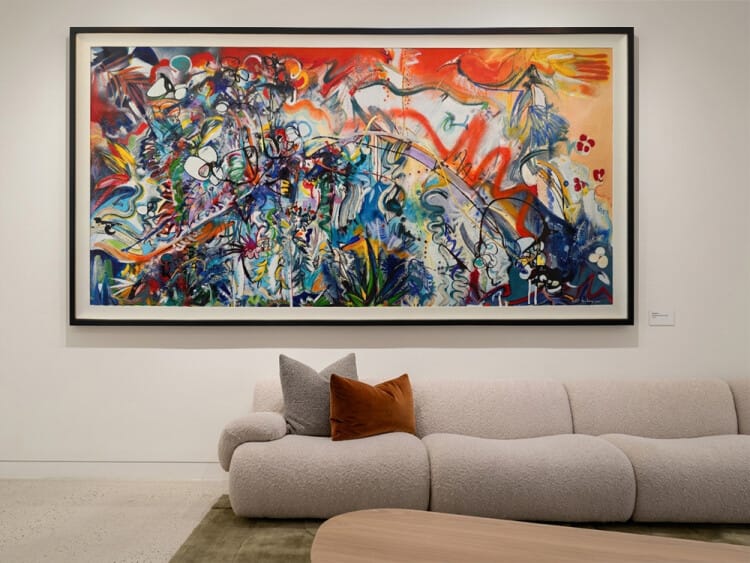
Garden Enchantment 266x135cm
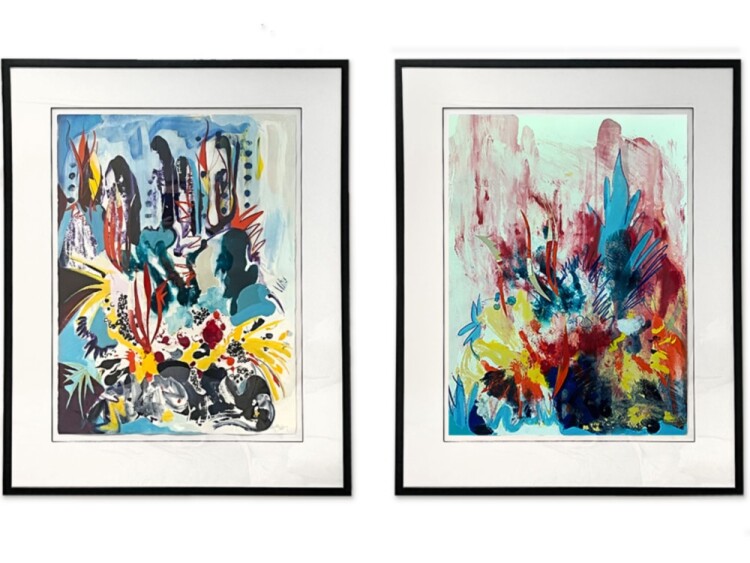
Coral & Seaweed Garden - 83x103cm
Rock Pools & Waterfalls - 86x126cm
GEORGIADIS, Margarita
Lake Grilijara - 196x168cm
GRIFFEN, Peter
View available paintings
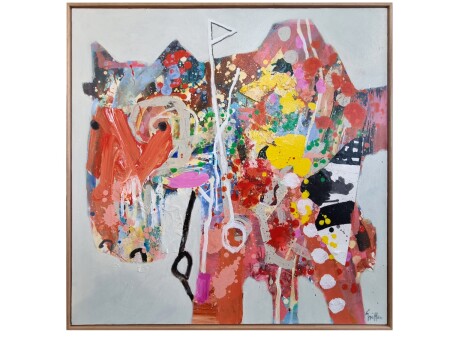
Golf Course Horse- 94x94cm
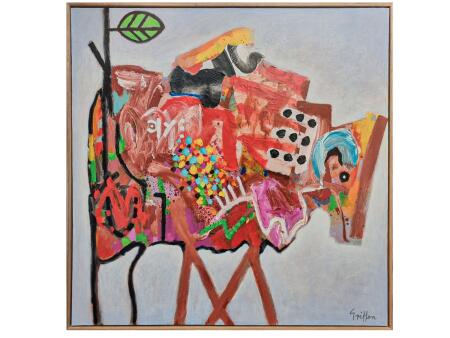
The Red Beast Walks - 94x94cm
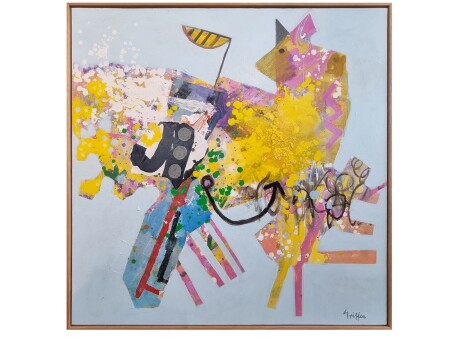
Looking Back - 94x94cm
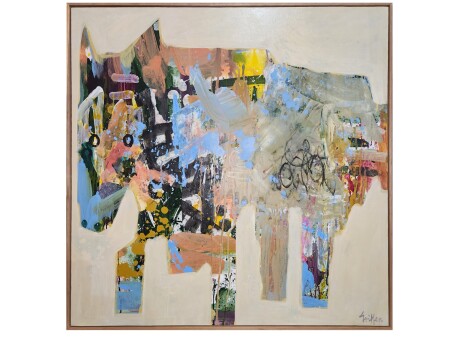
The Beige Horse - SOLD
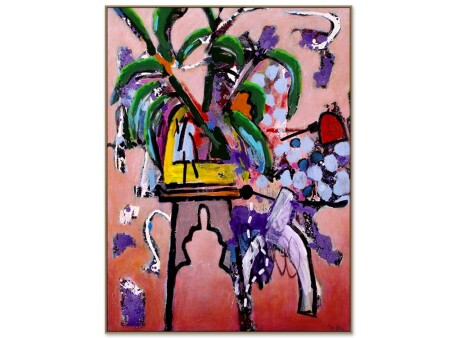
Still Life Red Desk Lamp - 95x130cm
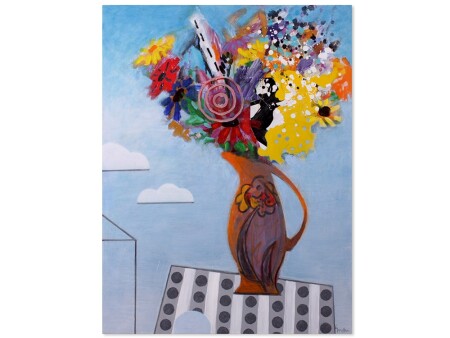
On the Verandah - 90x125cm
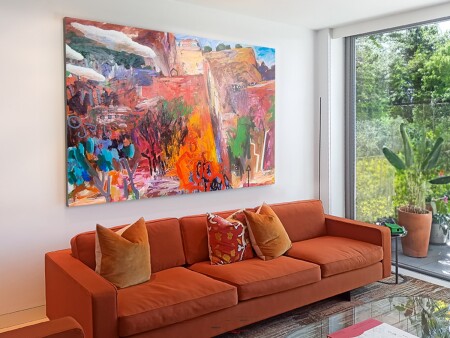
Living in the Kimberly - 183x137cm
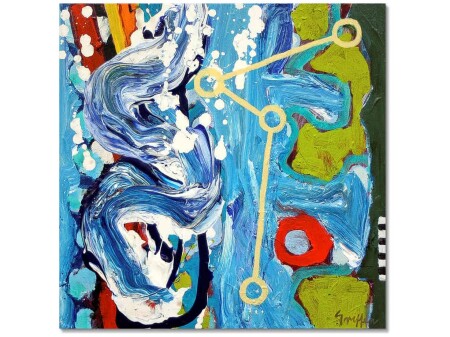
Above the Coast - 40x40cm
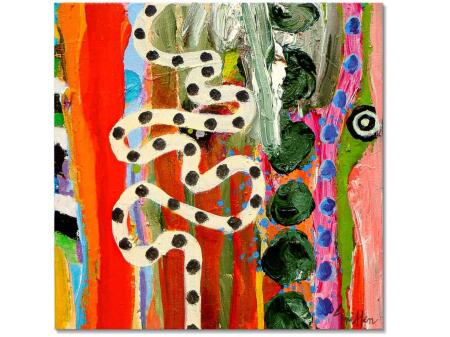
The Winding White Road - 40x40cm
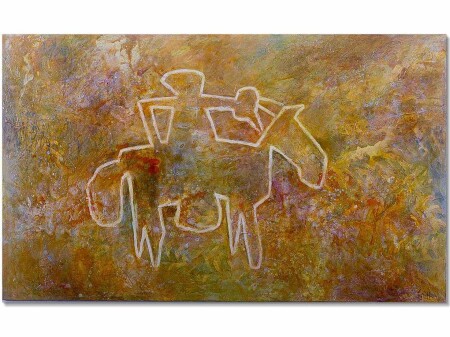
Rider 2 - 200x100cm
Golf Course Horse- 94x94cm
The Winding White Road - 40x40cm
The Red Beast Walks - 94x94cm
Rider 2 - 200x100cm
Living in the Kimberly - 183x137cm
The Beige Horse - SOLD
Above the Coast - 40x40cm
Looking Back - 94x94cm
On the Verandah - 90x125cm
Still Life Red Desk Lamp - 95x130cm
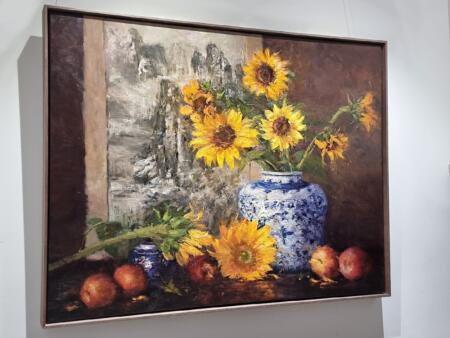
KEAL, Onela
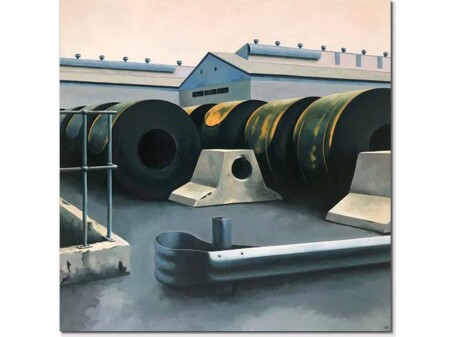
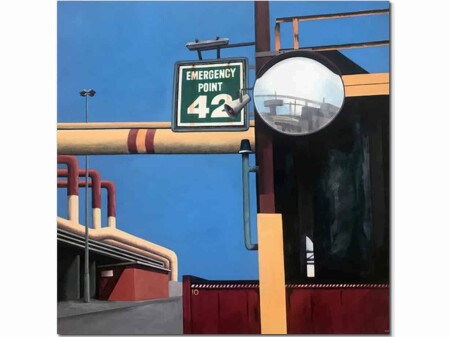
EMERGENCY POINT - 80x80cm
Steel Tape - 80x80cm
KETTERER, Amanda
View available paintings
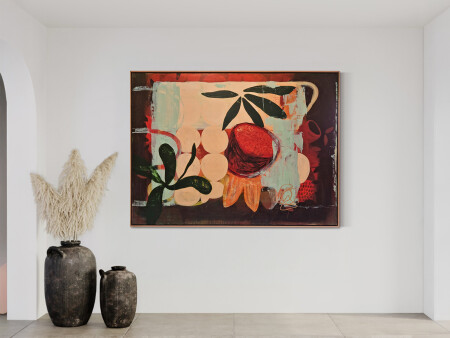
Never too much 153x113cm
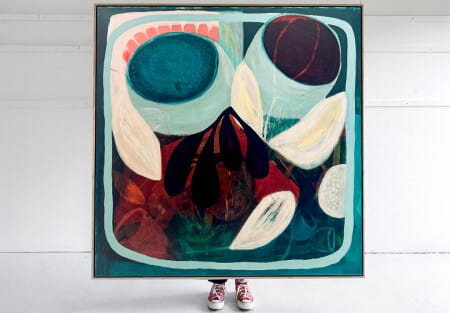
Saved by the Night - 153x153cm
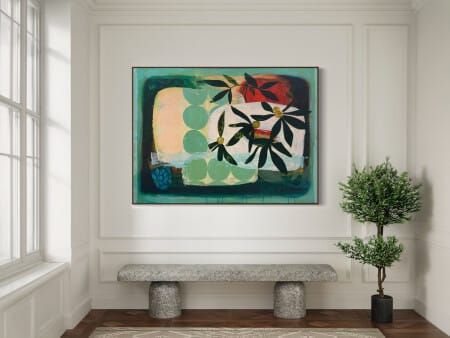
A Garden for Us - 153x113cm
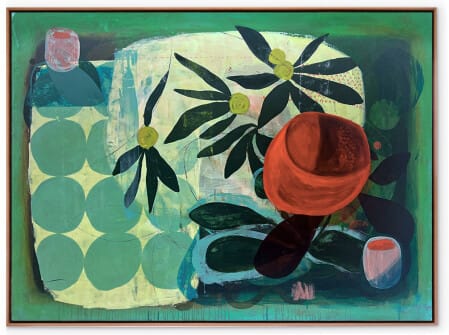
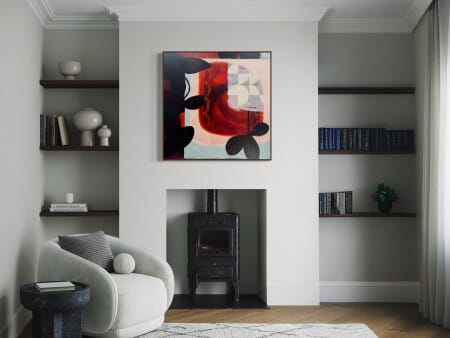
Soft Geometry - 103x103cm
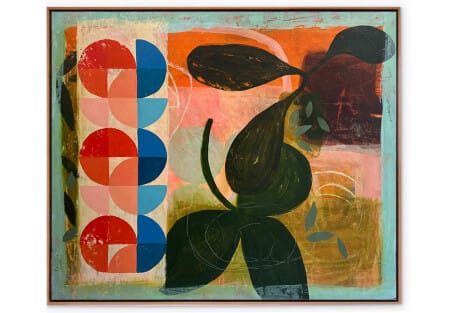
Storm Child - 123x103cm
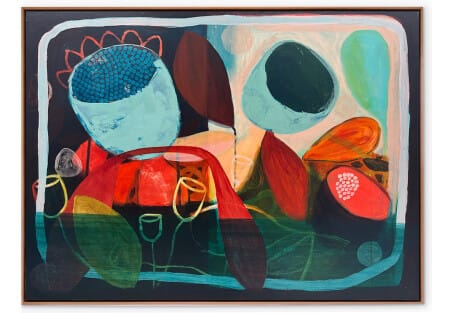
Paradise Found - (SOLD)
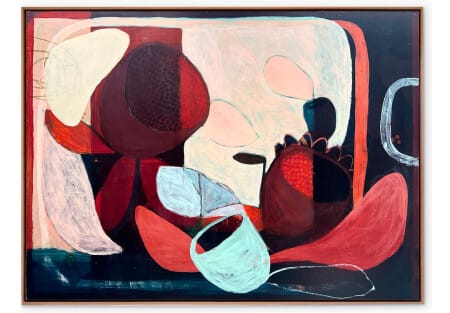
As We Are -153x113cm
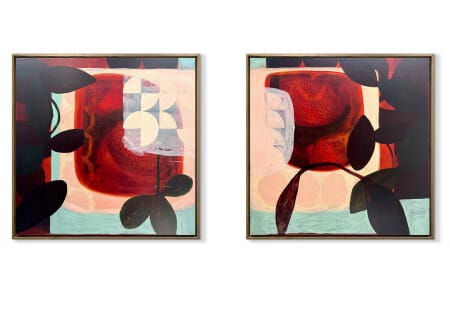
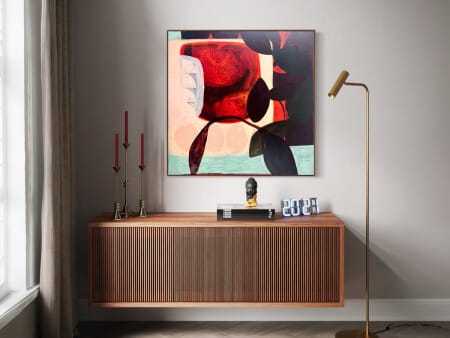
The Shape of Feeling - 103x103cm
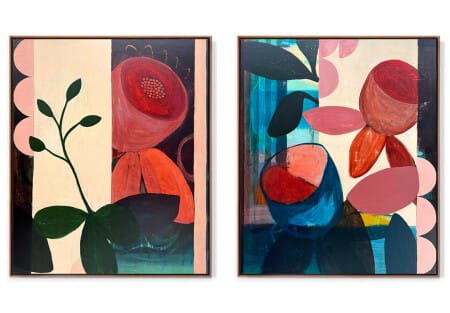
In Between I & II - 103x123cm
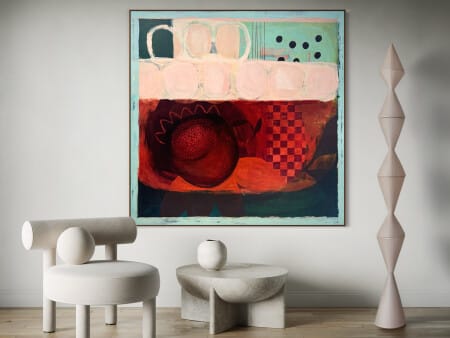
Future Nostalgia - 153x153cm
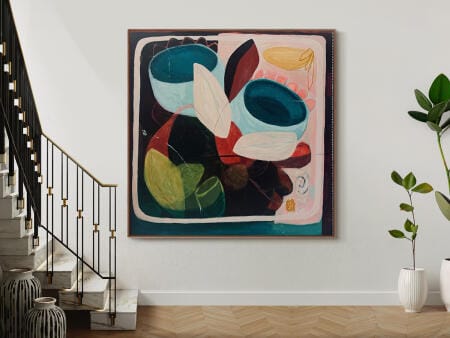
Midnight Confession - 153x153cm
Storm Child - 123x103cm
Saved by the Night - 153x153cm
As We Are -153x113cm
The Shape of Feeling - 103x103cm
Soft Geometry - 103x103cm
Never too much 153x113cm
Paradise Found - (SOLD)
Future Nostalgia - 153x153cm
A Garden for Us - 153x113cm
In Between I & II - 103x123cm
Midnight Confession - 153x153cm
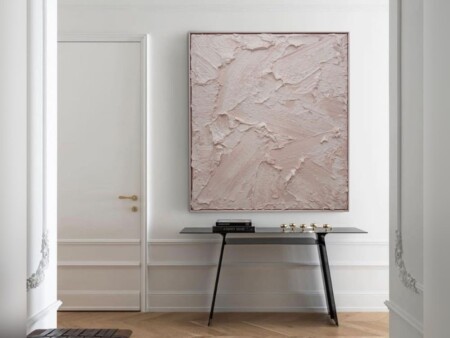
Solid State (C) - 120x130cm
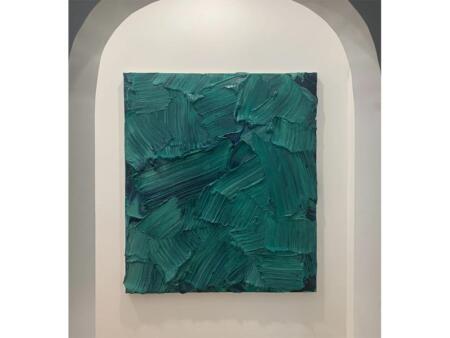
Solid State (G) - 110x120cm
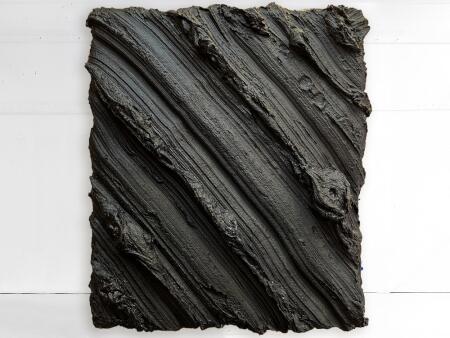
Ultra Matte (BK) - 85x100cm
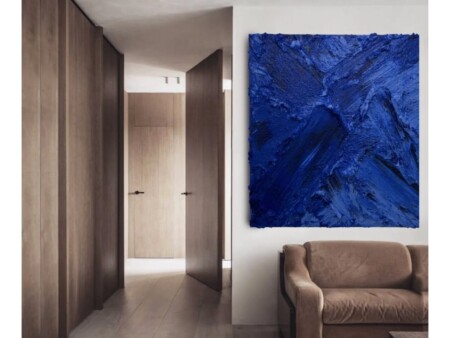
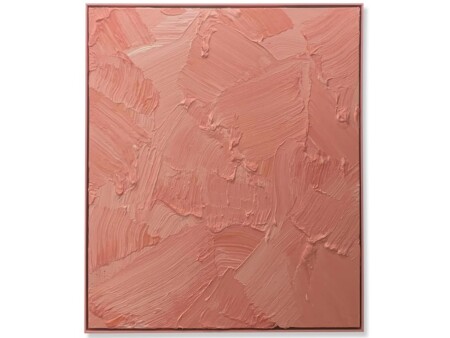
Solid State (PCH) - 130x150cm
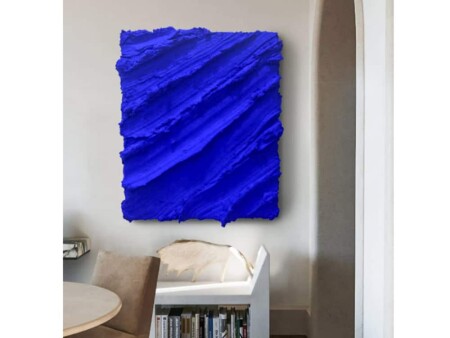
Ultra Matte (V) - 110x140cm
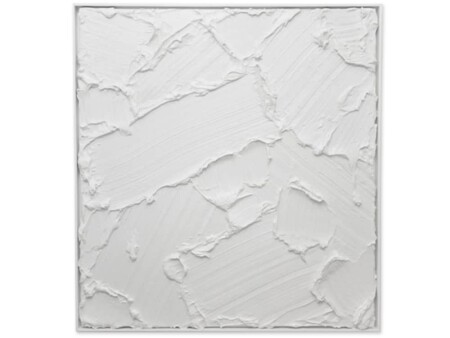
Solid State (TL) - 120x120cm
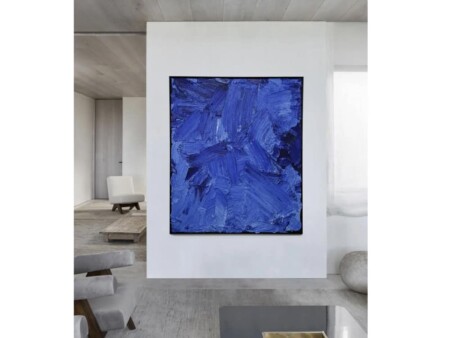
Solid State (P) - 130x160cm
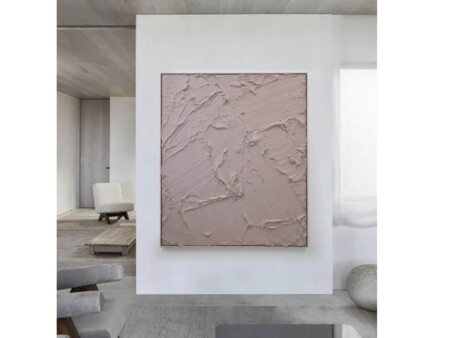
Solid State (C) - 130x160cm
Solid State (PCH) - 130x150cm
Ultra Matte (V) - 110x140cm
Solid State (TL) - 120x120cm
Solid State (C) - 120x130cm
Ultra Matte (BK) - 85x100cm
Solid State (G) - 110x120cm
Solid State (P) - 130x160cm
Solid State (C) - 130x160cm
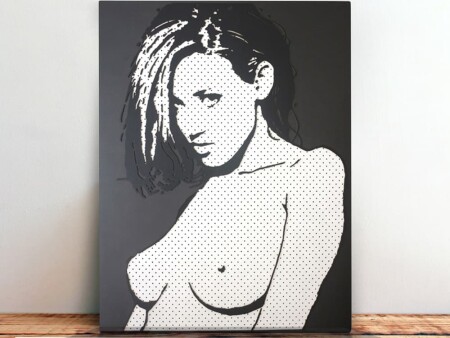
Stark Contrast (SOLD)
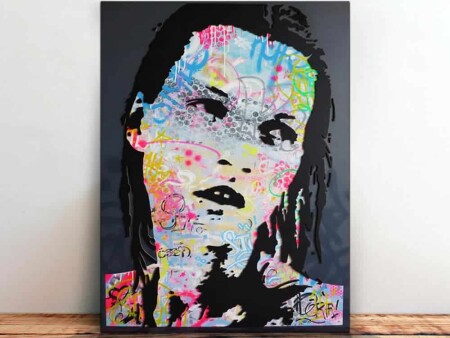
Kate - 122x92cm
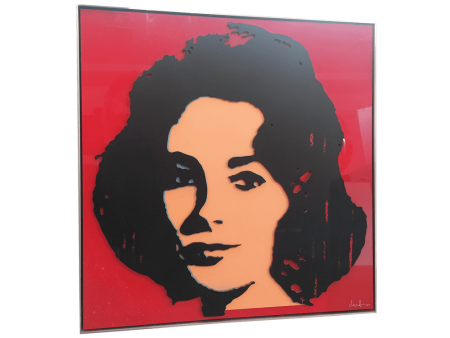
Taylor Made #3 -61cm
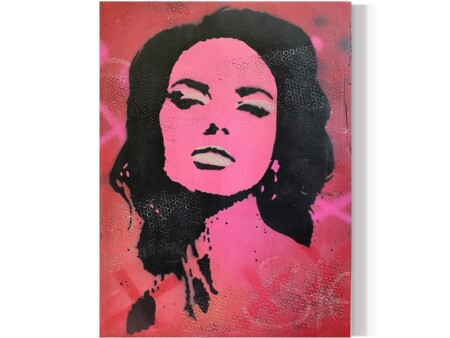
Cherry Bomb - 46x61cm
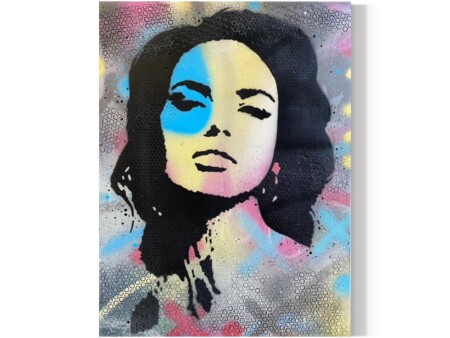
Metro - 46x61cm
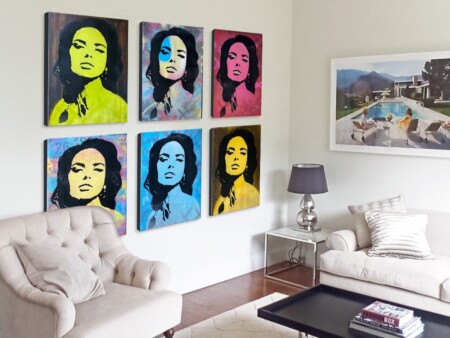
Kaleidoscope Pop- 46x61cm ea
Metro - 46x61cm
Kaleidoscope Pop- 46x61cm ea
Taylor Made #3 -61cm
Kate - 122x92cm
Stark Contrast (SOLD)
Cherry Bomb - 46x61cm
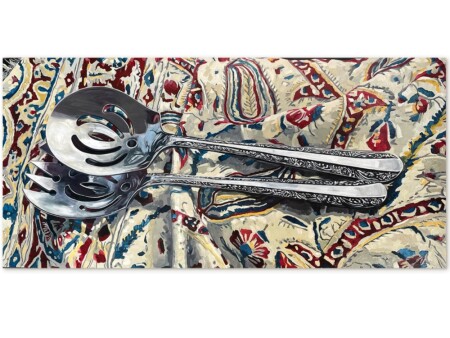
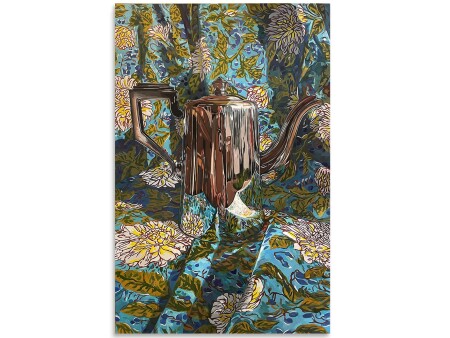
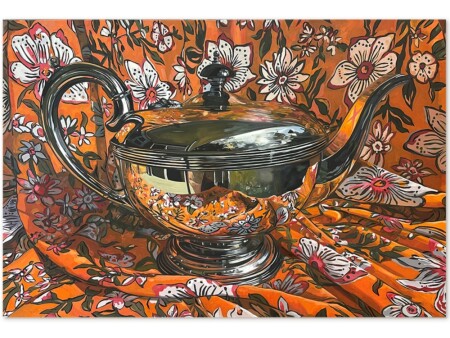
Family Silver #2- 153x76cm
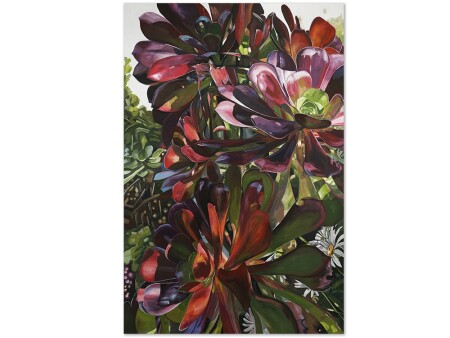
Red Succulent -153x102cm
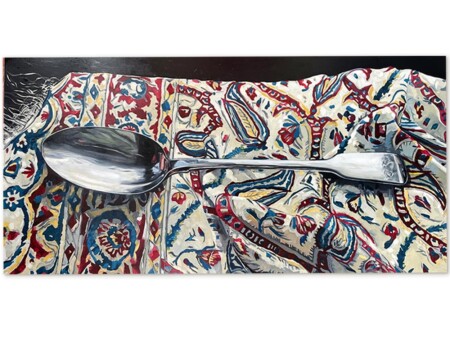
Family Silver #1 - 153x76cm
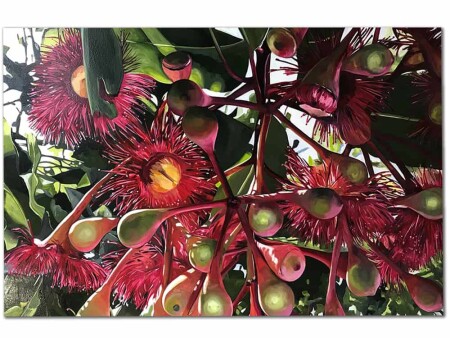
Red Flowering Gum -153x102cm
Red Flowering Gum -153x102cm
Family Silver #1 - 153x76cm
Red Succulent -153x102cm
Family Silver #2- 153x76cm
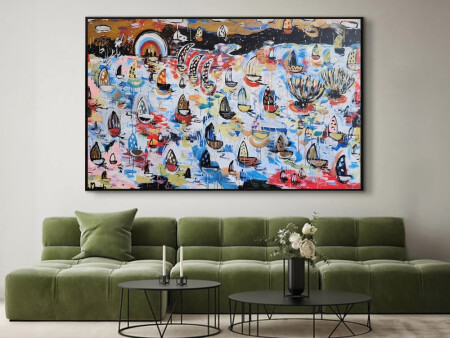
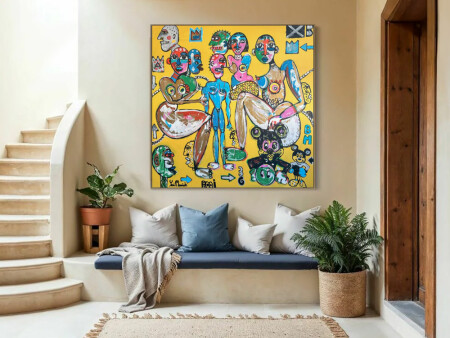
The Players - 183x183cm
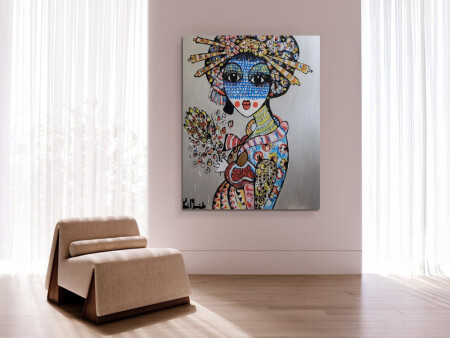
Dream Girl- 122x152cm
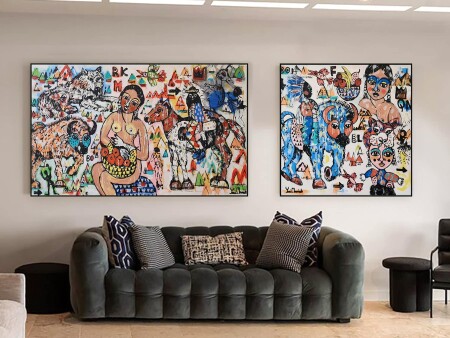
Tribal Land & Hero Rider - 200x120cm
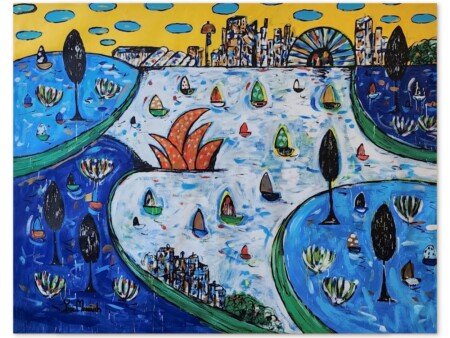
Light Blue Lagoon - 270x213cm
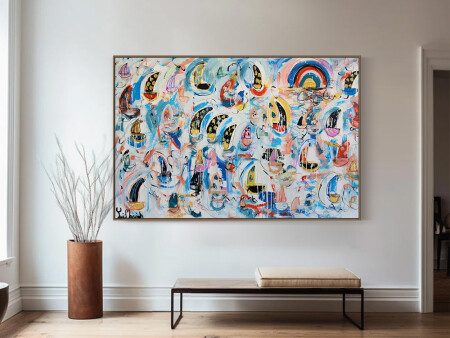
Dancing Harbour - 180x120cm
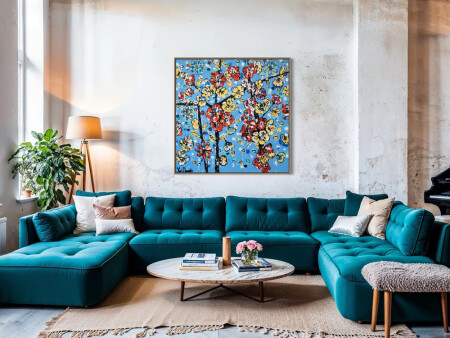
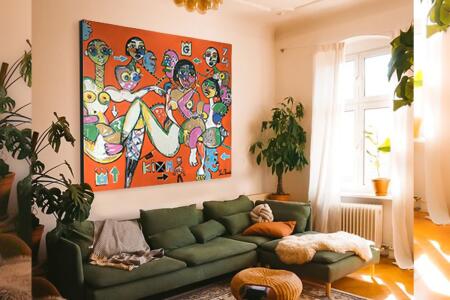
The Palace - 183x183cm
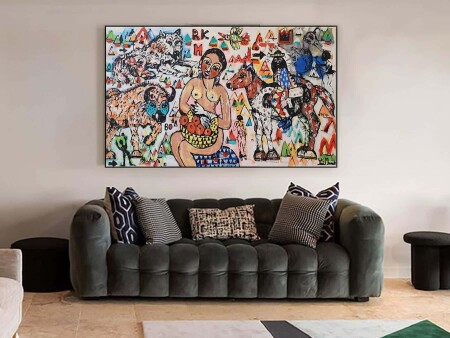
Tribal Land - 200x120cm
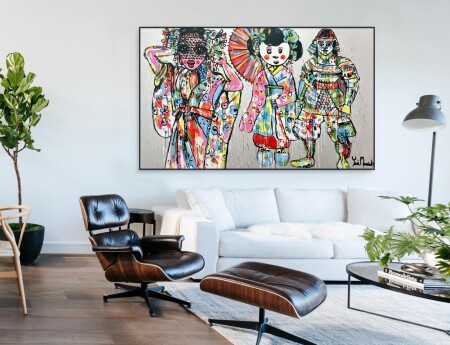
My Three Warriors - 198x122cm
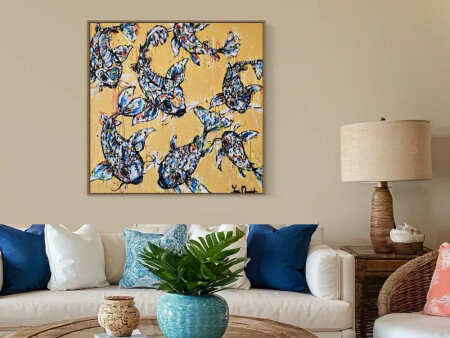
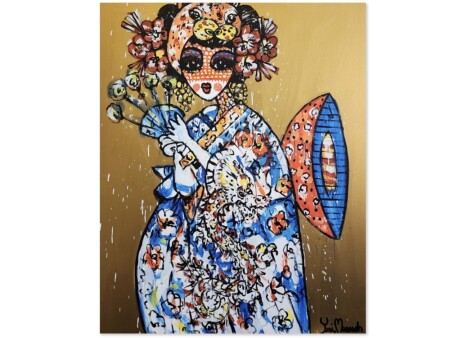
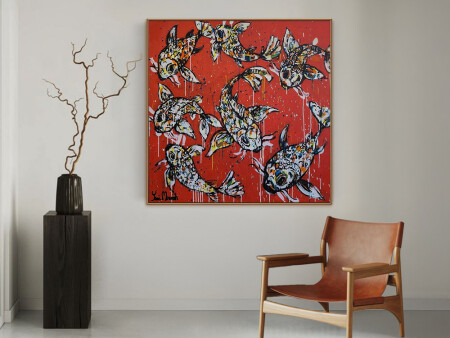
Fire Red Swimmers - 120x120cm
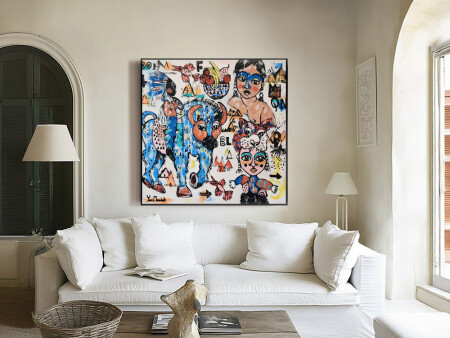
Hero Rider - 122x122cm
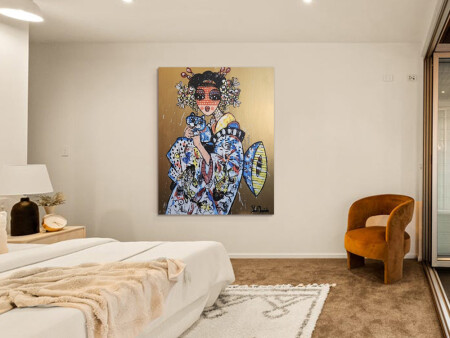
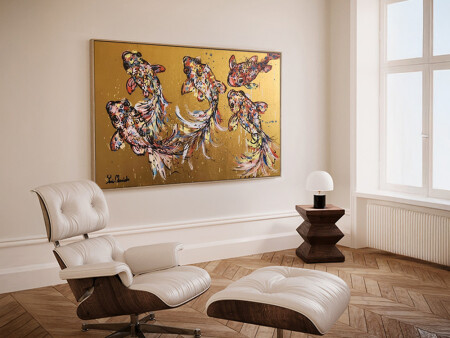
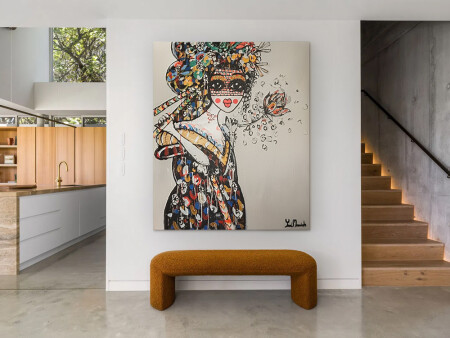
She's the Flower Girl - 153x183cm
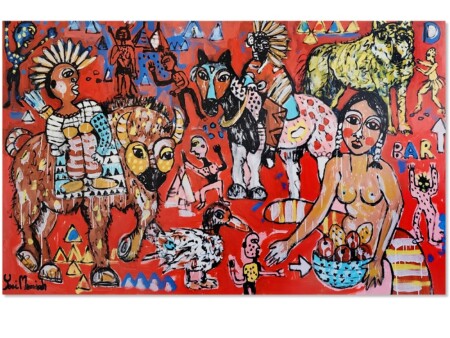
Mother to us all - (SOLD)
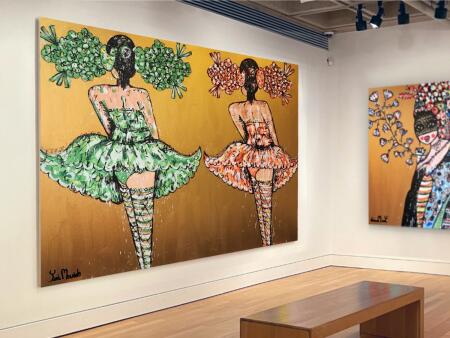
The Dance of a Life Time - 240x180cm
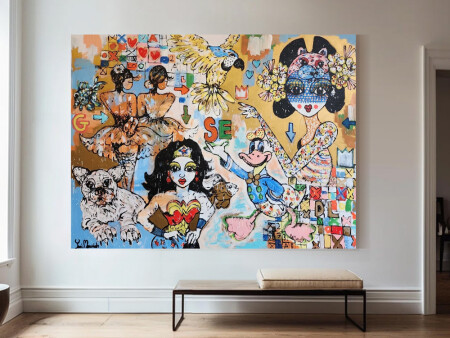
To See my Magical World - 240x180cm
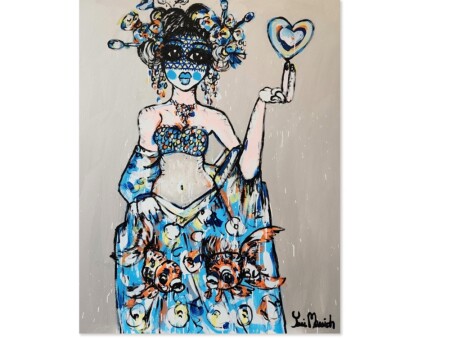
Love, Goldfish 122x152cm
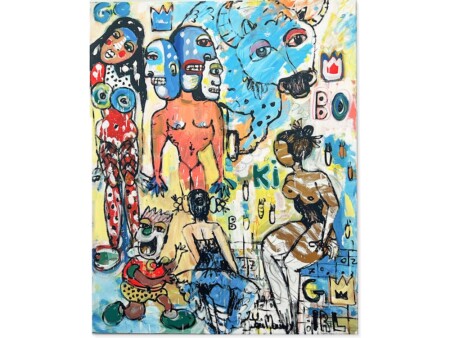
King of the Castle - 122x153cm
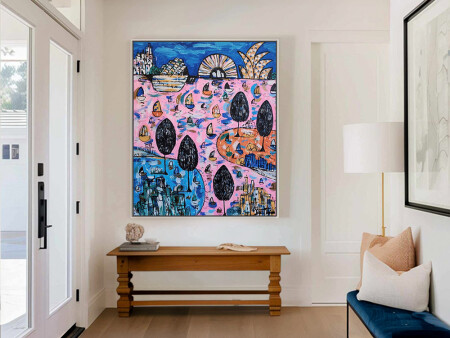
She's the Flower Girl - 153x183cm
Tribal Land & Hero Rider - 200x120cm
To See my Magical World - 240x180cm
The Players - 183x183cm
The Palace - 183x183cm
The Dance of a Life Time - 240x180cm
My Three Warriors - 198x122cm
Mother to us all - (SOLD)
Dream Girl- 122x152cm
Light Blue Lagoon - 270x213cm
King of the Castle - 122x153cm
Fire Red Swimmers - 120x120cm
Dancing Harbour - 180x120cm
Love, Goldfish 122x152cm
Hero Rider - 122x122cm
Tribal Land - 200x120cm
Tribal Land - 200x120cm
Hero Rider - 122x122cm
Love, Goldfish 122x152cm
Dancing Harbour - 180x120cm
Fire Red Swimmers - 120x120cm
King of the Castle - 122x153cm
Light Blue Lagoon - 270x213cm
Dream Girl- 122x152cm
Mother to us all - (SOLD)
My Three Warriors - 198x122cm
The Dance of a Life Time - 240x180cm
The Palace - 183x183cm
The Players - 183x183cm
To See my Magical World - 240x180cm
Tribal Land & Hero Rider - 200x120cm
She's the Flower Girl - 153x183cm
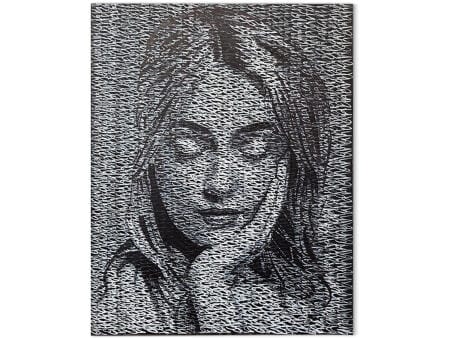
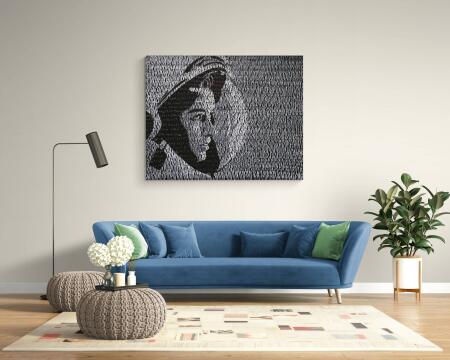
MOORES, Harry
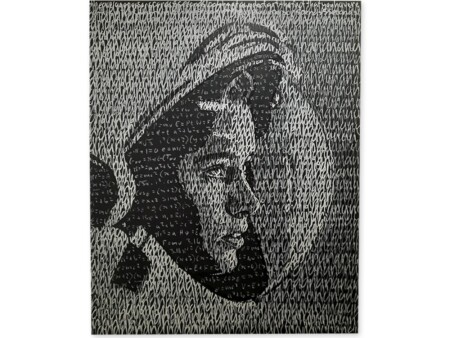
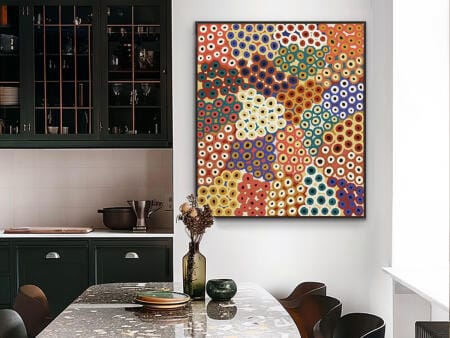
-
Sale!
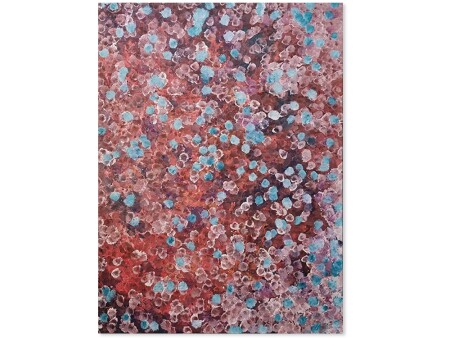
Wild Flowers, My Grandmother’s Country – 91x122cm
Original price was: $ 4,850.$ 3,650Current price is: $ 3,650. -
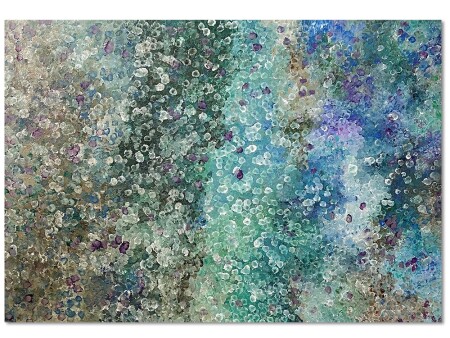
Sea, My Grandmother’s Country – SOLD
$ 7,750 -
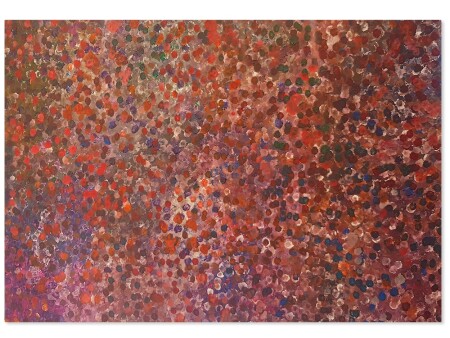
Land, My Grandmother’s Country – 180x122cm
$ 7,750 -
Sale!
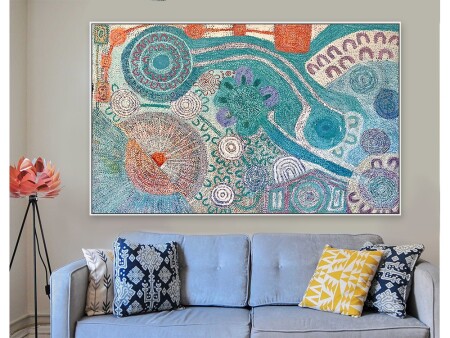
Scorpion Country -206x132cm
Original price was: $ 11,000.$ 9,800Current price is: $ 9,800.
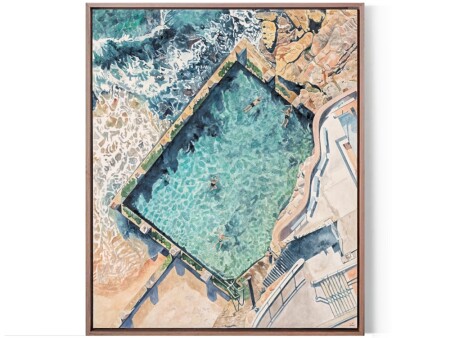
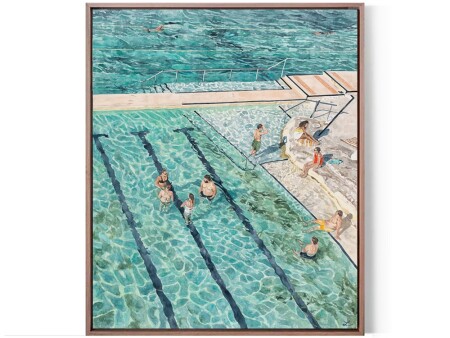
Bondi Bathers - 106x126cm
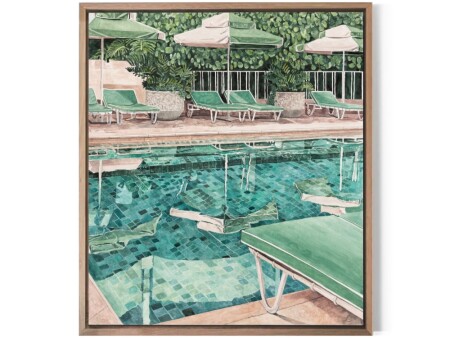
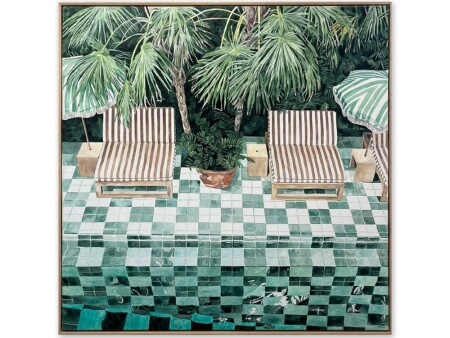
Sol Sana - 125x125cm (SOLD)
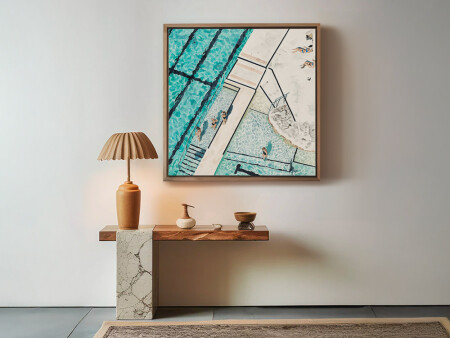
Dipping Days - 77x77cm
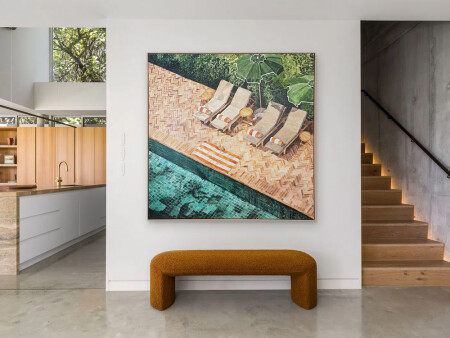
Summer Vacay - 150cm
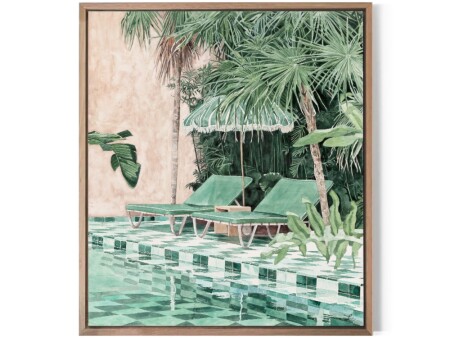
Bask - 75x85cm (sold)
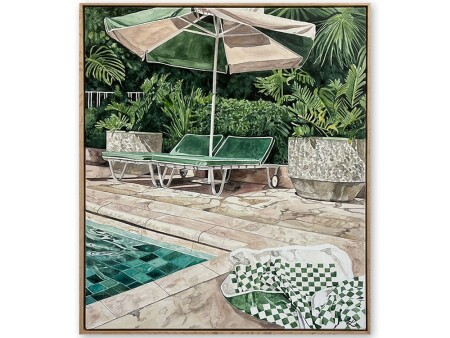
Lounge by the Pool - 85x75cm
Bondi Bathers - 106x126cm
Bask - 75x85cm (sold)
Lounge by the Pool - 85x75cm
Summer Vacay - 150cm
Sol Sana - 125x125cm (SOLD)
Dipping Days - 77x77cm
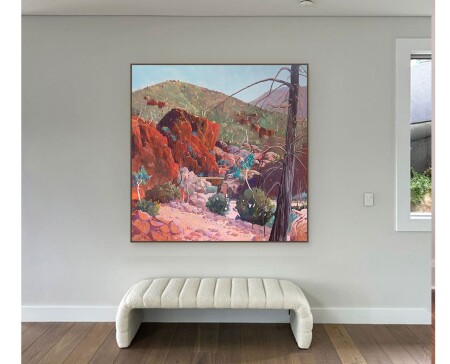
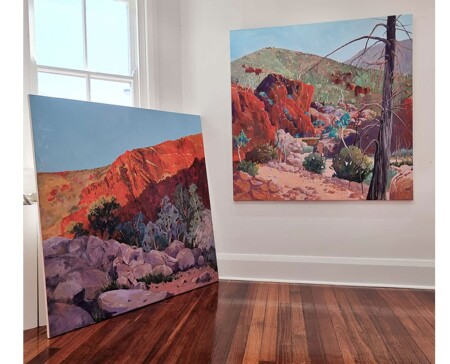
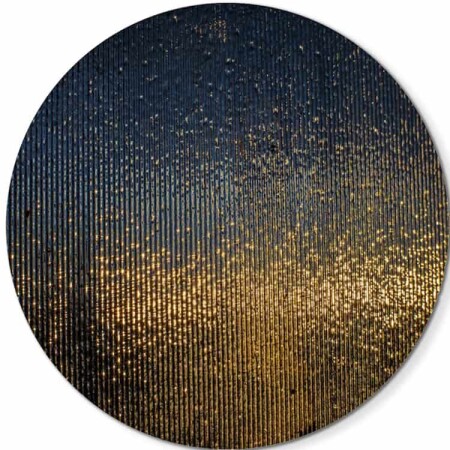
Solstice - 76cm
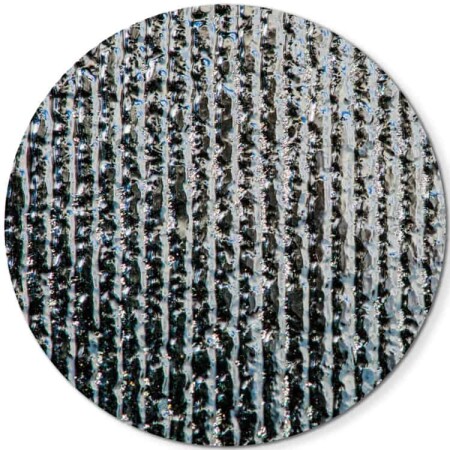
Meridian- 76cm
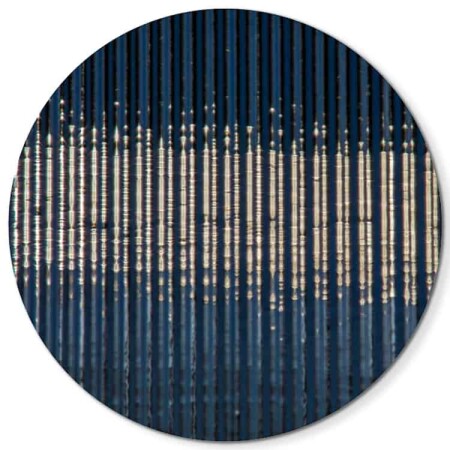
Ice Sun - 76cm
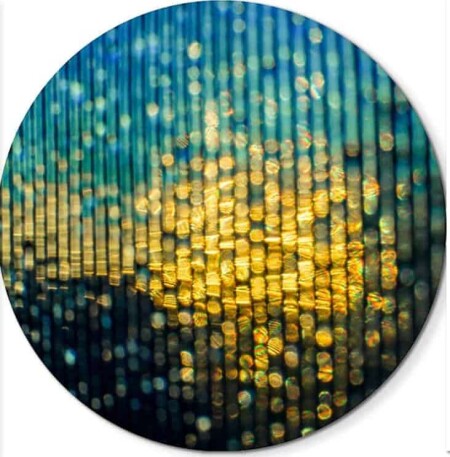
Equinox - 76cm
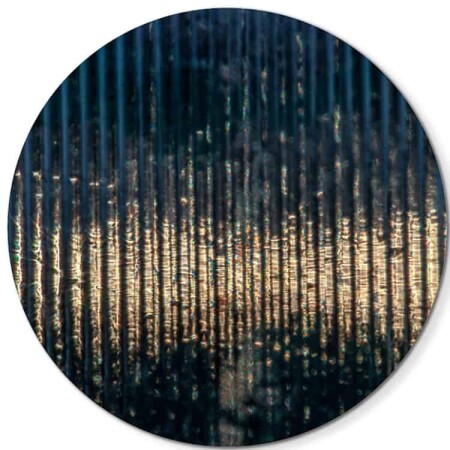
Burnt Sun - 76cm
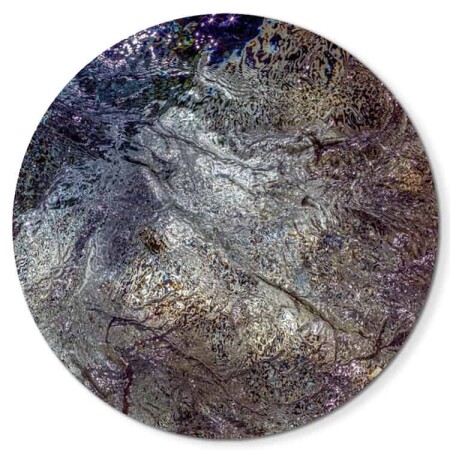
Dark Sublime - 76cm
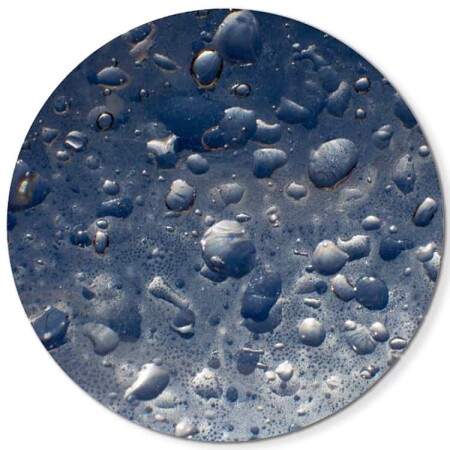
Droplets1 - 76cm
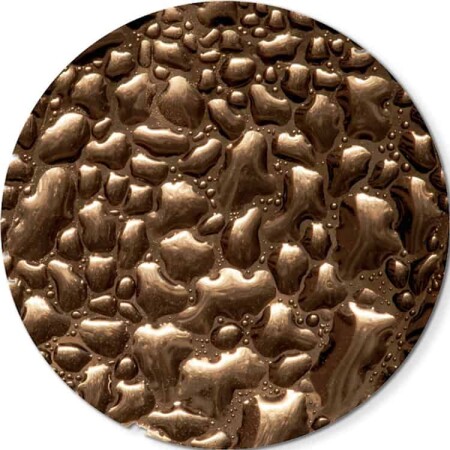
Droplets2 - 76cm
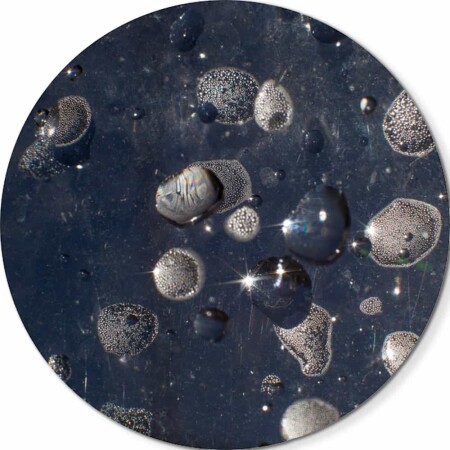
Droplets4 - 76cm
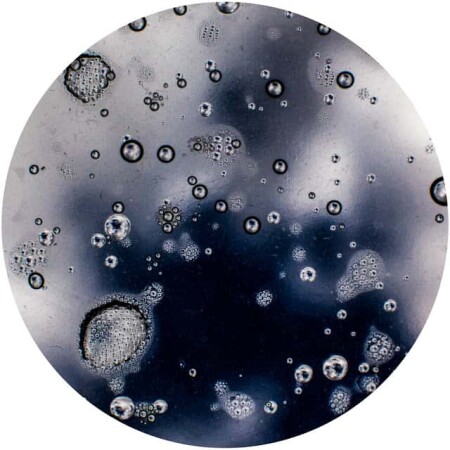
Droplets 11 - 76cm
Droplets 11 - 76cm
Droplets4 - 76cm
Droplets2 - 76cm
Droplets1 - 76cm
Dark Sublime - 76cm
Burnt Sun - 76cm
Equinox - 76cm
Ice Sun - 76cm
Meridian- 76cm
Solstice - 76cm
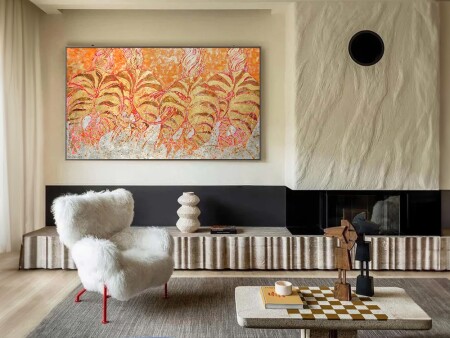
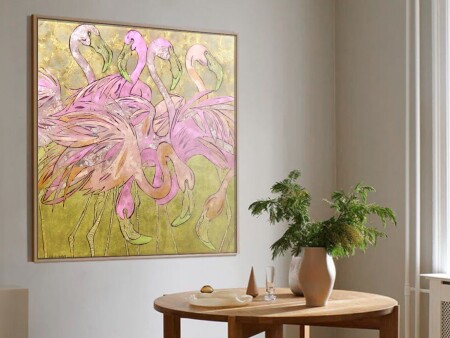
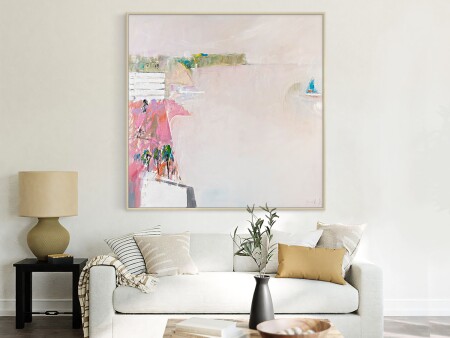
Manly Daze - 153x153cm
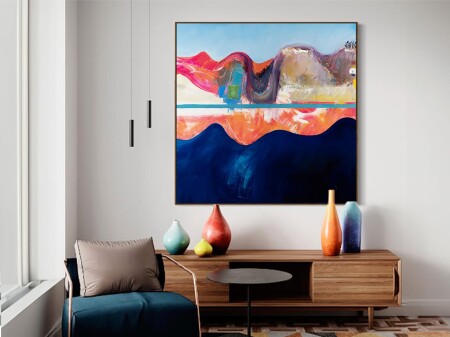
River with a secret - 153x153cm
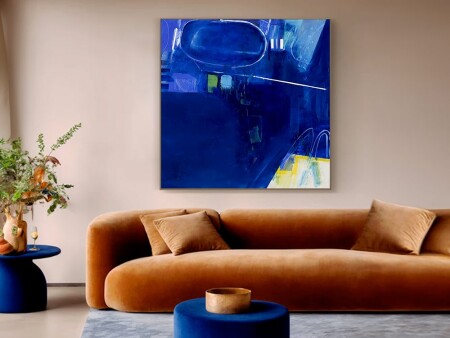
Edge of the sea pool - 137x137cm
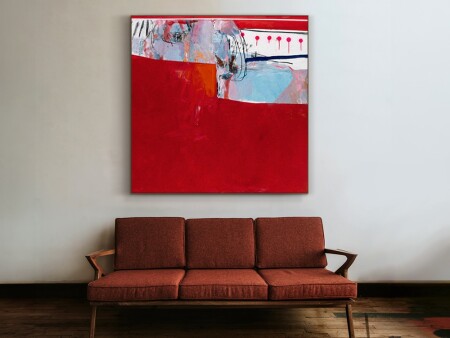
Cathedral Rock -153x153cm
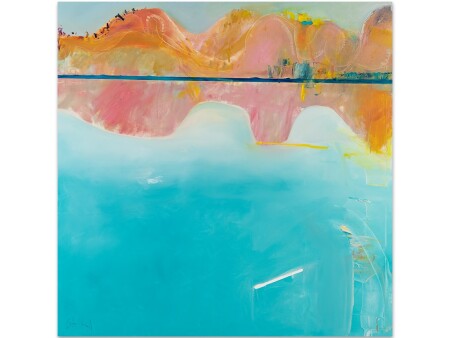
Dyarubbin Stories - 153x153cm
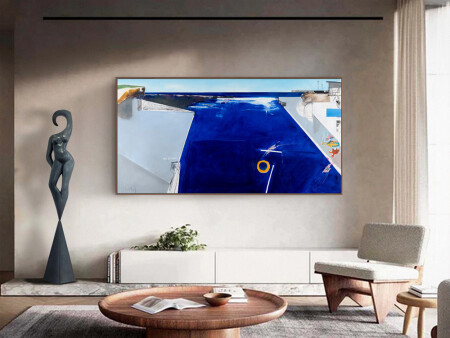
No Diving - 200x100cm
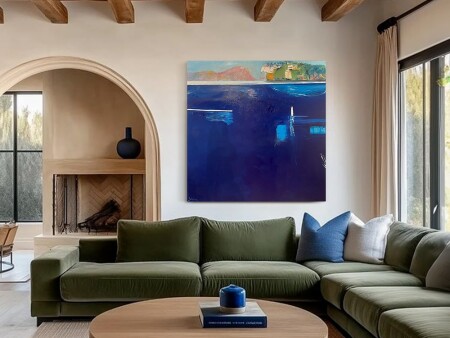
Delicious River - SOLD
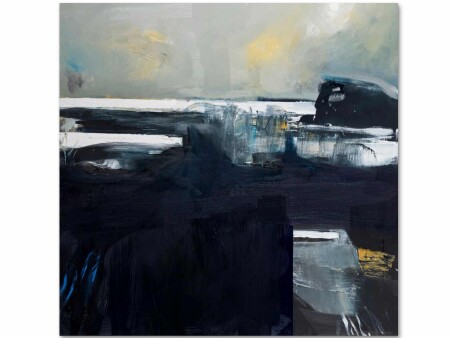
Night in the Hawkesbury -92x92cm
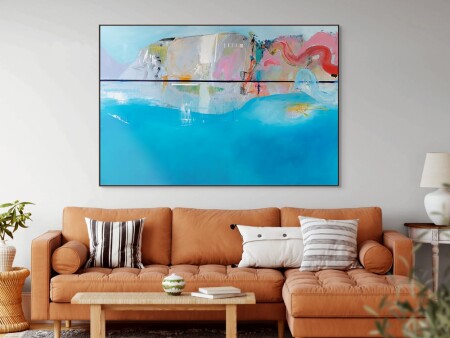
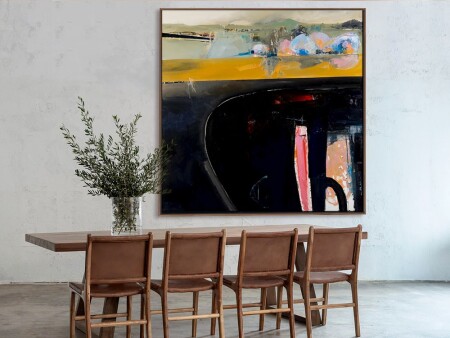
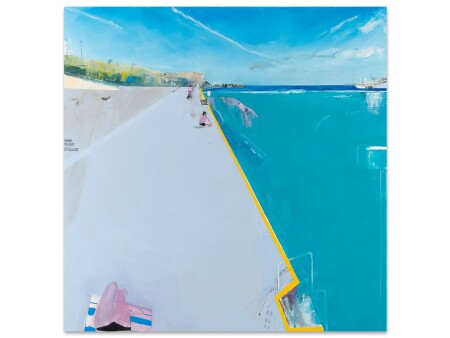
Clovelly Swimming - 133x133cm
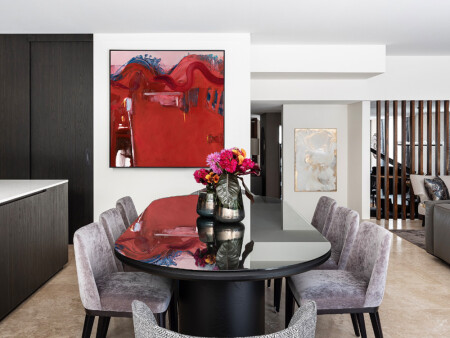
Tao Ti Ching, Wisemans -91x91cm
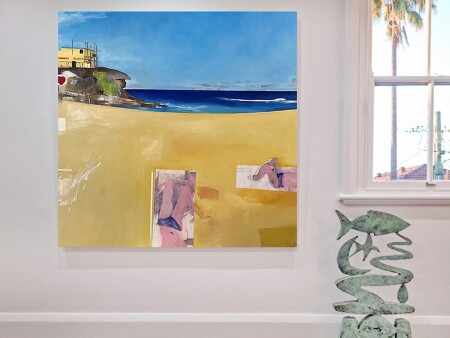
Tamarama Lotus Eaters - 150x150cm
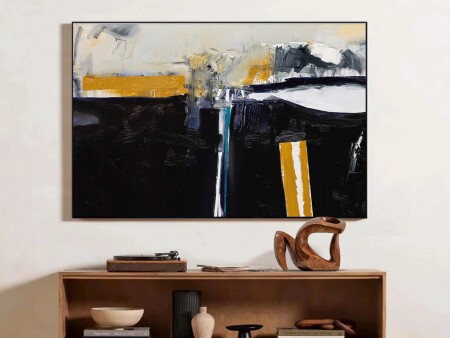
Road to Dungog (Memories of Barrington Tops) -122x92cm
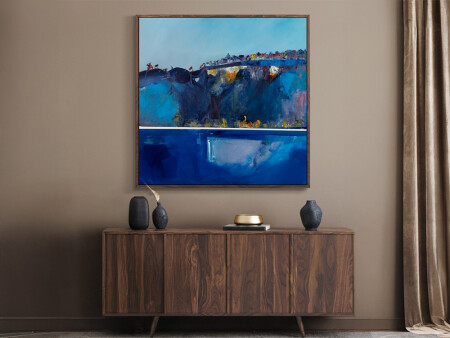
River Ridge - 102x102cm
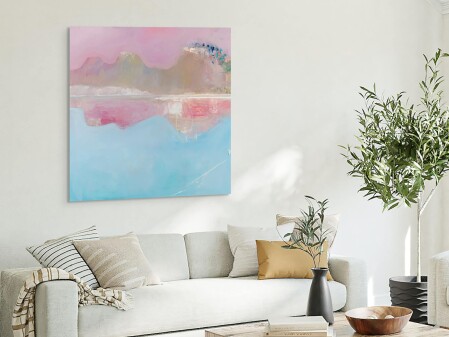
Mangrove Morning, Imagining Dusk - 102x102cm
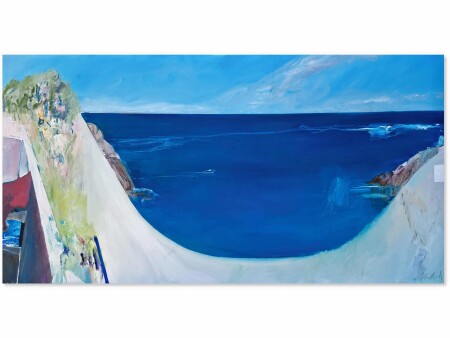
Hat Head Zawn - 183x90cm
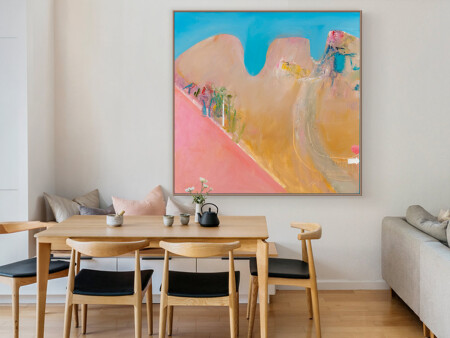
Dirt Road Haiku - 102x102cm
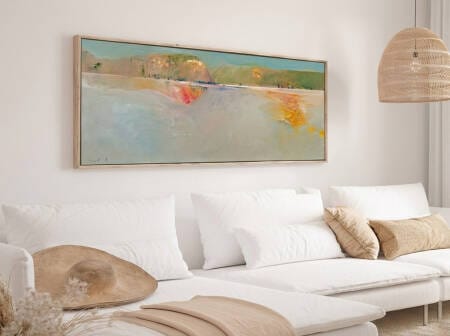
Hawkesbury Chimera - 155x75cm
Tamarama Lotus Eaters - 150x150cm
Tao Ti Ching, Wisemans -91x91cm
River Ridge - 102x102cm
Hat Head Zawn - 183x90cm
Edge of the sea pool - 137x137cm
Dirt Road Haiku - 102x102cm
Hawkesbury Chimera - 155x75cm
Delicious River - SOLD
Mangrove Morning, Imagining Dusk - 102x102cm
Night in the Hawkesbury -92x92cm
Cathedral Rock -153x153cm
No Diving - 200x100cm
Dyarubbin Stories - 153x153cm
Clovelly Swimming - 133x133cm
Manly Daze - 153x153cm
River with a secret - 153x153cm
Road to Dungog (Memories of Barrington Tops) -122x92cm
Clovelly Swimming - 133x133cm
Manly Daze - 153x153cm
River with a secret - 153x153cm
Dirt Road Haiku - 102x102cm
Edge of the sea pool - 137x137cm
River Ridge - 102x102cm
Mangrove Morning, Imagining Dusk - 102x102cm
Tao Ti Ching, Wisemans -91x91cm
Dyarubbin Stories - 153x153cm
Delicious River - SOLD
Night in the Hawkesbury -92x92cm
Road to Dungog (Memories of Barrington Tops) -122x92cm
No Diving - 200x100cm
Hat Head Zawn - 183x90cm
Cathedral Rock -153x153cm
Hawkesbury Chimera - 155x75cm
Tamarama Lotus Eaters - 150x150cm
Tamarama Lotus Eaters - 150x150cm
Hawkesbury Chimera - 155x75cm
Cathedral Rock -153x153cm
Hat Head Zawn - 183x90cm
No Diving - 200x100cm
Road to Dungog (Memories of Barrington Tops) -122x92cm
Night in the Hawkesbury -92x92cm
Delicious River - SOLD
Dyarubbin Stories - 153x153cm
Tao Ti Ching, Wisemans -91x91cm
Mangrove Morning, Imagining Dusk - 102x102cm
River Ridge - 102x102cm
Edge of the sea pool - 137x137cm
Dirt Road Haiku - 102x102cm
River with a secret - 153x153cm
Manly Daze - 153x153cm
Clovelly Swimming - 133x133cm
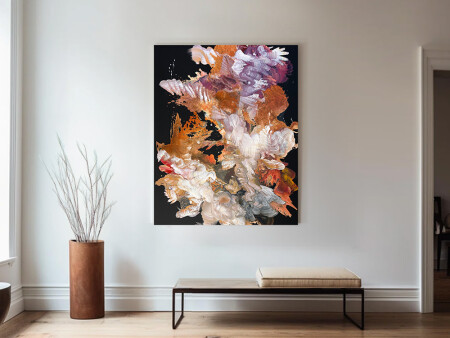
Thats the Way - 152x122cm
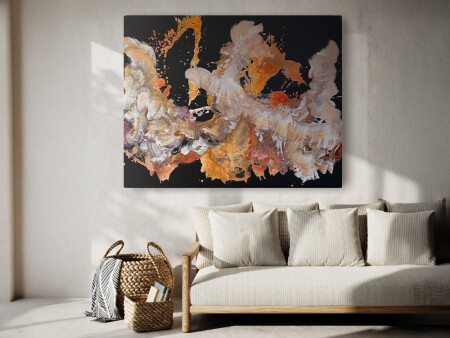
It Should be - 152x122cm
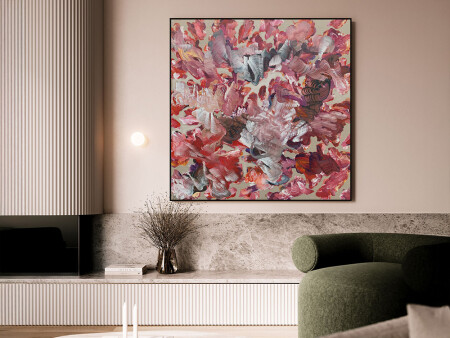
Medley - 122x122cm
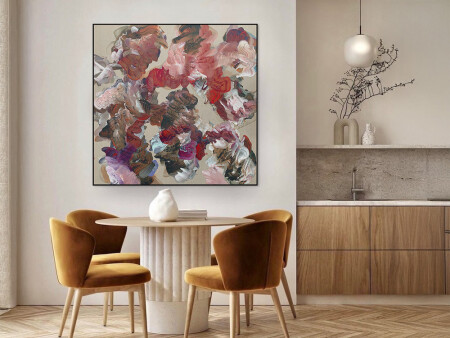
Murmur - 122x122cm
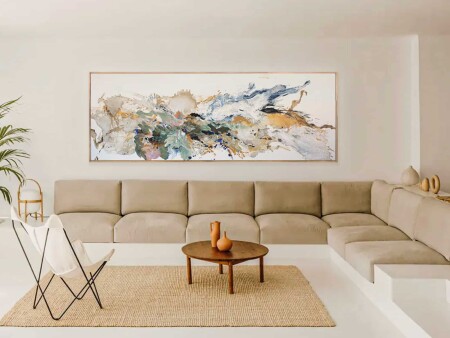
Vast - 300x107cm
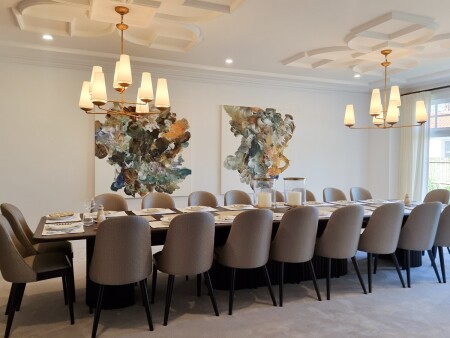
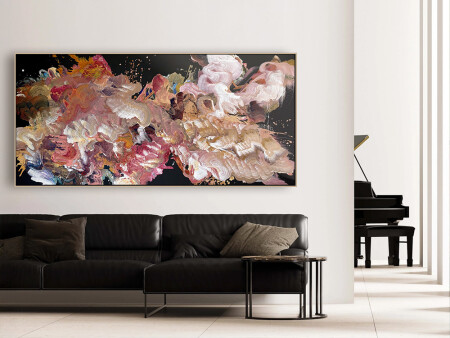
Through any window - 200x100cm
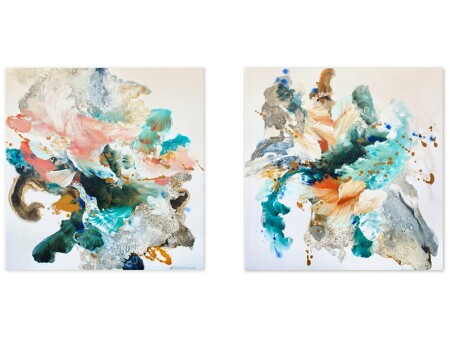
Aura 1&2 - 75x75cm
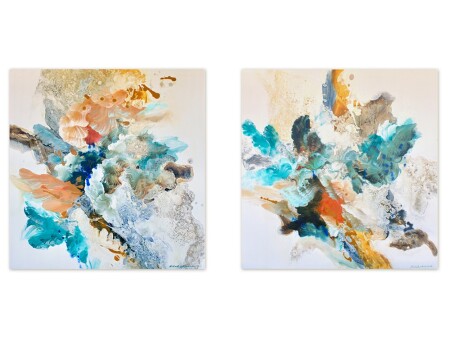
Aura 3&4 - 75x75cm
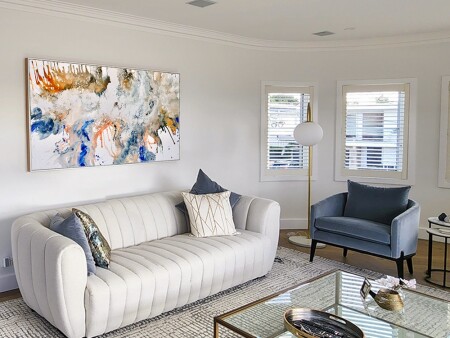
Bridge - 200x100cm
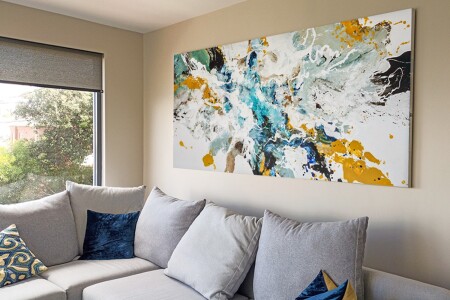
Echo - 210x110cm
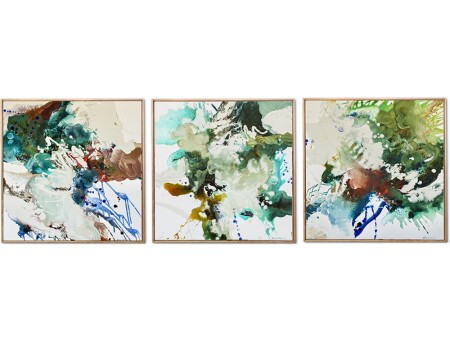
Spree (tripych) -80x80cm
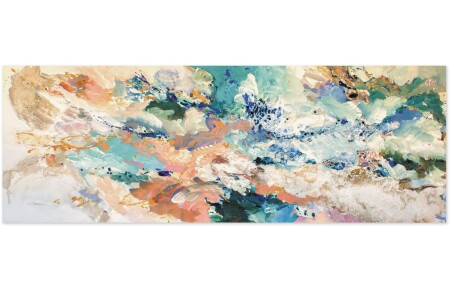
Forever - 300x107cm
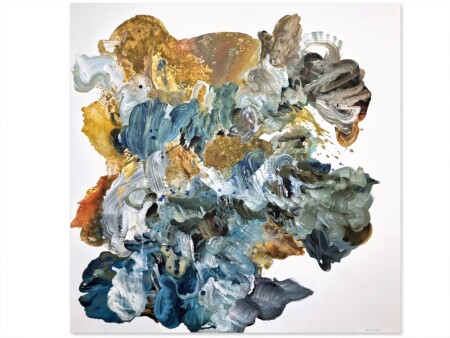
Tidal Response -150x150cm
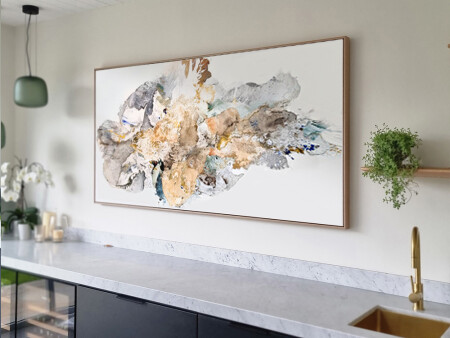
Vestige - 200x100cm
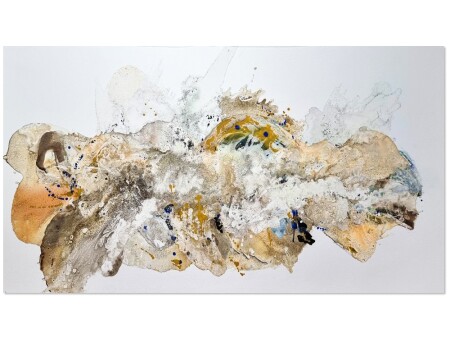
Vestige, 4 - 200x100cm
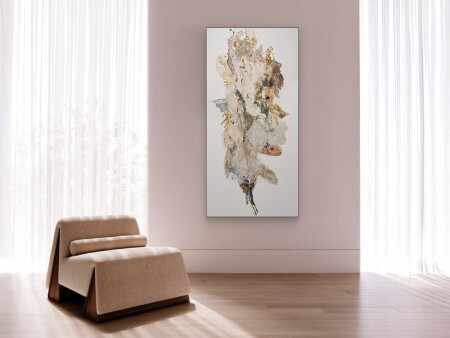
Vista 2 - 150x75cm
Vista 2 - 150x75cm
Vestige, 4 - 200x100cm
Vestige - 200x100cm
Tidal Response -150x150cm
Forever - 300x107cm
Spree (tripych) -80x80cm
Echo - 210x110cm
Bridge - 200x100cm
Aura 3&4 - 75x75cm
Aura 1&2 - 75x75cm
Through any window - 200x100cm
Vast - 300x107cm
Murmur - 122x122cm
Medley - 122x122cm
It Should be - 152x122cm
Thats the Way - 152x122cm
Echo - 210x110cm
Forever - 300x107cm
Vast - 300x107cm
Bridge - 200x100cm
Aura 1&2 - 75x75cm
Aura 3&4 - 75x75cm
Vestige - 200x100cm
Spree (tripych) -80x80cm
Vista 2 - 150x75cm
Vestige, 4 - 200x100cm
Tidal Response -150x150cm
It Should be - 152x122cm
Thats the Way - 152x122cm
Medley - 122x122cm
Murmur - 122x122cm
Through any window - 200x100cm
Through any window - 200x100cm
Murmur - 122x122cm
Medley - 122x122cm
Thats the Way - 152x122cm
It Should be - 152x122cm
Tidal Response -150x150cm
Vestige, 4 - 200x100cm
Vista 2 - 150x75cm
Spree (tripych) -80x80cm
Vestige - 200x100cm
Aura 3&4 - 75x75cm
Aura 1&2 - 75x75cm
Bridge - 200x100cm
Vast - 300x107cm
Forever - 300x107cm
Echo - 210x110cm
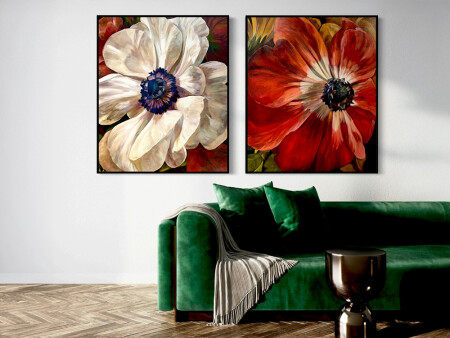
Sumptuous & Triumphant - 100x120cm
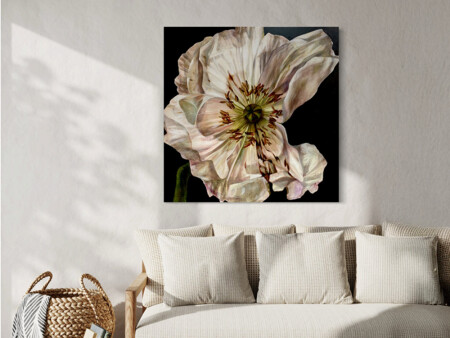
Opulence - 125x125cm
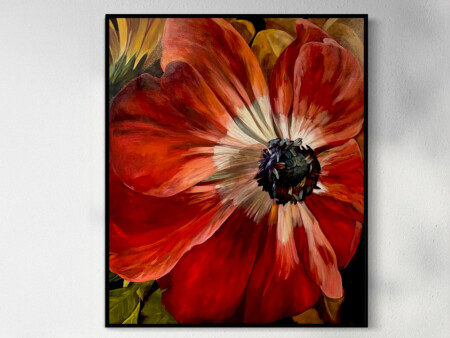
Triumphant - 105x125cm
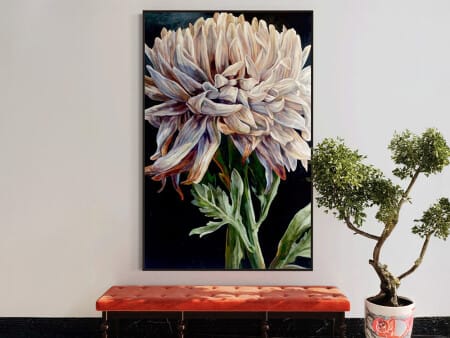
a thousand layers - 122x182cm
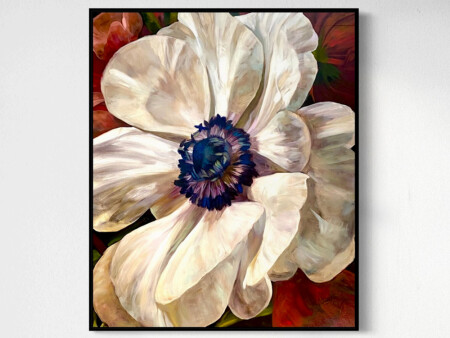
Sumptuous - 100x120cm
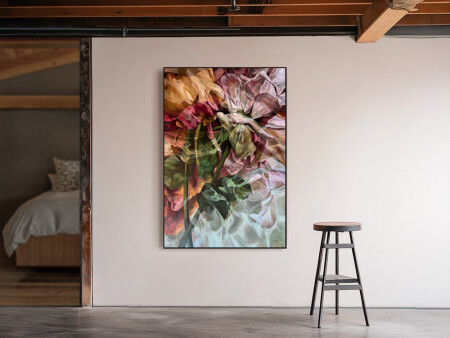
Replenish- 105x150cm

White Silks - 125x125cm
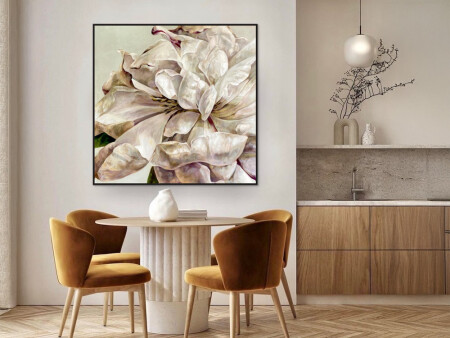
Luxuriate - 125x125cm
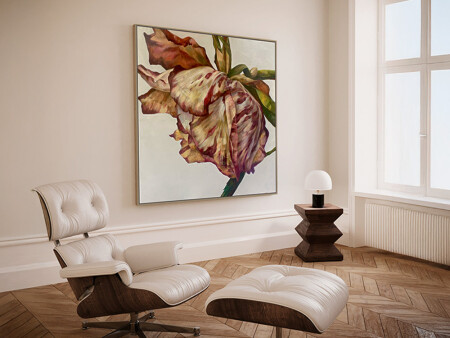
Wonder - 125x125cm
Wonder - 125x125cm
Sumptuous - 100x120cm
Sumptuous & Triumphant - 100x120cm
Opulence - 125x125cm
a thousand layers - 122x182cm
Luxuriate - 125x125cm
Replenish- 105x150cm
Triumphant - 105x125cm
White Silks - 125x125cm
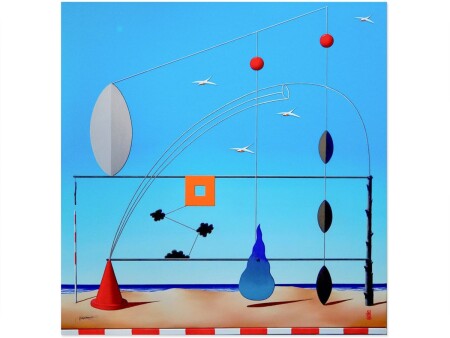
Constructed by The Sea - 111x111cm
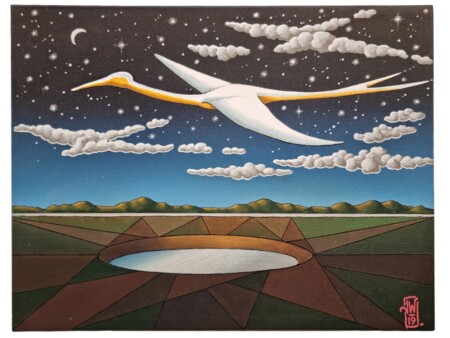
Concordial Evening - 51x39cm
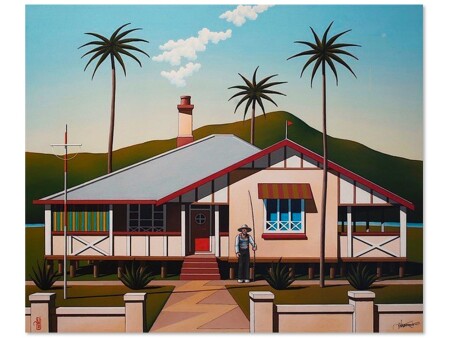
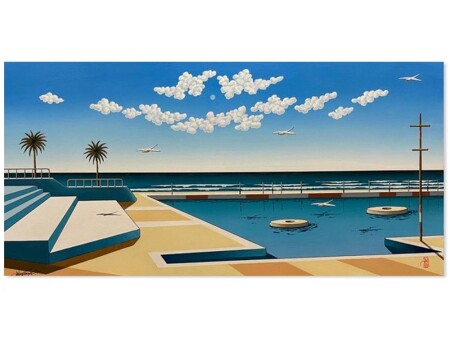
Ocean Baths Reimagined - 61x122cm
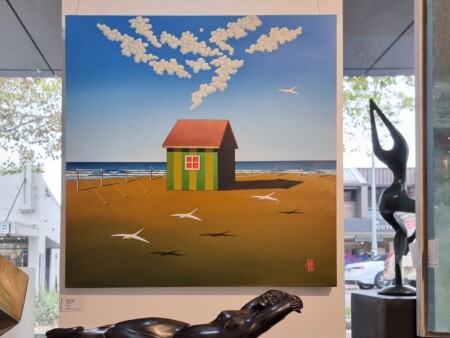
Shed on the Edge - 100x100cm
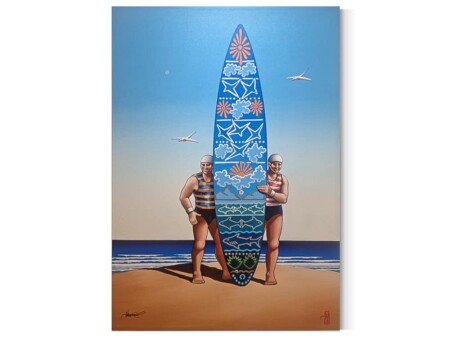
Our two man board - 73x105cm
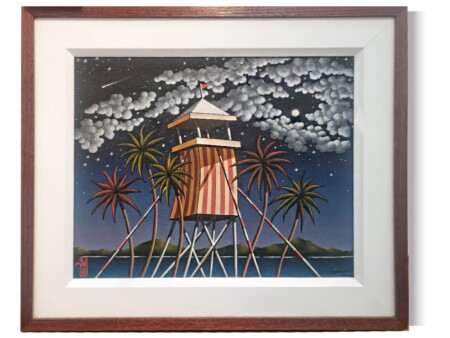
Night Moves - 47x39cm
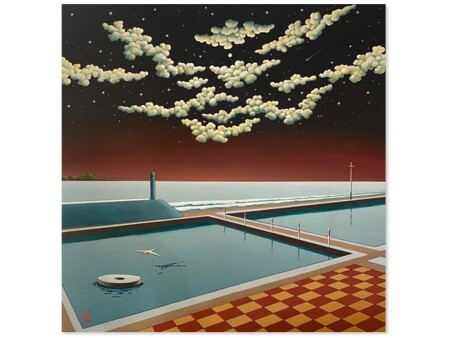
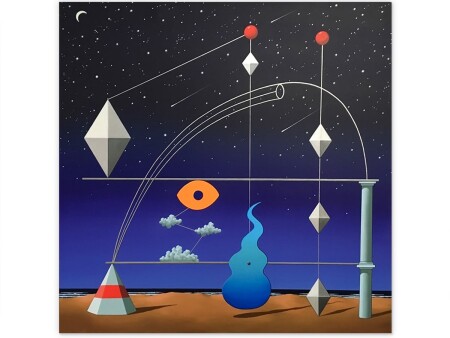
Scene Through the Eyes of a Lense - 111x111cm
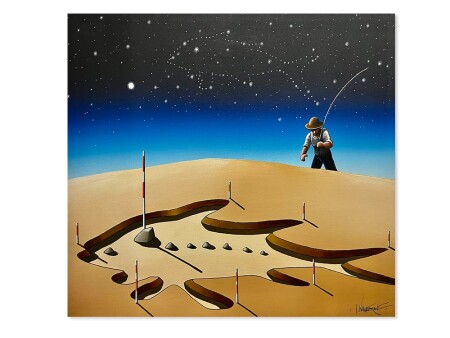
Small Fish Dreaming - 59x74cm
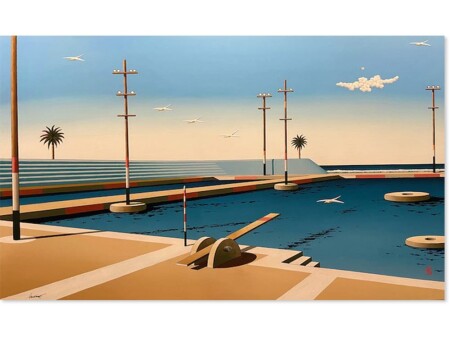
The Diver's End - 153x101cm
Scene Through the Eyes of a Lense - 111x111cm
Constructed by The Sea - 111x111cm
The Diver's End - 153x101cm
Ocean Baths Reimagined - 61x122cm
Small Fish Dreaming - 59x74cm
Shed on the Edge - 100x100cm
Concordial Evening - 51x39cm
Night Moves - 47x39cm
Our two man board - 73x105cm
Our two man board - 73x105cm
Night Moves - 47x39cm
Concordial Evening - 51x39cm
Shed on the Edge - 100x100cm
Small Fish Dreaming - 59x74cm
Ocean Baths Reimagined - 61x122cm
The Diver's End - 153x101cm
Constructed by The Sea - 111x111cm
Scene Through the Eyes of a Lense - 111x111cm
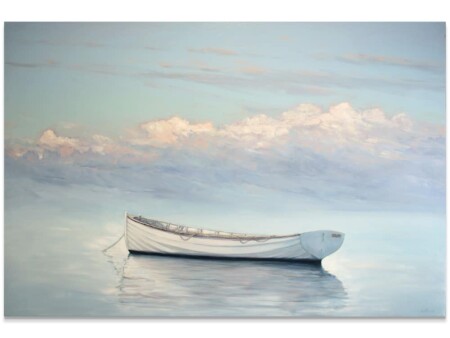
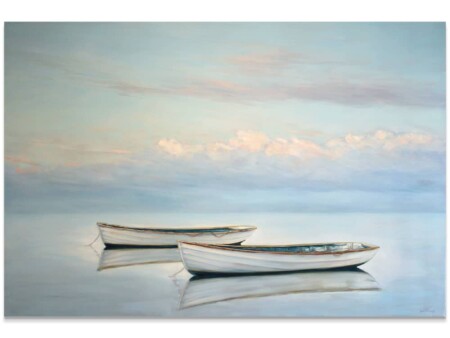
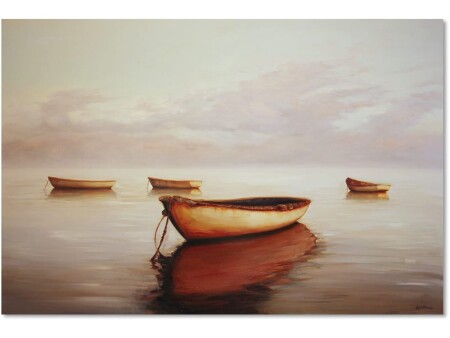
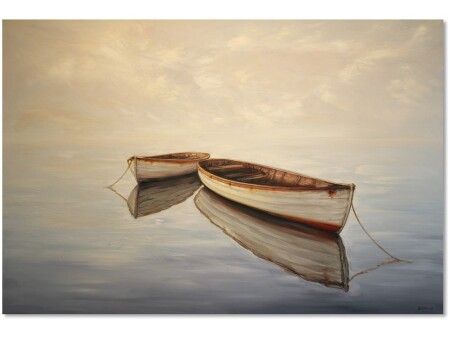
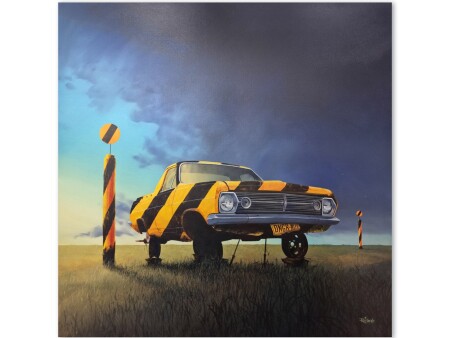
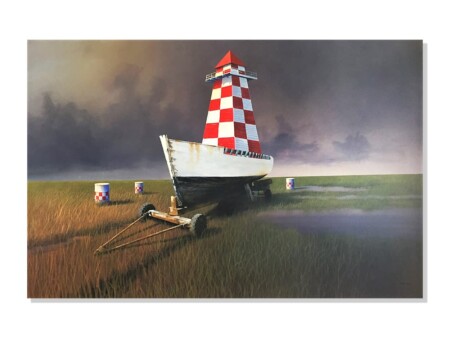
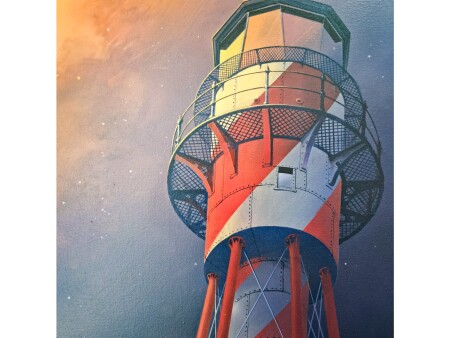
Dangerman's Lunar Lab - 153x153cm
Dangerman's Lunar Lab - 153x153cm
SOHO galleries - Australian Art
Buying Australian Art: A Guide for Collectors, Interior Designers, and Home Renovators
Australian art covers a lot of ground. Indigenous traditions that predate Western art history by tens of thousands of years. Colonial painters working out how to paint a light that didn’t exist in the European palette. Contemporary artists who are genuinely competing at an international level. If you’re buying for the first time, or buying more seriously than you have before, it helps to know what you’re looking at.
This guide covers the main things worth understanding before you buy: movements and styles, where to purchase, how pricing works, what authenticity means in practice, and how to look after what you acquire.
Understanding Australian Art
Indigenous Australian Art
Indigenous art is among the oldest continuous art tradition in the world. It includes dot painting, bark painting, rock art, and a growing body of contemporary work by Indigenous artists engaging with that heritage on their own terms. The symbols, patterns, and Dreamtime narratives in these works carry meaning that isn’t always apparent on the surface. That depth is part of what makes them worth owning carefully.
Colonial and Early Australian Art
The early European painters in Australia arrived with academic training and found a landscape that refused to behave the way European landscapes did. Artists like John Glover and Conrad Martens worked out how to paint the light, the gum trees, the sense of scale. Their struggle with unfamiliar territory is part of what makes colonial Australian work interesting.
Contemporary Australian Art
Contemporary Australian art spans abstract, figurative, digital, and conceptual practices. Artists like Ben Quilty and Del Kathryn Barton have built serious international profiles. The scene is active and genuinely diverse, with strong work coming from both established names and artists still early in their careers.
Why Buy Australian Art
Supporting working artists
Gallery sales fund studio time, materials, and the ability to keep making work. When you buy an original, a direct line runs from your wall to what that artist does next.
What it does to a space
Original art changes a room in a way that reproductions don’t. Scale, surface, and the presence of something made by hand are all part of it. An original work isn’t decoration that happens to be art. It’s the thing the room organises itself around.
Value over time
Some Australian works appreciate significantly. Established artists tend to hold value steadily. Early acquisitions from artists who go on to build substantial careers can perform well. None of that is guaranteed, but the track record of the market is worth knowing about.
Where to Buy
Online
SOHO Galleries carries original paintings, contemporary works, large-scale statement pieces, and original oil on canvas across two Sydney locations. The online collection is extensive and regularly updated.
Galleries and exhibitions
Seeing work in person before buying is worth the effort, particularly for anything large-scale. Photographs don’t capture surface, scale, or the way a work reads in real light.
- SOHO Galleries Sydney (Mosman and Woollahra) – Original paintings, contemporary art, large-scale works, oil on canvas, and a strong collection of interior sculptures including bronze and metal works.
- Artpark Australian Sculpture – Large-scale sculpture for homes and public spaces, including garden sculpture, metal garden art, and works suited to both indoor and outdoor installation.
- National Gallery of Victoria (NGV) – One of the more comprehensive permanent collections of Australian art.
- Museum of Contemporary Art (MCA), Sydney – Contemporary Australian and international work.
- Art Gallery of New South Wales – Indigenous, modern, and contemporary works across a significant permanent collection.
Choosing Art for Your Space
Matching work to interior style
There are no rules worth following strictly, but some starting points: abstract and monochrome pieces tend to work well in modern interiors; landscape and portrait painting sit comfortably in more classical rooms; Indigenous and mixed-media contemporary work can anchor a space that wants texture and complexity.
Medium matters
Oil paint, acrylic, watercolour, and works on paper all behave differently in a room and require different care. Sculpture introduces a dimension that wall-hung work can’t. It’s worth thinking about what you’re actually buying, not just what it looks like in a photograph.
Colour and mood
Warm tones and high contrast tend to energise a room. Cooler palettes and quieter compositions do the opposite. Neither is better; it depends on what the space is for and how you want to feel in it.
Framing and display
A good frame steps back and lets the work read. Lighting matters more than most people account for. A single well-positioned adjustable light will show you things in a work you’d otherwise miss. We’re happy to advise on both before you commit to anything.
Pricing and Budget
Art prices are driven by artist reputation, exhibition history, size and medium, and market demand. Those factors compound over time, which is why the same artist can have very different price points across a decade.
If you’re working with a tighter budget, prints from established artists and original works from emerging artists are both legitimate options. Emerging artist work is where some of the most interesting buying happens, for reasons beyond price.
Several galleries, including SOHO, offer payment plans. It’s worth asking if a work you want is just beyond reach. Most galleries would rather make a sale work than lose it.
Authenticity and Legal Considerations
Certificates of authenticity
Any reputable gallery or seller should provide documentation with an original work. That document should include the artist’s name, title, medium, dimensions, year, and a statement confirming the work’s authenticity. Keep it with the work.
Copyright
Purchasing a work doesn’t transfer copyright. The artist retains the right to reproduce the image unless that’s explicitly transferred in writing. For commissioned and digital works, clarify ownership rights before finalising.
Indigenous art
Buying Indigenous art ethically means purchasing from Indigenous-owned galleries or sellers with documented relationships with the artists and communities whose work they represent. Provenance matters here more than anywhere else. If a seller can’t tell you the story of where a work came from, that’s a problem.
Caring for Your Work
Keep paintings away from direct sunlight, heat sources, and damp walls. Most damage to art in domestic settings is slow and avoidable. For cleaning, a soft dry cloth is usually enough; avoid anything chemical on the surface of a painting.
For valuable works, insurance is worth arranging. A specialist art insurer will want a valuation and photographic documentation. Both are good to have regardless of insurance.
If you’re concerned about a work’s condition, a conservator is the right person to consult. We can make referrals.
Market and Trends
Abstract and digital works are growing in collector interest. Indigenous Australian art remains one of the most consistently sought-after categories in the market. The strongest signal for where value is moving is usually the exhibition circuit: artists building show histories at credible institutions tend to see market prices follow.
For emerging artists, local competitions and graduate shows are worth watching. That’s often where serious collectors find work before prices reflect wider recognition.
Commissioning a Work
If you have a specific vision or a space that nothing off the wall quite fits, commissioning is worth considering. Start by researching artists whose existing work points in the direction you have in mind. Be specific about the brief: dimensions, palette, mood, and what the space is doing are all relevant.
Agree on price, timeline, and revision process before anything starts. Request progress images at key stages. A good artist will welcome that conversation; it protects both parties.
Frequently Asked Questions
What’s the best way to buy Australian art online?
SOHO Galleries carries original works across a wide range of styles and price points. For broader browsing, platforms like Bluethumb and Art Lovers Australia aggregate work from established and emerging artists.
How do I know if an Aboriginal artwork is authentic?
Ask for provenance documents and buy from Indigenous-owned galleries or sellers with verifiable ethical sourcing. If the seller can’t tell you which community or artist produced the work and how they came to sell it, look elsewhere.
What are affordable entry points for buying Australian art?
Limited edition prints, small original works, and early-career artists are all legitimate starting points. The key is buying from reputable sources regardless of price.
How do I know if a work will suit my space?
Scale, colour, and the weight of the work in the room are the main factors. If you’re uncertain about a large-scale piece, we’re happy to advise before you buy, and can discuss installation in the context of your actual space.
Is Australian art a good investment?
Some of it, yes. The more useful question is whether you’d be glad to own the work for the next 20 years regardless of what it’s worth. If the answer is yes, the investment question tends to look after itself.