Australian Abstract Art
Australian abstract art began in Sydney, with Roy de Maistre's colour-music paintings in 1919 and the 1930s group of Grace Crowley, Ralph Balson, Rah Fizelle and Frank Hinder. Today its strongest thread is abstraction drawn from place, with coast, water, bush and light reduced to colour, mark and texture.
Abstract art does not set out to picture a recognisable subject. It uses colour, mark, texture and scale as the subject itself, and in Australia it has grown from a few Sydney experiments in 1919 and the 1930s into one of the most collected styles in the country. This guide explains the main kinds of abstract painting, the Australian story behind it, the living painters we represent, and how to choose a work for your wall.
Abstract paintings for sale
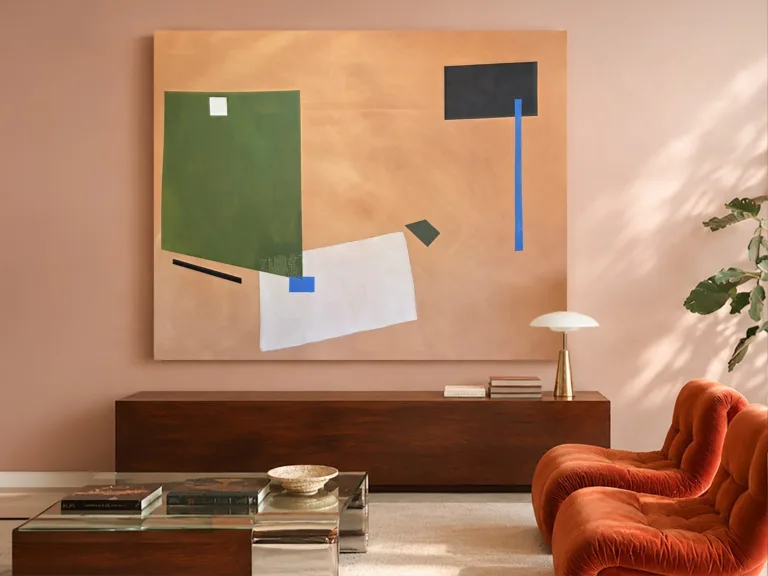 Two Become One, Become None - 190x150cm$ 7,900
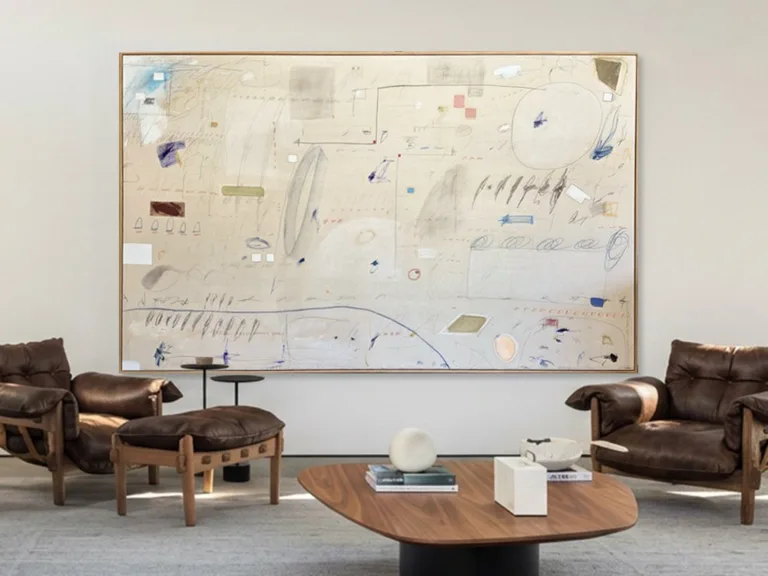 Time Passes Anyway - 217x137cm$ 9,800
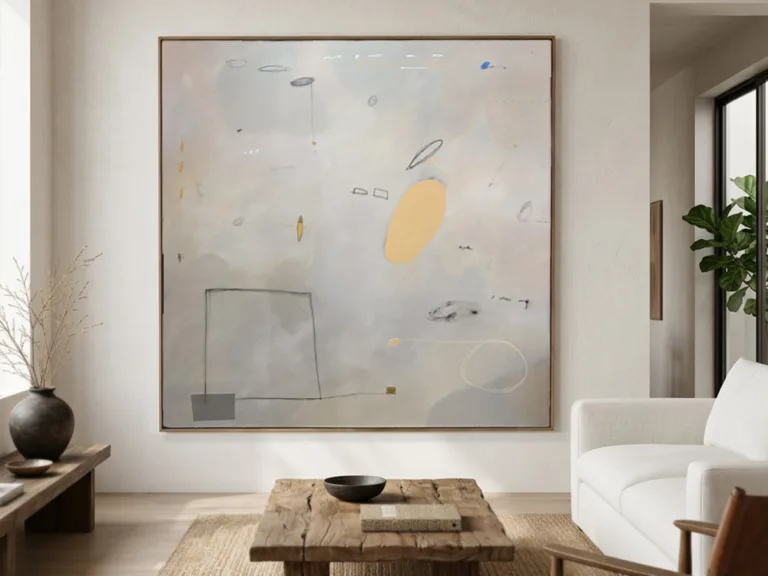 I Feel Free - 200x200cm$ 10,900
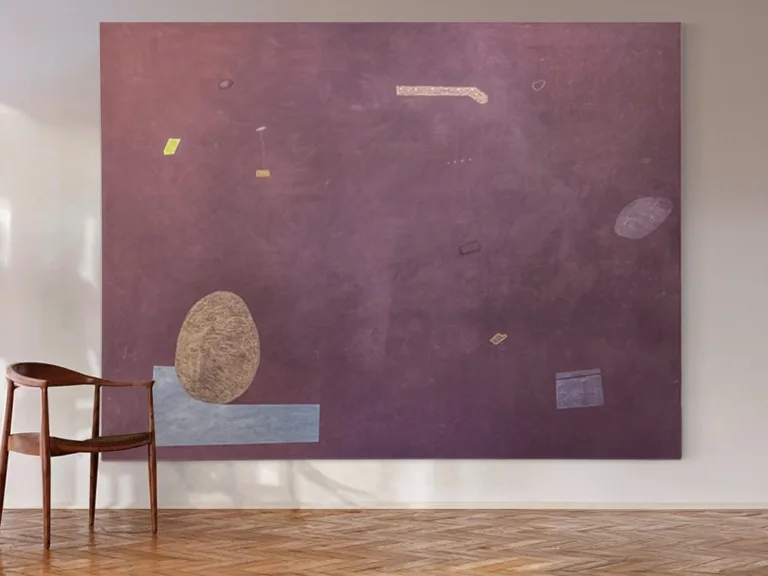 Don't You Want to Be Somebody - 250x200cm$ 13,400
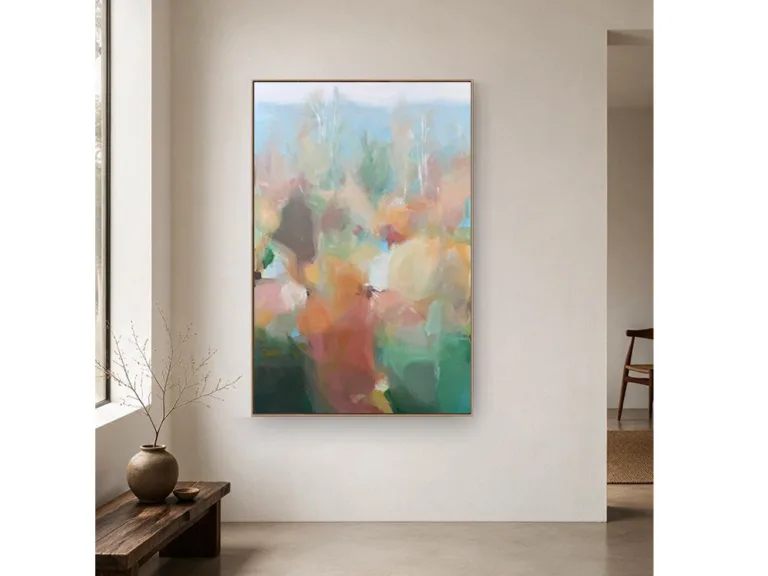 Transience - 150x100cm$ 7,000
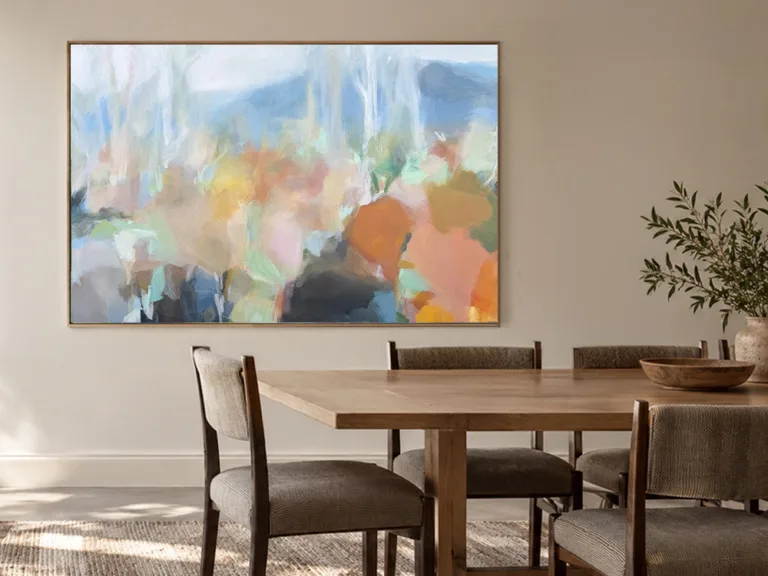 To the Hills - 100x150cm$ 7,000
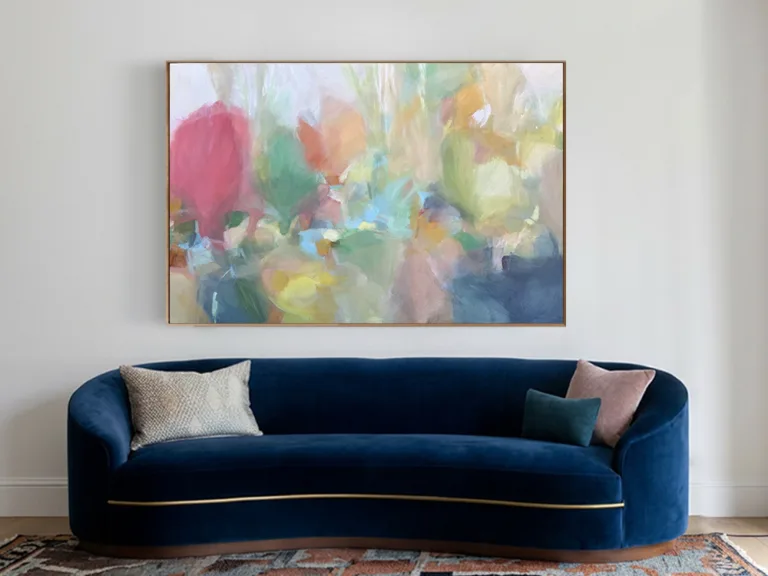 Spring Light - 100x150cm$ 7,000
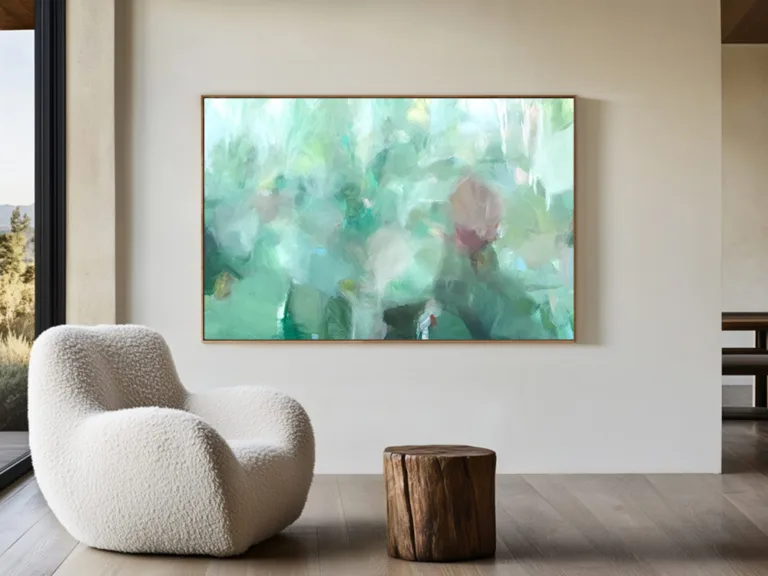 Frost - 100x150cm$ 7,000
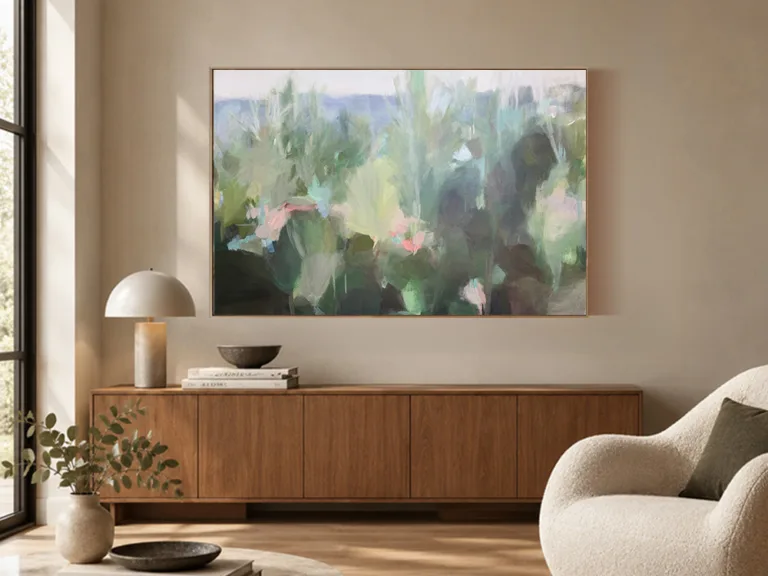 Forest Deep - 100x150cm$ 7,000
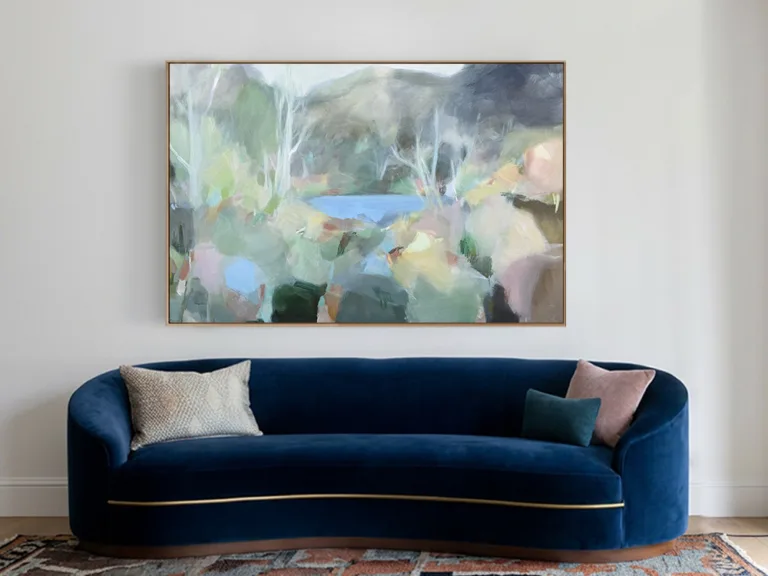 Cradle - 100x150cm$ 7,000
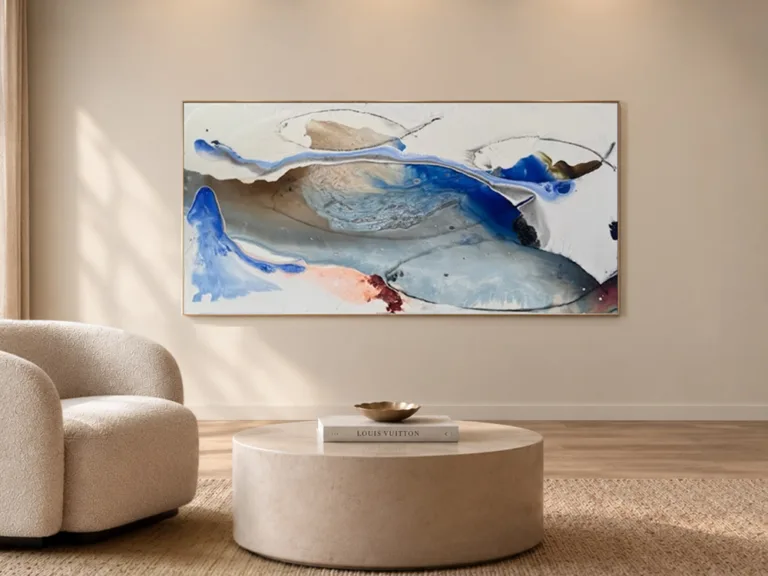 Ice Mountain Swim - 153x76cm$ 5,350
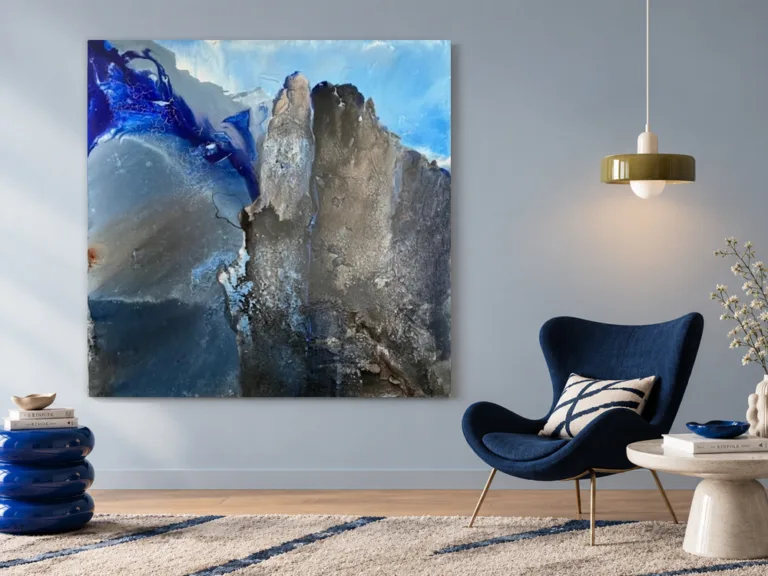 Flowing Blue - 153x153cm$ 9,800
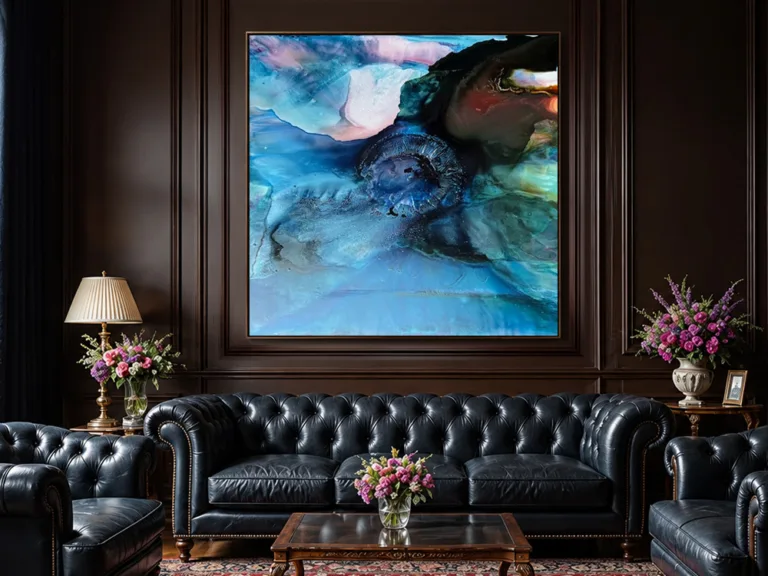 Blue Movement II - 153x153cm$ 9,800
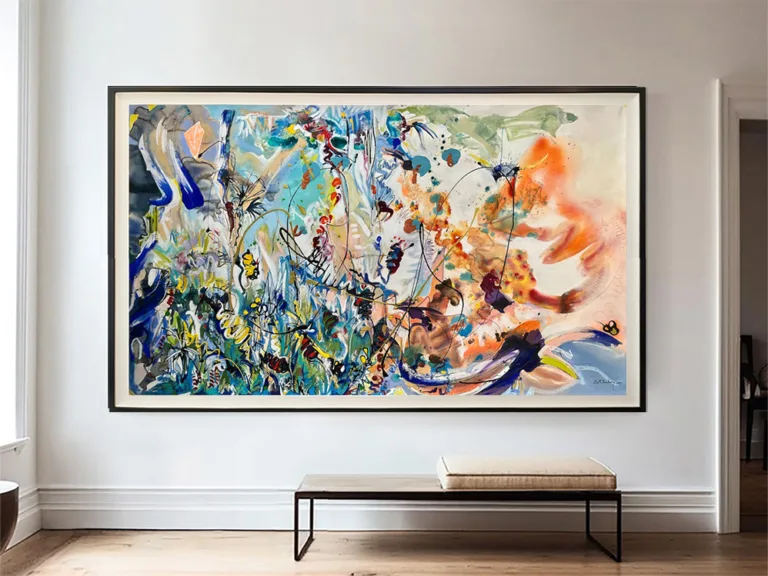 Dancing Kites - 250x150cm$ 31,300
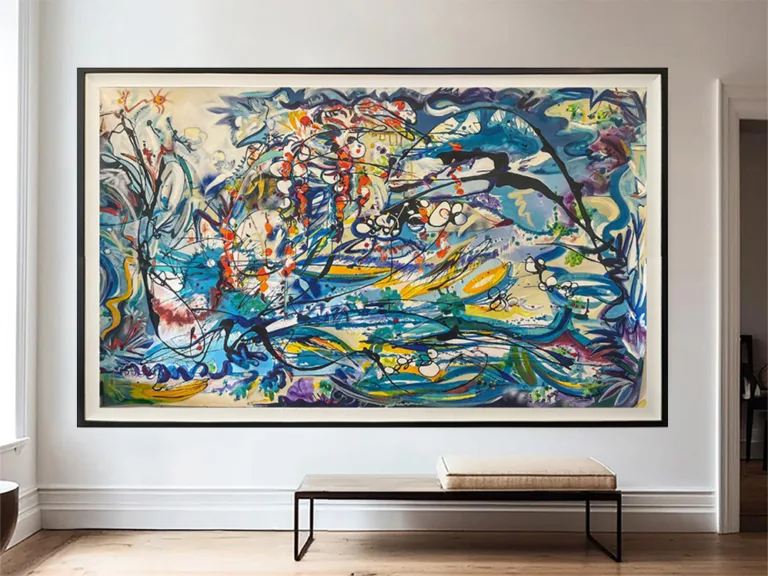 Returning Swift - 290x170cm$ 31,300
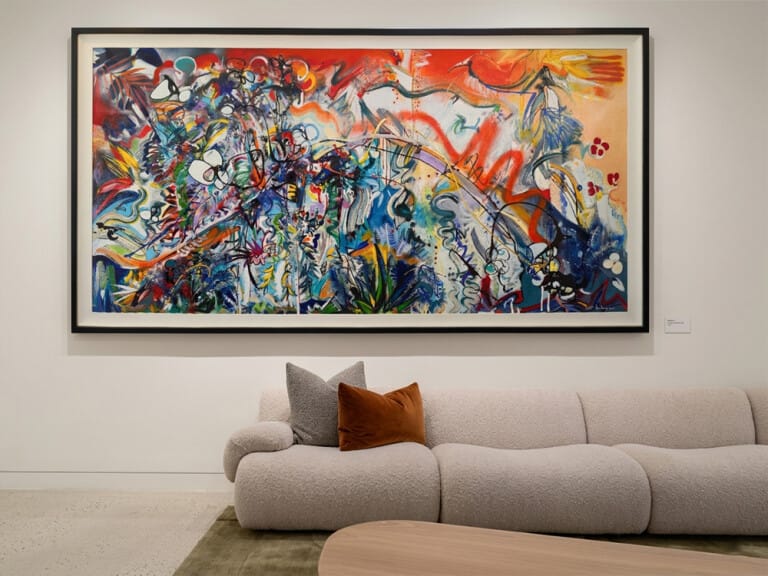 Garden Enchantment 266x135cm$ 31,150
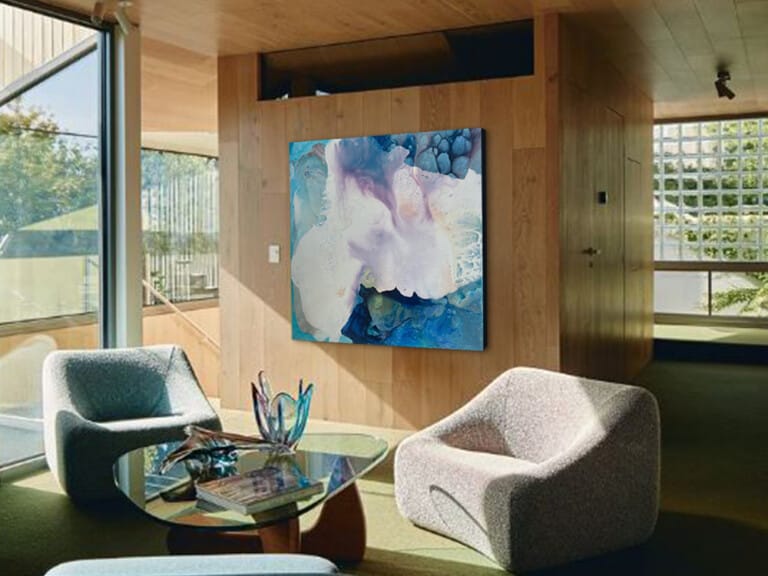 Water Space - 122x122cm$ 4,800
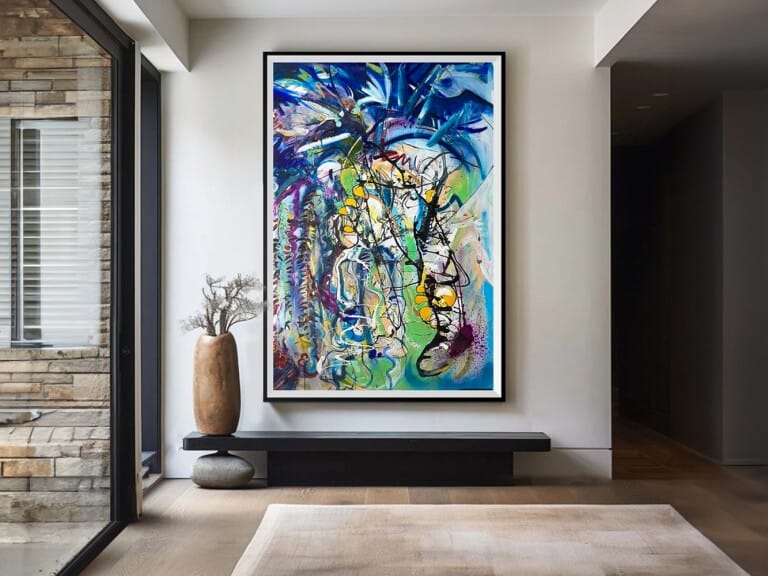 Air Orchids on Display - 190x130cm$ 19,690
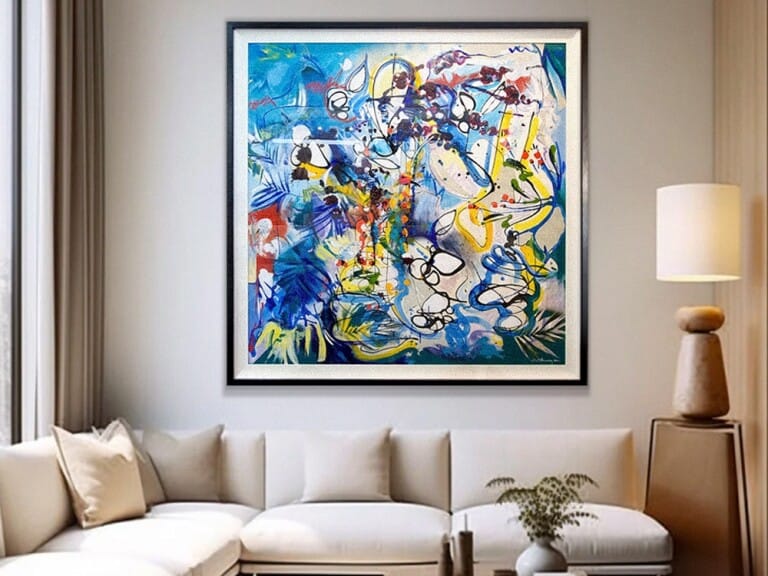 Tropics - 165x165cm$ 17,950
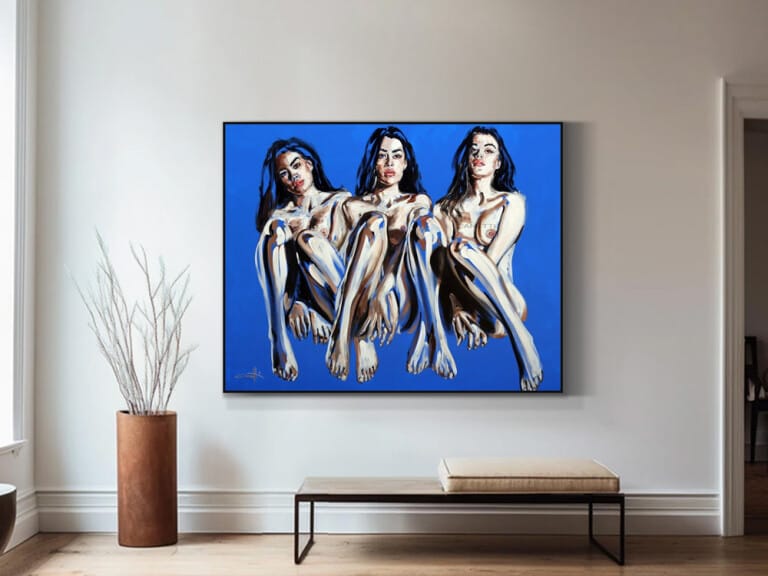 Triple Imogene - 168x137cm Original price was: $ 12,500.$ 10,900Current price is: $ 10,900.
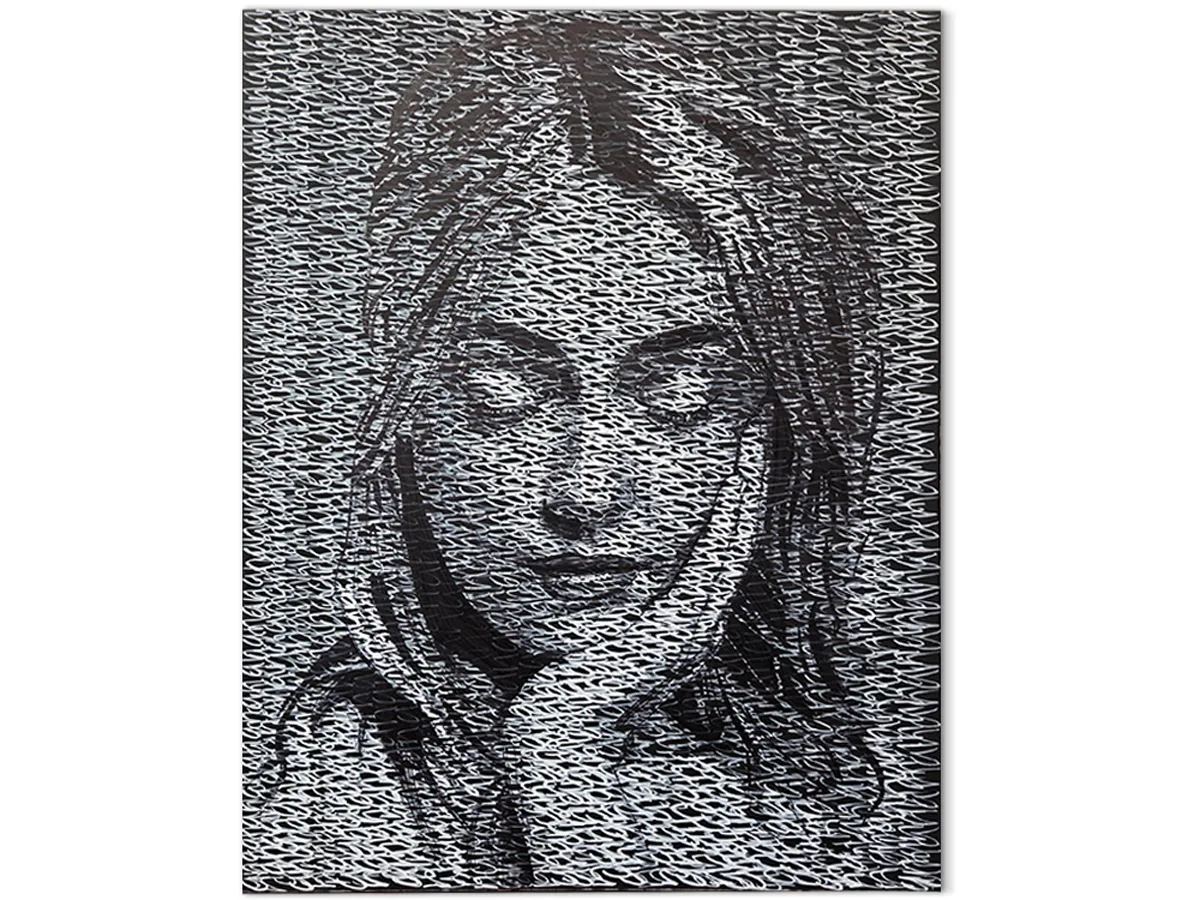 Woman at Peace - 122x152cm Original price was: $ 6,800.$ 5,850Current price is: $ 5,850.
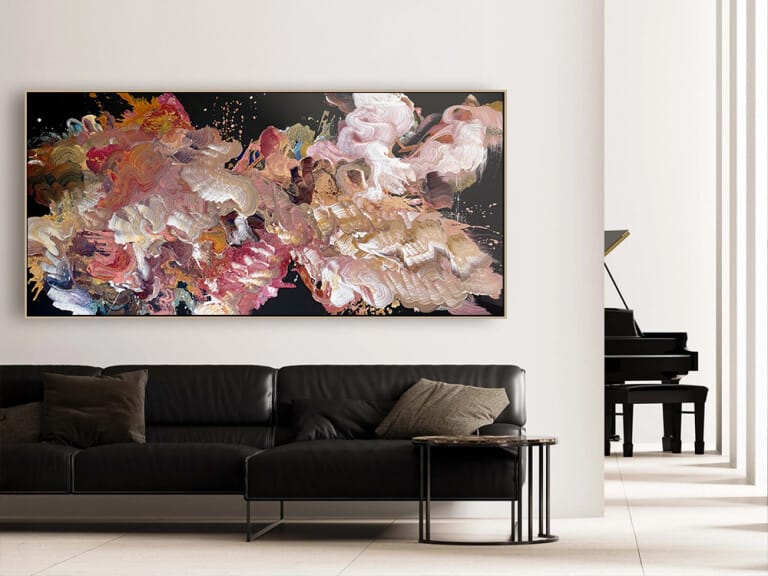 Through any window - 300x120cm$ 14,800
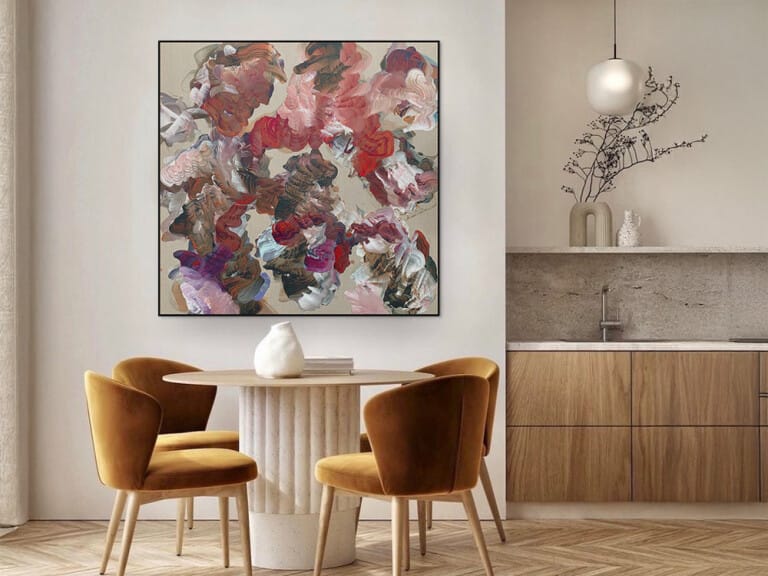 Murmur - 122x122cm$ 6,500
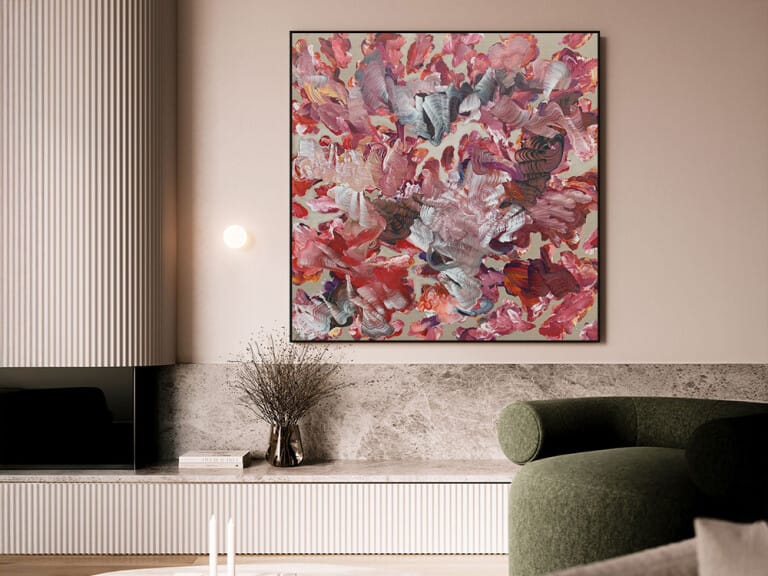 Medley - 122x122cm$ 6,500
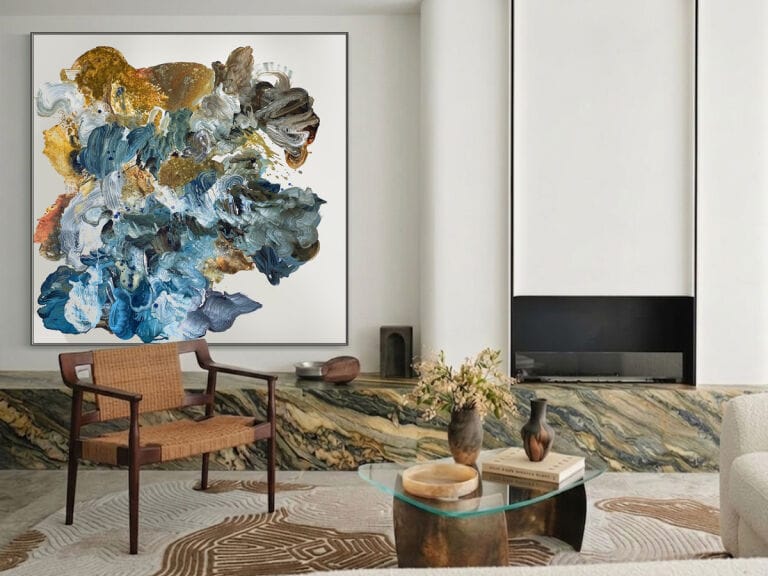 Tidal Response - 150x150cm$ 7,950
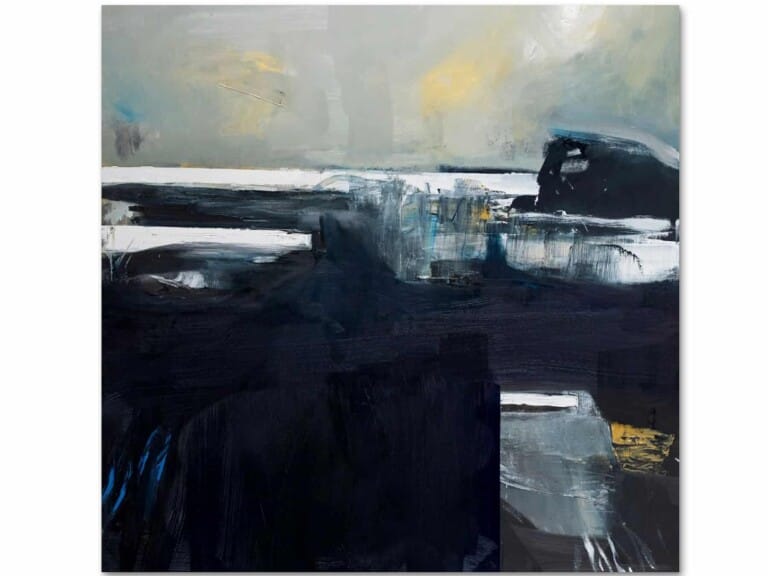 Night in the Hawkesbury - 92x92cm$ 4,900
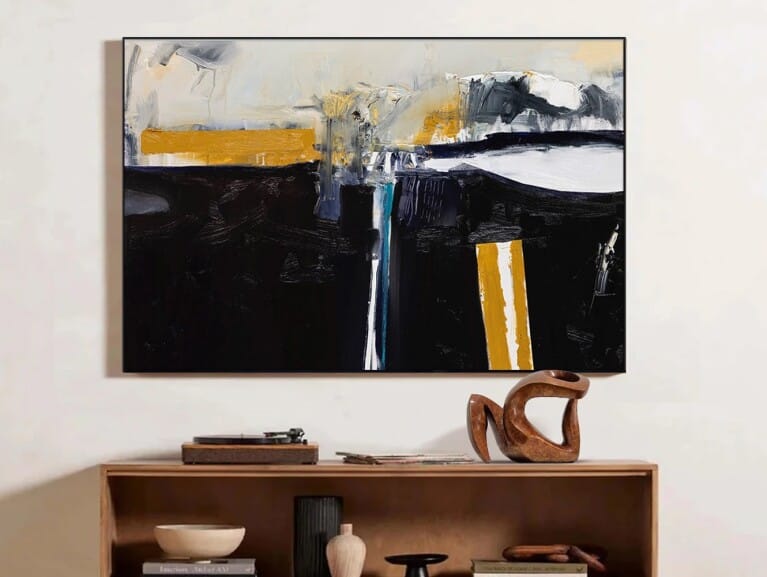 Road to Dungog (Memories of Barrington Tops) - 122x92cm$ 5,750
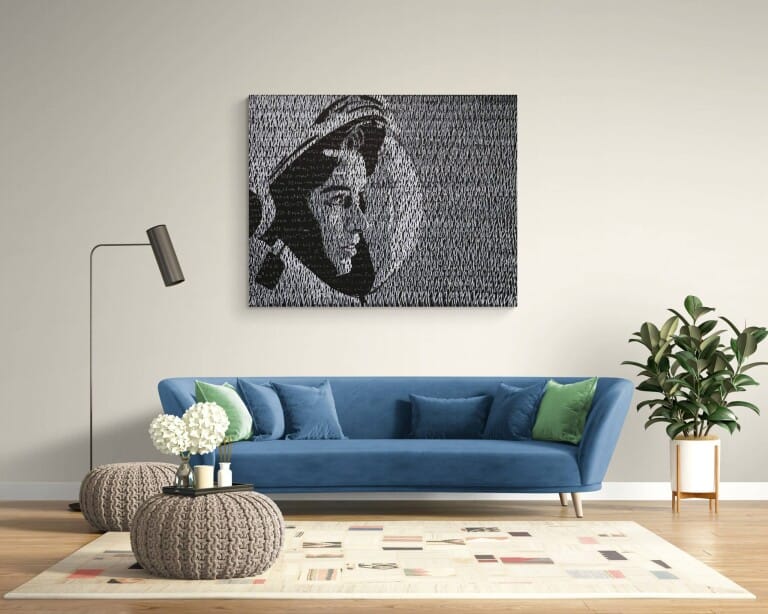 Woman on the Moon - 152x122cm Original price was: $ 6,800.$ 5,850Current price is: $ 5,850.
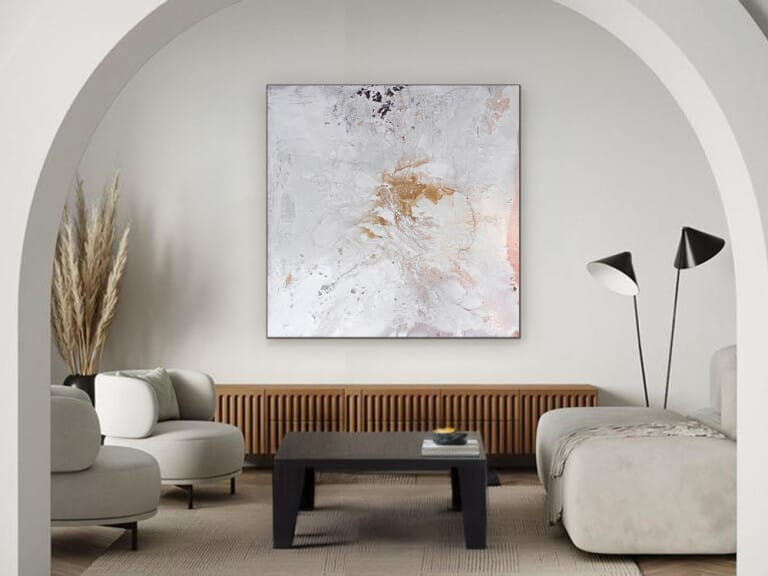 Pollen Play - 122x122cm$ 5,750
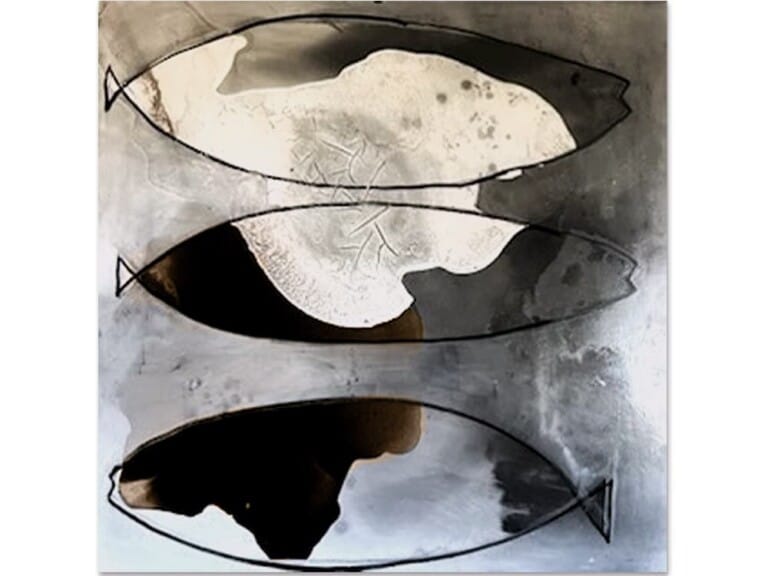 The Travellers - 102x102cm Original price was: $ 5,500.$ 5,000Current price is: $ 5,000.Two Become One, Become None - 190x150cm$ 7,900Time Passes Anyway - 217x137cm$ 9,800I Feel Free - 200x200cm$ 10,900Don't You Want to Be Somebody - 250x200cm$ 13,400
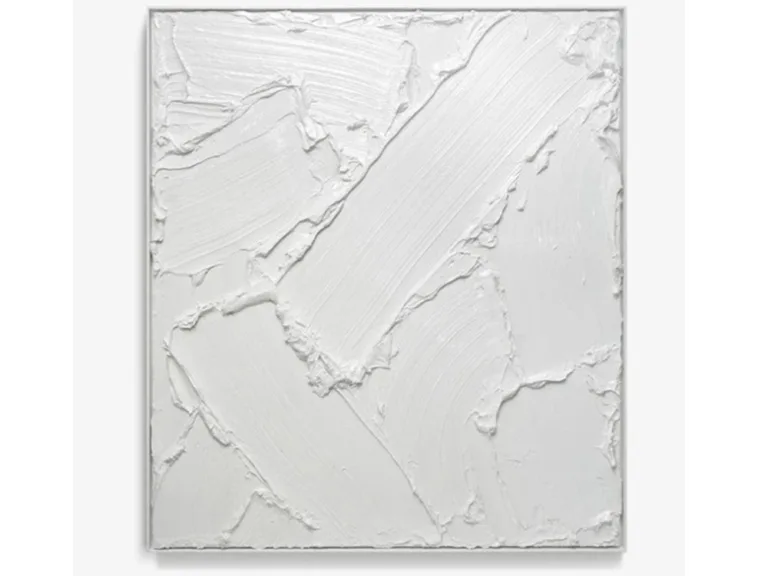 Solid State, Off-White Price range: $ 10,267 through $ 22,000
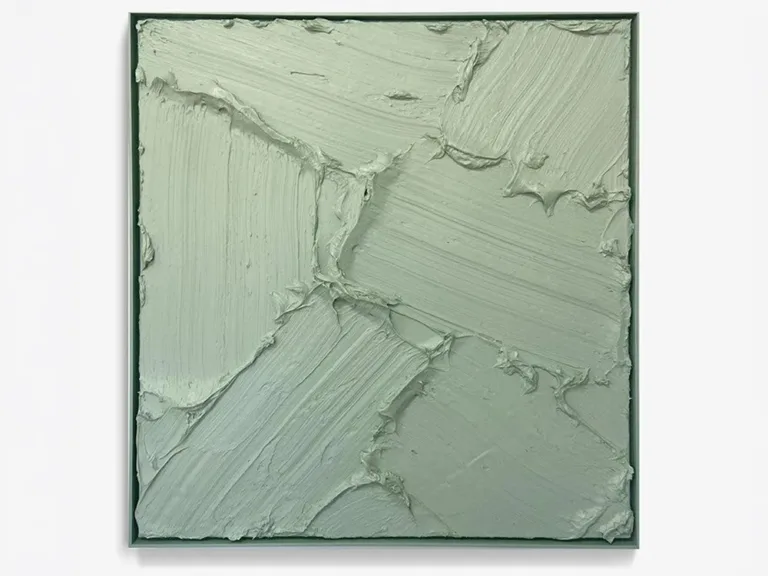 Solid State, Sage Femme Price range: $ 10,267 through $ 22,000
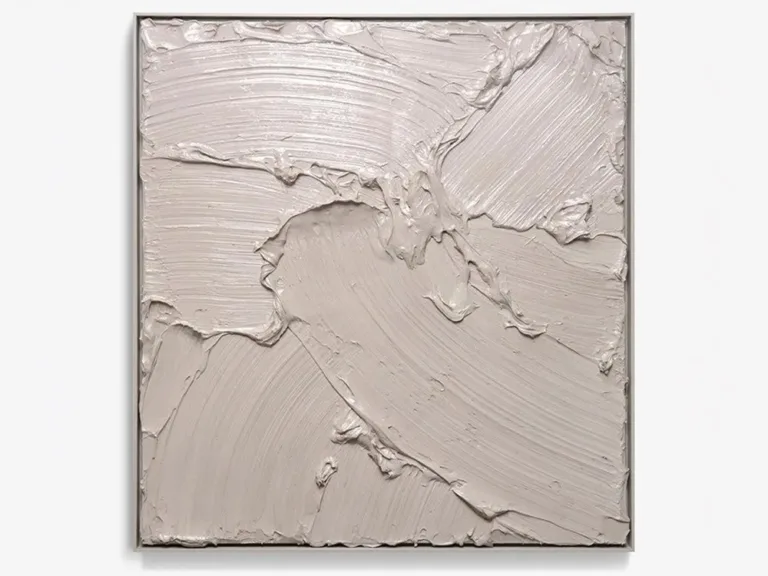 Solid State, Stone Price range: $ 10,267 through $ 22,000
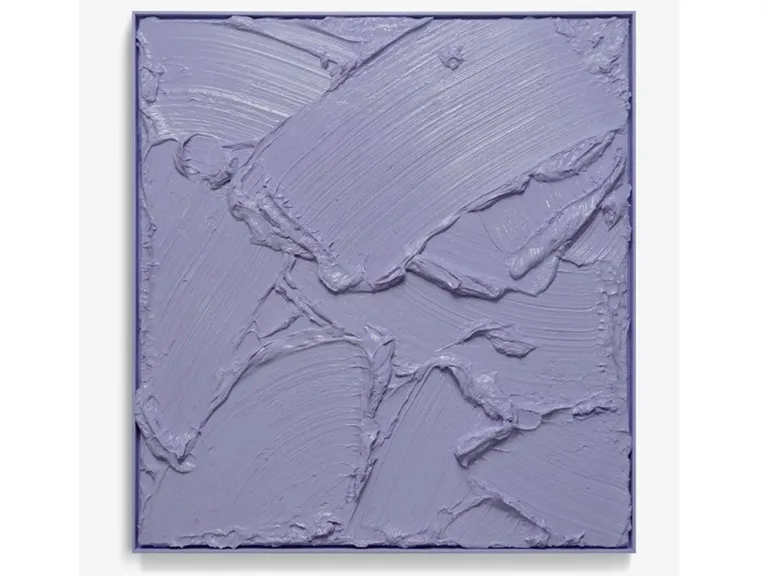 Solid State, Violet Femme Price range: $ 10,267 through $ 22,000
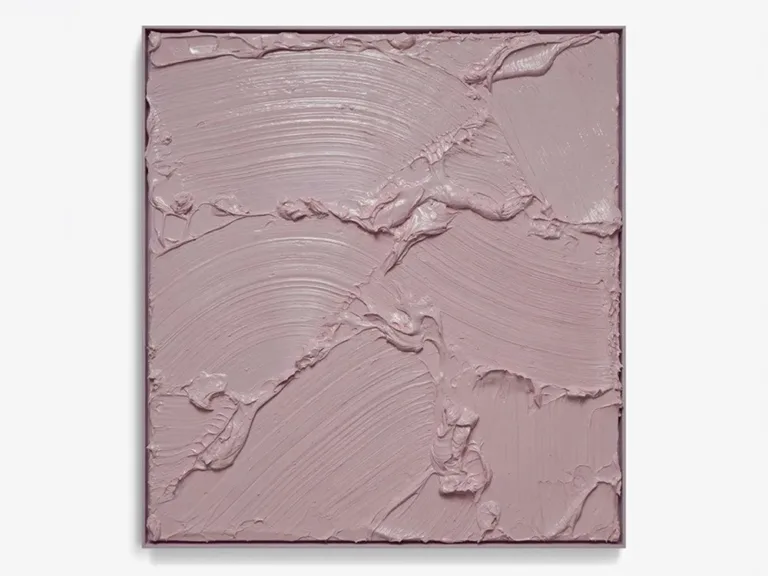 Solid State, Hush Baby Price range: $ 10,267 through $ 22,000
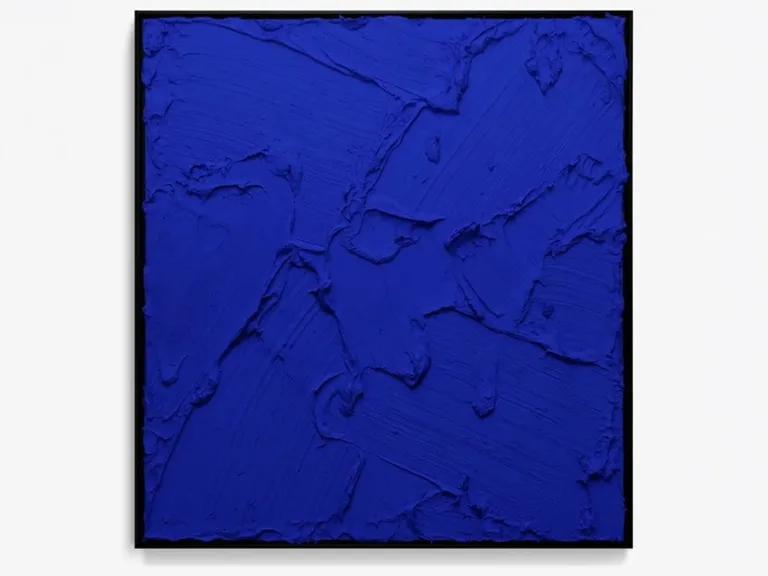 Solid State, Ode to Yves Price range: $ 10,267 through $ 22,000
See the full range on our abstract wall art and canvas paintings page, or browse large wall art, paintings by size and contemporary Australian art.
Types of abstract art
Abstract is a broad word, and most paintings sit between its poles rather than at either end. At one end the work has dropped representation altogether. At the other it starts from something real, a coastline, a garden, a memory of a place, and strips the detail away until the feeling remains. These are the approaches you will meet most often.
Gestural and expressive abstraction. The act of painting is part of the point: visible brushwork, scale, energy, layers that break through one another. It grows out of abstract expressionism, the mid-twentieth-century movement, which is one style within abstract art rather than a synonym for it.
Colour field and minimal abstraction. Large areas of colour, calm surfaces and restraint. These works set a mood in a room quietly and suit spaces where you want calm rather than drama.
Geometric abstraction. Shape, line and structure, from hard-edged to loose. Often the most architectural choice for a modern interior. The same ideas in three dimensions are in our abstract sculpture collection.
Abstracted landscape. The most common strand in Australian work. A river, a coast or a stretch of country is reduced to colour, mass and movement, so the painting reads as landscape and as abstraction at once. See also our Australian landscape paintings.
Textured and mixed-media abstraction. Built-up surfaces in paint, pigment, sand, paper or plaster. The surface changes through the day, so these paintings reward being seen in person.
Abstraction in Australia
For much of the early twentieth century Australian painting stayed largely figurative and landscape-based. The first abstract paintings shown in Australia were Roy de Maistre's and Roland Wakelin's "colour music" works, exhibited in Sydney in 1919. In Sydney in the 1930s and 40s a small group, including Grace Crowley, Rah Fizelle, Ralph Balson and Frank Hinder, began exploring non-representational painting and showed together in Exhibition I at the David Jones Art Gallery in 1939. They are usually named as the pioneers of Australian abstraction. In Queensland Ian Fairweather, working from Bribie Island, developed a personal abstract language of line and calligraphic mark.
After the war abstraction moved to the centre of the conversation. John Olsen's gestural, line-driven paintings of the Australian landscape, including his Salute to Five Bells for the Sydney Opera House, showed how abstraction could still be rooted in place. In 1968 The Field, the exhibition that opened the National Gallery of Victoria's St Kilda Road building, introduced colour field and hard-edge abstraction to a wide Australian audience. Those artists are covered, with their contemporaries, in our guide to famous Australian artists.
Today the strongest thread is still abstraction drawn from place: coast, water, bush and light, treated through colour and texture rather than description. It sits alongside bolder, more expressive work made at a scale suited to open-plan homes, which is the part of the market we focus on.
Abstract painters at SOHO Galleries
Every artist here is a living Australian painter we represent, and each work is an original. For other styles and subjects, see our full range of original Australian art.
Conchita Carambano is a Spanish-born Australian painter who has refined a textured, multi-layered abstraction over more than 40 years. The Australian landscape is a constant source, though rarely a literal one.
Phil Stallard builds abstracted Sydney waterways from memory, often returning to the Hawkesbury River he explored as a child, layering colour fields with gestural marks borrowed from the city's graffitied walls and construction sites.
Michael Whitehead makes large, layered works built on deliberate tension. In his own words, he likes "each brush stroke to challenge the previous one," letting the under-painting break through "to provide a glimpse of a secret world beneath."
Peter Griffen works from controlled chaos, reducing Australian country to colour, mass and movement.
Amanda Ketterer is a Melbourne-based, English-born intuitive painter working at the junction of pattern and botanical form. If botanical work appeals, see also our floral paintings.
Yosi Messiah brings bold colour and vigorous mark-making, laying colour down in sections to give his work depth and movement.
Also in the collection: Zoe Ellenberg, Henryk Lobaczewski and Margarita Georgiadis. See every painter on the Australian artists page.
How to choose an abstract painting
Go large rather than small. Abstract work forgives a wall that is too big far more than one that is too small. As a rule of thumb, aim for the painting to fill about two-thirds to three-quarters of the width of the furniture beneath it. Our large wall art guide covers sizing and hanging height.
Pick the mood first, the colour second. Ask what the room needs. Soft, low-contrast work calms a bedroom or study. Strong colour and visible gesture energise a living area or entry. Then pull one colour from the room, a rug, timber or cushion, or choose a deliberate contrast.
See it in the light it will live in. Textured and layered surfaces change between morning and evening and between daylight and lamps. We offer room visualisations and in-home trials across greater Sydney so you can judge it on your own wall.
Match the viewing distance. Gestural, heavily worked pieces need room to be read, so hang them where people can step back. Quieter, flatter compositions work well in a hallway or above a bedhead, where they are seen close and often.
Think about framing. Many abstract canvases hang unframed, while works on paper and board usually want a frame. Our picture framing service can advise.
Can't find the size or colour? Several of our abstract painters take art commissions in Sydney, painted to your size, and we advise designers through the trade programme.
Abstract art FAQ
What is abstract art, in simple terms?
Art that does not try to depict a recognisable subject. It uses colour, line, form and texture as the subject itself.
What is the difference between abstract art and abstract expressionism?
Abstract art is the whole category of non-representational work. Abstract expressionism is one specific mid-twentieth-century movement within it: large-scale, gestural and emotionally driven, where the act of painting is part of the meaning.
Who are the pioneers of Australian abstract art?
Roy de Maistre and Roland Wakelin showed the first abstract paintings in Sydney in 1919. Grace Crowley, Rah Fizelle, Ralph Balson and Frank Hinder took it further in 1930s and 40s Sydney, with Ian Fairweather and, later, John Olsen shaping the post-war story.
Who are Australian abstract artists I can buy today?
At SOHO Galleries we represent living Australian abstract painters including Conchita Carambano, Phil Stallard, Michael Whitehead, Peter Griffen, Amanda Ketterer and Yosi Messiah.
Where can I buy abstract art in Sydney?
At SOHO Galleries, 150 Edgecliff Road, Woollahra, open seven days, or online with Australia-wide delivery.
How do I choose the right size abstract painting?
Measure the wall and aim for the work to fill roughly two-thirds to three-quarters of the width of the furniture beneath it. If in doubt, go larger.
Can I try an abstract painting at home before buying?
Yes. We offer room visualisations and in-home trials across greater Sydney.